
Advances and Trends in Nutraceutical and Functional Plant-based Food

Cover image for Research Topic "Advances and Trends in Nutraceutical and Functional Plant-based Food"
172kviews
Editorial13 March 2023
Editorial: Advances and trends in nutraceutical and functional plant-based food

The production of large amounts of animal-based food (such as meat, fish, egg and milk) has been proposed as one of the negative impacts on global environmental sustainability. Traditional livestock for food typically causes more pollution and water use, exhibits greater greenhouse gas emissions, and leads to greater losses in biodiversity. As a result of the environmental, ethical, and health concerns, the plant-based food market is expanding rapidly and the food industry is creating a new generation of plant-based products to meet this demand. Plant-based foods are commonly classified into vegetables, cereals, pulses, fruits, and nuts, and their derived processed counterparts such as bakery products, pasta, breakfast cereals, vegetable preserves, fermented fruits and vegetables, meat analogs, plant-based emulsions, gels, oils and other delivery systems. Algae and mushrooms are also recently being explored as sources of novel foods.

Compared to animal-based food, there has been increasing scientific research on plant-based foods because of their potential sustainability and health-related benefits, as foods rich in starch, proteins, lipids, dietary fiber, and phytonutrients. From microalgae to pulse, the potential health benefits of these vegetable ingredients are being explored and tested (1-2). Cutting-edge techniques such as nanotechnology and encapsulation are being used to enhance the efficacy and bioavailability of components, making them even more attractive to consumers (3). The main challenge is to achieve nutrition and functionality of these plant-based foods using healthy and sustainable plant-derived ingredients with desirable appearance, flavor, sensory, and other physicochemical attributes (2-3). It is also argued that large quantities of nutraceutical and functional food have to be consumed to possess the claimed health benefits, yet the safety and health aspects of plant bioactive compounds are not fully clear.

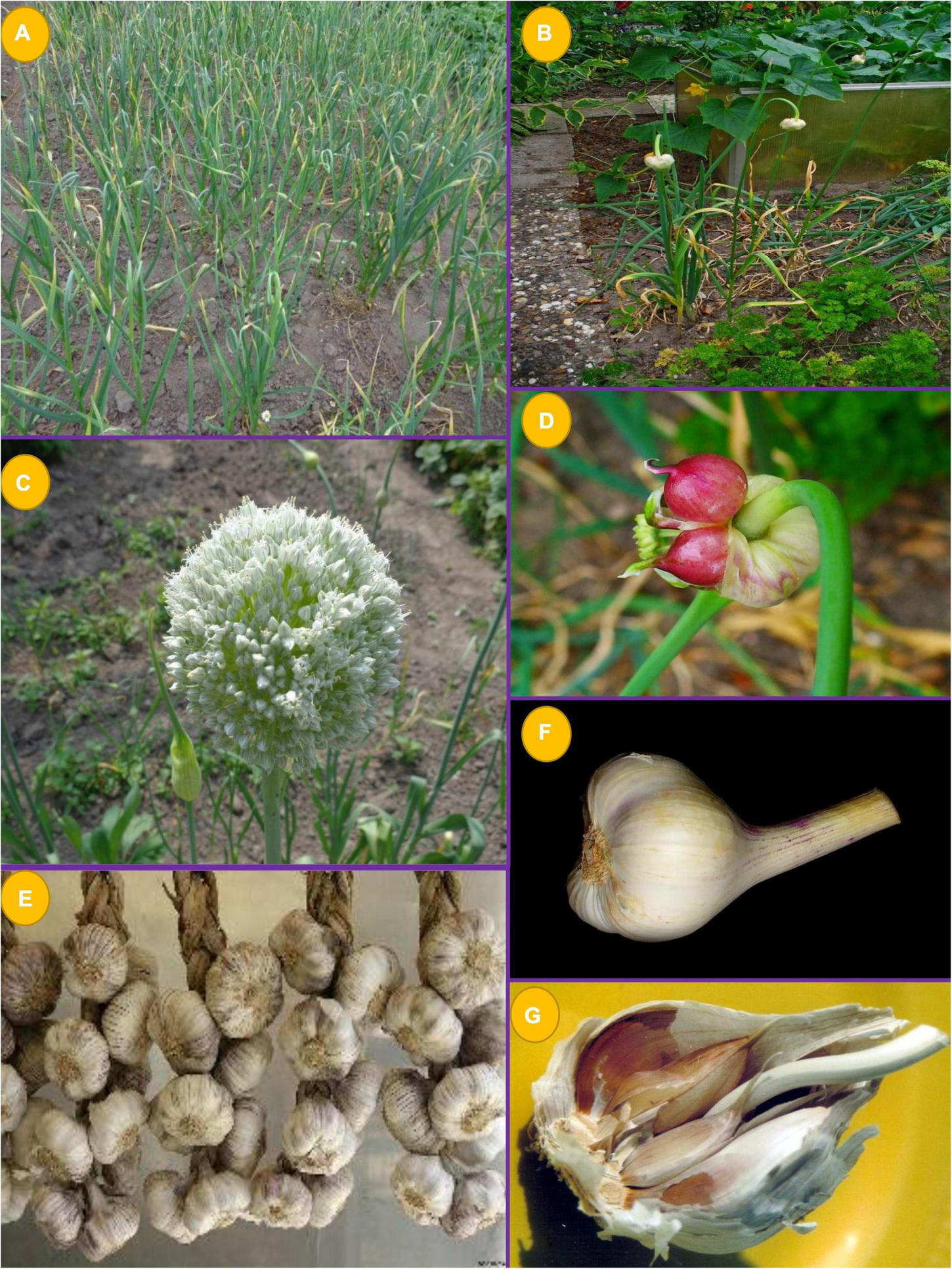
Eleven quality papers, 8 research articles, and three reviews articles, are published in this Research Topic. The topics that were researched are: citrus peel flavonoid extracts: potential beneficial bioactivities and regulation of intestinal microecology in vitro; role of macelignan in inhibiting Tau phosphorylation and Aβ aggregation in the cell model; potential benefits of using soybean pressed cake as an effective substrate for the commercial production of conjugated linoleic acid and eicosapentaenoic acid by Bifidobacterium lactis; chrysanthemum flavonoids main components, luteolin and luteoloside, and their potential hypolipidemic mechanism; potential antidepressant effects of chlorella and lion's mane mushroom complex as a dietary supplement; the improvement of grain filling of maize via novel high planting density and varying nitrogen application rate; assessment of golden-flowered tea (Camellia nitidissima Chi) fractions and the anti-non-small cell lung cancer (NSCLC) effects in vitro and in vivo; the nutritional value of the extrusion-processed micronutrient-fortified corn snacks enriched with protein and dietary fiber. The reviews include a summary of phytochemistry, pharmacology, and promising traditional uses of Lagenaria siceraria Molina (Standl.) fruit; ethnobotanical and pharmacological aspects of Allium sativum L. (Garlic) with notes on its phytochemistry, ethnopharmacology, toxicological aspects, and clinical studies; the advances in the study of Syzygium aromaticum (L) Merr.Perry, as an aromatic plant in tropical regions worldwide, comprehending information on composition, phytochemistry, bioactive substances, and potential applications.

In conclusion, the present Research Topic provides several examples of nutraceutical and functional plant-based foods and their applications. We hope it can provide new insights of innovative scientific understanding in this area and promote interest in further work and studies required for the development of nutraceutical and functional plant-based foods.

Author Contributions

GC drafted the manuscript. GC, and MC provided critical review and insight and revised the final version of the editorial. All authors contributed to the article and approved the submitted version.

Conflict of Interest

The authors declare that the research was conducted in the absence of any commercial or financial relationships that could be construed as a potential conflict of interest.
2,928 views

4 citations

Traditional uses, phytochemistry, pharmacology and toxicology of garlic (Allium sativum), a storehouse of diverse phytochemicals: A review of research from the last decade focusing on health and nutritional implications
REVIEW
28 October 2022
Traditional uses, phytochemistry, pharmacology and toxicology of garlic (Allium sativum), a storehouse of diverse phytochemicals: A review of research from the last decade focusing on health and nutritional implications
Allium sativum L. (Garlic) is a fragrant herb and tuber-derived spice that is one of the most sought-after botanicals, used as a culinary and ethnomedicine for a variety of diseases around the world. An array of pharmacological attributes such as antioxidant, hypoglycemic, anti-inflammatory, antihyperlipidemic, anticancer, antimicrobial, and hepatoprotective activities of this species have been established by previous studies. A. sativum houses many sulfur-containing phytochemical compounds such as allicin, diallyl disulfide (DADS), vinyldithiins, ajoenes (E-ajoene, Z-ajoene), diallyl trisulfide (DATS), micronutrient selenium (Se) etc. Organosulfur compounds are correlated with modulations in its antioxidant properties. The garlic compounds have also been recorded as promising immune-boosters or act as potent immunostimulants. A. sativum helps to treat cardiovascular ailments, neoplastic growth, rheumatism, diabetes, intestinal worms, flatulence, colic, dysentery, liver diseases, facial paralysis, tuberculosis, bronchitis, high blood pressure, and several other diseases. The present review aims to comprehensively enumerate the ethnobotanical and pharmacological aspects of A. sativum with notes on its phytochemistry, ethnopharmacology, toxicological aspects, and clinical studies from the retrieved literature from the last decade with notes on recent breakthroughs and bottlenecks. Future directions related to garlic research is also discussed.

40,097 views

99 citations

REVIEW
14 October 2022
Recent advances in nutritional composition, phytochemistry, bioactive, and potential applications of Syzygium aromaticum L. (Myrtaceae)
Qing Xue, 4 more and Xiaonan Liu

16,895 views

62 citations

ORIGINAL RESEARCH
28 October 2022
Active fractions of golden-flowered tea (Camellia nitidissima Chi) inhibit epidermal growth factor receptor mutated non-small cell lung cancer via multiple pathways and targets in vitro and in vivo
Ziling Wang, 8 more and Hongzhi Du

5,595 views

30 citations

REVIEW
16 September 2022
Lagenaria siceraria fruit: A review of its phytochemistry, pharmacology, and promising traditional uses
Muhammad Saeed, 8 more and Sun Chao
Lagenaria siceraria fruit: A review of its phytochemistry, pharmacology, and promising traditional uses
For many centuries, the Cucurbitaceae family has been imparting a vital role being as a source of therapeutic medicines. Researchers have studied the various plants of this family due to their medicinal potential. Throughout the continent of Asia, different components of Lagenaria siceraria have been used as an ointment for the treatment of many ailments. The fruit of Lagenaria siceraria is rich in fat, carbohydrates, fiber, protein, calcium, and magnesium. Various properties that are beneficial for human health have been attributed to this plant like antioxidant, hypolipidemic, diuretic, laxative, hepatoprotective, analgesic, antihypertensive, cardioprotective, central nervous system stimulant, anthelmintic, free radical scavenging, immunosuppressive and adaptogenic. The species possess a diverse set of biological compounds like flavonoids, sterols, saponins, and terpenoids. The extracts of Lagenaria siceraria have been shown to have a variety of pharmacological properties. Lagenaria siceraria performs a wide range of pharmacological and physiological actions. The literature was taken from Pub-Med, Science Direct, Google scholar etc. showing the remarkable effects to treat human and animal illnesses due to its’ potent bioactive chemicals that have great medicinal potential. The key objective of this thorough analysis is to present a summary of the data about the beneficial and harmful effects of Lagenaria siceraria intake on human health, as well as in veterinary fields.

34,178 views

71 citations

ORIGINAL RESEARCH
6 September 2022
The hypolipidemic mechanism of chrysanthemum flavonoids and its main components, luteolin and luteoloside, based on the gene expression profile
Jihan Sun, 5 more and Guiju Sun

4,430 views

9 citations

ORIGINAL RESEARCH
2 September 2022
Potential antidepressant effects of a dietary supplement from the chlorella and lion's mane mushroom complex in aged SAMP8 mice
Ming-Yu Chou, 13 more and Ming-Fu Wang

30,065 views

15 citations

Citrus Peel Flavonoid Extracts: Health-Beneficial Bioactivities and Regulation of Intestinal Microecology in vitro
ORIGINAL RESEARCH
24 May 2022
Citrus Peel Flavonoid Extracts: Health-Beneficial Bioactivities and Regulation of Intestinal Microecology in vitro
Ping Li, 4 more and Qing Gu
Citrus peel and its extracts are rich in flavonoids, which are beneficial to human health. In this study, the extraction, component analysis, biological activity and intestinal microbiota regulation of citrus peel flavonoid extracts (CPFEs) were investigated. CPFEs from 14 Chinese cultivars were purified by ultrasound-assisted extraction and XAD-16 macroporous resin. The total flavonoid content of lemon was greatest at 103.48 ± 0.68 mg/g dry weight (DW) by NaNO2-Al(NO3)3-NaOH spectrophotometry. Using high-performance liquid chromatography–diode array detection, the highest concentrations of naringin, hesperidin and eriocitrin were found in grapefruit (52.03 ± 0.51 mg/g DW), chachiensis (43.02 ± 0.37 mg/g DW) and lemon (27.72 ± 0.47 mg/g DW), respectively. Nobiletin was the most polymethoxylflavone in chachiensis at 16.91 ± 0.14 mg/g DW. CPFEs from chachiensis and grapefruit had better antioxidant activity, α-glucosidase inhibitory and sodium glycocholate binding ability. In addition, chachiensis and grapefruit CPFEs had positive effects on intestinal microecology, as evidenced by a significant increase in the relative abundance of Bifidobacterium spp., and production of short-chain fatty acids, especially acetic acid, by a simulated human intestinal model. Collectively, our results highlight the biological function of CPFEs as prebiotic agents, indicating their potential use in food and biomedical applications.

25,775 views

79 citations

ORIGINAL RESEARCH
18 May 2022
Inhibitory Effects of Macelignan on Tau Phosphorylation and Aβ Aggregation in the Cell Model of Alzheimer's Disease
Liang Gu, 10 more and Xu Xu

4,747 views

15 citations