In March 2020, the World Health Organization declared a pandemic. The Centers for Disease Control and Prevention (CDC; 2020) issued a widespread campaign to better understand COVID-19, including instructions on how to reduce the spread. In addition to mask mandates and hand washing protocols, there was a call for social distancing, which referred to maintaining a safe physical separation from others. Clearly, many industries across the country were impacted – including PreK-12 educational systems. An immediate response to in-person school disruptions involved educational leaders pivoting to online and remote learning opportunities – and later hybrid opportunities – to continue providing instruction will protecting students, their families, and school personnel from contracting this virulent virus (Lane, Oakes, & Menzies, 2023).
As daily educational experiences and practices shifted for PreK-12 students across the world, teachers and other educational leaders had the formidable task of meetings students’ multiple needs in rapidly – and frequently – changing educational contexts. As we write this introductory article for the Frontiers in Education special issue, Systematic Screening to Support Well-being with PreK-12 Students, we are now four years past the pandemic onset.
Our collective experiences during the pandemic renewed the urgency of PreK-12 educational leaders worldwide to support students social and emotional well-being, in addition to their academic and behavioral development. They are recognizing the benefits of systematic screening efforts to advance this goal and improve instruction for students across academic, behavioral, and social emotional well-being learning domains. Systematic screening data can be used in conjunction with other data collected as part of regular school practices (e.g., attendance, office discipline referrals, nurse visits) to inform instruction, particularly within the context of integrated tiered systems of supports. For example, educators can engage in data-informed, decision-making efforts to determine how students are responding to Tier 1 practices – when implemented as planned (treatment integrity; Buckman et al., 2022). For example, if more than 20-25% of students are scoring in the moderate-to-high risk range for internalizing behavioral concerns (e.g., socially withdrawn, anxious), then it is likely necessary to shift Tier 1 practices to teach more intentionally self-awareness and self-regulation strategies (e.g., patterned breathing) to all students. Screening data can also be reviewed by individual teachers to shape practices during specific instructional contexts. For example, teachers can review multiple sources of student data (e.g., academic and behavior screening data, ODRs, attendance) and if find many students are in the moderate to high risk range for math performance and also have higher than average externalizing behaviors (e.g., noncompliance, verbal aggression), then the teacher might adjust math instruction to build in increased opportunities to respond to maximize engagement along with increased used of behavior specific praise. Further, teachers use screening data to connect students to Tier 2 (e.g., small group interventions for social competencies) and Tier 3 (e.g., Functional Assessment-Based Interventions; FABI; Umbreit et al., 2024) interventions for students with moderate to high-intensity intervention needs. In short – screening data are essential to data-informed, decision-making efforts. To meet the goal of closing gaps in student performance and promote positive educational outcomes for all students, it is essential to close gaps in access to individualized interventions. PK-12 educators need access to screening tools that are reliable, practical, and lead to valid inferences regarding students’ needs (Pelton et al., 2024).
In addition to information on the accuracy – and feasibility – of existing screening tools, education leaders are seeking guidance on how to select, install, and utilize systematic screening to support students’ well-being (Lane, Oakes, & Menzies, 2021). To this end, we issued a call to leaders in the educational research community inviting contributions to this special issue that explored current efforts with systematic screening in schools serving students in PreK-12. Moreover, we solicited studies that examined how educators are adopting and using screening practices in PreK-12 schools as well as psychometric studies of systematic screening tools to detect major challenges of childhood (e.g., internalizing and externalizing behaviors; Drummond, 1994; Lane & Menzies, 2009).
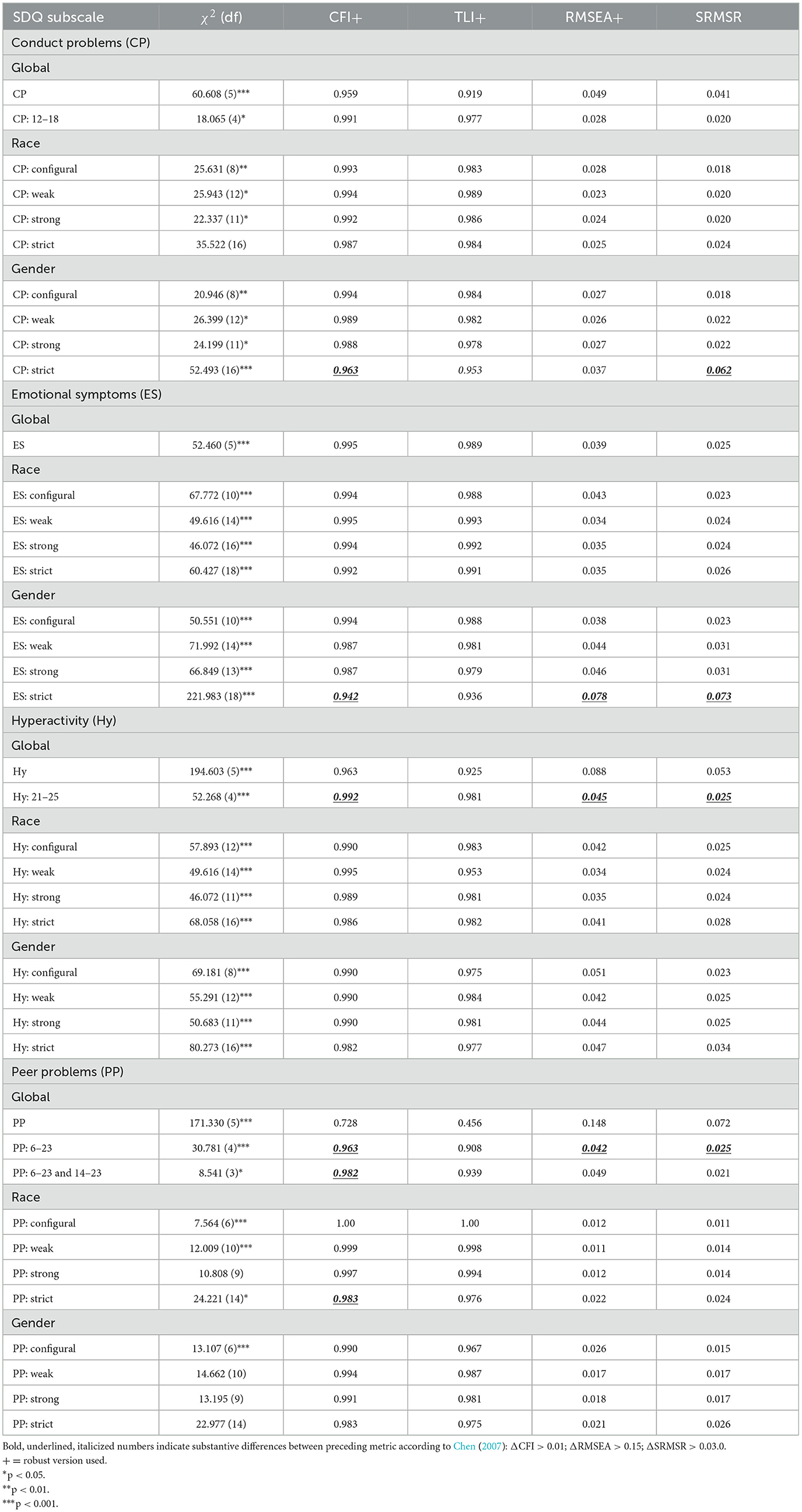
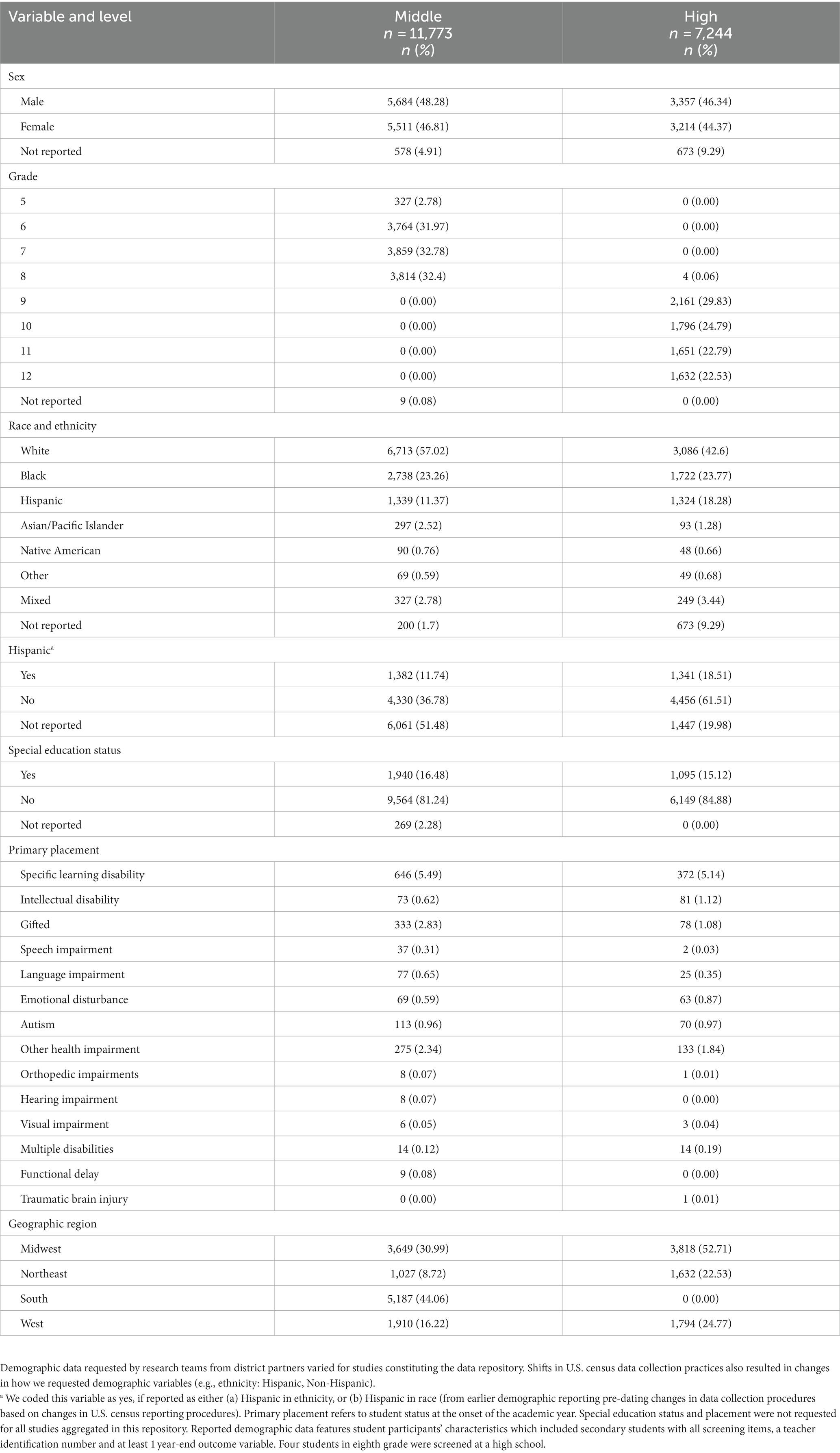
We are pleased to feature five articles addressing an array of issues related to systematic screening. In the first study, Chafouleas and colleagues investigated the perspectives of a national representative sample of 1,330 district administrators related to tensions between current and ideal social, emotional, and behavioral (SEB) screening practices. This study offers evidence for the importance of the role of administrator beliefs in the adoption of universal SEB screening practices. Next, Grubb and Young examined 47 school leadership team members’ perceptions of the Discussion Guide (DG), a tool to help support educators in reviewing and using Student Risk Screening Scale – Internalizing and Externalizing (SRSS-IE; Drummond, 1994; Lane & Menzies, 2009) universal screening data for instructional decision making within a multi-tiered system of support. This study offers insights into the supports and structures for school leadership teams to be effective and efficient in their use of universal screening data. In the third study, Dr. Iida and colleagues explored the Social Emotional Health Survey – Secondary (SEHS-S; Furlong et al., 2014), a measure within the California Healthy Kids Survey System, as applied to a sample of Japanese students (N = 1,181) in grades 7-9. This study provides evidence for the use of the SEHS-S with Japanese middle school students as a strengths-based screener and offers consistent findings with other Western and non-Western samples. Then, Graybill and colleagues examined the Strengths and Difficulties Questionnaire (SDQ, Goodman, 1997) with a diverse U.S. sample of 2,821 high school students. This study offers initial evidence for the use of the SDQ as a universal screening tool in U.S. schools serving a diverse population. In the last article, Lane and colleagues reported psychometric evidence for the SRSS-IE 9 (new 9 item scale), with a sample of 11,737 middle school students and 7,244 high school students from 43 schools in 3 U.S. regions. Finding suggested that Fall SRSS-IE universal screening scores at the middle and high school levels predict important educational outcomes for students, providing educators with data to inform educational decision making. Collectively, these studies support the field in continuing to advance the understand or how schools adopt and use screening practices, as well as additional information on measurement invariance of two often used screening tools and the predicative validity of one free-access screening tool.
Summary and Considerations for Future Directions
We are grateful to the author teams for providing these important insights into systematic screening efforts, as we navigate the important tasks of selecting and installing systematic screening tools as well as engaging in data-informed, decision-making efforts to shape instruction. We appreciate the opportunity to share these important works in Frontiers in Education – an open access journal and are hopeful this will facilitate not only transparent dissemination, but also replication efforts before generalizing findings presenting within the context of this special issue.
As practitioners and researchers partner together to explore the effectiveness and feasibility of universal behavioral screenings for use in PreK-12 settings, we encourage continued inquiry that prioritizes rigorous and respectful inquiry that takes into consideration the multiple demands placed on teachers and family members (Lane, 2017). Educators and families across the globe remain steadfast in their commitment to meeting students’ multiple needs. We are hopeful continued inquiry into universal screenings, will prioritize not only strong psychometric inquiry into practical screening tools, but also inquiry into how to best use and communicate how screening data are used to shape instruction.