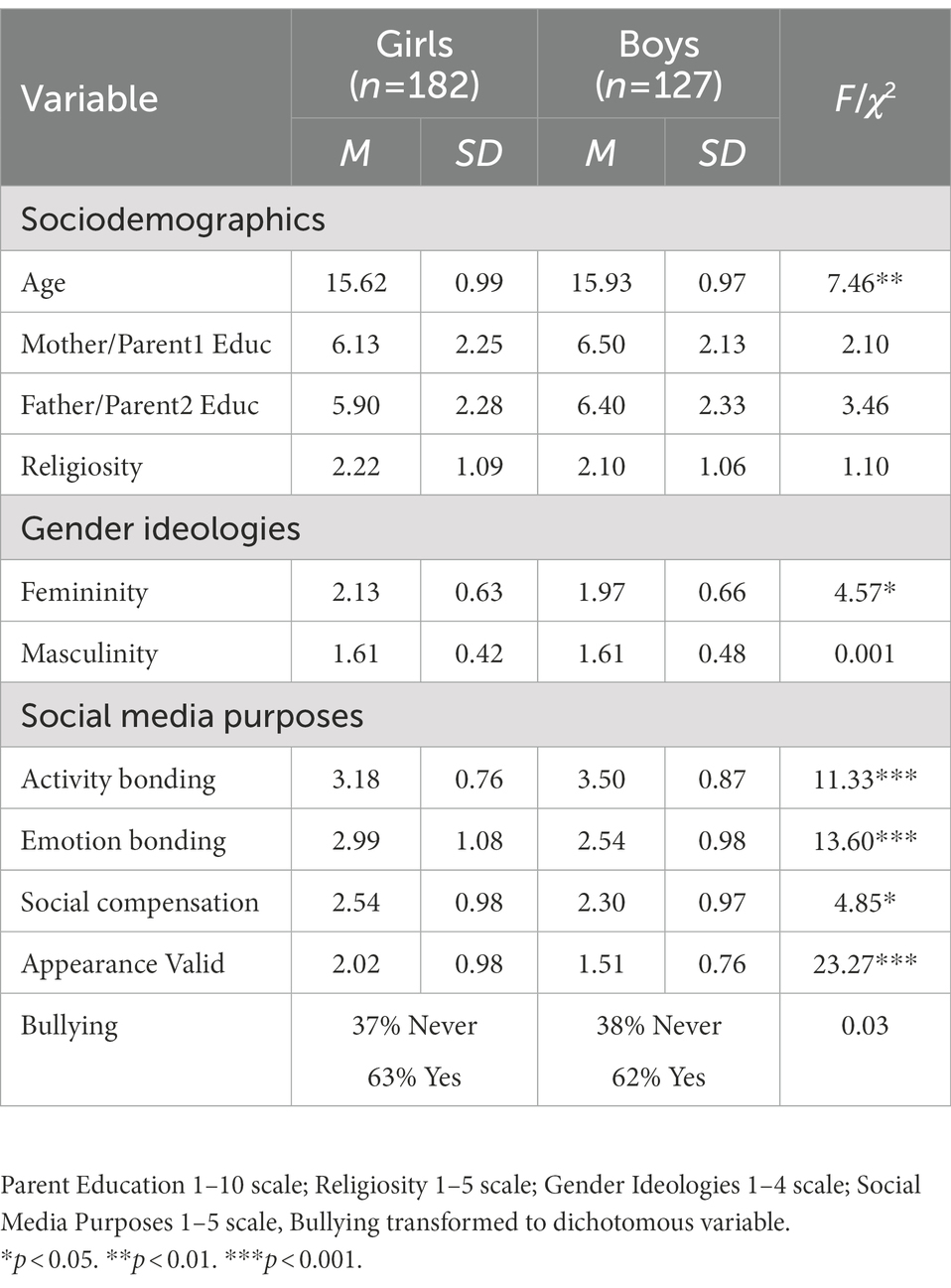
This special research topic within Frontiers in Psychology on "Social Identity Dynamics in a Networked Society" has curated eight articles that begin to address the knowledge gap noted above in three ways. First, three articles explore behavioral consequences of the links between social identity and the hyper-networked society. The findings of Li, Cho, and Qin (2022) suggest that when people perceive inconsistency in others on social media (e.g., online vs. offline behavior), the interpersonal evaluations of those perceiving the inconsistency are impacted by the social identities they hold as they use that information to judge the authenticity and motives of the other on social media. Analyzing different crowd behaviors that shifted during the COVID-19 pandemic (e.g., panic buying) through case analysis and simulations, Brindal and colleagues (2022) find that social identity theory and self-schema theory help to explain the ingroup favoritism and outgroup bias that resulted from individual decisions and behavior and led to collective outcomes for crowd behaviors. Lastly, Manago, Walsh, and Barsigian (2023) highlight the role of personal identification with perceived social identities in shaping individual differences in social media use, and demonstrate how gender identification, traditional masculinity and femininity ideologies contribute to the purposes of social media use during adolescence (such as how femininity ideology is associated with using social media for emotional bonding, while masculinity ideology is linked to using social media for competitive activity bonding).Second, three articles highlight reinforcing cycles of social media use and social identity formation. Yu (2022) finds that online social networking by university students can produce positive social learning outcomes, such as "whole person" development via explicit selfconceptualization, and suggests that there is a need to address the gap between viewing social media as "learning space" versus "personal space", particularly in a university (or academic) setting. Using serial mediation regression models, Chang and colleagues (2022) found a mediating link between social identity formation and "aggressive participation" in social media behavior such that, "when users are immersed in social media use (unconscious), they will identify with the community leading to a higher path coefficient of aggressive participation than that of community identification (conscious)". Through structural equation modeling and path analysis, Gu and colleagues (2022) demonstrate that self-identity formation is linked to behavior in online knowledge communities (such as novel posting) and that such behavior is positively affected by the social identity linked to those communities, highlighting the reciprocal relationship between different levels of identity and the online, networked society.Third, two articles look at personal outcomes of the networked digital world. Karakose and colleagues (2023) use bibliometric and science mapping analysis to demonstrate the importance of understanding the reciprocal relationship between digital addiction (such as social media use) and depression, particularly for adolescents and young adults. Research that focuses on preventive strategies is lacking. Lastly, Tao and Scott ( 2022) investigate the impact of online discrimination on African American adolescents, revealing that such experiences can lead to negative outcomes and internalized stereotypes. It also explores how vicarious online discrimination, parental technological attitudes, and racial identity centrality influence these experiences, highlighting the complex interplay of social identities in a networked society. These articles in this research topic only scratch the surface for understanding the dynamic interplay between social identity and accessibility of information and personal connections across the globe. The utilization of diverse methodological approaches highlights the need to question what is the best data to understand this dynamic interplay and who has access to this data (is it limited to ICT organizations)? What level and form of regulatory oversight or government intervention is appropriate? In addition, while biased information has always been available, its omnipresence has made it exceedingly easy for people to live within their own echo-chambers. Once individuals become deeply entrenched in this confinement of biased information, are there successful interventions that can pull them out? Can those interventions be scaled to a societal level? And at the core of the issue -how do individuals reconcile underlying internal cognitive motivations and conflict (e.g., cognitive dissonance) during social identity construction, alignment, or realignment and how do social media policy interventions influence this process? The editors of this research topic look forward to future research in this area and the potential impact it can make for positive societal change.
4 Authors
- TK
Turgut Karakose
Department of Education, Kutahya Dumlupınar University, Türkiye
- BY
Bilal Yıldırım
Department of Education, Istanbul Sabahattin Zaim University, Türkiye
- TT
Tijen Tülübaş
Department of Education, Kutahya Dumlupınar University, Türkiye
- AK
Abdurrahman Kardas
District Director of National Education, Ministry of National Education, Türkiye

4 Authors
- EB
Emily Brindal
Health & Biosecurity, Commonwealth Scientific and Industrial Research Organization, Australia
- NK
Naomi Kakoschke
Health & Biosecurity, Commonwealth Scientific and Industrial Research Organization, Australia
- AR
Andrew Reeson
Data61, Commonwealth Scientific and Industrial Research Organization, Australia
- DE
David Evans
Data61, Commonwealth Scientific and Industrial Research Organization, Australia
3 Authors
- PL
Pengxiang Li
School of Journalism and Communication, Minzu University of China, China
- HC
Hichang Cho
Department of Communications and New Media, Faculty of Arts and Social Sciences, National University of Singapore, Singapore
- YQ
Yuren Qin
College of Media and International Culture, Zhejiang University, China
9,377 views
3 citations
5 Authors
- KC
Kuei-Feng Chang
School of Management, Guangzhou University, China
- YH
Yu-Huang Huang
Department of Marketing Management, Central Taiwan University of Science and Technology, Taiwan
- WL
Wei-Chin Li
Department of Tourism, Food and Beverage Management, Chang Jung Christian University, Taiwan
- SL
Shunjun Luo
Department of Innovation and Strategy, School of Management, Guangzhou University, China
- DY
Dong-Jenn Yang
College of Management, I-Shou University, Taiwan
4,100 views
5 citations