Advances in the Biology, Aquaculture, and Conservation of Threatened Marine Species and their Application in Human Health and Nutrition

469kviews
The Pacific white shrimp Litopenaeus vannamei is among the top aquatic species of commercial importance around the world. Over the last four decades, breeding works of L. vannamei have been carried out intensively and have generated multiple strains with improved production and performance traits. However, signatures of domestication and artificial selection across the L. vannamei genome remain largely unexplored. In the present study, we conducted whole genomic resequencing of 180 Pacific white shrimps from two artificially selective breeds and four market-leading companies. A total of 37 million SNPs were identified with an average density of 22.5 SNPs/Kb across the genome. Ancestry estimation, principal component analysis, and phylogenetic inference all revealed obvious stratifications among the six breeds. We evaluated the linkage disequilibrium (LD) decay in each breed and identified genetic variations driven by selection. Pairwise comparison of fixation index (Fst) and nucleotide diversity (θπ) allowed for mining genomic regions under selective sweep in each breed. Functional enrichment analysis revealed that genes within these regions are mainly involved in cellular macromolecule metabolic process, proteolysis, structural molecule activity, structure of constituent ribosome, and responses to stimulus. The genome-wide SNP datasets provide valuable information for germplasm resources assessment and genome-assisted breeding of Pacific white shrimp, and also shed light on the genetic effects and genomic signatures of selective breeding.

8,911 views

47 citations

ORIGINAL RESEARCH
2 February 2022
Evaluation of Spawning- and Natal-Site Fidelity of Larimichthys polyactis in the Southern Yellow Sea Using Otolith Microchemistry
Dade Song, 5 more and Zhongjie Kang

3,334 views

7 citations

Metagenomic Analysis of Bacterial Communities and Antibiotic Resistance Genes in Penaeus monodon Biofloc-Based Aquaculture Environments
Biofloc technology (BFT) is one of the most promising technologies in global aquaculture for the purpose of improving water quality, waste treatment and disease prevention in intensive aquaculture systems. However, characterisation of the microbial species and antibiotic resistance potentially present in biofloc based aquaculture environments is needed. In this study, we used high-throughput sequencing technology to comprehensively compare the bacterial communities in mariculture ponds of Penaeus monodon, by testing of water, biofloc, and the intestine of P. monodon. Operational taxonomic units (OTUs) cluster analysis showed that the 9 samples tested divided into 45 phyla and 457 genera. Proteobacteria were the dominant bacteria in water, biofloc and prawn intestine. In biofloc and intestine, the genus level accounting for the largest proportion of bacteria were Ruegeria (2.23-6.31%), with Marivita (14.01-20.94%) the largest group in water. Microbial functional annotation revealed that in all samples, genes encoding metabolism were predominant. The antibiotic resistance gene annotation showed the highest absolute abundance of patB, adeF, Oxa-243 and Brucella_suis_mprF from Proteobacteria. PatB (11.33-15.01%), adeF (15.79-18.16%), OXA-243 (35.65%) and Brucella_suis_mprF (10.03%) showed the highest absolute abundance of antibiotic resistance genes in water, biofloc, and intestines, respectively. These findings may greatly increase our understanding of the microbiota characteristics of the shrimp biofloc based aquaculture system and the complex interactions among shrimp, ambient microflora, and environmental variables. It provides a reference basis for policy on breeding environment safety and maintaining food safety in the production of Penaeus monodon.

7,390 views

31 citations

DATA REPORT
3 January 2022
First Draft Genome of a Mud Loach (Misgurnus mizolepis) in the Family Cobitidae
Younhee Shin, 7 more and Bo-Hye Nam

3,229 views

Aquaculture Impacts on China’s Marine Wild Fisheries Over the Past 30 Years
ORIGINAL RESEARCH
26 July 2021
Aquaculture Impacts on China’s Marine Wild Fisheries Over the Past 30 Years
Kangshun Zhao, 5 more and Jun Xu
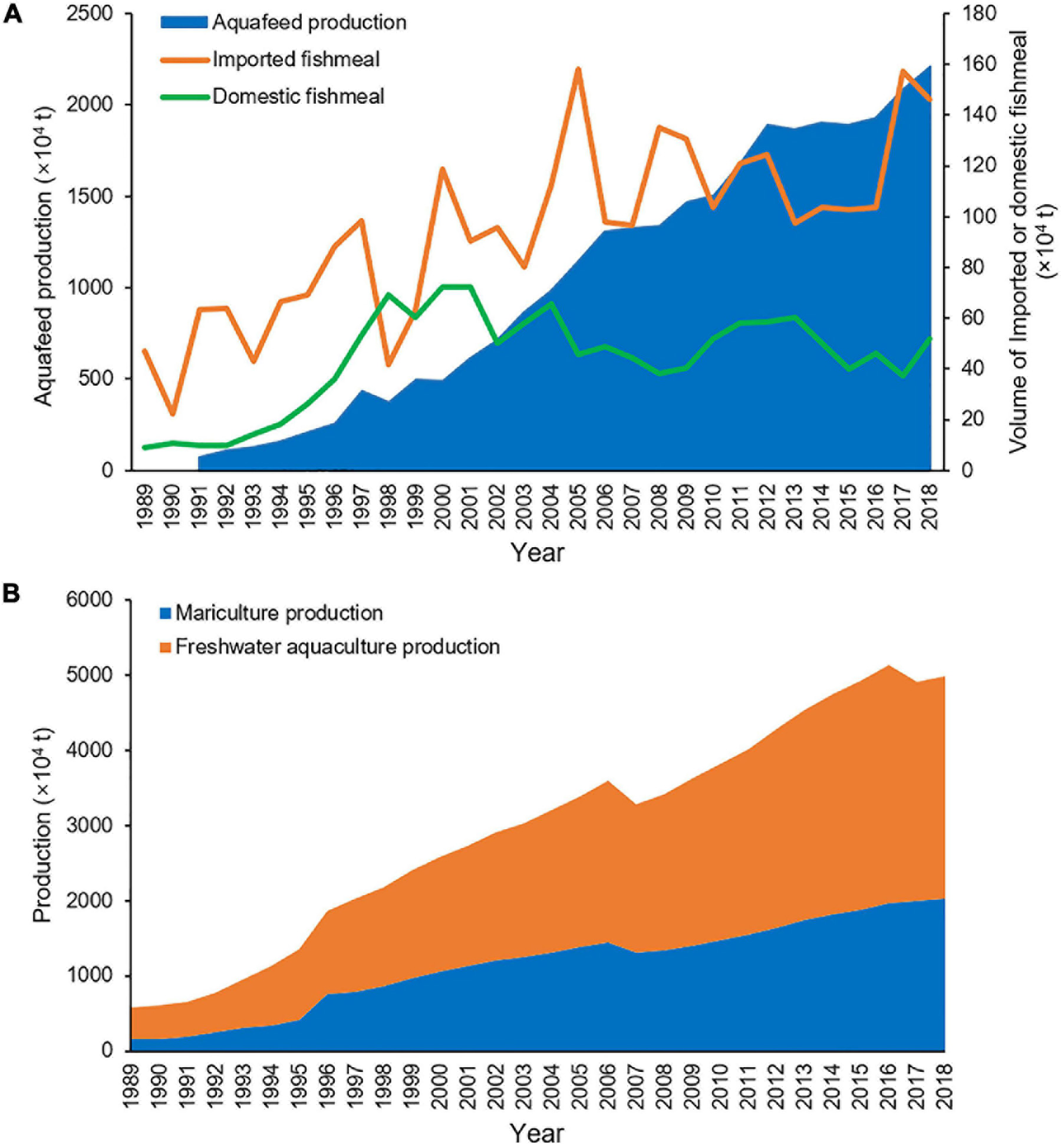
China is the world's largest producer of aquaculture and capture fisheries. How this country develops its aquaculture sector and whether such development can relieve pressure on wild fisheries remain a contentious issue in the past and for the future. This study aims to provide a broad assessment on the impact of aquaculture development in different periods on marine wild fisheries on the basis of aquaculture and marine wild fish catch data from all the coastal provinces of China. China’s aquaculture and capture fisheries have undergone substantial changes. From 1989 to 2002, China’s aquaculture, especially mariculture, had a strong relationship with marine wild fisheries. However, from 2003 to 2018, the impact of mariculture was weakened, whereas that of freshwater aquaculture had increased. Although aquaculture still puts pressure on marine wild fisheries, China’s aquaculture is currently moving toward sustainable development pattern with low input and high output. These results provide the first statistical evidence on the effects of aquaculture development on marine wild fisheries and contribute to the sustainable management of China’s aquaculture and marine capture fisheries.

16,205 views

24 citations

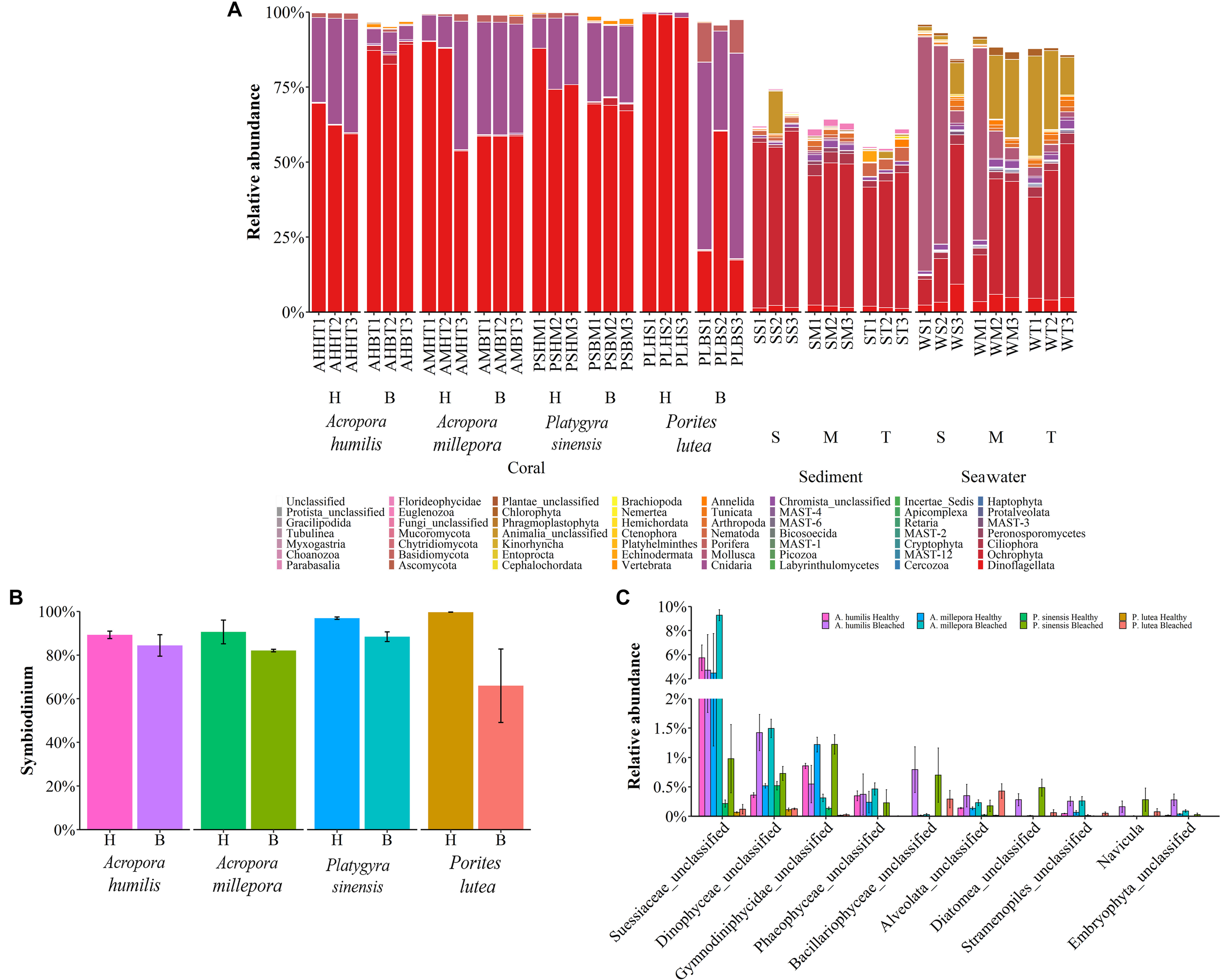
Global warming has caused elevated seawater temperature and coral bleaching, including events on shallow reefs in the upper Gulf of Thailand (uGoT). Previous studies have reported an association between a loss of zooxanthellae and coral bleaching. However, studies on the microbial diversity of prokaryotes and eukaryotes (microbiome) as coral holobionts are also important and this information is still limited in the uGoT. To address this shortcoming, this report provided baseline information on the prokaryotic (bacteria and archaea) and eukaryotic microbes of healthy and bleached colonies of four prevalent corals Acropora humilis, Acropora millepora, Platygyra sinensis and Porites lutea, and surrounding seawater and sediments, using 16S and 18S rRNA genes next generation sequencing (NGS). Both prokaryotic and eukaryotic microbes showed isolated community profiles among sample types (corals, sediment and seawater) (ANOSIM: P < 0.001, R = 0.51 for prokaryotic profiles and P < 0.001, R = 0.985 for eukaryotic microbe profiles). Among coral species, P. sinensis showed the most diverse prokaryotic community compared with the others (ANOSIM: P < 0.001, R = 0.636), and P. lutea showed the most diverse eukaryotic microbes (P = 0.014, R = 0.346). Healthy and bleached corals had some different microbiomes in species and their prevalences. For instance, the significant increase of Alphaproteobacteria in P. sinensis resulted in reduced prokaryotic community evenness, and altered potential metabolic profiles. For eukaryotic microbes, a loss of algal Symbiodinium (zooxanthellae) in bleached corals such as P. lutea resulted in increased Chromista and Protista, and hence clearly distinct eukaryotic microbe (including fungi) communities in healthy vs. bleached colonies of corals. Bleached corals were enriched in bacterial pathogens and decreased coral-beneficial prokaryotic and eukaryotic microbes. Additionally, this study identified microbiome species in bleached P. lutea that might help bleaching recovery (e.g. high abundance of Rhizobiales, Oceanospirillales, Flavobacteriales). Overall, our coral-associated microbiome analyses identified altered diversity patterns of bacteria, archaea, fungi and eukaryotic microbes between healthy and bleached coral species that are prevalent in the uGoT. This knowledge supports our ongoing efforts to manipulate microbial diversity as a means of reducing the negative impacts of thermal bleaching events in corals inhabiting the uGoT.

5,612 views

20 citations

ORIGINAL RESEARCH
9 July 2021
Effects of Light Intensity and Wavelength on the Phototaxis of the Crassostrea gigas (♂) and Crassostrea sikamea (♀) Hybrid Larvae
Xuekai Zhang, 4 more and Zhaoping Wang

6,778 views

14 citations

ORIGINAL RESEARCH
5 May 2021
γ-Irradiated Chitosan From Carcinoscorpius rotundicauda (Latreille, 1802) Improves the Shelf Life of Refrigerated Aquatic Products
Siddhartha Pati, 7 more and Bryan Raveen Nelson
γ-Irradiated Chitosan From Carcinoscorpius rotundicauda (Latreille, 1802) Improves the Shelf Life of Refrigerated Aquatic Products
This study evaluated the effects of γ-irradiated horseshoe crab chitosan coating on extending the shelf-life of selected high commercial value seafood. Fourier transform infrared spectroscopy (FTIR), Field-Emission Scanning Electron Microscopes (FE-SEM), X-ray diffraction (XRD) were used to characterize the γ-irradiated chitosan. Shelf life of the seafood samples was investigated via pH, thiobarbituric acid reactive substance (TBARS), total viable counts (TVC) and sensory evaluation. Seafood samples tested were shrimp (Penaeus merguiensis), pomfret (Pampus argenteus) and hilsa fish (Tenualosa ilisha). The shelf-life of experiment was using one control group (untreated seafood samples/no preservatives), chemical preservation (treated with 2% glacial acetic acid) and of 2% chitosan preservation solutions (0, 10 and 20kGy γ-irradiation). The shelf-life of selected seafood samples were observed over 15 days of storage at 4 °C. FT-IR, XRD and FE-SEM Analysis revealed significant changes in the structure of irradiated chitosan, mainly changes in functional groups which a crystalline and smoother surface structure. Analysis of pH, TBARS, TVC and sensory evaluation revealed that irradiated chitosan delayed microbial growth and prolonged the shelf-life of tested seafood samples.With the novelty that horseshoe crab chitosan actively preserves packaged products in fisheries industries, practitioners are assured that processed aquatic products are safe and free from microbial contamination during long-term refrigeration.

4,742 views

32 citations

MINI REVIEW
11 February 2021
Potential of Underutilized Marine Organisms for Aquaculture Feeds
Dedi Jusadi, 3 more and Ichsan Achmad Fauzi

5,635 views

22 citations

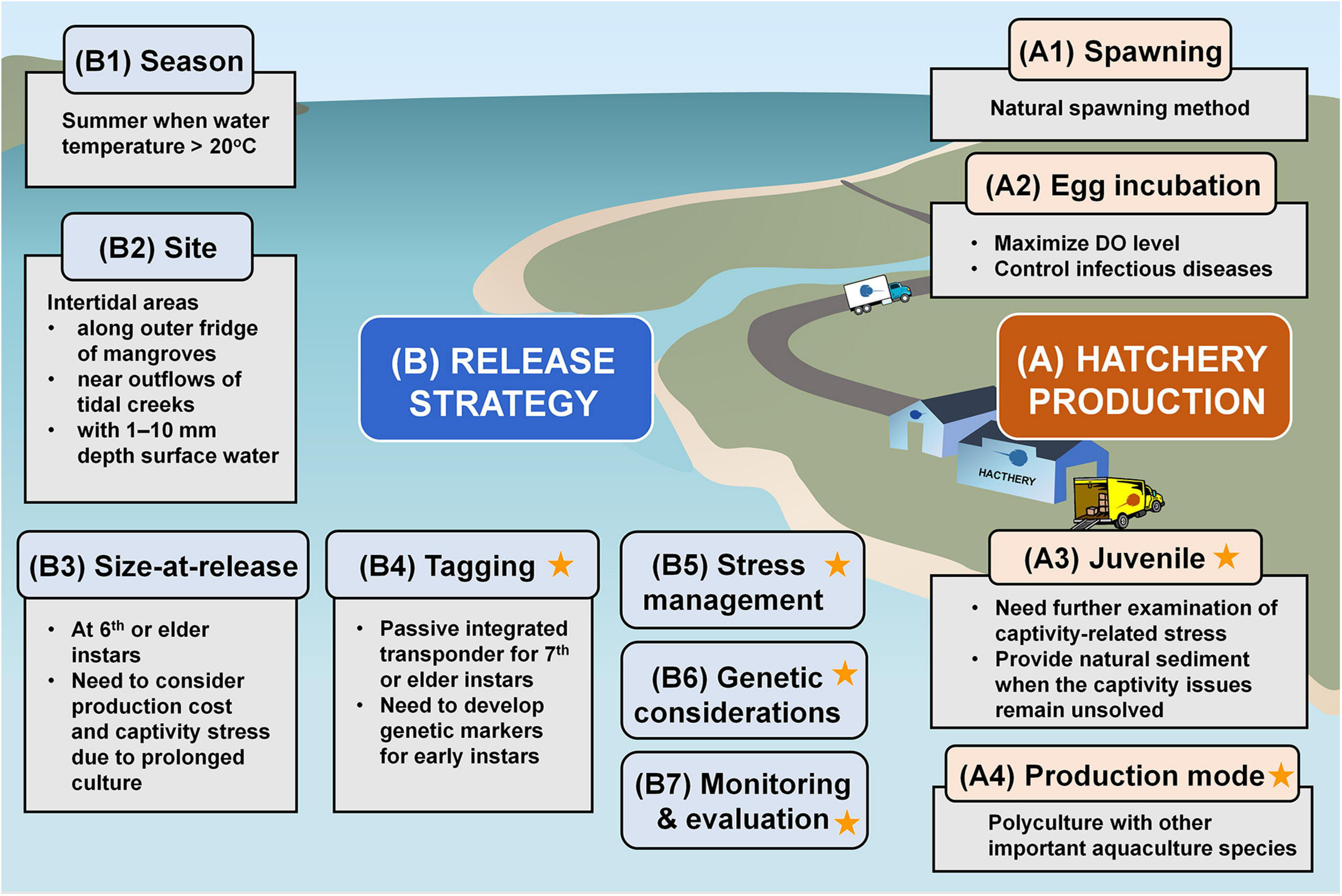
Tri-Spine Horseshoe Crab Aquaculture, Ranching and Stock Enhancement: Perspectives and Challenges
REVIEW
9 February 2021
Tri-Spine Horseshoe Crab Aquaculture, Ranching and Stock Enhancement: Perspectives and Challenges
Peng Xu, 11 more and Kit Yue Kwan

17,716 views

26 citations

A New Marine Biomaterial: The Shell of Mangrove Horseshoe Crabs, Carcinoscorpius rotundicauda (Latreille, 1802) Emphasizing Its Physico-Chemical Characteristics
ORIGINAL RESEARCH
5 February 2021
A New Marine Biomaterial: The Shell of Mangrove Horseshoe Crabs, Carcinoscorpius rotundicauda (Latreille, 1802) Emphasizing Its Physico-Chemical Characteristics
Yusli Wardiatno, 4 more and Fery Kurniawan

10,497 views

22 citations

ORIGINAL RESEARCH
24 January 2021
Enhanced Growth Performance Physiological and Biochemical Indexes of Trachinotus ovatus Fed With Marine Microalgae Aurantiochytrium sp. Rich in n-3 Polyunsaturated Fatty Acids
Shuangfei Li, 9 more and Tao Li

3,931 views

17 citations

Exploring the Diversity of the Marine Environment for New Anti-cancer Compounds
REVIEW
21 January 2021
Exploring the Diversity of the Marine Environment for New Anti-cancer Compounds
Divya L. Dayanidhi, 11 more and Jason A. Somarelli

12,863 views

48 citations

The hsp40 Gene Family in Japanese Flounder: Identification, Phylogenetic Relationships, Molecular Evolution Analysis, and Expression Patterns
ORIGINAL RESEARCH
14 January 2021
The hsp40 Gene Family in Japanese Flounder: Identification, Phylogenetic Relationships, Molecular Evolution Analysis, and Expression Patterns
Weijie Yan, 4 more and Xubo Wang
Heat shock proteins (Hsps) are cellular chaperones that are involved in developmental stages and stress responses. Hsp40 is the major subfamily of heat shock proteins, but has not been fully characterized in Japanese flounder (Paralichthys olivaceus), especially their roles in immune response. In this study, a comprehensive identification and analysis of hsp40 in flounder is presented, including gene structures, evolutionary relationships, conserved domains, molecular evolution analysis, and expression patterns. Sequence features and phylogenetic analysis revealed that hsp40 genes could be grouped into 40 distinct subfamilies and most of them (96%) in Japanese flounder possessed no less than two introns. Molecular evolution analysis indicated that the hsp40 genes were conservative during evolution and were functional-constrained. Meanwhile, hsp40 genes were found to express in different embryonic and larval stages and might play a role of sentinel in healthy organisms. Furthermore, hsp40 genes’ expression profiles after Edwardsiella tarda injection were determined in Japanese flounder without precedent, and 88% (44/50) hsp40 genes showed differential expression patterns after bacterial challenge. Our findings provide basic and useful resources for understanding the immune responsibilities of hsp40 genes in flatfish.

4,350 views

21 citations

Effective management of aquatic resources, wild and farmed, has implications for the livelihoods of dependent communities, food security, and ecosystem health. Good management requires information on the status of harvested species, yet many gaps remain in our understanding of these species and systems, in particular the lack of taxonomic resolution of harvested species. To assess these gaps we compared the occurrence of landed species (freshwater and marine) from the United Nations Food and Agriculture Organization (FAO) global fisheries production database to those in the International Union for Conservation of Nature (IUCN) Red List and the RAM Legacy Stock Assessment Database, some of the largest and most comprehensive global datasets of consumed aquatic species. We also quantified the level of resolution and trends in taxonomic reporting for all landed taxa in the FAO database. Of the 1,695 consumed aquatic species or groups in the FAO database considered in this analysis, a large portion (36%) are missing from both of the other two global datasets, either IUCN or RAM, used to monitor, manage, and protect aquatic resources. Only a small number of all fished taxa reported in FAO data (150 out of 1,695; 9%) have both a stock assessment in RAM and a conservation assessment in IUCN. Furthermore, 40% of wild caught landings are not reported to the species level, limiting our ability to effectively account for the environmental impacts of wild harvest. Landings of invertebrates (44%) and landings in Asia (>75%) accounted for the majority of harvest without species specific information in 2018. Assessing the overlap of species which are both farmed and fished to broadly map possible interactions -- which can help or hinder wild populations -- we found 296 species, accounting for 12% of total wild landings globally, and 103 countries and territories have overlap in the species the catch in the wild and produce through aquaculture. In all, our work highlights that while fisheries management is improving in many areas there remain key gaps in data resolution that are critical for fisheries assessments and conservation of aquatic systems into the future.

10,756 views

47 citations