 Garumma Tolu Feyissa
 Lemi Belay Tolu
 Matiwos Soboka
 Alex Ezeh1
- 1Dornsife School of Public Health, Drexel University, Philadelphia, PA, United States
- 2Department of Obstetrics and Gynecology, Saint Paul Hospital Millennium Medical College, Addis Ababa, Ethiopia
- 3Department of Psychiatry, Jimma University, Jimma, Ethiopia
Introduction: Child marriage and teen pregnancy have negative health, social and development consequences. Highest rates of child marriage occur in sub-Saharan Africa (SSA) and 40% of women in Western and Central Africa got married before the age of 18. This systematic review was aimed to fill a gap in evidence of effectiveness to reduce teen pregnancy and child marriage in SSA.
Methods: We considered studies conducted in sub-Saharan Africa that reported on the effect of interventions on child marriage and teen pregnancy among adolescent girls for inclusion. We searched major databses and grey literature sources.
Results: We included 30 articles in this review. We categorized the interventions reported in the review into five general categories: (a) Interventions aimed to build educational assets, (b) Interventions aimed to build life skills and health assets, (c) Wealth building interventions, and (d) Community dialogue. Only few interventions were consistently effective across the studies included in the review. The provision of scholarship and systematically implemented community dialogues are consistently effective across settings.
Conclusion: Program designers aiming to empower adolescent girls should address environmental factors, including financial barriers and community norms. Future researchers should consider designing rigorous effectiveness and cost effectiveness studies to ensure sustainability.
Systematic Review Registration: https://www.crd.york.ac.uk/prospero/, identifier: CRD42022327397.
Introduction
The global population is projected to reach 9.71 and 10.35 billion by 2050 and 2100, respectively. Africa will account for 105% of the projected total increase in global population between 2022 and 2100. Its population will increase from 1.36 billion in 2020 to 3.92 billion by 2100. This rapid growth, over a relatively short period, together with the compositional effects it will engender, will have significant implications for development prospects in the region (1). Recognizing this reality, African Heads of State and Government devoted the year 2017 to “Harnessing the Demographic Dividend through Investments in Youth” (2), as a critical pathway to realizing the continent's aspiration for economic transformation. Yet, concrete action in realizing this strong political moment has remained muted. Ninety-one percent (91%) of this projected growth in Africa's population will be in sub-Saharan Africa (SSA).
The population growth of SSA is driven largely by high fertility and child onset of childbearing (3, 4). Apart from having more children on average than women in other regions, women in SSA generally start childbearing earlier and have very high levels of adolescent childbearing, high desired family size, and low levels of use of modern contraceptives (3–5). Highest rates of child marriage occur in sub-Saharan Africa and as high as 40% of women Western and Central Africa got married before the age of 18 (6).
Child marriage is the consequences of factors at such as low level of literacy of the girls and her parents, economic problems, gender norms and gender-based violence. Child marriage is one of the indicators of gender inequality and is an impediment against the full participation of girls in education and labor force (7). Child marriage and teen pregnancy remain obstacles against completion of secondary education and beyond. On the other hand, female education is a key predictor of fertility, especially secondary education and higher (8). Secondary and higher education may increase women's opportunities for work outside the home, their ability to contribute to decision making with their partners, and greater agency in taking action that advances their personal well-being and managing their family size (8–10). It is also beneficial in tackling the negative economic impacts of child marriage (11) and contributes to the achievement of the sustainable development goals (SDG 5) (12). More importantly, better educated women are more likely to prioritize the education of their children thereby creating inter-generational benefits (8).
Early marriage is often associated with increased risk of teen pregnancy. Teen pregnancy also increases the risk of deadly health consequences such as eclampsia, puerperal endometritis, low birth weight, preterm birth, and other complications (13). The World Health Organization recommends that marriage before the age 18 and pregnancy before the age of 20 should be reduced (14).
Targeting adolescent girls with programs that reduce the onset of pregnancies will achieve multiple development outcomes and contribute significantly to reducing fertility and population growth rate—in addition to its value to the girls, their families, communities, and society. First, there is a strong positive association between female education and onset of marriage and childbearing, fertility levels, fertility desires, independent fertility decisions (including use of contraception), and access to employment opportunities outside the home. More importantly, starting childbearing later increases the age gap between mothers and their daughters (intergenerational gap), which is seen as the second most important determinant of population growth, after fertility (number of children) (15).
Although there is emerging evidence from low- and middle-income countries that programs targeting adolescent girls with long-term follow up are likely to be effective and sustainable, there is limited evidence on what specific interventions or which aspects of complex intervention designs are effective in reducing child marriage and teen pregnancy (16).
Implementing evidence-based interventions that reduce teen pregnancies and child marriage is critical not only for the future development of the society, but also for the entire life and wellbeing of adolescents. It is, therefore, essential to synthesize the available evidence to guide future research and intervention focus. Our preliminary search found no recent systematic review that reported the effectiveness of interventions on teen pregnancy and child marriage in sub-Saharan Africa. Cognizant of this, this systematic review was aimed to identify and synthesize evidence on the effect of interventions that have been implemented to reduce teen pregnancy, and child marriage in sub-Saharan Africa.
Research questions
The research questions addressed in this review were:
1. What is the best available evidence on the effectiveness of interventions seeking to reduce teen pregnancy among adolescent girls?
2. What is the best available evidence on the effectiveness of interventions seeking to reduce child marriage among adolescent girls?
Methods
This systematic review was conducted using Preferred Reporting Items for Systematic Reviews and Meta-Analyses (PRISMA) (17). We conducted the review based on an a-priori protocol (Registry number CRD42022327397) (18).
Search strategy
We searched the following databases: PubMed, EMBASE, CINAHL, Web of Science, Science Direct, Cochrane Database of Systematic Reviews (CENTRAL), 3ie database. Sources of unpublished studies and gray literature include Google, ProQuest Dissertation and Theses, and Google Scholar. The search was conducted in three phases with the aim of locating both published and unpublished studies. An initial limited search of PubMed and CINAHL was conducted. The text words contained in the titles and abstracts of relevant articles, and the index terms used to describe the articles were used to develop a full search strategy for the relevant databases (Supplementary file S1).
Eligibility criteria
During the conduct of the review, we considered the following inclusion criteria.
Population
This review considered studies that targeted or measured the effect of interventions on outcomes of adolescent girls and female young adults.
Interventions
This review considered studies that reported on interventions designed to reduce child marriage, and/ or teen pregnancy.
Comparator(s)
We considered comparisons of interest that included, but not limited to, any default program, standard of care, no intervention or any other alternative intervention compared to the main intervention.
Outcomes
This review focused on the following outcomes: child marriage (marriage before 18 years), and teen pregnancy. For this review, to match with the definition adopted by the United Nations Child Fund (UNICEF), we defined child marriage as a marriage before the age of 18 years (19).
Context
Studies conducted at any levels (individual, group, organizational, policy and community levels) or in schools in urban, rural, and pastoral settings of sub-Saharan Africa were considered for inclusion.
Types of studies
We considered quantitative comparative studies having treatment and control groups published/reported in the English language and available online on or before January 26, 2022 (last search date) for inclusion. These include randomized controlled trials (both individual and cluster randomized trials), quasi-experimental studies having control groups. There was no further restriction on publication dates. Studies that did not have comparison group were not included in the review.
Study selection
Following the search, all identified citations were collated using EndNote (20) and duplicates were removed. Titles and abstracts were then screened for assessment against the inclusion criteria for the review by two reviewers. The full text of selected citations was assessed in detail against the inclusion criteria.
Methodological assessment
Two reviewers assessed the methodological qualities of the papers using the Joanna Briggs Institute (JBI) appraisal tools (21, 22). A third reviewer was invited where appropriate to settle disputes between primary and secondary reviewers.
Data extraction and synthesis
We extracted data from studies included in the review using priori developed extraction form containing study ID, country of origin, study design, context, study population, outcomes reported and results. In the case of incomplete information reported in the articles, we contacted the authors of primary studies. In addition, we have taken further information from multiple versions of reports for the same intervention (such as the grey report versions, project report versions and other versions published in peer reviewed journals).
Because of clinical and methodological heterogeneity and the lack of consistency in the reporting of outcomes across different studies, and because of variation in intensity, content and duration of the interventions, it was not feasible to conduct meta-analysis. Therefore, we reported the findings in narrative form. Where possible, we reported findings on subgroups separately for out of school adolescents, in-school adolescents, and based on age category.
Findings of the review
Initial search yielded 1,664 articles. After removing duplicates 1,323 articles were left for screening by title and abstract, out of which 317 articles were left for full text reading. Finally, 30 articles were included. Detailed information was sought from the articles having different versions of the reports. Some of these studies had long report versions and short published versions published in peer reviewed journal articles. Even though information from the seven redundant articles was included to enrich the original studies, these redundant articles were not counted as separate studies. Hence, the records were considered as 30 articles (Figure 1). On the other hand, reports from the same trial were treated separately if they reported on different outcomes or if they addressed different data points.
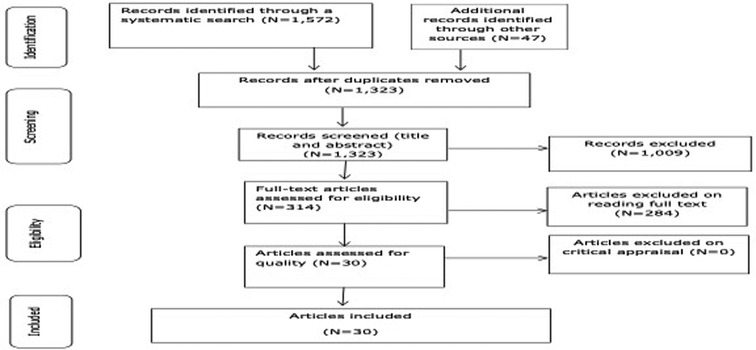
Figure 1. Study selection process.
The studies whose reports were merged include Baird 2009 (23), Baird 2010 (24) and Baird 2011 (25); Baird 2015 (26) and Baird 2016 (27); Duflo 2014 (28) and Duflo 2015 (29), Bandiera 2012 (30), Bandiera 2015 (31), Bandiera 2017 (32), Bandiera 2018 (33) and Bandiera 2020 (34); Dupas 2009 (35) and Dupas 2011 (36). On the other hand, four studies conducted in Zimbabwe (37, 38)) and Ghana (39, 40) that reported data at different time points from the same trial were reported separately.
Description of the studies
Out of the 30 articles, 19 of them reported on child marriage and 22 of them on teen pregnancy, 12 of them reported on both teen pregnancy and child marriage.
Twenty-seven (27) of the studies were cluster randomized trials, three individual randomized trials (39, 41, 42), and three quasi-experimental studies (43–45). The articles covered projects conducted in nine Sub-Saharan African countries, including Zambia, Zimbabwe, Malawi, Kenya, Ghana, Uganda, Tanzania, Ethiopia, and Burkina Faso (Table 1).
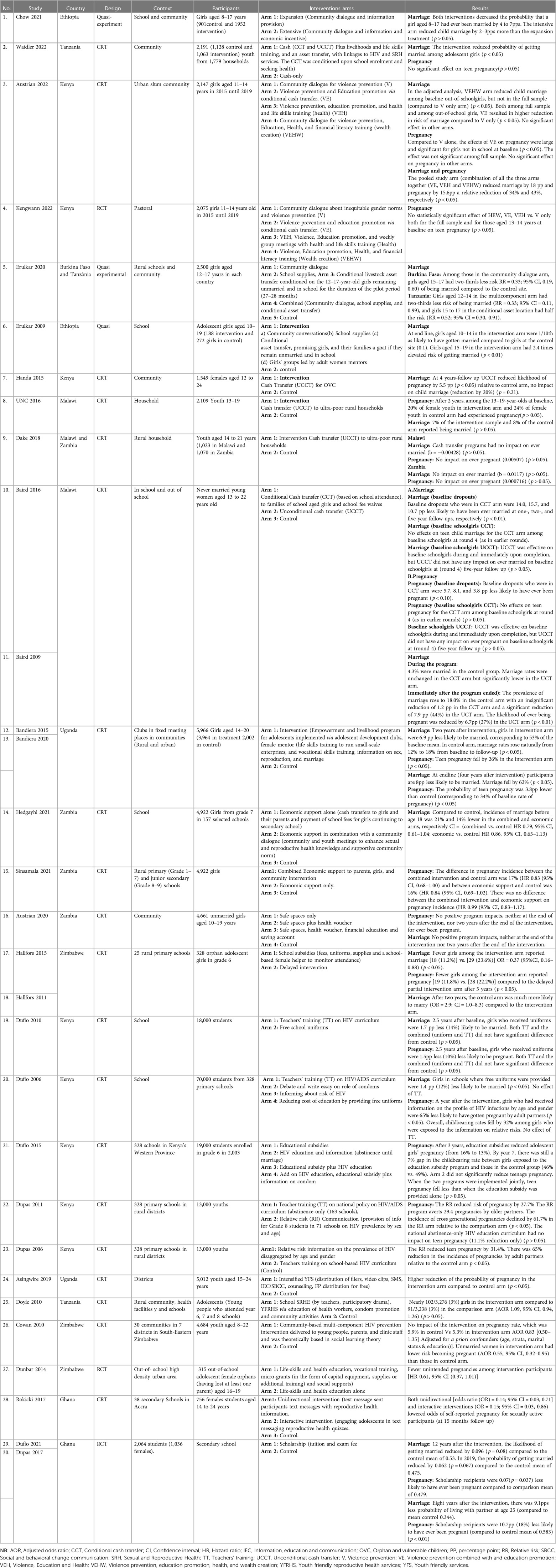
Table 1. Characteristics of included studies
The methodological quality of the included articles
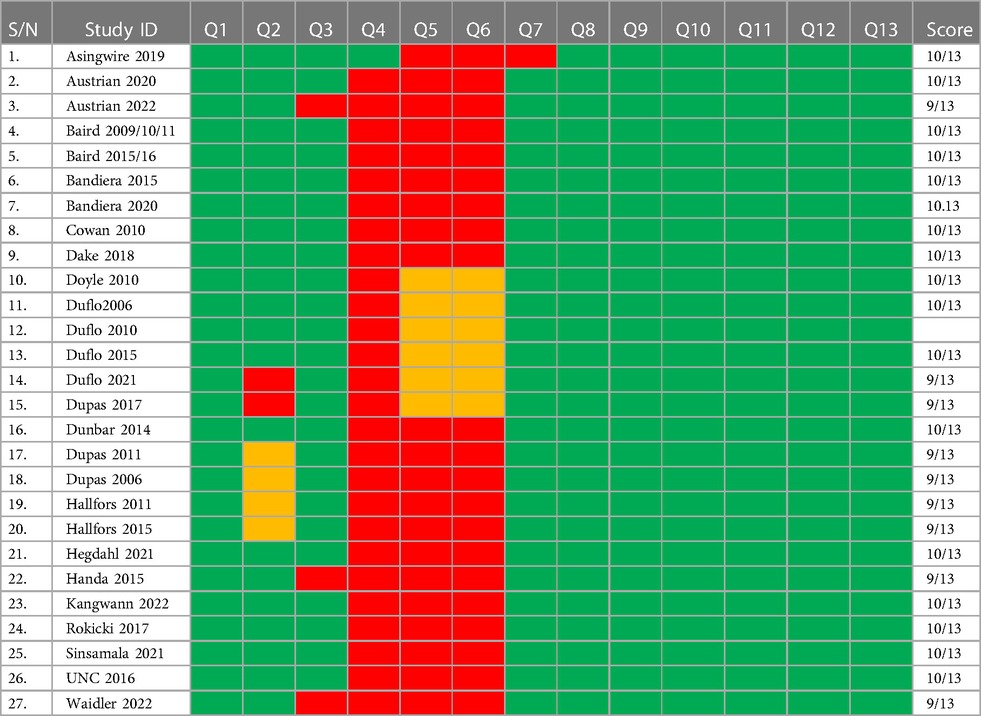
The appraisal scores of the randomized controlled trials and cluster randomized trials are shown in Appendix 1 and 2 respectively. The scores for the individual and cluster randomized trials ranged from 9/13 to 10/13. Almost all studies could not blind participants, researcher, and data collectors, which is also expected given the nature of the interventions. In addition, few of the studies reported baseline imbalances. In the case of quasi-experimental studies included in this review, the main risk of bias was related to the comparability of the groups even though the primary authors have attempted to account for this effect using analysis.
Effectiveness of the intervention on child marriage
The interventions reported in the included papers are broadly classified into one the following categories based on the areas they addressed (health, education, wealth, or community dialogue).
a. Interventions aimed to build educational assets (E),
b. Interventions aimed to build life skills and health assets (H),
c. Interventions aimed to build livelihood and/or financial skills (Wealth building interventions (W),
d. Interventions aimed to change community norms (Community dialogues to change community norms about women empowerment including gender violence or child marriage or both (C),
e. Combination of one or more of the above.
As such some of the projects have addressed more than one of the educational, health and livelihood and community dialogue components. Some comprised four components, some consisted of three components, and others consisted of two components (Table 2). Note that some studies were multi-arm designs, and they simultaneously reported the effect of one component, two component, three component and four component interventions. Community dialogue designed for violence prevention has been used both as control and combined with multi-component interventions. It is critical to note that the studies the reported one, two, three and four component interventions were not mutually exclusive, because a single study with multiple arms may report different combinations of interventions and thus contributing to one, two, three and four component interventions. In addition, when we refer to “component”, we are referring from the perspective of the broader category even though there are narrow multiple interventions within one broad component intervention. For instance, a one component heath intervention may contain training and information on sexual and reproductive health, menstrual hygiene, HIV/AIDS, providing clinic vouchers, etc.
A. Programs/Projects that addressed four components (Health, Education, Wealth, and community dialogue)
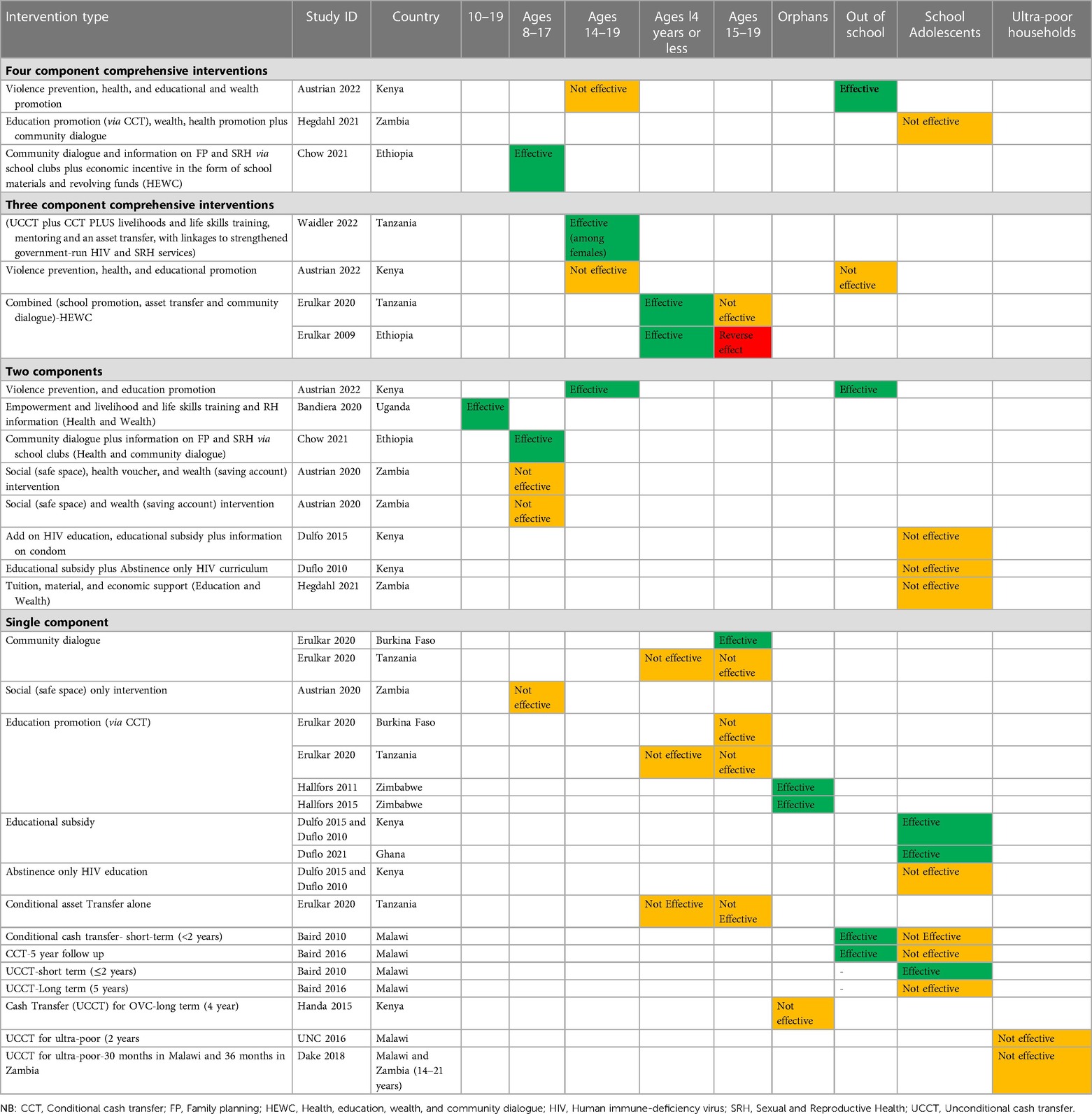
Table 2. Effectiveness of different categories of interventions on child marriage across the different subgroups and settings.
Out of the studies that comprised four component intervention, three of them reported on marriage outcomes. These projects were conducted in Kenya (46), Ethiopia (45) and Zambia (47). Surprisingly, the effect of these comprehensive interventions comprising violence prevention, heath, education, and wealth components, was not significant when compared to single component intervention (violence prevention) alone. An arm with four component interventions (health, education, wealth, and violence prevention) was not significantly different from an arm with single intervention (violence prevention alone). On the other hand, subgroup analysis indicates that the four-component intervention (intervention with health, education, wealth, and violence prevention) significantly reduced child marriage among baseline out-of-schoolgirls when compared to an arm with violence prevention alone.
Similarly, study conducted in Zambia reported on intervention that comprised health, education and wealth components and community dialogue to change norms around child marriage. The study reported that incidence of marriage before the age of 18 was 21% lower among the arm exposed to combinations of intervention that comprised economic support for families and tuition and material support for girls, and sexual and reproductive health education when compared to the control arm with no intervention. This change was not statistically significant (47).
An Ethiopian study that examined the effect of combined economic intervention, information and community dialogue to change norms around child marriage reported significant effect of the intervention on child marriage among girls aged 8–17 years old (45).
B. Programs/Projects that addressed three components
Studies that lie under this category included report on effect of any three combinations of Health/social, Wealth, Education, or Community dialogue. Among the included studies that reported on child marriage, four of them reported on the effect of three component interventions. These projects were conducted in Ethiopia (44), Kenya (46), Tanzania (48). One study was a multicounty study conducted in Tanzania and Burkina Faso (43). The effect of these multiple component interventions comprising violence prevention, education and health component was not significantly different from that of control arm [standalone (violence prevention) intervention] (46).
On the other hand, combined interventions comprising school promotion, asset transfer and community dialogue were effective among younger adolescents (less than 14 years of age) in Tanzania (43) and in Ethiopia (44). However, in Ethiopia, there was reverse effect among girls aged 15–19 years. Girls in treatment arm had 2.4 times higher likelihood of getting married compared to those girls in the control arm (44).
Tanzanian study reported that girls in an arm with four component interventions comprising “Cash PLUS” interventions (cash transfer plus livelihoods and life skills training, mentoring and an asset transfer, combined with linkages to strengthened government-run HIV and SRH services), were less likely to enter into marriage compared to the girls in the “Cash ONLY” arm (arm that received the cash transfer program alone) (48). The cash transfer involved both unconditional (to reduce vulnerability and increase income) and conditional (up on school enrolment or seeking essential health services).
C. Programs/Projects that comprised two components
The five studies included under this category were conducted in Zambia (47, 49), Uganda (34), Kenya (29) and Ethiopia (45). Some of these interventions focused on health/social and livelihood/wealth (34); some were focused on health/social and educational support (47); and others were focused in creating safe spaces and providing health vouchers (49). Some of these interventions were effective (34, 46) and some were not (47).
For instance, a four year follow up study conducted in Uganda reported a significant effect of empowerment and livelihood and life skills training and provision of reproductive health (RH) information (8 pp lower) compared to control communities that did not receive any of the interventions (34). A Kenyan study found that violence prevention combined with education promotion was more effective (with 6.2 pp less) when compared to violence prevention alone in reducing child marriage among out of school adolescent girls even though the effect was not significant for school adolescent girls (46). In Kenya, even though education subsidies were effective when implemented alone, they were not effective when combined with national HIV/AIDS curriculum which focuses on abstinence only. In addition, education subsidies when combined with an add on HIV education, and information on condom were not effective in reducing teen pregnancy (29).
Study conducted in Zambia reported that multicomponent intervention comprising health/social and wealth components (the provision of safe spaces for adolescents combined with heath vouchers and saving accounts) did not have any impact on child marriage when compared to control arm (no intervention) (49).
Study conducted in Zambia reported that intervention that comprised education and wealth components (financial support to families and girls, tuition, and material support) reduced incidence of marriage before the age of 18 by 14% when compared to the control arm with no intervention. This difference was not statistically significant (47).
Study conducted in Ethiopia that examined the effect of information and community dialogue to change norms around child marriage reported significant effect of the intervention on child marriage among girls aged 8–17 years old. In the study, the community dialogue was complemented by the information provided at school clubs on family planning and sexual and reproductive health issues. The approach of community mobilization consisted of training influential community members such as religious leaders, teachers, gender activists, community leaders. These influential community members would then facilitate community conversations to reflect on challenges that girls face when entering marriage and elicit empathy and dispel myths around child marriage (45).
D. Projects with one component interventions
Some of the studies reported above have also provided a report for the arms with single component interventions. Nine of the included studies reported on single component interventions (interventions addressing only either of education, wealth, heath/social and violence prevention categories). Interventions reported under this category include community dialogue (43), educational support (27, 37–39), educational subsidies, HIV/AIDS curriculum and livelihood support (UCCT) (27, 50, 51), creating safe spaces for adolescents (49).
Particularly impressive result reported from studies under this category is one Ghanaian study with relatively longer duration of follow up (39). The study reported significant impact of providing scholarship on reducing the probability of ever getting married or living with partners across years of follow up (39, 40). A multicounty study conducted in Burkina Faso and Tanzania reported that community dialogue alone was effective in reducing child marriage in Burkina Faso [girls in community dialogue arm aged 15–17 years had two-thirds less risk (RR = 0.33; 95% CI, 0.19, 0.60) of being married]. The same study reported that the community dialogue does not have significant effect on child marriage on both girls aged 12–14 years and 15–17 years old in Tanzania (43). The difference in the effectiveness of the intervention in the two countries may related to the intensity and the approaches of the interventions. The approach utilized in Burkina Faso was recruiting and training community members and training them for five days so that they will mobilize and group the community into groups of 30 people. The groups were provided 16 sessions of training on negative impacts of child marriage and the value of girls' education, after which they will devise and implement solutions. Some of the devised strategies include house-to-house campaigns and rewards or punishments to the community members. On the other hand, in Tanzania the approach included recruiting religious leaders and training them for two days on benefits of girls “education and benefits of delaying child marriage. The leaders were also trained on how to facilitate discussions and deliver messages letting them deliver messages on routine community meetings such as religious meetings. In addition, in Tanzania, there was no system for sustained contact system to trace the work of the community leaders. The community leaders were not expected to report the community members whom they contacted (43).
Study conducted in Zimbabwe demonstrated that supporting orphans and vulnerable adolescents to remain in school reduced child marriage both in the short term (2 years) (37) and long-term (5 years) follow up (38). The school support covered tuition fees, uniforms, school supplies and assigning helper to monitor participants' school attendance.
Study conducted in Malawi reported that there is no significant effect of conditional cash transfer (CCT) on marriage among schoolgirls both in short-term (2 years follow up) and long-term (5 years) follow up. The same study reported statistically significant effect of conditional cash transfer (CCT) among out-of-school girls both in short-term and long-term evaluation. The study also reported that UCCT was effective on baseline schoolgirls during and immediately upon completion, but not in the long-term (after 5 years) (27).
Using data from a four-year follow up study, a Kenyan study reported that UCCT provided to orphan and vulnerable children has no significant impact on child marriage (50). Similarly, a Malawian study reported that unconditional Cash transfer (UCCT) to ultra-poor rural households has no significant impact on child marriage (52). Other multi-country study also reported that unconditional Cash transfer (UCCT) to ultra-poor rural households did not significantly reduce child marriage both in Malawi and Zambia (51).
Study from Zambia reported that the provision of safe spaces for adolescents when provided alone or when combined with heath vouchers did not have any impact on child marriage when compared to control arm (no intervention) (49).
Effectiveness of the intervention on teen pregnancy
The categories of interventions whose effect on teen pregnancy was reported using categories just like that of child marriage described above.
A. Programs/Projects that addressed four components (Health, Education, Wealth, and community dialogue)
Studies under these categories comprised interventions addressing combinations of health, education, wealth, and violence prevention. All the three studies comprising four component interventions reported on teen pregnancy. These projects were conducted in Kenya (42, 46) and Zambia (53). Surprisingly, the effect of these comprehensive interventions comprising combinations of health, education, wealth, and violence prevention was not significant when compared to control arm (violence prevention intervention alone (42, 46). Similarly, study conducted in Zambia reported on intervention that comprised health, education and wealth components and community dialogue to change norms around child marriage. The study found no significant effect of the multicomponent intervention on teen pregnancy compared to control arm. The combinations of intervention comprised economic support for families and tuition and material support for girls, and sexual and reproductive health education (53) (Table 3).
B. Programs/Projects that addressed three components (any three combinations of Health/social, Wealth, Education, or violence prevention)
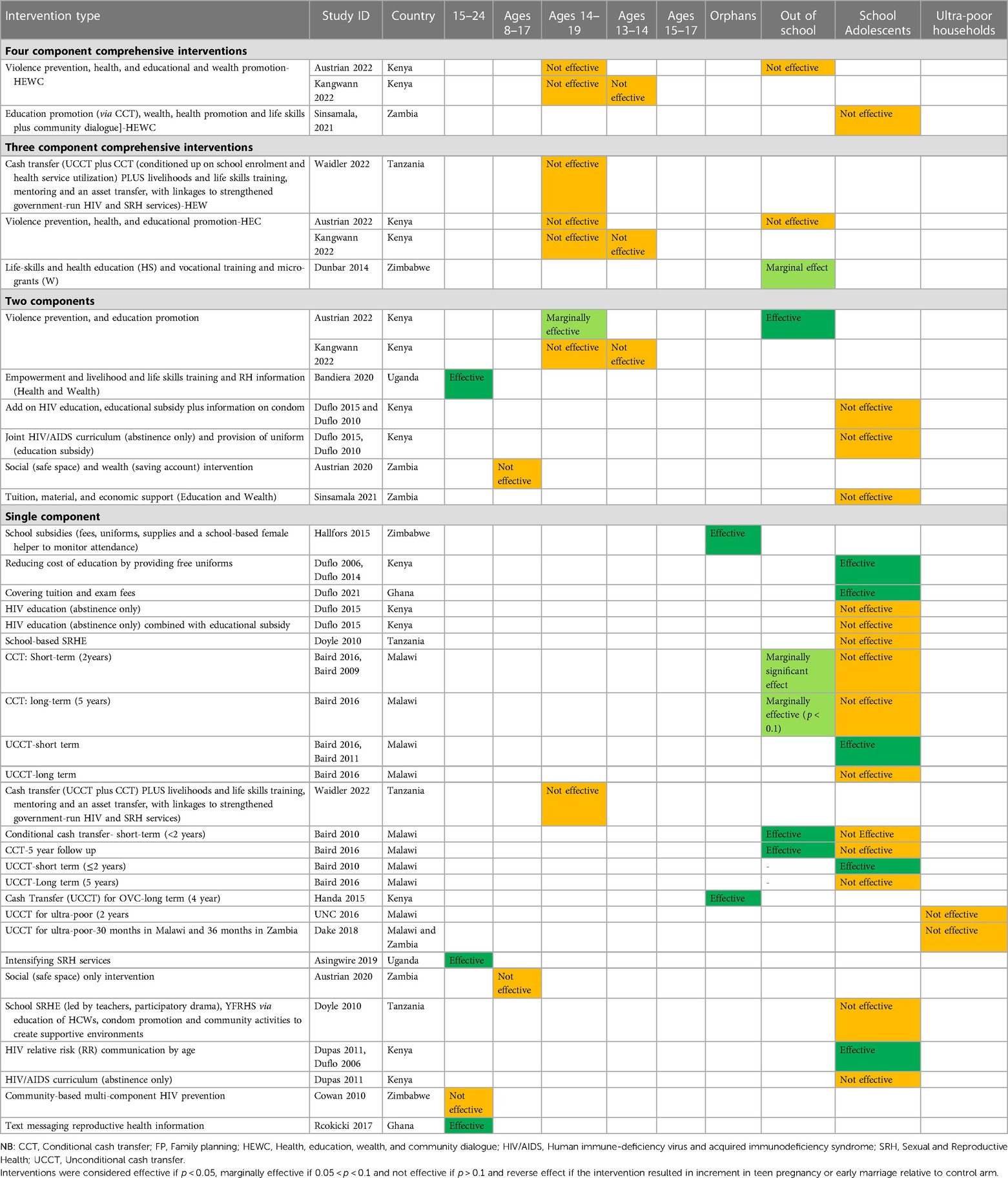
Table 3. Effectiveness of different categories of interventions on teen pregnancy across the different subgroups and settings.
Three studies reported on interventions that addressed three component interventions that addressed any combinations of health, wealth, education, and violence prevention. These projects were conducted Kenya (42, 46) and Tanzania (48). The two Kenyan studies conducted both in slum (42) and pastoral (46) settings reported that effect of these multiple component interventions comprising violence prevention, education and health was not significantly different from that of standalone (violence prevention) intervention. Similarly, a Tanzanian study reported there was no significant difference in the rates of teen pregnancy among girls in an arm with multicomponent interventions compared to those girls in the “cash only” arm (arm that received the cash transfer program alone) (48). The multicomponent interventions comprised cash transfer conditioned up on school enrolment or seeking essential health services and unconditional cash transfer plus livelihoods and life skills training, mentoring and an asset transfer, combined with linkages to strengthened government-run HIV and SRH services).
C. Programs/Projects that addressed two components
These projects were conducted in Zambia (49, 53), Malawi (27) and Kenya (46). Some of these interventions were focused on health/social and educational support (53); some were focused on creating safe spaces and providing health vouchers, (Austrian 2020) and others were focused on educational support and livelihood support through CCT and UCCT (27). Some of these interventions were effective (46) and some were not (53).
A Kenyan study conducted in pastoral setting found that violence prevention combined with education promotion reduced teen pregnancy by one third (marginally significant); on the other hand, the effect was statistically significant for out of schoolgirls (46). Study in the same country found no significant effect of violence prevention combined with education promotion on teen pregnancy in urban informal settlement setting (42). Another Kenyan study reported that education subsidies are not effective in reducing teen pregnancy when combined with national HIV/AIDS curriculum which focuses on abstinence only messages. In addition, education subsidies when combined with an add on HIV education, and information on condom were not effective in reducing teen pregnancy (29). A Zimbabwean study conducted among urban out-of-school youth reported that combining livelihood intervention (vocational training and micro-grants) with life-skills and health education had only marginal effect on teen pregnancy when compared to life-skills and health education [HR 0.61, 95% CI, (0.37, 1.01)] (41).
Study from Zambia reported that intervention with health/social and wealth components was not effective. The study found that the provision of safe spaces for adolescents when combined with heath vouchers and heath saving accounts did not have any impact on teen pregnancy when compared to control arm (no intervention) (49).
D. Projects with one component interventions
Projects under this category include educational support (27, 37–39) and livelihood support (UCCT) (50–52), creating safe spaces for adolescents (49, 54), adolescent sexual and reproductive health education (55) and HIV prevention interventions (29, 35, 36).
Like in the case of child marriage, the study conducted in Ghana reported significant impact of provision of scholarship in reducing the probability of ever getting pregnant consistently across years (39, 40). Study conducted in Zimbabwe demonstrated that supporting orphans and vulnerable adolescents via School subsidies (fees, uniforms and supplies) reduced teen pregnancy both in the short term (2 years) (37) and long-term (5 years) follow ups (38). Study conducted in Malawi reported that there is no significant effect of conditional cash transfer (CCT) on marriage among schoolgirls both in short-term (2 years follow up) and long-term (5 years) follow up. The same study reported statistically significant effect of conditional cash transfer (CCT) among drop-out girls both in short-term and long-term evaluation. The study also reported that UCCT was effective on baseline schoolgirls during and immediately upon completion, but not in the long-term (after 5 years) (27).
Using data from a four-year follow up study, a Kenyan study reported that UCCT to orphan and vulnerable children significantly reduced the risk of teen pregnancy (50). On the other hand, a Malawian study reported that unconditional Cash transfer (UCCT) to ultra-poor rural households has no significant impact on teen pregnancy (52). Other multi-country study also reported that unconditional Cash transfer (UCCT) to ultra-poor rural households did not significantly reduce the risk of teen pregnancy both in Malawi and Zambia (51).
From HIV prevention projects, national HIV/AIDS curriculum that focuses on abstinence only was not effective. On the other hand, HIV prevention messages were effective in reducing teen pregnancy (29). Communicating HIV risk based on age and sex profile reduced teen pregnancy by 27.7% (p < 0.05). Communicating the risk averts 29.4 pregnancies by older partners. Communicating HIV risk information decreased the incidence of cross-generational pregnancies by 61.7% (relative to the comparison) (35, 36). On the other hand, a study conducted in Zimbabwe reported that community-based multi-component HIV prevention intervention does not have significant effect on teen pregnancy (56).
While school sexual and reproductive health education did not have significant impact on teen pregnancy in Tanzania (55), intensifying adolescent sexual and reproductive health services reduced teen pregnancy in Uganda (54). Another intervention with important consideration was text messaging of reproductive health information. A Ghanaian study reported that both unidirectional [odds ratio (OR) = 0.14; 95% CI = 0.03, 0.71] and interactive messages containing reproductive health information (OR = 0.15; 95% CI = 0.03, 0.86) lowered odds of self-reported pregnancy for sexually active participants (at 15 months follow up) (57).
The other important interventions under this category are creating safe spaces for adolescents. Study from Zambia reported that the provision of safe spaces for adolescents when provided alone or when combined with heath vouchers did not have any impact on teen pregnancy when compared to control arm (no intervention) (49).
Discussions
This review attempted to search and locate the current available evidence on the effectiveness of interventions that have been implemented to reduce teen pregnancy and child marriage in sub-Saharan Africa. The interventions reported in the review were generally categorized into (a) Interventions aimed to build educational assets (E), (b) Interventions aimed to build life skills and health assets (H), (c) Interventions aimed to build livelihood and/or financial skills [Wealth building interventions (W)], (d) Interventions designed to change community norms [including violence prevention, women and girls' empowerment and/or prevention of early marriage (C) and e] Combination of one or more of the above.
Even though the amount of investment in multi-component interventions is remarkable, their (additional) effect on child marriage and teen pregnancy is not significant. For instance, multicomponent interventions comprising as many as four domains of interventions were not effective. This might have been because of the lack of focus or logistical difficulties related the implementation. The other inherent problem of studies with multiple domains of interventions is that they had multiple outcomes and they were not powered enough to detect differences in child marriage or teen pregnancy. Besides that, some lacked adequate balance at baseline. In addition, adolescent-based interventions were only subcomponents of the bigger development packages (48). The strength of such interventions, on the other hand, is that they have collected data on several health and economic variables, and it is clear to understand the modifying effect of several variables and the overall fit of the interventions within the educational, social, economic and health systems of the population. In addition, it will provide an opportunity for understanding the pathways through which the intervention affects the outcomes (child marriage and teen pregnancy). For instance, unconditional cash transfer (UCCT) (50) was effective in reducing teen pregnancy but not on reducing child marriage. From its effect on schooling, it was possible to hypothesize that the intervention reduced teen pregnancy rate not by delaying marriage, but by keeping adolescent girls in schools. Findings of the study conducted in Malawi also suggests that unconditional cash transfer programs implemented among in-school girls were only effective in the short-term (while the program was in place) (58). This may be due the fact that girls may not build assets using the short-term funding from the UCCT. On the other hand, the conditional cash transfer (CCT) was effective among out-of-school girls both in short-term and long-term follow ups and it was not effective both in short-term and long-term among in-school girls (58).
Even though it is difficult to conclude, it appears that interventions with fewer domains were promisingly effective. For instance, interventions such as education subsidies were effective when implemented alone and not effective when combined with other interventions, such as the national HIV curriculum which focuses on abstinence only prevention messages (29). School promotion interventions were effective in reducing both teen pregnancy and child marriage (29, 37–39). Particularly, study conducted in Ghana, which had a follow up period of 12 years demonstrated that provision of scholarship that covers secondary school tuition and exam fees significantly reduces marriage and pregnancy (39). Previous observational study reporting on multi-country data has also reported the effectiveness of eliminating primary school education fees in reducing child marriage (59). This underscores that addressing barriers to attending secondary school is critical not only in keeping adolescents in school but also in helping them to be empowered and delay their start of childbearing. This is in line with the findings that indicate life skills and livelihood training and mentoring interventions are effective in reducing child marriage (34, 48).
Examining the population subgroup indicates that some of the interventions were effective only among out-of-school adolescent girls, while their effect among in-school adolescent girls were not significant. For instance, study conducted in Kenya reported that the effect of the multicomponent interventions was greater among girls not in school at baseline. For instance, the intervention comprising violence prevention, education, health and wealth (VEHW) components significantly reduced child marriage compared to the control arm (violence prevention alone) among girls not in school at baseline. On the other hand, the effect was not statistically significant among the full sample (46). In addition, study conducted in Malawi found that conditional cash transfer (CCT) programs were effective both in short term and long term follow ups among out-of-school girls, but not among in-schoolgirls (58). While the mechanism is still not clear, some suggest that this may be through increasing educational outcomes (Kangwann 2022) and through tackling cost related barriers, especially among the neediest segments of the population, such as orphans (Hallfors 2015). This especially holds true for girls who could not continue schooling because of financial barriers and potentially financial barriers are really forcing girls to enter marriage early. On the other hand, some interventions, such as community dialogue were effective in reducing child marriage without impacting educational outcomes (Chow 2021). Clarifying such controversies with strong study designs might help in understanding pathways on how the interventions work.
Though routine adolescent sexual and reproductive health services were not effective (55), intensifying Youth Friendly Services (YFS) through youth corners, outreach, social and behavior change communication intervention (SBCC), counseling, family planning (60), was effective in reducing teen pregnancy. In addition, text-messages containing reproductive health information were effective (57). This is promising result as expansion of mobile technologies are increasing.
The other intervention that is promising, if implemented systematically, is community dialogue (43, 45). However, for community dialogues to be effective, there should be intensive training for the facilitators and appropriate sustainable strategy to trace the activities of community leaders. For instance, the community dialogue in Burkina Faso that used intensive training and sustained reporting and tracing mechanism was successful. On the other hand, community dialogue in Tanzania that was intense and that lacked sustained contact system was not effective (43). In addition, community dialogue has been implemented as part of other interventions (43, 45, 47). Especially, when implemented along with other interventions that are delivered through school clubs, it will increase the effect of the intervention by letting adolescent girls get adequate information to backlash misperceptions or negative interactions from the community potentially resulting from exposure to low intensity or inadequate exposure to community conversations about reducing child marriage (45).
While interpreting the effectiveness of the interventions, it is critical to take the local context into account. For instance, local security situations affect not only the effect of the interventions but also the fidelity of the interventions and the intervention uptakes. In addition, factors associated with instability (61) and migration (43) also challenge progress in the evidence base to the reduction of teen pregnancy and child marriage particularly among more vulnerable population groups in rural settings. The other critical thing that should be considered is that the effect of some interventions may cease if there is no means to accommodate their running costs and sustain them, such as the cash transfer programs (58). This implies that any innovative intervention should be sustainable, economically and politically. There is room for innovation on what might work to reduce child marriage and teen pregnancy in Sub-Saharan Africa where child marriage has remained high. In addition, because of the high demand for such interventions in fragile and humanitarian contexts, there should be an innovative mechanism to design context-specific interventions and strategies for follow up. Even though there are few studies among refugees, some were not powered for the outcome, and/or they did not include child marriage as primary outcomes (62, 63).
The current review has attempted to look broadly at evidence regarding effective interventions in reducing child marriage and teen pregnancy in sub-Saharan Africa. The review was comprehensive in addressing both published and unpublished articles. However, it is important to acknowledge certain limitations of the review. First, the review did not address studies reported in languages other than English. This is particularly a significant limitation given that Central and West Africa, which are largely Francophone, have some of the highest fertility and lowest contraceptive use levels in Africa and may have attracted interventions with fertility-related outcomes that are not published in English.
The review underscores the need for high quality research to guide program and policy options in achieving demographic transition in Africa. As described earlier, some interventions did not have adequate follow up period and their long-term effects were not investigated. Therefore, more evidence is needed to inform the design of interventions with potential to impact fertility-related outcomes in SSA.
While the findings of the review should be interpreted in the light of the above limitations, the evidence generated from the review provides clear guidance for understanding current gaps and for designing programs and policies with the potential to affect child marriage and teen pregnancy in sub-Saharan Africa.
Conclusions
Recommendations for research
The available evidence on the effectiveness of interventions on teen pregnancy, and child marriage is of limited quality due to the limited number of studies that have evaluated these outcomes and because of design limitations of the studies. Additionally, practical, ethical, and contextual information should be sought before implementing certain incentive-based programs. The potential for cost containment and sustainability issues should be addressed. Hence, future trials may integrate costing component. An especially important potential research agenda in Sub-Saharan Africa is exploratory qualitative studies to assess perceptions and views of various groups (urban-rural, religious groups, gender, age, policy-community leaders, etc.) on the role of financial incentives and life skills, and livelihood interventions in delaying marriage and empowering adolescents in the region. In addition, the involvement of different stakeholders, governmental and nongovernmental actors and funders is critical to get insights related to the long-term sustainability of possible interventions. Following the exploratory research, rigorous studies should be designed to delay child marriage by keeping adolescent girls in school longer and transitioning them to secondary school.
In addition, gender, and women's (and girls') empowerment initiatives are often poorly conceptualized and implemented. Research is needed to understand what these mean in high fertility settings and how such empowerment can be achieved in that context and to assess the effectiveness of such empowerment interventions on contraceptive use, pregnancy rates, fertility, and age at first marriage. Young people are key to achieving rapid and sustained decline in fertility in SSA. How to engage them meaningfully remains a challenge where further evidence is needed. Simply having youth centers has been shown not to work. Intensifying efforts to reach them with services via multiple strategies have been shown to be effective. There is a need to better understand strategies and mechanisms to reach adolescents and to change their fertility preference and behavior, and to empower them to make independent decisions about their lives and future, including reproductive life. Moreover, there is potential innovation room for utilizing mobile technologies to reduce teen pregnancy and child marriage.
Recommendations for policy and practice
Emerging evidence indicates that addressing community dialogues, school subsidies and cash transfer to orphans and vulnerable groups were effective in reducing child marriage across contexts. In addition, tailored interventions, such as intensifying sexual and reproductive health services and using text messages to convey reproductive health information are effective in reducing teen pregnancy among adolescent girls. Therefore, supporting adolescent girls to stay in schools through education subsidies, and/or covering tuition and exam fees and the use of tailored sexual and reproductive health information may reduce teen pregnancies and child marriage. In addition, it is critical to use community dialogue to clarify and address cultural norms around child marriage.
Data availability statement
The original contributions presented in the study are included in the article/Supplementary Materials, further inquiries can be directed to the corresponding author.
Author contributions
All authors contributed to conception of the study, methodology, data curation, validation, visualization, data analysis, drafting and critically revising the paper, gave final approval of the version to be published, and agree to be accountable for all aspects of the work. All authors contributed to the article and approved the submitted version.
Conflict of interest
The authors declare that the research was conducted in the absence of any commercial or financial relationships that could be construed as a potential conflict of interest.
Publisher's note
All claims expressed in this article are solely those of the authors and do not necessarily represent those of their affiliated organizations, or those of the publisher, the editors and the reviewers. Any product that may be evaluated in this article, or claim that may be made by its manufacturer, is not guaranteed or endorsed by the publisher.
Supplementary material
The Supplementary Material for this article can be found online at: https://www.frontiersin.org/articles/10.3389/frph.2023.1105390/full#supplementary-material.
Abbreviations
AIDS, Acquired Immuno-deficiency Syndrome; AOR, Adjusted odds ratio; CT, Cash Transfer; CCT, Conditional cash transfer; CENTRAL, Cochrane Database of Systematic Reviews; CI, Confidence interval; CINAHL, Cumulative Index to Nursing and Allied Health Literature; cRTs, Cluster-randomized trials; FP, Family Planning; HEWC, Interventions consisting of health, education promotion, wealth building and community dialogue components; HIV, Human Immuno-deficiency Virus; HR, Hazard ratio; IEC, Information, education, and communication; JBI, Joanna Briggs Institute; OVC, Orphan and vulnerable children; PP, percentage point; PRISMA-ScR, Preferred Reporting Items for Systematic Reviews and Meta-Analyses for scoping reviews; RH, Reproductive Heath; RR, Relative risk; SBCC, Social and behavioral change communication; SRH, Sexual and Reproductive Heath; SSA, Sub-Saharan Africa; TFR, Total Fertility Rate; TT, Teachers' training; UCCT, Unconditional cash transfer; UNICEF, United Nations Children's Fund; VE, Violence prevention combined with and education promotion; VEH, Violence, Education and Health; VEHW, Violence prevention, education promotion, health, and wealth creation; WHO, World Health Organization; YFS, Youth Friendly Services.
References
1. Lutz W, Samir K. Dimensions of global population projections: what do we know about future population trends and structures? Philos Trans R Soc, B. (2010) 365(1554):2779–91. doi: 10.1098/rstb.2010.0133
2. Namasaka M. Harnessing the demographic dividend through investments in youth. Cape Town, South Africa: International Development (2017).
3. Onagoruwa A, Wodon Q. Measuring the impact of child marriage on total fertility: a study for fifteen countries. J Biosoc Sci. (2018) 50(5):626–39. doi: 10.1017/S0021932017000542
4. Kebede E, Goujon A, Lutz W. Stalls in Africa’s fertility decline partly result from disruptions in female education. Proc Natl Acad Sci USA. (2019) 116(8):2891–6. doi: 10.1073/pnas.1717288116
5. Bongaarts J, Casterline J. Fertility transition: is sub-saharan Africa different? Popul Dev Rev. (2013) 38:153–68. doi: 10.1111/j.1728-4457.2013.00557.x
6. Fernandes M, Ambewadikar J. Child marriage and human rights: a global perspective. Int J Econ Perspect. (2022) 16(7):63–71. Available at: https://ijeponline.org/index.php/journal/article/view/318/331
7. Parsons J, Edmeades J, Kes A, Petroni S, Sexton M, Wodon Q. Economic impacts of child marriage: a review of the literature. Rev Faith Int Affairs. (2015) 13(3):12–22. doi: 10.1080/15570274.2015.1075757
8. Vavrus F, Larsen U. Girls’ education and fertility transitions: an analysis of recent trends in Tanzania and Uganda. Econ Dev Cult Change. (2003) 51(4):945–75. doi: 10.1086/377461
9. Maluli F, Bali T. Exploring experiences of pregnant and mothering secondary school students in tanzania. (2014).
10. Sheehan P, Sweeny K, Rasmussen B, Wils A, Friedman HS, Mahon J, et al. Building the foundations for sustainable development: a case for global investment in the capabilities of adolescents. The Lancet. (2017) 390(10104):1792–806. doi: 10.1016/S0140-6736(17)30872-3
11. Wodon Q, Male C, Nayihouba A, Onagoruwa A, Savadogo A, Yedan A, et al. Economic impacts of child marriage: Global synthesis report. (2017).
12. Osborn D, Cutter A. Universal sustainable development goals. Understanding the transformational challenge for developed countries. (2015). Last accessed on March 09, 2023 from https://sustainabledevelopment.un.org/content/documents/1684SF_-_SDG_Universality_Report_-_May_2015.pdf.
13. World-Heath-Organization. Adolescent pregnancy (2022). Available from: https://www.who.int/news-room/fact-sheets/detail/adolescent-pregnancy
14. WHO. Who guidelines on preventing early pregnancy and poor reproductive outcomes among adolescents in developing countries. Geneva, Switzerland: WHO (2011).
15. Wodon Q, Onagoruwa N, Yedan A, Edmeades J. Economic impacts of child marriage: Fertility and population growth. Washington, DC: The World Bank and International Center for Research on Women (2017).
16. Haberland N, McCarthy K, Brady M. Insights and evidence gaps in girl-centered programming: A systematic review. GIRL Cent Res Br. (2018):3. Available at: https://knowledgecommons.popcouncil.org/cgi/viewcontent.cgi?article=1465&context=departments_sbsr-pgy [accessed March 2023].
17. Moher D, Liberati A, Tetzlaff J, Altman DG. Preferred reporting items for systematic reviews and meta-analyses: the prisma statement. Int J Surg. (2010) 8(5):336–41. doi: 10.1016/j.ijsu.2010.02.007
18. Ezeh A, Soboka M, Tolu LB, Feyissa GT. Effectiveness of interventions to reduce teen pregnancy and early marriage in sub-saharan africa: A systematic review of quantitative evidence PROSPERO 2022;CRD42022327397. Available from: https://www.crd.york.ac.uk/prospero/display_record.php?ID=CRD42022327397
19. Efevbera Y, Bhabha J. Defining and deconstructing girl child marriage and applications to global public health. BMC Public Health. (2020) 20(1):1547. doi: 10.1186/s12889-020-09545-0
21. JBI. The joanna briggs institute critical appraisal tools for use in jbi systematic reviews: Checklist for quasi-experimental studies (non-randomized experimental studies). (2017). JBI_Quasi-Experimental_Appraisal_Tool2017 pdf.
22. Tufanaru C, Munn Z, Aromataris E, Campbell J, Hopp L. Chapter 3: Systematic reviews of effectiveness. In: Aromataris E, Munn Z, editors. Joanna Briggs Institute Reviewer's Manual. JBI. (2017). Available from at: https://reviewersmanual.joannabriggs.org/. Available at: https://jbi.global/sites/default/files/2019-05/JBI_Quasi-Experimental_Appraisal_Tool2017_0.pdf
23. Baird S, Chirwa E, McIntosh C, Ozler B. The short-term impacts of a schooling conditional cash transfer program on the sexual behavior of young women. Washington, DC, USA: The World Bank (2009).
24. Baird S, Chirwa E, McIntosh C, Ozler B. The short-term impacts of a schooling conditional cash transfer program on the sexual behavior of young women. Health Econ. (2010) 19(Suppl):55–68. doi: 10.1002/hec.1569
25. Baird S, McIntosh C, Özler B. Cash or condition? Evidence from a cash transfer experiment. Q J Econ. (2011) 126(4):1709–53. doi: 10.1093/qje/qjr032
26. Sarah B, Chirwa E, McIntosh C, Özler B. What happens once the intervention ends? The medium-term impacts of a cash transfer programme in Malawi. 3ie Impact Evaluation Report. (2015). p. 27. Available at: https://www.3ieimpact.org/evidence-hub/publications/impact-evaluations/what-happens-once-intervention-ends-medium-term [Accessed 9th Mar 2023]
27. Baird S, McIntosh C, Özler B. When the money runs out: Evaluating the longer-term impacts of a two year cash transfer program. World Bank Policy Research Working Paper. (2016). 7901. Accessed from https://gps.ucsd.edu/_files/faculty/mcintosh/mcintosh_research_SIHR.pdf, March 2023
28. Duflo E, Dupas P, Kremer M. Education, hiv, and early fertility: Experimental evidence from Kenya. Cambridge, MA: National Bureau of Economic Research (2014). 72 p.
29. Duflo E, Dupas P, Kremer M. Education, hiv, and early fertility: experimental evidence from Kenya. Am Econ Rev. (2015) 105(9):2757–97. doi: 10.1257/aer.20121607
30. Bandiera O, Buehren N, Burgess R, Goldstein M, Gulesci S, Rasul I, et al. Empowering adolescent girls: evidence from a randomized control trial in Uganda. Washington, DC, USA: World Bank (2012).
31. Bandiera O, Buehren N, Burgess R, Goldstein M, Gulesci S, Rasul I, et al. Women’s empowerment in action: Evidence from a randomized control trial in africa. AEJ: Applied Economics. (2015). 12(1):210-59. Accessed from https://eprints.lse.ac.uk/102465/1/womens_empowerment_in_action.pdf, March 2023
32. Bandiera O, Buehren N, Burgess R, Goldstein M, Gulesci S, Rasul I, et al. Women’s empowerment in action: Evidence from a randomized control trial in africa. (2017). Accessed March 2023 from https://www.edu-links.org/sites/default/files/media/file/Bandiera%20et%20al%202017.pdf.
33. Bandiera O, Buehren N, Burgess R, Goldstein M, Gulesci S, Rasul I, et al. Women’s empowerment in action: Evidence from a randomized control trial in africa. (2018). Accessed March 2023 from https://documents1.worldbank.org/curated/en/223031548745557611/pdf/134122-WP-PUBLIC-28-1-2019-9-31-36-ELAUG.pdf
34. Bandiera O, Buehren N, Burgess R, Goldstein M, Gulesci S, Rasul I, et al. Women’s empowerment in action: evidence from a randomized control trial in Africa. Am Econ J Appl Econ. (2020) 12(1):210–59. doi: 10.1257/app.20170416
35. Dupas P. Do teenagers respond to hiv risk information? Evidence from a field experiment in kenya. Nber working paper no. 14707. National Bureau of Economic Research. (2009).
36. Dupas P. Do teenagers respond to hiv risk information? Evidence from a field experiment in Kenya. Am Econ J Appl Econ. (2011) 3(1):1–34. doi: 10.1257/app.3.1.1
37. Hallfors D, Cho H, Rusakaniko S, Iritani B, Mapfumo J, Halpern C. Supporting adolescent orphan girls to stay in school as hiv risk prevention: evidence from a randomized controlled trial in Zimbabwe. Am J Public Health. (2011) 101(6):1082–8. doi: 10.2105/AJPH.2010.300042
38. Hallfors DD, Cho H, Rusakaniko S, Mapfumo J, Iritani B, Zhang L, et al. The impact of school subsidies on hiv-related outcomes among adolescent female orphans. J Adolesc Health. (2015) 56(1):79–84. doi: 10.1016/j.jadohealth.2014.09.004
39. Duflo E, Dupas P, Kremer M. The impact of free secondary education: experimental evidence from Ghana. Natl Bureau Econ Res. (2021). Accessed March 2023 from https://sticerd.lse.ac.uk/seminarpapers/dg26022018.pdf.
40. Dupas P, Kremer M. The impact of free secondary education: Experimental evidence from ghana. (2017).
41. Dunbar MS, Kang Dufour M-S, Lambdin B, Mudekunye-Mahaka I, Nhamo D, Padian NS. The shaz! project: results from a pilot randomized trial of a structural intervention to prevent hiv among adolescent women in Zimbabwe. PLoS One. (2014) 9(11):e113621. doi: 10.1371/journal.pone.0113621
42. Kangwana B, Austrian K, Soler-Hampejsek E, Maddox N, Sapire RJ, Wado YD, et al. Impacts of multisectoral cash plus programs after four years in an urban informal settlement: adolescent girls initiative-Kenya (agi-k) randomized trial. PLoS One. (2022) 17(2):e0262858. doi: 10.1371/journal.pone.0262858
43. Erulkar A, Medhin G, Weissman E, Kabore G, Ouedraogo J. Designing and evaluating scalable child marriage prevention programs in Burkina Faso and Tanzania: a quasi-experiment and costing study. Glob Health Sci Pract. (2020) 8(1):68–81. doi: 10.9745/GHSP-D-19-00132
44. Erulkar AS, Muthengi E. Evaluation of berhane hewan: a program to delay child marriage in rural Ethiopia. Int Perspect Sex Reprod Health. (2009) 35(1):6–14. doi: 10.1363/3500609
45. Chow V, Vivalt E. Challenges in changing social norms: evidence from interventions targeting child marriage in Ethiopia. J Afr Econ. (2022) 31(3):183–210. doi: 10.1093/jae/ejab010
46. Austrian K, Soler-Hampejsek E, Kangwana B, Maddox N, Diaw M, Wado YD, et al. Impacts of multisectoral cash plus programs on marriage and fertility after 4 years in pastoralist Kenya: a randomized trial. J Adolesc Health. (2022) 70(6):885–94. doi: 10.1016/j.jadohealth.2021.12.015
47. Hegdahl H, Sandoy I, editors. Effects of economic support and community dialogue on early marriage in Zambia. Hoboken, NJ, United States: Tropical Medicine & International Health (2021).
48. Waidler J, Gilbert U, Mulokozi A, Palermo T. A “plus” model for safe transitions to adulthood: impacts of an integrated intervention layered onto a national social protection program on sexual behavior and health seeking among Tanzania’s youth. Stud Fam Plann. (2022) 53(2):233–58. doi: 10.1111/sifp.12190.35315072
49. Austrian K, Soler-Hampejsek E, Behrman JR, Digitale J, Jackson Hachonda N, Bweupe M, et al. The impact of the adolescent girls empowerment program (agep) on short and long term social, economic, education and fertility outcomes: a cluster randomized controlled trial in Zambia. BMC Public Health. (2020) 20(1):349. doi: 10.1186/s12889-020-08468-0
50. Handa S, Peterman A, Huang C, Halpern C, Pettifor A, Thirumurthy H. Impact of the Kenya cash transfer for orphans and vulnerable children on early pregnancy and marriage of adolescent girls. Soc Sci Med. (2015) 141:36–45. doi: 10.1016/j.socscimed.2015.07.024
51. Dake F, Natali L, Angeles G, de Hoop J, Handa S, Peterman A, et al. Cash transfers, early marriage, and fertility in Malawi and Zambia. Stud Fam Plann. (2018) 49(4):295–317. doi: 10.1111/sifp.12073
52. University-of-North-Carolina. Malawi Social cash transfer programme endline impact evaluation report. Chapel Hill, NC: University-of-North-Carolina (2016).
53. Sinsamala RM. The effect of sexual and reproductive health education and community dialogue on adolescent pregnancy rates: A cluster randomized trial in a rural Zambian context. Bergen: The University of Bergen (2021).
54. Asingwire N, Muhangi D, Kyomuhendo S, Leight J. Impact evaluation of youth-friendly family planning services in Uganda. (2019). Accessed March 2023 from https://www.3ieimpact.org/sites/default/files/2019-04/GFR-UPW.06-IE-SEDC-Youth-Friendly-Family-Planning-Uganda.pdf.
55. Doyle AM, Ross DA, Maganja K, Baisley K, Masesa C, Andreasen A, et al. Long-term biological and behavioural impact of an adolescent sexual health intervention in Tanzania: follow-up survey of the community-based mema kwa vijana trial. PLoS Med. (2010) 7(6):e1000287. doi: 10.1371/journal.pmed.1000287
56. Cowan FM, Pascoe SJ, Langhaug LF, Mavhu W, Chidiya S, Jaffar S, et al. The regai dzive shiri project: results of a randomised trial of an hiv prevention intervention for Zimbabwean youth. AIDS (London, England). (2010) 24(16):2541. doi: 10.1097/QAD.0b013e32833e77c9
57. Rokicki S, Cohen J, Salomon JA, Fink G. Impact of a text-messaging program on adolescent reproductive health: a cluster-randomized trial in Ghana. Am J Public Health. (2017) 107(2):298–305. doi: 10.2105/AJPH.2016.303562
58. Baird S, Chirwa E, McIntosh C, Ozler B. What happens once the intervention ends? The medium-term impacts of a cash transfer programme in malawi, 3ie grantee final report. New Delhi: International Initiative for Impact Evaluation (3ie). (2015).
59. Koski A, Strumpf EC, Kaufman JS, Frank J, Heymann J, Nandi A. The impact of eliminating primary school tuition fees on child marriage in sub-saharan Africa: a quasi-experimental evaluation of policy changes in 8 countries. PLoS One. (2018) 13(5):e0197928. doi: 10.1371/journal.pone.0197928
60. Asingwire N, Muhangi D, Kyomuhendo S, Leight J. Impact evaluation of youth-friendly family planning services in Uganda. Delhi: International Initiative for Impact Evaluation (3ie) (2019).
61. Buehren N, Chakravarty S, Goldstein M, Slavchevska V, Sulaiman M. Adolescent girls’ empowerment in conflict-affected settings: Experimental evidence from south sudan. Working Paper. (2017).
62. Stark L, Asghar K, Seff I, Yu G, Gessesse TT, Ward L, et al. Preventing violence against refugee adolescent girls: findings from a cluster randomised controlled trial in Ethiopia. BMJ Global Health. (2018) 3(5):e000825. doi: 10.1136/bmjgh-2018-00082530398223
63. Stark L, Seff I, Asghar K, Roth D, Bakamore T, MacRae M, et al. Building caregivers’ emotional, parental and social support skills to prevent violence against adolescent girls: findings from a cluster randomised controlled trial in democratic Republic of Congo. BMJ Global Health. (2018) 3(5):e000824. doi: 10.1136/bmjgh-2018-00082430398222
APPENDIX 1 Appraisal scores of Randomized trials.
.
NB: Q1 Was true randomization used for assignment of participants to treatment groups?
Q2 Was allocation to treatment groups concealed?
Q3 Were treatment groups similar at the baseline?
Q4 Were participants blind to treatment assignment?
Q5 Were those delivering treatment blind to treatment assignment?
Q6 Were outcomes assessors blind to treatment assignment?
Q7 Were treatment groups treated identically other than the intervention of interest?
Q8 Was follow up complete and if not, were differences between groups in terms of their follow up adequately described and analyzed?
Q9 Were participants analyzed in the groups to which they were randomized?
Q10 Were outcomes measured in the same way for treatment groups?
Q11 Were outcomes measured in a reliable way?
Q12 Was appropriate statistical analysis used?
Q13 Was the trial design appropriate, and any deviations from the standard RCT design (individual randomization, parallel groups) accounted for in the conduct and analysis of the trial?
APPENDIX 2 Appraisal scores of quasi-experimental studies.

.
NB:Q1 Is it clear in the study what is the “cause” and what is the “effect” (i.e., there is no confusion about which variable comes first)?
Q2 Were the participants included in any comparisons similar?
Q3 Were the participants included in any comparisons receiving similar treatment/care, other than the exposure or intervention of interest?
Q4 Was there a control group?
Q5 Were there multiple measurements of the outcome both pre and post the intervention/exposure?
Q6 Was follow up complete and if not, were differences between groups in terms of their follow up adequately described and analyzed?
Q7 Were the outcomes of participants included in any comparisons measured in the same way?
Q8 Were outcomes measured in a reliable way?
Q9 Was appropriate statistical analysis used?
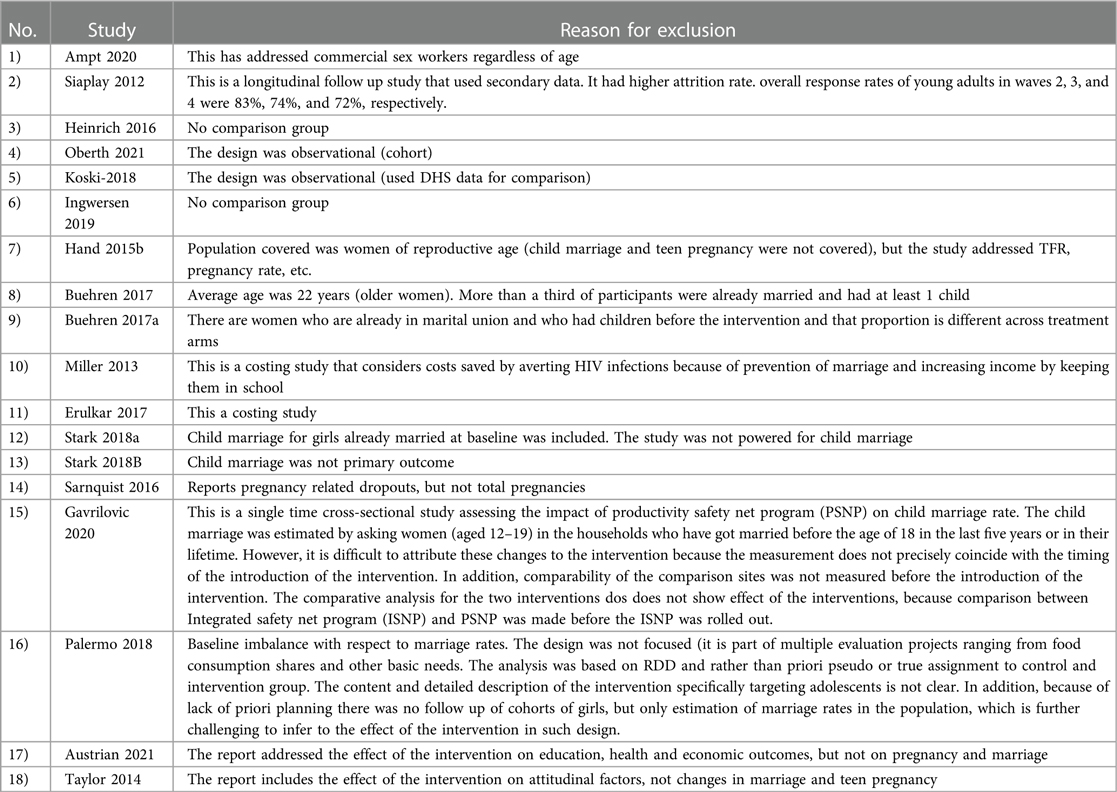
APPENDIX 3 Full text studies excluded with reasons.
.
Keywords: teen pregnancy, early marriage, systematic review, sub-Saharan Africa (SSA), interventions
Citation: Feyissa GT, Tolu LB, Soboka M and Ezeh A (2023) Effectiveness of interventions to reduce child marriage and teen pregnancy in sub-Saharan Africa: A systematic review of quantitative evidence. Front. Reprod. Health 5:1105390. doi: 10.3389/frph.2023.1105390
Received: 22 November 2022; Accepted: 3 March 2023;
Published: 31 March 2023.
Edited by:
Nega Assefa, Haramaya University, EthiopiaReviewed by:
Eileen Ai-liang Yam, Mathematica, Inc., United StatesSugarmaa Myagmarjav, Mongolian National University of Medical Sciences, Mongolia
© 2023 Feyissa, Tolu, Soboka and Ezeh. This is an open-access article distributed under the terms of the Creative Commons Attribution License (CC BY). The use, distribution or reproduction in other forums is permitted, provided the original author(s) and the copyright owner(s) are credited and that the original publication in this journal is cited, in accordance with accepted academic practice. No use, distribution or reproduction is permitted which does not comply with these terms.
*Correspondence: Garumma Tolu Feyissa Z2FydW1tYXRvbHVAeWFob28uY29t
Specialty Section: This article was submitted to Adolescent Reproductive Health and Well-being, a section of the journal Frontiers in Reproductive Health