 Maurizio Cundari
 Susanna Vestberg
 Peik Gustafsson
 Sorina Gorcenco
 Anders Rasmussen
- 1Department of Experimental Medical Science, Faculty of Medicine, Lund University, Lund, Sweden
- 2Unit of Neuropsychiatry, Hospital of Helsingborg, Helsingborg, Sweden
- 3Unit of Neurology, Hospital of Helsingborg, Helsingborg, Sweden
- 4Department of Psychology, Faculty of Social Science, Lund University, Lund, Sweden
- 5Child and Adolescent Psychiatry, Department of Clinical Sciences Lund, Medical Faculty, Lund University, Lund, Sweden
- 6Department for Clinical Sciences Lund, Neurology, Lund University, Skåne University Hospital, Lund, Sweden
A Corrigendum on
Neurocognitive and cerebellar function in ADHD, autism and spinocerebellar ataxia
by Cundari, M., Vestberg, S., Gustafsson, P., Gorcenco, S., and Rasmussen, A. (2023). Front. Syst. Neurosci. 17:1168666. doi: 10.3389/fnsys.2023.1168666
In the published article, there was an error in Table 1 as published, where under the column ASD – Naming ability shows 3 arrows .
The correct Table 1 under the column ASD – Naming ability should have only one arrow ↓. The corrected version of Table 1 appears below.
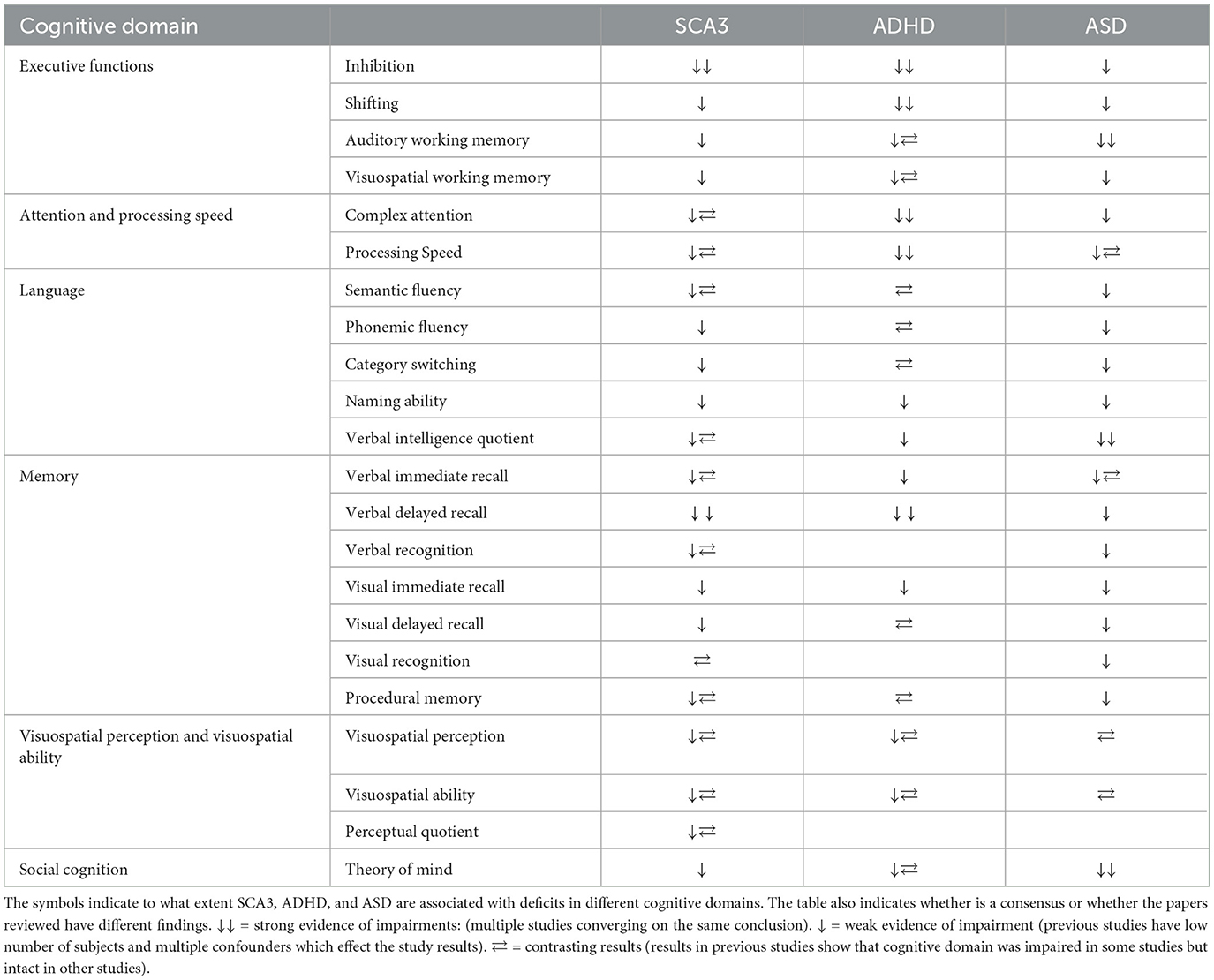
Table 1. Summarizes the evidence in the papers reviewed.
In the published article, there was an error in Attention deficit hyperactivity disorder, Summary, paragraph 3, where the word “(transfer?)” was incorrectly included in brackets when it should have replaced the word “store.” The corrected sentence appears below:
“Hence, the ability to transfer information to the declarative long-term memory is not affected, but rather the retrieval of information.”
The authors apologize for these errors and state that they do not change the scientific conclusions of the article in any way. The original article has been updated.
Publisher's note
All claims expressed in this article are solely those of the authors and do not necessarily represent those of their affiliated organizations, or those of the publisher, the editors and the reviewers. Any product that may be evaluated in this article, or claim that may be made by its manufacturer, is not guaranteed or endorsed by the publisher.
Keywords: cerebellum, cognition, neuropsychology, neurology, neuropsychiatry, spinocerebellar ataxia (SCA), attention deficit hyperactivity disorder (ADHD), autism spectrum disorder (ASD)
Citation: Cundari M, Vestberg S, Gustafsson P, Gorcenco S and Rasmussen A (2024) Corrigendum: Neurocognitive and cerebellar function in ADHD, autism and spinocerebellar ataxia. Front. Syst. Neurosci. 18:1462062. doi: 10.3389/fnsys.2024.1462062
Received: 09 July 2024; Accepted: 07 August 2024;
Published: 20 August 2024.
Approved by:
Frontiers Editorial Office, Frontiers Media SA, SwitzerlandCopyright © 2024 Cundari, Vestberg, Gustafsson, Gorcenco and Rasmussen. This is an open-access article distributed under the terms of the Creative Commons Attribution License (CC BY). The use, distribution or reproduction in other forums is permitted, provided the original author(s) and the copyright owner(s) are credited and that the original publication in this journal is cited, in accordance with accepted academic practice. No use, distribution or reproduction is permitted which does not comply with these terms.
*Correspondence: Maurizio Cundari, TWF1cml6aW8uY3VuZGFyaUBtZWQubHUuc2U=