 Rozmi Ismail1
 Charli Sitinjak1*
 Zurinah Tahir2Rosniza Aznie Che Rose2Muhamad Razuhanafi Mat Yazid3Zambri Harun4Nur Atiqah Suparjo Noordin1
- 1Centre for Research in Psychology and Human Well-Being (PSiTra), Faculty of Social Sciences and Humanities, Universiti Kebangsaan Malaysia, Bangi, Malaysia
- 2Research Centre for Development, Social, and Environment, Faculty of Social Sciences and Humanities, Universiti Kebangsaan Malaysia, Bangi, Malaysia
- 3Department of Civil Engineering, Faculty of Engineering and Built Environment, Universiti Kebangsaan Malaysia, Bangi, Malaysia
- 4Department of Mechanical and Manufacturing Engineering, Faculty of Engineering and Built Environment, Universiti Kebangsaan Malaysia, Bangi, Malaysia
The issue of end-of-life vehicles (ELV) in Malaysia has recently received serious attention from the government. The Malaysian government has launched various programs to reduce the number of ELVs that have not been adequately managed. Initiatives like offering rewards to those who want to turn up their damaged vehicles are similar to An effort to trade in their old automobiles. However, it was unsuccessful due to a lack of cooperation from Malaysians. This study examines the sociological aspects of community acceptance of ELV legislation in Malaysia. This study assesses community knowledge, attitudes, and readiness to implement ELV management in Malaysia. Six hundred thirty people participated in a cross-sectional survey performed across Malaysian states (Pulau Pinang, Kelantan, Johor, Melaka, Selangor, and Kuala Lumpur). A collection of questions was distributed face-to-face after satisfying the steps of validity and reliability tests. Then descriptive and multiple regression tests were run to determine correlations between variables. We use the structural equation model to determine the model in this research. The study’s findings revealed that people’s knowledge, attitudes, and readiness toward ELV policies were significantly influenced by their length of stay, level of education, and vehicle ownership (overall R2 = 0.663, VIF = 1,612, p = 0.000). It was also discovered that knowledge and attitude together could determine community readiness in implementing ELV policies in Malaysia. The findings of this study demonstrate how important it is for the government to consider the populace’s knowledge and attitudes before implementing the ELV policy in Malaysia.
1 Introduction
According to Nielsen’s study on vehicles, Malaysia has the highest number of vehicle owners in Southeast Asia. This means most Malaysians have private vehicles, including cars and motorcycles. Among them, the motorcycle is the most preferable. This is because the motorcycle is more convenient (price-wise and use-wise) than the car. However, the number of cars is also high compared to the neighboring countries (Mohamad-Ali et al., 2019; Akram Khan et al., 2021).
The demand for vehicles in Malaysia continues to grow. Since 1985, when Proton was established as the first automotive company in Malaysia, the number of vehicles has increased significantly. According to the Malaysian Automotive Association (MAA), in 2017, local automotive companies met domestic demand. In 2020, around 6.7 million vehicles were registered, and more than 90% were local vehicles (Mohamad-Ali et al., 2017; Raja Mamat et al., 2018; Wong, Al-Obaidi, and Mahyuddin, 2018). The high demand for the automotive industry has promised economic growth. To support and assist the domestic automotive players, including the domestic car project in Malaysia, the government creates initiatives by providing financial and non-financial incentives (Azmi & Tokai, 2017; Mohamad-Ali et al., 2018). As well as the high number of new vehicles, the end-of-life vehicles will be increased. The increasing number of end-of-life vehicles creates problems due to improper waste management, which is harmful to the environment (Mohamad-Ali et al., 2017; Othman et al., 2021; Solah et al., 2021). Besides, the use of end-of-life vehicles is not recommended for safety reasons, therefore reducing the number of end-of-life vehicles (Mohamad-Ali et al., 2019; Akram Khan et al., 2021).
The application of end-of-life vehicle policy (ELV) has been regarded as a promising solution to reduce the negative impact of a high number of end-of-life vehicles (Deveci et al., 2022; Jacobs et al., 2022; Merkisz-Guranowska & Wrona, 2022; Rajaee et al., 2022; Vesovic et al., 2022). ELV concepts are suitable for reducing, reusing, recycling, recovering, remanufacturing, and redesigning, which leads to a sustainable environment. Besides, proper ELV planning may stabilize the automotive ecosystem. Furthermore, the ELV system manages the roadworthiness of old and new vehicles to retirement (Jin et al., 2022; Yadav et al., 2022).
The European Union (EU) introduced the ELV Policy in September 2000 (Merkisz-Guranowska & Wrona, 2022). Asia, Japan, Korea, and Taiwan have implemented ELV policies to control the number of end-of-life vehicles off the road (Korica, Cirman, and Žgajnar Gotvajn, 2022; Swain, Park, and Lee, 2022; Zhang et al., 2022). Nevertheless, it is unfortunate that the End-of-Life Vehicles approach was not yet implemented when the number of vehicles increased from time to time, so the automotive ecosystem is unhealthy in Malaysia (Figure 1) (Othman et al., 2021). Rather than applying the ELV process, the unused vehicles (old and broken vehicles) and unrepaired vehicles (due to financial issues) were left as is or were just parked in the street.
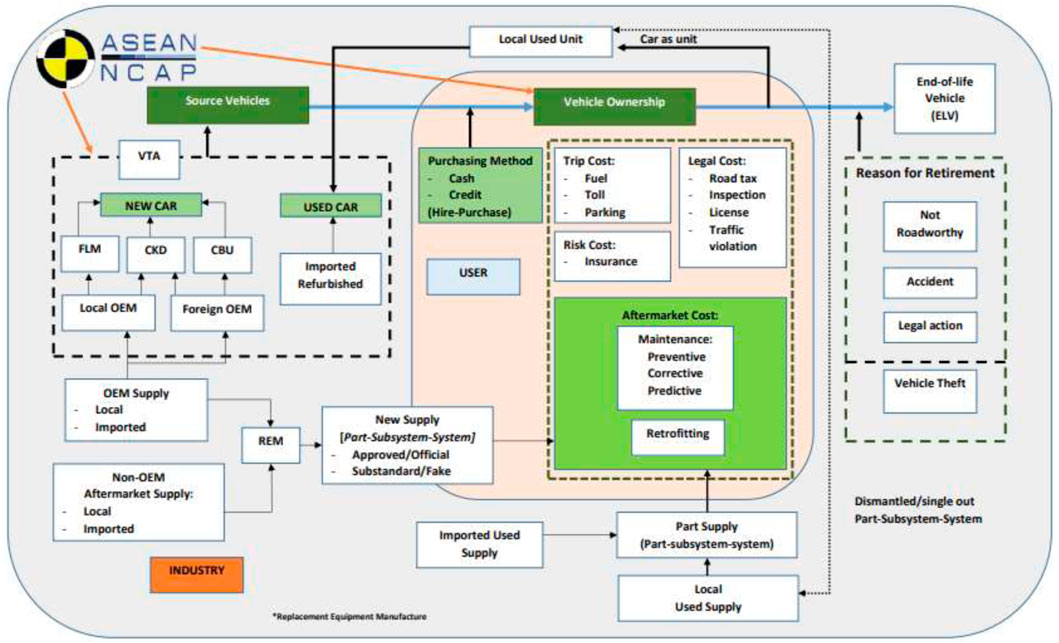
FIGURE 1. Shows the automotive ecosystem (Jawi et al., 2016b).
Malaysia itself, in 2009, tried to apply the ELV policy but later withdrew due to uproar and fierce rejection by the public (Mohamad-Ali et al., 2019; Akram Khan et al., 2021; Othman et al., 2021). Additionally, the government conducted the vehicle scrappage subsidy program, but it was merely under the economic stimulus, not a permanent ELV structure (Jang et al., 2022; Modi and Mihai, 2022). It was recently discovered that the rejection is because of the application of ELV without proper research and has too many loose ends. In this case, Malaysian people have unique behavior. They always think new policies will create public excitement and negative perceptions (Harun et al., 2021). It always happens because the lack of understanding and socialization creates negative perceptions. Thus, the success of ELV policies can be determined by public perception (Yusop, Wahab, and Saibani, 2012).
The positive social perception of ELV policy can be enhanced by delivering knowledge and socializing more about ELV policy (Go et al., 2016). Once public perception has become more positive, it is possible to gain readiness. However, research related to readiness is still limited because the focus is more on the automotive industry and engineering side than on the social aspect of ELV management policy (Mamat, Saman, and Sharif, 2014; Wahab & co. 2014). Therefore, in this study, we explore the social factors, especially knowledge and attitudes, that are considered to increase the community’s readiness to implement new regulations. It is necessary to know the level of social knowledge, attitude, and readiness (all automotive stakeholders) to achieve the ELV purposes (Mamat, Saman, and Sharif, 2015).
2 Literature review
2.1 ELV policy in Malaysia
The Malaysian government is now trying to make the right regulations on ELV to address the challenges of vehicle growth in Malaysia (Yusop, Wahab, and Saibani, 2012; Go et al., 2016; Jawi et al., 2016a). Currently, the Ministry of International Trade and Industry (MITI) noted that 2.7 million passenger vehicles aged 10 years and over are on the road. This number is very worrying because it will greatly impact the environment, as well as the safety of vehicle users on the road (Kassim et al., 2020).
Although Malaysia has several vehicle companies (Proton, Perodua, Nasa, & Modenas), there are no clear rules about ELV. Until 2020, the National Automotive Policy (NAP) had not released specific regulations regarding ELV. In addition, NAP in 2020 focused on the National Roadmap for Automotive Aftermarket (NRAA) for recycling used vehicles to make Malaysia the center of recycling in Southeast Asia (Mohamad-Ali et al., 2017; Harun et al., 2021; Othman et al., 2021).
Malaysia has 5,000 small companies that focus on reusing end-of-life vehicles. They work under affiliations such as Malaysia Car Recyclers Association (MAARA) and without a standard working practice (Mohamad-Ali et al., 2018; Raja Mamat et al., 2018). The business was operated comparable to standard car workshops; thus, appropriate regulatory control must be implemented to improve and control the current practice of recycling ELV. In practice, they usually take old vehicles from developed countries in Europe and Asia to be dismantled and retrieve the items that can still be used. At the same time, the unused parts are sent to the smelter for recycling. However, some things like engine oil and air conditioning as chlorofluorocarbons (CFCs) are not handled properly due to a lack of tools, data, and capabilities, then discarded without any treatment (Go et al., 2010a; 2010b; Mamat et al., 2014).
Lack of standards in ELV, e.g., vehicle life, parts, dismantling process, etc., becomes the biggest challenge in promoting ELV. In addition, the lack of technology and attention to ELV recyclers are challenges in implementing ELV in Malaysia. Malaysia is now gradually progressing to move forward with its technique and establish an appropriate End of Live Vehicles framework in Malaysia (see Figure 2). It focuses on developing an environmentally friendly automotive ecosystem. The Malaysian Automotive Institute (MAI) has finally issued an End of Life Recycling Process that refers to ELV recycling. It is expected to encourage manufacturers to do 4R (Reduce, Reuse, Recycle, and Remanufacture).

FIGURE 2. End of live vehicles recycling process (Jawi et al., 2016b).
Instead of regulation, the government of Malaysia focused on the initiative scheme as an alternative solution for ELV (Go et al., 2016; Mohamed, Saman, and Sharif, 2017; Raja Mamat et al., 2018). This scheme was created to increase society’s awareness of the environment. This scheme aims to decrease the number of old vehicles by exchanging them for new environmentally friendly and safe ones. In 2009, the first attempt, a cash voucher was given for exchanging the old for a new vehicle, but it was limited only to Proton and Perodua. However, this scheme failed due to being unaccepted by the community (Yusop, Wahab, and Saibani, 2012; Mamat, Saman, and Sharif, 2014).
Then, in 2018, the government planned to release “cash-for-clunkers."This program offered a discount to those willing to get a new vehicle in exchange for their old one. However, this program was improper. Since this program was not well prepared, it was impossible to proceed. Therefore, preparing a more applicable program (Go et al., 2010b, Wahab, 2014, Rahman, et al., 2010; Mohamad-Ali et al., 2017; Harun et al., 2021; Othman et al., 2021).
2.2 Individual characteristic impact on social readiness
Individual characteristics are one of the aspects that can influence acceptance (Venkatesh et al., 2012). Age, gender, income, car ownership, race, and other factors can help or hinder the implementation of legislation. Several studies have found that women are more likely to support environmental legislation. Acceptance is also influenced by education, social status, and duration of stay. According to Bonjesson et al. (2016), education and income in admissions have a strongly associated level of admissions, those with higher education have strong support for regulating the use of public transportation to reduce pollution and congestion on urban roadways. Sfendonis et al. (2017), investigated public opinions toward emission-free zones in Volos, Greece, and discovered that communities that had previously resided in the area were less supportive.
2.3 The impact of knowledge and readiness
Many studies state that the role of communication or familiarity has a very large role to play in increasing the acceptance of individuals regarding new policies related to vehicles or modes of transportation (Mamat, 2014; Wahab, 2014; Mamat, 2015). However, this concept of communication and civility is very broad and focuses on the individual’s perception of the policy and not the knowledge of the policy itself (Chan, 2018; N. et al., 2018; Kallas and Parts, 2021). Until now, there has still been little research that directly reveals the relationship between knowledge and an individual’s readiness to accept new policies. In their research, Sitinjak et al. (2022a) tried to measure the relationship between subjective knowledge and policy. In their research, they found that a low level of knowledge largely determines the level of acceptability. Sitinjak et al. (2022b) qualitatively attribute public readiness in implementing the rules of emission-free zones in Canada. In their research, they concluded that knowledge is the main component capable of changing the attitude of individuals to comply with rules relating to the environment.
Knowledge is a valuable resource that can influence risk judgment. Knowledge variables are beneficial in explaining acceptance and can functionally contribute to better acceptance by enhancing it (Park, & Kim, 2018). In general, the greater the understanding of the risk, the lower the individual-level risk perception. Dumetz et al. (2017), have shown the objective degree of information has a positive effect on the economic perception and adoption of a new policy. Simic (2019), on the other hand, confirmed that the greater public awareness of the dangers of ELV, the greater the negative impact.
However, in the context of policies regarding environmental sustainability and public health, the relationship between knowledge and individual readiness has been intensively measured. Several studies have shown a strong link between knowledge and readiness. According to Sitinjak et al. (2022c), individuals with environmental understanding tend to assist in adopting ELV management in Indonesia. In their study, (Sitinjak et al., 2022a) also noted that a person’s level of awareness of the benefits of one policy can influence their perspective on a new government program.
It is interesting to observe that knowledge plays a significant part in deciding a person’s acceptance. Previous academics attempted to connect environmental education to increased personal knowledge and responsibility in environmental protection. Many environmental health studies employ knowledge as a predictor of a person’s attitude toward environmental norms. Although research on the degree of knowledge has been widely applied, there is still very little research in the case of ELV management. Therefore, in their research, (Sitinjak et al., 2022b), advise examining the relationship between knowledge and public acceptability more fully.
2.4 Attitude and readiness of ELV management
(Sitinjak et al., 2022b) and Sobri et al., 2021) discovered three major elements in determining people’s readiness to accept and implement new regulations, particularly those linked to transportation. The first factor is the characteristics of the policy itself, in which the regulation system, the boundaries, time, income allocation, and the quality of the regulation decide whether the community follows the rules. The second factor is psychological, with the psychological factor in question being the community’s attitude toward the rules. Previous research on acceptance has discovered that psychological factors such as what is felt or expected, fairness, awareness, and feelings about congestion and air pollution will cause one group to favor or reject the policies enacted. The final element is socio-demographic characteristics, which include age, gender, education, duration of stay, employment, and vehicle ownership, all of which affect a person’s level of readiness. Several studies have consistently demonstrated that people who own private vehicles have a low level of approval for ELV rules.
Previous studies (e.g., Sitinjak et al., 2022b) highlight that people’s beliefs about the usefulness of the regulations to be applied influence attitudes towards acceptance of regulations.Whereas the attitude towards the regulation is considered as the affective response of the individual as a whole to comply with the regulation, which represents the emotional experience of the individual associated with one or the imposed (Sobri et al., 2021). In this study, attitudes towards ELV management represent the affective response of society as a whole to comply with the ELV regulations to be implemented. In TAM (Davis et al., 1989), individual attitudes towards the use of technology (Teo, 2010 2012; Jan and Contreras, 2011) are significantly predicted by the perception of the usefulness and ease of use of technology, which in turn is hypothesized to influence their behavioral intentions to use the technology and actual use.
Previous research has supported the premise that perception of the environment is an important component of beliefs. Communities that report stronger motivation, involvement, and tenacity in supporting the achievement of such regulations report greater comfort and availability in the process of adopting such regulations (Sitinjak et al., 2022b).
In this study, we attempted to incorporate a knowledge component into the community acceptance model to understand and compare the link between the two factors (knowledge and attitudes) in influencing people’s acceptance of ELV policies.
3 Methods
3.1 Study subjects
The study was conducted in many Malaysian locations (Pulau Pinang, Kelantan, Johor, Melaka, Selangor, and Kuala Lumpur). The survey included 630 people over the age of 18 who had a driver’s license. Samples are collected offline by directly giving a set of questionnaires to responders who meet the criteria. This sample criterion is based on the assumption that 18-year-olds are sufficiently mature in opinion and thought to provide subjective responses regarding the ELV issue in Malaysia.
3.2 Study design
Using a cross-sectional technique, the survey was done in Pulau Pinang, Kelantan, Johor, Melaka, Selangor, and Kuala Lumpur. The research uses a set of questions directly administered to a random sample of respondents. This method is used to obtain informative data and save time, given that samples were collected from multiple locations.
3.3 Participant
Adults over 18 with a driver’s license were the focus of cross-sectional research employing survey methods; 630 respondents (328 men and 3,002 women) participated in this study, performed between March 9 and 17 July 2022 (see Table 1). Approaches for cluster sampling were utilized to gather participants. Questions about knowledge, attitude, and readiness to adopt ELV policies are posed to each chosen respondent. The distribution of detailed scores was continued when all questions had been answered.
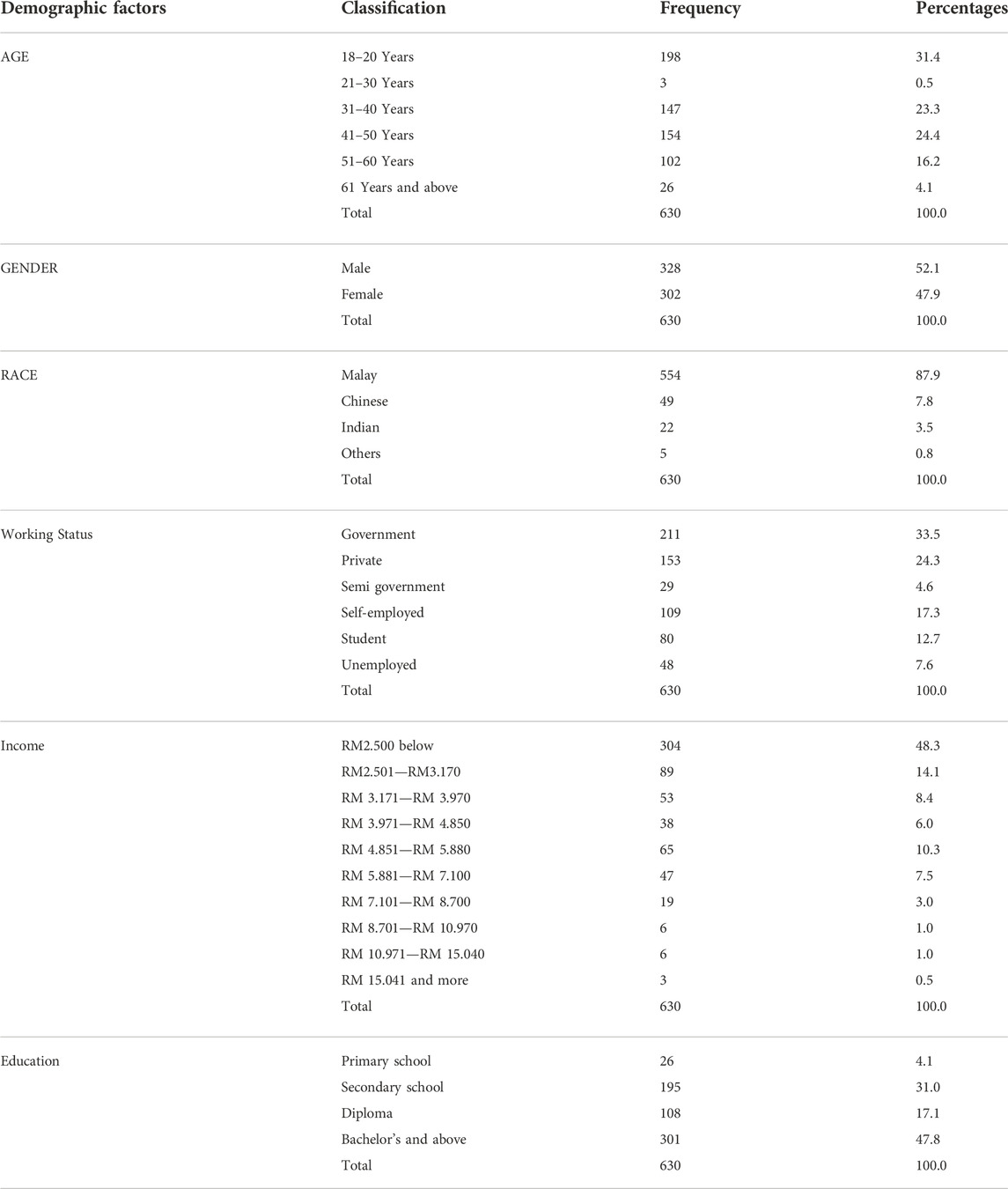
TABLE 1. Demographic characteristics of the participants (n = 630).
3.4 Data collection
The questionnaire was specially allocated to eight researchers. Individuals willing to give a serious answer were chosen for this study. Respondents were given an explanation of the purpose of this study before being selected to fill out the questionnaire. The set of questions utilized formed itself and was constructed based on the proper dimensions and past research. A total of 100 respondents were selected for the pilot study, and the findings were utilized to calculate the validity and reliability of the questions. The survey’s sixty questions are organized into four sections. The first section consists of questions designed to learn about respondents’ demographics, such as gender, occupation, income, residency status, etc.
The second section of a series of questions assessed respondents’ knowledge of ELV management and ELV itself. The third segment has questions to elicit individual attitudes toward ELV management/policy. At the same time, the last section contains questions designed to elicit individual readiness for ELV application.
4 Result
4.1 Demographic characteristic
This survey received responses from 630 people. The largest age range of respondents was 41–50 (24.4%), and the majority of respondents in this study were men (52.1%). In terms of race, the majority of respondents (87.9%) were Malays, the majority of respondents had the status of royal employees (33.5%), the majority of respondents (48.3%) had an income of less than RM2500, and the majority of respondents who took part in this survey had a bachelor’s degree or higher (47.8%).
4.2 Level of knowledge
The cross-tabulation test was conducted in this study to test the relationship between demographic factors and knowledge levels regarding ELV policies. Table 2 shows the results of the cross-tabulation test between demographic factors and knowledge, as well as the influence value between factors. Researchers generate high, medium, and low categories for each cross-tabulation outcome between demographic characteristics and knowledge to make the data easier to interpret (Low = X < M - 1SD; Medium = M—1SD ≤ X–M + 1SD; High = M + 1SD ≤ X).
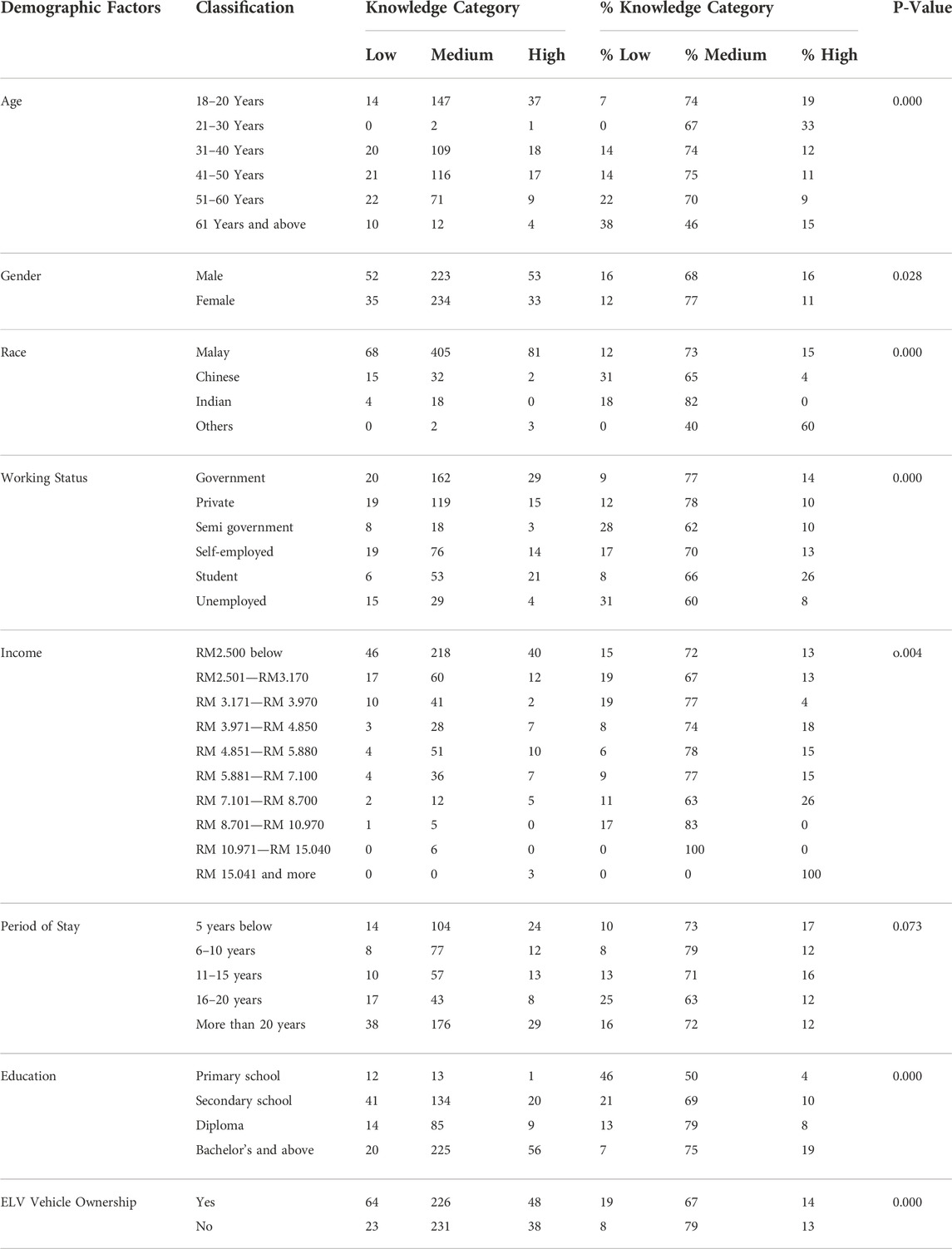
TABLE 2. Shows the relationship between demographic factors and respondents’ knowledge (n = 630).
According to the test results, most respondents scored in the middle. According to the findings, respondents have medium knowledge of ELV regulations in almost every demographic. According to the findings, the factor period of stay had an insignificant influence with a p-value of 0.073 (>0.05), indicating that a person’s length of stay in one area is not correlated with the person’s knowledge of ELV regulations.
The results of the analysis also directly provide knowledge that age can be a predictor that can influence a person’s knowledge related to age (p-value 0.000), followed by race (p-value 0.000), working status (p-value 0.000), an education level (p-value 0.000), ELV ownership (p-value 0.000), income (p-value 0.004), and gender, which has a p-value of 0.028.
4.3 Level of attitude
Table 3 displays the research results of a cross-tabulation analysis of demographic factors and respondents’ attitudes toward ELV regulations. This analysis was conducted to determine respondents’ attitudes toward the ELV policy they wish to implement in Malaysia and to identify the most significant factors influencing people’s attitudes. Researchers also generate high, medium, and low categories for each cross-tabulation outcome between demographic characteristics and attitude to make the data easier to interpret (Low = X < M–1SD; Medium = M—1SD ≤ X–M + 1SD; High = M + 1SD ≤ X).
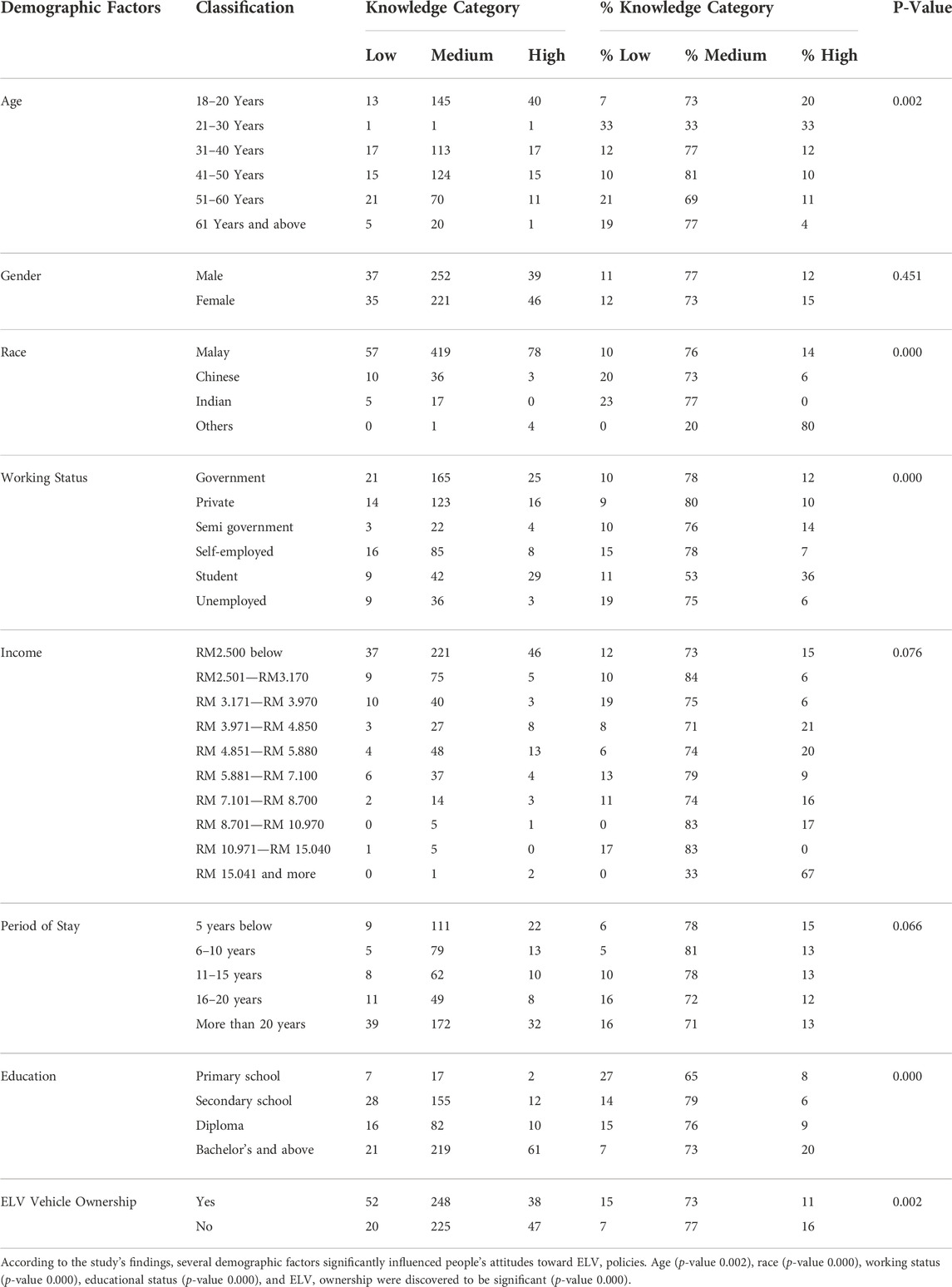
TABLE 3. Shows the relationship between demographic factors and respondents’ attitude.
The study’s findings revealed that people’s attitudes toward ELV policies remained moderate, with no high level of attitude in any of the demographic factors measured. According to the findings of the cross-tabulation analysis, three demographic factors had no significant relationship with community attitudes. Gender (p-value 0.451), income (p-value 0.076), and length of stay (p-value 0.066) are all unrelated to a person’s attitude.
4.4 Level of readiness
Table 4 shows respondents’ overall readiness to implement ELV policies. Table 4 demonstrates that each demographic factor classification has a medium level of readiness. For this part researchers also make classification high, medium, and low categories for each cross-tabulation outcome between demographic characteristics and readiness to make the data easier to interpret (Low = X < M - 1SD; Medium = M—1SD ≤ X–M + 1SD; High = M + 1SD ≤ X). This result shows that respondents’ readiness to implement ELV policies is still low.
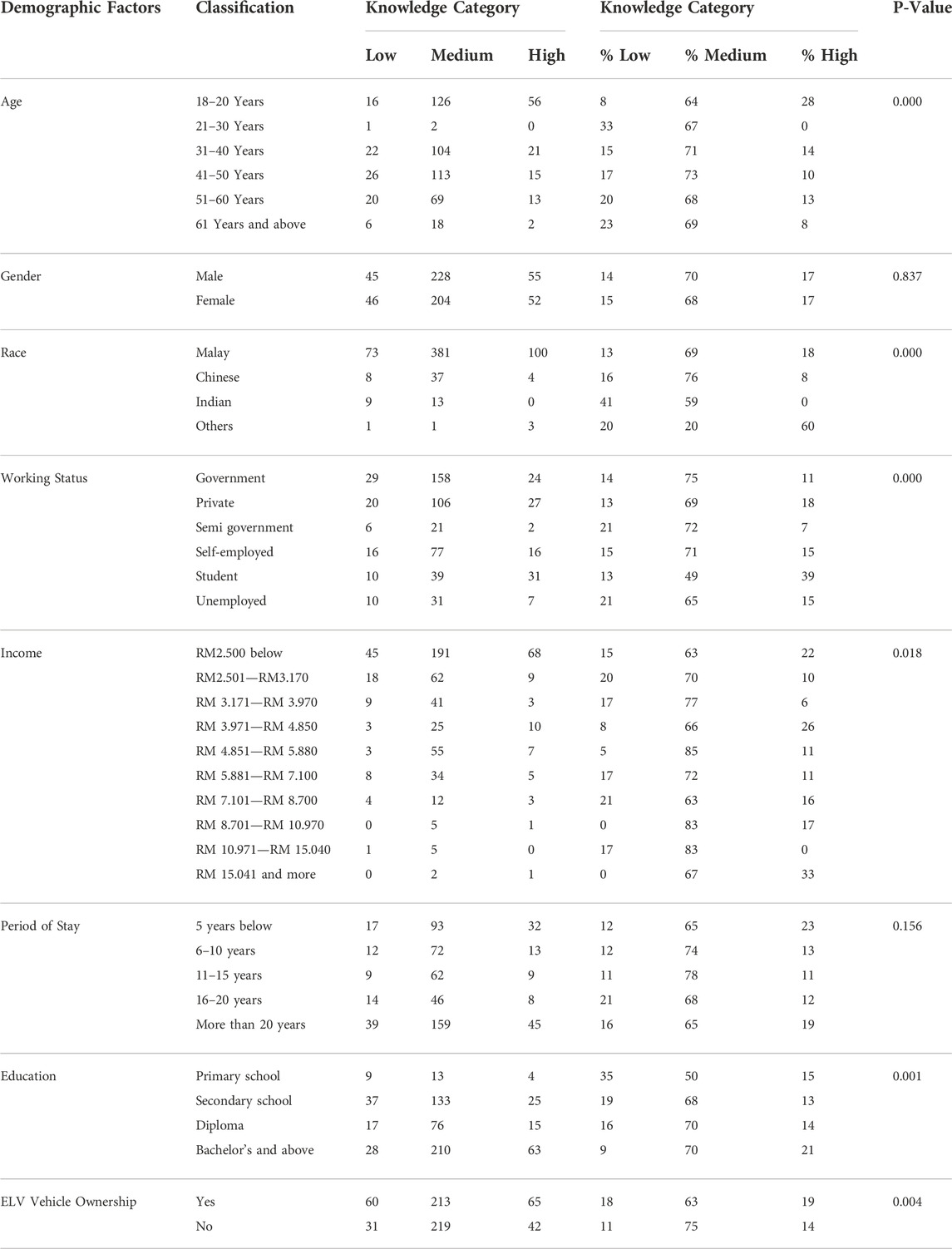
TABLE 4. Shows the relationship between demographic factors and respondents’ readiness.
The analysis results in Table 4 also showed that sex differences did not significantly influence the community’s readiness to imply ELV regulations (p-value 0.837). The length of stay was also found to have no significant impact on public readiness regarding the rules for expired vehicles (p-value 0.156).
According to Table 4, many demographic factors can significantly influence the community’s readiness to accept ELV policies in Malaysia. The p-value value of 0.000 indicates that factors of age, race and working status have the greatest influence in shaping readiness. The level of education also significantly influences the expectation of readiness (p-value 0.001). The ELV ownership factor can also significantly influence the level of community readiness for this policy. Finally, it was discovered that income significantly affects the level of community readiness (p-value 0.018).
4.5 Factors that shape community readiness
We identified several independent variables for regression analysis to test the relationship between variables derived directly from the community’s readiness to accept the ELV regulations proposed in this study. Figure 3 depicts the proposed path diagram, and shows the direct standard effect and the p-value of the tested variables (knowledge, attitude, and readiness).
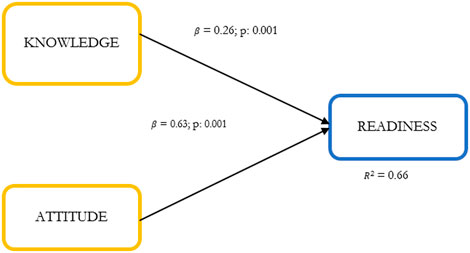
FIGURE 3. Final model with the standardized regression coefficient.
The findings show that knowledge positively and significantly influences the community (
5 Discussion
We tested the influence of various variables on the readiness of Malaysian communities to implement ELV regulations. We used the survey data to determine the level of knowledge, attitude, and preparedness at the individual level. This is the first study to examine the social factors that comprise community readiness and the first study to examine the demographic factors that affect the predictor factors of proposed acceptance (knowledge, attitude, and readiness). This paper also contributes directly to the literature on the public acceptance of ELV policies slated for implementation in Malaysia. Assuming that social factors influence public readiness to implement ELV policies, we also directly develop a comprehensive model for predicting public responses to ELV policies.
First, we reported the respondents’ knowledge, attitudes, and readiness levels in this study, as well as information about factors that significantly influenced knowledge, attitudes, and readiness. Age, race, working status, education level, ELV ownership, income, and gender were found to have a significant influence on individual knowledge in the first analysis of demographic factors related to knowledge. This research is consistent with previous research (Sitinjak et al., 2022a; Sitinjak et al., 2022b; Sitinjak et al., 2022c), which stated that the more mature a person has, the better knowledge they find from experience or education, formally or informally, so that they can influence a person’s knowledge of a government policy. Furthermore, research by Al Sarrah, Ajmal, and Mertzanis (2020), discovered that an increasing level of work directly affects an individual’s income and can affect a person’s level of knowledge.
Education level, in addition to age, employment status, and income, has a significant influence on ELV-related knowledge; many studies have found a positive relationship between a person’s educational level and knowledge level (Arning & Ziefle, 2007; Wang, 2009; Wang and kim 2018; Siyam, 2019). The higher a person’s level of education, the more knowledge they have gained during their education, and the more mature their level of idiosyncratic thinking become (Vaghee et al., 2017). This paper also discovered that ELV ownership positively impacts ELV knowledge. Many scientists have found that people who own vehicles have a good understanding of the effects of these vehicles on the environment and a better understanding of how to maintain and treat end-of-life vehicles (Ukonze et al., 2020; Yang et al., 2022). Age was also found to have a significant influence on respondents’ knowledge of ELV-related knowledge, which is consistent with previous studies in which gender was found to be a determining factor in a person’s high and low knowledge of government regulations (Shallcross et al., 2013; Vaghee et al., 2017; Yang & Shih, 2020; Jain & Jain, 2022). One very interesting finding in the results of this study is: that gender is a predictor that significantly affects a person’s knowledge. This is a new and interesting finding because there have previously been no studies linking race to knowledge about policy.
This study demonstrates that information significantly impacts a person’s willingness to accept a new rule. Knowledge This is the foundation for comprehending the significance of government regulations. Knowledge creates value-in-subject and value-in-context (Ohn Mar et al., 2019). Indeed, finding a government that recognizes the potential of expanding people’s knowledge is quite unusual, particularly to boost their approval of a newly developed rule. This knowledge can assist the government in achieving public acceptance of the new rules that will be imposed if it is readily available.
Based on these data, it was shown that knowledge is a significant predictor of a person’s willingness to accept a new regulation. Formal and informal education on environmental concerns can promote environmental protection, but it has not been implemented comprehensively in Malaysia. This is the case in developing countries such as Malaysia, where it is found that education has a significant influence on a person’s knowledge. In addition to age, education, gender, race, employment status, and income, ELV management knowledge is also significantly influenced by objective and subjective knowledge. The distinctive finding of this study is that the length of stay did not affect ELV management knowledge. This differs slightly from prior research, which demonstrated that the longer an individual resides in a region, the greater their pro-environmental behavior. This is very likely to occur because Malaysia is one of the developing nations that still lacks ELV infrastructure and promotions related to ELV management. This can make people less likely to learn about the bad effects of ELV, which makes them even less likely to agree with this regulation.
The second part of the study discovered that demographic factors such as age, race, employment status, educational level, and ELV ownership significantly impacted attitude. These findings support previous research that found age, employment status, educational level, and ELV ownership to be factors capable of predicting individual attitudes toward environmental policies (Schmidt et al., 2018; Guan et al., 2019; Zhao et al., 2019; Rahimi, et al., 2020; Pavlíček et al., 2021; Pratama and Firmansyah, 2021). Individuals of a mature age think more maturely than young people. In contrast, more mature individuals will see one rule from various perspectives, influencing a person’s attitude when finding a new policy. In her research, Sitinjak et al., 2022a discovered that a person’s employment status has a positive and significant role in vehicle policies; the lower their employment level, the more individuals tend to reject regulations related to vehicle smelting because they consider it harmful. Vehicle ownership was also a predictor of significantly influencing individuals’ attitudes toward accepting or rejecting vehicle-related policies. Most people will store and collect their vehicles because they are thought to have memories and have become collectible items for some people, so people who own old vehicles are more likely to oppose ELV rules (Guan et al., 2019; Rahimi, Azimi, and Jin, 2020).
This study gives in-depth information and understanding regarding the significance of a person’s attitude toward the proposed regulations. Due to the impact of the legislation on the community, especially in sustaining environmental sustainability, the attitude substantially determines the intent to act under public demands. In order to increase individual readiness in responding to the rules imposed by the government, it is necessary to cultivate a positive attitude toward a policy related to environmental equality. Such an attitude directly supports the community’s sense of environmental responsibility and ensures the success of government initiatives implemented in the social sphere of society.
Research has revealed that the relationship between pro-environment beliefs and behavior is not statistically significant (Vicente-Molina et al., 2013). The data also indicate that a person’s attitude significantly impacts their willingness to accept new regulations. This is not surprising given that empirical research indicates that attitudes are excellent indicators of an individual’s self-acceptance of new laws (Sitinjak et al., 2022b). In reality, how the attitude gives an internal impetus to adopt regulations may manifest the individual’s feeling of environmental responsibility.
The third section discovered that age, race, employment status, and level of education are all factors that influence an individual’s readiness to implement ELV policies. (Sitinjak et al., 2022a). discovered in their research that a person’s level of readiness is largely determined by demographic factors such as age, occupation, education, and ethnicity. Age is thought to be a factor that can influence acceptance, according to a study conducted by Shallcross et al. (2013), which discovered that age is the key factor in a person’s acceptance of new technologies. The older a person is, the more difficult it is for him to accept change, and when a person reaches the age of 25–40 years, the individual is more receptive to new rules that are thought to provide benefits for them. Aside from age, it was discovered that employment status has a significant impact. Where a person’s employment level will determine income, someone with a high level of work tends to be more prepared to accept policies related to their vehicle because they have the idea that a vehicle is not an investment object that can be stored for all time. This is supported by several previous studies that found that the lower a person’s work, the greater their reliance on vehicles (Wu et al., 2020; He et al., 2021; Tongwane & Moeletsi, 2021). In this study, it was also discovered that race is a significant, influential factor; the social environment influences the tendency of people to accept and reject new rules; in the community itself, people of various races tend to gather in their race, which greatly affects their acceptance and readiness to accept the policies that the government will implement.
Furthermore, this study confirms previous research, which found a positive and significant relationship between knowledge and attitude toward readiness using bivariate analysis. Knowledge and attitude combine to form factors that can predict how prepared a community is to implement or accept ELV policies (Yusop, Wahab, and Saibani, 2012; Al Sarrah, Ajmal, and Mertzanis, 2020; Sitinjak et al., 2022a; Sitinjak et al., 2022b). The results of this test are consistent with the theory of planned behavior, which states that internal factors of the individual determine factors that increase a person’s readiness to accept regulations. The internal factors in this study are represented by knowledge and attitude variables, which have a simultaneous influence of R2 = 0.66, or it can be said that the community’s readiness to accept ELV policies is determined by the knowledge and attitude factor of 66%. Other variables root the rest until it reaches 100%.
According to the findings of the analysis, attitude is a factor that significantly impacts community readiness. According to previous research, attitude is a reaction that can predict whether an individual rejects or wants to accept one rule. Our data also shows that knowledge plays a significant role, as the most recent research consistently links acceptance to a person’s level of knowledge about the benefits and the consequences of implementing the regulation. Interestingly, most respondents have middle-level knowledge and attitudes, implying that the Malaysian people cannot support this ELV policy.
According to the findings of this study, knowledge and attitudes have a crucial influence in shaping social preparedness to adopt ELV legislation. Malaysia’s government should begin developing relevant campaigns. ELV management to improve public awareness of ELV management. Increasing public awareness will affect green behavior patterns, making it easier for the government to enforce ELV rules. Furthermore, the study’s findings suggest that attitudes play a crucial impact in acceptance. The public’s reaction to ELV policy is determined not only by knowledge but also by attitude. Increasing the community’s positive attitude through comprehensive government initiatives will positively impact society.
This is the first study conducted in Malaysia to look for social factors that build community readiness for government-planned ELV policies. The study’s findings have provided policymakers with a comprehensive picture of the community’s readiness for ELV policy. There is still no full knowledge, and public attitudes toward ELV policies are the main issues the government must address before ELV policies can be successfully implemented. Furthermore, the findings of this study provide extensive knowledge to vehicle owners regarding end-of-life vehicle treatment and directly provide knowledge to the automotive industry to assist the government in implementing Malaysia’s ELV policy. The study’s findings can also have various implications for policymakers and all automotive stakeholders.
6 Conclusion
ELV management is an integral part of the cycle of the automotive industry, which, according to the EU, is perfect if a country has successfully implemented the policy from the vehicle manufacturing process to the 4R process of the vehicle (Reduce, Reuse, Recycle, Replace). However, implementing 4R for vehicles is the most difficult task for developing nations. In Malaysia, a nation that produces its vehicles (Proton and Perodua), policies related to 4R for vehicles are still being implemented. The lack of public awareness regarding ELV management and the majority of the public’s indifference towards ELV have impeded the implementation of ELV regulations in Malaysia.
In this study, we identified several demographic variables that significantly impacted the three admission predictors we proposed. In addition, we identified a pattern of community readiness in which knowledge and attitude were found to increase community participation in implementing ELV policies. In general, it can be stated that implementing the ELV policy in Malaysia will be facilitated by the level of community knowledge and attitude.
In this study, we also acknowledge numerous flaws that we must address. First, because the majority of respondents in this study were Malay, the results of this study cannot be directly generalized, given that Malaysia is made up of various races (Chinese, Indian, Malay, etc.). Second, the variables in this study are limited to three, whereas additional variables can be added to form a model that predicts a person’s acceptance of a new policy. Most respondents have an income of less than RM2,500, which explains their attitudes and readiness to be at the middle level, referring to previous studies of individuals with a low-income possibility or neutral considerations of the rules. Then, we did not consider the scale of public acceptance completed in other countries, and we only used data from surveys in this study. In contrast, data from interviews can be used to supplement the results obtained from surveys.
For future research, we recommend a larger sample size and focusing on the number of respondents, not just the Malay race but also other races who live in Malaysia. Furthermore, pay attention to the income sector; it would be preferable if you obtained a diverse sample of respondents with varying incomes. We also strongly advise using the mix-method in future research to obtain more detailed and in-depth results. Finally, the addition of variables forming public acceptance is strongly advised to obtain better and more generalized results.
In this paper, we attempt to present an overview of the factors of public acceptance that explain the public acceptance of ELV regulations. This finding adds to our understanding of community readiness for the ELV policy that the Malaysian government wishes to implement. This policy is being proposed to provide solutions for vehicles that will be banned, ELVs that are not being managed properly, and the problem of congestion in Malaysia as the number of vehicles increases. According to the survey results, knowledge and attitudes directly increase public acceptance of the new policy, as well as demographic factors that significantly impact the community’s level of knowledge, attitudes, and readiness.
Data availability statement
The data analyzed in this study is subject to the following licenses/restrictions: please directly contact the corresponding author. Requests to access these datasets should be directed to CS, p112562@siswa.ukm.edu.my.
Author contributions
RI performed literature collections, and RI, CS, and NS performed CS Data processing and handling. CS, and RI wrote the manuscript, and RC, MM, and ZT conducted RI Project planning. All authors have read and agreed to the published version of the manuscript.
Funding
This research was funded by Trans-disciplinary Research Grant Scheme (TRGS) TRGS/1/2020/UKM/02/1/2.
Acknowledgments
We appreciate the financial support for this research provided by Trans-disciplinary Research Grant Scheme (TRGS) TRGS/1/2020/UKM/02/1/2, and the authors would like to thank the reviewers for their help.
Conflict of interest
The authors declare that the research was conducted in the absence of any commercial or financial relationships that could be construed as a potential conflict of interest.
Publisher’s note
All claims expressed in this article are solely those of the authors and do not necessarily represent those of their affiliated organizations, or those of the publisher, the editors and the reviewers. Any product that may be evaluated in this article, or claim that may be made by its manufacturer, is not guaranteed or endorsed by the publisher.
References
Akram, K. M., Muhamad Said, M., Jamaludin, K., Amiruddin, I., and Mohd Khairan, A. (2021). End of life vehicle (ELV) management ecosystems in Malaysia. J. Soc. Automot. Eng. Malays. 5, 150–163. doi:10.56381/jsaem.v5i1.160
Al Sarrah, M., Ajmal, M. M., and Mertzanis, C. (2020). Identification of sustainability indicators in the civil aviation sector in dubai: A stakeholders’ perspective. Soc. Responsib. J. 17 (5), 648–668. doi:10.1108/SRJ-06-2019-0203
Arning, K., and Ziefle, M. (2007). Understanding age differences in PDA acceptance and performance. Comput. Hum. Behav. 23 (6), 2904–2927. doi:10.1016/j.chb.2006.06.005
Azmi, M., and Tokai, A. (2017). Electric vehicle and end-of-life vehicle estimation in Malaysia 2040. Environ. Syst. Decis. 37 (4). doi:10.1007/s10669-017-9647-4
Börjesson, M., Eliasson, J., and Hamilton, C. (2016). Why experience changes attitudes to congestion pricing: The case of Gothenburg. Transp. Res. Part A Policy Pract. 85, 1–16. doi:10.1016/j.tra.2015.12.002
Chan, Y. M. (2018). Self-directed learning readiness and online video use among digital animation students. Michigan: ProQuest LLC.
Davis, F. D., Bagozzi, R. P., and Warshaw, P. R. (1989). User acceptance of computer technology: A comparison of two theoretical models. Manag. Sci. 35 (8), 982–1003. doi:10.1287/mnsc.35.8.982
Deveci, M., Simic, V., Karagoz, S., and Antucheviciene, J. (2022). An interval type-2 fuzzy sets based Delphi approach to evaluate site selection indicators of sustainable vehicle shredding facilities. Appl. Soft Comput. 118, 108465. doi:10.1016/j.asoc.2022.108465
Dumetz, L., Gaudreault, J., Thomas, A., Lehoux, N., Marier, P., and El-Haouzi, H. (2017). Evaluating order acceptance policies for divergent production systems with co-production. Int. J. Prod. Res. 55 (13), 3631–3643. doi:10.1080/00207543.2016.1193250
Go, T. F., Abd Wahab, D., Fadzil, Z. F., Azhari, C., and Umeda, Y. (2016). Socio-technical perspective on end-of-life vehicle recovery for a sustainable environment. IJTech. 7 (5), 889. doi:10.14716/ijtech.v7i5.2878
Go, T. F., Wahab, D. A., Ab Rahman, M. N., and Azhari, C. H. (2010a). Disassembly for reuse: Implementation in the Malaysian automotive industry. Aust. J. Basic Appl. Sci. 4 (10).
Go, T. F., Wahab, D. A., Rahman, M. N. A., and Ramli, R. (2010b). A design framework for end-of-life vehicles recovery: Optimization of disassembly sequence using genetic algorithms. Am. J. Environ. Sci. 6 (4), 350–356. doi:10.3844/ajessp.2010.350.356
Guan, T., Meng, K., Liu, W., and Xue, L. (2019). Public attitudes toward sustainable development goals: Evidence from five Chinese cities. Sustain. Switz. 11 (20), 5793. doi:10.3390/su11205793
Harun, Z., Muhammad Syahmi, W., Mustafa, W., Abd Wahab, D., Radzi Abu Mansor, M., Saibani, N., et al. (2021). An analysis of end-of-life vehicle policy implementation in Malaysia from the perspectives of laws and public perception. J. Kejuruter. 33 (3), 709–718. doi:10.17576/jkukm-2021-33
He, X., Lu, H., Du, M., Mao, Y., and Wang, K. (2021). QoE-based task offloading with deep reinforcement learning in edge-enabled internet of vehicles. IEEE Trans. Intell. Transp. Syst. 22 (4), 2252–2261. doi:10.1109/TITS.2020.3016002
Jacobs, C., Soulliere, K., Sawyer-Beaulieu, S., Sabzwari, A., and Tam, E. (2022). Challenges to the circular economy: Recovering wastes from simple versus complex products. Sustain. Switz. 14 (5), 2576. doi:10.3390/su14052576
Jain, V., and Jain, P. (2022). From industry 4.0 to education 4.0: Acceptance and use of videoconferencing applications in higher education of Oman. J. Appl. Res. High. Educ. 14 (3), 1079–1098. doi:10.1108/JARHE-10-2020-0378
Jang, Y. C., Choi, K., Jeong, J. h., Kim, H., and Kim, J. G. (2022). Recycling and material-flow analysis of end-of-life vehicles towards resource circulation in South Korea. Sustain. Switz. 14 (3), 1270. doi:10.3390/su14031270
Jawi, Z. M., Isa, M. H. M., Solah, M. S., and Ariffin, A. H. (2016a). The future of end-of-life vehicles (elv) in Malaysia - a feasibility study among car users in Klang valley. MATEC Web Conf. 1, 90. doi:10.1051/matecconf/20179001038
Jawi, Z. M., Isa, M. H. M., Solah, M. S., Ariffin, A. H., Shabadin, A., and Osman, M. R. (2016b). The future of end-of-life vehicles (elv) in Malaysia - a feasibility study among car users in Klang valley. MATEC Web Conf. 90, 01038. doi:10.1051/matecconf/20179001038
Jin, H., Yu, J., and Okubo, K. (2022). Life cycle assessment on automotive bumper: Scenario analysis based on End-of-Life vehicle recycling system in Japan. Waste Manag. Res. 40 (6), 765–774. doi:10.1177/0734242X211030813
Kallas, E., and Parts, E. (2021). From entrepreneurial intention to enterprise creation: The case of Estonia. J. Entrepreneursh. Emerg. Econ. 13 (5), 1192–1214. doi:10.1108/JEEE-07-2020-0235
Kassim, K. A. A., Abu Husain, N., Ahmad, Y., and Mohd Jawi, Z. (2020). End-of-Life vehicles (ELVs) in Malaysia: Time for action to guarantee vehicle safety. Jsaem. Saemalaysia. Org. My. 4 (3), 338–348. doi:10.56381/jsaem.v4i3.27
Korica, P., Cirman, A., and Žgajnar Gotvajn, A. (2022). Comparison of end-of-life vehicles management in 31 European countries: A lmdi analysis. Waste Manag. Res. 40 (8), 1156–1166. doi:10.1177/0734242X221074118
Mamat, T. N. A. R., Saman, M. Z. M., and Sharif, S. (2015). A survey instrument design to determine the success factors in implementing the end-of-life vehicles (ELVs) management system in Malaysia. Adv. Mat. Res. 1125, 620–624. doi:10.4028/www.scientific.net/amr.1125.620
Mamat, T. N. A. R., Saman, M. Z. M., and Sharif, S. (2014). The need of end-of-life vehicles management system in Malaysia. Adv. Mat. Res. 845, 505–509. doi:10.4028/www.scientific.net/AMR.845.505
Merkisz-Guranowska, A., and Wrona, A. (2022). Problems regarding the calculation of recycling and recovery rates for end-of-life vehicles in the European union member states. Eur. Res. Stud. J. XXV, 752–764. doi:10.35808/ersj/2885
Modoi, O. C., and Mihai, F. C. (2022). E-waste and end-of-life vehicles management and circular economy initiatives in Romania. Energies 15, 1120. doi:10.3390/en15031120
Mohamad-Ali, N., Ghazilla, R. A. R., Abdul-Rashid, S. H., Sakundarini, N., Ahmad-Yazid, A., and Stephenie, L. (2017). Development of an end-of-life vehicle recovery model using system dynamics and future research needs. IOP Conf. Ser. Mat. Sci. Eng. 210, 012075. doi:10.1088/1757-899X/210/1/012075
Mohamad-Ali, N., Ghazilla, R. A. R., Abdul-Rashid, S. H., Sakundarini, N., Ahmad-Yazid, A., and Stephenie, L. (2018). End-of-life vehicle recovery factors: Malaysian stakeholders’ views and future research needs. Sustain. Dev. 26 (6), 713–725. doi:10.1002/sd.1741
Mohamad-Ali, N., Raja Ghazilla, R. A., Abdul-Rashid, S. H., and Ahmad-Yazid, A. (2019). Aftermarket survey on end-of-life vehicle recovery in Malaysia: Key findings. J. Clean. Prod. 211, 468–480. doi:10.1016/j.jclepro.2018.11.165
Mohamed, N., Saman, M. Z. M., and Sharif, S. (2017). Quality assurance of remanufactured components of end-of-life vehicle: A literature review. Adv. Sci. Lett. 23, 4644–4648. doi:10.1166/asl.2017.8868
Ohn Mar, S., Ali, O., Sandheep, S., Husayni, Z., and Zuhri, M. (2019). Attitudes towards vasectomy and its acceptance as a method of contraception among clinical-year medical students in a malaysian private medical college. Singap. Med. J. 60 (2), 97–103. doi:10.11622/smedj.2018065
Othman, N., Razali, A., Chelliapan, S., Mohammad, R., and Kamyab, H. (2021). A design framework for an integrated end-of-life vehicle waste management system in Malaysia. Soft Comput. Tech. Solid Waste Wastewater Manag., 305–319. doi:10.1016/b978-0-12-824463-0.00021-5
Pavlíček, A., Bobenič Hintošová, A., and Sudzina, F. (2021). Impact of personality traits and demographic factors on risk attitude. SAGE Open 11 (4), 215824402110669. doi:10.1177/21582440211066917
Pratama, A. R., and Firmansyah, F. M. (2021). Disengaged, positive, or negative: Parents’ attitudes toward learning from home amid COVID-19 pandemic. J. Child. Fam. Stud. 30 (7), 1803–1812. doi:10.1007/s10826-021-01982-8
Rahimi, A., Azimi, G., and Jin, X. (2020). Examining human attitudes toward shared mobility options and autonomous vehicles. Transp. Res. Part F Traffic Psychol. Behav. 72, 133–154. doi:10.1016/j.trf.2020.05.001
Raja Mamat, T. N. A., Mat Saman, M. Z., Sharif, S., Simic, V., and Abd Wahab, D. (2018). Development of a performance evaluation tool for end-of-life vehicle management system implementation using the analytic hierarchy process. Waste Manag. Res. 36 (12), 1210–1222. doi:10.1177/0734242X18790361
Rajaee, Y., Harsaj, F., Aghaeipour, Y., and Sadeghpoor, M. (2022). A fuzzy multi-objective model for a sustainable end of life vehicle reverse logistic network design: Two meta-heuristic algorithm. Int. J. Value Chain Manag. 13 (1), 1. doi:10.1504/ijvcm.2022.10042021
Schmidt, A. M., Kowitt, S., Myers, A., and Goldstein, A. (2018). Attitudes towards potential new tobacco control regulations among US adults. Int. J. Environ. Res. Public Health 15 (1), 72. doi:10.3390/ijerph15010072
Sfendonis, N., Basbas, S., Mintsis, G., Taxiltaris, C., and Politis, I. (2017). Investigation of the user’s acceptance concerning a Low Emission Zone in the center of Thessaloniki, Greece. Transp. Res. Procedia 24, 280–287. doi:10.1016/j.trpro.2017.05.119
Shallcross, A. J., Ford, B. Q., Floerke, V. A., and Mauss, I. B. (2013). Getting better with age: The relationship between age, acceptance, and negative affect. J. Personality Soc. Psychol. 104 (4), 734–749. doi:10.1037/a0031180
Simic, V. (2019). Interval-parameter conditional value-at-risk two-stage stochastic programming model for management of end-of-life vehicles. Environ. Model. Assess. (Dordr). 24 (5), 547–567. doi:10.1007/s10666-018-9648-9
Sitinjak, C., Ismail, R., Bantu, E., Fajar, R., and Samuel, K. (2022a). The understanding of the social determinants factors of public acceptance towards the end of life vehicles. Cogent Eng. 9 (1), 1–12. doi:10.1080/23311916.2022.2088640
Sitinjak, C., Ismail, R., Bantu, E., Fajar, R., and Simanullang, W. F. (2022b). Study of public perception toward end-of-life vehicles (ELV) management in Indonesia. Int. J. Sustain. Dev. Plan. 17 (4), 1341–1347. doi:10.18280/ijsdp.170431
Sitinjak, C., Ismail, R., Tahir, Z., Fajar, R., Simanullang, W. F., Bantu, E., et al. (2022c). Acceptance of ELV management: The role of social influence, knowledge, attitude, institutional trust, and health issues. Sustainability 14 (6), 10201–10217. doi:10.3390/su141610201
Siyam, N. (2019). Factors impacting special education teachers’ acceptance and actual use of technology. Educ. Inf. Technol. (Dordr). 24 (3), 2035–2057. doi:10.1007/s10639-018-09859-y
Sobri, F. A. M., Ariffin, M., and Sharaai, A. H. (2021a). Systematic review of public acceptance of solar policies: A conceptual framework of policy acceptance. J. Adv. Res. Fluid Mech. Therm. Sci. 81 (2), 36–51. doi:10.37934/arfmts.81.2.3651
Solah, M. S., Hamzah, A., Ariffin, A., Abdul Khalid, M., Salleh, A., Rahim, S., et al. (2021). Private vehicle roadworthiness inspection-towards ELV realization. J. Soc. Automot. Eng. Malays. 5, 399–407. doi:10.56381/jsaem.v5i3.182
Swain, B., Park, J. R., and Lee, C. G. (2022). Industrial recycling of end-of-life vehicle windshield glass by mechanical beneficiation and complete recovery of polyvinyl butyral. J. Clean. Prod. 334, 130192. doi:10.1016/j.jclepro.2021.130192
Teo, T. (2010). A path analysis of pre-service teachers' attitudes to computer use: Applying and extending the technology acceptance model in an educational context. Interact. Learn. Environ. 18 (1), 65–79. doi:10.1080/10494820802231327
Tongwane, M. I., and Moeletsi, M. E. (2021). Status of electric vehicles in South Africa and their carbon mitigation potential. Sci. Afr. 14, e00999. doi:10.1016/j.sciaf.2021.e00999
Ukonze, F. I., Nwachukwu, M. U., Okeke, D. C., and Jiburum, U. (2020). Analysis of vehicle ownership growth in Nigeria: Policy implications. Case Stud. Transp. Policy 8 (3), 839–845. doi:10.1016/j.cstp.2020.05.018
Vaghee, S., Salarhaji, A., Kashani Lotfabadi, M., and Vaghei, N. (2017). Comparing the effect of contact-based education with acceptance and commitment training on destigmatization toward psychiatric disorders in nursing students. Iran. J. Psychiatry Behav. Sci. 11 (2). doi:10.5812/ijpbs.9672
Venkatesh, V., Thong, J. Y., and Xu, X. (2012). Consumer acceptance and use of information technology: Extending the unified theory of acceptance and use of technology. MIS Q. 36, 157–178. doi:10.2307/41410412
Vesovic, V., Jovanovic, D., Arsic, M., Avramovic, Z., Sofijanic, S., Djorovic, B., et al. (2022). Identification of the right moment for motor vehicle replacement—life-cycle analysis in Serbia and Montenegro. Sustain. Switz. 14 (5), 2744. doi:10.3390/su14052744
Vicente-Molina, M. A., Fernández-Sáinz, A., and Izagirre-Olaizola, J. (2013). Environmental knowledge and other variables affecting pro-environmental behaviour: Comparison of University students from emerging and advanced countries. J. Clean. Prod. 61, 130–138. doi:10.1016/j.jclepro.2013.05.015
Wahab, D. A., and Fadzil, Z. (2014). Public community knowledge on reuse of end-of-life vehicles: A case study in an automotive industrial city in Malaysia. J. Appl. Sci. 14 (3), 212–220. doi:10.3923/jas.2014.212.220
Wang, J., and Kim, S. (2018). Comparative analysis of public attitudes toward nuclear power energy across 27 European countries by applying the multilevel model. Sustain. Switz. 10 (5), 1518. doi:10.3390/su10051518
Wang, Y. S., Wu, M. C., and Wang, H. Y. (2009). Investigating the determinants and age and gender differences in the acceptance of mobile learning. Br. J. Educ. Technol. 40 (1), 92–118. doi:10.1111/j.1467-8535.2007.00809.x
Wong, Y. C., Al-Obaidi, K. M., and Mahyuddin, N. (2018). Recycling of end-of-life vehicles (ELVs) for building products: Concept of processing framework from automotive to construction industries in Malaysia. J. Clean. Prod. 190, 285–302. doi:10.1016/J.JCLEPRO.2018.04.145
Wu, T., Zhou, P., Liu, K., Yuan, Y., Wang, X., Huang, H., et al. (2020). Multi-agent deep reinforcement learning for urban traffic light control in vehicular networks. IEEE Trans. Veh. Technol. 69 (8), 8243–8256. doi:10.1109/TVT.2020.2997896
Yadav, G., Mohanty, R., Shrivastava, R., and Badwe, G. (2022). An in-depth literature review of end-of-life vehicle management. Int. J. Environ. Waste Manag. 1 (1), 1. doi:10.1504/ijewm.2022.10042089
Yang, H., Zhai, G., Liu, X., Yang, L., Liu, Y., and Yuan, Q. (2022). Determinants of city-level private car ownership: Effect of vehicle regulation policies and the relative price. Transp. Policy 115, 40–48. doi:10.1016/j.tranpol.2021.10.025
Yang, K. C., and Shih, P. H. (2020). Cognitive age in technology acceptance: At what age are people ready to adopt and continuously use fashionable products? Telemat. Inf. 51, 101400. doi:10.1016/j.tele.2020.101400
Yusop, N. M., Wahab, D. A., and Saibani, N. (2012). Analysis of remanufacturing practices in the malaysian automotive industry. J. Teknol. 59 (Suppl. 2). doi:10.11113/jt.v59.2565
Zhang, L., Lu, Q., Yuan, W., Jiang, S., and Wu, H. (2022). Characterizing end-of-life household vehicles’ generations in China: Spatial-temporal patterns and resource potentials. Resour. Conserv. Recycl. 177, 105979. doi:10.1016/j.resconrec.2021.105979
Zhao, C., Chang, Q., Zhang, X., Wu, Q., Wu, N., He, J., et al. (2019). Evaluation of safety attitudes of hospitals and the effects of demographic factors on safety attitudes: A psychometric validation of the safety attitudes and safety climate questionnaire. BMC Health Serv. Res. 19 (1), 836. doi:10.1186/s12913-019-4682-0
Keywords: attitude, end of life (ELV), knowledge, readiness, survey
Citation: Ismail R, Sitinjak C, Tahir Z, Che Rose RA, Mat Yazid MR, Harun Z and Suparjo Noordin NA (2023) A model analysis on the knowledge, attitude, and readiness of ELVs policy among Malaysians: A cross-sectional study. Front. Built Environ. 8:1038563. doi: 10.3389/fbuil.2022.1038563
Received: 07 September 2022; Accepted: 08 November 2022;
Published: 04 January 2023.
Edited by:
Susilawati Susilawati, Monash University Malaysia, MalaysiaReviewed by:
Shenjun Yao, East China Normal University, ChinaAnik Ratnaningsih, University of Jember, Indonesia
Copyright © 2023 Ismail, Sitinjak, Tahir, Che Rose, Mat Yazid, Harun and Suparjo Noordin. This is an open-access article distributed under the terms of the Creative Commons Attribution License (CC BY). The use, distribution or reproduction in other forums is permitted, provided the original author(s) and the copyright owner(s) are credited and that the original publication in this journal is cited, in accordance with accepted academic practice. No use, distribution or reproduction is permitted which does not comply with these terms.
*Correspondence: Charli Sitinjak, cDExMjU2MkBzaXN3YS51a20uZWR1Lm15