 Gayashan Porawagamage
 Kalana Dharmapala
 J. Sebastian Chaves
 Athula Rajapakse
- Department of Electrical and Computer Engineering, University of Manitoba, Winnipeg, MB, Canada
Modern power systems, characterized by complex interconnected networks and renewable energy sources, necessitate innovative approaches for protection and control. Traditional protection schemes are often failing to harness the vast data generated by modern grid systems and are increasingly found inadequate and challenging for some applications. Recognizing the need to address these issues, this paper explores data-driven solutions, focusing on the potential of machine learning (ML) in power system protection and control. It presents a comprehensive review highlighting various applications which are challenging to address from conventional methods. Despite its promise, the integration of ML into power system protection introduces unique challenges. These challenges are examined in the paper, and suggestions are provided to overcome them. Furthermore, the paper identifies potential future research directions, reflecting the progressive trends in ML and its relevance to power system protection and control. This review thereby serves as an essential resource for practitioners and researchers working at the intersection of ML and power systems.
1 Introduction
Power systems, the backbone of modern civilization, have evolved from traditional generation and distribution models to complex interconnected networks that incorporate renewable energy sources and smart grid technologies. This evolution presents both exciting opportunities and significant challenges in terms of power system protection and control, calling for innovative approaches to ensure system stability, reliability, and resilience (Hossain et al., 2018). Even though the existing traditional power system protection and control methods are robust and have been well-developed over the last century, they have been built upon mathematical models that may struggle with the uncertainties and nonlinearities inherent in the complexity of modern grid systems (Karlsson and Hill, 1994; Makarov et al., 2011). Therefore, in this rapidly evolving landscape, traditional methods are becoming inadequate to handle the complexity of the system. In addition, these traditional systems often fail to capitalize on the rich data generated by the modern grid, which holds valuable insights into system operation and behavior (Yu et al., 2015; Syed et al., 2021). On the other hand, there is an urgent need for efficient and near real-time algorithms to analyze and make better use of these available data.
The potential solution to this issue might be harnessing the capabilities of modern artificial intelligence (AI) techniques, utilizing their advanced generalization and predictive abilities to navigate the complexities of power system operations. Particularly, the enormous amounts of data generated in the power system can be processed using powerful tools present in machine learning (ML), which is a subset of AI (Qiu et al., 2016). It has the capability to learn from data, adapt to new conditions, and continuously improve performance with experience (Chellappa et al., 2021). In recent years, ML has emerged as a significant research area, reflecting a broader trend across various scientific disciplines (Badrinarayanan et al., 2017; Cui et al., 2021; Mahadevkar et al., 2022). Figure 1A illustrates the annual growth in the publication of ML papers, as indexed in Scopus (https://www.scopus.com) over the last 20 years. To construct the graphs showing the trends, the database was searched using keywords related to machine learning and power systems, with consideration given to publications from the year 2000 onwards. The swift increase over the last 5 years stands as a testament to the field's rapid advancement and the widespread interest it has attracted.
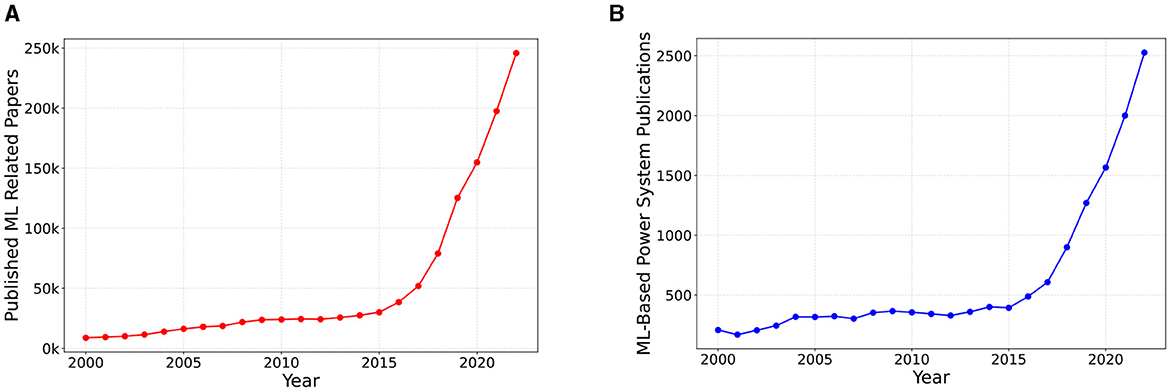
Figure 1. (A) Number of ML papers over time, based on data from the Scopus database.; (B) Number of power system solutions with ML technics over time.
In addition, the capabilities of data-driven approaches make it a potentially invaluable asset in the era of smart grids and renewable energy integration (Cui et al., 2021). Figure 1B shows the annual growth in the number of publications that adapt ML techniques to power system solutions. The substantial increase in recent years is indicative of the industry's progressive incorporation of these modern techniques (Ernst et al., 2004; Hadidi and Jeyasurya, 2009; Rudin et al., 2012; Alimi et al., 2020; Zhao et al., 2022).
Despite its promising potential, the integration of ML into power system protection and control is still in its early stages and is not without challenges (Mahadevkar et al., 2022). The objective of this paper is to offer a comprehensive review of ML applications in the realm of power system protection and control. It provides an in-depth examination of the strengths, limitations, and potential of various techniques as applied to these domains. Additionally, the paper discusses the opportunities and challenges associated with integrating ML into protection applications and suggests future research directions, considering emerging trends in both the fields of ML and power system protection and control. The remainder of the paper is structured as follows: Section 2 introduces the basic concepts and techniques of ML; Section 3 offers some of the key performance requirements in power system protection and control; Section 4 describes potential opportunities; Section 5 delves into the bottlenecks in applying ML to power system protection; Section 6 explores future directions; and Section 7 presents the conclusions.
2 Machine learning: basic concepts and techniques
Machine learning is a field that is concerned with the development and study of algorithms that can automatically find solutions to problems using input examples or training data (Pedro, 2012). It is a multidisciplinary field which consists of statistics, computer science, linear algebra, and optimization, to mention a few. The ability to learn from data makes ML algorithms primarily useful for addressing highly non-linear problems such as classification and function approximation where it is very challenging or even impossible to model the relation between input and output using traditional techniques (Ray, 2019); some examples of these types of problems are image classification (Gonzalez, 2007), text identification (Lecun et al., 1998), Atari games (Mnih et al., 2013) and board game solving (Silver et al., 2017). The learning process is often classified into supervised learning, unsupervised learning, and reinforcement learning (RL).
2.1 Supervised learning
Supervised learning is the ML task of learning a function that maps an input to an output based on example input-output pairs (Simeone, 2018). It infers a function from labeled training data consisting of a set of training examples. Examples of supervised learning algorithms include Artificial Neural Networks (ANNs), Support Vector Machines (SVM), Decision Trees (Safavian and Landgrebe, 1991), and Random Forests (Jin et al., 2020). SVMs are used for both regression and classification tasks, using a technique that minimizes the error rate while maximizing the margin of decision. Decision Trees and Random Forests are often used in classification problems, creating a model that predicts the value of a target variable by learning simple decision rules inferred from the data features.
2.2 Unsupervised learning
Unsupervised learning, on the other hand, involves the use of ML algorithms to analyze and cluster unlabeled datasets. These algorithms discover hidden patterns or data groupings without the need for human intervention. Common unsupervised learning algorithms include K-Means Clustering and Principal Component Analysis (PCA) (Hotelling, 1933). K-Means Clustering is a method used to categorize unlabeled data into different groups or “clusters” and PCA is a dimensionality reduction method used to reduce the number of input variables in a dataset.
2.3 Reinforcement learning
RL is an area of ML where an agent learns to behave in an environment, by performing certain actions and observing the results or rewards of those actions (Sutton, 1988). The goal is to learn a series of actions that maximize the final reward. Prominent examples of RL algorithms include Q-Learning (Khenak, 2010) and state-action-reward-state-action (SARSA).
Beyond traditional machine learning techniques, the integration of supervised, unsupervised, and reinforcement learning methods with deep learning (DL) and neural networks (NNs) has become significantly popular in the past decade, transforming multiple areas of artificial intelligence (AI). Deep learning, in particular, deserves special attention due to its recent advancements and numerous achievements within the field of computer science. Currently, many researchers are adopting deep neural networks for their specific applications, regardless of whether the problems are supervised, unsupervised, or related to reinforcement learning (RL) (Hatcher and Yu, 2018). Deep learning, a subfield of ML, leverages NNs with three or more layers. These networks attempt to simulate the behavior of the human brain to “learn” from large amounts of data. While traditional ML techniques are often handcrafted, DL models are capable of automatic feature extraction from raw data, making them highly effective and versatile. Convolutional Neural Networks (CNNs) (Russakovsky et al., 2015), a specialized kind of NN, can be trained using supervised learning techniques to identify objects within images recognizing intricate patterns. Similarly, Recurrent Neural Networks (RNNs) and Long Short-Term Memory networks (LSTMs) (Sutskever et al., 2014) excel in sequential data tasks like speech recognition and text translation. The advent of DL has not only provided powerful tools for tasks previously mentioned, such as image classification, text completion, and game playing, but it has also opened doors to more complex problem-solving scenarios that were previously challenging or even impossible to address. The success of DL can be attributed to factors such as the availability of large, labeled datasets, increased computing power, and the development of advanced training techniques, altogether making DL a vital part of the modern ML. In the diverse landscape of ML methodologies, there are numerous algorithms, each with its own strengths and applications. Figure 2 illustrates the list of commonly used algorithms and architectures within the paradigm, capturing techniques from traditional statistical models to the more recent advances in DL.
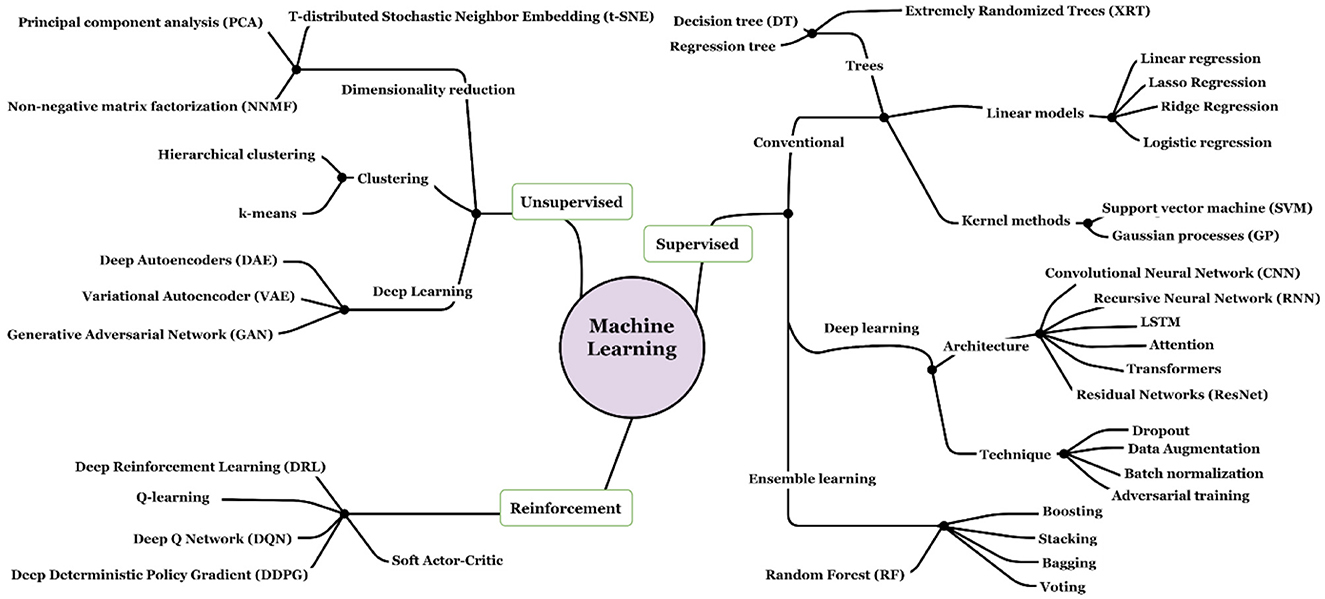
Figure 2. Classes of machine learning models.
2.4 Training, validation, and testing
In machine learning, the training, testing, and validation procedures are fundamental steps to develop, evaluate, and refine predictive models. During the training phase, the model learns to make predictions or decisions based on a given dataset, adjusting its parameters to minimize the difference between its predictions and the actual outcomes. The validation phase involves using a separate part of the dataset (the validation set) to fine-tune model parameters and prevent overfitting, which occurs when a model learns the training data too well and fails to generalize to new data. This step is used for selecting the best model version that performs well on unseen data. Usually, the data is separated into two sets: training and testing datasets. It is typical to separate the training data again into several parts (say k parts), and one part is reserved for validation and the rest is used for training. The process is repeated taking each portion of the data as validation set. This is normally referred to as k-fold cross validation (Wong and Yang, 2017). Finally, the testing phase uses the test dataset, which is distinct from the training dataset, to evaluate the model's performance, providing an unbiased assessment of how well the model generalizes to new, unseen data. This structured approach ensures the development of robust, accurate, and generalizable machine learning models.
To identify the performance of a model various metrics and parameters are used in the industry. A confusion matrix is one such performance evaluation tool popularly adopted in machine learning, representing the accuracy of a classification model. It displays the number of true positives, true negatives, false positives, and false negatives. By calculating the TPR and TNR as in Equations 1, 2, this matrix aids in analyzing model performance and identifying misclassifications (Fawcett, 2006).
The value TPR and TNR can be calculated using Equations 1, 2 respectively.
TP (True Positive): The count of instances accurately classified by the model as belonging to the positive class, when they actually are in the positive class.
FP (False Positive): The count of instances incorrectly classified by the model as belonging to the positive class, when they actually are in the negative class.
FN (False Negative): The count of instances incorrectly classified by the model as belonging to the negative class, when they actually are in the positive class.
TN (True Negative): The count of instances accurately classified by the model as belonging to the negative class, when they actually are in the negative class.
3 Key performances requirements of power system protection
Power system protection and controls are critical components of the electrical power grid infrastructure. Power system protection involves deploying a set of strategies and devices designed to detect and isolate faults in power systems, thus minimizing the impact of such faults on the rest of the system. Protection control strategies, on the other hand, are a set of measures initiated to counteract severe disturbances, prevent system collapse, and enable quick recovery to stable operating conditions. Importantly, the term protection does not explicitly indicate that the protective equipment can anticipate or prevent failures; the protective structures designed do not anticipate problems.
Protective relays act only after an event of intolerable conditions and their objective is to minimize the duration of the problem, limit damage, reduce downtime and other problems created by the event. In asset protection, this task is performed by circuit breakers controlled by protection relays. They isolate areas or problematic elements on the circuit. These actions can be divided into two groups: primary and back-up. Primary protection isolates the faulty equipment with exceptional speed and precision, while backup protection acts as fail-safe, clearing faults missed by the primary system. Backup protection is slower, but covers a wider area, and its settings must be carefully calibrated to adapt to varying system conditions (Phadke et al., 2016). Based on these principles, it is clear that protection systems must be fast enough and selective enough to isolate faults without affecting the entire network, thereby improving power system reliability. On the other hand, system protection response to abnormal operating conditions affecting a wider area. In both cases, the protection schemes should avoid excessive complexity. Overall, the system should prioritize simplicity and effectiveness while remaining economically viable (IEEE, 1988; CIGRE, 2001). Although traditional protection methods have been well established over the last century, the use of machine learning algorithms as support can enhance key performance requirements of such protection schemes.
The traditional protection and control strategies must ensure five principles: reliability, selectivity, speed, simplicity, and economy, to be considered as effective and efficient (Blackburn and Domin, 2006), and machine learning algorithms must contribute to the fulfillment of these key performance requirements.
3.1 Reliability
Reliability is defined on top of two concepts: dependability and security. Dependability is defined as the degree of certainty that the relay will operate correctly. Security is the degree of certainty that the relay will not operate incorrectly.
3.2 Selectivity
Protection relays have a designated protection, while also offering delayed backup protection for adjacent zones. The selectivity is a key requirement to minimize the extent of outages during fault events and it is an area where traditional protection struggles due to use of simple decision functions with a limited set of inputs. Machine learning that can be effectively used to improve the selectivity of difficult protection problems by recognizing patterns and complex scenarios.
3.3 Speed
In power system protection, rapid fault isolation is desirable, but achieving very high-speed operation can lead to undesired actions. Time remains a reliable means of distinguishing tolerable from intolerable transients. It is desirable for a protection relay to operate as soon as a fault is correctly detected. However, due to the operating principles of traditional protections, there is a trade-off between speed and false positive detections. Machine learning algorithms can mitigate this by leveraging different detection principles and input features that can help do an early detection of the fault (Azhar et al., 2022).
3.4 Simplicity
The design of a protective relay system should give priority to simplicity and straightforwardness, while still achieving the intended objectives. Each additional unit or component that enhances protection but is not essential to the basic protection requirements should be carefully considered. Each added element introduces a potential source of problems and increased maintenance. Incorrect operation or unavailability of protection can lead to catastrophic problems in an electrical system, since problems in the protection system can significantly affect the entire system, possibly more than any other component. Simplicity gains relevance when considering machine learning algorithms for power system protection. Machine learning algorithms often exhibit nonlinear decision boundaries that can cause incorrect classifications, even when the overall performance of the algorithm is satisfactory (Huang W. R. et al., 2020).
One of the most common shortcomings of machine learning based protections when compared to traditional protections comes from model interpretability. Traditional protections follow clear physical principles that are well-understood. This makes it possible to stack multiple components together in a meaningful way. Machine learning algorithm interpretability is a whole area that deals with this issue and aims to explain what is often thought of as black-box algorithms that are inherently complex (Molnar, 2020). On the other hand, machine learning algorithms can be constrained to operate within a bounded region of well-understood physical quantities e.g., a region of the R-X plane. Constraining an inherently complex machine learning algorithm allows it to be stacked on top of a simpler but protection principle without increasing the whole system complexity.
3.5 Economics
The balance between maximum protection and cost-effectiveness is critical. Initial savings may tempt one to choose the least expensive protection system. However, this can lead to reliability issues, installation challenges, and higher maintenance costs. The cost of protection may seem high up front, but it pales in comparison to the potential cost of equipment damage and downtime resulting from inadequate protection. Prioritizing proper protection at the outset is wiser than cutting corners and paying more later.
Reliability, selectivity, speed, simplicity, and economics are crucial for providing uninterrupted power supply and reducing the risk of power failures and outages. In the current context of machine learning algorithms insertion, having robust scheme must enhance these five key principles.
4 Opportunities for machine learning in power system protection
Opportunities for ML in Power System Protection are vast and continue to grow with the technological advancements in both fields. Fundamentally, the machine learning model is capable of making decisions that can replace the logics in conventional protection systems, or assist the logical functions to make better decisions, as illustrated in Figure 3 as applicable to asset protection. In some cases, it is possible for conventional decision-making processes to operate in parallel with machine learning models.
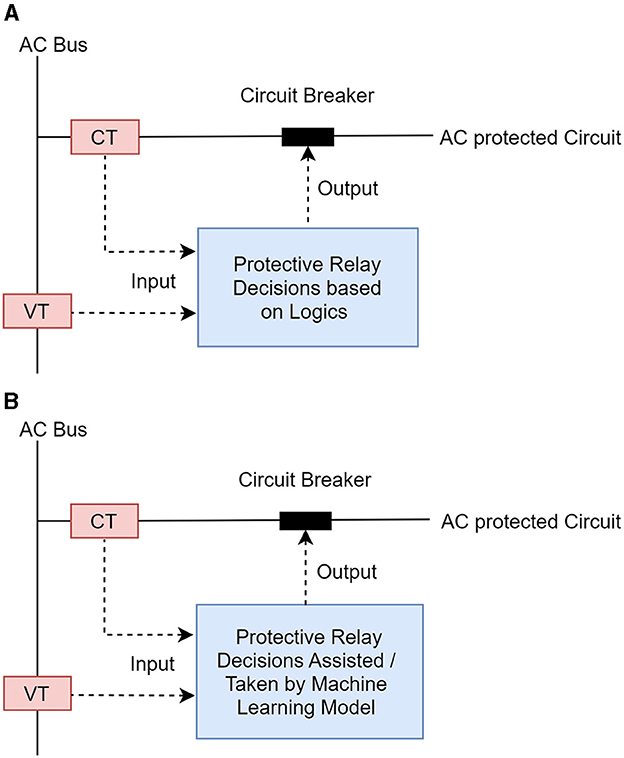
Figure 3. Comparison of Conventional and Machine Learning-Based Relays. Panel (A) shows the operation of a conventional relay based on logic, while panel (B) illustrates a relay that uses machine learning for decision-making.
There are many power system protection and control functions that can be improved by using ML techniques (Rajapakse et al., 2002; Zhou et al., 2010; Jayamaha et al., 2019). These areas offer a rich landscape for innovation, where ML can contribute to developing new solutions and improving existing methodologies. In this section, potential application areas are explored, ranging from power system stability to emergency control, mis-operation detection, and more.
There is a vast amount of literature covering potential application areas of ML techniques in power system protection and emergency control. Therefore, a selection criterion was designed as illustrated in Figure 4 to select several representative research papers for each application. Initially, this selection criterion selects all the research papers that contain the following metadata: (1) machine learning techniques such as traditional machine learning (i.e; SVM, DT...etc.), deep learning and reinforcement learning, (2) Potential power system protection and emergency control applications such as power system stability, high impedance fault detection…etc. Then a pool of research papers was created by using IEEE Xplore (https://ieeexplore.ieee.org), Scopus (https://www.scopus.com) and Google Scholar databases. This pool comprised of candidate research papers which were peer-reviewed (journal and conference papers), contained specific key words and published within a time range of 2004–2024.
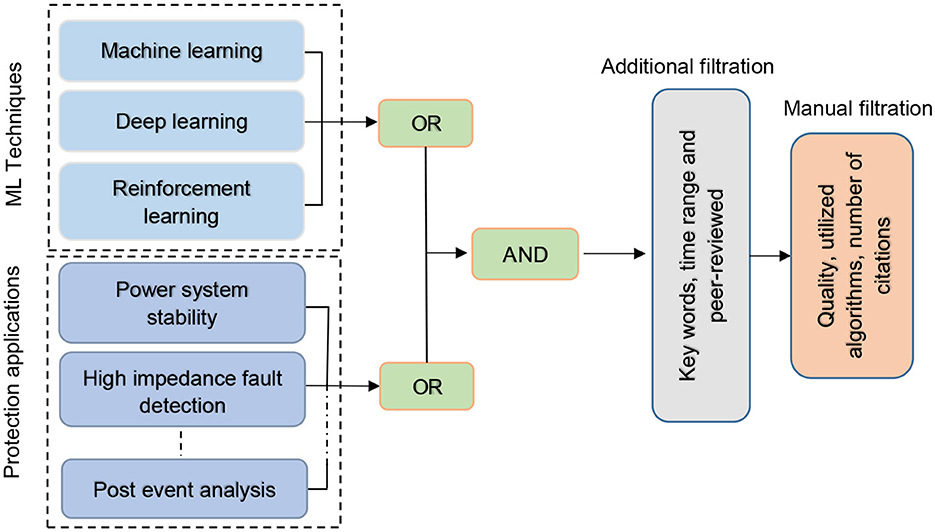
Figure 4. Research paper selection criterion.
Figure 5 shows the percentages of different papers categorized based on the application. Still there were considerable number of papers under each application. Therefore, a limited number of papers were selected manually considering the quality, number of citations and diversity of algorithms utilized, to include in this review.
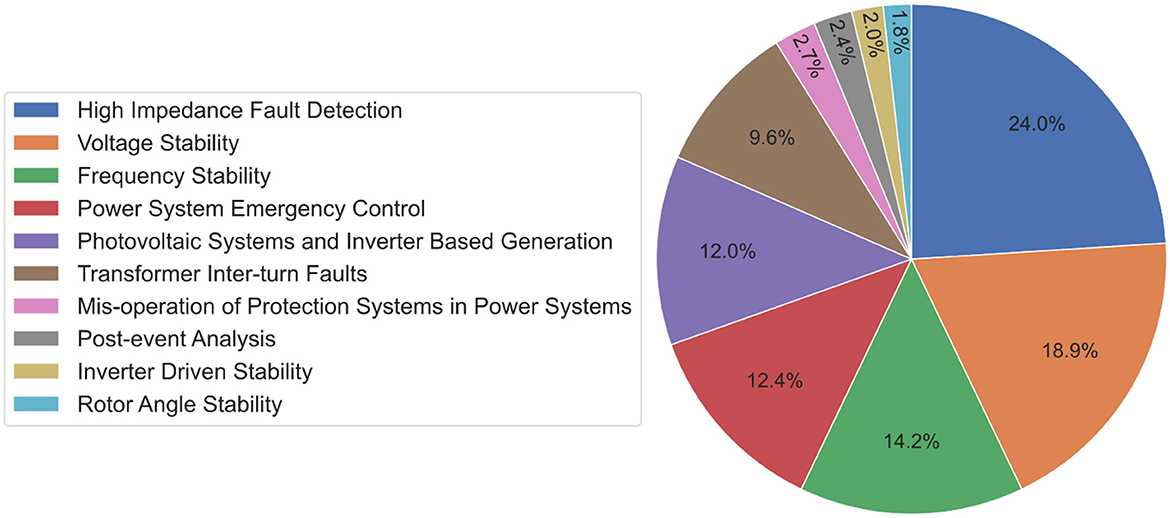
Figure 5. Percentages of pooled research papers categorized based on the applications.
4.1 Power system stability
Maintaining the stability of the power system is one of the main objectives of a power system protection and control system. Generally, persisted contingencies or multiple contingencies occur in power systems beyond the designed tolerance level of protection and control systems is the root cause of power system instabilities and blackouts. Power system stability can be mainly categorized into voltage stability, rotor angle stability, frequency stability, oscillatory stability, and inverter driven stability (Hatziargyriou et al., 2020). Most of these stability phenomena occur within several seconds which is not feasible to detect using model driven approaches in real-time. Therefore, many researchers have drawn their attention on ML based data driven approaches which can predict the power system stability status within few milli-seconds with an acceptable accuracy. In this section, several ML-based assessment and control action design approaches are discussed under each stability category.
4.1.1 Voltage stability
The voltage stability of a power system can be defined as the ability of the system to maintain a steady voltage close to nominal value at all buses after the system has been subjected to a disturbance. Conventional voltage stability assessment methods such as continuation power flow (long-term voltage stability) and transient stability analysis (short-term voltage stability) lack the applicability for large power systems in real-time due to high computation time and model dependency. Recently, there are many voltages stability assessing approaches proposed in literature based on ML due to their data driven nature. These approaches use both shallow and DL algorithms. Assessing short-term voltage stability of a power system is a time sensitive process which requires trajectory feature identification within few seconds therefore feature engineering approaches can be seen in Zhu et al. (2016, 2020), Yang et al. (2018), Dharmapala et al. (2020), and Dharmapala and Rajapakse (2024). These features are Time Series Shapelets (TSS) in Zhu et al. (2016) and Zhu et al. (2020), pre-identified templates in Dharmapala and Rajapakse (2024) and online induction motor slip in Yang et al. (2018). On the other hand, deep learning algorithms such as LSTM can grasp features without pre-processing (feature computation). LSTM based SVS assessment schemes can be found in Zhang et al. (2021) and Zhu et al. (2021). A loadability prediction scheme to assess long-term voltage stability is proposed and validated using real-time data from phasor measurement units (PMUs) in Dharmapala et al. (2020). A summary of utilized ML algorithms in these approaches is tabulated in Table 1.
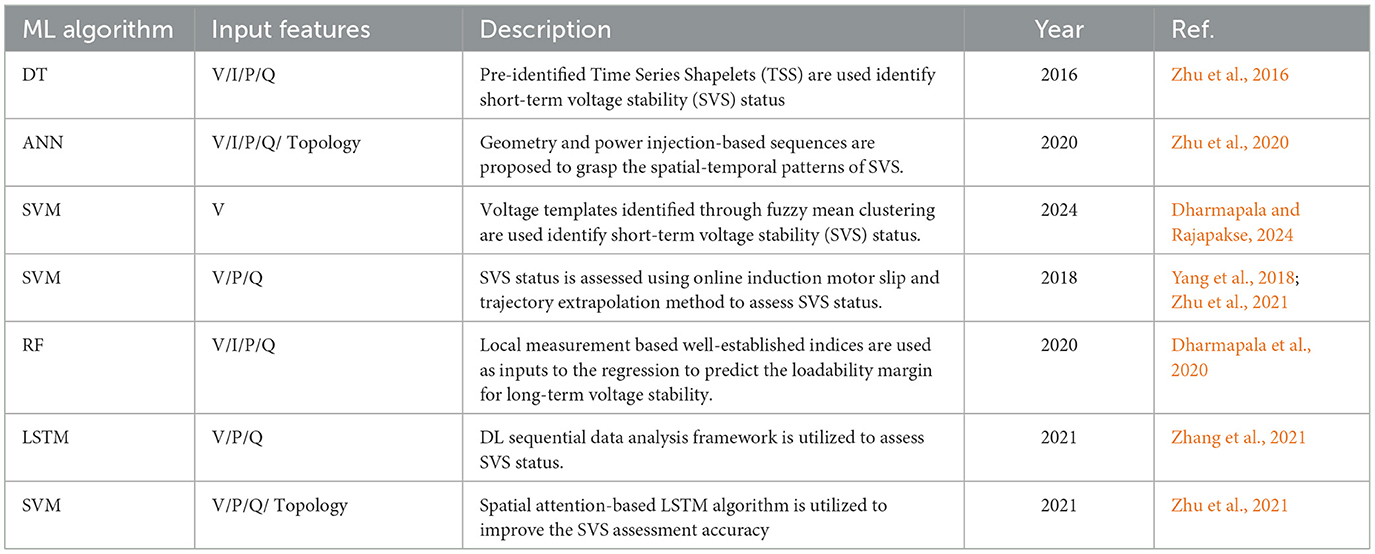
Table 1. Summary of ML based voltage stability applications.
4.1.2 Rotor angle stability
The ability of the interconnected synchronous machines in a power system to remain in synchronism under normal operating conditions and to regain synchronism after being subjected to a small or large disturbance is defined as the rotor angle stability (Hatziargyriou et al., 2020). Generally, rotor angle instabilities occur within few seconds. Therefore, rotor angle stability is another area where data driven ML based approaches are frequently applied. In Amjady and Majedi (2007), the power system is partitioned into subsets each including two or more synchronous machines using the data from each partition. ANN is trained and final decision is obtained through a voting mechanism. Proximity to pre-identified voltage templates are used as features to a SVM classifier in Rajapakse et al. (2010) to differentiate rotor angle stability/instability. In Gomez et al. (2011), direct voltages measurements are input to a SVM classifier to predict the transient stability status after a disturbance. A small signal stability assessment scheme is proposed in Dorado-Rojas et al. (2021) by utilizing deep learning CNN. Time and frequency domain measurements have been utilized to extract features in Kamwa et al. (2009) and fuzzy rule base is used to improve the decision boundary tuning. Similar to deep learning-based voltage stability assessment applications, these deep learning approaches use sequential measurements without feature identification. Some of these ML approaches found in literature are tabulated in Table 2.
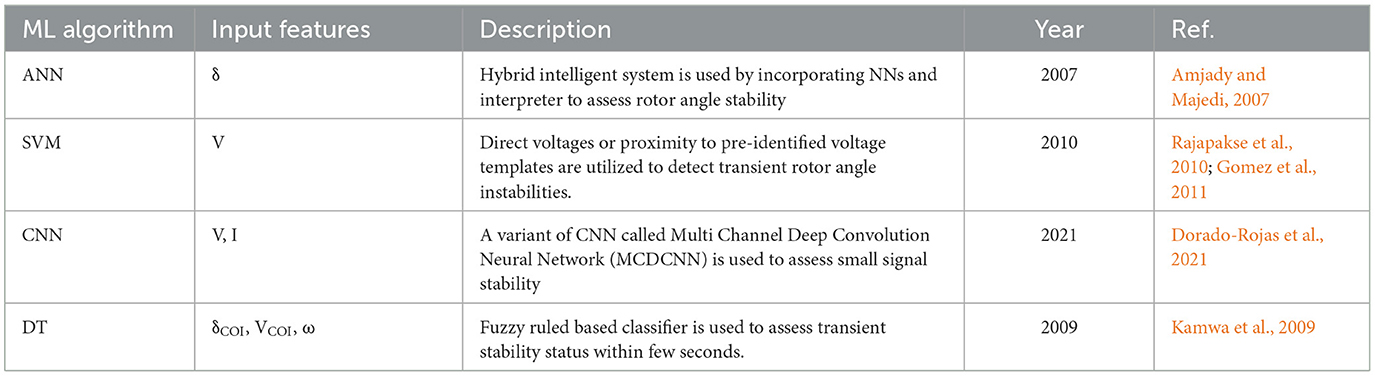
Table 2. Summary of ML based rotor angle stability applications.
4.1.3 Frequency stability
Frequency stability refers to the ability of a power system to maintain steady frequency level following a significant imbalance between severe system upset resulting a significant imbalance between generation and load (Hatziargyriou et al., 2020). Frequency instabilities initiate in the form of sustained frequency swings or large frequency deviations and can be led to tripping of generators and/or loads. Due to the fast response, it is difficult to differentiate stable frequency swing from unstable frequency swing; however enhancement of ML techniques enables the power system frequency stability assessment and control applications. In Behdadnia et al. (2021), a practical PMU measurement-based frequency stability analysis scheme which can detect and eliminate erroneous measurement is proposed. The main factors that contribute to the power system frequency response is considered when training the ML model in Bo et al. (2014) and Xie and Sun (2021). Bandwidth requirement of PMU data for frequency stability analysis is reduced in method proposed in Tripathi (2018). Few of the frequency stability applications found in literature are tabulated in Table 3.
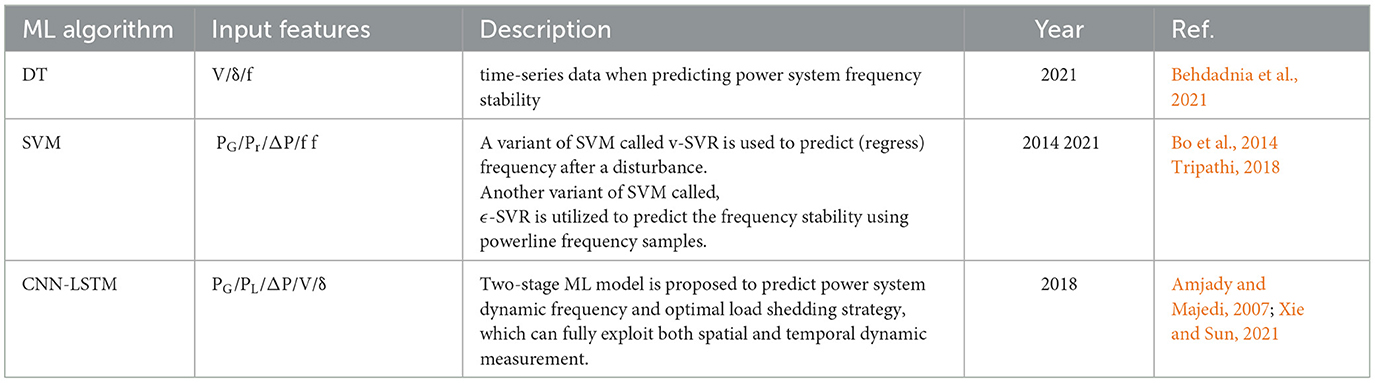
Table 3. Summary of ML based frequency stability applications.
4.1.4 Oscillatory stability
The resonance, in general, occurs when energy exchange takes place periodically in an oscillatory manner. These oscillations grow in case of insufficient dissipation of energy in the flow path and are manifested (in electrical power systems) in magnification of voltage/current/torque magnitudes (Hatziargyriou et al., 2020). Oscillatory stability monitoring and controlling is a highly researched area, but application of AI is relatively limited. Eigenvalue region prediction of critical stability modes results from inter-area oscillations is proposed in Teeuwsen et al. (2006). A scheme which provides offline training, update and online predicting is proposed in Liu et al. (2021). In Cepeda et al. (2022), deep learning-based assessment scheme is proposed which only uses system frequency as the input. An optimal control strategy using thyristor-controlled series capacitors (TCSC) to damp power system oscillations is proposed in Ernst et al. (2004) and in this method Reinforcement Learning (RL) is utilized to obtain the control policy. A summary of various ML approaches found in literature for oscillatory stability monitoring and controlling is tabulated in Table 4.
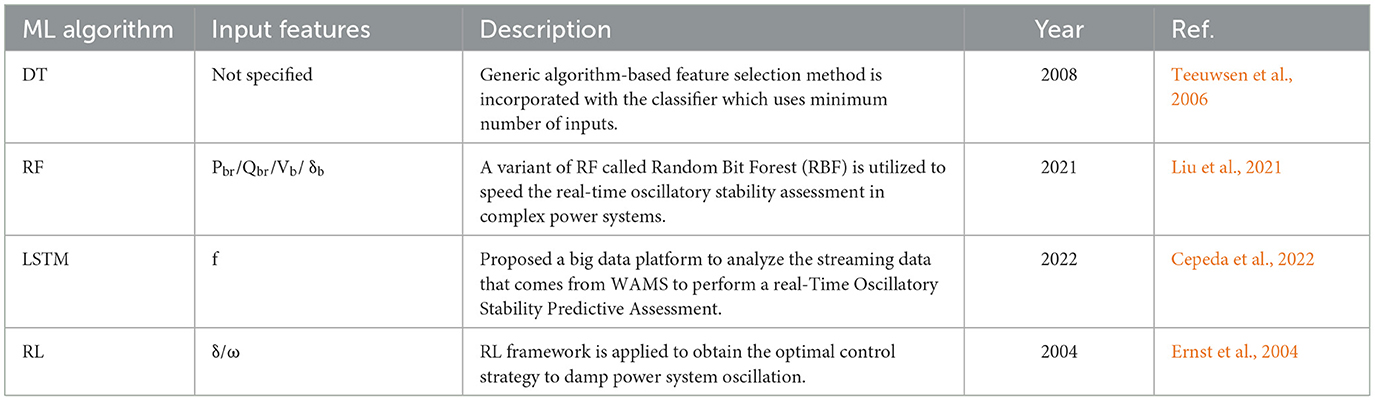
Table 4. Summary of ML based oscillatory stability applications.
4.1.5 Inverter driven stability
The dynamic behavior of Inverter Based Generators (IBGs) is clearly different from conventional synchronous generators. Typical IBG relies on control loops and algorithms with fast response times, such as the PLL and the inner-current control loops (Hatziargyriou et al., 2020). In this regard, the wide timescale related to the controls of CIGs can result in cross couplings with both the electromechanical dynamics of machines and the electromagnetic transients of the network, which may lead to unstable power system oscillations over a wide frequency range. The research found in literature on inverter driven stability is mainly focused on controller optimization using ML techniques such as RL. In Gheisarnejad and Khooban (2020), a control scheme based on Active Disturbance Rejection Controller (ADRC) is implemented with optimal setting training process. A data-driven optimal control strategy for Virtual Synchronous Generator (VSG) operation is proposed in Li Y. et al. (2021) with control targets of maintaining frequency within operating limits, damping oscillations, and smoothing frequency response. A summary of various RL approaches to inverter controller tuning that found in literature is tabulated in Table 5.

Table 5. Summary of ML based inverter driven stability applications.
4.2 Communication infrastructure for protection and control
IEC 61850 standard (Report, 2014) is developed in 2014 to standardize power system communication network and automate systems. Because of the standard object-oriented approach, it allows interoperability between devices regardless of different vendors. IEC 61850 is the protocol used by power system protection and control devices for communication. Generic Object-Oriented Substation Event (GOOSE) and Sample Values (SV) are two main data protocols proposed in the standard. GOOSE messages are triggered by certain events in the power system and are transmitted to take necessary reactionary precautions, i.e., a trip command is sent to a circuit breaker via GOOSE message after a relay picks up excessive current readings. On the other hand, SV messages carry periodic samples of critical grid parameters such as bus frequency, voltage etc. Due to the critical nature of the places of their use, i.e., measurements for power system protection, frequency, and voltage control. Due to the importance of these data, these communications infrastructures are becoming more vulnerable to cyber-attacks. There are several research that can be found in literature to identify such intrusions using ML. In Ustun et al. (2021a), based on the frequency and nature of GOOSE messages a ML based approach is utilized to differentiate usual operation from cyber-attacks. An intrusion detection and communication traffic monitoring system based on SV data is proposed in Ustun et al. (2021b). A SVM based approach to identify compromised devices in a smart grid is proposed in Kaygusuz et al. (2018). These approaches are summarized and tabulated in Table 6.

Table 6. ML based power system communication applications.
4.3 Emergency control
Modern power systems are characterized by a significant increase in uncertainties and the risk of major outages due to their operation close to limits, decreased inertia, and the integration of renewable energy sources with fluctuating output. This necessitates a rethinking and enhancement of emergency control strategies, which have traditionally been designed offline based on worst-case or typical operational scenarios. One of the promising approaches to tackle these challenges is to implement a RL based agent which can interact with the power system environment (Ernst et al., 2004). These tools can harness real-time data from multiple sources to provide accurate, near-instantaneous assessments of the grid's status. Such models could not only forecast potential threats but also suggest optimal reactive measures in real time, enhancing the adaptability and robustness of the system. Moreover, the development of distributed energy resources such as solar plants, wind plants, and battery storage systems, provides an opportunity to create localized emergency control strategies. By allowing areas of the grid to function independently during crises, these resources can help mitigate the risk of widespread blackouts. In this section, we explore a variety of ML methodologies that are employed to efficiently handle the complexities of emergency control problems.
An innovative approach introduced in Li et al. (2022) utilizes an autonomous control method based on the DDPG to effectively mitigate issues associated with under-voltage load shedding. Also adaptive under voltage load shedding and emergency control schemes using deep reinforcement learning (DRL) is proposed in Huang Q. et al. (2020). Similarly, Chen et al. (2021) presents a model-free emergency frequency control strategy, leveraging reinforcement learning to navigate the complexities of such scenarios. Notably, it introduces a multi-Q-learning-based method to limit the number of emergency scenarios that should be addressed when designing the system. To learn the optimal solutions for identified general emergency scenarios, DDPG algorithm is adopted. In a similar vein (Vu et al., 2021), proposes an emergency load shedding technique aimed at enhancing the voltage recovery of post-fault conditions. This technique notably incorporates safe RL to ensure the reliability and safety of the implemented solutions. Collectively, these studies emphasize the growing support on advanced RL techniques in developing responsive control mechanisms for emergencies and illustrating a shift toward self-adjusting systems in power grid management. Table 7 gives a summary of ML based methods to solve the emergency control problems.
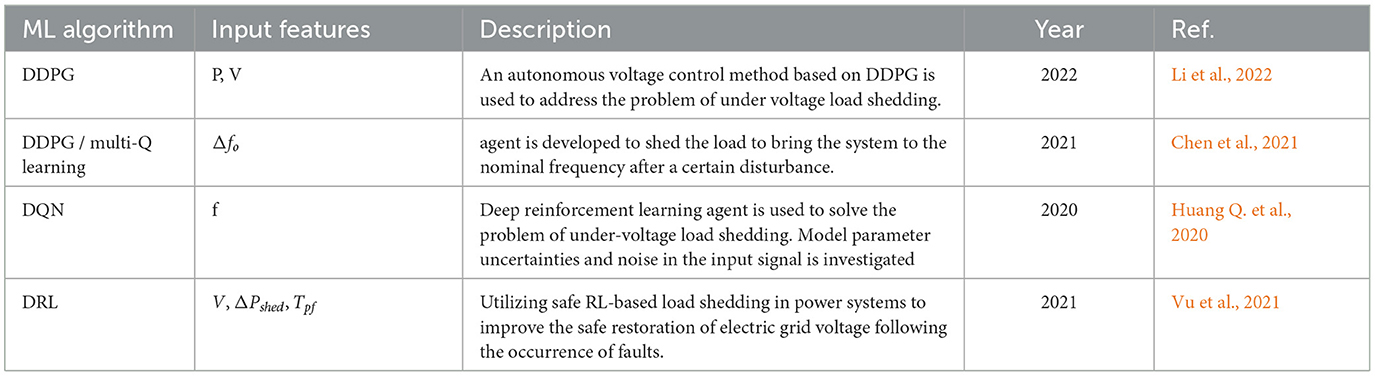
Table 7. Summary of ML based methods to solve the emergency control problem.
4.4 Mis-operation of protection systems
Mis-operation in a part of the system happens when it doesn't perform as planned or functions outside its assigned area of protection. When a protection system either fails or operates improperly, it leads to a less stable state. This not only disrupts the safeguarding of the system's equipment but also contributes to outages in transmission and negatively impacts the overall reliability of the system. The Subcommittee for Protective Relay at MRO has analyzed mis-operation submissions from the period between 2010 and the initial quarter of 2016, categorizing them as shown in Figure 6 (MRO Protective Relay Subcommittee, 2017). The leading three causes identified are connected to mistakes in logic, faults in design, and errors made by personnel that were left uncorrected. Additionally, there were Mis-operations traced back to specific failures in the relay system and errors in the DC system.
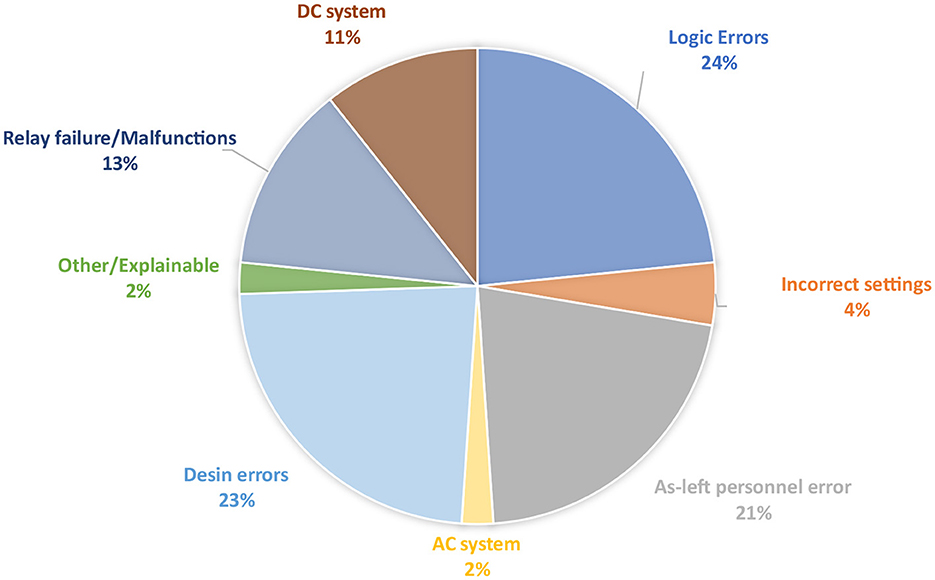
Figure 6. Breaker failure mis-operation per cause code.
Mis-operation in power system protection is a grave concern, leading to the development of numerous techniques and practices to reduce its occurrence. In the WECC report (Western Electricity Coordinating Council, 2018), Mis-operations Reduction Strategies are classified into seven distinct subjects, and some of the report's recommendations are provided below.
• Ground overcurrent protection: Coordination with system changes and contingencies is vital when designing ground instantaneous overcurrent (50G). The 50G should be set higher than the maximum external fault current plus an additional margin. Moreover, due to the variability in fault levels, coordination studies are necessary, and the impact of mutual coupling must be taken into account during the design of Ground time-overcurrent 51(G).
• Human performance during commissioning: A comprehensive commissioning process is recommended, with specific practices outlined to identify errors before the energizing of new equipment.
• Knowledge transfer: It is essential to have a well-documented plan for sharing knowledge.
• Limited Information for Investigations
• Root cause analysis: Employing staff members trained in root cause analysis to conduct event investigations can enhance the examination beyond the obvious cause, identifying hidden errors elsewhere in the system.
• Settings validation: Despite the development of many techniques to reduce mis-operations, no sufficient method has been established to detect mis-operation in real time. Consequently, analyzing and finding solutions from ML techniques remains an open field for researchers. However, some work related to mis-operation detection based on PMU data analyzing is proposed. A tool has been implemented to detect real-time mis-operations in transmission line relays as described in Esmaeilian et al. (2015). This tool utilizes time-synchronized measurements gathered from both ends of the line during disturbances. The proposed methodology effectively confirms whether the line tripping was due to a mis-operation of protective relays. The paper referenced in Banerjee et al. (2019) explores methods for enhancing real-time situational awareness of power systems. It utilizes PMU data to identify dynamic events occurring within the system. Additionally, the paper proposes various options for a data-driven model and investigates the performance of certain patterns in classifying PMU disturbance data. A summary of approaches used for mis-operation detection is given in Table 8.

Table 8. PMU data-based methods to identify the relay mis-operations.
4.5 High impedance fault detection
Unlike most power system line faults, High Impedance Faults (HIF) prevent the generation of sufficient current that is required to trip the over-current relays due to high grounding impedance. These faults could jeopardize human safety by unintentional contact with an energized exposed conductor. Hence it is an important but difficult task to detect these types of faults. Therefore, there are specially designed algorithms for HIF detection. In HIF detection, after feature extraction from the measurements a boundary should be found to separate a faulty state from healthy ones. Among different classification methods ML-based methods have higher accuracy in pattern classification, fast response, noise removal ability and prediction capability (Hotelling, 1933). An approach which uses TT- transform to extract time-time distribution features is proposed in Nikoofekr et al. (2013). In Moravej et al. (2015), Dual Tree- Complex Wavelet Transform (DT-CWT) is utilized for extraction features and then fed to the NN classifier. Deep neural networks have been utilized in Rai et al. (2021) and Sirojan et al. (2022) to grasp unique characteristics at an event of HIF and different such event from power system switching operations and measurement noises. A summary of these ML approaches is tabulated in Table 9.
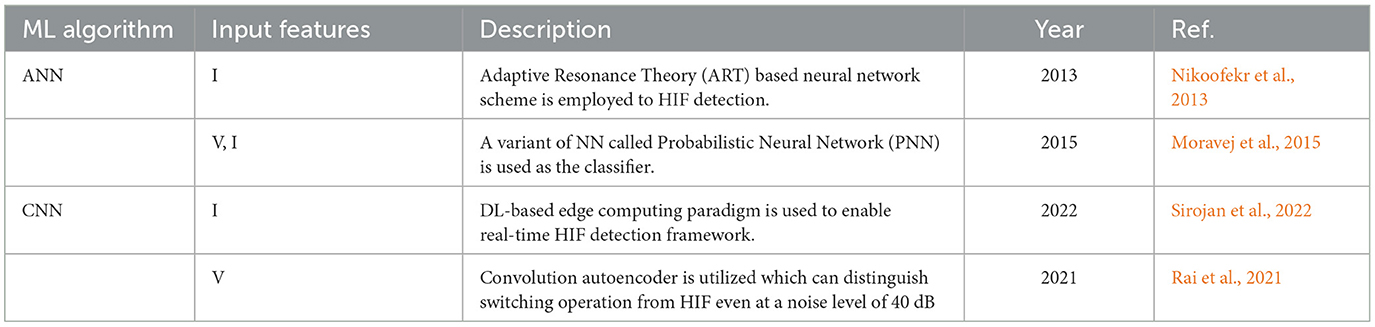
Table 9. Summary of ML based high impedance fault detection.
4.6 Photovoltaic systems and inverter based generation
Over the last two decades, the growing number of inverter-based generation (IBG) resources has brought multiple challenges for power system protection. The variable nature of wind and solar power, the electrical characteristics of inverter circuits and the growing number of generators in distribution systems make protection challenging from the optics of conventional methodologies. Emerging challenges have been widely identified and studied; nevertheless, reliable fault detection, classification, and localization are still a matter of discussion. The complex nature of phenomena that arise from the growing penetration of renewable and IGB resources has prompted researchers to employ ML techniques to address these issues (Wischkaemper and Brahma, 2021). As stated before, protection issues have been widely identified, and photovoltaic (PV) systems are no exception. In Alam et al. (2015), the authors thoroughly review the types of faults affecting PV arrays, the methods used to detect them, and their shortcomings. The authors identify three types of faults in PV arrays: line-to-ground, line-to-line, and arc. Moreover, they identify challenging issues for conventional protections: the line-to-ground blind spot, line-to-line faults under low light conditions, high impedance paths inside the array, and the detection of arc faults. On the other hand, conditions such as open-circuit and partial shading are identified as disturbances that need to be reliably detected. The wide variety of array shapes and sizes make it necessary to design algorithms with normalized input features that can work reliably at any scale; normalization of electrical quantities is usually done with respect to VOC and ISC (Yi and Etemadi, 2017) and (Kumar et al., 2023) uses the rate of change of the conductance and the fill factor. Pure measurements are used in Zhao et al. (2015), Yi and Etemadi (2017), Madeti and Singh (2018), and Kumar et al. (2023) use feature engineering for trans-forming the original measurements into quantities that can improve the algorithm. In contrast, series arc faults in PV systems produce very little changes in voltage and current; detection of series arc faults in PV systems can be made using advanced signal processing techniques that can detect signature waveforms produced during the fault; this approach is adopted in Kumar et al. (2023) using a DL algorithm. A summary of ML based PV system protection approaches is provided in Table 10.
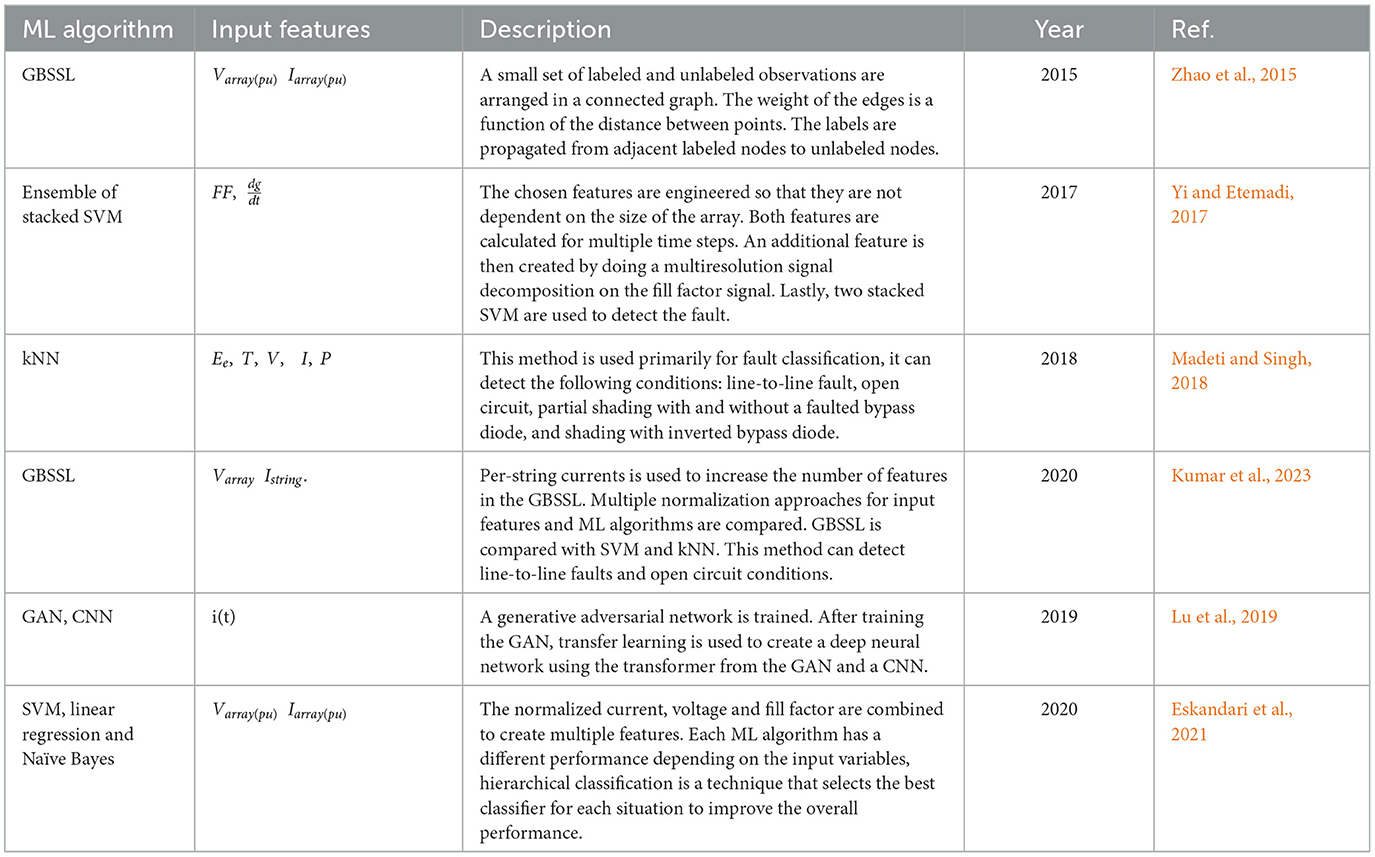
Table 10. ML based protection for PV arrays.
The proliferation of IBG has changed the topology of power systems by allowing generation resources to be located on the demand side and connected to distribution circuits as microgrids or active distribution systems. Protection issues and challenges have been studied and identified (Kumar et al., 2023): low fault currents, protection blinding, sympathetic tripping, and islanding detection. Moreover, unlike passive distribution grids, the distributed nature of this type of generation makes power system protection a shared responsibility, as upstream protections may not be enough to guarantee a safe operation, e.g. the need to cease to energize during islanding. Unintentional islanding is a situation that arises when an active distribution system is disconnected from the bulk power system. Fast and reliable islanding detection has proven to be challenging for traditional protection methodologies as these are heavily dependent on the operating state before the fault or require additional infrastructure that makes them expensive and complex (Lidula et al., 2009). Islanding detection can be carried out by leveraging signal processing techniques that extract features from voltage and current signals, these features can be used to train classifiers that can improve detection. Particularly, features derived from the discrete wavelet transform (DWT) decomposition of voltage and current signals carry the necessary information to successfully detect islanding in active distribution grids (Lidula and Rajapakse, 2010, 2012). Several ML based approaches proposed for microgrid related protection functions are presented in Table 11.
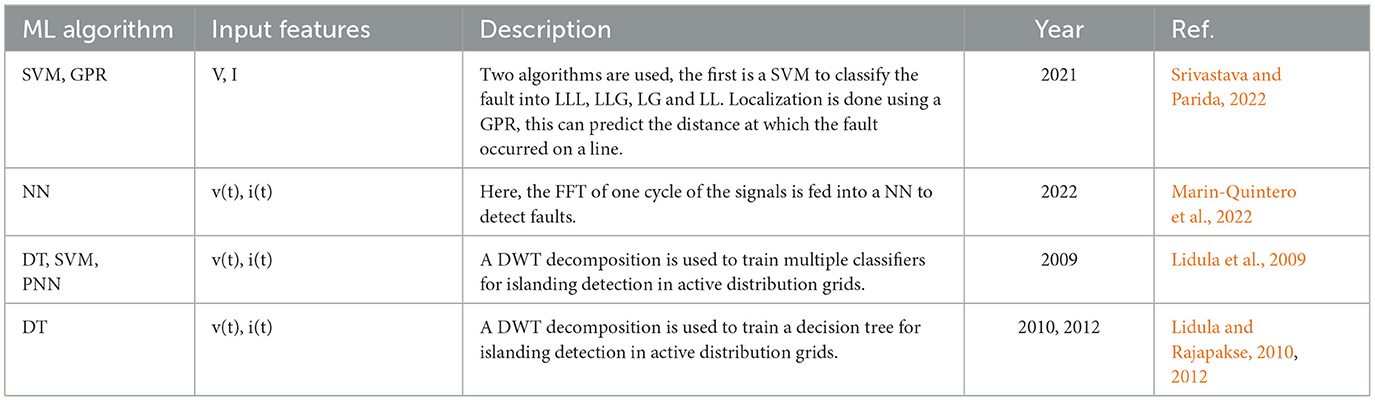
Table 11. ML based protection for microgrids.
4.7 Transformer inter-turn faults
Faults in power transformers can lead to interruptions, equipment damage, or even issues with the stability of the entire system. Short circuits in a few turns, known as inter-turn faults, generate a fault current among the involved windings that can cause thermal overload in the region and create other conditions such as phase-phase faults, phase-ground faults, and over-fluxing (Subramanian, 2020). Thus, it is important to have a comprehensive protection scheme for power transformers. Although tradition-al challenges such as inrush current, core saturation, external faults, etc. affect it, conventional protection relay, based on elements such as current differential, Buchholz, Volt/Hz, and overcurrent, has been widely used for many years (Pani et al., 2020). The frequency response analysis (FRA) also is a method widely used to recognize the changes on the winding impedance changes after an internal fault occurs (Khalili Senobari et al., 2018). The main drawback of this technique is lack of consistency in analysis, as there is no universally accepted code for interpreting FRA (Li Z. et al., 2021). The use of digital image processing methods for FRA interpretation has been the focus in Aljohani and Abu-Siada (2016) and Vosoughi and Samimi (2022). ML techniques, such as decision trees (Bigdeli et al., 2021), SVM (Liu et al., 2019), and ANN (Behkam et al., 2022a,b,c), have effectively been used to interpret the FRA signatures for classifying types of faults. This enhances the precision of fault diagnosis by minimizing errors in subjective analysis. Voltage and current waveforms from the transformer terminals or magnetization inrush current are some of the features used by researchers to classify and identify internal faults. DL frameworks, including classification autoencoders, have been employed by some researchers (Duan et al., 2019). Additionally, other ML techniques such as decision trees, random forest, and gradient boost classifiers (Simões et al., 2021), have been applied to analyze differential current.
4.8 Post-event analysis
Due to the increased demand and the integration of microgrids and renewable energy, the complexity of power systems has reached a level that makes it challenging to detect events, estimate stability issues, and prevent potential blackouts. This behavior is caused by non-linear higher-order elements and the time-varying nature of power grids, demanding efficient algorithms for dynamic monitoring, control, and protection (Zhang et al., 2011; Thomas et al., 2020). PMUs have been essential in studying post-fault anomalies during significant events worldwide. However, their extensive distribution has raised challenges upon scaling up data analysis (Dahal et al., 2014). Despite the abundance of high-resolution PMU data, the optimization of PMU data to predict anomalies is still a developing topic, which highlights the need to apply supervised learning techniques. Long periods of data can be analyzed in order to detect patterns and potential anomalies in the system and characterize its behavior in response to external factors (Hou et al., 2020). One of the analyzed strategies involves event detection and clustering to form a hierarchy of events for PMU data. Classification tools, such as continuity, correlation, SNR, among others, give analysts a means for event detection and inputs for case simulations (Hou et al., 2020). Some of ML based approaches proposed for post-event analysis are presented in Table 12.

Table 12. ML based post-event analysis.
5 Exploring the bottlenecks in applying ML to power system protection
Despite the substantial progress of applying ML to power system applications over the past decade, it's surprising to observe that ML isn't popular in practical applications in power system protection. In Wischkaemper and Brahma (2021), it is mentioned that there isn't a single commercial relay that uses ML for either primary or backup protection at the time. This chapter delves into the complex challenges involved in integrating ML into power system protection applications.
5.1 Lack of interpretability
A central challenge lies in the lack of interpretability of modern ML models. These models, particularly complex ones like deep neural networks, are frequently considered “black boxes,” meaning it's hard to grasp why they make certain decisions (Zaker et al., 2013; Rojas-Dueñas et al., 2020; Aghababaeyan et al., 2023). This lack of clarity becomes critical when dealing with power systems, where every decision carries far-reaching consequences. A single misstep could potentially trigger a system-wide blackout, causing significant damage to a region's economy (Yamashita et al., 2009; Alhelou et al., 2019). Hence, the need for transparency and explainability in decision-making is vital, an aspect that current ML models often fail to meet.
5.2 Lack of guaranteed performance
Another significant concern in the application of ML to power system protection is the lack of guaranteed performance. Traditionally, the performance of ML models is established through “testing and validation.” But one must question if this standard method of testing is adequate for crucial applications such as power system protection and control. Consider an ML model that demonstrates an accuracy of 99% during testing. While this might seem commendable in many fields (Wu and Chen, 2016; Islam et al., 2018) in power system applications, a 1% error margin could result in severe consequences. This seemingly small percentage of error could provoke a massive system failure, emphasizing the severity of even minor inaccuracies. Therefore, ensuring safe operation in the relevant region is essential. This safety factor is inherently incorporated into traditional methods. These established methods function safely and optimally within certain operating conditions, and while they might operate less efficiently outside these limits, they maintain a safe mode of operation. ML models, if they are to be utilized in power system protection, must follow these same rigorous standards of safety.
Moreover, a fundamental issue lies in the methodology used to test ML models. Typically, these models are validated using a subset of data from the entire dataset. Although a model may exhibit a perfect accuracy of 100% for this specific subset, it doesn't assure a similar level of performance for the entire continuous region of operation. Practically speaking, testing an ML model across the entirety of this continuous region is not feasible, given the infinite number of data points it encompasses. This adds another layer of complexity to the problem, presenting the need to develop a robust method that can validate the model's performance across the entire operating region, rather than just a data subset.
5.3 Scarcity of high-quality data
The scarcity of high-quality data in the power system sector presents a formidable challenge when developing data driven technics. ML models succeed on high-quality data, with their performance directly dependent on it (Sessions and Valtorta, 2006). However, unlike the field of computer engineering, where ML models are traditionally applied, the power system industry relies on tangible sensors such as current and voltage transformers. The data these sensors generate can contain noise and may be imbalanced, both factors that could deter model performance (Vega et al., 2007). Additionally, the necessary infrastructure for effective data collection often falls short. Furthermore, although data is collected and stored, much of it remains inaccessible to the wider research community due to security and privacy constraints.
5.4 Uneven datasets
Adding to these difficulties is the issue of an uneven balance between normal and abnormal data. Power systems typically operate in a 'normal' state, meaning that 99.9% of stored data reflects this healthy state. Yet, to construct a robust ML model, exposure to data representing abnormal or alert states is crucial. This lack of 'abnormal' data scenarios forces the model to 'unlearn' most of the time, with only a few in-stances providing opportunities for new learning. Also, the uneven dataset for training led to biases in the ML model (Mehta et al., 2019). Consequently, developing a ML model solely from practical sensor data is challenging. To overcome these hurdles, combining practical sensor data with simulated data may be necessary for developing a robust model. This approach could help to counterbalance the issues arising from data quality, accessibility, and imbalance, ultimately improving the model's ability to predict and react to both normal and abnormal states within power systems.
5.5 Adversarial challenges
An additional obstacle lies in dealing with adversarial examples. These are specifically crafted inputs that aim to deceive a NN, leading to incorrect classification of a given input (Goodfellow et al., 2015). The presence of adversarial examples poses a significant challenge for the successful application of ML to power system protection. In the context of power systems, an adversarial example could be a seemingly changed input designed to induce misclassification (Chen et al., 2018). For instance, an adversarial example might make a normally operating power system appear to be in a state of fault, or it could mask an actual fault, making it seem like the system is operating under normal conditions. The successful identification and handling of such instances is vital to avoid potentially disastrous consequences, such as shutdowns or system failures.
5.6 The curse of dimensionality
The challenge of scalability is another significant factor to consider when applying ML to power system protection. In the context of analyzing a complex power grid, the volume of data to be processed can be substantial. As a result, the state and decision spaces, which are the sets of possible states and actions respectively, can increase dramatically with the number of elements in the grid. This issue is referred to as the ‘curse of dimensionality'. The curse of dimensionality presents a unique set of challenges. It becomes increasingly difficult to efficiently analyze and process data as the size of the power grid grows. A ML model might perform excellently on a smaller scale but struggle as the number of features increases. The exponential growth of possible states and actions can quickly overwhelm computational resources and lead to extended processing times.
5.7 Integrating ML models into existing power systems
The integration of ML models into existing power system infrastructures brings its own set of challenges. These power systems, often built and enhanced over many decades, rely on deterministic engineering principles. As such, they incorporate detailed requirements and safeguards to ensure robust and reliable operation. ML, by contrast, is fundamentally a probabilistic approach, and its integration into these deterministic systems can lead to significant technical and operational complications. On a technical level, many existing systems were not designed with ML integration in mind. Implementing such models might require extensive modification or even a complete redesign of current systems. Moreover, ML models typically demand substantial computational resources that the existing hardware might not be able to provide. An additional challenge arises from the lack of established regulations. As the application of ML in power system protection is relatively novel, comprehensive standards and guidelines have not yet been defined. This situation can cause uncertainty about compliance and safety, complicating the integration of ML into power systems even further.
6 Future direction
The prediction of the future of ML technology is challenging, especially considering its rapid growth. It's evident that AI and ML will play a significant role in the development of future applications. While these technologies are not yet mature enough to be directly applied to power system protection, there are certain promising innovations within the field that are demonstrating substantial potential and undergoing consistent development. There should be significant attention required to overcome the barriers mentioned in Section 5 to bring the ML models to real practical applications. In the following sections, there is an examination of these new advancements, along with an exploration of how they might be applied in power system protection. Figure 7 presents a summary of possible future advancements and their potential to address the bottlenecks/challenges presented in Section 5.
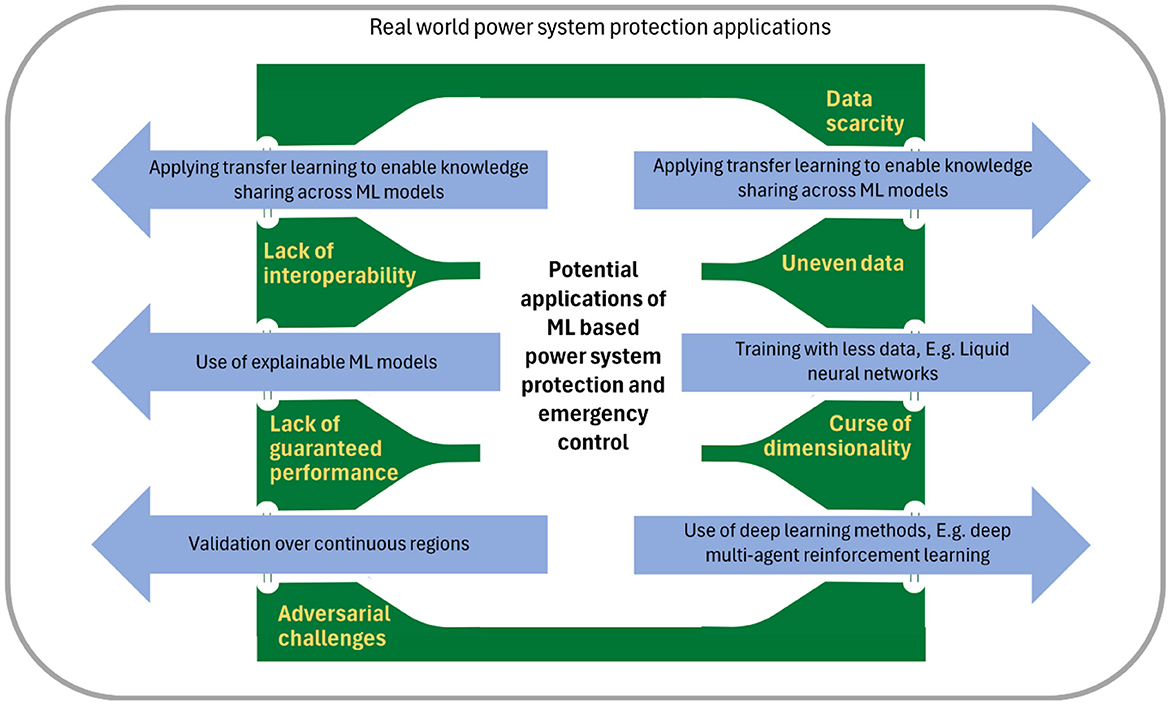
Figure 7. Challenges and solutions in applying machine learning models to power system protection.
6.1 Power system protection with explainable ML models
Explainability or interpretability is a prerequisite to ensure the scientific value and safety of the outcome (Doshi-Velez and Kim, 2017). In this context, research directions such as explainable ML models have emerged over the past decade (Ribeiro et al., 2016; Došilović et al., 2018). The idea is to make the decision-making process of the ML models understandable by humans, providing clear explanations for their predictions. This will be a solution to when it comes to current barriers of applying deep neural network to practical applications. If deep neural network's black box nature is clearly interpretable, there will be trust among the communities to apply it to critical applications such as a power system (Machlev et al., 2022). With the advent of these explainable ML models, the future of power system protection looks promising. The use of these models can bring about enhanced system protection, optimized operational efficiency, and increased reliability. There are some works that have started to emerge in the power system such as emergency control (Zhang et al., 2022).
6.2 Use of emerging technologies for protection applications
6.2.1 Liquid neural networks
A groundbreaking type of network known as the liquid neural network, which possesses the ability of continuous learning during its operation, not limited to just the training process, was developed recently (Hasani et al., 2021). It is demonstrated that liquid neural network has the ability to steer an autonomous car with the by processing the data with only 19 neurons and 253 synapses in the network (Lechner et al., 2020). Traditionally this kind of task is achieved from a CNN, and it requires many neurons and synapses to achieve such a task. This method helps to reduce the size of the network which internally helps to understand them and explain the behavior of the NN. The development of this innovative method holds great promise for applications involving decision-making based on dynamic data streams that evolve over time. As a result, this novel approach could be effectively utilized in creating adaptive, compact models for power system protection applications, particularly in scenarios where the topology undergoes continuous changes over time.
6.2.2 Physics-informed neural networks
A physics-informed neural network (PINN) is a type of NN which is trained to solve supervised learning problems while considering any given laws of physics described by non-linear partial differential equations. It is shown that the method is effective for solving some classical non-linear problems in fluid dynamics, quantum mechanics and reaction-diffusion systems (Raissi et al., 2019). PINNs work by enforcing the known physical laws as constraints during the learning process, thereby guiding the network to learn a solution that not only fits the data but also aligns with the underlying physics of the problem. Generally traditional ML models often do not incorporate any prior knowledge about the physical system they are modeling. PINNs, on the other hand, are designed to incorporate physical laws and equations that govern the system as a part of the NN architecture. This is one of the key advantages when applying PINN based ML models to complex, physics-based applications such as a power system.
There are several reasons why PINNs could be particularly useful for power system protection applications. The most important advantage is that improved generalizability. As the PINNs incorporate the fundamental physics that govern power systems, they offer a higher level of generalizability compared to traditional ML models. This offers a reliable protection decision even in scenarios that have not been explicitly encountered during the training phase. There is a significant attention among the power system community to apply PINNs to solve traditional power system problems (Misyris et al., 2020; Bragone et al., 2022; Huang and Wang, 2022). Nevertheless, the method is not readily applied for power system protection applications. However, as PINNs' predictions are grounded in the known physical laws, which can make their outputs more understandable and reliable to power system engineers. This transparency can lead to higher trust and adoption of these models in future.
6.3 Applying transfer learning to enable knowledge sharing across different ML models
Transfer learning is a concept in ML that includes storing knowledge gained while solving one problem and applying it to a different but related problem (Ribani and Marengoni, 2019). It takes the advantage on the knowledge which obtained from one task to another related task. In essence, transfer learning allows us to leverage pre-existing models that have been trained on large datasets, potentially saving significant computational resources and time in model development (Zhuang et al., 2020). On the other hand, power systems are reliable by design, meaning that events like faults are relatively rare, making it challenging to gather a sufficient quantity of data to train ML models. As the transfer learning allows to leverage the pre-existing models, it could be used to solve the problem of data scarcity (Pan and Yang, 2010).
6.4 Multi-agent reinforcement learning in emergency control
In power systems, emergencies often arise due to unpredictable disturbances like equipment failure, power demand surges, or natural disasters, potentially leading to blackouts. These emergencies require fast and efficient decision-making for control actions to prevent system collapse. Multi agent reinforcement learning (MARL), with its capability to process large-scale multidimensional data and make timely decisions, offers a promising approach to managing these emergencies (Busoniu et al., 2008; Chu et al., 2020). MARL involves deploying multiple RL agents across the power system (Biagioni et al., 2022). Each agent focuses on a specific area or component of the system, reducing the complexity of the problem space it needs to manage. In addition, the agent, embedded with Deep RL, takes actions like adjusting generator output, controlling switchgear, or managing demand response to maintain system stability (Wang et al., 2021). This approach can enhance the learning efficiency and decision-making ability of the overall system. However, the coordination between multiple RL agents is complex, as changes in one area may affect the others (Canese et al., 2021). Advanced methods and communication protocols need to be developed to ensure the efficient operation of the overall system. Looking forward, as the power systems continue to grow and become more integrated with renewable energy sources, the complexity of managing these systems under emergency conditions will only increase. However, with the continuous advancements in RL and its ability to learn and adapt from experience, MARL provides a robust toolset for future power system protection and emergency control.
6.5 Power system protection with generative AI
As we look toward the future of power system protection, the integration of generative AI will play a significant role in the future. This advanced form of artificial intelligence, capable of generating new data and models, promises to revolutionize the way power systems are monitored and protected. These AI models could simulate a vast range of potential scenarios, including rare and complex fault conditions, enabling the development of more robust protection strategies. Additionally, the adaptive nature of generative AI means that protection systems could continuously evolve in response to changing grid conditions and emerging threats, such as cyber-attacks or extreme weather events.
7 Conclusions
In conclusion, this paper has underlined the importance of traditional methods in power system protection, methods that have been transparently and robustly developed over the past century. Given the high cost associated with protection failures, these traditional methods do not need to be completely replaced if they continue to follow the five principles outlined in Section 3. Nevertheless, clearly there exists room for enhancement within these conventional methods, and in specific scenarios, ML techniques may offer valuable augmentation to classical approaches. The paper has emphasized potential applications of ML that tackle challenges in power system protection that are difficult to overcome with traditional methods, as detailed in Section 4. Despite the considerable number of research and development efforts that have been reported to date, many of these efforts are still a long way from being translated into practical applications. This paper concludes that the use of ML technology for power system protection is still in its early stages. It identifies significant barriers to implementing ML in power system protection, as described in Section 5. Unlike many traditional ML problems, these obstacles cannot be easily resolved simply by increasing data or computing power. Therefore, the necessity to continuously develop understandable and validatable methods in the future is underscored. This ongoing development is essential to ensure that power system protection maintains its robustness and adaptability to emerging challenges, as comprehensively described in Section 6. However, while these ongoing developments aim to tackle these challenges individually using different models, a universal ML model that addresses all the challenges highlighted in Section 5 is not yet available. Furthermore, to the best of our knowledge, a machine learning model has not been practically implemented in real-time protective relays by manufacturers, nor has any such experience been documented.
However, an analysis of the pie chart in Figure 5 reveals that a significant number of publications have focused on solving the problems of high impedance fault detection and voltage stability. This rise in research is credited to advancements in deep learning techniques, which have notably improved high impedance fault detection. Additionally, the deployment of Phasor Measurement Units in power networks has facilitated the development of machine learning models aimed at resolving voltage stability issues. Consequently, these two applications are likely to become a reality, potentially addressing the concerns discussed in Section 4. Despite the transformative potential of ML in various aspects of the power system, the continued reliance on proven, traditional methods for system protection is expected in the foreseeable future.
Author contributions
GP: Conceptualization, Writing—original draft, Writing—review & editing. KD: Writing—original draft, Writing—review & editing. JC: Writing—original draft, Writing—review & editing. DV: Writing—original draft, Writing—review & editing. AR: Project administration, Resources, Supervision, Writing—original draft, Writing—review & editing.
Funding
The author(s) declare that financial support was received for the research, authorship, and/or publication of this article. Partial financial support for this research project was received from Natural Sciences and Engineering Research Council of Canada: RGPIN-2018-05355 and Manitoba Hydro/Mitacs Inc. of Canada: IT28046. The funder was not involved in the study design, collection, analysis, interpretation of data, the writing of this article, or the decision to submit it for publication.
Conflict of interest
The authors declare that the research was conducted in the absence of any commercial or financial relationships that could be construed as a potential conflict of interest.
The author(s) declared that they were an editorial board member of Frontiers, at the time of submission. This had no impact on the peer review process and the final decision.
Publisher's note
All claims expressed in this article are solely those of the authors and do not necessarily represent those of their affiliated organizations, or those of the publisher, the editors and the reviewers. Any product that may be evaluated in this article, or claim that may be made by its manufacturer, is not guaranteed or endorsed by the publisher.
References
Aghababaeyan, Z., Abdellatif, M., Briand, L., Ramesh, S., and Bagherzadeh, M. (2023). Black-box testing of deep neural networks through test case diversity. IEEE Trans. Softw. Eng. 49, 3182–3204. doi: 10.1109/TSE.2023.3243522
Alam, M. K., Khan, F., Johnson, J., and Flicker, J. A. (2015). Comprehensive review of catastrophic faults in PV arrays: types, detection, and mitigation techniques. IEEE J. Photovolt. 5, 982–997. doi: 10.1109/JPHOTOV.2015.2397599
Alhelou, H. H., Hamedani-Golshan, M. E., Njenda, T. C., and Siano, P. A. (2019). survey on power system blackout and cascading events: research motivations and challenges. Energies 12, 1–28. doi: 10.3390/en12040682
Alimi, O. A., Ouahada, K., and Abu-Mahfouz, A. M. (2020). A review of machine learning approaches to power system security and stability. IEEE Access 8, 113512–113531. doi: 10.1109/ACCESS.2020.3003568
Aljohani, O., and Abu-Siada, A. (2016). Application of digital image processing to detect short-circuit turns in power transformers using frequency response analysis. IEEE Trans. Industr. Inform. 12, 2062–2073. doi: 10.1109/TII.2016.2594773
Amjady, N., and Majedi, S. F. (2007). Transient stability prediction by a hybrid intelligent system. IEEE Trans. Power Syst. 22, 1275–1283. doi: 10.1109/TPWRS.2007.901667
Azhar, I. F., Putranto, L. M., and Irnawan, R. (2022). Development of PMU-based transient stability detection methods using CNN-LSTM considering time series data measurement. Energies 15:21. doi: 10.3390/en15218241
Badrinarayanan, V., Kendall, A., and Cipolla, R. (2017). SegNet: a deep convolutional encoder-decoder architecture for image segmentation. IEEE Trans. Pattern Anal. Mach. Intell. 39, 2481–2495. doi: 10.1109/TPAMI.2016.2644615
Banerjee, A., Kavasseri, R. G., Gani, M. B., and Brahma, S. (2019). “Towards supervisory protection using energy functions for relay misoperations in a stressed power system during blackout,” in 2019 IEEE Milan PowerTech. IEEE, 1–6.
Behdadnia, T., Yaslan, Y., and Genc, I. A. (2021). new method of decision tree based transient stability assessment using hybrid simulation for real-time PMU measurements. IET Gen. Trans. Distrib. 15, 678–693. doi: 10.1049/gtd2.12051
Behkam, R., Karami, H., Naderi, M. S., and Gharehpetian, G. B. (2022a). “Condition monitoring of distribution transformers using frequency response traces and artificial neural network to detect the extent of windings axial displacements,” in 2022 26th International Electrical Power Distribution Conference (EPDC). IEEE, 18–23.
Behkam, R., Karami, H., Naderi, M. S., and Gharehpetian, G. B. (2022b). “Intelligent interpretation of frequency response signatures to diagnose radial deformation in transformer windings using artificial neural network,” in 2022 12th International Conference on Computer and Knowledge Engineering (ICCKE). IEEE, 523–528.
Behkam, R., Karami, H., Naderi, M. S., and Gharehpetian, G. B. (2022c). Application of artificial neural network on diagnosing location and extent of disk space variations in transformer windings using frequency response analysis,” in 2022 30th International Conference on Electrical Engineering (ICEE). IEEE, 1079–1084.
Biagioni, D., Zhang, X., Wald, D., Vaidhynathan, D., Chintala, R., King, J., et al. (2022). “Powergridworld: A framework for multi-agent reinforcement learning in power systems,” in Proceedings of the Thirteenth ACM International Conference on Future Energy Systems, 565–570.
Bigdeli, M., Siano, P., and Alhelou, H. H. (2021). Intelligent classifiers in distinguishing transformer faults using frequency response analysis. IEEE Access 9, 13981–13991. doi: 10.1109/ACCESS.2021.3052144
Blackburn, J. L., and Domin, T. J. (2006). Protective Relaying: Principles and Applications. London: CRC Press, 695.
Bo, Q., Wang, X., and Liu, K. (2014). “Minimum frequency prediction of power system after disturbance based on the v-support vector regression,” in 2014 International Conference on Power System Technology. IEEE, 614–619.
Bragone, F., Morozovska, K., Hilber, P., Laneryd, T., and Luvisotto, M. (2022). Physics-informed neural networks for modelling power transformer's dynamic thermal behaviour. Electric Power Syst. Res. 211:108447. doi: 10.1016/j.epsr.2022.108447
Busoniu, L., Babuska, R., and De Schutter, B. (2008). A comprehensive survey of multiagent reinforcement learning. IEEE Trans. Syst. Man Cybernetics Appl. Rev. 38, 156–172. doi: 10.1109/TSMCC.2007.913919
Canese, L., Cardarilli, G. C., Di Nunzio, L., Fazzolari, R., Giardino, D., Re, M., et al. (2021). Multi-agent reinforcement learning: a review of challenges and applications. Appl. Sci. 11:4948. doi: 10.3390/app11114948
Cepeda, J., Gómez, I., Calero, F., and Vaca, A. (2022). “Big data platform for real-time oscillatory stability predictive assessment using recurrent neural networks and WA protector's records,” in 2022 International Conference on Smart Grid Synchronized Measurements and Analytics (SGSMA). IEEE, 1–6.
Chellappa, R., Theodoridis, S., and Van Schaik, A. (2021). Advances in machine learning and deep neural networks. Proc. IEEE 109, 607–611. doi: 10.1109/JPROC.2021.3072172
Chen, C., Cui, M., Li, F., Yin, S., and Wang, X. (2021). Model-free emergency frequency control based on reinforcement learning. IEEE Trans. Industr. Inform 17, 2336–2346. doi: 10.1109/TII.2020.3001095
Chen, Y., Tan, Y., and Deka, D. (2018). “Is Machine Learning in Power Systems Vulnerable?,” 2018 IEEE International Conference on Communications, Control, and Computing Technologies for Smart Grids, SmartGridComm.
Chu, T., Chinchali, S., and Katti, S. (2020). Multi-agent reinforcement learning for networked system control.
CIGRE (2001). System Protection Schemes in Power Networks (Task Force 38, 02.19). Available online at: https://cigreindia.org/CIGRE%20Lib/Tech.%20Brochure/187%20System%20Protection%20schmes%20in%20power%20system.pdf (accessed February 19, 2001).
Cui, F., Cui, Q., and Song, Y. A. (2021). Survey on learning-based approaches for modeling and classification of human–machine dialog systems. IEEE Trans. Neural. Netw. Learn Syst. 32, 1418–1432. doi: 10.1109/TNNLS.2020.2985588
Dahal, O. P., Brahma, S. M., and Cao, H. (2014). Comprehensive clustering of disturbance events recorded by phasor measurement units. IEEE Trans. Power Deliv. 29, 1390–1397. doi: 10.1109/TPWRD.2013.2285097
Dharmapala, K., and Rajapakse, A. (2024). Short-term voltage instability prediction using pre-identified voltage templates and machine learning classifiers. Int. J. Electr. Power Energ. Syst. 156:109758. doi: 10.1016/j.ijepes.2023.109758
Dharmapala, K. D., Rajapakse, A., Narendra, K., and Zhang, Y. (2020). Machine learning based real-time monitoring of long-term voltage stability using voltage stability indices. IEEE Access 8, 222544–222555. doi: 10.1109/ACCESS.2020.3043935
Dorado-Rojas, S. A., Bogodorova, T., and Vanfretti, L. (2021). “Time series-based small-signal stability assessment using deep learning,” in 2021 North American Power Symposium (NAPS). IEEE, 1–6.
Doshi-Velez, F., and Kim, B. (2017). Towards a rigorous science of interpretable machine learning. arXiv [Preprint]. arXiv:1702.08608.
Došilović, F. K., Brčić, M., and Hlupić, N. (2018). Explainable artificial intelligence: A survey,” in 2018 41st International Convention on Information and Communication Technology, Electronics and Microelectronics (MIPRO). IEEE, 210–215. doi: 10.23919/MIPRO.2018.8400040
Duan, L., Hu, J., Zhao, G., Chen, K., Wang, S. X., He, J., et al. (2019). Method of inter-turn fault detection for next-generation smart transformers based on deep learning algorithm. High Voltage. 4, 282–291. doi: 10.1049/hve.2019.0067
Ernst, D., Glavic, M., and Wehenkel, L. (2004). Power systems stability control: reinforcement learning framework. IEEE Trans. Power Syst. 19, 427–435. doi: 10.1109/TPWRS.2003.821457
Eskandari, A., Milimonfared, J., and Aghaei, M. (2021). Fault detection and classification for photovoltaic systems based on hierarchical classification and machine learning technique. IEEE Trans. Ind. Electr. 68, 12750–12759. doi: 10.1109/TIE.2020.3047066
Esmaeilian, A., Popovic, T., and Kezunovic, M. (2015). Transmission line relay mis-operation detection based on time-synchronized field data. Electric Power Syst. Res. 125, 174–183. doi: 10.1016/j.epsr.2015.04.008
Fawcett, T. (2006). An introduction to ROC analysis. Pattern Recognit Lett. 27, 861–874. doi: 10.1016/j.patrec.2005.10.010
Gheisarnejad, M., and Khooban, M. H. (2020). IoT-Based DC/DC deep learning power converter control: real-time implementation. IEEE Trans. Power Electron. 35, 13621–13630. doi: 10.1109/TPEL.2020.2993635
Gomez, F. R., Rajapakse, A. D., Annakkage, U. D., and Fernando, I. T. (2011). Support vector machine-based algorithm for post-fault transient stability status prediction using synchronized measurements. IEEE Trans. Power Syst. 26, 1474–1483. doi: 10.1109/TPWRS.2010.2082575
Gonzalez, T. F. (2007). Handbook of Approximation Algorithms and Metaheuristics. London: Chapman and Hall/CRC.
Goodfellow, I. J., Shlens, J., and Szegedy, C. (2015). “Explaining and harnessing adversarial examples,” in 3rd International Conference on Learning Representations, ICLR 2015 - Conference Track Proceedings, 1–11.
Hadidi, R., and Jeyasurya, B. (2009). Reinforcement learning approach for controlling power system stabilizers. Can. J. Electr. Comput. Eng. 34, 99–103. doi: 10.1109/CJECE.2009.5443857
Hasani, R., Lechner, M., Amini, A., Rus, D., and Grosu, R. (2021). Liquid time-constant networks. Proc. AAAI Conf. AI 35, 7657–7666. doi: 10.1609/aaai.v35i9.16936
Hatcher, W. G., and Yu, W. A. (2018). Survey of deep learning: platforms, applications and emerging research trends. IEEE Access. 6, 24411–24432. doi: 10.1109/ACCESS.2018.2830661
Hatziargyriou, N., Milanovic, J., Rahmann, C., Ajjarapu, V., Canizares, C., Erlich, I. C., et al. (2020). Definition and classification of power system stability–revisited and extended. IEEE Trans. Power Syst. 36, 3271–3281. doi: 10.1109/TPWRS.2020.3041774
Hossain, E., Hossain, J., and Un-Noor, F. (2018). Utility grid: present challenges and their potential solutions. IEEE Access 6, 60294–60317. doi: 10.1109/ACCESS.2018.2873615
Hotelling, H. (1933). Analysis of a complex statistical variables into principal components 8. Determination of principal components for individuals. J. Educ. Psychol. 24, 498–520. doi: 10.1037/h0070888
Hou, Z. J., Ren, H., Wang, H., and Etingov, P. (2020). “Spatiotemporal pattern recognition in the PMU signals in the WECC system,” in 2020 IEEE Power and Energy Society General Meeting (PESGM). IEEE, 1–5.
Huang, B., and Wang, J. (2022). Applications of physics-informed neural networks in power systems-a review. IEEE Trans. Power Syst. 38, 572–588. doi: 10.1109/TPWRS.2022.3162473
Huang, Q., Huang, R., Hao, W., Tan, J., Fan, R., Huang, Z., et al. (2020). Adaptive power system emergency control using deep reinforcement learning. IEEE Trans. Smart Grid. 11, 1171–1182. doi: 10.1109/TSG.2019.2933191
Huang, W. R., Emam, Z., Goldblum, M., Fowl, L., Terry, J. K, Huang, F., et al. (2020). Understanding generalization through visualizations. arXiv [Preprint]. arXiv:1906.03291.
IEEE (1988). IEEE Recommended Practice for the Design of Reliable Industrial and Commercial Power Systems. Piscataway, NJ: IEEE.
Islam, M. T., Karim Siddique, B. M. N., Rahman, S., and Jabid, T. (2018). Image recognition with deep learning. ICIIBMS 3, 106–110. doi: 10.1109/ICIIBMS.2018.8549986
Jayamaha, D. K. J. S., Lidula, N. W. A., and Rajapakse, A. D. (2019). “Wavelet based artificial neural networks for detection and classification of DC microgrid faults,” in 2019 IEEE Power and Energy Society General Meeting (PESGM). IEEE, 1–5.
Jin, Z., Shang, J., Zhu, Q., Ling, C., Xie, W., Qiang, B., et al. (2020). “RFRSF: Employee turnover prediction based on random forests and survival analysis,” in Web Information Systems Engineering–WISE 2020, 21st International Conference, Amsterdam, The Netherlands, October 20–24, 2020, Proceedings, Part II 21. Cham: Springer International Publishing, 503–515.
Kamwa, I., Samantaray, S. R., and Joós, G. (2009). Development of rule-based classifiers for rapid stability assessment of wide-area post-disturbance records. IEEE Trans. Power Syst. 24, 258–270. doi: 10.1109/TPWRS.2008.2009430
Karlsson, D., and Hill, D. J. (1994). Modelung and identification of nonlinear dynamic loads in power systems. IEEE Trans. Power Syst. 9, 157–166. doi: 10.1109/59.317546
Kaygusuz, C., Babun, L., Aksu, H., and Uluagac, A. S. (2018). “Detection of compromised smart grid devices with machine learning and convolution techniques,” in 2018 IEEE International Conference on Communications (ICC). IEEE, 1–6.
Khalili Senobari, R., Sadeh, J., and Borsi, H. (2018). Frequency response analysis (FRA) of transformers as a tool for fault detection and location: a review. Electric Power Syst. Res. 155, 172–183. doi: 10.1016/j.epsr.2017.10.014
Kumar, U., Mishra, S., and Dash, K. (2023). An IoT and semi-supervised learning-based sensorless technique for panel level solar photovoltaic array fault diagnosis. IEEE Trans. Instrum. Meas. 72, 1–12. doi: 10.1109/TIM.2023.3287247
Lechner, M., Hasani, R., Amini, A., Henzinger, T. A., Rus, D., Grosu, R., et al. (2020). Neural circuit policies enabling auditable autonomy. Nat. Mach Intell. 2, 642–652. doi: 10.1038/s42256-020-00237-3
Li, J., Chen, S., Wang, X., and Pu, T. (2022). Load shedding control strategy in power grid emergency state based on deep reinforcement learning. CSEE J. Power Energ. Syst. 8, 1175–1182. doi: 10.17775/CSEEJPES.2020.06120
Li, Y., Gao, W., Huang, S., Wang, R., Yan, W., Gevorgian, V., et al. (2021). Data-driven optimal control strategy for virtual synchronous generator via deep reinforcement learning approach. J. Modern Power Syst. Clean Energ. 9, 919–929. doi: 10.35833/MPCE.2020.000267
Li, Z., Zhang, Y., Abu-Siada, A., Chen, X., Li, Z., Xu, Y., et al. (2021). Fault diagnosis of transformer windings based on decision tree and fully connected neural network. Energies 14, 1–6. doi: 10.3390/en14061531
Lidula, N. W. A., Perera, N., and Rajapakse, A. D. (2009). “Investigation of a fast islanding detection methodology using transient signals,” in 2009 IEEE Power and Energy Society General Meeting. IEEE, 1–6.
Lidula, N. W. A., and Rajapakse, A. D. A. (2010). Pattern recognition approach for detecting power islands using transient signals—part I: design and implementation. IEEE Trans. Power Deliv. 25, 3070–3077. doi: 10.1109/TPWRD.2010.2053724
Lidula, N. W. A., and Rajapakse, A. D. A. (2012). Pattern-recognition approach for detecting power islands using transient signals—part ii: performance evaluation. IEEE Trans. Power Deliv. 27, 1071–1080. doi: 10.1109/TPWRD.2012.2187344
Liu, J., Zhao, Z., Tang, C., Yao, C., Li, C., Islam, S., et al. (2019). Classifying transformer winding deformation fault types and degrees using FRA based on support vector machine. IEEE Access 7, 112494–112504. doi: 10.1109/ACCESS.2019.2932497
Liu, S., Mao, D., Xue, T., Tang, F., Li, X., Liu, L., et al. (2021). A data-driven approach for online inter-area oscillatory stability assessment of power systems based on random bits forest considering feature redundancy. Energies 14:6. doi: 10.3390/en14061641
Lu, S., Sirojan, T., Phung, B. T., Zhang, D., and Ambikairajah, E. (2019). An effective methodology for DC series arc fault diagnosis in photovoltaic systems. IEEE Access 7, 45831–45840. doi: 10.1109/ACCESS.2019.2909267
Machlev, R., Heistrene, L., Perl, M., Levy, K. Y., Belikov, J., Mannor, S., et al. (2022). Explainable artificial intelligence (XAI) techniques for energy and power systems: Review, challenges and opportunities. Energ. AI 9:100169. doi: 10.1016/j.egyai.2022.100169
Madeti, S. R., and Singh, S. N. (2018). Modeling of PV system based on experimental data for fault detection using kNN method. Solar Energ. 173, 139–151. doi: 10.1016/j.solener.2018.07.038
Mahadevkar, S. V., Khemani, B., Patil, S., Kotecha, K., Vora, D. R., Abraham, A., et al. (2022). A review on machine learning styles in computer vision—techniques and future directions. IEEE Access 10, 107293–107329. doi: 10.1109/ACCESS.2022.3209825
Makarov, Y. V., Lu, S., Samaan, N., Huang, Z., Subbarao, K., Etingov, P. V., et al. (2011). “Integration of uncertainty information into power system operations,” in 2011 IEEE Power and Energy Society General Meeting. IEEE, 1–13.
Marin-Quintero, J., Orozco-Henao, C., Bretas, A. S., Velez, J. C., Herrada, A., Barranco-Carlos, A., et al. (2022). Adaptive fault detection based on neural networks and multiple sampling points for distribution networks and microgrids. J. Modern Power Syst. Clean Energ. 10, 1648–1657. doi: 10.35833/MPCE.2021.000444
Mehta, P., Bukov, M., Wang, C. H., Day, A. G. R., Richardson, C., Fisher, C. K., et al. (2019). A high-bias, low-variance introduction to Machine Learning for physicists. Phys. Rep. 810, 1–124. doi: 10.1016/j.physrep.2019.03.001
Misyris, G. S., Venzke, A., and Chatzivasileiadis, S. (2020). “Physics-informed neural networks for power systems,” in 2020 IEEE Power and Energy Society General Meeting (PESGM). IEEE, 1–5.
Mnih, V., Kavukcuoglu, K., Silver, D., Graves, A., Antonoglou, I., Wierstra, D., et al. (2013). Playing atari with deep reinforcement learning. arXiv [Preprint]. arXiv:1312.5602.
Moravej, Z., Mortazavi, S. H., and Shahrtash, S. M. (2015). DT-CWT based event feature extraction for high impedance faults detection in distribution system. Int. Trans. Electr. Energy Syst. 25, 3288–3303. doi: 10.1002/etep.2035
MRO Protective Relay Subcommittee (2017). PRS Phase II Misoperations White Paper. Midwest Reliability Organization. Available online at: https://www.mro.net/document/protective-relay-subcommittee-misoperations%20phase-ii-whitepaper/?download
Nikoofekr, I., Sarlak, M., and Shahrtash, S. M. (2013). “Detection and classification of high impedance faults in power distribution networks using ART neural networks,” in 2013 21st Iranian Conference on Electrical Engineering (ICEE). IEEE, 1–6.
Pan, S. J., and Yang, Q. (2010). A survey on transfer learning. IEEE Trans. Knowl. Data Eng. 22, 1345–1359. doi: 10.1109/TKDE.2009.191
Pani, S. R., Bera, P. K., and Kumar, V. (2020). “Detection and classification of internal faults in power transformers using tree based classifiers,” in 2020 IEEE International Conference on Power Electronics, Drives and Energy Systems (PEDES). IEEE, 1–6.
Pedro, D. A. (2012). Few useful things to know about machine learning. Commun. ACM 55, 79–88. doi: 10.1145/2347736.2347755
Phadke, A., Wall, P., Ding, L., and Terzija, V. (2016). Improving the performance of power system protection using wide area monitoring systems. J. Modern Power Syst. Clean Energ. 4, 1–12. doi: 10.1007/s40565-016-0211-x
Qiu, J., Wu, Q., Ding, G., Xu, Y., and Feng, S. (2016). A survey of machine learning for big data processing. EURASIP J. Adv. Sig. Proc. 2016, 1–16. doi: 10.1186/s13634-016-0355-x
Rai, K., Hojatpanah, F., Badrkhani Ajaei, F., and Grolinger, K. (2021). Deep learning for high-impedance fault detection: convolutional autoencoders. Energies 14:623. doi: 10.3390/en14123623
Raissi, M., Perdikaris, P., and Karniadakis, G. E. (2019). Physics-informed neural networks: a deep learning framework for solving forward and inverse problems involving nonlinear partial differential equations. J. Comput. Phys. 378, 686–707. doi: 10.1016/j.jcp.2018.10.045
Rajapakse, A., Puangpairoj, A., Chirarattananon, S., and Thukaram, D. (2002). “Harmonic minimizing neural network SVC controller for compensating unbalanced fluctuating loads,” in 10th International Conference on Harmonics and Quality of Power. Proceedings, 403–408. IEEE.
Rajapakse, A. D., Gomez, F., Nanayakkara, K., Crossley, P. A., and Terzija, V. V. (2010). Rotor angle instability prediction using post-disturbance voltage trajectories. IEEE Trans. Power Syst. 25, 947–956. doi: 10.1109/TPWRS.2009.2036265
Ray, S. A. (2019). “Quick review of machine learning algorithms,” in Proceedings of the International Conference on Machine Learning, Big Data, Cloud and Parallel Computing: Trends, Prespectives and Prospects, COMITCon, 35–39.
Report, T. (2014). “Communication networks and systems for power utility automation - Part 1: Introduction and overview” in IEC TR 61850-1:2013. 1–73.
Ribani, R., and Marengoni, M. (2019). “A survey of transfer learning for convolutional neural networks,” in 2019 32nd SIBGRAPI Conference on Graphics, Patterns and Images Tutorials (SIBGRAPI-T). IEEE, 47–57.
Ribeiro, M. T., Singh, S., and Guestrin, C. (2016). “Why should i trust you?” Explaining the predictions of any classifier,” in Proceedings of the 22nd ACM SIGKDD International Conference on Knowledge Discovery and Data Mining, 1135–1144.
Rojas-Dueñas, G., Riba, J. R., Kahalerras, K., Moreno-Eguilaz, M., Kadechkar, A., Gomez-Pau, A., et al. (2020). “Black-box modelling of a dc-dc buck converter based on a recurrent neural network,” in 2020 IEEE International Conference on Industrial Technology (ICIT). IEEE, 456–461.
Rudin, C., Waltz, D., Anderson, R., Boulanger, A., Salleb-Aouissi, A., Chow, M., et al. (2012). Machine learning for the New York City power grid. IEEE Trans. Pattern Anal. Mach. Intell. 34, 328–345. doi: 10.1109/TPAMI.2011.108
Russakovsky, O., Deng, J., Su, H., Krause, J., Satheesh, S., Ma, S., et al. (2015). ImageNet large scale visual recognition challenge. Int. J. Comput. Vis. 115, 211–252. doi: 10.1007/s11263-015-0816-y
Safavian, S. R., and Landgrebe, D. A. (1991). Survey of decision tree classifier methodology. IEEE Trans. Syst. Man. Cybern. 21, 660–674. doi: 10.1109/21.97458
Sessions, V., and Valtorta, M. (2006). “The effects of data quality on machine learning algorithms,” in Proceedings of the 11th International Conference on Information Quality, eds J. R. Talburt, E. M. Pierce, N. Wu, and T. Campbell, Vol. 6 (Cambridge, MA: MIT), 485–498.
Silver, D., Hubert, T., Schrittwieser, J., Antonoglou, I., Lai, M., Guez, A., et al. (2017). Mastering chess and shogi by self-play with a general reinforcement learning algorithm. arXiv [Preprint]. arXiv:1712.01815.
Simeone, O. A. (2018). Very brief introduction to machine learning with applications to communication systems. IEEE Trans. Cogn. Commun. Netw. 4, 648–664. doi: 10.1109/TCCN.2018.2881442
Simões, L. D., De Oliveira, A. L. R., Bezerra Costa, F., and Prado De Medeiros, R. (2021). A Machine Learning-Based Internal Fault Identification in Power Transformers.
Sirojan, T., Lu, S., Phung, B. T., Zhang, D., and Ambikairajah, E. (2022). sustainable deep learning at grid edge for real-time high impedance fault detection. IEEE Trans. Sust. Comput. 7, 346–357. doi: 10.1109/TSUSC.2018.2879960
Srivastava, A., and Parida, S. K. A. (2022). Robust fault detection and location prediction module using support vector machine and gaussian process regression for AC microgrid. IEEE Trans. Ind. Appl. 58, 930–939. doi: 10.1109/TIA.2021.3129982
Subramanian, M. (2020). Detection of winding inter-turn faults. Transf. Magazine. 7:1. Available online at: https://transformers-magazine.com/magazine/7243-fault-localization-using-sfra-part-i/
Sutskever, I., Vinyals, O., and Le, Q. V. (2014). Sequence to sequence learning with neural networks. Adv. Neural. Inf. Process. Syst. 4, 3104–3112.
Sutton, R. S. (1988). Learning to predict by the methods of temporal differences. Mach. Learn. 3, 9–44. doi: 10.1007/BF00115009
Syed, D., Zainab, A., Ghrayeb, A., Refaat, S. S., Abu-Rub, H., Bouhali, O., et al. (2021). Smart grid big data analytics: survey of technologies, techniques, and applications. IEEE Access 9, 59564–59585. doi: 10.1109/ACCESS.2020.3041178
Teeuwsen, S. P., Erlich, I., El-Sharkawi, M. A., and Bachmann, U. (2006). Genetic algorithm and decision tree-based oscillatory stability assessment. IEEE Trans. Power Syst. 21, 746–753. doi: 10.1109/TPWRS.2006.873408
Thomas, A., Koshy, S., and Sunitha, R. (2020). “Machine learning based detection and classification of power system events,” in 2020 International Conference on Power, Instrumentation, Control and Computing (PICC). IEEE, 1–6.
Tripathi, S. (2018). Dynamic prediction DS of powerline frequency for wide area monitoring and control. IEEE Trans. Industr. Inform 14, 2837–2846. doi: 10.1109/TII.2017.2777148
Ustun, T. S., Hussain, S. M. S., Yavuz, L., and Onen, A. (2021a). Artificial intelligence based intrusion detection system for IEC 61850 sampled values under symmetric and asymmetric faults. IEEE Access 9, 56486–56495. doi: 10.1109/ACCESS.2021.3071141
Ustun, T. S., Suhail Hussain, S. M., Ulutas, A., Onen, A., Roomi, M. M., Mashima, D., et al. (2021b). Machine learning-based intrusion detection for achieving cybersecurity in smart grids using IEC 61850 GOOSE messages. Symmetry 13:5. doi: 10.3390/sym13050826
Vega, T. Y., Roig, V. F., and San Segundo, H. B. (2007). “Evolution of signal processing techniques in power quality,” in 2007 9th International Conference on Electrical Power Quality and Utilisation. IEEE, 1–5.
Vosoughi, A., and Samimi, M. H. (2022). “Evaluation of the Image Processing Technique in Interpretation of Polar Plot Characteristics of Transformer Frequency Response,” in 2022 International Conference on Machine Vision and Image Processing (MVIP). IEEE, 1–6.
Vu, T. L., Mukherjee, S., Yin, T., Huang, R., Tan, J., Huang, Q., et al. (2021). “Safe reinforcement learning for emergency load shedding of power systems,” in 2021 IEEE Power and Energy Society General Meeting (PESGM). IEEE, 1–5.
Wang, J., Xu, W., Gu, Y., Song, W., and Green, T. C. (2021). Multi-agent reinforcement learning for active voltage control on power distribution networks. Adv. Neural Inf. Proc. Syst. 34, 3271–3284.
Western Electricity Coordinating Council (2018). Misoperations Reduction Strategy. Available online at: https://www.wecc.org/Reliability/Misoperations%20Reduction%20Strategy%20Review.pdf
Wischkaemper, J., and Brahma, S. (2021). Machine learning and power system protection. IEEE Electr. Mag. 9, 112–114. doi: 10.1109/MELE.2020.3047031
Wong, T. T., and Yang, N. Y. (2017). Dependency analysis of accuracy estimates in k-fold cross validation. IEEE Trans. Knowl. Data Eng. 29, 2417–2427. doi: 10.1109/TKDE.2017.2740926
Wu, M., and Chen, L. (2016). Image recognition based on deep learning. Proc. CAC 2016, 542–546. doi: 10.1109/CAC.2015.7382560
Xie, J., and Sun, W. A. (2021). Transfer and deep learning-based method for online frequency stability assessment and control. IEEE Access 9, 75712–75721. doi: 10.1109/ACCESS.2021.3082001
Yamashita, K., Li, J., Zhang, P., and Liu, C. C. (2009). “Analysis and control of major blackout events,” in 2009 IEEE/PES Power Systems Conference and Exposition, PSCE, 1–4.
Yang, H., Zhang, W., Chen, J., and Wang, L. (2018). PMU-based voltage stability prediction using least square support vector machine with online learning. Electric Power Syst. Res. 160, 234–242. doi: 10.1016/j.epsr.2018.02.018
Yi, Z., and Etemadi, A. H. (2017). Line-to-line fault detection for photovoltaic arrays based on multi-resolution signal decomposition and two-stage support vector machine. IEEE Trans. Ind. Electr. 64, 8546–8556. doi: 10.1109/TIE.2017.2703681
Yu, N., Shah, S., Johnson, R., Sherick, R., Hong, M., Loparo, K., et al. (2015). “Big data analytics in power distribution systems,” in 2015 IEEE Power and Energy Society Innovative Smart Grid Technologies Conference (ISGT). IEEE, 1–5.
Zaker, B., Gharehpetian, G. B., Mirsalim, M., and Moaddabi, N. (2013). “PMU-based linear and nonlinear black-box modelling of power systems,” in 2013 21st Iranian Conference on Electrical Engineering (ICEE). IEEE, 1–6.
Zhang, K., Zhang, J., Xu, P. D., Gao, T., and Gao, D. W. (2022). Explainable AI in deep reinforcement learning models for power system emergency control. IEEE Trans. Comput. Soc. Syst. 9, 419–427. doi: 10.1109/TCSS.2021.3096824
Zhang, M., Li, J., Li, Y., and Xu, R. (2021). Deep learning for short-term voltage stability assessment of power systems. IEEE Access 9, 29711–29718. doi: 10.1109/ACCESS.2021.3057659
Zhang, Y., Ilić, M. D., and Tonguz, O. K. (2011). Mitigating blackouts via smart relays: a machine learning approach. Proc. IEEE 99, 94–118. doi: 10.1109/JPROC.2010.2072970
Zhao, T., Wang, J., Lu, X., and Du, Y. (2022). Neural lyapunov control for power system transient stability: a deep learning-based approach. IEEE Trans. Power Syst. 37, 955–966. doi: 10.1109/TPWRS.2021.3102857
Zhao, Y., Ball, R., Mosesian, J., De Palma, J. F., and Lehman, B. (2015). Graph-based semi-supervised learning for fault detection and classification in solar photovoltaic arrays. IEEE Trans. Power Electron. 30, 2848–2858. doi: 10.1109/TPEL.2014.2364203
Zhou, D. Q., Annakkage, U. D., and Rajapakse, A. D. (2010). Online monitoring of voltage stability margin using an artificial neural network. IEEE Trans. Power Syst. 25, 1566–1574. doi: 10.1109/TPWRS.2009.2038059
Zhu, L., Hill, D. J., and Lu, C. (2021). Intelligent short-term voltage stability assessment via spatial attention rectified RNN learning. IEEE Trans. Industr. Inform 17, 7005–7016. doi: 10.1109/TII.2020.3041300
Zhu, L., Lu, C., Kamwa, I., and Zeng, H. (2020). Spatial-temporal feature learning in smart grids: a case study on short-term voltage stability assessment. IEEE Trans. Industr. Inform 16, 1470–1482. doi: 10.1109/TII.2018.2873605
Zhu, L., Lu, C., and Sun, Y. (2016). Time series shapelet classification based online short-term voltage stability assessment. IEEE Trans. Power Syst. 31, 1430–1439. doi: 10.1109/TPWRS.2015.2413895
Zhuang, F., Qi, Z., Duan, K., Xi, D., Zhu, Y., Zhu, H., et al. (2020). A comprehensive survey on transfer learning. Proc. IEEE 109, 43–76. doi: 10.1109/JPROC.2020.3004555
Nomenclature and abbreviations
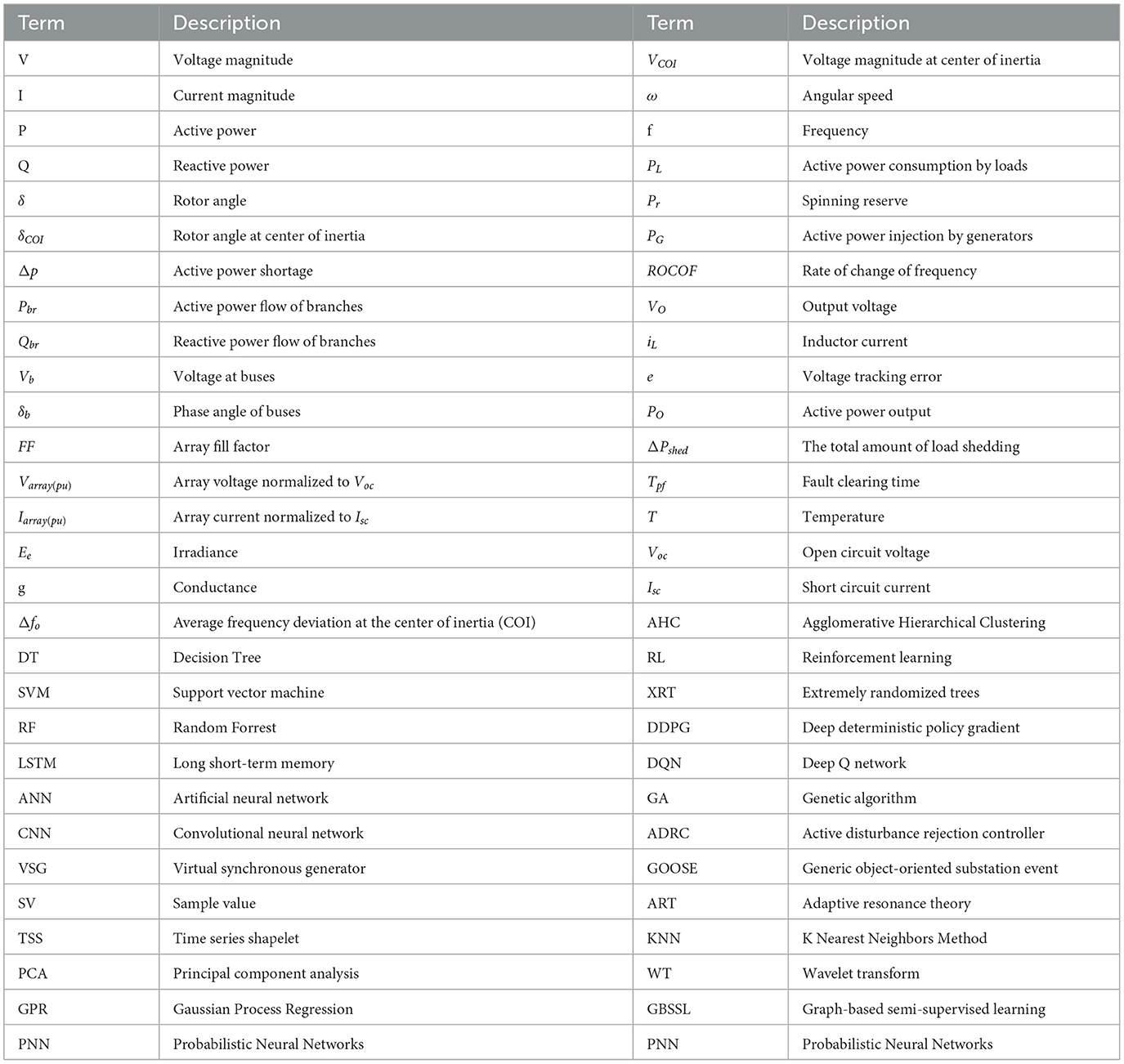
.
Keywords: power system protection, power system stability, machine learning, emergency control, deep learning, reinforcement learning
Citation: Porawagamage G, Dharmapala K, Chaves JS, Villegas D and Rajapakse A (2024) A review of machine learning applications in power system protection and emergency control: opportunities, challenges, and future directions. Front. Smart Grids 3:1371153. doi: 10.3389/frsgr.2024.1371153
Received: 15 January 2024; Accepted: 21 March 2024;
Published: 09 April 2024.
Edited by:
Mohan Kolhe, University of Agder, NorwayReviewed by:
Lisandro Lovisolo, Rio de Janeiro State University, BrazilKumari Sarita, Indian Institute of Technology (BHU), India
Copyright © 2024 Porawagamage, Dharmapala, Chaves, Villegas and Rajapakse. This is an open-access article distributed under the terms of the Creative Commons Attribution License (CC BY). The use, distribution or reproduction in other forums is permitted, provided the original author(s) and the copyright owner(s) are credited and that the original publication in this journal is cited, in accordance with accepted academic practice. No use, distribution or reproduction is permitted which does not comply with these terms.
*Correspondence: Athula Rajapakse, YXRodWxhLnJhamFwYWtzZUB1bWFuaXRvYmEuY2E=