HP
hitten p. zaveri
Yale University
New Haven, United States
11k
Total downloads
46k
Total views and downloads
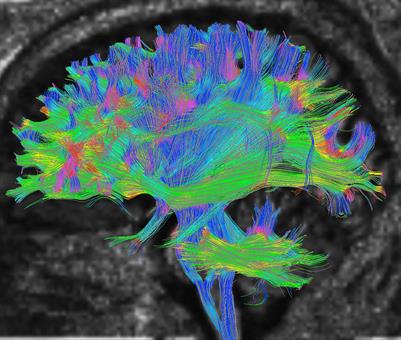
The network theory of epilepsy, when it was proposed, provided a clear break from previous approaches which considered an epileptic focus (a circumscribed area of the brain) as the source of seizures and compelled investigators to conceptualize epilepsy very differently. The network theory of epilepsy has now had a considerable impact on our understanding of epilepsy and has entered the mainstream of thought on epilepsy, influencing both research and clinical treatment of epilepsy. This research topic commemorates the twentieth anniversary of Dr Susan Spencer’s impactful paper on the network theory of epilepsy.
As we enter the third decade of the network theory of epilepsy we seek to better understand where progress has been made, areas which need attention, emerging methods (analysis tools, recording techniques), concepts, and new insights into the structure and function of networks (or network of networks) which underlie epilepsy. We are looking for contributions which describe the impact over the past two decades of the network theory on research on epilepsy and the clinical management of epilepsy. We are looking for contributions on current assessments of the strengths, weaknesses, and challenges of the network theory of epilepsy. We are looking as well for contributions on the path forward to better define, understand, monitor, and control the networks which underlie epilepsy. The topics of interest run the full gamut of the study and management of human epilepsy, including experimental design, modalities used, conceptual and computational models of networks, technological advances, and treatment paradigms.
We welcome original articles, opinions, review papers and multidisciplinary contributions providing novel insights into the network theory of epilepsy.
Areas of interest in human epilepsy may include, but not be limited to:
• Seizures and other pathophysiology as network phenomena
• Characterize spatial and temporal aspects of brain networks in epilepsy
• Techniques to monitor complex dynamic brain networks
• Techniques to control complex dynamic brain networks
• Modelling complex dynamic brain networks in epilepsy
• Network analysis to predict outcome of interventions
• Epilepsy networks in the context of normal brain networks
• Association of epilepsy networks with comorbid networks
Keywords: Epilepsy, human brain, complex network, structure, function, dynamics, challenges, spatial-temporal scales, node-, edge-, network-aberrance
Important note: All contributions to this Research Topic must be within the scope of the section and journal to which they are submitted, as defined in their mission statements. Frontiers reserves the right to guide an out-of-scope manuscript to a more suitable section or journal at any stage of peer review.
