MS
matin sheriff
Medway Maritime Hospital
Gillingham, United Kingdom
1,022
Total downloads
7,019
Total views and downloads
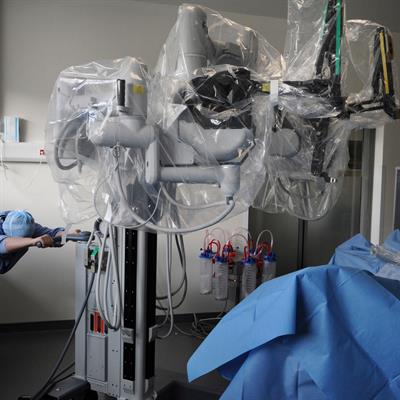
Urologic cancers, significantly impacting the older population with a rising incidence due to demographic changes, present serious health challenges. Testicular cancer, however, predominantly affects younger males. In the past decade, robotic-assisted surgery has emerged as a transformative approach in treating these cancers, leading the shift towards minimally invasive techniques. Although the comparative efficacy of robotic versus open surgery remains under-explored due to a lack of robust studies, the anecdotal benefits such as reduced complications and shorter recovery times are promising.
This Research Topic aims to explore the potential enhancements robotic-assisted surgeries can offer in urologic cancer treatments. The focus will be on assessing innovations in surgical technologies that improve precision and patient outcomes, thereby determining their impact versus traditional surgical methods. The goal is to verify the real-world effectiveness and benefits of new robotic surgical technologies and refine surgical strategies accordingly.
To gather further insights within the field of robotic-assisted surgical techniques in urologic oncology, we welcome articles addressing, but not limited to, the following themes:
- Comparative studies of robotic and conventional surgical methods
- Advances in surgical navigation and real-time anatomical identification
- Development and application of new robotic platforms in surgery
- Impact of robotic surgery on patient recovery and surgical outcomes
- Integration of innovative imaging technologies in robotic procedures
We invite submissions of all accepted articles by the Journal, with a focus on original research and review articles that delve into both preclinical and clinical research. These contributions will enhance our understanding of robotic-assisted procedures and their evolving role in urologic oncology.
Keywords: robotic surgery, image guided surgery, predictive biomarkers, molecular targets, targeted therapies, immunotherapy, urological cancers
Important note: All contributions to this Research Topic must be within the scope of the section and journal to which they are submitted, as defined in their mission statements. Frontiers reserves the right to guide an out-of-scope manuscript to a more suitable section or journal at any stage of peer review.
