BM
beomjun min
Seoul National University Hospital
Seoul, Republic of Korea
2,216
Total downloads
13k
Total views and downloads
Submit your idea
Select the journal/section where you want your idea to be submitted:
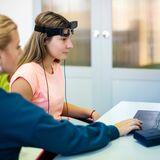
Neurofeedback is an innovative technique enabling real-time monitoring and self-regulation of brain activity. This non-invasive method has shown potential in treating mental health conditions such as ADHD, anxiety, and depression. Additionally, it has applications in non-clinical settings, including enhancing athletic performance, supporting meditation, and managing stress. Neurofeedback offers a compelling alternative to pharmacological interventions, promoting self-regulation and overall mental well-being.
This Research Topic explores the multifaceted applications and advancements in Neurofeedback, focusing on its efficacy in clinical and non-clinical contexts. By examining recent technological developments, such as high-resolution EEG and AI-based signal processing, we aim to provide an in-depth overview of Neurofeedback’s current use and future potential. This comprehensive exploration will identify strengths, limitations, and future research directions.
1. Neurofeedback in ADHD: Examines the long-term effectiveness and neurophysiological changes in ADHD patients treated with Neurofeedback.
2. Neurofeedback for Anxiety and Depression: Focuses on the applications and outcomes in treating anxiety and depression.
3. Enhancing Sports Performance: Discusses how Neurofeedback training can improve athletic performance.
4. Meditation and Stress Management: Explores integrating Neurofeedback with meditation practices to reduce stress.
5. Advancements in High-Resolution EEG: Highlights the latest innovations in EEG technology for more precise Neurofeedback.
6. AI-Based Signal Processing: Examines the use of AI in Neurofeedback for enhanced signal processing and personalized training.
7. Evaluating Efficacy: Reviews studies comparing Neurofeedback's long-term effectiveness with placebo controls.
8. Personalized Training: Discusses optimizing Neurofeedback protocols to cater to individual brain patterns and needs.
We invite the submission of the following types of articles:
1. Original Research Articles: Empirical studies presenting novel findings on the application of Neurofeedback in clinical and non-clinical settings.
2. Review Articles: Comprehensive reviews summarizing the current state of knowledge on Neurofeedback, including systematic reviews and meta-analyses.
3. Case Studies: Detailed reports on individual cases demonstrating the application and outcomes of Neurofeedback in specific contexts.
4. Technical Reports: Descriptions of new Neurofeedback techniques, methodologies, and technological advancements, including high-resolution EEG and AI-based signal processing.
5. Theoretical Articles: Papers proposing new theories or models related to Neurofeedback mechanisms and its impact on brain function.
6. Opinion and Perspective Pieces: Articles offering expert insights, commentary, and future directions for Neurofeedback research and applications.
7. Protocol Articles: Detailed descriptions of experimental protocols used in Neurofeedback studies, facilitating replication and further research.
This Research Topic accepts the following article types, unless otherwise specified in the Research Topic description:
Articles that are accepted for publication by our external editors following rigorous peer review incur a publishing fee charged to Authors, institutions, or funders.
Keywords: neurofeedback, brain activity, EEG, neuroimaging
Important note: All contributions to this Research Topic must be within the scope of the section and journal to which they are submitted, as defined in their mission statements. Frontiers reserves the right to guide an out-of-scope manuscript to a more suitable section or journal at any stage of peer review.
Manuscripts can be submitted to this Research Topic via the main journal or any other participating journal.
Submit your idea
Select the journal/section where you want your idea to be submitted:
