LE
louise evans
University of Minnesota Twin Cities
St. Paul, United States
195
Total downloads
3,967
Total views and downloads
Submit your idea
Select the journal/section where you want your idea to be submitted:
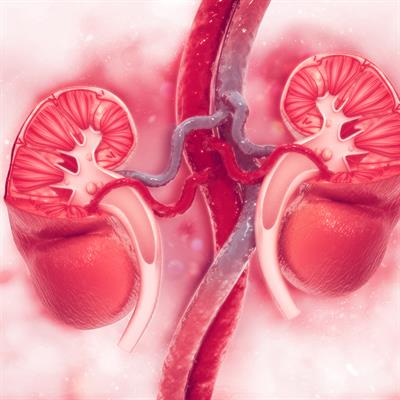
Kidney disease affects approximately 850 million people globally. This incidence is predicted to rise with the increased prevalence of risk factors such as hypertension. Over-activation of the sympathetic nervous system has been implicated in the initiation and progression of both hypertension and kidney disease. Renal denervation is an emerging treatment for both conditions and has been shown to mitigate the progression of hypertension and kidney disease in multiple preclinical models. However, there remain several unanswered questions regarding the beneficial effects of renal denervation. These include the relative roles of afferent and efferent renal nerves, the mechanisms of action underlying the beneficial effects of renal denervation in conditions not traditionally thought to be renal in original, the intra-renal stimuli for afferent renal nerves, and the central projections of the afferent renal nerves.
The goal of this Research Topic is to highlight novel and emerging concepts focused on the interaction between the kidney and the nervous systems. Specifically, it will highlight studies that demonstrate how dysregulation of these interactions can cause and/or exacerbate hypertension and kidney disease.
This Research Topic welcomes basic, translational, clinical, and applied research to improve our understanding of the crosstalk between the kidney and the nervous- and immune- systems. Potential areas of interest include, but are not limited to:
1. Role of the renal nerves in the development of hypertension and kidney disease.
2. Insights into the differential contributions of afferent and efferent renal nerves in kidney disease.
3. Targeting the renal nerves in the treatment of hypertension and kidney disease.
4. Recent insights into sex differences in renal-neural crosstalk in hypertension and kidney disease.
5. Interactions between renal inflammation and the renal nerves in kidney disease.
7. Dysregulation of the nervous system in advanced CKD.
This Research Topic accepts the following article types, unless otherwise specified in the Research Topic description:
Articles that are accepted for publication by our external editors following rigorous peer review incur a publishing fee charged to Authors, institutions, or funders.
Keywords: Renal Nerves, Hypertension, Kidney Disease, Renal Denervation, Interoception
Important note: All contributions to this Research Topic must be within the scope of the section and journal to which they are submitted, as defined in their mission statements. Frontiers reserves the right to guide an out-of-scope manuscript to a more suitable section or journal at any stage of peer review.

Manuscripts can be submitted to this Research Topic via the main journal or any other participating journal.
Submit your idea
Select the journal/section where you want your idea to be submitted: