LP
lina podda
Department of Life and Environmental Sciences, University of Cagliari
Cagliari, Italy
353
Total downloads
3,594
Total views and downloads
Submit your idea
You will be redirected to our submission process.
Manuscript Summary Submission Deadline 10 February 2026 | Manuscript Submission Deadline 15 May 2026
This Research Topic is currently accepting articles.
The Mediterranean Basin, recognized as one of the top 36 "biodiversity mega-hotspots" globally, faces heightened risk from non-native plant invasions exacerbated by human activity, such has climate change and tourism. Native plants in these environments are adapted to extreme Mediterranean climatic conditions, including hot, dry summers, wet winters, and saline soils. Morphological and physiological adaptations, such as succulence, hairiness, and salt resistance, enable native plants to grow. However, non-native plants with similar traits, often originating from Mediterranean-like climates in Australia, California, Chile, or South Africa, pose a significant threat as they compete successfully with native species. Succulent non-native plants, from families like Aizoaceae, Cactaceae, and Agavaceae, serve as key examples of this trend. Initially introduced for soil stabilization or aesthetic purposes, their capacity for rapid growth and resource dominance has led to large-scale biodiversity loss and habitat degradation. The consequences are particularly dire in coastal ecosystems, where invasions lead to the local extinction of highly specialized, often endemic, native plants.
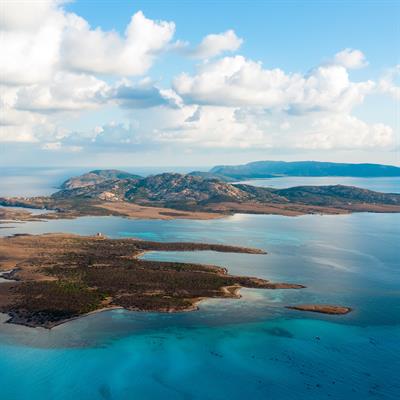
This Research Topic aims to explore the multifaceted impacts of invasive plant species in coastal Mediterranean habitats and to develop effective management strategies that align with socio-ecological sustainability. We seek to deepen the understanding of how these invasions occur, their ecological consequences, and the social and economic implications of managing them in coastal habitats, particularly in the Mediterranean, including coastal wetlands, salt-adapted scrub and grasslands, sheer cliffs and rocky shores, sandy beaches, tidal areas, estuaries, and lagoons. The objective is to generate actionable insights that can guide interventions and policy decisions for preserving coastal biodiversity.
To gather further insights in the contexts of ecological, social, and economic dimensions of invasive plant management, we welcome articles addressing, but not limited to, the following themes:
• Case studies on vascular non-native flora and plant invasions in Mediterranean coastal habitats and other Mediterranean-climate regions worldwide to identify shared patterns and effective responses.
• Traits of invasive plant species and invaded coastal ecosystems, including their interactions with native species, highlighting cascading effects on coastal ecosystem dynamics.
• Impacts of invasive plants on biodiversity, with case studies on their establishment and the role of human-induced modifications in coastal habitats.
• Comparative analyses of coastal habitats versus less invaded ecosystems to understand why these areas are more susceptible.
• Management strategies for invasive plant species in coastal habitats, focusing on eradication and restoration programs, the cost-effectiveness of control measures, and their integration with broader conservation actions.
• Frameworks for post-eradication monitoring, restoration ecology, and adaptive management to ensure the resilience of coastal ecosystems.
This Research Topic accepts the following article types, unless otherwise specified in the Research Topic description:
Articles that are accepted for publication by our external editors following rigorous peer review incur a publishing fee charged to Authors, institutions, or funders.
Keywords: Biodiversity conservation; Biological invasions; Coastal habitats; Environmental awareness; Eradication strategies; Habitat Restauration; Impacts; Management actions; Mediterranean bioclimatic regions; Non-native plant species; Propagule pressure; Wetland
Important note: All contributions to this Research Topic must be within the scope of the section and journal to which they are submitted, as defined in their mission statements. Frontiers reserves the right to guide an out-of-scope manuscript to a more suitable section or journal at any stage of peer review.
Manuscripts can be submitted to this Research Topic via the main journal or any other participating journal.
Submit your idea
You will be redirected to our submission process.
