SS
steffen schulz
Charité Competence Center for Traditional and Integrative Medicine (CCCTIM), Charité – Universitätsmedizin Berlin
Berlin, Germany
46
Total downloads
2,263
Total views and downloads
Submit your idea
You will be redirected to our submission process.
Manuscript Submission Deadline 15 January 2026
This Research Topic is currently accepting articles.
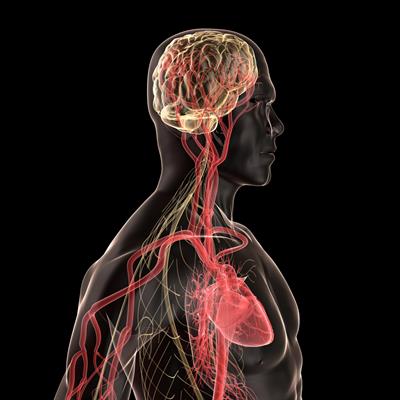
Network Physiology is an emerging interdisciplinary field dedicated to uncovering the complexity of physiological interactions across diverse organ systems and hierarchical networks to understand integrative functions in health and disease. All manuscripts submitted to this Research Topic should be in the context of Network Physiology and explicitly consider, utilize, or inform perspectives and methodologies from Network Physiology. Emphasis should be placed on elucidating network-based mechanisms central to understanding physiological interactions within and between the central and autonomic nervous systems.
Central-autonomic networks are crucial neural circuits that facilitate communication between the central and autonomic nervous systems, impacting various physiological functions and health outcomes. Disruptions in these networks are linked to cardiovascular, metabolic, neurological, and psychiatric diseases. The complexity of these interactions, involving intricate pathways and distinct functional outputs, poses challenges in understanding disease mechanisms. Advanced brain imaging and multi-modal approaches are helping to elucidate these systems' architecture and dynamics, but significant gaps remain in comprehensively understanding their structural, functional, and metabolic interplay in health and disease.
A better understanding of central-autonomic networks can enhance early disease detection, personalized medicine, mental health monitoring, and disease mechanism insights. This includes identifying early signs of cardiovascular, diabetic, and neurological conditions through physiological signals; tailoring treatments based on the interplay between central autonomic networks and peripheral signals; monitoring stress, anxiety, and depression for timely interventions; using wearable devices for continuous health monitoring and real-time data to prevent health crises; and studying these networks' roles in regulating physiological processes for better diagnostics and treatments.
Mind-body networks aim to quantify the interplay between body, mind, emotions and behavior, and extend to the regulation of central-autonomic physiological pathways. Information transfer within these networks is bidirectional, involving the processing of afferent sensory information gathered from across the body and the modulation of organ and tissue activity through efferent signaling. The analysis of these pathways, as part of Network Physiology, involves examining structural, dynamic, and regulatory mechanisms, as well as the information transfer within the central autonomic network as well as to other brain structures and peripheral organs and tissue. This approach, which includes the study of neural function and metabolism in both healthy and diseased states, provides insights into the physiological structures and functions of the entire integrated system, highlighting the different types of interactions within it.
This Research Topic aims to further delineate the structural connectivity, functional dynamics, and underlying metabolic processes mediating central-autonomic regulation in health and disease. It seeks to define the integrated mechanisms governing interactions between the central and autonomic nervous systems by leveraging advanced imaging techniques and multidisciplinary methodologies. Through such efforts, the topic intends to address critical scientific questions, test novel hypotheses, and enhance scientific understanding of how perturbations in mind-body interactions relate to diverse pathologies.
To gather further insights into structural, functional, and metabolic processes underlying central-autonomic interactions across health and pathological conditions, we welcome articles addressing, but not limited to, the following themes:
● Structural and functional architecture of central-autonomic networks;
● Frameworks linking cerebral imaging and autonomic regulation;
● Roles of altered metabolism in central-autonomic network dysfunction;
● Mechanisms underlying central-autonomic dysregulation in various diseases;
● Novel neuroimaging and metabolic approaches for assessing central and autonomic system interactions;
● Novel devices, tools, and computational methods for central-autonomic network analysis;
● Signal processing and time-series analysis tools to assess central-autonomic network interplay;
● Novel artificial intelligence and machine learning methods to assess central-autonomic network interplay;
● Novel biomarkers of the sympathetic-parasympathetic balance in the context of structure, function, and metabolism processes;
● Interactions between neural structure, function, and metabolism during health and disease states;
● Integrative models to connect central-autonomic network dynamics with specific clinical outcomes;
● Network and integrative physiology aspects of multi-organ dynamics in health and disease.
This Research Topic accepts the following article types, unless otherwise specified in the Research Topic description:
Articles that are accepted for publication by our external editors following rigorous peer review incur a publishing fee charged to Authors, institutions, or funders.
Keywords: Network Physiology, Central-autonomic network, Physiological interactions, Brain imaging, Functional connectivity, Health and disease, Mind-body networks
Important note: All contributions to this Research Topic must be within the scope of the section and journal to which they are submitted, as defined in their mission statements. Frontiers reserves the right to guide an out-of-scope manuscript to a more suitable section or journal at any stage of peer review.
Charité Competence Center for Traditional and Integrative Medicine (CCCTIM), Charité – Universitätsmedizin Berlin
Berlin, Germany
University Hospital Jena
Jena, Germany
University Hospital Jena
Jena, Germany
Boston University
Boston, United States
Manuscripts can be submitted to this Research Topic via the main journal or any other participating journal.
Submit your idea
You will be redirected to our submission process.
