PV
ponnusami venkatachalam
SASTRA University
Thanjavur, India
40
Total downloads
2,491
Total views and downloads
Submit your idea
You will be redirected to our submission process.
Manuscript Submission Deadline 6 March 2026
This Research Topic is currently accepting articles.
The ever-increasing demand for energy and the rapid depletion of fossil fuel resources have intensified the need for renewable fuels. First-generation biofuels derived from food crops, such as corn, sugarcane, and vegetable oils, have raised concerns about food security, shifting exploration to second- and third-generation biofuels. These biofuels utilize non-food lignocellulosic biomass, which includes agricultural residues and waste streams, as feedstocks. Lignocellulosic biomass is a highly abundant renewable resource, yet its intricate composition poses challenges for deconstruction, conversion efficiency, and scalability.
Advancements in pretreatment, enzymatic hydrolysis, microbial fermentation, and catalytic upgrading have enabled the production of advanced biofuels, such as bioethanol, biobutanol, biohydrogen, and biojet fuel. Additionally, innovations in synthetic biology and metabolic engineering have enabled the development of microbial strains for the direct conversion of sugars and syngas into liquid fuels. Furthermore, thermochemical conversion techniques, including pyrolysis, gasification, and hydrothermal liquefaction, are increasingly being coupled with catalytic upgrading to yield drop-in fuels compatible with existing infrastructure.
Despite these breakthroughs, challenges in low process yields, uncertain techno-economic viability, and environmental sustainability across the fuel life cycle remain. Interdisciplinary efforts to integrate reaction engineering, microbial biotechnology, catalysis, and system-level process optimization are essential to addressing these challenges.
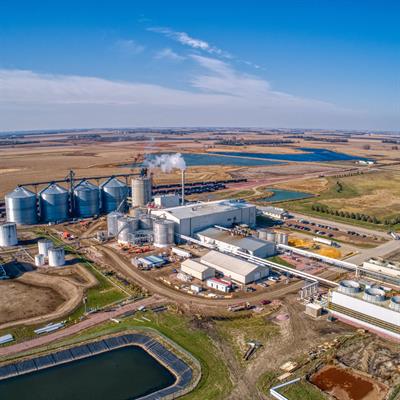
This Research Topic explores technological innovations relevant to advancing the production, upgrading, and deployment of next-generation biofuels from lignocellulosic biomass sources. It aims to bridge the existing gaps by highlighting interdisciplinary research that integrates reaction engineering, microbial biotechnology, catalysis, and system-level process optimization. The Topic will present state-of-the-art developments across the entire value chain, from feedstock selection and pretreatment to conversion technologies, product recovery, and techno-economic-environmental assessments.
We welcome articles addressing, but not limited to, the following themes:
• Lignin pretreatment and fractionation strategies, especially those utilizing green solvents
• Enzyme engineering and process intensification for biomass saccharification
• Biocatalytic and chemical pathways for converting biomass-derived sugars into biofuels
• Microbial chassis engineering for targeted biofuel production
• Algal biofuel production, recovery, and conversion
• Synthetic biology approaches for microbial fuel generation
• Heterogeneous catalysis for the upgrading of syngas
• Life cycle analysis, techno-economic assessments, and the policy implications of biofuel technologies.
This Research Topic accepts the following article types, unless otherwise specified in the Research Topic description:
Articles that are accepted for publication by our external editors following rigorous peer review incur a publishing fee charged to Authors, institutions, or funders.
Keywords: advanced biofuels, lignocellulosic biomass, biochemical conversion, thermochemical pathways, microbial engineering, catalytic upgrading, biorefinery
Important note: All contributions to this Research Topic must be within the scope of the section and journal to which they are submitted, as defined in their mission statements. Frontiers reserves the right to guide an out-of-scope manuscript to a more suitable section or journal at any stage of peer review.
Manuscripts can be submitted to this Research Topic via the main journal or any other participating journal.
Submit your idea
You will be redirected to our submission process.
