LB
lucia billeci
National Research Council (CNR)
Roma, Italy
41
Total downloads
1,424
Total views and downloads
Submit your idea
You will be redirected to our submission process.
Manuscript Submission Deadline 24 February 2026
This Research Topic is currently accepting articles.
This Research Topic is a special awarded collection. To be eligible for a potential award supporting your submission, please ensure you submit your abstract here at least two weeks before submitting your manuscript.
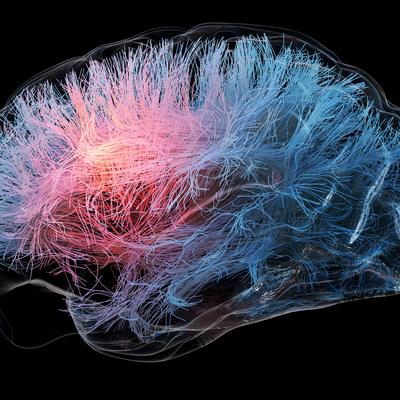
Brain mapping, particularly through advanced neuroimaging technologies, has revolutionized our ability to visualize structural and functional changes within the brain from the earliest stages of development to advanced age. As populations around the globe age and neurodevelopmental and neurodegenerative disorders present growing clinical challenges, comprehensive insights gleaned from brain mapping are increasingly vital for both scientific discovery and medical practice.
This Research Topic endeavors to showcase state-of-the-art methodologies and clinical applications in brain mapping during human development and aging. We seek to publish studies —encompassing high-resolution MRI, functional MRI, PET, MEG, EEG, fNIRS and cutting-edge connectomics— that captures the ever-evolving landscape of the brain across the lifespan. The collection aims to bridge foundational science and clinical translation, emphasizing how sophisticated analytical approaches and longitudinal studies are driving our understanding of healthy brain maturation, cognitive reserve, and vulnerability to neurological and psychiatric disorders.
We invite contributions that cover, but are not limited to, the following themes:
1. Neurodevelopmental Trajectories
2. Studies investigating normative changes throughout adolescence, adulthood, and aging, including research that disentangles typical aging from early pathological processes.
3. Research that translates brain mapping findings into clinical practice, including novel neuroimaging markers for early diagnosis, disease progression tracking, and therapeutic guidance in disorders such as autism spectrum disorder, epilepsy, Alzheimer’s disease, concussion, and mood disorders.
4. Studies assessing how interventions (e.g., cognitive training, pharmacotherapy, physical activity) modulate neurodevelopmental and neurodegenerative trajectories.
5. Innovative research highlighting the impact of sociodemographic, environmental, and lifestyle factors on brain structure and function across the lifespan.
6. Novel methodologies, including artificial intelligence algorithms, for the analysis of brain imaging data throughout development.
This Research Topic accepts the following article types, unless otherwise specified in the Research Topic description:
Articles that are accepted for publication by our external editors following rigorous peer review incur a publishing fee charged to Authors, institutions, or funders.
Keywords: brain mapping, neuroimaging, lifespan, development, aging
Important note: All contributions to this Research Topic must be within the scope of the section and journal to which they are submitted, as defined in their mission statements. Frontiers reserves the right to guide an out-of-scope manuscript to a more suitable section or journal at any stage of peer review.
Manuscripts can be submitted to this Research Topic via the main journal or any other participating journal.
Submit your idea
You will be redirected to our submission process.
