HP
hao peng
Key Laboratory of Veterinary Biotechnology, Guangxi Veterinary Research Institute
Nanning, China
54
Total views and downloads
Submit your idea
You will be redirected to our submission process.
Manuscript Summary Submission Deadline 7 May 2026 | Manuscript Submission Deadline 25 August 2026
This Research Topic is currently accepting articles.
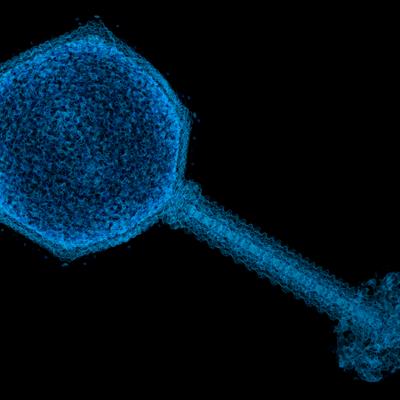
Bacteriophage research stands at the crossroads of virology, genomics, and microbial ecology, with phages recognized as the most abundant and dynamic entities influencing microbial communities on Earth. While recent advancements in single-cell omics, high-throughput metagenomics, and machine learning have shed light on phage-host molecular interactions and diversity, crucial questions remain unanswered. These questions revolve around how diverse genomic architectures and evolutionary strategies contribute to their host specificity, transmission, and ecological impact across different environments. Despite illuminating strides in understanding phage-driven metabolic networking and horizontal gene transfer, gaps persist regarding the mechanisms that enable phages to adapt, evolve, and exert influence under complex environmental pressures—gaps that significantly hinder translational applications.
This Research Topic aims to comprehensively analyze phage genomic diversity, the mechanisms underlying host recognition, the coevolutionary arms race with bacterial hosts, and the strategies phages employ to adapt to various stresses. Interdisciplinary approaches will be emphasized, bridging basic research and translational science, to unravel how genetic innovation fuels host range expansion and how these insights may pave the way for next-generation therapies. By linking phage evolutionary theory to real-world biomedical and ecological challenges, particular focus is given to the promise of phage-based interventions as innovative solutions to antibiotic resistance and as tools for microbiome modulation.
The collection principally explores the boundaries of phage diversity, evolution, and application, while focusing on molecular, ecological, and clinical perspectives. Submissions should address, but are not limited to, the following themes:
o Diversity in phage genomic architecture and host-specific recognition mechanisms
o Dynamics and mechanisms of phage-host coevolution and impacts on microbiome structure and function
o Macro-evolutionary innovations in phages: cross-host transmission, genetic recombination, and adaptations to environmental pressures
o Assessment of phage utility in medical and veterinary contexts, with a focus on translating phage research into clinical therapies
o Phage-based strategies to combat antibiotic resistance and support ecological restoration
Appendix:
Types of articles considered include original research, reviews, and commentaries.
This Research Topic accepts the following article types, unless otherwise specified in the Research Topic description:
Articles that are accepted for publication by our external editors following rigorous peer review incur a publishing fee charged to Authors, institutions, or funders.
Keywords: phage, diversity, evolution, genomics, host recognition, antibiotic resistance, phage therapy
Important note: All contributions to this Research Topic must be within the scope of the section and journal to which they are submitted, as defined in their mission statements. Frontiers reserves the right to guide an out-of-scope manuscript to a more suitable section or journal at any stage of peer review.
Manuscripts can be submitted to this Research Topic via the main journal or any other participating journal.
Submit your idea
You will be redirected to our submission process.
