 Yuxiang Song
 Xiaoyan Wang3
 Jiangbei Cao
- 1Medical School of Chinese PLA, Beijing, China
- 2Department of Anesthesiology, The First Medical Center of Chinese PLA General Hospital, Beijing, China
- 3Department of Anesthesiology, The Fourth Medical Center of Chinese PLA General Hospital, Beijing, China
Delirium is a common serious complication that often occurs after major surgery. The goals of this study were to explore the expression profiles and functional networks of long non-coding RNAs (lncRNAs) and mRNAs in patients of postoperative delirium (POD). Microarray analysis was performed on the peripheral blood samples to identify differentially expressed (DE) lncRNAs and mRNAs in 4 POD patients and 4 non-POD volunteers. DE lncRNAs and mRNAs were validated by quantitative reverse transcription PCR (RT-qPCR). Bioinformatic analyses were performed to identify the critical biological functions and signaling pathways involved in POD. A total of 1195 DE lncRNAs and 735 DE mRNAs were identified between the POD and non-POD groups. Verified by the RT-qPCR, we identified 14 DE lncRNAs that may relate to the pathogenesis of POD. These 14 DE lncRNAs play important regulatory roles in “glutamate and 5-hydroxytryptamine,” “synaptotagmin 7,” “transient receptor potential channel,” “interleukin-2 production.” There was a regulatory relationship between lncRNA ENST00000530057 and synaptotagmin (Syt) 7 mRNA. The mRNA level of PCLO was up-regulated in POD group. This study showed abundant DE lncRNAs and mRNAs in POD that might help in deciphering the disease pathogenesis.
Introduction
Delirium is a common serious complication that often occurs after major surgery. The incidence of delirium in people over 60 years of age after major surgery is approximately 20-50% (Dasgupta and Dumbrell, 2006; Avidan et al., 2017). Since many elderly people need to undergo surgery, postoperative delirium (POD) has become a growing public health problem and a major challenge to our rapidly growing aging population. POD usually takes place within the first 24-48 postoperative hours. It is characterized by an acutely altered mental state, manifested as acute brain dysfunction, fluctuating level of consciousness, disorganized thinking and inattention. This represented acute brain dysfunction (Subramaniyan and Terrando, 2019). Delirium is usually one of the most painful events experienced by patients and their families during the perioperative period. In addition, POD is associated with increased mortality, cognitive and functional decline, prolonged hospital length of stay, and significant increases in medical expenses. POD even leads to long-term cognitive impairment or even permanent dementia (Skrobik, 2011). Because of the grave nature and heavy burden of delirium, people have come up to improve their understanding of delirium. Scientists are working to prevent POD and reduce its impact prevent POD and alleviate its impact (Vlisides and Avidan, 2019). However, the pathophysiology of delirium is still not fully understood, which seriously affects the management and prevention of POD.
Non-coding RNA was regarded as transcript noise in past decades. Recently, studies have revealed that non-coding RNA was involved in various diseases (Zhang et al., 2019; Fulzele et al., 2020; Guo Z. et al., 2020; Kaarniranta et al., 2020). Long non-coding RNAs (lncRNAs) are a class of RNA molecules with more than 200 nucleotides in length (Li et al., 2013). Although they are not involved in encoding proteins, lncRNAs directly regulate various transcriptional, epigenetic and post-transcriptional protein encodings in the form of RNA (Guo et al., 2019). LncRNAs are involved in various normal brain functions and diseases, including aging (Catana et al., 2020), psychiatric and neurodegenerative illnesses such as Parkinson’s disease (PD) (Zhao et al., 2019; Huaying et al., 2020), major depressive disorder, autism, and schizophrenia (Briggs et al., 2015; Parikshak et al., 2016; Liu Y. et al., 2018; Zhou et al., 2018). lncRNA-T199678 mitigated the α-Syn-induced dopaminergic neuron injury via targeting miR-101-3p, which contributed to promote PD (Bu et al., 2020). lncRNAs have been found to participate in the pathogenesis related to PD by regulating neuroinflammation, oxidative stress (Bu et al., 2020), cell cycle, mitochondrial dysfunction, and amyloid β (Aβ) production (Chen Y. et al., 2019; Gao et al., 2020). In addition, lncRNA Xist regulates osteoblast differentiation by sponging miR-19a-3p in aging-induced osteoporosis of bone marrow mesenchymal stem cells (Chen et al., 2020). A recent profiling study also showed that many lncRNAs were significantly altered in peripheral blood of depressed patients (Cui et al., 2017). Meng et al. (2018) found that lncRNA DGCR5 regulates many schizophrenia-related genes in human neural progenitor cells derived from human induced pluripotent stem cells. The expression of lncRNA NON-HSAT089447 was increased in peripheral blood of schizophrenic patients. NON-HSAT089447 participated in dopamine signaling pathway through upregulating DRDs (Chen S. et al., 2019). However, the roles of lncRNAs in POD have not been extensively explored.
In this study, the expression changes of lncRNAs and mRNAs in the peripheral blood from elderly patients who had developed delirium after orthopedic surgery were evaluated through microarray analysis. The functional enrichment analysis and annotation were carried out to explore the roles of lncRNAs in POD. The findings of this study provide a new insight into the roles of lncRNAs in POD and pave the road for further investigations of the underlying functions and regulatory mechanisms of lncRNAs in POD.
Materials and Methods
Patients and Blood Sample Collection
Peripheral blood samples from 4 old adults with POD after orthopedic surgery and 4 non-POD after orthopedic surgery (>75 years) were obtained at Chinese PLA General Hospital. Control subjects were non-POD volunteers after orthopedic surgery with age and gender matched to those of the POD cases. The peripheral blood samples were collected between June 2020 and August 2020. All POD cases were clinically diagnosed according to the POD diagnosis criteria. Control subjects were non-POD volunteers after orthopedic surgery with age and gender matched to those of the POD cases. The baseline demographic summary of the POD group and non-POD group is shown in Tables 1, 2. This study was approved by the Ethics Committee of Chinese PLA General Hospital (Beijing, China) (No. S2017-096-02). All patients provided written informed consent.
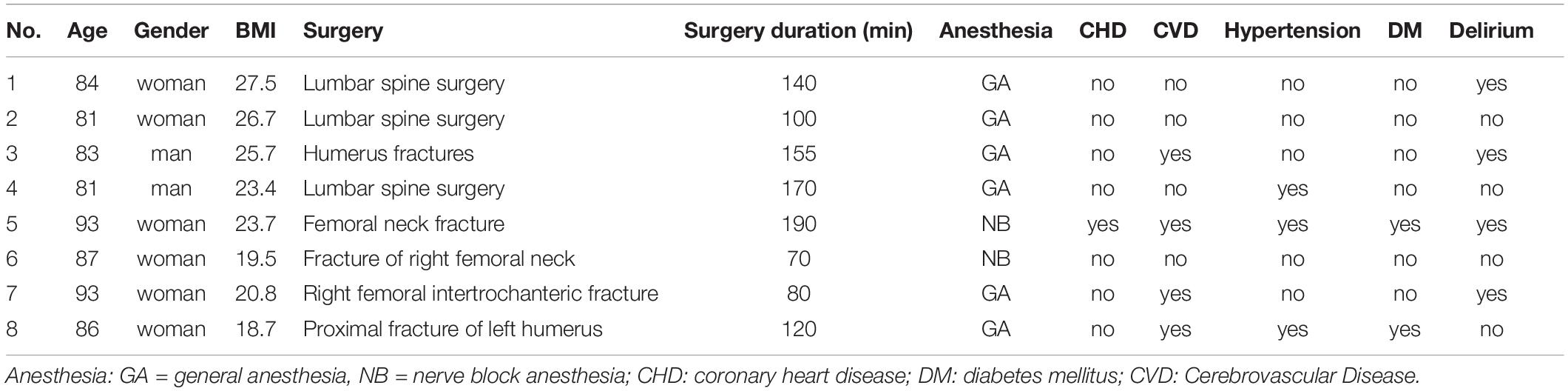
Table 1. Characteristics of the Patients.
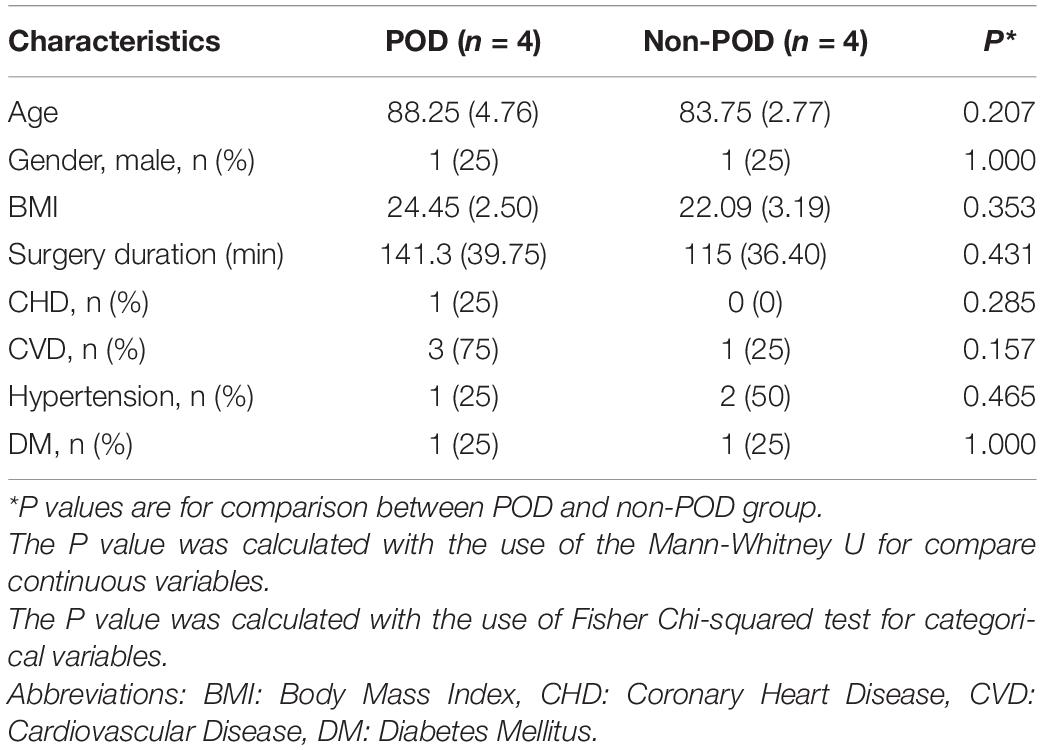
Table 2. Demographic characteristics between POD and non-POD patients.
Microarray Hybridization and Analysis
Microarray hybridization was carried out by Aksomics (Shanghai, China). Blood total RNA was extracted and purified using TRIzol Reagent (Invitrogen, United States) and RNasey Mini Kit (Qiagen, German) from POD group (n = 4) and non-POD group (n = 4). The quantity and purity of total RNA samples were measured by NanoDrop ND-1000 (ThermoFisher, United States). RNA was further amplified and labeled by Quick Amp Labeling Kit, One-Color (Agilent, United States), purified and hybridized with an ArrayStar Human lncRNA microarray V5.0 (ArrayStar, United States). Data were extracted with Feature Extraction version version 11.0.1.1 (Agilent, United States). Raw data were normalized by the Quantile algorithm, limma packages in R. After quantile normalization of the raw data, lncRNAs and mRNAs for which at least 4 out of 8 samples had flags of Present or Marginal (“All Targets Value”) were chosen for further data analysis. The statistical significance of differentially expressed lncRNAs and mRNAs among groups (POD vs. non-POD) was identified by the cutoff of 1.5-fold change and P < 0.05 and displayed by volcano plot filtration. Hierarchical clustering was carried out to show the distinguishable DE lncRNAs and DE mRNAs expression patterns among samples (Faghihi and Wahlestedt, 2009; Shi and Shang, 2016).
Quantitative Real-Time PCR
To validate our microarray data, quantitative real-time PCR experiments were performed using uperScriptTM III Reverse Transcriptase (Invitrogen, United States) and 2 × SYBR Green PCR Master Mix (Arraystar, United States) according to the manufacturer’s instructions. All data were normalized to β-actin data to calculate the relative concentrations of lncRNAs and mRNAs. Details of the genes and primers were listed in Supplementary Table 1.
Functional Enrichment Analysis
Gene Ontology (GO) and Kyoto Encyclopedia of Genes and Genomes (KEGG) analysis were performed based on GO and KEGG database (Ashburner et al., 2000; Kanehisa et al., 2016) to obtain significant enriched GO terms and important biological functions involved in DE mRNAs and targeted mRNAs predicted by coding and non-coding co-expression (CNC) and competing endogenous RNA (ceRNA) networks. GO analysis was performed to explore the functional roles of DE mRNAs in terms of biological process (BP), cellular component (CC) and molecular function (MF). GO analysis was performed using database1. KEGG analysis was performed using the KEGG database2. The statistical significance of the GO and KEGG analysis enrichment were calculated by Fisher Exact test P-value and also −log10(p) transformed as the enrichment score. The recommend P-value was cut off less than 0.05.
Protein-Protein Interaction (PPI) Network Analysis
Protein and protein interaction (PPI) analysis was performed based on STRING database3. Upregulated and downregulated mRNAs were used to construct the PPI network by Cytoscape (V3.6.0), respectively. And hub genes were obtained by screening the degree of connectivity of each node in the network. To identify the significant modules in the network, Cytoscape plugin Molecular Complex Detection (MCODE) were conducted with a score >4 in up-regulated DE mRNAs and a score > 5 in down-regulated DE mRNAs.
DE lncRNAs-DE mRNAs Interaction Analysis
To reveal the potential regulatory relationships between the targeted DE lncRNAs and DE mRNAs, targeted DE lncRNAs co-expressed with DE mRNAs were identified. The significant DE lncRNA–DE mRNA co-expression pairs were identified by Pearson correlation coefficients values | r | ≥ 0.9 and P-values of no less than 0.005. In addition, to identify DE lncRNAs nearby DE mRNAs with cis−regulatory effects, DE lncRNAs transcribed within a 200 kb window up or downstream of DE lncRNAs in POD and non-POD groups were identified.
Targeted DE lncRNAs Associated ceRNA Network Construction
The potential miRNA response elements were identified within the sequences of targeted DE lncRNAs and DE mRNAs. We used miRanda4 and TargetScan database5 to search the potential miRNA-binding sites. Then, lncRNA-miRNA-mRNA network was constructed based on lncRNA-miRNA and miRNA-mRNA regulation pairs. In addition to overlapping miRNA binding, mRNAs with an expression pattern in the same direction as lncRNAs were filtered out to construct lncRNA-miRNA-mRNA ceRNA networks by Cytoscape.
Statistical Analysis
Normality of data was tested using the Shapiro-Wilk normality test. Log of probe signal values of each group were consistent with normal distribution. Data were expressed as mean ± SD and were analyzed by Student’s t test analysis of variance by GraphPad Prism software version 5.0. P < 0.05 was considered significant differences.
Results
LncRNAs & mRNAs Microarray
The results of this study showed that the expression of 487 lncRNAs and 273 mRNAs were significantly up-regulated, the expression of 708 lncRNAs and 462 mRNAs were significantly down-regulated in the POD group compared with the non-POD group (Figures 1A,B). The top 20 DE lncRNAs and DE mRNAs are shown in Supplementary Tables 2, 3. The Top 50 DE lncRNAs and DE mRNA were chosen for cluster analysis based to their fold change in expression level, respectively (Figures 2A,B). Circos plots representing the distribution of DE lncRNAs and DE mRNAs on chromosomes are displayed in Figure 2C. The data supporting the findings of this study are openly available in the NCBI GEO database under the accession numbers GSE163943.
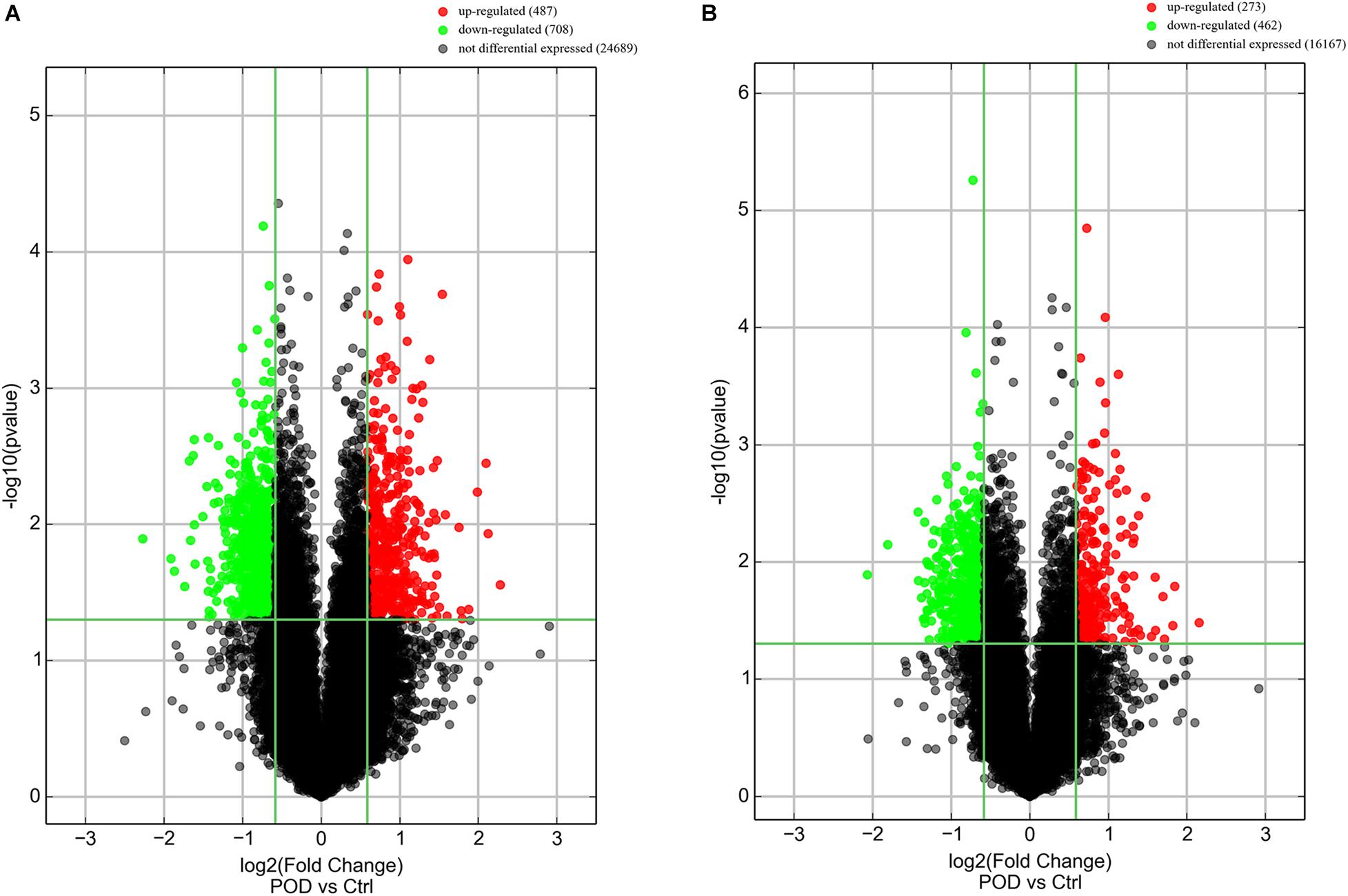
Figure 1. The changes in expression profiling of lncRNAs (A) and mRNAs (B) in POD group compared with non-POD group. POD, postoperative delirium.
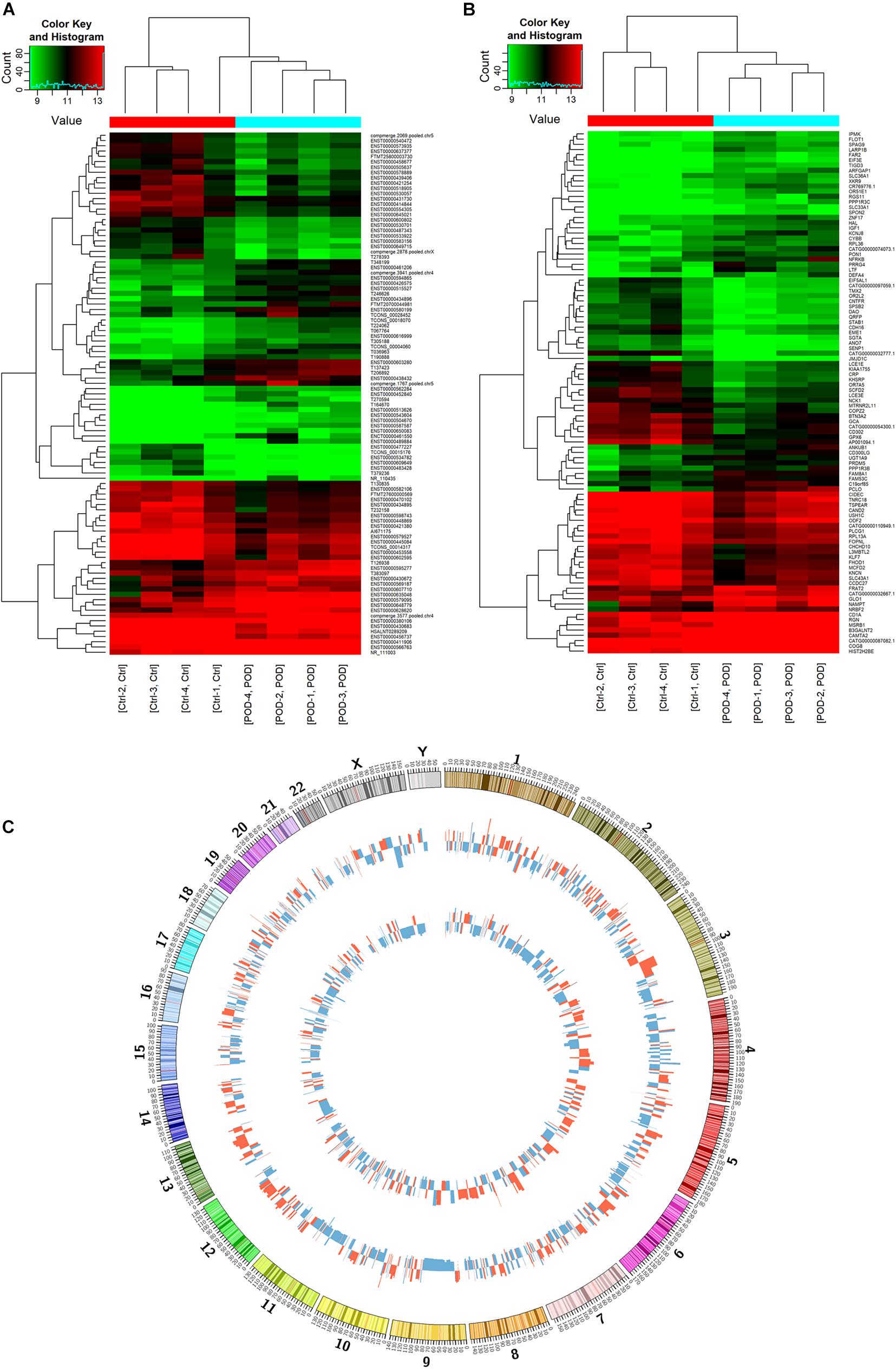
Figure 2. Identification of DE lncRNAs and mRNAs. Heat map of top 50 expressed DE lncRNAs (A,B) DE mRNAs between POD and non-POD group. (C) DE lncRNAs and DE mRNAs circos plots. The 1-th inner circle is a histogram plot of chromosome. The 2-nd inner circle is a histogram plot of the significant differences lncRNA, circle with red color are up-regulated lncRNA, circle with blue color are down-regulated lncRNA. The 3-rd inner circle is a histogram plot of the significant differences mRNA, circle with red color are up-regulated mRNA, circle with blue color are down-regulated mRNA. POD, postoperative delirium; DE, differentially expressed.
Functional Annotation of DE mRNAs
Gene Ontology and KEGG pathways were employed to analyze DE mRNAs. GO analysis showed that the most significantly enriched GO terms were positive regulation of gamma-delta T cell activation (BP), intracellular organelle (CC), and lipoprotein lipase activator activity (MF). The top 10 GO terms of DE mRNAs are shown in Figures 3A-C and Supplementary Tables 4, 5. KEGG analysis of the DE mRNAs showed that the significantly enriched pathways were AGE-RAGE signaling pathway in diabetic complications, phospholipase D signaling pathway, morphine addiction, Fc gamma R-mediated phagocytosis, NOD-like receptor signaling pathway, etc. The top 10 KEGG pathways of DE mRNAs are shown in Figure 3D and Supplementary Tables 6, 7.
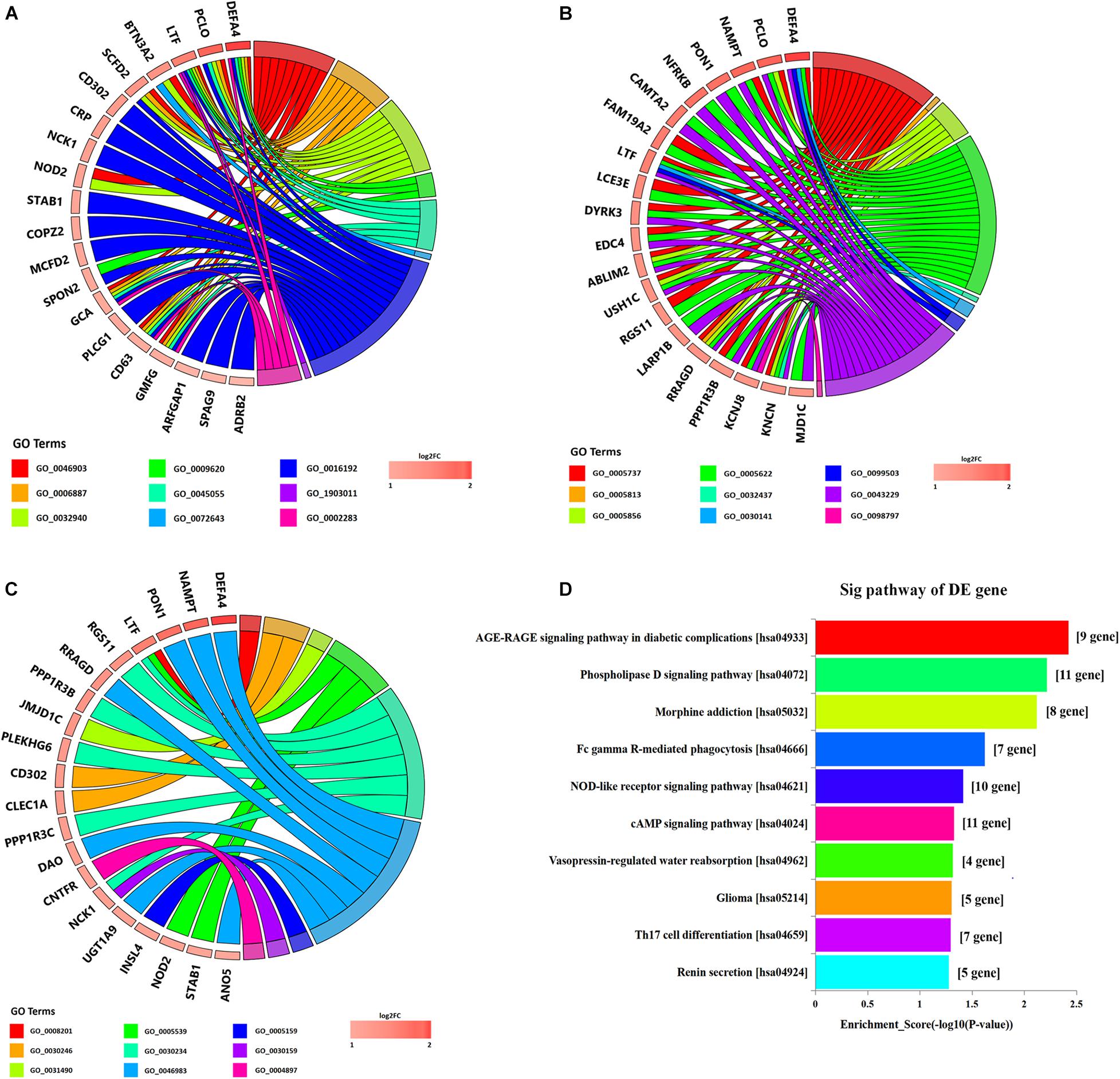
Figure 3. Gene Ontology and Kyoto Encyclopedia of Genes and Genomes pathway analyses of differentially expressed mRNAs in POD and non-POD group. (A) biological processes GO terms. (B) cellular components GO terms. (C) molecular function GO terms. (D) KEGG pathways. Fisher exact test, P < 0.05. POD, postoperative delirium; GO, Gene Ontology; KEGG, Kyoto Encyclopedia of Genes and Genomes.
Protein and Protein Interaction Analysis of DE mRNAs
Protein and protein interaction analysis of the significantly up- and down-regulated mRNAs was conducted separately. PPI network was constructed by cytoscape (V3.6.0). These results suggested that the network of up-regulated mRNAs contained 65 nodes and 75 edges (average of 2.308 candidates, minimum required interaction score ≥0.7), and the network of down-regulated mRNAs were composed of 132 nodes and 189 edges (average of 2.864 neighbors, minimum required interaction score ≥0.7) (Figures 4A,B). Screening hub genes that had no less than 5 neighboring genes produced two significant modules with MCODE score >4 in significantly up-regulated mRNAs (Figure 4A) and two significant modules with MCODE score >5 in significantly down-regulated mRNAs (Figure 4B).
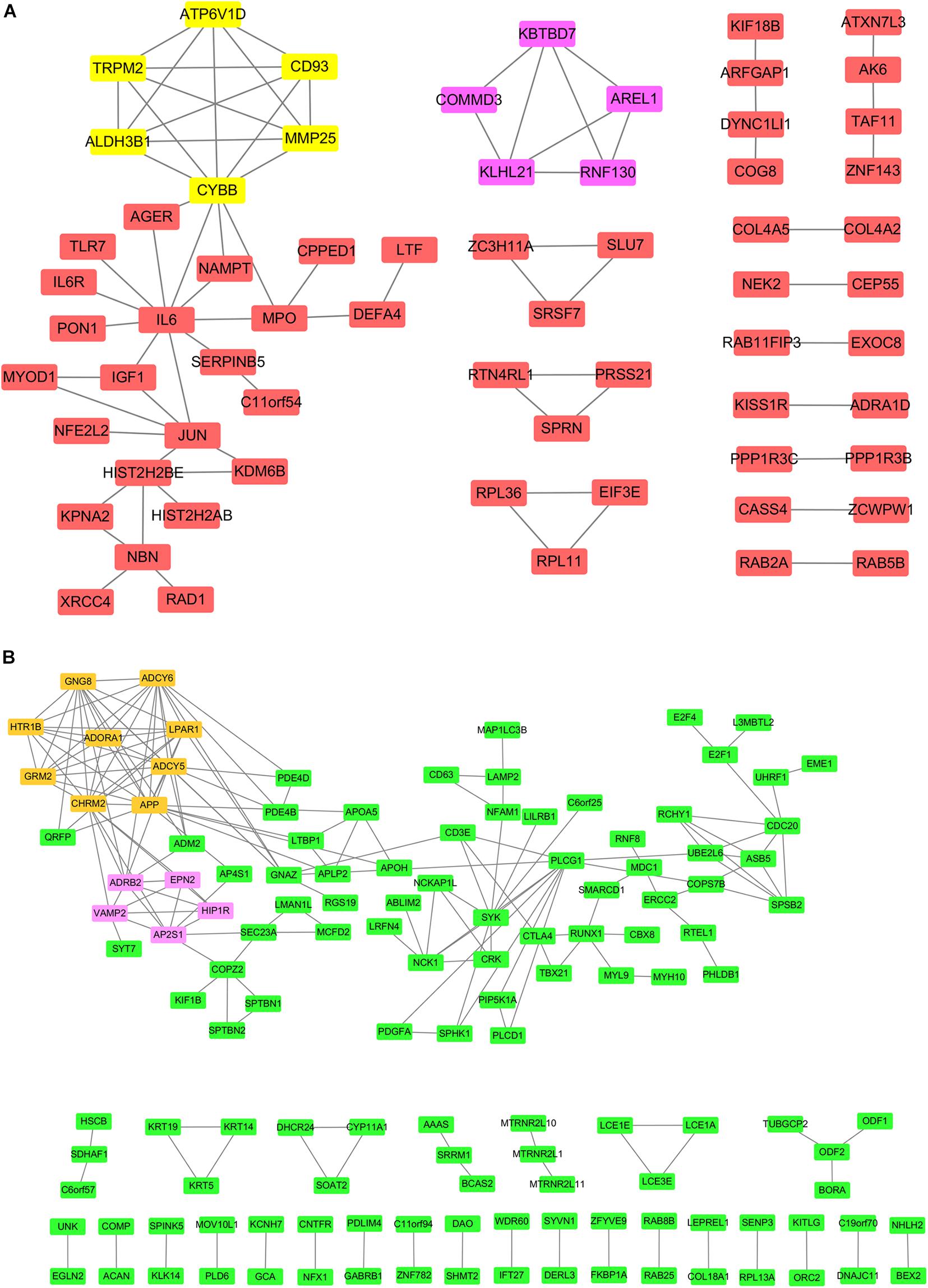
Figure 4. The protein–protein interaction (PPI) network of top 200 up-regulated and down-regulated DE mRNAs. (A) PPI network top 200 up-regulated DE mRNAs. Red circles indicate up-regulated genes. Yellow and purple circles indicate 2 modules. (B) PPI network top 200 down-regulated DE mRNAs. Green circles indicate down-regulated genes. Orange and purple circles indicate 2 modules. DE, differentially expressed.
Validation of lncRNA and mRNA Microarray Results Using RT-qPCR
To validate our microarray results, we selected 20 DE lncRNAs (10 up-regulated and 10 down-regulated lncRNAs) and 20 DE mRNAs (10 up-regulated and 10 down-regulated mRNAs) for RT-qPCR experiments. Up-regulated and down-regulated DE lncRNAs and DE mRNAs that were filtered out by the criteria of fold change >2, P < 0.05 and raw intensity >500. Last, we selected the top 10 up-regulated and top 10 down-regulated DE lncRNAs and DE mRNAs according to fold change for RT-qPCR experiments. The results showed that among the 20 DE lncRNAs, 7 lncRNAs were significantly up-regulated, 7 lncRNAs were significantly down-regulated, and the expression pattern of 6 lncRNAs did not change significantly (Figure 5A). Among the 20 DE mRNAs, 8 mRNAs were significantly up-regulated, 6 mRNAs were significantly down-regulated, and the expression pattern of 6 mRNAs was not significantly changed (Figure 5B). Compared with the microarray results, the validation rate of both DE lncRNAs and DE mRNAs were 70%.
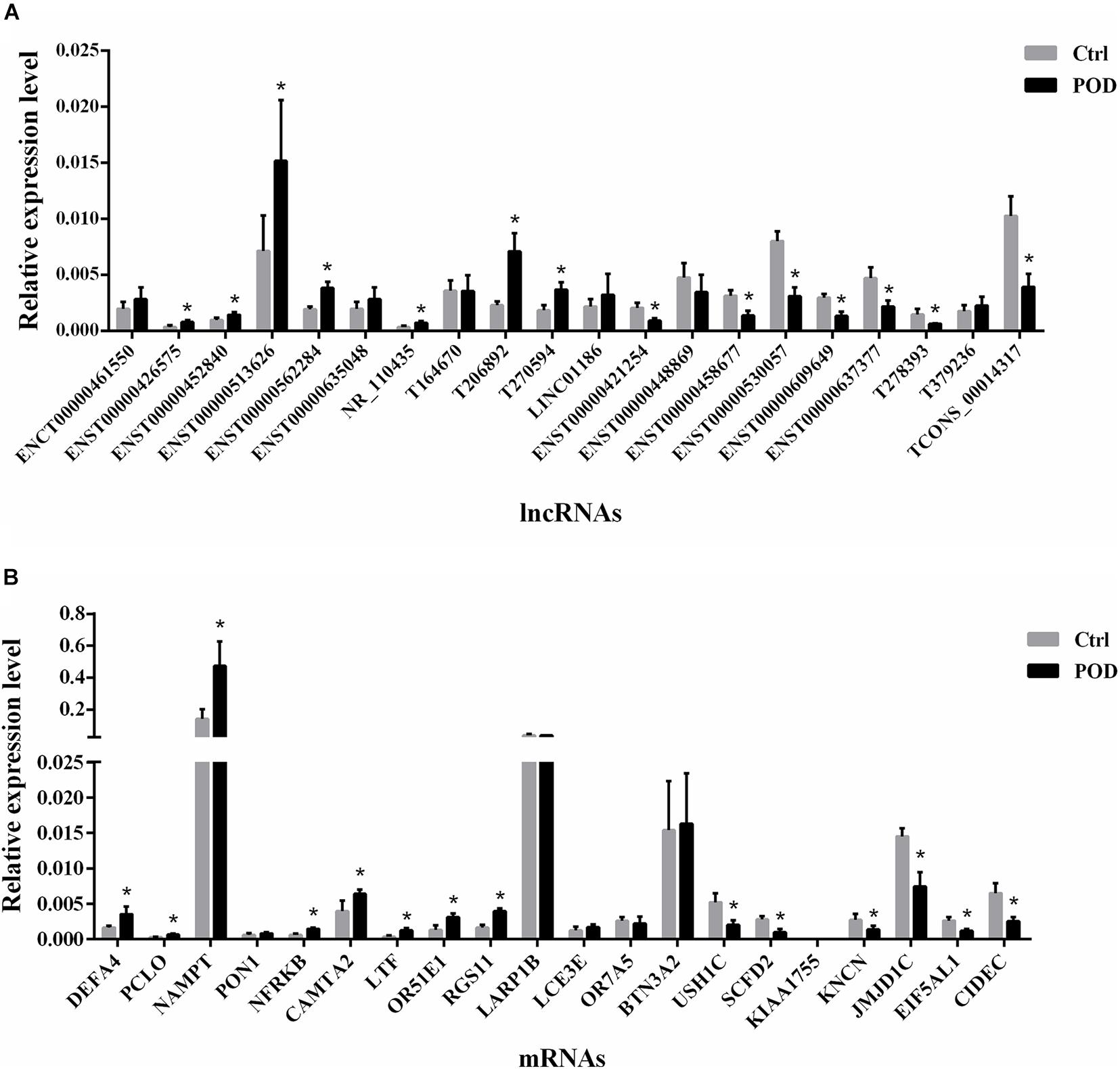
Figure 5. Validation of lncRNAs and mRNAs expression by RT-qPCR. (A) The relative expression levels of selected lncRNAs detected by the RT-qPCR. (B) The relative expression levels of selected mRNAs detected by the RT-qPCR. β-Actin was used as a housekeeping gene for normalizing changes in specific gene expression. *P < 0.05 vs non-POD group, n = 4.
Target DE lncRNAs-DE mRNAs Co-expression Network
Based on the results of quantitative validation, we performed co-expression analysis and constructed CNC network. We incorporated 7 up-regulated and 7 down-regulated lncRNAs and 735 DE mRNAs (273 significantly up-regulated and 462 significantly down-regulated mRNAs), respectively, with the Pearson correlation coefficient | r | ≥ 0.9 and P < 0.005 as the screening criteria. As a result, we obtained 639 matched lncRNA-mRNA pairs for 7 up-regulated lncRNAs and 735 DE mRNAs. Among them 190 lncRNA-mRNA pairs were positively modulated and 449 lncRNA-mRNA pairs were negatively modulated. The network consisted of 373 nodes and 639 edges (Figure 6A). For 7 down-regulated lncRNAs and 735 DE mRNA, 1586 matched lncRNA-mRNA pairs were identified, including 1426 lncRNA-mRNA pairs that were positively modulated and 160 lncRNA-mRNA pairs that were negatively modulated. The network contained 383 nodes and 1586 edges (Figure 6B).
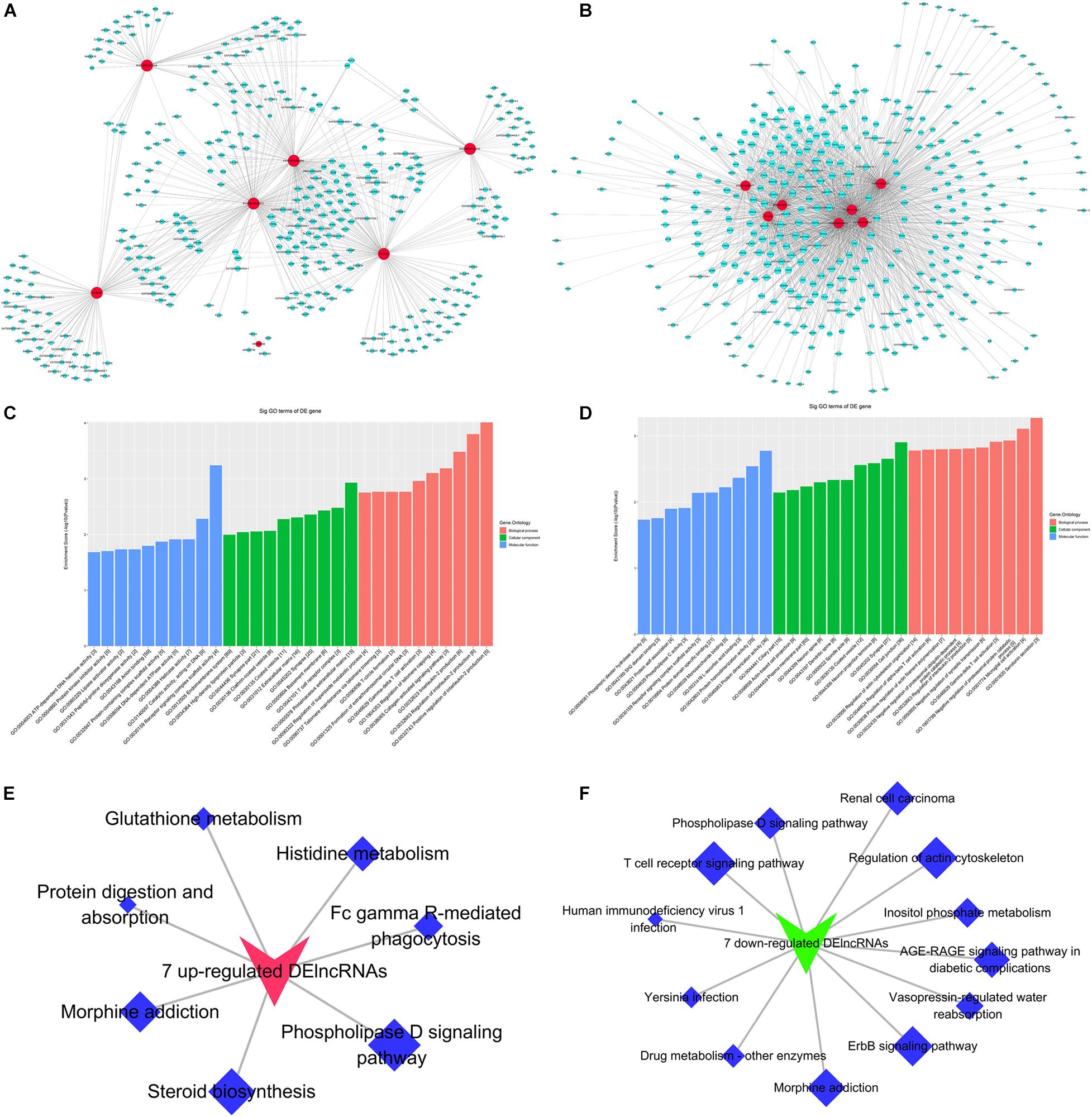
Figure 6. Target DE lncRNAs-DE mRNAs co-expression network. (A) CNC network of 7 up-regulated lncRNAs-DE mRNAs (B) CNC network of 7 down-regulated lncRNAs-DE mRNAs Red nodes are lncRNAs; Blue nodes are mRNAs. Positive correlation is a solid line, negative correlation is a dashed line. | r | ≥ 0.9, P < 0.005. (C) Top 10 GO terms of GO analysis based on up-regulated CNC analysis results. (D) Top 10 GO terms of GO analysis based on down-regulated CNC analysis results. (E) Top 10 pathways of KEGG pathway analysis based on up-regulated CNC analysis results. (F) 7 Top 10 pathways of KEGG pathway analysis based on down-regulated CNC analysis results. Red node indicate 7 up-regulated lncRNAs; Green node indicate 7 down-regulated lncRNAs; Blue node indicates KEGG Pathways. CNC, coding and non-coding co-expression; DE, differentially expressed.
Next, we conducted GO and KEGG pathway analyses of DE mRNAs co-expressed with 7 up-regulated lncRNAs and 7 down-regulated lncRNAs. The GO analysis showed that DE mRNAs co-expressed with 7 up-regulated lncRNAs were mainly enriched in positive regulation of interleukin-2 production in BP terms, proteinaceous extracellular matrix in CC terms, and receptor signaling complex scaffold activity in MF terms (Figure 6C). DE mRNAs co-expressed with 7 down-regulated lncRNAs were mainly enriched in serotonin secretion in BP terms, cell junction in CC terms, and protein dimerization activity in MF terms (Figure 6D). The results of KEGG analysis showed that the 7 up-regulated lncRNAs might be involved mainly in the pathways, including phospholipase D signaling pathway, steroid biosynthesis, morphine addiction, etc. (Figure 6E). The 7 down-regulated lncRNAs might be involved in T-cell receptor signaling pathway, regulation of actin cytoskeleton, rbB signaling pathway, etc (Figure 6F).
DE lncRNA-Nearby DE mRNA Interaction Network
To understand the biological function of DE lncRNAs, we performed nearby gene prediction and obtained 163 DE lncRNA-nearby target DE mRNA pairs that consisted of 130 DE lncRNAs (45 up-regulated lncRNAs, 85 down-regulated lncRNAs) and 150 DE mRNAs (55 up-regulated mRNAs, 95 down-regulated mRNAs). The top 20 up-regulated and down-regulated lncRNAs and their nearby target DE mRNAs from 130 DE lncRNAs were selected to construct the network (Figure 7A and Table 3). As a result, a pair of lncRNA-mRNA, namely lncRNA ENST00000530057 and mRNA synaptotagmin (Syt) 7 (Figure 7B) was obtained by looking for the overlap in DE lncRNA-DE mRNA co-expression network and DE lncRNA-nearby DE mRNA interaction network.
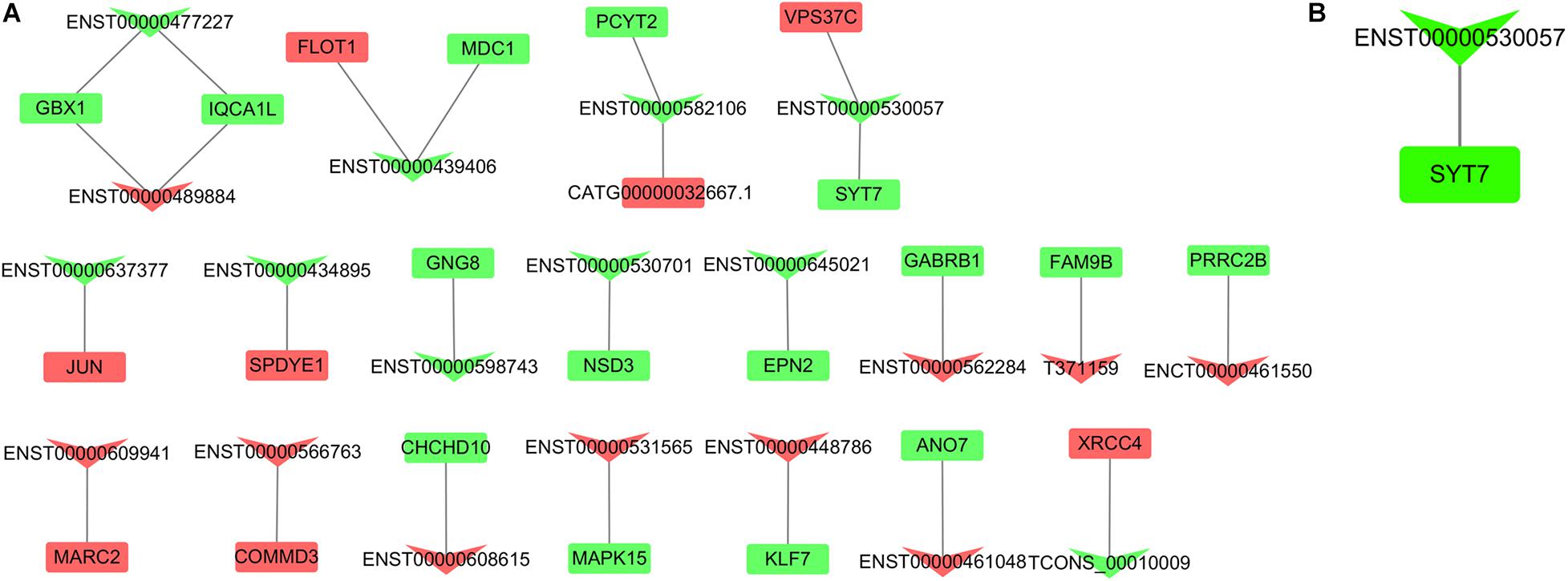
Figure 7. Top 20 DE lncRNA-nearby DE mRNA interaction network. (A) DE lncRNA-nearby DE mRNA interaction network. (B) Interaction network showing the overlap of the DE lncRNA-DE mRNA co-expression network with the DE lncRNA-nearby DE mRNA interaction network. Rectangle and inverted triangles represent DE mRNAs and DE lncRNAs, respectively. Red and green colors indicate up- and down-regulation, respectively. DE, differentially expressed.
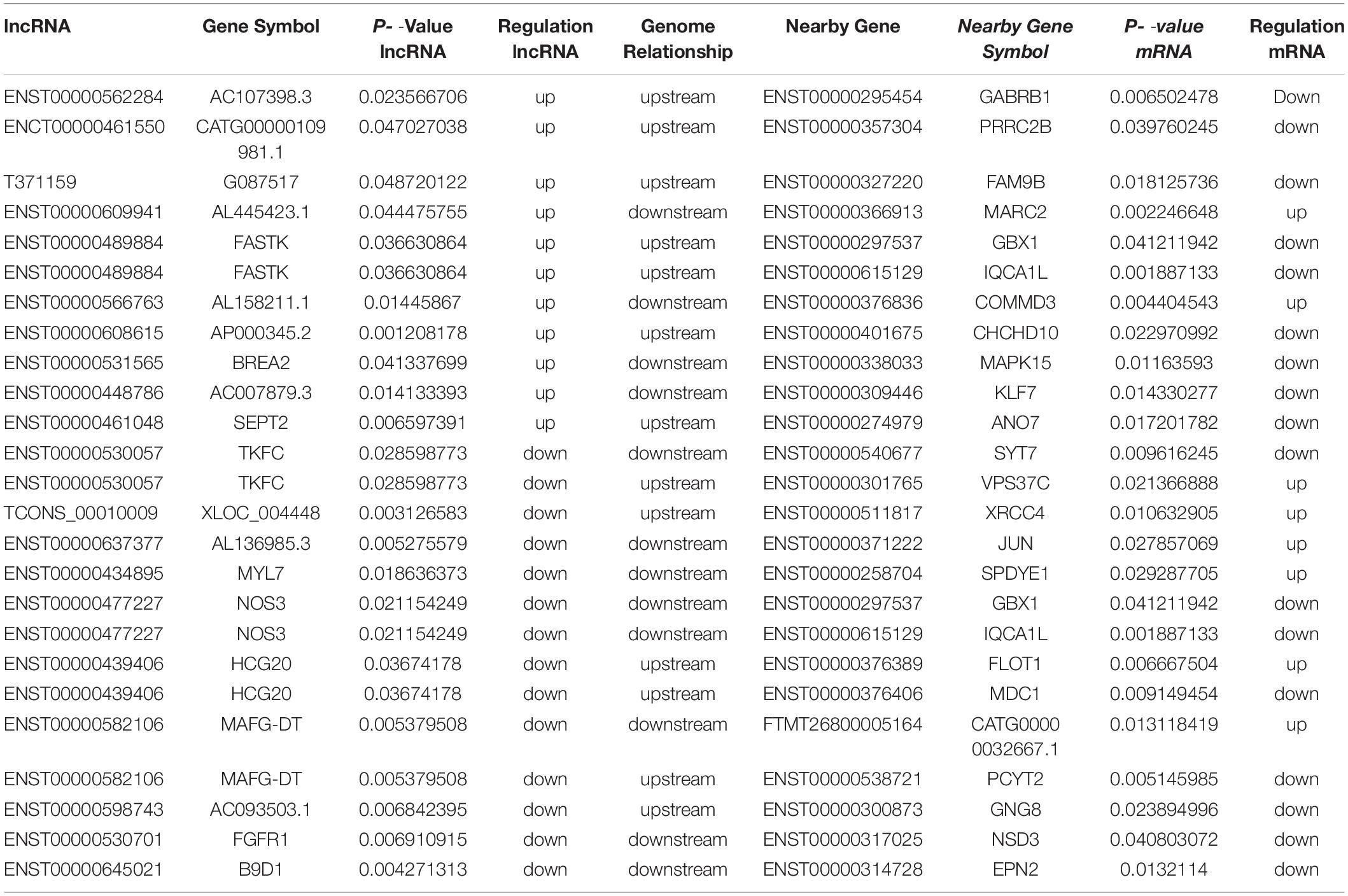
Table 3. Detail information of Top 20 up-regulated and down-regulated DE lncRNAs and their nearby genes.
Targeted DE lncRNAs Associated ceRNA Network Construction
LncRNAs regulate mRNAs expression by competitively binding to miRNAs (competing endogenous RNA, ceRNA) is one of the main ways for lncRNAs to exert biological regulatory functions. We predicted the miRNA binding sites in 14 DE lncRNAs and 735 DE mRNAs by miRNA ID < 1000 based on TargetScan and miRanda database. We also performed KEGG pathway analysis of the predicted DE mRNAs (Figure 8A). The results suggested that four pathways, namely cGMP-PKG signaling pathway, cAMP signaling pathway, phospholipase D signaling pathway and inflammatory mediator regulation of TRP channels were associated with POD. We screened 11 DE lncRNAs, 18 DE mRNAs and 251 miRNAs to construct ceRNA network, using the genes enriched in the four pathways above, in combination with the predicted results of ceRNA from 14 DE lncRNAs and 735 DE mRNAs (Figure 8B).
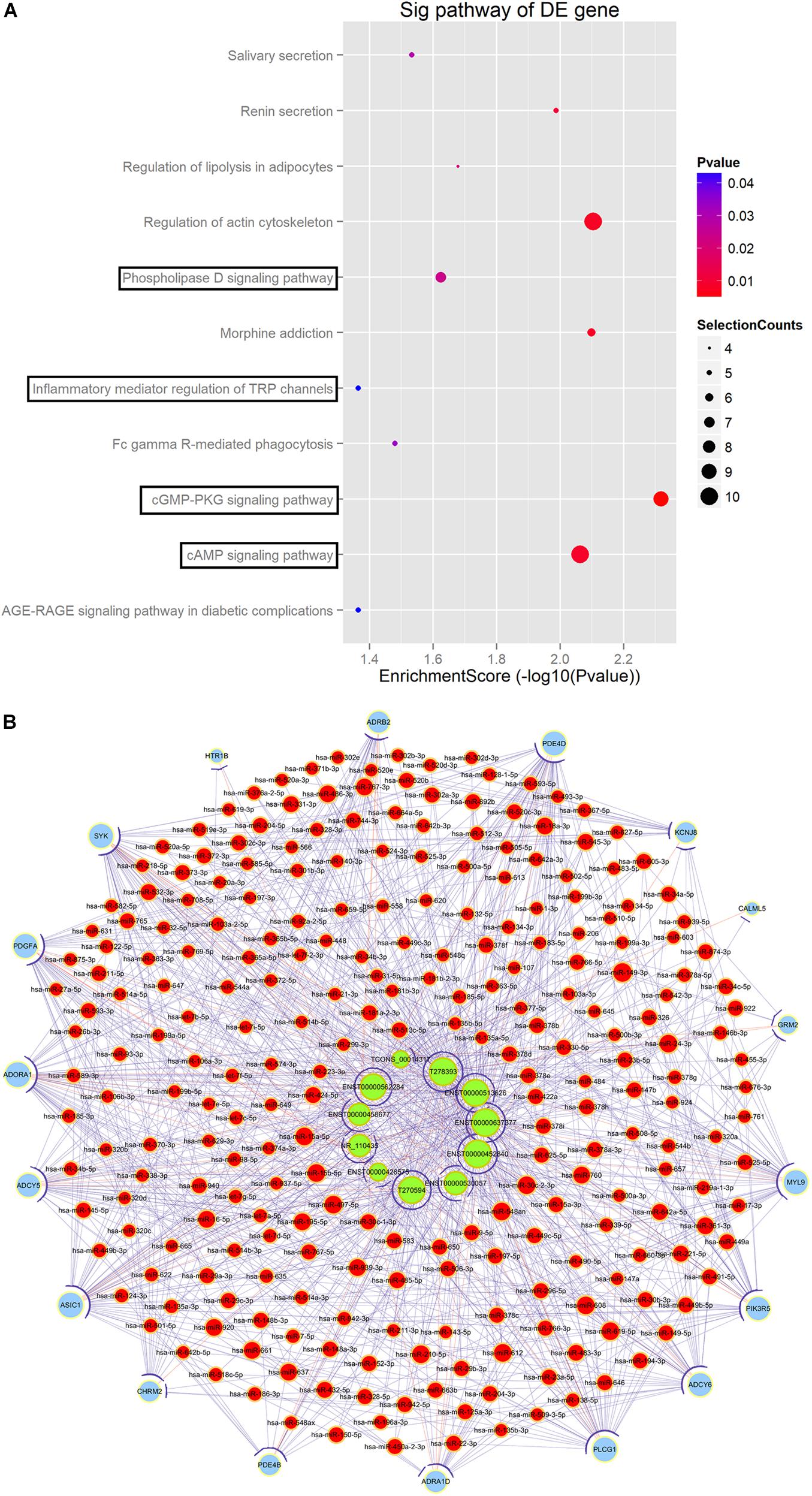
Figure 8. Targeted DE lncRNAs associated ceRNA network construction. (A) KEGG analysis based on ceRNA network. (B) Targeted DE lncRNAs associated ceRNA network. Fisher t-test. P < 0.05. Green nodes indicate DE lncRNAs. Red nodes indicate microRNAs. Blue nodes indicate DE mRNAs. ceRNA, competing endogenous RNA. DE, differentially expressed.
Discussion
In this study we analyzed the expression profiles of lncRNAs and mRNAs in the peripheral blood of four elderly patients who developed delirium after orthopedic surgery. The results suggested that the expression of 487 lncRNAs was up-regulated, and 708 lncRNAs were down-regulated. This suggested that lncRNA is very likely to be involved in the pathophysiology of POD. RT-qPCR validation showed that 14 DE lncRNAs were consistent with the microarray results. Therefore, we performed an in-depth functional analysis of these 14 DE lncRNAs in this study. The up-regulated ones are as the followings: ENST00000426575, ENST00000452840, ENST00000513626, ENST00000562284, NR_110435, T206892, T270594; and the down- regulated one are as the followings: ENST00000421254, ENST00000458477, ENST00000530057, ENST00000609649, ENST00000637377, T278393, T379236, CONS_00014317.
Glutamate is the main excitatory neurotransmitter in the central nervous system (CNS) and induces most of excitatory neurotransmissions in mammalian CNS (Mei et al., 2018). 5-hydroxytryptamine (5-HT), i.e., serotonin, is an additional important transmitter that regulates arousal, mood and cognition. Glutamate and 5-HT play an important role in cognitive function and in the development of neurodegenerative diseases. Too much and too little glutamate and 5-HT are both harmful because of the plasticity of the nervous system. Guo et al. found that serum glutamate levels decreased significantly in the group of elderly hip fracture patients with POD (Guo et al., 2017). Han et al. found that elderly hip fracture patients who developed POD had glutamate elevated in the preoperative cerebrospinal fluid (Han et al., 2020). Studies have found that 5-HT levels decrease in hyperexcitable delirium and increase in hypoexcitable delirium (Maldonado, 2013). Although a growing number of neurotransmitter changes have been identified in patients with POD, but the regulatory molecular mechanism remains largely unexplored. We performed KEGG analysis of the findings from the CNC network analysis and found that “glutamate metabolism” was associated with 7 regulatory lncRNAs which were the most significantly up-regulated. We also performed GO analysis of the findings from CNC network analysis and identified that “serotonin secretion” (BP term) was associated with 7 regulatory lncRNAs which were down-regulated most significantly. These indicated that lncRNAs plays an important role in the levels of some neurotransmitters in postoperative patients. These changes of lncRNA may be involved in the pathophysiology of POD. From these results, we speculated that these 14 validated DE lncRNAs might the major regulatory molecules and deserve further in-depth investigation into their functions.
The release of neurotransmitter is gained through the process of exocytosis (Südhof, 2013). A rise in intracellular Ca2+ triggers exocytosis (Südhof, 2012). Therefore, Ca2+ concentration is an important factor in the release of neurotransmitter (Xiao et al., 2017). Syt proteins can serve as calcium signaling sensors in the process of exocytosis (Xiao et al., 2017). There are 17 different isoforms in mammalian Syt family, of which Syt-7 has the highest Ca2+ sensitivity. Syt-7 is widely and highly expressed in the brain (Li et al., 2017). Wu et al. (2017) found that Syt-7 acts as a Ca2+ sensor in long term potentiation, mediating the exocytosis of Ca2+-dependent α-amino-3-hydroxy-5-methyl-4-isoxazole propionic acid receptors, thereby mediating memory and learning. The results of our microarray analysis suggested that in the peripheral blood of the POD group, ENST00000530057 was much less contained than that in the non-POD group (fold change = 3.3302004, P = 0.029), and the expression levels of Syt-7 mRNA were significantly lower than that in the non-POD group (fold change = 1.6525333, P = 0.009). DE lncRNA−nearby DE mRNA interaction network showed that there was a regulatory relationship between lncRNA ENST00000530057 and Syt-7 mRNA. This suggests that Syt-7 expression has been decreased in patients with POD, ENST00000530057 may contribute to regulate the expression level of Syt-7.
Furthermore, our KEGG analysis revealed that the ceRNA network was significantly enriched with the inflammatory mediator regulation of transient receptor potential (TRP) channels. TRP proteins work as ion channels with high Ca2+ permeability. TRP channels are involved in a variety of physiological processes (Li, 2017). Modulating TRP channels activity is an important pathway that affects cell function by regulating intracellular calcium levels (Dietrich et al., 2006). TRP family has seven members: TRPA (ankyrin), TRPC (canonical), TRPN (Drosophila NOMPC) (Li, 2017), TRPML (mucolipin), TRPM (melastatin), TRPP (polycystin), and TRPV (vanilloid). TRPC3, 4, 5, 6 are found in many regions of the brain (Zhou et al., 2008). TRPV1 is expressed in most neurons. TRPC4 has been shown to be involved in the neuronal exocytosis, regulation of neurite outgrowth and response to neural injury (Zechel et al., 2007). TRPC5 is closely related to fear-related behaviors and amygdala function (Riccio et al., 2009). Dysfunctions of TRP channels caused by alterations in levels of protein expression or regulatory factors were implicated in the occurrence of many diseases, including brain diseases. Currently, the research on TRP channels has aroused great interest in the pharmaceutical industry. As potential medications, agonists and antagonists of TRP channels are currently under development (Moran, 2018). TRPV1 antagonist was being developed for osteoarthritic pain. Unfortunately, it has been reportedly causes elevated body temperature in clinical trials (Krarup et al., 2011). Our research suggested that POD was associated with TRP channels altered by these 14 DE lncRNAs through the ceRNA network mechanism, where the likely-to-be-involved miRNAs were predicted. Our findings provide new ideas for looking at TRP channels as potential therapeutic targets.
In recent years, the impact of systemic inflammation on the brain has gained growing attention. Increasing evidence shows that blood-borne factors and the proinflammatory systemic environment have adverse effects on CNS function and directly affect cognitive function. Surgical trauma stimulated immune signal response, including monocyte activation. An imbalance between plasma levels of pro- and anti-inflammatory cytokines may be a predisposing factor for the development of POD in elderly patients (de Castro et al., 2014). Circulating neutrophils, monocytes, and other peripheral system factors can lead to alterations in glial homeostasis, synaptic plasticity and neuronal function (Reyes et al., 1999). Interleukin (IL)-6, tumor necrosis factor-α, and IL-1β are cytokines that trigger neuroinflammation in rodent postoperative models (Terrando et al., 2010). A large number of cytokine alterations are occurring in the patient’s peripheral blood (Cerejeira et al., 2012). Higher levels of CSF proinflammatory IL-6 are being used to predict cognitive decline after coronary artery bypass surgery (Kálmán et al., 2006; Capri et al., 2014). Studies have shown that the aberrant expression of lncRNA is also closely associated with the occurrence and development of systemic inflammation and neuroinflammation. LncRNAs frequently reported to regulate to cell apoptosis, angiogenesis and inflammation by has been be involved in post-stroke neuroprotection (Liang et al., 2020). LncRNAs also played a pivotal role in the regulation of vascular smooth muscle cells phenotype, functions, perhaps in the development of vascular aging related heart diseases (Ni et al., 2020). Regulation of cell apoptosis, angiogenesis and inflammation by lncRNAs has been frequently reported to be involved in post-stroke neuroprotection (Qian et al., 2020). These studies suggested that lncRNAs is involved in the process of inflammation. Our CNC network showed that the 7 up-regulated lncRNAs are significantly enriched in “positive regulation of IL-2 production”, “regulation of IL-2 production”, “IL-2 production” (BP terms). This result suggested that these 7 up-regulated lncRNAs may regulate IL-2 production. Sarinnapha et al. found that IL-6 levels measured on postoperative day 2 and IL-2 levels measured preoperatively and on postoperative day 2 were elevated in POD group compared to no-delirium controls (Vasunilashorn et al., 2015, 2019). However, Miriam et al. found that High IL-6 and low IL-2 levels were significantly associated with POD (Jiang and Lu, 1998; Capri et al., 2014). Miriam considered that IL-2 might have neuromodulatory effects, such as stimulating oligodendrocyte proliferation and maturation, promoting neuronal cell survival, analgesic effects, and possibly stimulating hypothalamic-pituitary axis. All these findings suggested that IL-2 is involved in the development of POD, although the results of these studies are different. The results of our study suggested that lncRNAs are important mechanisms that regulate IL-2 levels in the development of POD. The 7 up-regulated lncRNAs that we employed for prediction may be important regulatory molecules that merit further study.
Previous research found that there are a large number of mRNA changes in various brain diseases (Tao et al., 2019; Bucher et al., 2020; Guo X. et al., 2020; Jiang et al., 2020; Wang et al., 2020; Yang et al., 2020; Yuan et al., 2020; Zhu et al., 2020, 2021). Transcriptomic profiles from mRNA sequencing of peripheral blood with urinary tract infection patients showed that all patients with delirium had significant complement system activation compared to non-delirious patients (Kalantar et al., 2018). Xiang et al. processed for mRNA transcriptome analysis of hippocampus after tibial fracture surgery in C57BL/6J mice. Inflammatory mediator regulation of TRP channels, neuroactive ligand-receptor interaction and cholinergic synapse were overrepresented during the acute presence of hippocampal inflammation (Xiang et al., 2019). Illendula et al. (2020) found that many key proteins for the regulation of synaptic vesicle trafficking, neurotransmitter release and synaptic plasticity-were significantly down-regulated in old mice under surgery, anesthesia and intensive care environment induce delirium. Lipoprotein-associated phospholipase A2 and superoxide dismutase were independent risk factors of cognitive impairment in cerebral small vessel disease, and may be useful for the rapid evaluation of cognitive impairment in cerebral small vessel disease (Zhu et al., 2019). Weissleder et al. (2019) found that insulin like growth factor family members are local regulators of neurogenesis and indicate that the age-related reduction in insulin like growth factor 1 mRNA may limit new neuron production by restricting neuronal differentiation in the human subependymal zone. Yang et al. (2019) revealed an increase in Nwd1 expression in brain tissues from TLE patients, suggesting that this molecule may be associated with human epilepsy (Yang et al., 2019). In our study, our microarray analysis of mRNAs showed that 273 mRNAs were up-regulated and 462 mRNAs were down-regulated in the POD group. We found that the expression of presynaptic cytomatrix protein (PCLO) mRNA was significantly up-regulated, which was consistent with RT-qPCR validation (fold change = 3.5910908, P = 0.016). Previous research did not find this change of PCLO. PCLO plays an important role in monoaminergic neurotransmission in the brain. PCLO was identified as a gene overexpressed in the nucleus accumbens of mice repeatedly given methamphetamine, which may trigger severe mental disorders. The C-allele (risk allele) of single-nucleotide polymorphism rs2522833 within the PCLO gene plays a role in the pathophysiology of major depressive disorder (Igata et al., 2017). In this study, we found that significantly up-regulated PCLO expression might associate with the development of POD. The mechanism by which PCLO is up-regulated and the roles that PCLO plays in POD should be addressed in further research.
Postoperative delirium is the most common neurological complication in elderly patients after major surgery. There are numerous hypotheses to explain the pathogenesis of POD, such as the hypotheses of neurotransmitters imbalance, intraoperative hypoxia, acetylcholine deficiency, inflammatory impairment and so on. Unfortunately, the pathophysiological mechanisms of POD still remain unclear, and the regulatory factors leading to POD are poorly understood. Recent studies have found that lncRNAs play important roles in neuroinflammation and neurodegenerative disorders. Alzheimer’s disease (AD) is characterized by age-related neurodegenerative disorders and studies have found that it is regulated by non-coding RNA (Sarkar et al., 2019; Liu et al., 2020). 3,158 lncRNAs were identified of 629 patients with AD by microarray re-annotation in GEO database and the Affymetrix Human Genome U133 Plus 2.0 Array chip platform (Huaying et al., 2020). In Alzheimer’s disease rat model, up-regulation of lncRNA MEG3 can inhibit the activation of astrocytes in hippocampus in Alzheimer’s disease by inhibiting PI3K/Akt signaling pathway, alleviate neuronal damage, and improve cognitive impairment (Yi et al., 2019). LncRNA NON-HSAG045500 can regulate the expression of central neurotransmitter serotonin (5-HT) transporter, and it is a potential target for the treatment of major depressive disorder (Liu S. et al., 2018). Zhang et al. found that 68 lncRNAs were dysregulated in the postoperative cognitive dysfunction group compared to non-postoperative cognitive dysfunction group requiring hip or knee replacement surgery. Among them, the DE lncRNAs mainly participated in process of histone deacetylation (Zhang et al., 2018). In our study, we found that the expression of many lncRNAs was abnormal in patients of POD which results are consent with these published studies. However, we recognized different biological processes leading to the pathogenesis of POD. LncRNAs may regulate “glutamate and 5-HT”, “Syt7”, “TRP channel”, “IL-2 production”. If potential drugs regulating key lncRNAs are found, they may help reduce the occurrence of POD. Despite the promising findings, this study is just a system study for DE lncRNA and DE mRNA. Since the bioinformatics tools available to explore this hypothesis have limitations, this analysis need molecular biology experiments to verify. Finally, our study provides preliminary data on the mechanisms of lncRNAs in POD and future studies should include more molecular biology experiments to research the etiology of POD.
Conclusion
In our study, the expression profile of lncRNAs and mRNAs in patients with POD was established by using microarray analysis and significantly DE lncRNAs and DE mRNAs were uncovered. We identified 14 significantly DE lncRNAs as candidate genes for further study. In this study, we found that lncRNAs play important regulatory roles in “glutamate and 5-HT”, “Syt7”, “TRP channel”, “IL-2 production” in POD. There was a regulatory relationship between lncRNA ENST00000530057 and Syt-7 mRNA. The mRNA level of PCLO was up-regulated in POD group. This study provides a new idea and direction for further study of the pathogenesis of POD and looking for potential therapeutic targets. It also provides greater data for other researchers.
Data Availability Statement
The datasets presented in this study can be found in online repositories. The names of the repository/repositories and accession number(s) can be found below: https://www.ncbi.nlm.nih.gov/genbank/, GSE163943.
Ethics Statement
The studies involving human participants were reviewed and approved by the Ethics Committee of Chinese PLA General Hospital (Beijing, China) (No. S2017-096-02). The patients/participants provided their written informed consent to participate in this study.
Author Contributions
YS, JC, and WM conceived and planned the experiments. XW and AH performed the experiment and acquired the data. HL, JL, and YL analyzed and interpreted the data. YS drafted the manuscript. JC and WM revised the manuscript. All authors provided critical feedback and help in shaping the research, analysis, and manuscript. All authors have read and approved the final submitted manuscript.
Funding
This work was supported by the National Key Research and Development Program of China (No. 2018YFC2001901). This project was supported by the National Natural Science Foundation of China (No. 81771129). The funders had no role in the design of the study; in the collection, analyses, or interpretation of data; in the writing of the manuscript, or in the decision to publish the results.
Conflict of Interest
The authors declare that the research was conducted in the absence of any commercial or financial relationships that could be construed as a potential conflict of interest.
Supplementary Material
The Supplementary Material for this article can be found online at: https://www.frontiersin.org/articles/10.3389/fnagi.2021.665935/full#supplementary-material
Supplementary Table 1 | The primer sequences used for quantitative real-time PCR.
Supplementary Table 2 | Detail information of Top 20 DE lncRNAs.
Supplementary Table 3 | Detail information of Top 20 DE mRNAs.
Supplementary Table 4 | Top30 GO terms of GO analysis in up-regulated DE mRNAs.
Supplementary Table 5 | Top30 GO terms of GO analysis in down-regulated DE mRNAs.
Supplementary Table 6 | Enriched pathways of KEGG analysis in up-regulated DE mRNAs.
Supplementary Table 7 | Enriched pathways of KEGG analysis in down-regulated DE mRNAs.
Abbreviations
LncRNAs, long non-coding RNAs; POD, postoperative delirium; DE, differentially expressed; RT-qPCR, quantitative reverse transcription PCR; GO, Gene Ontology; KEGG, Kyoto Encyclopedia of Genes and Genomes; PPI, Protein and protein interaction; CNC, coding and non-coding co-expression; ceRNA, competing endogenous RNA; CC, cellular component; MF, Molecular function; BP, Biological process; Syt, Synaptotagmin; CNS, Central nervous system; TRP, Transient receptor potential; IL, interleukin; PCLO, presynaptic cytomatrix protein; MCODE, Molecular Complex Detection; 5-HT, 5-hydroxytryptamine.
Footnotes
- ^ http://www.geneontology.org
- ^ https://www.kegg.jp/
- ^ https://string-db.org/
- ^ http://www.microrna.org/microrna/home.do/
- ^ http://www.targetscan.org/
References
Ashburner, M., Ball, C. A., Blake, J. A., Botstein, D., Butler, H., Cherry, J. M., et al. (2000). Gene ontology: tool for the unification of biology. Gene Ontol. Consortium. Nat Genet 25, 25–29. doi: 10.1038/75556
Avidan, M. S., Maybrier, H. R., Abdallah, A. B., Jacobsohn, E., Vlisides, P. E., Pryor, K. O., et al. (2017). Intraoperative ketamine for prevention of postoperative delirium or pain after major surgery in older adults: an international, multicentre, double-blind, randomised clinical trial. Lancet 390, 267–275. doi: 10.1016/s0140-6736(17)31467-8
Briggs, J. A., Wolvetang, E. J., Mattick, J. S., Rinn, J. L., and Barry, G. (2015). Mechanisms of long non-coding RNAs in mammalian nervous system development. Plast. Dis. Evol. Neuron 88, 861–877. doi: 10.1016/j.neuron.2015.09.045
Bu, L. L., Xie, Y. Y., Lin, D. Y., Chen, Y., Jing, X. N., Liang, Y. R., et al. (2020). LncRNA-T199678 Mitigates α-Synuclein-Induced dopaminergic neuron injury via miR-101-3p. Front. Aging Neurosci. 12:599246. doi: 10.3389/fnagi.2020.599246
Bucher, M. L., Barrett, C. W., Moon, C. J., Mortimer, A. D., Burton, E. A., Greenamyre, J. T., et al. (2020). Acquired dysregulation of dopamine homeostasis reproduces features of Parkinson’s disease. NPJ Parkinsons Dis. 6:34. doi: 10.1038/s41531-020-00134-x
Capri, M., Yani, S. L., Chattat, R., Fortuna, D., Bucci, L., Lanzarini, C., et al. (2014). Pre-Operative, High-IL-6 blood level is a risk factor of post-operative delirium onset in old patients. Front. Endocrinol. (Lausanne) 5:173. doi: 10.3389/fendo.2014.00173
Catana, C. S., Crisan, C. A., Opre, D., and Berindan-Neagoe, I. (2020). Implications of long non-coding RNAs in age-altered proteostasis. Aging Dis. 11, 692–704. doi: 10.14336/ad.2019.0814
Cerejeira, J., Nogueira, V., Luís, P., Vaz-Serra, A., and Mukaetova-Ladinska, E. B. (2012). The cholinergic system and inflammation: common pathways in delirium pathophysiology. J. Am. Geriatr. Soc. 60, 669–675. doi: 10.1111/j.1532-5415.2011.03883.x
Chen, S., Li, Y., Zhi, S., Ding, Z., Huang, Y., Wang, W., et al. (2020). lncRNA Xist regulates osteoblast differentiation by sponging miR-19a-3p in aging-induced osteoporosis. Aging Dis. 11, 1058–1068. doi: 10.14336/ad.2019.0724
Chen, S., Zhu, X., Niu, W., Yao, G., Kong, L., He, M., et al. (2019). Regulatory role of lncRNA NONHSAT089447 in the dopamine signaling pathway in schizophrenic patients. Med. Sci. Monit. 25, 4322–4332. doi: 10.12659/msm.915684
Chen, Y., Li, H. Y., Zeng, F., Chen, L., Zhou, F. Y., Peng, Z. Y., et al. (2019). LincRNA plays a role in the effect of CYP46A1 polymorphism in Alzheimer’s Disease - Related Pathology. Front. Aging Neurosci. 11:381. doi: 10.3389/fnagi.2019.00381
Cui, X., Niu, W., Kong, L., He, M., Jiang, K., Chen, S., et al. (2017). Long noncoding RNA expression in peripheral blood mononuclear cells and suicide risk in Chinese patients with major depressive disorder. Brain Behav. 7:e00711. doi: 10.1002/brb3.711
Dasgupta, M., and Dumbrell, A. C. (2006). Preoperative risk assessment for delirium after noncardiac surgery: a systematic review. J. Am. Geriatr. Soc. 54, 1578–1589. doi: 10.1111/j.1532-5415.2006.00893.x
de Castro, S. M., Ünlü, Ç, Tuynman, J. B., Honig, A., van Wagensveld, B. A., Steller, E. P., et al. (2014). Incidence and risk factors of delirium in the elderly general surgical patient. Am. J. Surg. 208, 26–32. doi: 10.1016/j.amjsurg.2013.12.029
Dietrich, A., Chubanov, V., Kalwa, H., Rost, B. R., and Gudermann, T. (2006). Cation channels of the transient receptor potential superfamily: their role in physiological and pathophysiological processes of smooth muscle cells. Pharmacol. Ther. 112, 744–760. doi: 10.1016/j.pharmthera.2006.05.013
Faghihi, M. A., and Wahlestedt, C. (2009). Regulatory roles of natural antisense transcripts. Nat. Rev. Mol. Cell Biol. 10, 637–643. doi: 10.1038/nrm2738
Fulzele, S., Sahay, B., Yusufu, I., Lee, T. J., Sharma, A., Kolhe, R., et al. (2020). COVID-19 virulence in aged patients might be impacted by the host cellular MicroRNAs Abundance/Profile. Aging Dis. 11, 509–522. doi: 10.14336/ad.2020.0428
Gao, X., Huang, Z., Feng, C., Guan, C., Li, R., Xie, H., et al. (2020). Multimodal analysis of gene expression from postmortem brains and blood identifies synaptic vesicle trafficking genes to be associated with Parkinson’s disease. Brief Bioinform. doi: 10.1093/bib/bbaa244 [Epub ahead of print].
Guo, W., Gao, R., Zhang, W., Ge, W., Ren, M., Li, B., et al. (2019). IgE aggravates the senescence of smooth muscle cells in abdominal aortic aneurysm by upregulating LincRNA-p21. Aging Dis. 10, 699–710. doi: 10.14336/ad.2018.1128
Guo, X., Deng, B., Zhong, L., Xie, F., Qiu, Q., Wei, X., et al. (2020). Reparative Effects of Stem Cell Factor and Granulocyte Colony-Stimulating Factor in Aged APP/PS1 Mice.. Aging Dis. 11, 1423–1443. doi: 10.14336/AD.2020.0201
Guo, Z., Cao, Q., Zhao, Z., and Song, C. (2020). Biogenesis, features, functions, and disease relationships of a specific circular RNA: CDR1as. Aging Dis. 11, 1009–1020. doi: 10.14336/ad.2019.0920
Guo, Y., Zhang, Y., Jia, P., Wang, W., Zhou, Q., Sun, L., et al. (2017). Preoperative serum metabolites are associated with postoperative delirium in elderly Hip-Fracture patients. J. Gerontol. A Biol. Sci. Med. Sci. 72, 1689–1696. doi: 10.1093/gerona/glx001
Han, Y., Zhang, W., Liu, J., Song, Y., Liu, T., Li, Z., et al. (2020). Metabolomic and lipidomic profiling of preoperative CSF in elderly hip fracture patients with postoperative delirium. Front. Aging Neurosci. 12:570210. doi: 10.3389/fnagi.2020.570210
Huaying, C., Xing, J., Luya, J., Linhui, N., Di, S., and Xianjun, D. (2020). A signature of five long Non-Coding RNAs for predicting the prognosis of alzheimer’s disease based on competing endogenous RNA networks. Front. Aging Neurosci. 12:598606. doi: 10.3389/fnagi.2020.598606
Igata, R., Katsuki, A., Kakeda, S., Watanabe, K., Igata, N., Hori, H., et al. (2017). PCLO rs2522833-mediated gray matter volume reduction in patients with drug-naive, first-episode major depressive disorder. Transl. Psychiatry 7:e1140. doi: 10.1038/tp.2017.100
Illendula, M., Osuru, H. P., Ferrarese, B., Atluri, N., Dulko, E., Zuo, Z., et al. (2020). Surgery, anesthesia and intensive care environment induce delirium-like behaviors and impairment of synaptic function-related gene expression in aged mice. Front. Aging Neurosci. 12:542421. doi: 10.3389/fnagi.2020.542421
Jiang, C. L., and Lu, C. L. (1998). Interleukin-2 and its effects in the central nervous system. Biol. Signals Recept 7, 148–156. doi: 10.1159/000014541
Jiang, R., Gao, J., Shen, J., Zhu, X., Wang, H., Feng, S., et al. (2020). Glycyrrhizic acid improves cognitive levels of aging mice by regulating T/B cell proliferation. Front. Aging Neurosci. 12:570116. doi: 10.3389/fnagi.2020.570116
Kaarniranta, K., Pawlowska, E., Szczepanska, J., and Blasiak, J. (2020). DICER1 in the pathogenesis of Age-related Macular Degeneration (AMD) - Alu RNA accumulation versus miRNA dysregulation. Aging Dis. 11, 851–862. doi: 10.14336/ad.2019.0809
Kalantar, K., LaHue, S. C., DeRisi, J. L., Sample, H. A., Contag, C. A., Josephson, S. A., et al. (2018). Whole-genome mRNA gene expression differs between patients with and without delirium. J. Geriatr. Psychiatry Neurol. 31, 203–210. doi: 10.1177/0891988718785774
Kálmán, J., Juhász, A., Bogáts, G., Babik, B., Rimanóczy, A., Janka, Z., et al. (2006). Elevated levels of inflammatory biomarkers in the cerebrospinal fluid after coronary artery bypass surgery are predictors of cognitive decline. Neurochem. Int. 48, 177–180. doi: 10.1016/j.neuint.2005.10.007
Kanehisa, M., Sato, Y., Kawashima, M., Furumichi, M., and Tanabe, M. (2016). KEGG as a reference resource for gene and protein annotation. Nucleic Acids Res. 44, D457–D462. doi: 10.1093/nar/gkv1070
Krarup, A. L., Ny, L., Astrand, M., Bajor, A., Hvid-Jensen, F., Hansen, M. B., et al. (2011). Randomised clinical trial: the efficacy of a transient receptor potential vanilloid 1 antagonist AZD1386 in human oesophageal pain. Aliment Pharmacol. Ther. 33, 1113–1122. doi: 10.1111/j.1365-2036.2011.04629.x
Li, H. (2017). TRP channel classification. Adv. Exp. Med. Biol. 976, 1–8. doi: 10.1007/978-94-024-1088-4_1
Li, X., Wu, Z., Fu, X., and Han, W. (2013). Long noncoding RNAs: insights from biological features and functions to diseases. Med. Res. Rev. 33, 517–553. doi: 10.1002/med.21254
Li, Y. C., Chanaday, N. L., Xu, W., and Kavalali, E. T. (2017). Synaptotagmin-1- and Synaptotagmin-7-dependent fusion mechanisms target synaptic vesicles to kinetically distinct endocytic pathways. Neuron 93, 616.e613–631.e613. doi: 10.1016/j.neuron.2016.12.010
Liang, J., Wang, Q., Li, J. Q., Guo, T., and Yu, D. (2020). Long non-coding RNA MEG3 promotes cerebral ischemia-reperfusion injury through increasing pyroptosis by targeting miR-485/AIM2 axis. Exp. Neurol. 325:113139. doi: 10.1016/j.expneurol.2019.113139
Liu, L., Chen, X., Chen, Y. H., and Zhang, K. (2020). Identification of circular RNA hsa_Circ_0003391 in peripheral blood is potentially associated with Alzheimer’s disease. Front. Aging Neurosci. 12:601965. doi: 10.3389/fnagi.2020.601965
Liu, S., Zhou, B., Wang, L., Hu, H., Yao, C., Cai, Z., et al. (2018). Therapeutic antidepressant potential of NONHSAG045500 in regulating serotonin transporter in major depressive disorder. Med. Sci. Monit. 24, 4465–4473. doi: 10.12659/msm.908543
Liu, Y., Chang, X., Hahn, C. G., Gur, R. E., Sleiman, P. A. M., and Hakonarson, H. (2018). Non-coding RNA dysregulation in the amygdala region of schizophrenia patients contributes to the pathogenesis of the disease. Transl. Psychiatry 8:44. doi: 10.1038/s41398-017-0030-5
Maldonado, J. R. (2013). Neuropathogenesis of delirium: review of current etiologic theories and common pathways. Am. J. Geriatr. Psychiatry 21, 1190–1222. doi: 10.1016/j.jagp.2013.09.005
Mei, Y. Y., Wu, D. C., and Zhou, N. (2018). Astrocytic regulation of glutamate transmission in schizophrenia. Front. Psychiatry 9:544. doi: 10.3389/fpsyt.2018.00544
Meng, Q., Wang, K., Brunetti, T., Xia, Y., Jiao, C., Dai, R., et al. (2018). The DGCR5 long noncoding RNA may regulate expression of several schizophrenia-related genes. Sci. Transl. Med. 10:eaat6912. doi: 10.1126/scitranslmed.aat6912
Moran, M. M. (2018). TRP channels as potential drug targets. Annu. Rev. Pharmacol. Toxicol. 58, 309–330. doi: 10.1146/annurev-pharmtox-010617-052832
Ni, Y. Q., Lin, X., Zhan, J. K., and Liu, Y. S. (2020). Roles and functions of exosomal non-coding RNAs in vascular aging. Aging Dis. 11, 164–178. doi: 10.14336/ad.2019.0402
Parikshak, N. N., Swarup, V., Belgard, T. G., Irimia, M., Ramaswami, G., Gandal, M. J., et al. (2016). Genome-wide changes in lncRNA, splicing, and regional gene expression patterns in autism. Nature 540, 423–427. doi: 10.1038/nature20612
Qian, Y., Chopp, M., and Chen, J. (2020). Emerging role of microRNAs in ischemic stroke with comorbidities. Exp. Neurol. 331:113382. doi: 10.1016/j.expneurol.2020.113382
Reyes, T. M., Fabry, Z., and Coe, C. L. (1999). Brain endothelial cell production of a neuroprotective cytokine, interleukin-6, in response to noxious stimuli. Brain Res. 851, 215–220. doi: 10.1016/s0006-8993(99)02189-7
Riccio, A., Li, Y., Moon, J., Kim, K. S., Smith, K. S., Rudolph, U., et al. (2009). Essential role for TRPC5 in amygdala function and fear-related behavior. Cell 137, 761–772. doi: 10.1016/j.cell.2009.03.039
Sarkar, S. N., Russell, A. E., Engler-Chiurazzi, E. B., Porter, K. N., and Simpkins, J. W. (2019). MicroRNAs and the genetic nexus of brain aging, neuroinflammation, neurodegeneration, and brain trauma. Aging Dis. 10, 329–352. doi: 10.14336/ad.2018.0409
Shi, Y., and Shang, J. (2016). Long noncoding RNA expression profiling using arraystar LncRNA microarrays. Methods Mol. Biol. 1402, 43–61. doi: 10.1007/978-1-4939-3378-5_6
Skrobik, Y. (2011). Delirium prevention and treatment. Anesthesiol. Clin. 29, 721–727. doi: 10.1016/j.anclin.2011.09.010
Subramaniyan, S., and Terrando, N. (2019). Neuroinflammation and perioperative neurocognitive disorders. Anesth Analg. 128, 781–788. doi: 10.1213/ane.0000000000004053
Südhof, T. C. (2012). Calcium control of neurotransmitter release. Cold Spring Harb. Perspect Biol. 4:a011353. doi: 10.1101/cshperspect.a011353
Südhof, T. C. (2013). Neurotransmitter release: the last millisecond in the life of a synaptic vesicle. Neuron 80, 675–690. doi: 10.1016/j.neuron.2013.10.022
Tao, X., Yang, W., Zhu, S., Que, R., Liu, C., Fan, T., et al. (2019). Models of poststroke depression and assessments of core depressive symptoms in rodents: how to choose? Exp. Neurol. 322:113060. doi: 10.1016/j.expneurol.2019.113060
Terrando, N., Monaco, C., Ma, D., Foxwell, B. M., Feldmann, M., and Maze, M. (2010). Tumor necrosis factor-alpha triggers a cytokine cascade yielding postoperative cognitive decline. Proc. Natl. Acad. Sci. U.S.A. 107, 20518–20522. doi: 10.1073/pnas.1014557107
Vasunilashorn, S. M., Ngo, L., Inouye, S. K., Libermann, T. A., Jones, R. N., Alsop, D. C., et al. (2015). Cytokines and postoperative delirium in older patients undergoing major elective surgery. J. Gerontol. A Biol. Sci. Med. Sci. 70, 1289–1295. doi: 10.1093/gerona/glv083
Vasunilashorn, S. M., Ngo, L. H., Chan, N. Y., Zhou, W., Dillon, S. T., Otu, H. H., et al. (2019). Development of a dynamic multi-protein signature of postoperative delirium. J. Gerontol. A Biol. Sci. Med. Sci. 74, 261–268. doi: 10.1093/gerona/gly036
Vlisides, P., and Avidan, M. (2019). Recent advances in preventing and managing postoperative delirium. F1000Research 8:F1000. doi: 10.12688/f1000research.16780.1
Wang, T., Yuan, F., Chen, Z., Zhu, S., Chang, Z., Yang, W., et al. (2020). Vascular, inflammatory and metabolic risk factors in relation to dementia in Parkinson’s disease patients with type 2 diabetes mellitus. Aging (Albany NY) 12, 15682–15704. doi: 10.18632/aging.103776
Weissleder, C., Barry, G., Fung, S. J., Wong, M. W., Double, K. L., Webster, M. J., et al. (2019). Reduction in IGF1 mRNA in the human subependymal zone during aging. Aging Dis. 10, 197–204. doi: 10.14336/ad.2018.0317
Wu, D., Bacaj, T., Morishita, W., Goswami, D., Arendt, K. L., Xu, W., et al. (2017). Postsynaptic synaptotagmins mediate AMPA receptor exocytosis during LTP. Nature 544, 316–321. doi: 10.1038/nature21720
Xiang, X., Yu, Y., Tang, X., Chen, M., Zheng, Y., and Zhu, S. (2019). Transcriptome profile in hippocampus during acute inflammatory response to surgery: toward early stage of PND. Front. Immunol. 10:149. doi: 10.3389/fimmu.2019.00149
Xiao, B., Li, J., Fan, Y., Ye, M., Lv, S., Xu, B., et al. (2017). Downregulation of SYT7 inhibits glioblastoma growth by promoting cellular apoptosis. Mol. Med. Rep. 16, 9017–9022. doi: 10.3892/mmr.2017.7723
Yang, Q., Huang, Z., Luo, Y., Zheng, F., Hu, Y., Liu, H., et al. (2019). Inhibition of Nwd1 activity attenuates neuronal hyperexcitability and GluN2B phosphorylation in the hippocampus. EBioMedicine 47, 470–483. doi: 10.1016/j.ebiom.2019.08.050
Yang, W., Chang, Z., Que, R., Weng, G., Deng, B., Wang, T., et al. (2020). Contra-directional expression of plasma superoxide dismutase with lipoprotein cholesterol and high-sensitivity C-reactive protein as important markers of Parkinson’s disease severity. Front. Aging Neurosci. 12:53. doi: 10.3389/fnagi.2020.00053
Yi, J., Chen, B., Yao, X., Lei, Y., Ou, F., and Huang, F. (2019). Upregulation of the lncRNA MEG3 improves cognitive impairment, alleviates neuronal damage, and inhibits activation of astrocytes in hippocampus tissues in Alzheimer’s disease through inactivating the PI3K/Akt signaling pathway. J. Cell Biochem. 120, 18053–18065. doi: 10.1002/jcb.29108
Yuan, F., Guo, X., Wei, X., Xie, F., Zheng, J., Huang, Y., et al. (2020). Lee silverman voice treatment for dysarthria in patients with Parkinson’s disease: a systematic review and meta-analysis. Eur. J. Neurol. 27, 1957–1970. doi: 10.1111/ene.14399
Zechel, S., Werner, S., and von Bohlen Und Halbach, O. (2007). Distribution of TRPC4 in developing and adult murine brain. Cell Tissue Res. 328, 651–656. doi: 10.1007/s00441-007-0388-4
Zhang, Y., Liu, Y. X., Xiao, Q. X., Liu, Q., Deng, R., Bian, J., et al. (2018). Microarray expression profiles of lncRNAs and mRNAs in postoperative cognitive dysfunction. Front. Neurosci. 12:694. doi: 10.3389/fnins.2018.00694
Zhang, Y., Zhang, L., Wang, Y., Ding, H., Xue, S., Qi, H., et al. (2019). MicroRNAs or long noncoding RNAs in diagnosis and prognosis of coronary artery disease. Aging Dis. 10, 353–366. doi: 10.14336/ad.2018.0617
Zhao, Y., Zhang, Y., Zhang, L., Dong, Y., Ji, H., and Shen, L. (2019). The potential markers of circulating microRNAs and long non-coding RNAs in Alzheimer’s disease. Aging Dis. 10, 1293–1301. doi: 10.14336/ad.2018.1105
Zhou, J., Du, W., Zhou, K., Tai, Y., Yao, H., Jia, Y., et al. (2008). Critical role of TRPC6 channels in the formation of excitatory synapses. Nat. Neurosci. 11, 741–743. doi: 10.1038/nn.2127
Zhou, Y., Lutz, P. E., Wang, Y. C., Ragoussis, J., and Turecki, G. (2018). Global long non-coding RNA expression in the rostral anterior cingulate cortex of depressed suicides. Transl. Psychiatry 8:224. doi: 10.1038/s41398-018-0267-7
Zhu, S., Deng, B., Huang, Z., Chang, Z., Li, H., Liu, H., et al. (2021). “Hot cross bun” is a potential imaging marker for the severity of cerebellar ataxia in MSA-C. NPJ Parkinsons Dis. 7:15. doi: 10.1038/s41531-021-00159-w
Zhu, S., Li, H., Deng, B., Zheng, J., Huang, Z., Chang, Z., et al. (2020). Various diseases and clinical heterogeneity are associated with “Hot Cross Bun”. Front. Aging Neurosci. 12:592212. doi: 10.3389/fnagi.2020.592212
Zhu, S., Wei, X., Yang, X., Huang, Z., Chang, Z., Xie, F., et al. (2019). Plasma Lipoprotein-associated phospholipase A2 and superoxide dismutase are independent predicators of cognitive impairment in cerebral small vessel disease patients: diagnosis and assessment. Aging Dis. 10, 834–846. doi: 10.14336/ad.2019.0304
Keywords: postoperative delirium, long non-coding RNAs, microarray, co-expression, competing endogenous RNA
Citation: Song Y, Wang X, Hou A, Li H, Lou J, Liu Y, Cao J and Mi W (2021) Integrative Analysis of lncRNA and mRNA and Profiles in Postoperative Delirium Patients. Front. Aging Neurosci. 13:665935. doi: 10.3389/fnagi.2021.665935
Received: 09 February 2021; Accepted: 21 April 2021;
Published: 19 May 2021.
Edited by:
Dennis Qing Wang, Zhujiang Hospital, Southern Medical University, ChinaCopyright © 2021 Song, Wang, Hou, Li, Lou, Liu, Cao and Mi. This is an open-access article distributed under the terms of the Creative Commons Attribution License (CC BY). The use, distribution or reproduction in other forums is permitted, provided the original author(s) and the copyright owner(s) are credited and that the original publication in this journal is cited, in accordance with accepted academic practice. No use, distribution or reproduction is permitted which does not comply with these terms.
*Correspondence: Jiangbei Cao, Y2piMjAwMEBzaW5hLmNvbQ==; Weidong Mi, d3dkZDE5NjJAYWxpeXVuLmNvbQ==