 Juan José Cuervo Calle*
 Cesar Augusto Salazar HernándezVictoria Eugenia Sánchez HolguínLuis Felipe Lalinde CastrillónLuis Guillermo Sañudo Vélez
- Research Group on Architecture, Urbanism and Landscape, Architecture School, Universidad Pontificia Bolivariana, Medellín, Colombia
The alliance between universities, the private sector, the State and local communities becomes a fundamental strategy to channel regional development processes. This approach that interprets SDG 17 has been applied in the research courses of the Architecture Faculty of Universidad Pontificia Bolivariana. In these courses, real problems in specific regions of the national territory serve as a starting point to contribute to the training of the architect from the perspective of social responsibility. Specifically, this text focuses on the Sustainable Environment research course, which took as a case study the corregimiento of Nueva Colonia (Turbo- Colombia) to propose technologies that reconfigure positively urban and rural areas. These technologies are proposed as a response to the social, cultural, and economic realities and the conditions that govern construction activity in the region. Based on participatory design as a working method, students design tools that allow collecting information about the perception that the community has of their territory with the purpose of determining basic design guidelines defined collaboratively to provide solutions to the habitat and the built environment. These guidelines derive mainly from a reflection on technology in the construction of social housing, socio-environmental relationships, and their repercussions for the sustainable configuration of the built environment. To achieve this goal, students research on eco-efficient materials and local waste that can be used as construction material or raw material, and which are preliminarily evaluated using circularity and life cycle criteria. In this sense, this text seeks to highlight specific results of eco-efficient materials and waste from the banana industry.
1 Introduction
Colombia is a country known for its contrasting territories, where the central regions experience prosperity while the peripheral areas struggle with low levels of human development (Cámara de Comercio de Medellín para Antioquia, 2021). Nevertheless, there are potential catalysts for transforming this landscape due to significant investments being made in national road infrastructure and port modernization. These investments aim to reduce interconnection times between the most important urban agglomerations in the country and regions, previously marginalized from a comprehensive development (Gobernación de Antioquia, UdeA and UPB, 2015). One such region is the Urabá-Antioqueño region, strategically positioned in the western part of the country. It serves as a vital link between Central and South America, connecting diverse biomes including the Caribbean, the Andes, and the Colombian Pacific.
Recognizing that infrastructure modernization investments are a significant step towards reducing inequalities in regions marginalized from development, it is crucial to understand that such investments alone are insufficient. Additional actions are required to enhance the built environment (Figure 1). To address this, the Urabá chapter of the University -State - Society Committee (CUEE) has called upon various institutions to collaborate in territorial planning processes. In response, the Universidad Pontificia Bolivariana (UPB) has committed to contributing to the construction of academic and research-based insights to improve corregimiento Nueva Colonia’ environment in the Turbo District. This commitment is particularly relevant due to the ongoing construction of Puerto Antioquia, in Bahía Colombia, the first maritime port of the Antioquia province.
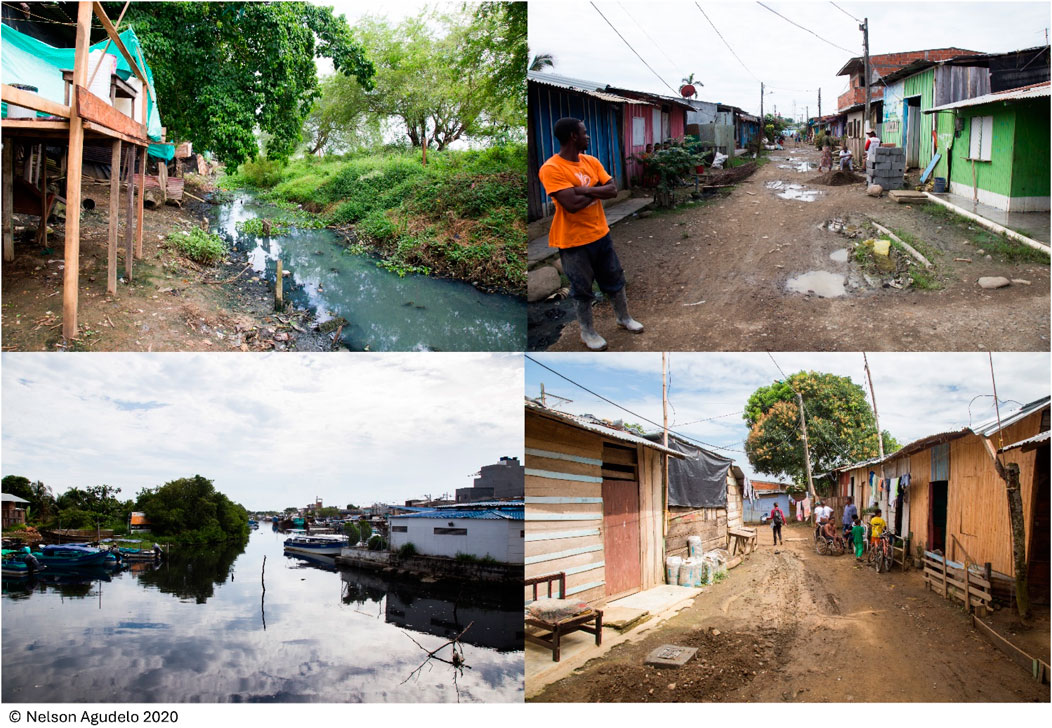
FIGURE 1. Nueva Colonia, Colombia. Images by Nelson Agudelo (2020).
The Architecture School at UPB implemented strategies to fulfill this objective. One of the strategies consisted in integrating one of the research courses for architecture students in the rural and urban context of the corregimiento of Nueva Colonia. With assistance from members of the Urabá CUEE, teachers, and students from the Sustainable Habitat course, an evaluation of the existing built environment was conducted. This assessment aimed to identify issues pertaining to the configuration of social housing (both in urban and rural areas) and the attributes of public spaces.
The inter-institutional alliance facilitated by the CUEE played a crucial role in supporting the academic and research activities of teachers and students at UPB, especially during the stages affected by the COVID-19 pandemic. Both face-to-face and virtual meetings were guaranteed thanks to the cooperation between various community, business, government, and academic leaders. Under this participatory approach, the teacher-researchers embraced a disruptive epistemological perspective, which challenged traditional discourse by promoting horizontal integration of knowledge and experiences among residents, entrepreneurs, public officials, and, in this case, teachers, and architecture students (Melenje and Sarmiento, 2020: 27) instead of vertical interhuman relationships.
As a result of these circumstances, a group of architecture students undergoing research training have produced nearly fifty research papers. From this collection, the authors have chosen several exceptional papers based on their noteworthy outcomes and conceptual-methodological applications. This article presents the pedagogical-methodological guidelines provided by the teaching team, aimed at directing these investigative exercises and connecting students with tangible realities. The foregoing claim becomes evident considering that these research papers addressed the needs of a specific human group seeking solutions to enhance their living conditions.
To gather relevant information, the students employed techniques that involved direct engagement with the residents of both urban and rural areas in Nueva Colonia. Their approach emphasized collective participation, as advocated by Livingston (2009: 255). In certain instances, community leaders facilitated the interaction, utilizing tools developed by the aspiring architects to document the inhabitants’ perspectives on their built environment and the everyday experiences within it. In conjunction with a review of secondary sources to understand the challenges and possibilities within the biophysical and sociocultural context, these efforts enabled the students to identify potential pathways for exploring the proposal of urban, architectural and landscape artifacts that contribute to the wellbeing of the community’s habitat and promote environmental sustainability.
2 Materials and methods
The “Technology Transfer in Social Housing” and “Sustainable Habitat and Landscape” research courses in their 2020–2022 versions were led by a team of teacher-researchers, aiming to familiarize a group of approximately 50 students with the complex reality of the study area described in the introduction. The methodological and pedagogical path chosen by the teaching team contemplated several stages and procedures whose common aim was to guide the young researchers along a path that would allow them to recognize the most relevant problems of the study area and their inhabitants. Basically, the students should identify the lack of resources for the inhabitants of the Nueva Colonia corregimiento to live in decent conditions. Also, the students should pose the possibilities for technological requalification of the built environment to supply a good part of these needs.
The methodological path considers the following phases or learning moments for the development of the students’ research projects: 1. Recognition of the features that make the local landscape of Nueva Colonia unique. 2. Identification of the most relevant problems for the configuration of a built environment in dignified conditions and in correspondence with the natural and cultural context. 3. Approaching technological alternatives to improve the construction of social housing and its surroundings. 4. Presentation of the final results of the students’ research projects. It is crucial to consider that by applying the four methodological stages, an interaction strategy with community leaders and with some inter-institutional organizations involved in the management of affordable housing was displayed. The significance of this dialogue platform was particularly emphasized during the initial two phases of the research project (Figure 2).
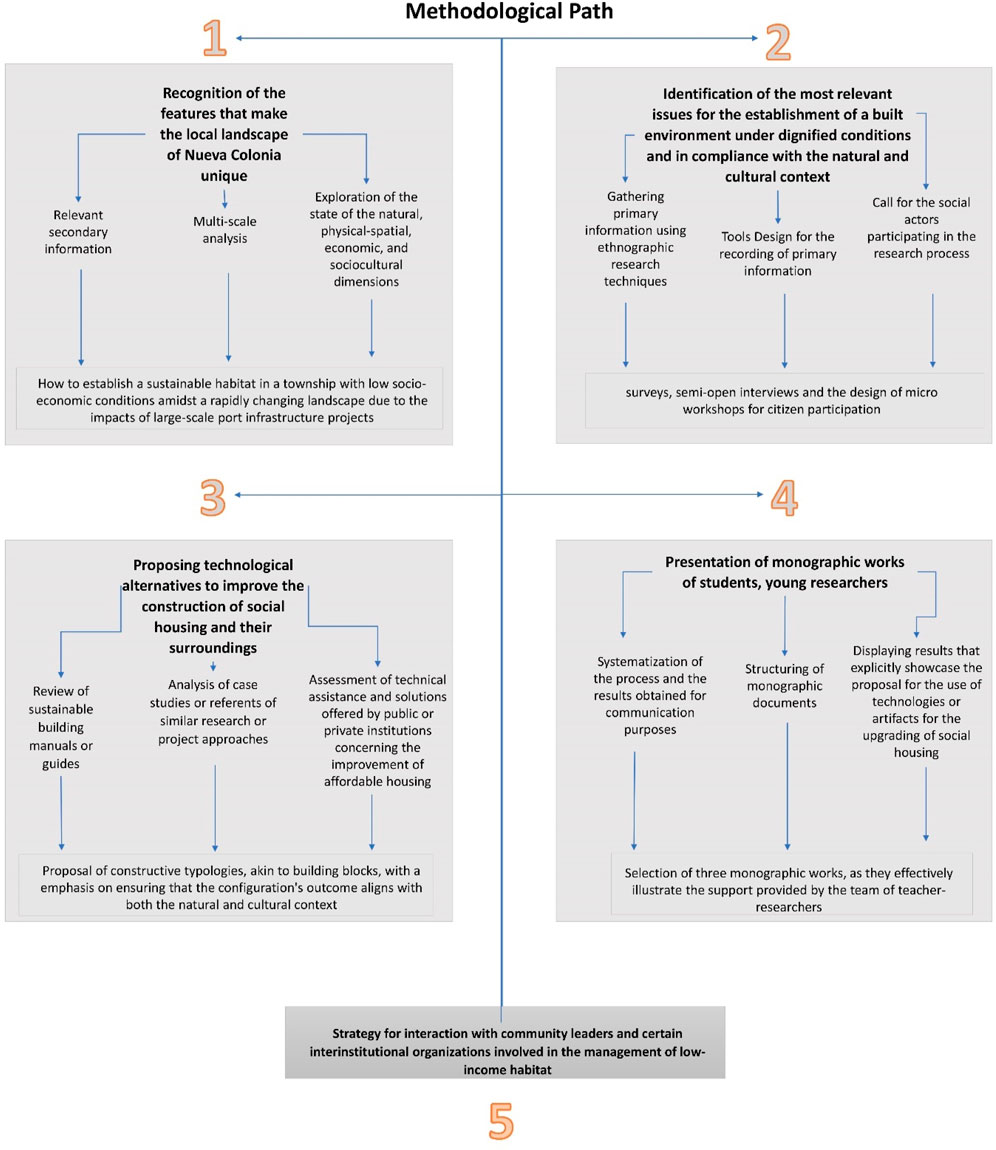
FIGURE 2. Methodological path Diagram. Own elaboration (2023).
Considering the nature of the research underlying this article, which advocates for a combination of quantitative and qualitative approaches along with documentary and applied research, we suggest one of the crucial stages involves comparing the theories put forth by different authors on the subject of interest. This information served as a foundation for an empirical study supported by ethnographic methods, enabling the proper development of technical proposals. Furthermore, this activity facilitated the construction of a conceptual framework. The objective of this mixed methodological procedure is to comprehend the problem using both primary and secondary sources, wherein each aspect establishes a connection with the object of investigation.
The students’ work, corresponding to the third phase, focused on the design of the technical components within the work site, transforming the studied material into a useable product for the residents of Nueva Colonia. During this stage, the main focus was on diagnosing the impacts, particularly those of an environmental nature. Gas emissions, water conservation, waste management, and individual engagement were identified as significant factors requiring attention. These considerations led us to acknowledge the significance of Ashby and Johnson’s (2013) approach, as the selection of materials played a critical role in reducing the environmental impact in Nueva Colonia. This understanding aided the students in making more sustainable decisions throughout the process.
Due to its inherently project-based nature, the stage of usage verification was not conducted. Nevertheless, during the proposal formulation phase, emphasis was placed on ensuring the reuse or recycling of materials to extend their useful life (Webster, 2015). It was recognized that such actions would initiate the final stage of the material’s life cycle. Throughout this process, it was acknowledged that materials could be reused or eliminated at any point within the cycle. In essence, the students’ proposal objectives consistently aimed to diminish the environmental impact of materials and promote their sustainable utilization within the community.
2.1 Recognition of the features of the local landscape of Nueva Colonia
During this research phase, the teaching team facilitated the students’ progress by providing them with pertinent secondary information. This enabled the young researchers to conduct multiscale analyses by gaining insights into both the regional (Urabá-Antioqueño, banana zone) and local (Turbo District and Nueva Colonia corregimiento) contexts. Working in teams, the students conducted independent investigations into various aspects such as the natural environment, physical and spatial conditions, economic factors, and sociocultural dimensions. Employing cartographic tools and techniques, the students were able to identify significant challenges and potential opportunities based on a central question: How can we facilitate the conditions for a sustainable habitat within a township characterized by low socioeconomic conditions and a rapidly changing landscape due to the impacts of large-scale port infrastructure projects?
The primary source of reference for secondary information was the Comprehensive Plan for Nueva Colonia, Equidad y Legalidad (PINCEL, acronym in Spanish). This territorial planning initiative was led by the CUEES of Urabá, in which the UPB participated in its technical and administrative orientation (UPB Colombia, 2021). The technical reports generated through this territorial planning exercise provided the students with detailed information, offering an up-to-date understanding of the local landscape configuration. The findings from these analyses were shared with various local social and institutional stakeholders, allowing for adjustments to descriptions and validation of the conclusions drawn during this initial phase.
The expected result of this first investigative phase was that each student had to delimit their particular area of study associated with a problem of urban or rural habitat, which they had to present succinctly, and from which they would start the next one phase, now to carry out a more detailed context analysis.
The anticipated outcome of this initial investigative phase was for every student to define their specific area of study related to an urban or rural environment’s problem. The students were required to present a concise overview of their chosen area. This would serve as the foundation for the subsequent phase, in which they should conduct a more comprehensive analysis of the context (Figure 3).
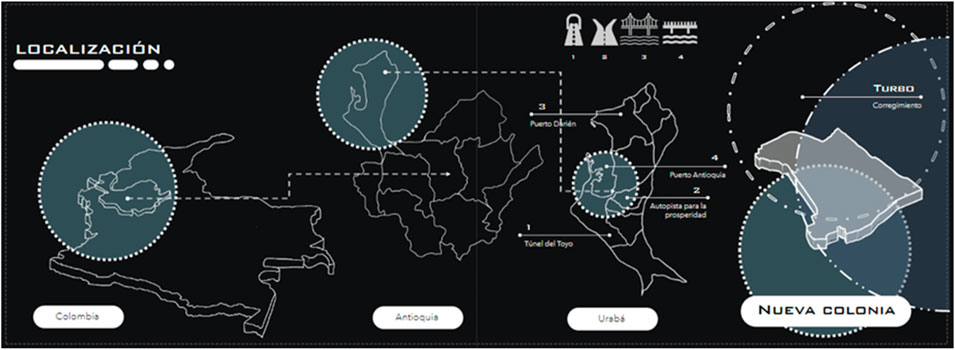
FIGURE 3. Multiscale approach to the study area to understand its context. Source: Courtesy of the student (Villegas, 2021) (Sustainable Habitat course 2021).
2.2 Identification of the most relevant problems for the configuration of a built environment in decent conditions and in correspondence with the natural and cultural context
After reaching the initial milestone in the investigative process, each student directed their attention towards gaining a deeper understanding of the sociocultural and socioenvironmental aspects within the designated study areas. To accomplish this, the students gathered primary information through the employment of ethnographic research techniques. The aim was to enable the students to develop a more profound appreciation for the unique circumstances in which the residents of Nueva Colonia, who willingly engaged in interactions with the researchers, live.
The ethnographic method, used as a qualitative analysis tool, was employed in conjunction with participatory action to enable the students to design procedures for gathering information and conducting a diagnosis. This approach fostered active community participation in decision-making and facilitated interaction with the residents. In this phase of the project, the students also undertook a review of primary and secondary sources. Primary sources encompassed information obtained directly from the community, while secondary sources included data gathered from various media, such as books, research findings, and online platforms. The information collected provided a contextual understanding of the inhabitant’s issues and aided in the design of tools that corresponded to the stages, indicators, and diagnostic procedures for each delimited geographical area selected by the students. The overall objective was to address the overarching research question related to a sustainable habitat.
In this case, the teaching team provided guidance to the students in developing various tools for gathering primary information. These tools included surveys, semi-structured interviews, and the creation of citizen engagement micro-workshops. To ensure effective implementation within the given time constraints, the teachers took into consideration two key aspects. Firstly, they asked the students to form working teams for data collection, considering both thematic and, specifically, geographical approaches. This facilitated logistics in reaching out to the social actors involved in the research process. Secondly, the design of these tools was a collaborative effort, considering the analytical categories that supported the theoretical and conceptual reflections. This ensured that the obtained results remained consistent with the central research question of the course (Figure 4).
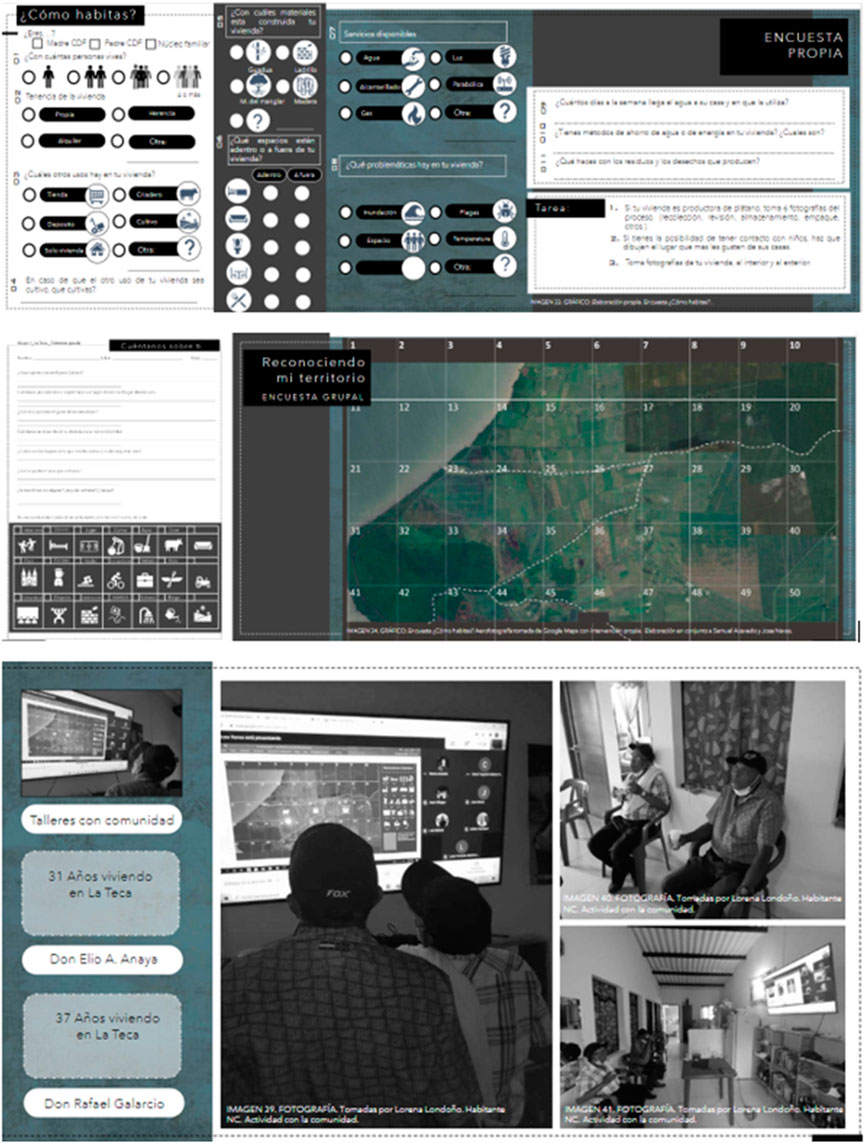
FIGURE 4. Tools’ design for recording primary information. Source: Villegas (2021).
2.3 Technological alternatives proposal for enhancing social housing construction and its surroundings
After identifying the key issues related to the urban or rural habitat conditions, the young researchers proceeded to evaluate construction technologies and the availability of local materials that could be potentially employed for the enhancement of social housing and its immediate surroundings. Thus, in this phase, a crucial aspect involved establishing selection criteria for the most suitable habitat construction technologies, employing different procedures, such as.
• Reviewing sustainable construction manuals or guides.
• Analyzing case studies or references of similar research or project approaches.
• Assessing the technical support and solutions provided by public or private institutions in terms of improving affordable housing or implementing social housing projects.
Once the selection criteria for potential technologies, also referred to as artifacts in the research process, were established for the reconfiguration of low-income settlements, the students proceeded to explore modular constructive typologies. They took into consideration that the resulting configuration should address both the natural context (such as flood-prone zones, high average temperatures, and the humidity prevalent in a locality within the humid tropical jungle) and the cultural specificities of a region characterized by the presence of Afro-descendant, indigenous, and peasant communities, which have predominantly been affected by the Colombian armed conflict.
The teaching team carefully reviewed the technological options available for improving the living conditions of the general population and ensuring that these options were suitable for the specific geographic conditions. The team also made sure that each student’s research exercise maintained conceptual and methodological coherence during the resolution phase. The teachers placed great emphasis on ensuring that students’ approaches were in line with the socio-economic context. In other words, it was important for students to consider that the recipients of their proposed solutions were those with whom they had interacted. Additionally, they were required to consider climatic factors to ensure that the architectural and landscape models provided environmental comfort. The use of solar energy and innovation in questions such as water supply, at least for productive housing activities, as well as wastewater management, among others, were also crucial aspects that needed to be addressed for a house located in a specific context such as the one described for Nueva Colonia (Figure 5).
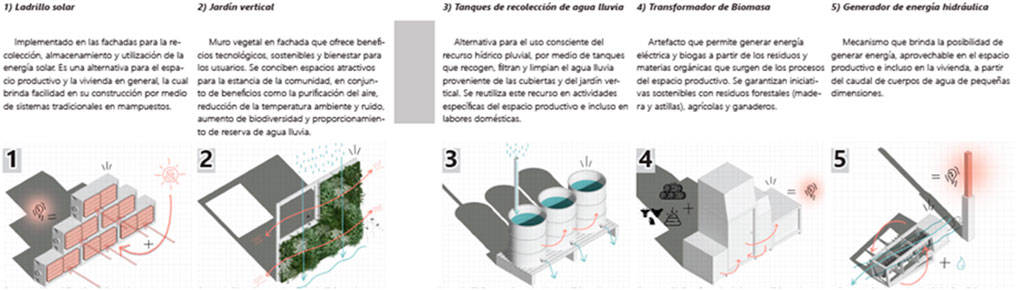
FIGURE 5. Artifacts or alternative technologies for the reconfiguration of social housing. Source: Arboleda (2022).
The concepts of life cycle, circularity, and eco-efficiency of materials served as guiding categories for research conducted by architecture students. These categories provided a framework for exploring the circular economy and the recycling of materials, particularly in relation to traditional technologies utilized by the inhabitants over a specific period of time. The participatory design methodology fostered collaboration between student researchers and the local community, resulting in the integration of technological innovation processes into the research work.
By considering the circularity of materials, we can identify the traditional and ancestral technical knowledge of the local population as a valuable asset. This knowledge forms the foundation for redirecting the reduction of mass consumption products, including the production flow of construction materials, the storage and consumption of water, energy sources and flows, and the management of waste and raw materials. These factors significantly impact the life cycle of natural resources and the sustainability of local economies. To address the challenges specific to the region in terms of geography, environment, society, culture, and economy, we utilize the vision of the circular economy as a pedagogical reference and research guide. This vision aligns with the national strategy outlined in Colombia’s 2018–2022 Development Plan, known as the Pact for Equity (2019).
Based on the empirical analysis and the technical requirements regarding the circularity of materials in each of the academic proposals, the work of Braungart and McDonough (2005) played a significant role. According to these authors, the design and production of goods and services should draw inspiration from nature by imitating the biological cycles, where waste from one process becomes a valuable resource for another.
Given the high levels of waste generated in our workplace through banana production, familiarizing ourselves with McDonough and Braungart’s ideas was crucial. Unlike the linear economy model, which involves manufacturing, using, and discarding products, the authors propose a circular approach. This approach emphasizes the design of products that are safe and environmentally friendly for both humans and the ecosystem. Additionally, it encourages effective reuse or recycling of these products at the end of their useful life.
2.4 Presentation of the students -young-researchers- research projects
The final stage of the students’ applied research exercise, guided by the team of teacher-researchers, focused on systematizing the process and the results obtained for dissemination purposes. To achieve this, a structure of the research papers was established. These documents presented conceptual notions in a logical and organized manner, clearly explaining the categories of analysis. They also included a description of the research problem within a specific context, emphasizing the importance of addressing key aspects in the development of low-income environments. The methodological design was outlined, specifying the procedures and tools necessary for the collection and processing of relevant information. Lastly, the results were presented, explicitly showcasing the proposed use of technologies or artifacts for the enhancement of social housing and its immediate environment.
The authors of this article have carefully chosen four research papers that effectively illustrate both the guidance provided by the team of teacher-researchers and three different types of results in the development of these monographs.
• Habitat technologies for improving existing houses in urban environments.
• Technologies for constructing productive housing in rural environments.
• Habitat technologies for the requalification of public spaces.
The pedagogical approach employed by the team of teacher-researchers aimed to ensure that each student identified a specific problem in the built environment. Although the students followed the same methodological guidelines, it was important to recognize the diverse perspectives required when addressing complex contexts like the corregimiento of Nueva Colonia.
2.5 Interaction strategy with community leaders and some inter-institutional organizations involved in the management of low-income settlements
The last aspect described below is an integral part of the overall methodology employed by the team of teacher-researchers and served as a cross-cutting element throughout the research process. It involved different modes and objectives of interaction with various stakeholders in the region at each moment. As mentioned in the article’s introduction, it is crucial to emphasize that the applied research training was made possible through the collaboration with the CUEES of Urabá. This collaborative body encompasses a significant number of public and private institutions, universities, and social organizations, all working together to guide regional development. The Sustainable Habitat research course benefited from this inter-institutional synergy, which facilitated direct communication with other stakeholders interested in enhancing social housing and its surroundings. Additionally, it enabled engagement with the communities themselves, who expressed a need for such solutions.
As previously mentioned, the PINCEL initiative of the CUEES served as a platform for the teacher-researchers and students, enabling them to gather up-to-date information on local territorial planning. It also provided an opportunity to contribute urban-architectural and landscape ideas for the identification of strategic projects. The CUEES received academic and research inputs from the UPB to strengthen the justification for resource management and investment when dealing with various government entities.
Consequently, the interaction strategy with various stakeholders in the region became the backbone of the research conducted by the students. Initially, it was employed to validate the findings from the analysis of urban and rural environment configurations. Subsequently, it was utilized to gain deeper insights into the specific living conditions of the Nueva Colonia residents on a daily basis. Finally, the strategy enabled the identification of the most pertinent habitat technologies (artifacts), with a focus on the real individuals who inhabit a territory with unique socio-environmental characteristics. These individuals were at the core of the research reflection, as the aim was to design solutions that promote dignified living conditions in alignment with the Sustainable Development Goals.
3 Results
The following excerpt showcases the most notable outcomes derived from research papers conducted by students from the Faculty of Architecture between 2021 and 2022. They were part of the Research courses titled “Technology Transfer in Social Housing” and “Sustainable Habitat and Landscape.” The research was carried out in both rural and urban areas of Nueva Colonia, located in Urabá, Antioquia, Colombia.
The outcomes presented in each research paper are categorized into three analysis groups (Table 1). The first category involves urban-scale measures to address the impact of community domestic practices on water tributaries. The second category delves into various tools and mechanisms applicable to both rural and urban social housing. Lastly, the third category puts forth a set of criteria for the assessment and optimal selection of construction materials in the area, focusing on sustainability and circularity. Table 1, provided below, offers details about the architecture students research projects, their authors, and the primary research question addressed in each study.

TABLE 1. Classification of monographs by categories or analysis criteria. Own elaboration.
3.1 Urban-scale interventions targeting water tributaries impacted by the community’s domestic practices
Within the overall scope of the research, three strategies were integrated, with two of them formulated based on the recommendations put forth by the World Health Organization (WHO) and the third strategy derived from an extensive review of relevant literature, particularly focusing on the theoretical framework of this study. According to the WHO (2019), the first two strategies are aligned with the ecological approaches implemented in both urban and rural areas, specifically targeting the effective management of domestic waste and exploring its potential for reuse in economic or agricultural endeavors.
The research paper titled “Conceptual guide for wastewater purification in Nueva Colonia” highlights the most significant strategies.
Strategy 1. Dry toilets and kitchen equipped with solid-liquid separators for on-site treatment (Figure 6).
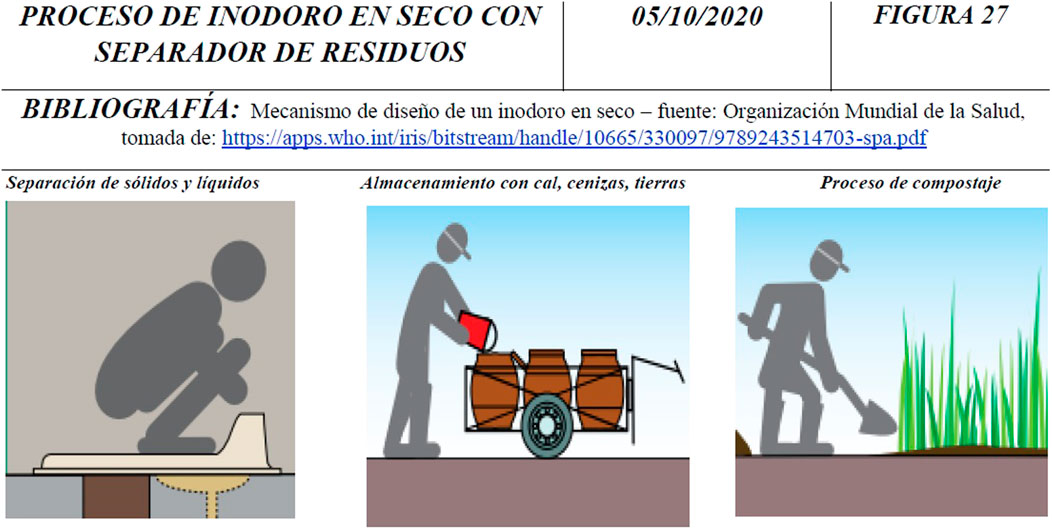
FIGURE 6. Strategy 1, Quintero Jiménez, Isabella (2021).
This approach primarily involves storing fecal matter in containers filled with materials such as ashes, lime, earth, or sawdust. These absorbent materials possess the ability to soak up moisture, reduce odors, and create a protective barrier between the feces and potential disease vectors. Quintero Jiménez, Isabella (2021).
Strategy 2: Organic gardens fertilized with solid and liquid waste (Figure 7).

FIGURE 7. Strategy 2, Quintero Jiménez, Isabella (2021).
Based on a project conducted by Santo Tomas University (Gaona and Pardo, 2014), which focused on utilizing solid and liquid waste from various sources such as animals and humans, it is essential to distinguish different stages within the composting process. Drawing upon this theoretical reference, the practice of composting is presented as an opportunity for waste utilization.
Strategy 3: Incorporation of aquatic vegetation in the waterways in front of the houses (Figure 8).
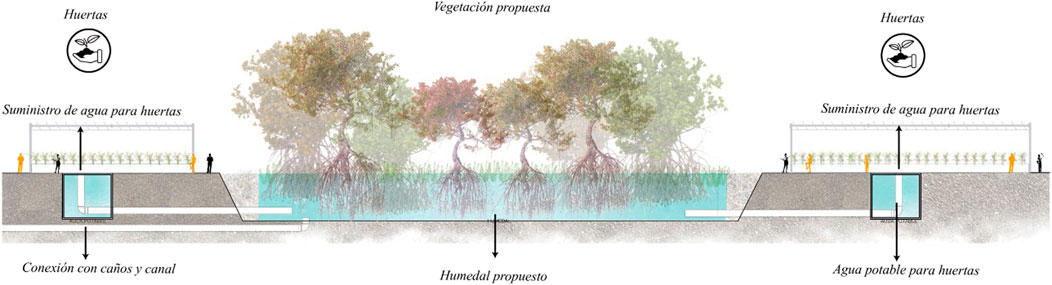
FIGURE 8. Strategy 3, Quintero Jiménez, Isabella (2021).
According to Martelo (2011), floating macrophytes form a diverse group of plants that contribute to reducing the contamination of canals, rivers, or water tributaries affected by wastewater. This is achieved through the processes of solid filtration, sedimentation, and the incorporation of nutrients, all of which aid in improving the decontamination process. As a suggested approach for managing orchards, it is proposed to position them in relation to planned and existing wetlands. This arrangement allows the water collected and decontaminated from the wetlands to serve as an irrigation method for urban orchards, ensuring their sustainable and efficient operation.
3.2 Artifacts and mechanisms applicable in rural and urban social housing
This section presents a comprehensive proposal for the implementation of artifacts and mechanisms in housing, encompassing both the entirety of the dwelling and its threshold. The objective is to utilize the threshold as a productive unit and harness the available natural resources within the housing, considering their interaction with the environment. The information provided below is derived from the research papers titled “Social Housing, productive mechanism for the economic stability of Nueva Colonia” and “Eco-sustainable design criteria in the incremental banana plantation stilt house, Nueva Colonia - Turbo" (Figure 9).
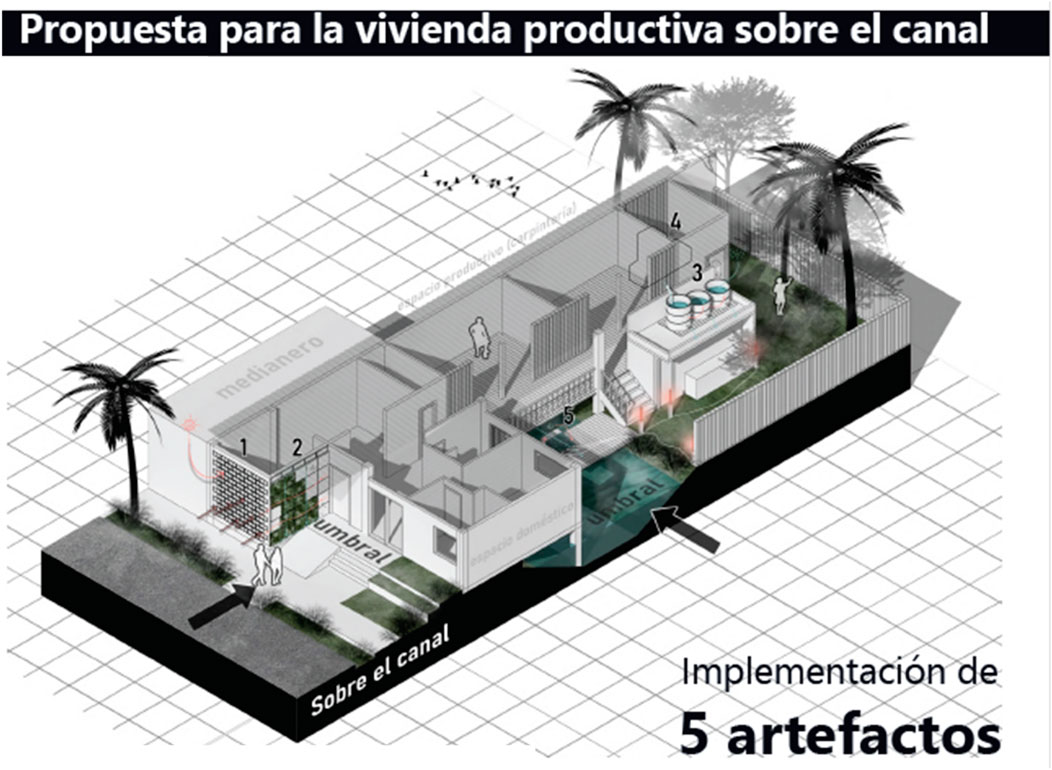
FIGURE 9. Improvement of pre-existing social housing in the channels of Nueva Colonia–Turbo. Fuente: Daniel Arboleda, 2022.
Artifact 1. Solar Brick.
Its implementation on facades for solar energy collection, storage, and utilization offers an alternative approach for productive space and housing in general. This solution provides ease of construction through traditional masonry systems. Arboleda (2022).
Artifact 2. Vertical garden.
A green wall on the façade is proposed, offering technological, sustainable, and wellbeing benefits for users. It creates appealing spaces for community members to enjoy, while also providing advantages such as air purification, temperature and noise reduction, biodiversity enhancement, and rainwater reserve provision.
Artifact 3. Rainwater collection tanks.
An alternative approach is presented for the mindful utilization of rainwater resources through the implementation of tanks that collect, filter, and purify rainwater from roofs and vertical gardens. This collected resource can then be reused in specific activities within the productive space and even for domestic chores (Figure 10).
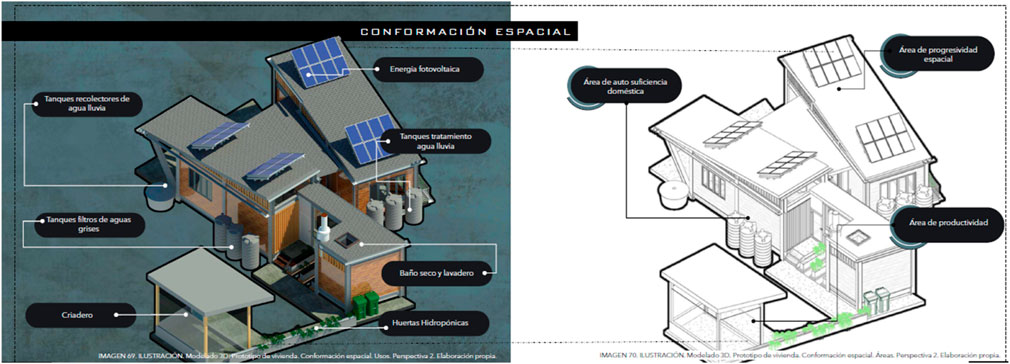
FIGURE 10. Artifacts for a more dignified banana plantation rural dwelling in Nueva Colonia, Turbo. Villegas, 2021.
Artifact 4. Biomass Transformer.
A device is introduced that enables the generation of electricity and biogas from waste and organic materials derived from the operations of the productive space. This sustainable initiative ensures the utilization of forest biomass (wood and chips), as well as agricultural and livestock residues.
Artifact 5. Hydraulic power generator.
A mechanism is presented that provides the opportunity to generate energy from the flow of small bodies of water. This energy can be utilized in both the productive space and even in residential settings.
Other artifacts derived from this research process include:
Artifact 6. Energy production from the home, for the home and the community (Figure 11).
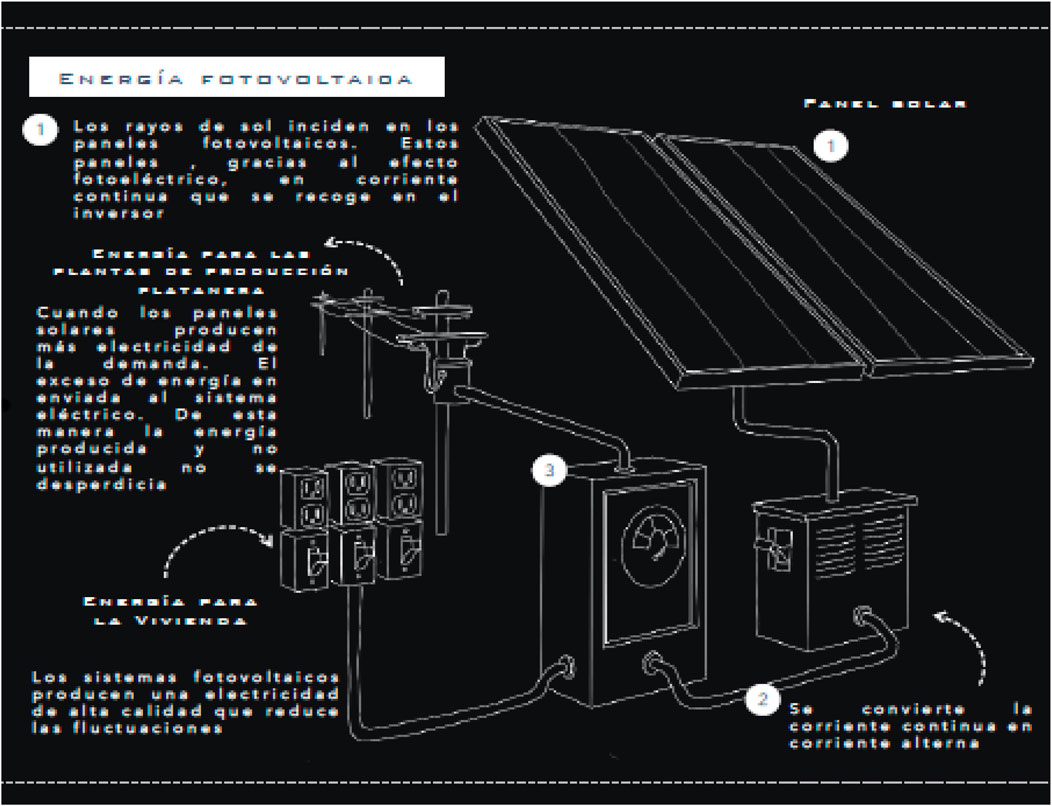
FIGURE 11. Energy production from the home, for the home and the community, Villegas (2021).
Artifact 7. Filter treatments for various uses of water (Figure 12).

FIGURE 12. Filter treatments for various uses of water, Villegas (2021).
Artifact 8. Methods in sanitary ware as a solution to the lack of drainage pipes (Figure 13).
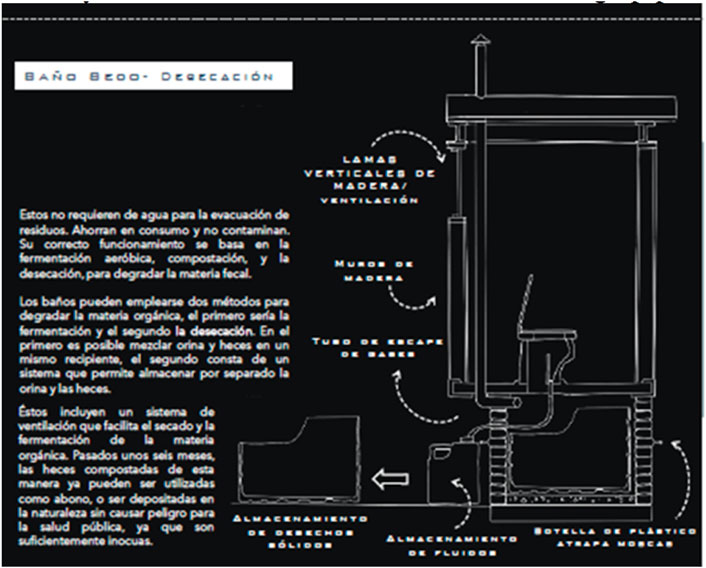
FIGURE 13. Methods in sanitary ware as a solution to the lack of drainage pipes. Villegas (2021).
Artifact 9. The cultivation of crops and orchards in homes, without the need for traditional land use, offers the opportunity to diversify orchards and contribute to water purification (Figure 14).
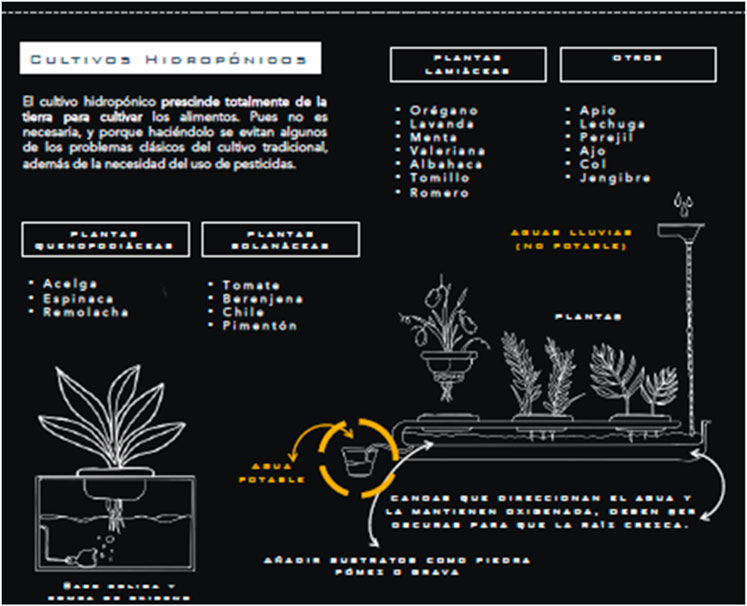
FIGURE 14. Cultivation of crops and orchards in homes, Villegas (2021).
3.3 Criteria for the assessment and efficient selection of construction materials in the area in terms of sustainability and circularity
The most important findings identified in the research paper entitled “Materials for the facade resulting from the use of waste for hot-humid climate” are:
Strategy 1. Characterization of traditional materials used in the area.
The unique environmental and socioeconomic factors of Nueva Colonia’s Corregimiento render the utilization of materials and construction techniques employed in other contexts with similar social and economic circumstances, but differing climatic and environmental characteristics, unsuitable. It has been observed that rural housing in flood-prone areas within Nueva Colonia consists of materials that exhibit significant deterioration in hot-humid climates and, particularly, when in direct contact with water. This vulnerability and degradation of homes necessitate a reassessment of the materials employed in housing throughout Nueva Colonia, specifically in rural communities, to better adapt to the contextual challenges identified.
Although the current use of facade materials is not inherently incorrect in populated areas of the settlement, it could benefit from reevaluation to enhance comfort and promote materials with more sustainable life cycles. Such an approach would help reduce the carbon footprint and improve economic affordability through possible local production, thereby enhancing productivity within the region. Simultaneously, the promotion of seldom-used materials with high potential for exploitation in the area, such as certain clays or muds, could be encouraged.
Strategy 2. Characterization of agro-industrial waste generated in the region.
The banana industry has become a dominant sector in the Urabá region, exerting significant negative environmental impacts due to the substantial quantities of organic, inorganic, and hazardous waste it generates. Consequently, understanding and categorizing the waste produced by this industry becomes crucial in identifying which of these are suitable for proposing new materials to establish a potential productive chain and to promote circularity. Waste management plays a pivotal role in driving sustainable societies, and it is a collective responsibility that begins at the local level where waste is generated. Thus, it is expected that these material proposals, related to process and activity solutions, have the potential to significantly reduce the carbon footprint, aiming for neutrality or even negative emissions. By implementing strategies for recycling and reusing this waste, it is anticipated that substantial contextual impacts will emerge, not only in housing but also at the industrial level. Guerra and Villar (2021).
Strategy 3. Gathering information on innovative materials.
A comprehensive file is compiled for each material, documenting its technical specifications, qualitative characteristics, circularity values, sustainability, and functionality. Through careful analysis, these files help determine which of the preselected materials are most relevant for their application in rural housing in Nueva Colonia. The proposed materials were sourced from the Materfad-UPB Materials Center database. The following materials have been identified as suitable for use in social housing in Nueva Colonia.
• Cannabric Block.
• Corkoco panel.
• Derbipure membrane.
• Gypsum Panel/ITG Fiber.
• Ecom4Tile coating.
• FrontissBrick brick.
• Nature Facade.
Strategy 4. Life Cycle Analysis.
In order to determine the suitability of the proposed materials for use in the given context, an essential step is to conduct a life cycle analysis (LCA) for each material. These materials were selected based on criteria such as availability, sustainability of raw materials, operational efficiency, and alignment with environmental factors. The LCA enables the examination and analysis of environmental aspects and potential impacts throughout the entire life cycle of each material.
To evaluate the materials, the use of a MET (Materials, Energy, and Toxic products) matrix is recommended (Córdova Canela et al., 2013) since it enables the assessment of materials, energy consumption, and the presence of toxic substances or emissions. By employing this matrix, it becomes possible to identify the energy usage, waste generation, and toxicity associated with each material at different stages of its life cycle (Table 2). These quantitative data contribute to determining the various environmental impacts that the product generates throughout its life cycle (Table 3).
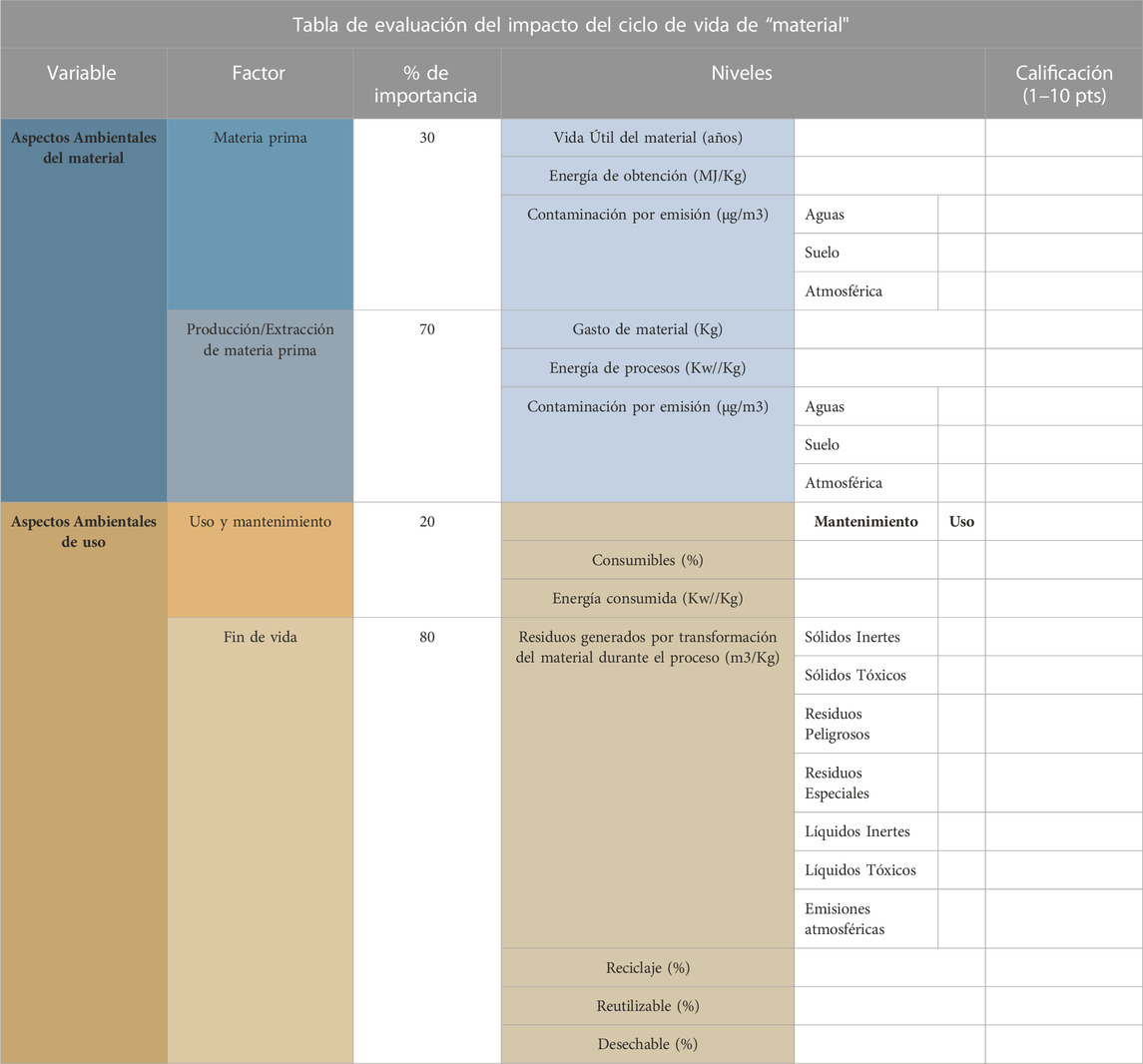
TABLE 2. MET table for life cycle assessment, Vasco Bermúdez, Ana Sofía. (2022).
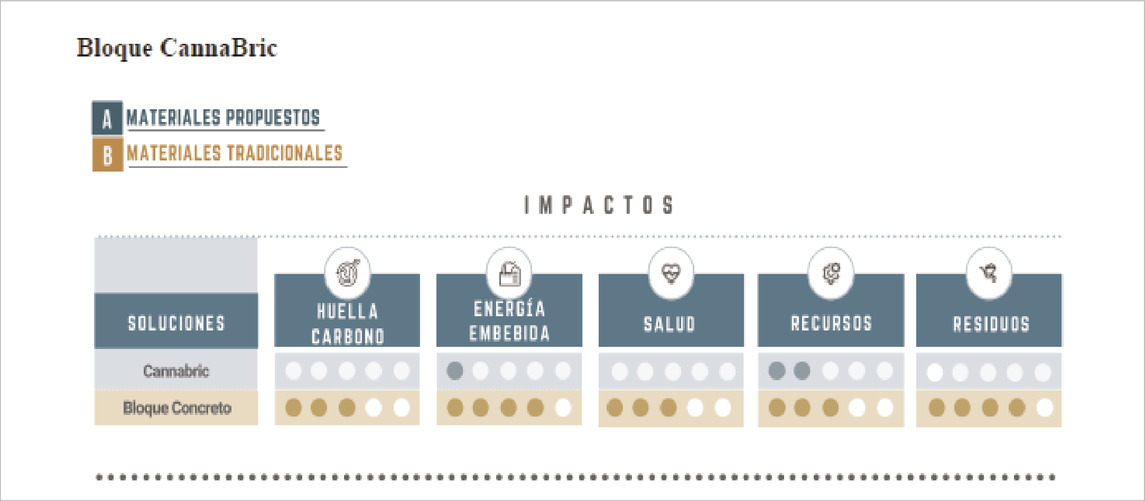
TABLE 3. CannaBric block impacts, Vasco Bermúdez, Ana Sofía. (2022).
Strategy 5. Circularity indicators.
With the aim of contributing to the transformation of the current prevailing linear economic model, which is based on extraction, manufacturing, consumption, and disposal, a simplified analysis of the materials’ life cycle is conducted. This analysis provides data on the impacts and sustainability of each product.
To ensure a high level of circularity for the materials proposed for social housing in Nueva Colonia, a thorough review is conducted for each material. This review utilizes the material circularity indicator from Acodea (Agriagencia de España), a Spanish agency for international development cooperation. The material circularity indicator from Acodea is a tool based on the circularity indicators methodology developed by the Ellen MacArthur Foundation (MacArthur, 2013). This tool allows the calculation of circularity for any product and is provided by Acodea.
To create an indicator that is more suitable for the research object and incorporates the necessary specific characteristics, certain variables are added. This results in the development of a new indicator based on the sustainability goals outlined in this research.
Hence, parameters of availability and biodegradability are incorporated for evaluation. The proposed evaluation parameters are as follows:
For the proposed material.
• Origin Reuse: The percentage of the product derived from reused or recovered materials.
• Destination Reuse: The percentage of the product that can be reused after its initial use.
• Recycled Origin: The percentage of the product derived from recycled materials.
• Recycled Destination: The percentage of the product that can be recycled after its initial use.
For the Proposed Material vs Generic Similar Material.
• Biodegradability: The percentage of the product that undergoes biodegradation after its use.
• Availability: Indicates the disposal of the raw material in the region.
• Useful life: The average duration of the product’s life in years and its number of uses, services, or cycles.
The indicator is calculated per 1m2 of material yield to facilitate a comparison between the proposed products and equivalent traditional materials (Table 4).
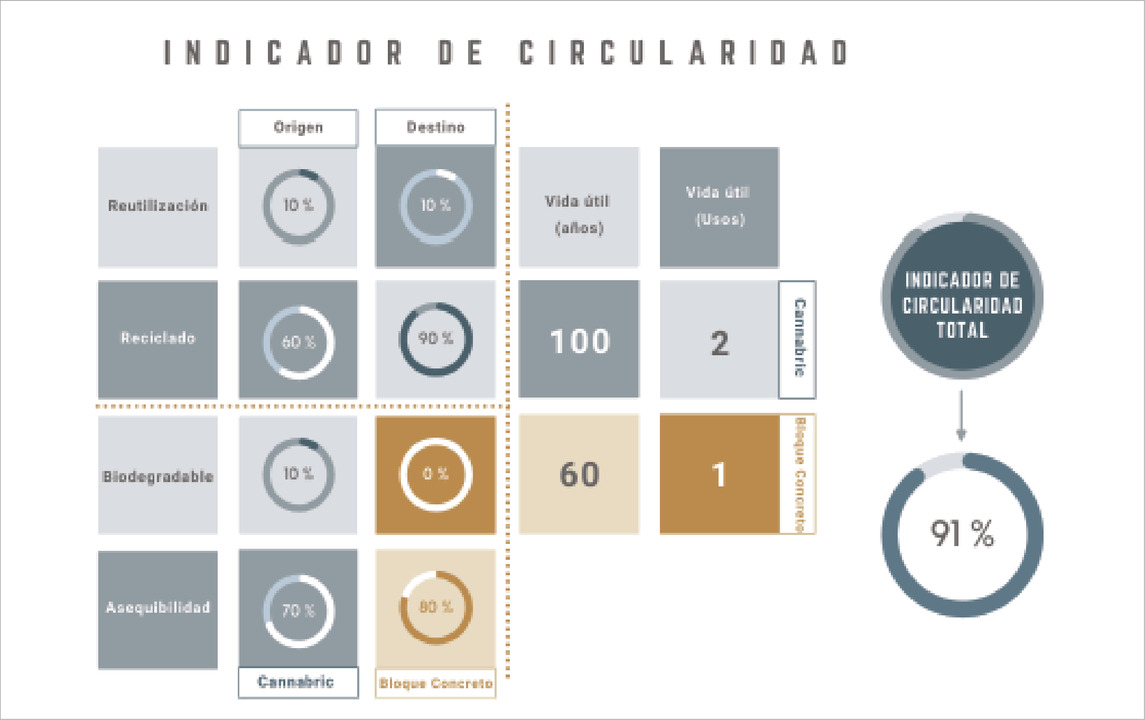
TABLE 4. Circularity indicator Block CannaBric, Vasco Bermúdez, Ana Sofía. (2022).
Strategy 6. Grouping of materials and formation of systems.
In order to propose agile and adaptable construction systems that align with the suggested materials, these materials are grouped together to form systems that cater to the environmental characteristics of the region and facilitate efficient construction and assembly processes. This approach ensures that local labor can undertake the construction of houses without requiring advanced technical knowledge.
As a result, three distinct construction systems are proposed, each utilizing the recommended materials.
• System 1: Incorporates a Derbipure waterproofing membrane, a Gypsum Panel Facade, and an ITG Fiber–Ecom4Tile ceramic coating.
• System 2: Utilizes a Cannabric block, a Derbipure waterproofing membrane, a Corkoco insulating panel, and a Natura façade consisting of galvanized steel sheet and vegetal coating.
• System 3: Implements the use of Frontissbrick bricks, installed using the GHAS system.
4 Theory framework discussion
The following conceptual framework has been developed to provide essential support for each of the proposals formulated by the students. It consists of two primary components. The first component centers around the comprehension of construction materials, with a primary focus on the life cycle of materials, circularity, and eco-efficient materials. The second aspect concentrates on the examination of studies that explore the correlation between construction techniques and their alignment with local practices, the landscape, and the social construction of the habitat. Therefore, the construction technique and its technological advancements are inherently intertwined with their advantages, the customs of the inhabitants, and the values specific to the context, particularly those of the Corregimiento de Nueva Colonia.
4.1 The life cycle, circularity, and eco-efficiency of materials
The life cycle of materials played a crucial role in the progression of this research course. During the planning phase in the classrooms, students were encouraged to explore the various stages a material undergoes, starting from its extraction to its ultimate disposal. Specifically, the focus was on materials identified by the community as potential alternatives for construction at the worksite. The search for alternatives encompassed several stages, beginning with understanding the extraction process of the selected material, followed by its production, utilization, final disposal, and ultimately evaluating its suitability, adaptability, and applicability by the community.
By acquiring knowledge about the life cycle stages of the selected materials, ranging from extraction to disposal, the research was able to determine the impacts on the natural and spatial environment within each proposal. Given the significance of water in Nueva Colonia, it was essential to evaluate factors such as soil degradation, water contamination, and gas emissions resulting from the materials used in the research context.
Following the proposed methodology and in alignment with the proposed goals, the search for theoretical and conceptual resources played a pivotal role. The empirical examination of the site necessitated a thorough engagement with each of the conceptual guidelines. In this regard, some of the key authors for guiding academic activities were William McDonough and Michael Braungart, authors of the book Braungart and McDonough (2005). They present a design approach that emphasizes the creation of products and materials that can be recycled or reused indefinitely. Their text introduces an innovative perspective on product and material design, aiming to establish sustainable life cycles and eliminate the concept of waste. Their theory emphasizes the comprehensive evaluation of all inputs and outputs of materials within industrial processes, addressing issues at their source. This approach suggests that rather than simply reducing consumption, the key lies in the design itself. It posits that a significant portion of production waste can be revalued and integrated into other chains, creating a continuous cycle of value generation that includes both expenses and contributions.
In the realm of construction, McDonough and Braungart’s primary approach revolves around designing materials and products that can be completely reused or recycled once they reach the end of their useful life along with clean and energy-efficient manufacturing processes. This concept involves transforming them into resources for other production processes. To achieve this, the authors advocate for the utilization of biodegradable and non-toxic materials in construction and the implementation of recycling and reusing systems. Instead of following the conventional linear practice of extracting, producing, using, and disposing of materials, McDonough and Braungart propose a circular model. This model emphasizes the continuous utilization of materials, ensuring their effective and prolonged use, thus avoiding the generation of waste, and minimizing the environmental impact associated with construction activities. Their approach aims at establishing a regenerative industrial system that emulates natural processes and contributes to the creation of a sustainable future for all.
In another work, Braungart et al. (2009), present a methodology for designing products and materials that prioritize sustainability and environmental responsibility with the aim to contribute to the relationship between context, product, and sustainability. The central premise is that sustainable design is crucial for creating products and industrial processes that are both environmentally conscious and socially beneficial. According to the authors, industrial products and processes should be designed with sustainability in mind from the very beginning, rather than attempting to mitigate their environmental impact after they have been manufactured. To achieve this, they propose an approach to design that also considers the entire life cycle of the product, from the extraction of raw materials to the ultimate disposal of waste.
In sum, the life cycle of materials, which we refer to in this research course, encompasses the stages from extraction to final disposal, including production, use, and end of life. The life cycle of materials holds great significance in sustainable resource management and the transition towards a circular economy within the workplace. Understanding this life cycle enables the identification of environmental and social impacts associated with each stage and facilitates the design of strategies to reduce processes by adopting more efficient and sustainable practices. Moreover, the life cycle of materials plays a critical role in designing and manufacturing products that are durable, repairable, and recyclable, thus reducing the reliance on new resource extraction and utilization. Overall, effective management of the life cycle of materials is essential to ensure long-term sustainability in Nueva Colonia and enhance the quality of life for its inhabitants. All these principles were central to each of the student projects.
While the aforementioned authors touch upon material circularity1 indirectly, there are other authors who have explored it from various perspectives, which proved crucial for this research. One such author is Ellen MacArthur (2013), who has emerged as a prominent advocate for the circular economy and played a central role in the students’ work. In her book, “The Circular Economy: A Wealth of Flows,” MacArthur emphasizes that the traditional linear economy, characterized by the extraction of raw materials, production of goods, and subsequent disposal after use, is not sustainable in the long run. Instead, she proposes a circular economic model in which products, materials, and resources are kept in active use for as long as possible, while minimizing waste generation.
MacArthur defines the circular economy as an appealing alternative that aims to redefine the concept of growth, with a focus on benefits for society as a whole. This involves disconnecting economic activity from the consumption of finite resources and intentionally eliminating waste from the system. Supported by a transition to renewable energy sources, the circular model generates economic, natural, and social capital and is founded on three key principles: designing to eliminate waste and pollution, prolonging the use of products and materials, and restoring natural systems.
From a methodological perspective, her Foundation introduces the well-known butterfly diagram illustrating cyclical flows in industrial processes. This diagram highlights the concept of utilizing both technical and biological nutrients derived from the production processes of products and services as a strategy to advance industrial ecology in pursuit of sustainable development goals.
According to MacArthur’s model, products are designed with the intention of reusability, repairability, or recyclability at the end of their useful life, and materials continue circulating through efficient management systems. This approach proved instrumental in shaping the design process during the third phase of the research course concerning the economic aspects of the inhabitants of Nueva Colonia. MacArthur argues that adopting a circular approach is not only more environmentally sustainable but also offers long-term business and economic opportunities within an increasingly resource-constrained global economy.
At the national level, it is worth noting the OECD (2019), a pioneering initiative in the Latin American region. This strategy advocates for closing material loops, fostering technological innovation, encouraging collaboration, and promoting new business models, particularly in industrial sectors facing heightened challenges. The strategy draws inspiration from various international references, theories, and schools of thought, including performance economics (Walter Stahel), the aforementioned Cradle-to-Cradle design philosophy (William McDonough and Michael Braungart), biomimicry (Janine Benyus), industrial ecology (Reid Lifset and Thomas Graedel), natural capitalism (Amory and Hunter Lovins and Paul Hawken), and the blue economy (Gunter Pauli).
Another approach aligned with the Circular Economy is offered by Capuz (2002). He emphasizes the opportunity, particularly within the design realm of companies and projects, to make substantial contributions to the concept of Industrial Ecology. He defines this as an economic and physical framework and a mindset held by participants in industrial society that aims to achieve a sustainable balance within the biosphere. He suggests a departure from the conventional view of industry as a linear process that converts raw materials and energy into products and services. Instead, he proposes a shift toward a cyclical flow of resources applied to socio-industrial systems. Linked to the concept of the circular economy, Capuz Rizo also contemplates Ecodesign or environmentally responsible design. He defines Ecodesign as a methodology aimed at enhancing overall eco-efficiency and product quality while reducing environmental impact throughout its lifecycle. This involves maintaining, when improving is not possible, the remaining technical, economic, functional characteristics, of the product.
According to Ken Webster (2015), author of the book “The Circular Economy: A Wealth of Flows,” there is a crucial need for a paradigm shift towards a circular economic model in order to achieve sustainability. Webster argues that transitioning to a circular economy for construction materials holds great economic potential. The circular economy concept involves designing products and services to maximize the utilization of resources and minimize waste generation. Under this model, efficient management systems are implemented to ensure the continuous circulation of products and materials, while promoting their reuse, recycling, and regeneration. Webster further contends that the circular economy can create new business and employment opportunities, and drive innovation and economic competitiveness. These advantages, in turn, can help decrease reliance on finite natural resources and improve material supply security. This theme holds particular significance in Nueva Colonia, given its contextual, social, cultural, and environmental conditions. Consequently, according to Webster, embracing the circular economy is vital for achieving both environmental and economic sustainability, as it has the potential to yield substantial economic and social benefits.
The circular economy approach is closely tied to the concept of life cycle analysis (LCA), as defined in the ISO 14040:2006 standard. LCA addresses potential environmental aspects and impacts, such as resource utilization and the environmental consequences of emissions, across the entire lifespan of a product. This encompasses everything from raw material acquisition and production to use, final treatment, recycling, and ultimate disposal, in essence, from inception to disposal. This was an additional significant aspect regarding the materiality within the local context of the inhabitants of Nueva Colonia.
The work of Ashby and Johnson (2013) played a crucial role in establishing methodological and evaluative aspects regarding the environmental impact of various materials, along with a range of strategies aimed at mitigating said impact. The authors argue that the materials employed in product manufacturing have a substantial impact on the environment, spanning from the extraction of raw materials to the ultimate disposal of waste. Consequently, they propose an “eco-informed” approach to material selection that considers not only the technical and economic properties but also the environmental impact throughout the entire life cycle of the materials. This approach entails a meticulous evaluation of the environmental impacts associated with different materials, utilizing tools such as LCA, and exploring more sustainable alternatives like recycled or biodegradable materials. Additionally, it promotes a reduction in material usage during the manufacturing process through the implementation of designs that emphasize efficiency and reusability. The authors underscore the importance of collaboration between designers, manufacturers, and consumers, and put forth an “eco-effectiveness” approach in which industrial products and processes are designed to benefit both the environment and society. In essence, they argue that sustainable design is crucial for developing industrial products and processes that demonstrate environmental responsibility and social value.
These considerations allowed us to recognize Ashby and Johnson’s approach as a transcendental issue, since, during the process, the selection of materials was a critical factor in reducing the environmental impact in Nueva Colonia, helping students to find more sustainable resources. This approach fostered a sense of consciousness among the students regarding the selection of non-toxic and renewable materials, as well as the reduction of material consumption and the optimization of energy and resource efficiency. Encouraging the implementation of systems for material recycling and reuse, as well as minimizing waste generation, was also a significant aspect of the approach.
It is worth noting that a prior work on this topic, from a business perspective, was carried out by Elkington (1997) and later by Stahel (2010). John Elkington, in his book “Cannibals with Forks: The Triple Bottom Line of 21st Century Business” (1997), introduces the concept of the “triple bottom line,” which emphasizes the consideration of economic, social, and environmental impacts in decision-making and business strategies. This approach encompasses three dimensions of business performance: economic results, social results, and environmental results. In other words, companies are urged to take into account not only financial aspects but also the societal and environmental consequences of their operations.
Elkington argues that companies adopting this approach can yield long-term benefits by enhancing their reputation, fostering customer and employee loyalty, and mitigating risks associated with unsustainable business practices. Furthermore, he asserts that companies have the potential to act as agents of positive change in society and the environment, contributing to sustainable development. The central premise of Elkington’s perspective is that businesses should adopt a holistic and sustainable approach to their strategies and decision-making, considering not only economic outcomes but also the social and environmental impacts of their activities.
In his text “The Performance Economy” (2010), Walter R. Stahel proposes an economic approach centered around creating long-term value and reducing the consumption of natural resources. He argues that the current linear model of production and consumption is unsustainable in economic, social, and environmental terms. Instead, he advocates for a performance-based economy that maximizes resource utilization through practices such as reuse, repair, and renewal. In this model, products and services are designed to have extended lifespans and are easily repairable or upgradable, thereby reducing the need for extracting and utilizing new resources. Additionally, Stahel suggests that this economy should be built on service-based business models, where customers pay for the use of a product or service rather than owning it outright. This approach encourages efficiency and responsibility in resource utilization. Stahel’s central premise is that the economy must transition from a linear production and consumption model to one that prioritizes performance, thereby enabling long-term economic, social, and environmental sustainability.
Similarly, Turner and Pearce (1990)2 propose that the sustainable management of natural resources necessitates clear economic policies to promote material circularity. Their primary standpoint emphasizes that the economy and the environment are not separate realms but are interconnected and should be considered together in decision-making processes. They argue for the incorporation of environmental costs and benefits of natural resources into economic decision-making, which entails accurate measurement and valuation of these resources. Pearce and Turner put forth a range of economic instruments and strategies to promote sustainable management of natural resources and the environment. These include the implementation of environmental taxes and subsidies, the utilization of market mechanisms like emissions trading systems, and the integration of environmental assessment into planning and decision-making processes. Consequently, one of the aims of the students’ research was to advocate for the appropriate management of natural resources and the environment in Nueva Colonia, ensuring long-term economic sustainability and prioritizing community needs by considering the economy and the environment jointly in decision-making.
Assessing and efficiently selecting construction materials in the area in terms of sustainability and circularity, students of the research course implemented circularity indicators. Giraldo (1999) defines the concept of indicators as parameters that offer insights into the current status of ecosystems, as well as patterns or shifts in environmental conditions. These indicators also encompass human activities that either impact the environment or are influenced by it, along with the relationships between such variables. Balaguera et al. (2015), on his part, formulated a set of foundational indicators for assessing the environmental sustainability of social housing. These indicators were organized into thematic categories, including site selection, responsible water usage, materials, transportation, the constructed environment, public services, and bioclimatic factors.
Other contributions offer valuable insights into sustainable development, environmental indicators, and sustainable development at global, Latin American, and Colombian levels. They also address the current significant trend of the circular economy within the construction sector. Carrizosa (1990) posits that sustainable development is an ongoing process of economic and social enhancement that meets the needs and values of all stakeholder groups. It does so while preserving future opportunities and conserving natural resources and biodiversity. The Food and Agriculture Organization of the United Nations (FAO) characterizes sustainable development as the management and preservation of the natural resource foundation, combined with the direction of technological and institutional changes. This approach is structured to guarantee the enduring fulfillment of human needs for both present and future generations.
The preceding reflections encourage a critical examination for defining sustainable development from an economic perspective that binds together various industrial sectors. They bring forth the concept of technological change within the current production model while actively involving users and consumers. In line with these considerations, it becomes essential to explore foundational theories that shed light on the sustainability challenge. This exploration offers significant insights into industrial ecology, ecodesign, and the life cycle, particularly when we direct our attention to the construction sector.
The approaches of each previous author offered distinct theoretical and conceptual perspectives to support the student research projects. However, they all shared a common focus: the imperative for a drastic transformation in our production and consumption practices, particularly in relation to construction materials, to ensure the long-term sustainability of the planet.
Fullana and Puig (1998) underscores that the construction and demolition sectors hold significant economic importance for a country, demanding substantial amounts of materials and energy resources while generating substantial waste. He further acknowledges that in construction projects, quantification of all construction elements, energy usage, and transportation is a standard practice. This practice supports the adoption of LCAs within the sector.
Nationally, several noteworthy public policies and research initiatives are focused on sustainable construction and the concept of the circular economy. These efforts highlight studies conducted by local universities concerning construction activities in the city of Medellín and the Valle de Aburrá. One such study, titled “The Baseline for Sustainable Social Housing,” centers on the city of Medellín and proposes the identification of indicators that encompass current and future social, economic, technical, geographical, and political aspects, as well as advancements in materials and public services. The aim is to enable the design, construction, and promotion of decent and affordable housing for low-income residents across the country.
Additionally, there is the “Public Policy for Sustainable Construction,” a collaborative initiative between the Valle de Aburrá Metropolitan Area and the Universidad Pontificia Bolivariana. This policy aims to enhance regional sustainability by establishing technical criteria and management tools that facilitate the planning, design, construction, and operation of built environments that positively contribute to residents’ quality of life. These efforts emphasize economic viability, resilience against climate variability, eco-efficiency in terms of natural resource consumption, and minimal impact on the landscape, biodiversity, and ecological connectivity.
The fundamental principles underpinning the circular economy, combined with the principles driving sustainable construction, demand ongoing and thoughtful consideration of the imperative to address the quantitative and qualitative deficiencies in public spaces, housing, infrastructure, and the creation of healthy cities. This entails evaluating the imperative to diminish environmental impacts linked to the extraction of raw materials, materials, and processes, while also encouraging the efficient utilization of energy and water resources in building operations.
4.2 The rationale behind the construction processes for the social construction of habitats
Within the scope of this research, it was crucial to achieve tangible outcomes at the intersection of proposed construction materials (primarily for residential and public spaces) and their appropriate social and cultural contextualization. In our case, this pertains specifically to the coastal area of the Nueva Colonia Corregimiento. To fulfill this objective, an extensive documentary search was conducted, considering various authors as fundamental sources of guidance.
John F.C. Turner (1976) is renowned for his contributions to participatory design and social housing. In his work, “Housing by People,” Turner asserts that housing should be regarded as a social process rather than merely a physical entity. He emphasizes the significance of involving local communities in the design and construction of their own home and the selection of construction materials, considering their specific needs and capabilities. Following Turner’s postulates previously stated, we ensured that the design process with the students, the needs and capabilities of the local communities were considered. Through his participatory design approach, he advocates for empowering community members to participate in the design and construction of their own homes, utilizing suitable and accessible construction materials and techniques. This approach not only grants individuals greater agency over their built environment but also fosters active community engagement in decision-making processes and the creation of their own future.
Turner also emphasizes the significance of choosing building materials that suit the local climate and environment and are both available and affordable for the local communities. He argues that the selection of building materials should be based on the community’s needs and capabilities rather than the particular preferences of architects or designers. As a result of these principles, the students were empowered to define design guidelines and artifacts proposing suitable and accessible construction materials and techniques derived from the Nueva Colonia inhabitants’ daily economic activities, such as the banana industry and fishing.
Similarly, Amos Rapoport has extensively written about the connection between culture and architecture. In his work Rapoport (1969), Rapoport proposes that the choice of particular building materials is intricately tied to the cultural practices and values of a society. He asserts that comprehending the interplay between culture and architecture is crucial, emphasizing that housing design should be viewed within a broader cultural framework.
In agreement with Rapoport, the selection of construction materials and the shape of the houses that were defined in the student projects were not only aesthetic decisions, but categories determined by culture, social and economic networks, which are very evident in Nueva Colonia. The choice of construction materials established in the work´s site was determined by the availability of local resources, their daily practices, the beliefs about health, hygiene and spirituality of a very broad interculturality found, as well as the protection needs against the weather (characterized by high temperatures) and natural hazards, mainly in the face of floods. Hand in hand with Rapoport’s methodological proposal, the search for solutions for the houses, the public space, and the landscape in the Corregimiento were considered within a broad cultural context. The research work around each of the proposals was made in collaboration with the local communities to understand their needs and values.
In alignment with Rapoport’s views, the selection of construction materials and the architectural design of the houses in the student projects were not merely aesthetic choices. They were determined by cultural, social, and economic networks, which were prominently evident in Nueva Colonia. The choice of construction materials within the project was influenced by the availability of local resources, the daily practices and lifestyles of the residents, their beliefs regarding health, hygiene, and spirituality of an incredibly broad interculturality, as well as the necessity for protection against extreme weather conditions, particularly floods in the region. Following Rapoport’s methodological approach, the research of both the houses and the public spaces in the community was considered within a broad cultural framework. The students collaborated closely with the local communities to gain a deep understanding of their needs and values. This collaborative approach ensured that the research results were responsive to the specific requirements and aspirations of the community members.
The Studio “integrative sustainable habitat workshop”, also conducted at the UPB Architecture Faculty, serves as a work precedent with rural communities (Cuervo, Lalinde, Botero, 2021). In this course, some of Hassan Fathy’s positions were adopted, for he played a pivotal role as a precursor to working with this issue. This Egyptian architect is renowned for his endeavors in designing homes by employing local building materials and traditional techniques. In his book “Architecture for the Poor” (1985), Fathy asserts that the utilization of local building materials and traditional construction techniques can substantially enhance the quality of life for marginalized communities. This theme aligns with our shared focus on empirical approaches that involve the use of traditional techniques and materials, as well as active community participation in the planning and construction of their own homes. In line with Fathy’s perspective, we propose the adoption, adaptation, and refinement of more sustainable and cost-effective traditional construction techniques to meet the needs of the underprivileged population in Nueva Colonia. Our aim in the research course was to advocate for buildings that are considerate of the climate and the natural environment.
This practical research endeavor facilitated the integration of the physical and technical aspects of housing with the qualitative concerns of socially disadvantaged sectors in a poverty-stricken context. Moreover, it aimed to establish connections between social, cultural, environmental, and political elements, with a primary focus on fostering the development of microeconomic networks to support specific groups. This was achieved through the implementation of sustainable construction practices utilizing locally available materials. The overall objective was to provide a comprehensive response to the challenges faced in the Nueva Colonia community, which has been significantly impacted by the consequences of the armed conflict in Colombia.
The participatory processes facilitated interactions between students, teachers, and the community, leading to the formulation of technological guidelines for social housing construction and the establishment of a sustainable socio-environmental connection with the built environment. This achievement was made possible through the use of participatory design methodology, which enabled collaborative research between academic expertise and community insights. As discussed by Del Gaudio et al. (2017) work titled “The Challenge of Time in Community-Based Participatory Design,” citizen involvement is a valuable asset in reshaping and democratizing spaces. However, realizing this potential necessitates concerted efforts to foster diverse dialogues in action research, where open communication among various stakeholders is paramount.
Yet, establishing this shared dialogue remains a challenge in participatory processes, as noted by Del Gaudio et al. (2017). Managing time becomes a challenge when coordinating actions among different roles and motivating stakeholders. Temporal imbalances may emerge during the implementation phase, highlighting the temporal dimension as one of the most intricate aspects of investigative development within the action research methodology. This complexity arises when defining activities involving various participants, including academic researchers, teachers, architecture students, community leaders, entrepreneurs, managers, and government representatives. The overarching goal is to transition from hierarchical interhuman relationships to a more horizontally integrated knowledge-sharing approach.
Participatory processes are increasingly being integrated into research endeavors, forming an integral component of information gathering and contextual analysis. This encompasses various aspects, including socio-cultural, physical, spatial, and environmental dimensions. Similarly, governments are adopting the practice of involving citizens in decision-making, as noted by Devisch et al. (2018). They argue that engaging and empowering individuals and local communities not only enhances transparency in public project development but also fosters self-organization.
For the students, it was imperative to identify phases, tools, and methodological procedures that could facilitate community engagement in the context analysis. In each of the case studies, a methodological framework with a blended approach, encompassing both qualitative and quantitative aspects, was essential. This framework had to incorporate a participatory research approach. To achieve this, it was crucial to identify an accessible language through which academic knowledge could be conveyed in a less technical and more participant-friendly manner.
In constructing the methodological design, it was paramount to develop analytical tools that were highly inclusive and comprehensible. This aligns with the strategies advocated by Leavy (2017) in his work, ‘Research Design: Quantitative, Qualitative, Mixed Methods, Arts-Based, and Community-Based Participatory Research Approaches.’ He emphasizes the need to craft a methodology that aligns with the research objectives, prompting us to ask: ‘What do we aim to achieve?’ and ‘How can we execute that goal?’ Leavy underscores the importance of employing appropriate language in participatory processes, introducing terms like ‘collaborate,’ ‘cooperate,’ ‘participate,’ and ‘co-create.’ This shift transforms respondents, subjects, and participants into collaborators who actively contribute to the research’s objectives. It enables the discovery, generation, unearthing, and collection of raw data and content that might not be evident at a first glance and would be less attainable with a traditional methodological approach. Being mindful of language in communication ensures more precise findings in representing the research results as the ultimate output of the investigation.
One of the primary objectives of pedagogical research is community-based learning. In this context, the academic focus was on raising awareness and enhancing the skills of architecture students in studying the contexts where architecture plays a crucial role in providing solutions to community issues within their regions. Specifically, this involved proposing new alternatives for a sustainable habitat in both the urban and rural areas of the Nueva Colonia district.
To shape the research course, it was necessary to establish a foundation that incorporated relevant literature and methodological references to guide the processes of citizen participation in each of the case studies proposed by the students. The selected case studies should respond to the challenges posed by the built environment in Nueva Colonia. In this regard, the insights offered by Carter et al. (2002) are particularly relevant. They address pedagogical objectives that should be considered when designing a community learning project. These objectives include formulating questions related to primary and secondary research goals, assigning varying degrees of importance to different aspects of the research, characterizing participants, determining their levels of involvement, and defining the scope of the study, whether it encompasses a single location or multiple sites.
Additionally, Carter et al. (2002) underscore the significance of the roles that each student will play in their interactions with clients or the community. These roles may range from direct to indirect involvement in various project activities. The students are encouraged to engage in critical discussions, considering the advantages and disadvantages of different decisions, with a focus on the conflicting interests of students, professors, and organizations involved in the research. This collaborative approach allows planners to identify common ground and prioritize collective goals over individual project preferences. The authors emphasize the importance of reviewing existing literature related to the design of community learning projects as an essential step in the research process.
The consolidated case studies, in which participatory research-action methods have yielded satisfactory results, successfully identified and proposed solutions to the challenges arising from community participation processes. Many of these studies focus on providing sustainable housing options, especially tailored to the climatic and environmental conditions of the built environment. These solutions include.
1. Implementing urban-scale initiatives to address issues related to water sources affected by community practices.
2. Developing a conceptual guide for wastewater purification in Nueva Colonia.
3. Presenting feasible tools and mechanisms for application in both rural and urban social housing projects.
4. Introducing social housing solutions that incorporate mechanisms for economic stability in Nueva Colonia.
5. Incorporating eco-sustainable design principles into an incremental stilt house for the Nueva Colonia community.
6. Proposing façade materials derived from banana plantation waste suitable for hot and humid climates.
5 Conclusion
In conclusion, it is crucial to identify the unique characteristics of living situations among various groups or individuals in order to develop appropriate technical solutions for housing. This necessitates a critical examination of the globalized conception of housing in relation to construction methods.
The social and economic realities faced by many individuals, particularly those who are most disadvantaged, often diverge from the discourses that promote improved living conditions through quality construction processes. In our present society, there is an increasing disregard for the fundamental purposes of human existence and the fulfillment of human potential within physical spaces. Similarly, many governing bodies have forsaken their social and political responsibilities, thereby neglecting the construction of high-quality homes and public spaces that facilitate the interconnectedness of spatial-temporal relationships (Noguera, 2004).
Based on the aforementioned points, it can be inferred that any research on sustainable construction necessitates adopting a comprehensive approach that considers the various stakeholders and influences involved in the construction and transformation of the human habitat. The multitude of studies that prioritize sustainable construction highlight a notable commitment to enhancing human living conditions, beginning with technical considerations and extending to spatial solutions.
For this particular project, which involved interdisciplinary collaboration in the township of Nueva Colonia, we defined sustainable construction as the establishment of networks by individuals within a specific area, taking into account cultural, political, social, economic, and spatial conditions. This approach aimed to facilitate appropriate technical solutions that enable diverse ways of living, allowing individuals to shape and transform the organizational and material aspects of their habitat.
In this “construction” process, the relationships between individuals and their environment are altered and continuously evolving, offering multiple perspectives and interpretations based on specific construction knowledge. This is where the concept of sustainable construction emerges as an interdisciplinary phenomenon, with each researcher contributing their own theories, knowledge, methods, methodologies, and tools that form this distinct field of study (Echeverria, 2009). Housing, as one of the crucial components within the realm of sustainable construction, must be at the center of interest in leading research on its production in the corregimiento of Nueva Colonia.
Data availability statement
The original contributions presented in the study are included in the article/Supplementary Material, further inquiries can be directed to the corresponding author.
Author contributions
JC: Conceptualization, Formal Analysis, Investigation, Methodology, Project administration, Software, Supervision, Writing–original draft, Writing–review and editing. CS: Conceptualization, Investigation, Methodology, Writing–original draft, Writing–review and editing, Data curation. VS: Conceptualization, Investigation, Writing–original draft, Writing–review and editing, Supervision. LL: Conceptualization, Investigation, Writing–original draft. LS: Writing–original draft, Writing–review and editing.
Funding
The author(s) declare financial support was received for the research, authorship, and/or publication of this article. Centro de Investigación para el Desarrollo y la Innovación–CIDI- of the Universidad Pontificia Bolivariana, Medellín, Colombia.
Conflict of interest
The authors declare that the research was conducted in the absence of any commercial or financial relationships that could be construed as a potential conflict of interest.
Publisher’s note
All claims expressed in this article are solely those of the authors and do not necessarily represent those of their affiliated organizations, or those of the publisher, the editors and the reviewers. Any product that may be evaluated in this article, or claim that may be made by its manufacturer, is not guaranteed or endorsed by the publisher.
Footnotes
1Material circularity refers to the concept of designing and managing materials in a way that keeps them in use for as long as possible and minimizes waste. Instead of consuming and discarding resources, the circular economy focuses on reusing, repairing, recycling, and regenerating materials and products.
2In: “Economics of Natural Resources and the Environment”.
References
Acodea (2022). Calculadora de circularidad para organizaciones. Agriagencia de España, Acodea. https://acodea.solidforest.com/.
Arboleda, Z. D. (2022). Vivienda social, mecanismo productivo para la estabilidad económica de Nueva Colonia. Disponible en: https://catalogoenlinea.upb.edu.co/janium-bin/sumario.pl?Id=20230712151210.
Balaguera, A. C., Valencia, G., Garía, D., Vanegas, A., and Vargas, E. (2015). “J. Metodología para la evaluación de la sostenibilidad de proyectos vis mediante indicadores de línea base para las comunas 6 y 8 de la ciudad de Medellín,” in Conference: EURO ELECS 2015. I Latin American and European conference on sustainable buildings and CommunitiesVolume: 1.
Braungart, M., and McDonough, W. (2005). “Cradle to cladle (de la cuna a la cuna),” in Rediseñando la forma en que hacemos las cosas (McGraw-Hill Education).
Braungart, M., McDonough, W., and Anastas, P. (2009). Design for the environment: a guide to sustainable product development. McGraw-Hill Education.
Carter, M., Rivero, E., and Cadge, W. (2002). Designing your community-based learning project: five questions to ask about your pedagogical and participatory goal. Teaching sociology 30 (2), 158–17. doi:10.2307/3211380
Cámara de Comercio de Medellín para Antioquia (2021). Perfil socioeconómico de la subregión de Urabá. Technical report, retrieved from: https://www.camaramedellin.com.co/biblioteca/perfiles-socioeconomicos-de-las-subregiones-de-antioquia-2021-1.
Capuz, R. (2002). Ecodiseño: ingeniería del ciclo de vida para el desarrollo de productos sostenibles. Universitat Politècnica de València.
Córdova, C. F., and López, E. E. C. (2013). Evaluación Tecnológica de dispositivos integrados de naturación y captación pluvial en la vivienda de México. Arquit. Urban. 34 (1), 48–63.
Córdova Canela, F., Elizalde, L., and Cecilia, E. (2013). Evaluación Tecnológica de dispositivos integrados de naturación y captación pluvial en la vivienda de México. Arquit. Urban. 34 (1), 48–63.
Cuervo, Lalinde, Botero (2021). “Housing design with sustainable criteria for the town of La Danta, Colombia,” in Cultures and local practices of sustainability. ROUTES towards sustainability network. Editors V. Ana Elena Builes, H. Andrea Casals, and Y. Gonzalo Valdivieso (Coordinadores editoriales Medellín).
Del Gaudio, C., Franzato, C., and De Oliveira, A. J. (2017). The challenge of time in community-based participatory design. Urban Des. Int. 22, 113–126. doi:10.1057/s41289-016-0017-5
Devisch, O., Huybrechts, L., and De Ridder, R. (2018). Participatory Design Theory. 1st Edn. Taylor and Francis. Retrieved from: https://www.perlego.com/book/1382582/participatory-design-theory-using-technology-and-social-media-to-foster-civic-engagement-pdf.
Elkington, J. (1997). Cannibals with forks: the triple bottom line of 21st century business. Capstone Publishing Ltd.
Fathy, H. (1985). Arquitectura para los pobres: un manual para arquitectos y constructores. Gustavo Gili.
Gaona, A., and Pardo, E. (2014). “Implementación de un sistema tecnificado para la valorización de residuos sólidos orgánicos mediante compostaje aplicado a agricultura sostenible en la reserva natural de la sociedad civil Tenasucá, de Pedro Palo (Tena, Cundinamarca, Colombia),” in Thesis to obtain the degree of environmental engineer. Modality: solving an engineering problem (Bogotá: Universidad Santo Tomás).
Gobernación de Antioquia, UdeA and UPB (2015). Proyecto Análisis de las implicaciones sociales y económicas de las Autopistas para la Prosperidad en el departamento de Antioquia (En línea: documento electrónico). Consultado en: https://docplayer.es/66569385-Autopistas-para-analisis-de-las-implicaciones-sociales-y-economicas-de-las-la-prosperidad-en-el-departamento-de-antioquia.html.
Guerra, Q. M., and Villar, M. F. J. (2021). Aprovechamiento de residuos plásticos (bolsas) en la producción de banano y plátano en la zona bananera.
Leavy, P. (2017). Research design: quantitative, qualitative, mixed methods, arts-based, and community-based participatory research approaches. New York, NY: The Guilford Press, 300.
Martelo, J. (2011). Macrófitas flotantes en el tratamiento de aguas residuales; una revisión del estado del arte. Universidad Eafit: ingeniería y ciencias. Disponible en: https://www.redalyc.org/pdf/835/83524069011.pdf.
Materfad (2022). Base de datos de materiales de Materfad, Centro de materiales Barelona. 25 de abril de http://es.materfad.com/materiales.
Melenje, M., and Sarmiento, R. (2020). Diseño, innovación social & prácticas locales. Popayán: Universidad del Cauca.
Noguera, A. P. (2004). El Reencantamiento del mundo. Programa de las Naciones Unidas para el Medio Ambiente. Manizales: Universidad Nacional de Colombia.
OECD (2019). The Circular Economy in Cities and Regions. Paris: OECD Publishing. http://www.oecd.org/cfe/regional-policy/Circular-economy-brochure.pdf.
Osorio, J. A., Velez, J. M., and Ciro, H. J. (2007). Estructura interna de la guadua y su incidencia en las propiedades mecánicas. En. Dyna 74 (153), 81–94.
Pact for Equity (2019). Law 1955 issuing the national development plan 2018-2022 'Pact for Colombia, Pact for equity'. Creo corresponde al PND gobierno Duque. Government of President Iván Duque.
Quintero Jiménez, Isabella (2021). Guía conceptual para la depuración de aguas residuales en Nueva Colonia. Disponible en: https://repository.upb.edu.co/handle/20.500.11912/9890.
Turner, J. F. C. (1976). Housing by people: towards autonomy in building environments. Marion Boyars Publishers.
Turner, R., and Pearce, D. (1990). Economics of natural resources and the environment. International Monetary Fund.
UPB Colombia (2021). Conoce más sobre PINCEL | Plan Integral de Nueva Colonia 2021 [Archivo de Video]. Youtube https://youtu.be/Ln9ZQ6wmx50.
Vasco Bermúdez, Ana Sofía (2022). Materialidades para la fachada producto del aprovechamiento de residuos para clima cálido-húmedo. Disponible en: https://catalogoenlinea.upb.edu.co/acceso_revista/501113.pdf.
Villegas, A. J. J. (2021). Criterios de diseño eco-sostenible en la vivienda palafítica progresiva platanera, Nueva Colonia Turbo. Disponible en: https://catalogoenlinea.upb.edu.co/janium-bin/sumario.pl?Id=20230712151210.
WHO (2019). Guide to sanitation and health. Switzerland: WHO. Available at: https://apps.who.int/iris/bitstream/handle/10665/330097/9789243514703-spa.pdf.
Keywords: housing construction, construction materials, habitat, vernacular architecture, urban space, Nueva Colonia, social construction of habitats
Citation: Cuervo Calle JJ, Salazar Hernández CA, Sánchez Holguín VE, Lalinde Castrillón LF and Sañudo Vélez LG (2023) Rationale of construction processes in the social configuration of habitat: Nueva Colonia, Turbo, Colombia. Front. Built Environ. 9:1260353. doi: 10.3389/fbuil.2023.1260353
Received: 17 July 2023; Accepted: 19 September 2023;
Published: 28 November 2023.
Edited by:
Rolando-Arturo Cubillos-González, Catholic University of Colombia, ColombiaReviewed by:
Mariarosaria Angrisano, Pegaso University, ItalyHasim Altan, Prince Mohammad Bin Fahd University, Saudi Arabia
Copyright © 2023 Cuervo Calle, Salazar Hernández, Sánchez Holguín, Lalinde Castrillón and Sañudo Vélez. This is an open-access article distributed under the terms of the Creative Commons Attribution License (CC BY). The use, distribution or reproduction in other forums is permitted, provided the original author(s) and the copyright owner(s) are credited and that the original publication in this journal is cited, in accordance with accepted academic practice. No use, distribution or reproduction is permitted which does not comply with these terms.
*Correspondence: Juan José Cuervo Calle, anVhbi5jdWVydm9AdXBiLmVkdS5jbw==