 Pattrapon Kongsap
 Sakdirat Kaewunruen
- School of Engineering, University of Birmingham, Birmingham, United Kingdom
Globally, high-speed rail systems serve nearly 2 billion passenger-km daily. By virtue, they are a critical infrastructure like telecommunication and power networks. Accordingly, they become a catalyst for societal and economic growth stemming from the mobility business. The highspeed rail operations are very complex and interdependent, owing to the escalated demands for long-distance interconnected transportation. In recent years, there have been unreasonable delays for passengers as a new norm due to unfortunate train cancellations and relaxation of mobility performance requirements. Therefore, accurate measurements, monitoring and prediction of disruptive impacts and service performance metrices are indispensable. Within the scope of high-speed rail services, this paper examines how agent-based and multi-agent-based models are utilized to address such the challenges. Our findings reveal that the current use of agents or multi-agent models has some limitations for practical applications. Previous studies showed that mathematical methods to assess the resilience of critical infrastructures, railway scheduling, and vehicle dispatching can yield more satisfactory outcomes, although the approaches can be relatively time-consuming. In contrast, agent-based and multi-agent-based models can shorten processing time and uncover disruptive events more promptly. The paper thus showcases several emerging concepts, including i) the utilization of big data for crisis management, ii) interconnectivity analysis of high-speed rail infrastructures, and iii) enhancement of transport resilience. In addition, our findings identify the most influential agents and their possible applications to enhance systems resilience of highspeed rail networks when dealing with unforeseen physical and cyber threats.
1 Introduction
Railway networks are generally considered as a critical transport infrastructure and an essential catalyst for a nation’s economy since their services can efficiently mobilise both people (via passenger trains) and goods or resources (via freight trains) (Baldini et al., 2010). Many countries have further developed and constructed high-speed rail systems (HSR), because of its high traffic capacity and sustainability, with economic growth potentials and improved safety as positive by-products (Nunno, 2018). In fact, public rail transportation networks have been expanding rapidly in many big cities and developing countries. The network expansion is commonly to resolve constantly increasing passenger demand and reducing capacity constraints, which are the challenges that modern urban transportation services must deal with (Shiwakoti et al., 2018). Simultaneously, the developed public transport and high-speed railway systems need to be attractive and create added value for passengers and potential users, which underpins a pillar of sustainability (Kaewunruen et al., 2019; Kaewunruen et al., 2023).
Many passengers worldwide make use of rail services, which are approximately 2.1 billion passengers per kilometer or equivalent to 11.5 billion tons per kilometer (UIC, 2017). Rail transportation, especially within ‘urban areas’ or ‘cities’ so-called “capillary metropolitan systems”, has proven to be a backbone for residents to mobilise around the cities. This is evidenced by the fact that over a million passengers travel on a railway system daily, such as in Tokyo, London, and New York (Starita et al., 2022). Accordingly, expansion of railway lines and networks is particularly important in developing nations to increase capacity and reduce traffic congestion. This mega trend can be observed in various economic corridors. For instance, Bangkok, Thailand’s capital, plans to expand the length of its mass-rapid transit (MRT) line from 159 km to more than 400 km (Kunadhamraks, 2015). Additionally, the State Railway of Thailand (SRT) plans to upgrade its existing railway tracks for high-speed trains connecting three airports, namely, Don-Muang, Suvarnabhumi, and U-Tapao. This highspeed airport-links line is 220 km long with 9 stations from Don-Muang to U-Tapao (Sresakoolchai and Kaewunruen, 2020). It has been estimated that 140,000 passengers will use this line daily (Weerawat et al., 2020; James, 2023).
Over the past decades, many passengers have traveled by either commuter rails or HSRs. However, due to the complexity and interconnectivity of infrastructure systems, the rapid expansion of railway networks can also increase vulnerability of customers to disruptions (e.g., strikes of train drivers on the network). Although a major disruption does not occur often, it has a greater influence on the interconnected transportation system (e.g., passengers cannot travel across rail routes). Analogously, the interruption on the high-speed rail system may result from either internal or external factors. It may cause cancellation of operations and services, broken infrastructures, and direct or indirect injuries and deaths due to accidents or derailments (Mattsson and Jenelius, 2015; Szymula and Bešinović, 2020). Disruptions to the rail system can seriously affect the economy and security of a particular country and/or even a larger region, like the European Union. A serious rail infrastructure failure in one European country may affect several other countries (Baldini et al., 2010). For example, train disruptions in Lille can affect HS1 trains (in London) travelling to either Paris (France) or Brussels (Belgium). In addition, natural disasters, terrorism, temporary station closures, man-made disruptions (e.g., strikes, unplanned repairs), and railway accidents render any disturbance in the train networks caused by the offline schedule meaningless (Dalapati et al., 2016). Such the uncertainty in the railway track systems is frequently found to associate with broken rails, signaling systems, network management, weather and infrastructure, and external fires (Office of Rail and Road, 2021). When focusing on a specific high-volume transportation system, such as the high-speed rail networks, disruptions may be brought on by unnecessarily lengthening travel times and adding unplanned penalties and carbon footprint (Rungskunroch et al., 2021a; Rungskunroch et al., 2021b). These service cancellations can also result in higher operating costs and dramatically reduced equitable access to destinations and activities.
The rolling stocks and crew management have always been critical factors in disruption recovery management. Sometimes the customer feedback was integrated with the staff report to illustrate the impacts of disruption (Stelzer et al., 2016). Controlling any disruption is feasible to a certain extent by using advanced sensing and monitoring, preventative maintenance, and risk-based adaptation, for instance. However, in many cases, the disruption can be very challenging, and the protection against it will require extra worst-case scenario analyses in a virtual simulation system (e.g., digital replica, mathematical models, etc.). To do so, the most significant efforts include the robust data collection, calibration of essential parameters, requirements and rules, development of passenger behavior models, and examination of evacuation plans at railway or metro stations. In addition to the necessary parameters and requirements, many researchers (e.g., by Jiang et al., 2012; Aziz et al., 2018) had also included flow rate and density, boarding time, station capacity, arrival, and interarrival distribution in their worst-case disruption analyses.
In practice, agent-based models have been used to investigate and simulate agent behaviors, which can be applicable to various sectors. For example, in the healthcare sector, to observe the spread of a virus, the marketing team developed an agent-based simulation to investigate the customers’ behavior patterns toward the product distribution. In contrast, only until recently, an agent-based model has been applied in the critical infrastructure sector. For instance, Aziz et al. (2018) explored the social interaction effects of the New York City boroughs with different agent interactions. Another study by Thompson et al. (2017) verified the efficacy of a representative model and simulated putative behavioral mechanisms connected with cycling and vehicle interactions. The agent-based study considered the interplay between expected behavioral infrastructure and procedures that promote safety among bikers. In addition, an agent-based model was developed to quantify the influence of human performance on infrastructure operations (Nan and Sansavini, 2016). Jacobsen et al. (2015) further illustrated a benefit of agent-based models (ABMs) for investigating population-level bicycle security and infrastructure challenges. It showed an ability to simulate disaggregated populations that give birth to macro-level phenomena. This study emphasized the impact of the agent-based model on the scenario-based analyses of the critical infrastructure firms.
The advantages of using agent-based modeling (ABM) over the other modeling techniques can be expressed in three aspects: 1) ABM can catch the emergent incident; 2) ABM presents a natural system description; and 3) ABM is comparatively flexible. ABM can also identify an emergent incident agent (Bonabeau, 2002). Within the context of high-speed railways (HSRs), however, it is essential to emphasize the importance of the primary infrastructures and assets (as agents). Unquestionably vital is a deeper understanding of the operation of the transportation network during disruptions, which can be defined by the interaction among multi agents. Disruptions in HSRs comprise a variety of events that can have a significant impact on the system’s operations, resulting in increased operational costs and potential repercussions for passengers and the community. These disruptions may result from a variety of causes, including equipment failures, power interruptions, natural disasters, and even human error. Consequently, the seamless operation of the rail system may be compromised, resulting in passenger inconvenience, decreased customer satisfaction, and potential economic losses for both the rail operator and the broader community. Thereby, the main objective of this study is to conduct the state-of-the-art review of knowledge on the practical application of ABM to highspeed rail research questions, with special attention to 1) practical applications using real-world data, 2) knowledge and research gaps, and 3) future research avenues. In this critical literature review, we systemically analyse the agent-based modelling and simulation techniques used (found in 57 pertinent rail transport studies) and address key knowledge and research gaps. It is surprisingly found that there is only a research article that explicitly adopted agent-based modeling to simulate high-speed rails (Shen et al., 2015).
Our technical assessment also reveals that very little is known about i) railway integration aspects, ii) systemic railway operations, iii) optimal modeling frameworks of such ABMs, and iv) complex interaction among multi agents assumed in railway operations. Therefore, this paper unprecedentedly highlights new fundamental information and knowledge gaps to better understand the high-speed rail agent-based simulations with potential applications in practice. This paper will outline the methodology to search, determine, and select fifty-seven pertinent publications in open literature sources. Then, it provides a summary of key statistics derived from the chosen publications and delves into the various research questions tackled in this study. Lastly, it encompasses concluding remarks and outlines future research directions.
2 Research methodology
This state-of-the-art review primarily focuses on the agent-based railway transportation model and critically analyses related open literature based on direct search engines. Web of Science, Science Direct, and Google Scholar are the key globally largest databases selected to conduct a comprehensive overview with systematic searching for research articles. The systemic procedure of literature search is shown in Figure 1. The literature search is done by the following.
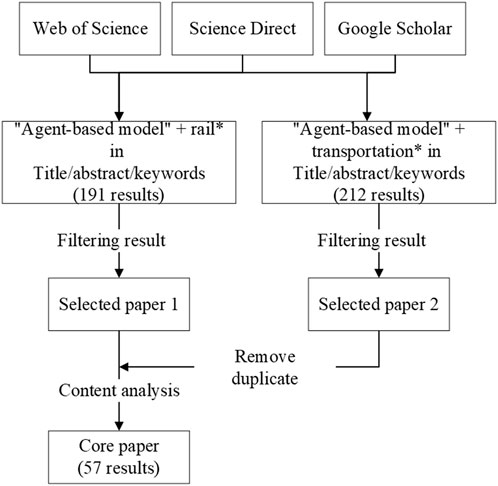
FIGURE 1. Literature search procedure to assess criticality and intensity of agent-based modelling in highspeed railway research.
In the initial step, a combination of keywords, including “agent-based model (title),” “agent-based model (title) and rail* (title),” “agent-based model (title) and transportation (title),” “agent-based model (abstract) and rail* (abstract),” and “agent-based model (abstract) and transportation (abstract)” have been used in the search engines in the Web of Science within the core collection with the details shown in Figure 2. Additionally, the authors have carefully reviewed the agent-based model of each research paper. Approximately 65 papers have initially been found on the transportation literature search in our analysis. Following a thorough search through across all 65 papers, a remaining of 57 papers have been selected for further critical analysis. There are no other papers that qualify according to the search results. It is also found that the publication trend slightly increased in the past decade, as shown in Figure 3. It is clear that the applications of ABMs to the railway industry sector are emerging and trending.
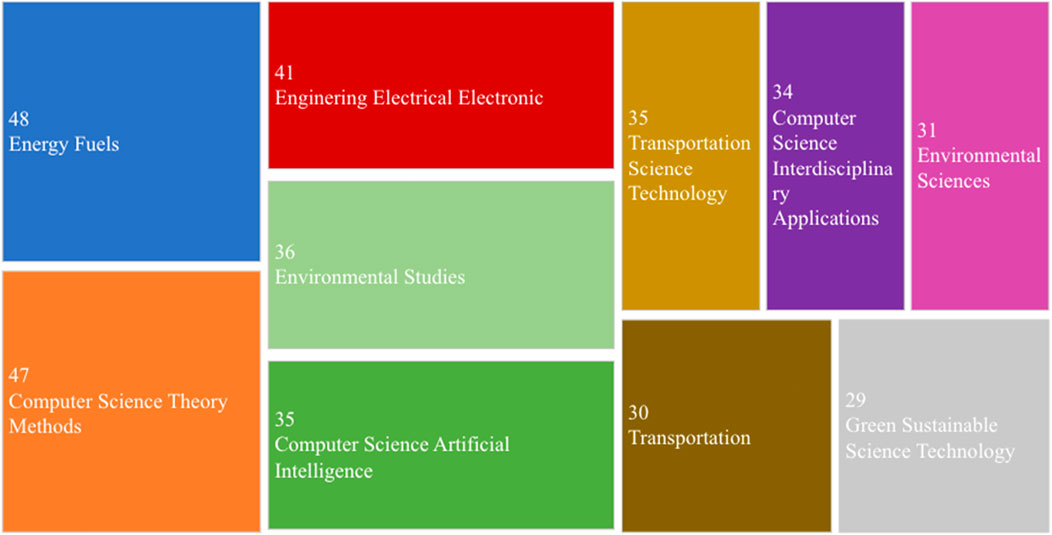
FIGURE 2. Refined results from the Web of Science (Last update in March 2023). This shows the number of publications associated with the keywords.
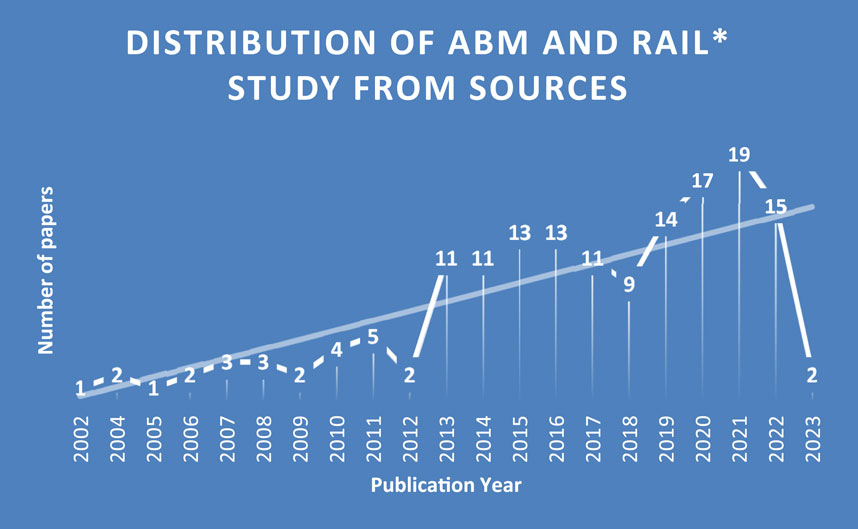
FIGURE 3. Publication trend in agent-based modelling for railway research (Last update in March 2023). This shows the emerging trend of ABM applications to railway industry sector.
3 Bibliometric analysis results
3.1 Review result (review statistical)
Table 1 summarizes the essential information of the open literatures. It is found in Table 1 that the 57 papers were published across a variety of journals and publication platforms, such as Proceedings of The Transport Research Board (TRB) Annual Conference, Physica A, International Conference on Intelligent Transportation Systems (ITSC), Mathematical Problems in Engineering, Transporter A: Transport Science, Transportation Research Part C, Transportation Research Procedia, and Transportation Research Record (TRR). Four papers were primarily published on Transportation Procedia. It can be seen from Table 1, that 29 papers out of 57 applied ABM to a public transportation system, including light rail, subway, railway, station, platform, rail-freight, and HSR. Twenty-eight papers out of 57 were related to other modes of transport. Table 1 demonstrates the diversity of research focuses and aims where previous research activities with respect to ABMs have been placed on. The majority of previous studies have not been applied to the railway industry in practice.
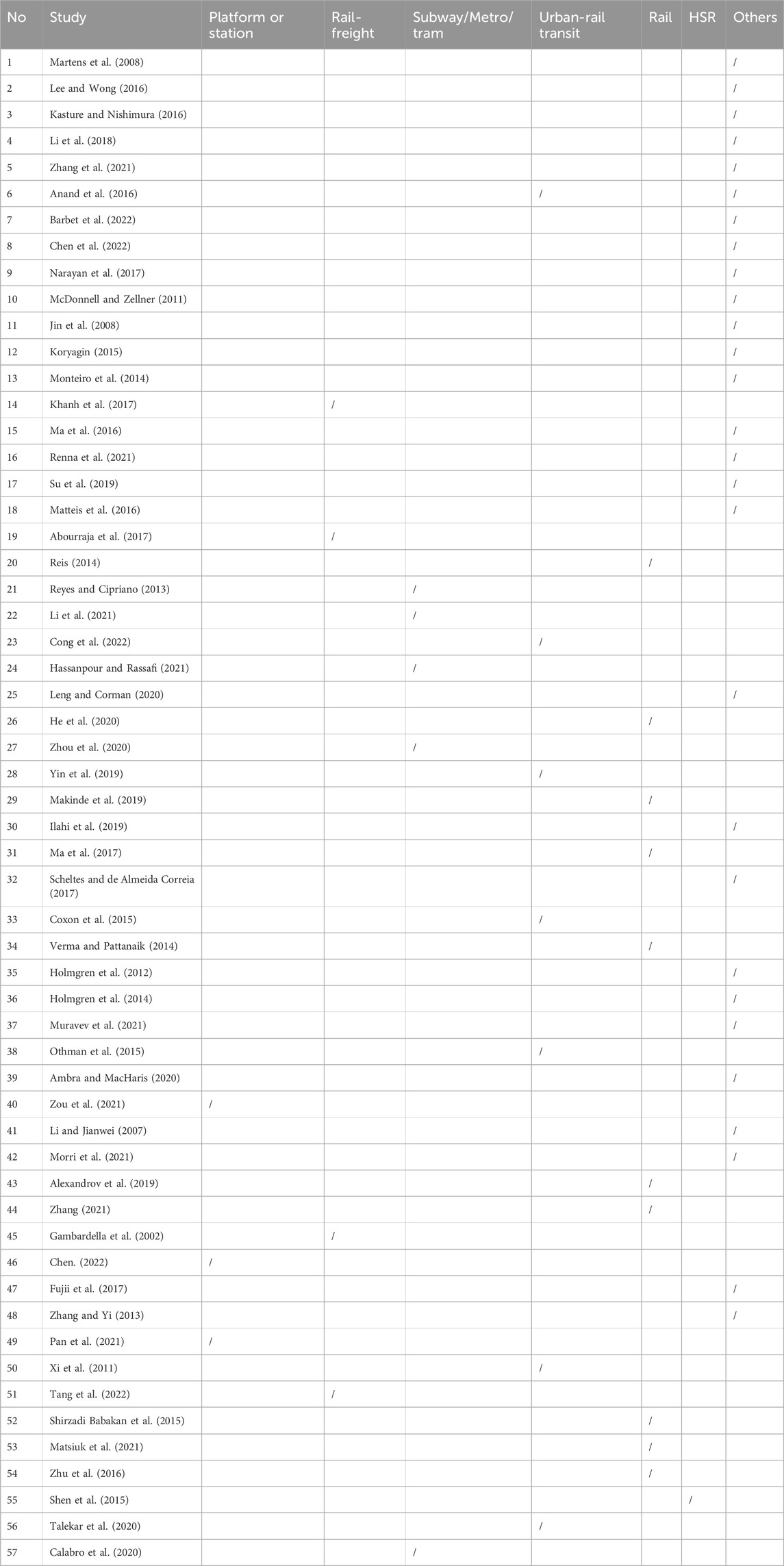
TABLE 1. Classification of transport modes among previous agent-based modelling studies found in open literatures.
Based on Figure 3, it becomes evident that the numbers of publications encompassing 2002 and 2023 have a total of 160. Based on the preliminary findings, it can be remarked that the research on agent-based model applications to rail or high-speed rail commenced in 2002 and has been steadily increasing over the years, particularly since 2013. Recent studies have highlighted the fact that there has been a surge in the interest of scholars in this field over the last period. The majority of sources, amounting to almost 80 percent, have been published since 2014. With the implementation of various high-speed rail systems and the wider use of ABM, it is anticipated that these research trends will experience a remarkable increase in the coming years.
Table 2 displays a concise overview of the main focuses in this study, which comprehensively covers a wide range of key areas with respect to some of previous literatures. There are several research areas that need to be considered, such as queue information, driver behavior, user behavior, planner decision, passenger behavior, service quality improvement, evacuation, service and maintenance, and socioeconomic factors. It is clear that the emphasis of previous studies was predominantly placed on end users, passengers and drivers. Table 2 serves as an all-inclusive point of reference, effectively drawing attention to the various aspects that have been addressed throughout the study.
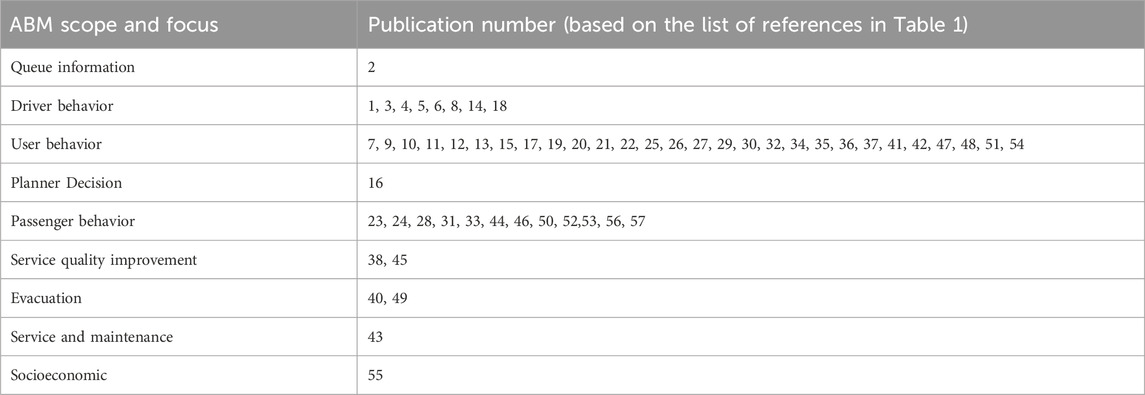
TABLE 2. Classification of study focus areas with difference services derived from previous references listed in Table 1.
Table 3 presents a comprehensive summary of evaluation types related to the ABM simulations. The types of evaluations are directly related to the agent-based model. In order to encompass a broad range of critical aspects in reality, the simulations need to consider policymakers and decision-makers, the effects on rail systems, integration of agent-based modeling and discrete event simulation (ABMS with DES), and the priorities into efficiency and productivity. Based on the critical review, it is clear that both policy and decision makers are the influential factors for the agent-based models.

TABLE 3. Classification of model evaluation types derived from previous references listed in Table 1.
The most recurring keyword maps are illustrated in Figure 4. To identify the most-influential keyword occurrence (i.e., a set of 10 critical factors), VOSviewer plot has been established and has identified potential 40 keywords that meet the threshold. As shown in Figure 4, those keywords have been divided into three clusters. Cluster analysis in VOSviewer has been conducted based on the minimum distancing between keywords (i.e., the most relevant keyword that falls into one cluster). Consequently, the five closet keywords across those three clusters can be determined as follows: 1) model, agent, case study, decision, and distribution; 2) railway, algorithm, route, transportation system, and simulation result; 3) service, performance, transportation, factor, and cost. A conclusion can be drawn that the first cluster represents user satisfaction, the second cluster represents transportation mode, and the last cluster represents agent decision making.
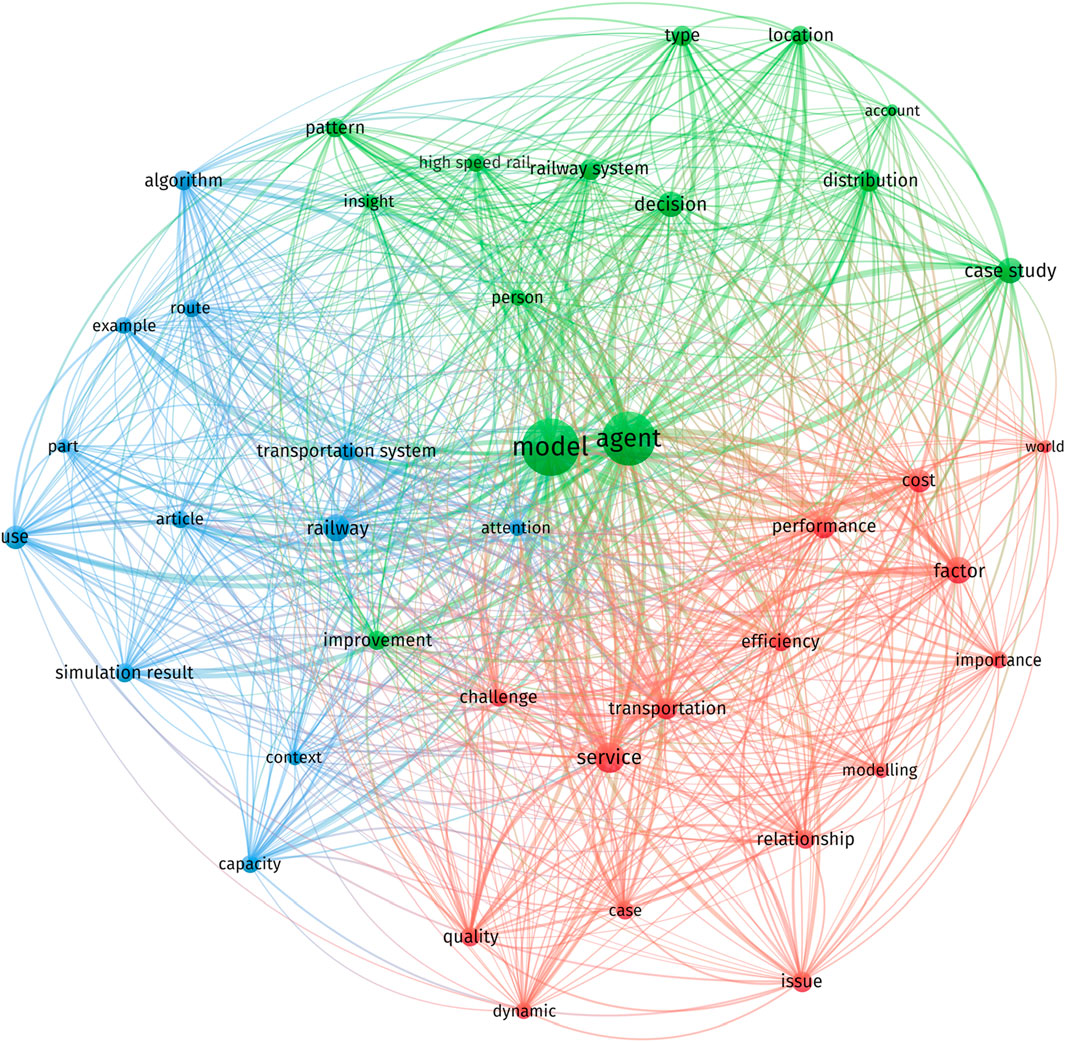
FIGURE 4. Overview clusters of the network maps, demonstrating the contour of density of ABM research targets and aims.
The structure of linkages has been further investigated by applying the VOS clustering technique, which is related to the technique of modularity-based clustering (Eck and Waltman, 2018). This algorithm has generated seven clusters. Representation of a member in a cluster is identified by colored point, i.e., all points with the same color are members of a cluster. Figures 5, 6, are illustrated to uncover new insights into the intellectual structure of the dominant research field of the ‘agent-based model’ in Year 2022. Based on the findings presented in Figure 6, it is evident that there are certain keywords frequently appearing in the cluster analyses. There are several essential keywords that are worth mentioning here, including model, agent, service, railway, factor, and decision. Based on this information, a search for a novel agent-based model for high-speed railways can be embarked on. The representative keywords provide an excellent insight for better understanding into the intellectual delineation in the research field. Customer satisfaction, transportation mode, and agent decision making are the fundamental representative of each cluster. Interestingly, our analyses reveal that ABMs is the core of the whole network agent-based model and transportation keyword representative for cluster 1 (dynamics). Degree centrality is frequently used as a measure to identify the representative keyword. As such, further centrality measures have also been taken for each representative keyword to have more informed insights.
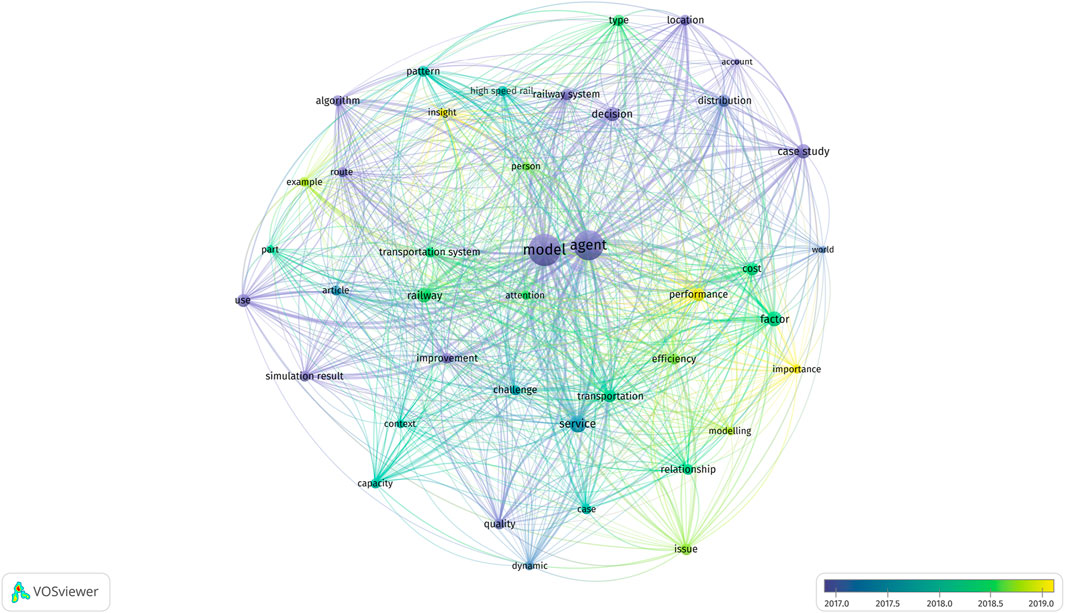
FIGURE 5. Bibliography keywords, illustrating the interconnectivity of key research aims found in the previous ABM studies.
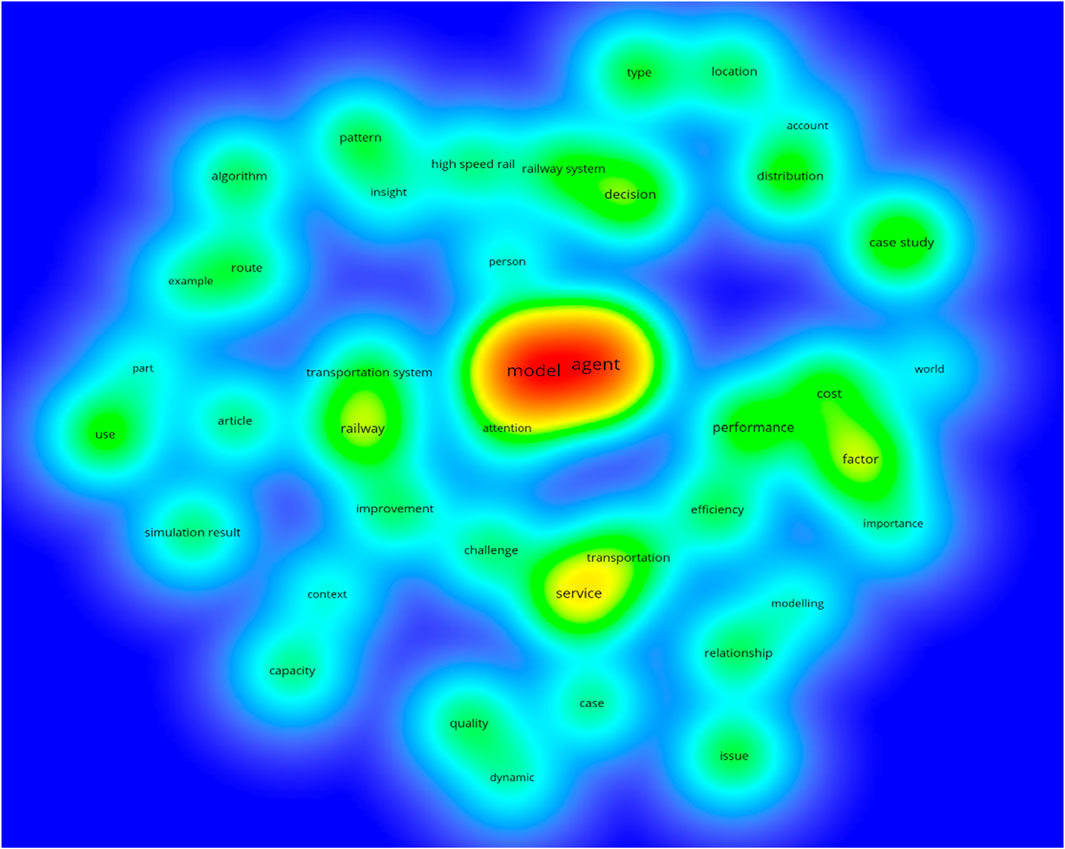
FIGURE 6. Overlay density to define the criticality and intensity of agents adopted for ABM studies.
For the degree centrality analyses, keywords use in three clusters are follow: Label addition, application, approach, article, change, city, day, decision, development, effectiveness, efficiency, environment, evaluation, experiment, impact, implementation, increase, individual, location, mechanism, methodology, modeling, multi agent, number, passenger, person, platform, policy, problem, railway station, research, road, simulation, result, solution, stakeholder, station, subway, subway station, term, train, type, work.
The bibliography and the overlay density illustrated in Figure 6 show the agent-based model and transportation keywords with the network map generation tool in VOSviewer recent keyword clusters connected to the agent-based model are social force, machine learning, calibration, evacuation, impact, ecology, and policy. Based on the key open literatures tabulated in Table 1, most of the literatures are based on the policymaker and decision-making process for both driver agent and passenger agents. Thus, based on Figure 3, the publication trend on this research topic related to agent-based model within the transportation firm especially in rail transport is very limited where the number of publications per year is less than 20 publications. Therefore, after scrutinizing core publications, it is found that most of the past studies focused on the evacuation process by using the users’ behaviors to create the ABM.
3.2 High-speed rails and related factors for ABMs in terms of passenger rail transport
The development of high-speed rail systems has become increasingly important as a means of modernizing and improving passenger rail transport globally. Various studies have been conducted to investigate a variety of different aspects and sociotechnical purposes of high-speed rail systems. One of the main aims of this state-of-the-art review related to high-speed rail systems is to understand the economic impact of these systems on local and regional economies. High-speed rail systems have the potential to create jobs and stimulate economic growth in areas where they are implemented and operated. Previous studies mainly investigated ways in which high-speed rail systems can improve connectivity between regions and promote development of tourism, industry, and commerce.
Another important aspect of high-speed rail systems is its superior environmental sustainability compared to other modes of transportation. Recent studies have looked at the ways in which high-speed rail systems can reduce carbon emissions and help mitigate the negative environmental impacts of transportation (Sresakoolchai and Kaewunruen, 2023a; Sresakoolchai and Kaewunruen, 2023b). In particular, high-speed rail systems have the potential to significantly reduce emissions associated with air travel, a major contributor to climate change (Liu et al., 2021). Ensuring safety and security on high-speed rail systems is another aim of studies related to passenger rail transport. Several studies have examined the technical and procedural measures that can be taken to improve safety, such as improved signaling systems and staff training. Additionally, some studies have also looked at ways to address security concerns, including screening procedures and the potential use of biometric identification technology, or even the spread of coronavirus (Liu et al., 2020). Furthermore, user experience and passenger satisfaction with high-speed rail travels are also important aspects of research in this field. Past studies examined factors that influence passenger satisfaction, such as cleanliness, comfort, and accessibility. Understanding user experience is a precursor to developing systems that are efficient, affordable, and attractive to riders. Integration of high-speed rail systems with other modes of transportation is another area of study, looking at how high-speed rail can be used in conjunction with other transportation modes to provide a seamless travel experience. This includes exploring how high-speed rail can connect with public transit systems, through connecting flights and other ride-sharing options.
In addition, accessibility and equity in high-speed rail travel is also an important area of study, which examines how high-speed rail can be made accessible and affordable to all members of society. This includes issues related to pricing, route planning, and accommodation for people with disabilities. Advancements in high-speed rail engineering and design is another aspect of research in this field. Previous studies assessed various ways to improve the efficiency, speed, and reliability of high-speed rail systems through technical innovations such as magnetic levitation and new propulsion systems. Comparative studies of high-speed rail systems in different countries or regions are also important to evaluate the potential benefits and challenges of implementing these systems. This includes examining the different approaches taken by different countries in terms of funding, subsidization, planning, and implementation of high-speed rail systems. Also, political and regulatory considerations are instrumental to the development and implementation of high-speed rail systems. Past studies investigated different policies and regulations governing high-speed rail systems, and the ways in which they impact the feasibility and success of these systems. Accordingly, various aims and aspects of high-speed rail systems demonstrate the multifaceted nature of passenger rail transport research. Apparently that multi agents will be required to capture and model the interaction among various critical factors (from infrastructures, assets, operations, passenger behaviors, actors’ and decision makers’ requirements/KPIs, and disruption potentials). Future studies in this research theme will be critical to understanding how high-speed rail can best be utilized to improve public transportation for people around the world.
3.3 Variable use in the ABMs
According to the employed data and currently developed ABMs, previous studies had implemented different variables on disaggregated and aggregated levels. Some studies considered virtual distribution functions for variables instead of directly measuring them through recorded data or self-reported methods. Based on the assessments in Figures 5, 6, the following categories of variables can be adopted and embedded in the ABMs for the HSR research: i) passengers, i) train agents, iii) station platform, iv) railroad, v) travel distance and frequency, in the case of evacuation process vi) lead, panic, and ordinary agent type.
3.4 Development policy and decision scenarios
52 percent of the previous studies had been conducted to consider a few coupling factors for different scenarios, whilst the other studies had simulated only the passenger behavior affected by rail situations. Our literature analyses show that most of the scenarios used in ABMs had been designed to investigate the effects of different variants (or agents) to assess the operational effects or consequences with respect to: a) customers or passengers’ satisfaction, b) rail’s agent decision, c) services reliability, d) decision making process during emergency evacuation.
3.5 Various types of data collection and sensor to collect data
The transportation industry has always been a significant contributor to the economy for every country. To maintain the reliable functioning of the transportation systems, it is essential to understand behaviours, goals/purposes, and activities of passengers. Therefore, our analyses reveal that various data analytic approaches and techniques have been employed to derive useful insights and information about passenger behaviours. These insights were targeted to policymakers and authorities to make necessary changes to improve the railway system’s efficiency and effectiveness.
There are numerous different approaches employed to model the travel behaviours of passengers and to measure behavioural changes at an individual level. These approaches include machine learning, statistical analysis, and agent-based modelling. Many researchers had specifically analysed various factors affecting passenger behaviours, such as demographics, socioeconomic status, trip characteristics, and external factors like weather and traffic.
To collect essential data about passenger behaviours and activities, various sensors and sensing technologies were used in the previous studies. These sensors include Automatic Fare Collection (AFC) systems, Global Positioning Systems (GPS), and CCTV cameras. The data collected from these sensors can be analysed to identify passenger patterns, trends, and behaviours.
In the railway systems, Automatic Fare Collection (AFC) and Closed-Circuit Television (CCTV) are two commonly used systems to collect data on passenger behaviours and activities. AFC is a system that records passenger entry and exit at a railway station, and the ticketing information is stored in a central database. This data can identify regular passengers who purchase monthly travel passes instead of infrequent travelers who purchase one-time tickets. By deep diving into this data, railway authorities or operators can identify patterns in passenger behaviours and predict future demands.
CCTV is another important tool used to collect data on passenger behaviours. The cameras installed at the railway stations can capture footage of passengers moving through the station. This information can be used to analyse passenger flow, measure passenger speed, and identify areas where congestion may occur. By decoding CCTV footage, railway authorities and operators can identify potential safety hazards and take appropriate measures to prevent accidents (Alawad and Kaewunruen, 2023).
Overall, the insights derived from the analysis of passenger behaviours and the activity data can help railway authorities, operators and service providers to make informed decisions and optimise the transportation system’s performance.
3.6 Regional of study
About 40% of the previous researches were emphasised on European nations in terms of the geo-graphical dispersion of case studies. With 20% of all previous studies, the United States is a single country with the largest percentage in the world. When it comes to the use of agent-based model and simulation studies in the context of railway and transport, China (15%), France (15%), Portugal (10%), Israel (5%), Taiwan (5%), Russia (5%), Vietnam (5%), Italy (5%), Singapore (5%), Germany (5%), and Chile (5%) come in close second. These results suggest that the majority of the research related to transport infrastructure modellings had been carried out predominantly in Western nations. However, it seems that many Asian nations place relatively less emphasis on the use of ABMs in railway and transport studies.
3.7 Uncertainty context on the simulations and behaviors
The term “uncertainty” refers to the scenario or situation that is not known, specifically on the likelihood or the consequence of the occurrence of each state of nature (Bae and Wineman, 2016). Combining dynamic, stochastic, and unobserved elements in the simulation processes creates unknown attributes or uncertainty. For uncertainty analysis, three factors can be explained: i) the dynamic is a background of a changing over space and time; ii) the stochastic must involve fundamental randomness; iii) the unobserved attribute must be invisible from the data. A railway network system is a good example of a system that possesses uncertainties in the real world. Whenever a train arrives at a rail station, the quantity of passengers disembarking is not ascertainable, the amount of passengers waiting downstream could not have been observed or precisely predicted, and the consequences along the corridor can be random, e.g., occurrence of railway curve squeal noises (McCulloch et al., 2022).
The unexpected or unplanned maintenance is another illustration of the unknown that is not clearly shown in the data. To deal with this situation, the transit agency must find and correct any unexpected service disruption quickly, which can be very costly. Previous studies showed that, in many cases, it is unfeasible that passengers could choose one of alternative routes promptly to reach their destination (Kieu et al., 2020). Some researchers also conducted studies to assess how train passengers react to disruptions. For instance, previous research using Melbourne metro rail lines highlighted the importance of passenger information system as a key criterion for passengers during unplanned disruptions. Passengers require prompt information about the length and reason for delays and alternative travel options to plan their journeys (Currie and Muir, 2017). These aspects were found to be one of critical agents in the ABMs for disruption predictions.
3.8 Strategy to capture data and passenger behaviors
Sensors or detectors that gauge features of passenger or vehicle flows are often used in human monitoring systems, which then communicate the pertinent information to a command center, wherein the details are used to implement risk control and management approaches. As an example, previous study demonstrated that understanding traffic flows on a road network can be beneficial to improve traffic signals that are reactive to flow, while the number of users on public transportation vehicles can be used for various tasks that require real-time scheduling/rescheduling (Gallo et al., 2019). Similar technologies could be applied to the ABMs for predictions within the railway sector.
To tailor the real-time monitoring strategy for a high-speed railway or HSR (e.g., the airport rail link or ARL system), the information from the turnstiles may be utilised to set up an observation system or observatory for the whole HSR system. This system can collect data on passenger travel patterns between two or more different stops. When putting real-time strategies into action such as either increasing or decreasing frequency of train operations, choosing the makeup of the train (number of passenger carriages), and arranging extra trips, such the big data from the observatory can be of tremendous use to the HSR operators. The number of passengers who board a train is a direct representation of the amount of people that are passing through the station turnstiles. Big data is gathered by an automated counting system from the turnstiles across all HSR stations at regular intervals. At each station where entry is monitored by turnstiles, which can count the passengers entering and departing the station without identifying their direction (in the majority of existing stations), the total number of passengers can be determined and predicted. These data sets could form the basis for ABMs for operational predictions in HSRs.
3.9 Physical and cyber threats
Railway critical infrastructures are vulnerable to physical and cyber threats that pose significant consequences. Cyber threats targeting railway infrastructures are a growing concern. Nation-states and denial-of-service hacks pose a danger and could cause severe consequences (Henderson, 2023). Operational technology systems are often targeted by cyber attackers, which can cause harm to critical infrastructures and people as well as rail operations (Wang and Liu, 2022). To counter these threats, the rail industry is actively enhancing security measures. The combination of IT and OT creates new security challenges that are difficult to overcome (Randy, 2022). Recognizing the importance of cybersecurity, the industry is focusing on the protection of its infrastructures. Keeping industrial control systems and critical infrastructures functioning normally is important (Yu et al., 2023). Many researchers are currently working on assessing risks and uncertainties linked to cyber-physical threats to transportation infrastructures. Several frameworks have been developed to evaluate the integrated effects of cyber and physical hazards on the operational integrity of the railway systems (Konstantinos et al., 2020).
To ensure the uninterrupted and secured operation of rail networks, it is essential to protect critical railway infrastructures against physical and cyber threats. Adopting a holistic and interconnected strategy is essential for effectively addressing these complex challenges. Our studies suggest that ABM methodology should incorporate various cybersecurity measures, systematic risk assessment protocols, and constant vigilance to proactively predict and adapt to the landscape of emerging threats as it dynamically evolves.
4 Discussion
A closer examination of previous study results in Section 3 indicates that the current state-of-the-art research trend can be divided into different clusters. By clustering previous studies, we can sort them conceptually into meaningful groups. Railway or high-speed rail studies employing ABM can be conceptually categorized into groups based on pivotal, technical aspects of previous studies and ABM approaches, e.g., aims of the study or type of railway transport (urban, HSR, subway, etc.), conceptual framework of the model, and decisions making process of agents. A conceptual clustering technique would be a starting point for further research into agent-based modelling of railways or high-speed rails (HSR). Future studies in this area can gain new insights into how to establish the next-generation ABM framework for real-time decision-making mechanisms driven by big data. Three aspects (variables) with the following definitions have been considered in conceptual clustering:
• The type of railway transport systems (e.g., urban, high-speed rail, subway, etc.).
• The conceptual framework of the developed ABMs: theory-driven versus heuristic.
• The decision-making mechanism of agents; utility maximization or other approaches (e.g., psychological, threshold, etc.).
An agent-based modelling (ABM) approach can significantly enhance health and wellbeing at both individual and collective levels. In an ABM, agents are represented by self-contained or self-consistent algorithms implemented in computer programs that interact with their environment and one another. These algorithms can also be customised to describe rule-based behaviours and modes of interaction between social entities that are being observed (Bonabeau, 2002).
ABMs have proven to be advantageous in simulating the consequences of individual activities and patterns of collective groups related to environmental actions (e.g., extreme weathers or environmental burdens). Such simulations can lead to risk mitigation measures or strategies that can positively affect individual and collective human behaviours. However, very few studies have been devoted to obtain a deeper understanding into complex mobility systems exposed to environmental stresses in the specific urban context (Yang et al., 2018; Fu et al., 2023). In fact, the systems resilience of complex, interconnected transport systems has not been thoroughly investigated. To address this grand challenge, it is crucial to develop an innovative and operational approach to understanding human behaviours that integrate individual characteristics within a mobility context. Through adaptive multi-ABMs, substantive considerations of individual behaviours can be fully integrated into coupling environment, development, and sociotechnical management. By utilizing Agent-Based Models (ABMs) as a fundamental framework, we will have the ability to simulate and examine the actions of individual agents within a specific environment, thereby capturing the complex dynamics that influence real-world systems.
5 Concluding remarks and future research direction
This study has conducted a systemic review with respect to the applications of agent-based modelling and simulation paradigm to transportation industry, with special attention to high-speed rail systems. This systemic review highlights that the research field is matured, with a wealth of well understood analytical methods and algorithms, especially for public transport systems. However, a closer examination of open literatures reveals several knowledge gaps and shortcomings. According to the state-of-the-art review, the following remarks on major remaining challenges and knowledge gaps could be identified.
• The application of the ABMs has recently become a dominant tool for considering complex systems such as the logistics and supply chain, interdependent critical infrastructures, and energy grids. Note that it has been used in social sciences for the past decades.
• The nature of agent-based modelling adopts a bottom-up approach, which means that the whole model is established by considering the entire agent population. The agents can be classified by their locations, behaviors, and interaction between agents. The advantage of ABM is the ability to impose an uncertainty component as an agent in the model. For instance, climate change agents can be a better mainstream model approach.
• The research challenge for ABMs is to deal with many types of agents simultaneously in a single model. For example, vehicle agents can be used in an ABM to interact with the high-speed rail system. Those agents can be bicycles and the cyclists (Bonabeau, 2002; Jacobsen et al., 2015; Nan and Sansavini, 2016; Thompson et al., 2017), the railway infrastructure components, the railway station platforms (Szymula and Bešinović, 2020), the railway speed (Mattsson and Jenelius, 2015), and multiple railway routes (Dalapati et al., 2016; Nan and Sansavini, 2016). In addition, the agent-based model can be combined with additional agents such as operation efficiency (Stelzer et al., 2016; Aziz et al., 2018).
• Despite the very limited ABM application to high-speed rail (HSR) domain, the capability of agent-based models provides a distinct point of view towards further exploration and HSR application.
• In order to establish an innovative AMB for HSR system, it is necessary to combine all of the agents in a single model or connect them using the multi-agent system technique. Additionally, it should be pointed out that the utilization of multi agent-based models for high-speed railway systems has not yet been established. The main focus in this context is to develop a multi agent-based model that will enable the analysis of passenger behaviors in high-speed railway networks under various scenarios. The railway network’s overall performance can be significantly improved by identifying critical agents that may have a significant impact.
• The use of an agent-based model allows for the modeling of individual passenger behaviors and their interactions with others in the network. This type of modeling can help to identify key factors that influence passenger behaviors and how they respond to different scenarios. By avoiding the need to interrupt the entire system, this approach can provide a more comprehensive and detailed understanding of passenger behaviors.
• To enrich the agent-based model, real-world data collected from high-speed railway networks and service providers (AFC, CCTV, GPS data) are required. By combining these data sets with the model, the researchers can predict a more accurate and realistic representation of passenger behaviors and interactions in high-speed railway networks.
This state-of-the-art review offers new insights into agent-based modelling techniques, agent parameters, and uncertainty quantification to improve the safety, resilience and efficiency of high-speed railway networks.
Author contributions
Conceptualization, PK and SK; methodology, PK; software, PK and SK; validation, PK and SK; formal analysis, PK; investigation, PK; resources, PK and SK; data curation, PK; writing –original draft preparation, PK and SK; writing –review and editing, PK and SK; visualization, PK and SK; supervision, SK; project administration, PK; funding acquisition, SK. All authors contributed to the article and approved the submitted version.
Acknowledgments
The first author gratefully appreciates the Royal Thai Government for his PhD scholarship. The corresponding author is grateful to the Australian Academy of Science (AAS) and Japan Society for the Promotion of Sciences (JSPS) for his JSPS Invitation Fellowship for Research (Long-term), Grant No. JSPS-L15701, at Railway Technical Research Institute (RTRI) and the University of Tokyo, Japan. The authors are grateful for the financial support by the European Commission, Grant No 691135. The APC is kindly sponsored by the University of Birmingham Library’s Open Access Fund.
Conflict of interest
The authors declare that the research was conducted in the absence of any commercial or financial relationships that could be construed as a potential conflict of interest.
Publisher’s note
All claims expressed in this article are solely those of the authors and do not necessarily represent those of their affiliated organizations, or those of the publisher, the editors and the reviewers. Any product that may be evaluated in this article, or claim that may be made by its manufacturer, is not guaranteed or endorsed by the publisher.
References
Abourraja, M. N., Oudani, M., Samiri, M. Y., Boudebous, D., El Fazziki, A., Najib, M., et al. (2017). A multi-agent based simulation model for rail-rail transshipment: an engineering approach for gantry crane scheduling. IEEE Access 5, 13142–13156. doi:10.1109/ACCESS.2017.2713246
Alawad, H., and Kaewunruen, S. (2023). Unsupervised machine learning for managing safety accidents in railway stations. IEEE Access 11, 83187–83199. doi:10.1109/ACCESS.2023.3264763
Alexandrov, A., Bannikov, D., and Sirina, N. (2019). Agent-based modeling of service maintenance and repair of rolling stock. IOP Conf. Ser. Earth Environ. Sci. 403, 012193. doi:10.1088/1755-1315/403/1/012193
Ambra, T., and MacHaris, C. (2020). “Agent-based digital twins (ABM-Dt) in synchromodal transport and logistics: the fusion of virtual and pysical spaces,” in Proceedings - Winter Simulation Conference, Orlando, FL, USA, December, 2020, 159–169. doi:10.1109/WSC48552.2020.9383955
Anand, N., Meijer, D., van Duin, J. H. R., Tavasszy, L., and Meijer, S. (2016). Validation of an agent based model using a participatory simulation gaming approach: the case of city logistics. Transp. Res. Part C Emerg. Technol. 71, 489–499. doi:10.1016/j.trc.2016.08.002
Aziz, H. M. A. A., Park, B. H., Morton, A., Stewart, R. N., Hilliard, M., and Maness, M. (2018). A high resolution agent-based model to support walk-bicycle infrastructure investment decisions: a case study with New York City. Transp. Res. PART C-EMERGING Technol. 86, 280–299. doi:10.1016/j.trc.2017.11.008
Bae, N. R., and Wineman, J. D. (2016). Influence of uncertainty in user behaviors on the simulation-based building energy optimization process and robust decision-making. Theses (Ph.D. and Master's). Ann Arbor, Michigan: University of Michigan Library.
Baldini, G., Nai Fovino, I., Maseraoti, M., Luise, M., Pellegrini, V., Bagagli, E., et al. (2010). An early warning system for detecting GSM-R wireless interference in the high-speed railway infrastructure. Int. J. Crit. Infrastruct. Prot. 3, 140–156. doi:10.1016/j.ijcip.2010.10.003
Barbet, T., Nacer-Weill, A., Yang, C., and Raimbault, J. (2022). An agent-based model for modal shift in public transport. Transp. Res. Procedia 62, 711–718. doi:10.1016/j.trpro.2022.02.088
Bonabeau, E. (2002). Agent-based modeling: methods and techniques for simulating human systems. Available at: www.pnas.orgcgidoi10.1073pnas.082080899.
Calabro, G., Correia, G., Giuffrida, N., Ignaccolo, M., Inturri, G., and Pira, M.Le (2020). “Comparing the performance of demand responsive and schedule-based feeder services of mass rapid transit: an agent-based simulation approach,” in 2020 Forum on Integrated and Sustainable Transportation Systems, FISTS 2020, Delft, Netherlands, November, 2020, 280–285. doi:10.1109/FISTS46898.2020.9264861
Cao, Q., Tang, G., and Li, N. (2019). An agent-based simulation model for operations in an automatic container terminal with dtqc/agv/armg. in ACM International Conference Proceeding Series (Association for Computing Machinery), North Rockhampton QLD, Australia, January, 2019, 103–106. doi:10.1145/3307363.3307374
Chen, D., Kang, K., Koo, D. D., Peng, C., Gkritza, K., and Labi, S. (2022). Agent-based model of electric vehicle charging demand for long-distance driving in the state of Indiana. Transp. Res. Rec. 2677, 555–563. doi:10.1177/03611981221107921
Chen, Y. (2020). Agent-based research on crowd interaction in emergency evacuation. Clust. Comput. 23, 189–202. doi:10.1007/s10586-017-1134-7
Cong, C., Li, X., Yang, S., Zhang, Q., Lu, L., and Shi, Y. (2022). Impact estimation of unplanned urban rail disruptions on public transport passengers: a multi-agent based simulation approach. Int. J. Environ. Res. Public Heal. 19, 9052. doi:10.3390/IJERPH19159052
Coxon, S., Chandler, T., and Wilson, E. (2015). Testing the efficacy of platform and train passenger boarding, alighting and dispersal through innovative 3D agent-based modelling techniques. Urban Rail Transit 1, 87–94. doi:10.1007/s40864-015-0010-0
Currie, G., and Muir, C. (2017). “Understanding passenger perceptions and behaviors during unplanned rail disruptions,” in Transportation research Procedia (Amsterdam, Netherlands: Elsevier B.V.), 4392–4402. doi:10.1016/j.trpro.2017.05.322
Dalapati, P., Agarwal, P., Dutta, A., and Bhattacharya, S. (2016). Real-time rescheduling in distributed railway network: an agent-based approach. Available at: http://arxiv.org/abs/1607.03340.
Eck, N. J. V., and Waltman, L. (2018). VOSviewer manual. Univ. Leiden. Available at: http://www.vosviewer.com/getting-started.
Fu, H., Yang, Y., and Kaewunruen, S. (2023). Multi-hazard effects of crosswinds on cascading failures of conventional and interspersed railway tracks exposed to ballast washaway and moving train loads. Sensors 23, 1786. doi:10.3390/s23041786
Fujii, H., Uchida, H., and Yoshimura, S. (2017). Agent-based simulation framework for mixed traffic of cars, pedestrians and trams. Transp. Res. Part C Emerg. Technol. 85, 234–248. doi:10.1016/j.trc.2017.09.018
Gallo, M., De Luca, G., D’Acierno, L., and Botte, M. (2019). Artificial neural networks for forecasting passenger flows on metro lines. Sensors Switz. 19, 3424. doi:10.3390/s19153424
Gambardella, L. M., Rizzoli, A. E., and Funk, P. (2002). Agent-based planning and simulation of combined rail/road transport. Simulation 78, 293–303. doi:10.1177/0037549702078005551
Hassanpour, S., and Rassafi, A. A. (2021). Agent-based simulation for pedestrian evacuation behaviour using the affordance concept. KSCE J. Civ. Eng. 25, 1433–1445. doi:10.1007/s12205-021-0206-7
He, B., Chen, P., D’Ariano, A., Chen, L., Zhang, H., and Lu, G. (2020). “A microscopic agent-based simulation for real-time dispatching problem of a busy railway passenger station,” in 2020 IEEE 23rd Int. Conf. Intell. Transp. Syst. ITSC, Rhodes, Greece, September, 2020. doi:10.1109/ITSC45102.2020.9294651
Henderson, M. (2023). Protecting critical rail infrastructure from cyber attacks. Available at: https://dxc.com/us/en/insights/perspectives/paper/protecting-critical-rail-infrastructure-from-cyber-attacks.
Holmgren, J., Davidsson, P., Persson, J. A., and Ramstedt, L. (2012). TAPAS: a multi-agent-based model for simulation of transport chains. Simul. Model. Pract. THEORY 23, 1–18. doi:10.1016/j.simpat.2011.12.011
Holmgren, J., Ramstedt, L., Davidsson, P., Edwards, H., and Persson, J. A. (2014). Combining macro-level and agent-based modeling for improved freight transport analysis. Procedia Comput. Sci. 32, 380–387. doi:10.1016/J.PROCS.2014.05.438
Ilahi, A., Balac, M., Li, A., and Axhausen, K. W. (2019). The first agent-based model of greater Jakarta integrated with a mode-choice model. Procedia Comput. Sci. 151, 272–278. doi:10.1016/J.PROCS.2019.04.039
Jacobsen, P. L., Ragland, D. R., and Komanoff, C. (2015). Safety in numbers for walkers and bicyclists: exploring the mechanisms. Inj. Prev. 21, 217–220. doi:10.1136/injuryprev-2015-041635
James, C. (2023). Don Mueang–Suvarnabhumi–U-Tapao high-speed railway – the 3-airport rail link of Bangkok. Available at: https://futuresoutheastasia.com/don-mueang-suvarnabhumi-u-tapao-high-speed-railway/(Accessed July 14, 2022).
Jiang, J., Huisman, B., and Dignum, V. (2012). “Agent-based multi-organizational interaction design: a case study of the Dutch railway system,” in Proc. - 2012 IEEE/WIC/ACM Int. Conf. Intell. Agent Technol. IAT, Macau, China, December, 2012, 196–203. doi:10.1109/WI-IAT.2012.41
Jin, X., Abdulrab, H., and Itmi, M. (2008). “A multi-agent based model for urban demand-responsive passenger transport services,” in 2008 IEEE International Joint Conference on Neural Networks (IEEE World Congress on Computational Intelligence), Hong Kong, China, June, 2008, 3668–3675. doi:10.1109/IJCNN.2008.4634323
Kaewunruen, S., Guo, Y., Jing, G., and Matsumoto, A. (2023). Circular economy implementation in railway systems beyond net zero. Front. Built Environ. 9, 1239740. doi:10.3389/fbuil.2023.1239740
Kaewunruen, S., Rungskunroch, P., and Jennings, D. V. (2019). A through-life evaluation of end-of-life rolling stocks considering asset recycling, energy recovering, and financial benefit. J. Clean. Prod. 212, 1008–1024. doi:10.1016/j.jclepro.2018.11.271
Kasture, P., and Nishimura, H. (2016). “Agent-based model of highway traffic: reduction in driving efficiency with density,” in 2016 IEEE 19th International Conference on Intelligent Transportation Systems (ITSC), Rio de Janeiro, Brazil, November, 2016, 29–34. doi:10.1109/ITSC.2016.7795527
Khanh, N. T., Anh, N. T. N., Doanh, N. N., Van, D. T. H., Nguyen-Trong, K., Nguyen-Thi-Ngoc, A., et al. (2017). Optimization of municipal solid waste transportation by integrating GIS analysis, equation-based, and agent-based model. WASTE Manag. 59, 14–22. doi:10.1016/j.wasman.2016.10.048
Kieu, L. M., Malleson, N., and Heppenstall, A. (2020). Dealing with uncertainty in agent-based models for short-term predictions. R. Soc. Open Sci. 7, 191074. doi:10.1098/rsos.191074
Konstantinos, N., Daniel, P. M., and Pasquale, L. (2020). “An overview of cyber-physical threats to critical transportation infrastructure,” in CERI2020, Ireland, July, 2020.
Koryagin, M. E. (2015). An agent-based model for optimization of road width and public transport frequency. Promet - Traffic&Transportation 27, 147–153. doi:10.7307/ptt.v27i2.1559
Kunadhamraks, P. (2015). Thailand’s transport infrastructure development strategy. Available at: http://www.thaitransport.org/news/2558.07.01proceeding/presentationTSTS15.02042015/panel01.pdf (Accessed July 14, 2022).
Lee, T. C., and Wong, K. I. (2016). An agent-based model for queue formation of powered two-wheelers in heterogeneous traffic. Phys. A Stat. Mech. its Appl. 461, 199–216. doi:10.1016/j.physa.2016.05.005
Leng, N., and Corman, F. (2020). The role of information availability to passengers in public transport disruptions: an agent-based simulation approach. Transp. Res. Part A Policy Pract. 133, 214–236. doi:10.1016/J.TRA.2020.01.007
Li, J., and Jianwei, Y. (2007). “Agent-based idss model for wagon flow forecast,” in Railway Network, Chengdu, China, July, 2007.
Li, X., Wei, M., Hu, J., Yuan, Y., and Jiang, H. (2018). An agent-based model for dispatching real-time demand-responsive feeder bus. Math. Probl. Eng. 2018, 1–11. doi:10.1155/2018/6925764
Li, Y., Yang, X., Wu, J., Sun, H., Guo, X., and Zhou, L. (2021). Discrete-event simulations for metro train operation under emergencies: a multi-agent based model with parallel computing. Phys. A Stat. Mech. its Appl. 573, 125964. doi:10.1016/j.physa.2021.125964
Liu, R., Li, D., and Kaewunruen, S. (2020). Role of railway transportation in the spread of the coronavirus: evidence from wuhan-beijing railway corridor. Front. Built Environ. 6, 590146. doi:10.3389/fbuil.2020.590146
Liu, R., Stefanovich, A., and Kaewunruen, S. (2021). Sensitivity of a high-speed rail development on supply chain and logistics via air-rail-road freight transportation. Front. Built Environ. 7, 685884. doi:10.3389/fbuil.2021.685884
Ma, J., Smith, B. L., and Zhou, X. (2016). Personalized real-time traffic information provision: agent-based optimization model and solution framework. Transp. Res. Part C Emerg. Technol. 64, 164–182. doi:10.1016/j.trc.2015.03.004
Ma, L., Chen, B., Qiu, S., Li, Z., and Qiu, X. (2017). Agent-based modeling of emergency evacuation in a railway station square under sarin terrorist attack. Int. J. Model. Simul. Sci. Comput. 8, 1750022. doi:10.1142/S1793962317500222
Makinde, O., Neagu, D., and Gheorghe, M. (2019). Agent based micro-simulation of a passenger rail system using customer survey data and an activity based approach. Adv. Intell. Syst. Comput. 840, 123–137. doi:10.1007/978-3-319-97982-3_10/COVER
Martens, K., and Benenson, I. (2008). Evaluating urban parking policies with agent-based model of driver parking behavior. Transp. Res. Rec. 2046, 37–44. doi:10.3141/2046-05
Matsiuk, V., Galan, O., Prokhorchenko, A., and Tverdomed, V. (2021). “An agent-based simulation for optimizing the parameters of a railway transport system,” in CEUR Workshop Proceedings, Kherson, Ukraine, September, 2021.
Matteis, T., Liedtke, G., and Wisetjindawat, W. (2016). “A framework for incorporating market interactions in an agent based model for freight transport,” in Transportation research Procedia (Amsterdam, Netherlands: Elsevier B.V.), 925–937. doi:10.1016/j.trpro.2016.02.044
Mattsson, L.-G., and Jenelius, E. (2015). Vulnerability and resilience of transport systems – a discussion of recent research. Transp. Res. PART A 81, 16–34. doi:10.1016/j.tra.2015.06.002
McCulloch, J., Ge, J., Ward, J. A., Heppenstall, A., Gareth Polhill, J., Malleson, N., et al. (2022). Calibrating agent-based models using uncertainty quantification methods. J. Artif. Soc. Soc. Simul. 25. doi:10.18564/jasss.4791
McDonnell, S., and Zellner, M. (2011). Exploring the effectiveness of bus rapid transit a prototype agent-based model of commuting behavior. Transp. Policy 18, 825–835. doi:10.1016/j.tranpol.2011.05.003
Monteiro, N., Rossetti, R., Campos, P., and Kokkinogenis, Z. (2014). A framework for a multimodal transportation network: an agent-based model approach. Transp. Res. Procedia 4, 213–227. doi:10.1016/j.trpro.2014.11.017
Morri, N., Hadouaj, S., and Ben Said, L. (2021). “Agent-based intelligent KPIs optimization of public transit control system,” in Proceedings of the 18th International Conference on Informatics in Control, Automation and Robotics, ICINCO, Paris, France, July, 2021, 224–231. doi:10.5220/0010616302240231
Muravev, D., Hu, H., Rakhmangulov, A., and Mishkurov, P. (2021). Multi-agent optimization of the intermodal terminal main parameters by using AnyLogic simulation platform: case study on the Ningbo-Zhoushan Port. Int. J. Inf. Manage. 57, 102133. doi:10.1016/J.IJINFOMGT.2020.102133
Nan, C., and Sansavini, G. (2016). Developing an agent-based hierarchical modeling approach to assess human performance of infrastructure systems. Int. J. Ind. Ergon. 53, 340–354. doi:10.1016/j.ergon.2016.04.002
Narayan, J., Cats, O., Van Oort, N., and Hoogendoorn, S. (2017). “Performance assessment of fixed and flexible public transport in a multi agent simulation framework,” in Transportation research Procedia (Amsterdam, Netherlands: Elsevier B.V.), 109–116. doi:10.1016/j.trpro.2017.12.029
Nunno, R. (2018). High speed rail development worldwide. 8. Available at: https://www.eesi.org/papers/view/fact-sheet-high-speed-rail-development-worldwide (Accessed July 11, 2022).
Office of Rail and Road (2021). ORR annual report on HS1 Ltd. Available at: https://www.orr.gov.uk/sites/default/files/2021-07/orr-annual-report-on-hs1-2020-21_0.pdf.
Othman, N. B., Legara, E. F., Selvam, V., and Monterola, C. (2015). A data-driven agent-based model of congestion and scaling dynamics of rapid transit systems. J. Comput. Sci. 10, 338–350. doi:10.1016/J.JOCS.2015.03.006
Pan, Z., Wei, Q., and Wang, H. (2021). Agent-based simulation of hindering effect of small group behavior on elevated interval evacuation time along urban rail transit. Travel Behav. Soc. 22, 262–273. doi:10.1016/j.tbs.2020.10.007
Randy, B. (2022). How railroads mitigate cyberthreats against their networks. Available at: https://statetechmagazine.com/article/2022/12/how-railroads-mitigate-cyberthreats-against-their-networks-perfcon.
Reis, V. (2014). Analysis of mode choice variables in short-distance intermodal freight transport using an agent-based model. Transp. Res. Part A Policy Pract. 61, 100–120. doi:10.1016/j.tra.2014.01.002
Renna, A., Petrelli, M., Carrese, S., and Bertocci, R. (2021). An innovative simulation agent-based model for the combined sea-road transport as a DSS. Sustainability 13, 10773. doi:10.3390/su131910773
Reyes, F., and Cipriano, A. (2013). Agent-based model predictive control for the holding problem in a metro system. IFAC Proc. Vol. 46, 1666–1671. doi:10.3182/20130619-3-RU-3018.00420
Rungskunroch, P., Shen, Z.-J., and Kaewunruen, S. (2021a). Getting It Right on the Policy Prioritization for Rail Decarbonization: evidence From Whole-Life CO2e Emissions of Railway Systems. Front. Built Environ. 7, 638507. doi:10.3389/fbuil.2021.638507
Rungskunroch, P., Shen, Z.-J., and Kaewunruen, S. (2021b). Benchmarking environmental and economic impacts from the HSR networks considering life cycle perspectives. Environ. Impact Assess. Rev. 90, 106608. doi:10.1016/j.eiar.2021.106608
Scheltes, A., and de Almeida Correia, G. H. (2017). Exploring the use of automated vehicles as last mile connection of train trips through an agent-based simulation model: an application to Delft, Netherlands. Int. J. Transp. Sci. Technol. 6, 28–41. doi:10.1016/J.IJTST.2017.05.004
Shen, Y., Chen, G., Martínez, L. M., and e Silva, J. de A. (2015). Bi-level cellular agent-based model: simulation of potential impacts of high-speed rail on land cover change in the lisbon metropolitan area, Portugal. J. Transp. Land Use 8, 151–180. doi:10.5198/jtlu.2015.640
Shirzadi Babakan, A., Alimohammadi, A., and Taleai, M. (2015). An agent-based evaluation of impacts of transport developments on the modal shift in Tehran, Iran. J. Dev. Eff. 7, 1–22. doi:10.1080/19439342.2014.994656
Shiwakoti, N., Tay, R., Stasinopoulos, P., and Woolley, P. (2018). Passengers’ perceived ability to get out safely from an underground train station in an emergency situation. Cogn. Technol. Work 20, 367–375. doi:10.1007/s10111-018-0473-3
Sresakoolchai, J., and Kaewunruen, S. (2020). Comparative studies into public private partnership and traditional investment approaches on the high-speed rail project linking 3 airports in Thailand. Transp. Res. Interdiscip. Perspect. 5, 100116. doi:10.1016/j.trip.2020.100116
Sresakoolchai, J., and Kaewunruen, S. (2023a). Railway infrastructure maintenance efficiency improvement using deep reinforcement learning integrated with digital twin based on track geometry and component defects. Sci. Rep. 13, 2439. doi:10.1038/s41598-023-29526-8
Sresakoolchai, J., and Kaewunruen, S. (2023b). Interactive reinforcement learning innovation to reduce carbon emissions in railway infrastructure maintenance. Dev. Built Environ. 15, 100193. doi:10.1016/j.dibe.2023.100193
Starita, S., Irawan, C. A., and Jindahra, P. (2022). Protecting and expanding railway networks to hedge against disruptions: a model with travel segments. J. Adv. Transp. 2022, 1–23. doi:10.1155/2022/9158784
Stelzer, A., Englert, F., Hörold, S., and Mayas, C. (2016). Improving service quality in public transportation systems using automated customer feedback. Transp. Res. Part E Logist. Transp. Rev. 89, 259–271. doi:10.1016/j.tre.2015.05.010
Su, B., Andelfinger, P., Eckhoff, D., Cornet, H., Marinkovic, G., Cai, W., et al. (2019). “An agent-based model for evaluating the boarding and alighting efficiency of autonomous public transport vehicles,” in Lecture notes in computer science., J. M. F. Rodrigues, P. J. S. Cardoso, J. Monteiro, R. Lam, V. V Krzhizhanovskaya, and M. H. Lees, (Berlin, Germany: Springer International Publishing), 534–547. doi:10.1007/978-3-030-22734-0_39
Szymula, C., and Bešinović, N. (2020). Passenger-centered vulnerability assessment of railway networks. Transp. Res. Part B Methodol. 136, 30–61. doi:10.1016/j.trb.2020.03.008
Talekar, A., Shriram, S., Vaidhiyan, N., Aggarwal, G., Chen, J., Venkatramanan, S., et al. (2020). Cohorting to isolate asymptomatic spreaders: an agent-based simulation study on the Mumbai Suburban Railway. Available at: http://arxiv.org/abs/2012.12839.
Tang, G. L., Guo, L., Zhao, Z., Zhou, P., Zhang, D., and Xu, H. (2022). “A multi-agent-based simulation model for operations in the automated container terminal with a U-shaped layout,” in ACM International Conference Proceeding Series, Chongqing, China, June, 2022. doi:10.1145/3547578.3547587
Thompson, J., Wijnands, J. S., Savino, G., Lawrence, B., and Stevenson, M. (2017). Estimating the safety benefit of separated cycling infrastructure adjusted for behavioral adaptation among drivers; an application of agent-based modelling. Transp. Res. Part F. Traffic Psychol. Behav. 49, 18–28. doi:10.1016/j.trf.2017.05.006
UIC (2017). Statistics - international union of railways (UIC). Int. Union railw. Available at: https://uic.org/support-activities/statistics (Accessed July 14, 2022).
Verma, A., and Pattanaik, K. K. (2014). Mobile agent based train control system for mitigating meet conflict at turnout. Procedia Comput. Sci. 32, 317–324. doi:10.1016/j.procs.2014.05.430
Wang, Z., and Liu, X. (2022). Cyber security of railway cyber-physical system (CPS) – a risk management methodology. Commun. Transp. Res. 2, 100078. doi:10.1016/j.commtr.2022.100078
Weerawat, W., Samitiwantikul, L., and Torpanya, R. (2020). Operational challenges of the Bangkok airport rail link. Urban Rail Transit 6, 42–55. doi:10.1007/s40864-019-00121-3
Xi, J., Wu, L., and Bao, Y. (2011). A method of parameter design for passenger train line plan based on multi-agent model. Appl. Mech. Mater. 97-98, 535–541. doi:10.4028/www.scientific.net/AMM.97-98.535
Yang, L., Hoffmann, P., Scheffran, J., Rühe, S., Fischereit, J., and Gasser, I. (2018). An agent-based modeling framework for simulating human exposure to environmental stresses in urban areas. Urban Sci. 2, 36. doi:10.3390/urbansci2020036
Yin, H., Wu, J., Liu, Z., Yang, X., Qu, Y., and Sun, H. (2019). Optimizing the release of passenger flow guidance information in urban rail transit network via agent-based simulation. Appl. Math. Model. 72, 337–355. doi:10.1016/j.apm.2019.02.003
Yu, Z., Wang, H., and Chen, F. (2023). Security of railway control systems: a survey, research issues and challenges. High-speed Railw. 1, 6–17. doi:10.1016/j.hspr.2022.12.001
Zhang, J. (2021). Agent-based optimizing match between passenger demand and service supply for urban rail transit network with NetLogo. IEEE Access 9, 32064–32080. doi:10.1109/ACCESS.2021.3060816
Zhang, L., Huang, J., Liu, Z., and Vu, H. L. (2021). An agent-based model for real-time bus stop-skipping and holding schemes. Transp. A Transp. Sci. 17, 615–647. doi:10.1080/23249935.2020.1802363
Zhang, Q., and Yi, C. Y. (2013). Agent-based simulation model of passenger flow distribution in urban railway network. Appl. Mech. Mater. 409-410, 1131–1136. doi:10.4028/www.scientific.net/AMM.409-410.1131
Zhou, J., Koutsopoulos, H. N., and Saidi, S. (2020). Evaluation of subway bottleneck mitigation strategies using microscopic, agent-based simulation. Transp. Res. Rec. 2674, 649–661. doi:10.1177/0361198120917384
Zhu, T., Mera, J. M., Suarez, B., and Maroto, J. (2016). An agent-based support system for railway station dispatching. Expert Syst. Appl. 61, 39–52. doi:10.1016/j.eswa.2016.05.011
Keywords: high-speed railway, agent-based model, multi-agent based model, uncertainty, and disruption, systems resilience
Citation: Kongsap P and Kaewunruen S (2024) Agent-based modelling of high-speed railway interdependent critical infrastructures facing physical and cyber threats. Front. Built Environ. 10:1249584. doi: 10.3389/fbuil.2024.1249584
Received: 28 June 2023; Accepted: 23 January 2024;
Published: 06 February 2024.
Edited by:
Akira Matsumoto, Nihon University, JapanReviewed by:
Maxim A. Dulebenets, Florida Agricultural and Mechanical University, United StatesPing Liu, State Grid Jiangsu Electric Power Co., Ltd., China
Ting Li, Shijiazhuang Tiedao University, China
Copyright © 2024 Kongsap and Kaewunruen. This is an open-access article distributed under the terms of the Creative Commons Attribution License (CC BY). The use, distribution or reproduction in other forums is permitted, provided the original author(s) and the copyright owner(s) are credited and that the original publication in this journal is cited, in accordance with accepted academic practice. No use, distribution or reproduction is permitted which does not comply with these terms.
*Correspondence: Sakdirat Kaewunruen, cy5rYWV3dW5ydWVuQGJoYW0uYWMudWs=