 Natakarani Venkateswarlu
 Mahenthiran Sathiyamoorthy
- School of Civil Engineering, Vellore Institute of Technology, Vellore, Tamil Nadu, India
In the contemporary digital age, the built environment undergoes significant changes because of technological innovations that improve building management, optimize building efficiency, and enhance overall productivity. Digital Twin technology has emerged as an indispensable tool for enhancing indoor environmental quality and optimizing energy efficiency in existing buildings. This demonstrates its similarity to several SDGs, where digital twin technology is key to achieving many of them, especially those relevant to our research: 7. Affordable and clean energy; 3. Good health and wellbeing are the primary outcomes of our study; 9. Industry innovation and infrastructure are the focus of our methodology; and 11. Sustainable cities and communication, to which our research contributes. However, some challenges require further consideration. First, to assess the methods and tools used to monitor and represent environmental parameters. Second, to review previous studies on Digital Twin technology in the context of energy efficiency and indoor environmental quality. This study systematically examined 261 academic articles to address these challenges, identifying 17 relevant publications investigating Digital Twin for enhancing energy efficiency and indoor environmental quality in buildings. The research emphasizes Building Information Modeling, Internet of Things, and Big Data, which collectively improve the monitoring and management of physical assets through real-time data replication. Our research illustrates the need for a multidisciplinary framework to rigorously analyze Digital Twin applications, as a comprehensive understanding of the consequences of this technology requires the integration of different fields. The review emphasizes the confined application of sensors for monitoring the environment, the importance of residents subjective impressions, and the need for further comparative studies on energy use estimation methods. For future investigation, enhanced international collaboration is imperative to improve the scholarly exploration of Digital Twin related to this field. Finally, the built environment can benefit significantly from implementing Digital Twin technology. However, the challenges must be addressed before technology can achieve its full potential for creating sustainable and energy-efficient buildings.
1 Introduction
The built environment continues to evolve in the digital age, with novel concepts and technological advances accomplishing cities, homes, and construction more intelligently for the benefit of their occupants. Digital technologies have been exploited as tools to enhance projects and built environment productivity and efficiency (Manzoor et al., 2021). Table 1 represents an overview of a few applications for Digital Twin Technology. A Variety of heterogeneous digital technologies exist, encompassing including Building Information Modeling (BIM), Internet of Things (IoT), Big Data (BD), Artificial Intelligence (AI), Three-dimensional (3D) printing, Blockchain, and Digital Twin (DT) (Asif et al., 2024). The “DT” designation was initially made available to the public in the year 2010 (Conroy, 2010). DT is an emerging technology that can digitally replicate physical objects. Use DT as a foundational framework to combine different technology systems. Use real-time data obtained from sensors attached to an object to reproduce its behavior, facilitate visualization, perform monitoring, and monitor maintenance process (Author Anonymous, 2024; Madni et al., 2019). DT combines several approaches, such as IoT and BIM, to create digital entities and transfer data from a physical to a digital model. The concept of DT, which relates to optimizing energy efficiency and enhancing indoor environmental quality in buildings, is Illustrated in Figure 1.
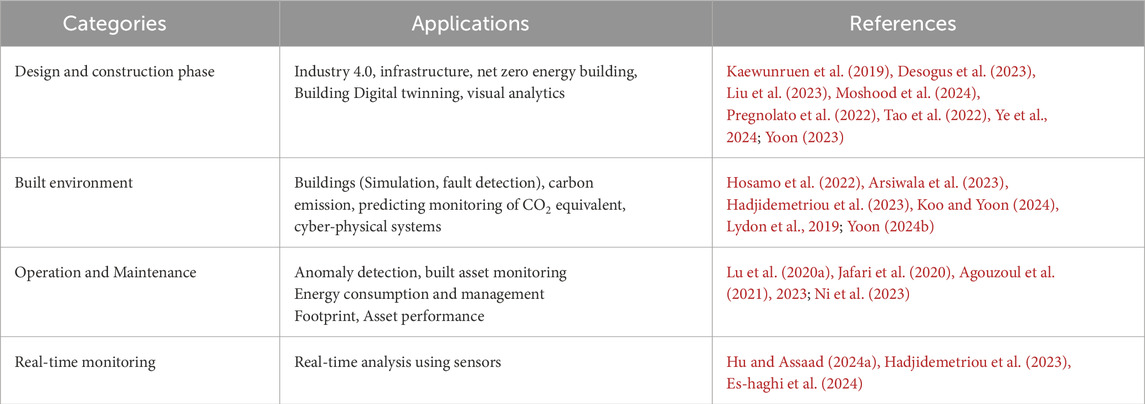
Table 1. An overview of a few applications for Digital Twin.
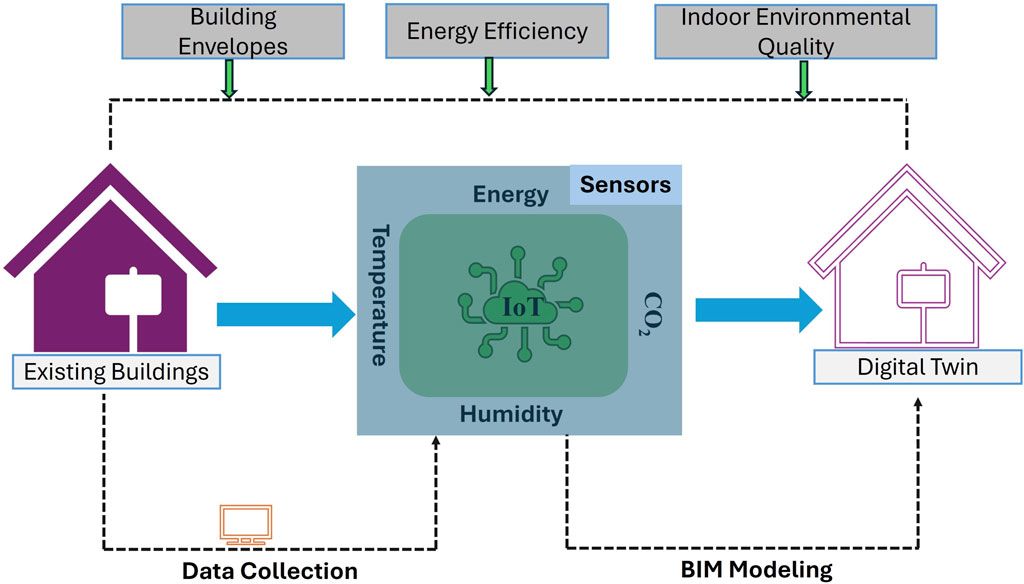
Figure 1. The concept of Digital Twin.
DT is still in its early stages regarding its implementation in the built environment. However, it has already been applied in many industries, including manufacturing, transportation, agriculture, aviation, and the automobile industry (Deng et al., 2021). DT has been utilized in the construction industry’s particular design phase and functions as a virtual model with the aid of BIM because it has considered geometric and contextual data (Kaewunruen et al., 2019; Lin and Cheung, 2020; Lu et al., 2020a). It was also implemented during the building phase to instruct workers on on-site logistics, structural integrity, and musculoskeletal injury prevention (Akanmu et al., 2020; Angjeliu et al., 2020; Greif et al., 2020). The applications of DT improve the climate change impact parameters such as building carbon footprint, building asset performance, fault detection in systems, building occupant comfort, energy efficiency, and CO2 monitoring (Arsiwala et al., 2023; Cespedes-Cubides and Jradi, 2024; Hosamo et al., 2022; Hosamo et al., 2023b; Jafari et al., 2020). However, energy consumption and indoor environmental quality in the built environment are important factors to consider to improve performance and productivity. People’s attitudes toward these parameters vary based on activity, mood, and environmental and personal conditions.
DT experiments are created using various methods and algorithms. DT is already used for thermal comfort monitoring, visualization, tracking, energy management prediction, and optimization for existing buildings (Arowoiya et al., 2024). The scientometric study was based on a review article considering energy efficiency and thermal comfort as factors (Arowoiya et al., 2024). This academic review article reassesses the thermal comfort parameter by the basic principles of indoor environmental quality, which includes a comprehensive examination of all dimensions of indoor environmental quality. By implementing air purification systems, proper ventilation techniques, and an effective humidification process, this assessment facilitates the identification of problems and the formulation of remedial strategies.
Incorporating DT into architectural frameworks increases the energy efficiency and quality of the indoor environment and contributes significantly to achieving various Sustainability Development Goals (SDGs), thus promoting a sustainable future for urban ecosystems. SDG 7: Affordable and clean energy is given top priority. Adopting DT can meaningfully increase the energy efficiency of buildings, resulting in lower energy consumption and related costs. Another important goal is SDG 11: Sustainable Cities and Communities. Using DT can significantly enhance building efficiency, thereby facilitating the development of urban communities that prioritize inclusion, safety, resilience, and sustainability. In addition, reflecting the value of SDG 3: Good health and wellbeing, improved air quality, and amenities in buildings can significantly contribute to the overall wellbeing of residents, representing a key dimension of this goal. Finally, SDG 9: Industry, Innovation, and Infrastructure are emphasized through the integration of advanced technologies such as DT systems in the management of buildings.
The following strategies/methods will be used to achieve these objectives: i) Analyzing the tools and techniques used for parameter monitoring and visualization. ii) Reviewing previous research on DT for energy efficiency and indoor environmental quality, this study provides an iii) comprehensive analysis of the various approaches used for future research.
2 Literature review
2.1 Digital twin
Michael Grieve proposed a DT in 2000 in a course presentation on Product Life Management (PLM). The term DT was coined in 2003 when NASA’s technology roadmaps provided the first description of its application, stating that it was used to simulate space conditions and conduct tests in preparation for flight (Tuegel et al., 2011). The concept of DT initially emerged in the aerospace industry and later extended to the manufacturing industry around 2012 (Sharma et al., 2022). Based on (Grieves and Vickers, 2016) DT has three types: DT Instance (DTI), DT Prototype (DTP), and DT Environment (DTE). DTI is a specific physical product that remains linked to it throughout its life; DTP is a prototypical physical artifact that produces a physical model that mirrors the digital model. DT is operated by DTE, which offers a platform for managing and interacting with it.
2.2 Applications of digital twin
DT technology has demonstrated significant importance in various domains, including but not limited to manufacturing, construction, energy, infrastructure, healthcare, and transportation. These represent some main areas where DT technology is applied, as illustrated in Figure 2. Importance of autonomy and DT for future production and it emphasizes the necessity of DT technology for integration, accurate model building, and simulations, which play a crucial role in streamlining manufacturing procedures and preparing for unexpected events (Kritzinger et al., 2018; Rosen et al., 2015). DT in construction involves bidirectional coordination and real-time updates, which improve synchronization between virtual and physical worlds (Madubuike et al., 2022). Building operations and life cycle management may be easily controlled, monitored, and optimized because DT can create virtual models connected to physical assets. Figure 3 shows several topic areas where DT technology is used based on the Scopus database.
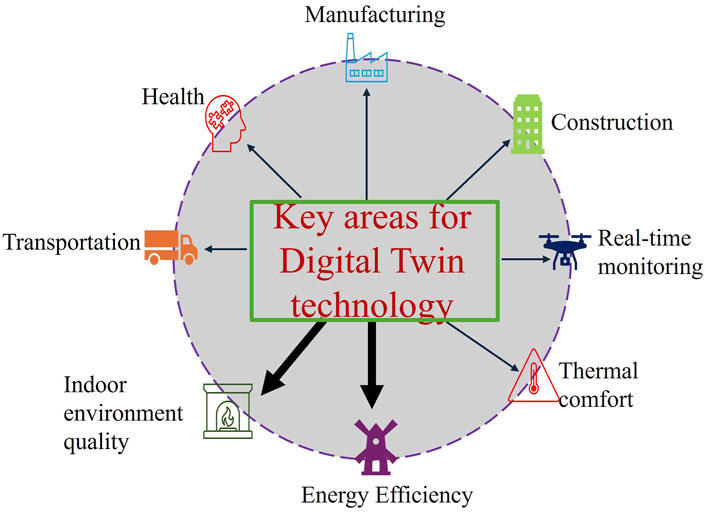
Figure 2. A few key areas for Digital Twin technology.
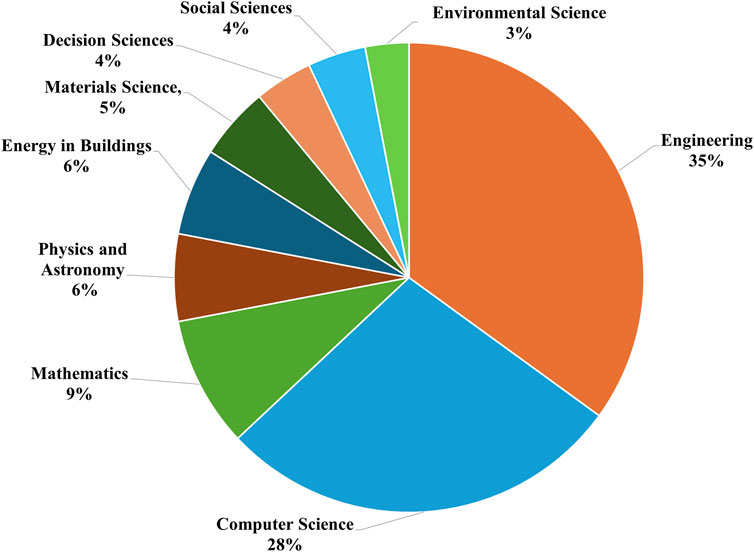
Figure 3. Digital Twin applications.
DT interactive virtual replicas of structures or infrastructure projects used in the construction trade. Advanced simulation models are also used to construct these virtual replicas, which incorporate real-time data from several sources, including sensors, BIM models, and other IoT devices. Consequently, throughout every project phase, DT enhances decision-making, optimizes performance, and offers insights into the construction process. Development technologies such as BD, Augmented Reality (AR), and Geographic Information Systems (GIS) in the construction industry and discussed various technologies used in the manufacturing industry such as product design, simulation, product forecasting, fault diagnosis, decision-making, predictive maintenance, scheduling, and monitoring (Abanda et al., 2024; Saback et al., 2024) (Table 1).
2.3 Digital twin in the existing buildings
Energy efficiency in existing buildings to improve building energy efficiency to enhance digital technologies such as AI for predictive controls, dynamic BIM for monitoring, and DT for real-time visualization. These technologies can increase energy efficiency by up to 79% while also dramatically lowering expenses and energy usage (Zhou and Liu, 2024). A DT-based framework that evaluates university classrooms energy-saving lighting techniques by integrating occupant behavior, building design, and operating schedules. The DT model allows for quantifying prospective energy savings from methods such as better operation, schedules, and enhanced light source efficiency through the simulation of various scenarios (Seo and Yun, 2022). Simulating actual buildings and utilizing occupant behavior to control lighting and temperature using DT to optimize building energy consumption. This process eventually enables informed decision-making about energy management (Cespedes-Cubides and Jradi, 2024). With the simulation scenario, DT also aids in risk assessment, well-informed decision-making, and accident avoidance. Building system intelligence is further enhanced by integration with IoT technologies (Ghansah and Lu, 2024). DT was used to implement Net Zero Energy Buildings (NZEB) in existing buildings, and a feasibility investigation is ongoing emphasizing renewable technology, energy efficiency, and cost analysis. It accentuates the necessity of precise definitions and rules for NZEBs. It emphasizes the utmost importance of using renewable energy alternatives to achieve sustainability goals while addressing the challenges associated with existing building infrastructure. With an emphasis on improving building envelopes for energy efficiency (Kaewunruen et al., 2019). DT model design using ANN to predict energy consumption in residential buildings in Lebanon. It emphasizes the significance of DT in enhancing the building design processes, overturning a framework for architects and engineers, and improving energy performance in the context of climate change (El-Gohary et al., 2023).
DT technology for indoor environmental quality of existing buildings. This IEQ has four main parameters: thermal comfort, indoor air quality, lighting quality, acoustic comfort, etc. This review focuses on thermal comfort and indoor air quality because many researchers have used DT technology to find thermal comfort and indoor air quality among the remaining parameters. DT framework enabled by BIM that integrates indoor positioning technologies, LiDAR, IoT sensors, and autonomous robotics for real-time indoor environment monitoring (Hu and Assaad, 2024a). Point cloud datasets to address the problem of connectedness identification in building geometry. It presents a surface topology graph to depict interactions between surfaces and suggests a deep geometric neural network architecture for graph reconstruction. Improving DT capabilities for building operation and maintenance (Drobnyi et al., 2024). A methodological way to produce building information models using CAD drawings and photos. It comprises three models: IFC BIM production, building information integration, and structural geometry extraction. It also achieves a Level of Development (LOD) 300 and strongly emphasizes data processing efficiency and cost-effectiveness (Lu et al., 2020b). DT enhances building indoor environmental quality (IEQ) monitoring through three phases: real-time monitoring, visualization, and data integration. Real-time monitoring enables ongoing evaluation of indoor environmental parameters such as thermal comfort and indoor air quality, ensuring a healthy environment for occupants. Visualization makes environmental conditions easily observable, assisting in facility management decisions. For comprehensive environmental assessments, data from IoT sensors and robotics (Hu and Assaad, 2024a). In the context of the COVID-19 pandemic, DT has significant potential for establishing and preserving hygienic indoor settings (Cai et al., 2023).
3 Research method
This review employs scientometric analysis to comprehend the current use of DT in energy efficiency and indoor environment quality in existing buildings. Science mapping analyzes and visualizes scientific areas conceptual frameworks in a substantial body of literature (Cobo et al., 2011; Suleny Bojorquez-Roque et al., 2024). For 10 years (2014–2024), specific keywords such as Digital Twin, energy efficiency, indoor environmental quality, and buildings were used to collect information from the Scopus database. After cleaning duplicates, 261 papers were imported into the Mendeley Reference Manager (MRM) tool and examined with VOS Viewer software. To understand the complex network relationships and to explain existing knowledge gaps in this domain of inquiry, the analysis overlays and visualizes publications in a country and year-wise, document sources, and most cited publications. Figure 4 provides a Prismatic representation of the review paper (Salihu et al., 2022).
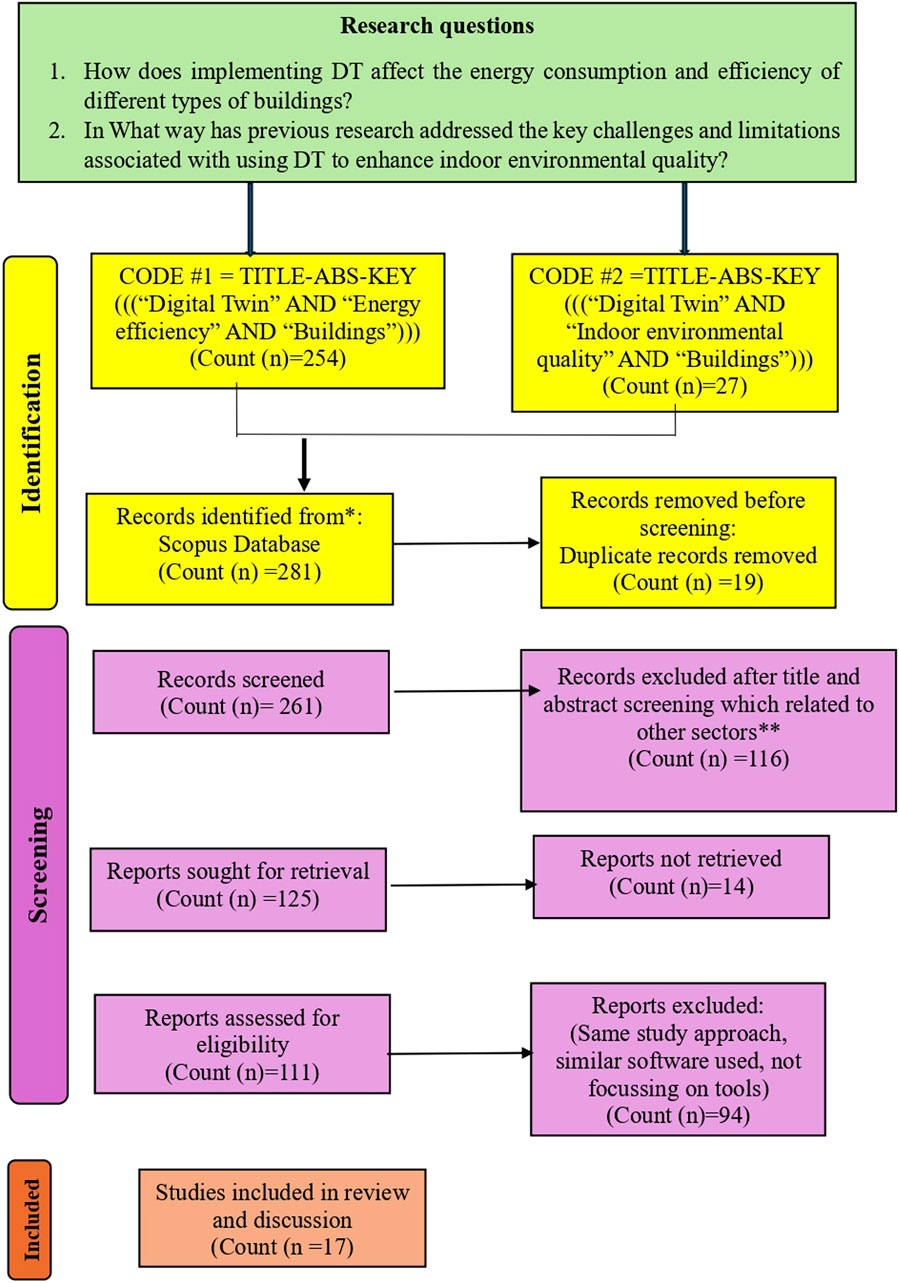
Figure 4. Prismatic representation of paper review.
3.1 Database and data collection
The primary repository of information for this literature review is the Scopus database, which encompasses many scholarly articles about DT in preexisting structures and their correlation with energy efficiency and indoor environmental quality. Considering the excess of bibliometric data available about alternative databases like the Web of Science and Google Scholar, the field of buildings has been notably underrepresented in academic studies (Meho and Rogers, 2008).
3.2 Strategy for selection of keywords
Using MRM software, the systematic review used the Scopus database to retrieve estimated bibliographic information on selected keywords specific to the research domain. Scopus has established a primary database for keyword selection. It contains many publications compared with the Web of Science and Google Scholar. Keywords coded in that Scopus database TITLE-ABS KEY (((“Digital Twin’’ OR “Virtual Twin” OR “Virtual twinning” OR “Digital Twinning” AND “Energy efficiency” AND “Buildings” OR “Houses”))) resulted in 254 papers, and similarly coded as TITLE-ABS KEY (((“Digital Twin’’ OR “Virtual Twins” OR “Virtual twinning” OR “Digital Twinning” AND “Indoor environment quality” AND “Buildings” OR “Houses”))) resulted in 27 papers after applying the exclusion and inclusion criteria. Papers published in the last 10 years (from 2014 to 2024 in the English language in Engineering, computer science, Energy, Social sciences, Environmental sciences, etc.) met the inclusion and exclusion criteria. When imported to reference managers, 281 publications were discovered in the database.
3.3 Selection of software tools for analysis and review
The scientometric evaluation uses the Scopus database and VOS Viewer software to investigate patterns and trends inherent in research activity. It displays bibliometric maps emphasizing visual aids to evaluate co-authorship and citation networks efficiently (Cobo et al., 2011). The bibliographic information underwent a meticulous review process, resulting in the elimination of duplicate entries. Subsequently, the ensuing articles were utilized to construct a comprehensive map illustrating authorship, countries, sources, and keyword co-occurrence, thereby elucidating the interconnectedness of the network. The keyword co-occurrence analysis facilitates the identification of research gaps within the discipline. It enhances the understanding of the interrelations among the subjects previously investigated by scholars in this domain. Based on the bibliographic information, the data in the Research Information Systems (RIS) file was extracted using MRM software, facilitating the generation of an overlay visualization depicting the co-occurrence analysis of keywords, as illustrated in Figure 5.
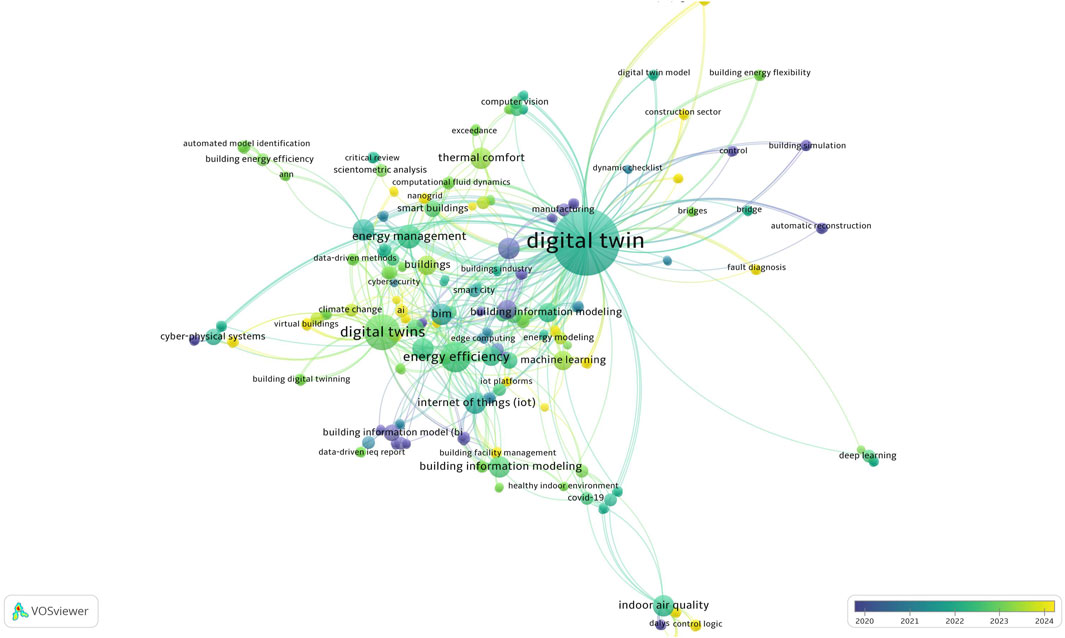
Figure 5. Overlay visualization of co-occurrence of keywords.
3.4 Systematic review steps
This segment elucidates the optimal reporting components for systematic reviews and meta-analyses Preferred reporting items for systematic reviews and meta-analyses (PRISMA) relevant to the article review and the overarching research design. Figure 4 illustrates the methodology employed for extracting files from the database and the procedural steps undertaken to eliminate duplicates and extraneous information from the identified or compiled records. Figure 6 shows an additional overview of the review article.
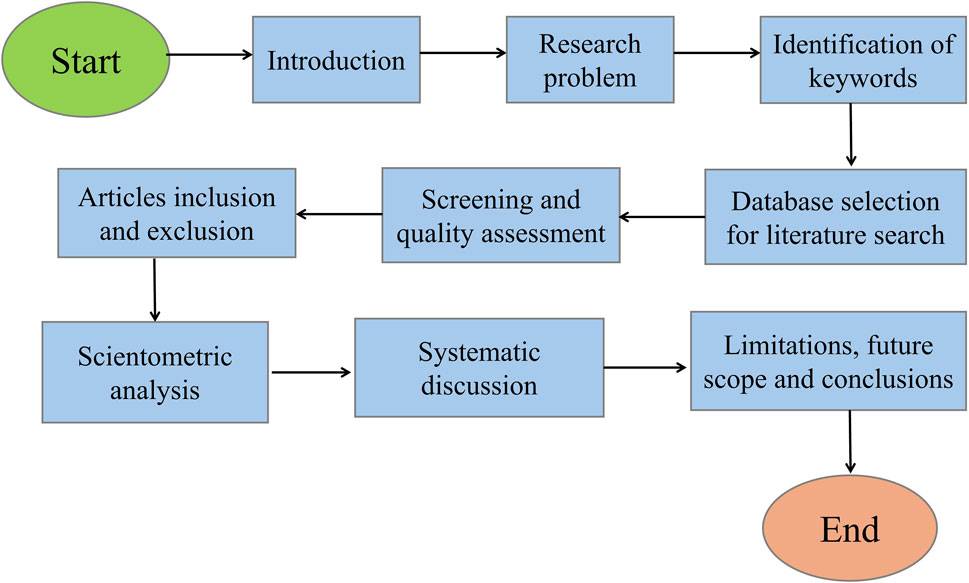
Figure 6. Overview of the paper.
4 Results
4.1 Year-wise publications
After a comprehensive review of 261 scholarly publications, a total of 116 relevant articles were systematically abstracted and examined. The dominant category was journal articles (n = 67), with a relatively limited number of conference papers (n = 39) and books (n = 10). A yearly breakdown of publications shows that production grew at a slower pace in 2019 (3) and 2020 (6) while experiencing significant growth in 2021 (14), 2022 (23), 2023 (32) and 2024 (38) as indicated in Figure 7.
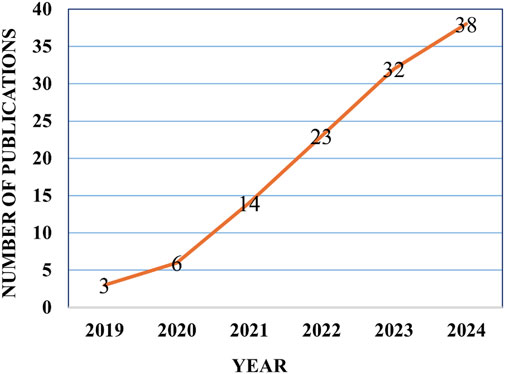
Figure 7. Year-wise number of publications.
In 2021, a hybrid approach combining ML and physics-based technologies will be used to create DT in the built environment. Cyber-physical systems (CPS) and BIM highlight cyber security concerns related to DT in the building environment (Alshammari et al., 2021; Lin et al., 2021). Highlighting the uniqueness and expanding interest in this research area in 2022, a Digital Twin Lighting (DTL) system that integrates lighting intelligence with safety features. It analyzes live video feeds, uses YOLOv4 for pedestrian detection, and leverages dynamic BIM to provide a graphical platform for operations and management, integrating DT and green metrics. This concept enhances sustainability planning in smaller buildings and reduces maintenance costs in cities (Corrado et al., 2022; Tan et al., 2022). In 2023, most scholars focused on using DT to enhance building energy efficiency, and they investigated the combination of gray box modeling and building energy management. Using sensor data and thermal energy assessments, it focuses on indoor temperature estimation in a specific zone of an academic facility at Griffith University, improving efficiency and occupant comfort. To develop a framework for energy efficiency assessment of buildings with DT and smart sensors and use dynamic BIM and computer vision to improve energy efficiency can save around 79% (Balali et al., 2023; Jradi and Bjornskov, 2023; Spudys et al., 2023). Virtual Building Models (VBMs) are mathematical representations of actual building behaviors throughout their lifetime, which will be introduced into the built environment in 2024 through VBMs. It has a strong focus on combining in-situ modeling with DT technologies to improve decision-making and sustainability in construction activities (Yoon, 2024a).
4.2 Country-wise publications
The total number of publications per country represents two distinct regions using the Scopus database. Figure 8 illustrates a) DT technology for energy efficiency and b) DT technology for indoor environmental quality. China and various European countries are leading research programs on DT aimed at increasing energy efficiency in the construction sector. As illustrated in Figure 8A, India has produced a total of 12 research publications in the last decade. Figure 8B emphasizes the importance of investigating indoor environmental quality, particularly in Europe and Asia, with China, Italy, and the United Kingdom emerging as the most active regions. In the future, India will focus efforts on the domain to improve the indoor air quality of its existing buildings.
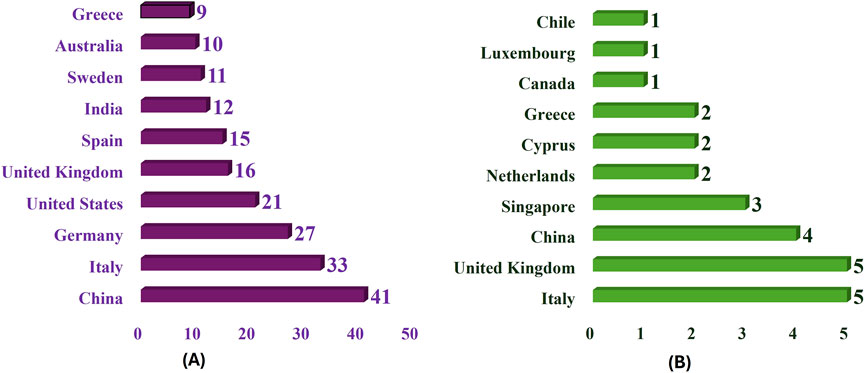
Figure 8. Country-wise number of publications of Digital Twin for (A) Energy efficiency (B) Indoor environmental quality in buildings.
4.3 Publications per document source
Key areas of study in energy, buildings, and sustainability are highlighted in Table 2, which includes a wide range of academic resources and counts of their papers. The most comprehensive source, seven papers in “Energy and Buildings,” highlight the importance of energy-related matters in construction contexts. Six papers, one each on “Buildings and Environment” and “Buildings,” focus on structure and environment interactions. Swiss publications with an emphasis on sustainability are particularly prominent. Additional sources address environmental science, energy technology, urban sustainability, and technological advancements. It covers several subjects, with a few papers, including energy informatics, construction automation, and civil engineering. Drawn from various scholarly areas and magazines, this distribution demonstrates a multidisciplinary approach to the subject. Information on the relationship between energy, buildings, and sustainability represents an important priority in research that pays attention to related technical and environmental issues.
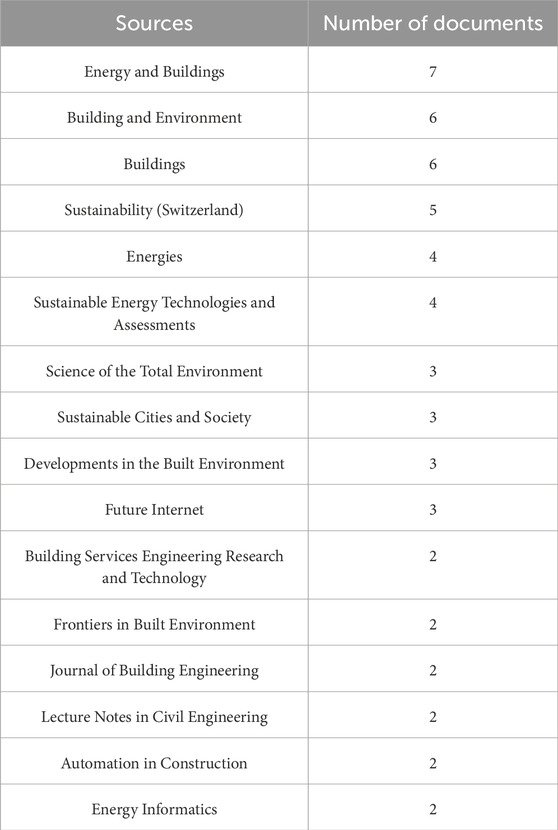
Table 2. Summary of the number of publications according to different sources.
4.4 Most cited publications with applications
The highest reference articles on DT technology were examined for this review to determine energy efficiency and indoor environmental quality in existing buildings. 17 publications out of 125 satisfied the requirements (Kaewunruen et al., 2019). most cited publications (146) use digital technologies such as BIM for energy management; the article highlights the application of net zero energy building concepts to existing buildings. Followed by (Tagliabue et al., 2021) 101 citations highlight the DT and the Internet of Things, and the framework enables real-time sustainability assessments. (Lydon et al., 2019). 85 citations mainly refer to developing thermal systems for lightweight buildings. They highlight using automation in simulation procedures to increase productivity and reduce expert user time. Table 3 represents some of the authors with the most citations with applications.
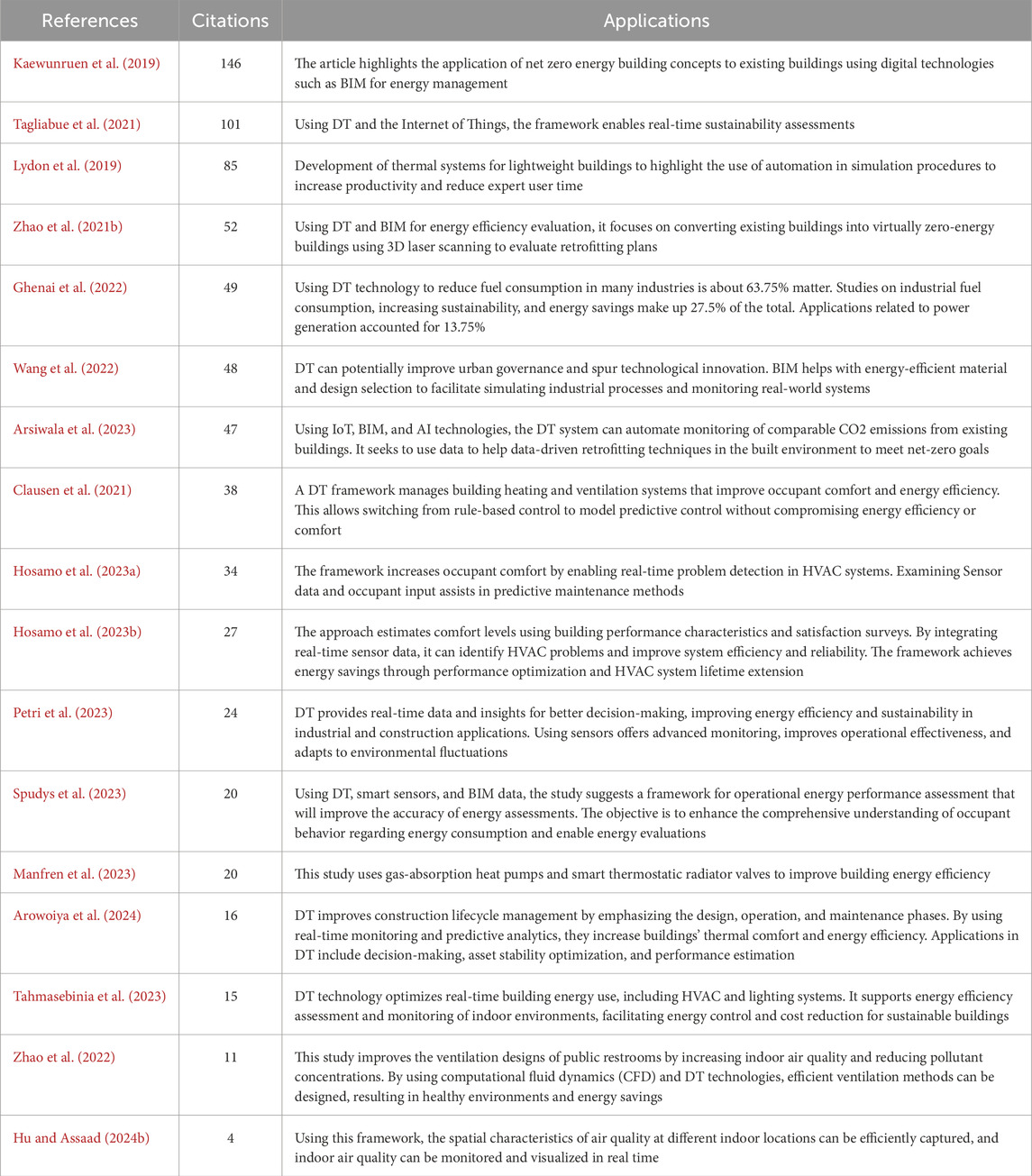
Table 3. Summary of most cited publications with applications.
5 Systematic discussion
5.1 Digital twin technology for Building energy efficiency
At the global level, energy consumption represents a significant challenge, as an expanding urban population complicates efforts to satisfy the ever-increasing energy demand. The environment is significantly affected by the depletion of energy resources, including climate change, ozone depletion, and global warming. As a result of changes in building design, energy resource transitions, and technological improvements, building energy use has changed dramatically over time.
Energy efficiency in existing buildings has developed significantly because of the need to reduce energy consumption and combat climate change. Many strategies have been used to improve the energy efficiency of ancient and modern buildings, including modern modeling techniques and retrofitting. BIM is becoming a crucial tool for designing energy-efficient buildings, enabling better energy simulations and building thermal system optimization. Research from China has demonstrated how BIM can improve design efficiency and energy standard compliance (Zhao L. et al., 2021). Simulation-based decision support systems have been developed to help investors make educated decisions on energy-efficient solutions, estimating energy consumption after retrofitting (Neves-Silva and Camarinha-Matos, 2022). Using a combination of passive strategies and advanced technology to reduce energy consumption in existing buildings is possible. According to (Pavirani et al., 2023), using demand response algorithms such as Monte Carlo Tree Search (MCTS) can achieve a 4% reduction in energy costs by optimizing heating systems while maintaining thermal comfort. Smart thermostats that detect human activity can save up to 15% in energy by dynamically adjusting set points based on occupancy and facility needs (Mata et al., 2023). Building designs that use thermal mass and passive solar energy can dramatically reduce energy consumption savings by up to 34.71%, which is seen in Mediterranean habitats (Bekele and Atakara, 2023).
Building energy efficiency is being revolutionized by DT, which allows real-time monitoring and optimization of energy use. Ultimately, this technology promotes sustainable behaviors by improving building design, operation, and retrofitting through integration with BIM. Investigates how BIM and DT technologies will be used to improve functional energy assessments of buildings. To bridge the performance gap between asset and operational energy ratings, it proposes a collection of 26 indicators for real-time monitoring and analysis. It highlights the role of digital tools and smart sensors in increasing energy efficiency (Spudys et al., 2023). According to (Kaewunruen et al., 2019), DT facilitates the assessment of NZEB solutions for existing buildings. This enables efficient integration of renewable technologies and accurate cost estimation. Energy consumption analysis can be performed automatically by tools developed using BIM plugins, which significantly helps designers optimize energy consumption during the design phase (Kurniawan et al., 2023). AI-powered simulations coupled with DT can improve building performance through consumption pattern analysis and layout optimization, increasing user comfort and energy efficiency (Almusaed and Yitmen, 2023). The fragmented structure of the construction sector and the demand for specialized personnel in BIM and DT technologies present opportunities but also constraints. To maximize the benefits of energy efficiency, it is imperative to address these gaps through focused training (Alhamami et al., 2020).To improve building occupant comfort and energy efficiency (Clausen et al., 2021), describe a DT framework that utilizes Model Predictive Control (MPC). By integrating occupancy prediction with a multi-objective optimization approach, the methodology demonstrates possible energy savings and improved comfort levels compared to existing management systems (Zhou and Liu, 2024).
A Digital Twin framework for evaluating energy savings strategies for lighting in university classrooms. By controlling occupancy and adjusting lighting, it finds potential savings of more than 60% without the need to replace the system (Seo and Yun, 2022). A computer vision and DT-based method (Tan et al., 2022) for improving interior lighting energy efficiency. The proposed approach significantly reduces energy consumption, savings up to 79.86% by combining real-time data with intelligent control mechanisms. A DT-driven architecture for IoT-based energy trading between intelligent nano grids, improving stability and efficiency. Integrating blockchain for secure transactions and the use of advanced predictive algorithms has revolutionized energy management practices, resulting in a 24% increase in renewable energy use and a 52% reduction in peak demand (Jamil et al., 2024). A cloud-based digitalization framework that utilizes DT, IoT, and AI for energy efficiency and intelligent management of historic structures. The framework uses information collected from environmental sensors to provide analytics and real-time monitoring (Ni et al., 2021).
AI methods and DT will increase energy conservation in the Roman residential area (Agostinelli et al., 2021). It strongly emphasizes improving energy efficiency by combining IoT and providing affordable IT infrastructure for reliable data collection and analysis (Agostinelli et al., 2021). An approach to building energy efficiency using DT to manage issues with thermal parameters and privacy issues raised by residents. Integrating data-driven and mechanism models to provide optimum dispatch speed guarantees fault tolerance and privacy protection. It makes building energy flexibility more effective, which helps achieve carbon neutrality goals (Song et al., 2023)Although much of the research has focused on tracking, monitoring, and optimizing energy efficiency, it has not included applications of DT in this domain recent DT applications for building energy efficiency, as shown in Table 4.
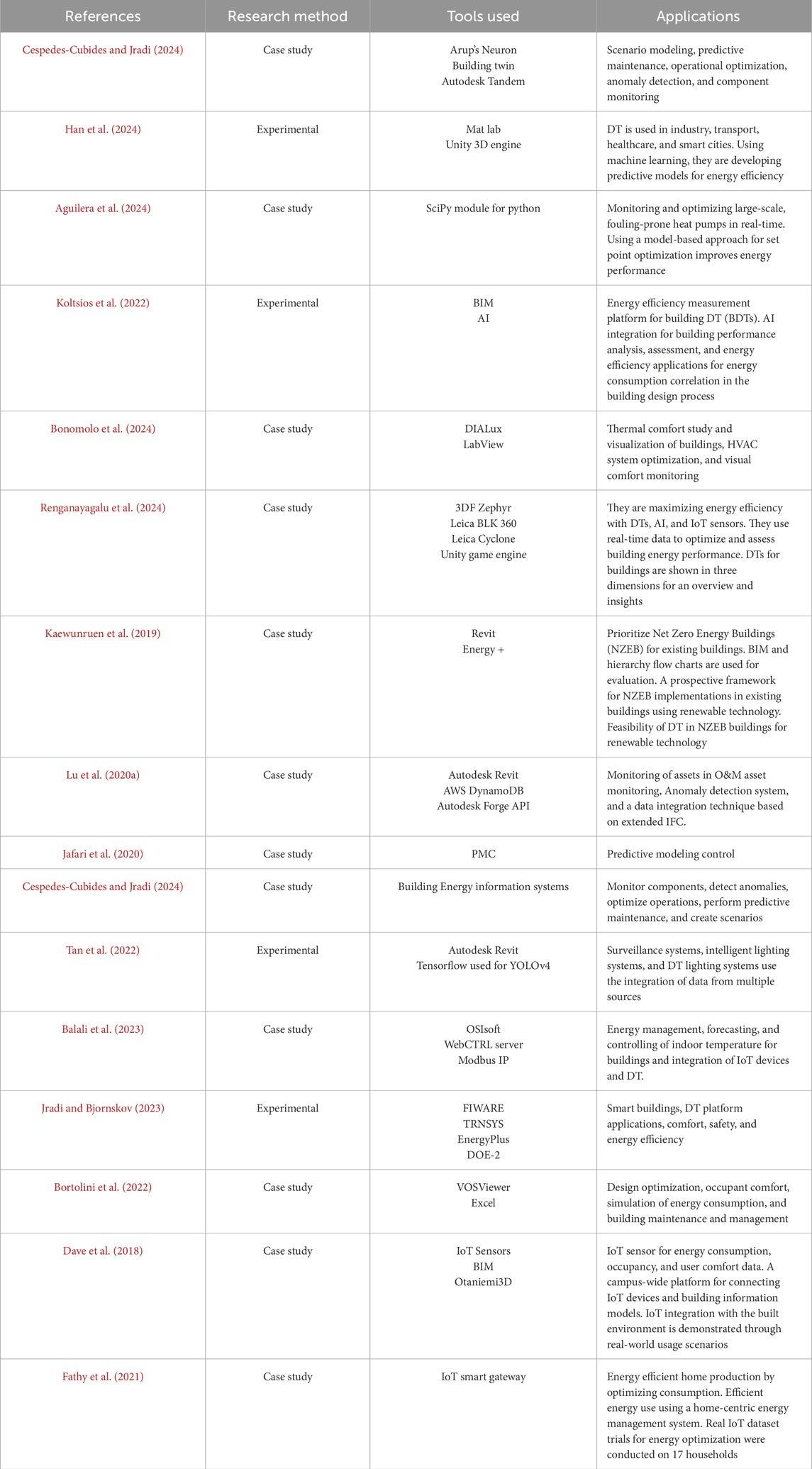
Table 4. Recent applications of DT for energy efficiency.
5.2 Digital twin technology for indoor environment quality
As urban growth moves away from adding new buildings towards maximizing existing ones, the environmental quality of such structures has become a significant issue. While they often lack contemporary infrastructure, historic buildings present difficulties in indoor quality management due to antiquated materials and systems that lead to unfavorable environmental conditions (Qian et al., 2024a). Research shows that various pollutants affect residents’ wellbeing and health and require proper IEQ management (Qian et al., 2024a). In addition, it has been suggested that integrating cutting-edge technologies such as DT technology and adaptive HVAC systems can improve energy efficiency and indoor environmental quality in heritage buildings, thus addressing the historical context of environmental quality (Zhang et al., 2023). The potential for enhancing the environmental quality of existing buildings by adopting innovative energy management approaches is highlighted, resulting in considerable savings in energy consumption (Borja-Conde et al., 2023). As urban development moves from growth to optimization of built environments, the history of indoor environmental quality in existing buildings has garnered more attention. Studies emphasize how important it is to monitor and regulate indoor environment quality conditions, such as sick building syndrome (SBS), which is brought on by occupants emissions of carbon dioxide (CO2) and Volatile Organic Compounds (VOCs) (Arsiwala et al., 2023; Chiesa and Vigliotti, 2024a).
DT integrates real-time data from several sensors, essential for monitoring and improving indoor environmental quality in existing buildings. To develop a user-friendly platform that monitors indoor environmental quality parameters like thermal comfort and indoor air quality and pollutants like e CO2 and TVOC, a DT solution can integrate IoT, BIM, and ML. To create healthier indoor environments, this technology provides real-time insights into the indoor environment and enables future emissions to be predicted. It allows adequate ventilation and air purification systems to be implemented (Arsiwala et al., 2023). Furthermore, the use of DT for adaptive management of HVAC systems increases energy efficiency and guarantees adherence to indoor air quality regulations, protecting both building integrity and occupant comfort (Zhang et al., 2023). Controlling and improving the indoor environmental quality of existing buildings has advanced significantly with the use of DT.
DT technologies have positively impacted various phases of the architecture, engineering, and construction (AEC) sector, incorporating case studies into buildings indoor environments. However, the prevailing scholarly discussion focuses primarily on built infrastructure and urban settings while demonstrating comparatively reduced rigor concerning the landscape sector (Liu et al., 2023). It is crucial to design DT systems, specifically those for indoor building environmental conditions and DT with BIM technologies. In this case study, the model emphasizes using sensors and cameras for data collection to provide real-time identification and dynamic representation of building components. The framework developed is relevant to case studies of indoor settings as it is the basis for effective building management and operational efficiency (Wang et al., 2022). The authors introduce parametric DT for using ontology to model indoor environments in manufactured buildings. DT is combined with deep learning methods in a case study of historic buildings in Osterg, Otland, Sweden. It focused on building indoor temperature and relative humidity prediction models. It demonstrates the potential of a time series dense encoder model for multi-horizon predictions, underscoring the promise of DT technology for indoor environmental optimization (Ni et al., 2023). The authors do not directly cover DT for building indoor environments, but they focus on a case study of a university campus, emphasizing the layered integration of multi-functional models for infrastructure and building lifecycle management. The research demonstrates digital twinning (DODT), highlighting several applications, including condition assessment, construction management, and environmental planning (Chen et al., 2024).
Prior studies have addressed the main barriers to using DT to improve IEQ through integrating several technologies, including real-time data capturing systems, IoT, and BIM. For example, the DT framework was built to monitor and optimize indoor conditions, which addresses data integration and visualization challenges by combining BIM and IoT (Opoku et al., 2024). Furthermore, the accuracy of indoor mapping, which is essential for effective environmental monitoring, has increased with the use of LiDAR-based SLAM to generate high-fidelity point clouds (Hu and Assaad, 2024a). The use of DT optimizes energy performance and operational efficiency. It also gives facility managers insights into energy consumption trends and can enable proactive changes to improve sustainability and comfort (Renganayagalu et al., 2024). A computational framework that analyzes human-generated aerosol and CO2 buildup in classrooms using CFD simulations and confirmed by in-situ observations. It investigates how individual heat sources and breathing momentum flux affect air stratification and aerosol dispersion in a stale air environment. The study highlights the significance of accurate exhaled aerosol and CO2 modeling (Mahmoud et al., 2024a). A new classification and weighting scheme for IEQ assessment models aimed at improving the relevance and accuracy of assessments. An ensemble hierarchical clustering method is introduced to improve HVAC management practices based on occupancy variety, with the potential to save energy. Using hidden random variables and physical process equations, thermal comfort systems are argued to maximize occupant satisfaction and incorporate lower energy consumption (Karatzas et al., 2024).
IEQ in buildings has been significantly improved by combining AI techniques with DT technologies using real-time data and predictive analytics. By providing an all-inclusive framework that integrates IoT, BIM, and ML. DT facilitates IEQ monitoring and enables efficient data integration and visualization (Qian et al., 2024a). This approach enables rapid assessment and management of air pollution, guaranteeing prompt resolution of IEQ issues. In addition, data from multiple sensors is analyzed using AI technologies such as supervised and unsupervised learning to increase energy efficiency and occupant comfort (Karatzas et al., 2024). Ultimately, managers can bridge the gap between problem identification and subsequent resolution using a DT platform by enhancing the overall welfare and functionality of internal environments. Table 5 represents recent DT applications for indoor environmental quality in buildings.
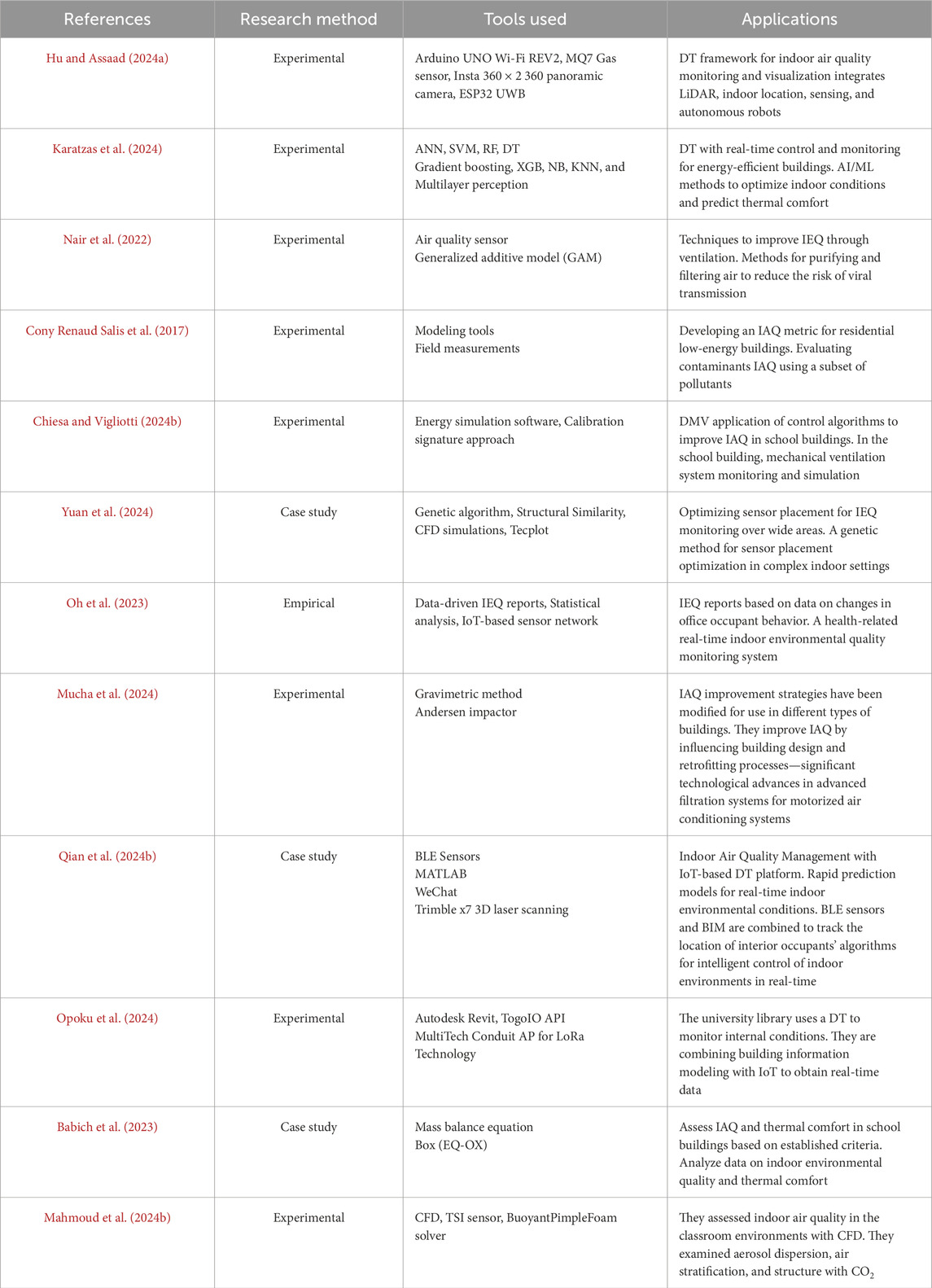
Table 5. Recent applications of DT for indoor environmental quality.
6 Discussions
The review results illuminate the application of AI and ML in improving preexisting architectural structures. The prevalence and widespread terminologies associated with DTs, AI, BIM, smart urbanism, architectural design, energy efficiency and consumption, and indoor environmental quality parameters corroborate this claim. Moreover, the results emphasize the need for additional research in underexplored domains such as smart grids, energy storage systems, augmented and virtual reality, 5G connectivity, and edge computing. Ongoing investigations in these domains are imperative to comprehensively utilize AI and ML capabilities to optimize intelligent building systems.
The significant number of citations in the seventeen research papers, as indicated in Table 3, demonstrates the depth of research on applying DT for energy efficiency and indoor environmental quality. Although IEQ has received more attention than energy efficiency, the issue of indoor air quality in existing buildings requires additional attention. Figure 8 illustrates that extensive scholarly research has been undertaken in various global regions, including China, Italy, the United States, the United Kingdom, Germany, Singapore, Spain, and India. In future efforts, enhanced international collaboration is hoped to further advance this research area. Urbanization exacerbates the energy consumption problem, which impacts resource depletion and climate change. BIM and DT technologies are essential in increasing energy efficiency in existing buildings. Building energy efficiency has evolved with design and technological advances. DT supports nearly zero-energy buildings (Kaewunruen et al., 2019), which combines real-time data and smart sensors to increase building efficiency. BIM enhances design and compliance. Using advanced simulations and energy trading, AI can further improve energy efficiency. However, to realize the full potential of these technologies, barriers such as industry fragmentation and the need for specialized training must be overcome.
Preserving the environmental integrity of historic buildings has become an essential priority as urban development shifts from constructing new buildings to renovating older buildings. These historic buildings often have IEQ issues due to old materials and systems that negatively affect people’s health and wellbeing. Integrating advanced technology such as DT and adaptive HVAC systems is recommended to overcome these issues. IoT, BIM, and ML are combined in DT to use real-time sensor data to monitor and improve IEQ accurately. This technology provides information about indoor variables, including humidity, temperature, and pollution levels. At the same time, it enables predictive analytics, which can improve ventilation and air purification system management. According to empirical studies, DT significantly improves energy efficiency, operational effectiveness, and compliance with IEQ laws. Furthermore, LiDAR-based SLAM for accurate indoor mapping and CFD simulations for aerosol and CO2 modeling can further improve environmental monitoring and ventilation practices. In summary, the integration of AI and DT has the potential to significantly improve indoor environmental quality by enabling real-time building condition monitoring and optimization, which ultimately leads to improved energy efficiency and occupant comfort.
In addition, DT offers many advantages regarding enhancing IEQ and energy efficiency. It offers several benefits over conventional building management techniques. DT allows for the incorporation of real-time data from IoT devices. It allows for ongoing building performance monitoring, which enhances IEQ and energy efficiency and facilitates improved decision-making. With its emphasis on communications and sustainable cities, DT supports the SDGs and encourages inexpensive, renewable energy and health and wellbeing. DT promotes environmental science, engineering, and construction. In addition, the preventive maintenance methods made possible by DT save maintenance costs and interruptions. Finally, DT is a valuable tool for improving performance compared to traditional approaches.
7 Limitations
It is important to acknowledge several limitations when discussing a systematic review of Digital Twin technology for improving energy efficiency and indoor environmental quality. This review focused on English-language publications, potentially omitting key findings from research disseminated in alternative languages. This analysis makes it clear that the use of DT technology in different typologies and geographical settings has not been adequately examined. This study was limited to specific academic disciplines, raising concerns about the representativeness of the research. This may have overlooked significant contributions from different fields, potentially obscuring important insights and applications of DT in different contexts. Synthesis of results proved problematic due to the different methods used in this study. Since different methods may lead to different results, this discrepancy undermines the reliability of the findings derived from the review.
The prominent use of sensors in the reviewed research focuses primarily on baseline data, thereby complicating comprehensive environmental assessments. This suggests that the full potential of DT technology cannot be realized without sophisticated sensor applications that capture a diverse range of data. As a result, the findings of this review may soon be outdated, and further research is needed to accelerate progress in this field. This limitation suggests that the research may not have universal applicability, obscuring key opportunities from different contexts. The review highlights the challenges posed by the heterogeneity of study methods. This inconsistency hinders the synthesis of results and negatively impacts the reliability of conclusions drawn from the review. The effectiveness of the DT methodology primarily depends on the efficiency and accessibility of real-time data. The DT technology domain is undergoing rapid evaluation, making the review impractical in a short time. The manuscript recognizes the need for ongoing research to address these developments, suggesting that the conclusions require urgent reevaluation.
The review highlights the need for a multidisciplinary framework to thoroughly investigate the applications of DT technology. However, achieving effective collaboration across different fields can be challenging, leading to oversimplified conclusions that fail to capture the complexity inherent in the topic.
8 Future scope
Future applications of DT technology in optimizing energy efficiency and improving indoor environmental quality in existing buildings are highly encouraging. However, this requires significant technological advances. Recent scholarly research emphasizes the need for better synthesis of real-time data obtained from different sensors to create more accurate digital models of buildings, thus enabling superior monitoring and control of energy consumption and indoor environments. Moreover, expanding sensor usage beyond basic metrics such as temperature and humidity is imperative for holistic environmental assessments. There is a need for research efforts tailored explicitly to specific architectural typologies and geographic contexts. Realizing the operational capability of DT in different climatic conditions and by varying construction regulations will significantly improve its relevance and efficiency. Although the review describes shortcomings in the existing literature, it does not provide comprehensive guidelines for correcting them. Further research should produce clear methodological frameworks for future inquiries in this dynamic domain.
LiDAR technology improves the accuracy of DT by supporting high-resolution spatial information, facilitating indoor mapping, and enabling real-time surveillance and visualization. Implementing advanced predictive algorithms, including deep learning and reinforcement learning methodologies, can significantly enhance energy management strategies. Furthermore, promoting global collaboration and cross-disciplinary studies is crucial to reduce knowledge gaps and optimize DT implementations in practical contexts. These advances ultimately contribute to more sustainable construction practices and improved occupant satisfaction in the former.
9 Conclusion
According to a systematic review, DT technology holds great promise for improving building indoor environmental quality and energy efficiency. DT can be used to create real-time simulations that optimize building efficiency and improve occupant comfort by integrating with various digital technologies, including the Internet of Things and building information modeling. The review findings suggest that integrating DT can lead to significant energy savings and improved construction performance in various building types. The assessment highlights the potential of digital transformation technology to provide analytical insights derived from real-time data to support more informed decision-making at every stage of the buildings life cycle, from design to operation management. However, the analysis also points to several difficulties and limitations of the current application of DT technology. The narrow significance of current research, mainly limited to studies published in English and specific academic subjects, is a serious cause for concern. This can show how broadly the results can be applied and obscure critical perspectives from other fields and geographies. To fill these gaps, we anticipate the need for more research into how well DT works in different building types and locations. To ensure that anyone can use the benefits of DT technology, future research will work to provide standardized procedures for evaluating its effects.
Finally, DT offers a revolutionary opportunity to improve buildings indoor environmental quality and energy efficiency. However, to fully realize its potential, additional research is mandatory to overcome existing challenges. The findings described in the article illustrate the complex interrelationships between technological processes, sustainability theories, and health outcomes, thus underscoring the need for ongoing scholarly exploration and application of DT in the built environment. Conclusions drawn from the review form a framework for further research and advocate for a multidisciplinary perspective to examine different applications of DT in the built environment, ultimately facilitating the advancement of more sustainable and efficient construction technologies.
Author contributions
NV: Conceptualization, Data curation, Methodology, Software, Visualization, Writing–original draft. MS: Investigation, Supervision, Validation, Writing–review and editing.
Funding
The author(s) declare that no financial support was received for the research, authorship, and/or publication of this article.
Conflict of interest
The authors declare that the research was conducted in the absence of any commercial or financial relationships that could be construed as a potential conflict of interest.
Generative AI statement
The authors declare that no Generative AI was used in the creation of this manuscript.
Publisher’s note
All claims expressed in this article are solely those of the authors and do not necessarily represent those of their affiliated organizations, or those of the publisher, the editors and the reviewers. Any product that may be evaluated in this article, or claim that may be made by its manufacturer, is not guaranteed or endorsed by the publisher.
Supplementary material
The Supplementary Material for this article can be found online at: https://www.frontiersin.org/articles/10.3389/fbuil.2025.1523464/full#supplementary-material
Abbreviations
DT, Digital Twin; IEQ, Indoor environmental quality; IAQ, Indoor air quality; AR/VR, Augmented virtuality/Virtual Reality; IoT, Internet of Things; BIM, Building information modeling; AI, Artificial Intelligence; ML, Machine learning; PLM, Product life management; GIS, Geographical information system; PRISMA, Preferred reporting items for systematic reviews and meta-analyses; NZEB, Net zero energy buildings; HVAC, Heating, Ventilation, and Air conditioning; ANN, Artificial Neural Networks; LiDAR, Light detection and ranging; IFC, Industry Foundation classes; Lod, Level of development; RIS, Research Information systems; CPS, Cyber-physical systems; BEM, Building energy management; VBMS, Virtual modeling models; MCTS, Monte Carlo Tree Search; MPC, Model predictive control; BDT, Building Digital Twin; SBS, Sick building syndrome; YOLO, V4 You only look me; O & M, Operation & Maintenance.
References
Abanda, F. H., Jian, N., Adukpo, S., Tuhaise, V. V., and Manjia, M. B. (2024). “Digital twin for product versus project lifecycles’ development in manufacturing and construction industries,” in Journal of intelligent manufacturing (Springer). doi:10.1007/s10845-023-02301-2
Agostinelli, S., Cumo, F., Guidi, G., and Tomazzoli, C. (2021). Cyber-physical systems improving building energy management: digital twin and artificial intelligence. Energies 14 (8), 2338. doi:10.3390/en14082338
Agouzoul, A., Simeu, E., and Tabaa, M. (2023). “Enhancement of building energy consumption using a digital twin based neural network model predictive control,” in International conference on control, automation and diagnosis, ICCAD 2023, Rome, Italy, 10-12 May 2023. doi:10.1109/ICCAD57653.2023.10152308
Agouzoul, A., Tabaa, M., Chegari, B., Simeu, E., Dandache, A., and Alami, K. (2021). Towards a digital twin model for building energy management: case of Morocco. Procedia Comput. Sci. 184, 404–410. doi:10.1016/j.procs.2021.03.051
Aguilera, J. J., Meesenburg, W., Markussen, W. B., Zühlsdorf, B., and Elmegaard, B. (2024). Real-time monitoring and optimization of a large-scale heat pump prone to fouling - towards a digital twin framework. Appl. Energy 365, 123274. doi:10.1016/j.apenergy.2024.123274
Akanmu, A. A., Olayiwola, J., Ogunseiju, O., and McFeeters, D. (2020). Cyber-physical postural training system for construction workers. Automation Constr. 117, 103272. doi:10.1016/j.autcon.2020.103272
Alhamami, A., Petri, I., Rezgui, Y., and Kubicki, S. (2020). Promoting energy efficiency in the built environment through adapted BIM training and education. Energies 13 (9), 2308. doi:10.3390/en13092308
Almusaed, A., and Yitmen, I. (2023). Architectural reply for smart building design concepts based on artificial intelligence simulation models and digital twins. Sustain. Switz. 15 (6), 4955. doi:10.3390/su15064955
Alshammari, K., Beach, T., and Rezgui, Y. (2021). Cybersecurity for digital twins in the built environment: current research and future directions. J. Inf. Technol. Constr. 26, 159–173. doi:10.36680/j.itcon.2021.010
Angjeliu, G., Coronelli, D., and Cardani, G. (2020). Development of the simulation model for Digital Twin applications in historical masonry buildings: the integration between numerical and experimental reality. Comput. Struct. 238, 106282. doi:10.1016/j.compstruc.2020.106282
Arowoiya, V. A., Moehler, R. C., and Fang, Y. (2024). Digital twin technology for thermal comfort and energy efficiency in buildings: a state-of-the-art and future directions. Energy Built Environ. 5 (5), 641–656. doi:10.1016/j.enbenv.2023.05.004
Arsiwala, A., Elghaish, F., and Zoher, M. (2023). Digital twin with Machine learning for predictive monitoring of CO2 equivalent from existing buildings. Energy Build. 284, 112851. doi:10.1016/j.enbuild.2023.112851
Asif, M., Naeem, G., and Khalid, M. (2024). Digitalization for sustainable buildings: technologies, applications, potential, and challenges. J. Clean. Prod. 450, 141814. doi:10.1016/j.jclepro.2024.141814
Author Anonymous (2024). Digital Twins The Convergence of Multimedia Technologies. Available at: https://www.computer.org/multimedia.
Babich, F., Torriani, G., Corona, J., and Lara-Ibeas, I. (2023). Comparison of indoor air quality and thermal comfort standards and variations in exceedance for school buildings. J. Build. Eng. 71, 106405. doi:10.1016/j.jobe.2023.106405
Balali, Y., Busch, A., and O’Keefe, S. (2023). “Modelling and prediction of energy efficient building climate toward digital twin integration,” in Asia-pacific power and energy engineering conference (APPEEC). doi:10.1109/APPEEC57400.2023.10561934
Bekele, M. T., and Atakara, C. (2023). Residential building energy conservation in mediterranean climate zone by integrating passive solar and energy efficiency design strategies. Buildings 13 (4), 1073. doi:10.3390/buildings13041073
Bonomolo, M., Testasecca, T., Buscemi, A., Alberto Munafo, F. L., and Beccali, M. (2024). “Digital twin-based assessment framework for monitoring visual comfort,” in 2024 IEEE 22nd mediterranean electrotechnical conference, MELECON 2024, Porto, Portugal, 25-27 June 2024, 1139–1145. doi:10.1109/MELECON56669.2024.10608560
Borja-Conde, J. A., Witheephanich, K., Coronel, J. F., and Limon, D. (2023). Thermal modeling of existing buildings in high-fidelity simulators: a novel, practical methodology. Energy Build. 292, 113127. doi:10.1016/j.enbuild.2023.113127
Bortolini, R., Rodrigues, R., Alavi, H., Vecchia, L. F. D., and Forcada, N. (2022). Digital twins’ applications for building energy efficiency: a review. Energies 15 (Issue 19), 7002. doi:10.3390/en15197002
Cai, J., Chen, J., Hu, Y., Li, S., and He, Q. (2023). Digital twin for healthy indoor environment: a vision for the post-pandemic era. Front. Eng. Manag. 10 (2), 300–318. doi:10.1007/s42524-022-0244-y
Cespedes-Cubides, A. S., and Jradi, M. (2024). A review of building digital twins to improve energy efficiency in the building operational stage. Springer Nat. 7 (1), 11. doi:10.1186/s42162-024-00313-7
Chen, G., Alomari, I., Taffese, W. Z., Shi, Z., Afsharmovahed, M. H., Mondal, T. G., et al. (2024). Multifunctional Models in Digital and Physical Twinning of the Built Environment—A University Campus Case Study. Smart Cities 7 (2), 836–858. doi:10.3390/smartcities7020035
Chiesa, G., and Vigliotti, M. (2024a). Comparing mechanical ventilation control strategies for indoor air quality: monitoring and simulation results of a school building in northern Italy. Energy Build. 322, 114665. doi:10.1016/j.enbuild.2024.114665
Chiesa, G., and Vigliotti, M. (2024b). Comparing mechanical ventilation control strategies for indoor air quality: monitoring and simulation results of a school building in northern Italy. Energy Build. 322, 114665. doi:10.1016/j.enbuild.2024.114665
Clausen, A., Arendt, K., Johansen, A., Sangogboye, F. C., Kjærgaard, M. B., Veje, C. T., et al. (2021). A digital twin framework for improving energy efficiency and occupant comfort in public and commercial buildings. Energy Inf. 4, 40. doi:10.1186/s42162-021-00153-9
Cobo, M. J., López-Herrera, A. G., Herrera-Viedma, E., and Herrera, F. (2011). Science mapping software tools: review, analysis, and cooperative study among tools. J. Am. Soc. Inf. Sci. Technol. 62 (7), 1382–1402. doi:10.1002/asi.21525
Conroy, M. (2010). Modeling, simulation, information technology and processing roadmap. Available at: https://www.researchgate.net/publication/280310295.
Cony Renaud Salis, L., Abadie, M., Wargocki, P., and Rode, C. (2017). Towards the definition of indicators for assessment of indoor air quality and energy performance in low-energy residential buildings. Energy Build. 152, 492–502. doi:10.1016/j.enbuild.2017.07.054
Corrado, C. R., DeLong, S. M., Holt, E. G., Hua, E. Y., and Tolk, A. (2022). Combining green metrics and digital twins for sustainability planning and governance of smart buildings and cities. Sustain. Switz. 14 (20), 12988. doi:10.3390/su142012988
Dave, B., Buda, A., Nurminen, A., and Främling, K. (2018). A framework for integrating BIM and IoT through open standards. Automation Constr. 95, 35–45. doi:10.1016/j.autcon.2018.07.022
Deng, M., Menassa, C. C., and Kamat, V. R. (2021). From BIM to digital twins: a systematic review of the evolution of intelligent building representations in the AEC-FM industry. J. Inf. Technol. Constr. 26, 58–83. doi:10.36680/J.ITCON.2021.005
Desogus, G., Frau, C., Quaquero, E., and Rubiu, G. (2023). From building information model to digital twin: a framework for building thermal comfort monitoring, visualizing, and assessment. Buildings 13 (8), 1971. doi:10.3390/buildings13081971
Drobnyi, V., Li, S., and Brilakis, I. (2024). Connectivity detection for automatic construction of building geometric digital twins. Automation Constr. 159, 105281. doi:10.1016/j.autcon.2024.105281
El-Gohary, M., El-Abed, R., and Omar, O. (2023). Prediction of an efficient energy-consumption model for existing residential buildings in Lebanon using an artificial neural network as a digital twin in the era of climate change. Buildings 13 (12), 3074. doi:10.3390/buildings13123074
Es-haghi, M. S., Anitescu, C., and Rabczuk, T. (2024). Methods for enabling real-time analysis in digital twins: a literature review. Comput. Struct. 297, 107342. doi:10.1016/j.compstruc.2024.107342
Fathy, Y., Jaber, M., and Nadeem, Z. (2021). Digital twin-driven decision making and planning for energy consumption. J. Sens. Actuator Netw. 10 (2), 37. doi:10.3390/JSAN10020037
Ghansah, F. A., and Lu, W. (2024). Major opportunities of digital twins for smart buildings: a scientometric and content analysis. Smart Sustain. Built Environ. 13 (Issue 1), 63–84. doi:10.1108/SASBE-09-2022-0192
Ghenai, C., Husein, L. A., Al Nahlawi, M., Hamid, A. K., and Bettayeb, M. (2022). Recent trends of digital twin technologies in the energy sector: a comprehensive review. Sustain. Energy Technol. Assessments 54. doi:10.1016/j.seta.2022.102837
Greif, T., Stein, N., and Flath, C. M. (2020). Peeking into the void: digital twins for construction site logistics. Comput. Industry 121, 103264. doi:10.1016/j.compind.2020.103264
Grieves, M., and Vickers, J. (2016). “Digital twin: mitigating unpredictable, undesirable emergent behavior in complex systems,” in Transdisciplinary perspectives on complex systems: new findings and approaches (Springer International Publishing), 85–113. doi:10.1007/978-3-319-38756-7_4
Hadjidemetriou, L., Stylianidis, N., Englezos, D., Papadopoulos, P., Eliades, D., Timotheou, S., et al. (2023). A digital twin architecture for real-time and offline high granularity analysis in smart buildings. Sustain. Cities Soc. 98, 104795. doi:10.1016/j.scs.2023.104795
Han, F., Du, F., Jiao, S., and Zou, K. (2024). Predictive analysis of a building’s power consumption based on digital twin platforms. Energies 17 (15), 3692. doi:10.3390/en17153692
Hosamo, H. H., Nielsen, H. K., Alnmr, A. N., Svennevig, P. R., and Svidt, K. (2022). A review of the Digital Twin technology for fault detection in buildings. Front. Built Environ. 8. doi:10.3389/fbuil.2022.1013196
Hosamo, H. H., Nielsen, H. K., Kraniotis, D., Svennevig, P. R., and Svidt, K. (2023a). Digital Twin framework for automated fault source detection and prediction for comfort performance evaluation of existing non-residential Norwegian buildings. Energy Build. 281, 112732. doi:10.1016/j.enbuild.2022.112732
Hosamo, H. H., Nielsen, H. K., Kraniotis, D., Svennevig, P. R., and Svidt, K. (2023b). Improving building occupant comfort through a digital twin approach: a Bayesian network model and predictive maintenance method. Energy Build. 288, 112992. doi:10.1016/j.enbuild.2023.112992
Hu, X., and Assaad, R. H. (2024a). A BIM-enabled digital twin framework for real-time indoor environment monitoring and visualization by integrating autonomous robotics, LiDAR-based 3D mobile mapping, IoT sensing, and indoor positioning technologies. J. Build. Eng. 86, 108901. doi:10.1016/j.jobe.2024.108901
Hu, X., and Assaad, R. H. (2024b). A BIM-enabled digital twin framework for real-time indoor environment monitoring and visualization by integrating autonomous robotics, LiDAR-based 3D mobile mapping, IoT sensing, and indoor positioning technologies. J. Build. Eng. 86, 108901. doi:10.1016/j.jobe.2024.108901
Jafari, M. A., Zaidan, E., Ghofrani, A., Mahani, K., and Farzan, F. (2020). Improving building energy footprint and asset performance using digital twin technology. IFAC-PapersOnLine 53 (3), 386–391. doi:10.1016/j.ifacol.2020.11.062
Jamil, H., Jian, Y., Jamil, F., Hijjawi, M., and Muthanna, A. (2024). Digital twin-driven architecture for AIoT-based energy service provision and optimal energy trading between smart nanogrids. Energy Build. 319, 114463. doi:10.1016/j.enbuild.2024.114463
Jradi, M., and Bjornskov, J. (2023). “A digital twin platform for energy efficient and smart buildings applications,” in 2023 5th international conference on advances in computational tools for engineering applications, ACTEA 2023, Zouk Mosbeh, Lebanon, 05-07 July 2023, 1–6. doi:10.1109/ACTEA58025.2023.10194071
Kaewunruen, S., Rungskunroch, P., and Welsh, J. (2019). A digital-twin evaluation of Net Zero Energy Building for existing buildings. Sustain. Switz. 11 (1), 159. doi:10.3390/su11010159
Karatzas, S., Papageorgiou, G., Lazari, V., Bersimis, S., Fousteris, A., Economou, P., et al. (2024). A text analytic framework for gaining insights on the integration of digital twins and machine learning for optimizing indoor building environmental performance. Dev. Built Environ. 18, 100386. doi:10.1016/j.dibe.2024.100386
Koltsios, S., Katsaros, N., Mpouzianas, N., Klonis, P., Giannopoulos, G., Pastaltzidis, I., et al. (2022). Digital twin application on next-generation building energy performance certification scheme. ISC2 2022 - 8th IEEE Int. Smart Cities Conf., 1–7. doi:10.1109/ISC255366.2022.9921821
Koo, J., and Yoon, S. (2024). Simultaneous in-situ calibration for physical and virtual sensors towards digital twin-enabled building operations. Adv. Eng. Inf. 59, 102239. doi:10.1016/j.aei.2023.102239
Kritzinger, W., Karner, M., Traar, G., Henjes, J., and Sihn, W. (2018). Digital Twin in manufacturing: a categorical literature review and classification. IFAC-PapersOnLine 51 (11), 1016–1022. doi:10.1016/j.ifacol.2018.08.474
Kurniawan, T. B., Dewi, D. A., Usman, F., and Fadly, F. (2023). Towards energy analysis and efficiency for sustainable buildings. Emerg. Sci. J. 7 (6), 2226–2238. doi:10.28991/ESJ-2023-07-06-022
Lin, Y.-C., and Cheung, W.-F. (2020). Developing WSN/BIM-Based environmental monitoring management system for parking garages in smart cities. J. Manage. Eng. 36. doi:10.1061/(asce)me.1943-5479.0000760
Lin, Y. W., Tang, T. L. E., and Spanos, C. J. (2021). “Hybrid approach for digital twins in the built environment,” in E-energy 2021 - proceedings of the 2021 12th ACM international conference on future energy systems, 450–457. doi:10.1145/3447555.3466585
Liu, C., Zhang, P., and Xu, X. (2023). Literature review of digital twin technologies for civil infrastructure. Elsevier B.V 2 (Issue 3), 100050. doi:10.1016/j.iintel.2023.100050
Lu, Q., Chen, L., Li, S., and Pitt, M. (2020a). Semi-automatic geometric digital twinning for existing buildings based on images and CAD drawings. Automation Constr. 115, 103183. doi:10.1016/j.autcon.2020.103183
Lu, Q., Xie, X., Parlikad, A. K., and Schooling, J. M. (2020b). Digital twin-enabled anomaly detection for built asset monitoring in operation and maintenance. Automation Constr. 118, 103277. doi:10.1016/j.autcon.2020.103277
Lydon, G. P., Caranovic, S., Hischier, I., and Schlueter, A. (2019). Coupled simulation of thermally active building systems to support a digital twin. Energy Build. 202, 109298. doi:10.1016/j.enbuild.2019.07.015
Madni, A. M., Madni, C. C., and Lucero, S. D. (2019). Leveraging digital twin technology in model-based systems engineering. Systems 7 (1), 7. doi:10.3390/systems7010007
Madubuike, O. C., Anumba, C. J., and Khallaf, R. (2022). A review of digital twin applications in construction. J. Inf. Technol. Constr. 27, 145–172. doi:10.36680/j.itcon.2022.008
Mahmoud, M. M. A., Bahl, P. V. de A., Aquino, A. F., Maclntyre, C. R., Bhattacharjee, S., Green, D., et al. (2024a). A numerical framework for the analysis of indoor air quality in a classroom. J. Build. Eng. 92, 109659. doi:10.1016/j.jobe.2024.109659
Mahmoud, M. M. A., Bahl, P. V. de A., Aquino, A. F., Maclntyre, C. R., Bhattacharjee, S., Green, D., et al. (2024b). A numerical framework for the analysis of indoor air quality in a classroom. J. Build. Eng. 92, 109659. doi:10.1016/j.jobe.2024.109659
Manfren, M., James, P. A., Aragon, V., and Tronchin, L. (2023). Lean and interpretable digital twins for building energy monitoring – a case study with smart thermostatic radiator valves and gas absorption heat pumps. Energy AI 14, 100304. doi:10.1016/j.egyai.2023.100304
Manzoor, B., Othman, I., and Pomares, J. C. (2021). Digital technologies in the architecture, engineering and construction (Aec) industry—a bibliometric—qualitative literature review of research activities. Int. J. Environ. Res. Public Health 18 (11), 6135. doi:10.3390/ijerph18116135
Mata, O., Méndez, J. I., Ponce, P., Peffer, T., Meier, A., and Molina, A. (2023). Energy savings in buildings based on image depth sensors for human activity recognition. Energies 16 (3), 1078. doi:10.3390/en16031078
Meho, L. I., and Rogers, Y. (2008). Citation counting, citation ranking, and h-index of human-computer interaction researchers: a comparison of scopus and web of science. J. Am. Soc. Inf. Sci. Technol. 59 (11), 1711–1726. doi:10.1002/asi.20874
Moshood, T. D., Rotimi, J. O., Shahzad, W., and Bamgbade, J. A. (2024). Infrastructure digital twin technology: a new paradigm for future construction industry. Technol. Soc. 77, 102519. doi:10.1016/j.techsoc.2024.102519
Mucha, W., Mainka, A., and Brągoszewska, E. (2024). Impact of ventilation system retrofitting on indoor air quality in a single-family building. Build. Environ. 262, 111830. doi:10.1016/j.buildenv.2024.111830
Nair, A. N., Anand, P., George, A., and Mondal, N. (2022). A review of strategies and their effectiveness in reducing indoor airborne transmission and improving indoor air quality. Environ. Res. 213, 113579. doi:10.1016/j.envres.2022.113579
Neves-Silva, R., and Camarinha-Matos, L. M. (2022). Simulation-based decision support system for energy efficiency in buildings retrofitting. Sustain. Switz. 14 (19), 12216. doi:10.3390/su141912216
Ni, Z., Eriksson, P., Liu, Y., Karlsson, M., and Gong, S. (2021). Improving energy efficiency while preserving historic buildings with digital twins and artificial intelligence. IOP Conf. Ser. Earth Environ. Sci. 863 (1), 012041. doi:10.1088/1755-1315/863/1/012041
Ni, Z., Zhang, C., Karlsson, M., and Gong, S. (2023). “Leveraging deep learning and digital twins to improve energy performance of buildings,” in 2023 IEEE 3rd international conference on industrial electronics for sustainable energy systems, IESES 2023, Shanghai, China, 26-28 July 2023. doi:10.1109/IESES53571.2023.10253721
Oh, J., Wong, W., Castro-Lacouture, D., Lee, J. H., and Koo, C. (2023). Indoor environmental quality improvement in green building: occupant perception and behavioral impact. J. Build. Eng. 69, 106314. doi:10.1016/j.jobe.2023.106314
Opoku, D. G. J., Perera, S., Osei-Kyei, R., Rashidi, M., Bamdad, K., and Famakinwa, T. (2024). Digital twin for indoor condition monitoring in living labs: university library case study. Automation Constr. 157, 105188. doi:10.1016/j.autcon.2023.105188
Pavirani, F., Gokhale, G., Claessens, B., and Develder, C. (2023). Demand response for residential building heating: effective Monte Carlo Tree Search control based on physics-informed neural networks. Available at: http://arxiv.org/abs/2312.03365.
Petri, I., Rezgui, Y., Ghoroghi, A., and Alzahrani, A. (2023). Digital twins for performance management in the built environment. J. Industrial Inf. Integration 33, 100445. doi:10.1016/j.jii.2023.100445
Pregnolato, M., Gunner, S., Voyagaki, E., De Risi, R., Carhart, N., Gavriel, G., et al. (2022). Towards civil engineering 4.0: concept, workflow and application of digital twins for existing infrastructure. Automation Constr. 141, 104421. doi:10.1016/j.autcon.2022.104421
Qian, Y., Leng, J., Zhou, K., and Liu, Y. (2024a). How to measure and control indoor air quality based on intelligent digital twin platforms: a case study in China. Build. Environ. 253, 111349. doi:10.1016/j.buildenv.2024.111349
Qian, Y., Leng, J., Zhou, K., and Liu, Y. (2024b). How to measure and control indoor air quality based on intelligent digital twin platforms: a case study in China. Build. Environ. 253, 111349. doi:10.1016/j.buildenv.2024.111349
Renganayagalu, S. K., Bodal, T., Bryntesen, T. R., and Kvalvik, P. (2024). “Optimising energy performance of buildings through digital twins and machine learning: lessons learnt and future directions,” in 2024 4th international conference on applied artificial intelligence, ICAPAI 2024. doi:10.1109/ICAPAI61893.2024.10541224
Rosen, R., Von Wichert, G., Lo, G., and Bettenhausen, K. D. (2015). About the importance of autonomy and digital twins for the future of manufacturing. IFAC-PapersOnLine 28 (3), 567–572. doi:10.1016/j.ifacol.2015.06.141
Saback, V., Popescu, C., Blanksvärd, T., and Täljsten, B. (2024). Analysis of digital twins in the construction industry: practical applications, purpose, and parallel with other industries. Buildings 14 (Issue 5), 1361. doi:10.3390/buildings14051361
Salihu, C., Hussein, M., Mohandes, S. R., and Zayed, T. (2022). Towards a comprehensive review of the deterioration factors and modeling for sewer pipelines: a hybrid of bibliometric, scientometric, and meta-analysis approach. J. Clean. Prod. 351, 131460. doi:10.1016/j.jclepro.2022.131460
Seo, H., and Yun, W. S. (2022). Digital twin-based assessment framework for energy savings in university classroom lighting. Buildings 12 (5), 544. doi:10.3390/buildings12050544
Sharma, A., Kosasih, E., Zhang, J., Brintrup, A., and Calinescu, A. (2022). Digital Twins: state of the art theory and practice, challenges, and open research questions. J. Industrial Inf. Integration 30, 100383. doi:10.1016/j.jii.2022.100383
Song, Y., Xia, M., Chen, Q., and Chen, F. (2023). A data-model fusion dispatch strategy for the building energy flexibility based on the digital twin. Appl. Energy 332, 120496. doi:10.1016/j.apenergy.2022.120496
Spudys, P., Afxentiou, N., Georgali, P.-Z., Klumbyte, E., Jurelionis, A., and Fokaides, P. (2023). Classifying the operational energy performance of buildings with the use of digital twins. Energy Build. 290, 113106. doi:10.1016/j.enbuild.2023.113106
Suleny Bojorquez-Roque, M., Garcia-Cabot, A., Garcia-Lopez, E., and Magdiel Oliva-Cordova, L. (2024). Digital competence learning ecosystem in higher education: a mapping and systematic review of the literature. IEEE Access 12, 87596–87614. doi:10.1109/ACCESS.2024.3416906
Tagliabue, L. C., Cecconi, F. R., Maltese, S., Rinaldi, S., Ciribini, A. L. C., and Flammini, A. (2021). Leveraging digital twin for sustainability assessment of an educational building. Sustain. Switz. 13 (2), 480. doi:10.3390/su13020480
Tahmasebinia, F., Lin, L., Wu, S., Kang, Y., and Sepasgozar, S. (2023). Exploring the benefits and limitations of digital twin technology in building energy. Appl. Sci. Switz. 13 (Issue 15), 8814. doi:10.3390/app13158814
Tan, Y., Chen, P., Shou, W., and Sadick, A. M. (2022). Digital Twin-driven approach to improving energy efficiency of indoor lighting based on computer vision and dynamic BIM. Energy Build. 270, 112271. doi:10.1016/j.enbuild.2022.112271
Tao, F., Xiao, B., Qi, Q., Cheng, J., and Ji, P. (2022). Digital twin modeling. J. Manuf. Syst. 64, 372–389. doi:10.1016/j.jmsy.2022.06.015
Tuegel, E. J., Ingraffea, A. R., Eason, T. G., and Spottswood, S. M. (2011). Reengineering aircraft structural life prediction using a digital twin. Int. J. Aerosp. Eng. 2011, 1–14. doi:10.1155/2011/154798
Wang, W., Guo, H., Li, X., Tang, S., Xia, J., and Lv, Z. (2022). Deep learning for assessment of environmental satisfaction using BIM big data in energy efficient building digital twins. Sustain. Energy Technol. Assessments 50, 101897. doi:10.1016/j.seta.2021.101897
Ye, X., Jamonnak, S., Van Zandt, S., Newman, G., and Suermann, P. (2024). Developing campus digital twin using interactive visual analytics approach. Front. Urban Rural Plan. 2 (1), 9. doi:10.1007/s44243-024-00033-2
Yoon, S. (2023). Building digital twinning: data, information, and models. J. Build. Eng. 76, 107021. doi:10.1016/j.jobe.2023.107021
Yoon, S. (2024a). Virtual building models in built environments. Dev. Built Environ. 18, 100453. doi:10.1016/j.dibe.2024.100453
Yoon, S. (2024b). Virtual building models in built environments. Dev. Built Environ. 18, 100453. doi:10.1016/j.dibe.2024.100453
Yuan, M., Geng, Y., Lin, B., Tang, H., and Yang, Y. (2024). Optimization of indoor temperature sensor deployment in large spaces for multiple building operation scenarios using the genetic algorithm. J. Build. Eng. 96, 110446. doi:10.1016/j.jobe.2024.110446
Zhang, J., Chan, C. C. C., Kwok, H. H. L., and Cheng, J. C. P. (2023). Multi-indicator adaptive HVAC control system for low-energy indoor air quality management of heritage building preservation. Build. Environ. 246, 110910. doi:10.1016/j.buildenv.2023.110910
Zhao, L., Zhang, H., Wang, Q., Sun, B., Liu, W., Qu, K., et al. (2022). Digital twin evaluation of environment and health of public toilet ventilation design based on building information modeling. Buildings 12 (4), 470. doi:10.3390/buildings12040470
Zhao, L., Zhang, H., Wang, Q., and Wang, H. (2021a). Digital-twin-based evaluation of nearly zero-energy building for existing buildings based on scan-to-BIM. Adv. Civ. Eng. 2021. doi:10.1155/2021/6638897
Zhao, T., Qu, Z., Liu, C., and Li, K. (2021b). BIM-based analysis of energy efficiency design of building thermal system and HVAC system based on GB50189-2015 in China. Int. J. Low-Carbon Technol. 16 (4), 1277–1289. doi:10.1093/ijlct/ctab051
Keywords: digital twin, bim, scientometric review, energy efficiency, indoor environmental quality, buildings
Citation: Venkateswarlu N and Sathiyamoorthy M (2025) Sustainable innovations in digital twin technology: a systematic review about energy efficiency and indoor environment quality in built environment. Front. Built Environ. 11:1523464. doi: 10.3389/fbuil.2025.1523464
Received: 06 November 2024; Accepted: 18 February 2025;
Published: 13 March 2025.
Edited by:
Vagelis Plevris, Qatar University, QatarReviewed by:
Dimitrios Kraniotis, Oslo Metropolitan University, NorwayThemistoklis Tsalkatidis, Norwegian University of Life Sciences, Norway
Copyright © 2025 Venkateswarlu and Sathiyamoorthy. This is an open-access article distributed under the terms of the Creative Commons Attribution License (CC BY). The use, distribution or reproduction in other forums is permitted, provided the original author(s) and the copyright owner(s) are credited and that the original publication in this journal is cited, in accordance with accepted academic practice. No use, distribution or reproduction is permitted which does not comply with these terms.
*Correspondence: Mahenthiran Sathiyamoorthy, bWFoZW50aGlyYW4uc0B2aXQuYWMuaW4=