 M. Angrisano
 A. Gravagnuolo
 M. Bottero
 L. Fusco Girard
- 1Engineering Department, Pegaso Telematic University, Napoli, Italy
- 2National Research Council, Institute of Heritage Science (CNR ISPC), Naples, Italy
- 3Interuniversity Department of Regional and Urban Studies and Planning (DIST), Politecnico di Torino, Turin, Italy
- 4Department of Architecture (DIARC), University of Naples Federico II, Napoli, Italy
Climate change represents the most significant threat of the 21st century, exposing cities worldwide to a range of pressures which negatively affect citizens’ wellbeing and degradate ecosystem health. Circular economy principles emerge as a promising solution, offering innovative pathways to enhance city resilience, optimize resource use, and improve overall urban living conditions. This paper examines the integration of Circular Economy (CE) principles within the New European Bauhaus (NEB) framework, emphasizing their synergistic potential for promoting sustainable urban development. It provides foundational insights into the concepts of CE and NEB, establishing a comprehensive understanding of their interconnections. Using a mixed-method approach that combines inductive and deductive reasoning, the proposed study critically analyses various circular city programs to identify key investment sectors which align with CE and NEB objectives. Furthermore, this research sets the basis for a novel decision-support tool based on the identified investment sectors, aimed at facilitating the evaluation and implementation of urban transformation strategies that align with both CE and NEB paradigms. Therefore, the primary objective of this study is to offer cities and communities a structured framework that supports their transition toward sustainable, circular development, contributing to the creation of more resilient and inclusive urban environments.
1 Introduction
Climate change represents the most significant threat of the 21st century, exposing cities worldwide to a range of pressures which negatively affect citizens’ wellbeing and degradate ecosystem health. Moreover, the current economic model can be described as “devouring natural resources, socially divisive, and environmentally hostile” (European Commission, 2019). Urban planning and management, one of the main causes of this global crisis, can be thus one of the main tools to propose an operative and tangible solution (Assumma et al., 2022; Gravagnuolo and Fusco Girard, 2017). In this context, the Circular Economy (CE) paradigm offers essential principles for advancing both the ecological and digital transitions in urban management (Joensuu et al., 2020), as well as in economic and social organisation. The CE paradigm fosters sustainable development and enhances community wellbeing (Mies and Gold, 2021). Implementing the CE in cities implies thus the introduction of a new paradigm concerning the relationship between nature and the built environment. The CE model is based on the mutual interdependencies between nature, communities, and the built environment, aiming to reduce resource consumption and waste production, as well as support new technological and digital solutions for renewable energy, pollution control, air quality, heat islands, and local microclimate (Fusco Girard, 2024).
Therefore, circular cities should thus strive to preserve ecosystem health, improve human wellbeing, environmental quality, and efficiency, and achieve social and economic benefits, as well as urban and landscape quality, according to the European Commission (2019).
In this perspective, to operationalise the European Green Deal, the European Commission launched the New European Bauhaus program (NEB, in 2021) (European Commission, 2021).
The NEB highlights the importance of high-quality design of urban areas, which integrates technology, art and design to improve the quality of life in cities and regions. In this context, the NEB underlines the principles of sustainable transition, the preservation of natural and built landscapes, and the enhancement of wellbeing. Integrating the New European Bauhaus (NEB) perspective into circular city programs is fundamental for addressing contemporary sustainability challenges. The NEB promotes an approach to urban regeneration that balances aesthetic and sustainable design, leveraging cutting-edge technologies. Furthermore, the NEB views social inclusion as a key element for the success of urban transformations, contributing to improved social cohesion. Therefore, it can be addressed that the core principles of the NEB are aligned with and complementary to those of the CE, creating a synergistic framework for sustainable urban development.
1.1 Research objectives
This paper is based on the methodological assumption that circular city programs should integrate the New European Bauhaus (NEB) principles to foster sustainable, circular, and inclusive urban development. In this context, this paper aims to identify the sectors in which cities invest more within the circular economy and the NEB perspectives. For this purpose, this paper first outlines the CE paradigm, the concept of circular cities, and the NEB principles, highlighting their interconnections. Secondly, it proposes a critical and comparative analysis of a selection of best practices of circular cities simultaneously implementing both circular economy investments and NEB-funded projects.
This analysis is inserted, and it is at the basis of a wider purpose or, rather, using the identified investment sectors as a baseline to develop an innovative evaluation framework that integrates both CE and NEB principles. The final aim is to propose a new decision tool to support the evaluation and design process of urban intervention to implement CE and NEB.
This study addresses a key gap in the existing literature by explicitly linking Circular Economy (CE) and New European Bauhaus (NEB) initiatives within urban development strategies. While previous research has often focused on these paradigms separately, little attention has been paid to how they intersect in practice at the city level. By identifying shared investment sectors and proposing a preliminary framework for joint evaluation, this research offers an original contribution to both the theoretical understanding and practical implementation of sustainable urban transitions.
2 Methodology
As underlined above, the main objective of this work is to identify the sectors in which cities are investing within the frameworks of Circular Economy (CE) and the New European Bauhaus (NEB). For this purpose, this research developed a theoretical and empirical analysis of circular cities’ best practices within NEB principles.
Since the research and practice concerning circular cities are still in an early stage, it has been considered appropriate to apply a methodological framework based on a mixed deductive and inductive approach. The adopted methodological approach is organised into three main steps, moving from general theoretical frameworks to practical applications, and then looping back through a process of feedback and generalization of findings. Figure 1 illustrates the methodological flow:
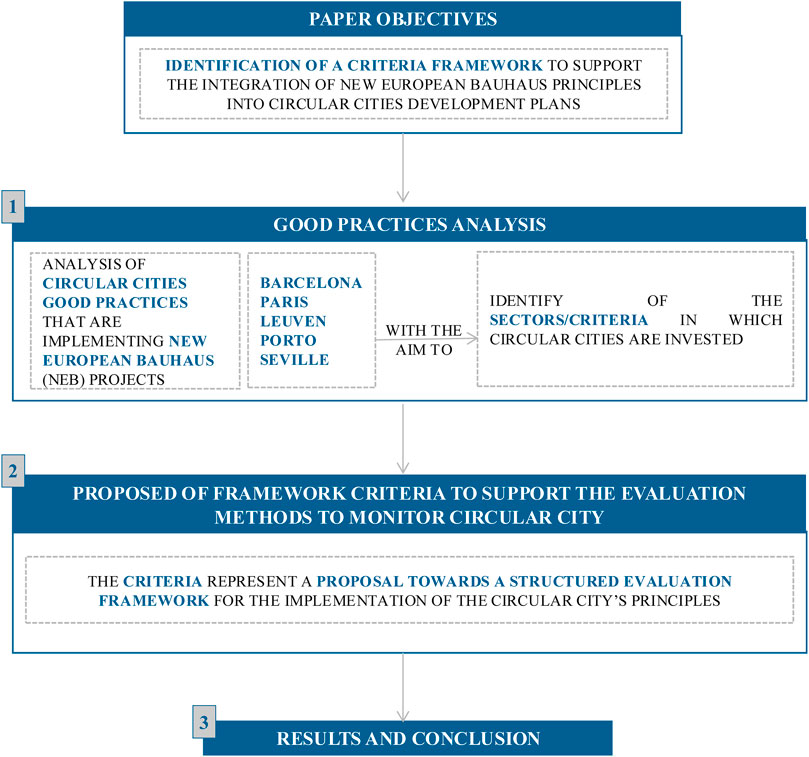
Figure 1. Methodological framework.
Analysis of the best practice. The first step concerns a comprehensive review of active European circular city programs. According to this analysis, it has been addressed that approximately 130 cities have participated in two major European initiatives focused on circular cities: the Circular City Declaration (European Commission, 2023b) and CityLoops (CityLoops, 2022).
The selection of the five case studies, Barcelona, Paris, Leuven, Porto, and Seville, was conducted through a purposive sampling strategy aimed at identifying cities that demonstrate a high level of integration between Circular Economy (CE) and New European Bauhaus (NEB) principles. This methodological approach, commonly adopted in qualitative and exploratory research, allows for the intentional selection of information-rich cases that provide deep insight into the phenomenon under investigation, rather than seeking statistical representativeness (Patton, 1990). While several European cities are currently engaged in CE and NEB initiatives separately, the selection was guided by a combination of the following criteria:
1. Active participation in at least one major European program focused explicitly on the transition to circular cities, namely the Circular Cities Declaration and/or the CityLoops initiative, ensuring a baseline of structured CE engagement at the urban level;
2. Documented implementation of NEB-funded projects, as evidenced through official European Commission databases, city-level NEB communications, and participation in flagship NEB calls, thus ensuring a formal commitment to NEB principles;
3. Availability and accessibility of project-level documentation, public reports, and technical materials, both in English and national languages, which was a necessary precondition for conducting a robust comparative analysis across sectors;
4. Geographic and socio-economic diversity across Western and Southern Europe, ensuring representation of different planning cultures, urban sizes, and institutional frameworks, which increases the relevance of comparative interpretation and enhances transferability of findings;
5. Degree of completeness and maturity of projects at the time of analysis, favoring cities with sufficiently advanced initiatives to allow meaningful sectoral mapping and evaluation of CE–NEB convergence.
Based on these criteria, the selected cities emerged as particularly suitable for identifying the overlapping investment areas and governance patterns that characterize the operational synergies between CE and NEB. While not claiming statistical representativeness, the selection offers a well-balanced cross-section of European cities actively engaging with both paradigms in a structured and visible manner, allowing the construction of a comparative analytical framework to support further investigation.
Among these 130 case studies, five cities (1) Barcelona, (2) Paris, (3) Leuven, (4) Porto, and (5) Seville have been identified as having both engaged with circular economy principles and received European Union funding for projects aligned with the NEB initiative.
The result of this first phase is represented by the identification of the eleven investment sectors, where these cities are focusing their efforts. A comparative, critical analysis of the five case studies followed, aiming to understand how the identified sectors were implemented in each city. The analysis also sought to pinpoint key “pilot projects” that stand out as exemplars of circular city and NEB integration.
Proposing the criteria framework. The eleven investment sectors identified in the previous phase have been transformed into a set of criteria to develop an evaluation framework. This framework is designed to guide the planning, monitoring, and assessment of future circular city projects in line with NEB principles. The goal of this step is to propose a robust set of evaluation criteria capable of supporting the assessment of circular cities throughout all phases of development and implementation.
The final step focuses on analyzing the results from the previous phases and concluding. This stage also explores potential directions for future research in the field (see Figure 1).
3 Circular economy paradigm
This section outlines the key features of the concept of Circular Economy (CE), emphasizing its fundamental characteristics. It does not aim to cover the CE concept in its entirety or its intricate literature review. The concept of CE is often considered as an evolving umbrella concept which has many definitions and interpretations (Kirchherr et al., 2017; Pearlmutter et al., 2020). However, despite the variety of definitions and the complex nature of this paradigm, it is possible to underline the three basic principles of the CE, as defined by the Ellen MacArthur Foundation (Ellen MacArthur, 2019):
- regenerating natural capital;
- keeping resources in use;
- eliminate waste externalities.
The CE model operates on the principle that nature produces no waste and everything can be repurposed as a resource (Ellen MacArthur Foundation, 2015), aiming to put sustainable development principles into practice. Moreover, among the different definitions proposed in the literature (Kirchherr et al., 2017), it is possible to describe the CE paradigm by the definition proposed by Langergraber and colleagues (Langergraber et al., 2020) to address the CE challenge and principles, “the circular economy involves the implementation of an economic system aimed at minimizing waste and making the best use of resources. In a circular system, resource inputs and losses of waste, emissions and energy are minimized by slowing down, closing, and tightening energy and material loops”.
The CE model originated from industrial ecology experiences, demonstrating its ability to generate profits for companies, society (through new jobs), and the environment (by reducing climate-altering and polluting impacts). According to the study proposed by Kirchherr and colleagues (2017) (Kirchherr et al., 2017), the core principles of the CE paradigm can be categorized according to the 4R framework: reduce, reuse, recycle, and recover.
Moreover, the CE paradigm can be implemented at different scale levels (Prieto-Sandoval et al., 2018):
- micro-level (business and consumers);
- meso-level (symbiotically integrated economic agents);
- macro-level (cities, regions, and governments).
The circular model has a pivotal role in fostering sustainable development through the regeneration of cultural values. As underlined by Fusco Girard (2024), these cultural values are fundamental pillars for any transformation or development initiative, embodying the unique identity of various locales (Torrieri et al., 2020). The current economic framework, which heavily relies on technological advancements, has significantly disrupted the natural evolutionary processes, leading to environmental degradation, biodiversity loss, and global warming (Fusco Girard, 2024; Fusco Girard and Vecco, 2021; Fusco Girard L., 2020).
Additionally, this paradigm has contributed to social fragmentation and isolation, exacerbating inequalities and marginalisation within communities. As a response, a cultural approach that emphasises the importance of relationships within communities has emerged as a key driver for implementing circular models (Fusco Girard, 2024). This perspective is strongly aligned with the principles of the NEB, which advocates for a holistic integration of cultural values in urban development. By recognising and enhancing Cultural Heritage (CH), cities can promote sustainability while creating inclusive environments that reflect both their historical and social contexts (Dell’Ovo et al., 2020). The synergy between CH and sustainable practices is essential for developing resilient urban spaces that prioritize both ecological integrity and community wellbeing (Jyoti Hosagrahar et al., 2016).
Therefore, the circular economy paradigm should not only be viewed as an economy of recovery, reuse, recycling, and material regeneration but also as one that emphasizes the cultural dimension as essential for sustainable development (Fusco Girard, 2024).
Moreover, stakeholder participation and engagement play a critical role in the circular economy paradigm. Involving different stakeholders helps integrate multiple perspectives, anticipate and mitigate risks, build trust and reputation, co-create effective solutions, and promote shared responsibility. It also ensures continuous monitoring, making circular initiatives more relevant and sustainable for both communities and the environment. The importance of stakeholder engagement is emphasized by (Fobbe and Hilletofth, 2023; Kaipainen et al., 2023), who argue that such collaboration is essential for the successful transition to a circular economy.
The engagement facilitates to taking into account different viewpoints and perspectives, enabling the anticipation and mitigation of risks while fostering trust and reputation among participants (Kujala et al., 2023). It also promotes the co-creation of effective solutions, encourages shared responsibility, and ensures ongoing monitoring. This collaborative approach enhances the relevance and sustainability of initiatives for both communities and the environment (Transition et al., 2024). By fostering collaboration among businesses, governments, academia, and civil society, cities can develop inclusive strategies that not only address environmental challenges but also strengthen social cohesion and cultural identity. This holistic approach is key to realizing the transformative potential of circular models in urban contexts, ensuring that both the environmental and cultural dimensions of sustainability are prioritized.
4 Circular cities: active programs in Europe for circular cities
4.1 Circular cities: definition
The concept of circular cities has emerged as a new approach to support sustainable urban development by addressing complex challenges such as climate change, increasing inequalities, and depletion of natural capital, as required by the New Urban Agenda (Fusco Girard and Nocca, 2019). Moreover, circular cities strategies are aligned with Sustainable Development Goals (SDGs) (Fusco Girard and Nocca, 2019). Specifically, SDG11 (safe, inclusive, resilient, and sustainable cities) and SDG12 (sustainable production and consumption) is addressed by circular cities strategies (United Nations, 2015).
More in detail, the implementation of the CE paradigm at the city level engages the macro-level approach (Section 2). It permits addressing the principles of the CE spatially and territorially (Williams, 2021). According to the principles of CE, circular cities engage nature as the primary infrastructure. Therefore, this approach helps reduce pollutants, purify the air, sequester carbon dioxide, and mitigate heat islands, thereby improving the local microclimate and supporting a transition to a decarbonized economy. In this sense, circular cities adapt their organization through a co-evolutionary approach, as well they implement a learning approach for management and planning (Fusco Girard, 2024). Furthermore, these cities leverage innovative technologies like digital tools, bio and nanotechnologies, artificial intelligence, IoT, automation, and big data to enhance urban productivity and reduce social disparities (European Commission, 2021). According to these principles, circular cities focus on transforming urban processes from linear to circular across various sectors, notably construction, food, textiles, and transportation. Therefore, natural, built, and social capital are integrated and coordinated to avoid waste.
4.2 Circular cities programs in Europe
European cities and regions are increasingly implementing the CE paradigm at the urban level to enhance sustainable transitions, in alignment with the European Commission policies such as “Towards a Circular Economy: A “Zero Waste Programme for Europe” and “Closing the Loop: An EU Action Plan for the Circular Economy (European Commission, 2015).
The European Spatial Planning Observation Network (ESPON) was the first organization that developed many projects and studies to support the implementation of the CE paradigm at the spatial scale. These studies are collected in the Eurocities report (European Commission, 2023a), which showcases many experiences of different European cities. These experiences engage several scales and areas of implementation, ranging from local food systems and food waste management to broader strategic plans for the circular economy involving businesses and institutions (European Commission, 2023c).
More recently, the Circular City Declaration1 project has been established (2020). It involves sixty-six cities committed to the transition from a linear to a circular economy using the urban metabolism concept (for the complete list of the involved cities, please see Supplementary Appendix A1). This declaration suggests the collaboration among residents, businesses, and the research community to integrate CE principles into city planning and management. The key strength of this project lies in the sharing of city data regarding circular initiatives, which helps identify intervention areas and opportunities for closing resource loops. The goal is to provide insights into economic activities and link current initiatives with their potential to enhance the circularity of the city.
Another important initiative concerning CE implementation in cities is the CityLoops2 project, that is a collaborative project involving seven European cities, Apeldoorn, Bodø, Mikkeli, Porto, Seville, Høje-Taastrup, and Roskilde (for the complete list of the involved cities, please see Supplementary Appendix A2). It aims to promote the CE by focusing on two primary waste streams (1) construction and demolition waste (CDW), and (2) bio-waste (CityLoops, 2022).
In detail, CityLoops develops and implements tools and methodologies to integrate circularity in urban planning and to support the related decision-making processes. These tools include instruments for predicting waste generation, circularity decision-making support tools, and guidelines for circular procedures. CityLoops also emphasizes the importance of stakeholders and community engagement to ensure the successful implementation and adoption of circular practices (CityLoops, 2022).
By focusing on circular practices in construction and bio-waste management, CityLoops aims to reduce environmental footprints, enhance regenerative capacities, create new business opportunities, and stimulate job creation in participating cities.
Furthermore, through the analysis of the above-mentioned circular city programs it has been possible to identify the investment sectors, which are: (1) waste, (2) water, (3) energy, (4) food, (5) built environment, (6) reuse of cultural heritage, (7) mobility, (8) Nature-Based Solutions, (9) circular tourism, (10) citizens and community, and (11) New European Bauhaus.
5 New European Bauhaus
The New European Bauhaus (NEB) has been launched by the European Commission in 2021. It promotes the activation of a “new cultural movement” to support the green transition of cities, inviting communities to develop a sustainable and inclusive future, consistently with the New European Green Deal (European Commission, 2021). The core objective of the NEB is to address the challenges posed by climate change through targeted actions that enhance citizens’ wellbeing. The initiative is grounded in the principles of sustainability, beauty, and inclusivity, aiming to engage cultural, social, and aesthetic dimensions to support urban transitions (European Commission, 2021).
For the built environment, the NEB represents an opportunity to rethink cities through the regeneration of built heritage according to the principles of the CE and to propose a new idea of city experience. The NEB aligns with CE principles by promoting the use of bio-based materials, recycled resources, water reuse, new technologies, and alternative energy sources in the construction sector. Additionally, the NEB encourages the implementation of Nature-Based Solutions (NBS) (Oppio et al., 2024) to revitalize and regenerate urban spaces (Pearlmutter et al., 2020; Stefanakis et al., 2021 European Commission, 2024).
Furthermore, the adoption of NEB principles necessitates a shift in governance, requiring a rethinking of the relationships between resource values, stakeholder roles, and community needs. This shift fosters practical engagement in processes of co-design, co-programming, and co-innovation, encouraging collaboration among diverse actors to create more sustainable and inclusive urban environments.
5.1 Active NEB programs in Europe
The European Commission has activated several funding to support the operationalization of the NEB guidelines. A key initiative is the “Intelligent Cities Challenge initiative”3, which involves 136 cities across Europe. In the context of this program, notable cities can be cited, including Amsterdam (Netherland), Pescara (Italy), Sofia (Bulgaria), Lieve Van Espen (Belgium), and Porto (Portugal) (European Commission, 2024).
The city of Amsterdam (Netherlands) has been involved in this initiative to redevelop the Schoonschip, a sustainable floating water community divided into thirty water lots where about hundred residents live. The project focuses on enhancing the use of hydropower to meet the neighbourhood’s energy needs (European Commission, 2024).
The City of Pescara (Italy) is redeveloping four theatres to promote social interaction and the arts through environmentally sustainable solutions. The project includes the renovation of the theatres with energy-efficient architectural features, such as facade insulation panels, energy-efficient photovoltaic panels, the use of heat pumps, low-power lighting systems, and the inclusion of control sensors for temperature and air quality monitoring (European Commission, 2023c).
The Municipality of Sofia (Bulgaria) has been funded with European NEB funds to build an energy-efficient green nursery school. The project includes the installation of photovoltaic systems and intelligent consumption monitoring devices, to improve the air quality of both indoor and outdoor environments. The introduction of these technologies has enabled the school to self-produce 30%, while also reducing CO2 emission by approximately 12 tons annually (European Commission, 2023c).
Also, the city of Lieve Van Espen, located in Antwerp Metropolitan Area (Belgium) has received NEB funding to implement a project that aims to reduce waste from electrical and electronic equipment by proposing its reuse through the use of 3D tools for its repair.
The city of Porto (Portugal) has been funded to promote a project to reuse organic waste. This initiative includes boosting recycling efforts, as well as launching a pilot program for composting organic waste to support agricultural activities. Over the past 2 decades, the city has already recycled 32.7 tons of food waste, planted 13 vegetable gardens and recruited 2,200 home composters to contribute a total of 300 tons of composted waste (European Commission, 2023c).
Additionally, the International Federation of Landscape Architects (IFLA) has been involved in an NEB-funded initiative that supports 20 projects focused on the reuse of historic buildings, the redevelopment of public spaces, and the rehabilitation of rural areas in line with circular economy principles. These projects These projects are spread across multiple countries, including Bulgaria, Finland, Croatia, Cyprus, France, Greece, and Italy (International Federation on Landscape Architects, 2023). The IFLA project organizes workshops with more than 60 experts and local communities to identify needs, challenges, and innovative solutions for these urban and rural regeneration projects.
Further NEB initiatives financed with European funds were mentioned by the ICLEI report, where each project has been evaluated according to the three NEB pillars: (1) inclusion, (2) sustainability, and (3) beauty. The projects include the redevelopment of riverfront areas (Korzo Zálesie, Slovakia), the regeneration of entire neighbourhoods (Hal5, Belgium), the establishment of new schools (Madre Project, Italy), the creation of new museums (Buga Wood Pavillon, Germany) (Local Governments for Sustainability ICLEI, 2023).
6 Circular cities and new European bauhaus: cities best practice
This section concerns the analysis of some circular cities’ best practices which are simultaneously implementing NEB-funded programs. This comparison and analysis have been made in accordance to the research methodological statement, or rather the possibility of integrating the CE paradigm in the NEB programs. According to their characteristics (Sections 2, 4), NEB is considered a paradigm which engages the support of circular city implementation within the social, environmental and beauty dimensions. The main target of this analysis is identifying the intervention areas in which CE and NEB investments are most oriented.
Projects were defined as best practices based on four criteria: (1) alignment with all three NEB pillars (inclusion, sustainability, beauty); (2) sectoral integration of CE strategies; (3) measurable environmental and social impact; and (4) replicability in other urban contexts.
Based on these assumptions, the cities of Barcelona (Spain), Leuven (Belgium), Porto (Portugal), Seville (Spain), and Paris (France) were selected for this analysis. For each city, the circular economy projects they are involved in have been identified, along with the corresponding active New European Bauhaus (NEB) initiatives (Table 1).
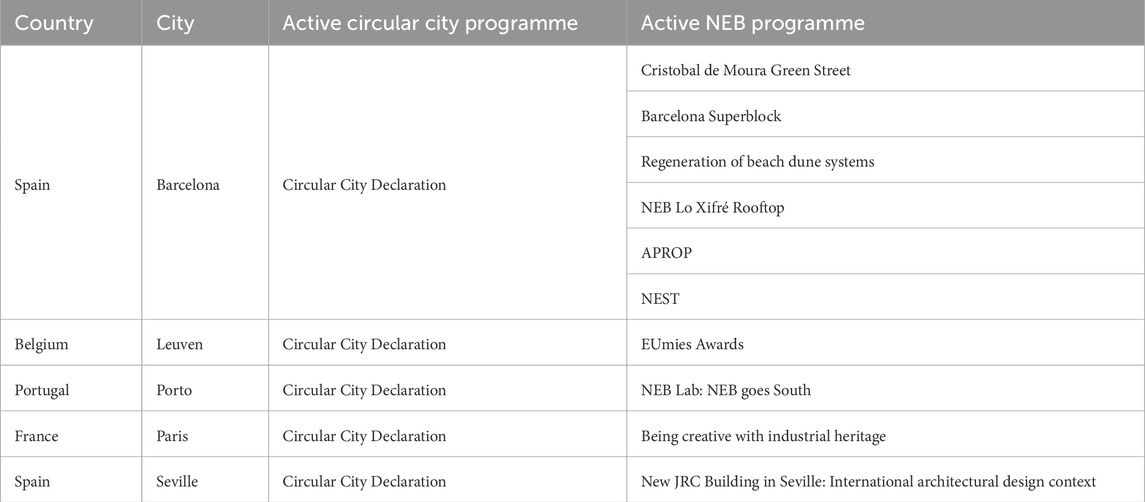
Table 1. List of circular cities’ best practices in implementing NEB-funded programs.
These cities are described according to the sectors identified in the paragraph 4.2: (1) waste, (2) water, (3) energy, (4) food, (5) built environment, (6) reuse of Cultural Heritage, (7) mobility, (8) Nature-Based Solutions, (9) circular tourism, (10) citizens and community, (11) New European Bauhaus.
6.1 Paris circular city
The city of Paris has emerged as a leader in CE initiatives, beginning with the launch of the “White Paper on the Circular Economy of Greater Paris” in 2015. This document set the foundation for subsequent plans, including the “Est Ensemble Grand Paris” initiative in 2019, which emphasizes waste and water reuse, energy systems, and civic engagement. The city’s long-term goal is to achieve net-zero emissions by 2050, with an 80% reduction in its carbon footprint from 2004 levels, engaging local stakeholders in this mission.
Table 2 provides a brief description of the most significant projects activated in the city of Paris, according to the circular city investment sectors identified in the previous paragraph (see paragraph 6).
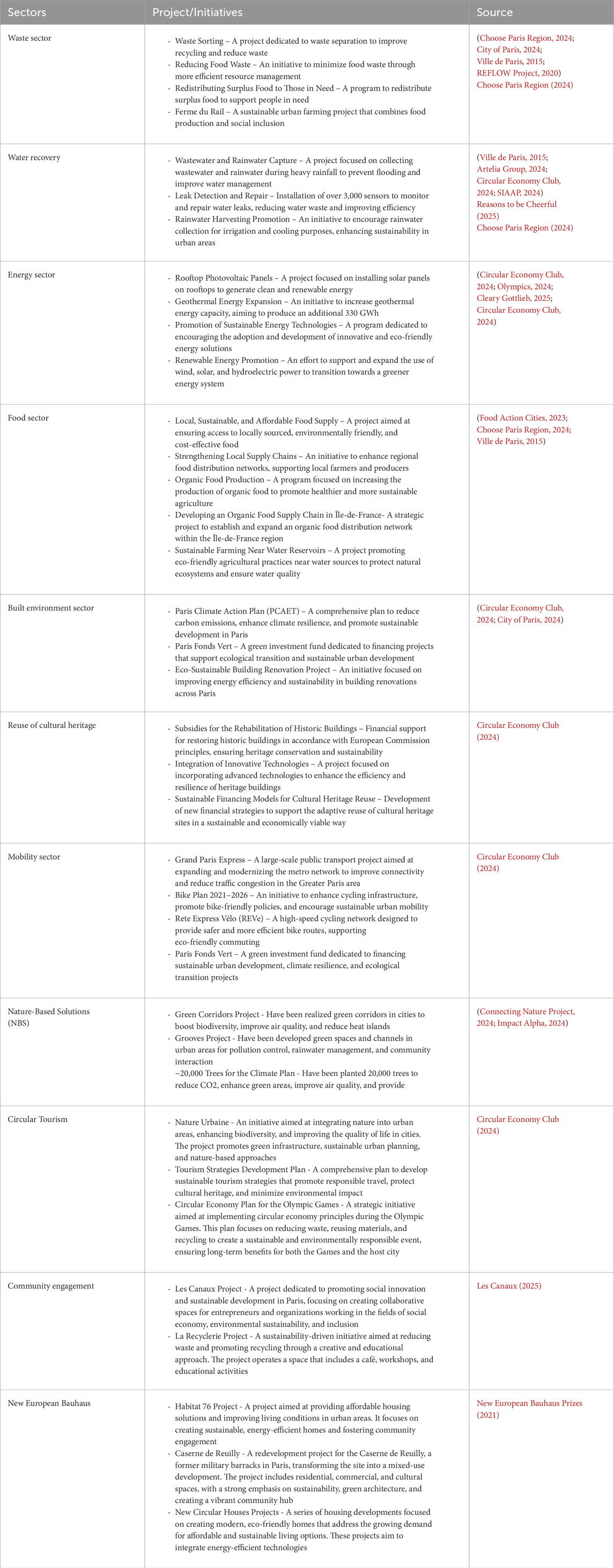
Table 2. Circular projects activated in the city of Paris.
6.2 Leuven circular city
Leuven (Belgium) is making significant efforts to become a circular city. This city has launched its Leuven 2030 initiative. It is an ambitious project that aims for climate neutrality by 2050, guided by the “Leuven 2030 Roadmap to a Climate-Neutral Future” and the “Circular Leuven” strategy (Leuven, 2030). Leuven’s circular economy strategy is built around five strategic objectives: (1) circular entrepreneurship, (2) sustainable consumption, (3) circular construction, (4) repair and refurbishment, and (5) knowledge development. These objectives are designed to foster collaboration among various stakeholders, including local businesses, educational institutions, and citizens, through the Platform Leuven Circular. This platform promotes a new governance model known as “radical participation” which empowers community members to engage actively in decision-making processes related to sustainability initiatives. Table 3 provides a brief description of the most significant projects activated in the city of Leuven, according to the circular city investment sectors identified in the previous paragraph (see paragraph 6).
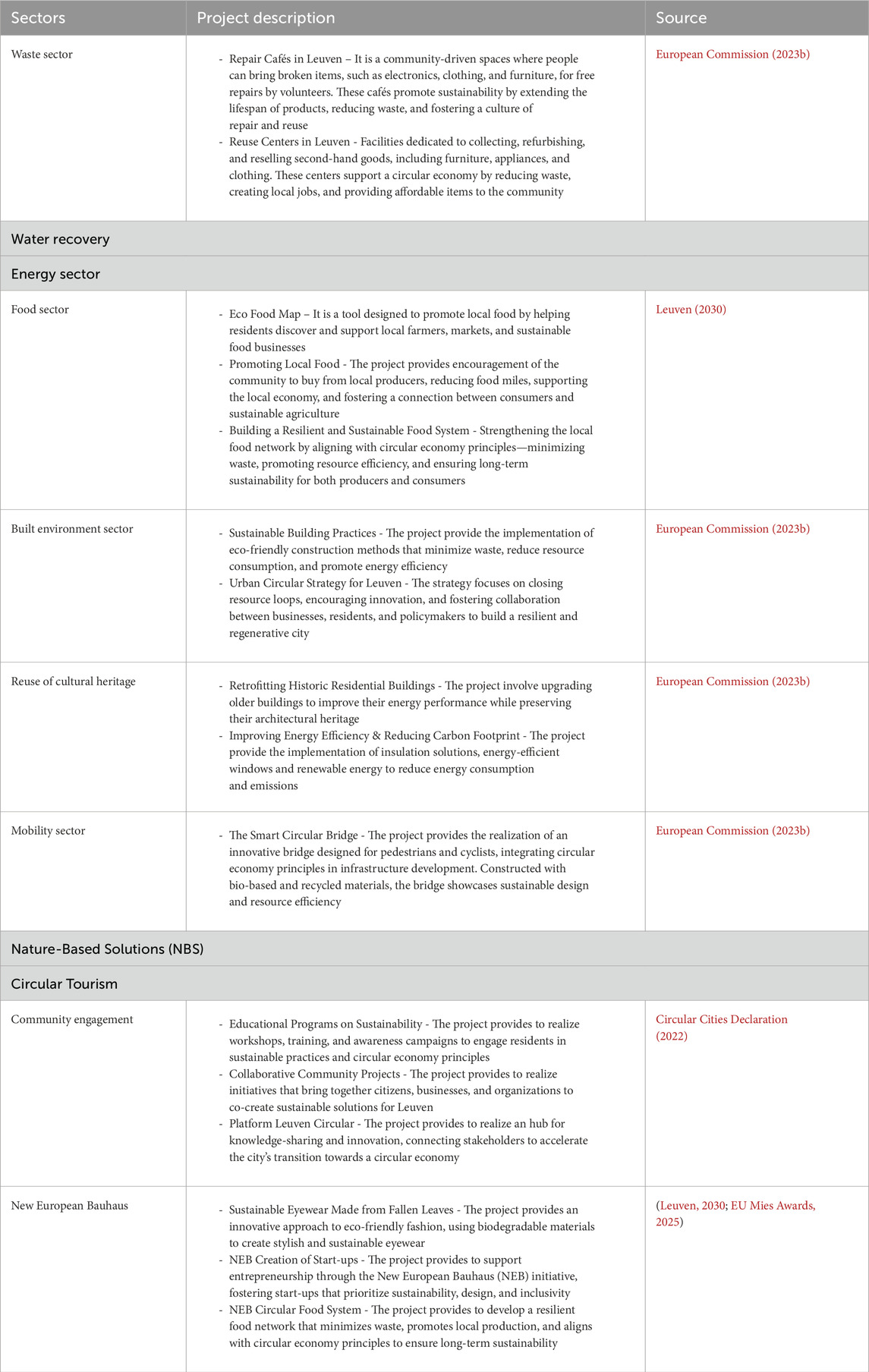
Table 3. Circular projects activated in the city of Leuven.
6.3 Porto circular city
Porto is actively transforming into a circular city to sustainable urban development. This transition is guided by several strategic documents, including the “Roadmap to a Circular City 2030” and the “Porto Environment Quick Guide 2020”, which outline the city’s vision and concrete actions aimed at fostering a circular economy (Circular Cities Declaration, 2022; CityLoops, 2024). Porto’s approach to circularity mainly focuses on waste reduction, recycling promotion, and enhancing resource efficiency across various sectors.
Table 4 provides a brief description of the most significant projects activated in the city of Porto, according to the circular city investment sectors identified in the previous paragraph (see paragraph 6).
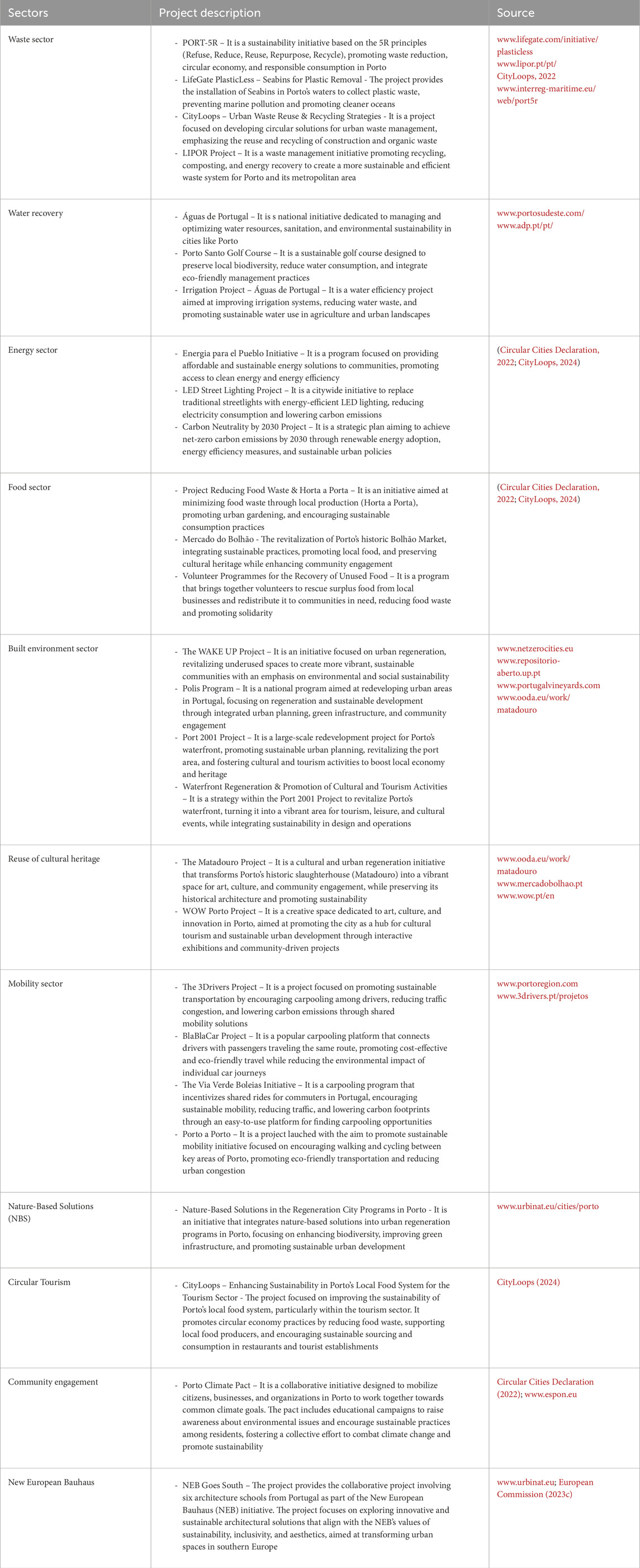
Table 4. Circular projects activated in the city of Porto.
6.4 Seville circular city
Seville is actively pursuing numerous initiatives to promote circular economy and sustainability across multiple sectors. The city has joined the “Circular Cities Declaration” (2020) and “CityLoops Programme” (2019–2023), focusing on integrating circular economy principles into the construction sector. Seville is developing tools for construction waste recycling, increasing regenerative capacity, and creating new business opportunities (Circular Cities Declaration, 2022; Repsol, 2025; www.cityloops.eu/cities/seville).
The city is also implementing projects for separate waste collection, urban agriculture, food waste minimization, and food donation networks. These efforts have resulted in the recovery of 19,047,323 tonnes/year of domestic material consumption, with an end-of-life recycling rate of 99.21% (CityLoops, 2024).
Table 5 provides a brief description of the most significant projects activated in the city of Seville, according to the circular city investment sectors identified in the previous paragraph (see paragraph 6).
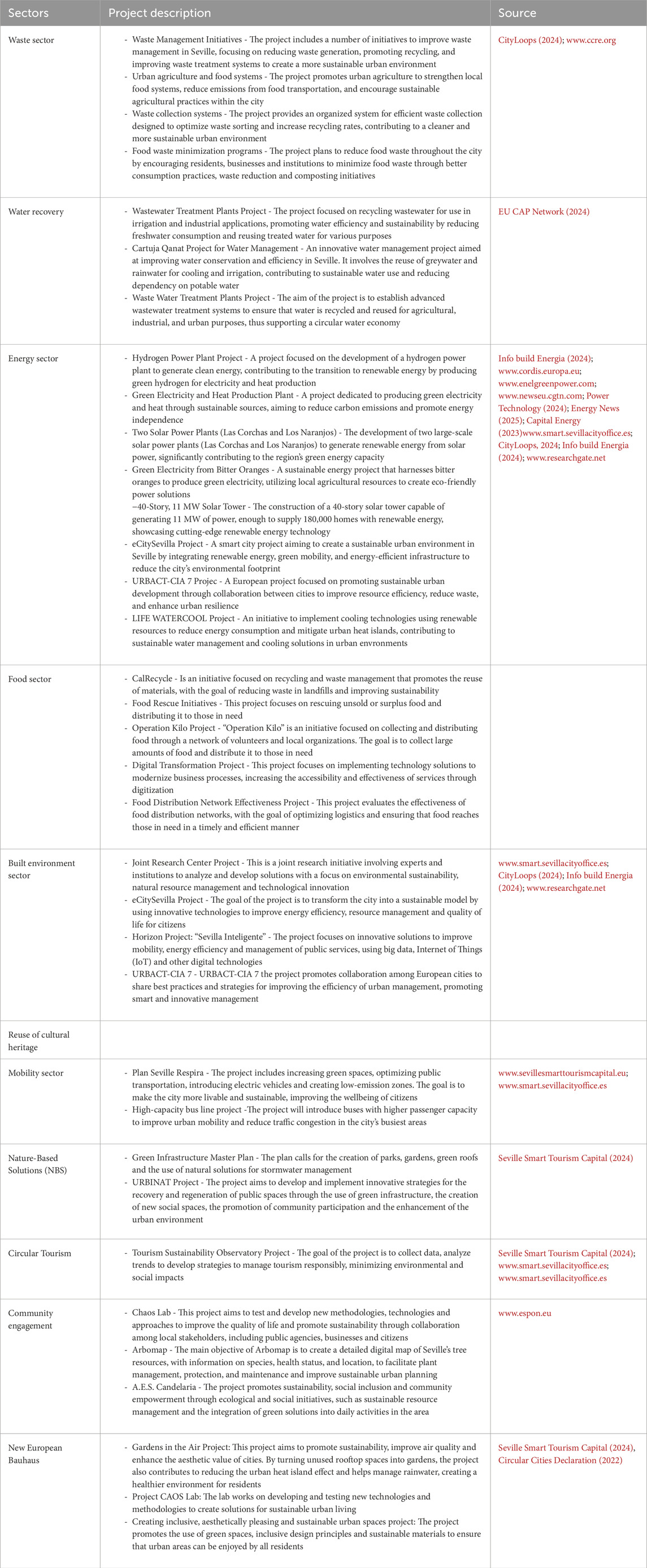
Table 5. Circular projects activated in the city of Seville.
6.5 Barcelona circular city
The city of Barcelona initiated the initiative of circular economy within the ‘Barcelona Green Deal’ (2021) which aims to transform the city into a competitive, and sustainable metropolitan city through specific actions according to the circular economy principles, such as waste reuse, water reuse, promotion of alternative energy sources, sustainable mobility, and urban environment management, among others (Ajuntament de Barcelona, 2021).
Table 6 provides a brief description of the most significant projects activated in the city of Barcelona, according to the circular city investment sectors identified in the previous paragraph (see paragraph 6).
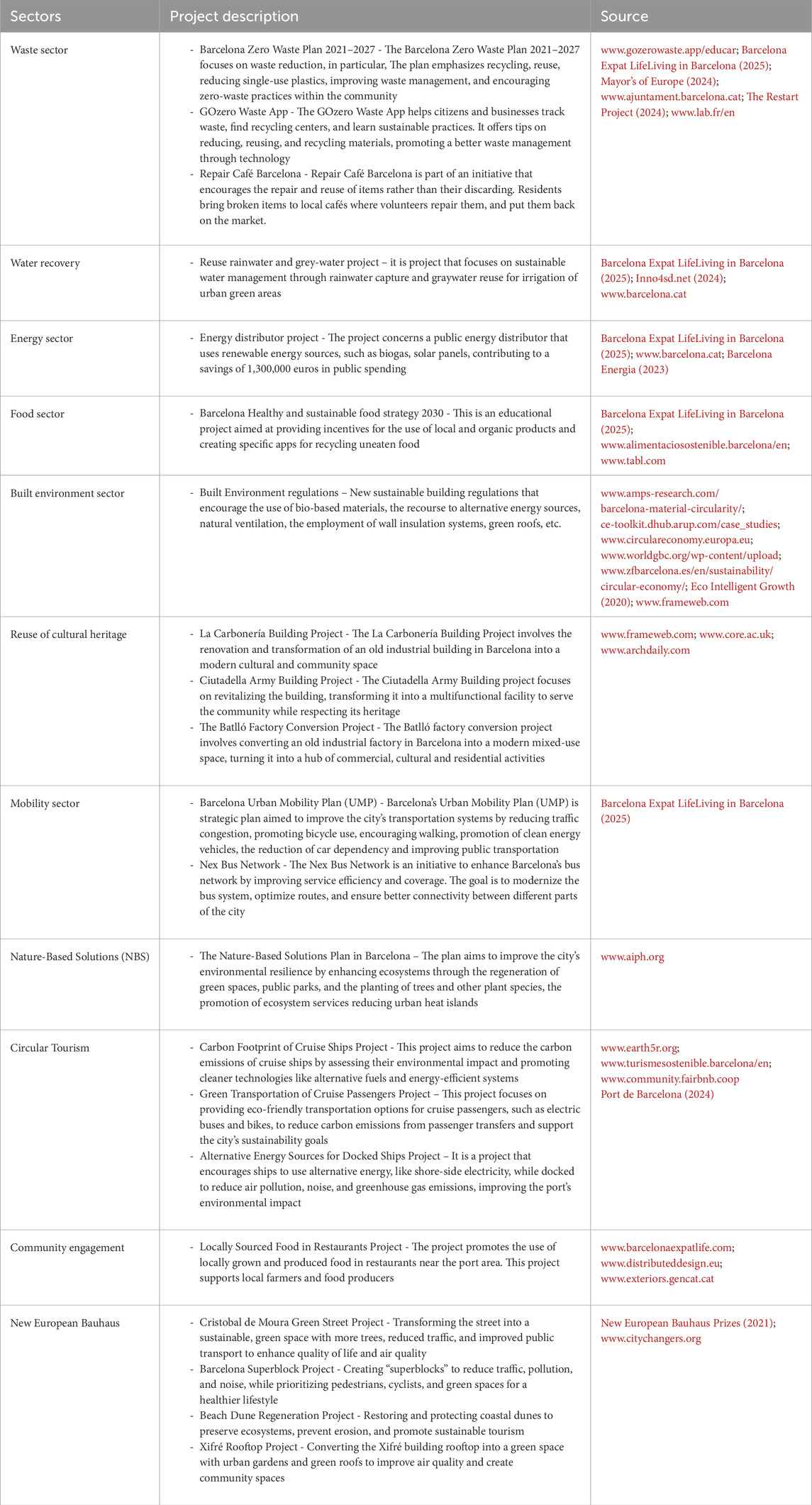
Table 6. Circular projects activated in the city of Barcelona.
7 Results
Based on the analysis conducted in this study, the eleven identified sectors represent the fundamental areas for implementing circular economy strategies in the selected cities. Among them, Barcelona, Porto, Paris, and Seville can be addressed as the most proactive cities, dedicating substantial resources and efforts to advancing circular economy initiatives across all the identified sectors.
Furthermore, the active involvement of citizens and communities, including the third sector, such as social enterprises and civic associations, is fundamental in driving the transition to a circular city. The citizen’s participation is increasingly central to the implementation of various strategies across different sectors, influencing the demand for circular and sustainable goods and services, particularly in activating NEB projects.
The participation of various stakeholders, especially the community, contributes to minimizing conflicts and potential negative perceptions regarding the intervention (Angrisano et al., 2024). Table 7 provides an overview of the sectors in which the five selected circular cities are making investments. The final column shows the frequency with which each circular economy sector is implemented across all the cities under study, while the last line makes explicit how much each city has invested in each sectors. From this analysis, it emerges that the city of Barcelona can be considered the most high-performing best practice because it invests in all the identified sectors of the circular economy, through established local projects that all aim to improve the health of ecosystems in order to ensure a better quality of life for citizens, but especially for future generations.
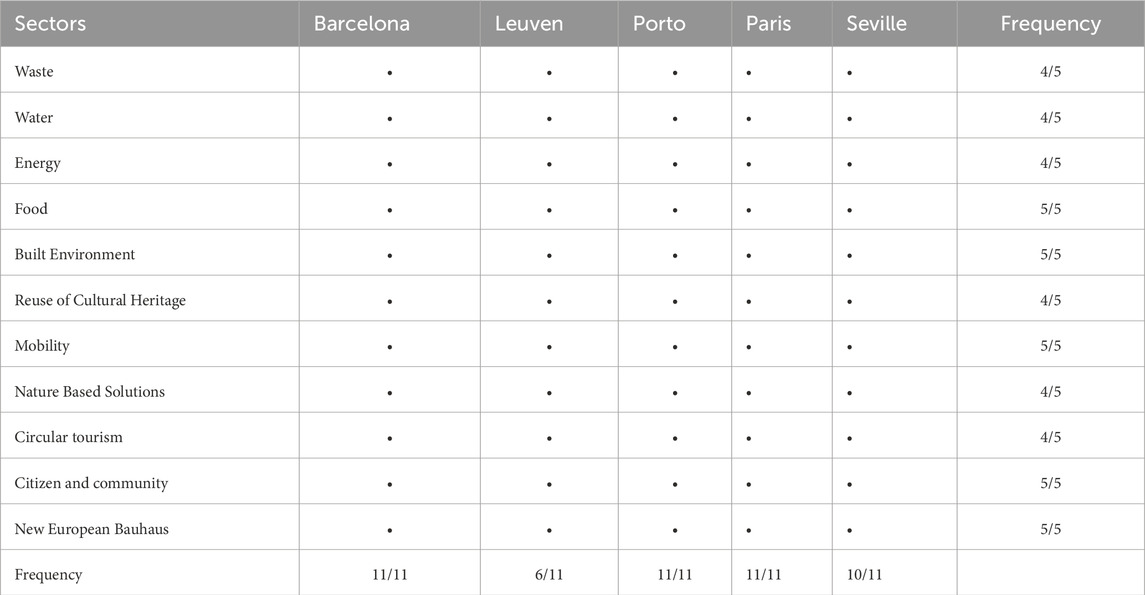
Table 7. Comparison of circular economy projects per sector in the selected cities.
Furthermore, the performed analysis of active CE projects in each city reveals the alignment with the core principles of the NEB, or rather (1) social inclusion, (2) environmental sustainability and (3) beauty.
In particular, the principle of inclusion and community participation is strongly emphasized as one of the fundamental pillars of the analysed projects across Europe. Stakeholder engagement represents a foundation element of circular city initiatives, as it facilitates the integration of diverse perspectives, skills, and resources. This collaborative approach fosters the development of innovative and sustainable solutions that not only meet the real needs of the community but also promote a cultural shift towards more circular and environmentally friendly practices.
Moreover, stakeholder involvement plays a critical role in addressing social inequalities and marginalization, enhancing social cohesion, and strengthening interpersonal relationships. These efforts ultimately contribute to an improved quality of life for urban residents.
Also, in this case, among the projects analyzed, urban regeneration initiatives in Barcelona—particularly the “Barcelona Superblock” project—stand out as exemplary pilot projects funded under NEB programs. According to the mentioned criteria for the best practices selection, Barcelona’s Superblock project stands out for its systemic urban regeneration approach addressing climate, health, and inclusion simultaneously. These projects tackle multiple urban challenges, such as the shortage of green spaces, climate emergency, air and noise pollution, road safety, cultural inclusion, and the rehabilitation of degraded areas, all in line with circular economy principles.
While all five cities are advancing circular economy principles through NEB-aligned initiatives, notable differences emerge in terms of scale, governance models, implementation capacity, and socio-spatial context. For example, cities like Barcelona and Paris exhibit a broader sectoral coverage and higher frequency of initiatives across the eleven identified investment areas. This trend is likely supported by stronger institutional capacity, more substantial financial resources, and the presence of integrated metropolitan planning frameworks that facilitate the coordination of CE–NEB policies.
Conversely, smaller cities such as Leuven or Porto show a more focused implementation, often centered around specific sectors like sustainable food systems, community engagement, or cultural heritage reuse. In these cases, limited resources are often compensated by innovative governance models based on participatory approaches. Leuven, in particular, stands out for its radical participation strategy, which leverages citizen involvement as a structural component of decision-making, thereby increasing legitimacy and local ownership of circular initiatives.
Furthermore, differences in local context significantly influence the priorities and modalities of implementation. Seville’s focus on construction waste and urban agriculture reflects a territorial need for material recovery and food security, while Porto’s emphasis on waterfront regeneration integrates CE strategies with place-based cultural and environmental goals. These contextual specificities highlight the importance of adopting flexible, context-sensitive frameworks that can adapt to diverse urban realities.
The comparative analysis thus reveals that while common investment sectors exist across the cases, their operationalization is mediated by structural (e.g., city size, funding, institutional design) and cultural (e.g., governance style, community role, planning tradition) variables. Recognizing and understanding these differences is crucial for designing evaluation tools and policy recommendations that are not only generalizable but also adaptable to specific urban ecosystems.
8 Conclusion
This paper explores the integration of the Circular Economy (CE) paradigm within the framework of the New European Bauhaus (NEB), providing foundational insights into both concepts and establishing a comprehensive understanding of their interrelationship. In particular, the cultural dimension has been highlighted as a crucial element for ensuring a shared and functional approach to sustainable and circular development (Fusco Girard, 2024).
Through both inductive and deductive analysis, this study has explored how CE and NEB can be aligned and integrated to implement effective circular economy strategies in urban contexts. By examining several circular city programs (Section 3.2), this paper has identified key investment sectors that align with the objectives of both CE and NEB. Furthermore, numerous best practices from circular cities have been analyzed to better understand the operational linkages between CE and NEB. These examples demonstrate that Circular Economy principles can significantly enhance urban economic, environmental, and social productivity, fostering integrated and sustainable urban development (Nocca and Angrisano, 2022).
The findings highlight the need for integrating the NEB perspective into circular city programs. This integration is essential as NEB addresses contemporary urban challenges related to sustainability, inclusivity, and quality of life. By promoting sustainable urban regeneration that is both aesthetically pleasing and ecologically responsible, NEB aims to combat climate change while fostering social cohesion. Furthermore, NEB advocates for urban transformations that are accessible and beneficial for all community members, particularly marginalized groups, and seeks to create environments that enhance human experience, thereby improving overall wellbeing. A collaborative, cross-disciplinary approach is another key aspect of the NEB, encouraging partnerships among architects, designers, scientists, and local communities to co-create innovative solutions (Torrieri et al., 2020; Gravagnuolo et al., 2024; Verardi et al., 2023). This collaborative synergy is crucial for addressing the complexities of modern urban challenges (Angrisano Nocca, 2023).
One of the key findings of this research is the potential to utilize the identified investment sectors as a basis for developing a decision-support tool that integrates both the CE and NEB paradigms. Given the multidimensional and multi-objective nature of CE, evaluation and decision-support tools are essential to aid the implementation of circular strategies in urban contexts. However, despite the existence of numerous research efforts providing multidimensional indicators for assessing the circularity of cities (Assumma et al., 2022), there is currently no framework that integrates both NEB dimensions and CE criteria to support the evaluation and implementation of these paradigms in urban systems. As a main outcome of this research, the following evaluation criteria have been derived from the eleven investment sectors identified:
1. Resource and waste management efficiency
2. Water reuse and hydrological resilience
3. Renewable energy adoption and carbon neutrality
4. Local and sustainable food systems
5. Green building and urban regeneration
6. Cultural heritage reuse
7. Sustainable mobility solutions
8. Nature-based urban interventions
9. Development of circular tourism models
10. Community engagement and empowerment
11. Integration of NEB design and governance principles
Thus, this paper argues that in the next phase of implementing NEB initiatives, it is critical to clearly define and integrate Circular Economy principles into NEB projects and programs. As cities continue to receive funding for NEB initiatives, the integration of CE must be explicitly addressed at the policy and planning levels. Circular Economy is intrinsically connected to NEB, and therefore, there is an urgent need for policy adaptation to ensure that CE principles are systematically incorporated into NEB implementation strategies (Stanganelli et al., 2021).
In light of these findings, future research will propose an assessment framework that integrates both CE and NEB criteria. This framework will be designed to support the evaluation, monitoring, and adaptation phases of urban projects, ensuring they align with both paradigms throughout the co-design and co-innovation processes (Bosone et al., 2021). The proposed framework aims to provide a comprehensive approach to urban sustainability by aligning NEB’s cultural and aesthetic dimensions with CE’s economic and environmental objectives. By doing so, it will facilitate the effective integration of these two paradigms and offer a robust tool for guiding urban transformation toward a more sustainable and inclusive future. The evaluation framework presented emerges as a theoretical construct derived from an exploratory analysis of best practices in the integration of Circular Economy (CE) and New European Bauhaus (NEB) principles. This represents a current limitation of the work, as the framework has not yet been applied or tested in a real-case context. However, it also opens up promising research avenues for future development. The framework provides a conceptual basis that can support empirical testing, refinement of indicators, and operational adaptation in specific urban contexts. These next steps will be essential to enhance its applicability and support the design and evaluation of urban regeneration strategies aligned with CE and NEB paradigms, thus contributing to the advancement of integrated approaches for circular, inclusive, and sustainable cities.
Author contributions
MA: Conceptualization, Data curation, Formal Analysis, Methodology, Supervision, Validation, Writing – original draft, Writing – review and editing. AG: Methodology, Investigation, Data curation, Writing – original draft, Writing – review and editing, Funding acquisition. MB: Methodology, Writing – original draft, Writing – review and editing, Supervision, Validation, Funding acquisition. LF: Methodology, Writing – review and editing, Validation, Supervision.
Funding
The author(s) declare that financial support was received for the research and/or publication of this article. Funding Research Grant PRIN 2022 No. 2022TN5M7F on ‘TReE - Supporting the Transition to Ecological Economy in Italian cities Regeneration: circular model tools for reusing architecture and infrastructures’. Italian Ministry of University and Research (MUR).
Conflict of interest
The authors declare that the research was conducted in the absence of any commercial or financial relationships that could be construed as a potential conflict of interest.
Generative AI statement
The author(s) declare that no Generative AI was used in the creation of this manuscript.
Any alternative text (alt text) provided alongside figures in this article has been generated by Frontiers with the support of artificial intelligence and reasonable efforts have been made to ensure accuracy, including review by the authors wherever possible. If you identify any issues, please contact us.
Publisher’s note
All claims expressed in this article are solely those of the authors and do not necessarily represent those of their affiliated organizations, or those of the publisher, the editors and the reviewers. Any product that may be evaluated in this article, or claim that may be made by its manufacturer, is not guaranteed or endorsed by the publisher.
Supplementary material
The Supplementary Material for this article can be found online at: https://www.frontiersin.org/articles/10.3389/fbuil.2025.1601770/full#supplementary-material
Footnotes
1https://circularcitiesdeclaration.eu/, last seen 2 October 2024.
2https://cityloops.eu/, last seen 5 November 2024.
3https://www.intelligentcitieschallenge.eu/news/icc-cities-share-circular-solutions-festival-new-european-bauhaus
References
Ajuntament de Barcelona (2021). Presupuesto 2021. Available online at: https://ajuntament.barcelona.cat/pressupostos2021/es/ (Accessed on July 8, 2024).
Angrisano, M., and Nocca, F. (2023). Urban regeneration strategies for implementing the circular city model: the key role of the community engagement. Comput. Sci. Its Appl. – ICCSA 9, 359–376. doi:10.1007/978-3-031-37117-2_25
Angrisano, M., Nocca, F., and Scotto Di Santolo, A. (2024). Multidimensional evaluation framework for assessing cultural Heritage adaptive reuse projects: the case of the seminary in sant’agata de’ goti (Italy). Urban Sci. 8 (2), 50. doi:10.3390/urbansci8020050
Artelia Group (2024). Engineering and project management. Available online at: www.arteliagroup.com (Accessed on September 8, 2024).
Assumma, V., Botttero, M., Mondini, G., and Zanetta, E. (2022). “Circularity above linearity: toward a circular mining approach of the planning for mining activities,” in Green energy and technology. doi:10.1007/978-3-031-12814-1_7
Barcelona Energia (2023). Barcelona energia: sustainable energy solutions. Available online at: www.barcelonaenergia.cat/es/conocenos (Accessed on July 28, 2024).
Barcelona Expat LifeLiving in Barcelona (2025). A guide for expats. Available online at: www.barcelonaexpatlife.com (Accessed on July 18, 2024).
Bosone, M., Nocca, F., and Fusco Girard, L. (2021). The circular city implementation: Cultural heritage and digital technology. 40–62. doi:10.1007/978-3-030-77411-0_4
Capital Energy (2023). Renewable energy solutions. Available online at: www.capitalenergy.com (Accessed on May 18, 2024).
Choose Paris Region (2024). Choose paris region. Available online at: www.chooseparisregion.org (Accessed on March 18, 2024).
Circular Cities Declaration (2022). About the circular cities declaration. Available online at: https://circularcitiesdeclaration.eu/cities/porto (Accessed on May 28, 2024).
Circular Economy Club (2024). Circular economy club: networking and resources. Available online at: www.circulareconomyclub.com (Accessed on September 18, 2024).
City of Paris (2024). Paris white paper on the circular economy of greater paris. Available online at: https://www.paris-white-paper-on-the-circular-economy-of-greater-paris (Accessed on March 8, 2024).
CityLoops (2022). CityLoops replicators. Available online at: https://cityloops.eu/cities/cityloops-replicators (Accessed on May 18, 2022).
CityLoops (2024). CityLoops: circular economy solutions in Seville. Available online at: https://cityloops.metabolismofcities.org (Accessed on September 8, 2024).
Cleary Gottlieb (2025). Cleary gottlieb: Law firm overview. Available online at: https://www.clearygottlieb.com (Accessed on November 8, 2024).
Connecting Nature Project (2024). Connecting nature: nature-based solutions for urban resilience. Available online at: www.connectingnature.eu (Accessed on November 8, 2024).
Dell’Ovo, M., Bassani, S., Stefanina, G., and Oppio, A. (2020). Memories at risk. How to support decisions about abandoned industrial heritage regeneration. Valori Valutazioni 25, 107–115.
Eco Intelligent Growth (2020). Eco intelligent growth: sustainable urban development. Available online at: www.ecointelligentgrowth.net (Accessed on July 6, 2024).
Ellen MacArthur, F. (2019). Cities and circular economy for food. Cowes, United Kingdom: Ellen MacArthur Foundation.
Ellen MacArthur Foundation. (2015). Growth within: a circular economy vision for a competitive Europe.
Energy News (2025). Energy news: latest developments in the energy sector. Available online at: www.energynews.biz (Accessed on May 8, 2024).
EU CAP Network (2024). EU CAP network. Available online at: www.eu-cap-network.ec.europa.eu.
EU Mies Awards (2025). EU mies awards: celebrating european architecture. Available online at: www.eumiesawards.com (Accessed on February 18, 2024).
European Commission (2015). Closing the loop - an EU action plan for the circular economy. Available online at: https://eur-lex.europa.eu/legal-content/EN/TXT/?uri=CELEX%3A52015DC0614.
European Commission (2019). “The European green deal,” in European commission. doi:10.1017/CBO9781107415324.004
European Commission (2021). New European bauhaus beautiful, sustainable, together. Available online at: https://europa.eu/new-european-bauhaus/system/files/2021-09/COM%282021%29_573_EN_ACT.pdf.
European Commission (2023a). Eurocities pulse mayors survey 2023. Available online at: https://monitor.eurocities.eu/wp-content/uploads/2023/06/Eurocities-Pulse-FINAL.pdf.
European Commission (2023b). European circular cities declaration. Available online at: https://circular-cities-and-regions.ec.europa.eu/associated-partners/european-circular-cities-declaration#:∼:text=TheEuropeanCircularCitiesDeclaration,carbonandsociallyresponsiblesociety.
European Commission (2023c). Available online at: www.new-european-bauhaus.europa.eu (Accessed on May 8, 2023).
European Commission (2024). New european bauhaus investment guidelines. Available online at: https://new-european-bauhaus.europa.eu/about/about-initiative_en.
Fobbe, L., and Hilletofth, P. (2023). Moving toward a circular economy in manufacturing organizations: the role of circular stakeholder engagement practices. Int. J. Logist. Manag. 34 (3), 674–698. doi:10.1108/IJLM-03-2022-0143
Food Action Cities (2023). Food action cities: promoting sustainable food systems. Available online at: https://www.foodactioncities.org (Accessed on September 18, 2024).
Fusco, G. L. (2020). The circular economy in transforming a died heritage site into a living ecosystem, to be managed as a complex adaptive organism. Aestimum 77, 145–180. doi:10.13128/aestim-9788
Fusco Girard (2024). “The circular “Human-Centred” adaptive reuse of cultural heritage: theoretical foundation,” in Adaptive reuse of cultural heritage (Springer), 19–69. Available online at: https://link.springer.com/chapter/10.1007/978-3-031-67628-4_2.
Fusco Girard, L., and Nocca, F. (2019). “La rigenerazione del “sistema Matera” nella prospettiva dell’economia circolare,” in Matera, città del sistema ecologico uomo/società/natura: il ruolo della cultura per la rigenerazione del sistema urbano/territoriale. Editors L. Fusco Girard, C. Trillo, and M. Bosone (Naples, Italy: Giannini Editore), 69–100.
Fusco Girard, L., and Vecco, M. (2021). The “Intrinsic Value” of cultural heritage as driver for circular human-centered adaptive reuse. Sustainability 13 (6), 3231. doi:10.3390/su13063231
Gravagnuolo, A., and Fusco Girard, L. (2017). Multicriteria tools for the implementation of historic urban landscape. Qual. Innov. Prosper. 21. doi:10.12776/QIP.V21I1.792
Gravagnuolo, A., Bosone, M., Buglione, F., Angrisano, M., De Toro, P., and Fusco Girard, L. (2024). Participatory evaluation of cultural heritage adaptive reuse interventions in the circular economy perspective: a case study of historic buildings in Salerno (italy). J. Urban Manag. 13, 107–139. doi:10.1016/j.jum.2023.12.002
Hosagrahar, J., Soule, J., Fusco Girard, L., and Potts, A. (2016). “Cultural heritage, the UN sustainable development goals, and the new urban agenda,” in ICOMOS concept note for the united nations agenda 2030 and the third united nations conference on housing and sustainable urban development (HABITAT III).
Impact Alpha (2024). Impact alpha: news and insights on impact investing. Available online at: www.impactalpha.com (Accessed on April 28, 2024).
Info build Energia (2024). Infobuild energia: news and insights on energy efficiency. Available online at: https://www.infobuildenergia.it (Accessed on October 13, 2024).
Inno4sd.net (2024). Inno4SDInnovations for sustainable development. Available online at: www.inno4sd.net (Accessed on July 8, 2024).
International Federation on Landscape Architects (2023). General assembly 2025. Available online at: www.iflaeurope.eu (Accessed on July 8, 2023).
Joensuu, T., Edelman, H., and Saari, A. (2020). Circular economy practices in the built environment. J. Clean. Prod. 276, 124215. doi:10.1016/j.jclepro.2020.124215
Kaipainen, J., Uusikartano, J., Aarikka-Stenroos, L., Harala, L., Alakerttula, J., and Pohls, E.-L. (2023). “How to engage stakeholders in circular economy ecosystems: the process,” in Stakeholder engagement in a sustainable circular economy. Editors J. Kujala, A. Heikkinen, and A. Blomberg (Springer International Publishing), 193–231. doi:10.1007/978-3-031-31937-2_7
Kirchherr, J., Reike, D., and Hekkert, M. (2017). Conceptualizing the circular economy: an analysis of 114 definitions. Resour. Conservation Recycl. 127, 221–232. doi:10.1016/j.resconrec.2017.09.005
Kujala, J., Heikkinen, A., and Blomberg, A. (2023). “Stakeholder engagement in a sustainable circular economy,” in Stakeholder engagement in a sustainable circular economy: theoretical and practical perspectives. Editors J. Kujala, A. Heikkinen, and A. Blomberg (Springer International Publishing). doi:10.1007/978-3-031-31937-2
Langergraber, G., Pucher, B., Simperler, L., Kisser, J., Katsou, E., Buehler, D., et al. (2020). Implementing nature-based solutions for creating a resourceful circular city. Blue-Green Syst. 2 (1), 173–185. doi:10.2166/bgs.2020.933
Les Canaux (2025). Les Canaux: the Place for Social and Solidarity Economy in Paris. Available online at: www.lescanaux.com (Accessed on January 08, 2024).
Leuven (2030). Leuven 2030 - Roadmap 2025 · 2035 · 2050. Available online at: https://roadmap-en.leuven2030.be (Accessed on January 28, 2024).
Local Governments for Sustainability (ICLEI) (2023). Bauhaus euroace villages for the future. Bonn, Germany: New European Bauhaus Pampilhosa Project. Available online at: https://iclei-europe.org/news/?Newly_signed_protocol_supports_municipalities_realise_the_New_European_Bauhaus_objectives_&newsID=7nJV2OGq.
Mayor's of Europe (2024). Mayors of Europe: circular economy initiatives. Available online at: www.mayorsofeurope.eu (Accessed on July 28, 2024).
Mies, A., and Gold, S. (2021). Mapping the social dimension of the circular economy. J. Clean. Prod. 321, 128960. doi:10.1016/j.jclepro.2021.128960
New European Bauhaus Prizes (2021). New european bauhaus prizes 2021: celebrating sustainable design and innovation. Available online at: https://2021.prizes.new-european-bauhaus.eu (Accessed on January 08, 2024).
Nocca, F., and Angrisano, M. (2022). The multidimensional evaluation of cultural heritage regeneration projects: a proposal for integrating level(s) tool—the case study of villa vannucchi in san giorgio a cremano (Italy). Land 11 (9), 1568. doi:10.3390/land11091568
Olympics (2024). Olympics: the official website of the olympic games. Available online at: https://www.olympics.com (Accessed on September 28, 2024).
Oppio, A., Datola, G., Oksuz, T., Ozgur, D., and Sdino, L. (2024). Innovating urban systems through nature-based solution for a circular economy enhancement: a general framework. Lect. Notes Comput. Sci. 14821 (LNCS), 176–188. doi:10.1007/978-3-031-65308-7_13
Patton, M. Q. (1990). Qualitative evaluation and research methods. Newbury Park, London, New Delhi: SAGE Publications.
Pearlmutter, D., Theochari, D., Nehls, T., Pinho, P., Piro, P., Korolova, A., et al. (2020). Enhancing the circular economy with nature-based solutions in the built urban environment: green building materials, systems and sites. Blue-Green Syst. 2 (1), 46–72. doi:10.2166/bgs.2019.928
Port de Barcelona (2024). Port de Barcelona: Sustainability Initiatives. Available online at: www.portdebarcelona.cat (Accessed on July 23, 2024).
Power Technology. (2024). Power technology: energy industry news and insights. Available online at: https://www.power-technology.com (Accessed on June 28, 2024).
Prieto-Sandoval, V., Jaca, C., and Ormazabal, M. (2018). Towards a consensus on the circular economy. J. Clean. Prod. 179, 605–615. doi:10.1016/j.jclepro.2017.12.224
Reasons to be Cheerful (2025). Reasons to be cheerful. New York, NY: Positive News and Solutions. Available online at: www.reasonstobecheerful.world.
REFLOW Project (2020). REFLOW: circular economy for urban regeneration. Available online at: www.reflowproject.eu (Accessed on July 8, 2024).
Repsol (2025). Energy and sustainability. Available online at: www.repsol.com/en.
Seville Smart Tourism Capital (2024). Seville smart tourism capital. Available online at: www.seville-smarttourismcapital.eu (Accessed on May 2, 2024).
SIAAP (2024). SIAAP: public utility for wastewater treatment in Ile-de-France. Available online at: https://www.siaap.fr (Accessed on October 8, 2024).
Stanganelli, M., Torrieri, F., Gerundo, C., and Rossitti, M. (2021). A strategic performance-based planning methodology to promote the regeneration of fragile territories. Lect. Notes Civ. Eng. 146, 149–157. doi:10.1007/978-3-030-68824-0_16
Stefanakis, A. I., Calheiros, C. S. C., and Nikolaou, I. (2021). Nature-based solutions as a tool in the new circular economic model for climate change adaptation. Circular Econ. Sustain. 1 (1), 303–318. doi:10.1007/s43615-021-00022-3
The Restart Project (2024). The restart project: promoting a circular economy. Available online at: www.therestartproject.org (Accessed on July 3, 2024).
Torrieri, F., Oppio, A., and Rossitti, M. (2020). “Cultural heritage social value and community mapping,” in Smart innovation, systems and technologies. Editor L. C. J. R. J. Howlett (Springer), 1786–1795.
Transition, S. G., Roadmaps, C. E., and Oecd, T. (2024). “Stakeholder engagement in developing the circular economy roadmap of Albania,” in A roadmap towards circular economy of Albania (London: OECD), 123–126. doi:10.1787/a9c1c005-en
United Nations (2015). “Transforming our world: the 2030 agenda for sustainable development,” in Resolution adopted by the general assembly on 25 September 2015. doi:10.1007/s13398-014-0173-7.2
Verardi, F., Angrisano, M., and Fusco Girard, L. (2023). New development policies for the internal areas of southern Italy. General principles for the valorization of rural areas in Calabria region. Valori Valutazioni 2023 (33), 105–116. doi:10.48264/vvsiev-20233308
Ville de Paris (2015). Sustainable food plan 2015-2020. Available online at: https://www.cdn.paris.fr/paris/2019 (Accessed on August 8, 2024).
Keywords: circular economy, new european bauhaus, sustainable development, circular development, circular cities
Citation: Angrisano M, Gravagnuolo A, Bottero M and Fusco Girard L (2025) Towards the implementation of new European Bauhaus initiatives in circular cities programmes: analysis of best practices to identify investment sectors. Front. Built Environ. 11:1601770. doi: 10.3389/fbuil.2025.1601770
Received: 28 March 2025; Accepted: 22 July 2025;
Published: 07 October 2025.
Edited by:
Roberto Bruno, University of Calabria, ItalyReviewed by:
Daniela Cirone, University of Calabria, ItalyAntonio Cristaudo, University of Calabria, Italy
Copyright © 2025 Angrisano, Gravagnuolo, Bottero and Fusco Girard. This is an open-access article distributed under the terms of the Creative Commons Attribution License (CC BY). The use, distribution or reproduction in other forums is permitted, provided the original author(s) and the copyright owner(s) are credited and that the original publication in this journal is cited, in accordance with accepted academic practice. No use, distribution or reproduction is permitted which does not comply with these terms.
*Correspondence: M. Angrisano, bWFyaWFyb3NhcmlhLmFuZ3Jpc2Fub0B1bmlwZWdhc28uaXQ=