 Lindy J. Thompson1,2,3*
 Sonja C. Krüger4,5
 Brent M. Coverdale4
 L. Jen Shaffer6
 Mary Ann Ottinger7John P. Davies1Clément Daboné8,9Micheal Kibuule10
 S. Imad Cherkaoui11Rebecca A. Garbett12
 W. Louis Phipps13
 Evan R. Buechley14,15Alfonso Godino Ruiz3,16Miguel Lecoq17Camilo Carneiro18,19
 Reginal M. Harrell20
 Meredith L. Gore21William W. Bowerman20
- 1Birds of Prey Programme, Endangered Wildlife Trust, Midrand, South Africa
- 2Department of Production Animal Studies and Centre for Veterinary Wildlife Research, Faculty of Veterinary Science, University of Pretoria, Onderstepoort, South Africa
- 3Hawk Mountain Sanctuary, Acopian Center for Conservation Learning, Hawk Mountain Sanctuary, Orwigsburg, PA, United States
- 4Ezemvelo KwaZulu-Natal Wildlife, Pietermaritzburg, South Africa
- 5Centre for Functional Biodiversity, School of Life Sciences, University of KwaZulu-Natal, Scottsville, South Africa
- 6Department of Anthropology, University of Maryland, College Park, MD, United States
- 7Department of Biology and Biochemistry, University of Houston, Houston, TX, United States
- 8Faculty of Agricultural and Environmental Sciences, University Center of Tenkodogo, Tenkodogo, Burkina Faso
- 9Laboratory of Animal Biology and Ecology, University Joseph Ki-Zerbo, Ouagadougou, Burkina Faso
- 10NatureUganda, Kampala, Uganda
- 11Ecole Supérieure de Technologie de Kénitra, Ibn Tofail University, Kenitra, Morocco
- 12Raptors Botswana, Maun, Botswana
- 13Vulture Conservation Foundation, Zürich, Switzerland
- 14Smithsonian Migratory Bird Center, Washington, DC, United States
- 15HawkWatch International, Salt Lake City, UT, United States
- 16AMUS-Acción por el Mundo Salvaje, Villafranca De Los Barros, Spain
- 17Rua Barão de Sabrosa, Lisbon, Portugal
- 18Department Biology and CESAM, University of Aveiro, Aveiro, Portugal
- 19South Iceland Research Centre, University of Iceland, Laugarvatn, Iceland
- 20Department of Environmental Science and Technology, University of Maryland, College Park, MD, United States
- 21Department of Geographical Sciences, University of Maryland, College Park, MD, United States
African vulture populations are rapidly declining, yet funding and other resources available for their conservation are limited. Improving our understanding of which African vulture species could best serve as an umbrella species for the entire suite of African vultures could help conservationists save time, money, and resources by focusing their efforts on a single vulture species. Furthermore, improving our understanding of the suitability of African vultures as biomonitors for detecting environmental toxins could help conservation authorities to detect changes in ecosystem health. We used a systematic approach based on criteria selected a priori to objectively evaluate the potential of each of the 10 resident African vulture species as (i) an umbrella species for all of the African vulture species, and (ii) an avian biomonitor. For each criterion, we scored the respective African vulture species and summed the scores to determine which species was best suited as an umbrella species and as an avian biomonitor. Our results showed that, overall, certain aspects of vulture ecology (large population sizes, large body sizes, long lifespans, and their ability to be monitored over numerous seasons) support their suitability as biomonitors, while other ecological traits, including their diets and the public's perceptions of vultures, could diminish their suitability. The White-backed Vulture (Gyps africanus) was the best fit of the 10 vulture species in our assessment as both an avian biomonitor and an umbrella species for all African vulture species. Meanwhile, significant knowledge gaps for other species inhibit their utility as biomonitors. Due to their large home-range sizes, African vultures may only be useful as biomonitors at a regional scale. However, there could be value in using the White-backed Vulture as an umbrella species, as an aid to conserve the entire suite of African vulture species.
Introduction
In Africa and worldwide, governments, scientists, managers, and communities are increasingly interested in monitoring levels of toxicants in the environment (Burger, 2006; Maes et al., 2016; Cortinovis and Geneletti, 2018). This is partly because of commitments of countries to multilateral environmental agreements designed to prevent pollution of the environment with toxic chemicals and thereby protect the health of wildlife, domestic animals, and people (Thompson and Blackmore, 2020; Dulsat-Masvidal et al., 2021). “Biomonitoring” is a form of environmental monitoring where an organism is used to provide information about quantitative aspects of the environment (Table 1). The use of various species as biomonitors, therefore, has a huge potential value in these countries and ecosystems.
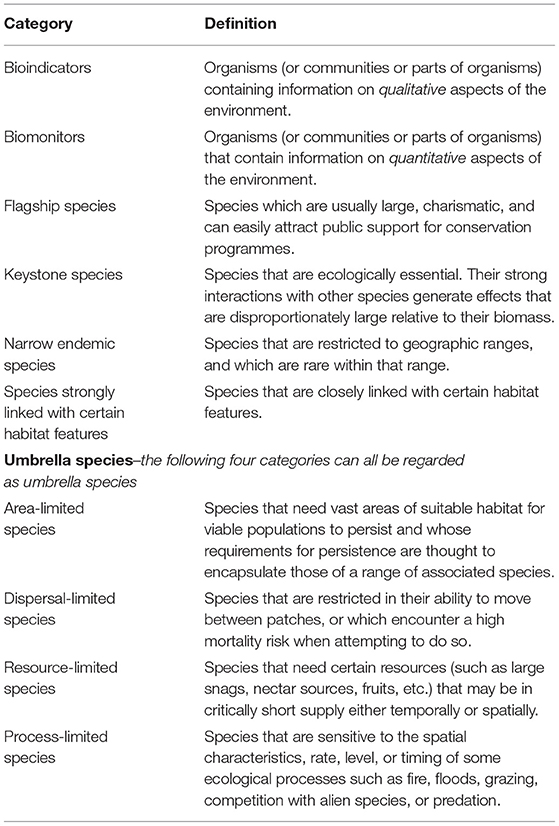
Table 1. Categories of potential indicator species (Lambeck, 1997; Noss, 1999; Carignan and Villard, 2002; Markert et al., 2003).
Raptors (including vultures) have been widely used as biomonitors in Europe and elsewhere (Monclús et al., 2020). Passive monitoring of contaminants can be done using samples from dead raptors (e.g., internal tissues, gastric contents, feathers, and preen oil/gland), while active monitoring can be done with samples from trapped live birds and nests (e.g., blood, plasma/serum, deserted or addled eggs, regurgitated pellets or prey remains, preen oil, and feathers, Espín et al., 2021). Studies have highlighted the usefulness of raptors as biomonitors of heavy metals (which impair the immune systems of Black Kites (Milvus migrans; Blanco et al., 2004), organochlorines including dichlorodiphenyltrichloroethane (DDT) and polychlorinated biphenyl (PCB), [which affect reproduction in White-tailed Eagles (Haliaeetus albicilla; Korsman et al., 2012)], and lead intoxication associated with hunting [which reduces the breeding success of Bonelli's Eagles (Aquila fasciata; Gil-Sánchez et al., 2018)]. There are currently plans underway for pan-European biomonitoring using raptors (Dulsat-Masvidal et al., 2021). However, despite the widespread use of raptors as biomonitors, very few studies have tested the suitability of vultures as biomonitors (Badry et al., 2020), and none have focused on the African vultures.
Another way in which a species may be used in the support of conservation is as an “umbrella species.” Various categories have been suggested to qualify the value of a species in this way (Lambeck, 1997; Noss, 1999; Table 1). The most sensitive species (i.e., those quickest to detect or respond to slight changes) in some categories (e.g., area-, dispersal-, resource-, and process-limited species) could be considered as “umbrella species” for other species in the same category (Noss, 1999), as their requirements for population persistence are believed to encapsulate those of a suite of associated species (Carignan and Villard, 2002). Identifying the requirements of an umbrella species (Table 1) may be used for conservation planning, as implementing conservation strategies for an umbrella species should benefit co-occurring species (Fleishman et al., 2000; Roberge and Angelstam, 2004; Branton and Richardson, 2011; Maslo et al., 2016). Consequently, using an umbrella species may save conservation professionals money and time by allowing them to focus their efforts on one, instead of on a suite of, species (Roberge and Angelstam, 2004). To the best of our knowledge, there are no studies that test the suitability of vultures as umbrella species. African vulture populations are declining rapidly (Ottinger et al., 2021; Williams et al., 2021), and the funding available and time left to save these birds are both limited. So, it could be extremely helpful if conservationists could focus their efforts on a single African vulture species, which could serve as an umbrella species for all of the African vultures.
Aims and Objectives
Firstly, given the increasing European focus on the use of raptors as biomonitors, we hypothesized that African vultures could also be useful as biomonitors. We, therefore, aimed to identify whether the respective African vulture species would be well-suited for use as avian biomonitor species, by comparing each African vulture species to all bird species, within the limits of available knowledge for each bird species. Secondly, in recognizing the dire conservation status of African vultures and that time and funds for their conservation are limited, we hypothesized that one vulture species could be used as an umbrella for all (or most) of the other African vulture species. Therefore, we aimed to evaluate each African vulture species in terms of its potential to act as an umbrella species for all African vulture species.
Materials and Methods
Study Species
To assess whether the respective African vulture species would be appropriate for use as biomonitors, we considered all 10 species that occur regularly in Africa (Table 2; Mundy, 2016).
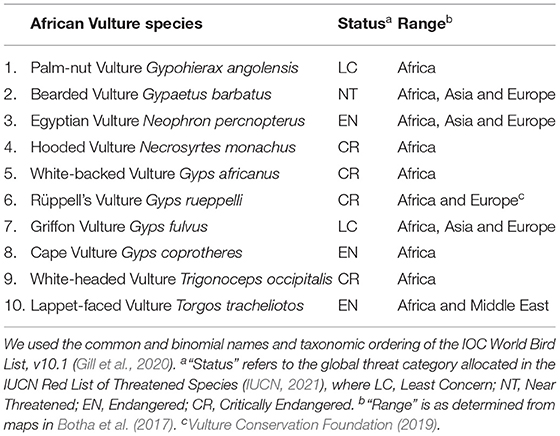
Table 2. Status and range of the 10 vulture species commonly found in Africa.
We excluded the Cinereous Vulture (Aegypius monachus) from our analyses because its core range is in Asia, Europe, and the Arabian Peninsula, and its occurrence in Africa is irregular (Copete, 2018a,b; Daboné et al., 2021). We included the Palm-nut Vulture (Gypohierax angolensis) because, although its diet includes a large proportion of plant matter (Mundy et al., 1992; Carneiro et al., 2017), it is widespread throughout Africa (IUCN, 2021; Table 2), and there is no genetic (Lerner and Mindell, 2005) or anatomical (Chapin, 1932) evidence to support its exclusion.
In the following assessments of the 10 African vulture species as avian biomonitors, and as umbrella species for all African vultures, our methods were based on data from the peer-reviewed scientific literature to ensure objectivity and repeatability of our results. Where published data were lacking, we relied on expert opinions which were pooled and the consensus was used, and we highlighted this approach in the Supplementary Materials (Supplementary Tables 1, 2).
Assessing African Vultures as Avian Biomonitor Species
To achieve our first aim of identifying whether African vultures (either as a group of species or as individual species) could be used as biomonitors, we compiled a list of criteria considered to be important when selecting an avian species as a potential biomonitor, following Landres et al. (1988) and Fleishman et al. (2000). We based our criteria for selecting an avian biomonitor on the list proposed by Hollamby et al. (2006), who provided their criteria based on a literature review and their own observations. They proposed 20 criteria for evaluating a candidate bird species' suitability as a biomonitor of environmental change based on the knowledge of its biological traits.
To make our scoring of the respective African vulture species as clear, repeatable, and objective as possible, we provide a quantitative classification scale for each criterion (Supplementary Table 1) with detailed information regarding (i) the variable used to measure each criterion; (ii) a description of the values for each score; (iii) the range of scores given for each criterion; (iv) the range of possible scores; and (v) the relevant table number where additional information is provided.
Seven of the 20 criteria suggested by Hollamby et al. (2006) related to the collection, transportation, or storage of the biological samples. We could not assess those seven criteria in this study without knowing which samples a researcher may collect as there is a great variety of samples that could be collected from vultures (e.g., Espín et al., 2021), and ideally, each one should be individually assessed in a separate study. We excluded those seven criteria from our analysis, retaining the other 13 criteria proposed by Hollamby et al. (2006); (Table 3).
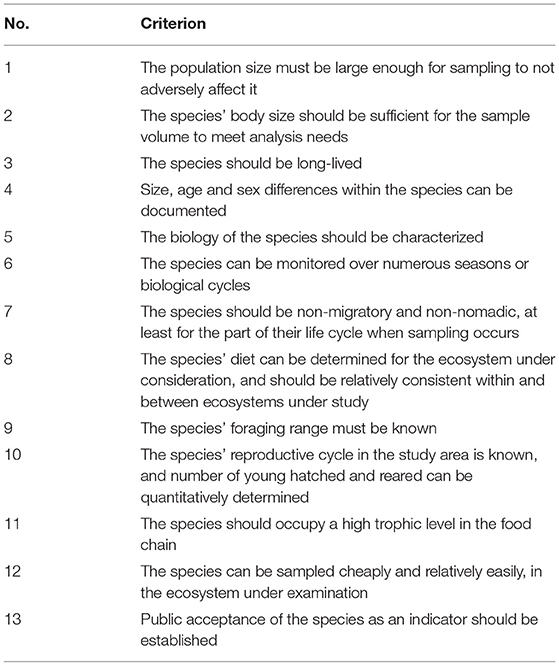
Table 3. Criteria for identifying an avian biomonitor species (modified from Hollamby et al., 2006).
We evaluated the 10 African vulture species (listed in Table 2) individually, for each of the criteria in Table 3, ranking the species from best- to worst-fit in terms of their suitability as biomonitors.
Assessing African Vultures as Umbrella Species
Our second aim was to evaluate the potential of each of the respective African vulture species as an umbrella species for all the African vulture species. Following the recommendations of Landres et al. (1988), we compiled a list of criteria for selecting an umbrella species (Seddon and Leech, 2008; Table 4). This method relies on information related to species' traits that are broadly similar to the traits proposed by Branton and Richardson (2011), and Maslo et al. (2016), for selecting an umbrella species.
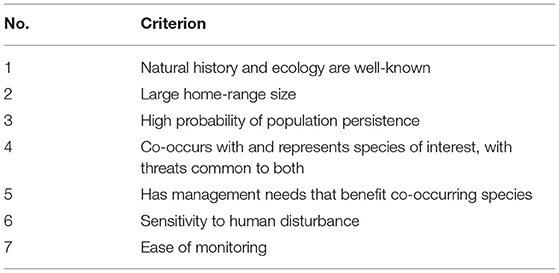
Table 4. Criteria for selecting an umbrella species (modified from Seddon and Leech, 2008).
We evaluated the 10 African vulture species (Table 2) individually for each of the criteria in Table 4 ranking the species from best fit (usually represented with a score of “1”) to worst fit (usually represented with a score of “10”). To make our scoring of the respective African vulture species as clear, repeatable, and objective as possible, we provide a quantitative classification scale for each criterion (Supplementary Table 6), with detailed information regarding (i) the variable used to measure each of the seven criteria, (ii) a description of the values for each score, (iii) the range of scores given for each criterion, (iv) the range of possible scores, and (v) the relevant table number where further detail is provided. The methods used to score the respective African vulture species against each criterion are presented in the Supplementary Materials. We then ranked the species, according to their scores, in terms of their suitability as an umbrella species for all the African vulture species.
Results
Assessing African Vultures as Avian Biomonitor Species
Of the 10 African vulture species, the White-backed Vulture (Gyps africanus) was the best suited as a potential avian biomonitor species, and the Cape, Rüppell's and Lappet-faced Vultures tied as the second-best (Table 5). The Palm-nut Vulture was the worst suited as a biomonitor species.
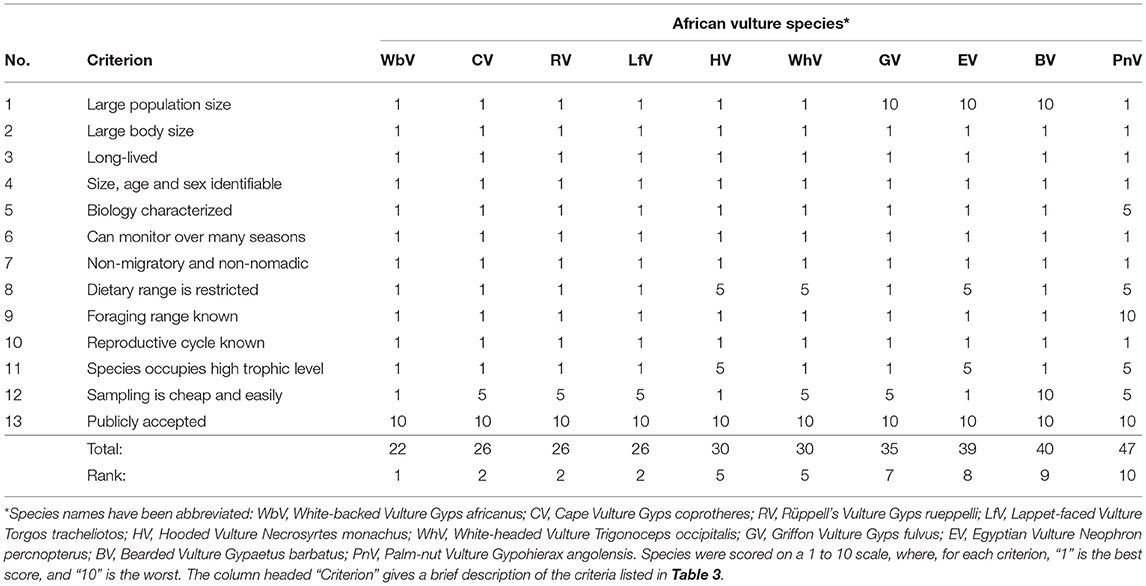
Table 5. The 10 African vulture species, scored according to the assessment criteria that Hollamby et al. (2006) considered to be important when selecting an avian biomonitor species.
As a group, African vultures scored well for some criteria. Relative to all birds, African vultures have large body sizes (criterion 2) and long lifespans (criterion 3); the various sizes, ages, and sexes can be distinguished (criterion 4); they can be monitored over numerous seasons (making them suitable for long-term monitoring, criterion 6); they are non-migratory and non-nomadic during the breeding season (criterion 7); and they also have well-known reproductive cycles (criterion 10).
Some African vulture species do not have large population sizes, and these species (the Griffon, Egyptian, and Bearded Vultures) scored poorly for criterion 1. While the biology and foraging ranges of most African vulture species are well-known, knowledge on these two aspects for the Palm-nut Vulture is relatively lacking, and so this species scored lower than the others for criteria 5 and 9.
Some African vulture species (e.g., the Palm-nut, Hooded, and Egyptian Vultures) scored poorly for criterion 8, because of the variation in their diets, while the Gyps vultures scored well, because of their fairly restricted diets (Supplementary Materials; Supplementary Table 2). Related to this, most African vulture species occupy a high-trophic level (Table 5), allowing the study of chemicals that bioaccumulate, and so most species scored well for criterion 11 (Supplementary Materials; Supplementary Table 3). There was variation in the scores for criterion 12, as we regarded some vulture species (particularly the more commensal species) easier and cheaper to trap for sampling (in ideal trapping scenarios) than the others. For criterion 13, we found no information on how the public views the use of vultures as bioindicators, and so all species scored poorly for this criterion (Supplementary Materials; Supplementary Table 4).
Assessing African Vultures as Umbrella Species
The White-backed Vulture was the best suited of all 10 African vulture species as a potential umbrella species for all African vultures (Table 6). The Rüppell's Vulture was the second-best, and the Cape Vulture was the third-best. The Bearded and Palm-nut Vultures were tied as the worst suited as umbrella species (Tables 6, 7).
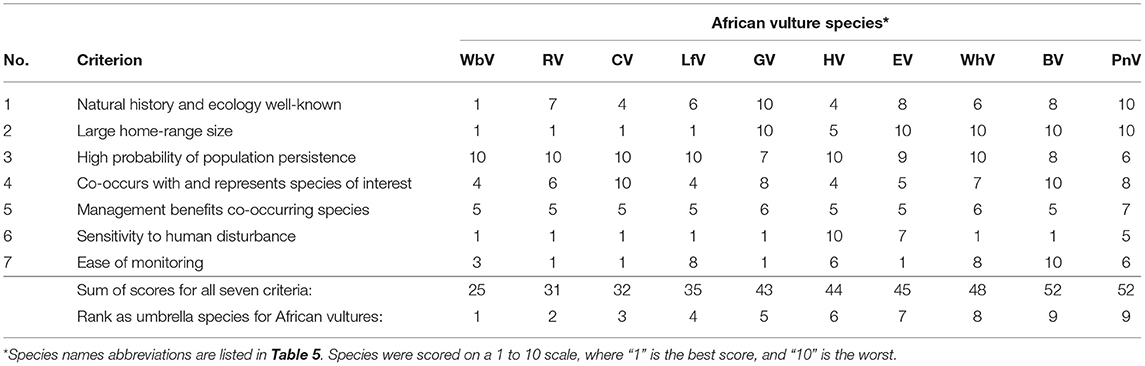
Table 6. Assessment of the 10 African vulture species, according to the criteria of Seddon and Leech (2008) for an umbrella species.
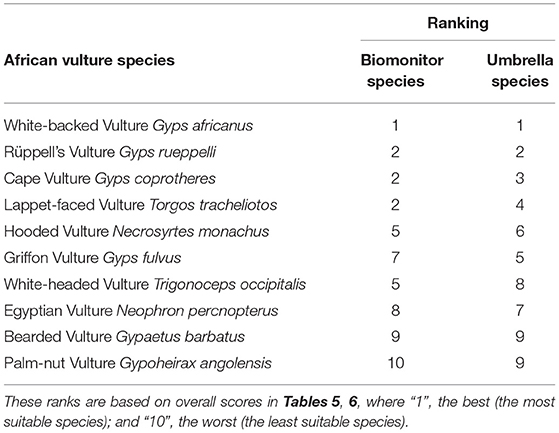
Table 7. Ranking of the 10 African vulture species in terms of their suitability as (i) an avian biomonitor species, and (ii) an umbrella species for all 10 African vulture species.
In terms of knowledge on the natural history and ecology for each species (criterion 1), the White-backed Vulture scored the best with the most knowledge, and the Palm-nut and Griffon Vultures tied as the worst since the least is known about these two species (Supplementary Materials; Supplementary Table 5). According to the information from published studies, the White-backed, Rüppell's, Cape, and Lappet-faced Vultures have the largest home-range sizes, and so these four species scored the best for criterion 2, while there were no data available for the Palm-nut Vulture that we presumed had the smallest home-range size, and was scored the worst for this criterion, along with the Egyptian, White-headed, and Bearded Vultures, which all have relatively small home-range sizes (compared with the other vulture species, Supplementary Materials; Supplementary Table 7). For the probability of population persistence (criterion 3), all the vultures scored poorly, however, the Palm-nut Vulture scored the best for this criterion (there is no evidence of declines for this species), while most of the remaining species scored a “10” (76–100% declines in the three generations, Supplementary Materials; Supplementary Table 8). For criterion 4, the Hooded, Lappet-faced, and White-backed Vultures scored the best, as their ranges most overlapped (and their threats were common to) those of the other vulture species, while the Cape and Bearded Vultures scored the worst since their ranges overlapped little of the other vulture species' ranges (Supplementary Materials; Supplementary Table 9). For criterion 5 (has management needs that overlap those of other species), there was little variation in the scores for each species; the Palm-nut Vulture scored the worst (a “7”), while most other African vulture species scored better, with a “5” (Supplementary Materials; Supplementary Table 10). For criterion 6 (should be sensitive to human disturbance), the Palm-nut, Egyptian and Hooded Vultures scored the poorest (with scores of “5,” “7”, and “10,” respectively, since they breed and/or forage in areas disturbed by people), while all the other species received a score of “1” since we regarded them as sensitive to human disturbance (Supplementary Materials; Supplementary Table 11). Finally, in terms of the ease with which a species may be monitored (criterion 7), the Bearded Vulture scored the worst because of its inaccessible habitat, the tree-nesting species scored better, and the remaining cliff-nesting species scored the best (Supplementary Materials; Supplementary Table 12).
Discussion
Assessing African Vultures as Biomonitors
Our assessment showed that of the 10 African vulture species, the White-backed Vulture was the species that was best suited as a biomonitor. It scored well for every criterion apart from “public acceptance of the species as a biomonitor” (criterion 13). As a group, the African vultures are suited for use as biomonitors in some respects: they have large body sizes and long lifespans; the various sizes, ages, and sexes can be distinguished; they can be monitored over numerous seasons, making them suitable for long-term monitoring; and they have well-known reproductive cycles.
Most African vulture species scored well for criterion 11 (they occupy a high trophic level, and so can be used to study chemicals that bioaccumulate), however, there may be intraspecific variation in their diets and feeding habits; some Hooded Vultures in West Africa forage along coastlines (Barlow, 2020), increasing their potential exposure to mercury (Diop and Amara, 2016) and persistent organic pollutants (Camacho et al., 2013), while Hooded Vultures in southern Africa do not display this beachcombing behavior. These differences in feeding habits and diet between regions must be considered if using vultures as biomonitors to study chemicals that bioaccumulate.
We found no differences between the respective vulture species in terms of how the public views them, despite there being numerous studies worldwide that have investigated people's perceptions of vultures (e.g., Phuyal et al., 2016; Cailly Arnulphi et al., 2017; Cortés-Avizanda et al., 2018; Morales-Reyes et al., 2018; Duriez et al., 2019; García-Alfonso et al., 2019), including several in Africa (Santangeli et al., 2016; Craig et al., 2018; Deikumah, 2020; Mashele et al., 2021a,b). These studies tend to focus on the perceptions of people who live in communities bordering protected areas (e.g., Reson, 2012; Mdhlano et al., 2018), who bear the opportunity costs of conservation areas, i.e., disproportionate lost benefits from other land use (Adams et al., 2010). Fewer studies explore the perceptions of vultures among people in the Global North (George et al., 2016; Kluever et al., 2020) and/or urban areas (e.g., Campbell, 2009), who are wealthier and more likely to fund research or conservation work for vultures. We believe that there is a need for vulture attitude and perception studies in urban communities.
We scored all the African vulture species well for criterion 7 (they are all non-migratory and non-nomadic during the breeding season), but their home ranges, even during the breeding season when movements of adults are more constrained, are vast compared with those of many other bird species. Therefore, toxins in the tissues of African vultures could only be used to show trends in environmental pollution (e.g., in lead toxicity, Garbett et al., 2018; van den Heever et al., 2019) at massive (regional) scales, after which, other species (with smaller home ranges) would have to be used as biomonitors to pinpoint where environmental pollution is occurring on a finer scale, so that clean-up measures may be initiated. For this reason, and because all African vultures scored poorly on the criterion “Public acceptance of the species as an indicator” due to the lack of knowledge on this subject (Hollamby et al., 2006, p. 15), we believe that African vultures are, at present and relative to other species of birds, not ideally suited as avian biomonitors.
Assessing African Vultures as Umbrella Species
Our assessments showed that the White-backed Vulture is the African vulture species that is best suited for use as an umbrella species for all 10 African vulture species. The White-backed Vulture is the most suited as a potential umbrella species for all African vultures because: (i) its natural history and ecology are the best known of all 10 vulture species; (ii) it has one of the largest home-ranges of all the vulture species; (iii) it is the most widely distributed across Africa (i.e., it co-occurs with and represents the other vulture species); (iv) its management needs will benefit co-occurring species; (v) it is sensitive to human disturbance; and (vi) it is among the easiest to monitor (mainly due to its nests being the easiest of all the tree-nesting vulture species' nests to monitor; Thompson et al., 2018). Using the White-backed Vulture as an umbrella species for all African vultures may assist conservation practitioners in Africa to save time, money, and effort while still working toward their mandates of protecting all vulture species and the ecosystem services they provide (Safford et al., 2019). Where nesting areas of various vulture species overlap, nest monitoring efforts and studies of breeding success and productivity could focus on the White-backed Vulture. Similarly, focusing on addressing the threats to White-backed Vultures will address many of the management needs of co-occurring vulture species (Ogada et al., 2016; Botha et al., 2017; Murn and Botha, 2018; Thompson et al., 2020). The use of the White-backed Vulture as an umbrella species may augment other vulture conservation tools, such as identifying priority areas for conservation (Santangeli et al., 2019), retrofitting unsafe energy infrastructure (Perold et al., 2020), reducing wildlife poisoning, and its effects (Gore et al., 2020), reducing the trade in vultures for bushmeat and traditional medicine (Buij et al., 2016; Boakye et al., 2019), phasing out lead ammunition (Margalida et al., 2013), and encouraging hunting (which both preserves habitat and provides food for vultures) where appropriate (Mateo-Tomás and Olea, 2010). However, we should not overlook the conservation needs of any vulture species whose distributions, diets, and other natural history traits (Table 6) are not well-represented by the White-backed Vulture.
Constraints
Dulsat-Masvidal et al. (2021) highlighted the legislative constraints when using raptors as biomonitors in Europe. In Africa too, vultures are protected by various international, regional, and sub-regional legal instruments (Thompson and Blackmore, 2020), which may make their use as biomonitors more challenging. Future assessments of species as potential avian biomonitors should include the requirement for non-threatened status. Any assessments of vultures as biomonitors or as umbrellas should also be periodically revised, to incorporate increases in knowledge, and changing public and expert opinion.
In our evaluation of the African vultures as biomonitors, we excluded specific criteria proposed by Hollamby et al. (2006) that relate to chemicals because this evaluation cannot be done until the chemicals to be studied have been chosen, and that does not fall within the remit of this study. Three of the criteria (numbers 6, 15, and 17) proposed by Hollamby et al. (2006) relate to the sensitivity of a candidate species to a particular chemical. While it is implicit that biomonitors must be sensitive to the chemicals under study, this has not been evaluated here, and the inclusion of these three (and the remaining excluded) criteria of Hollamby et al. (2006) could produce different results in terms of which vulture species is best suited as a biomonitor.
The disadvantage of selecting the White-backed Vulture as an umbrella for all the African vultures is that, like many other vulture species, it has a low probability of population persistence. If the White-backed Vulture is used as an umbrella species, then the Palm-nut Vulture may need additional, complementary monitoring, and conservation actions, since the Palm-nut Vulture's diet, habitat and threats are not well-covered by the White-backed Vulture.
The criteria against which we scored the respective African vulture species were partly based on qualitative data, provided by pooling of expert opinion. We acknowledge that there may be uncertainty in the predictions made using expert-based models (Johnson and Gillingham, 2004); however, we believe that our elicitation of expert knowledge was done rigorously, allowing us to rank the species in a cost-effective manner when quantitative data for certain criteria were lacking (Kuhnert et al., 2010). While this means that our datasets are not ideally suited for conducting sensitivity analyses (Thabane et al., 2013), we can still comment on the ways in which differences in scoring could affect the ranking of species. With regards to how knowledge gaps may have affected our scoring and ranking of species as biomonitors, an increase in knowledge regarding the biology (criterion 5) and the foraging range (criterion 9) of the Palm-nut Vulture could improve its score as a biomonitor from 47 to 34, which would change its ranking from 10th to 7th. Similarly, if awareness campaigns caused the public acceptance of a particular vulture species as a biomonitor (criterion 13) to change from “unknown” to a 91–100% acceptance rate, then the species' score for this criterion would change from 10 to 1, changing its ranking which could elevate the Cape, Rüppell's, Lappet-faced, Hooded or White-headed Vultures into 1st place.
In terms of how knowledge gaps may have affected our scoring and ranking of species as umbrellas, the down-listing of the global status of the Cape Vulture in December 2021 from endangered to vulnerable could change its scoring for criterion 3 from “10” to “8,” although this change alone will not alter its ranking as tied third-best umbrella. However, the rank of a species could be affected by an increase in knowledge about its natural history and ecology (criterion 1), for example, an increase in the number of publications on the Palm-nut Vulture could elevate its rank as an umbrella species above its current 9th place. An increase or decrease in a species' range could change the scoring of the species for criterion 4 (co-occurs with and represents species of interest, with threats common to both). Finally, criterion 7 (ease of monitoring) was scored by expert opinion, and, if other experts had scored this criterion, could be slightly different, based on their experience. We highlight that this study is an initial step in testing African vultures as umbrellas and biomonitors with data that are currently published and the combined experiences of experts who work with African vultures.
Conclusion
Our results showed that the African vultures are not well-suited as avian biomonitors, but various vulture species are regarded as flagship species (Carrete and Donázar, 2005; Pesic et al., 2012; Gangoso et al., 2013; Krüger, 2013, 2014), and the usefulness of vultures as cultural keystone species may also be worth exploring (Markandya et al., 2008). Cultural keystone species are plants and animals that can be used to measure human health and well-being, because of their vital link to a particular culture (Cristancho and Vining, 2004; Garibaldi and Turner, 2004). Vultures are recognized worldwide for the ecosystem services (cleaning, nutrient cycling, cultural) they provide (Gangoso et al., 2013; Grilli et al., 2019; Morales-Reyes et al., 2019), for their aesthetic value (Becker et al., 2005; Morelli et al., 2015; Aguilera-Alcalá et al., 2020), and for their important roles in African traditional medicine (Buij et al., 2016). The use of African vultures as cultural keystone species could bridge gaps between ecological and socio-cultural systems that undermine current vulture conservation efforts (Horgan et al., 2021).
Vultures are obligate scavengers with a crucial role as highly specialized sanitarians (Mendoza et al., 2018). In some cases (particularly in West Africa), the presence of vultures may highlight unhygienic habits such as open-air abattoirs and garbage sites1, but usually, the role of vultures as keystone species (Mills et al., 1993; Buechley et al., 2018) means that their loss (and the loss of the irreplaceable cleaning services they provide) may result in mesopredator release, trophic cascades, zoonotic disease epidemics, and considerable economic, environmental, and One Health costs (Markandya et al., 2008; Plaza et al., 2020; Ottinger et al., 2021; van den Heever et al., 2021). From a positive perspective, the selection of a single vulture species for use as an umbrella species for all the African vultures may greatly reduce the costs of monitoring vulture populations and implementing conservation interventions. We recommend that if conservation authorities, practitioners, and researchers wish to use a single vulture species as an umbrella species for all African vultures, they should focus on the White-backed Vulture.
Data Availability Statement
The original contributions presented in the study are included in the article/Supplementary Material. Further inquiries can be directed to the corresponding author.
Author Contributions
WB conceived the idea for this study. WB, LT, and MO designed the study. LT, SK, BC, MO, LS, and JD contributed to the materials and methods section of the manuscript and compiled the tables presented in the Supplementary Material. LT wrote the first draft of the manuscript. All the authors contributed to the revision of the manuscript and approved the submitted version.
Funding
This work was supported by the National Socio-Environmental Synthesis Center (SESYNC) in Annapolis, MD, USA, under the funding received from the National Science Foundation (DBI-1052875).
Conflict of Interest
MG is an Associate Editor of Frontiers in Conservation Science. LS is a Review Editor of Frontiers in Conservation Science.
The remaining authors declare that the research was conducted in the absence of any commercial or financial relationships that could be construed as a potential conflict of interest.
Publisher's Note
All claims expressed in this article are solely those of the authors and do not necessarily represent those of their affiliated organizations, or those of the publisher, the editors and the reviewers. Any product that may be evaluated in this article, or claim that may be made by its manufacturer, is not guaranteed or endorsed by the publisher.
Acknowledgments
We are grateful to Mbali Mashele, Linda van den Heever, Samantha Page-Nicholson, Leith Meyer, and Hugh Chittenden for answering our questions about cultural uses, required sample volumes, ethics, and home-range size estimates of Palm-nut Vultures. This article is a product of an investigation called ‘There is still time to save Africa's vultures', hosted by the National Social-Environmental Synthesis Center (SESYNC) in Annapolis (MD, USA). We thank Margaret Palmer and the rest of the SESYNC team for their support of this study. We are grateful to both reviewers for their comments that greatly improved the quality of this manuscript. This is Hawk Mountain Conservation Science contribution number 356.
Supplementary Material
The Supplementary Material for this article can be found online at: https://www.frontiersin.org/articles/10.3389/fcosc.2021.729025/full#supplementary-material
Footnotes
1. ^Daboné, C., Oueda, A., Thompson, L. J., Adjakpa, J. B., and Weesie, P. D. M. (unpublished data) Trade in vulture parts in West Africa: Burkina Faso may be one of the main sources of vulture carcasses. Bird Conserv. Int.
References
Adams, V. M., Pressey, R. L., and Naidoo, R. (2010). Opportunity costs: who really pays for conservation? Biol. Conserv. 143, 439–448. doi: 10.1016/j.biocon.2009.11.011
Aguilera-Alcalá, N., Morales-Reyes, Z., Martín-López, B., Moleón, M., and Sánchez-Zapata, J. A. (2020). Role of scavengers in providing non-material contributions to people. Ecol. Indic. 117:106643. doi: 10.1016/j.ecolind.2020.106643
Badry, A., Krone, O., Jaspers, V. L., Mateo, R., García-Fernández, A., Leivits, M., et al. (2020). Toward harmonisation of chemical monitoring using avian apex predators: identification of key species for pan-European biomonitoring. Sci. Total Environ. 731:139198. doi: 10.1016/j.scitotenv.2020.139198
Barlow, C. R. (2020). Further observations and implications of oil palm Elaesis guineensis fruit consumption by hooded vultures Necrosyrtes monachus in coastal Gambia. Vulture News 79, 32–37. doi: 10.4314/vulnew.v79i1.3
Becker, N., Inbar, M., Bahat, O., Choresh, Y., Ben-Noon, G., and Yaffe, O. (2005). Estimating the economic value of viewing Griffon Vultures Gyps fulvus: a travel cost model study at Gamla nature reserve, Israel. Oryx 39, 429–434. doi: 10.1017/S0030605305001122
Blanco, G., Jiménez, B., Frıas, O., Millan, J., and Davila, J. A. (2004). Contamination with non-essential metals from a solid-waste incinerator correlates with nutritional and immunological stress in prefledgling black kites (Milvus migrans). Environ. Res. 94, 94–101. doi: 10.1016/S0013-9351(03)00120-8
Boakye, M. K., Wiafe, E. D., and Ziekah, M. Y. (2019). Ethnomedicinal use of vultures by traditional medicinal practitioners in Ghana. Ostrich 90, 111–118. doi: 10.2989/00306525.2019.1578834
Botha, A., Andevski, J., Bowden, C. G. R., Gudka, M., Safford, R. J., Tavares, J., et al (2017). Multi-species Action Plan to Conserve African-Eurasian Vultures. CMS Technical Series No. 35. Available online at: https://www.cms.int/raptors/sites/default/files/publication/vulture-msap_e.pdf (accessed September 7, 2021).
Branton, M., and Richardson, J. S. (2011). Assessing the value of the umbrella-species concept for conservation planning with meta-analysis. Conserv. Biol. 25, 9–20. doi: 10.1111/j.1523-1739.2010.01606.x
Buechley, E. R., McGrady, M. J., Çoban, E., and Çekercioglu, Ç. H. (2018). Satellite tracking a wide-ranging endangered vulture species to target conservation actions in the Middle East and East Africa. Biodivers. Conserv. 27, 2293–2310. doi: 10.1007/s10531-018-1538-6
Buij, R., Nikolaus, G., Whytock, R., Ingram, D. J., and Ogada, D. (2016). Trade of threatened vultures and other raptors for fetish and bushmeat in West and Central Africa. Oryx 50, 606–616. doi: 10.1017/S0030605315000514
Burger, J. (2006). Bioindicators: types, development, and use in ecological assessment and research. Environ. Bioindic. 1, 22–39. doi: 10.1080/15555270590966483
Cailly Arnulphi, V. B., Lambertucci, S. A., and Borghi, C. E. (2017). Education can improve the negative perception of a threatened long-lived scavenging bird, the Andean condor. PLoS ONE 12:e0185278. doi: 10.1371/journal.pone.0185278
Camacho, M., Luzardo, O. P., Boada, L. D., Jurado, L. F. L., Medina, M., Zumbado, M., et al. (2013). Potential adverse health effects of persistent organic pollutants on sea turtles: evidences from a cross-sectional study on Cape Verde loggerhead sea turtles. Sci. Total Environ. 458, 283–289. doi: 10.1016/j.scitotenv.2013.04.043
Campbell, M. (2009). Factors for the presence of avian scavengers in Accra and Kumasi, Ghana. Area 41, 341–349. doi: 10.1111/j.1475-4762.2008.00870.x
Carignan, V., and Villard, M. A. (2002). Selecting indicator species to monitor ecological integrity: a review. Environ. Monit. Assess. 78, 45–61. doi: 10.1023/A:1016136723584
Carneiro, C., Henriques, M., Barbosa, C., Tchantchalam, Q., Regalla, A., Patrício, A. R., et al. (2017). Ecology and behaviour of palm-nut vultures Gypohierax angolensis in the Bijagós Archipelago, Guinea-Bissau. Ostrich 88, 113–121. doi: 10.2989/00306525.2017.1291540
Carrete, M., and Donázar, J. A. (2005). Application of central-place foraging theory shows the importance of Mediterranean dehesas for the conservation of the Cinereous vulture, Aegypius monachus. Biol. Conserv. 126, 582–590. doi: 10.1016/j.biocon.2005.06.031
Copete, J. L. (2018a). “Cinereous vulture in Gambia,” in Handbook of the Birds of the World Alive, eds J. Del Hoyo, A. Elliot, J. Sargatal, and E. De Juana (Barcelona: Lynx Edicions), Available online at: https://www.hbw.com/report/cinereous-vulture-mauritania (accessed December 21, 2020).
Copete, J. L. (2018b). “Cinereous vulture in Mauritania,” in Handbook of the Birds of the World Alive, eds J. Del Hoyo, A. Elliot, J. Sargatal, and E. De Juana (Barcelona: Lynx Edicions), Available online at: https://www.hbw.com/report/cinereous-vulture-mauritania (accessed December 21, 2020).
Cortés-Avizanda, A., Martín-López, B., Ceballos, O., and Pereira, H. M. (2018). Stakeholders perceptions of the endangered Egyptian vulture: insights for conservation. Biol. Conserv. 218, 173–180. doi: 10.1016/j.biocon.2017.09.028
Cortinovis, C., and Geneletti, D. (2018). Mapping and assessing ecosystem services to support urban planning: a case study on brownfield regeneration in Trento, Italy. One Ecosyst. 3:e25477. doi: 10.3897/oneeco.3.e25477
Craig, C. A., Thomson, R. L., and Santangeli, A. (2018). Communal farmers of Namibia appreciate vultures and the ecosystem services they provide. Ostrich 89, 211–220. doi: 10.2989/00306525.2018.1435566
Cristancho, S., and Vining, J. (2004). Culturally defined keystone species. Hum. Ecol. Rev. 11, 153–164. Available online at: http://www.jstor.org/stable/24707675
Daboné, C., Nana, A., Hamidou, M., Idrissa, S., and Housseini, Y. (2021). First observation of Cinereous vulture Aegypius monachus in Burkina Faso adds to a recent increase in records in sub-Saharan West Africa. Malimbus 43, 1–8.
Deikumah, J. P. (2020). Vulture declines, threats and conservation: the attitude of the indigenous Ghanaian. Bird Conserv. Int. 30, 103–116. doi: 10.1017/S0959270919000261
Diop, M., and Amara, R. (2016). Mercury concentrations in the coastal marine food web along the Senegalese coast. Environ. Sci. Pollut. Res. 23, 11975–11984. doi: 10.1007/s11356-016-6386-x
Dulsat-Masvidal, M., Lourenço, R., Lacorte, S., D'Amico, M., Albayrak, T., Andevski, J., et al. (2021). A review of constraints and solutions for collecting raptor samples and contextual data for a European raptor biomonitoring facility. Sci. Total Environ. 793:148599. doi: 10.1016/j.scitotenv.2021.148599
Duriez, O., Descaves, S., Gallais, R., Neouze, R., Fluhr, J., and Decante, F. (2019). Vultures attacking livestock: a problem of vulture behavioural change or farmers' perception? Bird Conserv. Int. 29, 437–453. doi: 10.1017/S0959270918000345
Espín, S., Andevski, J., Duke, G., Eulaers, I., Gómez-Ramírez, P., Hallgrimsson, G. T., et al. (2021). A schematic sampling protocol for contaminant monitoring in raptors. Ambio 50, 95–100. doi: 10.1007/s13280-020-01341-9
Fleishman, E., Murphy, D. D., and Brussard, P. F. (2000). A new method for selection of umbrella species for conservation planning. Ecol. Appl. 10, 569–579. doi: 10.1890/1051-0761(2000)0100569:ANMFSO2.0.CO
Gangoso, L., Agudo, R., Anadón, J. D., de la Riva, M., Suleyman, A. S., Porter, R., et al. (2013). Reinventing mutualism between humans and wild fauna: insights from vultures as ecosystem services providers. Conserv. Lett. 6, 172–179. doi: 10.1111/j.1755-263X.2012.00289.x
Garbett, R., Maude, G., Hancock, P., Kenny, D., Reading, R., and Amar, A. (2018). Association between hunting and elevated blood lead levels in the critically endangered African white-backed vulture Gyps africanus. Sci. Total Environ. 630, 1654–1665. doi: 10.1016/j.scitotenv.2018.02.220
García-Alfonso, M., Morales-Reyes, Z., Gangoso, L., Bouten, W., Sánchez-Zapata, J. A., Serrano, D., et al. (2019). Probing into farmers' perceptions of a globally endangered ecosystem service provider. Ambio 48, 900–912. doi: 10.1007/s13280-018-1102-3
Garibaldi, A., and Turner, N. (2004). Cultural keystone species: implications for ecological conservation and restoration. Ecol. Soc. 9:1. doi: 10.5751/ES-00669-090301
George, K. A., Slagle, K. M., Wilson, R. S., Moeller, S. J., and Bruskotter, J. T. (2016). Changes in attitudes toward animals in the United States from 1978 to 2014. Biol. Conserv. 201, 237–242. doi: 10.1016/j.biocon.2016.07.013
Gill, F., Donsker, D., and Rasmussen, P. (2020). IOC World Bird List (v 10.2). Available online at: http://www.worldbirdnames.org/ (accessed December 21, 2020).
Gil-Sánchez, J. M., Molleda, S., Sánchez-Zapata, J. A., Bautista, J., Navas, I., and Godinho, R. (2018). From sport hunting to breeding success: patterns of lead ammunition ingestion and its effects on an endangered raptor. Sci. Total Environ. 613, 483–491. doi: 10.1016/j.scitotenv.2017.09.069
Gore, M. L., Hübshle, A., Botha, A. J., Coverdale, B. M., Garbett, R., Harrell, R. M., et al. (2020). A conservation criminology-based desk assessment of vulture poisoning in the great Limpopo transfrontier conservation area. Glob. Ecol. Conserv. 23:e01076. doi: 10.1016/j.gecco.2020.e01076
Grilli, M. G., Bildstein, K. L., and Lambertucci, S. A. (2019). Nature's clean-up crew: quantifying ecosystem services offered by a migratory avian scavenger on a continental scale. Ecosyst. Serv. 39:100990. doi: 10.1016/j.ecoser.2019.100990
Hollamby, S., Afema-Azikuru, J., Waigo, S., Cameron, K., Gandolf, A. R., Norris, A., et al. (2006). Suggested guidelines for use of avian species as indicators. Environ. Monit. Assess. 118, 13–20. doi: 10.1007/s10661-006-0770-9
Horgan, F. G., Mundaca, E. A., and Crisol-Martínez, E. (2021). Emerging patterns in cultural ecosystem services as incentives and obstacles for raptor conservation. Birds 2, 185–206. doi: 10.3390/birds2020014
IUCN (2021). The IUCN Red List of Threatened Species. Version 2020-3. Available online at: https://www.iucnredlist.org (accessed January 2, 2021).
Johnson, C. J., and Gillingham, M. P. (2004). Mapping uncertainty: sensitivity of wildlife habitat ratings to expert opinion. J. Appl. Ecol. 41, 1032–1041. doi: 10.1111/j.0021-8901.2004.00975.x
Kluever, B. M., Pfeiffer, M. B., Barras, S. C., Dunlap, B. G., and Humberg, L. A. (2020). Black vulture conflict and management in the United States: damage trends, management overview, and research needs. Hum.–Wildl. Interact. 14:8. Available online at: https://digitalcommons.unl.edu/icwdm_usdanwrc/2402/
Korsman, J. C., Schipper, A. M., Lenders, H. R., Foppen, R. P., and Hendriks, A. J. (2012). Modelling the impact of toxic and disturbance stress on white-tailed Eagle (Haliaeetus albicilla) populations. Ecotoxicology 21, 27–36. doi: 10.1007/s10646-011-0760-8
Krüger, S., (eds.). (2013). Biodiversity Management Plan for the Bearded Vulture (Gypaetus barbatus meridionalis) for Southern Africa. Government Gazette Notice No 37620. Available online at: https://chm.cbd.int/api/v2013/documents/9B4348CA-AD83-7450-0A1C-2008F63824DF/attachments/Final_BV%20BMP_Sep2013.pdf (accessed January 9, 2021).
Krüger, S. C. (2014). An investigation into the decline of the Bearded Vulture Gypaetus barbatus in southern Africa (Ph.D. thesis). University of Cape Town, Cape Town, South Africa. Available online at: https://open.uct.ac.za/bitstream/handle/11427/13211/thesis_sci_2014_kruger_sc.pdf?sequence=1andisAllowed=y (accessed January 9, 2021).
Kuhnert, P. M., Martin, T. G., and Griffiths, S. P. (2010). A guide to eliciting and using expert knowledge in Bayesian ecological models. Ecol. Lett. 13, 900–914. doi: 10.1111/j.1461-0248.2010.01477.x
Lambeck, R. J. (1997). Focal species: a multi-species umbrella for nature conservation. Conserv. Biol. 11, 849–856. doi: 10.1046/j.1523-1739.1997.96319.x
Landres, P. B., Verner, J., and Ward Thomas, J. (1988). Ecological uses of vertebrate indicator species: a critique. Conserv. Biol. 2, 316–328. doi: 10.1111/j.1523-1739.1988.tb00195.x
Lerner, H. R. L., and Mindell, D. P. (2005). Phylogeny of eagles, old world vultures, and other accipitridae based on nuclear and mitochondrial DNA. Mol. Phylogenet. Evol. 37, 327–346. doi: 10.1016/j.ympev.2005.04.010
Maes, J., Liquete, C., Teller, A., Erhard, M., Paracchini, M. L., Barredo, J. I., et al. (2016). An indicator framework for assessing ecosystem services in support of the EU biodiversity strategy to 2020. Ecosyst. Serv. 17, 14–23. doi: 10.1016/j.ecoser.2015.10.023
Margalida, A., Arlettaz, R., and Donázar, J. A. (2013). Lead ammunition and illegal poisoning: further international agreements are needed to preserve vultures and the crucial sanitary service they provide. Environ. Sci. Tech. 47, 5522–5523. doi: 10.1021/es401544j
Markandya, A., Taylor, T., Longo, A., Murty, M. N., Murty, S., and Dhavala, K. (2008). Counting the cost of vulture decline–an appraisal of the human health and other benefits of vultures in India. Ecol. Econ. 67, 194–204. doi: 10.1016/j.ecolecon.2008.04.020
Markert, B. A., Breure, A. M., and Zechmeister, H. G. (2003). “Definitions, strategies and principles for bioindication/biomonitoring of the environment,” in Bioindicators and Biomonitors: Principles, Concepts and Applications: Trace Metals and other Contaminants in the Environment, Vol. 6, eds B. A. Markert, A. M. Breure, and H. G. Zechmeister (Oxford: Elsevier), 3-40.
Mashele, N. M., Thompson, L. J., and Downs, C. T. (2021a). Traditional health practitioners' and other community members' perceptions of vultures in the Kruger to Canyons biosphere region, South Africa. J. Raptor Res. 55, 340–358. doi: 10.3356/JRR-20-34
Mashele, N. M., Thompson, L. J., and Downs, C. T. (2021b). Uses of vultures in traditional medicines in the Kruger to Canyons biosphere region, South Africa. J. Raptor Res. 55, 328–339. doi: 10.3356/JRR-20-36
Maslo, B., Leu, K., Faillace, C., Weston, M. A., Pover, T., and Schlacher, T. A. (2016). Selecting umbrella species for conservation: a test of habitat models and niche overlap for beach-nesting birds. Biol. Conserv. 203, 233–242. doi: 10.1016/j.biocon.2016.09.012
Mateo-Tomás, P., and Olea, P. P. (2010). When hunting benefits raptors: a case study of game species and vultures. Eur. J. Wildl. Res. 56, 519–528. doi: 10.1007/s10344-009-0341-9
Mdhlano, S. F., Gandiwa, E., Muboko, N., and Mashapa, C. (2018). Local knowledge and perceptions of vulture conservation in communities living adjacent to the northern Gonarezhou National Park, Zimbabwe. Vulture News 74, 1–10. doi: 10.4314/vulnew.v74i1.1
Mendoza, M. L. Z., Roggenbuck, M., Vargas, K. M., Hansen, L. H., Brunak, S., Gilbert, M. T. P., et al. (2018). Protective role of the vulture facial skin and gut microbiomes aid adaptation to scavenging. Acta Vet. Scand. 60, 1–19. doi: 10.1186/s13028-018-0415-3
Mills, L. S., Soulé, M. E., and Doak, D. F. (1993). The keystone-species concept in ecology and conservation. Bioscience 43, 219–224. doi: 10.2307/1312122
Monclús, L., Shore, R. F., and Krone, O. (2020). Lead contamination in raptors in Europe: a systematic review and meta-analysis. Sci. Total Environ. 748:141437. doi: 10.1016/j.scitotenv.2020.141437
Morales-Reyes, Z., Martín-López, B., Moleón, M., Mateo-Tomás, P., Botella, F., Margalida, A., et al. (2018). Farmer perceptions of the ecosystem services provided by scavengers: what, who, and to whom. Conserv. Lett. 11:e12392. doi: 10.1111/conl.12392
Morales-Reyes, Z., Martín-López, B., Moleón, M., Mateo-Tomás, P., Olea, P. P., Arrondo, E., et al. (2019). Shepherds' local knowledge and scientific data on the scavenging ecosystem service: insights for conservation. Ambio 48, 48–60. doi: 10.1007/s13280-018-1055-6
Morelli, F., Kubicka, A. M., Tryjanowski, P., and Nelson, E. (2015). The vulture in the sky and the hominin on the land: three million years of human–vulture interaction. Anthrozoos 28, 449–468. doi: 10.1080/08927936.2015.1052279
Mundy, P. (2016). The saga behind a slight change of name–now it is Gyps rueppelli. Vulture News 71, 56–60. doi: 10.4314/vulnew.v71i1.5
Mundy, P. J., Butchart, D., Ledger, J., and Piper, S. (1992). The Vultures of Africa. London: Academic Press.
Murn, C., and Botha, A. (2018). A clear and present danger: impacts of poisoning on a vulture population and the effect of poison response activities. Oryx 52, 552–558. doi: 10.1017/S0030605316001137
Noss, R. F. (1999). Assessing and monitoring forest biodiversity: a suggested framework and indicators. For. Ecol. Manag. 115, 135–146. doi: 10.1016/S0378-1127(98)00394-6
Ogada, D., Shaw, P., Beyers, R. L., Buij, R., Murn, C., Thiollay, J. M., et al. (2016). Another continental vulture crisis: Africa's vultures collapsing toward extinction. Conserv. Lett. 9, 89–97.
Ottinger, M. A., Botha, A., Buij, R., Coverdale, B., Gore, M. L., Harrell, R. M., et al. (2021). A strategy for conserving old world vulture populations in the framework of one health. J. Raptor Res. 55, 374–387. doi: 10.3356/JRR-20-98
Perold, V., Ralston-Paton, S., and Ryan, P. (2020). On a collision course? The large diversity of birds killed by wind turbines in South Africa. Ostrich 91, 228–239. doi: 10.2989/00306525.2020.1770889
Pesic, N., Dingarac, S., and Pesic, D. (2012). “Special Nature Reserve Milesevka and the Mileseva Monastery,” in Proceedings of the Third Workshop of the Delos Initiative, Inari/Aanaar. Metsähallitus Natural Heritage Services: The Diversity of Sacred Lands in Europe, eds J.-M. Mallarach, T. Papayannis, and R. Väisänen (Vantaa), 189–201.
Phuyal, S., Ghimire, H. R., Shah, K. B., and Baral, H. S. (2016). Vultures and people: local perceptions of a low-density vulture population in the eastern mid-hills of Nepal. J. Threat. Taxa 8, 9597–9609. doi: 10.11609/jott.2492.8.14.9597-9609
Plaza, P. I., Blanco, G., and Lambertucci, S. A. (2020). Implications of bacterial, viral and mycotic microorganisms in vultures for wildlife conservation, ecosystem services and public health. Ibis 162, 1109–1124. doi: 10.1111/ibi.12865
Reson, E. N. M. (2012). Assessing Maasai attitudes and perceptions toward vultures: a case study of resident Maasai around Maasai Mara National Reserve (MSc thesis). Clemson University Kenya, Clemson, Kenya. Available online at: https://tigerprints.clemson.edu/cgi/viewcontent.cgi?referer=https://scholar.google.com/andhttpsredir=1andarticle=2416andcontext=all_theses (accessed January 9, 2021).
Roberge, J. M., and Angelstam, P. E. R. (2004). Usefulness of the umbrella species concept as a conservation tool. Conserv. Biol. 18, 76–85. doi: 10.1111/j.1523-1739.2004.00450.x
Safford, R., Andevski, J., Botha, A., Bowden, C. G., Crockford, N., Garbett, R., et al. (2019). Vulture conservation: the case for urgent action. Bird Conserv. Int. 29, 1–9. doi: 10.1017/S0959270919000042
Santangeli, A., Arkumarev, V., Rust, N., and Girardello, M. (2016). Understanding, quantifying and mapping the use of poison by commercial farmers in Namibia–implications for scavengers' conservation and ecosystem health. Biol. Conserv. 204, 205–211. doi: 10.1016/j.biocon.2016.10.018
Santangeli, A., Girardello, M., Buechley, E., Botha, A., Minin, E. D., and Moilanen, A. (2019). Priority areas for conservation of old world vultures. Conserv. Biol. 33, 1056–1065. doi: 10.1111/cobi.13282
Seddon, P. J., and Leech, T. (2008). Conservation short cut, or long and winding road? A critique of umbrella species criteria. Oryx 42, 240–245. doi: 10.1017/S003060530806119X
Thabane, L., Mbuagbaw, L., Zhang, S., Samaan, Z., Marcucci, M., Ye, C., et al. (2013). A tutorial on sensitivity analyses in clinical trials: the what, why, when and how. BMC Med. Res. Methodol. 13:92. doi: 10.1186/1471-2288-13-92
Thompson, L. J., and Blackmore, A. C. (2020). A brief review of the legal protection of vultures in South Africa. Ostrich 91, 1-12. doi: 10.2989/00306525.2019.1674938
Thompson, L. J., Clemence, L., Clemence, B., and Goosen, D. (2018). Predation of a nestling white-backed vulture (Gyps africanus) by a Verreaux's eagle (Aquila verreauxii) at a nest occupied for a record 21 years. Vulture News 74, 24–30. doi: 10.4314/vulnew.v74i1.4
Thompson, L. J., Davies, J. P., Downs, C. T., and Tate, G. (2020). Captive large predators killing vultures: exposing captive facilities as an additional source of mortality to highly threatened birds. Bothalia 50:a6. doi: 10.38201/btha.abc.v50.i1.6
van den Heever, L., Smit-Robinson, H., Naidoo, V., and McKechnie, A. E. (2019). Blood and bone lead levels in South Africa's Gyps vultures: risk to nest-bound chicks and comparison with other avian taxa. Sci. Total Environ. 669, 471–480. doi: 10.1016/j.scitotenv.2019.03.123
van den Heever, L., Thompson, L. J., Ottinger, M. A., Harrell, R., Smit-Robinson, H., and Bowerman, W. W. (2021). Exploring the role of vultures at the human-wildlife-livestock disease interface: an African perspective. J. Raptor Res. 55, 311–327. doi: 10.3356/JRR-20-22
Vulture Conservation Foundation (2019). Europe's 5th Vulture Species?. Available online at: https://www.4vultures.org/europes-5th-vulture-species/ (accessed February 26, 2021).
Keywords: biomonitor, endangered species, ecosystem health, indicator species, team science, umbrella species, vulture conservation
Citation: Thompson LJ, Krüger SC, Coverdale BM, Shaffer LJ, Ottinger MA, Davies JP, Daboné C, Kibuule M, Cherkaoui SI, Garbett RA, Phipps WL, Buechley ER, Godino Ruiz A, Lecoq M, Carneiro C, Harrell RM, Gore ML and Bowerman WW (2021) Assessing African Vultures as Biomonitors and Umbrella Species. Front. Conserv. Sci. 2:729025. doi: 10.3389/fcosc.2021.729025
Received: 22 June 2021; Accepted: 28 September 2021;
Published: 25 November 2021.
Edited by:
Robert Nathan Fisher, United States Geological Survey (USGS), United StatesReviewed by:
Todd Katzner, United States Geological Survey (USGS), United StatesOren Kolodny, Hebrew University of Jerusalem, Israel
Copyright © 2021 Thompson, Krüger, Coverdale, Shaffer, Ottinger, Davies, Daboné, Kibuule, Cherkaoui, Garbett, Phipps, Buechley, Godino Ruiz, Lecoq, Carneiro, Harrell, Gore and Bowerman. This is an open-access article distributed under the terms of the Creative Commons Attribution License (CC BY). The use, distribution or reproduction in other forums is permitted, provided the original author(s) and the copyright owner(s) are credited and that the original publication in this journal is cited, in accordance with accepted academic practice. No use, distribution or reproduction is permitted which does not comply with these terms.
*Correspondence: Lindy J. Thompson, bGluZHl0QGV3dC5vcmcuemE=