 Rachel Bratton
 Seana Dowling-Guyer
 Jerry Vaske4
 Jennifer Jackman
- 1School for the Environment, University of Massachusetts Boston, Boston, MA, United States
- 2Center for Conservation Social Science, Fish and Wildlife Research Institute, Florida Fish and Wildlife Conservation Commission, Gainesville, FL, United States
- 3Center for Animals and Public Policy, Cummings School of Veterinary Medicine, Tufts University, North Grafton, MA, United States
- 4Department of Human Dimensions of Natural Resources, Warner College of Natural Resources, Colorado State University, Fort Collins, CO, United States
- 5Department of Politics, Policy, and International Relations, Salem State University, Salem, MA, United States
Social identity influences policy preferences and actions regarding wildlife. Using data from a survey of residents, commercial fishers, and tourists on Cape Cod, Massachusetts, this study examined the relationships between self-selected social identities (i.e., animal protection, environmental, hunter, and angler) within these stakeholder groups and ocean management priorities, support for the Marine Mammal Protection Act (MMPA), and acceptance of lethal management of seals and white sharks. Results revealed three social identity clusters: (1) identification with environmental and animal protection groups (non-consumptive), (2) identification with both non-consumptive (environmental, animal protection) and consumptive (angler, hunter) groups, and (3) identification with none of the groups. Residents were a mix of identities; tourists primarily identified with the non-consumptive and, to a lesser extent, no identification clusters; and commercial fishers identified with the mixed non-consumptive/consumptive and no identification clusters. The overlap between consumptive and non-consumptive identifications illustrates the heterogeneity of social identity. Participants in the non-consumptive cluster favored policies prioritizing wildlife, the environment, and marine mammal protections more strongly than those in other clusters. Findings contribute to research examining social identity theory to improve understanding of public wildlife management preferences, within the novel context of rebounding populations of marine predators such as pinnipeds and white sharks.
Introduction
Stakeholder groups differ in their management preferences for rebounding marine predator populations, including pinnipeds (Jackman et al., 2018; Bratton et al., 2023; Jackman et al., 2023a, Jackman et al., 2023b). For example, the return of seal and white shark populations to nearshore waters of Cape Cod, Massachusetts, USA, has been celebrated by some stakeholders and lamented by others, who call for seal and shark culls to resolve conflicts with fishing and public safety on beaches (Fraser, 2018a; Wasser, 2019). On average, residents and tourists strongly opposed lethal management, while commercial fishers held more neutral views (Bratton et al., 2023; Jackman et al., 2023b). No stakeholder group, however, is a homogenous entity (Lute and Gore, 2018; Ehrhart et al., 2022).
Stakeholder groups often include people with a range of views, experiences, activities, and demographic characteristics that can influence their policy preferences. One such characteristic is social identity, where individuals align themselves with a social group (Lute and Gore, 2018; Bruskotter, 2013). Social identity reflects deeply held, value-laden perceptions that predict behavior and views of society (Tajfel, 1978). Based on self-identity, people self-categorize into groups with shared values, which in turn shape attitudes and behavior (Turner et al., 1987; Schroeder et al., 2021). Self-affiliation with social identity groups then becomes an important part of self-concept, leading individuals to adopt behaviors in accordance with group norms and model group members (Tajfel and Turner, 1979; Hornsey, 2008). Group membership provides individuals with self-esteem and a sense of belonging, leading to an increased sense of security about one’s place in the world and a feeling of separation from outsiders (Abrams and Hogg, 1988; Blount-Hill, 2021). Social identity can be a stronger predictor of attitudes toward conservation management than value orientations (Bruskotter et al., 2019).
At the same time, individuals may hold multiple social identities simultaneously, which Lute and Gore (2018) have referred to as “heterogeneity in stakeholder identities.” For example, hunters and fishers may also strongly identify as conservationists, environmentalists, and wildlife advocates (Siddiqi and Wolters, 2023). The recognition of multiple identities can help explain the diversity of views within segments of the population. Jackman et al. (2023b) found that a subset of commercial fishers agreed that seals have ecological benefits, which made them less likely to support lethal management. Overlapping identities among stakeholder groups can facilitate collaboration (Lute and Gore, 2018).
Social identity conflicts (and convergences) can be overlooked by wildlife managers, despite an increasing emphasis on stakeholder engagement in conservation governance (Kittinger et al., 2012; Manfredo et al., 2017; Lute and Gore, 2018, Lute and Gore, 2019). Quantifying attitudes among relevant identity groups is useful to managers addressing conservation conflicts, which are often manifestations of long-standing social conflicts between identity groups and may be impervious to short-term solutions (Madden and McQuinn, 2014; Blount-Hill, 2021). Identity groups shape large carnivore conservation, with differences between hunters, farmers, and animal rights activists exacerbating a growing urban-rural divide in policy preferences (Naughton-Treves et al., 2003; Dickman et al., 2013; Bruskotter et al., 2019).
Charismatic marine megafauna (e.g., marine mammals, white sharks) sustain high levels of public interest and support from diverse social identity groups (Kellert, 1999; Cheng, 2011). When marine mammals and white sharks conflict with fishing operations, environmental and animal protection groups align to oppose fishing groups advocating for lethal removal (Guerra, 2019; Reidy, 2019; Tixier et al., 2021). Similarly, alliances have formed between recreational boating and ocean development groups in opposition to speed limits intended to protect marine mammals from vessel strikes (Roman et al., 2013; Moore, 2023).
Environmental and animal protection groups were pivotal to the passage of the U.S. Marine Mammal Protection Act of 1972 (MMPA), which was enacted after NGO-led campaigns drew public attention to the mortality and suffering of marine mammals, pressuring government intervention (Flippen, 1997; Ray and Potter, 2011; Buck and Upton, 2012). Utilitarian interest groups such as commercial fisheries and energy interest groups have clashed with the MMPA, particularly surrounding conflicts with fishing and ocean development (Kellert, 1999). Environmentalists have advocated for ecosystem-based management with a focus on populations, while animal protectionists cite a moral obligation to protect the welfare of marine mammals as well as populations. Utilitarian groups oppose restrictions and claim marine mammal protections result in economic losses (Cheng, 2011). Conflicts involving multiple protected species also reveal unique management preferences. Under Section 120, the MMPA was amended in 1994 to allow states to apply for exemption from the MMPA to remove individually-identifiable pinnipeds preying on endangered salmonids, which are protected under the Endangered Species Act. Environmentalists and managers favored removing the pinnipeds to protect salmonids and other species dependent on the salmon run, while animal protection groups opposed the amendment, advocating for the protection of all individual pinnipeds. Utilitarian interests supported the removal of pinnipeds to protect fish stocks that have economic and cultural value to humans (Cheng, 2011; Gammon, 2018).
Although there is research on differences in stakeholder attitudes toward marine mammals such as pinnipeds (Cummings et al., 2019; Bratton et al., 2023; Jackman et al., 2023b), less attention has been paid to social identity (Jackman et al., 2023a). Members of environmental organizations were more supportive of the MMPA than non-members, who favored utilitarian interests (Kellert, 1999). A few international studies found different marine stakeholders hold unique knowledge, preferences, and behavioral intentions relating to marine resource management depending on social identity (e.g., fishing groups) (Voyer et al., 2014; Mason et al., 2015; Dyrset et al., 2022).
Interest groups also engage in shark management politics (Neff and Hueter, 2013; Friedrich et al., 2014; Koehler and Lowther, 2022). Following shark bites, groups representing conservation, tourism, recreation, and public safety interests debated the use of lethal management as an appropriate policy response (Pepin-Neff and Yang, 2012; Simmons and Mehmet, 2018). While studies have measured attitudes toward shark conservation (Drymon and Scyphers, 2017; Pepin-Neff and Wynter, 2019; Giovos et al., 2021; Hancock et al., 2023), the influence of social group identification on management preferences remains unexamined.
This study applied social identity theory to marine predator recovery on Cape Cod, Massachusetts, USA, using data from a survey of residents, commercial fishers, and tourists to examine the complexity of views within stakeholder groups in the context of controversies over seals and white sharks (Bratton et al., 2023; Jackman et al., 2023a, Jackman et al., 2023b). We addressed the following research questions: (1) With which social identities do members of each of these three stakeholder groups (residents, commercial fishers, and tourists) on Cape Cod align? (2) To what extent is social identity associated with levels of support for the Marine Mammal Protection Act, ocean management priorities, and lethal management of seals and sharks? and (3) What is the relationship between social identity and demographic characteristics such as gender and education?
Materials and methods
Study area
Gray seal (Halichoerus grypus) and white shark (Carcharodon carcharias) populations are returning to U.S. coastal waters in the Western North Atlantic following the enactment of the MMPA of 1972 and federal protections for white sharks in 1997 (Wood et al., 2022; Winton et al., 2023). Both species suffered severe, human-caused population losses as a result of bounty hunting (seals) and commercial bycatch and recreational fishing (sharks). Shifting baseline syndrome, where depleted populations of marine predators became the norm, has resulted in human-wildlife conflict (Roman et al., 2015; Jackman et al., 2023b), with pressure mounting on managers to control populations (Garcia-Quijano, 2018; Bratton et al., 2023). Numerous local interest groups have engaged in debates over management response, including environmental conservation groups with seal/shark research and education programs (Bass et al., 2015; Chivers, 2021); organizations dedicated to animal welfare and marine mammal rescue (Fraser, 2018b); angler and commercial fisher groups (Behnke, 2021; Leggett, 2021); a community group dedicated to enhancing beach safety by using technology to coexist with sharks (Sobey, 2023); and groups formed to advocate for seal and shark culls (Williams, 2019).
Data collection
The survey was piloted on Nantucket Island, Massachusetts in 2016 among residents, tourists and recreational anglers (Jackman et al., 2018). For the Cape Cod survey, the Nantucket survey instrument was adapted to include additional questions about white sharks, experiences on Cape Cod, and commercial fishing. This questionnaire was administered to Cape Cod residents, commercial fishers, and tourists in the summer of 2021 using the Dillman et al. (2014) five contact methodology (Bratton et al., 2023; Jackman et al., 2023a, Jackman et al., 2023b). Participants were invited to complete the survey by mail or through Qualtrics, an online survey platform. Voter registration lists were used as a sampling frame for residents, with surveys mailed to a systematic random sample of 1,793 registered voters drawn from lists obtained for each of the 15 towns on Cape Cod, where voters were selected at consistent sampling intervals (99th) from a random start. Contact information for commercial fishers (email and mailing addresses) was obtained from the Massachusetts Division of Marine Fisheries list of commercial fishery permit holders in Barnstable County. Surveys were distributed by mail and email to one permit holder per household and email address for the population of permit holders, with 1,456 commercial fishers invited to complete surveys. In instances where multiple permit holders resided in the same household or shared an email address, one permit holder was randomly selected to receive the survey. Individuals selected for both the voter and commercial fisher samples were removed from the voter sample. Non-resident tourists were recruited to participate in the study at the Cape Cod National Seashore using a multi-stage sampling design (Vaske, 2019; Bratton et al., 2023; Jackman et al., 2023a). Based on visitor data for 2019, a set number of sampling time blocks were allocated across the six Cape Cod National Seashore beaches to reflect visitor use distribution. Then, time blocks were randomly distributed to fill in the sampling schedule. All tourists (> 18 years old; one survey per household, n = 1074) who signed up received a survey to complete at home by email or mail, according to their preference.
Respondents
Surveys were completed by 547 residents (response rate = 32%), 564 commercial fishers (response rate = 39%), and 699 tourists (response rate = 68%). Across groups, the final sample size was 1,672 participants. In the resident subsample, non-response bias checks between respondents and non-respondents found that residents older than 65 years (χ2 = 55.11, df = 3, P < .001) and residents in the Lower Cape Region (χ2 = 14.69, df = 2, P < .001) were over-represented. To correct for this over-representation, resident data were weighted by voter population age and regional distribution. No significant differences in findings between weighted and unweighted data were found. For the commercial fisher sample, non-response bias checks found no differences between respondents and non-respondents in regional distribution on Cape Cod (χ2 = 5.58, df = 2, P = .061), or between respondents and the permit holder population in distribution of fishery endorsements held. For the tourist sample, non-response bias checks determined no bias resulting from the location of beach recruitment (χ2 = 1.49, df = 5, P = .915) (Bratton et al., 2023; Jackman et al., 2023a).
Measures
Social identity variables
Social identity was measured by asking respondents the extent to which they identified with four interest group types (animal protection, environmental, angler, and hunter). The salience of each interest group for respondents was measured on a five-point scale, ranging from not at all (1) to very strongly (5) (Lute and Gore, 2018; Bruskotter et al., 2019; Carlson et al., 2020; van Eeden et al., 2020a).
Policy and management variables
To measure priorities for ocean management, respondents indicated the extent to which they agreed management of the ocean should be in the best interests of seals, sharks, tourism, ecosystem, fisheries, and local communities, respectively (Gruber, 2014; Jackman et al., 2018). Support for the Marine Mammal Protection Act was assessed by measuring levels of respondent support for five of the law’s goals: (1) preventing marine mammals from going extinct, (2) maintaining and restoring marine mammal population levels, (3) minimizing conflicts between marine mammals and commercial fishing, (4) minimizing harm and suffering of marine mammals, and (5) protecting areas of the ocean important for marine mammal feeding and breeding (Kellert, 1999; Jackman et al., 2018). Replicating measures in Jackman et al. (2018), respondents were asked whether they agreed with lethal management of seals in response to a series of situation-based scenarios: (1) “kill seals that interfere with fishing;” (2) “kill seals that lay on beaches or rocks;” (3) “kill seals if they swim in harbors;” and (4) “kill seals to reduce population levels” (Bratton et al., 2023; Jackman et al., 2023b). Acceptance of lethal management of sharks was measured with a parallel series of situation-based scenarios: (1) “kill sharks that interfere with fishing;” (2) “kill sharks that swim near beaches;” (3) “kill sharks after a bite occurs;” and (4) “kill sharks to reduce population levels” (Bratton et al., 2023). Responses to ocean management priorities, Marine Mammal Protection Act, seal lethal management scenarios, shark lethal management scenarios were all measured on seven-point scales ranging from strongly disagree (−3) to strongly agree (3).
Demographic variables
Respondents indicated their gender as female, male, or Gender X. They also provided information on the highest level of education that they completed (less than high school; high school graduate/GED; some college/no four-year degree; college graduate; some graduate school; master’s degree; PhD, MD, DVM, JD or other terminal degree; and other). The education variable was recoded into three categories (less than four-year college degree, college degree/some graduate school, graduate/professional degree). Respondents also provided their age in years.
Analysis
Data from residents, commercial fishers, and tourists were pooled for analyses. All results were reported for weighted data. Five scales were created to examine differences in attitudes and management priorities related to marine mammals and sharks. Scales for MMPA support (Jackman et al., 2018), seal lethal management (Jackman et al., 2018; Bratton et al., 2023; Jackman et al., 2023b), and shark lethal management (Bratton et al, 2023) were calculated by averaging the respective set of items for each measure. The six items measuring ocean management priorities were subjected to a Principal Components Analysis (PCA), with varimax rotation (Vaske, 2019). Using eigenvalues = 1.0 and visual inspection of the scree plots, two factors were identified: marine wildlife and ecosystem priorities (managing the ocean in the best interests of – sharks, seals, ecosystem) and human-oriented priorities (managing the ocean in the best interests of – local communities, fisheries, tourism). These two factors accounted for 64% of the variance. Paired Samples t-tests determined significant differences in overall ratings between the two scales for ocean management priorities for each factor. The internal consistency (Cronbach’s alpha) for all scales was acceptable (≥ .65) using guidelines suggested by Vaske (2019). Descriptive statistics (means, standard deviations) for rating scale data were calculated.
K-means cluster analysis was used to identify groups, or clusters, of respondents who responded similarly to the four social identification variables (Siddiqi and Wolters, 2023). Since respondents rated their level of identification with different groups separately on four, non-exclusive questions, meaning respondents could simultaneously hold multiple identities, this approach enabled the creation of groups with similar patterns of responses across identities. Ratings for each of the four social identification variables (animal protection, environmental, angler, and hunter) were collapsed into dichotomous groups representing no identification (rating = 1) to any identification (ratings = 2 through 5) for each identification variable. K-means cluster analysis then was used to determine respondents’ cluster membership using the dichotomous social identification variables. Differences in demographic characteristics by cluster was determined by Likelihood-Ratio Chi-Square for categorical variables and Analysis of Variance (ANOVA) with appropriate post-hoc tests (LSD when equal variance could be assumed and Games-Howell when equal variance could not be assumed) for continuous variables. Due to a small sample size (n = 21, 1%), Gender X was omitted from this analysis. Analysis of Variance (ANOVA) was also utilized to detect differences in mean ratings on support for the MMPA scale, the two ocean management priorities scales (marine wildlife and ecosystem priorities, human-oriented priorities), and support for lethal management of seals and white sharks scales were identified using cluster membership as the independent variable. Effect size (Cramer’s V or η) was calculated, with .10 minimal, .30 typical, and .50 indicative of a substantial relationship for Cramer’s V and .10 minimal, .243 typical, and .371 indicative of a substantial relationship for η (Cohen, 2013; Vaske, 2019). A P < .05 was used to determine significance. SPSS v28 was used for statistical analysis.
Results
Social identity clusters
A total of 1,674 respondents (weighted; unweighted n = 1,672) were included in the cluster analysis (137 were excluded due to missing data). The K-means cluster analysis of the social identification variables revealed three clusters: (1) identification with non-consumptive environmental and animal protection groups (n = 783, 47%), (2) identification with both non-consumptive (environmental, animal protection) and consumptive (angler, hunter) groups (n = 685, 41%), and (3) identification with none of the offered groups (n = 205, 12%). Within stakeholder groups, residents were a mix of identities; commercial fishers identified with the mixed non-consumptive/consumptive groups and, to a lesser extent, no identification; and tourists primarily identified with non-consumptive and, to a lesser extent, no identification groups (Figure 1).
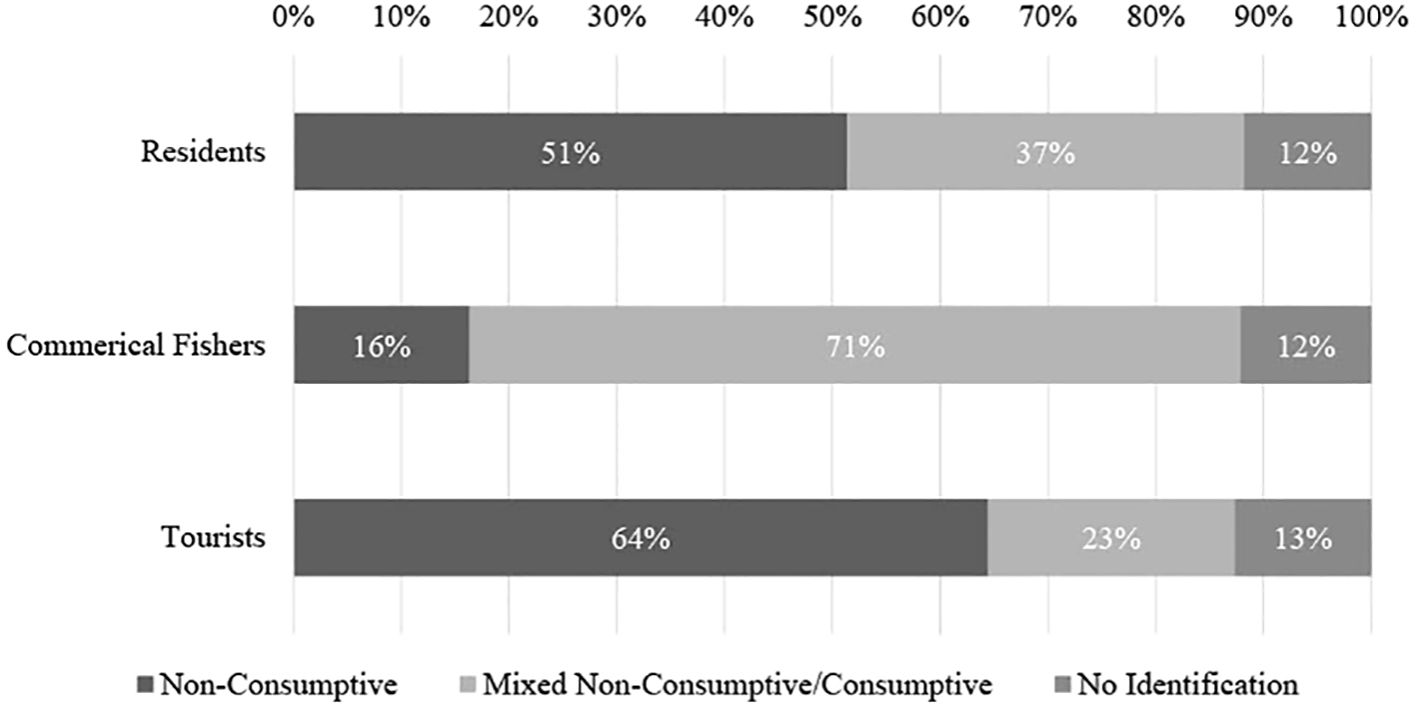
Figure 1 Distribution of social identity cluster membership within tourist, commercial fisher, and resident stakeholder groups (n = 1,673). Weighted results.
Demographic characteristics of the social identity clusters
Table 1 presents the demographic characteristics for each social identity cluster. A significant relationship was observed between cluster group and sample type. More than half of the non-consumptive cluster were tourists followed by residents. Nearly half (49%) of the mixed non-consumptive/consumptive cluster were commercial fishers with 29% residents and 22% tourists. The no identification cluster was more mixed, with 42% tourists.
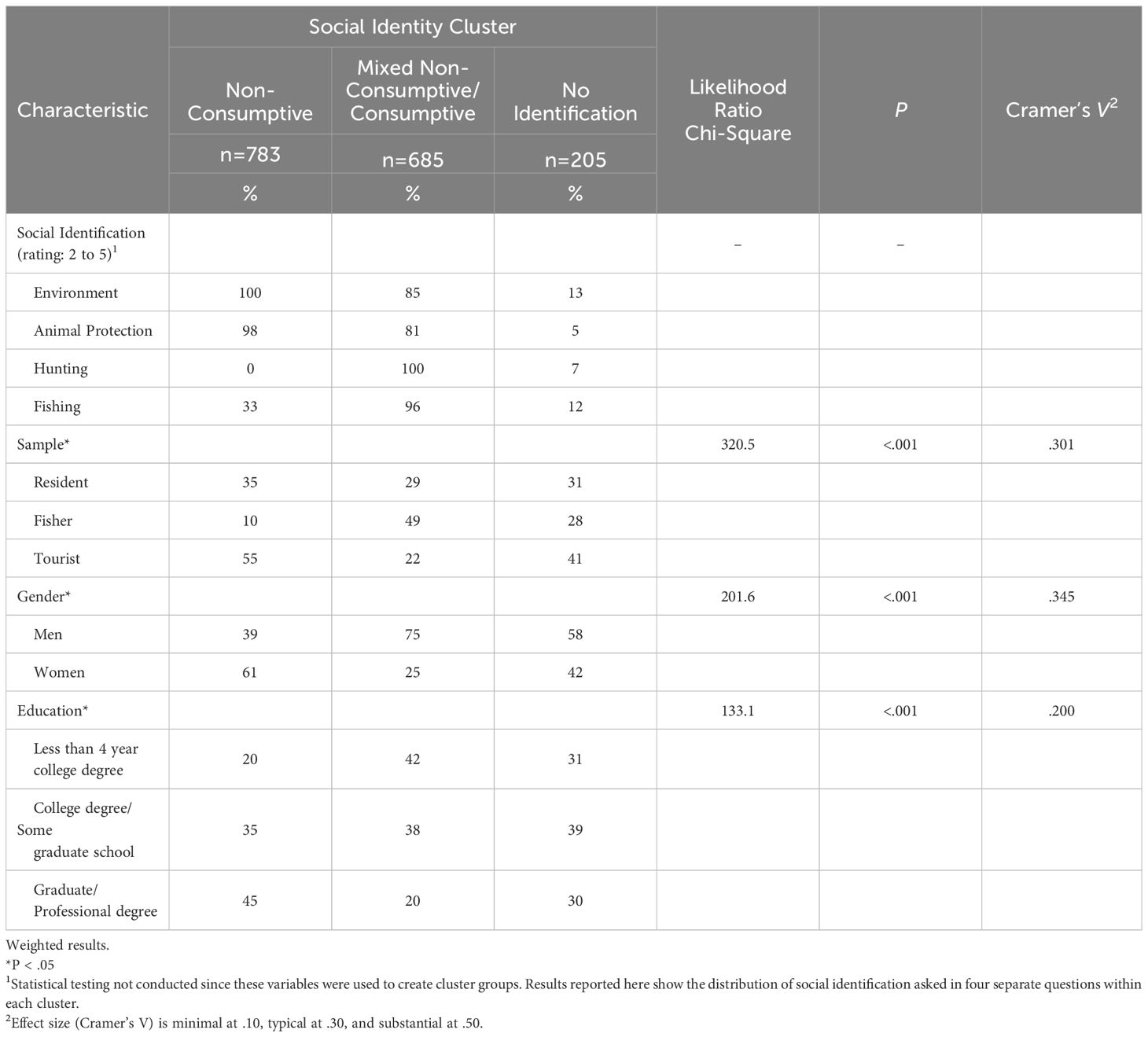
Table 1 Demographic characteristics within social identity clusters.
There were also significant relationships between cluster type and both gender and education. The non-consumptive cluster was composed of a higher percentage of women whereas there was a higher percentage of men in the mixed non-consumptive/consumptive cluster. In terms of education, a greater proportion of participants in the non-consumptive cluster had attained higher educational degrees than participants in the mixed non-consumptive/consumptive cluster. There was no significant difference in mean age by cluster membership (non-consumptive: M = 54.5 years, SD = 16.0; mixed: M = 55.3 years, SD = 15.5; no identification: M = 54.9 years, SD = 17.0), F (2, 1664) = 0.39, P = .68.
Support for MMPA by social identity clusters
Participants in all three clusters supported the MMPA. Support for the MMPA within the non-consumptive cluster (M = 2.6) was significantly higher than participants in the mixed non-consumptive/consumptive (M = 1.8) and no identification (M = 2.0) clusters (Table 2).
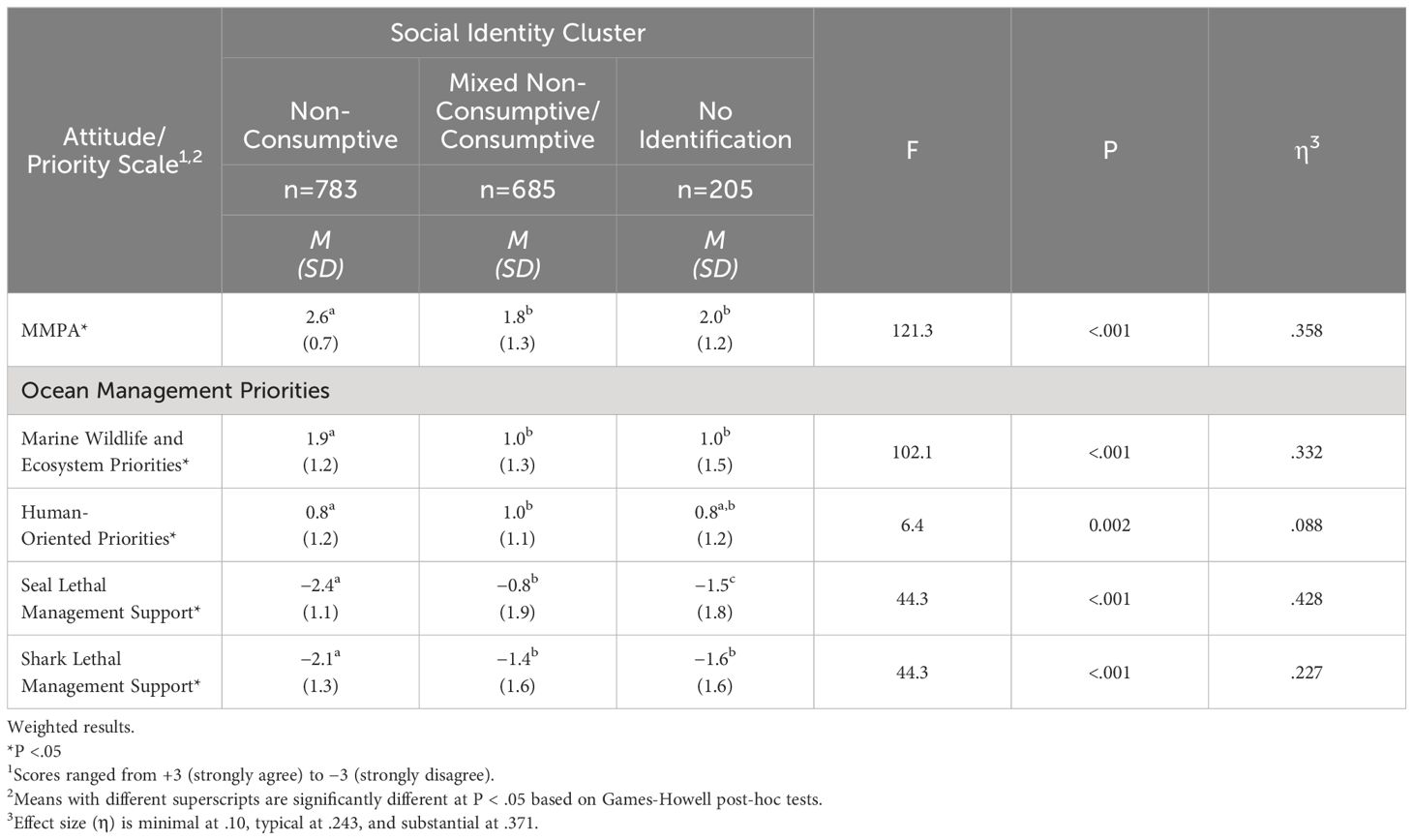
Table 2 Mean support ratings for MMPA, ocean management priorities, and seal and shark lethal management by social identity cluster.
Ocean management priorities by social identity clusters
Participants in the non-consumptive cluster rated their support for marine wildlife and ecosystem priorities, including seals and sharks, significantly higher than participants in the other two clusters (Table 2). Support for human-oriented priorities was significantly higher in the mixed non-consumptive/consumptive cluster than in the non-consumptive cluster. Participants in the non-consumptive cluster rated their support for marine wildlife and ecosystem priorities (M = 1.9, SD = 1.9) significantly higher than their support for human-oriented priorities (M = 0.8, SD = 1.2), t(773) = 17.8, P <.001. There were no significant differences in the mean ratings of the two ocean priorities scales within the other two clusters (mixed non-consumptive/consumptive: marine wildlife and ecosystem priorities - M = 1.0, SD = 1.3, human-oriented priorities – M = 1.0, SD = 1.1, t(673) = −0.5, P = .61; no identification: marine wildlife and ecosystem priorities - M = 1.0, SD = 1.5, human-oriented priorities – M = 0.82, SD = 1.2, t(199) = 1.4, P = .16).
Support for lethal management of seals and sharks by social identity clusters
In general, there was little support for lethal management of seals or sharks, although the lack of support differed by cluster (Table 2). All three clusters significantly differed from each other in their ratings for support of lethal management of seals: participants in the non-consumptive cluster had significantly lower mean ratings than the other two clusters, demonstrating the greatest opposition to lethal management, followed by participants in the no identification cluster. Participants in the mixed non-consumptive/consumptive cluster, while showing a lack of support for lethal management, expressed the least disagreement with this management approach. In terms of lethal management of sharks, a similar pattern emerged, with participants in the non-consumptive cluster expressing the most opposition, having significantly lower mean ratings than participants in the other two clusters, whose ratings were statistically similar to each other.
Discussion
Social identity cluster composition
Findings indicated that social group identification is important for a more nuanced understanding of policy preferences related to rebounding populations of marine predators, including marine mammals. Cluster analysis did not identify strict non-consumptive and consumptive identities as might be expected. Rather, one cluster revolved around non-consumptive social identities of environmental and animal protection and another cluster identified with both non-consumptive (environmental/animal protection) and consumptive (hunter/angler) social identities. The non-consumptive cluster was comprised primarily of residents and tourists, while the mixed non-consumptive/consumptive group was comprised primarily of commercial fishers. While consumptive and non-consumptive wildlife recreationists have traditionally been regarded by managers as separate groups with distinct values (Daigle et al., 2002), findings revealed some overlap in identities. This is consistent with recent research demonstrating that hunters and fishers can hold strong pro-environmental and pro-wildlife values (Cooper et al., 2015; Bruskotter et al., 2018; Jaebker et al., 2021) and that individuals can hold multiple identities (Cooper et al., 2015; Lute and Gore, 2018; Bruskotter et al., 2019; van Eeden et al., 2019; Siddiqi and Wolters, 2023). Individuals who engage with multiple groups and identities relating to conservation likely hold unique values (Bruskotter et al., 2019), which may be misunderstood by managers or overlooked by group leaders, who tend to hold more singular views (Bruskotter et al., 2018).
Multiple social identities may help explain the diversity of viewpoints within stakeholder groups, especially commercial fishers, related to seal and shark management (Bratton et al., 2023; Jackman et al., 2023a). Studies have documented that consumptive/utilitarian stakeholder groups hold more pluralist values than the public, identifying with aspects of both domination and mutualism value orientations (Gamborg and Jensen, 2016; Liordos et al., 2023). The policy preferences of pluralists can be hard to predict, as pluralists express either mutualist or domination values depending on situational context (Teel and Manfredo, 2010; Liordos et al., 2023).
Demographic characteristics, ocean management priorities, and support for lethal management
In the context of conflicts related to marine predators, respondents in the non-consumptive cluster, made up primarily of tourists and residents, held strong pro-environmental and wildlife attitudes, prioritizing marine wildlife and ecosystem over human-oriented management concerns, supporting protections for marine mammals, and opposing lethal management of seals and white sharks more strongly than respondents in other clusters. This cluster was composed of a greater proportion of women, as well as respondents with higher educational degrees, than the mixed non-consumptive/consumptive cluster. Previous research has found women are more likely to hold values aligned with animal, wildlife and environmental protection (Chauvat et al., 2023) and less likely to support lethal wildlife management (Jackman and Rutberg, 2015; van Eeden et al., 2020b).
Support for MMPA by social identity clusters
All social identity clusters in this study demonstrated support for the MMPA. The high level of MMPA support across social identity groups, more than 50 years after its enactment, is consistent with responses to these same questions across stakeholder groups in a survey of Nantucket Island, MA residents, tourists, and recreational anglers (Jackman et al., 2018) and a national survey (Kellert, 1999). Nationwide surveys conducted in 2017 (Heimer, 2017) and 2018 (Animal Welfare Institute, 2018) found support levels for the MMPA have remained consistently high at 73% and 77%, respectively. Similarly, Bruskotter et al. (2018) found the majority of respondents in all social identity groups (i.e., animal rights advocate, environmentalist, conservationist, wildlife advocate, gun rights advocate, farmer/rancher, hunter, property rights advocate) supported the Endangered Species Act (ESA). Alignment with environmental, animal rights, conservation, and wildlife groups increased ESA support (Bruskotter et al., 2018) as was evidenced in greater support for the MMPA by the non-consumptive (animal protection/environmental) cluster in this study. Findings suggest that opponents of wildlife conservation measures, while vocal, may not be representative of public views and that public support for conservation and species protections can transcend social divisions, even in the context of conflicts with rebounding species that are perceived by some as threatening human wellbeing and livelihoods.
Leveraging shared social identities
Heterogeneity of identities within stakeholder groups can provide a foundation for collaboration in decision-making around wildlife and conservation issues (Lute and Gore, 2018; Jackman et al., 2023a). Overlapping social identities and values can transcend divisions, reduce the us v. them characterization that dominates wildlife management controversies and form a basis for managers to facilitate positive interactions between opposing groups (Lute and Gore, 2014, Lute and Gore, 2018; Jackman et al., 2023a; Siddiqi and Wolters, 2023). In the context of marine conservation, placing emphasis on ocean stewardship has been demonstrated to help divided groups recognize common values, such as belonging to a community that protects ocean ecosystems and marine wildlife (Lute and Gore, 2014; Kolandai-Matchett and Armoudian, 2020). For example, sea turtle managers have found it useful to frame conservation campaigns targeting human behavior within community norms, inviting all homeowners to “join the community” in adopting pro-turtle behaviors such as cutting unnecessary lighting, instead of singling out non-compliant individuals or groups (McDonald et al., 2014; Kolandai-Matchett and Armoudian, 2020). On Cape Cod, community members including scientists, commercial fishermen, tourists, and the public have expressed shared support for increasing research and public education on seals and sharks (Bratton et al., 2023), as well as for increasing testing of seal-safe fishing gear modifications and deterrents (Bogomolni et al., 2021) and non-lethal shark mitigation strategies (Woods Hole Group, 2019; Bratton et al., 2023).
Seal and shark conservation could be enhanced by outreach campaigns that frame pro-seal, -shark, and -environmental behaviors as community norms, appealing to overlapping identities related to animal protection and the environment. Following shark bites, managers have used this strategy to promote the adoption of shark encounter prevention behaviors among beachgoers, altering community standards and expectations for shark safety (Martin et al., 2022; Szczepaniak, 2022). Tools such as workshops can be useful for managers to convene and build trust between conflicting identity groups (NOAA Office for Coastal Management, 2015).
Limitations and future research directions
Because the study did not ask respondents to rank which of the listed social identities were most important to them (Lute and Gore, 2018), our analysis is limited in examination of the salience of various social identities. Similarly, nuance in respondents’ degree of identification with the four social identity variables was lost when the variables were dichotomized for cluster analysis. Future research should explore alternative strategies for creating multiple-identity clusters, incorporating salience and degree of identification into cluster formation. Human-wildlife conflicts contribute to the polarization of identity groups, making some identities more salient than others (Lute et al., 2014). Research has found that commercial fishers hold a strong social identity linked to heritage and role in the local community as a provider of seafood (Voyer et al., 2014; Dyrset et al., 2022). Conflicts with marine predators may threaten this identity, by impeding fishing ability and leading to more stringent restrictions on fishing operations. However, the identification of some commercial fishers with environmental and animal protection groups suggests that despite polarization, it may be possible to engage some commercial fishers in conservation efforts. The inclusion of stakeholder group names in survey titles (e.g., Cape Cod Voter Survey, Cape Cod Commercial Fisher Survey, and Cape Cod Tourist Survey) may also have made the commercial fisher identity more salient than other identities (Schroeder et al., 2021). In future research examining social identity, this limitation could be resolved by eliminating language in the survey instrument which identifies respondents as belonging to a certain stakeholder group. Instead, stakeholder categorization can be tracked through a means which is not known to respondents, such as unique survey identification numbers.
Replicating the approach of Bruskotter et al. (2019), Carlson et al. (2020) and van Eeden et al. (2020a), this analysis measures social identity through self-identification with categorical interest groups (e.g., “Environmental Groups”), rather than membership in a specific organization (Krueger and Pedraza, 2015). As only a few interest groups were listed on the survey, an expanded list of options could more fully capture the complexities of social identities (Lute and Gore, 2018). Other approaches to characterizing social identity can further inform understanding of the social dimensions of wildlife conflict, such as targeting members of specific groups to participate in interviews (Lute and Gore, 2014) or asking respondents about specific group affiliations (Jaebker et al., 2021). A more specific approach to characterizing social identity could be particularly useful in regions such as Cape Cod, where NGOs lead education, outreach, and mitigation efforts relating to seals, sharks, beach safety, and fishing, and are highly visible within the local community.
An additional factor that may limit the generalizability of this study is that surveys were administered in the summer of 2021, immediately following the COVID-19 shutdown (Jackman et al., 2023b). Visitation to the Cape Cod National Seashore was stable during the COVID-19 pandemic (Morrison, 2021) compared to past years, with NGOs conducting community outreach relating to sharks and seals remaining operational. However, studies have documented shifts in outdoor recreation participation during the COVID-19 shutdown, which likely impacted engagement with hunting, fishing, and environmental groups. The pandemic had variable impacts on hunting participation across the United States (Danks et al., 2022), while participation in recreational fishing increased (Midway et al., 2021). Interest and participation in nature-based activities, including wildlife viewing, increased during the pandemic (Morse et al., 2020; Doremus et al., 2023) with increased observation of desirable wildlife such as birds associated with wildlife-friendly values (Murray et al., 2023). Additionally, negative impacts of the COVID-19 shutdown on the commercial fishing industry (White et al., 2020), including a loss of income among commercial fishers in the Northeastern U.S (Smith et al., 2020), may have exacerbated seal-fisheries conflicts.
Recommendations and conclusions
Findings demonstrated that stakeholder groups are not homogenous entities but are composed of individuals who simultaneously hold multiple social identities. Results help explain disagreement within stakeholder groups regarding management preferences, particularly among commercial fishers and residents on Cape Cod regarding seals and white sharks (Bratton et al., 2023; Jackman et al., 2023b). Shared support for the MMPA and marine ecosystems among different identity group clusters provides a basis for community-wide appeals to advance conservation initiatives. However, differences in levels of support between clusters, particularly regarding lethal management, indicate that group-specific messaging delivered in partnership with group leaders could be an effective means to alter in-group attitudes and behaviors.
This study contributes to recent research examining social identity theory within wildlife management stakeholder groups (Bruskotter et al., 2019; Landon et al., 2019; Schroeder et al., 2021; Ehrhart et al., 2022) within the novel context of marine predator conservation. Links between social identity and attitudes toward wildlife management transcend continents (van Eeden et al., 2020b), especially as the internet and social media allow stakeholders to engage with identity groups beyond their local area (Salz and Loomis, 2005; Lute et al., 2014; Voyer et al., 2014).
Findings are increasingly relevant to managers as urbanization drives an increase in mutualism values, shifting engagement with interest groups relating to conservation nationwide (Bruskotter et al., 2019). In the United States, participation in hunting is declining, while angling and wildlife viewing are attracting a record number of participants (Cooper et al., 2015; Aiken, 2016). On Cape Cod, urbanization (Uiterwyk et al., 2019; Cape Cod Commission, 2022) has led to heightened conflicts with both terrestrial and marine species (Jackman and Rutberg, 2015; Bratton et al., 2023; Jackman et al., 2023b) and could also be impacting public engagement with environmental, animal protection, and fishing groups. Parsing social identities within stakeholder groups provides valuable insight into policy preferences in the marine environment amid human-wildlife conflict, with relevance to ocean managers navigating conflicts involving marine mammals, white sharks, and the multiple stakeholder groups present in coastal communities.
Data availability statement
The raw data supporting the conclusions of this article will be made available by the authors, without undue reservation.
Ethics statement
Ethical review and approval was not required for the study on human participants in accordance with the local legislation and institutional requirements. Written informed consent from the participants was not required to participate in this study in accordance with the national legislation and the institutional requirements.
Author contributions
RB: Investigation, Methodology, Visualization, Writing – original draft, Writing – review & editing. SD-G: Conceptualization, Formal analysis, Investigation, Writing – original draft, Writing – review & editing. JV: Conceptualization, Formal analysis, Methodology, Writing – review & editing. JJ: Conceptualization, Funding acquisition, Investigation, Methodology, Project administration, Supervision, Writing – review & editing.
Funding
The author(s) declare financial support was received for the research, authorship, and/or publication of this article. This work was supported by Woods Hole Sea Grant under grant number A101484- NA180AR4170104, Salem State University, and the Elizabeth A. Lawrence Endowed Fund of the Cummings School of Veterinary Medicine at Tufts University. This study was approved by the Salem State University Institutional Review Board, IRB00006274, and conducted under National Park Service Permit CACO-2021-SCI-00101.
Conflict of interest
The authors declare that the research was conducted in the absence of any commercial or financial relationships that could be construed as a potential conflict of interest.
Publisher’s note
All claims expressed in this article are solely those of the authors and do not necessarily represent those of their affiliated organizations, or those of the publisher, the editors and the reviewers. Any product that may be evaluated in this article, or claim that may be made by its manufacturer, is not guaranteed or endorsed by the publisher.
References
Abrams D., Hogg M. A. (1988). Comments on the motivational status of self-esteem in social identity and intergroup discrimination. Eur. J. Soc. Psychol. 18, 317–334. doi: 10.1002/ejsp.2420180403
Aiken R. (2016). Recruitment and retention of hunters and anglers: 2000–2015 (USFWS). Available at: https://digitalmedia.fws.gov/digital/collection/document/id/2249.
Animal Welfare Institute (2018) Despite overwhelming support for Marine Mammal Protection Act protections, House to vote on bill to expand sea lion killings. Available online at: https://www.nrdc.org/experts/taryn-kiekow-heimer/law-protecting-marine-mammals-turns-45-congress-kill-it.
Bass A. L., Bogomolni A., Early G., Nichols O., Patchett K. (2015). Seals and ecosystem health: Meeting report of the Northwest Atlantic Seal Research Consortium (Woods Hole, MA: Woods Hole Oceanographic Institution). doi: 10.1575/1912/7788
Behnke J. (2021) Cape cod’s seal problem. On the water. Available online at: https://www.onthewater.com/cape-cods-seal-problem.
Blount-Hill K.-L. (2021). Proposing a social identity theory of interspecies dominance. Biol. Conserv. 254, 108969. doi: 10.1016/j.biocon.2021.108969
Bogomolni A., Nichols O. C., Allen D. (2021). A community science approach to conservation challenges posed by rebounding marine mammal populations: seal-fishery interactions in new england. Front. Conserv. Sci., 34. doi: 10.3389/fcosc.2021.696535
Bratton R., Jackman J., Wood S., Dowling-Guyer S., Vaske J., Bogomolni A., et al. (2023). Conflict with rebounding populations of marine predators: Management preferences of three stakeholder groups on Cape Cod, Massachusetts. Ocean Coast. Manage. 244, 106800. doi: 10.1016/j.ocecoaman.2023.106800
Bruskotter J. T., Vucetich J. A., Dietsch A., Slagle K. M., Brooks J. S., Nelson M. P. (2019). Conservationists’ moral obligations toward wildlife: Values and identity promote conservation conflict. Biol. Conserv. 240, 108296. doi: 10.1016/j.biocon.2019.108296
Bruskotter J. T., Vucetich J. A., Slagle K. M., Berardo R., Singh A. S., Wilson R. S. (2018). Support for the U.S. Endangered Species Act over time and space: Controversial species do not weaken public support for protective legislation. Conserv. Lett. 11, e12595. doi: 10.1111/conl.12595
Buck E. H., Upton H. F. (2012). Fishery, aquaculture, and marine mammal issues in the 112th congress (Washington, D. C.: Congressional Research Service). Available at: https://sgp.fas.org/crs/misc/R41613.pdf.
Cape Cod Commission (2022) Initial 2020 Census results released. Available online at: https://www.capecodcommission.org/about-us/newsroom/initial-2020-census-results-released/.
Carlson S. C., Dietsch A. M., Slagle K. M., Bruskotter J. T. (2020). The VIPs of wolf conservation: how values, identity, and place shape attitudes toward wolves in the United States. Front. Ecol. Evol. 8. doi: 10.3389/fevo.2020.00006
Chauvat C. M., Granquist S. M., Aquino J. (2023). Gender difference in biospheric values and opinions on nature management actions: The case of seal watching in Iceland. Ocean Coast. Manage. 235, 106483. doi: 10.1016/j.ocecoaman.2023.106483
Cheng J. (2011). One sea lion’s worth—Evaluating the role of values in section 120. UCLA J. Environ. Law Policy 29, 165–213. doi: 10.5070/L5291019964
Chivers C. J. (2021). Fear on Cape Cod as sharks hunt again (New York, New York: New York Times Magazine). Available at: https://www.nytimes.com/interactive/2021/10/20/magazine/sharks-cape-cod.html.
Cohen J. (2013). Statistical Power Analysis for the Behavioral Sciences. Routledge. doi: 10.4324/9780203771587
Cooper C., Larson L., Dayer A., Stedman R., Decker D. (2015). Are wildlife recreationists conservationists? Linking hunting, birdwatching, and pro-environmental behavior: Are Wildlife Recreationists Conservationists. J. Wildlife Manage. 79, 446–457. doi: 10.1002/jwmg.855
Cummings C. R., Lea M. A., Lyle J. M. (2019). Fur seals and fisheries in Tasmania: An integrated case study of human-wildlife conflict and coexistence. Biol. Conserv. 236, 532–542. doi: 10.1016/j.biocon.2019.01.029
Daigle J., Hrubes D., Ajzen I. (2002). A Comparative Study of Beliefs, Attitudes, and Values Among Hunters, Wildlife Viewers, and Other Outdoor Recreationists. Human Dimensions of Wildlife 7, 1–19. doi: 10.1080/108712002753574756
Danks Z. D., Schiavone M. V., Butler A. B., Fricke K., Davis A., Cobb D. T. (2022). Effects of the COVID-19 pandemic on 2020 spring Turkey hunting across the United States. Wildlife Soc. Bull. 46, e1294. doi: 10.1002/wsb.1294
Dickman A., Marchini S., Manfredo M. (2013). “The human dimension in addressing conflict with large carnivores,” in Key topics in conservation biology 2, 1st ed. Eds. Macdonald D. W., Willis K. J. (Hoboken, New Jersey: John Wiley & Sons, Ltd), 110–126. doi: 10.1002/9781118520178.ch7
Dillman D., Smyth J. D., Christian L. M. (2014). Internet, phone, mail, and mixed-mode surveys: The tailored design method (Hoboken, New Jersey: John Wiley and Sons, Inc). doi: 10.1002/9781394260645
Doremus J., Li L., Jones D. (2023). Covid-related surge in global wild bird feeding: Implications for biodiversity and human-nature interaction. PloS One 18, e0287116. doi: 10.1371/journal.pone.0287116
Drymon J. M., Scyphers S. B. (2017). Attitudes and perceptions influence recreational angler support for shark conservation and fisheries sustainability. Mar. Policy 81, 153–159. doi: 10.1016/j.marpol.2017.03.001
Dyrset G., Margaryan L., Stensland S. (2022). Local knowledge, social identity and conflicts around traditional marine salmon fisheries – A case from Mid-Norway. Fisheries Manage. Ecol. 29, 131–142. doi: 10.1111/fme.12522
Ehrhart S., Stühlinger M., Schraml U. (2022). The relationship of stakeholders’ social identities and wildlife value orientations with attitudes toward red deer management. Hum. Dimensions Wildlife 27, 69–83. doi: 10.1080/10871209.2021.1885767
Flippen J. B. (1997). A truly historic time: Wildlife management, politics, and the Nixon administration. Hum. Dimensions Wildlife 2, 50–59. doi: 10.1080/10871209709359094
Fraser D. (2018a). “Idea of killing sharks or seals gains some support around Cape Cod,” in Cape cod times. Available at: https://www.capecodtimes.com/story/news/local/2018/10/28/idea-killing-sharks-seals-gains/6290057007/.
Fraser D. (2018b)Emotions run high at Wellfleet shark meeting. In: Cape cod times. (Hyannis, MA: Cape Cod Times). Available online at: https://www.capecodtimes.com/story/news/environment/2018/09/28/emotions-run-high-at-wellfleet/9707481007/ (Accessed December 19, 2023).
Friedrich L. A., Jefferson R., Glegg G. (2014). Public perceptions of sharks: Gathering support for shark conservation. Mar. Policy 47, 1–7. doi: 10.1016/j.marpol.2014.02.003
Gamborg C., Jensen F. S. (2016). Wildlife value orientations among hunters, landowners, and the general public: A danish comparative quantitative study. Hum. Dimensions Wildlife 21, 328–344. doi: 10.1080/10871209.2016.1157906
Gammon K. (2018). Herschel, the very hungry sea lion (Victoria, BC: Hakai Magazine). Available at: https://hakaimagazine.com/features/herschel-the-very-hungry-sea-lion/.
Garcia-Quijano C. (2018). After a fatal shark attack on Cape Cod, will the reaction be coexistence or killing (The Conversation). Available at: https://theconversation.com/after-a-fatal-shark-attack-on-cape-cod-will-the-reaction-be-coexistence-or-culling-102702.
Giovos I., Barash A., Barone M., Barría C., Borme D., Brigaudeau C., et al. (2021). Understanding the public attitude towards sharks for improving their conservation. Mar. Policy 134, 104811. doi: 10.1016/j.marpol.2021.104811
Gruber C. P. (2014). Social, Economic, and Spatial Perceptions of Gray Seal (Halichoerus grypus) Interactions with Commercial Fisheries in Cape Cod, vol. 68. MSc. dissertation, Duke University, MA. Available at: https://dukespace.lib.duke.edu/dspace/bitstre am/handle/10161/8473/Gruber_MP.pdf?sequence=1.
Guerra A. S. (2019). Wolves of the Sea: Managing human-wildlife conflict in an increasingly tense ocean. Mar. Policy 99, 369–373. doi: 10.1016/j.marpol.2018.11.002
Hancock G. M., Dudley K. D., Long D., Lowe C. G. (2023). An etiological examination of behavioral intentions to support shark and stingray conservancy: The effects of beliefs in elasmobranchs’ cognitive and affective capacities. Front. Mar. Scidoi: https://www.frontiersin.org/articles/10.3389/fmars.2023.1178539 doi: 10.3389/fmars.2023.1178539
Heimer T. K. (2017). “Law protecting marine mammals turns 45,” in Congress to kill it. (New York, New York: Natural Resource Defense Council). Available at: https://www.nrdc.org/experts/taryn-kiekow-heimer/law-protecting-marine-mammals-turns-45-congress-kill-it.
Hornsey M. J. (2008). Social identity theory and self-categorization theory: A historical review. Soc. Pers. Psychol. compass 2, 204–222. doi: 10.1111/j.1751-9004.2007.00066.x
Jackman J., Bettencourt L., Vaske J., Sweeney M., Bloom K., Rutberg A., et al. (2018). Conflict and consensus in stakeholder views of seal management on Nantucket Island, MA, USA. Mar. Policy 95, 166–173. doi: 10.1016/j.marpol.2018.03.006
Jackman J., Bratton R., Dowling-Guyer S., Vaske J., Sette L., Nichols O., et al. (2023a). Mutualism in marine wildlife value orientations on Cape Cod: Conflict and consensus in the sea and on the shore. Biol. Conserv. 288, 110359. doi: 10.1016/j.biocon.2023.110359
Jackman J. L., Rutberg A. T. (2015). Shifts in attitudes toward coyotes on the urbanized east coast: The Cape Cod experienc –2012. Hum. Dimensions Wildlife 20, 333–348. doi: 10.1080/10871209.2015.1027973
Jackman J. L., Vaske J. J., Dowling-Guyer S., Bratton R., Bogomolni A., Wood S. A. (2023b). Seals and the marine ecosystem: attitudes, ecological benefits/risks and lethal management views. Hum. Dimensions Wildlife, 1–17. doi: 10.1080/10871209.2023.2212686
Jaebker L. M., Teel T. L., Bright A. D., McLean H. E., Tomeček J. M., Frank M. G., et al. (2021). Social identity and acceptability of wild pig (Sus scrofa) control actions: A case study of Texas hunters. Hum. Dimensions Wildlife 27, 507–521. doi: 10.1080/10871209.2021.1967525
Kellert S. R. (1999). American perceptions of marine mammals and their management (Washington, D.C: Humane Society of the United States).
Kittinger J., Bambico T., Watson T., Glazier E. (2012). Sociocultural significance of the endangered Hawaiian monk seal and the human dimensions of conservation planning. Endangered Species Res. 17, 139–156. doi: 10.3354/esr00423
Koehler L., Lowther J. (2022). Policy making for sharks and the role and contribution of non-governmental organisations in the fulfilment of international legal obligations. Mar. Policy 144, 105228. doi: 10.1016/j.marpol.2022.105228
Kolandai-Matchett K., Armoudian M. (2020). Message framing strategies for effective marine conservation communication. Aquat. Conservation: Mar. Freshw. Ecosyst. 30, 2441–2463. doi: 10.1002/aqc.3349
Krueger J. S., Pedraza F. I. (2015). Ties that bind: Revisiting context, identity, and attitudes. Res. Politics 2, 205316801558933. doi: 10.1177/2053168015589334
Landon A. C., Miller C. A., Williams B. D. (2019). Assessing illinois residents’ Support for natural recolonization of apex predators. Environ. Manage. 63, 260–269. doi: 10.1007/s00267-018-1129-z
Leggett (2021). ). Cooperative research will help fishermen, seals (Chatham, MA: Cape Cod Commercial Fishermen’s). Available at: https://capecodfishermen.org/cooperative-research-will-help-fishermen-seals/.
Liordos V., Kontsiotis V. J., Telidis S., Eleftheriadou I., Triantafyllidis A. (2023). Relationships between wildlife value orientations and social identity. Euro-Mediterranean J. Environ. Integration 8, 717–727. doi: 10.1007/s41207–023-00393-z
Lute M. L., Bump A., Gore M. L. (2014). Identity-driven differences in stakeholder concerns about hunting wolves. PloS One 9, e114460. doi: 10.1371/journal.pone.0114460
Lute M. L., Gore M. L. (2014). Stewardship as a path to cooperation? Exploring the role of identity in intergroup conflict among michigan wolf stakeholders. Hum. Dimensions Wildlife 19, 267–279. doi: 10.1080/10871209.2014.888600
Lute M. L., Gore M. L. (2018). “Challenging the false dichotomy of Us vs. Them,” in Large carnivore conservation and management, 1st ed. Ed. Hovardas T. (London, United Kingdom: Routledge), 206–223. doi: 10.4324/9781315175454–11
Lute M. L., Gore M. L. (2019). “Broadening the aperture on coexistence with wildlife through the lenses of identity, risk and morals,” in Human–wildlife interactions, 1st ed. Eds. Frank B., Glikman J. A., Marchini S. (Cambridge, United Kingdom: Cambridge University Press), 45–64. doi: 10.1017/9781108235730.006
Madden F., McQuinn B. (2014). Conservation’s blind spot: The case for conflict transformation in wildlife conservation. Biol. Conserv. 178, 97–106. doi: 10.1016/j.biocon.2014.07.015
Manfredo M. J., Teel T. L., Sullivan L., Dietsch A. M. (2017). Values, trust, and cultural backlash in conservation governance: The case of wildlife management in the United States. Biol. Conserv. 214, 303–311. doi: 10.1016/j.biocon.2017.07.032
Martin C. L., Curley B., Wolfenden K., Green M., Moltschaniwskyj N. A. (2022). The social dimension to the New South Wales Shark Management Strateg –2020, Australia: Lessons learned. Marine Policy, 141, 105079. https://doi.org/10.1016/j.marpol.2022.105079. Marine Policy 141, 105079. doi: 10.1016/j.marpol.2022.105079
Mason C. M., Lim-Camacho L., Scheepers K., Parr J. M. (2015). Testing the water: Understanding stakeholder readiness for strategic coastal and marine management. Ocean & Coastal Management 104, 45–56. doi: 10.1016/j.ocecoaman.2014.12.001
McDonald R. I., Fielding K. S., Louis W. R. (2014). Conflicting social norms and community conservation compliance. J. Nat. Conserv. 22, 212–216. doi: 10.1016/j.jnc.2013.11.005
Midway S. R., Lynch A. J., Peoples B. K., Dance M., Caffey R. (2021). COVID-19 influences on US recreational angler behavior. PloS One 16, e0254652. doi: 10.1371/journal.pone.0254652
Moore (2023). Congress hears arguments on vessel speed limit to protect whales (Portland, ME: National Fisherman). Available at: https://www.nationalfisherman.com/mid-atlantic/congress-hears-arguments-on-vessel-speed-limit-to-protect-whales.
Morrison H. (2021) Cape cod National Seashore Was One of the Top 10 Most Visited National Park Service Sites in 2020; More than 4 Million Visited during COVID Pandemic. Mass LiveAvailable online at:https://www.masslive.com/capecod/2021/03/capecod-national-seashore-was-one-of-the-top-10-most-visited-national-park-service-site s-in-2020-more-than-4-million-visited-during-covid-pandemic.html
Morse J. W., Gladkikh T. M., Hackenburg D. M., Gould R. K. (2020). COVID-19 and human-nature relationships: Vermonters’ activities in nature and associated nonmaterial values during the pandemic. PloS One 15, e0243697. doi: 10.1371/journal.pone.0243697
Murray M. H., Byers K. A., Buckley L., Lehrer E. W., Kay C., Fidino M., et al. (2023). Public perception of urban wildlife during a COVID-19 stay-at-home quarantine order in Chicago. Urban Ecosyst. 26, 127–140. doi: 10.1007/s11252-022-01284-x
Naughton-Treves L., Grossberg R., Treves A. (2003). Paying for tolerance: rural citizens’ Attitudes toward wolf depredation and compensation. Conserv. Biol. 17, 1500–1511. doi: 10.1111/j.1523–1739.2003.00060.x
Neff C., Hueter R. (2013). Science, policy, and the public discourse of shark “attack”: A proposal for reclassifying human–shark interactions. J. Environ. Stud. Sci. 3, 65–73. doi: 10.1007/s13412-013-0107-2
NOAA Office for Coastal Management (2015) Introduction to stakeholder participation. Available online at: https://coast.noaa.gov/data/digitalcoast/pdf/stakeholder-participation.pdf.
Pepin-Neff C., Yang J. (2012). Shark bites and public attitudes: policy implications from the first before and after shark bite survey. Mar. Policy. 38, 545–547. doi: 10.1016/j.marpol.2012.06.017
Pepin-Neff C., Wynter T. (2019). Save sharks: Reevaluating (re)valuing feared predators. Hum. Dimensions Wildlife 24, 87–94. doi: 10.1080/10871209.2018.1539887
Ray G. C., Potter F. M. (2011). The making of the marine mammal protection act of 1972. Aquat. Mammals 37, 522.
Reidy R. D. (2019). Understanding the barriers to reconciling marine mammal-fishery conflicts: A case study in British Columbia. Mar. Policy 108, 103635. doi: 10.1016/j.marpol.2019.103635
Roman J., Altman I., Dunphy-Daly M. M., Campbell C., Jasny M., Read A. J. (2013). The Marine Mammal Protection Act at 40: Status, recovery, and future of U.S. marine mammals. Ann. New York Acad. Sci. 1286, 29–49. doi: 10.1111/nyas.12040
Roman J., Dunphy-Daly M. M., Johnston D. W., Read A. J. (2015). ). Lifting baselines to address the consequences of conservation success. Trends Ecol. Evol. 30, 299–302. doi: 10.1016/j.tree.2015.04.003
Salz R. J., Loomis D. K. (2005). Recreation specialization and anglers’ Attitudes towards restricted fishing areas. Hum. Dimensions Wildlife 10, 187–199. doi: 10.1080/10871200591003436
Schroeder S. A., Landon A. C., Fulton D. C., McInenly L. E. (2021). Social identity, values, and trust in government: How stakeholder group, ideology, and wildlife value orientations relate to trust in a state agency for wildlife management. Biol. Conserv. 261, 109285. doi: 10.1016/j.biocon.2021.109285
Siddiqi M. U. A., Wolters E. A. (2023). Group identities, value orientations, and public preferences for energy and water resource management policy approaches in the american west. Soc. Natural Resour. 36, 1302–1323. doi: 10.1080/08941920.2023.2220110
Simmons P., Mehmet M. I. (2018). Shark management strategy policy considerations: Community preferences, reasoning and speculations. Mar. Policy 96, 111–119. doi: 10.1016/j.marpol.2018.08.010
Smith S. L., Golden A. S., Ramenzoni V., Zemeckis D. R., Jensen O. P. (2020). Adaptation and resilience of commercial fishers in the Northeast United States during the early stages of the COVID-19 pandemic. PloS One 15, e0243886. doi: 10.1371/journal.pone.0243886
Sobey R. (2023). Shark barrier along Cape Cod reportedly successful in deterring great whites (Portland, ME: Press Herald). Available at: https://www.pressherald.com/2023/11/24/shark-barrier-along-cape-cod-reportedly-successful-in-deterring-great-whites/.
Szczepaniak G. P. (2022). Protecting beaches from bites: shark management programs in new england. Ocean Coast. Law J. 27, 233. https://digitalcommons.mainelaw.maine.edu/cgi/viewcontent.cgi?article=1411&context=oclj.
Tajfel H. E. (1978). Differentiation between social groups: Studies in the social psychology of intergroup relations (Cambridge, MA: Academic Press).
Tajfel H., Turner J. C. (1979). “An integrative theory of intergroup conflict,” in The social psychology of intergroup relations. Eds. Austin W. G., Worchel S. (Brooks/Cole, Monterey, CA), 33–47.
Teel T. L., Manfredo M. J. (2010). Understanding the diversity of public interests in wildlife conservation. Conserv. Biol. 24, 128–139. doi: 10.1111/j.1523-1739.2009.01374.x
Tixier P., Lea M.-A., Hindell M. A., Welsford D., Mazé C., Gourguet S., et al. (2021). When large marine predators feed on fisheries catches: Global patterns of the depredation conflict and directions for coexistence. Fish Fisheries 22, 31–53. doi: 10.1111/faf.12504
Turner J. C., Hogg M. A., Oakes P. J., Reicher S. D., Wetherell M. S. (1987). Rediscovering the social group: A self-categorization theory (New York: Blackwell).
Uiterwyk K., Kritzer J. P., Novelly A., Smith S. L., Starbuck K., Wiggin J. (2019). Municipal policy priorities in three coastal communities in the Northeastern United States recognize effects of global climate change. Ocean Coast. Manage. 168, 177–184. doi: 10.1016/j.ocecoaman.2018.10.028
van Eeden L. M., Newsome T. M., Crowther M. S., Dickman C. R., Bruskotter J. (2019). Social identity shapes support for management of wildlife and pests. Biol. Conserv. 231, 167–173. doi: 10.1016/j.biocon.2019.01.012
van Eeden L. M., Slagle K., Crowther M. S., Dickman C. R., Newsome T. M. (2020a). Linking social identity, risk perception, and behavioral psychology to understand predator management by livestock producers. Restor. Ecol. 28, 902–910. doi: 10.1111/rec.13154
van Eeden L. M., Slagle K., Newsome T. M., Crowther M. S., Dickman C. R., Bruskotter J. T. (2020b). Exploring nationality and social identity to explain attitudes toward conservation actions in the United States and Australia. Conserv. Biol. 34, 1165–1175. doi: 10.1111/cobi.13488
Voyer M., Gladstone W., Goodall H. (2014). Understanding marine park opposition: The relationship between social impacts, environmental knowledge and motivation to fish. Aquat. Conservation: Mar. Freshw. Ecosyst. 24, 441–462. doi: 10.1002/aqc.2363
Wasser T. (2019). Seals on Cape Cod are more than just shark bait (Boston, MA: WBUR). Available at: https://www.wbur.org/news/2019/08/02/seal-culling-sharks-cape-cod.
White E. R., Froehlich H. E., Gephart J. A., Cottrell R. S., Branch T., Bejarano R. A., et al. (2020). Early effects of COVID-19 interventions on US fisheries and seafood. Fish Fish (Oxf). (2021) 22(1):232–239. doi: 10.1111/faf.12525
Williams T. (2019). “Recovery of gray seals, sharks comes with growing pains for massachusetts beach goers,” in Modern conservationist, High Ridge, MO. Available at: https://modernconservationist.com/recovery-gray-seals-sharks-comes-growing-pains-massachusetts-beach-goers/.
Winton M., Fay G., Skomal G. (2023). An open spatial capture-recapture framework for estimating the abundance and seasonal dynamics of white sharks at aggregation sites. Mar. Ecol. Prog. Ser. 715, 1–25. doi: 10.3354/meps14371
Wood S. A., Josephson E., Precoda K., Murray K. T. (2022). Gray seal (Halichoerus grypus) pupping trends and 2021 population estimates in US waters. US Dept Commer Northeast Fish Sci Cent Ref Doc. 22–14; 16 p. Available at: https://repository.library.noaa.gov/view/noaa/46455/noaa_46455_DS1.pdf.
Woods Hole Group (2019). Available online at: https://parkplanning.nps.gov/document.cfm?parkID=217&projectID=91210&documentID=99161.
Keywords: conservation, human wildlife conflict, seals, sharks, social identity
Citation: Bratton R, Dowling-Guyer S, Vaske J and Jackman J (2024) Seals, sharks, and social identity: ocean management preferences and priorities. Front. Conserv. Sci. 5:1390680. doi: 10.3389/fcosc.2024.1390680
Received: 23 February 2024; Accepted: 10 June 2024;
Published: 05 July 2024.
Edited by:
Thomas Göttert, Eberswalde University for Sustainable Development, GermanyReviewed by:
Lily M. van Eeden, RMIT University, AustraliaGary Green, University of Georgia, United States
Copyright © 2024 Bratton, Dowling-Guyer, Vaske and Jackman. This is an open-access article distributed under the terms of the Creative Commons Attribution License (CC BY). The use, distribution or reproduction in other forums is permitted, provided the original author(s) and the copyright owner(s) are credited and that the original publication in this journal is cited, in accordance with accepted academic practice. No use, distribution or reproduction is permitted which does not comply with these terms.
*Correspondence: Rachel Bratton, cmFjaGVsbWFpcmlicmF0dG9uQGdtYWlsLmNvbQ==