 Minsong Li
 Mohd Adham Isa
 Muhammad Khatibsyarbini1
- 1Faculty of Computing, Universiti Teknologi Malaysia, Johor Bahru, Malaysia
- 2School of Information Engineering, ShaoGuan University, ShaoGuan, China
The Multi-source Information Fusion (MSIF) mechanism and its applications involving big data in Intelligent Transportation Systems (ITS) represent a major research focus in current studies. This paper conducts a bibliometric analysis to summarize and evaluate developments in this domain. Initially, it categorizes the main application areas within ITS, then identifies the types and structures of data commonly involved, as well as frequently used datasets and evaluation metrics. It further explores specific MSIF applications in ITS, including road traffic management, traffic control, and transportation engineering computations. In particular, MSIF has demonstrated significant potential in enhancing transportation efficiency—such as reducing congestion, optimizing traffic signal coordination, and improving route planning—as well as improving energy efficiency by enabling eco-driving strategies and minimizing unnecessary fuel consumption. Based on the bibliometric findings, the study highlights current research challenges and key issues, while offering insights into future directions of MSIF development in intelligent transportation big data. This analysis aims to provide researchers and practitioners with a comprehensive overview and valuable guidance on the MSIF mechanism and its applications in ITS.
1 Introduction
According to the IEEE Intelligent Transportation Systems (ITS) Society (http://sites.ieee.org/itss/), ITS can be described as systems that utilize “synergistic technologies and systems engineering concepts to develop and improve transportation systems of all kinds” (Cobo et al., 2014). ITS plays a crucial role in modern society, encompassing various technologies and applications like intelligent route recommendations, traffic safety evaluations, dynamic traffic light systems, and autonomous vehicles.
MSIF methodology involves combining data from various sensors to create more detailed and precise information than what can be obtained from a single source. The concept of “fusion,” referring to the integration of data from diverse sources, was first introduced in several publications during the late 1970s. Since then, theories and technologies related to MSIF have advanced rapidly, establishing itself as a distinct discipline. Today, MSIF is successfully applied in military command automation, environmental monitoring for disaster response, and healthcare data integration. Furthermore, MSIF is expanding into civilian domains such as ITS, remote sensing monitoring, medical diagnosis, electronic commerce, wireless communication, and fault diagnosis. This expansion demonstrates the growing significance and versatility of MSIF beyond its original military applications (Pan, 2013).
Multi-source information fusion (MSIF), an interdisciplinary area rooted in contemporary information technology, has attracted considerable scholarly attention and presents promising prospects for a wide array of applications. Advancements in hardware and related instruments across various areas of computing and engineering have significantly expanded the range of data available for assessing the functional state of targets. By integrating and analyzing information gathered from multiple homogeneous or heterogeneous sensors, MSIF has delivered substantial achievements in numerous military and civilian applications, offering more precise and reliable insights into situational awareness (Kashinath et al., 2021).
Over the past 50 years, significant progress has been made in both the theoretical and practical aspects of MSIF [see Table 1 (Bowman and Morefield, 1980; Berberian and King, 1981; Bai and Wang, 2016; Steinberg et al., 1999; Redman, 1998; Llinas, 2010; Zhang et al., 2019; Jia et al., 2020; Khan and Banerjee, 2008; Wei and Liang, 2019; Koch, 2021; Su et al., 2023; Jin et al., 2023)]. However, due to its extensive range of applications, there is currently no universal implementation framework for information fusion (IF). Both industry and academia generally discourage the use of a single, fixed IF framework for diverse applications. MSIF may adopt their own specific models and methods in different application fields, because the data characteristics, fusion objectives and application requirements in different fields are different. Therefore, there is no single model that can be applied to all fields (Kashinath et al., 2021; Li X. et al., 2023). On the contrary, researchers should choose or design appropriate IF models tailored to the unique requirements of specific application scenarios and the inherent characteristics of the data. In practical application, It is chosen and fine-tuned based on the unique characteristics of the data and the specific demands of the application. Therefore, the research of MSIF is often based on the customization of specific fields and specific problems, rather than simply applying a unified model.
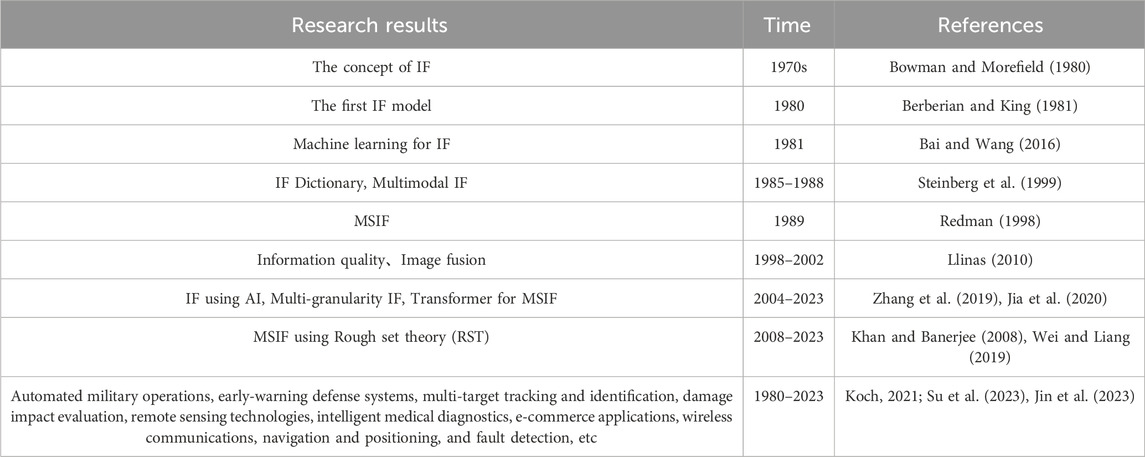
Table 1. Summary of the research results of MSIF.
Review papers aim to synthesize the current evidence on research questions while simultaneously fostering the formulation of empirically grounded recommendations for the research community (Kitchenham, 2004). This paper is organized in the following manner: In the second part, the previous research related to the MSIF mechanism of intelligent transportation big data and its application is considered. Part 3 describes the strategies that guide the methodology of this review. Next, Part 4 introduces the results and discussions based on the research questions. Then the research results are elaborated in part 5. Finally, part 6 presents the conclusions of this review.
2 Background studies
This section discusses the previous research and links the review papers with the application of MSIF technology in ITS. Obviously, there have been many systematic reviews covering most MSIF and ITS method domains. No reviews have specifically focused on MSIF techniques within the ITS domain, despite the growing trend of MSIF in nearly all other fields. To address this gap, the authors compiled six review papers and one mapping study to identify the necessary components for this review on MSIF technology in ITS. Table 2 lists the summary of the nominated study.
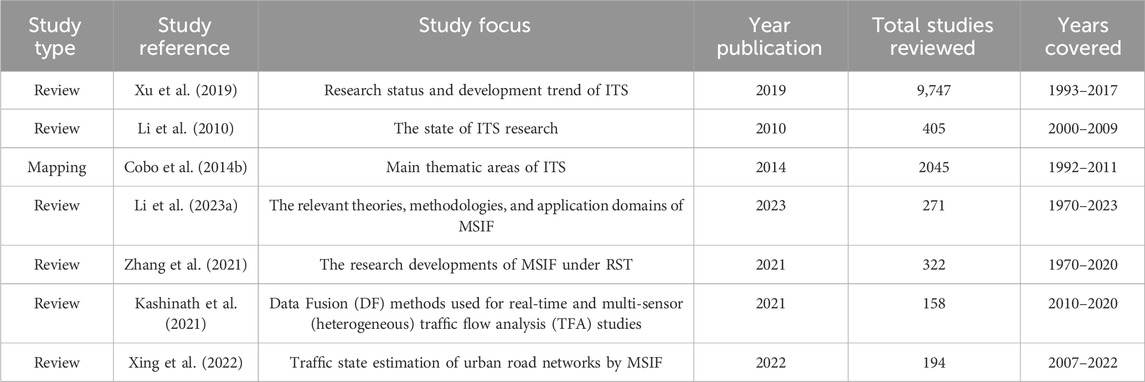
Table 2. Summary of the selected relevant studies.
As shown in Table 2, the leading review study was conducted by Xu et al. (2019), which provides a comprehensive review of ITS, focusing specifically on a framework for multi-aspect analysis within the domain. This review examined 9,747 studies published between 1993 and 2017. Among these, the majority were sourced from four leading journals in the ITS field, while the remaining studies came from a prominent conference in the domain.
The review led to several key findings, one of the most significant being the identification of six prominent topics in the ITS field, including road traffic, traffic control, road vehicles, traffic engineering computing, Global Positioning System (GPS), and road safety. Additionally, the study explored how to discern research trends through the evolution of ITS themes. The review also found that the collaborative relationship among writers in the ITS domain and the shared academic interests of scientists in ITS could be shown by building two additional networks: the network of co-authors and the author co-keyword network.
The second review paper, authored by Li et al. (2010), reviewed 405 papers and articles issued in IEEE Transactions on Intelligent Transportation Systems (T-ITS) over a time period From 2000 to the end of 2009. The ten most-cited papers in the study primarily focused on tackling issues in ITS applications, including automatic lane identification, as well as the classification of vehicles, pedestrians, and obstacles. The main findings of this paper include the countries with the greatest contributions, the most productive and influential writers, and the most prolific and influential institutions. These findings partially correspond to our review study, as our paper concentrates on the MSIF mechanism for intelligent transportation big data and its applications. To identify the most effective MSIF techniques for the ITS domain, additional reviews of MSIF in ITS are necessary, as these techniques have gained traction across various fields. The next review, a mapping study by Cobo et al. (2014b), also investigates the conceptual framework of the ITS research domain. Like the previous studies, this work was conducted in 2014 and covers the period from 1992 to 2011. This study reviewed 2,045 primary studies using an automated approach to identify and illustrate underlying themes and their evolution over successive years. The results shows that the ITS research has been concentrated on six primary thematic domains: Vehicle and Road Tracking, Driver Behavior and Safety, Scenario Simulation, Traffic Flow and Traffic Management, Vehicle Control, and Vehicle Navigation. The paper also indicated that The ITS research domain is experiencing rapid development.
The next two review papers are focused on MSIF itself, written by Li X. et al. (2023) and Zhang et al. (2021) respectively. The former one was done in 2023, and provides a thorough and organized review of recent advancements in MSIF. As for the latter one, the paper solely focuses on a single sub-topic, such as the application of RST in MSIF. Their findings highlight the future challenges and research prospects of MSIF.
The last two review papers were selected to help the authors more effectively formulate relevant key research questions for the forthcoming review study.
The first review, conducted in 2021 by Kashinath et al. (2021), examines the use of DF methods in ITS to support traffic flow analysis (TFA) and solutions for predicting various traffic variables, such as driving behavior, travel time, speed, density, incidents, and traffic flow. It also reviews DF methods for real-time and multi-sensor (heterogeneous) TFA research. The final review paper (Xing et al., 2022) provides a review of the literature on Traffic status monitoring utilizing Multi-Source Data Fusion (MSDF) in Urban traffic networks. This research discusses the current application status, identifies potential research gaps, addresses ongoing challenges, and highlights emerging trends in the use of MSIF within ITS applications.
To summarize the background of previous studies, Table 3 provides a comparison of the findings from related works with this review paper. As shown in Table 3, the first three documents primarily focus on investigating and analyzing the research status and key application areas of ITS. However, they do not address the data types and associated DF methods that are necessary for processing within the ITS domain. As for the next two documents, the first one expounds the existing achievements and main application fields of MSIF, and the second one discusses the present situation and achievements of MSIF research based on a certain theory, but There is currently no research exploring the utilization of MSIF technique within the ITS domain. The last two documents study and analyze the application of MSIF technology in some specific fields of ITS, and provide a comprehensive view on the modeling and implementation of MSIF in related specific fields of ITS. However, none of them focused on the data types employed in ITS, the data types that need to be processed in different fields in ITS and related MSIF methods. In summary, this new review paper will address several previously unexplored findings.
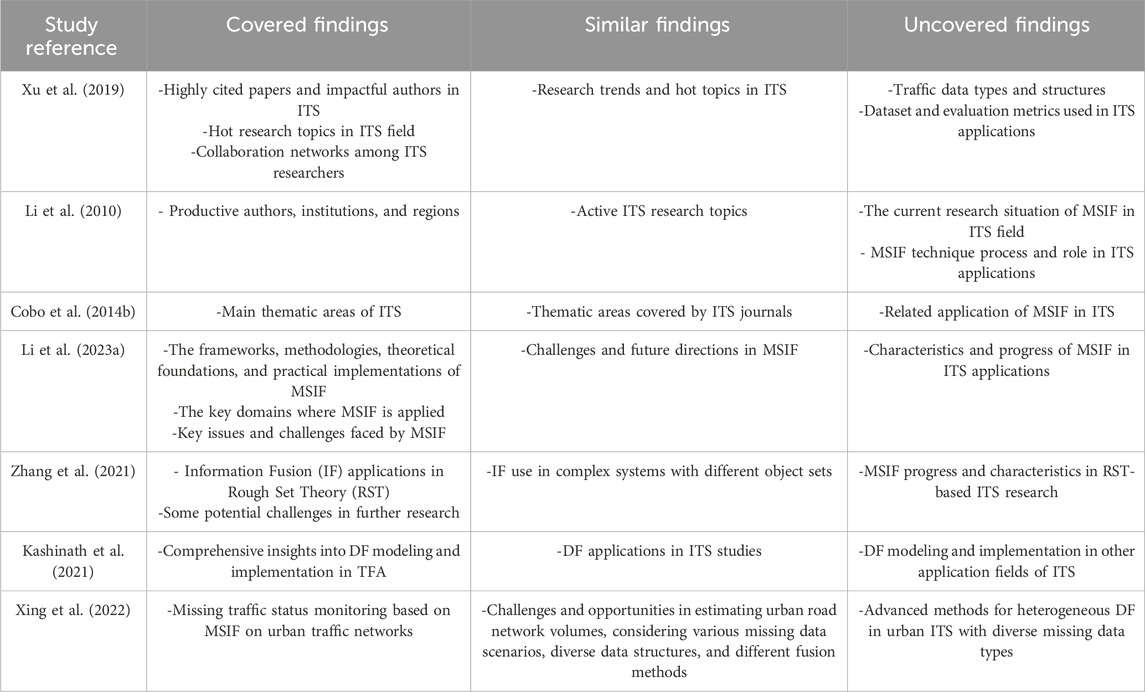
Table 3. Summary of the selected relevant studies.
3 Research methods
A well-structured review paper necessitates a clear methodology for identifying and assessing pertinent previous studies. Based on specific objectives, the design method outlined in Figure 1 was systematically followed to undertake this review research. This method was guided by existing methodologies of Khatibsyarbini et al. (2018) and Kitchenham et al. (2009).
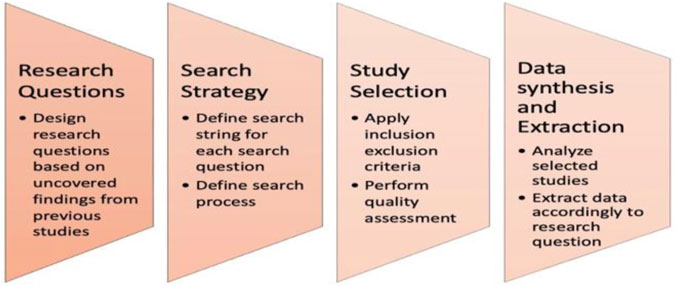
Figure 1. Phases of review protocol.
As shown in Figure 1, the review protocol consists of four main phases: research questions, search strategy, study selection, and data synthesis and extraction (Khatibsyarbini et al., 2018; Kitchenham et al., 2009). During the initial phase, research questions were formulated based on insights from prior studies outlined in Section 2. A comprehensive set of seven research questions was established to thoroughly explore the observed findings. A search strategy was then implemented using targeted search terms and procedures. The results from this search were then carried forward to the study selection phase, where they were filtered using inclusion and exclusion criteria to identify relevant studies. Quality assessments were performed on the selected studies to ensure their suitability. The final phase involved synthesizing the data and extracting the primary studies for this review.
3.1 Research questions stage
This review aims to investigate and provide an in-depth analysis of the MSIF mechanism in intelligent transportation big data and its applications, focusing on the latest techniques for further investigation, with the ultimate goal of enhancing the current methods. At the same time, the authors intend to analyze the empirical validation techniques applied in the reviewed MSIF studies. Accordingly, four principal research questions, along with their corresponding justifications, were established and are summarized in Table 4.
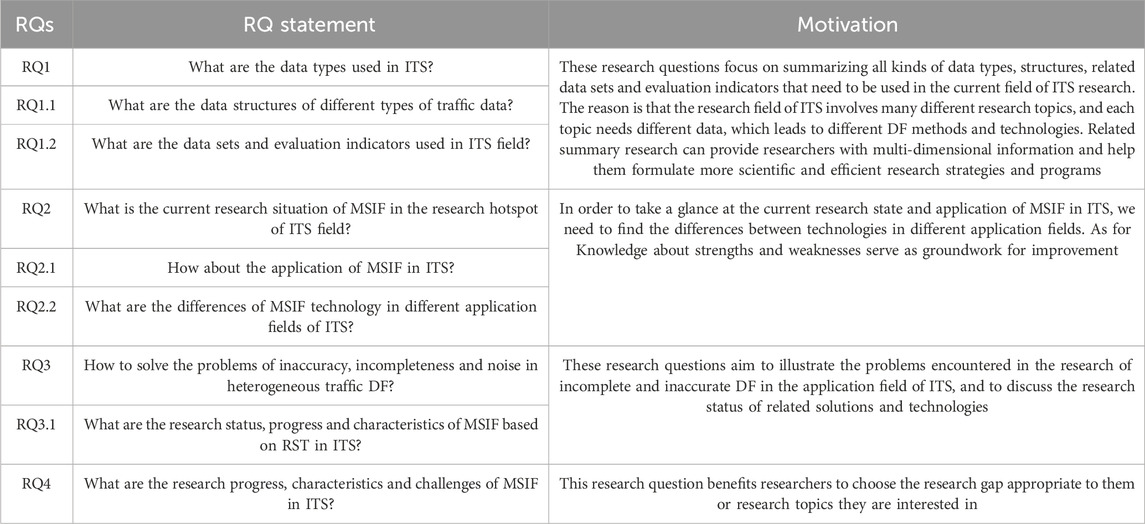
Table 4. Research questions and motivations.
All of these research questions are closely interconnected and are explored together to shape the objectives of the present review. The gaps and supplementary findings identified in Table 3, which this paper seeks to address, are examined through the research questions presented in Table 4. To enhance understanding, Table 5 presents a mapping of the identified and additional findings to the relevant research questions.
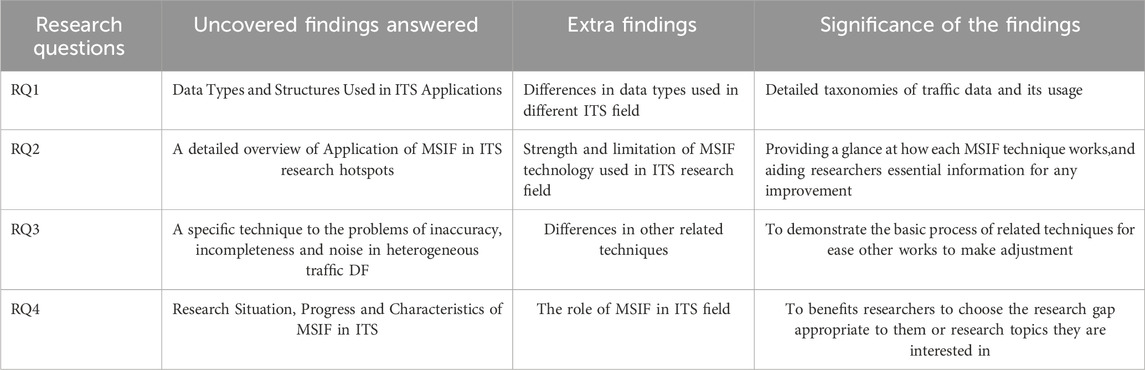
Table 5. Alignment of identified findings with research questions and corresponding significance.
With regard to Table 5, every proposed question addresses the gaps identified in previous works. These questions, designed based on the identified gaps, also uncover additional findings that strengthens the contributions of this review. In summary, the key inquiries hold significant value, potentially benefiting future studies on the MSIF mechanism in intelligent transportation big data and its applications.
3.2 Search strategy stage
A well-defined search strategy is essential for a review study, as it ensures the comprehensiveness of the selected papers. The scholarly value of a review study largely depends on the quality of the primary studies chosen. The key to an effective strategy lies in formulating a strong search string and process. To ensure a successful search, the first step is to develop an effective search string. A poorly designed search string can result in irrelevant outcomes. Therefore, the search string used in this study was developed following a systematic approach, based on the criteria outlined in (Khatibsyarbini et al., 2018).
a) Terms related to MSIF or ITS.
b) Terms associated with particular research questions.
c) Terms paired with equivalent vocabulary.
d) Utilization of the Boolean ‘OR’ and ‘AND’ operators in term association.
As the primary focus of this paper is to examine MSIF techniques within the ITS domain, relevant results from previous studies were used to identify significant works. The phrases “Multi-Source Information Fusion” and “Intelligent Transportation Systems” were commonly used by the writers in the majority of the search queries. Additionally, the search strings were closely aligned with the specific research questions. Table 6 illustrates the relationship between the search strings and their corresponding research questions.
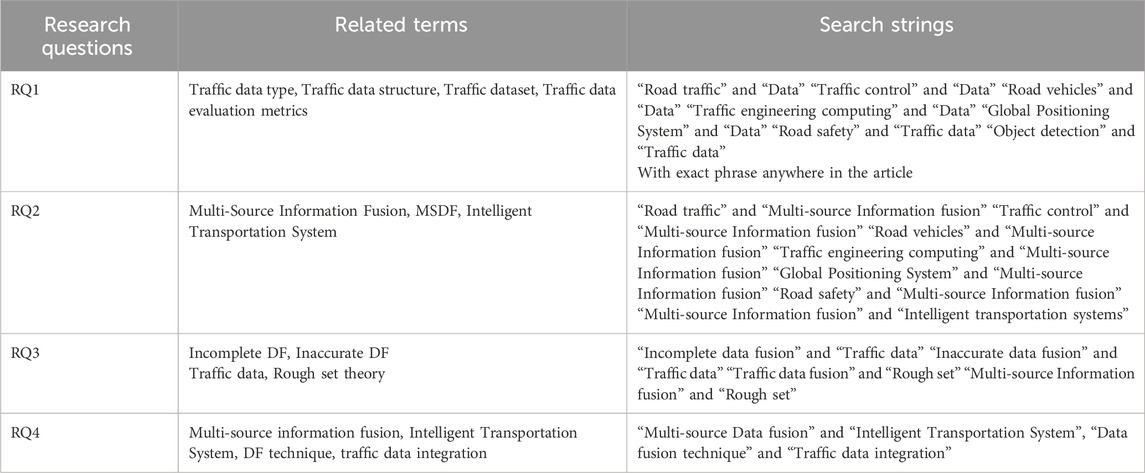
Table 6. Mapping of search strings to their corresponding research questions and associated terms.
As shown in Table 6, distinct search strings were developed for each research question. The authors identified specific terms commonly used to address each question, with several related terms associated with each one.
3.3 Study selection stage
As previously stated, producing an authoritative review article demands a careful and systematic approach. Accordingly, to select the key studies, all potential articles were subjected to a thorough selection process, consisting of two phases: inclusion and exclusion criteria, followed by a quality assessment. The steps of this process are illustrated in Figure 2.
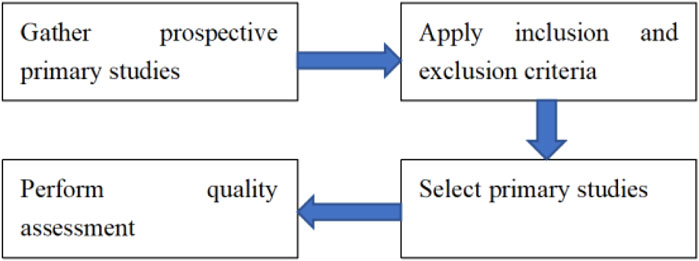
Figure 2. Overview of the research selection procedure.
As illustrated in Figure 2, the process of identifying key studies begins by applying both inclusion and exclusion criteria to the pool of candidate papers. The results from this phase are then subjected to a quality assessment, which ultimately determines the final selection of primary studies. Table 7 details the review’s inclusion and exclusion criteria, while Table 8 presents the quality assessment criteria.

Table 7. Criteria for study inclusion and exclusion.
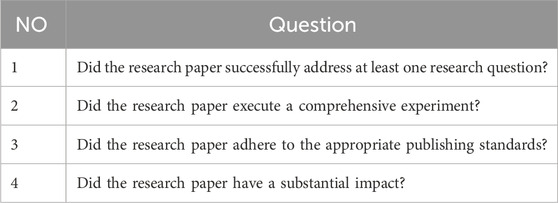
Table 8. Quality evaluation questions.
Each study was evaluated for its relevance to the research questions by employing the inclusion and exclusion criteria. Afterward, a quality assessment was conducted to ensure that the selected studies were capable of answering at least two or three of the research questions. After the eligibility screening stage, a comprehensive study quality review was conducted to verify that the selected studies effectively addressed all pertinent research questions.
To assess the selected articles,the researchers devised four quality evaluation questions, as detailed in Table 8. Table 9 provides a summary of the quality evaluation findings. As a result, some papers were excluded during this phase. After completing the selection process, 47 studies were identified as capable of addressing all of the previously established research inquiries. The eligibility criteria were employed to ascertain whether each study fulfilled the requirements related to the research inquiries, while the quality evaluation confirmed that every selected study could sufficiently address between one and three of these inquiries.
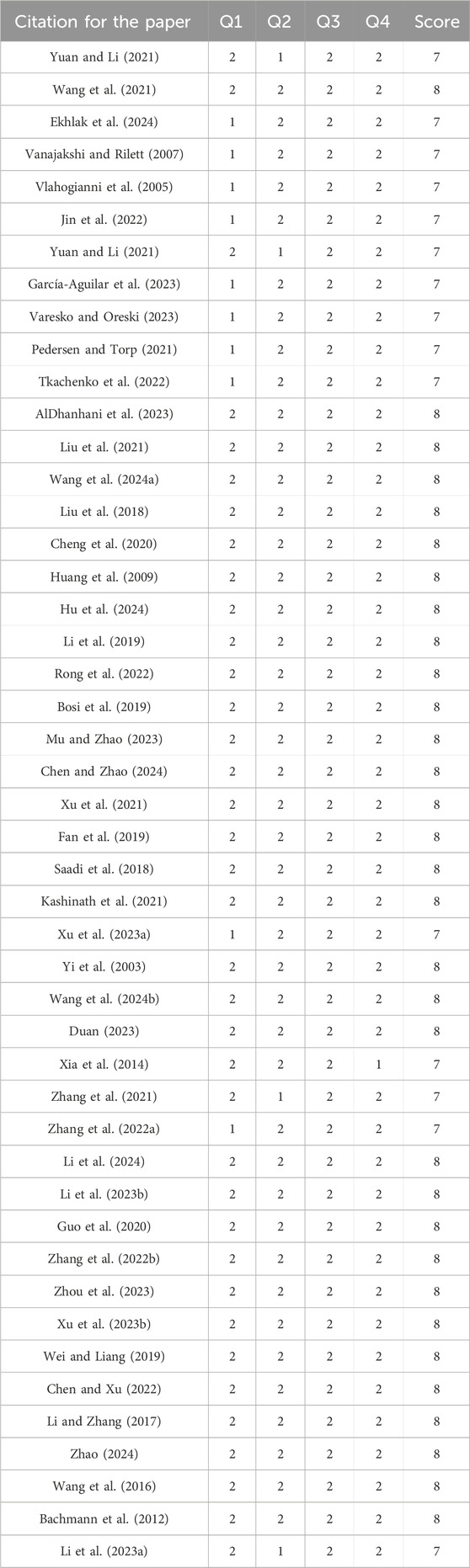
Table 9. Quality score outcomes for collected studies.
4 Findings and discussion
This part of the paper outlines the findings corresponding to the research inquiries. It begins with an overview of the key studies, succeeded by dedicated subsections addressing each research inquiry.
4.1 Overview of key studies
For the comprehensive review, a total of 47 primary studies were selected. These included 38 journal articles, four conference papers, and five other types of articles. The studies were analyzed and discussed in relation to the previously outlined research inquiries. Figure 3 illustrates the distribution of the selected studies, while Table 9 offers comprehensive overviews of each study.
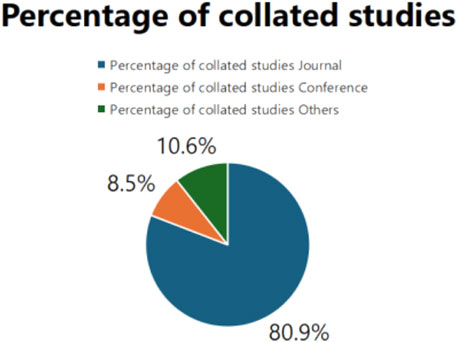
Figure 3. Percentage breakdown of collated studies.
4.2 What are the data structures of different types of traffic data? (RQ1.1)
ITS have experienced rapid development in recent decades, driven by worldwide urban expansion and industrial progress. ITS incorporate a diverse range of innovations and functionalities, including automated traffic regulation and adaptive traffic signal coordination (Xu et al., 2019; Li et al., 2010). Consequently, a diverse range of data types has been extensively utilized within ITS. The data sources of ITS are diversified, and the data generated by different sensors and data sources are different in time, space and format, so DF is very important for efficient operation and decision optimization of transportation system. As the basis and prerequisite of DF, it is an important foundation to clarify the types and structures of data used in different research fields of ITS. Table 10 lists in detail the traffic data types and their data structures used in hot research fields in ITS.
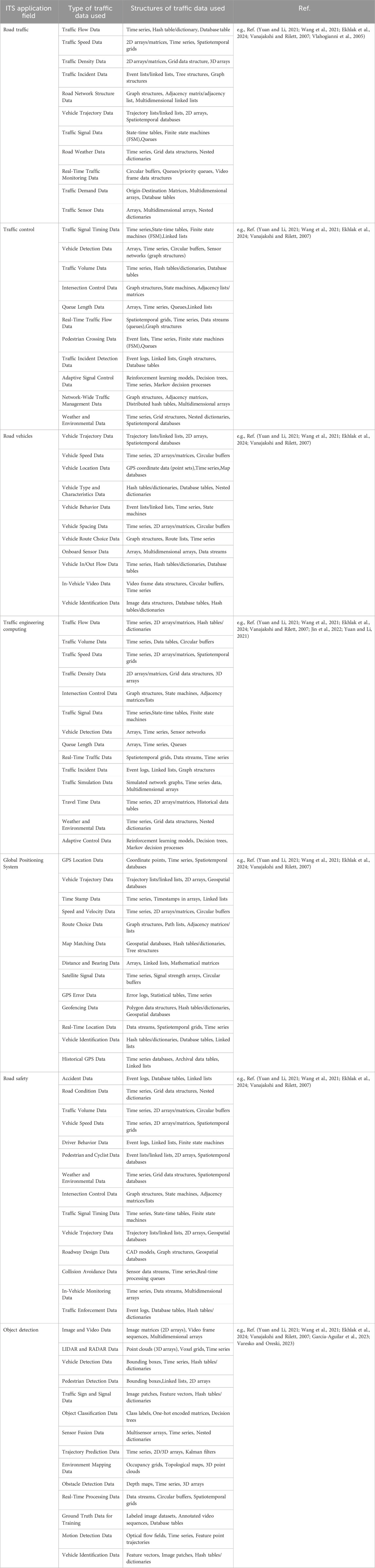
Table 10. Overview of traffic data type and its structure used in ITS application field.
As can be seen from Table 10, structured data, such as database table data, including traffic flow statistics and vehicle registration information, and semi-structured data, such as sensor data or non-structured data, such as video, images and textual data, are quite different in DF methods and technologies, so there are great research gaps and values in different ITS application fields.
4.3 What are the data sets and evaluation indicators used in ITS field? (RQ1.2)
In the research of ITS, data set and evaluation index are the cornerstones of evaluating model performance and popularizing application. High-quality data sets provide a wide range of application scenarios and diverse data sources. For example, public data sets provide a standard platform for different researchers to directly compare the performance of algorithms, which promotes academic progress. The reasonable evaluation index ensures the reliability, robustness and security of the system. Both of them complement each other and are important foundations for the research and development of ITS. Supplementary Appendix Table 1 in Appendix A lists the commonly used traffic data sets and evaluation indicators.
4.4 How about the application of MSIF in ITS? (RQ2.1)
The second inquiry in our study focuses on exploring the application of MSIF (Multi-Source Information Fusion) technology in ITS (Intelligent Transportation Systems). To address the first aspect of this question, the experimental setups and results from selected studies were thoroughly analyzed. For each MSIF technique, specific research works were chosen for detailed examination to give a glimpse on how these techniques are applied within the context of ITS. Table 11 summarizes the related results.
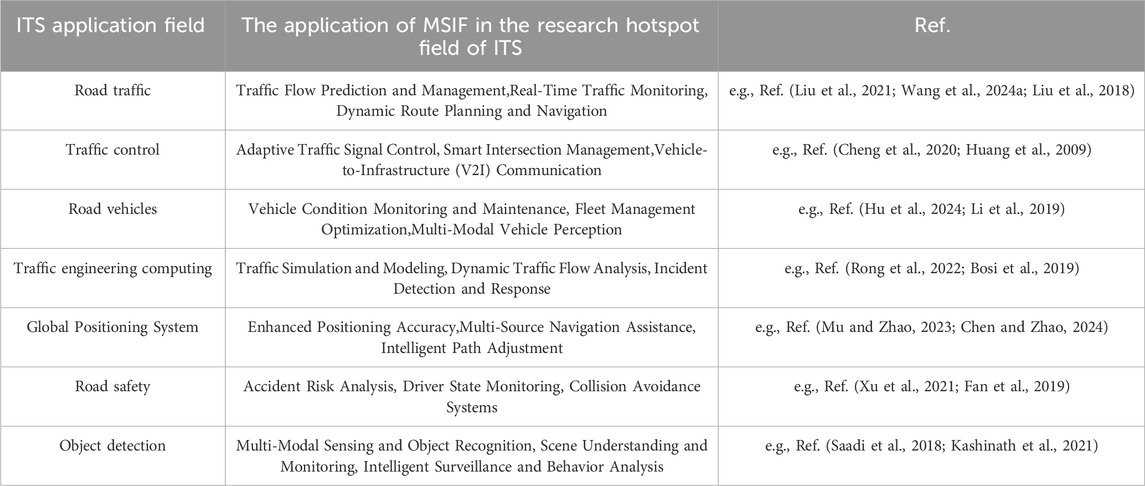
Table 11. Overview of applications of MSIF in ITS.
In the field of road traffic, by fusing different types of sensor data, the system can more accurately monitor traffic flow, detect congestion and predict future traffic trends. For instance, traffic accident detection using multi-source data is examined by integrating the MSDF model with data obtained from probe vehicles and microwave sensors (Liu et al., 2021).
In the field of traffic control, the integration of real-time traffic flow, vehicle detection and environmental data can dynamically optimize signal timing, reduce congestion and improve traffic efficiency. For instance, utilizing the simulated dynamic traffic assignment (DTA) model, a variant of the Hooke-Jeeves pattern search algorithm is employed to reduce discrepancies between the empirical network data and the model’s predictions (Huang et al., 2009).
In the field of road vehicles, laser radar, camera and radar DF can effectively make up for the limitations of a single sensor and enhance the accuracy and robustness of environmental perception. For example, multi-view feature multi-head self-attention fusion network is used to better extract and fuse multi-view image information, and realize the location of ultra-wide band (UWB) anchor without prior information (Hu et al., 2024).
In the field of traffic engineering calculation, MSDF makes the traffic simulation results more accurate, and then provides more scientific decision support for traffic management. For example, through a system Du-Bus based on MSDF, the real-time bus waiting time is estimated based on approaching the real-time position of the bus without GPS sensor (Rong et al., 2022).
In the field of global positioning system, by integrating GPS, inertial navigation system (INS) and map matching technology, the positioning accuracy of vehicles can be improved, especially in complex urban environment or tunnels, and the reliability of navigation system can be ensured. For example, a multi-source information fusion system based on decentralized system architecture and ground vehicle sequential Kalman filter is proposed, which can selectively and adaptively fuse information from odometer and motion assistance constraints in different driving environments (Mu and Zhao, 2023).
In the field of road safety, by integrating historical accident data, real-time traffic flow and weather conditions, accident-prone areas can be predicted and traffic control strategies can be adjusted in real time to reduce accident risks. For instance, a black spot identification algorithm based on a deep neural network has been proposed, where a deep neural network incorporating relevant data category information is constructed. The model’s capability to identify accident-prone black spots has been successfully validated (Fan et al., 2019).
In the field of object detection, vehicles, pedestrians and other traffic participants can be identified more accurately by fusing lidar, camera and radar data, and the accuracy of object detection and classification can be improved. For example, a new automatic program is proposed to detect small-scale objects in traffic sequences (García-Aguilar et al., 2023).
4.5 What are the differences of MSIF technology in different application fields of ITS? (RQ2.2)
The technical differences in MSDF across these research fields primarily involve the types of data sources, fusion algorithms, and application objectives. Each field tailors its fusion techniques based on specific needs and system requirements, leading to optimized decision-making and improved performance in intelligent transportation systems. Related technical features are shown in Table 12.
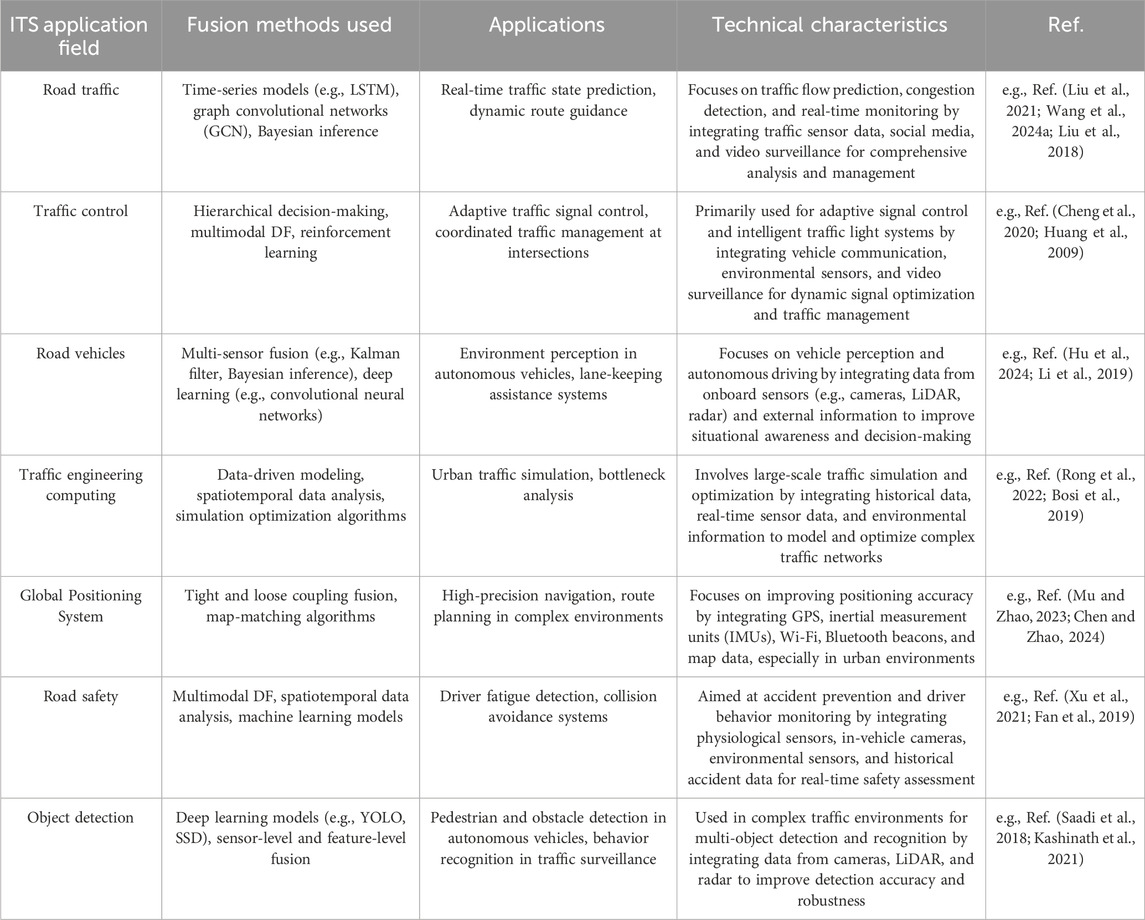
Table 12. Technical Characteristics of applications of MSIF in ITS.
4.6 How to solve the problems of inaccuracy, incompleteness and noise in heterogeneous traffic DF? (RQ3)
In heterogeneous traffic DF, issues like inaccuracy, incompleteness, and noise can have significant negative impacts. Here’s a breakdown of the hazards and potential solutions.
4.6.1 Hazards of inaccurate, incomplete, and noisy data in traffic DF
4.6.1.1 Decision-making errors
Inaccurate and incomplete data can lead to incorrect traffic flow predictions, suboptimal route planning, or faulty traffic signal controls,etc. Noisy data can trigger false alerts, resulting in misinformed decisions and inefficient resource allocation (Xu Y. et al., 2023; Yi et al., 2003).
4.6.1.2 Degraded model performance
Machine learning models and algorithms rely on high-quality data. Inaccurate and noisy inputs degrade model accuracy, resulting in poor predictions, misclassifications, and potentially biased results (Wang L. et al., 2024; Duan, 2023).
4.6.1.3 Information conflicts and redundancy
Heterogeneous data from various sources can be inconsistent or redundant. Without effective handling, conflicts between datasets can reduce overall data reliability, leading to flawed fusion results (Xia et al., 2014).
4.6.1.4 Reduced system robustness and stability
Noisy data can cause the system to exhibit unpredictable behaviors, such as sudden traffic fluctuations or incorrect control actions, which negatively impact the stability and safety of the entire traffic system (Zhang et al., 2021; Zhang X. et al., 2022; Li et al., 2024; Li W. et al., 2023; Guo et al., 2020; Zhang P. et al., 2022).
4.6.1.5 Resource wastage
Erroneous or incomplete data can lead to poor utilization of infrastructure or resources, such as unnecessary traffic signal adjustments or inefficient road usage, causing overall inefficiency (Zhou et al., 2023; Xu W. et al., 2023; Wei and Liang, 2019; Chen and Xu, 2022; Li and Zhang, 2017).
In traffic DF, the accuracy, integrity and low noise of data are very important for the performance of ITS. The application scenarios of ITS include traffic monitoring, autonomous driving, real-time path planning, etc. These applications depend on the high-quality fusion of multi-source data, so the author actively discusses such research issues. The solution of MSDF in related research fields mainly involves data source types, fusion algorithms and application targets, and its fusion technology is customized according to specific needs and system requirements, thus ensuring the accuracy, integrity and robustness of traffic DF. By means of data cleaning, weighted fusion, denoising, multimodal fusion and real-time monitoring, intelligent transportation system can cope with the complex and dynamic real traffic environment, thus providing safer and more efficient traffic management and services. Figure 4 presents the specific procedure in detail.
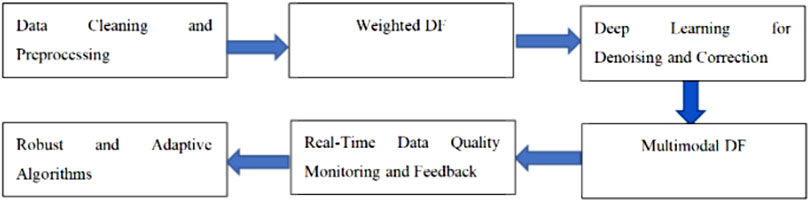
Figure 4. Solution process of inaccurate, incomplete and noise data in traffic DF.
4.6.2 Solutions for addressing data inaccuracy, incompleteness, and noise in traffic DF
4.6.2.1 Data cleaning and preprocessing
• Data Imputation: Fill missing values using interpolation, regression algorithms, or other data-driven approaches to enhance data completeness.
• Outlier Detection and Removal: Use statistical methods, machine learning, or rules-based systems to identify and remove anomalies and noise, ensuring high-quality data input.
4.6.2.2 Weighted DF
Assign weights to different data sources based on their reliability and historical accuracy. Apply weighted averaging or Bayesian methods to fuse data, reducing the influence of noisy inputs.
4.6.2.3 Deep learning for denoising and correction
Leverage autoencoders, Generative Adversarial Networks (GANs), and other deep learning models to automatically detect, denoise, and correct errors in the data, leading to more accurate and reliable fusion.
4.6.2.4 Multimodal DF
Integrate data from various modalities (e.g., video, sensors, social media) using techniques like co-learning or cross-domain alignment, which helps fill gaps and improve overall data completeness and accuracy.
4.6.2.5 Real-time data quality surveillance and feedback
Implement real-time surveillance systems that constantly assess data quality, automatically filtering out inaccurate or noisy inputs. Dynamic feedback loops can adjust fusion strategies as data characteristics change.
4.6.2.6 Robust and adaptive algorithms
Design resilient algorithms capable of maintaining high performance in environments with noisy or partial data. Adaptive models that adjust to shifting data patterns can help minimize the negative effects of poor data quality.
4.7 What are the research status, progress and characteristics of MSIF based on RST in ITS? (RQ3.1)
Rough set theory (RST) shows the capability to handle unpredictable conditions, fuzziness and incomplete data in the research of MSIF (Zhang et al., 2021; Wei and Liang, 2019), so it shows great research potential in the research of MSIF in ITS. Below is an overview of the research status, progress, and characteristics of MSIF based on RST in ITS.
4.7.1 Research status of RST-Based MSIF in ITS
• Handling Uncertainty in Data: In traffic DF, the heterogeneity and uncertainty of data sources pose significant challenges. RST is well-suited for classifying and analyzing uncertain data using the concepts of lower and upper approximation sets, making it capable of processing vague and incomplete data without requiring prior knowledge (Chen and Xu, 2022; Li and Zhang, 2017).
• Feature Selection and Dimensionality Reduction: RST is often used for feature selection and dimensionality reduction in traffic DF. By identifying key attributes and removing redundant or irrelevant information, RST enhances the efficiency and accuracy of the DF process (Li et al., 2024; Zhang P. et al., 2022).
• Decision Support: RST’s rule extraction capabilities make it valuable in decision support systems for ITS. RST helps extract decision rules from multi-source data, aiding in tasks like traffic flow prediction, incident detection, and resource allocation (Guo et al., 2020).
4.7.2 Research progress of RST-Based MSIF in ITS
• Hybrid Models Combining RST with Other Techniques: Researchers have developed hybrid models that integrate RST with other intelligent algorithms like fuzzy sets, neural networks, and genetic algorithms to tackle complex traffic scenarios. For example, fuzzy rough set models are used to handle data uncertainty (Chen and Xu, 2022), while D-S Evidence Theory for Attribute Reduction (Li et al., 2024).
• Dynamic Information Fusion: To address the dynamic nature of traffic systems, RST has been applied in dynamic information fusion frameworks. These systems adapt to changing traffic data through incremental learning or online updates, allowing for real-time responses to evolving traffic conditions (Zhang X. et al., 2022; Xu W. et al., 2023).
• Multi-Level Information Fusion: Researchers have proposed layered fusion frameworks based on RST, where data is processed at different levels. For instance, low-level data cleaning and preprocessing are followed by mid-level feature extraction and high-level decision support, improving overall system performance (Li W. et al., 2023; Guo et al., 2020).
4.7.3 Characteristics of RST-Based MSIF
• No Need for Prior Knowledge: Unlike traditional probabilistic methods, RST does not require assumptions about the data’s probability distribution, making it suitable for handling incomplete or uncertain information (Zhang et al., 2021; Wei and Liang, 2019), which is common in heterogeneous traffic data.
• Rule Extraction and Interpretability: RST can extract clear decision rules from multi-source data, offering good interpretability (Guo et al., 2020). This is valuable for traffic management systems where understanding and optimizing decision-making processes is crucial.
• Handling Data Redundancy and Inconsistency: RST uses attribute reduction techniques to eliminate redundant data and reduce the complexity of information fusion while preserving the essential information needed for decision-making (Li et al., 2024; Zhang P. et al., 2022).
4.8 What are the research progress, characteristics and challenges of MSIF in ITS? (RQ4)
The research of MSIF (multi-source information fusion) in ITS mainly focuses on how to synthesize multi-source and heterogeneous traffic data to improve the accuracy and efficiency of traffic monitoring, forecasting and management.
Below are the key aspects of the research progress, characteristics, and challenges of MSIF in ITS.
4.8.1 Research progress of MSIF in ITS
• Multimodal DF: As data sources diversify, including sensors, cameras, GPS, social media, and weather information, MSIF techniques have advanced in integrating these multimodal data. For instance, combining camera images, traffic flow data, and social media reports enhances the accuracy of traffic prediction and incident detection (Zhao, 2024; Wang et al., 2016).
• Deep Learning-Based Fusion Methods: Deep learning, particularly Convolutional Neural Networks (CNNs) and Recurrent Neural Networks (RNNs), has proven highly effective for automatic feature extraction and DF. Researchers have developed models using multi-layer perceptrons and multi-view learning for handling complex, heterogeneous traffic data (Bachmann et al., 2012).
• Real-Time Fusion Systems: Advances in computing power and communication technologies have enabled real-time MSIF applications in dynamic traffic management. For example, Vehicle-to-Everything (V2X) communication and cloud computing are used to achieve real-time traffic data integration for optimizing signal control and traffic flow distribution (Huang et al., 2009; Rong et al., 2022).
4.8.2 Characteristics of MSIF in ITS
• Heterogeneity of Data Sources: ITS relies on a wide range of data sources, including sensor networks, UAV images, in-vehicle systems, and social media (Li et al., 2023a). A core feature of MSIF is its ability to handle diverse data types with varying time scales and spatial resolutions.
• High Real-Time Requirements: Traffic systems demand timely data processing. MSIF must balance between data accuracy and real-time processing to ensure quick responses and effective traffic control (Rong et al., 2022).
• Adaptability and Robustness: Traffic data are often dynamic and uncertain. MSIF techniques need to be adaptive to changing data patterns and robust against noise and anomalies to maintain consistent performance (Xu Y. et al., 2023; Guo et al., 2020).
4.8.3 Challenges of MSIF in ITS
• Data Indeterminacy and Heterogeneity: Data originating from various sources can be inconsistent, conflicting, or noisy. A major challenge in MSIF is resolving these inconsistencies and ensuring reliable and coherent fusion results (Li et al., 2023a).
• Balancing Computational Complexity and Real-Time Performance: As data volume and complexity increase, MSIF algorithms face higher computational demands. Achieving real-time processing while managing the growing data complexity remains a key issue (Rong et al., 2022).
• Privacy and Security Concerns: Traffic data can contain sensitive personal information, especially in connected vehicle systems. Ensuring data privacy and security during the fusion process is a critical challenge (Bosi et al., 2019).
• Standardization and Interoperability: Different data sources and systems may use varying formats and protocols. Developing standardized DF frameworks to ensure interoperability across different platforms is essential for advancing MSIF (Wang X. et al., 2024; Huang et al., 2009).
5 Research findings
With the rise of MSIF in ITS field, It is crucial to grasp the present landscape of MSIF technology within ITS. The detailed technology of MSIF in ITS is very important for optimizing the related research results of ITS. Therefore, in order to highlight the influence of MSIF technology in ITS field, more emphasis must be placed on the discovery of each research problem.
For the first research question, the selected research reveals the diversity of data used in ITS, including source, type, structure and format, which may lead to great technical differences in the MSIF methods and technologies selected later, which will have an important impact on related application research and results, so the related fields have great research gaps and value. In addition, high-quality public data sets can provide a good foundation for related research, while reasonable evaluation indicators ensure the reliability, robustness and security of the system, providing a consistent evaluation standard for related research work.
For the subsequent research inquiry, the objective is to explore the differences in how MSIF technology is applied in the main ITS domains, and the conclusion is that the technical differences of MSIF in these research fields mainly involve data source types, fusion algorithms and application objectives. In addition to data source types, requirements and target requirements also have an important impact on the relevant fusion technologies adopted.
For the third research question, the research results show that in MSIF of traffic data, the accuracy, integrity and low noise of data are very important to the performance of ITS (Zhou et al., 2023; Xu W. et al., 2023; Wei and Liang, 2019; Chen and Xu, 2022; Li and Zhang, 2017). By means of data cleaning, weighted fusion, denoising, multimodal fusion and real-time monitoring, the problems of inaccuracy, incompleteness and noise in MSIF of heterogeneous traffic data can be effectively solved. In MSIF research, RST demonstrates its capacity to handle uncertainty, fuzziness, and incomplete data (Zhang et al., 2021; Wei and Liang, 2019), so it shows great research potential in the research of MSIF in ITS.
Regarding the final research question, our findings show that multimodal MSIF techniques (Zhao, 2024; Wang et al., 2016) and AI-based MSIF technologies—such as deep learning-based fusion methods (Bachmann et al., 2012) and real-time fusion systems (Huang et al., 2009; Rong et al., 2022)—are the primary approaches being explored. For the heterogeneity, high real-time, adaptability and robustness of traffic data, high requirements are put forward for related fusion technologies. In addition, data uncertainty and heterogeneity (Li et al., 2023a), balancing computational complexity and real-time performance (Rong et al., 2022), privacy and security issues (Bosi et al., 2019), standardized MSIF framework requirements (Wang X. et al., 2024; Huang et al., 2009)are all difficulties in future research.
6 Conclusion
This paper is the first literature review to systematically analyze the application of MSIF in ITS, which fills the gap in this field. In conclusion, the review objectives have been met by thoroughly addressing all the designated research questions. The findings, derived through a structured methodology of identifying, categorizing, and evaluating primary studies, aim to provide researchers with an overview of the current state of MSIF mechanism in intelligent transportation big data and its application. This insight is intended to facilitate further advancements in the field.
The noteworthy findings are as follows.
1) The wide application of ITS leads to a large number of data types involved. At present, there is no general framework to solve the MSIF problem, so it is necessary to choose appropriate fusion strategies and algorithms according to specific application fields and purposes.
2) In MSIF of heterogeneous traffic data, problems such as inaccuracy, incompleteness and noise are unavoidable common problems in application, which usually have significant negative effects. How to solve these problems is a research direction worthy of investment.
3) Based on the uncertainty and heterogeneity of traffic big data, MSIF of traffic data needs to strike a balance between data accuracy and real-time processing, robustness and security.
As for the research suggestions, some authors can make suggestions for the future research and improvement of MSIF in ITS. The suggested future work is as follows.
1) Artificial intelligence has emerged as a powerful catalyst propelling the rapid growth of MSIF, and it is an obvious research trend to introduce relevant research results into the research field of ITS.
2) MSIF based on RST shows great potential in ITS application. The research on RST and its integration with other fusion technologies has great research potential in dynamic, multi-source and uncertain data processing in the MSIF field of ITS.
3) In intelligent transportation systems, there are complex and constantly changing scenarios where the environment evolves over time, posing dynamic information processing challenges to algorithms. Therefore, combining techniques that emphasize real-time processing, high robustness, and adaptability—such as stream-processing-based algorithms, reinforcement learning and meta-learning, multi-level dynamic data fusion, and edge-cloud computing architectures—represents a highly promising research direction for the future. By integrating theoretical research with practical application scenario testing, the optimization and refinement of intelligent data processing systems in dynamic environments can be gradually achieved.
4) It is a difficult task to propose a general MSIF framework, but some attempts can still be made in this respect.
Author contributions
ML: Conceptualization, Data curation, Formal Analysis, Funding acquisition, Investigation, Methodology, Project administration, Resources, Software, Validation, Visualization, Writing – original draft, Writing – review and editing. MI: Conceptualization, Methodology, Supervision, Validation, Writing – review and editing. MK: Investigation, Validation, Writing – review and editing. HA: Investigation, Validation, Writing – review and editing. DC: Data curation, Resources, Visualization, Writing – review and editing.
Funding
The author(s) declare that financial support was received for the research and/or publication of this article. This research was supported by the Science and Technology plan project of ShaoGuan City under Grant 220607094530516.
Conflict of interest
The authors declare that the research was conducted in the absence of any commercial or financial relationships that could be construed as a potential conflict of interest.
Generative AI statement
The author(s) declare that no Generative AI was used in the creation of this manuscript.
Publisher’s note
All claims expressed in this article are solely those of the authors and do not necessarily represent those of their affiliated organizations, or those of the publisher, the editors and the reviewers. Any product that may be evaluated in this article, or claim that may be made by its manufacturer, is not guaranteed or endorsed by the publisher.
Supplementary material
The Supplementary Material for this article can be found online at: https://www.frontiersin.org/articles/10.3389/ffutr.2025.1627426/full#supplementary-material
References
AlDhanhani, A., Damiani, E., Mizouni, R., Wang, D., and Al-Rubaie, A. (2023). Multi-modal traffic event detection using shapelets. Neural comput. Appl. 35, 1395–1408. doi:10.1007/s00521-022-07837-7
Bachmann, C., Abdulhai, B., Roorda, M. J., and Moshiri, B. (2012). Multisensor data integration and fusion in traffic operations and management. Transp. Res. Rec. 2308, 27–36. doi:10.3141/2308-04
Bai, J., and Wang, J. (2016). Improving malware detection using multi-view ensemble learning. Secur Commun. Netw. 9 (17), 4227–4241. doi:10.1002/sec.1600
Berberian, M., and King, G. (1981). Towards a paleogeography and tectonic evolution of Iran. Can. J. Earth Sci. 18 (2), 210–265. doi:10.1139/e81-019
Bosi, I., Ferrera, E., Brevi, D., and Pastrone, C. (2019). “In-vehicle IoT platform enabling the virtual sensor concept: a pothole detection use-case for cooperative safety,” in Proc. 4th int. Conf. Internet of things, big data and security, heraklion, crete, Greece. doi:10.5220/0007690602320240
Bowman, C. L., and Morefield, C. L. (1980). “Multisensor fusion of target attributes and kinematics,” in IEEE Conference on Decision and Control including the Symposium on Adaptive Processes, 837–839. doi:10.1109/cdc.1980.271921
Chen, X., and Xu, W. (2022). Double-quantitative multigranulation rough fuzzy set based on logical operations in multi-source decision systems. Int. J. Mach. Learn. Cybern. 13, 1021–1048. doi:10.1007/s13042-021-01433-2
Chen, R., and Zhao, L. (2024). Two-level integrity-monitoring method for multi-source information fusion navigation. Remote Sens. 16, 120. doi:10.3390/rs16010120
Cheng, X., Zhou, J., and Zhao, X. (2020). Safety assessment of vehicle behaviour based on the improved D–S evidence theory. IET Intell. Transp. Syst. 14, 1396–1402. doi:10.1049/iet-its.2019.0737
Cobo, M. J., Chiclana, F., Collop, A., de Ona, J., and Herrera-Viedma, E. (2014). A bibliometric analysis of the intelligent transportation systems research based on science mapping. IEEE Trans. Intelligent Transp. Syst. 15, 901–908. doi:10.1109/tits.2013.2284756
Duan, J. (2023). Study on multi-heterogeneous sensor data fusion method based on millimeter-wave radar and camera. Sensors 23, 6044. doi:10.3390/s23136044
Ekhlakov, R., and Andriyanov, N. (2024). Multicriteria assessment method for network structure congestion based on traffic data using advanced computer vision. Mathematics 12, 555. doi:10.3390/math12040555
Fan, Z., Liu, C., Cai, D., and Yue, S. (2019). Research on black spot identification of safety in urban traffic accidents based on machine learning method. Saf. Sci. 118, 607–616. doi:10.1016/j.ssci.2019.05.039
García-Aguilar, I., García-González, J., Luque-Baena, R. M., and López-Rubio, E. (2023). Automated labeling of training data for improved object detection in traffic videos by fine-tuned deep convolutional neural networks. Pattern Recognit. Lett. 167, 45–52. doi:10.1016/j.patrec.2023.01.015
Guo, Y., Tsang, E. C. C., Xu, W., and Chen, D. (2020). Adaptive weighted generalized multi-granulation interval-valued decision-theoretic rough sets. Knowl. Based Syst. 187, 104804. doi:10.1016/j.knosys.2019.06.012
Hu, Y., Li, X., Kong, D., Wei, K., Ni, P., and Hu, J. (2024). A reliable position estimation methodology based on multi-source information for intelligent vehicles in unknown environment. IEEE Trans. Intell. Veh. 9 (1), 1667–1680. doi:10.1109/TIV.2023.3332860
Huang, E., Antoniou, C., Wen, Y., Ben-Akiva, M., Lopes, J., and Bento, J. (2009). “Real-time multi-sensor multi-source network data fusion using dynamic traffic assignment models,” in Proc. 12th int. IEEE conf. Intell. Transp. syst. (St. Louis, MO, USA). doi:10.1109/ACCESS.2019.2933319
Jia, C., Gao, H., Chen, N., and He, Y. (2020). Machine learning empowered beam management for intelligent reflecting surface assisted MmWave networks. China Commun. 17 (10), 100–114. doi:10.23919/jcc.2020.10.007
Jin, Q., Lin, R., Yang, F., and Chang, Y. L. (2022). Detecting and recognizing driver distraction through various data modality using machine learning: a review, recent advances, simplified framework and open challenges (2014–2021). Eng. Appl. Artif. Intell. 115, 105309. doi:10.1016/j.engappai.2022.105309
Jin, J., Zhou, W., Yang, R., Ye, L., and Yu, L. (2023). Edge detection guide network for semantic segmentation of remote-sensing images. IEEE Geosci. Remote Sens. Lett. 20, 1–5. doi:10.1109/lgrs.2023.3234257
Kashinath, S. A., Mostafa, S. A., Mustapha, A., Mahdin, H., Lim, D., Mahmoud, M. A., et al. (2021). Review of data fusion methods for real-time and multi-sensor traffic flow analysis. IEEE Access 9, 51258–51276. doi:10.1109/access.2021.3069770
Khan, M. A., and Banerjee, M. (2008). Formal reasoning with rough sets in multiple-source approximation systems. Intern. J. Approx. Reason. 49 (2), 466–477. doi:10.1016/j.ijar.2008.04.005
Khatibsyarbini, M., Isa, M. A., Jawawi, D. N. A., and Tumeng, R. (2018). Test case prioritization approaches in regression testing: a systematic literature review. Inf. Softw. Technol. 93, 74–93. doi:10.1016/j.infsof.2017.08.014
Kitchenham, B., Brereton, O. P., Budgen, D., Turner, M., Bailey, J., and Linkman, S. (2009). Systematic literature reviews in software engineering—a systematic literature review. Inf. Softw. Technol. 51 (1), 7–15. doi:10.1016/j.infsof.2008.09.009
Kitchenham, B. A. (2004). “Procedures for performing systematic reviews,” Software Engineering Group, Keele, UK: Keele University, Tech. Rep. TR/SE-0401
Koch, W. (2021). On digital ethics for artificial intelligence and information fusion in the defense domain. IEEE Aerosp. Electron. Syst. Mag. 36 (7), 94–111. doi:10.1109/maes.2021.3066841
Li, M., and Zhang, X. (2017). Information fusion in a multi-source incomplete information system based on information entropy. Entropy 19, 570. doi:10.3390/e19110570
Li, L., Li, X., Li, Z., Zeng, D. D., and Scherer, W. T. (2010). A bibliographic analysis of the IEEE Transactions on intelligent transportation systems literature. IEEE Trans. Intell. Transp. Syst. 11, 251–255. doi:10.1109/tits.2010.2049890
Li, W., Duan, F., and Xu, C. (2019). Design and performance evaluation of a simple semi-physical human-vehicle collaborative driving simulation system. IEEE Access 7, 31971–31983. doi:10.1109/access.2019.2903305
Li, X., Dunkin, F., and Dezert, J. (2023a). Multi-source information fusion: progress and future. Chin. J. Aeronautics 37, 24–58. doi:10.1016/j.cja.2023.12.009
Li, W., Zhang, C., Cui, Y., and Shi, J. (2023b). A collaborative multi-granularity architecture for multi-source IoT sensor data in air quality evaluations. Electronics 12, 2380. doi:10.3390/electronics12112380
Li, Z., Zhang, Q., Liu, S., Peng, Y., and Li, L. (2024). Information fusion and attribute reduction for multi-source incomplete mixed data via conditional information entropy and D-S evidence theory. Appl. Soft Comput. J. 151, 111149. doi:10.1016/j.asoc.2023.111149
Liu, J., Sun, R., and Yu, H. (2018). “Road speed fusion model based on wavelet neural network optimized by genetic algorithm,” in 2018 IEEE SmartWorld, ubiquitous intelligence and computing, advanced and trusted computing, scalable computing and communications, cloud and big data computing, internet of people and smart city innovations, 1293–1298. doi:10.1109/SmartWorld.2018.00225
Liu, J., Huang, J., Sun, R., Yu, H., and Xiao, R. (2021). Data fusion for multi-source sensors using GA-PSO-BP neural network. IEEE Trans. Intell. Transp. Syst. 22 (10), 6583–6598. doi:10.1109/TITS.2020.3010296
Llinas, J. (2010). “A survey and analysis of frameworks and framework issues for information fusion applications,” in Proc. Int. Conf. Hybrid artificial intelligence systems (Berlin, Germany: Springer), 14–23.
Mu, M., and Zhao, L. (2023). Improved decentralized GNSS/SINS/odometer fusion system for land vehicle navigation applications. Meas. Sci. Technol. 34, 035117. doi:10.1088/1361-6501/aca992
Pan, Q. (2013). Multi-source information fusion theory and its applications. Beijing, China: Tsinghua University Press.
Pedersen, K. F., and Torp, K. (2021). “Geolocating traffic signs using large imagery datasets,” in Proc. 17th int. Symp. Spatial and temporal databases (USA: virtual). doi:10.1145/3469830.3470900
Redman, T. C. (1998). The impact of poor data quality on the typical enterprise. Commun. ACM 41 (2), 79–82. doi:10.1145/269012.269025
Rong, X., Xu, Z., Liu, J., Liu, H., Ding, J., Liu, X., et al. (2022). Du-bus: a realtime bus waiting time estimation system based on multi-source data. IEEE Trans. Intell. Transp. Syst. 23 (12), 24524–24539. doi:10.1109/TITS.2022.3210170
Saadi, I., Farooq, B., Mustafa, A., Teller, J., and Cools, M. (2018). An efficient hierarchical model for multi-source information fusion. Expert Syst. Appl. 110, 352–362. doi:10.1016/j.eswa.2018.06.018
Steinberg, A. N., Bowman, C. L., and White, F. E. (1999). “Revisions to the JDL data fusion model,” in Sensor Fusion: 549 Architectures, Algorithms, and Applications III, 3719, 430–441. doi:10.1117/12.341367
Su, Z., Ji, H., Tian, C., and Zhang, Y. (2023). A robust Poisson multi-Bernoulli filter for multi-target tracking based on arithmetic average fusion. Chin. J. Aeronaut. 36 (2), 179–190. doi:10.1016/j.cja.2022.04.008
Tkachenko, P., Certad, N., Singer, G., Olaverri-Monreal, C., and Del Re, L. (2022). The JKU DORA traffic dataset. IEEE Access 10, 92673–92680. doi:10.1109/access.2022.3203188
Vanajakshi, L., and Rilett, L. R. (2007). “Support vector machine technique for the short term prediction of travel time,” in 2007 IEEE intelligent vehicles symposium, istanbul, Turkey. doi:10.1109/ivs.2007.4290181
Varesko, L., and Oreski, G. (2023). “Performance comparison of novel object detection models on traffic data,” in Proc. 2023 8th int. Conf. Machine learning technologies (Stockholm, Sweden). doi:10.1145/3589883.3589910
Vlahogianni, E. I., Karlaftis, M. G., and Golias, J. C. (2005). Optimized and meta-optimized neural networks for short-term traffic flow prediction: a genetic approach. Transp. Res. Part C. Emerg. Technol. 13 (3), 211–234. doi:10.1016/j.trc.2005.04.007
Wang, X.-Q., Shao, C.-F., Xun, J., Liu, Z.-J., and Yuan, Y. (2016). “Research on multi-source traffic flow data fusion based on linear regression: a case study in mega-city,” in Proc. 2nd annu. Int. Conf. Adv. Mater. Eng. (AME 2016) (Wuhan, China). doi:10.2991/ame-16.2016.210
Wang, P., Hao, W., and Jin, Y. (2021). Fine-grained traffic flow prediction of various vehicle types via fusion of multisource data and deep learning approaches. IEEE Trans. Intell. Transp. Syst. 22, 6921–6930. doi:10.1109/tits.2020.2997412
Wang, X., Liu, J., Lin, H., Garg, S., and Alrashoud, M. (2024a). A multi-modal spatial–temporal model for accurate motion forecasting with visual fusion. Inf. Fusion 102, 102046. doi:10.1016/j.inffus.2023.102046
Wang, L., Lan, J., and Li, M. (2024b). AFRNet: anchor-free object detection using roadside LiDAR in urban scenes. Remote Sens. 16, 782. doi:10.3390/rs16050782
Wei, W., and Liang, J. (2019). Information fusion in rough set theory: an overview. Inf. Fusion 48, 107–118. doi:10.1016/j.inffus.2018.08.007
Xia, Y., Zhang, T., and Wang, S. (2014). A generic methodological framework for cyber-ITS: using cyber-infrastructure in ITS data analysis cases. Fundam. Inf. 133, 35–53. doi:10.3233/fi-2014-1061
Xing, J., Wu, W., Cheng, Q., and Liu, R. (2022). Traffic state estimation of urban road networks by multi-source data fusion: review and new insights. Phys. A 595, 127079. doi:10.1016/j.physa.2022.127079
Xu, X., Liu, Y., Wang, W., Zhao, X., Sheng, Q. Z., Wang, Z., et al. (2019). ITS-frame: a framework for multi-aspect analysis in the field of intelligent transportation systems. IEEE Trans. Intell. Transp. Syst. 20, 2893–2902. doi:10.1109/tits.2018.2868840
Xu, Z., Zhao, S., and Zhang, R. (2021). An efficient multi-sensor fusion and tracking protocol in a vehicle-road collaborative system. IET Commun. 15, 2330–2341. doi:10.1049/cmu2.12273
Xu, Y., Lyu, Y., Xiong, G., Wang, S., Wu, W., Cui, H., et al. (2023a). Adaptive feature fusion networks for origin-destination passenger flow prediction in metro systems. IEEE Trans. Intell. Transp. Syst. 24 (5), 5296–5312. doi:10.1109/TITS.2023.3239101
Xu, W., Pan, Y., Chen, X., Ding, W., and Qian, Y. (2023b). A novel dynamic fusion approach using information entropy for interval-valued ordered datasets. IEEE Trans. Big Data 9, 845–859. doi:10.1109/tbdata.2022.3215494
Yi, P., Lu, H., and Zhang, Y. (2003). Rough sets and probability masses for Dempster-Shafer data fusion at a traffic management center. Transp. Res. Rec. 1836, 151–156. doi:10.3141/1836-19
Yuan, H., and Li, G. (2021). A survey of traffic prediction: from spatio-temporal data to intelligent transportation. Data Sci. Eng. 6, 63–85. doi:10.1007/s41019-020-00151-z
Zhang, N., Xu, G., Zhang, Z., and Li, F. (2019). MIFM: multi-granularity information fusion model for Chinese named entity recognition. IEEE Access 7, 181648–181655. doi:10.1109/access.2019.2958959
Zhang, P., Li, T., Wang, G., Luo, C., Chen, H., Zhang, J., et al. (2021). Multi-source information fusion based on rough set theory: a review. Inf. Fusion 68, 85–117. doi:10.1016/j.inffus.2020.11.004
Zhang, X., Chen, X., Xu, W., and Ding, W. (2022a). Dynamic information fusion in multi-source incomplete interval-valued information system with variation of information sources and attributes. Inf. Sci. 608, 1–27. doi:10.1016/j.ins.2022.06.054
Zhang, P., Li, T., Yuan, Z., Luo, C., Wang, G., Liu, J., et al. (2022b). A data-level fusion model for unsupervised attribute selection in multi-source homogeneous data. Inf. Fusion 80, 87–103. doi:10.1016/j.inffus.2021.10.017
Zhao, Y. (2024). A novel truncated normal tensor completion method for multi-source fusion data. Mathematics 12, 223. doi:10.3390/math12020223
Keywords: intelligent transportation system, big data, multi-source information fusion, information fusion mechanism, intelligent transportation applications, bibliometric analysis
Citation: Li M, Isa MA, Khatibsyarbini M, Abdull Hamed HN and Chen D (2025) A bibliometric analysis of multi-source information fusion mechanisms in intelligent transportation big data: applications and efficiency perspectives. Front. Future Transp. 6:1627426. doi: 10.3389/ffutr.2025.1627426
Received: 14 May 2025; Accepted: 19 June 2025;
Published: 01 July 2025.
Edited by:
Janani L, National Institute of Technology, Srinagar, IndiaReviewed by:
Vivek., National Institute of Technology, Srinagar, IndiaBijul Raveendran, Indian Institute of Technology Bombay, India
Copyright © 2025 Li, Isa, Khatibsyarbini, Abdull Hamed and Chen. This is an open-access article distributed under the terms of the Creative Commons Attribution License (CC BY). The use, distribution or reproduction in other forums is permitted, provided the original author(s) and the copyright owner(s) are credited and that the original publication in this journal is cited, in accordance with accepted academic practice. No use, distribution or reproduction is permitted which does not comply with these terms.
*Correspondence: Minsong Li, MjQ0OTg1MjhAcXEuY29t; Mohd Adham Isa, bW9oZGFkaGFtQHV0bS5teQ==