 Sonja Erasmus
 Charlene Downing
- Department of Nursing, Faculty of Health Sciences, University of Johannesburg, Johannesburg, South Africa
Background: Work-life integration has been extensively researched in various contexts. Women dominate the nursing profession, but work-life integration is essential for men and women since both are expected to focus equally on their families and careers. The nursing faculty perceives nurse educators’ work environment as undervalued, lacking support, and limited time to grow and carry the heavy workload.
Method: A qualitative meta-synthesis of studies between 2013 and 2023 was conducted using ScienceDirect, EBSCO Host, Sage and Sabinet databases. Seven articles related to the research phenomenon were retrieved.
Conclusion: The resulting themes revolved around two central aspects: nurse educators’ work and life integration. Nurse educators face various challenges with work-life integration and often view their failure as a personal rather than a societal issue. However, as much as achieving work-life integration is personal, there is a call for employers in academic environments to improve workplace policies, like better-paid maternity leave, affordable quality childcare, and social support. Furthermore, nurse educators’ line managers should display warmth and encouragement about personal challenges affecting nurse educators.
Introduction
Meta-synthesis is an increasingly popular means of synthesising qualitative research results to achieve findings of greater scope, generalisability, conceptual development, or practical utility than can be achieved in any single primary study (1). Qualitative meta-syntheses are essential for making sense of multiple research studies and have the potential to identify gaps and omissions in each research group. The approach can also provide deeper dimensions and interpretations of qualitative studies (2). A meta-synthesis method aims to capture the increasing volume of qualitative research, facilitate knowledge transfer, and bring a wide range of participants and descriptions together (3, 4). While the number of qualitative research studies on nurse educators’ work-life integration has increased over the past decade, little is known about how a collective body of qualitative research contributes to our understanding of this topic within this field of research. This study integrates/synthesises evidence from qualitative studies of nurse educators’ work-life integration.
Frone's (5) fourfold taxonomy characterises work-life integration as reducing conflict and increasing work-home enrichment. The concept of work-life integration was first used in the United Kingdom in the 1970s, (6) when company policies and regulations allowed employees to work effectively and efficiently and provided flexible time to work through personal difficulties. Rawal (7) refers to work-life integration as maintaining an ideal balance between work (career and work goals) and personal life (fitness, enjoyment, relaxation, spiritual aspirations and family). Work-life integration thus involves an equilibrium between work and private life, both of which bring satisfaction to the individual (8). Work-life integration is ultimately important because it drives employees’ attitudes and behaviours, such as job performance, job satisfaction, and organisational citizenship behaviour (9, 10). Wolor, Kurnianti, Zahra and Martono (11) concur that work-life integration has a vital impact on employee productivity and performance. It is a topical issue of increasing concern due to globalisation, the intrusion of new technologies into personal life, overlapping work and family time, new organisational systems, and changes like work (12).
As stated, work-life integration has been extensively researched in various contexts (13–15). Women dominate the nursing profession, yet work-life integration is important for all genders as these are expected to focus equally on their families and careers (16). Work-life integration must also be extended to men and women working within the nursing education institution. (17). Nurse educators must meet student needs and balance the ongoing demands of high professional expectations, which include clinical competencies, regulatory bodies, and outcomes related to teaching, service, scholarship, and practice (18) Overall, nursing education around the world continues to suffer from underinvestment, static and rigid curricula, a lack of interprofessional preparation of nurses, and a lack of coordinated collaboration and support from stakeholders (19).
Nurse educators perform several duties or functions in their workplace. One of these functions is classroom teaching, where nurse educators spend significant time preparing lectures. Another function is the care given to nursing students in their community and the associated learning experiences in the hospital. Nurse educators must also review individual student results (e.g., exam papers, case studies, etc.,) (20). In some educational contexts, nurse educators have the added role of supervising research and promoting publications. Because of this multitasking, nurse educators are often under pressure and struggle to integrate work and family responsibilities; nurse educators in academia have readily acknowledged a lack of work-life integration (21, 22). This imbalance has negative emotional and professional consequences, such as increased anxiety, depression, burnout, and decreased productivity (21).
Despite significant research on work-life integration, there has been no improvement in this area. The COVID-19 pandemic also worsened the challenges of work-life integration among nurse educators (23). Also, according to Lakkoju and Jeyalakshmi, (24) there will never be one work-life integration method that fits everyone because everyone has different views of life and priorities; therefore, individuals’ work-life integration ideals differ.
The nursing faculty perceives nurse educators’ current work environment as undervalued, lacking support, and with limited time to grow and carry the heavy workload (25). The ideal work environment, as perceived by nurse educators, is one where educators feel valued, can engage in open dialogue, understand situations and share person-centred decision-making. Based on this discussion, the paper's purpose was to compile, review and interpret published qualitative studies on nurse educators’ work-life integration and determine how this population can achieve integration.
Methods
Design
A meta-synthesis of the selected qualitative studies was conducted. This strategy is defined as the systematic compilation and integration of qualitative research results to expand the understanding of work-life integration and develop a unique interpretation of the research findings (26). In this meta-synthesis, Noblit and Hare's (27) seven meta-ethnography steps were used. Meta-ethnography is an inductive, interpretive approach on which most interpretive qualitative synthesis methods are based (28) and the most used qualitative synthesis approach in health research (29).
Search methods
The term “nurse faculty” was initially excluded from the search strings when searching for articles related to work-life integration among nurse educators. This exclusion was based on its limited use in South Africa; it is more commonly employed in the United States of America, where the term is prevalent in the context of nurse educators’ working environment within a “nurse/nursing faculty”. After careful consultation and discussion with the research team, the term “nurse faculty” was decided to be included in the search strings to ensure a comprehensive exploration of the topic. Boolean searches offered an effective way to combine keywords with operators such as “and”, “or”, and “not” to generate more relevant results and enhance the search process. Using the “and” operator, the authors ensured that all search results contained items including all the specified terms, thus refining the search output.
The following search strings and keywords were used during the search for articles on work-life integration among nurse educators from four different databases:
• “Worklife and nurse educators”
• “Work-life and nurse educators”
• “Work-life and nurse faculty”
• “Work-life nurse teacher”
• “Worklife nurse teacher”
• “Work-life nurse faculty”
• “Worklife nurse faculty”
• “Work and life nurse educators”
• “Work home interference nurse academics”
• “Work-life and nurse educators”
• “Nurse and an educator work-life”
• “Nurse and an educator worklife”
• “Working life nurse education”
• “Working life nurse academics”
By including the term “nurse faculty” and using Boolean search logic, the authors aimed to ensure a comprehensive and contextually relevant exploration of work-life integration among nurse educators. The diverse search strings allowed for an extended search of relevant articles, capturing various aspects of the topic. The careful consideration of search strings and keywords contributed to successfully retrieving articles addressing the research topic. This approach ensured that the research findings were tailored to the unique working environment of nurse educators, especially those within a “nurse/nursing faculty” context, facilitating a deeper understanding of their challenges and strategies for achieving work-life integration in this specific professional setting. Databases for the searches included Science Direct, EBSCO Host, SAGE and Sabinet. The dates for the searches ranged from January 2013 until August 2023. The reference lists of the final articles were also screened for quality appraisal and to obtain additional studies that could be included in the meta-synthesis.
Inclusion and exclusion criteria
This meta-synthesis included qualitative research articles published in English between 2013 and 2023 in credible journals and peer-reviewed. All the articles needed the following terms in their titles: nurse educator/nurse academic/nurse teacher, nurse faculty/work-life/work/working life/work and life/work and home, balance/integration and interference. A prerequisite for the articles was that they had to be from a primary source to ensure the retrieval and use of the correct primary information. The exclusion criteria were all sources that did not relate to nurse educators, as the purpose of the study was to explore nurse educators’ work-life integration.
Screening
The screening for this meta-synthesis was conducted manually using Excel spreadsheets at the different screening phases. The first author conducted the initial screening, and then the second and third authors independently verified these by screening them against the set inclusion criteria. Any conflict about the decision to include or exclude an article was resolved through discussion and an external independent coder. A representation of the entire screening process is depicted in the PRISMA Figure 1.
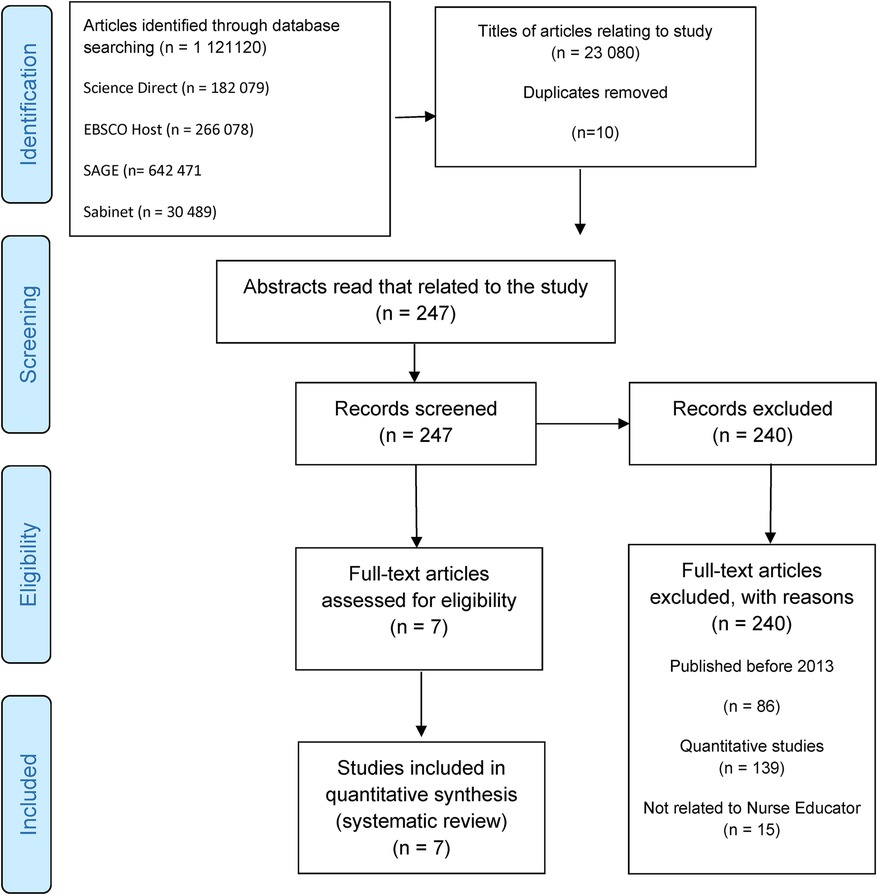
Figure 1. Search strategy and selection of articles.
Quality appraisal
The STARLITE evaluation instrument (30) was used to appraise the articles included in this study. The mnemonic STARLITE (sampling strategy, type of study, approaches, range of years, limits, inclusion and exclusions, terms used, electronic sources) conveys the essential elements for reporting literature searches (30). The three authors independently used the STARLITE tool and measured each article under the criteria of Compliant (2), Partially compliant (1) and Non-compliant (0). The evaluation was conducted using a rating scale: if the article fully met the criteria stipulated, two marks were allocated; if the criteria were partially met, one mark was allocated; and when the criteria were not met, a zero mark was allocated. A percentage was awarded for each article.
Data abstraction
The three authors read and localised the included articles according to Noblit and Hare's (27) the third step. This was done to understand the individual studies’ themes and metaphors. Each author's themes and metaphors were combined and reported in a single document.
Synthesis
The authors read and re-read the articles before the data extraction and synthetisation (31). An independent coder participated with the authors in coding the data and identifying the metaphors and themes (32). The study's credibility was ultimately enhanced by gaining input from the independent coder. Direct quotations supporting the themes were then included in the report on the themes of the nurse educators’ work-life integration and how work-life balance can be achieved. Relationships between the results of each study were also established, as indicated in step 4 by Noblit and Hare (27). Thematic analysis was employed to analyse the themes and metaphors across the articles. Themes translating differences and similarities were clustered, and the findings were synthesised.
Results
Study characteristics
Articles selected for this study span from January/February 2014 to January 2023, encompassing various scholarly contributions. Among the selected articles, one was published in 2014, another in January 2015, and two in 2016. Subsequently 2019, two additional articles emerged, delving into the research phenomenon, followed by a solitary publication in January 2023. The methodological diversity within these articles is striking, reflecting a multifaceted approach to inquiry. One article adopted a phenomenological lens, delving into the lived experiences of nurse educators, while another embraced a hermeneutic perspective, unravelling the interpretive dimensions of their narratives. Methodological frameworks varied further, with studies employing descriptive methodologies, appreciative inquiry, grounded theory, and storytelling approaches. Additionally, one study pursued an exploratory trajectory, probing novel avenues within the realm of work-life integration among nurse educators.
Geographically, the studies exhibited a notable distribution, with three conducted in Australia and four spanning different states. This geographic diversity enriches the study's scope, capturing nuances and perspectives that reflect varied socio-cultural contexts. Comprehensive details regarding the characteristics of these studies are meticulously presented in Table 1.
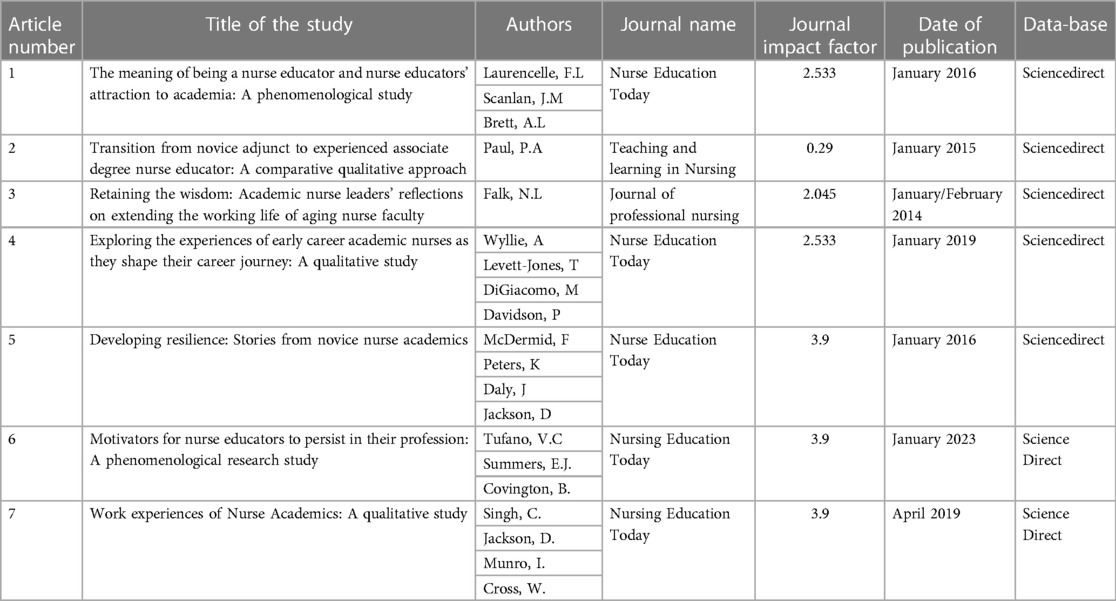
Table 1. Author and article information.
Quality appraisal
The quality of the articles ranged from 25% to 81%. An interrater agreement and consensus were reached between the three authors after discussion. Table 2 shows the STARLITE scores for each of the articles.
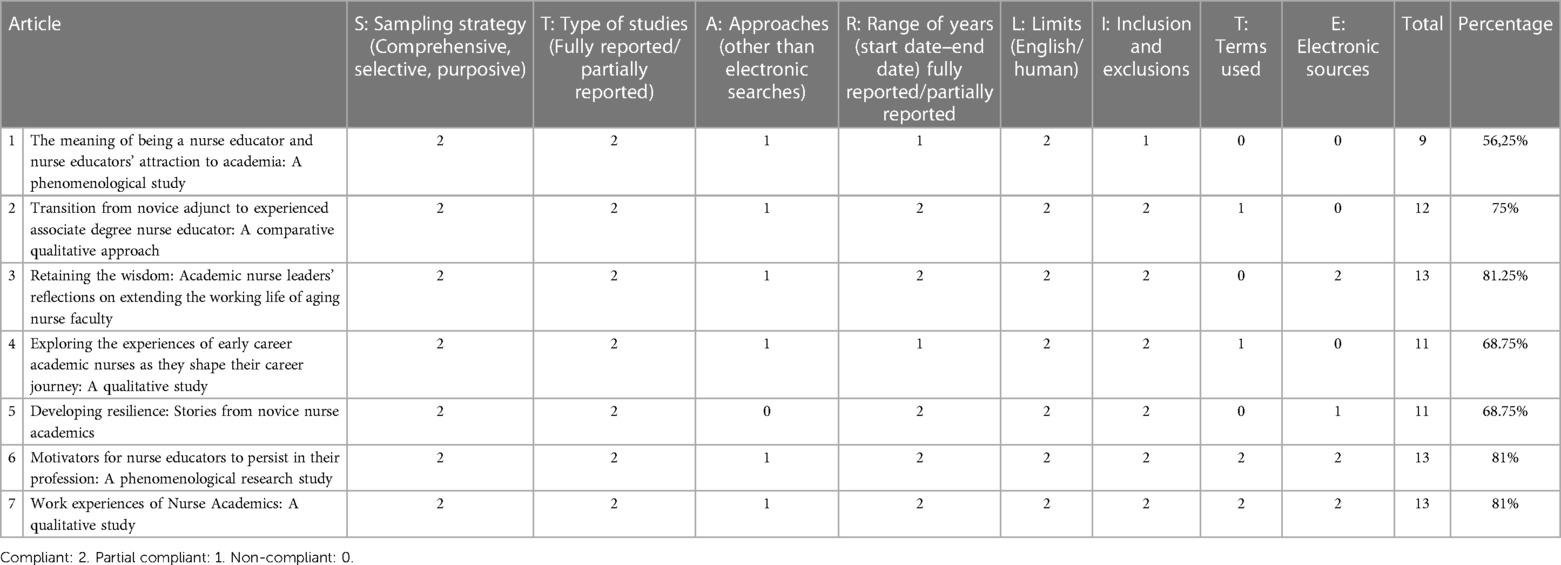
Table 2. Starlite evaluation.
Data abstraction
Data, including author details, year of publication, country, research design and methods, and characteristics of participants, were extracted by all the authors independently into Table 3.
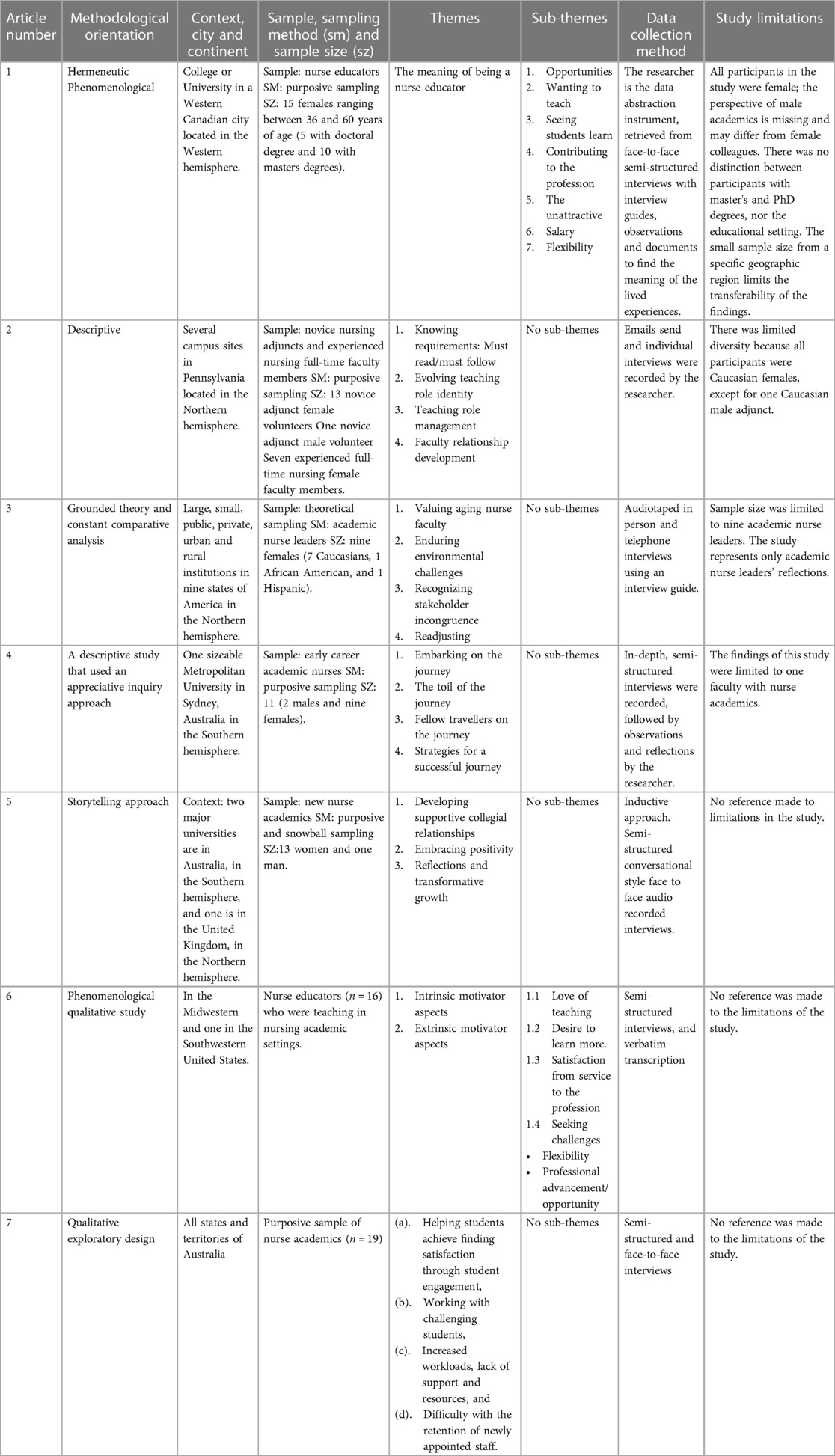
Table 3. Characteristics of the primary studies included in the study.
Synthesis of participant quotes
The study explored seven scholarly articles thoroughly, meticulously dissecting their insights to glean a nuanced understanding of work-life integration within the domain of nurse education. Employing a systematic thematic analysis, the authors meticulously unearthed key themes and subthemes, illuminating the multifaceted nature of this phenomenon.
Central to the findings were two overarching dimensions: nurse educators’ work integration and personal lives. Within the realm of work integration, the study uncovered a spectrum of experiences, from the allure of conducive teaching environments to the intricacies of professional relationships. These findings were further nuanced through the delineation of subthemes, which underscored the dichotomy between favourable and challenging aspects. Nurse educators celebrated the enriching environments conducive to teaching and learning alongside the camaraderie forged among peers. Conversely, they grappled with role ambiguity, workplace conflict, and the nuanced task of evaluating student performance.
In parallel, the study delved into the personal lives of nurse educators, shedding light on the delicate interplay between parenthood, academic pursuits, and emotional well-being. Here, the discourse reflected the compatibility of familial roles with the demands of academia, the significance of environmental comfort, and the myriad emotions underpinning the academic journey.
A poignant metaphor emerged from the analysis, likening the pursuit of work-life equilibrium to the art of riding a bicycle. Much like the harmonious synchronization of its various components propels a bicycle forward, successful work-life integration hinges on the delicate balance and alignment of the diverse facets of a nurse educator's life. This metaphor encapsulates the essence of the study's findings, underscoring the imperative of holistic integration in navigating the complexities of professional and personal spheres.
Description of the findings: themes and sub-themes
The research data were thoroughly analysed to identify specific factors related to work-life integration among nurse educators. The findings were grouped into themes, subthemes, and categories, allowing for a structured presentation of the results. Two predominant themes emerged from the analysis: work integration of nurse educators and life integration of nurse educators. Table 4 summarises the themes and sub-themes related to this population's work-life integration.

Table 4. A summary of themes and sub-themes of work-life integration of nurse educators.
Theme 1: Work integration of nurse educators
This theme explored the physical work environment and professional relationships nurse educators encountered. It encompassed both attractive and unattractive elements.
Subtheme 1.1: The Attractive Work Environment of Teaching and Learning in Nursing Education
This subtheme highlighted nurse educators’ commitment to preparing students for success and their role in self-discovery and fulfilling learning needs. Quotes from the articles supported the significance of teaching as a means of contributing to the nursing profession and positively impacting patient care.
“The comfort of knowing the operation of the clinical affiliation and familiarity of the organization and campus setting increased personal security in the teaching role.” (33)
“I do get a feeling of reward knowing that I'm involved with preparing graduates who are educated, skillful, ethical”. (34)
“What motivated me was a couple of things. First and fore most my initial career goals were to be either a nurse or a teacher. Knowing that I couldn't do both or that it wasn't really practical, I felt that maybe this might be a good way to marry the two professions. And I've always wanted to, I kind of thought that it would be really neat to be teaching nurses and kind of marry those two professions in that way.” (NE 7) (35)
Subtheme 1.2: The Attractive Relationship Journey among Nurse Educators
Nurse educators’ relationship journey was romanticised and seen as attractive, with strategies for success, reflections leading to transformative growth, and narratives of career-oriented academics. The ability to adapt, persevere, and belong to a research team were emphasised as key strategies for a successful journey.
“One of the strategies viewed by the participants as key to academic career development was adaptability and the ability to “bend and adjust”. This was explained in several different ways, for example, one of the participants said: “you’ve got to be really flexible”, “be willing to take risks and be wrong” and “to keep reinventing things or to be on that continual cycle of regeneration, improvement”” (36)
“All adjuncts verbalized the importance of preparation for class/laboratory/clinical and their love to teach.” (33)
“I look back and I remember being terrified. I got sent the class outline a couple of days before…. I stood in front of this classroom of students thinking ‘I can't do this; I'm a nurse not a teacher! ….but you know as nurses we tend to just roll with the punches and we just sort of go in and do it ….and I did.” (37)
Subtheme 1.3: Unattractive Interpersonal Behaviours among Nurse Educators in the Workplace
This subtheme addressed role recognition, conflicts between nursing service and teaching, and the complexity of student evaluation.
“Novices discussed being in a familiar hospital provided an extra layer of transitional comfort to the position. Although this was also acknowledged by full-time faculty, there was concern of role conflict between the nursing service and teaching roles, and this could occur if placed on the same unit, potentially causing “a conflict of interest” and affecting clinical staff interaction.” (33)
“Complexity of evaluation emerged as a major category by the experienced full-time members. “It’s one of the hardest things we do.” Many verbalized that the adjuncts were not taught how to give student feedback, were not confident about the evaluation process, feared the student appeal process, and desired to be liked and keep the student happy. This coincided with the category of role conflict between teacher and student friend” (33)
“I think there is a tension…that is a by-product of us trying. It is that continual need to be sure that our pedagogies engage this generation, whatever this generation’s quirks are.” (38)
Subtheme 1.4: Nurse Educators’ Unattractive External Environment
The nurse educators’ external environment presented unattractive elements, such as narratives of subordination, the toil of the journey, expectations for women in the academy, and challenges related to nursing curricula and syllabi.
“I can lose a day answering emails, several times a week. Because the students have the expectation that you will respond to them quickly, and the university just spews out emails all the time.” (39)
“All of the participants recognized that a career in academia required them “to work long hours” and “out of hours”; ultimately causing each academic to ask themselves ‘how hard do I want to work?’ Concerns about workload were illustrated, in part, by the attrition of two of the participants leaving shortly after the first set of interviews. Their thoughts had become clarified as result of the “all-consuming administration” and decided to take up other job opportunities that gave more time to pursue their passion in clinical research.” (36)
Theme 2: Life integration of nurse educators
This theme focused on the nurse educators’ personal and family life aspects. It considered the alignment of parenthood and academia, the influence of environmental comfort, and the emotions and feelings nurse educators experienced in their academic careers.
Subtheme 2.1: The Attractive Alignment of Parenthood and Academia
The alignment of parenthood and academia was considered attractive, with environmental comfort acting as a protective element. Nurse educators found comfort in familiar hospital settings and relied on clear boundaries to manage their workload.
“I had young children…the long hours working in the hospital and all the different shifts, the holidays were gone” (34)
“Novices who felt comfortable calling and communicating with the facilitator or other full-time faculty had a more positive experience” (33)
Subtheme 2.2: The Ultimate Costs of Downplaying Parenthood in Academia
The cost of parenthood in academia was evident, with participants feeling the need to “pass” as the ideal worker by downplaying their parenthood status. The world of academics and family life often merged, requiring a delicate balance from nurse educators
“At work, as long as I was not talking about my children or associated with an item to remind others of my motherhood status (e.g., stroller), I could “pass” as the ideal worker” (40)
The study's findings reflected nurse educators’ complexities and challenges in integrating their work and personal lives. The thematic analysis revealed positive and negative aspects of work-life integration, providing valuable insights for addressing these challenges and enhancing this population's well-being.
Discussion
The intersection of parenthood and academia among nurse educators is rich in rewards and challenges. Montero-Diaz (40) eloquently delineates the myriad advantages of the academic realm, including flexible work hours, autonomous time management, and the opportunity to pursue profound passions within one's career trajectory. Moreover, insights from Guy and Arthur (41) underscore the profound significance of motherhood within academia, revealing that despite encountering formidable obstacles, mothers in this sphere cherish the invaluable moments spent with their children. Wilton and Ross (42) further corroborate these sentiments, emphasising the quest for fulfilling workplace experiences that complement motherhood's multifaceted roles.
Nevertheless, alongside these attractive facets lie profound challenges for female nurse educators. The pervasive influence of motherhood on women's academic trajectories is evident (43), particularly for those in the throes of balancing professional pursuits with childcare demands. Indeed, the landscape appears daunting for working mothers, with the prospects varying significantly depending on geographical location and institutional support systems (44). Confronted with restrictive structures and enduring stereotypes, working mothers contend with pervasive societal judgments that permeate academic spheres (45).
Inequities entrenched within higher education institutions exacerbate these challenges, perpetuating what is colloquially termed “motherhood penalties” (46). Navigating multiple roles places mothers at a distinct disadvantage, amplifying the strain of reconciling workplace demands with the rigours of academic life (43). Wilton and Ross (42) echo these sentiments, highlighting the sacrifices made by both men and women in academia to strike a delicate equilibrium between professional commitments and familial responsibilities.
Keefe (47) advocates for a bimodal approach among nurse educators that prioritizes a holistic legacy encompassing the traditions of higher education—spanning research, teaching, and community engagement. This paradigmatic shift underscores the imperative of nurturing a balanced, healthy work-life integration, resonating with broader societal aspirations. Similarly, Weinstein (48) underscores the indispensable need for self-care amidst the intricacies of professional and personal domains, advocating for more outstanding agency in navigating the delicate interplay between these spheres.
The discourse surrounding work-life integration among nurse educators illuminates the complex interplay between personal fulfillment, professional aspirations, and societal expectations. As the field continues to evolve, fostering an inclusive environment that prioritizes holistic well-being emerges as an imperative, underscoring the need for concerted efforts to recalibrate institutional structures and societal norms.
Strengths and limitations
Seven studies were retrieved for this meta-synthesis, and their credibility was confirmed using STARLITE. Most of the studies were compliant with the criteria indicated on the STARLITE. The findings from the seven studies concur regarding nurse educators’ challenges and experiences of work-life integration. No studies were conducted in Africa on this topic, calling for research of this nature to be conducted in this region. Another limitation is that only English articles were included in the review. Most of the articles were published in nursing education journals or nursing practice journals, which may have led to an omission of possible valuable information outside the abovementioned journals.
Conclusion
Nurse educators navigate a complex landscape where work demands often clash with personal aspirations. Despite the pervasive challenges in balancing these spheres, nurse educators tend to internalise their struggles as personal failings rather than acknowledging systemic barriers (49). This self-perception not only exacerbates the strain on their mental well-being but also underscores the urgent need for supportive work environments conducive to harmonising professional responsibilities with personal life. Trepal and Stinchfield (50) advocate for individual accountability in delineating boundaries between work and personal domains, yet the onus cannot solely rest on the shoulders of educators. Academic institutions must proactively enhance workplace policies, including provisions for improved maternity leave, accessible childcare options, and robust social support systems. Such initiatives are pivotal in alleviating nurse educators’ burdens and fostering an environment where work-life integration thrives. Effective leadership from line managers is paramount. By demonstrating empathy and offering encouragement, managers can cultivate a culture of understanding that empowers nurse educators to confront and navigate personal challenges with resilience.
In essence, this study serves as a clarion call to action. It implores academic institutions and employers to recognise the profound impact of work-life integration on the well-being of nurse educators. By instituting supportive policies and nurturing empathetic leadership, we can pave the way for a future where nurse educators flourish both personally and professionally.
Data availability statement
The original contributions presented in the study are included in the article/Supplementary Material, further inquiries can be directed to the corresponding author.
Ethics statement
The research received clearance from the Higher Degree Committee, Faculty of Health Sciences, University of Johannesburg (HDC 01-76-2017).
Author contributions
SE: Conceptualization, Data curation, Formal Analysis, Investigation, Methodology, Project administration, Validation, Writing – original draft. CD: Conceptualization, Investigation, Methodology, Supervision, Validation, Writing – original draft, Writing – review & editing. NN: Conceptualization, Investigation, Methodology, Supervision, Validation, Writing – original draft, Writing – review & editing.
Funding
The author(s) declare that no financial support was received for the research, authorship, and/or publication of this article.
Acknowledgments
DDR for her input and ensuring the authors had all the needed articles.
Conflict of interest
The authors declare that the research was conducted in the absence of any commercial or financial relationships that could be construed as a potential conflict of interest.
Publisher's note
All claims expressed in this article are solely those of the authors and do not necessarily represent those of their affiliated organizations, or those of the publisher, the editors and the reviewers. Any product that may be evaluated in this article, or claim that may be made by its manufacturer, is not guaranteed or endorsed by the publisher.
References
1. Malterud K. Qualitative Metasynthesis: A Research Method for Medicine and Health Sciences. Abingdon, Oxon: Routledge (2019).
2. Major CH, Savin-Baden M. An introduction to Qualitative Research Synthesis Managing the Information Explosion in Social Science Research. London: Routledge (2010).
3. Hannes K, Booth A, Harris J, Noyes J. Celebrating methodological challenges and changes: reflecting on the emergence and importance of the role of qualitative evidence in cochrane reviews. Syst Rev. (2013) 2:1. doi: 10.1186/2046-4053-2-84
4. Toye F, Allcock N, Briggs M, Carr E, Barker K. Meta-ethnography 25 years on: challenges and insights for synthesising a large number of qualitative studies. BMC Med Res Methodol. (2014) 14:1. doi: 10.1186/1471-2288-14-80
5. Frone MR. Work-family balance. In: Quick JC, Tetrick LE, editors. Handbook of Occupational Health Psychology. Washington, DC: American Psychological Association (2003). p. 143–62. doi: 10.1037/10474-007
6. Prasad V. Work-Life balance among human resources, emerging trends in select corporate businesses in India and abroad- A study. Inter J Res Commerce Manag. (2012) 3(2):51–60.
7. Rawal DM. Work life balance among female school teachers [K-12] delivering online curriculum in noida [India] during COVID: empirical study. Manag Educ. (2021) 37(1):37–45. doi: 10.1177/0892020621994303
8. Bataineh KA. Impact of work-life balance, happiness at work, on employee performance. Inter Bus Res. (2019) 12(2):99. doi: 10.5539/ibr.v12n2p99
9. Carlson DS, Michele Karmar K, Grzywacz JG, Tepper BJ, Whitten GD. Work-family balance and supervisor appraised citizenship behavior: the link of positive affect. J Behav Applied Manag. (2013) 14:2. doi: 10.21818/001c.17924
10. Wayne JH, Butts MM, Casper WJ, Allen TD. In search of balance: a conceptual and empirical integration of multiple meanings of work-family balance. Pers Psychol. (2016) 70(1):167–210. doi: 10.1111/peps.12132
11. Wolor CW, Kurnianti D, Zahara SF, Martono S. The importance of work-life balance on employee performance millennial generation in Indonesia. J Crit Rev. (2020) 7(09):1103–8. doi: 10.31838/jcr.07.09.203
12. Akanji B, Mordi C, Simpson R, Adisa TA, Oruh ES. Time biases: exploring the work–life balance of single Nigerian managers and professionals. J Manag Psychol. (2020) 35(2):57–70. doi: 10.1108/jmp-12-2018-0537
13. Dhas B. A report on the importance of work-life balance. Int J Appl Eng Res. (2015) 10(9):21659–65.
14. Le H, Newman A, Menzies J, Zheng C, Fermelis F. Work–life balance in Asia: a systematic review. Hum Res Manag Rev. (2020) 30(4):100766. doi: 10.1016/j.hrmr.2020.100766
15. Rodríguez-Sánchez JL, González-Torres T, Montero-Navarro A, Gallego-Losada R. Investing time and resources for work–life balance: the effect on talent retention. Int J Environ Res Public Health. (2020) 17(6):1920. doi: 10.3390/ijerph17061920
16. Dousin O, Collins N, Bartram T, Stanton P. The relationship between work-life balance, the need for achievement, and intention to leave: mixed-method study. J Adv Nurs. (2021) 77:1478–89. doi: 10.1111/jan.14724
17. Vair H. The discourse of balance: balance as metaphor and ideology. Can Rev Sociol. (2013) 50(2):154–77. doi: 10.1111/cars.12010
18. Newhouse R, Pereira K, Berry D, Burson R, Dorough ED, Johnson B, et al. Defining scholarship for academic nursing. J Prof Nurs. (2018) 34(3):149–56. doi: 10.1016/j.profnurs.2018.04.004
19. Bvumbwe T, Mtshali N. Nursing education challenges and solutions in sub saharan Africa: an integrative review. BMC Nurs. (2018) 17(3). doi: 10.1186/s12912-018-0272-4
20. Pasay-ana EA, Pangketb PP, Niallac JY, Laban LB. Work-life balance among nurse educators towards quality life: a mixed method study. Int J Sci. (2014) 18:386–401.
21. Diego-Medrano E, Salazar LR. Examining the work-life balance of faculty in higher education. Int J Soc Pol Educ. (2021) 20(5):71–83.
22. Farber J, Payton C, Dorney P, Colancecco E. Work-life balance and professional quality of life among nurse faculty during the COVID-19 pandemic. J Prof Nur. (2023) 46:92–101. doi: 10.1016/j.profnurs.2023.03.005
23. Farber JE, Payton C, Dorney P. Life balance and professional quality of life among baccalaureate nurse faculty. J Prof Nurs. (2020) 36(6):587–94. doi: 10.1016/j.profnurs.2020.08.010
24. Lakkoju S, Jeyalakshmi R. Factors influencing work-life balance of women educators: a case study. Indian J Ind Relat. (2015) 51(2):267–84. Available online at: http://www.jstor.org/stable/43974571
25. Riess D, Mersiovsky A, Gruhn C. Nurse educators perceptions and self-efficacy in response to COVID-19: a scoping review. Nurse Educ. (2023) 48(2):E47–52. doi: 10.1097/NNE.0000000000001342
26. Finfgeld-Connett D. A Guide to Qualitative Meta-Synthesis. 1st ed. New York: Routledge (2018). doi: 10.4324/9781351212793
27. Noblit GW, Hare RD. Meta-ethnography: Synthesizing Qualitative Studies. California: Sage Publications Ltd (1988).
28. Dixon-Woods M, Booth A, Sutton AJ. Synthesizing qualitative research: a review of published reports. Qual Res. (2007) 7:375–422. doi: 10.1177/1468794107078517
29. Paterson BL. “It looks great but how do I know if it fits?”: an introduction ton meta-synthesis research. Synthesizing Qual Res: Choosing Right Approach. (2011) 16:1–20. doi: 10.1002/9781119959847.ch1
30. Booth A. “Brimful of STARLITE”: toward standards for reporting literature searches. J Med Libr Assoc. (2006) 94(4):421–e205.17082834
31. Boland A, Cherry MG, Dickson R. Doing a Systematic Review: A Student’s Guide. 2nd ed. Los Angeles: SAGE (2017).
32. Lachal J, Revah-Levy A, Orri M, Moro MR. Metasynthesis: an original method to synthesize qualitative literature in psychiatry. Front Psychiatry. (2017) 8:269. doi: 10.3389/fpsyt.2017.00269
33. Paul P A. Transition from novice adjunct to experienced associate degree nurse educator: a comparative qualitative approach. Teach Learn Nurs. (2015) 10(1):3–11. doi: 10.1016/j.teln.2014.09.001
34. Tufano VC, Summers EJ, Covington B. Motivators for nurse educators to persist in their profession: a phenomenological research study. Nurse Educ Today. (2023) 123:1–8. doi: 10.1016/j.nedt.2023.105725
35. Laurencelle FL, Scanlan JM, Brett AL. The meaning of being a nurse educator and nurse educators attraction to academia: a phenomenological study. Nurse Educ Today. (2016) 39:135–40. doi: 10.1016/j.nedt.2016.01.029
36. Wylliea A, Levett-Jonesa T, DiGiacomob M, Davidson P. Exploring the experiences of early career academic nurses as they shape their career journey: a qualitative study. Nurse Educ Today. (2019) 76:68–72. doi: 10.1016/j.nedt.2019.01.021
37. McDermid F, Peters K, Daly J, Jackson D. Developing resilience: stories from novice nurse academics. Nurse Educ Today. (2016) 38:29–35. doi: 10.1016/j.nedt.2016.01.002
38. Falk NL. Retaining the wisdom: academic nurse leaders reflections on extending the working life of aging nurse faculty. J Prof Nurs. (2014) 30(1):34–42. doi: 10.1016/j.profnurs.2013.06.012
39. Singh C, Jackson D, Munro I, Cross W. Work experiences of nurse academics: a qualitative study. Nurse Educ Today. (2021) 106:1–6. doi: 10.1016/j.nedt.2021.105038
40. Montero-Diaz F. Swimming upstream: balancing motherhood, academia and well-intentioned policies. Ethnomusicology Forum. (2020) 29(3):292–5. doi: 10.1080/17411912.2020.1873558
41. Guy B, Arthur B. Academic motherhood during COVID-19: navigating our dual roles as educators and mothers. Gender Work Organ. (2020) 27:887–99. doi: 10.1111/gwao.12493
42. Wilton S, Ross L. Flexibility, sacrifice and insecurity: a Canadian study assessing the challenges of balancing work and family in academia. J Fem Fam Ther. (2017) 29(1-2):66–87. doi: 10.1080/08952833.2016.1272663
43. Hillier KM. Academia and motherhood: a narrative inquiry of Ontario academic mothers experiences in university graduate programs. J Fam Issues. (2023) 44(6):1597–621. doi: 10.1177/0192513X211064864
44. Gonçalves K. What are you doing here, I thought you had a kid now? The stigmatisation of working mothers in academia: a critical self-reflective essay on gender, motherhood and the neoliberal academy. Gen Lang. (2019) 13(4):469–87. doi: 10.1558/genl.37573
45. CohenMiller A. Performing, passing, and covering motherhood in academic spaces: a heartful autoethnography. LEARNing Landscapes. (2020) 13:97–114. doi: 10.36510/learnland.v13i1.1006
46. Correll SJ, Benard S, Paik I. Getting a job: is there a motherhood penalty? Am J Sociol. (2007) 112(5):1297–338. doi: 10.1086/511799
47. O'Keefe C. Nurse educators: can we model life/work balance? Keefe J Prof Nurs. (2013) 29(5):253–4. doi: 10.1016/j.profnurs.2013.08.002
48. Weinstein SM. Life balance in the “on-call” world. Radiol Nurs. (2016) 35(1):37–42. doi: 10.1016/j.jradnu.2015.11.002
49. Toffoletti K, Starr K. Women academics and work–life balance: gendered discourses of work and care, Gender, Work and Organization. Wiley Blackwell. (2016) 23(5):489–504. doi: 10.1111/gwao.12133
Keywords: work-life balance, nurse educator, systematic review, faculty (MeSH), nurse academic
Citation: Erasmus S, Downing C and Ntshingila N (2024) Work-life integration among nurse educators: a meta-synthesis. Front. Glob. Womens Health 5:1287484. doi: 10.3389/fgwh.2024.1287484
Received: 1 September 2023; Accepted: 25 April 2024;
Published: 30 May 2024.
Edited by:
Gisela Van Rensburg, University of South Africa, South AfricaReviewed by:
Nelouise Geyer, University of the Witwatersrand, South AfricaSugarmaa Myagmarjav, Mongolian National University of Medical Sciences, Mongolia
© 2024 Erasmus, Downing and Ntshingila. This is an open-access article distributed under the terms of the Creative Commons Attribution License (CC BY). The use, distribution or reproduction in other forums is permitted, provided the original author(s) and the copyright owner(s) are credited and that the original publication in this journal is cited, in accordance with accepted academic practice. No use, distribution or reproduction is permitted which does not comply with these terms.
*Correspondence: Charlene Downing, Y2hhcmxlbmVkQHVqLmFjLnph