 Miguel Ángel Vargas-Benítez1
 Francisco José Izquierdo-Espín2*Nuria Castro-Martínez3José L. Gómez-Urquiza4
 Luis Albendín-García5,6Almudena Velando-Soriano1
 Guillermo A. Cañadas-De la Fuente7,8
- 1San Cecilio Clinical University Hospital, Granada, Spain
- 2Critical Care Unit, General University Hospital of Jaén, Jaén, Spain
- 3Internal Medicine Service, General University Hospital of Jaen, Jaén, Spain
- 4School of Health Sciences, University of Granada, Cortadura del Valle s/n, Ceuta, Spain
- 5Casería de Montijo Health Centre, Granada-Metropolitan Health District, Granada, Spain
- 6Instituto de Investigación Biosanitaria (ibs.GRANADA), Granada, Spain
- 7School of Health Sciences, University of Granada, Granada, Spain
- 8Brain, Mind and Behaviour Research Centre (CIMCYC), University of Granada, Granada, Spain
Background: A difficult and demanding work environment, such as that often experienced in healthcare, can provoke fatigue, anxiety, distress, and discomfort. This study considers factors that may influence levels of burnout and work engagement among nurses and seeks to determine the relationship between these conditions.
Method: A systematic scoping review was performed, in accordance with the PRISMA Extension for Scoping Reviews, based on data obtained from a search of the PubMed/MEDLINE and Scopus databases carried out in 2022 using the search equation: “work engagement AND nurs* AND burnout.” This search identified nine quantitative primary studies suitable for inclusion in our analysis.
Results: Work overload, type of shift worked, and/or area of hospital service, among other elements, are all relevant to the development of burnout. This syndrome can be countered by social support and appropriate personal resources and values, which are all positively associated with work engagement. Our analysis revealed a significant correlation between work engagement and the different domains of burnout. The correlation effect size between burnout and work engagement was −0.46 (95% CI −0.58, −0.31), with p < 0.001.
Conclusion: Well-targeted interventions in the healthcare work environment can reduce burnout levels, strengthen work engagement, and enhance the quality of healthcare.
1. Introduction
In nursing, highly complex tasks must be performed and decisions are taken in situations that are often difficult and stressful. Moreover, appropriate attention must be provided not only to patients but also to visiting family members. The working environment can include long days, rotating shifts, a severe emotional burden, and sometimes aggression expressed by patients, their families, or even colleagues (1). If this circumstance persists for an extended period of time, it can provoke fatigue, anxiety, distress, and discomfort, any or all of which may reduce the quality of care provided and heighten the probability of error. In such a case, there may be an evident imbalance between the human resources available and the demands placed on them (2).
The tasks performed by nurses are determined, on the one hand, by the day-to-day healthcare demands encountered, and on the other hand, by the resources available—personal, situational, and organizational. This balance is reflected in the job demands–resources model (JD-R) (3). Occupational demands may be physiological and/or psychological, and each type imposes a cost on the individual. In many situations, workers are subjected to stress and heavy workloads, although these may be counteracted by the application of situational resources (4), such as companionship, autonomy, opportunities to learn, institutional recognition, and the possibility of promotion, as well as personal resources such as resilience, self-efficacy, and optimism (5). Both types of resources help the professional adapt to the work environment, fostering the ability to cope (6), generating motivation and work engagement (WE), and thus reducing the probability of burnout (7, 8).
Burnout is a consequence of long-term harmful stress in the workplace. If the individual lacks resources to deal with this situation, the response made may be maladaptive and prolonged (9). Maslach and Leiter defined three domains of burnout syndrome: emotional exhaustion, depersonalization, and low personal accomplishment (10). It may be counteracted, however, by high levels of WE, that is, a state of satisfaction, commitment, and motivation. This, too, consists of three domains: vigor (effort, self-generated energy, and resolve), dedication (exaltation, empowerment, and active assistance), and absorption (immersion and high levels of concentration in the activity being performed) (11).
Traditionally, the concepts of burnout and WE have been considered opposing and independent. Paradoxically, however, some studies have observed the simultaneous presence of burnout (12) and WE (13–15), which suggests that these concepts, while independent, have a certain negative correlation (3, 16). Nevertheless, demanding occupational conditions are associated with burnout, while the availability of appropriate resources contributes to WE (16), although the beneficial impact of these resources varies according to the population considered and the environment in question.
As members of the multidisciplinary team in critical and emergency care services, nurses play a vital role in improving the quality of care and in reducing morbidity, mortality, and their associated health costs (17). Moreover, incorporating nurses into the multidisciplinary oncology team benefits the team's overall performance and can shorten the duration of treatment (18). Therefore, a good understanding of the working conditions experienced by nurses and other health workers will facilitate an organizational approach to help prevent burnout and foster WE, thus enhancing the care provided (19).
In summary, the aim of this study is to identify and analyse the factors that affect WE and burnout in nurses and then to determine the relationship between these reactions to the occupational environment.
2. Methods
2.1. Search strategy
A systematic scoping review was performed, in accordance with the PRISMA Extension for Scoping Reviews (20), based on data obtained from a search of the PubMed/MEDLINE and Scopus databases carried out in September 2022 using the Medical Subject Headings (MeSH search equation: “work engagement AND nurs* AND burnout”).
2.2. Inclusion and exclusion criteria
The following inclusion criteria were applied:
- Primary full-text sources in English or Spanish.
- Quantitative articles with sample populations of nurses.
- Articles that measure the correlation between WE and burnout, or establish their predictive characteristics.
- Studies published between 2016 and 2022.
The exclusion criteria were as follows:
- Doctoral thesis.
- Articles with mixed samples without independent data on the nursing staff.
- Articles whose main objective is not correlated with the subject of study.
The selection of articles for analysis was carried out in three steps: First, the titles and abstracts were read, followed by a full-text reading of those remaining for analysis. Finally, a critical reading was conducted of each text finally selected, in order to assess the method applied and to detect any publication bias.
2.3. Level of evidence
The quality of the studies included in this review was assessed in accordance with the levels of evidence and degrees of recommendation stipulated by the Oxford Centre for Evidence-Based Medicine (OCEBM) (21).
2.4. Variables, data collection, and data analysis
The following data, obtained from each study/article, are summarized in Table 1: (1) author, year of publication, country of the study; (2) design; (3) sample; (4) results; (5) level of evidence (OCEBM); and (6) grade of recommendation (Table 1). A correlation effect size meta-analysis was calculated using StatsDirect software. Random effects were used for the calculation, and heterogeneity was assessed by i2. The Egger test was used to test for publication bias, and a sensitivity analysis was performed to check that none of the studies significantly affected the effect size.
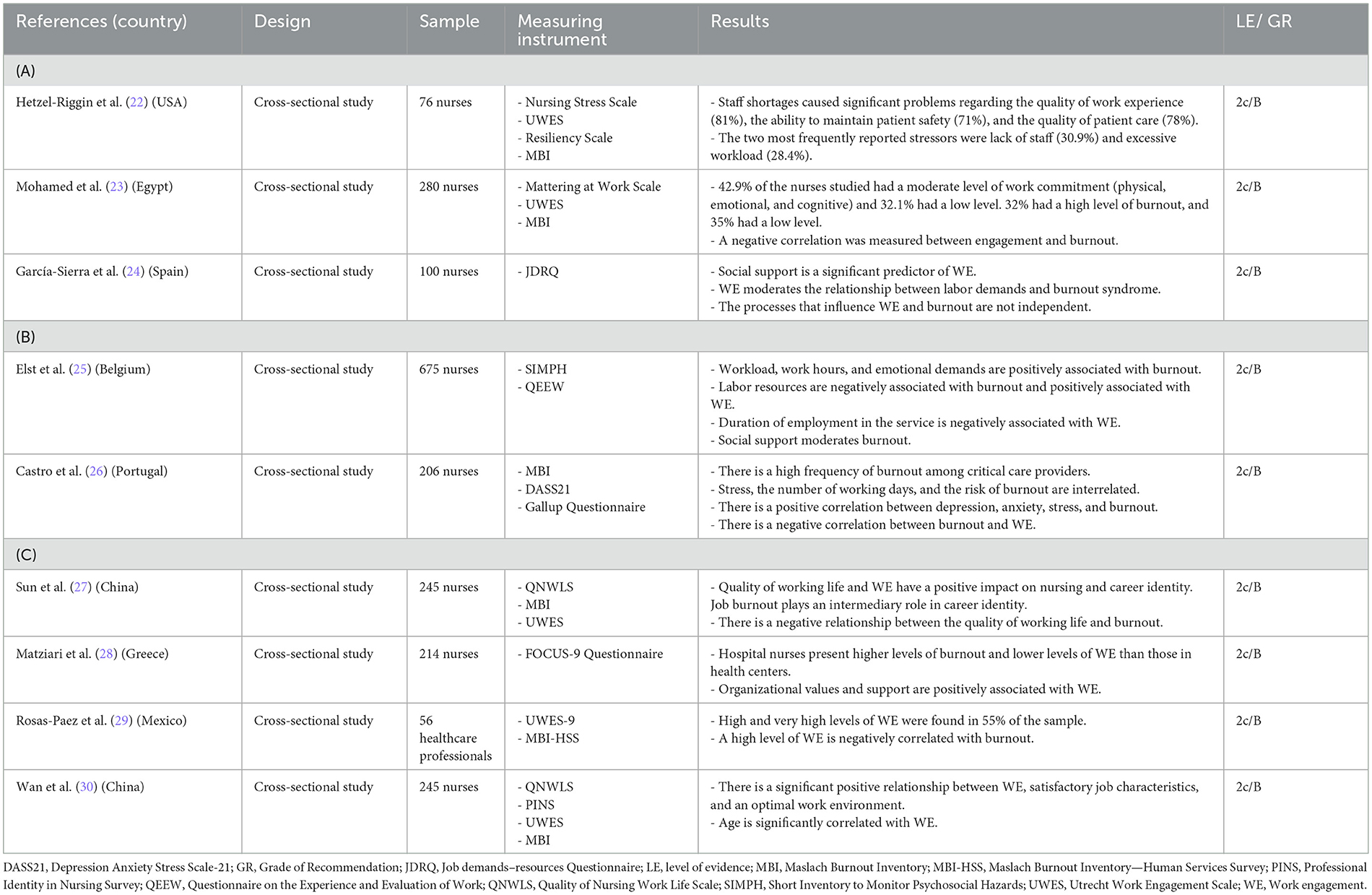
Table 1. General information on the studies considered.
3. Results
The literature search obtained 404 articles. After excluding duplicates and applying the inclusion and exclusion criteria, 65 remained for full-text reading. This led to a further 58 being excluded, leaving seven for the final analysis review. In addition, a reverse search performed on these articles led to another two being included. Thus, nine studies were finally reviewed (Figure 1).
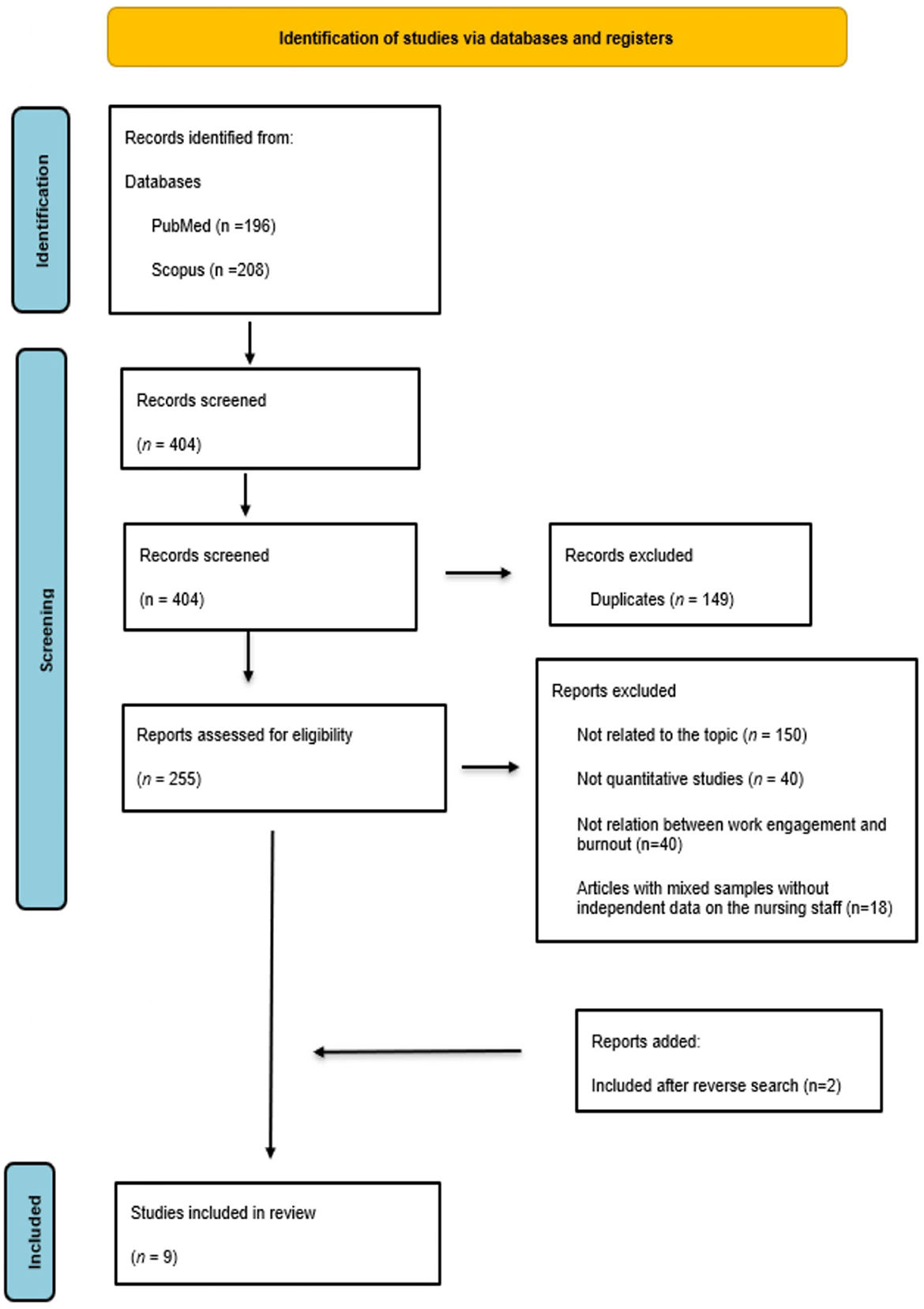
Figure 1. PRISMA flowchart of the study selection process. Adapted from Page et al. (31), licensed CC-BY-4.0.
3.1. Burnout risk factors
Among the burnout risk factors for nurses, a positive correlation was observed between emotional exhaustion (a dimension of burnout) and workload. This dimension was also aggravated by emotional demands on the nurses. The longer the nurses had been employed in the service, and the more prolonged or unstable their working hours (for example, in the form of rotating shifts), the more likely they were to suffer burnout (25). Nurses who work in critical care units are more liable to suffer burnout than those working in other departments. Other factors that are positively associated with the presence of burnout syndrome include lengthy work schedules, anxiety, depression, stress, and problems with interpersonal relationships (26). Finally, a strong correlation between burnout and workload has been reported, with the latter being a significant predictor of the syndrome (26, 32).
3.2. Protective factors of work engagement
According to the studies analyzed, good organizational values and practices, together with support from co-workers and leaders, are positively correlated with the WE of healthcare professionals. Vigor and dedication, which both contribute to WE, are positively associated with the presence of clearly stated corporate objectives, rules, and procedures (28). Other factors that favor WE include control over one's work, decision-making powers and abilities, the development of professional skills, the perception of social support, and the existence of learning opportunities—in short, satisfactory job quality (25–27, 32).
Nurses working in surgical areas tend to present greater WE than those in emergency or medical care units. Moreover, hospital nurses often have lower levels of WE than those who work in health clinics (28). The specific characteristics of the job and the work environment, and even the age of the individual may also influence the development or otherwise of WE (30).
3.3. Correlation between work engagement and the dimensions of burnout
The dimensions of burnout considered were emotional exhaustion, depersonalization, and low personal accomplishment, while those of WE were vigor, dedication, and absorption.
Low levels of vigor are associated with a high risk of developing burnout due to emotional exhaustion (a perfect linear correlation has been reported in this respect). Burnout may also arise from low personal fulfillment, even if high levels of vigor are reported. Among the professionals who present low or very low dedication, there is a very high probability (90–100%) of burnout due to emotional exhaustion (23).
In addition, vigor is a significant negative predictor of emotional exhaustion, while absorption is a significant positive predictor of this condition. On the other hand, it is not significantly predicted by dedication. With respect to depersonalization, another dimension of burnout, none of the WE domains were significant mediators or direct predictors. Finally, dedication is a positive direct predictor of personal fulfillment, but neither vigor nor absorption is a significant predictor in any sense (22, 23).
According to several studies, WE is most frequently (around 50% of cases) classified as moderate, in terms of the three domains considered (vigor, dedication, and absorption). The correlation between WE and burnout is reported to be negative and highly significant (22, 23, 27, 29).
3.4. Meta-analysis of the correlation between burnout and work engagement
Five studies were included in the meta-analysis, with a total sample size of 1,506 nurses. The correlation effect size between burnout and WE was −0.46 (95%CI −0.58, −0.31) with p < 0.001 and the heterogeneity (i2) was 89%. The Egger test did not reveal any publication bias, and the sensitivity analysis did not suggest any publication that had to be excluded (Figure 2).
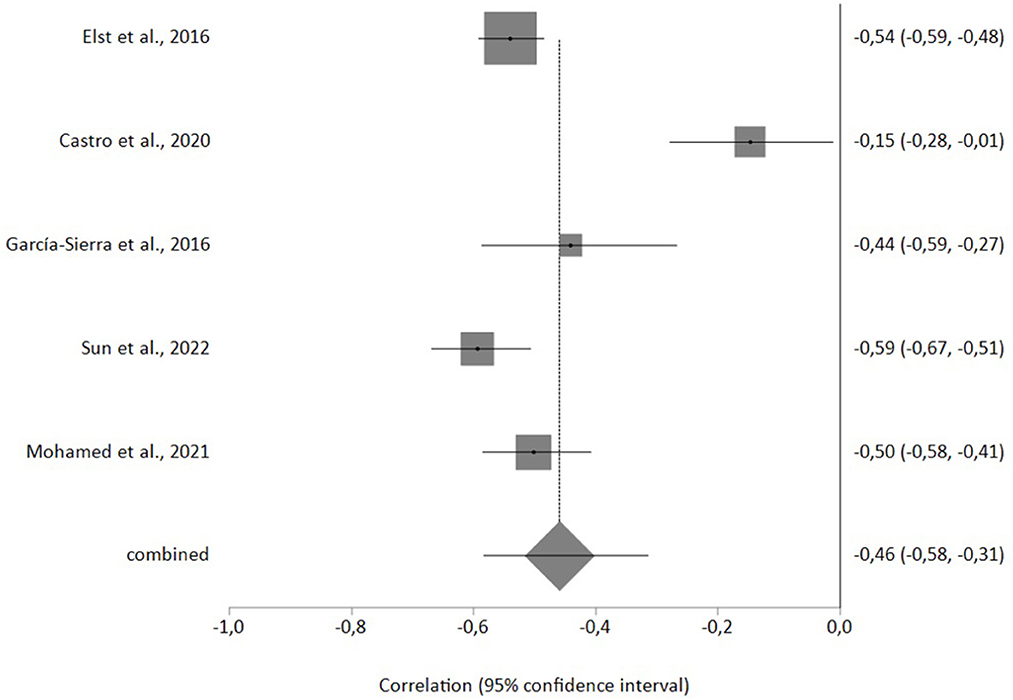
Figure 2. Forestplot of the correlation between burnout and work engagement.
4. Discussion
This study aims to enhance our understanding of how personal characteristics and workplace-related factors may influence WE and trigger the presence of burnout among nurses. Given this information, appropriate measures can be adopted to reduce the risk of burnout and to foster greater participation and commitment by these workers.
Our analysis shows that nurses' WE is favored by environments in which they have autonomy of decision-making, where they are given sufficient resources to carry out their work, and where there is greater altruism among workers (33). In other words, WE benefits from a strengthening of the nursing identity, which generates pride in job performance and enhances the working experience (34). In turn, higher levels of support among nurses will decrease the burnout experienced (33, 35). The hospital area in which a nurse work is also relevant to WE and job satisfaction, which are both affected by the emotional impact or workload experienced in different areas of health care (36). According to previous research, when WE is high, nurses are less likely to request a transfer to a different work unit or service. Moreover, favorable occupational health conditions are expected to improve relationships and collaboration among workers, which enhances the care provided, and thus generates a positive gains spiral (24).
Among the factors found to increase the risk of burnout is the hospital area in which the nurses work. Those employed in an Accident and Emergency (A&E) department are more likely to generate a psychologically distant relationship with patients, as a consequence of the high level of burnout experienced (16). This, in turn, can cause patients to have negative perceptions of the quality, effectiveness, and efficiency of the healthcare received (37, 38). Another relevant factor is the type of work shift performed; thus, nurses who work night shifts have been shown to present higher levels of burnout. In short, professionals who undergo high levels of stress and fatigue are more liable to present detachment and dysfunctional attitudes (39). Burnout can also be caused by lengthy employment in the same medical unit/service. In response, and seeking to alleviate this condition, long-standing workers might request to be transferred elsewhere (40). In addition to the above, many other elements can influence the appearance of burnout syndrome among nurses, such as the female stereotype of the profession, the lack of recognition of the ‘invisible' tasks performed, and an excessive level of bureaucracy, as pointed out by Manzano Garcia et al. in their qualitative e-Delphi study (41). These questions have received little previous research attention.
Finally, consideration should be given to the COVID-19 pandemic, which has had a negative impact on the mental health of critical care nurses and their families, as public safety considerations have been prioritized over those of patient care. This situation has generated great unhappiness among the nurses affected, despite the support received from friends and colleagues (42, 43).
After considering the factors relevant to burnout and WE, we then determined the relationship between them, taking into account the three dimensions of each. Our analysis confirms previous findings that there is indeed a close relationship between the two concepts, and specifically that greater WE (as concerns each of its constituent elements) reduces the risk of burnout (40, 44).
A lack of vigor is associated with higher levels of emotional exhaustion. This is in line with the Utrecht Work Engagement Scale, according to which there is a strong interaction between these two dimensions (45). Therefore, the goal of recognizing WE among nurses and establishing strategies to promote it may be limited by the presence of emotional exhaustion (46). Conversely, dedication is inversely related to the presence and impact of burnout. Some of the studies in our analysis concluded that professionals who were unable to perform the work expected of them, or who were unable to meet the needs raised, whether by the patient or by the organization, due to decreased levels of dedication and perceptions of insufficiency, were at a high risk of developing burnout (47). In this respect, too, some authors indicate that a feeling of low personal fulfillment may arise from the view that the tasks performed are not considered important or productive. This impression would tend to reduce dedication and hence WE (48). Finally, high levels of absorption might provoke burnout, if this absorption prevents the worker from achieving an objective emotional balance (37, 40).
Our study is subject to certain limitations, which should be acknowledged. First, by restricting the articles considered to those published in English or Spanish, we may have omitted potentially significant research findings from studies published in other languages which otherwise met the inclusion requirements. Furthermore, the studies included did not all use the same measurement instruments, so the results presented may not be homogeneous. Finally, the relationship between burnout and WE has only recently been the object of academic study, and so relatively few articles are available for consideration.
5. Conclusion
The correlation between low WE and burnout in nurses not only impacts these professionals but also has damaging consequences for patients and the health system in general.
The studies considered in our review describe varying degrees of burnout and WE. The relevant factors identified include employment conditions (such as work overload and type of shift or service area), personal characteristics (such as perceived support and the individual's own values), and organizational resources. All of these factors influence WE and hence the possibility of burnout.
The results obtained from our analysis highlight the need to design and implement effective interventions in the workplace in order to address the problematic areas identified and thus reduce the risk or degree of burnout among nursing personnel. This, in turn, would enhance levels of WE. Failure to do so might be damaging not just for the workers concerned but also for the quality and safety of public healthcare.
As a final observation, further studies in this area are needed in order to better understand the phenomenon of burnout among nursing staff.
Data availability statement
The original contributions presented in the study are included in the article/Supplementary material, further inquiries can be directed to the corresponding author.
Author contributions
MAV-B, FJI-E, and GAC-F: conceptualization. FJI-E, AV-S, and LA-G: data curation. NC-M, JLG-U, and AV-S: formal analysis. MAV-B, JLG-U, and AV-S: investigation. AV-S, JLG-U, and GAC-F: methodology. MAV-B and AV-S: resources. JLG-U: software. LA-G and GAC-F: supervision. JLG-U, NC-M, and GAC-F: visualization and validation. MAV-B, NC-M, and FJI-E: writing—original draft, review, and editing. GAC-F: funding acquisition and project administration. All authors contributed to the article and approved the submitted version.
Funding
This article has been funded by the FEDER/Consejería de Universidad, Investigación e Innovación de la Junta de Andalucía, Project P20-00627.
Acknowledgments
This study forms part of the Doctoral Thesis of the FJI-E, working within the Clinical Medicine and Public Health Doctoral Programme of the University of Granada (Spain).
Conflict of interest
The authors declare that the research was conducted in the absence of any commercial or financial relationships that could be construed as a potential conflict of interest.
Publisher's note
All claims expressed in this article are solely those of the authors and do not necessarily represent those of their affiliated organizations, or those of the publisher, the editors and the reviewers. Any product that may be evaluated in this article, or claim that may be made by its manufacturer, is not guaranteed or endorsed by the publisher.
Supplementary material
The Supplementary Material for this article can be found online at: https://www.frontiersin.org/articles/10.3389/fmed.2023.1125133/full#supplementary-material
Abbreviations
WE, Work engagement; A&E, Accident and Emergency department.
References
1. Fiabane E, Giorgi I, Sguazzin C, Argentero P. Work engagement and occupational stress in nurses and other healthcare workers: the role of organisational and personal factors. J Clin Nurs. (2013) 22:2614–24. doi: 10.1111/jocn.12084
2. Pericak A, Hogg CW, Skalsky K, Bourdeanu L. What influences work engagement among registered nurses: implications for evidence-based action. Worldviews Evid Based Nurs. (2020) 17:356–65. doi: 10.1111/wvn.12469
3. Demerouti E, Nachreiner F, Bakker AB. The job demands-resources model of burnout. J Appl Psychol. (2001) 86:499–512. doi: 10.1037/0021-9010.86.3.499
4. Bakker AB, Demerouti E, Sanz-Vergel AI. Burnout and work engagement: the JDR approach. Annu Rev Organ Psychol Organ Behav. (2014) 1:389–411. doi: 10.1146/annurev-orgpsych-031413-091235
5. Xanthopoulou D, Bakker AB, Demerouti E, Schaufeli WB. The role of personal resources in the job demands-resources model. Int J Stress Manag. (2007) 14:121–41. doi: 10.1037/1072-5245.14.2.121
6. Airila A, Hakanen JJ, Schaufeli WB, Luukkonen R, Punakallio A, Lusa S. Are job and personal resources associated with work ability 10 years later? The mediating role of work engagement. Work Stress. (2016) 28:87–105. doi: 10.1080/02678373.2013.872208
7. Ventura M, Salanova M, Llorens S. Professional self-efficacy as a predictor of burnout and engagement: the role of challenge and hindrance demands. J Psychol. (2016) 149:277–302. doi: 10.1080/00223980.2013.876380
8. Grau A, Flichtentrei D, Suñer R, Prats M, Braga F. España personal sanitario hispanoamericano y español. Rev Esp Salud Publica. (2009) 83:215–30. doi: 10.1590/S1135-57272009000200006
9. Montgomery A, Spânu F, Bǎban A, Panagopoulou E. Job demands, burnout, and engagement among nurses: a multi-level analysis of ORCAB data investigating the moderating effect of teamwork. Burn Res. (2015) 2:71–9. doi: 10.1016/j.burn.2015.06.001
10. Maslach C, Leiter MP. Burnout. Stress: concepts, cognition, Emotion, and Behavior. New York, NY: Academic Press (2016), 351-357 doi: 10.1016/B978-0-12-800951-2.00044-3
11. Schaufeli WB, Bakker AB. Job demands, job resources, and their relationship with burnout and engagement: a multi-sample study. J Organ Behav. (2004) 25:293–315. doi: 10.1002/job.248
12. Manzano-García G, Ayala-Calvo JC. New perspectives: Towards an integration of the concept “burnout” and its explanatory models. An Psicol. (2013) 29:800–9. doi: 10.6018/analesps.29.3.145241
13. Shanafelt T, Swensen S. Leadership and physician burnout: using the annual review to reduce burnout and promote engagement. Am J Med Qual. (2017) 32:563–5. doi: 10.1177/1062860617691605
14. Scheepers RA, Lases LSS, Arah OA, Heineman MJ, Lombarts KMJMH. Job resources, physician work engagement, and patient care experience in an academic medical setting. Acad Med. (2017) 92:1472–9. doi: 10.1097/ACM.0000000000001719
15. Fragoso ZL, Holcombe KJ, McCluney CL, Fisher GG, McGonagle AK, Friebe SJ. Burnout and engagement: relative importance of predictors and outcomes in two health care worker samples. Workplace Health Saf. (2016) 64:479–87. doi: 10.1177/2165079916653414
16. Marques-Pinto A, Jesus ÉH, Cruz Mendes AMO, Fronteira I, Roberto MS. Nurses' intention to leave the organization: a mediation study of professional burnout and engagement. Span J Psychol. (2018) 21:E32. doi: 10.1017/sjp.2018.30
17. Donelan K, DesRoches CM, Guzikowski S, Dittus RS, Buerhaus P. Physician and nurse practitioner roles in emergency, trauma, critical, and intensive care. Nurs Outlook. (2020) 68:591–600. doi: 10.1016/j.outlook.2020.04.010
18. Rosell L, Alexandersson N, Hagberg O, Nilbert M. Benefits, barriers and opinions on multidisciplinary team meetings: a survey in Swedish cancer care. BMC Health Serv Res. (2018) 18:249. doi: 10.1186/s12913-018-2990-4
19. Aiken LH, Patrician PA. Measuring organizational traits of hospitals: the revised nursing work index. Nurs Res. (2000) 49:146–53. doi: 10.1097/00006199-200005000-00006
20. Page MJ, Moher D, Bossuyt PM, Boutron I, Hoffmann TC, Mulrow CD, et al. PRISMA 2020 explanation and elaboration: Updated guidance and exemplars for reporting systematic reviews. BMJ. (2021) 372:160. doi: 10.1136/bmj.n160
21. OCEBM. Levels of Evidence — Centre for Evidence-Based Medicine (CEBM), University of Oxford. (2021). Available online at: https://www.cebm.ox.ac.uk/resources/levels-of-evidence/ocebm-levels-of-evidence (accessed December 15, 2023).
22. Hetzel-Riggin MD, Swords BA, Tuang HL, Deck JM, Spurgeon NS. Work engagement and resiliency impact the relationship between nursing stress and burnout. Psychol Rep. (2020) 123:1835–53. doi: 10.1177/0033294119876076
23. Mohamed SA, Hendy A, Ezzat Mahmoud O, Mohamed Mohamed S. Mattering perception, work engagement and its relation to burnout amongst nurses during coronavirus outbreak. Nurs Open. (2022) 9:377–84. doi: 10.1002/nop2.1075
24. García-Sierra R, Fernández-Castro J, Martínez-Zaragoza F. Work engagement in nursing: an integrative review of the literature. J Nurs Manag. (2016) 24:E101–11. doi: 10.1111/jonm.12312
25. Elst TV, Cavents C, Daneels K, Johannik K, Baillien E, den Broeck A Van, et al. Job demands-resources predicting burnout and work engagement among Belgian home health care nurses: a cross-sectional study. Nurs Outlook. (2016) 64:542–56. doi: 10.1016/j.outlook.2016.06.004
26. Castro CSAAA, Timenetsky KT, Katz M, Correa TD, Felicio AC, Moriyama T, et al. Burnout syndrome and engagement among critical care providers: a cross- sectional study. Rev Bras Ter Intensiva. (2020) 32:381–90. doi: 10.5935/0103-507X.20200066
27. Sun B, Fu L, Yan C, Wang Y, Fan L. Quality of work life and work engagement among nurses with standardised training: The mediating role of burnout and career identity. Nurse Educ Pract. (2022) 58:103276. doi: 10.1016/j.nepr.2021.103276
28. Matziari A, Montgomery AJ, Georganta K, Doulougeri K. The relationship between organizational practices and values with burnout and engagement. Curr Psychol. (2017) 36:276–85. doi: 10.1007/s12144-016-9413-7
29. Rosas-Paez J, Casillas-Espriella J, Tinajero-Sánchez JC, Martínez-Enciso VD. Work engagement and burnout syndrome in a secondary care level during the COVID pandemic in Mexico, 2021. Rev Med Inst Mex Seguro Soc. (2022) 60:533–9.
30. Wan Q, Zhou W, Li Z, Shang S, Yu F. Work engagement and its predictors in registered nurses: A cross-sectional design. Nurs Health Sci. (2018) 20:415–21. doi: 10.1111/nhs.12424
31. Page MJ, McKenzie JE, Bossuyt PM, Boutron I, Hoffmann TC, Mulrow CD, et al. The PRISMA 2020 statement: an updated guideline for reporting systematic reviews. BMJ. (2021) 372:n71. doi: 10.1136/bmj.n71
32. García-Sierra R, Fernández-Castro J, Martínez-Zaragoza F. Relationship between job demand and burnout in nurses: does it depend on work engagement? J Nurs Manag. (2016) 24:780–8. doi: 10.1111/jonm.12382
33. Saito Y, Igarashi A, Noguchi-Watanabe M, Takai Y, Yamamoto-Mitani N. Work values and their association with burnout/work engagement among nurses in long- term care hospitals. J Nurs Manag. (2018) 26:393–402. doi: 10.1111/jonm.12550
34. Kato Y, Chiba R, Shimazu A. Work engagement and the validity of job demands–resources model among nurses in Japan: a literature review. Work Heal Saf. (2021) 69:323–42. doi: 10.1177/21650799211002471
35. Bogaert P. Van, Peremans L, Heusden D Van, Verspuy M, Kureckova V, De Cruys Z Van, et al. Predictors of burnout, work engagement and nurse reported job outcomes and quality of care: a mixed method study. BMC Nurs. (2017) 16:5. doi: 10.1186/s12912-016-0200-4
36. Kuroda S, Yamamoto I. Why do people overwork at the risk of impairing mental health? J Happiness Stud. (2019) 20:1519–38. doi: 10.1007/s10902-018-0008-x
37. Shemueli RG, Dolan SL, Ceretti AS, Del Prado PN. Burnout and engagement as mediators in the relationship between work characteristics and turnover intentions across two Ibero-American nations. Stress Health. (2016) 32:597–606. doi: 10.1002/smi.2667
38. Cheng H, Yang H, Ding Y, Wang B. Nurses' mental health and patient safety: an extension of the Job Demands–Resources model. J Nurs Manag. (2020) 28:653–63. doi: 10.1111/jonm.12971
39. Garrosa E, Moreno-Jiménez B, Rodríguez-Muñoz A, Rodríguez-Carvajal R. Role stress and personal resources in nursing: a cross-sectional study of burnout and engagement. Int J Nurs Stud. (2018) 48:479–89. doi: 10.1016/j.ijnurstu.2010.08.004
40. García-Iglesias JJ, Gómez-Salgado J, Fagundo-Rivera J, Romero-Martín M, Ortega-Moreno M. Navarro-Abal Y. Factores predictores de los niveles de burnout y work engagement en médicos y enfermeras. Una Rev Sistem. (2021) 95:e202104046.
41. Manzano-García G, Ayala JC. Insufficiently studied factors related to burnout in nursing: Results from an e-Delphi study. Plos ONE. (2017) 12:e0175352 doi: 10.1371/journal.pone.0175352
42. Downey E, Fokeladeh HS, Catton H. What the COVID-19 Pandemic has Exposed: The Findings of Five Global Health Workforce Professions. Geneva: World Health Organization (2023).
43. Adnan NBB, Dafny HA, Baldwin C, Beccaria G, Chamberlain D. Is this the solution to wellbeing and burnout management for the critical care workforce? A parallel, interventional, feasibility and realist informed pilot randomized control trial protocol. PLoS ONE. (2023) 18:e0285038. doi: 10.1371/journal.pone.0285038
44. Dominguez LC, Stassen L, de Grave W, Sanabria A, Alfonso E, Dolmans D. Taking control: Is job crafting related to the intention to leave surgical training? PLoS ONE. (2019) 13:276. doi: 10.1371/journal.pone.0197276
46. Jenaro C, Flores N, Orgaz MB, Cruz M. Vigour and dedication in nursing professionals: towards a better understanding of work engagement. J Adv Nurs. (2017) 67:865–75. doi: 10.1111/j.1365-2648.2010.05526.x
47. Loerbroks A, Glaser J, Vu-Eickmann P, Angerer P. Physician burnout, work engagement and the quality of patient care. Occup Med. (2017) 67:356–62. doi: 10.1093/occmed/kqx051
Keywords: burnout, work engagement, critical care, nursing, nurses staff
Citation: Vargas-Benítez MÁ, Izquierdo-Espín FJ, Castro-Martínez N, Gómez-Urquiza JL, Albendín-García L, Velando-Soriano A and Cañadas-De la Fuente GA (2023) Burnout syndrome and work engagement in nursing staff: a systematic review and meta-analysis. Front. Med. 10:1125133. doi: 10.3389/fmed.2023.1125133
Received: 09 January 2023; Accepted: 19 June 2023;
Published: 17 July 2023.
Edited by:
Jacqueline G. Bloomfield, The University of Sydney, AustraliaReviewed by:
Guadalupe Manzano García, University of La Rioja, SpainAnca Daniela Farcas, University of Medicine and Pharmacy Iuliu Hatieganu, Romania
Maria Makeeva, Peoples' Friendship University of Russia, Russia
Copyright © 2023 Vargas-Benítez, Izquierdo-Espín, Castro-Martínez, Gómez-Urquiza, Albendín-García, Velando-Soriano and Cañadas-De la Fuente. This is an open-access article distributed under the terms of the Creative Commons Attribution License (CC BY). The use, distribution or reproduction in other forums is permitted, provided the original author(s) and the copyright owner(s) are credited and that the original publication in this journal is cited, in accordance with accepted academic practice. No use, distribution or reproduction is permitted which does not comply with these terms.
*Correspondence: Francisco José Izquierdo-Espín, ZnJhbmNpc2Nvai5penF1aWVyZG8uc3NwYUBqdW50YWRlYW5kYWx1Y2lhLmVz