 Aida Santaolalla1*
 Kerri Beckmann1,2
 Joyce Kibaru1
 Debra Josephs1,3
 Mieke Van Hemelrijck1
 Sheeba Irshad3,4
- 1Translational Oncology and Urology Research, School of Cancer and Pharmaceutical Sciences, King’s College London, London, United Kingdom
- 2Cancer Research Institute, University of South Australia, Adelaide, SA, Australia
- 3Department of Medical Oncology, Guy’s and St Thomas’ NHS Foundation Trust, London, United Kingdom
- 4School of Cancer and Pharmaceutical Sciences, King’s College London, London, United Kingdom
Objectives: To assess the association between vitamin D deficiency and increased morbidity/mortality with COVID-19 respiratory dysfunction.
Design: Scoping review.
Data Sources: Ovid MEDLINE (1946 to 24 of April 2020) and PubMed (2020 to 17 of September 2020).
Eligibility Criteria for Selecting Studies: A search using the search terms: [(cholecalciferol or ergocalciferol or vitamin D2 or vitamin D3 or vitamin D or 25OHD) and (SARS-CoV-2 or coronavirus or COVID or betacoronavirus or MERS-CoV or SARS-CoV or respiratory infection or acute respiratory distress syndrome or ARDS)]m.p. was conducted on the 24/04/2020 (Search A) and 17/09/2020 (Search B).
Results: 91 studies were identified as being concerned with Acute Respiratory Infection (ARI)/Acute Respiratory Distress Syndrome (ARDS) and vitamin D, and 25 publications specifically explored the role of vitamin D deficiency in the development and progression of SARS-CoV-2/COVID-19 related ARDS. Search “A” identified three main themes of indirect evidence supporting such an association. Consistent epidemiological evidence exists linking low vitamin D levels to increased risk and severity of respiratory tract infections. We also report on plausible biological processes supporting such an association; and present weaker evidence supporting the benefit of vitamin D supplementation in reducing the risk and severity of ARIs. Uncertainty remains about what constitutes an appropriate dosing regimen in relation to reducing risk/severity of ARI/ARDS. More recent evidence (Search B) provided new insights into some direct links between vitamin D and COVID-19; with a number of cohort and ecological studies supporting an association with PCR-positivity for SARS-CoV-2 and vitamin D deficiency. The exact efficacy of the vitamin D supplementation for prevention of, or as an adjunct treatment for COVID-19 remains to be determined; but a number of randomized control trials (RCTs) currently underway are actively investigating these potential benefits.
Conclusion: Our rapid review of literature supports the need for observational studies with COVID-19 infected populations to measure and assess vitamin D levels in relation to risk/severity and outcomes; alongside RCTs designed to evaluate the efficacy of supplementation both in preventive and therapeutic contexts. The overlap in the vitamin D associated biological pathways with the dysregulation reported to drive COVID-19 outcomes warrants further investigation.
Introduction
Vitamin D deficiency affects almost 50% of the population worldwide (Holick, 2007). Its high prevalence is a particularly important public health issue because hypovitaminosis D is an independent risk factor for total mortality in the general population (Melamed et al., 2008). The potential consequences of vitamin D deficiency are wide ranging. It plays a role in the development and progression of chronic diseases such as cardiovascular disease, bone health, autoimmunity, type-2 diabetes, cancer and depression. The less well recognized yet important role of vitamin D includes its effect in modulating the innate and adaptive immune systems, and deficiency of vitamin D is associated with an increased susceptibility to respiratory infections (Dancer et al., 2015; McCartney and Byrne, 2020).
As the pandemic of a novel betacoronavirus known as severe acute respiratory syndrome corona virus 2 (SARS-CoV-2) or 2019 novel coronavirus disease (COVID-19) continues to advance globally, studies on risk factors for intensive care unit admission and mortality are emerging. Early studies from China and Italy report that older age, male sex, smoking status, existing comorbidities or a compromised immune system increase the risk of developing severe and even fatal respiratory disease associated with COVID-19 (Chen et al., 2020). Mortality rates from COVID-19 vary significantly between countries. Countries that lie below 35 degrees North have relatively low mortality rates (e.g., 14.6% of patients in northern latitudes to 0.6% of patients in southern latitudes) (Rhodes et al., 2020). Although this discrepancy has been suggested to be a consequence of the high prevalence of elderly populations in European countries (Bureau, 2020); 35 degrees North is also the latitude above which people do not receive sufficient sunlight to retain adequate vitamin D levels during winter, suggesting a possible role for vitamin D in determining outcomes from COVID-19 (Lips et al., 2019). United Kingdom and United States data from critically ill patients with COVID-19 indicate that people from Black, Asian and minority ethnic (BAME) backgrounds are at a higher risk of developing more severe symptoms than white people (Centre. ICNAaR., 2020). There are also serious concerns regarding the disproportionate impact of COVID-19 on BAME healthcare professionals (Siddique, 2020). Ethnicity is a complex epidemiological entity made up of genetic, social, cultural and behavioral patterns but a growing body of literature indicates that, worldwide, immigrants experience health deterioration after their arrival into their adopted country, and moreover, they have lower vitamin D compared to the native-born population (Holick, 2010; Edwards et al., 2014; Granlund et al., 2016; Martin et al., 2016). Given the prevalence of vitamin D deficiency in BAME populations (Holick, 2007), studies evaluating its role in promoting COVID-19 disease severity are currently underway.
The current scoping review specifically focuses on the potential effects of vitamin D on the risk and severity of COVID-19 associated respiratory dysfunction. We hypothesize that deficiency of vitamin D may be associated with an increased morbidity/mortality of COVID-19 respiratory infection.
Methods
Following the PRISMA extension for scoping reviews guidelines (Tricco et al., 2018), a initial search was conducted in Ovid MEDLINE, a bibliographic database including references to journal articles from 1946 to date, with the following search terms: [(cholecalciferol or ergocalciferol or vitamin D2 or vitamin D3 or vitamin D or 25OHD) and (SARS-CoV-2 or corona virus or COVID or betacoronavirus or MERS-CoV or SARS-CoV or respiratory infection or acute respiratory distress syndrome or ARDS)].mp. [mp = title, abstract, original title, name of substance word, subject heading word, floating sub-heading word, keyword heading word, organism supplementary concept word, protocol supplementary concept word, rare disease supplementary concept word, unique identifier, synonyms] on the 24 of April 2020 (Search A). Given the rapid turnaround of COVID-19 related literature published following the first peak of the SARS-CoV-2 pandemic, we conduced a second search in PubMed, a bibliographic database that comprises more than 30 million citations for biomedical literature from MEDLINE, life science journals, and online books, with the following search terms: [(cholecalciferol or ergocalciferol or vitamin D2 or vitamin D3 or vitamin D or 25OHD) and (SARS-CoV-2 or corona virus or COVID or betacoronavirus or MERS-CoV or SARS-CoV or respiratory infection or acute respiratory distress syndrome or ARDS)] on the 17 of September 2020 (Search B). There is no published protocol associated with this scoping review.
The inclusion criteria for both searches considered both pediatric and adult publications. Moreover, no restrictions were placed on publication type, with all systematic reviews, narrative reviews, meta-analyses, original research articles (experimental, observational and clinical trials), commentaries, letters, and editorials identified in the MEDLINE search being considered for this review. However, articles concerned with respiratory chronic diseases, such as asthma, and other non-respiratory related pathologies were excluded. Non-English publications, duplicate studies, errata, trial protocols without data and studies not related to human viruses/infections were also excluded. Further exclusions were applied in the second search with only publications with full text available, in human models and published in 2020 included. Studies describing protocols, experimental studies and publications reviewed in the first search were further excluded. Moreover preprints were not included in this review.
Publications were initially screened by title and abstract by three independent reviewers, with potentially relevant studies undergoing a full text review. Following the inclusion and exclusion criteria described above, some studies were further excluded. The included studies were then summarized and classified depending on the topic. Potential bias in some of the observational and interventional studies was identified based on the study design. No formal assessment of quality of selected papers or effect measurement was undertaken given the breadth of publication types being considered and given the scope of the current review.
Results
A total of 128 studies were identified from the first search “A.” Full text review was undertaken on 115 articles which were assessed as potentially suitable for inclusion after title and abstract screening. After further exclusion of papers not concerned with COVID-19, ARI/ARDS and vitamin D, the final number of publications included was 91 (Table 1). Figure 1 presents a PRISMA diagram of the review strategy. Reviewed papers on search consisted of 7 systematic reviews with meta-analyses, 13 narrative reviews, 16 randomized trials, 33 observational studies and 5 experimental studies. The remaining (Quesada-Gomez et al., 2020) publications were letters, editorials, commentaries and position statements (Supplementary Table S1). Search “B” identified 112 publications of which 101 were suitable for full inclusion after exclusion of duplicates. After further exclusion for non-Covid related, not relevant and only protocols, 59 publications were reviewed (Supplementary Table S1). Twenty five (8 observational, 4 ecological, 1 interventional non-RCT, 4 Systematic review/meta-analysis/review and 8 editorial) new studies specifically explored the role of vitamin D deficiency in the progression of ARDS in COVID-19 infection (Arnold, 2020; Aygun, 2020; Brenner et al., 2020; Chakhtoura et al., 2020; D’Avolio et al., 2020; Ebadi and Montano-Loza, 2020; Faul et al., 2020; Grant et al., 2020; Haj Bloukh et al., 2020; Hastie et al., 2020; Ilie et al., 2020; Laird et al., 2020; Martineau and Forouhi, 2020; Meltzer et al., 2020; Ohaegbulam et al., 2020; Panagiotou et al., 2020; Quesada-Gomez et al., 2020; Raisi-Estabragh et al., 2020; Silberstein, 2020; Singh et al., 2020; Slominski et al., 2020; Sun et al., 2020; Townsend et al., 2020; Tramontana et al., 2020; Whittemore, 2020) (Tables 2, 3). Figure 2 presents a PRISMA diagram of the review search B.
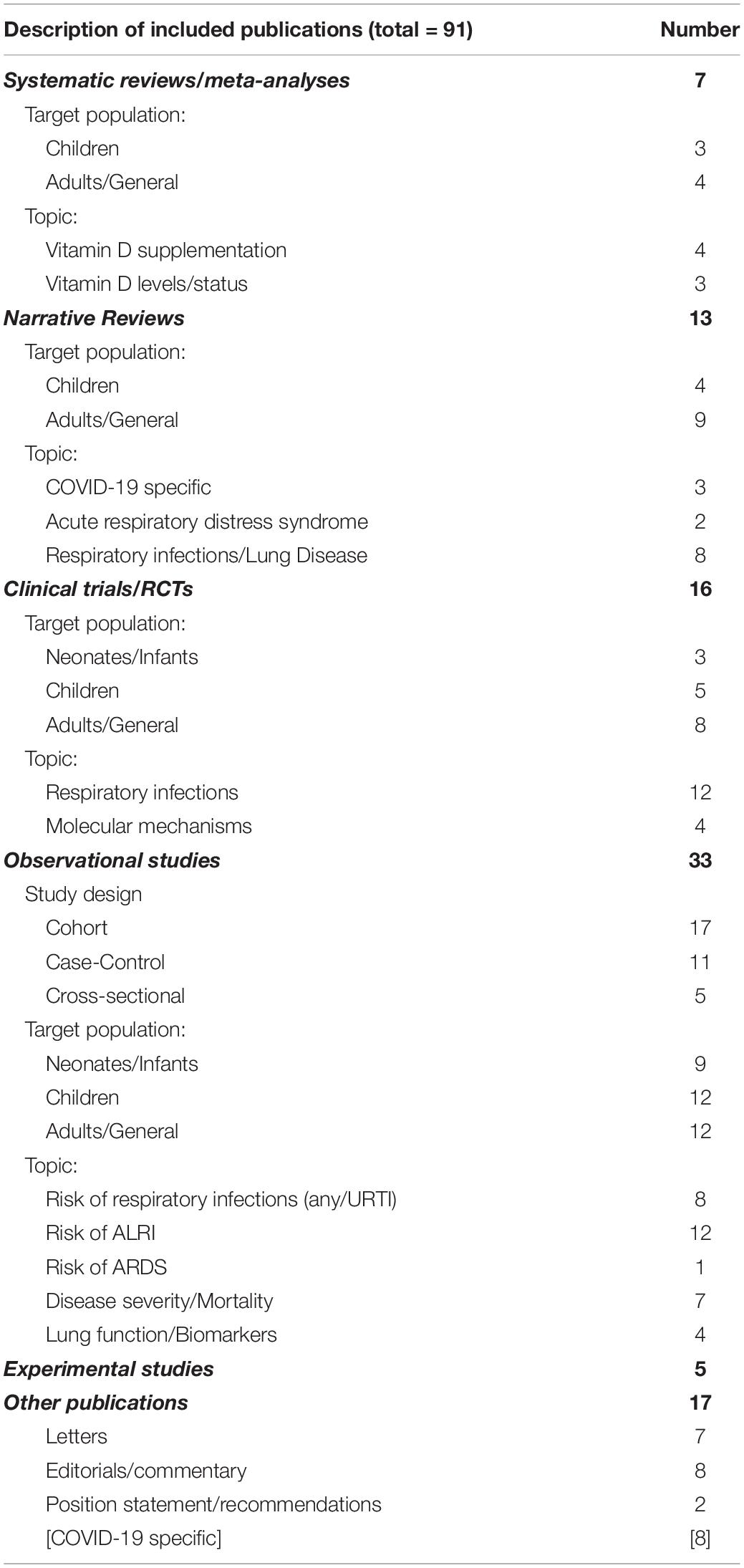
Table 1. Overview of the publications from search A included in this scoping review.
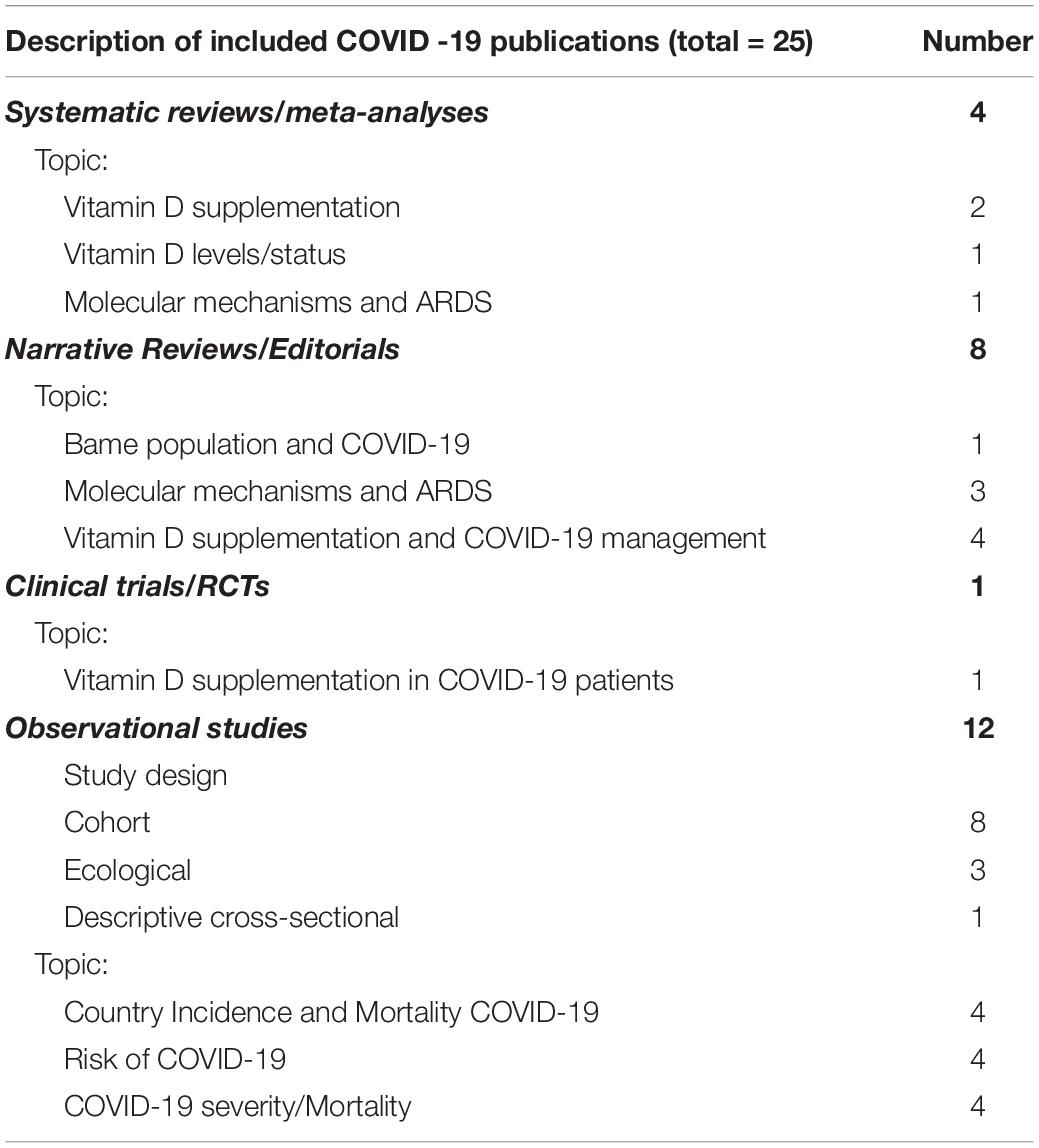
Table 2. Overview of the publications from search B included in this scoping review.
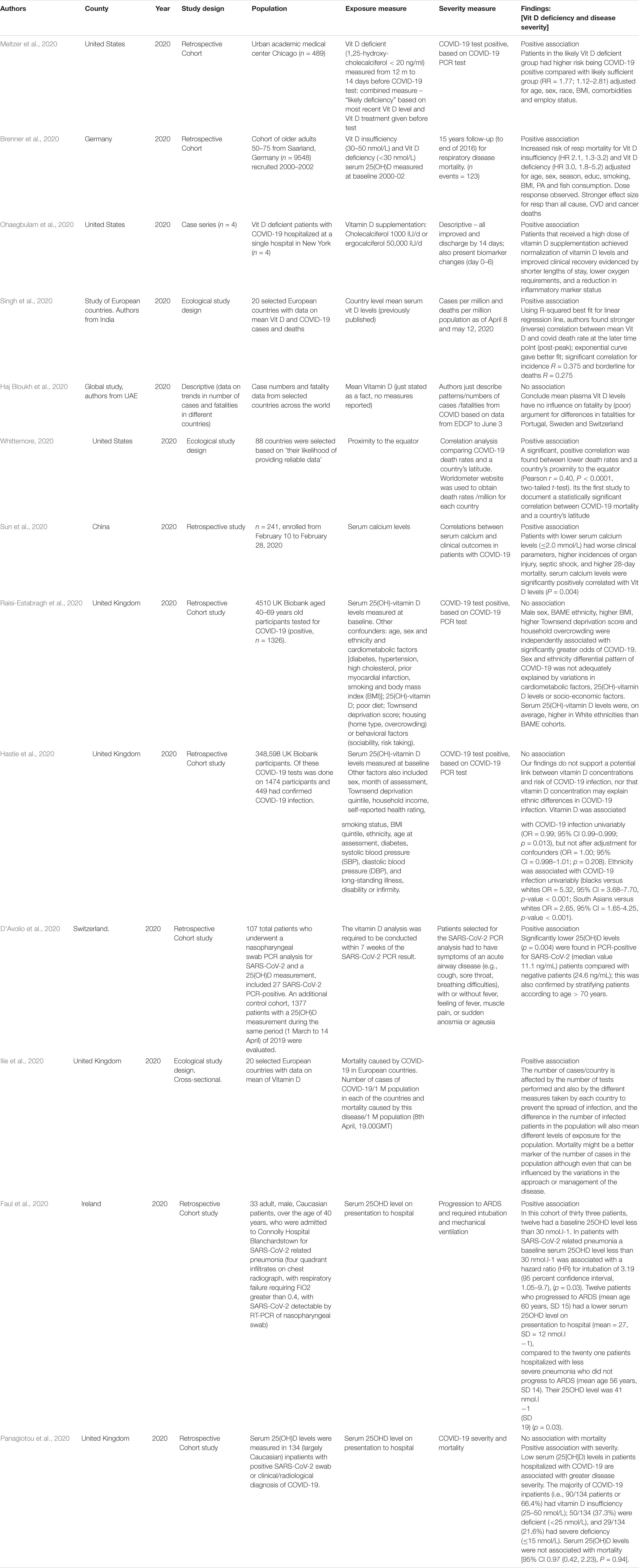
Table 3. Ecological, observational and interventional studies addressing Vitamin D levels in COVID-19.
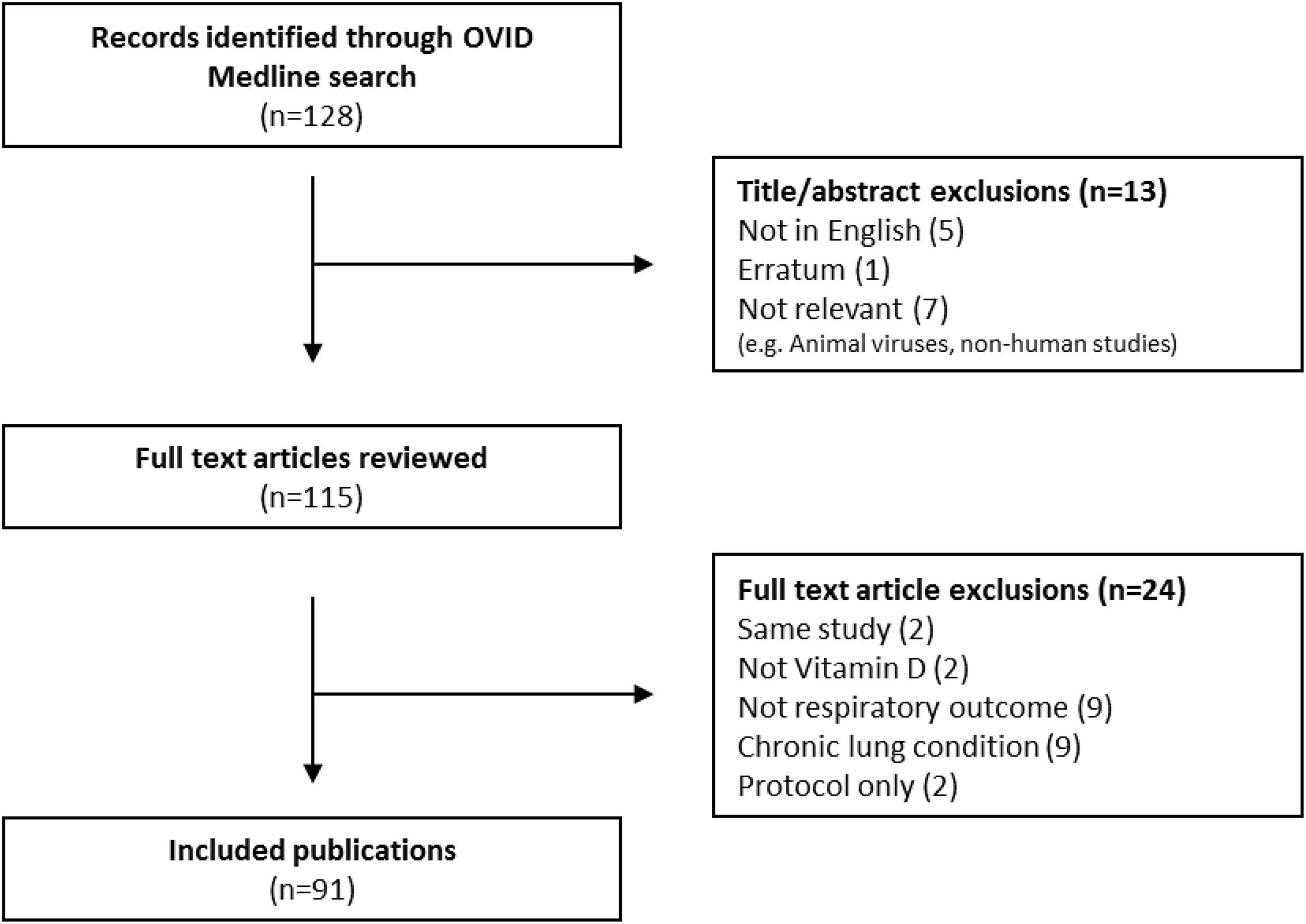
Figure 1. PRISMA diagram presenting the review strategy “A”.
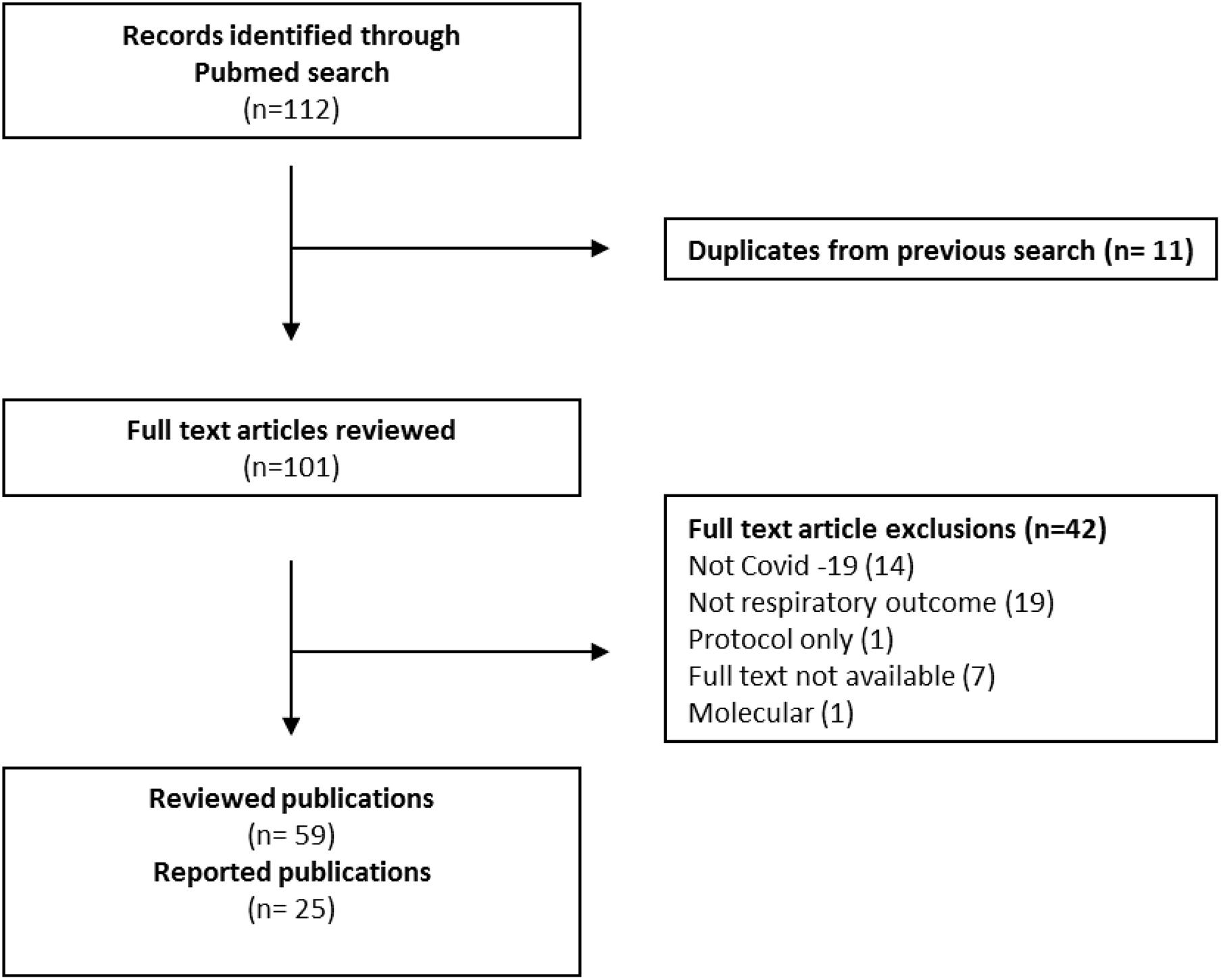
Figure 2. PRISMA diagram presenting the review strategy “B”.
Review of search “A” studies found no direct evidence of any association between vitamin D and risk or severity of COVID-19; however, our literature review identified three main themes of indirect evidence supporting an association for vitamin D and SARS-CoV-2 exposure: (1) an association of vitamin D deficiency with increased incidence and severity of respiratory infections (including 12 research studies exploring ARDS/ARI, Table 4), (2) overlapping biological mechanisms of interaction of vitamin D and clinico-pathological features of SARS-CoV-2 infection and (3) the potential role of vitamin D supplementation in prevention of severe acute respiratory tract infections. Moreover, only publications from search B provided new insights into any direct links between vitamin D and COVID-19. Both indirect and direct evidence are discussed in further detail below.
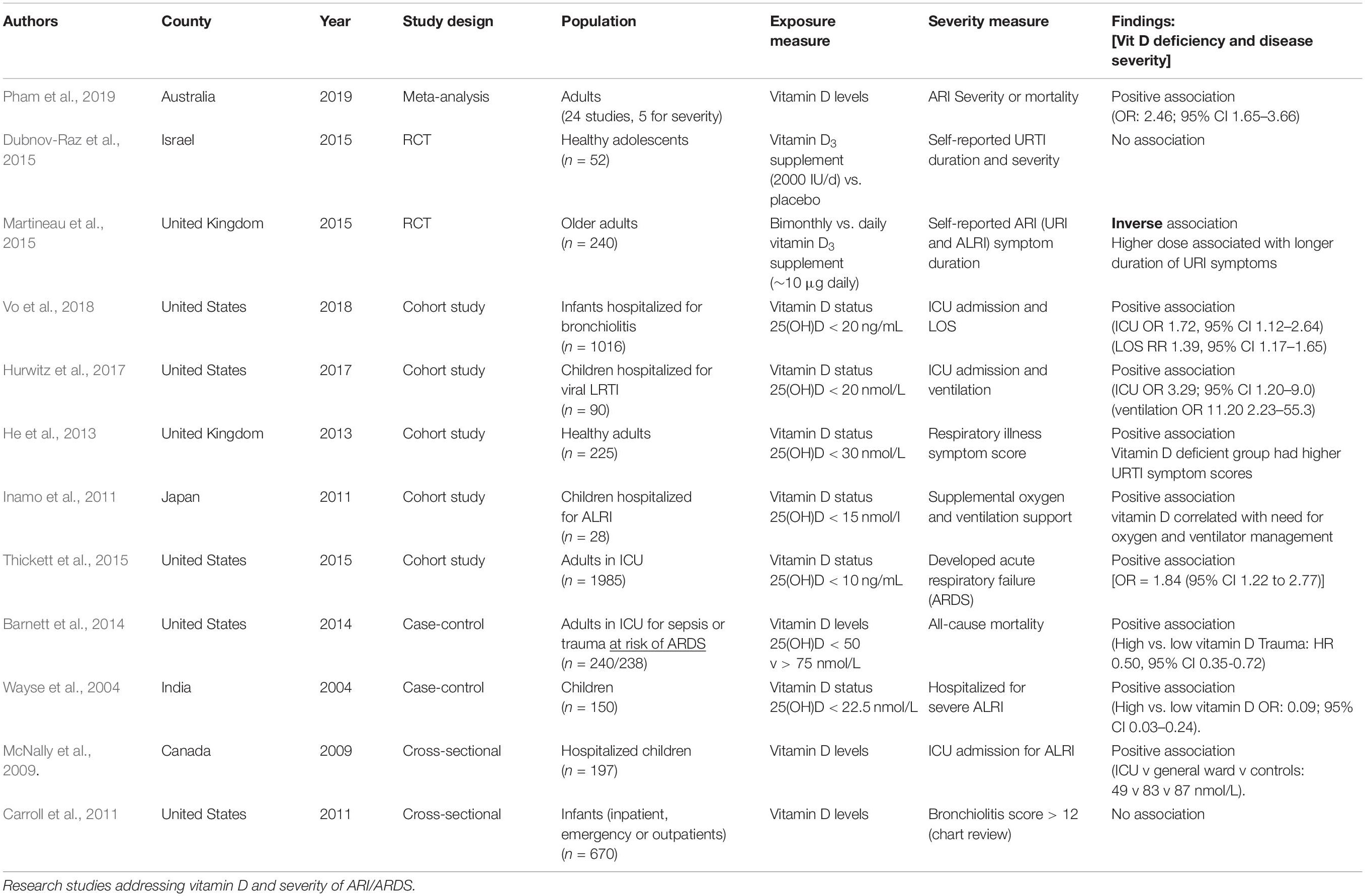
Table 4. Research studies addressing severity of ARI/ARDS.
Indirect Evidence for Vitamin D and SARS-CoV-2 Interaction
Vitamin D Deficiency and Risk and Severity of Acute Respiratory Infections
Patients with severe COVID-19 illness develop dyspnoea and hypoxemia within 1 week after onset of the disease, which may quickly progress to ARDS or end-organ failure, presenting with ARDS in 20% of the COVID-19 patients hospitalized (Zhou et al., 2020). There is reasonable amount of evidence suggesting that higher serum 25-hydroxyvitamin D [25(OH)D] concentrations reduce the risk of respiratory tract infections across all age groups (Wayse et al., 2004; McNally et al., 2009; Carroll et al., 2011; Inamo et al., 2011; Laaksi, 2012; He et al., 2013; Jolliffe et al., 2013; Barnett et al., 2014; Dancer et al., 2015; Monlezun et al., 2015; Thickett et al., 2015; Confalonieri et al., 2017; Hurwitz et al., 2017; Umehara et al., 2017; Vo et al., 2018; Iyer and Bansal, 2019; Pham et al., 2019; Zhang et al., 2019; McCartney and Byrne, 2020). A number of these studies specifically implicate vitamin D deficiency as an independent risk factor for ARI/ARDS (Jolliffe et al., 2013; Barnett et al., 2014; Monlezun et al., 2015; Confalonieri et al., 2017; Umehara et al., 2017; Iyer and Bansal, 2019) (Table 4). McCartney reported on a meta-analysis of 20,966 subjects that individuals with vitamin D levels < 20 ng/ml had an increased risk of community-acquired pneumonia [OR (95% CI) = 1.64 (1.00, 2.67)] (McCartney and Byrne, 2020). Similarly, in new-born an association between subclinical vitamin D and increased risk of acute lower respiratory infections (ALRI) has also been observed (Karatekin et al., 2009; Carroll et al., 2011). Among adults a meta-analysis of 19 observational studies reported that serum 25(OH)D concentration is inversely associated with risk and severity of ARI [pooled OR (95% CI) were 1.83 (1.42–2.37) and 2.46 (1.65–3.66), respectively] (Pham et al., 2019). An inverse association was observed in a US cohort (n = 1985) of critically ill adults admitted to ICU between vitamin D levels and acute respiratory failure [adj. OR < 10 vs. 30+ ng/mL (95% CI) = 1.84 (1.22–2.77)]. Similarly, an inpatients cohort showed vitamin D levels were strongly associated with 90 days mortality from fatal acute respiratory failure [adj. OR < 20 vs. 30+ ng/mL (95% CI) = 2.48(1.45–4.25)] (Thickett et al., 2015), a finding supported by Umehara et al. (2017). Brenner et al. (2020) observed an association between Vitamin D deficiency and increased mortality from respiratory diseases in a cohort of older adults with 15 years of follow up. Inamo et al. (2011) observed that significantly more children with ALRI requiring supplementary oxygen and ventilator management were vitamin D deficient. In summary, there is robust evidence for the immunomodulatory properties of vitamin D in influencing ALRI disease severity (McNally et al., 2009; Chaabouni et al., 2020); hereby providing proof-of-principle for its involvement in progression of COVID-19 pathogenesis.
Biological Mechanisms of Interaction of Vitamin D and Clinico-Pathological Features of SARS-CoV-2 Infection
The pathogenic mechanisms of COVID-19 disease have not been completely elucidated yet. However, a number of dysregulated pathways are being increasingly recognized as directly related to COVID-19 morbidity and mortality (Jakovac, 2020; Misra et al., 2020; Panarese and Shahini, 2020). These include the role of renin-angiotensin pathways in viral entry into alveolar cells and subsequent acute lung injury, dysregulated immune responses and activation of coagulation pathways (Quesada-Gomez et al., 2020). Interestingly, our literature review identified a number of studies/reviews (n = 24) providing some insight into the mechanistic explanations for the observed epidemiological relationship between vitamin D deficiency and increased risk/severity of respiratory infections (Ginde et al., 2009; Laaksi, 2012; Pfeffer and Hawrylowicz, 2012; He et al., 2013; Parekh et al., 2013; Lambert et al., 2014; Dancer et al., 2015; Greiller and Martineau, 2015; Vargas Buonfiglio et al., 2017; Xu et al., 2017; Jolliffe et al., 2018; Miraglia Del Giudice et al., 2018; Iyer and Bansal, 2019; Aygun, 2020; Brenner et al., 2020; Carter et al., 2020; Jakovac, 2020; Kakodkar et al., 2020; Maes et al., 2020; McCartney and Byrne, 2020; Misra et al., 2020; Molloy and Murphy, 2020; Panarese and Shahini, 2020; Quesada-Gomez et al., 2020; Tian and Rong, 2020; Zheng et al., 2020).
Studies and narrative reviews suggest that entry of SARS-CoV-2 infection into alveolar epithelial cells, triggered by binding of the virus surface spike (S)-protein to the angiotensin converting enzyme 2 (ACE2) receptor, may lead to dysregulation of the renin-angiotensin system (RAS) resulting in acute lung injury due to toxic over-accumulation of angiotensin II (Ang II) in alveolar cells (Pfeffer and Hawrylowicz, 2012; Arnold, 2020; Carter et al., 2020; Jakovac, 2020; Kakodkar et al., 2020; Misra et al., 2020; Panarese and Shahini, 2020; Tian and Rong, 2020). Evidence suggests that vitamin D deficiency causes over-activation of the pulmonary RAS, providing a possible explanation for the observed inverse relationship between blood pressure and serum 25(OH)D levels (Parekh et al., 2013; Xu et al., 2017). Vitamin D may exert protective effects on acute lung injury, at least in part, by regulating the balance between the expression of members of the RAS (Xu et al., 2017). It is therefore plausible that vitamin D deficiency may exacerbate dysregulation of the pulmonary RAS induced by SARS-CoV-2 infection.
ACE2 receptor required for virus entry, is expressed by endothelial cells and its density in each tissue may correlate with the severity of the disease in that tissue (Jia et al., 2005; Gheblawi et al., 2020; Perico et al., 2020; Xu et al., 2020). Endothelial dysfunction is a common feature of the clinical manifestations observed in COVID-19 (e.g., high blood pressure, thrombosis, kidney disease, pulmonary embolism, Kawasaki vasculitic disease, cerebrovascular and neurological disorders) (Sardu et al., 2020b). A systematic and comprehensive evaluation of literature by Sardu et al. (2020b) report that in the hospitalized patients with COVID-19 disease the worsening disease severity, including ICU admissions, could be played by endothelial dysfunction that is more enhanced in patients with co-morbidities. Study by. Guan et al. reported that 23.7% 23.7% of hypertensive patients had disease severity (vs. 13.4% of normotensive subjects), and that 35.8% (vs. 13.7%) reached the composite endpoint of ICU admission, mechanical ventilation and death (Guan et al., 2020). Paradoxically, many of the therapies for pre-existing cardiovascular diseases can also increase the ACE2 levels resulting in a negative outcome regard to infectivity and outcome of COVID−19. However, given the high incidence of cardiac injury and adverse outcomes in hypertensive patients during the COVID-19 pandemic, experts do not recommend that hypertensive patients should discontinue and/or switch therapies during COVID-19 infection. Interestingly, vitamin D treatment has been shown to inhibit ACE2 expression in the kidneys (Lin et al., 2016; Ali et al., 2018), and thereby could prevent COVID-19 entry into the cell in patients with pre-existing co-morbidities. Additionally, Zhou et al. recently showed a significant association between levels of D-dimer > 1 μg/mL and COVID-related death [OR (95 %CI):18.42 (2.64–128.55)], with coagulation dysfunction associated with fatal ARDS in COVID-19 patients (Sardu et al., 2020c; Zhou et al., 2020). Vitamin D and its associated metabolites are implicated in the regulation of thrombosis-related pathways by modulation of genes such as those related to angiogenesis (Chen et al., 2020). It has been proposed that this is likely to be the mechanism of action for the increased risk of thrombotic events associated with a vitamin D deficient state (Tian and Rong, 2020). These studies strongly support investigation of vitamin D replacement in patients with pre-existing co-morbidities.
Genetic studies have found a polymorphism in the vitamin D receptor (VDR) gene associated with upper respiratory tract infections in children and adults (Jolliffe et al., 2018). Dysregulated immune responses associated with excessive and prolonged cytokine/chemokine responses known as a ‘cytokine storm’, seem to be directly related to worse outcomes in COVID-19 (Carter et al., 2020; Slominski et al., 2020; Tian and Rong, 2020). All cells of the immune system have been shown to express the VDR, including T cells, and literature suggests that it is now well accepted that 1,25(OH)2D and vitamin D are important immune system regulators (Laaksi, 2012; Parekh et al., 2013; Greiller and Martineau, 2015; Miraglia Del Giudice et al., 2018; Iyer and Bansal, 2019; Maes et al., 2020; Misra et al., 2020; Tian and Rong, 2020). Vitamin D has been linked to innate immunity through identification of the cationic antimicrobial peptide cathelicidin as a vitamin D target gene and VDR upregulation in monocytes. Previous studies have proposed cathelicidin activation as a potential mechanism driving vitamin D protective effects on respiratory tract infections (Laaksi, 2012; Lambert et al., 2014; He et al., 2016; Vargas Buonfiglio et al., 2017; Molloy and Murphy, 2020), e.g., in tuberculosis (Ginde et al., 2009; Molloy and Murphy, 2020). A cross-sectional analysis in a mostly African-American population showed that lung function decrements associated with low cathelicidin were greatest in individuals with low vitamin D levels (Lambert et al., 2014). Additionally, vitamin D is involved in downregulating the production of pro-inflammatory cytokines [tumor necrosis factor α (TNF α), interleukin-6 (IL-6), interleukin-8 (IL-8), interleukin-12 (IL-12), and interferon-gamma (IFN-γ)] which contribute to the cytokine storm (Pfeffer and Hawrylowicz, 2012; He et al., 2013; Barnett et al., 2014; Zhang et al., 2019; Aygun, 2020; Maes et al., 2020; Orrù et al., 2020; Tian and Rong, 2020). Downregulation of IFNγ and IL-6 inflammatory responses have been reported as being negative prognostic indicators in critically ill ventilated patients including those with COVID-19 (McCartney and Byrne, 2020). Other vitamin D functions such as the musculoskeletal properties can be also potentially beneficial in the context of COVID-19 (Tramontana et al., 2020). While the data are far from conclusive in attributing a role for vitamin D in influencing the risk and severity of COVID-19, collectively these studies provide a strong rationale for more pre-clinical and clinical research for further exploration.
Vitamin D Supplementation in Relation to Acute Respiratory Tract Infections
Over the years numerous randomized controlled trials (RCTs) have evaluated whether vitamin D supplementation can decrease the risk of acute respiratory tract infections (ARTI) and its severity. Such studies have yielded conflicting results. Pediatric RCTs exploring the association of vitamin D supplementation with reduction of ARIs have mainly reported no association (Ginde et al., 2009; Camargo et al., 2012; Maxwell et al., 2012; Goldring et al., 2013; Grant et al., 2015, 2016; Xiao et al., 2015; Omand et al., 2017; Somnath et al., 2017; Das et al., 2018; Lee et al., 2018; Hauger et al., 2019; Loeb et al., 2019). A large cohort study assessing the effects on serum vitamin D levels following oral vitamin D supplementation in children (0–5 years) found no association between either vitamin D levels or supplementation on health-service utilization (HSU) for upper respiratory tract infections (URTIs) (Omand et al., 2017). Similarly, a meta-analysis of 7 RCTs presented a non-significant association between vitamin D supplementation and reduced risk of ARIs in children [RR (95%CI): 0.79 (0.55–1.13)] (Xiao et al., 2015). Pre-natal and infant studies have also found no effect (Goldring et al., 2013; Grant et al., 2016). The relevance of these studies to adults, however, is unclear.
Several studies undertaken in adults show inconsistent results especially in the elderly population (Murdoch et al., 2012; He et al., 2013; Jolliffe et al., 2013; Dubnov-Raz et al., 2015; Martineau et al., 2015, 2017, 2019; Vargas Buonfiglio et al., 2017; Aloia et al., 2019; Camargo et al., 2019; Kakodkar et al., 2020). Whilst a systematic review of 39 studies including observational studies and RCTs reported inconsistent results for vitamin D supplementation for prevention of ARI (Jolliffe et al., 2013). Moreover, a meta-analysis in 2017 of individual data from 10,933 study subjects in 25 RCTs, showed an 12% overall protective effect of oral vitamin D3 supplementation against bacterial and viral ARTI [OR(95%CI): 0.88 (0.81–0.96)]. Benefit was greater in those receiving daily or weekly vitamin D (P for interaction = 0.05) and in those with serum 25(OH)D levels < 25 nmol/L [adjusted OR (95%CI): 0.30(0.17 – 0.53)] (Martineau et al., 2017, 2019). A UK study examined the effect of 14 weeks of vitamin D3 supplementation (5000 IU/d) during winter in male athletes, on antimicrobial proteins in saliva. The authors observed increases over time in saliva secretory immunoglobulin A (SIgA) and the antimicrobial peptide cathelicidin in the vitamin D3 group (both P = 0.03), suggesting that these changes may increase resistance to respiratory infections (He et al., 2013).
A number of RCTs studies in mechanically ventilated, critically ill patients with high dose supplementation (250,000–500,000 IU vitamin D) have proven to be safe and observed association with decreased of hospital length stay and increase of hemoglobin serum levels (Perron and Lee, 2013; Han et al., 2016; Putzu et al., 2017; Smith et al., 2018; Ebadi and Montano-Loza, 2020). Additionally, it is important to mention the diversity observed among the RCTs with respect to supplementation regimen (monthly/weekly/daily), the intake dose (1000–5000 IU/d, 14000/w, 12000–200000 IU/m, or 300000 IU single dose) and the duration of the intervention (1 year - > 3 years) make it difficult to have clear cross-study comparisons. Moreover, baseline vitamin D levels were not assessed in many studies, and many cases vitamin D intake and respiratory events were self-reported. However, based on these studies although vitamin D supplementation can be concluded to be preventive for ARIs in adults, uncertainty around therapeutic benefit/dosing required remains.
Direct Evidence for Vitamin D and SARS-CoV-2 Interaction
A more up-to-date search (Search B) identified a number of studies providing a more direct link or evidence for an association of vitamin D and COVID-19. These are summarized below.
Vitamin D Deficiency and COVID-19 Incidence/Disease Severity
Human requirement for vitamin D, assessed by measuring 25(OH)D levels in blood plasma or serum, is achieved primarily through the synthesis of this pre-hormone in the skin during exposure to ultraviolet B (UVB) radiation, with minor contribution from diet, year round. This process is negatively influenced by skin pigmentation. A level of 20–50 nanograms/milliliter is considered adequate for healthy people. A level less than 12 ng/mL indicates vitamin D deficiency (Holick, 2007). Vitamin D deficiency have reported to be associated with PCR-positivity for SARS-CoV-2 individuals in two different cohorts. D’Avolio et al. observed significantly lower 25(OH)D levels (p = 0.004) in PCR-positive patients for SARS-CoV-2 (median value 11.1 ng/mL) compared with negative patients (24.6 ng/mL) in a cohort Study in Switzerland suggesting a potential role of the vitamin D in the COVID-19 infection (D’Avolio et al., 2020). Similar results were observed in a healthy workers cohort in Chicago where the vitamin D deficient group had a higher risk for COVID-19 positivity compared with the control group (RR = 1.77; 1.12–2.81) (Meltzer et al., 2020). This positive association was also observed in a large US cohort study (n = 191,779) where SARS-CoV-2 positivity was strongly and inversely associated with circulating 25(OH)D levels after adjusting for latitudes, races/ethnicities, both sexes, and age ranges (Kaufman et al., 2020). Moreover, Faul et al. (2020) presented a small cohort of patients with PCR-positive SARS-CoV-2 related pneumonia, where a baseline serum 25OHD level less than 30 nmol.l-1 was associated with a hazard ratio (HR) for intubation of 3.19 (95 percent confidence interval, 1.05–9.7), (p = 0.03) suggesting that low 25OHD level, contributes to severe disease and progression to ARDS in some patients infected with SARS-CoV-2 (Faul et al., 2020). In line with this results, low serum 25[OH]D levels in patients hospitalized with COVID-19 was associated with greater disease severity but not with mortality in a United Kingdom COVID-19 patients cohort (Panagiotou et al., 2020). Serum calcium levels are well recognized to be significantly positively correlated with vitamin D levels; and higher incidences of organ injury, septic shock, and higher 28-day mortality have been observed in COVID-19 patients with lower calcium levels (Sun et al., 2020). Collectively these results provide a strong rationale for further exploration of the potential role of vitamin D and its supplementation where deficient in COVID-19 infection; as well as its role as a predictive biomarker for COVID-19 severity (Weir et al., 2020).
Study by Whittemore (2020) reported a statistically significant correlation between lower COVID-19 death rates and a country’s latitude, suggesting a correlation between sunlight exposure and reduced mortality. In support of this, two other ecological studies have explored the correlation between mean vitamin D levels and incidence and COVID-19 related mortality across selected European countries (Ilie et al., 2020; Singh et al., 2020). Both studies found a strong inverse correlation between mean vitamin D level in various European countries and COVID-19 mortality (Ilie et al., 2020; Singh et al., 2020) or COVID-19 incidence (Ilie et al., 2020) which was also supported by the results of the systematic review by Laird et al. (2020). However, ecological approaches are at risk of potential confounding effects given the variation in measurements of a dependent variable such as number of detected COVID-19 cases; which for example may be significantly different from the number of true cases primarily due to differences in local screening policies (Garg et al., 2020; Gostic et al., 2020; Maruotti et al., 2020). Additionally, none of the above-mentioned studies report the duration of time between the identification of first cases in a country and the reported death rates are unknown. It is possible that death rates in a country where cases began to appear recently will appear lower than those in countries fighting the virus for a longer time. For example, Portugal (39 nmol/L) and Sweden (73.5 nmol/L) were reported as having the lowest or highest mean serum vitamin D levels for the populations respectively. However, the number of fatalities as of 16/10/2020 in Sweden are higher than Portugal, contradicting the conclusions drawn by the authors. Interestingly, two cohort studies exploring the potential association of vitamin D deficiency and the high incidence of COVID-19 in BAME individuals have not reported positive correlations between the two (Hastie et al., 2020; Raisi-Estabragh et al., 2020). Raisi-Estabragh et al. (2020) specifically explore whether cardiometabolic exposures, including vitamin D, socio-economic, lifestyle and behavioral exposures could explain the differential patterns of COVID-19 incidence observed in male and BAME patient populations. The authors could not conclude that sex and ethnicity differential pattern of COVID-19 were explained adequately by variations in cardiometabolic factors, 25(OH)-vitamin D levels or socio-economic factors, however, a sensitivity analysis specifically exploring the interaction of BAME ethnicity and vitamin D levels was not conducted. Hastie et al. (2020) found no association between plasma 25(OH)D concentrations and COVID-19 infection in the UK biobank (Faul et al., 2020) nor in the BAME population after adjusting for potential confounders. However, the results need to be interpreted with caution due to the over adjustment of the analyses including mediators of disease and the potential error in the outcome assessment and vitamin D levels (Grant and McDonnell, 2020; Roy et al., 2020). Both studies found significantly lower levels of vitamin D in the COVID-19 positive population and both studies assessed baseline vitamin D levels (samples taken between 2006 and 2010). Some authors have suggested that the interaction between BAME ethnicity, worse COVID-19 outcomes and vitamin D deficiency is mediated by other factors such as obesity and socioeconomic factors (Chakhtoura et al., 2020; Grant et al., 2020; Muscogiuri et al., 2020; Orrù et al., 2020; Sardu et al., 2020a; Townsend et al., 2020). These hypotheses need to be further investigated in observational studies.
We can conclude here that there is a potential benefit of vitamin D supplementation for prevention and treatment of COVID-19 patients, however the true association between mean plasma 25(OH)D levels and COVID-19 outcomes remains unclear and needs to be further explored with well-designed RCTs.
Vitamin D Supplementation for COVID-19 Prevention/Treatment
Considering that adverse events related to vitamin D toxicity are rare (Kimball et al., 2017; McCartney and Byrne, 2020; Slominski et al., 2020), experts have since recommended vitamin D supplementation of 10,000 IU/d of vitamin D3 for a few weeks to rapidly raise 25(OH)D levels, followed by 5000 IU/d, with the goal of raising 25(OH)D levels to >40–60 ng/mL (100–150 nmol/L) for populations at risk of influenza and/or COVID-19 (Aloia and Li-Ng, 2007; Martineau et al., 2009, 2019; Urashima et al., 2010; Alexander et al., 2020; Chakhtoura et al., 2020; Siuka et al., 2020; Tramontana et al., 2020; van der Meulen, 2020). For treatment of COVID-19 patients, higher vitamin D3 doses were recommended by the authors (Ebadi and Montano-Loza, 2020; Grant et al., 2020; Liu et al., 2020; Slominski et al., 2020). A recent case series publication on 4 COVID-19 patients with vitamin D deficiency reported that all 4 patients treated with cholecalciferol 1000 IU/d or ergocalciferol 50,000 IU/d had a good outcome and were discharged within 14 days; with biomarker changes from day 0–6 observed (Ohaegbulam et al., 2020). Caccialanza et al. (2020) have also recently published a protocol implementation for early nutritional supplementation of non-critically ill patients hospitalized with COVID-19 in Italy, whereby cholecalciferol is promptly prescribed according to blood tests results [50,000 IU/wk. if 25(OH)D < 20 ng/mL; 25,000 IU/wk. if 25(OH)D 20 to <30 ng/mL]. Beigmohammadi et al. (2020) RCT for patients with COVID-19 admitted to intensive care will supplement the intervention arm with a number of vitamins including a single dose of Vitamin D 600,000 IU to assess severity and mortality rate. Quesada-Gomez et al. (2020) suggested that the stimulation of VDR in patients with SARS-CoV-2 infection, may reduce ARDS due to VDR’s capacity as a negative regulator of renin-angiotensin system in alveolar cells and recommended oral calciferol supplementation as a therapy approach. However, according to our literature review the exact efficacy of the above-mentioned measures for prevention of, or as an adjuvant treatment for COVID-19 remains to be determined.
The results of 9 ongoing RCTs (26 registered) on vitamin D are early awaited as they will help to elucidate the role of vitamin D in COVID-19 infection and its potential benefit in prevention and treatment of COVID-19 disease (Dos Santos, 2020). These include: 4 RCTs exploring survival rate on COVID-19 patients [NCT04334005 (single dose of 25,000 UI of vitamin D), ZnD3-CoVici (NCT0435149) (2000 IU per day for 2 months), CoVitTrial (NCT04344041) (single dose of cholecalciferol 400,000 IU compared to a single dose of 50,000 IU), COVIDIOL (NCT04366908)] [Calcifediol or not (calcifediol in soft capsules: 0.532 mg on the day of admission and 0.266 mg on day 3 and 7 and then weekly until discharge or ICU admission)]; 2 studying association with COVID symptoms and hospitalization [LEAD COVID-19 (50,000 IU of vitamin D, weekly for 2 weeks), HELPCOVID-19 (NCT04335084) (No dose available)] and 1 study exploring the potential preventive effect of calcifediol in healthy population [(NCT04386850) (25 mcg of 25OHD3 once daily at bedtime for 2 months and the control group will receive placebo daily for 2 months)] (Quesada-Gomez et al., 2020). Moreover, Martineau (2020) have launched a RCT (COVIDENCE UK) which aim to recruit 12000 individuals to investigate how diet and lifestyle factors might influence transmission of SARS-CoV-2, severity of COVID-19 symptoms, speed of recovery, and any long-term effects.
Conclusion
The spread of novel SARS-CoV-2 virus, resulting in COVID-19 has attracted renewed interest in vitamin D; being dubbed the ‘magic-bullet’ or ‘cure’ for COVID-19. The aim of this publication was to assess the current evidence between vitamin D deficiency and increased morbidity/mortality with COVID-19 respiratory dysfunction. Lack of standardization of the clinical cut-offs for diagnosing hypovitaminosis D, the heterogeneity in supplementation regimes and duration, and the many self-reported measures of exposures and outcomes in RCTs make robust metanalyses difficult. Collectively, our scoping review highlights that the epidemiological studies exploring an association between circulating levels of 25[OH]D (the biomarker of vitamin D status) and incidence and severity of COVID-19 show a positive association but are mainly observational studies and limited in number. However, two ecological studies have observed inverse correlations between vitamin D status and incidence and mortality of COVID-19 (Ilie et al., 2020; Singh et al., 2020), also supported by other studies including a systematic review (D’Avolio et al., 2020; Kaufman et al., 2020; Laird et al., 2020; Meltzer et al., 2020; Panagiotou et al., 2020). Supplementation in a small case study of COVID-19 patients had a positive outcome (Grant and McDonnell, 2020), supporting previous observations in ICU mechanically ventilated patients (Perron and Lee, 2013; Han et al., 2016; Smith et al., 2018). Based on the above described studies vitamin D supplementation can be concluded to be preventive for ARIs in adults, but uncertainty around therapeutic benefit/dosing required remains.
In conclusion, the evidence presented here supports further observational and multicenter well-designed randomized clinical studies on the role of vitamin D in preventing and/or treating COVID-19 infections. The overlap in the vitamin D associated biological pathways with the dysregulation reported to drive COVID-19 outcomes warrants further investigation, as does the role that vitamin D levels at time of presentation of COVID-19 may have as predictive biomarkers of disease severity. It is important for future work that implications for at-risk populations (BAME, elderly, pregnant, immunocompromised, obese) are taken into consideration when defining the vitamin D dose regimens and duration. Moreover, clinical trials focused on inpatients presenting with COVID-19 are needed to provide a better understanding of the potential of vitamin D as an adjunct treatment.
Author’s Note
AS and SI affirm that the manuscript is an honest, accurate, and transparent account of the study being reported; that no important aspects of the study have been omitted; and that any discrepancies from the study as planned (and, if relevant, registered) have been explained.
Author Contributions
AS and SI conceived the study idea. AS, JK, and KB performed the literature search. AS, KB, and JK acquired the data and performed the credibility assessments. AS, KB, and SI developed the core criteria used in this study. AS wrote the first draft of the manuscript. AS, KB, DJ, MV, and SI critically revised the manuscript. AS and SI had full access to all of the data in the study, and took responsibility for the integrity of the data and the accuracy of the data analysis. AS and SI were the guarantors. AS attested that all listed authors meet authorship criteria and that no others meeting the criteria have been omitted. All the authors contributed to the article and approved the submitted version.
Funding
The research was supported by the National Institute for Health Research (NIHR) Biomedical Research Centre (BRC) based at Guy’s and St Thomas’ NHS Foundation Trust and King’s College London (IS-BRC-1215-20006). The authors are solely responsible for study design, data collection, analysis, decision to publish, and preparation of the manuscript. The views expressed are those of the authors and not necessarily those of the NHS, the NIHR or the Department of Health. We also acknowledge support from Cancer Research UK King’s Health Partners Centre at King’s College London and Guy’s and St Thomas’ NHS Foundation Trust Charity Cancer Fund.
Conflict of Interest
The authors declare that the research was conducted in the absence of any commercial or financial relationships that could be construed as a potential conflict of interest.
Supplementary Material
The Supplementary Material for this article can be found online at: https://www.frontiersin.org/articles/10.3389/fphys.2020.564387/full#supplementary-material
Supplementary Table 1 | Summary of all the articles included in this review. Table subdivided in 5 subtables one per type of publication included in the scoping review.
Abbreviations
25(OH)D, 25-hydroxy vitamin D; ALRI, acute lower respiratory infection; ARI, acute respiratory infection; ARDS, acute respiratory distress syndrome; ALI, acute lung injury; ACEI ACEII, angiotensin-converting enzymes I and II; BAME, black, asian and minority ethnic backgrounds; RCTs, Randomized Clinical Trials; RAS, renin-angiotensin system; RTI, respiratory tract infection; SARS-CoV-2, severe acute respiratory syndrome coronavirus 2.
References
Ahmad, S. (2018). Vitamin D for acute respiratory distress syndrome: sunshine or shade? Critical Care Med. 46, 2064–2065. doi: 10.1097/ccm.0000000000003418
Ahmed, A. M. S., Ahmed, T., Soares Magalhaes, R. J., Long, K. Z., Alam, M. A., Hossain, M. I., et al. (2016). Association between serum vitamin D, retinol and zinc status, and acute respiratory infections in underweight and normal-weight children aged 6-24 months living in an urban slum in Bangladesh. Epidemiol. Infect. 144, 3494– 3506.
Ahmed, P., Babaniyi, I. B., Yusuf, K. K., Dodd, C., Langdon, G., Steinhoff, M., et al. (2015). Vitamin D status and hospitalisation for childhood acute lower respiratory tract infections in Nigeria. Paediatr. Int. Child Health 35, 151–156. doi: 10.1179/2046905514y.0000000148
Alexander, J., Tinkov, A., Strand, T. A., Alehagen, U., Skalny, A., and Aaseth, J. (2020). Early nutritional interventions with Zinc, selenium and Vitamin D for raising anti-viral resistance against progressive COVID-19. Nutrients 12:2358. doi: 10.3390/nu12082358
Ali, R. M., Al-Shorbagy, M. Y., Helmy, M. W., and El-Abhar, H. S. (2018). Role of Wnt4/β-catenin, Ang II/TGFβ, ACE2, NF-κB, and IL-18 in attenuating renal ischemia/reperfusion-induced injury in rats treated with Vit D and pioglitazone. Eur. J. Pharmacol. 831, 68–76. doi: 10.1016/j.ejphar.2018.04.032
Aloia, J. F., Islam, S., and Mikhail, M. (2019). Vitamin D and acute respiratory infections-the PODA trial. Open Forum Infect. Dis. 6:ofz228.
Aloia, J. F., and Li-Ng, M. (2007). Re: epidemic influenza and vitamin D. Epidemiol. Infect. 135, 1095–1098.
Arnold, R. H. (2020). COVID-19–does this disease kill due to imbalance of the renin angiotensin system (RAS) caused by genetic and gender differences in the response to viral ace 2 attacks? Heart Lung Circ. 29, 964–972. doi: 10.1016/j.hlc.2020.05.004
Aygun, H. (2020). Vitamin D can prevent COVID-19 infection-induced multiple organ damage. Naunyn-schmiedeberg’s Arch. Pharmacol. 393, 1157–1160. doi: 10.1007/s00210-020-01911-4
Barnett, N., Zhao, Z., Koyama, T., Janz, D. R., Wang, C.-Y., May, A. K., et al. (2014). Vitamin D deficiency and risk of acute lung injury in severe sepsis and severe trauma: a case-control study. Ann. Intensive Care 4:5. doi: 10.1186/2110-5820-4-5
Beale, D. J. (2017). Analysis leads to unreliable results in study of vitamin D and acute respiratory infection. J. Am. Geriatr. Soc. 65:1103. doi: 10.1111/jgs.14851
Beigmohammadi, M. T., Bitarafan, S., Hoseindokht, A., Abdollahi, A., Amoozadeh, L., Abadi, M. M. A., et al. (2020). Impact of vitamins A, B, C, D, and E supplementation on improvement and mortality rate in ICU patients with coronavirus-19: a structured summary of a study protocol for a randomized controlled trial. Trials 21, 1–4.
Binks, M. J., Smith-Vaughan, H. C., Bar-Zeev, N., Chang, A. B., and Andrews, R. M. (2014). Vitamin D insufficiency among hospitalised children in the Northern Territory. J. Paediatr. Child Health 50, 512–518. doi: 10.1111/jpc.12623
Binks, M. J., Smith-Vaughan, H. C., Marsh, R., Chang, A. B., and Andrews, R. M. (2016). Cord blood vitamin D and the risk of acute lower respiratory infection in Indigenous infants in the Northern Territory. Med. J. Aust. 204:238. doi: 10.5694/mja15.00798
Brenner, H., Holleczek, B., and Schöttker, B. (2020). Vitamin D insufficiency and deficiency and mortality from respiratory diseases in a cohort of older adults: potential for limiting the death toll during and beyond the COVID-19 Pandemic? Nutrients 12:2488. doi: 10.3390/nu12082488
Caccialanza, R., Laviano, A., Lobascio, F., Montagna, E., Bruno, R., Ludovisi, S., et al. (2020). Early nutritional supplementation in non-critically ill patients hospitalized for the 2019 novel coronavirus disease (COVID-19): rationale and feasibility of a shared pragmatic protocol. Nutrition 74: 110835. doi: 10.1016/j.nut.2020.110835
Camargo, C. A. Jr., Ganmaa, D., Frazier, A. L., Kirchberg, F. F., Stuart, J. J., Kleinman, K., et al. (2012). Randomized trial of vitamin D supplementation and risk of acute respiratory infection in Mongolia. Pediatrics 130, e561–e567.
Camargo, C. A. Jr., Ingham, T., Wickens, K., Thadhani, R., Silvers, K. M., Epton, M. J., et al. (2011). Cord-blood 25-hydroxyvitamin D levels and risk of respiratory infection, wheezing, and asthma. Pediatrics 127, e180–e187.
Camargo, C. A., Sluyter, J., Stewart, A. W., Khaw, K.-T., Lawes, C. M. M., Toop, L., et al. (2019). Effect of monthly high-dose vitamin D supplementation on acute respiratory infections in older adults: a randomized controlled trial. Clin. Infect. Dis. 71, 311–317. doi: 10.1093/cid/ciz801
Carroll, K. N., Gebretsadik, T., Larkin, E. K., Dupont, W. D., Liu, Z., Van Driest, S., et al. (2011). Relationship of maternal vitamin D level with maternal and infant respiratory disease. Am. J. Obstet. Gynecol. 205, e1–e7.
Carter, S. J., Baranauskas, M. N., and Fly, A. D. (2020). Considerations for obesity, vitamin D, and physical activity amidst the COVID-19 pandemic. Obesity (Silver Spring) 28, 1176–1177. doi: 10.1002/oby.22838
Centre. ICNAaR. (2020). ICNARC Report on COVID-19 in Critical Care. Available online at: https://www.icnarc.org/Our-Audit/Audits/Cmp/Reports (accesed April 17, 2020).
Chaabouni, M., Feki, W., Chaabouni, K., and Kammoun, S. (2020). Vitamin D supplementation to prevent COVID-19 in patients with COPD: a research perspective. Adv. Respir. Med. 88, 364–365. doi: 10.5603/arm.a2020.0101
Chakhtoura, M., Napoli, N., and Fuleihan, G. E. H. (2020). Commentary: myths and facts on vitamin D amidst the COVID-19 pandemic. Metabolism 109:154276. doi: 10.1016/j.metabol.2020.154276
Chen, N., Zhou, M., Dong, X., Qu, J., Gong, F., Han, Y., et al. (2020). Epidemiological and clinical characteristics of 99 cases of 2019 novel coronavirus pneumonia in Wuhan, China: a descriptive study. Lancet 395, 507–513. doi: 10.1016/s0140-6736(20)30211-7
Confalonieri, M., Salton, F., and Fabiano, F. (2017). Acute respiratory distress syndrome. Eur. Respir. Rev. 26:160116.
Dancer, R. C. A., Parekh, D., Lax, S., D’Souza, V., Zheng, S., Bassford, C. R., et al. (2015). Vitamin D deficiency contributes directly to the acute respiratory distress syndrome (ARDS). Thorax 70, 617–624.
Das, R. R., Singh, M., and Naik, S. S. (2018). Vitamin D as an adjunct to antibiotics for the treatment of acute childhood pneumonia. Cochrane Database Syst. Rev. 7:CD011597.
D’Avolio, A., Avataneo, V., Manca, A., Cusato, J., De Nicolò, A., Lucchini, R., et al. (2020). 25-Hydroxyvitamin D concentrations are lower in patients with positive PCR for SARS-CoV-2. Nutrients 12:1359. doi: 10.3390/nu12051359
Dinlen, N., Zenciroglu, A., Beken, S., Dursun, A., Dilli, D., and Okumus, N. (2016). Association of vitamin D deficiency with acute lower respiratory tract infections in newborns. J. Matern. Fetal Neonatal Med. 29, 928–932. doi: 10.3109/14767058.2015.1023710
Dos Santos, W. G. (2020). Early nutritional supplementation in non-critically ill patients hospitalized for the 2019 novel coronavirus disease (COVID-19): rationale and feasibility of a shared pragmatic protocol. Biomed. Pharmacother. 129:110493.
Dubnov-Raz, G., Rinat, B., Hemila, H., Choleva, L., Cohen, A. H., and Constantini, N. W. (2015). Vitamin D supplementation and upper respiratory tract infections in adolescent swimmers: a randomized controlled trial. Pediatr. Exerc. Sci. 27, 113–119. doi: 10.1123/pes.2014-0030
Ebadi, M., and Montano-Loza, A. J. (2020). Perspective: improving vitamin D status in the management of COVID-19. Eur. J. Clin. Nutr. 74, 856–859. doi: 10.1038/s41430-020-0661-0
Edlich, R. F., Mason, S. S., Dahlstrom, J. J., Swainston, E., Long, W. B. III, and Gubler, K. (2009). Pandemic preparedness for swine flu influenza in the United States. J. Environ. Pathol. Toxicol. Oncol. 28, 261–264.
Edwards, M., Cole, Z., Harvey, N., and Cooper, C. (2014). The global epidemiology of vitamin D status. J. Aging Res. Clin. Prac. 3, 148–158.
Faul, J. L., Kerley, C. P., Love, B., O’Neill, E., Cody, C., Tormey, W., et al. (2020). Vitamin D deficiency and ARDS after SARS-CoV-2 infection. Ir. Med. J. 113:84.
Garg, M., Al−Ani, A., Mitchell, H., Hendy, P., and Christensen, B. (2020). Low population mortality from COVID−19 in countries south of latitude 35 degrees North–supports vitamin D as a factor determining severity. Authors’ reply. Aliment. Pharmacol. Ther. 51, 1438–1439. doi: 10.1111/apt.15796
Gheblawi, M., Wang, K., Viveiros, A., Nguyen, Q., Zhong, J. C., Turner, A. J., et al. (2020). Angiotensin-converting enzyme 2: SARS-CoV-2 receptor and regulator of the renin-angiotensin system: celebrating the 20th anniversary of the discovery of ACE2. Circ. Res. 126, 1456–1474. doi: 10.1161/circresaha.120.317015
Ginde, A. A., and Blatchford, P. (2017). Reply to: analysis leads to unreliable results in study of vitamin D and acute respiratory infection. J. Am. Geriatr. Soc. 65, 1103–1104.
Ginde, A. A., Blatchford, P., Breese, K., Zarrabi, L., Linnebur, S. A., Wallace, J. I., et al. (2017). High-Dose monthly vitamin D for prevention of acute respiratory infection in older long-term care residents: a randomized clinical trial. J. Am. Geriatr. Soc. 65, 496–503. doi: 10.1111/jgs.14679
Ginde, A. A., Mansbach, J. M., and Camargo, C. A. Jr. (2009). Vitamin D, respiratory infections, and asthma. Curr. Allergy Asthm. Rep. 9, 81–87.
Goldring, S. T., Griffiths, C. J., Martineau, A. R., Robinson, S., Yu, C., Poulton, S., et al. (2013). Prenatal vitamin d supplementation and child respiratory health: a randomised controlled trial. PLoS One 8:e66627. doi: 10.1371/journal.pone.0066627
Gostic, K., Gomez, A. C., Mummah, R. O., Kucharski, A. J., and Lloyd-Smith, J. O. (2020). Estimated effectiveness of symptom and risk screening to prevent the spread of COVID-19. Elife 9:e55570.
Granlund, L., Ramnemark, A., Andersson, C., Lindkvist, M., Fhärm, E., and Norberg, M. (2016). Prevalence of vitamin D deficiency and its association with nutrition, travelling and clothing habits in an immigrant population in Northern Sweden. Eur. J. Clin. Nutr. 70, 373–379. doi: 10.1038/ejcn.2015.176
Grant, C. C., Crane, J., Mitchell, E. A., Sinclair, J., Stewart, A., Milne, T., et al. (2016). Vitamin D supplementation during pregnancy and infancy reduces aeroallergen sensitization: a randomized controlled trial. Allergy 71, 1325–1334. doi: 10.1111/all.12909
Grant, C. C., Kaur, S., Waymouth, E., Mitchell, E. A., Scragg, R., Ekeroma, A., et al. (2015). Reduced primary care respiratory infection visits following pregnancy and infancy vitamin D supplementation: a randomised controlled trial. Acta Paediatr. 104, 396–404. doi: 10.1111/apa.12819
Grant, C. C., Wall, C. R., Gibbons, M. J., Morton, S. M., Santosham, M., and Black, R. E. (2011). Child nutrition and lower respiratory tract disease burden in New Zealand: a global context for a national perspective. J. Paediatr. Child Health 47, 497–504. doi: 10.1111/j.1440-1754.2010.01868.x
Grant, W., and McDonnell, S. (2020). Letter in response to the article: vitamin D concentrations and COVID-19 infection in UK biobank (Hastie et al.). Diabetes Metab. Syndr. 14, 893–894. doi: 10.1016/j.dsx.2020.05.046
Grant, W. B., Lahore, H., McDonnell, S. L., Baggerly, C. A., French, C. B., Aliano, J. L., et al. (2020). Evidence that vitamin D supplementation could reduce risk of influenza and COVID-19 infections and deaths. Nutrients 12:988. doi: 10.3390/nu12040988
Greiller, C. L., and Martineau, A. R. (2015). Modulation of the immune response to respiratory viruses by vitamin D. Nutrients 7, 4240–4270. doi: 10.3390/nu7064240
Guan, W.-j, Ni, Z.-y, Hu, Y., Liang, W.-h, Ou, C.-q, and He, J.-x, et al. (2020). Clinical characteristics of coronavirus disease 2019 in China. N. Engl. J. Med. 382, 1708–1720.
Haj Bloukh, S., Edis, Z., Shaikh, A. A., and Pathan, H. M. A. (2020). Look behind the scenes at COVID-19: national strategies of infection control and their impact on mortality. Int. J. Environ. Res. Public Health 17:5616. doi: 10.3390/ijerph17155616
Han, J. E., Jones, J. L., Tangpricha, V., Brown, M. A., Hao, L., Hebbar, G., et al. (2016). High dose vitamin D administration in ventilated intensive care unit patients: a pilot double blind randomized controlled trial. J. Clin. Trans. Endocrinol. 4, 59–65. doi: 10.1016/j.jcte.2016.04.004
Hasegawa, K., Stewart, C. J., Celedon, J. C., Mansbach, J. M., Tierney, C., and Camargo, C. A. Jr. (2018). Circulating 25-hydroxyvitamin D, nasopharyngeal airway metabolome, and bronchiolitis severity. Allergy 73, 1135–1140. doi: 10.1111/all.13379
Hastie, C. E., Mackay, D. F., Ho, F., Celis-Morales, C. A., Katikireddi, S. V., Niedzwiedz, C. L., et al. (2020). Vitamin D concentrations and COVID-19 infection in UK Biobank. Diabetes Metab. Syndr. 14, 561–565.
Hauger, H., Ritz, C., Mortensen, C., Molgaard, C., Metzdorff, S. B., Frokiaer, H., et al. (2019). Winter cholecalciferol supplementation at 55degreeN has little effect on markers of innate immune defense in healthy children aged 4-8 years: a secondary analysis from a randomized controlled trial. Eur. J. Nutr. 58, 1453–1462. doi: 10.1007/s00394-018-1671-8
He, C.-S., Fraser, W. D., Tang, J., Brown, K., Renwick, S., Rudland-Thomas, J., et al. (2016). The effect of 14 weeks of vitamin D3 supplementation on antimicrobial peptides and proteins in athletes. J. Sports Sci. 34, 67–74. doi: 10.1080/02640414.2015.1033642
He, C.-S., Handzlik, M., Fraser, W. D., Muhamad, A., Preston, H., Richardson, A., et al. (2013). Influence of vitamin D status on respiratory infection incidence and immune function during 4 months of winter training in endurance sport athletes. Exerc. Immunol. Rev. 19, 86–101.
Holick, M. F. (2010). The vitamin D deficiency pandemic: a forgotten hormone important for health. Public Health Rev. 32, 267–283. doi: 10.1007/bf03391602
Hurwitz, J. L., Jones, B. G., Penkert, R. R., Gansebom, S., Sun, Y., Tang, L., et al. (2017). Low retinol-binding protein and vitamin d levels are associated with severe outcomes in children hospitalized with lower respiratory tract infection and respiratory syncytial virus or human Metapneumovirus detection. J. Pediatr. 187, 323–327. doi: 10.1016/j.jpeds.2017.04.061
Ilie, P. C., Stefanescu, S., and Smith, L. (2020). The role of vitamin D in the prevention of coronavirus disease 2019 infection and mortality. Aging Clin. Exp. Res. 32, 1195–1198. doi: 10.1007/s40520-020-01570-8
Inamo, Y., Hasegawa, M., Saito, K., Hayashi, R., Ishikawa, T., Yoshino, Y., et al. (2011). Serum vitamin D concentrations and associated severity of acute lower respiratory tract infections in Japanese hospitalized children. Pediatr. Int. 53, 199–201. doi: 10.1111/j.1442-200x.2010.03224.x
Iyer, R., and Bansal, A. (2019). What do we know about optimal nutritional strategies in children with pediatric acute respiratory distress syndrome? Ann. Trans. Med. 7:510. doi: 10.21037/atm.2019.08.25
Jakovac, H. (2020). COVID-19 and vitamin D-Is there a link and an opportunity for intervention? Am. J. Physiol. Endocrinol. Metab. 318:E589.
Jia, H. P., Look, D. C., Shi, L., Hickey, M., Pewe, L., Netland, J., et al. (2005). ACE2 receptor expression and severe acute respiratory syndrome coronavirus infection depend on differentiation of human airway epithelia. J. Virol. 79, 14614–14621. doi: 10.1128/jvi.79.23.14614-14621.2005
Jolliffe, D. A., Greiller, C. L., Mein, C. A., Hoti, M., Bakhsoliani, E., Telcian, A. G., et al. (2018). Vitamin D receptor genotype influences risk of upper respiratory infection. Br. J. Nutr. 120, 891–900. doi: 10.1017/s000711451800209x
Jolliffe, D. A., Griffiths, C. J., and Martineau, A. R. (2013). Vitamin D in the prevention of acute respiratory infection: systematic review of clinical studies. J. Steroid Biochem. Mol. Biol. 136, 321–329. doi: 10.1016/j.jsbmb.2012.11.017
Kakodkar, P., Kaka, N., and Baig, M. N. A. (2020). Comprehensive literature review on the clinical presentation, and management of the pandemic coronavirus disease 2019 (COVID-19). Cureus 12:e7560.
Karatekin, G., Kaya, A., Salihoglu, O., Balci, H., and Nuhoglu, A. (2009). Association of subclinical vitamin D deficiency in newborns with acute lower respiratory infection and their mothers. Eur. J. Clin. Nutr. 63, 473–477. doi: 10.1038/sj.ejcn.1602960
Kaufman, H. W., Niles, J. K., Kroll, M. H., Bi, C., and Holick, M. F. (2020). SARS-CoV-2 positivity rates associated with circulating 25-hydroxyvitamin D levels. PLoS One. 15:e0239252. doi: 10.1371/journal.pone.0239252
Kimball, S., Mirhosseini, N., and Holick, M. (2017). Evaluation of vitamin D3 intakes up to 15,000 international units/day and serum 25-hydroxyvitamin D concentrations up to 300 nmol/L on calcium metabolism in a community setting. Dermato-Endocrinol. 9:e1300213. doi: 10.1080/19381980.2017.1300213
Laaksi, I. (2012). Vitamin D and respiratory infection in adults. Proc. Nutr. Soc. 71, 90–97. doi: 10.1017/s0029665111003351
Laaksi, I., Ruohola, J.-P., Tuohimaa, P., Auvinen, A., Haataja, R., Pihlajamaki, H., et al. (2007). An association of serum vitamin D concentrations < 40 nmol/L with acute respiratory tract infection in young Finnish men. Am. J. Clin. Nutr. 86, 714–717. doi: 10.1093/ajcn/86.3.714
Lai, S.-H., Liao, S.-L., Tsai, M.-H., Hua, M.-C., Chiu, C.-Y., Yeh, K.-W., et al. (2017). Low cord-serum 25-hydroxyvitamin D levels are associated with poor lung function performance and increased respiratory infection in infancy. PLoS One 12:e0173268. doi: 10.1371/journal.pone.0173268
Laird, E., Rhodes, J., and Kenny, R. A. (2020). Vitamin D and inflammation: potential implications for severity of Covid-19. Ir. Med. J. 113:81.
Lambert, A. A., Kirk, G. D., Astemborski, J., Neptune, E. R., Mehta, S. H., Wise, R. A., et al. (2014). A cross sectional analysis of the role of the antimicrobial peptide cathelicidin in lung function impairment within the ALIVE cohort. PLoS One 9:e95099. doi: 10.1371/journal.pone.0095099
Larkin, A., and Lassetter, J. (2014). Vitamin D deficiency and acute lower respiratory infections in children younger than 5 years: identification and treatment. J. Pediatr. Health Care 28, 572–574. doi: 10.1016/j.pedhc.2014.08.013
Lee, M. T., Kattan, M., Fennoy, I., Arpadi, S. M., Miller, R. L., Cremers, S., et al. (2018). Randomized phase 2 trial of monthly vitamin D to prevent respiratory complications in children with sickle cell disease. Blood Adv. 2, 969–978. doi: 10.1182/bloodadvances.2017013979
Leis, K. S., McNally, J. D., Montgomery, M. R., Sankaran, K., Karunanayake, C., and Rosenberg, A. M. (2012). Vitamin D intake in young children with acute lower respiratory infection. Trans. Pediatr. 1, 6–14.
Lin, M., Gao, P., Zhao, T., He, L., Li, M., Li, Y., et al. (2016). Calcitriol regulates angiotensin-converting enzyme and angiotensin converting-enzyme 2 in diabetic kidney disease. Mol. Biol. Rep. 43, 397–406. doi: 10.1007/s11033-016-3971-5
Lips, P., Cashman, K. D., Lamberg-Allardt, C., Bischoff-Ferrari, H. A., Obermayer-Pietsch, B. R., Bianchi, M., et al. (2019). MANAGEMENT OF ENDOCRINE DISEASE: current vitamin D status in European and Middle East countries and strategies to prevent vitamin D deficiency; a position statement of the European Calcified Tissue Society. Eur. J. Endocrinol. 180, 23–54.
Liu, G., Hong, T., and Yang, J. A. (2020). Single large dose of vitamin D could be used as a means of coronavirus disease 2019 prevention and treatment. Drug Design Dev. Ther. 14:3429. doi: 10.2147/dddt.s271754
Loeb, M., Dang, A. D., Thiem, V. D., Thanabalan, V., Wang, B., Nguyen, N. B., et al. (2019). Effect of Vitamin D supplementation to reduce respiratory infections in children and adolescents in Vietnam: a randomized controlled trial. Influenza Other Respir. Viruses 13, 176–183. doi: 10.1111/irv.12615
Maes, K., Serre, J., Mathyssen, C., Janssens, W., and Gayan-Ramirez, G. (2020). Targeting Vitamin D deficiency to limit exacerbations in respiratory diseases: utopia or strategy with potential? Calcif Tissue Int. 106, 76–87. doi: 10.1007/s00223-019-00591-4
Maestri, E., Formoso, G., Da Cas, R., Mammarella, F., Guerrizio, M. A., and Trotta, F. (2020). [Vitamin D and coronavirus: a new field of use?]. Recenti Prog. Med. 111, 253–256.
Martin, C. A., Gowda, U., and Renzaho, A. M. (2016). The prevalence of vitamin D deficiency among dark-skinned populations according to their stage of migration and region of birth: a meta-analysis. Nutrition 32, 21–32. doi: 10.1016/j.nut.2015.07.007
Martineau, A. R. (2015). ‘Curiouser and curiouser’: the role of vitamin D in the prevention of acute respiratory infection. Acta Paediatr. 104, 331–333. doi: 10.1111/apa.12952
Martineau, A. R., and Forouhi, N. G. (2020). Vitamin D for COVID-19: a case to answer? Lancet Diabetes Endocrinol. 8, 735–736. doi: 10.1016/s2213-8587(20)30268-0
Martineau, A. R., Hanifa, Y., Witt, K. D., Barnes, N. C., Hooper, R. L., Patel, M., et al. (2015). Double-blind randomised controlled trial of vitamin D3 supplementation for the prevention of acute respiratory infection in older adults and their carers (ViDiFlu). Thorax 70, 953–960. doi: 10.1136/thoraxjnl-2015-206996
Martineau, A. R., Jolliffe, D. A., Greenberg, L., Aloia, J. F., Bergman, P., Dubnov-Raz, G., et al. (2019). Vitamin D supplementation to prevent acute respiratory infections: individual participant data meta-analysis. Health Technol. Assess. 23, 1–44.
Martineau, A. R., Jolliffe, D. A., Hooper, R. L., Greenberg, L., Aloia, J. F., Bergman, P., et al. (2017). Vitamin D supplementation to prevent acute respiratory tract infections: systematic review and meta-analysis of individual participant data. BMJ 356:i6583. doi: 10.1136/bmj.i6583
Martineau, A. R., Nanzer, A. M., Satkunam, K. R., Packe, G. E., Rainbow, S. J., Maunsell, Z. J., et al. (2009). Influence of a single oral dose of vitamin D(2) on serum 25-hydroxyvitamin D concentrations in tuberculosis patients. Int. J. Tuberc. Lung Dis. 13, 119–125.
Maruotti, A., Belloc, F., and Nicita, A. (2020). Comments on: the role of vitamin D in the prevention of coronavirus disease 2019 infection and mortality. Aging Clin. Exp. Res. 32, 1621–1623. doi: 10.1007/s40520-020-01618-9
Maxwell, C. S., Carbone, E. T., and Wood, R. J. (2012). Better newborn vitamin D status lowers RSV-associated bronchiolitis in infants. Nutr. Rev. 70, 548–552. doi: 10.1111/j.1753-4887.2012.00517.x
McCartney, D. M., and Byrne, D. G. (2020). Optimisation of Vitamin D status for enhanced Immuno-protection against Covid-19. Ir. Med. J. 113:58.
McNally, J. D., Leis, K., Matheson, L. A., Karuananyake, C., Sankaran, K., and Rosenberg, A. M. (2009). Vitamin D deficiency in young children with severe acute lower respiratory infection. Pediatr. Pulmonol. 44, 981–988. doi: 10.1002/ppul.21089
Melamed, M. L., Michos, E. D., Post, W., and Astor, B. (2008). 25-hydroxyvitamin D levels and the risk of mortality in the general population. Arch. Intern. Med. 168, 1629–1637. doi: 10.1001/archinte.168.15.1629
Meltzer, D. O., Best, T. J., Zhang, H., Vokes, T., Arora, V., and Solway, J. (2020). Association of Vitamin D status and other clinical characteristics with COVID-19 test results. JAMA Netw. Open 3:e2019722. doi: 10.1001/jamanetworkopen.2020.19722
Miraglia Del Giudice, M., Indolfi, C., and Strisciuglio, C. (2018). Vitamin D: immunomodulatory aspects. J. Clin. Gastroenterol. 52, (Suppl. 1), S86–S88.
Misra, D. P., Agarwal, V., Gasparyan, A. Y., and Zimba, O. (2020). Rheumatologists’ perspective on coronavirus disease 19 (COVID-19) and potential therapeutic targets. Clin. Rheumatol. 39, 2055–2062. doi: 10.1007/s10067-020-05073-9
Mitchell, F. (2020). Vitamin-D and COVID-19: do deficient risk a poorer outcome? Lancet Diabetes Endocrinol. 8:570. doi: 10.1016/s2213-8587(20)30183-2
Monlezun, D. J., Bittner, E. A., Christopher, K. B., Camargo, C. A., and Quraishi, S. A. (2015). Vitamin D status and acute respiratory infection: cross sectional results from the United States National Health and Nutrition Examination Survey, 2001-2006. Nutrients 7, 1933–1944. doi: 10.3390/nu7031933
Murdoch, D. R., Slow, S., Chambers, S. T., Jennings, L. C., Stewart, A. W., Priest, P. C., et al. (2012). Effect of vitamin D3 supplementation on upper respiratory tract infections in healthy adults: the VIDARIS randomized controlled trial. JAMA 308, 1333–1339. doi: 10.1001/jama.2012.12505
Muscogiuri, G., Pugliese, G., Barrea, L., Savastano, S., and Colao, A. (2020). Comentary: obesity: the “Achilles heel” for COVID-19? Metabolism 108:154251. doi: 10.1016/j.metabol.2020.154251
Ohaegbulam, K. C., Swalih, M., Patel, P., Smith, M. A., and Perrin, R. (2020). Vitamin D supplementation in COVID-19 patients: a clinical case series. Am. J. Ther. 27, e485–e490.
Omand, J. A., To, T., O’Connor, D. L., Parkin, P. C., Birken, C. S., Thorpe, K. E., et al. (2017). 25-Hydroxyvitamin D supplementation and health-service utilization for upper respiratory tract infection in young children. Public Health Nutr. 20, 1816–1824. doi: 10.1017/s1368980017000921
Orrù, B., Szekeres-Bartho, J., Bizzarri, M., Spiga, A. M., and Unfer, V. (2020). Inhibitory effects of Vitamin D on inflammation and IL-6 release. A further support for COVID-19 management? Eur. Rev. Med. Pharmacol. Sci. 24, 8187–8193.
Panagiotou, G., Tee, S. A., Ihsan, Y., Athar, W., Marchitelli, G., Kelly, D., et al. (2020). Low serum 25-hydroxyvitamin D (25[OH]D) levels in patients hospitalized with COVID-19 are associated with greater disease severity. Clin. Endocrinol. 93, 508–511. doi: 10.1111/cen.14276
Panarese, A., and Shahini, E. (2020). Letter: covid-19, and vitamin D. Aliment. Pharmacol. Ther. 51, 993–995. doi: 10.1111/apt.15752
Parekh, D., Thickett, D. R., and Turner, A. M. (2013). Vitamin D deficiency and acute lung injury. Inflamm. Allergy Drug Targets 12, 253–261. doi: 10.2174/18715281113129990049
Park, S., Lee, M. G., Hong, S.-B., Lim, C.-M., Koh, Y., and Huh, J. W. (2019). Effect of vitamin D deficiency in Korean patients with acute respiratory distress syndrome. Korean J. Intern. Med. 34:685. doi: 10.3904/kjim.2017.380.e1
Perez, M. O., Oliveira, R. M., Levy-Neto, M., Caparbo, V. F., and Pereira, R. M. R. (2017). Serum 25-hydroxyvitamin D levels in patients with Granulomatosis with Polyangiitis: association with respiratory infection. Clinics 72, 723–728. doi: 10.6061/clinics/2017(12)02
Perico, L., Benigni, A., and Remuzzi, G. (2020). Should COVID-19 concern nephrologists? why and to what extent? the emerging impasse of angiotensin blockade. Nephron 144, 213–221.
Perron, R. M., and Lee, P. (2013). Efficacy of high-dose vitamin D supplementation in the critically ill patients. Inflamm. Allergy Drug Targets 12, 273–281. doi: 10.2174/18715281113129990047
Pham, H., Rahman, A., Majidi, A., Waterhouse, M., and Neale, R. E. (2019). Acute respiratory tract infection and 25-hydroxyvitamin D concentration: a systematic review and meta-analysis. Int. J. Environ. Res. Public Health 16:3020. doi: 10.3390/ijerph16173020
Putzu, A., Belletti, A., Cassina, T., Clivio, S., Monti, G., Zangrillo, A., et al. (2017). Vitamin D and outcomes in adult critically ill patients. A systematic review and meta-analysis of randomized trials. J. Crit. Care 38, 109–114. doi: 10.1016/j.jcrc.2016.10.029
Quesada-Gomez, J. M., Entrenas-Castillo, M., and Bouillon, R. (2020). Vitamin D receptor stimulation to reduce acute respiratory distress syndrome (ARDS) in patients with coronavirus SARS-CoV-2 infections: Revised Ms SBMB 2020_166. J. Steroid Biochem. Mol. Biol. 202:105719. doi: 10.1016/j.jsbmb.2020.105719
Raisi-Estabragh, Z., McCracken, C., Bethell, M. S., Cooper, J., Cooper, C., Caulfield, M. J., et al. (2020). Greater risk of severe COVID-19 in Black, Asian and Minority Ethnic populations is not explained by cardiometabolic, socioeconomic or behavioural factors, or by 25(OH)-vitamin D status: study of 1326 cases from the UK Biobank. J. Public Health 42, 451–460. doi: 10.1093/pubmed/fdaa095
Remmelts, H. H. F., Spoorenberg, S. M. C., Oosterheert, J. J., Bos, W. J. W., de Groot, M. C. H., and van de Garde, E. M. W. (2013). The role of vitamin D supplementation in the risk of developing pneumonia: three independent case-control studies. Thorax 68, 990–996. doi: 10.1136/thoraxjnl-2013-203623
Rhodes, J. M., Subramanian, S., Laird, E., and Anne Kenny, R. (2020). Editorial: low population mortality from COVID-19 in countries south of latitude 35 degrees North–supports vitamin D as a factor determining severity. Aliment. Pharmacol. Ther. 51, 1434–1437. doi: 10.1111/apt.15777
Roth, D. E., Shah, R., Black, R. E., and Baqui, A. H. (2010). Vitamin D status and acute lower respiratory infection in early childhood in Sylhet, Bangladesh. Acta Paediatr. 99, 389–393. doi: 10.1111/j.1651-2227.2009.01594.x
Roy, A. S., Matson, M., and Herlekar, R. (2020). Response to ‘Vitamin D concentrations and COVID-19 infection in UK Biobank’. Diabetes Metab. Syndr. 14:777. doi: 10.1016/j.dsx.2020.05.049
Sardu, C., D’Onofrio, N., Balestrieri, M. L., Barbieri, M., Rizzo, M. R., Messina, V., et al. (2020a). Outcomes in patients with hyperglycemia affected by COVID-19: can we do more on glycemic control? Diabetes Care 43, 1408–1415. doi: 10.2337/dc20-0723
Sardu, C., Gambardella, J., Morelli, M. B., Wang, X., Marfella, R., and Santulli, G. (2020b). Hypertension, thrombosis, kidney failure, and diabetes: is COVID-19 an endothelial disease? a comprehensive evaluation of clinical and basic evidence. J. Clin. Med. 9:1417. doi: 10.3390/jcm9051417
Sardu, C., Maggi, P., Messina, V., Iuliano, P., Sardu, A., Iovinella, V., et al. (2020c). Could Anti‐Hypertensive drug therapy affect the clinical prognosis of hypertensive patients with COVID‐19 infection? Data From Centers of Southern Italy. J. Am. Heart Assoc. 9:e016948.
Scragg, R., Waayer, D., Stewart, A. W., Lawes, C. M. M., Toop, L., Murphy, J., et al. (2016). The Vitamin D Assessment (ViDA) Study: design of a randomized controlled trial of vitamin D supplementation for the prevention of cardiovascular disease, acute respiratory infection, falls and non-vertebral fractures. J. Steroid Biochem. Mol. Biol. 164, 318–325. doi: 10.1016/j.jsbmb.2015.09.010
Shi, Y.-Y., Liu, T.-J., Fu, J.-H., Xu, W., Wu, L.-L., Hou, A. N., et al. (2016). Vitamin D/VDR signaling attenuates lipopolysaccharide-induced acute lung injury by maintaining the integrity of the pulmonary epithelial barrier. Mol. Med. Rep. 13, 1186–1194. doi: 10.3892/mmr.2015.4685
Siddique, H. (2020). UK Government Urged to Investigate Coronavirus Deaths of BAME Doctors. https://www.theguardian.com/society/2020/apr/10/uk-coronavirus-deaths-bame-doctors-bma, (accessed October 4, 2020)
Silberstein, M. (2020). Vitamin D: a simpler alternative to tocilizumab for trial in COVID-19? Med. Hypotheses 140:109767. doi: 10.1016/j.mehy.2020.109767
Singh, S., Kaur, R., and Singh, R. K. (2020). Revisiting the role of vitamin D levels in the prevention of COVID-19 infection and mortality in European countries post infections peak. Aging Clin. Exp. Res. 32, 1609–1612. doi: 10.1007/s40520-020-01619-8
Siuka, D., Pfeifer, M., and Pinter, B. (2020). Vitamin D supplementation during the COVID-19 pandemic. Mayo Clin. Proc. 95, 1804–1805. doi: 10.1016/j.mayocp.2020.05.036
Slominski, A. T., Slominski, R. M., Goepfert, P. A., Kim, T.-K., Holick, M. F., Jetten, A. M., et al. (2020). Reply to Jakovac and to Rocha et al.: can vitamin D prevent or manage COVID-19 illness? Am. J. Physiol. Endocrinol. Metab. 319, E455–E457.
Smith, E. M., Jones, J. L., Han, J. E., Alvarez, J. A., Sloan, J. H., Konrad, R. J., et al. (2018). High−Dose Vitamin D3 administration is associated with increases in hemoglobin concentrations in mechanically ventilated critically Ill adults: a pilot double−blind, Randomized, Placebo−Controlled Trial. J. Parenter. Enteral Nutr. 42, 87–94.
Somnath, S. H., Biswal, N., Chandrasekaran, V., Jagadisan, B., and Bobby, Z. (2017). Therapeutic effect of vitamin D in acute lower respiratory infection: a randomized controlled trial. Clin. Nutr. ESPEN 20, 24–28. doi: 10.1016/j.clnesp.2017.02.003
Sun, J. K., Zhang, W. H., Zou, L., Liu, Y., Li, J. J., Kan, X. H., et al. (2020). Serum calcium as a biomarker of clinical severity and prognosis in patients with coronavirus disease 2019. Aging (Albany NY). 12, 11287–11295. doi: 10.18632/aging.103526
Thickett, D. R., Moromizato, T., Litonjua, A. A., Amrein, K., Quraishi, S. A., Lee-Sarwar, K. A., et al. (2015). Association between prehospital vitamin D status and incident acute respiratory failure in critically ill patients: a retrospective cohort study. BMJ Open Respir. Res. 2:e000074. doi: 10.1136/bmjresp-2014-000074
Tian, Y., and Rong, L. (2020). Letter: covid-19, and vitamin D. Authors’ reply. Aliment. Pharmacol. Ther. 51, 995–996. doi: 10.1111/apt.15764
Toivonen, L., Hasegawa, K., Ajami, N. J., Celedon, J. C., Mansbach, J. M., Petrosino, J. F., et al. (2018). Circulating 25-hydroxyvitamin D, nasopharyngeal microbiota, and bronchiolitis severity. Pediatr. Allergy Immunol. 29, 877–880. doi: 10.1111/pai.12977
Townsend, M. J., Kyle, T. K., and Stanford, F. C. (2020). Outcomes of COVID-19: Disparities in Obesity and by Ethnicity/Race. Berlin: Nature Publishing Group.
Tramontana, F., Napoli, N., El-Hajj Fuleihan, G., and Strollo, R. (2020). The D-side of COVID-19: musculoskeletal benefits of vitamin D and beyond. Endocrine 69, 237–240. doi: 10.1007/s12020-020-02407-0
Tricco, A. C., Lillie, E., Zarin, W., O’Brien, K. K., Colquhoun, H., Levac, D., et al. (2018). PRISMA extension for scoping reviews (PRISMA-ScR): checklist and explanation. Ann. Intern. Med. 169, 467–473.
Tsujimoto, Y., Tahara, H., Shoji, T., Emoto, M., Koyama, H., Ishimura, E., et al. (2011). Active vitamin D and acute respiratory infections in dialysis patients. Clin. J. Am. Soc. Nephrol. 6, 1361–1367. doi: 10.2215/cjn.08871010
Umehara, K., Mukai, N., Hata, J., Hirakawa, Y., Ohara, T., Yoshida, D., et al. (2017). Association between serum vitamin D and all-cause and cause-specific death in a general Japanese population - the hisayama study. Circ. J. 81, 1315–1321. doi: 10.1253/circj.cj-16-0954
Urashima, M., Segawa, T., Okazaki, M., Kurihara, M., Wada, Y., and Ida, H. (2010). Randomized trial of vitamin D supplementation to prevent seasonal influenza A in schoolchildren. Am. J. Clin. Nutr. 91, 1255–1260. doi: 10.3945/ajcn.2009.29094
van der Meulen, J. (2020). COVID-19 and vitamin D deficiency, a fatal combination? Neth. J. Med. 78:218.
Vargas Buonfiglio, L. G., Cano, M., Pezzulo, A. A., Vanegas Calderon, O. G., Zabner, J., Gerke, A. K., et al. (2017). Effect of vitamin D3 on the antimicrobial activity of human airway surface liquid: preliminary results of a randomised placebo-controlled double-blind trial. BMJ Open Respir. Res. 4:e000211. doi: 10.1136/bmjresp-2017-000211
Vo, P., Koppel, C., Espinola, J. A., Mansbach, J. M., Celedon, J. C., Hasegawa, K., et al. (2018). Vitamin D status at the time of hospitalization for bronchiolitis and its association with disease severity. J. Pediatr. 203, e416– e422.
Walker, R. E., Bartley, J., Camargo, C. A. Jr., Flint, D., Thompson, J. M. D., and Mitchell, E. A. (2017). Higher serum 25(OH)D concentration is associated with lower risk of chronic otitis media with effusion: a case-control study. Acta Paediatr. 106, 1487–1492. doi: 10.1111/apa.13908
Wayse, V., Yousafzai, A., Mogale, K., and Filteau, S. (2004). Association of subclinical vitamin D deficiency with severe acute lower respiratory infection in Indian children under 5 y. Eur. J. Clin. Nutr. 58, 563–567. doi: 10.1038/sj.ejcn.1601845
Weir, E. K., Thenappan, T., Bhargava, M., and Chen, Y. (2020). Does vitamin D deficiency increase the severity of COVID-19? Clin. Med. 20, e107–e108.
Weiss, S. T., and Litonjua, A. A. (2015). Vitamin D dosing for infectious and immune disorders. Thorax 70, 919–920. doi: 10.1136/thoraxjnl-2015-207334
Whittemore, P. B. (2020). COVID-19 fatalities, latitude, sunlight, and vitamin D. Am. J. Infect. Control 48, 1042–1044. doi: 10.1016/j.ajic.2020.06.193
Xiao, L., Xing, C., Yang, Z., Xu, S., Wang, M., Du, H., et al. (2015). Vitamin D supplementation for the prevention of childhood acute respiratory infections: a systematic review of randomised controlled trials. Br. J. Nutr. 114, 1026–1034. doi: 10.1017/s000711451500207x
Xu, H., Zhong, L., Deng, J., Peng, J., Dan, H., Zeng, X., et al. (2020). High expression of ACE2 receptor of 2019-nCoV on the epithelial cells of oral mucosa. Int. J. Oral Sci. 12:8.
Xu, J., Yang, J., Chen, J., Luo, Q., Zhang, Q., and Zhang, H. (2017). Vitamin D alleviates lipopolysaccharide-induced acute lung injury via regulation of the renin-angiotensin system. Mol. Med. Rep. 16, 7432–7438. doi: 10.3892/mmr.2017.7546
Zhang, J., Sun, R. R., Yan, Z. X., Yi, W. X., and Yue, B. (2019). Correlation of serum vitamin A, D, and E with recurrent respiratory infection in children. Eur. Rev. Med. Pharmacol. Sci. 23, 8133–8138.
Zheng, S., Yang, J., Hu, X., Li, M., Wang, Q., Dancer, R. C. A., et al. (2020). Vitamin D attenuates lung injury via stimulating epithelial repair, reducing epithelial cell apoptosis and inhibits TGF-beta induced epithelial to mesenchymal transition. Biochem. Pharmacol. 177:113955. doi: 10.1016/j.bcp.2020.113955
Keywords: COVID-19, vitamin D, respiratory dysfunction, SARS-CoV-2, association, scoping review, COVID-19 risk/severity, vitamin D prophylaxis
Citation: Santaolalla A, Beckmann K, Kibaru J, Josephs D, Van Hemelrijck M and Irshad S (2020) Association Between Vitamin D and Novel SARS-CoV-2 Respiratory Dysfunction – A Scoping Review of Current Evidence and Its Implication for COVID-19 Pandemic. Front. Physiol. 11:564387. doi: 10.3389/fphys.2020.564387
Received: 21 May 2020; Accepted: 02 November 2020;
Published: 26 November 2020.
Edited by:
Gaetano Santulli, Columbia University, United StatesReviewed by:
William B. Grant, Sunlight, Nutrition, and Health Research Center, United StatesHari H. Subramanian, Boston Scientific, United States
Celestino Sardu, Second University of Naples, Italy
Copyright © 2020 Santaolalla, Beckmann, Kibaru, Josephs, Van Hemelrijck and Irshad. This is an open-access article distributed under the terms of the Creative Commons Attribution License (CC BY). The use, distribution or reproduction in other forums is permitted, provided the original author(s) and the copyright owner(s) are credited and that the original publication in this journal is cited, in accordance with accepted academic practice. No use, distribution or reproduction is permitted which does not comply with these terms.
*Correspondence: Aida Santaolalla, YWlkYS5zYW50YW9sYWxsYUBrY2wuYWMudWs=; orcid.org/0000-0003-2748-3252