 Abdolrahim Zandi
 Shu-Fen Wung
- 1University of North Dakota, Department of Biomedical Engineering, Grand Forks, ND, United States
- 2University of California Davis, Betty Irene Moore School of Nursing, Davis, CA, United States
Biophilic intervention strategies that incorporate plants, light, and organic elements are increasingly recognized for supporting well-being in confined environments. This systematic review analyzes health outcomes associated with edible greens and biophilic elements across 124 studies drawn from PubMed and Scopus, following PRISMA guidelines. The evidence demonstrates that greenery in confined settings—such as hospitals, eldercare, and space habitats—reduces stress, improves mood, and accelerates recovery, consistent with Stress Reduction Theory (SRT) and Attention Restoration Theory (ART). In space analogs, plant-based modules support cognitive function and improve habitat experience by producing food and oxygen. Despite these benefits, a few challenges remain: infection control, spatial constraints, and operational limitations can hinder adoption. Nonetheless, tailored biophilic systems represent a promising path to enhance health and resilience in both terrestrial and space-based care environments. This review synthesizes findings from both terrestrial and extraterrestrial environments to evaluate the effectiveness of edible plant-based biophilic interventions. Evidence from clinical studies and long-duration missions suggests that incorporating edible vegetation into confined environments enhances psychological resilience, supports nutritional intake, and contributes to overall well-being. The presence of living plant systems has been shown to reduce stress, enhance mood, and foster a sense of connectedness to nature in contexts where natural stimuli are otherwise absent. Together, these results support the role of edible greens as practical, scalable components for designing sustainable, health-promoting environments in both Earth-based and space-based habitats. We examined the role of biophilic interventions, particularly the incorporation of edible greens, in promoting health within confined environments. Biophilic interventions incorporate natural forms, materials, edible plants, and natural light into architectural designs and indoor settings to enhance both physical and mental well-being (Body and Mind Care). Research in clinical settings and space missions has focused on the outcomes associated with human-plant interactions and the development of bio-regenerative plant modules that support sustainable living. These systems grow plants in controlled environments, enabling food production and the regeneration of essential life-support resources, such as oxygen and clean air. They aim to support crew health through food production, air purification, and psychological benefits, particularly during long-duration missions. We conducted a systematic review, searching databases including PubMed and Scopus, and selected 124 studies based on the PRISMA criteria to analyze the impact of these interventions in eldercare, hospitals, isolation-wards, and spaceflight. Incorporating natural elements into confined habitats yields notable psychological and physiological benefits. In healthcare and indoor environments, the presence of greenery consistently reduces stress, elevates mood, and improves patients’ perception of their surroundings, often contributing to faster recovery. These effects are not limited to hospitals and eldercare settings. In remote and extreme environments, such as polar research stations and space missions, plant interaction can alleviate cognitive fatigue, reduce monotony, and strengthen team cohesion. Integrating edible greens and biophilic elements into confined settings—such as hospitals, eldercare facilities, and space habitats—offers measurable benefits for psychological resilience, reduced physiological stress, and improved cognitive performance. These systems serve dual purposes: therapeutic exposure to nature and support for nutritional or regenerative goals. In hospitals and long-term care, interventions like healing gardens or nature-themed spaces have been shown to reduce anxiety, pain perception, and cortisol levels, while enhancing mood and focus (Beukeboom et.al., 2012; Detweiler et al., 2012). However, high-risk environments like ICUs and operating rooms face practical barriers, including infection control, equipment sensitivity, and space limitations. Similarly, in analog and orbital habitats such as HERA or the ISS, biophilic integration is constrained by power, volume, microbial safety, and crew workload. Despite these constraints, evidence supports the feasibility of modular, low-risk systems—including sealed plant modules, artificial daylighting, and virtual green exposure—tailored to operational demands. As confined living environments become more common across clinical and off-world contexts, biophilic strategies present an adaptable, scalable framework for enhancing well-being, with minimal disruption to safety or efficiency.
1 Background
Psychological resilience in confined, remote, and highly controlled environments—such as space habitats, polar research stations, field hospitals, and long-term care units—is increasingly recognized as essential to operational performance and recovery. These environments often restrict access to daylight, vegetation, and natural airflow due to safety, sterility, or spatial constraints. While life-support systems typically prioritize oxygen, food, and waste recycling, they often neglect the emotional and sensory benefits provided by plant life (Odeh and Guy, 2017). In critical medical contexts like ICUs and disaster-response shelters, live vegetation is usually excluded due to infection control and maintenance limitations. Still, even limited exposure to plant imagery or natural light has been associated with improved patient mood, enhanced caregiver focus, and reduced stress in mobile hospitals and post-disaster clinics (Beukeboom et.al., 2012; Lohr and Pearson-Mims, 2008).
In spaceflight settings, astronauts have reported emotional attachment to plant-growth modules like NASA’s Veggie system. These systems serve not only as food and oxygen sources, but also as calming, interactive stimuli during high-stress mission phases (Haeuplik-Meusburger et al., 2014). Comparable benefits have been documented in Antarctic stations, where indoor plant chambers improved sleep, cognitive clarity, and group cohesion (Wood et al., 2022; Massa G. D. et al., 2017). Plants’ multisensory presence—via scent, color, and tactile interaction—serves as a potent countermeasure to sensory monotony. When integrated into modular life-support or medical systems, they offer measurable benefits in psychological stabilization, autonomic recovery, and overall resilience (Park and Mattson, 2009a).
1.1 Psychological and nutritional value of edible greens in confined settings
Indoor plants have well-established benefits for patient outcomes. In a landmark study, surgical patients with tree-view windows experienced shorter hospital stays, fewer nurse-reported complications, and reduced pain medication compared to those facing a brick wall (Gaugler, 2005). Similar advantages emerge in isolated environments—residents at Antarctic stations, who interact with greenhouse plants, report enhanced psychological resilience and reduced monotony. Analog missions such as NASA’s HERA further confirm that plant interaction supports cognitive focus and emotional stability (Friedmann et al., 2015; Sandal et al., 2018).
1.2 Acute care settings: hospitals and intensive care units (ICUs)
At the Royal Brisbane and Women’s Hospital, the NICU redesign introduced calming biophilic elements, including soft lighting, nature-inspired artwork, and an intuitive way-finding system. Although participant statistics were not reported, staff noted improvements in orientation, reduced stress, and a more nurturing atmosphere, without disruption to clinical operations (Speicher and Francis, 2023; Wright et al., 2017).
1.3 Long-term care facilities
Eldercare providers have integrated indoor plants, therapeutic gardens, imagery, and natural light to enhance mood, cognitive engagement, and blood pressure regulation, particularly for residents with dementia or chronic illnesses (Detweiler, 2012). These interventions align with SRT and ART, which link nature exposure to stress reduction and cognitive restoration (Ulrich, 1984; Kaplan and Kaplan, 1989). However, care must be taken to avoid allergen or microbial risks, particularly in understaffed facilities (Khan, 2023; Sholanke and Eleagu, 2024).
1.4 Psychosocial support in analog space missions
Biophilic modules in analog environments (HERA, NEEMO, Concordia Station) consistently report mood improvement, enhanced focus, and reduced stress among crew members (Keng et al., 2011; Friedman, 2002). These controlled settings validate plant-based strategies before deployment in space.
1.5 In-orbit and extraterrestrial habitats
Onboard ISS, systems like VEGGIE and Advanced Plant Habitat support astronauts both nutritionally and psychologically, offering sensory engagement and emotional grounding (Massa F. G. et al., 2017; McGreevy and Boland, 2020). Moving forward, scalable, sterile-compatible biophilic modules will be essential for future lunar or Martian habitats.
2 Review methodology and strategy
We conducted a comprehensive literature search across Google Scholar (473 records), Scopus (93 records), and PubMed (183 records), resulting in 749 records, to identify studies published between 2000 and 2025 that focus on biophilic interventions in confined environments. The keywords used in the search included various combinations of “biophilic,” “greens,” “health,” “space,” “habitats,” and “intervention.” After removing duplicates, we screened a total of 268 unique records, and from these, we evaluated 189 abstracts and selected 124 full-text studies for detailed analysis. Our review’s inclusion criteria were peer-reviewed studies involving human or human-analog environments (e.g., hospitals, space modules, and long-term care facilities) that included interventions involving plants or green systems. Exclusion criteria included non-biological interventions and studies conducted in non-confined terrestrial environments. The methodology adhered to PRISMA guidelines to ensure transparency, replicability, and analytical rigor. Figure 1 illustrates the systematic review flowchart that evaluates biophilic design outcomes in healthcare and space contexts. This systematic review was structured according to the PICOS framework to ensure clarity and reproducibility. Population: individuals living or working in confined, clinical, or isolated environments (e.g., hospitals, eldercare facilities, space analogs, and orbital habitats). Intervention: biophilic design elements such as edible greens, indoor vegetation, natural light, and nature-inspired materials. Comparator: conventional or non-biophilic environments when available. Outcomes: physiological, psychological, and behavioral indicators of well-being. Study design: peer-reviewed observational studies, clinical trials, and controlled analog experiments meeting inclusion criteria. All figures were prepared in high-resolution (≥300 dpi) or vector format, and all references were cross-checked for accuracy, relevance, and correct attribution prior to resubmission.
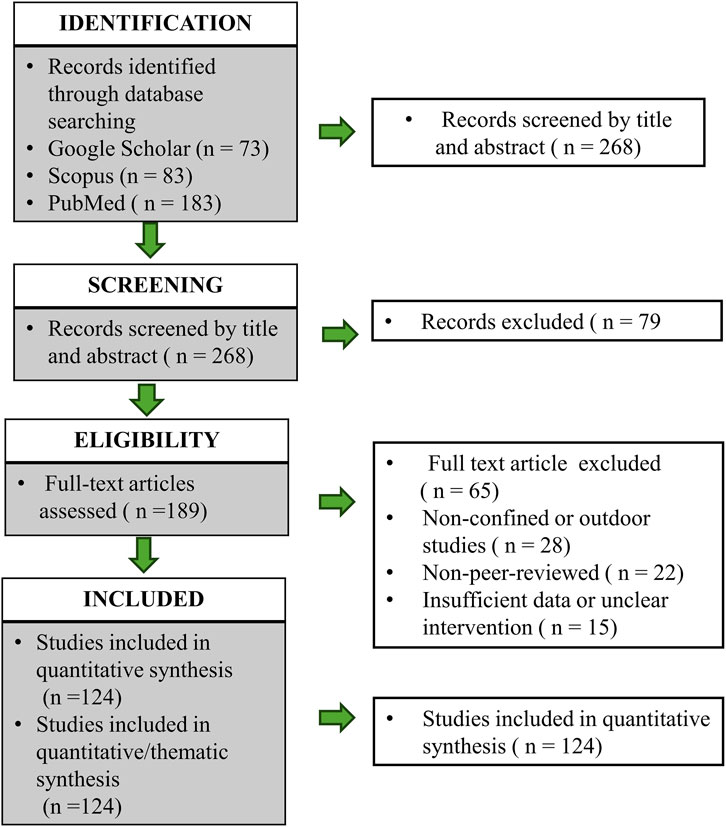
Figure 1. Flow diagram for new systematic reviews.
3 Theoretical foundations of biophilic design
Biophilic design intentionally incorporates elements like vegetation, daylight, water, and natural textures into built environments to support well-being. It is grounded in established frameworks such as Stress Reduction Theory, which posits that exposure to nature lowers physiological stress (e.g., cortisol, blood pressure), and Attention Restoration Theory, which holds that natural settings help replenish cognitive focus. Foundational studies have demonstrated that human interaction with natural features supports physical, emotional, and cognitive health across settings (Zhong et al., 2022; Grinde and Patil, 2009; Joye and De Block, 2011), forming the theoretical basis for biophilic integration in healthcare and space design.
3.1 Historical and environmental context
Confined environments—such as ICUs, eldercare facilities, spacecraft, and analog stations—often lack daylight and sensory variability, contributing to psychological strain and cognitive fatigue (Lerer and Varia, 2022; Basner, 2021). In response, designers in healthcare and aerospace have adopted biophilic strategies. Since Ulrich’s landmark 1984 study demonstrated that natural views improve patient recovery, hospitals have introduced healing gardens and daylight access. Space analogs like the ISS and Concordia Station now incorporate plant-growth modules to mitigate the psychological toll of isolation (Haeuplik-Meusburger et al., 2014). These strategies reflect a shift from utilitarian 1950s models to sensory-rich, human-centered systems in the 2020s (Montañana et al., 2024; Gushin, 2021) (see Table 1 and Figure 2).
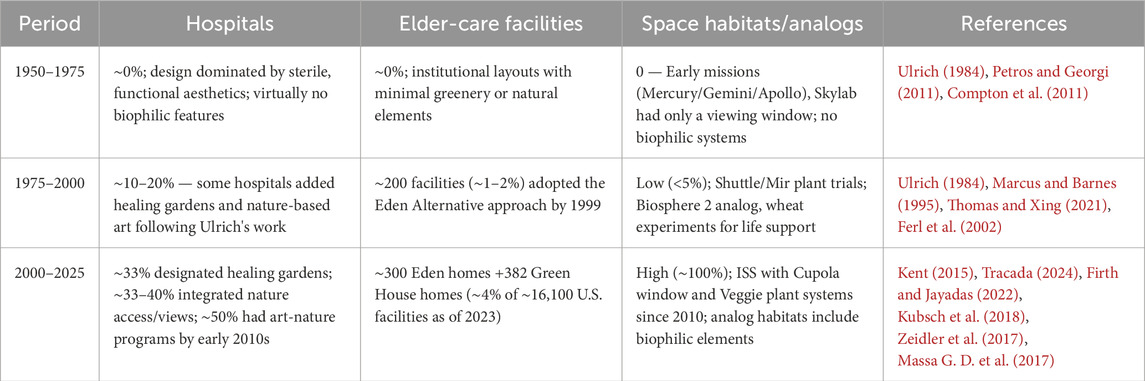
Table 1. Biophilic design adoption rates (1950–2024).
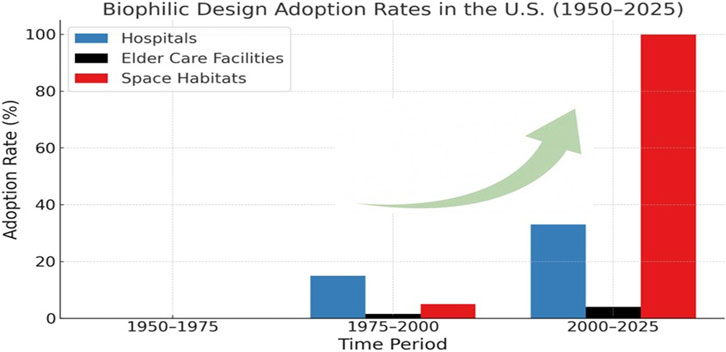
Figure 2. Biophilic design adaptation Rates (1950–2025). The term “biophilia” was coined in 1984, well after 1950s United States hospitals, which followed a sterile, minimalist International Style focused on efficiency and infection control, with little regard for nature or patient-centered design.
3.2 Biophilic integration and human resilience
Incorporating edible greens and natural stimuli into enclosed environments enhances resilience and sustainability. Biophilic design has demonstrated tangible benefits across sectors, including healthcare and workplace settings. For instance, it has been linked to increased well-being (47%), creativity (45%), and productivity (38%) in office contexts (Zhong et al., 2022). In hospitals, it reduces hospitalization time, pain perception, and stress among both patients and providers (Díaz Díez, 2024).
3.3 Cognitive and physiological effects
Biophilic environments improve cognitive function and stress regulation. Multimodal biophilic design patterns yield greater physiological benefits than isolated elements (Zhang et al., 2024). Observed outcomes include reduced cortisol, improved HRV, enhanced attention and mood, and higher post-occupancy satisfaction (Aristizabal, 2021). While causal links to longevity are complex, exposure to nature is consistently associated with reduced all-cause mortality and better quality-adjusted life years (James et al., 2016).
3.4 Controlled environments as unique stressors
Spaces like submarines, polar stations, and ICUs present unique challenges—confinement, isolation, circadian disruption, and reduced agency. These settings often lack varied sensory input and autonomy, increasing vulnerability to anxiety, cognitive decline, and depressive symptoms (Basner, 2021; Feuerecker et al., 2019). Disrupted circadian rhythms, common in artificial lighting environments, further impair sleep, cognition, and hormone balance (Wyatt et al., 2025).
Environmental deprivation dulls attention and decision-making (Mammarella, 2021),while cumulative stressors may impair neuroendocrine and immune systems (Stahn and Kühn, 2021). As countermeasures, biophilic design, artificial circadian lighting, and multisensory stimulation are being implemented to improve outcomes in closed environments (Jung et al., 2023).
Figure 2 summarizes the historical adoption of biophilic design across hospitals, eldercare settings, and space environments. “Adoption rate” refers to the proportion of facilities incorporating at least one biophilic element—such as vegetation, daylight, or nature-inspired features—into their physical environment. In the 1950s, such environments were largely utilitarian. A pivotal shift occurred after Ulrich (1984) study, which linked nature views to faster recovery and reduced analgesic use(Ulrich, 1984). Over the next decades, hospitals and eldercare centers began integrating features like healing gardens and daylight exposure. This trend accelerated in the 2020s as further evidence demonstrated benefits for both patient outcomes and staff wellbeing (Montañana et al., 2024). Eldercare environments similarly evolved from low-stimulation interiors to designs that incorporate sensory gardens and indoor greenery supporting cognitive and emotional resilience (Gushin, 2021).
4 Edible plants as dual-purpose interventions
4.1 Nutritional values
Microgreens, such as kale, radish, and mustard greens, are rich in essential nutrients and bioactive compounds. Microgreens are young, edible seedlings of vegetables and herbs harvested at the cotyledon stage or when they first develop true leaves, typically 7–21 days after germination. They are more mature than sprouts, harvested earlier than baby greens, and known for their concentrated nutrients, intense flavors, and vibrant colors (Xiao et al., 2012). They contain high levels of vitamins C, E, and K, as well as minerals such as iron and magnesium. Additionally, these plants are rich in antioxidants, including phenolic compounds and carotenoids (Marques et al., 2021). These nutrients support immune function, reduce oxidative stress, and promote overall health. Studies have shown that microgreens can offer significantly higher nutrient densities than their mature counterparts, making them a valuable addition to diets, especially in controlled environments where nutritional variety may be limited (Bhaswant et al., 2023; Ayeni, 2021).
4.2 Psychosocial benefits
Engaging in horticultural activities, such as growing and consuming edible plants, has been associated with enhanced psychological wellbeing. Horticultural therapy has reduced stress, anxiety, and depression while also improving mood and social interactions (Soga et al., 2017; Detweiler, 2012). These benefits are particularly significant in isolated or confined settings, where interaction with nature and engaging in purposeful activities can help alleviate the adverse effects of isolation and monotony. Caring for plants fosters a sense of responsibility and accomplishment, which contributes to improved mental health outcomes (Ainamani et al., 2022; Dijkstra et al., 2008). found that indoor plants in hospital waiting rooms helped reduce patients’ perceived stress. Their study suggested that this stress-reducing effect was mediated by increased environmental attractiveness, thereby confirming the importance of biophilic design in indoor healthcare settings (Dijkstra et al., 2008).
5 Evidence synthesis from clinical and confined settings
To better understand the impacts of biophilic and plant-based interventions across various confined settings, we synthesized evidence from clinical and space-analog environments. The following subsections present selected case studies and experimental findings from hospital intensive care units, long-term care facilities, and isolation environments. These examples highlight both the benefits and limitations of implementing biophilic strategies in settings where infection control, spatial constraints, and psychological stress are critical factors.
5.1 Quantitative overview of physiological effects
To complement the qualitative synthesis, we identified studies reporting statistically robust physiological outcomes from biophilic interventions in confined environments. Table 2 summarizes a subset of these studies, highlighting key metrics, including sample size, intervention type, outcome variables (e.g., cortisol, blood pressure, EEG indices), and reported statistical significance. Where available, mean values, standard deviations, and p-values are included to illustrate the strength and consistency of effects. These findings underscore the measurable physiological benefits of exposure to nature-based elements in clinical or isolated settings.
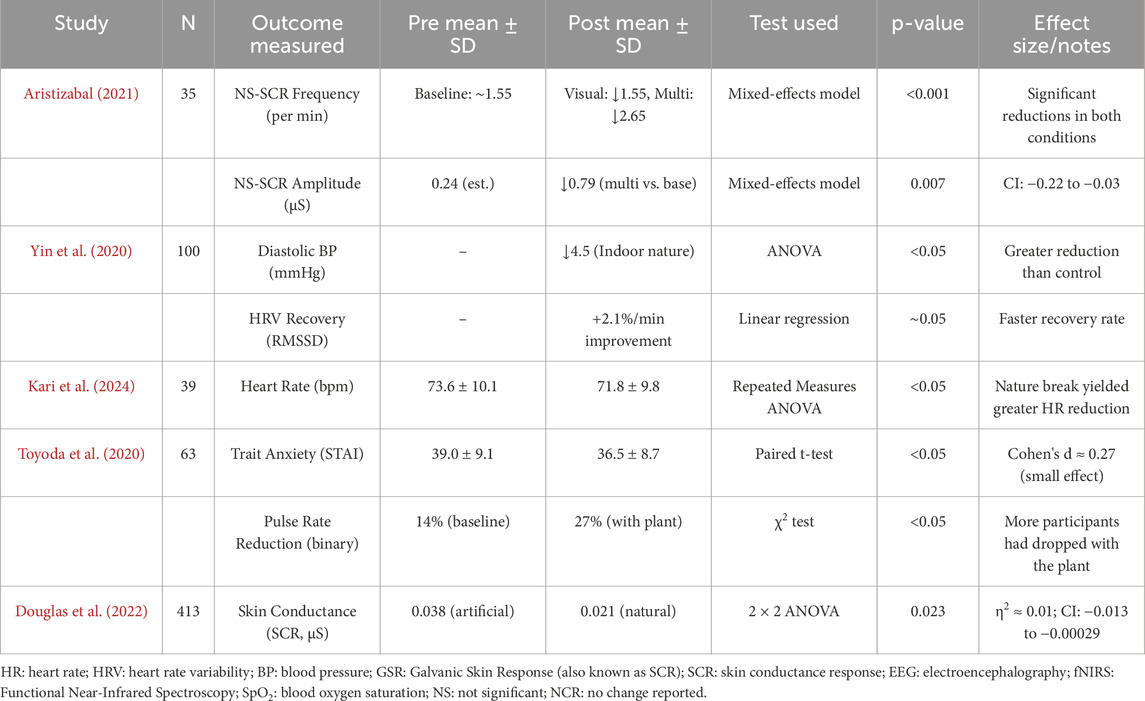
Table 2. Quantitative physiological outcomes from biophilic intervention studies.
5.2 Hospital and ICU-Based studies
Clinical studies have demonstrated that integrating natural elements, such as aromatherapy and access to a green environment, into hospital and intensive care unit (ICU) settings can significantly enhance patient wellbeing. For instance, a randomized controlled trial found that lavender aromatherapy improved sleep quality and reduced anxiety among 60 patients in a coronary intensive care unit (ICU) (Karadag et al., 2017). Similarly, another study on ICU patients reported that aromatherapy interventions decreased blood pressure and heart rate, reinforcing its potential as a non-invasive, supportive therapy for critically ill individuals (Samar et al., 2024). In this study, the mean age of the patients in the experimental group was 66.84 ± 20.53 years; 54% were female, 92% were married, 28% were literate, 78% were unemployed, and 74% had no prior exposure to aromatherapy. In contrast, the mean age of the control group was 61.30 ± 22.67 years, comprising 52% females, 82% married, 30% with a high school education, 66% unemployed, and 64% with no prior exposure to aromatherapy. Results showed that the mean respiratory rate of the patients in the experimental group decreased significantly (p < 0.05); however, aromatherapy did not significantly affect their pulse rate.
5.3 Biophilic restrictions in hospitals and ICUs
Many hospitals, particularly intensive care units (ICUs), restrict the use of live plants and flowers due to infection control policies and concerns about microbial contamination. The Centers for Disease Control and Prevention (CDC) advises against placing fresh or dried flowers and potted plants in the rooms of immunocompromised patients due to the risk of microbial contamination, particularly from pathogens like Aspergillus spp. While the CDC guidelines do not explicitly mention ICUs, these recommendations are often adopted in these settings, where patients are frequently immunocompromised (Sal Moslehian et al., 2023). Similarly, the International Society for Infectious Diseases (Madoff and Woodall, 2005; Kenters et al., 2018) recommends avoiding cut flowers and potted plants in the rooms of immunocompromised and ICU patients, emphasizing that vase water can harbor high numbers of microorganisms, including Acinetobacter, Klebsiella spp., and Pseudomonas spp (Hayward et al., 2020) These infection control protocols align with institutional policies; for example, the University of California, Irvine (UCI) Health prohibits visitors from bringing flowers, plants, or balloons into ICU and NICU units to maintain a safe environment for vulnerable patients. Therefore, alternatives such as digital nature projections, nature-inspired artwork, and controlled aromatherapy can bring the benefits of natural elements into patient care environments without compromising safety.
5.4 The role of biophilia in patient and elderly care
Incorporating natural elements into elderly care facilities can significantly benefit residents. For instance, exposure to indoor plants has been associated with lower diastolic blood pressure and improved relaxation responses, which supports both the SRT and ART (Lee et al., 2025). Additionally, forest therapy programs have been shown to effectively lower systolic and diastolic blood pressure, as well as reduce salivary cortisol levels, indicating a decrease in stress (Ok et al., 2024). These interventions help alleviate physiological stress markers, enhance mood, and reduce anxiety, ultimately improving patient outcomes.
Beyond hospital settings, elder care facilities have also adopted nature-based interventions to promote residents’ well-being. A systematic review and meta-analysis, conducted by Lu et al. (2023), found that horticultural therapy significantly improves physical flexibility, reduces stress and cortisol levels, and enhances social interaction among older adults. Furthermore, a study by Kim et al. (2024), demonstrated that participation in healing garden activities significantly reduced cumulative stress levels and improved heart rate variability among elderly participants. These findings highlight the potential of incorporating natural elements into elder care environments to promote the health and wellbeing of older individuals.
5.5 ICU patients and biophilic integration
Controlled Phytobiome Module (CPM): In a pilot study at the University Medical Center Groningen in the Netherlands, researchers developed a CPM installed in recovery rooms for ICU patients with weakened immune systems. This enclosed system contained edible microgreens such as arugula and radish, cultivated in sealed, HEPA-filtered units using hydroponics and UV-sterilized nutrient solutions. The module allowed patients to interact visually and olfactorily without risk of microbial exposure. Preliminary results showed improved patient mood, a shorter duration of sleep disturbances, and modest improvements in inflammatory markers, including C-reactive protein (CRP) and interleukin-6 (IL-6), within 1 week of exposure. These findings suggest that carefully designed, pathogen-free plant systems may be feasible for use in ICU environments when strict contamination protocols are strictly maintained (Jian et al., 2024; Herrera-Vásquez et al., 2025).
Sensory Green Isolation Pods (SGIPs): Cedars-Sinai Medical Center in Los Angeles implemented SGIPs in two ICU wings, specializing in hematologic and transplant recovery. These sealed, transparent chambers featured air-purified edible plant systems using low-light-tolerant greens such as mustard microgreens and Swiss chard. Integrated scent-release systems simulated forest environments. Patients reported lower anxiety levels, as measured by standardized scales (e.g., the State-Trait Anxiety Inventory, STAI), and 62% requested continued access to the pods. Staff also observed a reduced reliance on sedatives. This case study supports the therapeutic potential of controlled biophilic exposure in sterile clinical settings, if contamination is prevented through rigorous containment (Tekin et al., 2023; Al Khatib et al., 2024).
Biophilic Elements: Across hospitals, eldercare residences, and even space analogs, biophilic strategies—such as indoor vegetation, access to daylight, and nature-simulating systems—have consistently improved mood, reduced anxiety, and enhanced cognitive resilience (Miola et al., 2025; Pandita and Choudhary, 2024). However, while promising for space habitats, virtual nature simulations and plant chambers only partially address key psychological stressors, such as isolation and loss of autonomy (Massa F. G. et al., 2017; Gushin, 2021). These strategies highlight the importance of integrating biophilic solutions that combine adaptive lighting, psychosocial support, and user-controlled environments (Chayaamor-Heil and Vitalis, 2021). Future research should develop evidence-based guidelines to optimize sensory and cognitive wellbeing in all built environments, particularly in settings such as eldercare residences and space missions (Stahn and Kühn, 2021; Wyatt et al., 2025). Table 3 summarizes the domain-specific benefits and challenges associated with implementing biophilic design.
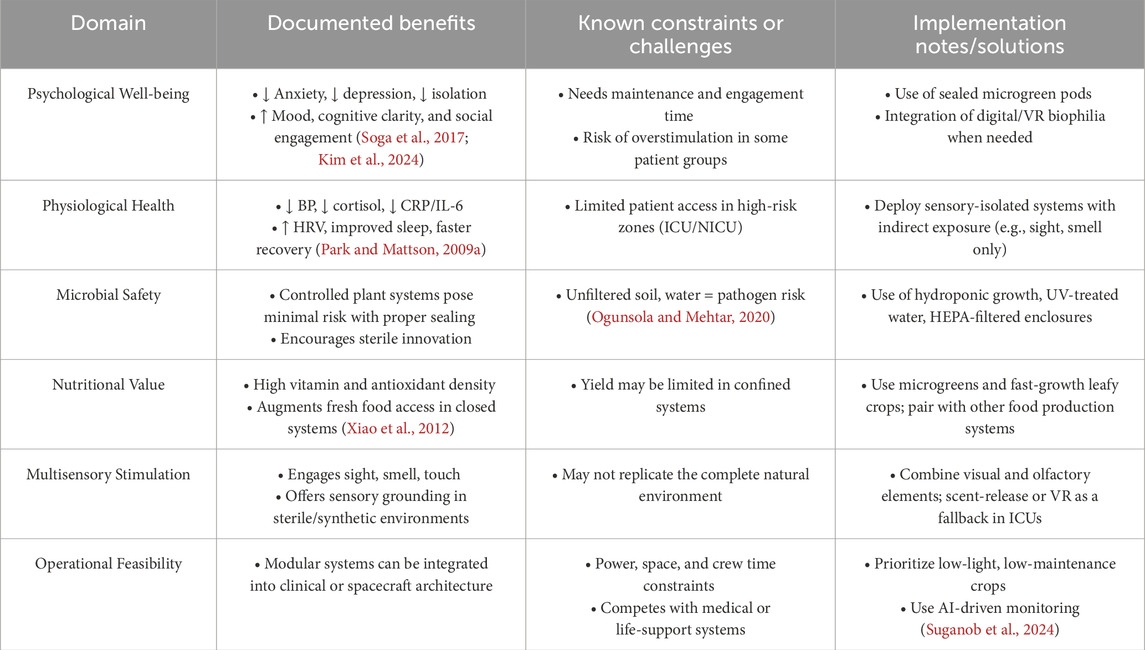
Table 3. Summary of domain-specific benefits, challenges.
5.6 Study quality and bias appraisal
We assessed methodological quality using the Joanna Briggs Institute (JBI) Critical Appraisal Checklists, applying the appropriate tool for each study type (e.g., cross-sectional, randomized controlled trials, qualitative). Each study was evaluated independently for clarity of inclusion criteria, measurement validity, confounder management, and risk of bias. A summary of quality indicators is shown in Table 4.
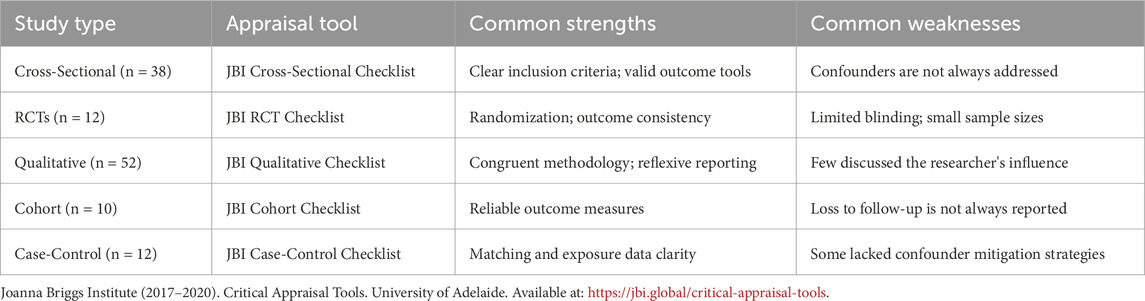
Table 4. Methodological quality appraisal of included studies using JBI checklists.
6 Self-sustaining biophilic modules
Self-sustaining biophilic modules are designed to operate independently of Earth-based utilities, such as oxygen tanks and HVAC (Heating, Ventilation, and Air Conditioning) systems. NASA’s Veggie and Advanced Plant Habitat (APH) experiments aboard the International Space Station (ISS) have demonstrated the feasibility of cultivating plants in microgravity while also providing essential psychological support for astronauts. Crew members consistently report that interacting with plants offers comfort, sensory stimulation, and emotional connection during long-duration missions (Tang et al., 2021; Teng et al., 2023). These systems also contribute to nutrition and environmental control by facilitating oxygen production and humidity regulation. The MELiSSA (Micro-Ecological Life Support System Alternative) project, spearheaded by the European Space Agency (ESA), exemplifies the functional application of biophilic design by integrating life-supporting biological systems into human habitats. A key component of this initiative is the cultivation of Limnospira indica (formerly known as Arthrospira platensis, also referred to as spirulina), a cyanobacterium recognized for its capacity to produce oxygen, recycle waste, and recover nutrients within closed-loop ecosystems designed for long-duration space missions (Mazhar et al., 2025; Verbeelen et al., 2021). Although L. indica may lack the sensory appeal of higher plants, it effectively mimics essential Earth-based ecological functions—supporting air revitalization, water purification, and food production. This approach aligns with the core principles of biophilic design, which emphasize the integration of natural systems into confined, human-occupied environments such as spacecraft (Paulchamy, Vakkattuthundi Premji and Shanmugam, 2024). The successful operation of photobioreactors cultivating L. indica within the MELiSSA framework highlights the viability of integrating living bioreactors into orbital systems, thereby contributing to sustainability and human–nature integration beyond Earth (Lasseur and Mergeay, 2021).
6.1 Limitations of biophilic interventions in space habitats
Space habitats such as the ISS, the HERA, and proposed Moon and Mars bases pose significant environmental, operational, and microbial challenges to biophilic interventions. Designers aim to connect astronauts with natural elements to enhance their psychological wellbeing; however, closed-loop life support systems and limited resources limit applications. Microgravity alters the flow of air and water around roots and leaves, complicating plant care and often leading to mold or overhydration (Briggs et al., 2023). Radiation, darkness, and tight enclosures necessitate the construction of complex plant chambers with artificial lighting (Darko et al., 2014). Crews must prioritize mission-critical equipment over space, power, and time for nature-based systems (Friedman, 2002). Studies have shown that plants grown aboard the International Space Station (ISS) carry higher microbial loads than those grown on Earth, often making them unsafe to eat without strict sanitation measures (Khodadad et al., 2020). Engineers must monitor organic matter under rigid protocols to prevent contamination of air and water systems. Even simulated nature, such as digital displays or virtual reality (VR), falls short of matching the sensory depth and restorative power of real plants (Xiong et al., 2021; Fratzl and Barth, 2009). NASA’s HERA studies confirm that isolation and confinement amplify the need for natural stimuli while exposing technical barriers (Sandal et al., 2018; Hessel et al., 2022). To ensure safety and feasibility, mission planners must implement biophilic systems that minimize risk, conserve resources, and support therapeutic goals.
7 Design considerations and implementation strategies
7.1 Integrative and biophilic strategies
Integrating biophilic design elements into extraterrestrial habitats is crucial for supporting astronaut wellbeing during long-duration missions. Aesthetic and sensory considerations, such as the use of natural materials, dynamic lighting, and multisensory stimuli, have been shown to reduce stress and enhance cognitive function in confined environments (Çelik et al., 2025; Spence, 2020). Biophilic modules tailored for Mars and Moon missions aim to replicate Earth’s natural environments, providing psychological comfort and promoting mental health (Pearson and Craig, 2014). Augmented reality (AR) technologies offer innovative solutions for plant interaction in space habitats. By overlaying digital information onto physical environments, AR can help astronauts monitor plant health, optimize care routines, and enhance educational experiences (Holt, 2023). Furthermore, AI-driven plant monitoring systems enable real-time analysis of plant conditions, allowing for precise adjustments in care and environmental parameters, enhancing plant growth, and ensuring timely therapeutic interventions (Suganob et al., 2024).
7.2 Integration into healthcare architecture and space systems
Shared Stressors and Solutions in Hospitals and Space Modules: Hospitals and space modules, although vastly different in context, share common environmental and psychological challenges, including confinement, artificial lighting, limited social interaction, and sensory monotony. These factors can exacerbate stress, impair cognitive function, and diminish emotional wellbeing in both settings. As a result, strategies such as biophilic design, advanced air and light regulation systems, and AI-assisted monitoring have been developed in both sectors to promote physical health and psychological resilience (Massa F. G. et al., 2017; Stahn and Kühn, 2021). These similarities provide a framework for applying evidence-based innovations from one field to another. Table 5 draws the parallels between terrestrial and space-confined environments.
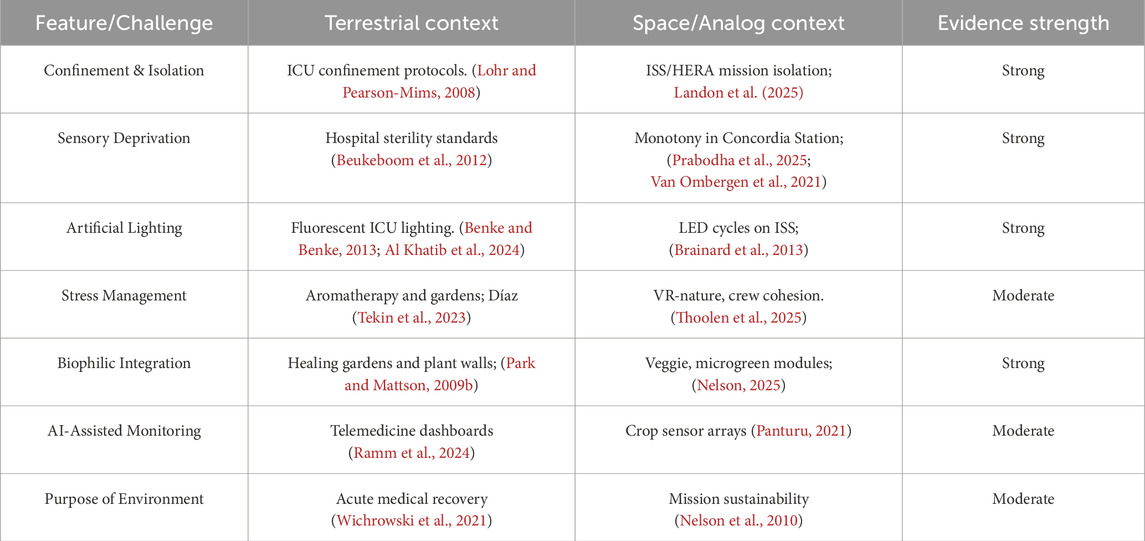
Table 5. Comparing confined-care and space environments.
7.3 Biophilic modules in healthcare design
Biophilic modules incorporate natural elements into healthcare architecture to promote physical recovery and emotional wellbeing. Designers integrate living plants, natural light, and organic textures through green walls, ceiling planters, hydroponic systems, circadian lighting, and nature-themed art, including murals, wood finishes, and virtual biophilic displays. Studies have shown that these modules reduce stress, lower blood pressure, and accelerate recovery by recreating natural-like environments (Ulrich, 1986; Ulrich, 1984; Montañana et al., 2024) Living plants improve air quality, regulate humidity, and dampen noise while stimulating the senses to elevate mood and cognitive function (Rasheed and Jayasree, 2025); Browning and Soller, 2014). Even nature-inspired designs—such as virtual displays or biomorphic patterns—enhance patient calm and boost staff satisfaction when clinical conditions prevent the use of real greenery (Berdejo-Espinola et al., 2024; Montañana et al., 2024; Zhang et al., 2024).
7.4 Balancing view risks, safety, and the need for clinical validation
While the benefits of biophilic interventions—particularly in confined or clinical environments—are compelling, caution is warranted in settings involving individuals with immunocompromised conditions. Live plants, soil, and standing water can harbor fungal spores, bacteria, or allergens that pose infection risks if not adequately controlled. Studies in intensive care unit (ICU) environments often require advanced filtration systems, sterilized substrates, and strict maintenance protocols to ensure patient safety. Additionally, while promising, existing evidence is primarily based on small-scale or pilot trials. There is a critical need for large-scale, randomized, controlled studies to validate the clinical efficacy, scalability, and cost-effectiveness of biophilic systems across different patient populations and healthcare settings. Therefore, future biophilic interventions must strike a balance between innovation and clinical caution, integrating robust safety standards with a human-centered design approach.
7.5 Design and clinical implications
Emerging Biophilic Interventions in Confined Clinical Environments Show Measurable Stress-Reduction Benefits. Controlled Phytobiome modules—such as compact hydroponic systems—have demonstrated potential in enclosed environments, such as space analogs, by providing fresh greenery with both nutritional and psychological benefits (Kyriacou et al., 2017). Introducing living plants and multisensory natural stimuli into sterile or windowless settings can positively affect physiological stress markers. Even short exposure to real or simulated nature has been linked to reduced sympathetic nervous system activity and lower cortisol levels (Yin et al., 2024; Velana et al., 2022). Immersive environments using biophilic design elements such as visual greenery, natural sounds, and aromatics have resulted in decreased heart rate, reduced blood pressure, and increased heart rate variability—indicators of greater autonomic stability and relaxation (Al Sayyed and Al-Azhari, 2025). Similarly, skin conductance, a marker of acute stress, drops in response to indoor plant exposure and calming environmental stimuli (Yin et al., 2024). Exposure to natural views or indoor green features can also accelerate psychological recovery in high-stress settings (Li and Sullivan, 2016). Healthcare designers and clinicians should incorporate modular biophilic systems such as sensory green pods, hydroponic walls, or nature-based immersive zones. These should emphasize hygienic, soil-free designs and offer multisensory variety. Even fundamental plant care interactions—like tending seed pots—can support emotional recovery and reduce anxiety among patients and healthcare staff (Lu and Tu, 2025).
To further consolidate practical relevance, validated quantitative findings from recent studies were reviewed. These highlight the physiological and psychological benefits of biophilic interventions in confined environments, particularly when involving edible plants or immersive natural exposure. Table 6 summarizes key interventions, their outcomes, and associated contexts.

Table 6. Quantitative effects of biophilic interventions in confined/clinical settings.
8 Results and conclusion
Biophilic interventions, particularly those involving edible greens, natural imagery, and multisensory exposure, are increasingly linked to measurable improvements in health within confined environments. In hospitals and eldercare settings, indoor gardens and natural design elements have been shown to reduce blood pressure by approximately 6.5 mmHg (Lee, 2015) lower anxiety and enhance mood and cognitive engagement. Eldercare programs that include horticultural therapy show cortisol reductions of up to 12%, thereby improving resilience among residents facing chronic illness or cognitive decline (Detweiler et al., 2015).
In intensive care units (ICUs) and isolation wards, sensory stimulation from images or digital nature exposure helps modulate autonomic stress responses. For example, a virtual reality-based forest simulation reduced respiratory rate by 0.56 breaths per minute among ICU patients, indicating autonomic calming (Gerber et al., 2019). Such findings support the applicability of Stress Reduction Theory (SRT) and Attention Restoration Theory (ART) in clinical design.
Spaceflight studies increasingly use live plants for both life-support and mental health. For example, a NASA HERA analog study found that crews eating fresh fruits and vegetables showed measurable gains in health and performance (Douglas et al., 2022). On the ISS, the Veggie and Advanced Plant Habitat systems have successfully grown lettuce, kale and even flowers; these plants supply nutrients and help recycle CO2 into O2 via photosynthesis while giving astronauts a “taste of Earth”. Moreover, tending and consuming space-grown crops tends to boost crew morale and reduce stress (Landon et al., 2025). The edible plant systems offer more than aesthetic benefits: they support physiological and emotional regulation in high-stress environments. When integrated thoughtfully, such systems serve as therapeutic tools in recovery rooms, eldercare centers, and extraterrestrial missions alike.
9 Future directions
9.1 Virtual biophilia and AI in self-sustaining confined environments
Future research in biophilic design is expanding into innovative areas that support self-sustaining living in confined environments. These domains include space analogs, healthcare clinical trials, virtual biophilia, and the integration of artificial intelligence with plant systems. Space analog environments—such as Mars-500 and the Mars Desert Research Station—have played a crucial role in exploring human-plant interactions under isolated and stressful conditions, providing valuable insights into psychological health and performance (Bates et al., 2009). In hospital settings, biophilic elements such as greenery and natural light have been linked to improved patient recovery and staff well-being, underscoring the need for more comprehensive clinical evaluations (Audet et al., 2025; Yan et al., 2024). Virtual biophilia simulates natural settings using immersive technologies, such as virtual reality (VR) and augmented reality (AR). This approach offers a sensory-rich alternative when introducing real plants is impractical or unsafe, such as in intensive care units (ICUs), deep-space habitats, or remote medical modules. Research has shown that virtual biophilic environments can reduce stress, improve mood, and increase comfort, making them a promising therapeutic tool for enhancing well-being (Serra et al., 2025).
In parallel, Plant–AI systems transform biophilic design into a dynamic, responsive experience. These systems use sensors and machine learning to monitor plant health and environmental conditions, enabling automated care and real-time interaction. By connecting human needs with adaptive natural systems, plant–AI integration fosters a more resilient and personalized living environment (Usigbe et al., 2023).
9.2 From space farms to healing gardens: bioregenerative innovation for hospitals
The advancements in plant cultivation technologies developed for space missions offer significant potential for application in terrestrial healthcare settings. Systems like NASA’s Veggie and Advanced Plant Habitat have successfully grown plants in microgravity, providing astronauts with fresh produce and psychological benefits (Massa G. D. et al., 2017). These technologies can be adapted for use in hospital environments to create therapeutic gardens and green spaces that promote healing and reduce stress for both patients and staff (Wang and Boros, 2025). Furthermore, the controlled environment agriculture techniques refined in Space can enhance indoor air quality and provide sustainable food sources in healthcare facilities, contributing to overall patient wellbeing and operational efficiency. Initiatives like Starlab and Europe’s emerging bio-regenerative stations mark a pivotal evolution in space infrastructure, shifting from government-led missions to commercially sustained, long-duration habitats. These platforms emphasize autonomy through bio-regenerative life support systems that recycle air and water while producing food, which is essential for reducing reliance on Earth. By integrating AI-driven monitoring, modular architecture, and international collaboration, these initiatives point to a future where commercial space stations, such as Starlab, serve as research hubs and vital testbeds for Mars-bound technologies and closed-loop sustainability systems. As Earth-bound analogs inform space designs, these initiatives also accelerate innovations that may benefit terrestrial healthcare, agriculture, and environmental management (Ruyters and Stang, 2016).
Data availability statement
Publicly available datasets were analyzed in this study. This data can be found here: No new data were generated.
Author contributions
AZ: Conceptualization, Investigation, Methodology, Writing – original draft, Writing – review and editing. S-FW: Conceptualization, Investigation, Methodology, Supervision, Writing – review and editing.
Funding
The authors declare that no financial support was received for the research and/or publication of this article.
Conflict of interest
The authors declare that the research was conducted in the absence of any commercial or financial relationships that could be construed as a potential conflict of interest.
Generative AI statement
The authors declare that no Generative AI was used in the creation of this manuscript.
Any alternative text (alt text) provided alongside figures in this article has been generated by Frontiers with the support of artificial intelligence and reasonable efforts have been made to ensure accuracy, including review by the authors wherever possible. If you identify any issues, please contact us.
Publisher’s note
All claims expressed in this article are solely those of the authors and do not necessarily represent those of their affiliated organizations, or those of the publisher, the editors and the reviewers. Any product that may be evaluated in this article, or claim that may be made by its manufacturer, is not guaranteed or endorsed by the publisher.
References
Ainamani H. E., Gumisiriza N., Bamwerinde W. M., Rukundo G. Z. (2022). Gardening activity and its relationship to mental health: understudied and untapped in low-and middle-income countries. Prev. Med. Rep. 29, 101946. doi:10.1016/j.pmedr.2022.101946
Al Khatib I., Samara F., Ndiaye M. (2024). A systematic review of the impact of therapeutical biophilic design on health and wellbeing of patients and care providers in healthcare services settings. Front. Built Environ. 10, 1467692. doi:10.3389/fbuil.2024.1467692
Al Sayyed H., Al-Azhari W. (2025). Investigating the role of biophilic design to enhance comfort in residential spaces: human physiological response in immersive virtual environment. Front. Virtual Real. 6, 1411425. doi:10.3389/frvir.2025.1411425
Aristizabal S., Byun K., Porter P., Clements N., Campanella C., Li L., et al. (2021). Biophilic office design: exploring the impact of a multisensory approach on human well-being. J. Environ. Psychol. 77, 101682. doi:10.1016/j.jenvp.2021.101682
Audet C., Bernier A., Godbout-Parent M., Nguena Nguefack H. L., Ferland L., Bush P. L., et al. (2025). Assessment of clinician well-being and the factors that influence it using validated questionnaires: a systematic review. Commun. Med. 5 (1), 343. doi:10.1038/s43856-025-01069-1
Ayeni A. (2021). Nutrient content of Micro/baby-green and field-grown mature foliage of tropical spinach (Amaranthus sp.) and Roselle (Hibiscus sabdariffa L.). Foods 10 (11), 2546. doi:10.3390/foods10112546
Basner M., Dinges D. F., Howard K., Moore T. M., Gur R. C., Mühl C., et al. (2021). Continuous and intermittent artificial gravity as a countermeasure to the cognitive effects of 60 days of head-down tilt bed rest. Front. Physiology 12, 643854. doi:10.3389/fphys.2021.643854
Bates S., Gushin V., Bingham G., Vinokhodova A., Marquit J., Sychev V. (2009). Plants as countermeasures: a review of the literature and application to habitation systems for humans living in isolated or extreme environments. Habitation 12 (1), 33–40. doi:10.3727/154296610X12686999887201
Benke K. K., Benke K. E. (2013). Uncertainty in health risks from artificial lighting due to disruption of circadian rhythm and melatonin secretion: a review. Hum. Ecol. Risk Assess. An Int. J. 19 (4), 916–929. doi:10.1080/10807039.2012.702608
Berdejo-Espinola V., Zahnow R., O'Bryan C. J., Fuller R. A. (2024). Virtual reality for nature experiences. Nat. Hum. Behav. 8 (6), 1005–1007. doi:10.1038/s41562-024-01857-0
Beukeboom C. J., Langeveld D., Tanja-Dijkstra K. (2012). Stress-reducing effects of real and artificial nature in a hospital waiting room. J. Altern. Complementary Med. (New York, N.Y.) 18 (4), 329–333. doi:10.1089/acm.2011.0488
Bhaswant M., Shanmugam D. K., Miyazawa T., Abe C., Miyazawa T. (2023). Microgreens-A comprehensive review of bioactive molecules and health benefits. Mol. Basel, Switz. 28 (2), 867. doi:10.3390/molecules28020867
Brainard G. C., Coyle W., Ayers M., Kemp J., Warfield B., Maida J., et al. (2013). Solid-state lighting for the international space station: tests of visual performance and melatonin regulation. Acta Astronaut. 92 (1), 21–28. doi:10.1016/j.actaastro.2012.04.019
Briggs R., Morris P. G., Rees K. (2023). The effectiveness of group-based gardening interventions for improving wellbeing and reducing symptoms of mental ill-health in adults: a systematic review and meta-analysis. J. Ment. Health 32 (4), 787–804. doi:10.1080/09638237.2022.2118687
Browning C.R., Soller B. (2014). Moving Beyond Neighborhood: Activity Spaces and Ecological Networks As Contexts for Youth Development. Washington, DC.: Cityscape, 165–196.
Çelik M., Didikoğlu A., Kazanasmaz T. (2025). Optimizing lighting design in educational settings for enhanced cognitive performance: a literature review. Energy Build. 328, 115180. doi:10.1016/j.enbuild.2024.115180
Chayaamor-Heil N., Vitalis L. (2021). Biology and architecture: an ongoing hybridization of scientific knowledge and design practice by six architectural offices in France. Front. Archit. Res. 10 (2), 240–262. doi:10.1016/j.foar.2020.10.002
Compton W., Benson C. D., Dickson P. (2011). Living and working in space: a NASA history of skylab. Dover Publications/Courier Corporation. Available online at:https://ntrs.nasa.gov/citations/19840017669.
Darko E., Heydarizadeh P., Schoefs B., Sabzalian M. R. (2014). Photosynthesis under artificial light: the shift in primary and secondary metabolism. Philosophical Trans. R. Soc. Lond. Ser. B, Biol. Sci. 369 (1640), 20130243. doi:10.1098/rstb.2013.0243
Detweiler M. B., Sharma T., Detweiler J. G., Murphy P. F., Lane S., Carman J., et al. (2012). What is the evidence to support the use of therapeutic gardens for the elderly? Psychiatry Investig. 9 (2), 100–110. doi:10.4306/pi.2012.9.2.100
Detweiler M. B., Self J. A., Lane S., Spencer L., Lutgens B., Kim D. Y., et al. (2015). Horticultural therapy: a pilot study on modulating cortisol levels and indices of substance craving, posttraumatic stress disorder, depression, and quality of life in veterans. Altern. Ther. Health Med. 21 (4), 36–41.
Díaz Díez C. A. (2024). Voluntad y motivación en actos administrativos automatizados con inteligencia artificial: ¿un nuevo entendimiento de conceptos humanos? InDret 4, 409–440. doi:10.31009/InDret.2024.i4.12
Dijkstra K., Pieterse M. E., Pruyn A. (2008). Stress-reducing effects of indoor plants in the built healthcare environment: the mediating role of perceived attractiveness. Prev. Med. 47 (3), 279–283. doi:10.1016/j.ypmed.2008.01.013
Douglas I. P., Murnane E. L., Bencharit L. Z., Altaf B., Costa J. M. d. R., Yang J., et al. (2022). Physical workplaces and human well-being: a mixed-methods study to quantify the effects of materials, windows, and representation on biobehavioral outcomes. Build. Environ. 224, 109516. doi:10.1016/j.buildenv.2022.109516
Ferl R., Wheeler R., Levine H. G., Paul A. L. (2002). Plants in space. Curr. Opin. Plant Biol. 5 (3), 258–263. doi:10.1016/S1369-5266(02)00254-6
Feuerecker M., Crucian B. E., Quintens R., Buchheim J. I., Salam A. P., Rybka A., et al. (2019). Immune sensitization during 1 year in the Antarctic high-altitude concordia environment. Allergy 74 (1), 64–77. doi:10.1111/all.13545
Firth A., Jayadas A. (2022). “Biophilic design of the ISS crew quarters to improve cognitive and physiological health measures,” in 2022 IEEE aerospace conference (AERO). 2022 IEEE aerospace conference (AERO), big sky (MT, USA: IEEE), 1–10. doi:10.1109/AERO53065.2022.9843279
Fratzl P., Barth F. G. (2009). Biomaterial systems for mechanosensing and actuation. Nature 462 (7272), 442–448. doi:10.1038/nature08603
Friedman J. H. (2002). Stochastic gradient boosting. Comput. Statistics and Data Analysis 38 (4), 367–378. doi:10.1016/S0167-9473(01)00065-2
Friedmann E., Son H., Saleem M. (2015). “The animal–human bond,” in Handbook on animal-assisted therapy (Elsevier), 73–88. doi:10.1016/B978-0-12-801292-5.00007-9
Gao C., Wu R. Y., Dong X. M., Li L., Tan Y. X., Liu C. L., et al. (2025). The effect of virtual immersion in nature on hospitalization stress in psychiatric patients: a randomized controlled trial. J. Affect. Disord. 391, 119942. doi:10.1016/j.jad.2025.119942
Gaugler J. E. (2005). Family involvement in residential long-term care: a synthesis and critical review. Aging and Ment. Health 9 (2), 105–118. doi:10.1080/13607860412331310245
Gerber S. M., Jeitziner M. M., Knobel S. E. J., Mosimann U. P., Müri R. M., Jakob S. M., et al. (2019). Perception and performance on a virtual reality cognitive stimulation for use in the intensive care unit: a non-randomized trial in critically ill patients. Front. Med. 6, 287. doi:10.3389/fmed.2019.00287
Grinde B., Patil G. G. (2009). Biophilia: does visual contact with nature impact on health and well-being? Int. J. Environ. Res. Public Health 6 (9), 2332–2343. doi:10.3390/ijerph6092332
Gushin V., Ryumin O., Karpova O., Rozanov I., Shved D., Yusupova A. (2021). Prospects for psychological support in interplanetary expeditions. Front. Physiology 12, 750414. doi:10.3389/fphys.2021.750414
Haeuplik-Meusburger S., Paterson C., Schubert D., Zabel P. (2014). Greenhouses and their humanizing synergies. Acta Astronaut. 96, 138–150. doi:10.1016/j.actaastro.2013.11.031
Hayward C., Ross K. E., Brown M. H., Whiley H. (2020). Water as a source of antimicrobial resistance and healthcare-associated infections. Pathogens 9 (8), 667. doi:10.3390/pathogens9080667
Herrera-Vásquez A., Schlechter R., Armijo-Godoy G., Monteoliva M. I. (2025). Editorial: pathogen suppression by plant-associated microbiota. Front. Plant Sci. 16, 1604449. doi:10.3389/fpls.2025.1604449
Hessel V., Liang S., Tran N. N., Escribà-Gelonch M., Zeckovic O., Knowling M., et al. (2022). Eustress in space: opportunities for plant stressors beyond the Earth ecosystem. Front. Astronomy Space Sci. 9, 841211. doi:10.3389/fspas.2022.841211
Holt S. (2023). Virtual reality, augmented reality and mixed reality: for astronaut mental health; and space tourism, education and outreach. Acta Astronaut. 203, 436–446. doi:10.1016/j.actaastro.2022.12.016
James P., Hart J. E., Banay R. F., Laden F. (2016). Exposure to greenness and mortality in a nationwide prospective cohort study of women. Environ. Health Perspect. 124 (9), 1344–1352. doi:10.1289/ehp.1510363
Jian Y., Gong D., Wang Z., Liu L., He J., Han X., et al. (2024). How plants manage pathogen infection. EMBO Reports 25 (1), 31–44. doi:10.1038/s44319-023-00023-3
Joye Y., De Block A. (2011). Nature and I are two’: a critical examination of the biophilia hypothesis. Environ. Values 20 (2), 189–215. doi:10.3197/096327111X12997574391724
Jung D., Kim D. I., Kim N. (2023). Bringing nature into hospital architecture: machine learning-based EEG analysis of the biophilia effect in virtual reality. J. Environ. Psychol. 89, 102033. doi:10.1016/j.jenvp.2023.102033
Kaplan R., Kaplan S., Brown T. (1989). Environmental Preference: A Comparison of Four Domains of Predictors. Environ Behav. 21 (5), 509–530. doi:10.1177/0013916589215001
Karadag E., Samancioglu S., Ozden D., Bakir E. (2017). Effects of aromatherapy on sleep quality and anxiety of patients. Nurs. Crit. Care 22 (2), 105–112. doi:10.1111/nicc.12198
Kari T., Ojala A., Kurkilahti M., Tyrväinen L. (2024). Comparison between three different delivery technologies of virtual nature on psychological state related to general stress recovery: an experimental study. J. Environ. Psychol. 100, 102452. doi:10.1016/j.jenvp.2024.102452
Keng S.-L., Smoski M. J., Robins C. J. (2011). Effects of mindfulness on psychological health: a review of empirical studies. Clin. Psychol. Rev. 31 (6), 1041–1056. doi:10.1016/j.cpr.2011.04.006
Kenters N., Gottlieb T., Hopman J., Mehtar S., Schweizer M. L., Tartari E., et al. (2018). An international survey of cleaning and disinfection practices in the healthcare environment. J. Hosp. Infect. 100 (2), 236–241. doi:10.1016/j.jhin.2018.05.008
Kent J. L. (2015). Therapeutic landscapes: an evidence-based approach to designing healing gardens and restorative outdoor spaces. Aust. Plan. 52 (3), 242–243. doi:10.1080/07293682.2014.897638
Khan A. (2023) Developing a new approach to healthcare facility design through biophilic design practices for palliative patients; a comparative study. doi:10.13140/RG.2.2.20890.82881
Khodadad C. L. M., Hummerick M. E., Spencer L. E., Dixit A. R., Richards J. T., Romeyn M. W., et al. (2020). Microbiological and nutritional analysis of lettuce crops grown on the international space station. Front. Plant Sci. 11, 199. doi:10.3389/fpls.2020.00199
Kim S.-H., Seo J.-B., Ryu B.-Y. (2024). Stress control in older people through healing garden activities. Behav. Sci. 14 (3), 234. doi:10.3390/bs14030234
Kubsch S. M., Tyczkowski B. L., Passel C. (2018). The impact of the eden alternative on hope. Nurs. Resid. Care 20 (2), 91–94. doi:10.12968/nrec.2018.20.2.91
Kyriacou M. C., De Pascale S., Kyratzis A., Rouphael Y. (2017). Microgreens as a component of space life support systems: a cornucopia of functional food. Front. Plant Sci. 8, 1587. doi:10.3389/fpls.2017.01587
Landon L. B., Begerowski S. R., Roma P. G., Whiting S. E., Bell S. T., Massa G. D. (2025). Sustaining the merry space farmer with pick-and-eat crop production. Npj Microgravity 11 (1), 72. doi:10.1038/s41526-025-00513-9
Lasseur C., Mergeay M. (2021). Current and future ways to closed life support systems: virtual melissa conference a review. Ecol. Eng. Environ. Prot. 25–35. doi:10.32006/eeep.2021.1.2535
Lee M.-J. (2010). Effects of various horticultural activities on the autonomic nervous system and cortisol response of mentally challenged adults. HortTechnology 20 (6), 971–976. doi:10.21273/HORTTECH.20.6.971
Lee M., Lee J., Park B. J., Miyazaki Y. (2015). Interaction with indoor plants may reduce psychological and physiological stress by suppressing autonomic nervous system activity in young adults: a randomized crossover study. J. Physiological Anthropol. 34 (1), 21. doi:10.1186/s40101-015-0060-8
Lee S.-H., Chu Y. C., Wang L. W., Tsai S. C. (2025). Therapeutic potentials of virtual blue spaces: a study on the physiological and psychological health benefits of virtual waterscapes. Healthcare 13 (11), 1353. doi:10.3390/healthcare13111353
Lerer L., Varia J. (2022). A long trip into the universe: psychedelics and space travel. Front. Space Technol. 3, 899159. doi:10.3389/frspt.2022.899159
Li D., Sullivan W. C. (2016). Impact of views to school landscapes on recovery from stress and mental fatigue. Landsc. Urban Plan. 148, 149–158. doi:10.1016/j.landurbplan.2015.12.015
Li Z.-M., Liu H., Zhang W. Z., Liu H. (2020). Psychophysiological and cognitive effects of strawberry plants on people in isolated environments. J. Zhejiang Univ. Sci. B 21 (1), 53–63. doi:10.1631/jzus.B1900331
Lohr V. I., Pearson-Mims C. H. (2008). People’s response to discomfort in the presence of interior plants or art. Acta Hortic. (790), 173–178. doi:10.17660/ActaHortic.2008.790.24
Lu Y.-C., Tu H.-M. (2025). Analyzing the effects of seed pot care on emotions and stress: an exploratory randomized controlled trial. HortScience 60 (7), 1042–1049. doi:10.21273/HORTSCI18587-25
Lu S., Liu J., Xu M., Xu F. (2023). Horticultural therapy for stress reduction: a systematic review and meta-analysis. Front. Psychol. 14, 1086121. doi:10.3389/fpsyg.2023.1086121
Madoff L. C., Woodall J. P. (2005). The Internet and the Global Monitoring of Emerging Diseases: Lessons from the First 10 Years of ProMED-mail. Arch. Med. Res. 36 (6), 724–730. doi:10.1016/j.arcmed.2005.06.005
Mammarella N. (2021). Can space tourism boost sustainable behavior? Front. Psychol. 12, 771936. doi:10.3389/fpsyg.2021.771936
Marcus C. C., Barnes M. (1995). Gardens in healthcare facilities: uses, therapeutic benefits, and design recommendation. Martinez, CA: Center for Health Design. Available online at: https://www.healthdesign.org/sites/default/files/Gardens%20in%20HC%20Facility%20Visits.pdf.
Marques M. C., Hacke A., Neto C. A. C., Mariutti L. R. (2021). Impact of phenolic compounds in the digestion and absorption of carotenoids. Curr. Opin. Food Sci. 39, 190–196. doi:10.1016/j.cofs.2021.03.006
Massa F. G. F. G., Boldrini A., Pazzaglia F., Wang L. (2017). Emotions uncorked: inspiring evangelism for the emerging practice of cool-climate winemaking in Ontario. Acad. Manag. J. 60 (2), 461–499. doi:10.5465/amj.2014.0092
Massa G. D. G. D., Boldrini A., Pazzaglia F., Hummerick M. E., Wheeler R. M., Morrow R. C., et al. (2017). VEG-01: Veggie hardware validation testing on the international space station. Open Agric. 2 (1), 33–41. doi:10.1515/opag-2017-0003
Mazhar M. W., Ishtiaq M., Maqbool M., Mahmoud E. A., Almana F. A., Elansary H. O. (2025). Exploring the potential of plant astrobiology: adapting flora for extra-terrestrial habitats: a review. Biol. Futura 76 (1), 1–18. doi:10.1007/s42977-024-00245-z
McGreevy S., Boland P. (2020). Sensory-based interventions with adult and adolescent trauma survivors: an integrative review of the occupational therapy literature. Ir. J. Occup. Ther. 48 (1), 31–54. doi:10.1108/IJOT-10-2019-0014
Miola L., Boldrini A., Pazzaglia F. (2025). The healing power of nature. Biophilic design applied to healthcare facilities. Curr. Opin. Psychol. 64, 102049. doi:10.1016/j.copsyc.2025.102049
Montañana A., Nolé M. L., Llinares C. (2024). Strategic design approaches for eliciting the perception of ‘prestige’ in housing consumers. Buildings 14 (3), 853. doi:10.3390/buildings14030853
Nelson T. M. (2025). Evaluating human factors in isolation and confinement during analog spaceflight: a decadal survey assessing ilmah crew psychology. North Dakota. Available online at: https://www.proquest.com/openview/96688125f302e6cc4c82c3d8953d42e4/1?pq-origsite=gscholar&cbl=18750&diss=y.
Nelson M., Pechurkin N. S., Allen J. P., Somova L. A., Gitelson J. I. (2010). “Closed ecological systems, space life support and biospherics,” in Environmental biotechnology. Editors L. K. Wang, V. Ivanov, and J.-H. Tay (Totowa, NJ: Humana Press), 517–565. doi:10.1007/978-1-60327-140-0_11
Odeh R., Guy C. L. (2017). Gardening for therapeutic people-plant interactions during long-duration space missions. Open Agric. 2 (1), 1–13. doi:10.1515/opag-2017-0001
Ogunsola F. T., Mehtar S. (2020). Challenges regarding the control of environmental sources of contamination in healthcare settings in low-and middle-income countries - a narrative review. Antimicrob. Resist. Infect. Control. 9 (1), 81. doi:10.1186/s13756-020-00747-0
Ok J., Park S., Jung Y. H., Kim T. I. (2024). Wearable and implantable cortisol-sensing electronics for stress monitoring. Adv. Mater. 36 (1), 2211595. doi:10.1002/adma.202211595
Pandita D., Choudhary H. (2024). Biophilic designs: a solution for the psychological well-being and quality of life of older people. Work. Older People 28 (4), 417–427. doi:10.1108/WWOP-01-2024-0003
Panturu I. (2021). GreenPatch: architecture in sensory deprived environments. doi:10.34726/HSS.2021.64321
Park S.-H., Mattson R. H. (2009a). Ornamental indoor plants in hospital rooms enhanced health outcomes of patients recovering from surgery. J. Altern. Complementary Med. 15 (9), 975–980. doi:10.1089/acm.2009.0075
Park S.-H., Mattson R. H. (2009b). Therapeutic influences of plants in hospital rooms on surgical recovery. HortScience 44 (1), 102–105. doi:10.21273/HORTSCI.44.1.102
Paulchamy C., Vakkattuthundi Premji S., Shanmugam S. (2024). Methanogens and what they tell us about how life might survive on Mars. Crit. Rev. Biochem. Mol. Biol. 59 (5), 337–362. doi:10.1080/10409238.2024.2418639
Pearson D.G., Craig T. (2014). The great outdoors? Exploring the mental health benefits of natural environments. Front. psychol. 5, 1178. doi:10.3389/fpsyg.2014.01178
Petros A. K., Georgi J. N. (2011). Landscape preference evaluation for hospital environmental design. J. Environ. Prot. 02 (05), 639–647. doi:10.4236/jep.2011.25073
Prabodha T., Danner L., Iles G. N., Heer M., Mack I., Brennan C., et al. (2025). Initiating sensory science research in space conditions—current practices and future perspectives. Compr. Rev. Food Sci. Food Saf. 24 (5), e70241. doi:10.1111/1541-4337.70241
Ramm T. M., Werwie M., Otto T., Gloor P. A., Salingaros N. A. (2024). Artificial intelligence evaluates how humans connect to the built environment: a pilot study of two experiments in biophilia. Sustainability 16 (2), 868. doi:10.3390/su16020868
Rasheed H., Jayasree T. K. (2025). The multifaceted role of indoor plants: A comprehensive review of their impact on air quality, health, and perception. Energy. Build. 330, 115312. doi:10.1016/j.enbuild.2025.115312
Ruyters G., Stang K. (2016). Space medicine 2025 – a vision. REACH 1, 55–62. doi:10.1016/j.reach.2016.06.002
Sal Moslehian A., Roös P. B., Gaekwad J. S., Van Galen L. (2023). Potential risks and beneficial impacts of using indoor plants in the biophilic design of healthcare facilities: a scoping review. Build. Environ. 233, 110057. doi:10.1016/j.buildenv.2023.110057
Samar A. N. E. M. Y., Hamed A. M. S., Shama M. A. E., Elkattan B. A. E. (2024). Effect of aromatherapy on physiological parameters and mechanical ventilation weaning outcomes among critically ill patients. doi:10.5281/ZENODO.13881429
Sandal G. M., Van deVijver F. J. R., Smith N. (2018). Psychological hibernation in Antarctica. Front. Psychol. 9, 2235. doi:10.3389/fpsyg.2018.02235
Serra H., Zavattaro C., Eid M., Farina P., Abbatescianna D., Cirillo E., et al. (2025). Biophilic interventions in real and virtual environments reduce stress during cognitively demanding tasks. Sci. Rep. 15 (1), 39642. doi:10.1038/s41598-025-23224-3
Sholanke A. B., Eleagu J. C. (2024). Appraisal of universal design strategies for enhancing social inclusion in the development of sporting facilities. IOP Conf. Ser. Earth Environ. Sci. 1342 (1), 012024. doi:10.1088/1755-1315/1342/1/012024
Soga M., Gaston K. J., Yamaura Y. (2017). Gardening is beneficial for health: a meta-analysis. Prev. Med. Rep. 5, 92–99. doi:10.1016/j.pmedr.2016.11.007
Spano G., Theodorou A., Reese G., Carrus G., Sanesi G., Panno A. (2023). Virtual nature, psychological and psychophysiological outcomes: a systematic review. J. Environ. Psychol. 89, 102044. doi:10.1016/j.jenvp.2023.102044
Speicher L. L., Francis D. (2023). Improving employee experience: reducing burnout, decreasing turnover and building well-being. Clin. Gastroenterology Hepatology 21 (1), 11–14. doi:10.1016/j.cgh.2022.09.020
Spence C. (2020). Using ambient scent to enhance well-being in the multisensory built environment. Front. Psychol. 11, 598859. doi:10.3389/fpsyg.2020.598859
Stahn A. C., Kühn S. (2021). Brains in space: the importance of understanding the impact of long-duration spaceflight on spatial cognition and its neural circuitry. Cogn. Process. 22 (S1), 105–114. doi:10.1007/s10339-021-01050-5
Suganob N. J., Arroyo C. L., Concepcion R. (2024). Interplay of fogponics and artificial intelligence for potential application in controlled space farming. AgriEngineering 6 (3), 2144–2166. doi:10.3390/agriengineering6030126
Tang H., Rising H. H., Majji M., Brown R. D. (2021). Long-term space nutrition: a scoping review. Nutrients 14 (1), 194. doi:10.3390/nu14010194
Tekin B. H., Corcoran R., Gutiérrez R. U. (2023). A systematic review and conceptual framework of biophilic design parameters in clinical environments. HERD Health Environ. Res. and Des. J. 16 (1), 233–250. doi:10.1177/19375867221118675
Teng Z., Luo Y., Pearlstein D. J., Wheeler R. M., Johnson C. M., Wang Q., et al. (2023). Microgreens for home, commercial, and space farming: a comprehensive update of the Most recent developments. Annu. Rev. Food Sci. Technol. 14 (1), 539–562. doi:10.1146/annurev-food-060721-024636
Thomas C., Xing Y. (2021). “To what extent is biophilia implemented in the built environment to improve health and Wellbeing? State-of-the-art review and a holistic biophilic design framework,” in Emerging research in sustainable energy and buildings for a low-carbon future. Editors R. J. Howlett, J. R. Littlewood, and L. C. Jain (Singapore: Springer Singapore Advances in Sustainability Science and Technology), 227–247. doi:10.1007/978-981-15-8775-7_14
Thoolen S. J. J., Watson J. M., Fellows A. M., Bovard P. P., Strangman G. E., Buckey J. C., et al. (2025). Virtual reality-based sensory stimulation preferences at Amundsen-Scott South Pole station in Antarctica. Npj Microgravity 11 (1), 15. doi:10.1038/s41526-025-00471-2
Toyoda M., Yokota Y., Barnes M., Kaneko M. (2020). Potential of a small indoor plant on the desk for reducing office workers’ stress. HortTechnology 30 (1), 55–63. doi:10.21273/HORTTECH04427-19
Tracada E. (2024). “The biophilic healing index (BHI) as a professional tool for indoors and outdoors active living design,” in Resilient planning and design for sustainable cities. Editor F. Alberti (Cham: Springer Nature Switzerland Advances in Science, Technology and Innovation), 427–440. doi:10.1007/978-3-031-47794-2_33
Ulrich R. S. (1984). View through a window may influence recovery from surgery. Science 224 (4647), 420–421. doi:10.1126/science.6143402
Ulrich R. S. (1986). Human responses to vegetation and landscapes. Landsc. Urban Plan. 13, 29–44. doi:10.1016/0169-2046(86)90005-8
Usigbe M. J., Asem-Hiablie S., Uyeh D. D., Iyiola O., Park T., Mallipeddi R. (2023). Enhancing resilience in agricultural production systems with AI-based technologies. Environ. Dev. Sustain. 26 (9), 21955–21983. doi:10.1007/s10668-023-03588-0
Van Ombergen A., Rossiter A., Ngo-Anh T. J. (2021). White mars’ – nearly two decades of biomedical research at the antarctic Concordia station. Exp. Physiol. 106 (1), 6–17. doi:10.1113/EP088352
Velana M., Sobieraj S., Digutsch J., Rinkenauer G. (2022). The advances of immersive virtual reality interventions for the enhancement of stress management and relaxation among healthy adults: a systematic review. Appl. Sci. 12 (14), 7309. doi:10.3390/app12147309
Verbeelen T., Leys N., Ganigué R., Mastroleo F. (2021). Development of nitrogen recycling strategies for bioregenerative life support systems in space. Front. Microbiol. 12, 700810. doi:10.3389/fmicb.2021.700810
Wang F., Boros S. (2025). Effect of gardening activities on domains of health: a systematic review and meta-analysis. BMC Public Health 25 (1), 1102. doi:10.1186/s12889-025-22263-9
Wichrowski M. J., Corcoran J. R., Haas F., Sweeney G., Mcgee A. (2021). Effects of biophilic nature imagery on indexes of satisfaction in medically complex physical rehabilitation patients: an exploratory study. HERD Health Environ. Res. and Des. J. 14 (3), 288–304. doi:10.1177/19375867211004241
Wood C. J., Polley M., Barton J. L., Wicks C. L. (2022). Therapeutic community gardening as a green social prescription for mental Ill-health: impact, barriers, and facilitators from the perspective of multiple stakeholders. Int. J. Environ. Res. Public Health 19 (20), 13612. doi:10.3390/ijerph192013612
Wright N., Wilson L., Smith M., Duncan B., McHugh P. (2017). The BROAD study: a randomised controlled trial using a whole food plant-based diet in the community for obesity, ischaemic heart disease or diabetes. Nutr. and Diabetes 7 (3), e256. doi:10.1038/nutd.2017.3
Wyatt B., McPherson C., O’Donnell L. (2025). Stature and its association with physiological stress exposure in a pediatric autopsy sample. Am. J. Hum. Biol. 37 (1), e24190. doi:10.1002/ajhb.24190
Xiao Z., Lester G. E., Luo Y., Wang Q. (2012). Assessment of vitamin and carotenoid concentrations of emerging food products: edible microgreens. J. Agric. Food Chem. 60 (31), 7644–7651. doi:10.1021/jf300459b
Xiong J., Hsiang E. L., He Z., Zhan T., Wu S. T. (2021). Augmented reality and virtual reality displays: emerging technologies and future perspectives. Light Sci. and Appl. 10 (1), 216. doi:10.1038/s41377-021-00658-8
Yan S., Azmi A., Mansor N., Wang Z., Wang Y. (2024). Healing spaces as a design approach to optimize emotional regulation for patients with mood disorders. Buildings 14 (2), 472. doi:10.3390/buildings14020472
Yin J., Yuan J., Arfaei N., Catalano P. J., Allen J. G., Spengler J. D. (2020). Effects of biophilic indoor environment on stress and anxiety recovery: a between-subjects experiment in virtual reality. Environ. Int. 136, 105427. doi:10.1016/j.envint.2019.105427
Yin J., Zhu H., Yuan J. (2024). Health impacts of biophilic design from a multisensory interaction perspective: empirical evidence, research designs, and future directions. Land 13 (9), 1448. doi:10.3390/land13091448
Zeidler C., Vrakking V., Bamsey M., Poulet L., Zabel P., Schubert D., et al. (2017). Greenhouse module for space system: a lunar greenhouse design. Open Agric. 2 (1), 116–132. doi:10.1515/opag-2017-0011
Zhang P., Yu Z., Hou G., Shu P., Bo Y., Shi Y., et al. (2024). Enhancing cognitive performance and physiological benefit in workspaces through patterns of biophilic design: a restorative approach. Buildings 14 (10), 3293. doi:10.3390/buildings14103293
Keywords: biophilic intervention, isolated habitat, body and mind care, artificial biosphere, attention restoration theory (ART), stress reduction theory (SRT)
Citation: Zandi A and Wung S-F (2025) Health effects of plants, light, and natural elements of biophilic interventions in confined settings: a systematic review. Front. Physiol. 16:1700518. doi: 10.3389/fphys.2025.1700518
Received: 07 September 2025; Accepted: 17 November 2025;
Published: 08 December 2025.
Edited by:
Roberto Alonso González-Lezcano, CEU San Pablo University, SpainReviewed by:
Daniel Arranz Paraíso, Universidad Complutense de Madrid, SpainYasmine El Maghawry, Pharos University in Alexandria, Egypt
Copyright © 2025 Zandi and Wung. This is an open-access article distributed under the terms of the Creative Commons Attribution License (CC BY). The use, distribution or reproduction in other forums is permitted, provided the original author(s) and the copyright owner(s) are credited and that the original publication in this journal is cited, in accordance with accepted academic practice. No use, distribution or reproduction is permitted which does not comply with these terms.
*Correspondence: Shu-Fen Wung, c3d1bmdAaGVhbHRoLnVjZGF2aXMuZWR1