 Sami Ullah
 Boqiang Lin
- 1School of Economics and Management, Northeast Petroleum University, Daqing, China
- 2School of Management, China Institute for Studies in Energy Policy, Collaborative Innovation Center for Energy Economics and Energy Policy, Xiamen University, Xiamen, Fujian, China
- 3Advanced Interdisciplinary Research Center, City University of Macau, Macao, China
Environmental sustainability is a central concern in environmental economics, yet the effects of institutional quality and macroeconomic risks on sustainability outcomes remain underexplored, particularly in developed economies. This study examines how economic policy uncertainty (EPU), political risk (PRI), and governance quality (GOV) influence environmental sustainability in Canada, using the load capacity factor as a proxy. Utilizing quarterly data from 1990 to 2022, we apply the quantile-on-quantile regression method to capture heterogeneous and nonlinear relationships across different levels of environmental performance. Robustness is ensured through wavelet coherence analysis. The results reveal that EPU positively affects sustainability at higher quantiles, possibly due to precautionary shifts in policy or investment behavior. PRI also contributes positively in high-risk settings, reflecting the role of political institutions in environmental governance. Strong governance exhibits a consistently favorable impact across quantiles. Moreover, environmental innovation strengthens the positive effects of all three variables. These findings underscore the importance of adaptive institutions, risk-aware policymaking, and innovation-driven strategies for advancing environmental sustainability.
1 Introduction
Climate change has emerged as one of the most pressing global challenges, with regions worldwide experiencing unprecedented temperature increases, prolonged droughts, and declining precipitation levels (Zhang L. et al., 2024; Kim et al., 2025; Yang et al., 2025). These climatic changes significantly affect human well-being and economic activities, reinforcing the urgent call for sustainable environmental policies (Hsu et al., 2024; Hu et al., 2025; Xu et al., 2025). International agreements such as the Paris Agreement and commitments reaffirmed at COP26 and COP28 highlight the global consensus on adopting sustainable growth strategies. Yet, despite these pledges, achieving environmental sustainability remains complex, influenced by a mix of economic, political, and institutional dynamics (Chen et al., 2021; Mohiuddin et al., 2025; Talema and Nigusie, 2024).
Previous research has typically examined environmental sustainability using proxies such as carbon emissions and ecological footprints, which primarily capture demand-side pressures (Lin and Ullah, 2024; Ullah and Lin, 2025a). Recently, the load capacity factor (LC) has been introduced as a more comprehensive metric, incorporating both ecological supply and human demand. An LC value greater than one indicates ecological balance, whereas values below one signal ecological stress (Siche et al., 2010). As LC integrates both supply and demand dimensions, it offers a robust measure of sustainability, making it highly relevant for this study (Pata et al., 2023a).
Among the critical determinants of sustainability are economic and political uncertainties, which shape policy design, investment flows, and environmental outcomes (Dao et al., 2024; Sugar, 2024; Yuan et al., 2024). For instance, economic policy uncertainty (EPU) often deters investment in clean energy and green technologies, as firms hesitate to commit resources amid unstable policy conditions (Al-Thaqeb and Algharabali, 2019; Amin and Dogan, 2021; Jin et al., 2018). Likewise, political risk (PRI)—manifested through instability, shifting regulations, or policy volatility—can either obstruct or accelerate environmental initiatives (Aslan et al., 2024; Baker et al., 2016). In contrast, effective governance (GOV), characterized by institutional quality, accountability, and regulatory enforcement, provides the enabling conditions for sustainable development (Zhang S. et al., 2024). Although prior studies have investigated these factors individually, very limited research has considered their joint and interactive influence on sustainability outcomes (Andlib et al., 2024; Balsalobre-Lorente et al., 2024; Li W. et al., 2023).
The Canadian context offers a unique setting for analyzing these dynamics. First, Canada is disproportionately affected by climate change, facing rising sea levels, frequent wildfires, and ecosystem degradation—threats that endanger Indigenous communities, physical infrastructure, and biodiversity. Second, Canada's pledge to achieve net-zero emissions by 2050 underscores the central role of governance and policy stability in meeting climate commitments. Yet, uncertainties in economic policies, political shifts, and regulatory enforcement could undermine these objectives. Third, as a resource-dependent economy, Canada embodies the global trade-off between economic growth, resource reliance, and environmental regulation, making it a valuable case for broader policy discussions.
Despite increasing scholarly attention, significant gaps remain. First, most studies have relied on carbon emissions or ecological footprints, while the LC index as a sustainability indicator remains underexplored. Second, little is known about how EPU, PRI, and GOV collectively shape environmental sustainability, especially in resource-intensive economies such as Canada. Third, the potential moderating role of environmental innovation—as a mechanism to offset risks posed by uncertainty—has been largely overlooked. Addressing these gaps, this study applies quantile-on-quantile regression (QQR) to examine the heterogeneous effects of EPU, PRI, and GOV on sustainability (proxied by LC) under varying ecological conditions. Additionally, we assess whether environmental innovation mitigates the adverse effects of policy uncertainty and political risk, thereby strengthening sustainability pathways.
This study makes four key contributions. First, it broadens the literature on economic and political risks by applying LC, a more holistic sustainability indicator that captures ecological supply and demand. Second, it provides empirical evidence from Canada, offering insights transferable to other economies balancing resource dependence and sustainability goals. Third, by employing QQR and wavelet coherence models, the study ensures robustness while capturing nonlinear, asymmetric dynamics often missed in conventional models. Finally, the paper delivers policy-relevant contributions by highlighting the role of stable economic policies, strong governance, and environmental innovation in achieving sustainability. These findings directly support SDG 7 (Affordable and Clean Energy), SDG 13 (Climate Action), and SDG 16 (Peace, Justice, and Strong Institutions), thus aligning with international sustainability agendas.
2 Theoretical linkages and past literature
2.1 Theoretical mechanism
Achieving environmental sustainability requires an integrated understanding of how economic and political dynamics interact with governance structures. The influence of economic policy uncertainty (EPU), political risk (PRI), and governance (GOV) on sustainability (measured by the load capacity factor, LC) can be explained through several theoretical lenses.
Real Options Theory suggests that uncertainty increases the value of delaying investments in long-term projects (Chakraborty et al., 2025; Dixit and Pindyck, 1994). In contexts of high EPU, firms are likely to postpone or reduce investment in clean energy infrastructure, as unpredictable policies increase financial risk (Bloom, 2009; Wang et al., 2025). This dynamic undermines decarbonization pathways by creating hesitation in adopting green technologies.
Porter's Hypothesis and innovation-driven growth theory argue the opposite: under certain regulatory environments, policy uncertainty can stimulate proactive investment in eco-friendly technologies as firms hedge against future regulatory shifts (Yang et al., 2023). Hence, well-designed policies, even amid uncertainty, can catalyze green innovation and competitive advantage (Pata et al., 2023b; Porter and Van Der Linde, 1995; Yasin et al., 2024).
Institutional Theory emphasizes the importance of strong political institutions for environmental governance (North, 1990). Political instability weakens policy enforcement, enabling regulatory gaps, corruption, and unsustainable practices (Garfinkel and Skaperdas, 2000; Liu et al., 2023). However, under the conflict-resolution and political legitimacy hypotheses, unstable governments may adopt stringent environmental laws to build legitimacy or attract foreign investment, paradoxically enhancing sustainability under certain conditions.
Finally, the environmental governance framework underscores that robust governance reduces corruption, improves regulatory enforcement, and facilitates public–private partnerships (Ostrom, 1990; Ulussever et al., 2024; Wine, 2019). Conversely, weak governance leads to fragmented policies, deterring green investment and exacerbating ecological degradation (Barbier, 2010; Zhang and Wen, 2023).
This study integrates these perspectives into a unifying framework. We posit that EPU and PRI create risks that can either delay or, under certain conditions, accelerate green transitions, while governance provides the institutional backbone that determines the effectiveness of sustainability policies. Moreover, environmental innovation is expected to moderate these effects, reducing the adverse impacts of uncertainty and political instability. Figure 1 illustrates the conceptual framework of this study.
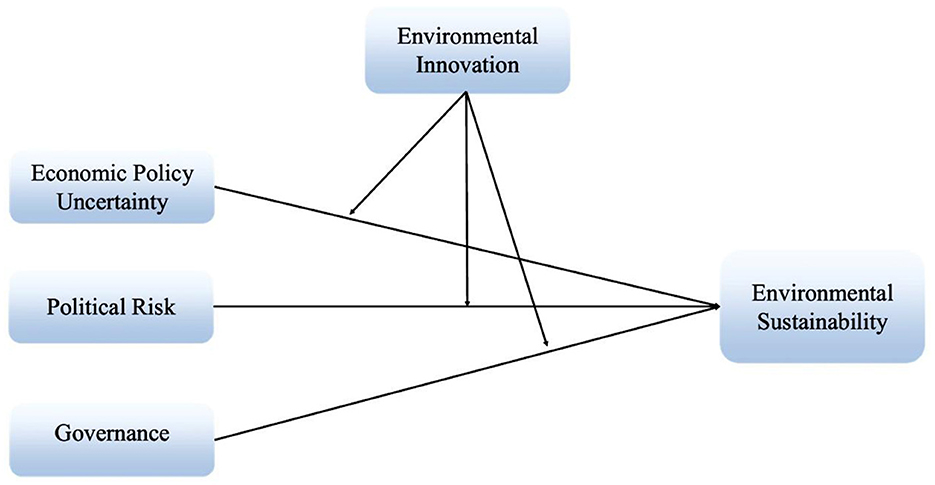
Figure 1. Conceptual framework diagram.
2.2 Literature review
The relationship between uncertainty, governance, and environmental sustainability has been widely debated, though findings remain mixed.
2.2.1 Economic policy uncertainty
Several studies report that EPU undermines green investment and ecological quality by discouraging firms from committing to clean technologies (Ullah and Lin, 2025b,c; Villanthenkodath and Pal, 2024). However, others find that uncertainty may push firms toward adaptive innovation and greener practices (Farid and Zafar, 2024; Jiao et al., 2022), consistent with the Porter Hypothesis. Recent works (Kartal et al., 2023; Xue et al., 2022), highlight that the effects of EPU are nonlinear and context-specific, depending on institutional capacity and market maturity.
2.2.2 Political risk
Many studies suggest that higher PRI undermines environmental sustainability by weakening regulatory enforcement and deterring investment (Ayhan et al., 2023; Khan et al., 2023; Ullah and Lin, 2025d). Yet, other research reports that governments under instability may pursue stricter environmental policies to gain legitimacy or attract foreign capital (Ashraf, 2023; Hassan et al., 2022). Recent scholarship emphasizes that the impact of PRI varies across political regimes, with democratic settings often moderating negative effects (Adebayo et al., 2022; Purcel, 2019; Van and Huang, 2020).
2.2.3 Governance
Governance quality has been consistently identified as a driver of sustainability. Strong institutions enable compliance, transparency, and accountability in environmental policy (Halkos and Tzeremes, 2013; Yi et al., 2023). Recent empirical works (Khan et al., 2022; Yadav et al., 2024; Zhang et al., 2021) confirm that governance positively influences renewable energy adoption, carbon reduction, and ecological balance, reinforcing its critical role in sustainability pathways.
The previously mentioned literature is summarized in Table 1.
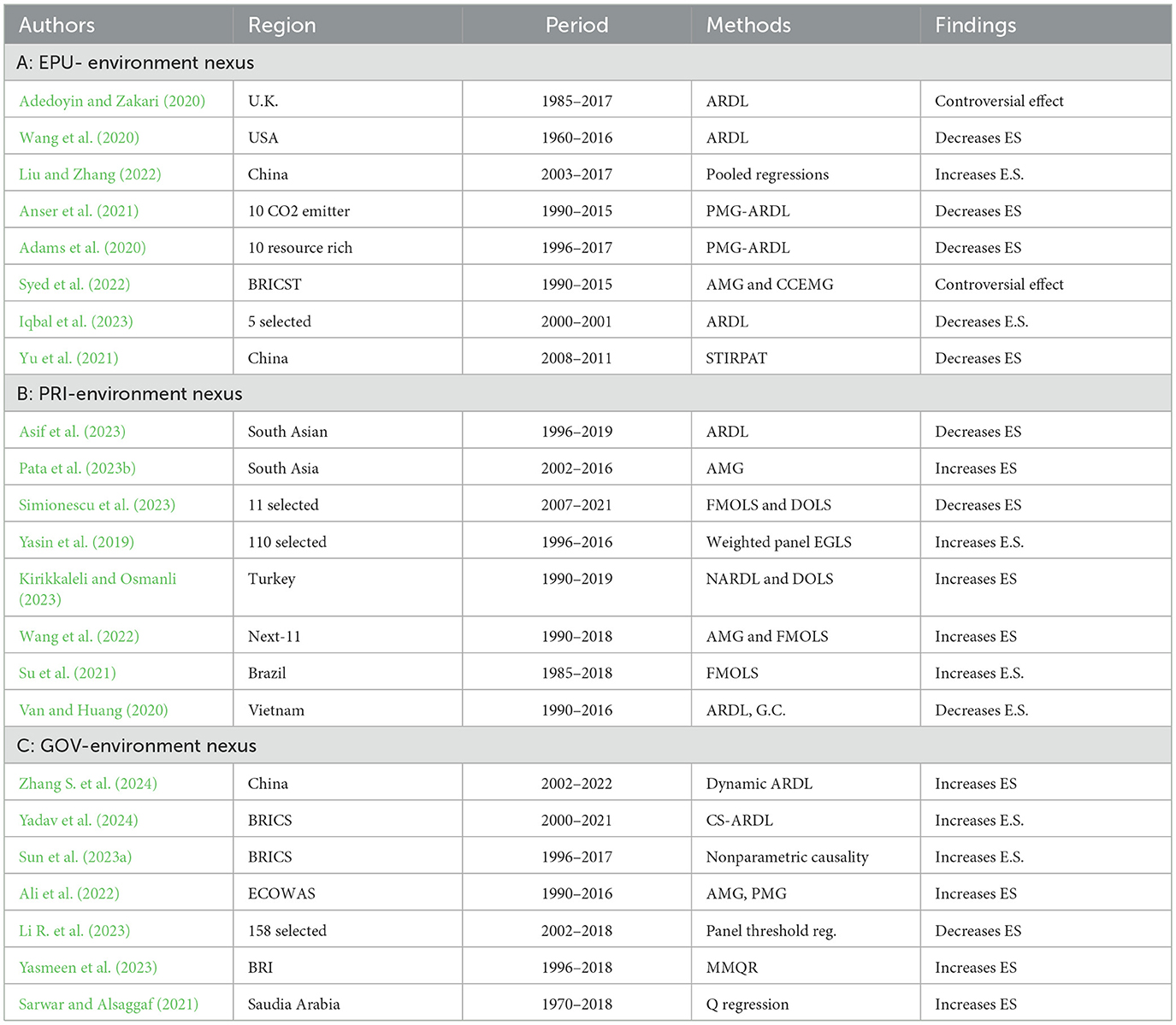
Table 1. Literature review.
2.3 Gaps in literature and theoretical advancement
Table 1 presents a range of studies examining the influence of EPU, PRI, or GOV on environmental outcomes. Building on these gaps, this study makes a unique conceptual contribution by integrating economic policy uncertainty (EPU), political risk (PRI), and governance (GOV) into a unified framework for understanding environmental sustainability, measured through the load capacity factor (LC). While prior research has examined these drivers individually, their combined effects on ecological capacity remain largely unexplored. Furthermore, by introducing environmental innovation (EI) as a moderating factor, we extend existing theories—such as real options theory, institutional theory, and the environmental governance framework—by demonstrating how innovation can mitigate the adverse effects of uncertainty and amplify the positive role of governance. This integrated perspective advances theoretical discourse by shifting from single-dimension analyses to a systemic model that captures the interplay of uncertainty, governance, and innovation. To the best of our knowledge, this represents the first attempt to test such a framework empirically in the Canadian context, thereby contributing both to theory and practice in environmental sustainability research.
3 Materials and methods
3.1 Data and variables
The present study incorporates annual data from 1990 to 2022 to investigate the impacts of economic policy uncertainty (EPU), political risk index (PRI), and governance (GOV) on environmental sustainability in Canada. The study used the load capacity factor as a proxy for environmental sustainability. The variable of load capacity factor is obtained through biocapacity/ecological footprints. The statistics for all these parameters is downloaded from the Global Footprint Network (GFN, 2023). The selection of explanatory variables is based on their critical role in shaping environmental policies and sustainability outcomes. Economic policy uncertainty (EPU) is a key determinant of investment and policy decisions that impact the adoption of clean technologies and sustainable practices. High levels of uncertainty can discourage long-term investments in environmental initiatives, making it an important factor to examine. The data for EPU is extracted from Economic Policy Uncertainty Index (EPU, 2023). Political risk (PRI) influences environmental sustainability by affecting regulatory stability, enforcement mechanisms, and investment confidence. Higher political risk can either delay or incentivize sustainability efforts, depending on governance effectiveness. The PRI data is sourced from Political Risk Services (PRS, 2023). Governance (GOV) plays a pivotal role in implementing and enforcing environmental regulations. Strong governance structures ensure effective policy execution, while weak governance can lead to regulatory inefficiencies and environmental degradation. To measure governance, this study constructs a composite governance index utilizing principal component analysis (PCA). The index integrates six dimensions of governance, providing a comprehensive measure of institutional effectiveness in driving sustainability. Details of the governance index construction are presented in Tables A1–A3 and Figure A1. The single components of the index are given in Table 2. Further, Table 3 describes the specific information on the variables used in the research.
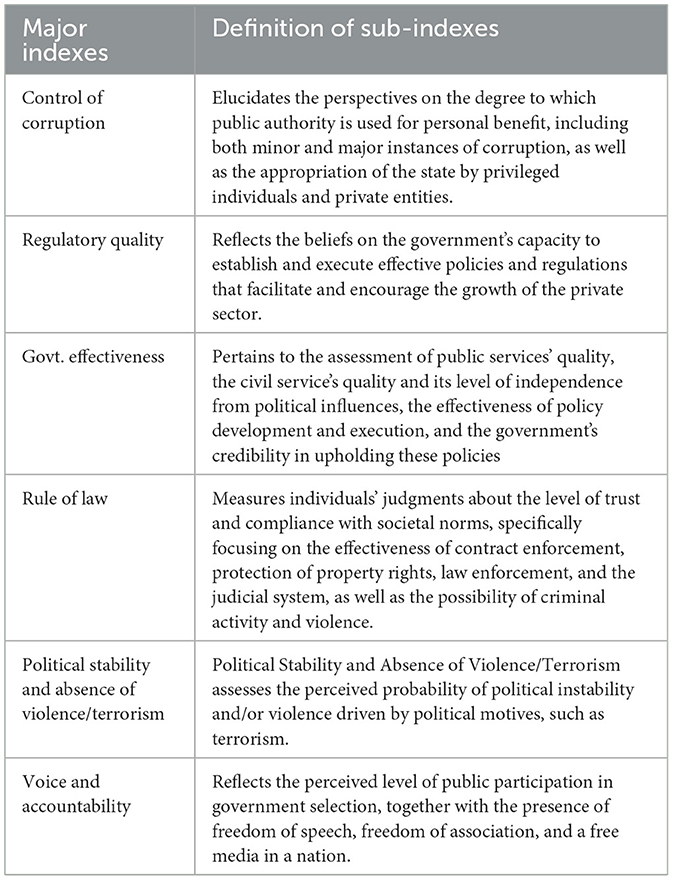
Table 2. Sub-dimensions of governance index.
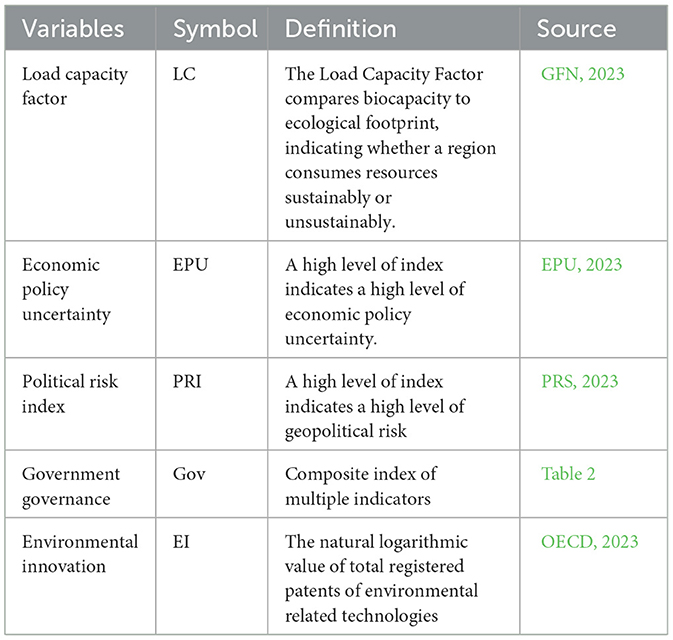
Table 3. Variables and sources.
Before diving into the analysis, we ensure the time plots in Figure 2 have the right visual qualities for the raw data. The purpose is to look for signs of structural breaks, seasonality patterns, and drifts. The figure shows a general pattern of fluctuating values of LC, with a rise in the early 1990s, a decline in the mid-1990s, and a fluctuation in the early 2000s. Around 2000, there seems to be a slight rise in the LC related to technological breakthroughs or infrastructure improvements. Moreover, the EPU pattern demonstrates periods of stability and considerable fluctuation, with major rises in 2020 and falls in 2021 and 2022. Understanding these swings is critical for decision-making and successfully navigating the economic environment. Besides, the PRI graph shows a mostly stable trend with minor oscillations. According to the figure, the GOV experienced relatively stable negative values between 1990 and 1996, suggesting a period of consistent governance deficiencies. However, starting from 1996, there is a noticeable positive shift in the GOV, indicating an improvement in governance quality. It shows a significant upward trend in the GOV from the late 1990s to the early 2000s, reflecting positive governance reforms or initiatives undertaken during this period.
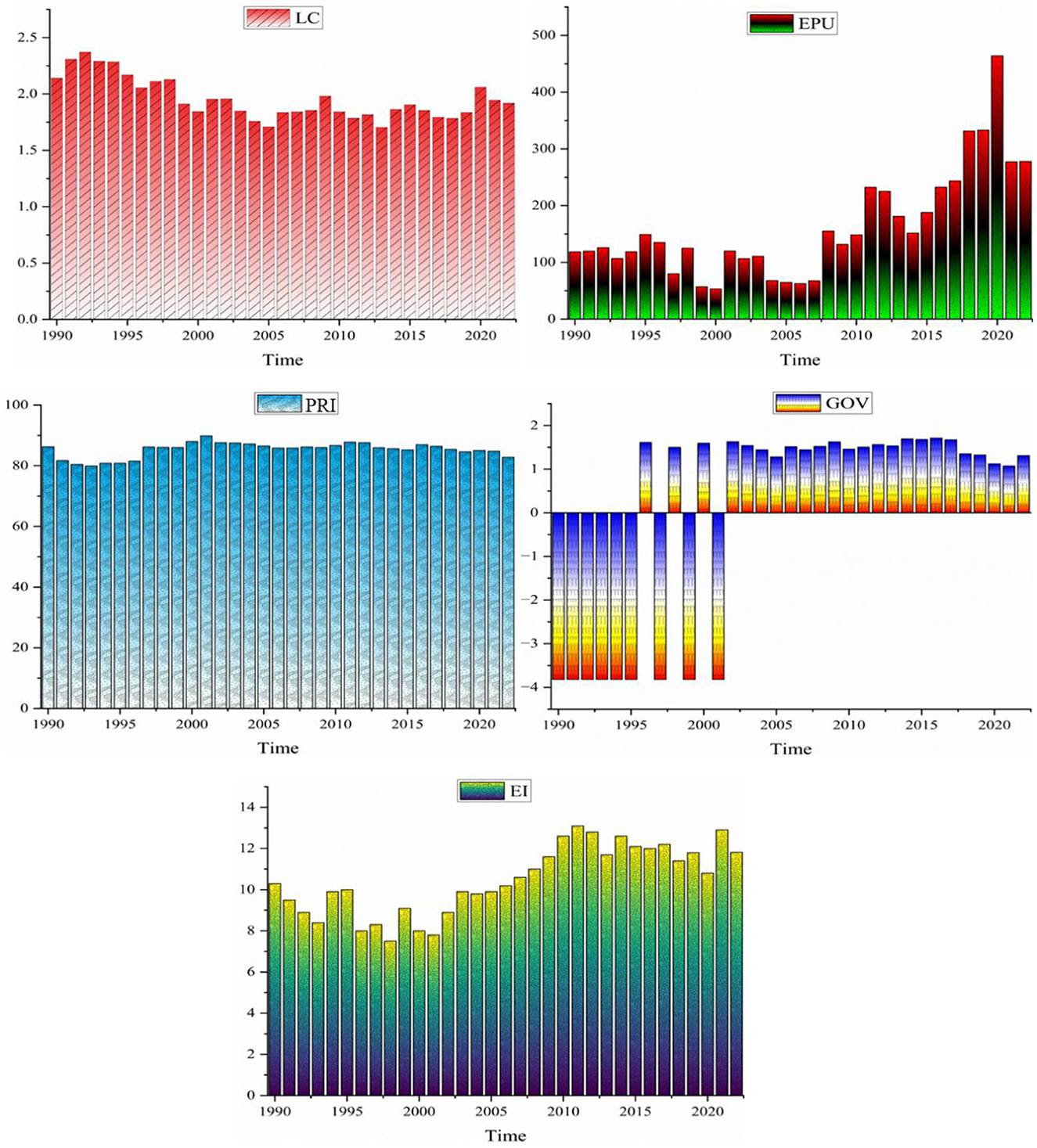
Figure 2. Annual values of LC, EPU, PRI, GOV, and EI of Canada from 1990 to 2022.
Furthermore, the data shows a generally increasing trend in governance scores from 2002 to 2017, indicating sustained efforts to enhance governance practices and institutions in Canada. Finally, from 1990 to the early 2000s, the EI displays some variability, indicating a mix of positive and negative trends. However, starting from the mid-2000s, there appears to be a general upward trend in the EI, pointing toward increased focus and advancements in environmental innovation in Canada.
3.2 Moderating relationship
Environmental innovation refers to creating and using novel technologies, methods, and remedies to reduce environmental harm, preserve resources, and advance sustainability. It involves developing and implementing inventive methods, goods, and services that help safeguard the environment, mitigate climate change, and conserve natural ecosystems (Skordoulis et al., 2020). In this study, environmental innovation is a moderating variable affecting the link between the independent variables (EPU, PRI, GOV) and the dependent variable (LC). It essentially helps to explain how the relationship between these variables is affected by the level of environmental innovation in Canada. The moderation analysis integrating environmental innovation will assist in creating a more thorough knowledge of how environmental issues interact with economic and governance-related variables to shape Canada's environmental sustainability. Numerous empirical investigations have used patents on environmentally related technologies to represent environmental innovation. Therefore, the current research utilized the log of patents related to environmental technologies as the dependent variable (Abbas et al., 2024). The data was obtained from OECD (2023).
3.3 Estimation techniques
This study investigates the linkages between environmental sustainability (LC), economic policy uncertainty (EPU), political risk (PRI), and governance (GOV) in Canada by applying advanced quantile-based and time–frequency methods. Traditional econometric models such as ARDL, CS-ARDL, DOLS, and FMOLS are widely used in the environmental economics literature; however, they focus primarily on mean relationships and assume linearity and symmetry. These assumptions are restrictive in contexts where relationships may vary across different levels of environmental stress, governance quality, or uncertainty. For instance, EPU may exert a weak influence on sustainability under stable ecological conditions but a much stronger effect under high ecological pressure. Similarly, governance quality may matter more during periods of political instability. Such distributional heterogeneity cannot be adequately captured by mean-based estimators.
To address these limitations, this study employs a three-step strategy: (i) Xiao's (2009) quantile-based cointegration test to assess long-run relationships across quantiles; (ii) the Quantile-on-Quantile Regression (QQR) model of Sim and Zhou (2015) to capture cross-quantile linkages between explanatory and dependent variables; and (iii) the Wavelet Coherence Technique (WTC) to explore dynamic co-movements and lead–lag structures across multiple time horizons. Similar approaches have been used in recent environmental and energy economics research. For example, Ali et al. (2025) used QQR to analyze technology–environment linkages, Musibau et al. (2025) applied it to renewable energy and generation, while Yu et al. (2024) employed it to study CO2 emissions. Likewise, WTC has been used by Zhang W. et al. (2024) and Sun et al. (2023b) to assess energy–economic interactions. These studies highlight that quantile-based and wavelet methods are well-suited for uncovering nonlinear, asymmetric, and time-varying dynamics that are central to sustainability outcomes.
3.3.1 Quantile-on-quantile regression
The QQR method is a nonparametric econometric approach that combines quantile regression with nonparametric estimation. Unlike conventional OLS or ARDL models, which capture only average effects, QQR investigates how the θ-th quantile of the explanatory variable influences the τ-th quantile of the dependent variable. This makes QQR particularly suitable for environmental studies where the effects of uncertainty, political risk, and governance may differ across various ecological conditions. The research employed a fundamental nonparametric framework, as illustrated below:
In this context, θ represents the θth quantiles, capturing the distribution of the exogenous factors, X. At a given time t, Xt denotes the predictor variables, whereas Yt corresponds to the endogenous parameter. The quantile residual is indicated by . As there are inadequate facts to determine the relationship between the predicted parameter Yt and the regressor Xt, indicating that βθ is uncertain. Consequently, the research employed one-step simple estimation model as recommended by Cleveland (1979). Taylor's notation βθ focuses the θth quantile of X. The linear relationship can be represented as outlined below:
Here β′θ shows a slope for βθ (Xt). The βθ(Xt) is commonly known as a partial effect. The terms β′θ(Xτ) and βθ(Xτ) denote the connection between the parameters τ and θ. The notation β′θ(Xτ) is expressed as β1(θ, τ), where βθ(Xτ) is signified by β0(θ, τ). As a result, the enlarged version of Equation 5 is:
Following the methodology outlined in Sim and Zhou (2015), we integrate Equation 4 with Equation 2 to derive the foundational model:
The conditional quantile of the predictor variables is symbolized by (*). Equation 5 outlines the structural representation of the QQR analysis, illustrating the association among the θth quantile of X and the τth quantile of Yt. The coefficients β0 and β1 signify the linkage between regressor and regressand components, with this connection being indexed by θ and τ. The quantiles of the dependent and independent variables enable differentiation in the values of β0 and β1. This technique identifies the varying associations among research variables across lower and upper quantiles, yielding more precise and dependable findings than traditional methodologies. The choice of bandwidth is crucial for addressing diminution challenges in a distribution-free context, improving computational efficiency and accuracy. Bandwidth (h) measures the interdependence among the quantiles of exogenic and endogenic factors. Accordingly, this inquiry employs the kernel regression technique proposed by Marron (1991). The corresponding equation is presented below:
The Gaussian kernel, shown as L(.), is applied to approximate the weighting factors near to the regressand. This enhances precision through differential weighting of observations. Moreover, ρφ denotes the error function in QR.
Figure 3 presents a flowchart that effectively illustrates the methodological framework, facilitating a comprehensive understanding of this study.
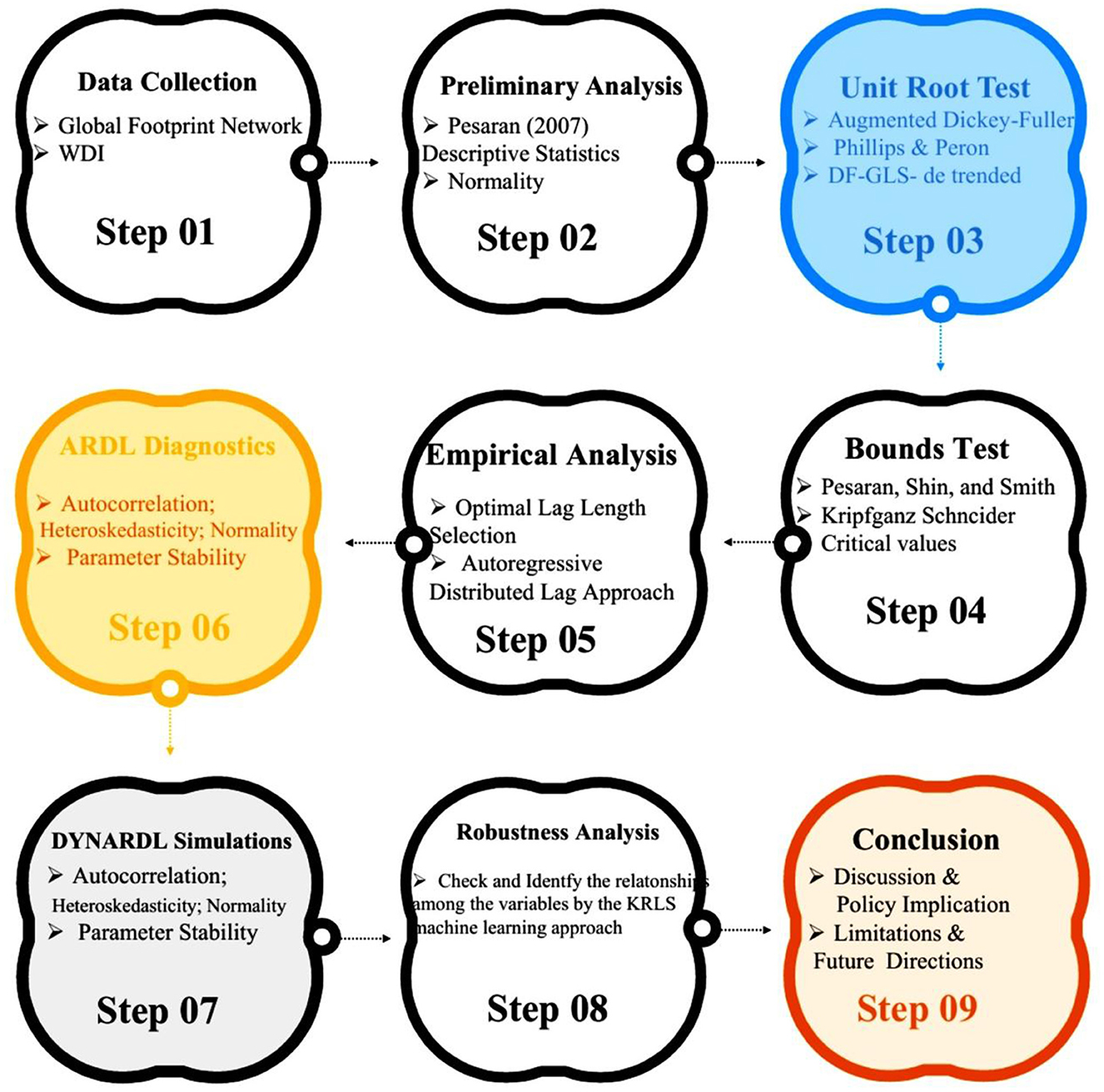
Figure 3. Roadmap of the research.
4 Outcomes and interpretations
4.1 Descriptive statistics
Prior to doing the QQR examination, our aim is to uncover the quantitative characteristics of the series of logarithms. To begin, we review the summary statistics shown in Table 4. The average values suggest that all series maintain a positive mean over the observation period. The standard deviation results show that LC has less volatile behavior than EPU, which is the most volatile. Additionally, none of the variables follow a standard distribution based on the Jarque-Bera values. Linear econometric methods fail to account for non-parametric data when the indicators do not conform to a normal distribution. The non-normal distribution of the variables suggests that quantile approaches may provide excellent results. The study used quantile-based nonparametric techniques because, by taking into consideration nonlinearity and asymmetric interactions, quantile approaches may provide strong evidence of the interactions between non-normally distributed series.
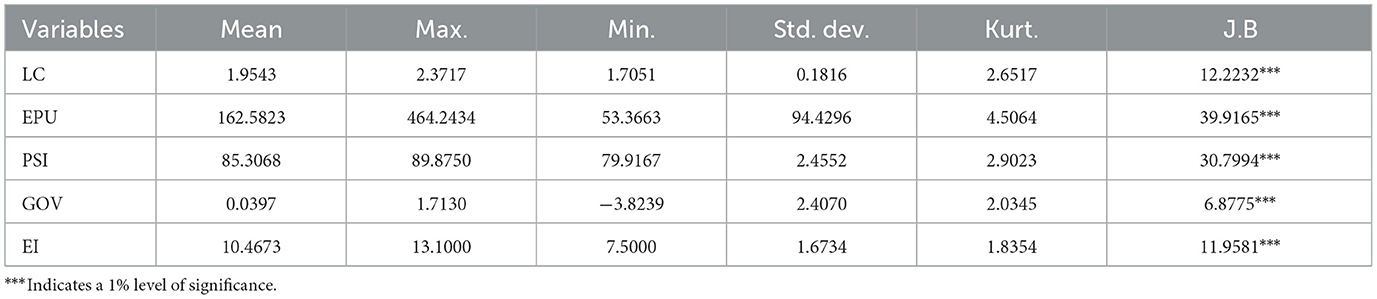
Table 4. Descriptive statistics.
In addition, we have examined the quantile plots, as shown in Figure 4, to investigate the normal distribution features of selected variables thoroughly. The red lines in these Q-Q plots show a standard distribution, whereas the highlighted data points illustrate the real distribution of variables. The disparity between the red lines and the colored data points provides information about the departure from normality. The magnitude of this disparity indicates the level of asymmetry, as elucidated by Ozkan et al. (2024).
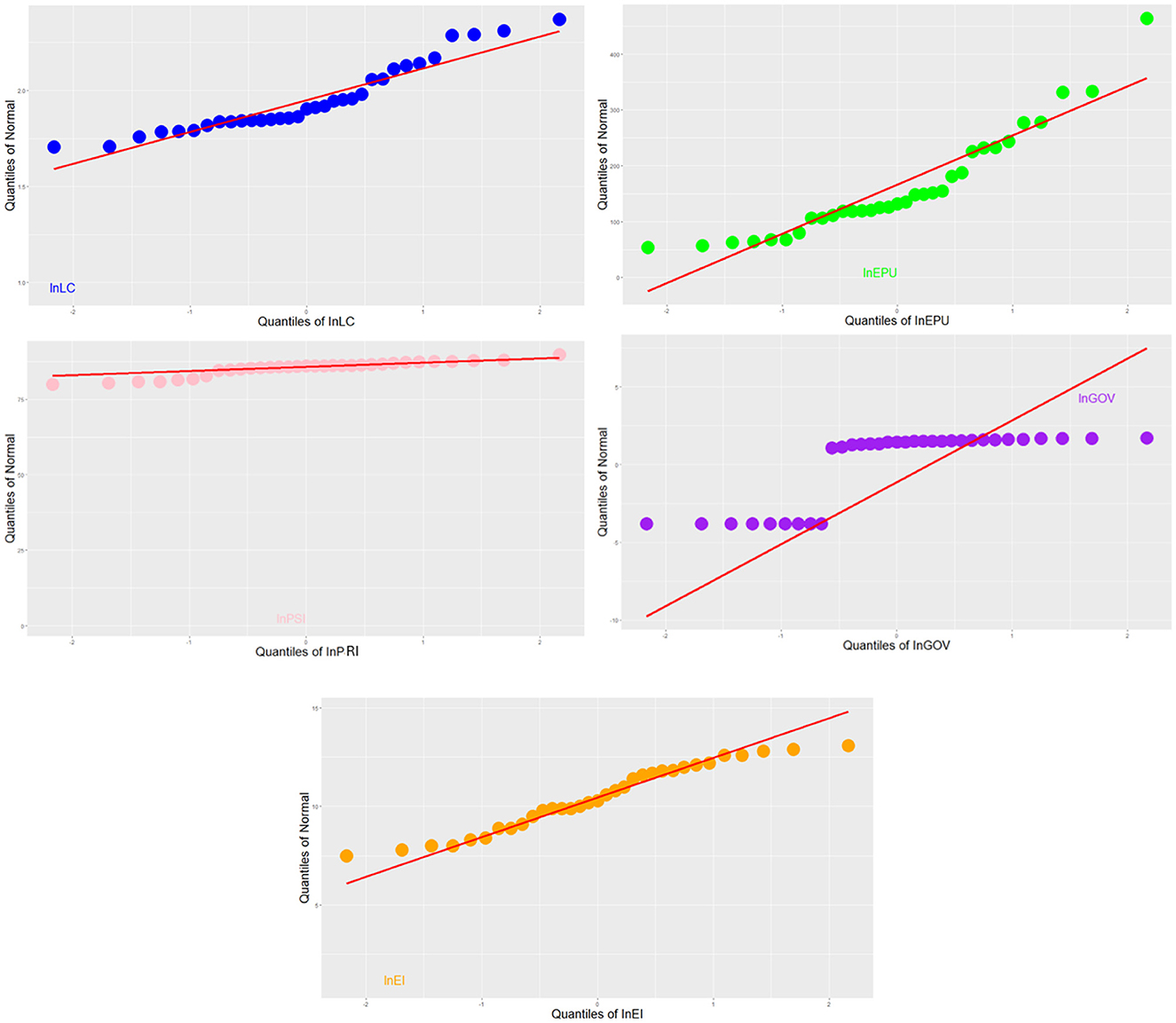
Figure 4. Q-Q plots.
Additionally, Box plots are depicted in Figure 5, providing a succinct representation of the summary information. Moreover, Figure 6 illustrates the correlation between the factors.
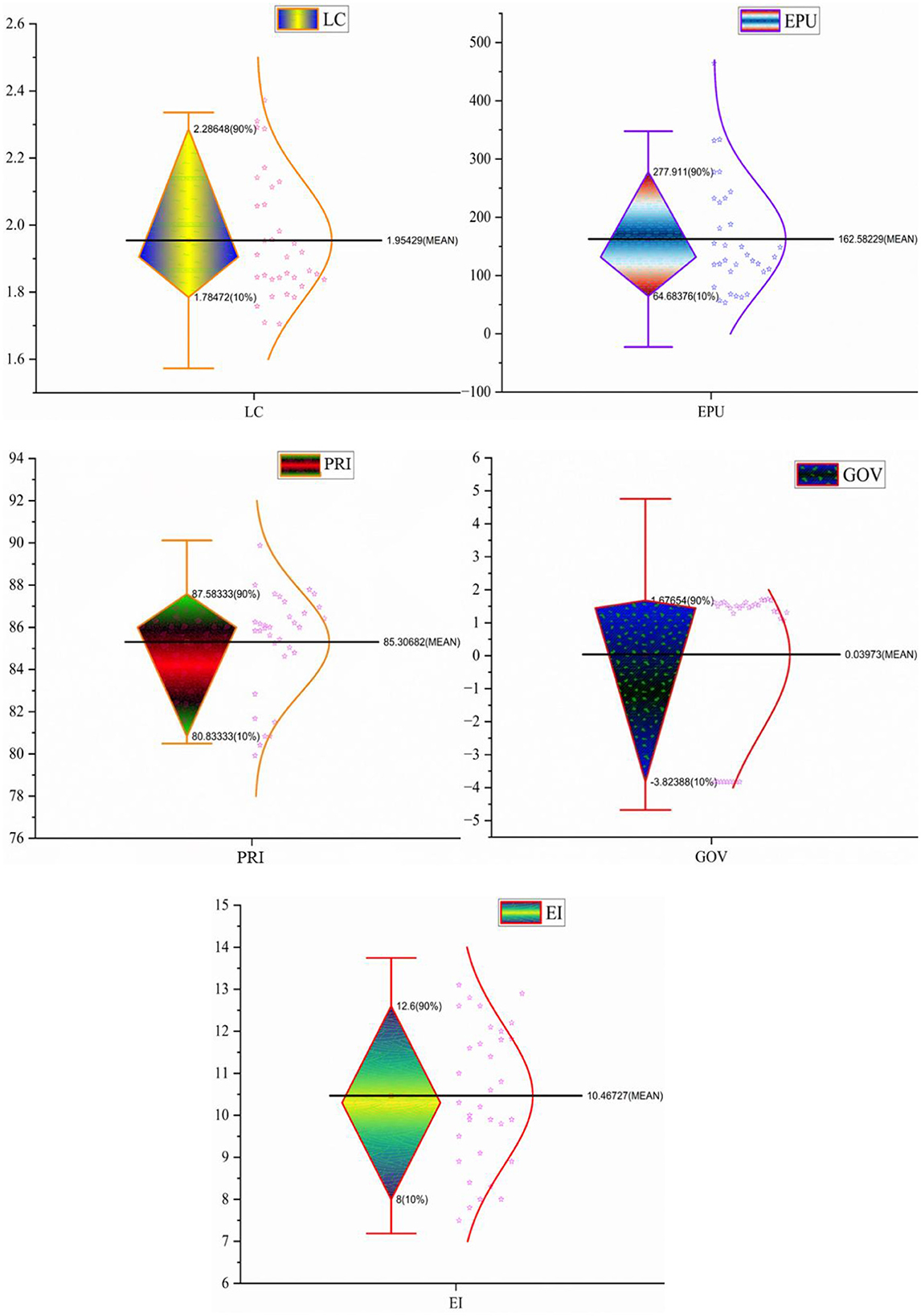
Figure 5. Boxplots of the study indicators.
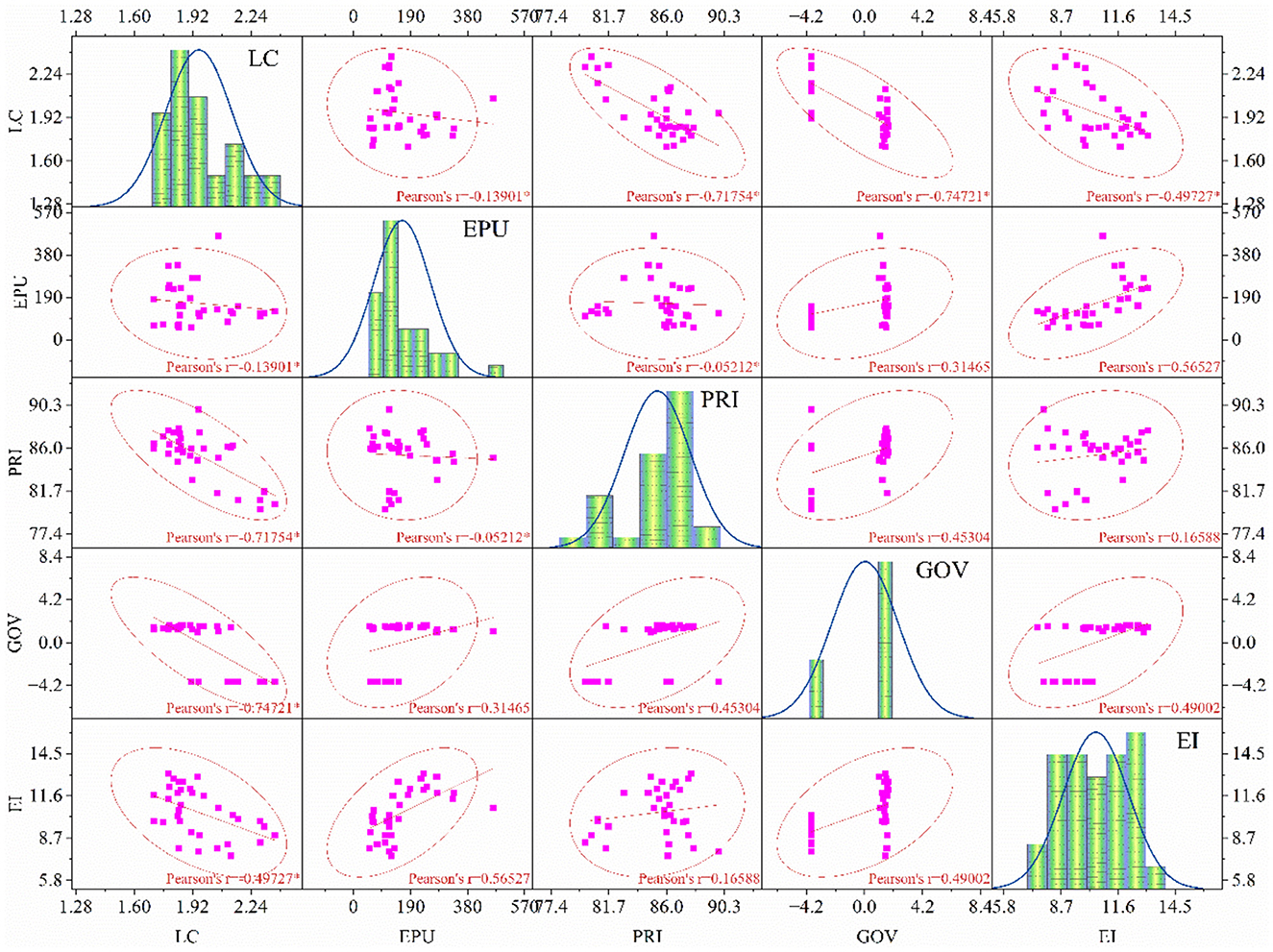
Figure 6. Correlation plot.
4.2 Unit root test
In order to avoid biased results and make sure the empirical findings are accurate, the reliability of the model is checked by applying the Q stationarity test before the QQR method is used. Nineteen quantiles with values ranging from 0.05 to 0.95 are employed for this purpose. Finding quantile unit roots in data is done by comparing the t-statistic to critical values. The t-statistic and critical value resilience across various quantile ranges is shown in Table 5. Assuming the alternative hypothesis is accepted, the null hypothesis is maintained if the anticipated t-statistic value does not exceed the critical value. At the 5% significance level, this happens for every quantile, where α(τ) = 1. According to the quantile unit root test, unit roots exist at the quantile level for all variables.
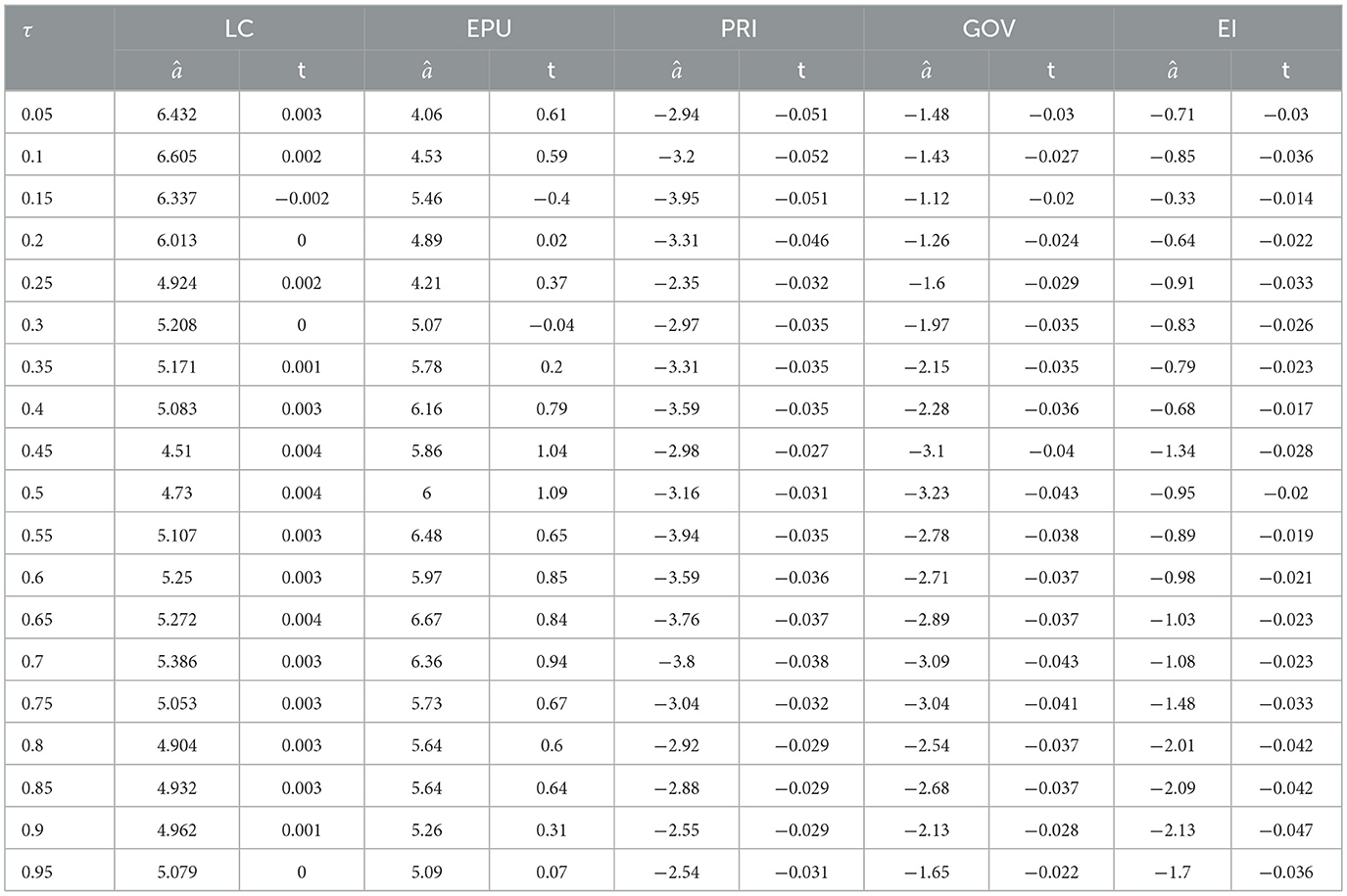
Table 5. Quantile unit root test.
4.3 Bound test
The research then moved on to examine the variables' long-term interdependence through a unique QC test (Xiao, 2009). The coefficients represent the uniform norm and the critical values β and γ, while the significance levels of 1%, 5%, and 10% are denoted by CV1, CV2, and CV10, respectively. The test was reliably performed for over 19 quantiles, from 0.95 to 0.05. Table 6 indicates that, at a significance level of 1%, both the β and γ coefficients surpass all critical levels. As a result, the results show cointegration between a subset of the variables, exhibiting a steady, asymmetric, prolonged connection between these variables.
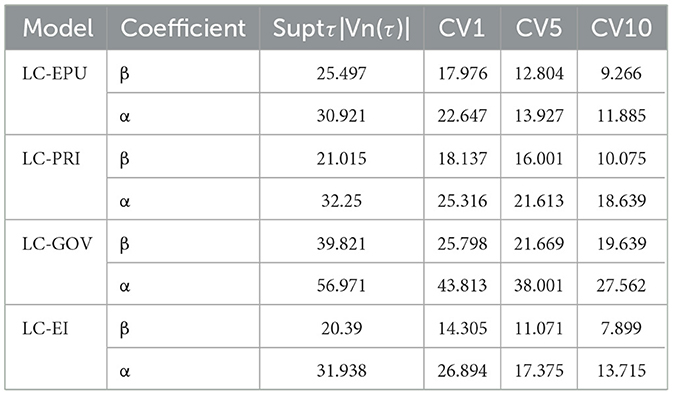
Table 6. Quantile cointegration.
4.4 BDS test of nonlinearity
As the subsequent measure, Table 7 displays the results of the nonlinearity test. The results demonstrate that every variable has a multidimensional non-linear structure. Reflecting on these aspects, using a nonlinear approach for further empirical analysis may be the most suitable choice. Hence, the research utilizes the innovative QQR technique.
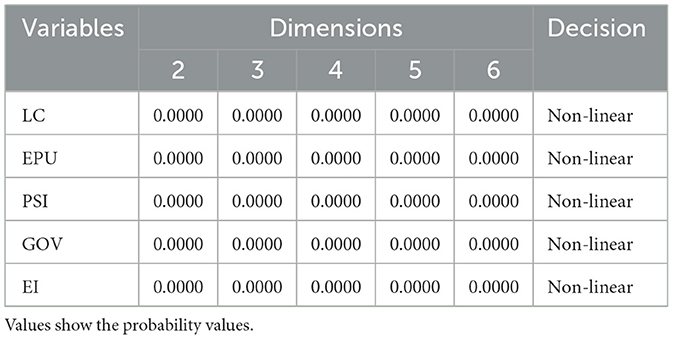
Table 7. BDS test results.
4.5 Quantile-on-quantile regression results
The core aim of this inquiry is to examine the interrelationships among EPU, PRI, GOV, and LC. Following the confirmation of cointegration among the variables, the study explores how these factors influence environmental sustainability in Canada using QQR, which allows for a detailed understanding of the relationships across the entire distribution of LC. Figures 7–9 present the estimated regression coefficient β1(θ, τ), representing the impact of the τ-th quantile of EPU, PRI, and GOV on the θ-th quantile of LC.
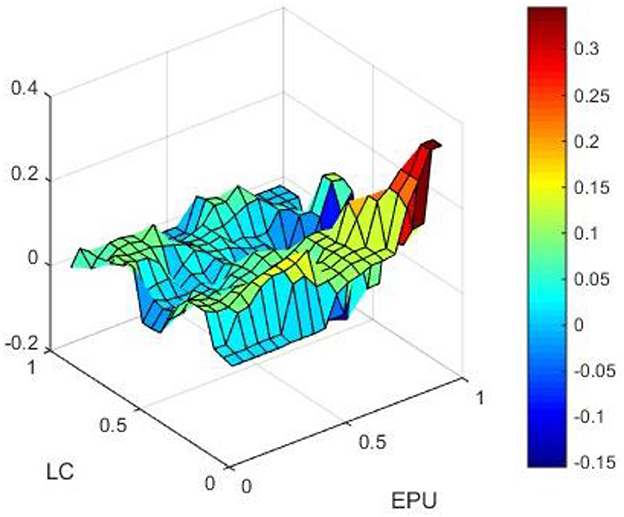
Figure 7. QQR estimates for the impact of EPU on LC.
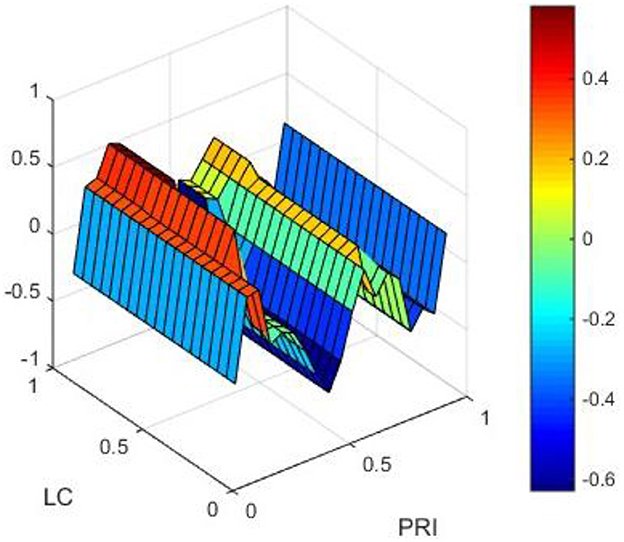
Figure 8. QQR estimates for the impact of PRI on LC.
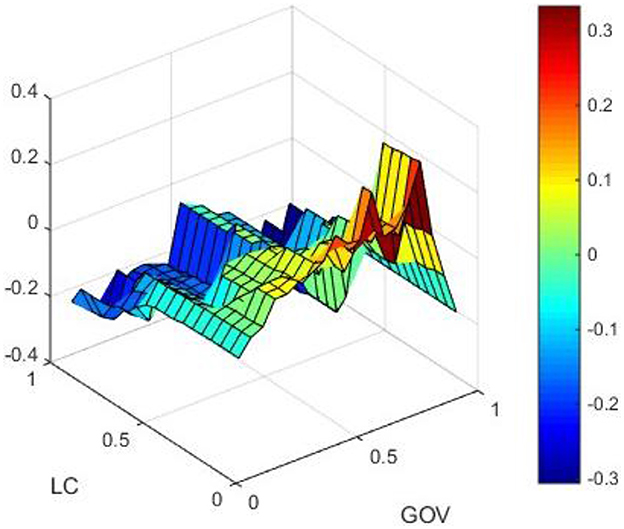
Figure 9. QQR estimates for the impact of GOV on LC.
Figure 7 depicts the influence of EPU on LC in Canada, revealing notable heterogeneity across quantiles. At lower LC quantiles, where environmental sustainability is relatively weak, rising EPU negatively affects LC, reflecting increased investment uncertainty that discourages long-term commitments to renewable energy projects and green infrastructure. In such conditions, firms and policymakers may prioritize short-term stability, relying on conventional energy sources and thereby hindering sustainability progress. Conversely, at medium and higher quantiles, the effect of EPU becomes positive and increases in magnitude, suggesting that in more sustainable scenarios, uncertainty can stimulate adaptive policy responses and strategic investment in cleaner energy alternatives. Businesses anticipating long-term uncertainty hedge risks by diversifying into sustainable energy portfolios, while Canada's commitment to global environmental agreements and market-based green policies further supports sustainability efforts. These results are consistent with previous studies that have documented the nuanced positive effects of policy uncertainty under certain economic and institutional conditions (Aslan et al., 2024; Pata et al., 2023b; Villanthenkodath and Pal, 2024).
Figure 8 illustrates the relationship between PRI and LC. At lower quantiles, higher political risk negatively affects sustainability due to heightened uncertainty, inconsistent policies, and reduced investor confidence, which can delay or reduce investment in green energy projects. Interestingly, at medium and higher LC quantiles, PRI exhibits a positive effect. While this may appear counterintuitive, it can be explained by Canada's strong institutional framework and adaptive mechanisms: moderate political risk can trigger proactive government and business responses, leading to resilient strategies that promote sustainability. The presence of environmental innovation further strengthens this effect, mitigating the potential negative impacts of political instability and allowing firms to implement adaptive technologies and practices. This observation aligns with evidence suggesting that robust institutions and innovation capacity can transform political risks into opportunities for sustainable investment (Kartal et al., 2024, 2022; Simionescu et al., 2023).
The effect of GOV on LC is shown in Figure 9. At lower quantiles, weak governance can impede environmental policies, resulting in inefficient resource allocation and regulatory shortcomings that negatively affect LC. As quantiles increase, the impact of governance becomes positive and more pronounced, indicating that economies with stronger institutional frameworks and governance mechanisms are better positioned to implement effective sustainability policies. The increasing magnitude of the coefficient at higher quantiles suggests that well-functioning governance enhances regulatory enforcement, encourages green investment, and supports sustainable infrastructure, ultimately fostering long-term improvements in environmental sustainability (Yadav et al., 2024; Yi et al., 2023; Zhang S. et al., 2024).
By examining the moderating role of environmental innovation, we further elucidated how varying levels of innovation intensity influence the relationships between EPU, PRI, GOV, and LC across the sustainability distribution. Figure 10 shows that the interaction term EPU × EI negatively affects LC at lower quantiles, suggesting that the benefits of innovation may be constrained under conditions of economic uncertainty, reduced investor confidence, and delayed policy implementation. However, at higher quantiles, this interaction becomes positive, highlighting that when innovation reaches a critical threshold or when economic conditions are stable, it can mitigate uncertainty and drive sustainable outcomes. Similarly, Figure 11 illustrates that PRI × EI positively influences LC across most quantiles, with the effect strengthening at higher levels. This indicates that strong environmental innovation can offset the adverse effects of political risk, enabling adaptive strategies that enhance resilience and sustainability. Figure 12 demonstrates that GOV × EI negatively affects LC at lower and medium quantiles but becomes strongly positive at higher quantiles, reflecting that the benefits of innovation are fully realized only when governance structures are robust and effectively implemented. These findings emphasize that environmental innovation amplifies the positive impacts of governance and policy while mitigating risks associated with economic and political uncertainty, thereby supporting more resilient and sustainable environmental outcomes.
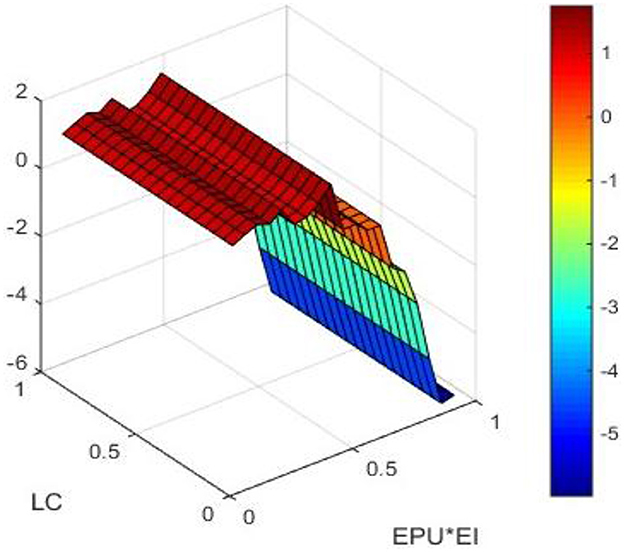
Figure 10. QQR estimates for the impact of EPU*EI on LC.
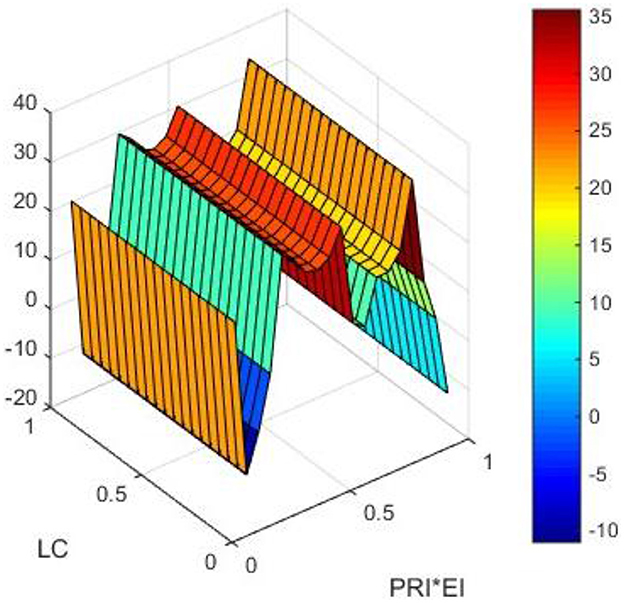
Figure 11. QQR estimates for the impact of PRI*EI on LC.
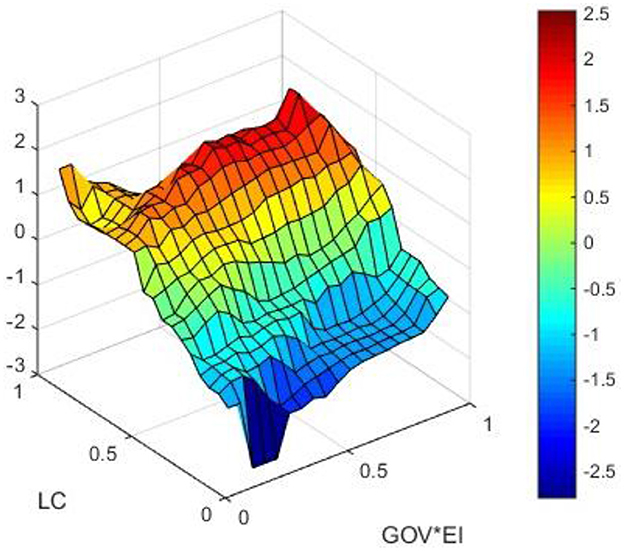
Figure 12. QQR estimates for the impact of GOV*EI on LC.
Finally, the Wavelet Coherence (WTC) analysis (Figures 13A–C) confirms the dynamic linkages between LC and EPU, PRI, and GOV over time. Warmer colors indicate stronger interdependence, whereas cooler colors denote weaker association. The results show a strong positive correlation between EPU and LC over multiple periods (Figure 13A), a negative correlation between PRI and LC (Figure 13B), and a positive correlation between GOV and LC at medium and high frequencies (Figure 13C). These findings corroborate the QQR results and highlight the critical role of governance, institutional quality, and environmental innovation in shaping sustainable outcomes in Canada under varying conditions of policy and political uncertainty. More over, Figure 14 represents the graphical summary of the key results.
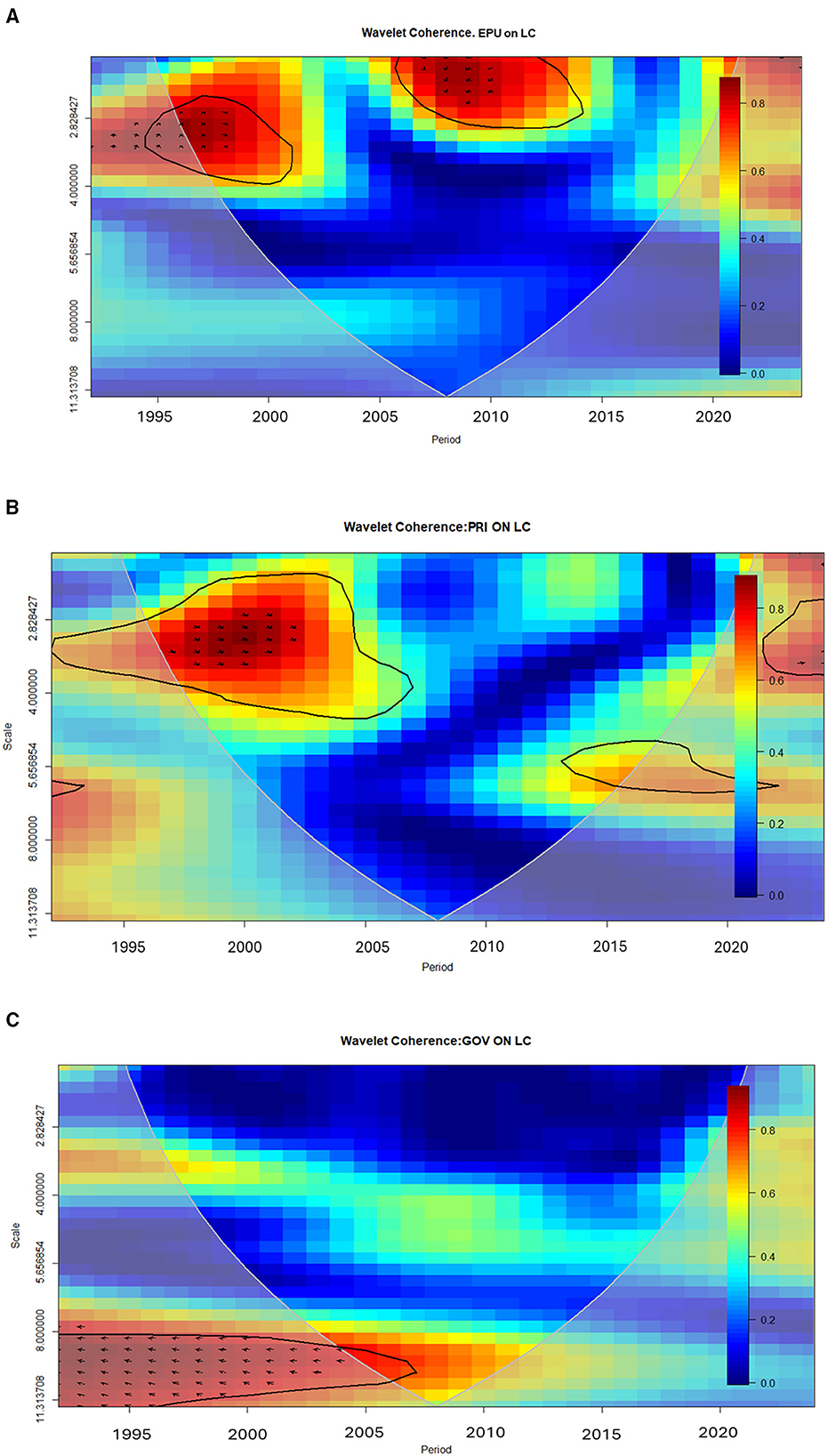
Figure 13. (A) Wavelet coherence impact of EPU on LC. (B) Wavelet coherence impact of PRI on LC. (C) Wavelet coherence impact of GOV on LC.
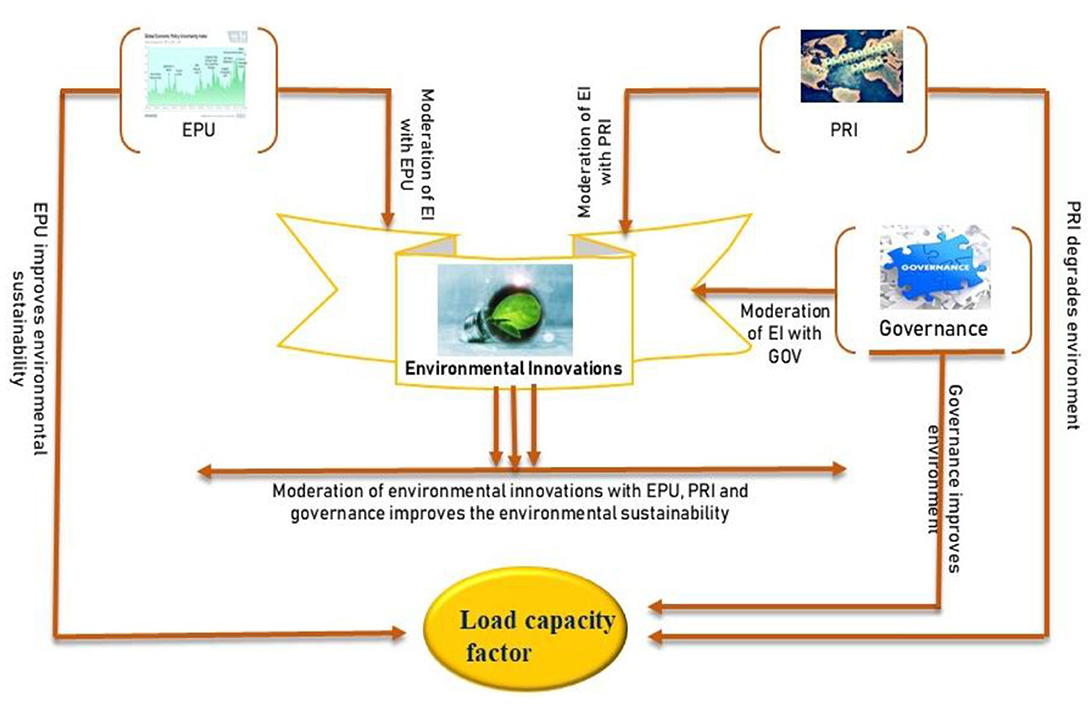
Figure 14. Graphical summary of EPU, PRI, GOV, EI, and LC relationships across quantiles in Canada.
5 Conclusions and policy directions
5.1 Conclusion
This study employs the innovative Quantile-on-Quantile Regression (QQR) approach to investigate the nonlinear effects of Economic Policy Uncertainty (EPU), Political Risk Index (PRI), and Governance (GOV) on environmental sustainability, proxied by the Load Capacity Factor (LC), in Canada from 1990 to 2022. The findings reveal that the relationships among these institutional and policy variables and sustainability are highly heterogeneous across the distribution of LC, with environmental innovation (EI) playing a critical moderating role. Specifically, while EPU can have both positive and negative effects depending on the sustainability context, PRI generally constrains sustainability at lower quantiles but may foster adaptive responses at higher quantiles when supported by strong EI. Effective governance consistently enhances sustainability, particularly when coupled with innovation. These outcomes are corroborated by Wavelet Coherence (WTC) analysis, which confirms the temporal and frequency-dependent linkages among EPU, PRI, GOV, and LC. Collectively, these findings provide a nuanced understanding of how policy, institutional, and innovation mechanisms interact to shape environmental outcomes in Canada, offering both theoretical and practical contributions to sustainability research.
5.2 Implication
The empirical evidence underscores the importance of tailored and actionable policy interventions. First, to mitigate the destabilizing effects of political risk and maximize the adaptive potential of policy uncertainty, Canadian policymakers should implement transparent decision-making procedures, strengthen risk management frameworks, and promote policy predictability, particularly in sectors critical to clean energy investment. Second, fostering a robust ecosystem for environmental innovation is essential. This includes targeted financial incentives, tax breaks, and research grants for green technology development, as well as establishing knowledge-sharing platforms for best practices in sustainable business operations. Third, the synergistic relationship between governance and EI highlights the need for institutional reforms that enhance regulatory efficiency, ensure accountability, and integrate technological solutions into environmental monitoring and enforcement. By adopting these measures, Canada can leverage innovation and governance to transform potential policy or political risks into opportunities for long-term environmental sustainability.
5.3 Limitations and future research directions
While this study provides novel insights, certain limitations should be acknowledged. First, the analysis focuses exclusively on Canada, limiting the generalizability of the findings to other national contexts with different institutional or policy frameworks. Second, the study employs LC as a proxy for environmental sustainability, which, while comprehensive, may not capture all dimensions of environmental performance, such as biodiversity or ecosystem services. Future research could extend this work by incorporating multi-dimensional sustainability indicators, analyzing cross-country comparisons, and exploring the dynamic effects of other institutional or market variables, including climate finance and international policy commitments. Additionally, investigating the causal mechanisms through which environmental innovation interacts with governance and policy uncertainty could provide deeper theoretical understanding and inform more precise policy interventions.
Data availability statement
The original contributions presented in the study are included in the article/supplementary material, further inquiries can be directed to the corresponding author.
Author contributions
SU: Conceptualization, Data curation, Methodology, Software, Writing – original draft, Writing – review & editing. BL: Conceptualization, Formal analysis, Methodology, Project administration, Writing – original draft, Writing – review & editing.
Funding
The author(s) declare that financial support was received for the research and/or publication of this article. This paper was supported by the National Natural Science Foundation of China (Key Program, No. 72133003) and Key Projects of Philosophy and Social Sciences Research, Ministry of Education, (No. 22JZD008).
Conflict of interest
The authors declare that the research was conducted in the absence of any commercial or financial relationships that could be construed as a potential conflict of interest.
Generative AI statement
The author(s) declare that no Gen AI was used in the creation of this manuscript.
Any alternative text (alt text) provided alongside figures in this article has been generated by Frontiers with the support of artificial intelligence and reasonable efforts have been made to ensure accuracy, including review by the authors wherever possible. If you identify any issues, please contact us.
Publisher's note
All claims expressed in this article are solely those of the authors and do not necessarily represent those of their affiliated organizations, or those of the publisher, the editors and the reviewers. Any product that may be evaluated in this article, or claim that may be made by its manufacturer, is not guaranteed or endorsed by the publisher.
References
Abbas, S., Ahmed, Z., Sinha, A., Mariev, O., and Mahmood, F. (2024). Toward fostering environmental innovation in OECD countries: do fiscal decentralization, carbon pricing, and renewable energy investments matter? Gondwana Res. 127, 88–99. doi: 10.1016/J.GR.2023.03.002
Adams, S., Adedoyin, F., Olaniran, E., and Bekun, F. V. (2020). Energy consumption, economic policy uncertainty and carbon emissions: causality evidence from resource rich economies. Econ. Anal. Policy 68, 179–190. doi: 10.1016/J.EAP.2020.09.012
Adebayo, T. S., Akadiri, S. S., Akanni, E. O., and Sadiq-Bamgbopa, Y. (2022). Does political risk drive environmental degradation in BRICS countries? Evidence from method of moments quantile regression. Environ. Sci. Pollut. Res. 29, 32287–32297. doi: 10.1007/S11356-022-20002-W
Adedoyin, F. F., and Zakari, A. (2020). Energy consumption, economic expansion, and CO2 emission in the UK: the role of economic policy uncertainty. Sci. Total Environ. 738:140014. doi: 10.1016/J.SCITOTENV.2020.140014
Ali, K., Jianguo, D., and Kirikkaleli, D. (2022). Modeling the natural resources and financial inclusion on ecological footprint: the role of economic governance institutions. Evidence from ECOWAS economies. Resour. Policy 79:103115. doi: 10.1016/J.RESOURPOL.2022.103115
Ali, S., Kartal, M. T., and Ullah, S. (2025). Pathways to environmental sustainability: the asymmetric effects of green technology innovation, policy stringency, and industrialization in the United States. J. Clean. Prod. 502:145376. doi: 10.1016/J.JCLEPRO.2025.145376
Al-Thaqeb, S. A., and Algharabali, B. G. (2019). Economic policy uncertainty: a literature review. J. Econ. Asymmetries 20:e00133. doi: 10.1016/J.JECA.2019.E00133
Amin, A., and Dogan, E. (2021). The role of economic policy uncertainty in the energy-environment nexus for China: evidence from the novel dynamic simulations method. J. Environ. Manage. 292:112865. doi: 10.1016/J.JENVMAN.2021.112865
Andlib, Z., Scicchitano, S., and Padda, I. U. H. (2024). The role of natural resources, fintech, political stability, and social globalization in environmental sustainability: evidence from the United Kingdom. Resour. Policy 91:104922. doi: 10.1016/J.RESOURPOL.2024.104922
Anser, M. K., Apergis, N., and Syed, Q. R. (2021). Impact of economic policy uncertainty on CO2 emissions: evidence from top ten carbon emitter countries. Environ. Sci. Pollut. Res. 28, 29369–29378. doi: 10.1007/S11356-021-12782-4
Ashraf, J. (2023). Does political risk undermine environment and economic development in Pakistan? Empirical evidence from China–Pakistan economic corridor. Econ. Chang. Restruct. 56, 581–608. doi: 10.1007/S10644-022-09434-Z
Asif, K., Sabir, S., and Qayyum, U. (2023). Corruption, political instability, and environmental degradation in South Asia: a comparative analysis of carbon footprint and ecological footprint. J. Knowl. Econ. 15, 1–25. doi: 10.1007/S13132-023-01133-Y
Aslan, A., Ilhan, O., Usama, A. M., Savranlar, B., Polat, M. A., Metawa, N., et al. (2024). Effect of economic policy uncertainty on CO2 with the discrimination of renewable and non renewable energy consumption. Energy 291:130382. doi: 10.1016/J.ENERGY.2024.130382
Ayhan, F., Kartal, M. T., Kiliç Depren, S., and Depren, Ö. (2023). Asymmetric effect of economic policy uncertainty, political stability, energy consumption, and economic growth on CO2 emissions: evidence from G-7 countries. Environ. Sci. Pollut. Res. 30, 47422–47437. doi: 10.1007/S11356-023-25665-7
Baker, S. R., Bloom, N., and Davis, S. J. (2016). Measuring economic policy uncertainty. Q. J. Econ. 131, 1593–1636. doi: 10.1093/QJE/QJW024
Balsalobre-Lorente, D., Nur, T., Topaloglu, E. E., and Evcimen, C. (2024). The dampening effect of geopolitical risk and economic policy uncertainty in the linkage between economic complexity and environmental degradation in the G-20. J. Environ. Manage. 351:119679. doi: 10.1016/J.JENVMAN.2023.119679
Barbier, E. B. (2010). Poverty, development, and environment. Environ. Dev. Econ. 15, 635–660. doi: 10.1017/S1355770X1000032X
Chakraborty, D., Oberoi, S. S., Rana, N. P., and Rajan, R. (2025). Navigating technological uncertainty: sustainable practices in digital knowledge acquisition and application. J. Glob. Inf. Manag. 33, 1–22. doi: 10.4018/JGIM.368225
Chen, H., Guo, Y., and Wen, Q. (2021). For goodwill or resources? The rationale behind firms' corporate philanthropy in an environment with high economic policy uncertainty. China Econ. Rev. 65:101580. doi: 10.1016/J.CHIECO.2020.101580
Cleveland, W. S. (1979). Robust locally weighted regression and smoothing scatterplots. J. Am. Stat. Assoc. 74, 829–836. doi: 10.1080/01621459.1979.10481038
Dao, N. B., Truong, H. H. D., Shahbaz, M., and Chu, L. K. (2024). The impacts of natural resources rents diversification, uncertainty, and environmental technologies on ecological sustainability: empirical evidence from OECD countries. Resour. Policy 91:104895. doi: 10.1016/J.RESOURPOL.2024.104895
Dixit, A., and Pindyck, R. (1994). Investment Under Uncertainty. Princeton, NJ: Princeton University Press.
EPU (2023). Economic Policy Uncertainty Index. Available online at: https://www.policyuncertainty.com/ (Accessed May 4, 2024).
Farid, S., and Zafar, Q. (2024). Impact of economic policy uncertainty on global carbon emissions. Res. Econ. 78:100961. doi: 10.1016/J.RIE.2024.100961
Garfinkel, M. R., and Skaperdas, S. (2000). Conflict without misperceptions or incomplete information. J. Conflict Resolut. 44, 793–807. doi: 10.1177/0022002700044006005
GFN (2023). Global Footprint Network - Advancing the science of sustainability. Available online at: https://data.footprintnetwork.org/#/countryTrends?cn=165&type=BCpc,EFCpc (Accessed February 9, 2023).
Halkos, G. E., and Tzeremes, N. G. (2013). Carbon dioxide emissions and governance: a nonparametric analysis for the G-20. Energy Econ. 40, 110–118. doi: 10.1016/J.ENECO.2013.06.010
Hassan, T., Khan, Y., He, C., Chen, J., Alsagr, N., Song, H., et al. (2022). Environmental regulations, political risk and consumption-based carbon emissions: evidence from OECD economies. J. Environ. Manage. 320:115893. doi: 10.1016/J.JENVMAN.2022.115893
Hsu, J., Wang, J., and Stern, M. (2024). E-waste: a global problem, its impacts, and solutions. J. Glob. Inf. Manag. 32, 1–28. doi: 10.4018/JGIM.337134
Hu, J., Liu, Y., Zhao, Y., Gan, Y., Hill, R. L., and Zhang, H. (2025). The fate and ecological risk of mefentrifluconazole in the water-sediment system: a systematic analysis at the enantiomer level. Environ. Res. 278:121682. doi: 10.1016/J.ENVRES.2025.121682
Iqbal, M., Chand, S., and Ul Haq, Z. (2023). Economic policy uncertainty and CO2 emissions: a comparative analysis of developed and developing nations. Environ. Sci. Pollut. Res. 30, 15034–15043. doi: 10.1007/S11356-022-23115-4
Jiao, Y., Xiao, X., and Bao, X. (2022). Economic policy uncertainty, geopolitical risks, energy output and ecological footprint—empirical evidence from China. Energy Reports 8, 324–334. doi: 10.1016/J.EGYR.2022.03.105
Jin, J. Y., Kanagaretnam, K., Liu, Y., and Lobo, G. J. (2018). Economic policy uncertainty, monetary policy uncertainty, and bank earnings opacity. SSRN Electron. J. 38, 199–218. doi: 10.2139/SSRN.3097592
Kartal, M. T., Depren, S. K., Kirikkaleli, D., Depren, Ö., and Khan, U. (2022). Asymmetric and long-run impact of political stability on consumption-based carbon dioxide emissions in Finland: evidence from nonlinear and Fourier-based approaches. J. Environ. Manage. 321:116043. doi: 10.1016/J.JENVMAN.2022.116043
Kartal, M. T., Kiliç Depren, S., Ayhan, F., and Ulussever, T. (2024). Quantile-based heterogeneous effects of nuclear energy and political stability on the environment in highly nuclear energy-consuming and politically stable countries. Appl. Energy 365:123237. doi: 10.1016/J.APENERGY.2024.123237
Kartal, M. T., Kiliç Depren, S., and Kirikkaleli, D. (2023). Asymmetric effect of political stability on production-based CO2 emissions in the UK: long-run evidence from nonlinear ARDL and frequency domain causality. Environ. Sci. Pollut. Res. 30, 33886–33897. doi: 10.1007/S11356-022-24550-Z
Khan, H., Weili, L., and Khan, I. (2023). The effect of political stability, carbon dioxide emission and economic growth on income inequality: evidence from developing, high income and Belt Road initiative countries. Environ. Sci. Pollut. Res. 30, 6758–6785. doi: 10.1007/S11356-022-22675-9
Khan, Y., Oubaih, H., and Elgourrami, F. Z. (2022). The effect of renewable energy sources on carbon dioxide emissions: evaluating the role of governance, and ICT in Morocco. Renew. Energy 190, 752–763. doi: 10.1016/J.RENENE.2022.03.140
Kim, C., Hilbert, T. J., Brunst, K. J., Mangino, A. A., Christian, W. J., Parsons, P. J., et al. (2025). Impact of manganese and metal mixtures in blood, hair, and soil on child adaptive behaviors in Southeast Side Chicago. Environ. Res. 278:121637. doi: 10.1016/J.ENVRES.2025.121637
Kirikkaleli, D., and Osmanli, A. (2023). The impact of political stability on environmental quality in the long run: the case of Turkey. Sustain. 15:9056. doi: 10.3390/SU15119056
Li, R., Wang, Q., Li, L., and Hu, S. (2023). Do natural resource rent and corruption governance reshape the environmental Kuznets curve for ecological footprint? Evidence from 158 countries. Resour. Policy 85:103890. doi: 10.1016/J.RESOURPOL.2023.103890
Li, W., Li, J.-P., and Su, C.-w. (2023). Are economic policy uncertainty and carbon futures price interacting? Evidence from the European Union. Heliyon 9:e21132. doi: 10.1016/J.HELIYON.2023.E21132
Lin, B., and Ullah, S. (2024). Evaluating forest depletion and structural change effects on environmental sustainability in Pakistan: through the lens of the load capacity factor. J. Environ. Manage. 353:120174. doi: 10.1016/J.JENVMAN.2024.120174
Liu, F., Chen, H., and Zhang, S. (2023). Nexus among corruption, political instability and natural resources on economic recovery in Vietnam. Resour. Policy 85:103743. doi: 10.1016/J.RESOURPOL.2023.103743
Liu, Y., and Zhang, Z. (2022). How does economic policy uncertainty affect CO2 emissions? A regional analysis in China. Environ. Sci. Pollut. Res. 29, 4276–4290. doi: 10.1007/S11356-021-15936-6
Marron, J. S. (1991). Choosing a Kernel Regression Estimator. Available online at: https://www.jstor.org/stable/2245737 (Accessed April 15, 2024).
Mohiuddin, M., Al-Azad, M. S., and Su, Z. (2025). From efficiency to growth strategy along the global value chains: how does offshore outsourcing develop dynamic capabilities and sustainable competitive advantage? J. Glob. Inf. Manag. 33, 1–26. doi: 10.4018/JGIM.367600
Musibau, H., Gold, K. L., Abdulrasheed, Z., and Muili, H. A. (2025). Poland's net-zero pathways: moderating role of carbon tax and renewable energy on electricity generation through a novel multivariate quantile-on-quantile regression approach. J. Environ. Manage. 380:124848. doi: 10.1016/J.JENVMAN.2025.124848
North, D. C. (1990). Institutions, Institutional Change and Economic Performance. Cambridge: Cambridge University Press.
OECD (2023). Home Page - OECD. Available online at: https://www.oecd.org/ (Accessed March 26, 2024).
Ostrom, E. (1990). Governing the Commons: The Evolution of Institutions for Collective Action. Cambridge: Cambridge University Press.
Ozkan, O., Eweade, B. S., and Usman, O. (2024). Assessing the impact of resource efficiency, renewable energy RandD spending, and green technologies on environmental sustainability in Germany: evidence from a Wavelet Quantile-on-Quantile Regression. J. Clean. Prod. 450:141992. doi: 10.1016/J.JCLEPRO.2024.141992
Pata, U. K., Kartal, M. T., Erdogan, S., and Sarkodie, S. A. (2023a). The role of renewable and nuclear energy RandD expenditures and income on environmental quality in Germany: scrutinizing the EKC and LCC hypotheses with smooth structural changes. Appl. Energy 342:121138. doi: 10.1016/J.APENERGY.2023.121138
Pata, U. K., Kartal, M. T., and Zafar, M. W. (2023b). Environmental reverberations of geopolitical risk and economic policy uncertainty resulting from the Russia-Ukraine conflict: a wavelet based approach for sectoral CO2 emissions. Environ. Res. 231:116034. doi: 10.1016/J.ENVRES.2023.116034
Porter, M. E., and Van Der Linde, C. (1995). Toward a new conception of the environment-competitiveness relationship. J. Econ. Perspect. 9, 97–118. doi: 10.1257/JEP.9.4.97
PRS (2023). The International Country Risk Guide (ICRG). PRSGroup. Available online at: https://www.prsgroup.com/explore-our-products/icrg/ (Accessed May 4, 2024).
Purcel, A.-A. (2019). Does Political Stability Hinder Pollution? Evidence From Developing States. Available online at: https://www.researchgate.net/publication/336231528_Does_political_stability_hinder_pollution_Evidence_from_developing_states (Accessed May 14, 2024).
Sarwar, S., and Alsaggaf, M. I. (2021). The role of governance indicators to minimize the carbon emission: a study of Saudi Arabia. Manag. Environ. Qual. An Int. J. 32, 970–988. doi: 10.1108/MEQ-11-2020-0275
Siche, R., Pereira, L., Agostinho, F., and Ortega, E. (2010). Convergence of ecological footprint and emergy analysis as a sustainability indicator of countries: Peru as case study. Commun. Nonlinear Sci. Numer. Simul. 15, 3182–3192. doi: 10.1016/J.CNSNS.2009.10.027
Sim, N., and Zhou, H. (2015). Oil prices, US stock return, and the dependence between their quantiles. J. Bank. Financ. 55, 1–8. doi: 10.1016/J.JBANKFIN.2015.01.013
Simionescu, M., Radulescu, M., Balsalobre-Lorente, D., and Cifuentes-Faura, J. (2023). Pollution, political instabilities and electricity price in the CEE countries during the war time. J. Environ. Manage. 343:118206. doi: 10.1016/J.JENVMAN.2023.118206
Skordoulis, M., Ntanos, S., Kyriakopoulos, G. L., Arabatzis, G., Galatsidas, S., and Chalikias, M. (2020). Environmental innovation, open innovation dynamics and competitive advantage of medium and large-sized firms. J. Open Innov. Technol. Mark. Complex. 6:195. doi: 10.3390/JOITMC6040195
Su, Z. W., Umar, M., Kirikkaleli, D., and Adebayo, T. S. (2021). Role of political risk to achieve carbon neutrality: evidence from Brazil. J. Environ. Manage. 298:113463. doi: 10.1016/J.JENVMAN.2021.113463
Sugar, K. (2024). The role of municipal ownership for urban net-zero path creation. Front. Sustain. Energy Policy 3:1355990. doi: 10.3389/FSUEP.2024.1355990
Sun, Y., Gao, P., Raza, S. A., and Khan, K. A. (2023a). The nonparametric causal effect of sustainable governance structure on energy efficiency and ecological footprint: a pathway to sustainable development. Gondwana Res. 121, 383–403. doi: 10.1016/J.GR.2023.05.007
Sun, Y., Gao, P., Raza, S. A., Shah, N., and Sharif, A. (2023b). The asymmetric effects of oil price shocks on the world food prices: fresh evidence from quantile-on-quantile regression approach. Energy 270:126812. doi: 10.1016/J.ENERGY.2023.126812
Syed, Q. R., Bhowmik, R., Adedoyin, F. F., Alola, A. A., and Khalid, N. (2022). Do economic policy uncertainty and geopolitical risk surge CO2 emissions? New insights from panel quantile regression approach. Environ. Sci. Pollut. Res. 29, 27845–27861. doi: 10.1007/S11356-021-17707-9
Talema, A. H., and Nigusie, W. B. (2024). Spatio-temporal analysis of urban expansion using remote sensing data and GIS for the sustainable management of urban land: the case of Burayu, Ethiopia. Manag. Environ. Qual. 35, 1096–1117. doi: 10.1108/MEQ-07-2023-0196
Ullah, S., and Lin, B. (2025a). An environmental assessment through load capacity factor: the dynamic effects of technological cooperation grants and energy depletion in Pakistan. Front. Sustain. Energy Policy 3:1438573. doi: 10.3389/FSUEP.2024.1438573
Ullah, S., and Lin, B. (2025b). Clean energy initiatives in Pakistan: driving sustainable development and lowering carbon emissions through environmental innovation and policy optimization. J. Environ. Manage. 373:123647. doi: 10.1016/J.JENVMAN.2024.123647
Ullah, S., and Lin, B. (2025c). Unpacking the role of green supply chain and renewable energy innovation in advancing environmental sustainability: a Quantile-Based approach. Renew. Sustain. Energy Rev. 218:115810. doi: 10.1016/J.RSER.2025.115810
Ullah, S., and Lin, B. (2025d). Unveiling the green path: the role of green finance and just energy transition in environmental sustainability. Gondwana Res. 148, 348–367. doi: 10.1016/J.GR.2025.07.024
Ulussever, T., Kartal, M. T., and Pata, U. K. (2024). Environmental role of technology, income, globalization, and political stability: testing the LCC hypothesis for the GCC countries. J. Clean. Prod. 451:142056. doi: 10.1016/J.JCLEPRO.2024.142056
Van, V. T., and Huang, D. C. (2020). Economic development, globalization, political risk and CO2 emission: the case of Vietnam. J. Asian Financ. Econ. Bus. 7, 21–31. doi: 10.13106/JAFEB.2020.VOL7.NO12.021
Villanthenkodath, M. A., and Pal, S. (2024). Environmental degradation in geopolitical risk and uncertainty contexts for India: a comparison of ecological footprint, CO2 emissions, and load capacity factor. Energy Clim. Chang. 5:100122. doi: 10.1016/J.EGYCC.2023.100122
Wang, J., You, S., Agyekum, E. B., Matasane, C., and Uhunamure, S. E. (2022). Exploring the impacts of renewable energy, environmental regulations, and democracy on ecological footprints in the Next Eleven nations. Sustainability 14:11909. doi: 10.3390/SU141911909
Wang, Q., Xiao, K., and Lu, Z. (2020). Does economic policy uncertainty affect CO2 emissions? Empirical evidence from the United States. Sustain. 12:9108. doi: 10.3390/SU12219108
Wang, S., Du, A. M., and Lin, B. (2025). Micro-mechanisms of digitalization-driven financing for renewable energy: growing capital pools and shifting flows. Res. Int. Bus. Financ. 73:102633. doi: 10.1016/J.RIBAF.2024.102633
Wine, M. L. (2019). Letter to editor re Tal (2019): climaticization of environmental degradation—an Anthropocene epoch response to failure of governance. Sci. Total Environ. 685, 1269–1271. doi: 10.1016/J.SCITOTENV.2019.04.343
Xiao, Z. (2009). Quantile cointegrating regression. J. Econom. 150, 248–260. doi: 10.1016/J.JECONOM.2008.12.005
Xu, G., Liu, H., Jia, C., Zhou, T., Shang, J., Zhang, X., et al. (2025). Spatiotemporal patterns and drivers of public concern about air pollution in China: leveraging online big data and interpretable machine learning. Environ. Impact Assess. Rev. 114:107897. doi: 10.1016/J.EIAR.2025.107897
Xue, C., Shahbaz, M., Ahmed, Z., Ahmad, M., and Sinha, A. (2022). Clean energy consumption, economic growth, and environmental sustainability: what is the role of economic policy uncertainty? Renew. Energy 184, 899–907. doi: 10.1016/J.RENENE.2021.12.006
Yadav, A., Gyamfi, B. A., Asongu, S. A., and Behera, D. K. (2024). The role of green finance and governance effectiveness in the impact of renewable energy investment on CO2 emissions in BRICS economies. J. Environ. Manage. 358:120906. doi: 10.1016/J.JENVMAN.2024.120906
Yang, Y., Zhou, M., Hou, Y., Tang, R., Liu, B., and Deng, Y. (2023). Examining the impacts of implicit economic policy on urban environmental pollution: unveiling pathways for sustainable recovery. Resour. Policy 85:103989. doi: 10.1016/J.RESOURPOL.2023.103989
Yang, Z., Zhang, F., Zeng, Z., Xu, H., and Li, M. (2025). How does environmental disclosure impede regional carbon emissions? Insights from extensive and intensive margins. Energy Econ. 146:108486. doi: 10.1016/J.ENECO.2025.108486
Yasin, I., Ahmad, N., and Chaudhary, M. A. (2019). Catechizing the environmental-impression of urbanization, financial development, and political institutions: a circumstance of ecological footprints in 110 developed and less-developed countries. Soc. Indic. Res. 147, 621–649. doi: 10.1007/S11205-019-02163-3
Yasin, S., Damra, Y., Albaity, M., Ozturk, I., and Awad, A. (2024). Unleashing sustainability in uncertain times: can we leverage economic complexity, uncertainty, and remittances to combat environmental degradation? J. Environ. Manage. 359:121094. doi: 10.1016/J.JENVMAN.2024.121094
Yasmeen, R., Hao, G., Ye, Y., Hassan Shah, W. U., and Kamal, M. A. (2023). The role of governance quality on mobilizing environmental technology and environmental taxations for renewable energy and ecological sustainability in belt and road economies: a methods of Moment's quantile regression. Energy Strateg. Rev. 50:101258. doi: 10.1016/J.ESR.2023.101258
Yi, M., Guan, Y., Wu, T., Wen, L., and Sheng, M. S. (2023). Assessing China's synergistic governance of emission reduction between pollutants and CO2. Environ. Impact Assess. Rev. 102:107196. doi: 10.1016/J.EIAR.2023.107196
Yu, J., Shi, X., Guo, D., and Yang, L. (2021). Economic policy uncertainty (EPU) and firm carbon emissions: evidence using a China provincial EPU index. Energy Econ. 94:105071. doi: 10.1016/J.ENECO.2020.105071
Yu, Y., Jian, X., Wang, H., Jahanger, A., and Balsalobre-Lorente, D. (2024). Unraveling the nexus: China's economic policy uncertainty and carbon emission efficiency through advanced multivariate quantile-on-quantile regression analysis. Energy Policy 188:114057. doi: 10.1016/J.ENPOL.2024.114057
Yuan, L., Yang, B., Lu, W., and Peng, Z. (2024). Carbon footprint accounting across the construction waste lifecycle: a critical review of research. Environ. Impact Assess. Rev. 107:107551. doi: 10.1016/J.EIAR.2024.107551
Zhang, L., Wang, Q., and Zhang, M. (2021). Environmental regulation and CO2 emissions: based on strategic interaction of environmental governance. Ecol. Complex. 45:100893. doi: 10.1016/J.ECOCOM.2020.100893
Zhang, L., Ye, Y., Meng, Z., Ma, N., and Wu, C. H. (2024). Enterprise digital transformation, dynamic capabilities, and ESG performance: based on data from listed Chinese companies. J. Glob. Inf. Manag. 32, 1–20. doi: 10.4018/JGIM.335905
Zhang, S., Xie, W., Sun, S., Wu, F., and Xue, Y. (2024). Nexus of green energy innovation, governance quality, and CO2 emissions in natural resource sector: the role of sustainable human development. Resour. Policy 88:104493. doi: 10.1016/J.RESOURPOL.2023.104493
Zhang, W., Bakhsh, S., Ali, K., and Anas, M. (2024). Fostering environmental sustainability: an analysis of green investment and digital financial inclusion in China using quantile-on-quantile regression and wavelet coherence approach. Gondwana Res. 128, 69–85. doi: 10.1016/J.GR.2023.10.014
Zhang, W., and Wen, L. (2023). Research on the analysis of the coupling coordination degree of Shaanxi's atmospheric ecological governance and urban clean governance based on environmental sustainability. Ecol. Indic. 155:111068. doi: 10.1016/J.ECOLIND.2023.111068
Appendix
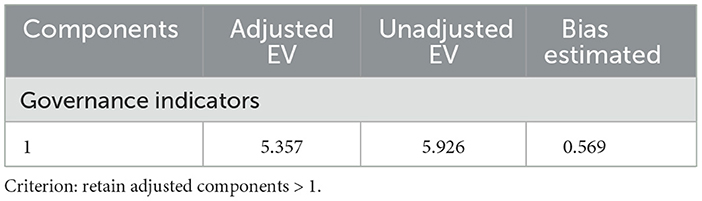
Table A1. Principal components analysis by Horn's parallel.
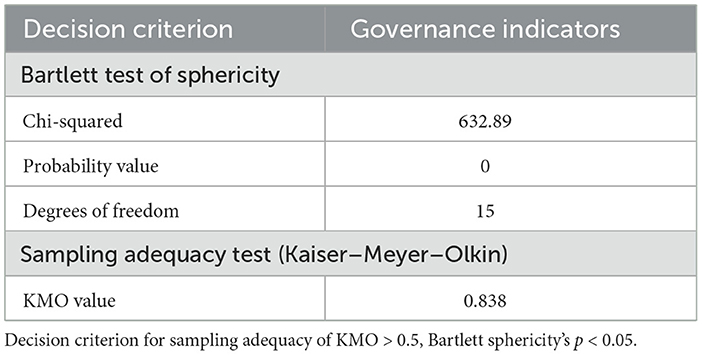
Table A2. Bartlett and KMO tests.
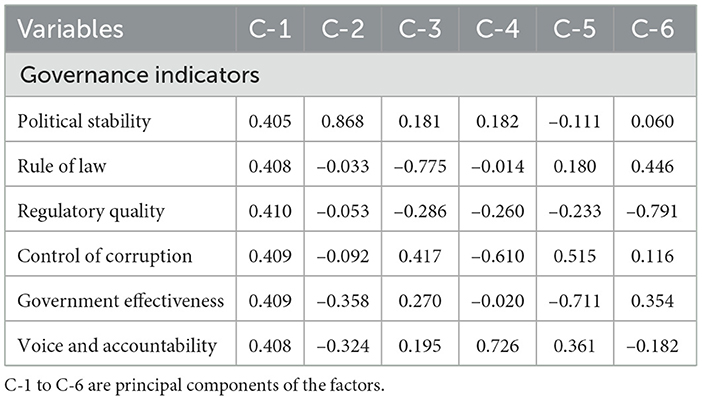
Table A3. Principal components.
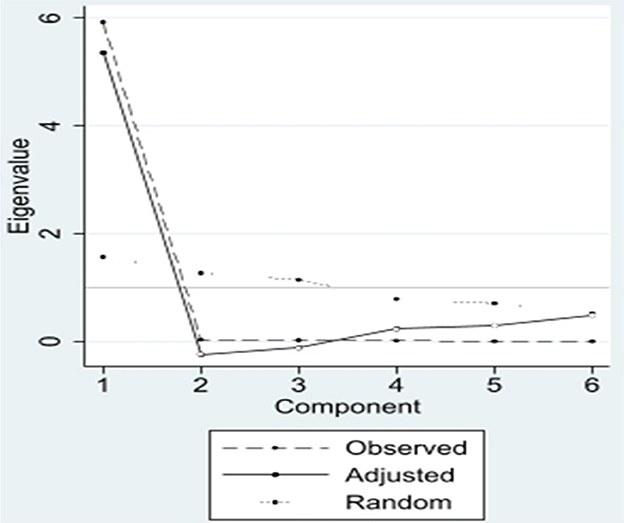
Figure A1. Scree plot of governance indicators.
Keywords: political risk, economic policy uncertainty, governance, environmental sustainability, quantile-on-quantile regression
Citation: Ullah S and Lin B (2025) Assessing environmental sustainability under risk and governance pressures: new insights from Canada. Front. Sustain. Energy Policy 4:1663065. doi: 10.3389/fsuep.2025.1663065
Received: 10 July 2025; Revised: 23 September 2025; Accepted: 10 November 2025;
Published: 02 December 2025.
Edited by:
Otavio Oliveira, São Paulo State University, BrazilReviewed by:
Ridwan Ibrahim, University of Lagos, NigeriaImran Ur Rahman, Leshan Normal University, China
Copyright © 2025 Ullah and Lin. This is an open-access article distributed under the terms of the Creative Commons Attribution License (CC BY). The use, distribution or reproduction in other forums is permitted, provided the original author(s) and the copyright owner(s) are credited and that the original publication in this journal is cited, in accordance with accepted academic practice. No use, distribution or reproduction is permitted which does not comply with these terms.
*Correspondence: Boqiang Lin, YnFsaW5AeG11LmVkdS5jbg==; YnFsaW4yMDA0QHZpcC5zaW5hLmNvbQ==