KI
kazuo itabashi
Showa University
Shinagawa, Japan
674
Total downloads
5,074
Total views and downloads
Submit your idea
You will be redirected to our submission process.
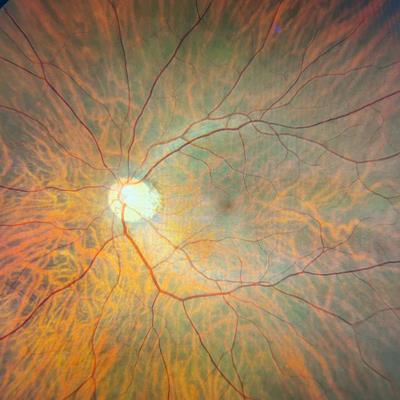
Retinopathy of Prematurity (ROP) currently stands as a major contributor to childhood blindness across the globe, particularly prevalent in middle and high-income regions, thanks to heightened survival rates of premature infants. Despite ongoing research, the pathophysiological mechanisms behind ROP's development – primarily abnormal retinal blood vessel growth triggered by premature birth – remain only partially understood. This lack of clarity hinders the prediction of disease progression and the crafting of effective treatments. The balance between necessary high oxygen levels for premature infant survival and the risk it poses in triggering ROP exemplifies the complexities in managing the disease’s progression. Additionally, emerging studies on genetic factors suggest a predispositional element to the disease, inviting further exploration into genetic markers as predictive tools.
This Research Topic aims to highlight the dual challenges of timely and accurate ROP diagnosis and the effective administration of treatments. The rapid progression of ROP can lead to severe outcomes, including blindness, thus underlining the importance of early detection. Effective screening is hampered by resource constraints and the need for specialized training among healthcare providers, particularly in under-resourced areas. Moreover, there are challenges associated with existing screening protocols which rely heavily on indirect ophthalmoscopy – a technique demanding considerable skill and time. Innovations such as telemedicine facilitated retinal imaging are promising yet face issues related to quality, interpretation, and reach. The inconsistency of ROP’s progression among patients further complicates standardization of diagnostics, making it imperative to adjust protocols to accommodate diverse patient presentations.
To gather further insights into the boundaries of ROP management, we welcome articles addressing, but not limited to, the following themes:
• Molecular mechanisms and genetic markers in ROP progression
• Optimizing oxygen therapy to minimize ROP risk without endangering the infant
• Enhancements in diagnostic imaging and screening practices
• Standardizing care amidst variable disease presentation
• The efficacy and safety of emerging treatments, such as anti-VEGF therapy
• Strategies for extending the reach of specialized care, particularly in low-resource settings
• Long-term follow-up strategies and outcomes post-ROP treatment
Topic Editor Mary Elizabeth Hartnett consults for FELIQS and JNJ, serves on the data safety and monitoring board for Ray Therapeutics, and receives funding from the National Eye Institute. All other Topic Editors declare no conflicts of interest
This Research Topic accepts the following article types, unless otherwise specified in the Research Topic description:
Articles that are accepted for publication by our external editors following rigorous peer review incur a publishing fee charged to Authors, institutions, or funders.
Keywords: retinopathy, retinopathy of prematurity, ROP
Important note: All contributions to this Research Topic must be within the scope of the section and journal to which they are submitted, as defined in their mission statements. Frontiers reserves the right to guide an out-of-scope manuscript to a more suitable section or journal at any stage of peer review.
Showa University
Shinagawa, Japan
Osaka Women's and Children's Hospital
Izumi, Japan
Department of Ophthalmology, Kindai University Faculty of Medicine
Osakasayama, Japan
John A. Moran Eye Center, College of Health, University of Utah
Salt Lake City, United States
Manuscripts can be submitted to this Research Topic via the main journal or any other participating journal.
Submit your idea
You will be redirected to our submission process.