MJ
maria janieire de nazaré nunes alves
Heart Institute, Clinical Hospital, Faculty of Medicine, University of São Paulo
São Paulo, Brazil
356
Total downloads
3,994
Total views and downloads
Submit your idea
Select the journal/section where you want your idea to be submitted:
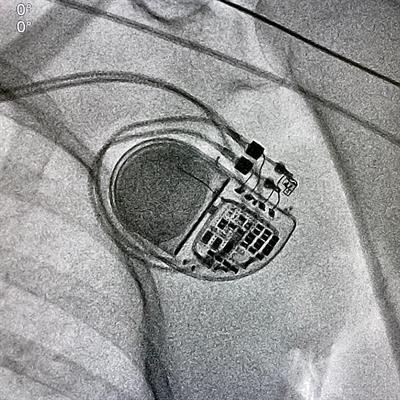
Exercise plays a crucial role in the management and rehabilitation of individuals with cardiovascular conditions, including those with pacemakers, Cardiac Resynchronization Therapy (CRT) devices, Implantable Cardioverter Defibrillators (ICDs), and cardiac arrhythmias. However, patients with these devices or heart rhythm disorders often face unique challenges in exercise prescription and participation, including concerns about heart rate regulation, the risk of arrhythmia during physical exertion, and the safe integration of exercise into rehabilitation programs.
Recent research has shown that while exercise is beneficial for improving cardiovascular health, strength, and overall fitness, patients with pacemakers or cardiac arrhythmias require individualized exercise programs to optimize outcomes and minimize risks. Recently, research into how adrenergic activity modulates heart rate in CRT patients during exercise has provided valuable insights into specific heart rate adjustments that can be made to accommodate the unique needs of these patients.
This Research Topic will explore how exercise affects individuals with pacemakers, CRT, ICDs, and cardiac arrhythmias, with a focus on heart rate regulation, exercise tolerance, and the underlying physiological mechanisms during exercise. Special attention will be given to research on how these patients can safely engage in physical activity to improve cardiovascular health while minimizing risks associated with their heart conditions.
The goal of this Research Topic is to deepen the understanding of exercise prescription exercise regulation in patients with pacemakers, CRT, ICDs, and cardiac arrhythmias. By investigating how exercise influences cardiovascular function and the role of adrenergic and heart rate adjustments during physical exercise, this collection aims to optimize interventions for this population, ensuring safe participation and improved rehabilitation outcomes.
We welcome submissions on the following themes related to exercise in patients with pacemakers, CRT, ICDs, and cardiac arrhythmias:
• Exercise prescription guidelines for patients with pacemakers, CRT, ICDs, and cardiac arrhythmias;
• Mechanisms of exercise regulation during exercise in patients with implanted cardiac devices or cardiac arrhythmias, including but not limited to adrenergic activity, muscle reflexes, and baroreflex responses;
• Exercise tolerance and performance in individuals with cardiovascular devices;
• Safety considerations and risk management in exercise for patients with arrhythmias or pacemakers;
• Adjustments in cardiac devices or medication to improve outcomes in exercise training programs and cardiac rehabilitation.
This Research Topic accepts the following article types, unless otherwise specified in the Research Topic description:
Articles that are accepted for publication by our external editors following rigorous peer review incur a publishing fee charged to Authors, institutions, or funders.
Keywords: Exercise, Prescription, Cardiac Devices, Arrhythmias, Heart Rate Regulation, Rehabilitation
Important note: All contributions to this Research Topic must be within the scope of the section and journal to which they are submitted, as defined in their mission statements. Frontiers reserves the right to guide an out-of-scope manuscript to a more suitable section or journal at any stage of peer review.

Manuscripts can be submitted to this Research Topic via the main journal or any other participating journal.
Submit your idea
Select the journal/section where you want your idea to be submitted: