DG
daniela gil
Department of Phonoaudiology, Paulista School of Medicine, Federal University of São Paulo
São Paulo, Brazil
54
Total downloads
1,976
Total views and downloads
Submit your idea
You will be redirected to our submission process.
This Research Topic is a special awarded collection. To be eligible for a potential award supporting your submission, please ensure you submit your abstract here at least two weeks before submitting your manuscript.
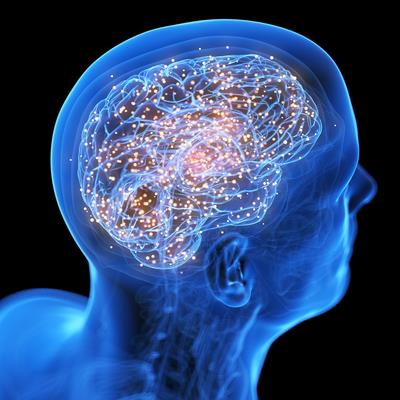
The interaction between speech perception and the brain's cortical activity remains an important area of study in neuroscience. Speech perception, an essential part of human communication, involves the processing of sounds, neural activities, and interpretation. Understanding how the brain deciphers and makes sense of speech is crucial for cognitive neuroscience and has practical applications in treating speech disorders and improving speech recognition technology.
This Research Topic aims to explore the latest advancements in understanding the cortical representation of speech perception. Our goal is to advance the understanding of the neural basis of how humans perceive and process speech, highlighting novel methodologies, theoretical models, and practical applications. We invite research that examines these neural correlates from diverse perspectives, including auditory neuroscience, cognitive psychology, and computational modeling.
Topics to Cover:
1. Neural Mechanisms: Investigations into the neural mechanisms that facilitate speech perception are central to this topic. We encourage studies employing neuroimaging techniques, such as fMRI and MEG, auditory evoked responses, such as MLR, P300 and FFR to elucidate how different areas of the brain contribute to the real-time processing of speech.
2. Developmental and Cross-Linguistic Perspectives: Speech perception is not static; it evolves from infancy through adulthood and varies across languages and cultures. We welcome research on how speech perception develops across the lifespan and how different linguistic environments shape cortical speech processing. Cross-linguistic studies comparing neural adaptations to diverse phonetic and phonological systems are of particular interest.
3. Disorders of Speech Perception: Clinical perspectives are crucial for translating basic research into therapeutic interventions. We welcome studies on disorders affecting speech perception, such as auditory processing disorders. Contributions may focus on diagnostic imaging, intervention strategies, and rehabilitation programs that aim to restore normative cortical function.
4. Innovations in Computational Modeling: Advances in computational models provide powerful tools to simulate and predict cortical processes underlying speech perception. We welcome papers that present novel models or refine existing ones, offering insights into the dynamics of neural networks during speech processing.
Do not miss the chance to make your manuscript contribution and showcase your research alongside the research of other outstanding colleagues. Register your interest in the link below so our Topic Editors can make sure to extend deadlines for your submission if needed: Participate in this topic
This Research Topic accepts the following article types, unless otherwise specified in the Research Topic description:
Articles that are accepted for publication by our external editors following rigorous peer review incur a publishing fee charged to Authors, institutions, or funders.
Keywords: speech, speech perception, auditory neuroscience, neuroimaging
Important note: All contributions to this Research Topic must be within the scope of the section and journal to which they are submitted, as defined in their mission statements. Frontiers reserves the right to guide an out-of-scope manuscript to a more suitable section or journal at any stage of peer review.
Manuscripts can be submitted to this Research Topic via the main journal or any other participating journal.
Submit your idea
You will be redirected to our submission process.
