SM
sergio modafferi
Department of Biomedical and Biotechnological Sciences, Faculty of Medicine, University of Catania
Catania, Italy
582
Total views and downloads
Submit your idea
You will be redirected to our submission process.
Manuscript Summary Submission Deadline 31 December 2025 | Manuscript Submission Deadline 31 May 2026
This Research Topic is currently accepting articles.
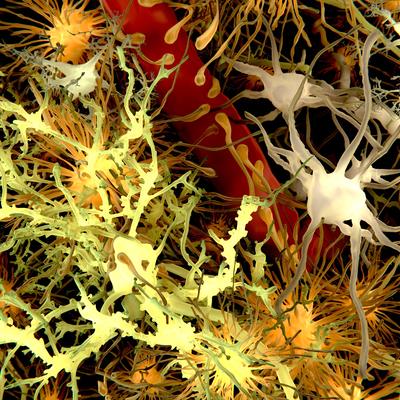
Astrocytes, once considered merely supportive elements in the central nervous system (CNS), are now recognized as integral to CNS function. They play crucial roles in synaptic regulation, metabolic homeostasis, neurotransmitter clearance, and blood-brain barrier maintenance. As individuals age, astrocytes undergo complex molecular and functional remodeling characterized by dysregulated inflammatory signaling, oxidative stress, mitochondrial dysfunction, and impaired proteostasis. Such changes contribute to declines in cognitive performance and increased susceptibility to neurodegenerative diseases, including Alzheimer’s, Parkinson’s diseases, and frontotemporal dementia. In these disorders, astrocytes exhibit disease-specific reactive states, amplifying synaptic dysfunction, neuronal loss, and chronic neuroinflammation through mechanisms like aberrant activation of NF-κB and JAK/STAT3 signaling pathways. Despite these insights, the intricacies of how aging alters astrocyte biology remain incompletely understood, especially in the context of neurodegeneration.
This Research Topic aims to elucidate the molecular and biochemical mechanisms underlying astrocyte dysfunction during aging and define their contribution to the onset and progression of neurodegenerative diseases. Specifically, the objective is to better understand the dysregulation of key pathways, such as NF-κB-driven inflammatory signaling, JAK/STAT3-mediated astrogliosis, and Nrf2-dependent antioxidant responses. Given the growing recognition of astrocytes as active participants in the pathogenesis of brain aging, this exploration is vital for identifying glia-targeted therapeutic interventions to mitigate cognitive decline and brain aging.
To gather further insights into the molecular mechanisms driving aging-related astrocytic changes and their influence on neurodegeneration, we welcome articles addressing, but not limited to, the following themes:
•Homeostatic functions of astrocytes and their disruption in neurodegenerative diseases.
•Reactive astrogliosis: phenotypic diversity, molecular triggers, and impact on disease progression.
•Astrocyte involvement in proteinopathy: uptake, accumulation, and propagation of pathogenic proteins
•Neuroinflammatory roles of astrocytes and their crosstalk with microglia
•Astrocyte-Neuron metabolic coupling: disruption and consequences for neuronal vulnerability
•Therapeutic strategies targeting astrocyte function to promote neuroprotection and disease modification
•Human-induced pluripotent stem cell-derived models to study disease-relevant astrocyte phenotypes
Submissions can include original research articles, reviews, mini-reviews, and perspectives that explore the cellular, molecular, and signaling mechanisms underlying astrocyte alterations during aging and in age-related neurological disorders.
This Research Topic accepts the following article types, unless otherwise specified in the Research Topic description:
Articles that are accepted for publication by our external editors following rigorous peer review incur a publishing fee charged to Authors, institutions, or funders.
Keywords: Astrocytes, Neurodegenerative Diseases, Astrocyte-Neuron Interaction, Neuroinflammation, Brain Organoids
Important note: All contributions to this Research Topic must be within the scope of the section and journal to which they are submitted, as defined in their mission statements. Frontiers reserves the right to guide an out-of-scope manuscript to a more suitable section or journal at any stage of peer review.
Manuscripts can be submitted to this Research Topic via the main journal or any other participating journal.
Submit your idea
You will be redirected to our submission process.
