EM
enos moyo
University of KwaZulu-Natal
Durban, South Africa
885
Total views and downloads
Submit your idea
Select the journal/section where you want your idea to be submitted:
Manuscript Submission Deadline 8 February 2026
This Research Topic is currently accepting articles.
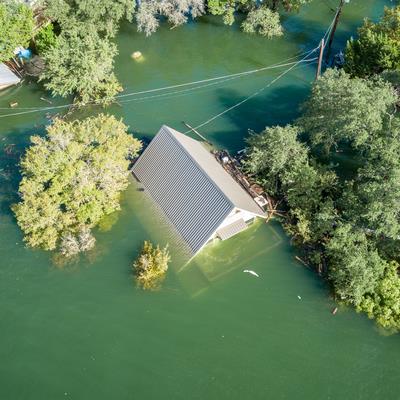
Increased flooding events, accelerated by climate change, are increasingly affecting water quality and posing severe risks to human health globally and locally. This environmental disruption alters the physical, chemical, and biological processes within water systems, often leading to the introduction and dissemination of pollutants, industrial chemicals, and waterborne pathogens. These changes heighten risks of both acute and chronic health problems, such as the emergence of waterborne diseases, toxic chemical exposure, and challenges in accessing clean water. The intricate interplay between water quality degradation during flooding events and their health repercussions emphasizes a growing necessity for research at the intersection of hydrology, environmental science, epidemiology, and public health.
This Research Topic aims to explore the complex relationships between flood-induced water quality changes and their diverse impacts on health from a multidisciplinary perspective. It seeks to understand how fluctuations in water quality during flood events influence scientific knowledge, public health strategies, and policy decisions. Linkages to the United Nations Sustainable Development Goals, particularly SDG 3 (Good Health and Well-Being), SDG 6 (Clean Water and Sanitation), and SDG 13 (Climate Action), are particularly relevant, emphasizing the connections between environmental change and human health outcomes.
To gather further insights into this multifaceted field, we welcome articles addressing, but not limited to, the following themes:
- Mechanistic studies on industrial contaminants and toxins movement during floods and their implications for human and ecological health.
- Usage of innovative sensor technologies and networks for environmental monitoring in anticipation and response to flood events.
- Applications of artificial intelligence for analyzing and predicting health risks linked to water quality changes during floods.
- Research on toxic pollutants and pathogens sources in agriculture, drinking water, and their localized impacts.
- Investigation of disease transmission dynamics influenced by post-flood water quality alterations.
- Analyses of climate-driven changes in flood patterns and their broader health implications.
- Policy analyses that promote the application of scientific findings in enhancing community resilience and infrastructure.
- Studies on predicting and managing emerging contaminants and their health impacts in flood scenarios.
- Explorations of pathogen survival, dispersal, and interaction within floodwaters with zoonotic transmission considerations.
- Investigations on the effects of floods on WASH infrastructure and resultant exposure to pathogens and chemical contaminants.
Note: Studies focusing exclusively on social or behavioral aspects, absent of any direct links to water quality or health-related outcomes, are beyond the scope of this Research Topic. We aspire to foster a comprehensive understanding that bridges water science, environmental disturbance, and human health, generating actionable insights for policymakers, practitioners, and scientific communities alike.
We accept Original Research, Policy and Practice Reviews, Methods, Data Reports, and Perspectives that align with these focal areas.
This Research Topic accepts the following article types, unless otherwise specified in the Research Topic description:
Articles that are accepted for publication by our external editors following rigorous peer review incur a publishing fee charged to Authors, institutions, or funders.
Keywords: Floodwater Contamination, Waterborne Pathogens, Climate Change Health, Environmental Epidemiology, Sustainable Water Management
Important note: All contributions to this Research Topic must be within the scope of the section and journal to which they are submitted, as defined in their mission statements. Frontiers reserves the right to guide an out-of-scope manuscript to a more suitable section or journal at any stage of peer review.
University of KwaZulu-Natal
Durban, South Africa
ICAP in Zimbabwe
Harare, Zimbabwe
National Center for Nuclear Science and Technology
Ariana, Tunisia
Yogi Vemana University
Kadapa, India
National Research Centre (Egypt)
Cairo, Egypt
Manuscripts can be submitted to this Research Topic via the main journal or any other participating journal.
Submit your idea
Select the journal/section where you want your idea to be submitted:
