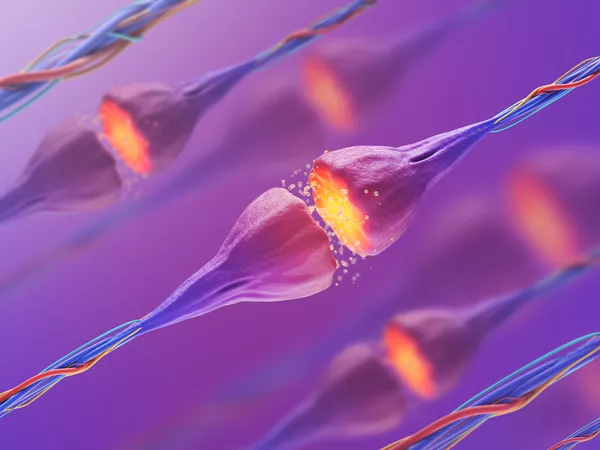
Protein structure-function relationships in neural cells and tissues: bridging the gap between the atomic structure of proteins and neural functions

  • 258

    Total views and downloads

About this Research Topic

Submission deadlines

  1. Manuscript Summary Submission Deadline 30 April 2026 | Manuscript Submission Deadline 31 July 2026

  2. This Research Topic is currently accepting articles.

Background

Obtaining a comprehensive understanding of how specific proteins affect neurophysiological functions, implies establishing how elements at the atomic structural level such as functional domains/motifs, post-translational modifications and/or specific protein folds affect their biochemical activity. How this in turn affects specific functional protein complexes and subcellular processes such as steps in signal transduction cascades and, ultimately, how this affects neural cell and neural tissue functions, needs to be explored in more detail. Therefore, this research topic focuses on research establishing the links between protein tertiary structures and neural functions.Examples of specific classes of molecules that can be focused on (including but not limited to) are membrane receptors (such as G protein-coupled receptors (GPCRs) and tyrosine kinase receptors), ion channels, enzymes, structural/cytoskeletal proteins or membrane fusion proteins (such as v-SNARE and t-SNARE)

The topic welcomes contributions of original research or review papers that bridge the gap between protein structures and neural functions. Examples of approaches that are of interest at the structural level:

- Structural input to establish hypotheses on structural elements implicated in functions: Molecular modelling/dynamics and de novo structural predictions, structural biology (crystallography, CryoEM).

- Mutational analysis of proteins to identify functional hotspots (i.e. to characterize catalytic sites or protein scaffolding motifs).

- Use of chemical biology/chemical genetics approaches.

- Integration of protein-protein interactions: Identifying key regulators or downstream effectors, e.g. via interactomics or genetic screening approaches.

Studies will establish links between structural findings and functions up to the cellular physiology of neural cells and tissues, such as but not restricted to neuromorphology, membrane trafficking, neurophysiology, glial cell functions, neuronal development/plasticity. All fields of neuroscience research and all categories of proteins are open to this topic.

Article types and fees

This Research Topic accepts the following article types, unless otherwise specified in the Research Topic description:

  • Brief Research Report
  • Data Report
  • Editorial
  • FAIR² Data
  • General Commentary
  • Hypothesis and Theory
  • Methods
  • Mini Review
  • Opinion

Articles that are accepted for publication by our external editors following rigorous peer review incur a publishing fee charged to Authors, institutions, or funders.

Keywords: Protein structurre, protein-protein interactions, protein complex, post-translational modifications, neurons, glial cells, neuromorphology, neurophysiology

Important note: All contributions to this Research Topic must be within the scope of the section and journal to which they are submitted, as defined in their mission statements. Frontiers reserves the right to guide an out-of-scope manuscript to a more suitable section or journal at any stage of peer review.

Topic editors

Manuscripts can be submitted to this Research Topic via the main journal or any other participating journal.

Impact

  • 258Topic views
View impact