JC
juan c echeverría
Autonomous Metropolitan University (Iztapalapa)
Mexico City, Mexico
258
Total views and downloads
Submit your idea
You will be redirected to our submission process.
Manuscript Summary Submission Deadline 6 May 2026 | Manuscript Submission Deadline 17 September 2026
This Research Topic is currently accepting articles.
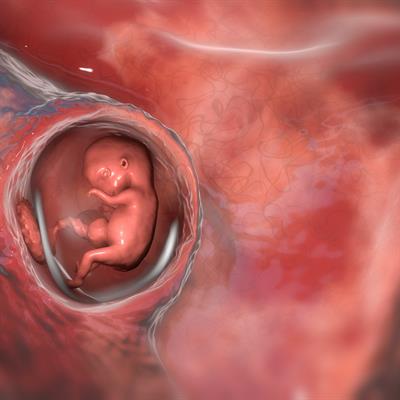
Pregnancy orchestrates an extraordinary transformation in the physiology of both mother and fetus, demanding intricate adaptations, coordination, and regulation across multiple organ systems. Traditional investigations often examine maternal or fetal physiology within individual organs or isolated processes domains; however, mounting evidence reveals the importance of multiscale networked interactions—from molecule to organ, organism to environment—which maintain health or, when disrupted, driving pathological change.
Network Physiology and Pregnancy seeks to bring together cutting-edge research exploring how multiscale biological networks adapt, synchronize, and sometimes fail to orchestrate normal gestation, fetal programming, childbirth and neonatal bonding. This topic will address questions such as:
• How do cardiovascular, respiratory, neural, muscular, endocrine, and immunological networks dynamically interact across scales during healthy pregnancy?
• How do network interactions shape fetal neurodevelopment or maternal neuroplasticity?
• Which signals from maternal network dynamics drive fetal physiological network organization?
• How do multiscale interactions contribute to maternal-fetal immune tolerance during pregnancy?
• How do maternal and fetal physiological networks communicate, synchronize, and adapt to internal and external stressors?
• What signatures in network dynamics may precede or predict disorders such as preeclampsia, gestational diabetes, preterm birth, fetal growth restriction, low birth weight, stillbirth, or postpartum haemorrhage?
• How can systems and network approaches improve early detection, individualized care, and novel therapeutic strategies during pregnancy?
We invite contributions spanning experimental, theoretical, and computational studies. Potential themes include, but are not limited to:
• Cross-talk between maternal and fetal physiological systems
• Network analysis of biosignals and images (e.g., heart rate variability, EEG, EHG, EMG,respiratory patterns, Doppler pulsatility indices, MRI) in pregnancy and childbirth
• Modeling the impact of external factors (stress, environment, circadian disruption, malnutrition) on physiological networks in pregnancy
• Nonlinear and machine learning approaches to understanding complex maternal-fetal interactions
• Early-warning biomarkers derived from network physiology
• Digital health, digital twins, multi-organ monitoring, multidimensional databases and wearable technologies in the context of maternal-fetal health
This Research Topic aims to foster interdisciplinary dialogue and bridge gaps among network science, computational biology, obstetrics, physiology, epigenetics, and clinical care. We particularly encourage original research, methodological advances, comprehensive reviews, and perspectives that highlight challenges and promising directions at the intersection of Network Physiology and Pregnancy facilitating, among other aspects, the exploration of the developmental origin of health and disease.
This Research Topic accepts the following article types, unless otherwise specified in the Research Topic description:
Articles that are accepted for publication by our external editors following rigorous peer review incur a publishing fee charged to Authors, institutions, or funders.
Keywords: Pregnancy, Network Physiology, Maternal-fetal systems interactions
Important note: All contributions to this Research Topic must be within the scope of the section and journal to which they are submitted, as defined in their mission statements. Frontiers reserves the right to guide an out-of-scope manuscript to a more suitable section or journal at any stage of peer review.
Autonomous Metropolitan University (Iztapalapa)
Mexico City, Mexico
Cinvestav Unidad Zacatenco
Mexico City, Mexico
University of Kansas Medical Center
Kansas City, United States
School of Medicine, Washington University in St. Louis
St. Louis, United States
Manuscripts can be submitted to this Research Topic via the main journal or any other participating journal.
Submit your idea
You will be redirected to our submission process.
