FP
fernando pulido
University of Extremadura
Badajoz, Spain
104
Total views and downloads
Submit your idea
You will be redirected to our submission process.
Manuscript Summary Submission Deadline 6 May 2026 | Manuscript Submission Deadline 30 September 2026
This Research Topic is currently accepting articles.
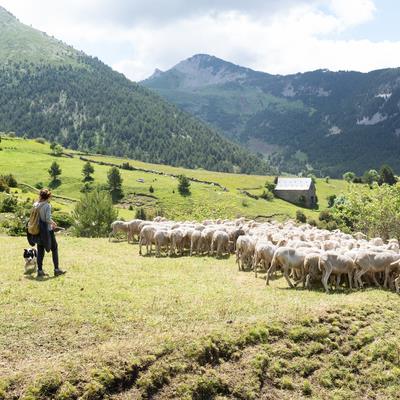
Mosaic landscapes are an essential area of study within landscape ecology, representing spatially heterogeneous environments where forests co-exist in dynamic interplay with other natural and human-modified habitats. In culturally shaped mosaic landscapes the arrangement, function and relationships between habitats are largely influenced and determined by local land uses. Consequently, these mosaic landscapes are often concentrated in forest lands with long histories of moderate-intensity resource use, resulting in the formation of biodiversity rich landscapes that provide key ecosystem services. Furthermore, functional mosaics have shown to deliver high quality products, retain aesthetic and cultural values, reduce wildfire hazard and mitigate carbon emissions.
Yet, the persistence of these landscapes is increasingly challenged by socioeconomic pressures such as intensification or abandonment of traditional land uses. The recovery or implementation of landscape mosaics is increasingly recommended in different sectorial policies despite the inherent complexities of their governance. However, complex governance of mosaic landscapes, with multiple interconnected stakeholders with competing viewpoints, can make it difficult to implement these policies.
This Research Topic aims to advance our understanding of mosaic landscapes by synthesizing current knowledge about their origins, maintenance, and roles in sustaining key ecosystem functions. A central objective is to elucidate how human practices intertwine with natural processes to shape the patterns and outcomes observed in landscape mosaics. The collection seeks to foster interdisciplinary dialogue, inform evidence-based management, and develop policy frameworks that leverage the multifaceted benefits of mosaic landscapes to address contemporary environmental challenges and regional crises.
We welcome manuscripts that address, but are not limited to, the following themes:
o Synthesizing previous research on the origin and functioning of mosaic landscapes, including the pivotal role of human practices
o Reviewing the role of mosaic landscapes in the provisioning of multiple ecosystem services
o Improving our understanding of the socio-environmental factors influencing the conservation of landscape mosaics
o Providing scientific guidelines for the recovery or implementation of landscape mosaics
o Disseminating policy proposals that take advantage of the multiple benefits derived from landscape mosaics
o Identification of drivers and impacts of change within mosaic landscapes,
o Strategies to enhance their conservation, recovery, and multifunctional roles.
This Research Topic accepts the following article types, unless otherwise specified in the Research Topic description:
Articles that are accepted for publication by our external editors following rigorous peer review incur a publishing fee charged to Authors, institutions, or funders.
Keywords: Cultural landscapes, beta diversity, habitat diversity, landscape heterogeneity, mosaic landscape, ecosystem services, conservation, land management
Important note: All contributions to this Research Topic must be within the scope of the section and journal to which they are submitted, as defined in their mission statements. Frontiers reserves the right to guide an out-of-scope manuscript to a more suitable section or journal at any stage of peer review.
Manuscripts can be submitted to this Research Topic via the main journal or any other participating journal.
Submit your idea
You will be redirected to our submission process.
