Abstract
This article provides an overview of the use of pseudowords—letter strings that resemble real words by adhering to phonotactic and orthotactic rules (e. g., fambo follows the rules of English phonology and orthography, but it does not have an actual meaning)—in written word processing research, with a focus on readers in alphabetic languages. We review how pseudowords have been used in research to isolate specific features of words to examine the cognitive mechanisms underlying various aspects of their processing, including orthographic, phonological decoding, lexical-semantic, and syntactic components, as well as to the way those empirical observations have shaped theories and models of word recognition. The overview also considers their broader applications, such as in studying non-alphabetic scripts, speech processing, and language disorders like dyslexia. By providing a focused synthesis of empirical findings, this article underscores the critical insights that research using pseudowords offers into the interconnected nature of cognitive mechanisms in language processing.
1 Introduction
A large (and growing) body of research in psycholinguistics relies on the use of word-like stimuli to study different mechanisms underlying language processing. These stimuli include pseudowords, which are strings of letters that follow the phono- and orthotactical rules of a given language but, in principle, lack conceptual referents and entries in the mental lexicon in such language. For instance, besder is a string of letters that follows the permissible phonological and orthographic rules in English, yet is not a real word. In contrast, strings of letters that do not follow such rules (e.g., pbominj), are not considered pseudowords and are commonly referred to as illegal non-words. While processing pseudowords may involve strategic or metalinguistic processes that are not necessarily involved in the processing of real words (Levy, 1987), they have nonetheless provided valuable insights into the different components underlying word processing, including orthographical (Grainger, 2018; Perea et al., 2023a), phonetic and phonological (Sidhu and Pexman, 2018; Seidenberg et al., 1996), semantic (Dorffner and Harris, 1997), morphological (Longtin and Meunier, 2005; Snyder, 1995), or syntactic aspects (Cheon et al., 2020; Dołżycka et al., 2022; Opitz and Friederici, 2004).
The body of research using pseudowords on word recognition processes is extremely large—just a quick search on Google Scholar for research involving “word recognition” and “pseudowords” yields more than 5000 entries in the last 5 years alone. Therefore, any research overview of the topic will necessarily be selective. For this reason, the present paper's goal is to describe how pseudowords have been used to study the cognitive mechanisms that underlie written word recognition within alphabetic languages. Specifically, our aim is to present key behavioral and physiological findings that have been central to the development and refinement of theoretical and computational models of word processing, while also describing the main theoretical approaches that attempt to explain such findings. The structure of the present review will be theoretically grounded on an adaptation of the framework described by Grainger (2024) (see Figure 1; see also Figure 4 in Grainger, 2024), allowing us to organize the description of how pseudowords have been used in the study of written word recognition into four key processing components: orthographic processing, phonological decoding –both part of the processing of the word-form—, lexical-semantic integration, and sentence-level syntactic processing—note that these components align with most frameworks of word identification (see Perfetti and Helder, 2022). By adopting this framework, we aim to provide a brief but comprehensive overview of the main empirical findings in the literature, with an emphasis on the utility of pseudowords in advancing our understanding of word recognition processes.
Figure 1
2 Orthographic processing
The use of pseudowords is extensive in the written word recognition area, as they serve as an excellent testing tool to examine key issues in the association of a written word with its correct lexical unit on the mental lexicon (i.e., lexical access in reading). Of note, in alphabetic languages, early word processing involves the activation of not only the target word but also similarly spelled lexical units—orthographic neighbors (e.g., singer-ginger, trial-trail, or plane-pane, e.g., Andrews, 1989; Chambers, 1979; Davis and Taft, 2005; see also Perea, 2015, for a review). The use of pseudowords that differ in orthographic similarity with words has been fundamental for our understanding of how readers process orthographic information to, ultimately, activate the correct lexical unit.
Orthographic processing refers to the encoding of letter identities and their positions within a word. Note that written words are both sensory objects (visual for most scripts but also tactile for braille) whose basic elements in alphabetic scripts are letters, and linguist entities that convey meaning, and the processing of orthographic information is considered to be the bridge between low-level sensory processing and higher-level linguistic processing in word recognition (see Grainger, 2018). It is now well-established that word identification in languages that use an alphabetic script is letter-based (as opposed to word-shape-based; see Grainger, 2008, 2018). That is, when we encounter a written word, we must encode the identity of its constituent letters (allowing us to understand that finger and finger are the same word, but not singer), and their positions (allowing us to differentiate between singer, reigns, or signer) in order to correctly activate its representation in the mental lexicon.
Research on written word recognition using pseudowords has offered valuable insights into how orthographic information is processed, by testing the characteristics of letter strings that make them more word-like by being orthographically similar to words. This research has enabled the development and/or refinement of models that connect empirical data with theoretical accounts.
2.1 Letter identity coding
A historical finding in research on letter processing is that letters embedded in words (e.g., the D in WORD) are identified easier than letters embedded in non-words (e.g., the D in ORWD; Reicher, 1969), a phenomenon known as the “word superiority effect” (WSE). Interestingly, this advantage is even greater when comparing the identification of letters within pseudowords vs. orthographically illegal non-words (e.g., D recognized more accurately in NORD than in ORWD), namely the “pseudoword superiority effect” (e.g., Grainger and Jacobs, 1994; Jacobs and Grainger, 2005 [French]; Ripamonti et al., 2018 [Italian]; see Coch and Mitra, 2010 [English], for neurophysiological evidence). These results have been shown using different tasks, the most frequent one being the Reicher-Wheeler task, in which participants, after seeing a word, have to choose which one of two alternative letters was in a specific position (e.g., after briefly showing the string WORD, asking whether a D or a K was in the 4th position), but also in post cued letter-identification tasks (e.g., asking which letter was in the 4th position without giving any possible choices; see Estes, 1975). Notably, exposure to written language has been shown to modulate the word and pseudoword superiority effects, as skilled adult readers tend to show larger effects than children (e.g., Grainger et al., 2003 [French], Kezilas et al., 2016 [English]). Indeed, the effects increase as children get older (e.g., Coch et al., 2012; Juola et al., 1978, [English]).
Nonetheless, orthographic knowledge is not the sole factor that guides letter identity coding in word recognition; perceptual factors also seem to have a role. In a recent study, Lally and Rastle (2023) found that errors in the Reicher–Wheeler task increase when the foil letter alternative is highly similar to the correct letter compared to when the foil letter is dissimilar to the correct letter. For example, presenting the letter string snow, snum or znsq for word, pseudoword and non-word orthographic structures and asking whether the second position contains an h or an n (similar condition) or a t or an n (dissimilar condition). The authors found the same error pattern for the three types of orthographic structures (i.e., word, pseudowords, and non-words), together with the typical word and pseudoword superiority effects (better performance as strings are more word-like). Indeed, previous studies showed that a target word like objetivo (objective in Spanish) is classified as being a word faster when preceded by a visually similar pseudoword prime (e.g., objetiuo), than when preceded by a visually dissimilar pseudoword prime (e.g., objetieo, e.g., Marcet and Perea, 2017, 2018a,b; see also Gutierrez-Sigut et al., 2019 [Spanish] for ERP evidence). This finding suggests that objetiuo activates the lexical representation of objetivo to a greater extent than objetieo during the early stages of processing.
Parallel results have been observed in single-presentation lexical decision studies (i.e., is the string a word?) when using stimuli frequently presented in the same format, such as logotypes. For example, participants respond more slowly and less accurately to anazon compared to atazon (base word: amazon; e.g., Pathak et al., 2019; Perea et al., 2022a). Likewise, participants also show letter-similarity effects under conditions that limit processing resources, such as brief exposure presentations. For instance, the pseudoword Barcetona is more often misclassified as a word than the pseudoword Barcesona (base word: Barcelona) when presented for only 200 ms (Perea et al., 2023b). Similar effects with common words have also been shown in braille, a writing system that lacks variability across contexts and whose perception of characters is more transient than print (e.g., the tactually similar pseudoword 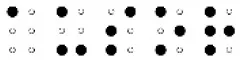 [ausor] is more frequently confused with its baseword
 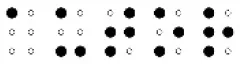 [autor; author in Spanish] than the dissimilar pseudoword
 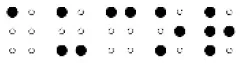 [aucor]; Baciero et al., 2023), as well as in research involving deaf readers (Gutierrez-Sigut et al., 2022) or individuals with dyslexia (Perea and Panadero, 2014), for whom normal letter-level processing is disturbed (see Conway et al., 2017; Guldenoglu et al., 2014; Lavidor, 2011). Yet, letter-similarity effects vanish with common words in single-presentation lexical decision experiments for neurotypical readers. For instance, anarillo and atarillo (base word: amarillo, yellow in Spanish) yield similar correct response times and accuracy (Perea and Panadero, 2014; Perea et al., 2022b).
The research described above exemplifies the way pseudowords have helped researchers to assess the factors that influence letter identification in multi-letter strings. Overall, current evidence indicates that the context in which a letter is embedded influences its recognition (easier as the context is more orthographically regular). Also, it seems that in some circumstances, particularly those that imply less stimuli variability across contexts and/or that the information collected is more ephemeral, perceptual letter similarity affects the activation of lexical entries. This suggests that letter identity coding within letter strings has some flexibility, and it is affected by both bottom-up and top-down processes, as initially suggested by McClelland and Rumelhart's Interactive-Activation model (McClelland and Rumelhart, 1981; Rumelhart and McClelland, 1982).
Currently, most visual word recognition accounts agree that letter identification within words (or multi-letter strings) is largely based on the mapping of the visual input onto abstract orthographic representations independent of their format (e.g., Coltheart et al., 2001; Davis, 2010; Dehaene et al., 2005; Grainger, 2008; Norris, 2006; see Grainger, 2018 and Grainger and Dufau, 2012 for reviews), explaining why we decode words written in multiple formats (e.g., handwritten, captchas, in different fonts or different cases) without much effort. Moreover, orthographic representations of letter clusters might be generated as print exposure increases, explaining why expert readers are sensitive to orthographic regularities (see Chetail, 2015). Indeed, morphemes—regular patterns of letter clusters and building blocks of meaning—are extracted during the process of word recognition. For instance, priming effects have been shown with morphologically structured stimuli (e.g., word primes: corner–CORN, or pseudoword primes: adorage–ADORE) but not with stimuli with a nonmorphological orthographic relationship (e.g., word primes: brothel–BROTH, or pseudoword primes: adoriln–ADORE) (see McCormick et al., 2009; Rastle and Davis, 2008). While this issue is described in more detail in the Semantic Processing section below (morphological (de)composition), these results reinforce the idea that orthographic representations of letter clusters are generated. Nonetheless, it has also been proposed that for orthographic forms that do not have variability in their format (e.g., logotypes), or that are processed under limit resources (e.g., using masked priming paradigm, Forster and Davis, 1984), perceptual traces might remain available in memory (see Labusch et al., 2024). However, no computational model has implemented this idea yet.
2.2 Letter position coding
Most research on orthographic processing has focused on a crucial and robust observation: pseudowords generated by transposing two letters of a word (e.g., jugde—transposing two adjacent letters, or cholocate—transposing two non-adjacent letters) are more frequently confused with their base words (judge or chocolate, respectively) than pseudowords created by replacing those letters (jupte or chotonate) in unprimed lexical decision tasks (e.g., Lupker et al., 2008). Similarly, masked priming studies show a facilitation in the recognition of the target word when preceded by a transposed-letter pseudoword prime, relative to a replaced-letter pseudoword prime (e.g., jugde-JUDGE vs. jupte-JUDGE; Perea and Lupker, 2003; see also Andrews, 1996; Schoonbaert and Grainger, 2004). This effect is known as the transposed-letter effect (see Bruner and O'Dowd, 1958, for the first description of this phenomenon), and it indicates that transposed-letter pseudowords activate the lexical representation of their base words to a greater extent than pseudowords with replaced letters. Hence, suggesting that letter position coding is also a flexible mechanism.
Importantly, research manipulating different characteristics of transposed letter pseudowords has shed light into our understanding of the factors that affect the encoding of a word's letter order. Remarkably, it has been observed that internal letter transpositions generate pseudowords that are more word-like than outer letter transpositions (e.g., first letter advantage, where the pseudoword sacino is less confusable with casino than the pseudoword caniso; e.g., Perea et al., 2015 [Spanish]; see Rayner et al., 2006 [English] for eye-tracking evidence; see Scaltritti and Balota, 2013[English] for evidence using a letter identification task, and Grainger et al., 2016 [French] also for developmental evidence). Noticeably, recent work has suggested that both word-initial and word-final positions seem to be more robustly encoded compared to medial positions (e.g., Fischer-Baum et al., 2011), perhaps due to recognizing letter positions in broader spatial configurations (i.e., space-bigrams; Agrawal and Dehaene, 2024). The robustness of transposition effects extends to pseudowords with non-adjacent transpositions (e.g., cholocate more similar to chocolate than chotonate; see Perea and Lupker, 2004 [Spanish]), and the effect persists even in non-canonical presentations, such as when parts of the pseudoword are split across different lines (e.g., cholo- on one line and -cate on another; Perea et al., 2023b; Romero-Ortells et al., 2024 [Spanish]). Moreover, transposed-letter effects have also been reported in preliterate children (Fernández-López et al., 2021) and non-human animals (e.g., baboons, Ziegler et al., 2013, or pigeons Scarf et al., 2016), as well as with pseudowords created from artificial scripts (Fernández-López and Perea, 2023), in leet format (e.g., C4TH3DR4L more visually similar to CATHEDRAL than C6TH8DR6L; e.g., Kinoshita et al., 2013 [English], Perea et al., 2008 [Spanish]), or in braille for adjacent transpositions (Baciero et al., 2022 [Spanish]).
Relatedly, pseudowords generated by omitting a letter from an existing word (e.g., mircle or blcn derived from miracle or balcon, respectively), where the letter positions have been altered, also elicit a priming effect compared to unrelated primes (e.g., mircle-MIRACLE vs. nosvlu-MIRACLE; e.g, Lázaro et al., 2018 [Spanish]; Peressotti and Grainger, 1999 [French]). Notably, this priming effect occurs irrespective of whether the omitted letter was repeated within the base word (e.g., “balnce-BALANCE” vs. “balace-BALANCE”; Schoonbaert and Grainger, 2004 [French]). However, the pattern of findings is different for pseudowords created by adding a letter to a word, especially if the letter is repeated. Particularly, pseudowords like silencne [base word: silence] are more often confused with their baseword than pseudowords like silencre in lexical decision studies (Kerr et al., 2021 [French]). Similarly, extra-repeated-letter pseudowords produce larger priming effects than extra-non-repeated-letter pseudowords (e.g., obebuvan-OBEUVAN > obeluvan-OBEUVAN; Trifonova and Adelman, 2022; see also Gomez et al., 2008; Trifonova and Adelman, 2019, [English]).
All these observations are responsible for the development and continual revision of theories and models concerning letter position coding in written word recognition (e.g., Adelman, 2011; Davis, 2010; Dehaene et al., 2005; Gomez et al., 2008; Grainger and Van Heuven, 2004; Norris et al., 2010; Whitney, 2001; see Perea et al., 2023a for a recent review), which can be categorized into two primary approaches. On the one hand, positional uncertainty accounts suggest that there is initial perceptual uncertainty regarding the position of elements (i.e., letters) in space (i.e., word), that it is eventually resolved (e.g., Gomez et al., 2008). On the other hand, orthographic accounts propose that letter order is encoded at a linguistic level of processing, specifically in an intermediate layer of (open) bigram detectors between the letter and word levels (e.g., Grainger and Van Heuven, 2004). Given findings such as those described in the previous paragraphs, a current tendency is to consider that letter position coding might be driven by a hybrid mechanism that includes positional uncertainty, a common characteristic of serial order processing in general, and an orthographic level responsible for representing specifically letter order in strings (e.g., Perea et al., 2023a; Romero-Ortells et al., 2024; see also Adelman, 2011; Grainger and Ziegler, 2011; Snell, 2024 for models that integrate both mechanisms).
3 Phonological decoding
Pseudowords have also been a useful tool to explore the mapping between written forms and their corresponding phonological representations in alphabetic scripts. That is, the way we decode a written word into spoken language, and how these spoken (or phonological) words activate lexical units in our mental lexicon. Research investigating these spelling-to-sound mappings using pseudowords has focused on the sub-lexical grapheme-phoneme conversions, mainly using pseudoword naming tasks and highlighting the role of orthographic depth, particularly print-to-sound consistency (e.g., Coltheart and Leahy, 1992; Marinelli et al., 2020; Ulicheva et al., 2021; Wiley et al., 2024; Zevin and Seidenberg, 2006). Research has also highlighted the role of phonological clues in driving access to the lexical and semantic representations of words, primarily using pseudohomophones (e.g., Grainger et al., 2012; Harm and Seidenberg, 2004; Lukatela and Turvey, 1994a,b).
3.1 Print-to-sound decoding
Pseudowords are particularly valuable for studying how readers process unfamiliar letter combinations, as they allow researchers to isolate grapheme-phoneme correspondence mechanisms without interference from lexical-semantic knowledge. A robust finding across alphabetic orthographies is the lexicality effect, where real words are typically read aloud faster and more accurately than pseudowords (e.g., Zevin and Balota, 2000 [English], Pagliuca et al., 2008 [Italian]), presumably due to their more direct lexical access. Relatedly, while naming latencies in general increase as the string length increases for both words and pseudowords, this length effect is larger for pseudowords than for words (Weekes, 1997 [English]). This highlights that pseudoword reading relies on sub-lexical processing—fundamental idea of main models of reading aloud. The Dual Route Cascaded (DRC) model (Coltheart, 1978; Coltheart et al., 2001) proposes two routes for uttering printed letter strings: lexical and non-lexical. The lexical route uses word knowledge and relies on a direct access to the phonological lexicon through orthography. The non-lexical route uses the grapheme-phoneme correspondence rules to build up phonological representations. Hence, this model assumes that novel words and pseudowords should use the non-lexical route to be read aloud correctly, whereas irregular or exception words whose pronunciation do not follow those conversion rules should use the lexical route. These assumptions have been questioned by connectionist models. For instance, the “triangle models” (Seidenberg and McClelland, 1989) propose a network of interconnected units of processing (i.e., orthographic, phonological, and semantic), where reading aloud involves using all of them regardless of the letter string at hand (words, pseudowords, or non-words), via the propagation of activation from orthographic input to phonological output using different weights for each unit (see Harm and Seidenberg, 2004, and Seidenberg, 2005, for subsequent developments of the model).
Researchers in this realm have used pseudowords to examine the variables that influence print-to-sound mappings, as well as the types of sub-lexical units that readers employ while reading aloud. One of the main concerns in this line of research has to do with the language, or orthography, of the reader. Specifically, the complexity, consistency and regularity of the spelling-sound correspondences of a given language—concepts closely tied to orthographic depth (see Frost, 1998; see also Schmalz et al., 2015 for a discussion of the terminology). Particularly, behavioral evidence has shown that pseudowords that contain complex multi-letter graphemes (e.g., fooce for English readers, where “oo” corresponds to /u:/ and “ce” to /s/) are read aloud slower than pseudowords where every letter is a grapheme (e.g., fruls); namely, the whammy effect (Rastle and Coltheart, 1998 [English]; see also Rey et al., 1998 [English & French]). Of note, in English, complex multi-letter graphemes often represent inconsistent correspondences. For example, while “oo” is regularly pronounced as /u:/ (e.g., food), it can also be pronounced as /υ/ (e.g., book). Empirical evidence further suggests that readers' pronunciations of pseudowords with inconsistent pattern pronunciations are influenced by existing words with similar patterns: pseudowords with regular neighbors elicit regular pronunciations, whereas those without regular neighbors often lead to irregular pronunciations (Andrews and Scarratt, 1998 [English]). Moreover, performance in pseudoword reading improves when the sub-lexical units in the pseudowords match those of real words (Treiman et al., 1990 [English]). This body-rhyme effect is particularly pronounced in orthographies with high inconsistency, such as English. By contrast, in more consistent orthographies like German, reading performance tends to exhibit greater sensitivity to word length (Ziegler et al., 2001 [English & German]; Kwok et al., 2017 [English & Spanish]).
Nonetheless, more consistent orthographies also have complexities. For instance, context-dependent grapheme-phoneme conversion rules (e.g., in Spanish, g is pronounced /g/ before a, o, or u but /x/ before e or i, as in abogado [lawyer] vs. agente [agent]; and the same happens with multi-letter graphemes such as ch, pronounced /tf/, as in chica [girl]). Importantly, these context-dependent rules in languages like Spanish (and many others, e.g., French, German, Italian, or Polish) yield consistent and regular pronunciations. Evidence has shown that wordlike pseudowords that contain graphemes associated with complex context-dependent grapheme-phoneme conversion rules (e.g., abogedo [base word: abogado; lawyer]) are more prone to pronunciation errors compared to pseudowords with simpler, context-independent graphemes (e.g., Sebastián-Gallés, 1991 [Spanish]), likely due to lexicalizations (see Perea and Estévez, 2008). Nevertheless, correct pronunciations of pseudowords produce similar latencies regardless of wordlikeness (e.g., deyasuno = degavuno [base word: desayuno; breakfast]; Perea and Estévez, 2008 [Spanish]).
These sub-lexical processing studies in different orthographies have revealed that readers rely on context-insensitive and context-sensitive grapheme-to-phoneme correspondences, as well as correspondences of greater orthographic units (e.g., rhymes, but also perhaps morphemes, Bar-On and Ravid, 2011; Ravid and Schiff, 2006 [Hebrew], Burani and Laudanna, 2003 [Italian]; or syllables, Carreiras and Perea, 2004 [Spanish]) during pseudoword decoding, shedding light on the granularity of phonological representations (see Schmalz et al., 2014). Indeed, developing studies indicate that lexicality effects increase with reading experience in both low- and high-consistency orthographies, although these effects are more pronounced, and reading progress is slower, in languages with low consistent orthographies (Caravolas, 2018 [English, Czech, & Slovak]). Hence, the pronunciation of pseudowords reflects readers' long-term knowledge of print-to-sound correspondences in a given script. Indeed, recent work demonstrates that the variability observed in English pronunciations can be captured through experience-dependent regularity indices, connecting sub-lexical units of varying grain sizes (Wiley et al., 2023).
3.2 The pseudohomophone effect
Most research that aimed to gain knowledge on the activation of phonological information by means of pseudowords relied on the use of pseudohomophones, which are pseudowords that are pronounced like a real word (e.g., brane for brain). Typically, pseudohomophones, compared to other pronounceable pseudowords, elicit faster naming latencies (e.g., Borowsky and Masson, 1999 [English]; Costello et al., 2021 [Spanish]; Peressotti and Colombo, 2012 [Italian]), delayed correct responses in lexical decision tasks (Braun et al., 2015; Ziegler et al., 2001 [German]; Seidenberg et al., 1996 [English]; but see Difalcis et al., 2018 [Spanish]), as well as faster correct responses to target words when preceded by pseudohomophone primes in masked priming lexical decision tasks (e.g., pharm – FARM; e.g., Rastle and Brysbaert, 2006 [English]; Ziegler et al., 2000 [French]). This evidence suggests that the production and identification of pseudohomophones involves accessing the representation of the base words from which they are derived. Moreover, this not only occurs with pseudohomophones but also with pseudowords that are auditory (and orthographically) similar to words (e.g., transposed-phoneme pseudowords such as /baksεt/ are perceived as being more similar to their base word, /baskεt/, than control pseudowords such as /bapfεt/; e.g., Dufour and Grainger, 2022; Dufour et al., 2023). However, while delayed responses in word recognition tasks have been attributed to the conflict generated by the co-activation of phonological information of base words in the absence a corresponding orthographic representation, speeded responses in production tasks rather reflect the ease of computation of articulatory codes in familiar utterances (Seidenberg et al., 1996).
Studies investigating the role of phonological information in guiding lexico-semantic access have reported enhanced pseudohomophone effects in pseudohomophones derived from low-frequency relative to high-frequency base-words in adults (Cuetos and Domínguez, 2002 [Spanish]; McCann et al., 2022; Pexman et al., 2001 [English]; Ziegler et al., 2001 [German]) and beginning readers (Brossette et al., 2024; Grainger et al., 2012 [French]; Tiffin-Richards and Schroeder, 2018 [German]). These base word frequency effects are modulated by manipulations of list-context (e.g., mixed pseudohomophone-non word lists vs pure pseudohomophones lists, or list order effects; see Grainger et al., 2000 [French]; Reynolds and Besner, 2005 [English]), orthographic neighborhood density (Grainger et al., 2000 [French]), or the number of semantic neighbors of their base words (Yates et al., 2003 [English]). Of note, individual differences in phonological skills, such as the ability to discriminate between two sounds of the same category (i.e., categorical perception), influence the access to phonological codes in pseudohomophones whose base word was of high-frequency (Luque et al., 2011 [Spanish]). Finally, evidence from ERP and fMRI studies have shown early base word frequency effects in German around 150 ms in temporo-parietal and fronto-temporal brain regions (Braun et al., 2009, 2015).
Thus, research with pseudohomophones has shown that phonological decoding seems likely to play a role in accessing lexical representations during word production and recognition (see however Cauchi et al., 2020). Current findings also suggest speeded access to lexical representations of pseudohomophones from high-frequency basewords. Importantly, the base word frequency effect has challenged localist models of word recognition like the Dual-Route Cascaded model (Coltheart et al., 2001), or the Multiple Read-Out model (Grainger and Jacobs, 1994). These models claim that lexical access involves inhibitory and cooperative interactions between orthographic and phonological representations using a multiple read-out mechanism. Accordingly, pseudowords that share phonological or orthographic features with words, and those with high baseword frequency elicit more resting activation of the lexical structure, which interferes with classifying the stimulus as a nonword in lexical decisions. Therefore, the finding of faster responses for pseudohomophones whose base word was of high-frequency is at odds with the predictions of these models. Likewise, Parallel distributed models (Harm and Seidenberg, 2004) assume impaired identification of pseudohomophones derived from high-frequency words as a result of a broader level of activation of orthographic, phonological and semantic units in networks that represent word knowledge. More recent versions of these models (e.g., Grainger and Ziegler, 2011), have incorporated a spell-check or verification mechanism to account for the faster access to phonological representation in pseudohomophones with high frequency basewords. During this stage, location-specific orthographic codes are mapped onto phonemes to activate the phonological representation of the baseword. Assuming that knowledge about the spelling of high-frequency basewords has a stronger representation in lexical memories than that of low-frequency basewords, the spell-check is faster for pseudohomophones whose baseword is of high frequency.
4 Semantic processing
Pseudowords are lexical elements intrinsically devoid of meaning. However, there is evidence indicating that individuals exploit systematic statistical regularities between sublexical (e.g., orthographic and phonological cues) and semantic features to make sense of seemingly meaningless linguistic stimuli (Gatti et al., 2024). Therefore, the use of pseudowords has contributed to broadening our understanding about the role of morphological markers in word recognition (Yap et al., 2015). In addition, it has provided insightful clues about the existence of sound symbolic effects in language, which refers to the resemblance between the form, or sound, of a word and its meaning (Dingemanse et al., 2015; Sidhu and Pexman, 2018; Winter and Perlman, 2021). Along this line, several studies have reported associations between sound and meaning, such as size, shape or affective features, in different languages (e.g., Calvillo-Torres et al., 2024 [Spanish]; de Zubicaray et al., 2024; Knoeferle et al., 2017, [English]; Körner and Rummer, 2022 [German]). Finally, research using pseudowords has expanded our knowledge about the acquisition of new concepts and the activation of conceptual features of words (e.g., concreteness or emotion), in both first and second languages.
4.1 Morphological (de)composition and wordlikeness
A relevant question in psycholinguistics concerns the role played by roots or stems and affixes in the lexical representation of morphologically complex words (i.e., words composed of more than one morpheme as in player; e.g., Beyersmann et al., 2020 [French & German]; Bick et al., 2010 [Hebrew]; Carota et al., 2016 [Italian]; Duñabeitia et al., 2008 [Basque]; Gwilliams and Marantz, 2015 [Arabic]; Kazanina et al., 2008, [Russian]; Lázaro et al., 2015 [Spanish]; Prins et al., 2019 [Dutch & Turkish]; Rastle et al., 2004 [English]).
Within this line of research, several studies using pseudowords as stimuli have sought to identify the morphological markers that make a string of letters to look more (or less) similar to actual words (i.e., wordlikeness). Evidence from masked priming and cross-modal priming experiments indicates that suffixed nonword primes speed the visual identification of a stem target (e.g., rapidifier-RAPIDE) whereas non-suffixed primes (e.g., rapiduit-RAPIDE) do not (e.g., Longtin et al., 2003; Longtin and Meunier, 2005 [French]; but see Morris et al., 2011[English]). Subsequent work has refined these findings by showing that this effect is only observed when semantically interpretable pseudowords composed of a stem and a suffix (e.g., rapidifier-RAPIDE)are compared to pseudowords consisting of a non-interpretable combination of stems and suffixes (e.g., garagité-GARAGE; Meunier and Longtin, 2007 [French]), or in low- language proficiency individuals who would rely to a greater extent in morphological segmentation to process complex words (Beyersmann et al., 2015 [French]).
A systematic finding in lexical decision experiments refers to the observation of delayed rejection times (e.g. Burani et al., 1999 [Italian]; Dawson et al., 2018[English]; Lázaro et al., 2022 [Spanish]) and larger peak latencies of pupillary dilations (Lázaro et al., 2023[Spanish]) for pseudowords that include both stems and affixes relative to pseudowords without morphological constituents. Of note, the representation of suffixes is likely to be position-specific, as the morphological interference effect vanishes in pseudowords made up of existing stems and suffixes whose order is transposed (e.g., fulgas [from gasful]; e.g., Crepaldi et al., 2010 [English]). In contrast, stems are coded flexibly and without positional constraints, since transposed-constituent pseudocompounds (e.g., moonhoney [baseword: honeymoon]) are rejected more slowly than control pseudowords (e.g., moonbasin) (Crepaldi et al., 2013 [English]). Finally, morphological interference effects have been reported for children of different ages and in different languages (e.g., Casalis et al., 2015, in 10-year-old French and 9-year-old English children; Lázaro et al., 2024 in 7-, 10- and 12-year-old Spanish children), although there are some differences related to the productivity and transparency of the derivational system of each language (see Casalis et al., 2015).
Current findings from research with pseudowords align with the claims made by theoretical views that argue for the need of an early (i.e., morpho-orthographic) and/or late (i.e., morpho-semantic) morphological decomposition stage in word recognition (e.g., Lelonkiewicz et al., 2023; Marslen-Wilson et al., 2008; Rastle and Davis, 2008; Taft and Nguyen-Hoan, 2010). Specifically, some proposals assume that decomposing pseudowords into its morphemic elements activates semantic cues (e.g., semantic interpretability) which could be potentially integrated into conceptual representations (e.g., the pseudoword quickify would be conceptually related to the meaning of making something quicker; see Feldman et al., 2009). In contrast, evidence from pseudowords is more difficult to reconcile with those distributional models which assume that the access to the morphological structure does not occur before the holistic word representation has been activated, or that morphology emerges as a graded, inter-level representation patterns that reflects correlations among orthography, phonology and semantics (e.g., Seidenberg and Gonnerman, 2000; Giraudo and Grainger, 2001; Stevens and Plaut, 2022; but see, Giraudo, 2005, who suggests that pseudowords activate their stems and affixes through the co-activation of all whole-words to which they are related).
4.2 Sound symbolism
The arbitrariness of linguistic signs was already noted by old Greek philosophers, such as Parmenides, Plato or Aristotle. This concept was inherited in modern linguistics when de Saussure established that a core property of natural language is the capacity of linguistic symbols to combine into limitless conventional forms of the sign. However, this view was quickly challenged when Sapir (1929) observed that participants ascribed bigness to pseudowords containing back vowels (e.g., /a/ as in car), whereas those with front vowels (e.g., /i/, as in sit), tended to be associated with small size (the so-called mil/mal effect). Similarly, Köhler (1929, 1947) found that the pseudoword takete tended to be matched with a figure displaying spiky shapes. In contrast, the pseudoword maluma was mainly associated with a curved shape (the so-called maluma/takete effect, Köhler, or the kiki/bouba effect, Ramachandran and Hubbard, 2001; Westbury, 2005). These findings argue for the coexistence of both arbitrary and non-arbitrary relationships in form-meaning mappings.
Subsequently, a growing number of studies extended these findings by showing a positive association between certain phonemes and/or pseudoword features and several conceptual domains. English participants associate sharp-shaped pseudowords, such as takete or kiki with sourness, and round-shaped pseudowords such as maluma or bouba with sweetness (Crisinel et al., 2012; Gallace et al., 2011; Ngo and Spence, 2011). English pseudowords including back vowels (e.g., gugu) are mapped onto bouncing balls displaying slower speeds, and pseudowords with consonant reduplication with vowel alternation (e.g., kiku) are associated with faster bouncing ball speeds (Cuskley, 2013). A relationship has been also observed with motivational states since German and English, pseudowords articulated from the front to the rear (e.g., benoka) and from the rear to the front (e.g., kenoba) are linked to approach and avoidance behavioral tendencies, respectively (Topolinski et al., 2014). German participants generate more pseudowords that include the phoneme /i/ when they are in a positive mood (Rummer et al., 2014), and this phoneme is overrepresented in pseudo-names for pictures depicting smiling persons and positive objects (Rummer and Schweppe, 2019). Finally, in German, complex consonant clusters involving the combination of plosives and sibilants (e.g., speuz) are more likely to occur in pseudowords judged as denoting highly arousing concepts (Schmidtke and Conrad, 2024). Neuroimaging research has shown the neural underpinnings of these effects. In this line, several fMRI studies have shown that the mapping between pseudoword forms and shape depends on the activation of brain areas mediating multisensory integration such as the association auditory cortex or higher-order visual cortices, as well as language-related brain areas such as the left inferior frontal gyrus or the left supramarginal gyrus (e.g., Barany et al., 2023; McCormick et al., 2021; Peiffer-Smadja and Cohen, 2019). Also, evidence from eye-movements indicate that English speakers spend more time fixating both drawings depicting rounded shapes when hearing pseudowords containing phonemes conveying roundedness (as in gubu) and images of pointy shapes when hearing pseudowords with pointy-biased phonemes (as in tite) (Revill et al., 2018).
Within the framework of language acquisition studies, pseudowords have been used to show an early sensitivity to sound symbolism from infancy. In this line, the bouba/kiki effect has been observed in 3-year-old English toddlers (Maurer et al., 2006). Also, several studies have reported a facilitative role in learning pseudoverbs designed to be sound-symbolic by matching their sounds with actions depicted in videos (i.e., different manners of walking), in English 3-year-olds (Kantartzis et al., 2011, 2019). Based on these findings, some authors have argued that sound symbolism provides a scaffolding mechanism for language learning in infancy and early-childhood grounded in a biologically endowed ability to map and integrate multi-modal inputs (Imai and Kita, 2014; Spector and Maurer, 2009). However, evidence coming from a meta-analysis on the emergence of sound-meaning associations have challenged this view since spiky sound-shape correspondences in pseudowords emerged at later stages of development compared to round-shape associations (Fort et al., 2018). These findings suggest that basic sensitivity to some sound symbolic cues comes out early in life and facilitates children's mappings of words to their referent, while sensitivity to other types of sound symbolic associations might require greater exposure to linguistic settings (Fort et al., 2018; Tzeng et al., 2017).
Overall, the results of the work summarized here shows a wide variability of systematic cross-modal mappings between perceptual, motor, conceptual, affective, or linguistic aspects of the form of a sign and its (pseudo) referent. These effects have been explained in the light of several theoretical proposals that aimed to interpret sound symbolism effects, like the frequency code hypothesis (Ohala, 1984), the tochastic drift hypothesis (Levickij, 2013), or the embodied cognition approaches (Vainio and Vainio, 2021). Although current evidence is far from being conclusive, these views argue for the existence of different mechanisms that account for these non-arbitrary phenomena, such as the existence of relationships between meaning and phonetic features, body actions or the properties of speech organs, and the existence of statistical-co-occurrences in the environment or in language patterns (see Ekström, 2022; Sidhu and Pexman, 2018; Spence, 2011, for reviews). Just to give a few examples, front vowels are thought to mimic smallness of the referent by reducing the oral cavity when articulating these phonemes while lip rounding resembles the round-edged shape of the picture in the kiki/bouba effect (Ramachandran and Hubbard, 2001). Likewise, there is an overlap in facial movements to articulate the phoneme /i/ and those used to smile (i.e., the zygomaticus major) (Garrido and Godinho, 2021).
4.3 The acquisition of (pseudo)word meaning
Evidence from pseudoword learning studies has shed light into the mechanisms underlying the acquisition of word meaning in both monolinguals (James et al., 2023[English]; Rodríguez-Gómez et al., 2018[Spanish]) and bilinguals (e.g., Lu et al., 2017; Zhang et al., 2020; Yang et al., 2023, [Chinese-English]). Within this frame, some studies have explicitly paired pseudowords with definitions (e.g., Bakker et al., 2015 [Dutch]), matched pseudowords with pictorial stimuli (e.g., Bermúdez-Margaretto et al., 2018 [Spanish]), asked participants to generate potential meanings or definitions for pseudowords (e.g., Gatti et al., 2023; Rueckl and Olds, 1993; de Varda et al., 2024 [English]), assigned novel concepts to pseudowords (e.g., James et al., 2023 [English]), or embedded pseudowords in meaningful sentence contexts (e.g., Batterink and Neville, 2011; Borovsky et al., 2010; Frishkoff et al., 2010 [English]; Mestres-Missé et al., 2007; Rodríguez-Gómez et al., 2018 [Spanish]). These behavioral, neuroimaging, eye-tracking, and computational studies, using different tasks such as lexical decision, semantic categorization (i.e., participants decide whether an item belongs to a semantic category), or recall tasks (i.e. participants are asked to remember as many stimuli as possible without the use of any cues) with both children and adults have shown that the new representations (i.e., pseudowords) easily integrate with existing semantic knowledge possibly through associative learning processes. Therefore, once pseudowords have acquired meaning they become novel words. In this sense, compared to pseudowords without learnt meaning, they are processed faster, receive reduced duration eye fixations (Elgort et al., 2024 [English]), and elicit word-like neural activation patterns in a semantic brain network that include frontal, parietal and temporal structures (Bechtold et al., 2019 [German]). Of note, these studies have identified several factors that modulate meaning induction in pseudowords. In this sense, more meaning induction has been reported as the semantic neighborhood density of the novel concept that has been matched with the pseudoword increases (James et al., 2023 [English]). Also, the acquisition of meaning improves in active vs. observational learning and when sensorimotor experience of the object associated with the novel concept is gained through manipulation vs. visual observation (Bechtold et al., 2019 [German]).
All in all, the findings from the literature reviewed in this subsection are in line with the predictions of recent accounts of complementary learning systems models of word learning (e.g., Davis and Gaskell, 2009; Kumaran et al., 2016; McClelland et al., 2020). These models claim that learning systems are prior-knowledge-dependent, indicating that new consistent information is integrated rapidly in the context of existing structured knowledge representations. Therefore, similar mechanisms govern meaning acquisition in pseudowords, which are easily matched with prior semantic knowledge.
4.4 Activation of conceptual features
From a different perspective, researchers have also used pseudowords to examine the mechanisms behind the implicit acquisition of meaning in pseudowords (i.e., without providing explicit conceptual cues as in the studies reviewed above). A consistent finding of studies about incidental vocabulary acquisition using lexical decision tasks has been that correct “no” responses to pseudowords that share conceptual features with words are delayed. In this sense, longer response times and lower accuracy have been reported for target pseudowords following semantically related words in a priming paradigm (i.e., sharing higher orthographic elements; Gatti et al., 2023). Similarly, increased orthography-to-semantics consistency (i.e., semantic similarity between pseudowords and their word orthographic neighbors) and high semantic neighborhood (i.e., the number of words that are semantically similar to a pseudoword from prediction-based models) slow reaction times to English pseudowords (see Hendrix and Sun, 2021; Yap et al., 2015). Also, results from eye-tracking studies show decreased total reading times and fixation durations for pseudowords inserted in sentence and text contextually informative frames (Brusnighan and Folk, 2012 [English]; Godfroid et al., 2013 [German-English bilinguals]), or following repeated encounters with a pseudoword embedded in sentences and passages (Joseph et al., 2014 [English]; Pellicer-Sánchez, 2016 [different backgrounds- English bilinguals]). These observations suggest that speakers and readers retrieve conceptual information from semantic memory regardless of the lexicality of the stimulus. In agreement with this view, computational models have successfully induced meaning in pseudowords through the retrieval of basic representational units that map directly onto meaning (e.g., Chuang et al., 2021; Gatti et al., 2024; Ulicheva et al., 2020). Furthermore, these findings suggest that stored statistical regularities in spelling–or orthography–to meaning mappings seem to play a key role in facilitating the activation of meaning-like representations in the absence of explicit semantic or conceptual information.
Another set of studies have investigated interactions between pseudowords and several aspects of the semantic system. Emotion is as a semantic feature of words that involves two core continuous dimensions, valence (i.e., the hedonic tone of a word, from negative or unpleasant, to positive or pleasant) and arousal (i.e., the degree of activation elicited by a word, from calming to exciting) (Bradley and Lang, 1999). These affective properties have shown to influence word processing. Most studies have reported that positive words are recognized faster and acquired earlier in life than neutral words, while evidence for negative words is inconclusive (see Ferré et al., 2024; Haro et al., 2024; Hinojosa et al., 2020; Sabater et al., 2023). Current behavioral and ERP evidence from lexical decision tasks indicates that pseudowords derived from emotionally intense words are categorized more slowly than pseudowords derived from neutral words (e.g., irtus [baseword: ictus] slower than drocedario [baseword: dromedario]; e.g., Sulpizio et al., 2021 [Italian]). This finding suggests that emotion-related pseudowords are more difficult to identify as non-words than neutral words (as summarized in The acquisition of (pseudo)word meaning subsection), possibly due to early and rapid activation of the affective features from their base words. Indeed, in a recent study, Gatti et al. (2024) expanded these findings by modeling different sources of valence with the aim of explaining participants' valence judgments for English pseudowords. Their results indicated that sublexical properties (e.g., the letters in the string) accounted for the valence assigned by participants to pseudowords rather than meaning components. This aligns with previous observations of non-arbitrary form-affective meaning mappings in words, as discussed in the Sound symbolism subsection.
Also, several studies have focused on the acquisition of emotional meaning through the matching of pseudowords with facial expressions (e.g., Gu et al., 2023, [Spanish]), sentences conveying affective meaning (e.g., Gu et al., 2021 [Spanish]), pleasant and unpleasant odors (e.g., Speed et al., 2021 [Dutch]), or loss- and gain-associations (e.g., Kulke et al., 2019 [German]). Along this line, individuals chose more pseudowords including a disgust sound (e.g., bughas) than neutral (e.g., nadul) to name unpleasant odors like tobacco or dried shrimps (Speed et al., 2021 [Dutch]). Furthermore, using the evaluative conditioning paradigm (which measures changes in the evaluation of a stimulus after co-occurrence with an affective stimulus), it has been shown that individuals give higher valence and arousal ratings to pseudowords that were previously conditioned with words denoting positive and activating concepts (Ando and Kambara, 2023). Also, pseudowords that were associated with negative words (Fritsch and Kuchinke, 2013; Kuchinke and Mueller, 2019 [German]), or sad faces (Gu et al., 2023 [Spanish]) elicited diminished early brain activity, around 150 ms, compared to pseudowords matched with neutral stimuli, which suggests a successful transfer of affective meaning that facilitated pseudoword processing during lexical decisions and silent reading, respectively. Notably, bilingual studies have shown that the acquisition of emotional connotations for pseudowords is faster when they are embedded in emotionally charged paragraphs, compared to neutral ones (e.g., Hao et al., 2021 [Chinese native speakers learning English]).
Another conceptual property that has been investigated using pseudowords is concreteness. It has been repeatedly observed that words with concrete relative to abstract conceptual referents are recognized faster and acquired earlier (i.e., the concreteness effect, e.g., Jessen et al., 2000). This finding has been related to the fact that concrete words have either richer perceptual and verbal representations (according to the dual coding theory, Paivio, 1986), or higher associated contextual information (according to context availability hypothesis, Schwanenflugel et al., 1992) than abstract words. In line with this processing advantage, new meanings for pseudowords embedded in sentence contexts that induce the inference of a concrete conceptual referent are derived earlier that those in sentences contexts that biased toward an interpretation in terms of new abstract meanings even after controlling for context availability (Mestres-Missé et al., 2014, [Spanish]).
The observation that pseudowords mapped to concrete conceptual elements are learned earlier and recognized easier than those associated to abstract concepts has been replicated in both neuroimaging and behavioral studies with a variety of tasks (e.g., lexical decisions, semantic categorization, or recognition) and meaning induction procedures (e.g., providing definitions, embedding pseudowords into sentences, or pairing pseudowords with words; e.g., Palmer et al., 2013, [English]; Mestres-Missé et al., 2009 [Spanish]; see also De Groot and Keijzer, 2000, and Martin and Tokowicz, 2020, for evidence from Dutch-English and English-German bilinguals, respectively). Of note, interaction effects have been reported during the acquisition of emotional and perceptual conceptual features. In particular, pseudowords acquired novel abstract meaning through definitions only when the content was also negative (Guasch and Ferré, 2021[Spanish]). This finding agrees with those embodied theoretical views that have highlighted the role of affective information in the representation of abstract words (e.g., Kousta et al., 2011). All in all, research with pseudowords suggests a different organization in the representation of abstract and concrete conceptual information in semantic networks. In line with this view, a differential involvement of some brain regions in assigning new concrete and abstract meaning to pseudowords words have been reported. Specifically, the association of new concrete (pseudo)words to their meaning relies on the activation of the ventral anterior fusiform gyrus (Mestres-Missé et al., 2009).
5 Syntax
Only a few studies have used pseudowords to investigate syntactic and morphosyntactic processing. This line of research relies on the use of the so-called jabberwocky sentences, in which content words are replaced by pseudowords while retaining morphological markers and function words. Research on this topic has been mainly concerned with preserving different syntactic operations involved in sentence comprehension and production from the influence of other linguistic cues such as semantics, prosody or pragmatics. In this line, Cheon et al. (2020) presented pseudoword sentences to Korean participants in a self-paced reading task (i.e., participants read a sentence word-by-word, hitting a button to get the next word) to show that the semantic and pragmatic features have little influence in the construction of relative clauses and center embedding, two core processes underlying the formation and understanding of complex sentences. Also, in a grammaticality judgment task (i.e., participants are asked to judge whether a sentence is correct or not), Franck and Wagers (2020) used grammatical and ungrammatical (i.e., number mismatch between the head and the attractor nouns) French sentences containing pseudo-nouns and real verbs to examine the structural conditions for attraction errors. Agreement attraction occurs when a target element shows incorrect agreement with a sentence constituent that is not its grammatical controller. The results showed that attraction arose independently of the contribution of semantic constraints. This finding highlights the contribution of morphosyntactic features over semantic similarity in attraction since pseudoword sentences retain morphological markers but are devoid of meaning.
A fruitful line of research comes from several ERP studies that have examined the temporal course in the brain of the interplay between semantics and several levels of syntactic processing using grammaticality judgment tasks with visually presented materials. In a pioneering study, Münte et al. (1997) violated number agreement between German pseudo-verbs and pseudo-nouns. Morphosyntactic mismatches in pseudoword sentences elicited larger amplitudes in a left anterior negativity (LAN) around 300 ms, which indexes the costs associated with the detection of agreement errors between sentence constituents (Molinaro et al., 2011). Using a similar approach, Hahne and Jescheniak (2001) created sentences that included phrase structure errors (i.e., incorrect word class) in German, with pseudo-participles following a preposition. These sentences elicited enhanced amplitudes in an early left anterior negativity (ELAN, around 200 ms) and a late posterior positivity (P600). These components have been related to the processing of word category and parsing operations (e.g., reprocessing and integration), respectively (Hinojosa et al., 2003; Molinaro et al., 2011). Similar findings have been reported with English pseudoword sentences (Yamada and Neville, 2007; see also Rafferty et al., 2024 for recent evidence indicating synchronization of low-frequency neural oscillations in a passive reading paradigm). Of note, these effects display an early development trajectory since they are observed in 36-month-old English children who listened to jabberwocky sentences with word-class anomalies, although pre-schoolers show a delayed latency compared to adults (Silva-Pereyra et al., 2007; but see Usler and Weber-Fox, 2015). Furthermore, evidence from combined fMRI and eye-tracking studies have shown anticipatory eye-movements and increased activation of the inferior frontal gyrus in jabberwocky sentences when making correct syntactic predictions regarding the word category of a target word (Bonhage et al., 2015).
The results of ERP studies with meaningless jabberwocky sentences indicate that early latency parsing operations dealing with syntactic structure building and the computation of agreement relationships are independent of semantic information since ERP waves to incorrect pseudoword sentences resemble those elicited by incorrect word sentences (i.e., ELAN and LAN waves). Regarding late latency processes, the results are controversial. Current data suggest that reanalysis routines initiated to account for disagreement in number features are based on semantics since no P600 effects were found in jabberwocky sentences with morphosyntactic violations. Conversely, the observation of a P600 component to phrase structure errors in pseudoword sentences including word class errors suggests that the parser aims at triggering repair processes even in the absence of semantics.
In sum, an important goal of the literature on the processing of syntax has been to identify the influence of semantic constraints to syntactic parsing operations. Research with pseudowords has shown that some processes such as the construction of relative clauses, the embedment of subordinate clauses within superordinate clauses, or feature-check operations dealing with the early detection of agreement anomalies rely more heavily on syntactic constraints. These results are in agreement with syntactically-driven models of language, which argue that these processes are encapsulated with respect to semantic and pragmatic features (e.g., Franck et al., 2006; Friederici, 2002). In contrast, the parser is more likely to be exposed to conceptual influences while computing reprocessing and integration operations, which aligns with lexicalist approaches to language (e.g., Vigliocco and Hartsuiker, 2002; Vosse and Kempen, 2000) such as the Continued Combinatory Analysis (Kuperberg, 2007) or the Retrieval-Integration model (Brouwer et al., 2017).
6 Conclusions
In this overview we have shown how pseudowords have been extensively used to expand of understandings of several aspects involved in word processing (e.g., Grainger, 2024), such as letter identity and position coding, print-to sound decoding, sound symbolism, morphological composition or the acquisition of meaning. The use of pseudowords seems to be more prevalent in research on orthographic and phonological processing than in research on semantic and syntactic processing, as they serve as valuable tools for investigating the process of lexical access. This disparity has been underscored in the present paper. Moreover, the boundaries between these different domains of processing are often blurred. This highlights the complexity of language processing, suggesting that while distinct cognitive mechanisms are engaged in orthographic, phonological, semantic, and syntactic tasks, they are not entirely independent and may influence one another at different processing stages (see Carreiras et al., 2014). Another important aspect highlighted by this review is the crucial role of regularities in word processing, which seem to facilitate access not only to lexical representations but also to phonological representations and meaning, hence contributing to general processing of linguistic stimuli (see Chetail, 2017; Gatti et al., 2024). Future research with pseudowords should aim not only to further examine the different word processing domains to provide a more nuanced understanding of the cognitive mechanisms involved in them, but also explore the way these systems interact during language processing.
Pseudowords have been particularly important to test the predictions of several accounts that have tried to unravel the mechanisms underlying different stages of word identification. Along this line, within the orthographic processing domain, current evidence seems to favor views of letter position coding that consider mechanisms dealing with both positional uncertainty and the representation of specific letter order (Snell, 2024). Also, research with pseudowords suggest that the acquisition of meaning relies on a mechanism that links new lexical entries with stored knowledge representations (McClelland et al., 2020). In contrast, although findings from studies with a focus on phonological decoding are mainly compatible with those views which have claimed that reading stimuli lacking lexical entries is grounded in grapheme-phoneme correspondence rules to build up phonological representations (Coltheart et al., 2001), data from connectionist approaches argue that reading language stimuli with and without lexical representations involves a common mechanism (Harm and Seidenberg, 2004).
Of note, the relevance of research using pseudowords involves areas beyond the scope of this overview such as pseudoword spelling, studies of word processing in non-alphabetic languages, or in special populations as those with reading impairments, among others. For instance, work investigating the relationship between spelling and sound outside the visual domain is examining questions such as the direction of the flow of activation between orthography and phonology (i.e., feedback and forward consistency, Stone et al., 1997). By developing tools for measuring spelling-sound consistency (i.e., words which pronunciation matches that of similarly spelled words, like face matches the pronunciation of lace or pace; Chee et al., 2020), these studies have shown that the phonographeme and onset/rime levels make a differential contribution to pseudoword spelling, or that consistency has little impact in the reading direction. Moreover, these effects seem to be modulated by individual differences since participants with better lexical skills used more consistent mapping to spell pseudowords (Wiley et al., 2023).
Additionally, the results from studies with non-alphabetic written systems have provided insightful cues in some of the main questions addressed in this overview. Japanese studies with kanji characters have been fruitful in exploring sound symbolism. In this line, Japanese pseudowords containing back vowels (e.g., kotupu) tend to be associated with pictures depicting big animals or dominant behavior, and pseudowords with front vowels (e.g., kitepi) tend to be related with pictures depicting small animals and submissive behavior (Auracher, 2017). Also, some studies have revealed a learning advantage for Japanese pseudowords including sound symbolic clues (e.g., Imai et al., 2008). For instance, Asano et al. (2015), showed increased N400 effects (i.e., a component that indexes impaired semantic integration, Kutas and Federmeier, 2011) in Japanese 1-year-old infants when a visual stimulus (e.g., a rounded shape) mismatched sound-shape associations (e.g., kipi vs. the matched condition moma). Research with Chinese pseudohomophones has shown that base frequency effects are influenced by the frequency of the shared morphemes between pseudohomophones and their base words (Zhou et al., 2010 [Chinese]), or that pseudowords acquire novel abstract concepts through emotionally positive definitions (Jin et al., 2023). Recently, Huang et al. (2021) used pseudowords with and without a homophonic repairing clue (which guided the participants to correct information for comprehending sentences) embedded in meaningful Chinese sentence contexts while participants judged sentence acceptability. Homophonic pseudowords elicited enhanced P600 amplitudes relative to pseudowords, indicating that the reanalysis of sentence structure relies on the integration of both syntactic and non-syntactic features.
Finally, research with pseudowords might be useful to shed light into the mechanisms underlying language impairments, such as dyslexia. For instance, there is behavioral and eye movements evidence from dyslexic children and adults which indicates that they are impaired at identifying letter identity and coding letter position (Kirkby et al., 2022; Perea and Panadero, 2014; Reilhac et al., 2012), or show hinder orthographic representations and weak links between graphemes and phonemes (Luke et al., 2023). On the other side, data from individuals with language impairments are useful to test the predictions of certain models. In this sense, individuals with surface dyslexia are able to perform lexical decision tasks with pseudohomophones but are impaired at reading irregular words, while some individuals with no dyslexia show the opposite pattern, in agreement with the predictions of the DRC model of reading (Boukadi et al., 2016). Additionally, pseudowords has also been used in clinical interventions in individuals with language disorders. For instance, pseudowords have allowed to develop morphological strategies to compensate for phonological difficulties in children (Suárez-Coalla and Cuetos, 2013), or to improve orthographic skills (i.e., phoneme-grapheme conversion system) in the treatment of dysgraphia (Shea et al., 2022).
In sum, in this article we have reviewed how the use of pseudowords has helped researchers to advance the understanding of various aspects of word recognition. Within each domain, we have described relevant empirical findings, briefly discussed their theoretical interpretations, and highlighted their contribution to the refinement of theoretical and computational models of language processing. Naturally, the body of research utilizing pseudowords is extensive and diverse; therefore, we have only provided an overview of a small portion. Nonetheless, we hope we have demonstrated that pseudowords have significantly contributed to the field of word processing, and hold promise for future advancements.
Statements
Author contributions
CM-T: Writing – original draft, Writing – review & editing. AB: Writing – original draft, Writing – review & editing. ML: Writing – original draft, Writing – review & editing. JH: Conceptualization, Funding acquisition, Project administration, Supervision, Writing – original draft, Writing – review & editing.
Funding
The author(s) declare financial support was received for the research, authorship, and/or publication of this article. This work was supported by the Valencian Government under CIGE2023/20 (Ana Baciero) and by Horizon Europe Framework Programme (HORIZON-MSCA-2023-SE-01. Ref. 101182959).
Conflict of interest
The authors declare that the research was conducted in the absence of any commercial or financial relationships that could be construed as a potential conflict of interest. The author(s) declared that they were an editorial board member of Frontiers, at the time of submission. This had no impact on the peer review process and the final decision.
Generative AI statement
The author(s) declare that no Gen AI was used in the creation of this manuscript.
Publisher’s note
All claims expressed in this article are solely those of the authors and do not necessarily represent those of their affiliated organizations, or those of the publisher, the editors and the reviewers. Any product that may be evaluated in this article, or claim that may be made by its manufacturer, is not guaranteed or endorsed by the publisher.
References
1
AdelmanJ. S. (2011). Letters in time and retinotopic space. Psychol. Rev.118, 570–582. 10.1037/a0024811
2
AgrawalA.DehaeneS. (2024). Cracking the neural code for word recognition in convolutional neural networks. PLoS Comput. Biol.20:1012430. 10.1371/journal.pcbi.1012430
3
AndoM.KambaraT. (2023). Japanese written pseudowords can be conditioned to Japanese spoken words with positive, negative, and active emotions. Cogn. Process.24, 387–413. 10.1007/s10339-023-01138-0
4
AndrewsS. (1989). Frequency and neighborhood effects on lexical access: Activation or search?J. Exp. Psychol.: Learn. Mem. Cogn.15, 802–814. 10.1037/0278-7393.15.5.802
5
AndrewsS. (1996). Lexical retrieval and selection processes: effects of transposed-letter confusability. J. Mem. Lang.35, 775–800. 10.1006/jmla.1996.0040
6
AndrewsS.ScarrattD. R. (1998). Rule and analogy mechanisms in reading nonwords: Hough dou peapel rede gnew wirds?J. Exp. Psychol. Hum. Percept. Perform.24:1052. 10.1037/0096-1523.24.4.1052
7
AsanoM.ImaiM.KitaS.KitajoK.OkadaH.ThierryG. (2015). Sound symbolism scaffolds language development in preverbal infants. Cortex63, 196–205. 10.1016/j.cortex.2014.08.025
8
AuracherJ. (2017). Sound iconicity of abstract concepts: Place of articulation is implicitly associated with abstract concepts of size and social dominance. PLoS ONE12:e0187196. 10.1371/journal.pone.0187196
9
BacieroA.GomezP.DuñabeitiaJ. A.PereaM. (2022). Raeding with the fingres: Towards a universal model of letter position coding. Psychon. Bull. Rev.29, 2275–2283. 10.3758/s13423-022-02078-0
10
BacieroA.GomezP.DuñabeitiaJ. A.PereaM. (2023). Letter-similarity effects in braille word recognition. Q. J. Exp. Psychol. B.76, 1632–1640. 10.1177/17470218221142145
11
BakkerI.TakashimaA.van HellJ. G.JanzenG.McQueenJ. M. (2015). Tracking lexical consolidation with ERPs: Lexical and semantic-priming effects on N400 and LPC responses to newly-learned words. Neuropsychologia79, 33–41. 10.1016/j.neuropsychologia.2015.10.020
12
BaranyD. A.LaceyS.MatthewsK. L.NygaardL. C.SathianK. (2023). Neural basis of sound-symbolic pseudoword-shape correspondences. Neuropsychologia188:108657. 10.1016/j.neuropsychologia.2023.108657
13
Bar-OnA.RavidD. (2011). Morphological analysis in learning to read pseudowords in Hebrew. Appl.Psycholinguist.32, 553–581. 10.1017/S014271641100021X
14
BatterinkL.NevilleH. (2011). Implicit and explicit mechanisms of word learning in a narrative context: an event-related potential study. J. Cogn. Neurosci23, 3181–3196. 10.1162/jocn_a_00013
15
BechtoldL.GhioM.AntochG.TurowskiB.WittsackH. J.TettamantiM.et al. (2019). How words get meaning: the neural processing of novel object names after sensorimotor training. NeuroImage197, 284–294. 10.1016/j.neuroimage.2019.04.069
16
Bermúdez-MargarettoB.BeltránD.CuetosF.DomínguezA. (2018). Brain signatures of new (pseudo-) words: visual repetition in associative and non-associative contexts. Front. Hum. Neurosci. 12:354. 10.3389/fnhum.2018.00354
17
BeyersmannE.CasalisS.ZieglerJ. C.GraingerJ. (2015). Language proficiency and morpho-orthographic segmentation. Psychon. Bull. Rev.22, 1054–1061. 10.3758/s13423-014-0752-9
18
BeyersmannE.MousikouP.Javourey-DrevetL.SchroederS.ZieglerJ. C.GraingerJ. (2020). Morphological processing across modalities and languages. Sci. Stud. Read.24, 500–519. 10.1080/10888438.2020.1730847
19
BickA. S.FrostR.GoelmanG. (2010). Imaging implicit morphological processing: evidence from Hebrew. J. Cogn. Neurosci.22, 1955–1969. 10.1162/jocn.2009.21357
20
BonhageC. E.MuellerJ. L.FriedericiA. D.FiebachC. J. (2015). Combined eye tracking and fMRI reveals neural basis of linguistic predictions during sentence comprehension. Cortex68, 33–47. 10.1016/j.cortex.2015.04.011
21
BorovskyA.KutasM.ElmanJ. (2010). Learning to use words: Event-related potentials index single-shot contextual word learning. Cognition116, 289–296. 10.1016/j.cognition.2010.05.004
22
BorowskyR.MassonM. E. (1999). Frequency effects and lexical access: On the interpretation of null pseudohomophone base-word frequency effects. J. Exp. Psychol: Hum. Percept. Perform. 25:270. 10.1037/0096-1523.25.1.270
23
BoukadiM.PotvinK.MacoirJ.PoulinS.BrambatiS. M.WilsonM. A. (2016). Lexical decision with pseudohomophones and reading in the semantic variant of primary progressive aphasia: a double dissociation. Neuropsychologia86, 45–5610.1016/j.neuropsychologia.2016.04.014
24
BradleyM. M.LangP. J. (1999). “Affective norms for English words (ANEW): Instruction manual and affective ratings,” in Technical Report C-1 (Gainesville, FL: Center for Research in Psychophysiology, University of Florida), 25–36.
25
BraunM.HutzlerF.MünteT. F.RotteM.DambacherM.RichlanF.et al. (2015). The neural bases of the pseudohomophone effect: Phonological constraints on lexico-semantic access in reading. Neuroscience295, 151–163. 10.1016/j.neuroscience.2015.03.035
26
BraunM.HutzlerF.ZieglerJ. C.DambacherM.JacobsA. M. (2009). Pseudohomophone effects provide evidence of early lexico-phonological processing in visual word recognition. Hum. Brain Mapp.30, 1977–1989. 10.1002/hbm.20643
27
BrossetteB.LefèvreÉ.BeyersmannE.CavalliE.GraingerJ.Lét,éB. (2024). Phonological decoding and morpho-orthographic decomposition: Complementary routes during learning to read. J. Exp. Child Psychol.242:105877. 10.1016/j.jecp.2024.105877
28
BrouwerH.CrockerM. W.VenhuizenN. J.HoeksJ. C. (2017). A neurocomputational model of the N400 and the P600 in language processing. Cogn. Sci.41, 1318–1352. 10.1111/cogs.12461
29
BrunerJ. S.O'DowdD. (1958). A Note on the Informativeness of Parts of Words. Lang. Speech1, 98–101. 10.1177/002383095800100203
30
Brusnighan and Folk (2012). Combining contextual and morphemic cues is beneficial during incidental vocabulary acquisition: semantic transparency in novel compound word processing. Read. Res. Q. 47, 172–19010.1002/RRQ.015
31
BuraniC.DovettoF. M.SpuntarelliA.ThorntonA. M. (1999). Morpholexical access and naming: the semantic interpretability of new root–suffix combinations. Brain Lang.68, 333–339. 10.1006/brln.1999.2073
32
BuraniC.LaudannaA. (2003). “Morpheme-based lexical reading: evidence from pseudoword naming,” in Reading Complex Words. Neuropsychology and Cognition, eds. E. M. H. Assink, and D. Sandra (Boston, MA: Springer), p. 241–264.
33
Calvillo-TorresR.HaroJ.FerréP.PochC.HinojosaJ. A. (2024). Sound symbolic associations in Spanish emotional words: affective dimensions and discrete emotions. Cogn. Emot.2024, 1–17. 10.1080/02699931.2024.2345377
34
CaravolasM. (2018). Growth of word and pseudoword reading efficiency in alphabetic orthographies: impact of consistency. J. Learn. Disabil.51, 422–433. 10.1177/0022219417718197
35
CarotaF.BozicM.Marslen-WilsonW. (2016). Decompositional representation of morphological complexity: multivariate fMRI evidence from Italian. J. Cogn. Neurosci.28, 1878–1896. 10.1162/jocn_a_01009
36
CarreirasM.ArmstrongB. C.PereaM.FrostR. (2014). The what, when, where, and how of visual word recognition. Trends Cogn. Sci.18, 90–98. 10.1016/j.tics.2013.11.005
37
CarreirasM.PereaM. (2004). Naming pseudowords in Spanish: effects of syllable frequency. Brain Lang.90, 393–40010.1016/j.bandl.2003.12.003
38
CasalisS.QuémartP.DuncanL. G. (2015). How language affects children's use of derivational morphology in visual word and pseudoword processing: evidence from a cross-language study. Front. Psychol.6:452. 10.3389/fpsyg.2015.00452
39
CauchiC.Lét,éB.GraingerJ. (2020). Orthographic and phonological contributions to flanker effects. Atten. Percept. Psychophys.82, 3571–3580. 10.3758/s13414-020-02023-0
40
ChambersS. M. (1979). Letter and order information in lexical access. J. Verbal Learning Verbal Behav.18, 225–24110.1016/S0022-5371(79)90136-1
41
CheeQ. W.ChowK. J.YapM. J.GohW. D. (2020). Consistency norms for 37,677 English words. Behav. Res. Methods.52, 2535–2555. 10.3758/s13428-020-01391-7
42
CheonK.KimY.YoonH.NamK.LeeS.JeonH. (2020). Syntactic comprehension of relative clauses and center embedding using pseudowords. Brain Sci.10:202. 10.3390/brainsci10040202
43
ChetailF. (2015). Reconsidering the role of orthographic redundancy in visual word recognition. Fron. Psychol.6:645. 10.3389/fpsyg.2015.00645
44
ChetailF. (2017). What do we do with what we learn? Statistical learning of orthographic regularities impacts written word processing. Cognition163, 103–120. 10.1016/j.cognition.2017.02.015
45
ChuangY.VollmerM. L.Shafaei-BajestanE.GahlS.HendrixP.BaayenR. H. (2021). The processing of pseudoword form and meaning in production and comprehension: a computational modeling approach using linear discriminative learning. Behav. Res. Methods53, 945–976. 10.3758/s13428-020-01356-w
46
CochD.MitraP. (2010). Word and pseudoword superiority effects reflected in the ERP waveform. Brain Res.1329, 159–174. 10.1016/j.brainres.2010.02.084
47
CochD.MitraP.GeorgeE. (2012). Behavioral and ERP evidence of word and pseudoword superiority effects in 7- and 11-year-olds. Brain Res.1486, 68–81. 10.1016/j.brainres.2012.09.041
48
ColtheartM. (1978). “Lexical access in simple reading tasks,” in Strategies of Information Processing, ed. G. Underwood (San Diego, CA: Academic Press), p. 151–216.
49
ColtheartM.RastleK.PerryC.LangdonR.ZieglerJ. (2001). DRC: a dual route cascaded model of visual word recognition and reading aloud. Psychol. Rev.108, 204–256. 10.1037/0033-295X.108.1.204
50
ColtheartV.LeahyJ. (1992). Children's and adults' reading of nonwords: effects of regularity and consistency. J. Exp. Psycho.18:718. 10.1037/0278-7393.18.4.718
51
ConwayA.BradyN.MisraK. (2017). Holistic word processing in dyslexia. PLoS ONE12:e0187326. 10.1371/journal.pone.0187326
52
CostelloB.CaffarraS.FariñaN.DuñabeitiaJ. A.CarreirasM. (2021). Reading without phonology: ERP evidence from skilled deaf readers of spanish. Sci. Rep.11:5202. 10.1038/s41598-021-84490-5
53
CrepaldiD.RastleK.DavisC. J. (2010). Morphemes in their place: evidence for position-specific identification of suffixes. Mem. Cogn.38, 312–321. 10.3758/MC.38.3.312
54
CrepaldiD.RastleK.DavisC. J.LupkerS. J. (2013). Seeing stems everywhere: position-independent identification of stem morphemes. J. Exp. Psychol: Hum. Percep. Perform.39:510. 10.1037/a0029713
55
CrisinelA.CosserS.KingS.JonesR.PetrieJ.SpenceC. (2012). A bittersweet symphony: Systematically modulating the taste of food by changing the sonic properties of the soundtrack playing in the background. Food Qual. Prefer.24, 201–204. 10.1016/j.foodqual.2011.08.009
56
CuetosF.DomínguezA. (2002). Efecto de la pseudohomofonía sobre el reconocimiento de palabras en una lengua de ortografía transparente. Psicothema14, 754–759.
57
CuskleyC. (2013). Mappings between linguistic sound and motion. PJOS5, 39–62. 10.37693/pjos.2013.5.9651
58
DavisC. J. (2010). SOLAR versus SERIOL revisited. Eur. J. Soc. Psychol. 22, 695–724. 10.1080/09541440903155682
59
DavisC. J.TaftM. (2005). More words in the neighborhood: interference in lexical decision due to deletion neighbors. Psychon. Bull. Rev.12, 904–91010.3758/BF03196784
60
DavisM. H.GaskellM. G. (2009). A complementary systems account of word learning: neural and behavioural evidence. Philos. Trans. R. Soc. B Biol. Sci.364, 3773–3800. 10.1098/rstb.2009.0111
61
DawsonN.RastleK.RickettsJ. (2018). Morphological effects in visual word recognition: children, adolescents, and adults. J. Exp. Psychol. Learn. Mem. Cogn. 44:645. 10.1037/xlm0000485
62
De GrootA. M.KeijzerR. (2000). What is hard to learn is easy to forget: The roles of word concreteness, cognate status, and word frequency in foreign-language vocabulary learning and forgetting. Lang. Learn.50, 1–56. 10.1111/0023-8333.00110
63
de VardaA. G.GattiD.MarelliM.GüntherF. (2024). Meaning beyond lexicality: capturing pseudoword definitions with language models. Comput. Linguist.2024, 1–31. 10.1162/coli_a_00527
64
de ZubicarayG. I.ArciuliJ.GuentherF. H.McMahonK. L.KearneyE. (2024). Non-arbitrary mappings between size and sound of english words: form typicality effects during lexical access and memory. Q. J. Exp. Psychol.77, 943–963. 10.1177/17470218231184940
65
DehaeneS.CohenL.SigmanM.VinckierF. (2005). The neural code for written words: a proposal. Trends Cogn. Sci.9, 335–341. 10.1016/j.tics.2005.05.004
66
DifalcisM.LeivaS.FerreresA.AbusamraV. (2018). Reconocimiento de palabras en español en una tarea de decisión léxica visual con pseudohomófonos. Nueva Rev. Pac.69, 34–51. 10.4067/S0719-51762018000200034
67
DingemanseM.BlasiD. E.LupyanG.ChristiansenM. H.MonaghanP. (2015). Arbitrariness, iconicity, and systematicity in language. Trends Cogn, Sci. 19(10), 603–615. 10.1016/j.tics.2015.07.013
68
DołżyckaJ. D.NikadonJ.FormanowiczM. (2022). Constructing pseudowords with constraints on morphological features-application for polish pseudonouns and pseudoverbs. J. Psycholinguist. Res.51, 1247–1265. 10.1007/s10936-022-09884-6
69
DorffnerG.HarrisC. L. (1997). “When pseudowords become words—Effects of learning on orthographic similarity priming,” in Proceedings of the Nineteenth Annual Conference of the Cognitive Science Society, eds. M. G. Shafto and P. Langley (Mahwah, NJ: Lawrence Erlbaum Associates), 185–190.
70
DufourS.GraingerJ. (2022). When you hear/baksεt/do you think/baskεt/? evidence for transposed-phoneme effect with multisyllabic words. J. Exp. Psychol. Learn. Mem. Cogn.48:98. 10.1037/xlm0000978
71
DufourS.MiraultJ.GraingerJ. (2023). When facilitation becomes inhibition: effects of modality and lexicality on transposed-phoneme priming. Lang. Cogn. Neurosci.38, 147–156. 10.1080/23273798.2022.2102197
72
DuñabeitiaJ. A.PereaM.CarreirasM. (2008). Does darkness lead to happiness? Masked suffix priming effects. Lang. Cognitive. Proc.23, 1002–1020. 10.1080/01690960802164242
73
EkströmA. G. (2022). What's next for size-sound symbolism?Front. Lang. Sci.1:1046637. 10.3389/flang.2022.1046637
74
ElgortI.WeteringR. V. D.ArrowT.BeyersmannE. (2024). Previewing novel words before reading affects their processing during reading: an eye-movement study with first and second language readers. Lang. Learn.74, 78–110. 10.1111/lang.12579
75
EstesW. K. (1975). The locus of inferential and perceptual processes in letter identification. J. Exp. Psychol. Gen.104, 122–145. 10.1037/0096-3445.104.2.122
76
FeldmanL. B.O'ConnorP. A.del Prado MartínF. M. (2009). Early morphological processing is morphosemantic and not simply morpho-orthographic: a violation of formthen-meaning accounts of word recognition. Psychon. Bull. Rev.16, 684–691. 10.3758/PBR.16.4.684
77
Fernández-LópezM.GómezP.PereaM. (2021). Which factors modulate letter position coding in pre-literate children?Front. Psychol.12:708274. 10.3389/fpsyg.2021.708274
78
Fernández-LópezM.PereaM. (2023). A letter is a letter and its co-occurrences: cracking the emergence of position-invariance processing. Psychon. Bull. Rev.30, 2328–2337. 10.3758/s13423-023-02265-7
79
FerréP.Sánchez-CarmonaA. J.HaroJ.Calvillo-TorresR.AlbertJ.HinojosaJ. A. (2024). How does emotional content influence visual word recognition? A meta-analysis of valence effects. Psychon. Bull. Rev. 2024, 1–18. 10.3758/s13423-024-02555-8
80
Fischer-BaumS.CharnyJ.McCloskeyM. (2011). Both-edges representation of letter position in reading. Psychon. Bullet. Rev.18, 1083–1089. 10.3758/s13423-011-0160-3
81
ForsterK. I.DavisC. (1984). Repetition priming and frequency attenuation in lexical access. J. Exp. Psychol.: Learn. Mem. Cogn.10, 680–698. 10.1037/0278-7393.10.4.680
82
FortM.LammertinkI.PeperkampS.Guevara-RukozA.FikkertP.TsujiS. (2018). Symbouki: a meta-analysis on the emergence of sound symbolism in early language acquisition. Dev. Sci.21:e12659. 10.1111/desc.12659
83
FranckJ.LassiG.FrauenfelderU. H.RizziL. (2006). Agreement and movement: a syntactic analysis of attraction. Cognition101, 173–216. 10.1016/j.cognition.2005.10.003
84
FranckJ.WagersM. (2020). Hierarchical structure and memory mechanisms in agreement attraction. PLoS ONE15:e0232163. 10.1371/journal.pone.0232163
85
FriedericiA. D. (2002). Towards a neural basis of auditory sentence processing. Trends Cogn. Sci.6, 78–84. 10.1016/S1364-6613(00)01839-8
86
FrishkoffG. A.PerfettiC. A.Collins-ThompsonK. (2010). Lexical quality in the brain: ERP evidence for robust word learning from context. Dev. Neuropsychol.35, 376–403. 10.1080/87565641.2010.480915
87
FritschN.KuchinkeL. (2013). Acquired affective associations induce emotion effects in word recognition: an ERP study. Brain lang.124, 75–83. 10.1016/j.bandl.2012.12.001
88
FrostR. (1998). Toward a strong phonological theory of visual word recognition: true issues and false trails. Psychol. Bull.123:71. 10.1037/0033-2909.123.1.71
89
GallaceA.BoschinE.SpenceC. (2011). On the taste of “Bouba” and “Kiki”: An exploration of word–food associations in neurologically normal participants. Cogn. Neurosci.2, 34–46. 10.1080/17588928.2010.516820
90
GarridoM. V.GodinhoS. (2021). When vowels make us smile: the influence of articulatory feedback in judgments of warmth and competence. Cogn. Emot.35, 837–843. 10.1080/02699931.2021.1900076
91
GattiD.MarelliM.RinaldiL. (2023). Out-of-vocabulary but not meaningless: evidence for semantic-priming effects in pseudoword processing. J. Exp. Psychol. Gen.152, 851–863. 10.1037/xge0001304
92
GattiD.RavelingL.PetrencoA.GüntherF. (2024). Valence without meaning: investigating form and semantic components in pseudowords valence. Psychon. Bull. Rev.2024, 1–13. 10.3758/s13423-024-02487-3
93
GiraudoH. (2005). Un modèle supralexical de représentation de la morphologie dérivationnelle en français. L'Année Psychol.1, 171–195. 10.3406/psy.2005.3825
94
GiraudoH.GraingerJ. (2001). Priming complex words: Evidence for supralexical representation of morphology. Psychon. Bull. Rev.8, 127–131. 10.3758/BF03196148
95
GodfroidA.BoersF.HousenA. (2013). An eye for words: gauging the role of attention in incidental L2 vocabulary acquisition by means of eye-tracking. Stud. Second. Lang. Acq.35, 483–517. 10.1017/S0272263113000119
96
GomezP.RatcliffR.PereaM. (2008). The overlap model: a model of letter position coding. Psychol. Rev.115, 577–600. 10.1037/a0012667
97
GraingerJ. (2008). Cracking the orthographic code: an introduction. Lang. Cogn. Process.23, 1–35. 10.1080/01690960701578013
98
GraingerJ. (2018). Orthographic processing: a ‘mid-level' vision of reading: The 44th Sir Frederic Bartlett Lecture. Q. J. Exp. Psychol.71, 335–359. 10.1080/17470218.2017.1314515
99
GraingerJ. (2024). Letters, words, sentences, and reading. J.Cgn. 7:66. 10.5334/joc.396
100
GraingerJ.BertrandD.LétéB.BeyersmannE.ZieglerJ. C. (2016). A developmental investigation of the first-letter advantage. J. Exp. Child Psychol.152, 161–172. 10.1016/j.jecp.2016.07.016
101
GraingerJ.BouttevinS.TrucC.BastienM.ZieglerJ. (2003). Word superiority, pseudoword superiority, and learning to read: a comparison of dyslexic and normal readers. Brain Lang.87, 432–440. 10.1016/S0093-934X(03)00145-7
102
GraingerJ.DufauS. (2012). “The front-end of visual word recognition,” in Visual Word Recognition: Models and Methods, Orthography and Phonology, ed. J. S. Adelman (East Sussex: Psychology Press), 159–184.
103
GraingerJ.JacobsA. M. (1994). A dual read-out model of word context effects in letter perception: Further investigations of the word superiority effect. J. Exp. Psychol.: Hum. Percept. Perform.20, 1158–1176. 10.1037/0096-1523.20.6.1158
104
GraingerJ.Lét,éB.BertandD.DufauS.ZieglerJ. C. (2012). Evidence for multiple routes in learning to read. Cognition123, 280–292. 10.1016/j.cognition.2012.01.003
105
GraingerJ.SpinelliE.FerrandL. (2000). Effects of baseword frequency and orthographic neighborhood size in pseudohomophone naming. J. Mem. Lang.42, 88–102. 10.1006/jmla.1999.2675
106
GraingerJ.Van HeuvenW. J. B. (2004). “Modeling letter position coding in printed word perception,” in Mental Lexicon: “Some Words to Talk About Words,” ed. P. Bonin (Hauppauge, NY: Nova Science Publishers), 1–23.
107
GraingerJ.ZieglerJ. C. (2011). A dual-route approach to orthographic processing. Front. Psychol.2:54. 10.3389/fpsyg.2011.00054
108
GuB.LiuB.WangH.BeltránD.de VegaM. (2021). Learning new words' emotional meanings in the contexts of faces and sentences. Psicológica42:4. 10.2478/psicolj-2021-0004
109
GuB.LiuB.WangH.de VegaM.BeltránD. (2023). ERP signatures of pseudowords' acquired emotional connotations of disgust and sadness. Lang. Cogn. Neurosci.38, 1348–1364. 10.1080/23273798.2022.2099914
110
GuaschM.FerréP. (2021). Emotion and concreteness effects when learning novel concepts in the native language. Psicológica42:2. 10.2478/psicolj-2021-0009
111
GuldenogluB.MillerP.KarginT.HauserP.RathmannC.KubusO. (2014). A comparison of the letter-processing skills of hearing and deaf readers: evidence from five orthographies. J. Deaf Stud. Deaf Educ.19, 220–237. 10.1093/deafed/ent051
112
Gutierrez-SigutE.MarcetA.PereaM. (2019). Tracking the time course of letter visual-similarity effects during word recognition: a masked priming ERP investigation. Cogn. Affect. Behav. Neurosci.19, 966–984. 10.3758/s13415-019-00696-1
113
Gutierrez-SigutE.Vergara-MartínezM.PereaM. (2022). The impact of visual cues during visual word recognition in deaf readers: an ERP study. Cognition218:104938. 10.1016/j.cognition.2021.104938
114
GwilliamsL.MarantzA. (2015). Non-linear processing of a linear speech stream: The influence of morphological structure on the recognition of spoken Arabic words. Brain Lang.147, 1–13. 10.1016/j.bandl.2015.04.006
115
HahneA.JescheniakJ. D. (2001). What's left if the jabberwock gets the semantics?An ERP investigation into semantic and syntactic processes during auditory sentence comprehension. Cogn. Brain Res.11, 199–212. 10.1016/S0926-6410(00)00071-9
116
HaoS.LiangL.WangJ.LiuH.ChenB. (2021). The effects of emotional context and exposure frequency on L2 contextual word learning. Int. J. Biling. 25, 1280–1296. 10.1177/13670069211016540
117
HarmM. W.SeidenbergM. S. (2004). Computing the meanings of words in reading: cooperative division of labor between visual and phonological processes. Psychol. Rev.111, 662–720. 10.1037/0033-295X.111.3.662
118
HaroJ.HinojosaJ. A.FerréP. (2024). The role of individual differences in emotional word recognition: insights from a large-scale lexical decision study. Behav. Res. Methods. 2024, 1-20. 10.3758/s13428-024-02488-z
119
HendrixP.SunC. C. (2021). A word or two about nonwords: frequency, semantic neighborhood density, and orthography-to-semantics consistency effects for nonwords in the lexical decision task. J. Exp. Psychol. Learn. Mem. Cogn.47:157. 10.1037/xlm0000819
120
HinojosaJ.Martín-LoechesM.CasadoP.MunozF.RubiaF. (2003). Similarities and differences between phrase structure and morphosyntactic violations in spanish: an event-related potentials study. Lang. Cogn. Process.18, 113–142. 10.1080/01690960143000489
121
HinojosaJ. A.MorenoE. M.FerréP. (2020). Affective neurolinguistics: towards a framework for reconciling language and emotion. Lang. Cogn. Neurosci.35, 813–839. 10.1080/23273798.2019.1620957
122
HuangY.JiangM.WangY.YaoD. (2021). When one pseudoword elicits larger P600 than another: a study on the role of reprocessing in anomalous sentence comprehension. Lang. Cogn. Neurosci.36, 1201–1214. 10.1080/23273798.2021.1922724
123
ImaiM.KitaS. (2014). The sound symbolism bootstrapping hypothesis for language acquisition and language evolution. Philos. Trans. R. Soc. B: Biol. Sci.369:20130298. 10.1098/rstb.2013.0298
124
ImaiM.KitaS.NagumoM.OkadaH. (2008). Sound symbolism facilitates early verb learning. Cognition109, 54–65. 10.1016/j.cognition.2008.07.015
125
JacobsA. M.GraingerJ. (2005). Pseudoword context effects on letter perception: The role of word misperception. Eur. J. Cogn. Psychol.17, 289–318. 10.1080/9541440440000131
126
JamesE.GaskellM. G.MurphyG.TulipJ.HendersonL. M. (2023). Word learning in the context of semantic prior knowledge: evidence of interference from feature-based neighbours in children and adults. Lang. Cogn. Neurosci.38, 157–174. 10.1080/23273798.2022.2102198
127
JessenF.HeunR.ErbM.GranathD. O.KloseU.PapassotiropoulosA.et al. (2000). The concreteness effect: Evidence for dual coding and context availability. Brain Lang. 74, 103–112. 10.1006/brln.2000.2340
128
JinY.MaY.LiM.ZhengX. (2023). The influence of word concreteness on acquired positive emotion association: an event-related potential study. Acta Psychol. 240:104052. 10.1016/j.actpsy.2023.104052
129
JosephH. S.WonnacottE.ForbesP.NationK. (2014). Becoming a written word: Eye movements reveal order of acquisition effects following incidental exposure to new words during silent reading. Cognition133, 238–248. 10.1016/j.cognition.2014.06.015
130
JuolaJ. F.SchadlerM.ChabotR. J.McCaugheyM. W. (1978). The development of visual information processing skills related to reading. J. Exp. Child Psychol.25, 459–476. 10.1016/0022-0965(78)90069-3
131
KantartzisK.ImaiM.EvansD.KitaS. (2019). Sound symbolism facilitates long-term retention of the semantic representation of novel verbs in three-year-olds. Languages4:21. 10.3390/languages4020021
132
KantartzisK.ImaiM.KitaS. (2011). Japanese sound-symbolism facilitates word learning in english-speaking children. Cogn. Sci.35, 575–586. 10.1111/j.1551-6709.2010.01169.x
133
KazaninaN.Dukova-ZhelevaG.GeberD.KharlamovV.TonciulescuK. (2008). Decomposition into multiple morphemes during lexical access: a masked priming study of Russian nouns. Lang. Cogn. Process.23, 800–823. 10.1080/01690960701799635
134
KerrE.MiraultJ.GraingerJ. (2021). On non-adjacent letter repetition and orthographic processing: Lexical decisions to nonwords created by repeating or inserting letters in words. Psychon. Bull. Rev.28, 596–609. 10.3758/s13423-020-01837-1
135
KezilasY.KohnenS.McKagueM.RobidouxS.CastlesA. (2016). Word and pseudoword superiority effects on letter position processing in developing and skilled readers. J. Exp. Psychol. Hum. Percept. Perform.42, 1989–2002. 10.1037/xhp0000273
136
KinoshitaS.RobidouxS.MillsL.NorrisD. (2013). Visual similarity effects on masked priming. Mem. Cogn.42, 821–833. 10.3758/s13421-013-0388-4
137
KirkbyJ. A.BarringtonR. S.DriegheD.LiversedgeS. P. (2022). Parafoveal processing and transposed-letter effects in dyslexic reading. Dyslexia28, 359–374. 10.1002/dys.1721
138
KnoeferleK.LiJ.MaggioniE.SpenceC. (2017). What drives sound symbolism? different acoustic cues underlie sound-size and sound-shape mappings. Sci. Rep.7:5562. 10.1038/s41598-017-05965-y
139
KöhlerW. (1929). Gestalt Psychology. New York, NY: Liveright Publishing.
140
KöhlerW. (1947). Gestalt Psychology (2nd edn.). New York, NY: Liveright Publishing.
141
KörnerA.RummerR. (2022). Valence sound symbolism across language families: a comparison between Japanese and German. Lang. Cogn.15, 337–354. 10.1017/langcog.2022.39
142
KoustaS.ViglioccoG.VinsonD. P.AndrewsM.Del CampoE. (2011). The representation of abstract words: why emotion matters. J. Exp. Psychol. Gen.140, 14–34. 10.1037/a0021446
143
KuchinkeL.MuellerC. J. (2019). Are there similarities between emotional and familiarity-based processing in visual word recognition?J. Neurolinguistics.49, 84–92. 10.1016/j.jneuroling.2018.09.001
144
KulkeL.BayerM.GrimmA. M.SchachtA. (2019). Differential effects of learned associations with words and pseudowords on event-related brain potentials. Neuropsychologia124, 182–191. 10.1016/j.neuropsychologia.2018.12.012
145
KumaranD.HassabisD.McClellandJ. L. (2016). What learning systems do intelligent agents need?Complementary learning systems theory updated. Trends Cogn. Sci.20, 512–534. 10.1016/j.tics.2016.05.004
146
KuperbergG. R. (2007). Neural mechanisms of language comprehension: challenges to syntax. Brain Res.1146, 23–49. 10.1016/j.brainres.2006.12.063
147
KutasM.FedermeierK. D. (2011). Thirty years and counting: Finding meaning in the N400 component of the event-related brain potential (ERP). Annu. Rev. Psychol.62, 621–647. 10.1146/annurev.psych.093008.131123
148
KwokR. K. W.CuetosF.AvdyliR.EllisA. W. (2017). Reading and lexicalization in opaque and transparent orthographies: word naming and word learning in English and Spanish. Q. J. Exp. Psychol.70, 2105–2129. 10.1080/17470218.2016.1223705
149
LabuschM.PereaM.RocabadoF.MarcetA.Fernández-LópezM.CiveraT.et al. (2024). Tracking the brain signature of (mis)spelled logotypes via letter transpositions and replacements. Sci. Rep.14:1. 10.1038/s41598-024-69525-x
150
LallyC.RastleK. (2023). Orthographic and feature-level contributions to letter identification. Q. J. Exp. Psychol.76, 1111–1119. 10.1177/17470218221106155
151
LavidorM. (2011). Whole-word shape effect in dyslexia. J. Res. Read.34, 443–454. 10.1111/j.1467-9817.2010.01444.x
152
LázaroM.García-GutiérrezA.GarcíaL.HinojosaJ. A. (2023). Pupillary responses to pseudowords with different morphological and imageability features. J. Psychophysiol. 37, 215–222. 10.1027/0269-8803/a000323
153
LázaroM.IlleraV.GarcíaS.SánchezR.de LeónJ. M. (2022). Morphological processing of complex and simple pseudo-words in adults and older adults. Lang. Cogn.14, 385–400. 10.1017/langcog.2022.6
154
LázaroM.IlleraV.SainzJ. (2018). Priming effects in the recognition of simple and complex words and pseudowords. Psicológica39, 198–222. 10.2478/psicolj-2018-0009
155
LázaroM.SáinzF. J.IlleraV. (2015). The role of derivative suffix productivity in the visual word recognition of complex words. Psicológica36, 165–184.
156
LázaroM.SimónT.EscalonillaA.RuizT. (2024). Mind the suffix: pseudoword processing in children and adults. J. Exp. Child Psychol.245, 105977. 10.1016/j.jecp.2024.105977
157
LelonkiewiczJ. R.KtoriM.CrepaldiD. (2023). Morphemes as letter chunks: linguistic information enhances the learning of visual regularities. J. Mem. Lang.130:104411. 10.1016/j.jml.2023.104411
158
LevickijV. V. (2013). Phonetic symbolism in natural languages. Glottotheory4, 72–91. 10.1524/glot.2013.0006
159
LevyY. (1987). The wug technique revisited. Cogn. Dev.2, 71–87. 10.1016/S0885-2014(87)90042-6
160
LongtinC.MeunierF. (2005). Morphological decomposition in early visual word processing. J. Mem. Lang.53, 26–41. 10.1016/j.jml.2005.02.008
161
LongtinC. M.SeguiJ.HalléP. A. (2003). Morphological priming without morphological relationship. Lang. Cogn. Process.18, 313–334. 10.1080/01690960244000036
162
LuY.WuJ.DunlapS.ChenB. (2017). The inhibitory mechanism in learning ambiguous words in a second language. Front. Psychol.8, 636. 10.3389/fpsyg.2017.00636
163
LukatelaG.TurveyM. T. (1994a). Visual lexical access is initially phonological: I. Evidence from associative priming by words, homophones, and pseudohomophones. J. Exp. Psychol. Gen.123, 107–128. 10.1037/0096-3445.123.2.107
164
LukatelaG.TurveyM. T. (1994b). Visual lexical access is initially phonological: 2. Evidence from phonological priming by homophones and pseudohomophones. J. Exp. Psychol. Gen.123, 331–353. 10.1037/0096-3445.123.4.331
165
LukeS. G.BrownT.SmithC.GutierrezA.TolleyC.FordO. (2023). Dyslexics exhibit an orthographic, not a phonological deficit in lexical decision. Lang. Cogn. Neurosci. 39, 330–340. 10.1080/23273798.2023.2288319
166
LupkerS. J.PereaM.DavisC. J. (2008). Transposed-letter effects: consonants, vowels and letter frequency. Lang. Cogn. Process.23, 93–116. 10.1080/01690960701579714
167
LuqueD.LuqueJ. L.López-ZamoraM. (2011). Individual differences in pseudohomophony effect relates to auditory categorical perception skills. Learn. Individ. Differ.21, 210–214. 10.1016/j.lindif.2011.01.002
168
MarcetA.PereaM. (2017). Is nevtral neutral? Visual similarity effects in the early phases of written-word recognition. Psychon. Bull. Rev.24, 1180–1185. 10.3758/s13423-016-1180-9
169
MarcetA.PereaM. (2018a). Can I order a burger at rnacdonalds.com? Visual similarity effects of multi-letter combinations at the early stages of word recognition. J. Exp. Psychol. Learn. Mem. Cogn. 44, 699–706. 10.1037/xlm0000477
170
MarcetA.PereaM. (2018b). Visual letter similarity effects during sentence reading: Evidence from the boundary technique. Acta Psychol190, 142–149. 10.1016/j.actpsy.2018.08.007
171
MarinelliC. V.ZoccolottiP.RomaniC. (2020). The ability to learn new written words is modulated by language orthographic consistency. PLoS one, 15(2). 10.1371/journal.pone.0228129
172
Marslen-WilsonW. D.BozicM.RandallB. (2008). Early decomposition in visual word recognition: Dissociating morphology, form, and meaning. Lang. Cogn. Process. 23, 394–421. 10.1080/01690960701588004
173
MartinK. I.TokowiczN. (2020). The grammatical class effect is separable from the concreteness effect in language learning. Biling. Lang. Cogn.23, 554–569. 10.1017/S1366728919000233
174
MaurerD.PathmanT.MondlochC. J. (2006). The shape of boubas: Sound–shape correspondences in toddlers and adults. Dev. Sci. 9(3), 316–322. 10.1111/j.1467-7687.2006.00495.x
175
McCannR. S.ArmstrongB. C.ReynoldsM. G.BesnerD. (2022). “New analyses of lexical influences on the processing of pseudo-homophones in the lexical decision task: Still more challenges for models of visual word recognition,” in Paper Presented at the Proceedings of the Annual Meeting of the Cognitive Science Society (Toronto, ON), p. 44.
176
McClellandJ. L.HillF.RudolphM.BaldridgeJ.SchützeH. (2020). Placing language in an integrated understanding system: next steps toward human-level performance in neural language models. Proc. Natl. Acad. Sci.117, 25966–25974. 10.1073/pnas.1910416117
177
McClellandJ. L.RumelhartD. E. (1981). An interactive activation model of context effects in letter perception: I. An account of basic findings. Psychol. Rev.88, 375–407. 10.1037/0033-295X.88.5.375
178
McCormickK.LaceyS.StillaR.NygaardL. C.SathianK. (2021). Neural basis of the sound-symbolic crossmodal correspondence between auditory pseudowords and visual shapes. Multisens. Res.35, 29–78. 10.1163/22134808-bja10060
179
McCormickS. F.BrysbaertM.RastleK. (2009). Short article: is morphological decomposition limited to low-frequency words?Q. J. Exp. Psychol.62, 1706–1715. 10.1080/17470210902849991
180
Mestres-MisséA.MünteT. F.Rodriguez-FornellsA. (2009). Functional neuroanatomy of contextual acquisition of concrete and abstract words. Cogn. Neurosci.21, 2154–2171. 10.1162/jocn.2008.21171
181
Mestres-MisséA.MünteT. F.Rodriguez-FornellsA. (2014). Mapping concrete and abstract meanings to new words using verbal contexts. Second Lang. Res.30, 191–223. 10.1177/0267658313512668
182
Mestres-MisséA.Rodriguez-FornellsA.MünteT. F. (2007). Watching the brain during meaning acquisition. Cereb. Cortex.17, 1858–1866. 10.1093/cercor/bhl094
183
MeunierF.LongtinC. M. (2007). Morphological decomposition and semantic integration in word processing. J. Mem. Lang.56, 457–471. 10.1016/j.jml.2006.11.005
184
MolinaroN.BarberH. A.CarreirasM. (2011). Grammatical agreement processing in reading: ERP findings and future directions. Cortex47, 908–930. 10.1016/j.cortex.2011.02.019
185
MorrisJ.PorterJ. H.GraingerJ.HolcombP. J. (2011). Effects of lexical status and morphological complexity in masked priming: An ERP study. Lang. Cogn. Process.26, 558–599. 10.1080/01690965.2010.495482
186
MünteT. F.MatzkeM.JohannesS. (1997). Brain activity associated with syntactic incongruencies in words and pseudo-words. J. Cogn. Neurosci.9, 318–329. 10.1162/jocn.1997.9.3.318
187
NgoM. K.SpenceC. (2011). Assessing the shapes and speech sounds that consumers associate with different kinds of chocolate. J. Sensory Stud.26, 421–428. 10.1111/j.1745-459X.2011.00359.x
188
NorrisD. (2006). The Bayesian reader: Explaining word recognition as an optimal Bayesian decision process. Psychol. Rev.113, 327–357. 10.1037/0033-295X.113.2.327
189
NorrisD.KinoshitaS.van CasterenM. (2010). A stimulus sampling theory of letter identity and order. J. Mem. Lang.62, 254–271. 10.1016/j.jml.2009.11.002
190
OhalaJ. J. (1984). An ethological perspective on common cross-language utilization of F0 of voice. Phonetica41, 1–16. 10.1159/000261706
191
OpitzB.FriedericiA. D. (2004). Brain correlates of language learning: the neuronal dissociation of rule-based versus similarity-based learning. J. Neurosci.24, 8436–8440. 10.1523/JNEUROSCI.2220-04.2004
192
PagliucaG.ArduinoL. S.BarcaL.BuraniC. (2008). Fully transparent orthography, yet lexical reading aloud: The lexicality effect in Italian. Lang. Cognitive. Proc.23, 422-433. 10.1080/01690960701626036
193
PaivioA. (1986). Mental Representations: A Dual Coding Approach. New York: Oxford University Press.
194
PalmerS. D.HavelkaJ.van HooffJ. C. (2013). Changes in recognition memory over time: An ERP investigation into vocabulary learning. PLoS ONE8:e72870. 10.1371/journal.pone.0072870
195
PathakA.VelascoC.CalvertG. A. (2019). Identifying counterfeit brand logos: on the importance of the first and last letters of a logotype. Eur. J. Mark.53, 2109–2125. 10.1108/EJM-09-2017-0586
196
Peiffer-SmadjaN.CohenL. (2019). The cerebral bases of the bouba-kiki effect. NeuroImage186, 679–689. 10.1016/j.neuroimage.2018.11.033
197
Pellicer-SánchezA. (2016). Incidental L2 vocabulary acquisition from and while reading: An eye-tracking study. Stud. Second Lang. Acq.38, 97–130. 10.1017/S0272263115000224
198
PereaM. (2015). “Neighborhood effects in visual word recognition and reading,” in The Oxford Handbook of Reading, eds. A. Pollatsek and R. Treiman (Oxford: Oxford University Press), 76–87.
199
PereaM.BacieroA.LabuschM.Fernández-LópezM.MarcetA. (2022a). Are brand names special words? Letter visual-similarity affects the identification of brand names, but not common words. Br. J. Psychol.113, 835–852. 10.1111/bjop.12557
200
PereaM.DuñabeitiaJ. A.CarreirasM. (2008). R34D1NG W0RD5 W1TH NUMB3R5. J. Exp. Psychol.: Hum. Percept. Perform.34, 237–241. 10.1037/0096-1523.34.1.237
201
PereaM.EstévezA. (2008). Transposed-letter similarity effects in naming pseudowords: evidence from children and adults. Eur. J. Cogn. Psychol.20, 33–46. 10.1080/09541440701306941
202
PereaM.JiménezM.Martín-SuestaM.GómezP. (2015). Letter position coding across modalities: braille and sighted reading of sentences with jumbled words. Psychon. Bull. Rev.22, 531–536. 10.3758/s13423-014-0680-8
203
PereaM.LabuschM.Fernández-LópezM.MarcetA.Gutierrez-SigutE.GómezP. (2023a). One more trip to Barcetona: on the special status of visual similarity effects in city names. Psychol. Res.88, 271–283. 10.1007/s00426-023-01839-3
204
PereaM.LupkerS. J. (2003). “Transposed-letter confusability effects in masked form priming,” in Masked Priming. The State of the Art, eds. S. Kinoshita and S.J. Lupker (East Sussex: Psychology Press), 97–120.
205
PereaM.LupkerS. J. (2004). Can CANISO activate CASINO? Transposed-letter similarity effects with nonadjacent letter positions. J. Mem. Lang.51, 231–246. 10.1016/j.jml.2004.05.005
206
PereaM.MarcetA.BacieroA.GómezP. (2022b). Reading about a RELO-VUTION. Psychol. Res.87, 1306–1321. 10.1007/s00426-022-01720-9
207
PereaM.MarcetA.LabuschM.BacieroA.Fernández-LópezM. (2023b). Computational models, educational implications, and methodological innovations: The realm of visual word recognition. Psicológica 44:e15259. 10.20350/digitalCSIC/15259
208
PereaM.PanaderoV. (2014). Does viotin activate violin more than viocin?Exp. Psychol.61, 23–29. 10.1027/1618-3169/a000223
209
PeressottiF.ColomboL. (2012). Reading aloud pseudohomophones in Italian: Always an advantage. Mem. Cogn.40, 466–482. 10.3758/s13421-011-0161-5
210
PeressottiF.GraingerJ. (1999). The role of letter identity and letter position in orthographic priming. Percept. Psychophys.61, 691–706. 10.3758/BF03205539
211
PerfettiC.HelderA. (2022). “Progress in reading science: Word identification, comprehension, and universal perspectives,” in The Science of Reading: A Handbook, M. J. Snowling, C. Hulme, and K. Nation (Hoboken, NJ: John Wiley & Sons Ltd.), p. 5–35.
212
PexmanP. M.LupkerS. J.JaredD. (2001). Homophone effects in lexical decision. J. Exp. Psychol. Learn. Mem. Cogn.27:139. 10.1037/0278-7393.27.1.139
213
PrinsI.DijkstraT.KoenemanO. (2019). How Dutch and Turkish-Dutch readers process morphologically complex words: an ERP study. J. Neurolinguistics.50, 37–52. 10.1016/j.jneuroling.2017.12.003
214
RaffertyM. B.SaltuklarogluT.PaekE. J.ReillyK. J.JensonD.ThorntonbD.et al. (2024). Syntactic constructions drive cortical tracking in the absence of lexical content: an electrophysiological investigation of sentence processing during reading. Lang. Cogn. Neurosci.39, 693–704. 10.1080/23273798.2024.2348649
215
RamachandranV. S.HubbardE. M. (2001). Synaesthesia–a window into perception, thought and language. J. Consciousness Stud. 8, 3–34. 10.1111/1468-0068.00363
216
RastleK.BrysbaertM. (2006). Masked phonological priming effects in English: are they real? Do they matter?Cogn. Psychol.53, 97–145. 10.1016/j.cogpsych.2006.01.002
217
RastleK.ColtheartM. (1998). Whammies and double whammies: the effect of length on nonword reading. Psychon. Bull. Rev.5, 277–28210.3758/BF03212951
218
RastleK.DavisM. H. (2008). Morphological decomposition based on the analysis of orthography. Lang. Cogn. Process.23, 942–971. 10.1080/01690960802069730
219
RastleK.DavisM. H.NewB. (2004). The broth in my brother's brothel: Morpho-orthographic segmentation in visual word recognition. Psychon. Bull. Rev.11, 1090–1098. 10.3758/BF03196742
220
RavidD.SchiffR. (2006). Roots and patterns in Hebrew language development: evidence from written morphological analogies. Read. Writ. 19, 789-818. 10.1007/s11145-006-9004-3
221
RaynerK.WhiteS. J.JohnsonR. L.LiversedgeS. P. (2006). Raeding wrods with jubmled lettres: there's a cost. Psychol. Sci.17, 192–193. 10.1111/j.1467-9280.2006.01684.x
222
ReicherG. M. (1969). Perceptual recognition as a function of meaningfulness of stimulus material. J. Exp. Psychol.81, 275–280. 10.1037/h0027768
223
ReilhacC.JuclaM.IannuzziS.ValdoisS.DémonetJ. F. (2012). Effect of orthographic processes on letter identity and letter-position encoding in dyslexic children. Front. Psychol. 3, 154. 10.3389/fpsyg.2012.00154
224
RevillK. P.NamyL. L.NygaardL. C. (2018). Eye movements reveal persistent sensitivity to sound symbolism during word learning. J. Exp. Psychol.: Learn. Mem. Cogn.44, 680–698. 10.1037/xlm0000476
225
ReyA.JacobsA. M.Schmidt-WeigandF.ZieglerJ. C. (1998). A phoneme effect in visual word recognition. Cognition68, B71–B80. 10.1016/S0010-0277(98)00051-1
226
ReynoldsM.BesnerD. (2005). Basic processes in reading: a critical review of pseudohomophone effects in reading aloud and a new computational account. Psychon. Bull. Rev.12, 622–646. 10.3758/BF03196752
227
RipamontiE.LuzzattiC.ZoccolottiP.TraficanteD. (2018). Word and pseudoword superiority effects: Evidence from a shallow orthography language. Q. J. Exp. Psychol.71, 1911–1920. 10.1080/17470218.2017.1363791
228
Rodríguez-GómezP.Martínez-GarcíaN.PozoM. A.HinojosaJ. A.MorenoE. M. (2018). When birds and sias fly: A neural indicator of inferring a word meaning in context. Int. J. Psychophysiol.123, 163–170. 10.1016/j.ijpsycho.2017.09.015
229
Romero-OrtellsI.BacieroA.MarcetA.PereaM.GómezP. (2024). A stringent test of visuospatial position uncertainty accounts of letter position coding. Lang. Cogn. Neurosci.2024, 1–13. 10.1080/23273798.2024.2384045
230
RuecklJ. G.OldsE. M. (1993). When pseudowords acquire meaning: effect of semantic associations on pseudoword repetition priming. J. Exp. Psychol. Learn. Mem. Cogn.19:515. 10.1037/0278-7393.19.3.515
231
RumelhartD. E.McClellandJ. L. (1982). An interactive activation model of context effects in letter perception: II. The contextual enhancement effect and some tests and extensions of the model. Psychol. Rev., 89, 60–94. 10.1037/0033-295X.89.1.60
232
RummerR.SchweppeJ. (2019). Talking emotions: vowel selection in fictional names depends on the emotional valence of the to-be-named faces and objects. Cogn. Emot.33, 404–416. 10.1080/02699931.2018.1456406
233
RummerR.SchweppeJ.SchlegelmilchR.GriceM. (2014). Mood is linked to vowel type: the role of articulatory movements. Emotion14:246. 10.1037/a0035752
234
SabaterL.PonariM.HaroJ.Fernández-FolgueirasU.MorenoE. M.PozoM. A.et al. (2023). The acquisition of emotion-laden words from childhood to adolescence. Curr. Psychol.42, 29280–29290. 10.1007/s12144-022-03989-w
235
SapirE. (1929). A study in phonetic symbolism. J. Exp. Psychol.12:225. 10.1037/h0070931
236
ScaltrittiM.BalotaD. A. (2013). Are all letters really processed equally and in parallel? Further evidence of a robust first letter advantage. Acta Psychol.144, 397–410. 10.1016/j.actpsy.2013.07.018
237
ScarfD.BoyK.Uber ReinertA.DevineJ.GüntürkünO.ColomboM. (2016). Orthographic processing in pigeons (Columba livia). Proc. Natl. Acad. Sci.113, 11272–11276. 10.1073/pnas.1607870113
238
SchmalzX.MarinusE.ColtheartM.CastlesA. (2015). Getting to the bottom of orthographic depth. Psychon.Bull.Rev.22, 1614–1629. 10.3758/s13423-015-0835-2
239
SchmalzX.MarinusE.RobidouxS.PalethorpeS.CastlesA.ColtheartM. (2014). Quantifying the reliance on different sublexical correspondences in German and English. J. Cogn. Psychol. 26, 831–852. 10.1080/20445911.2014.968161
240
SchmidtkeD.ConradM. (2024). The role of valence and arousal for phonological iconicity in the lexicon of german: a cross-validation study using pseudoword ratings. Cogn. Emot.2024, 1–22. 10.1080/02699931.2024.2353775
241
SchoonbaertS.GraingerJ. (2004). Letter position coding in printed word perception: effects of repeated and transposed letters. Lang. Cogn. Process.19, 1–1. 10.1080/769813932
242
SchwanenflugelP. J.AkinC.LuhW. M. (1992). Context availability and the recall of abstract and concrete words. Mem. Cogn.20, 96–104. 10.3758/BF03208259
243
Sebastián-GallésN. (1991). Reading by analogy in a shallow orthography. J. Exp. Psychol.: Hum. Percept. Perform.17, 471. 10.1037/0096-1523.17.2.471
244
SeidenbergM. S. (2005). Connectionist models of word reading. Curr. Dir. Psychol. Sci.14, 238–242. 10.1111/j.0963-7214.2005.00372.x
245
SeidenbergM. S.GonnermanL. M. (2000). Explaining derivational morphology as the convergence of codes. Trends Cogn. Sci.4, 353–361. 10.1016/S1364-6613(00)01515-1
246
SeidenbergM. S.McClellandJ. L. (1989). A distributed, developmental model of word recognition and naming. Psychol Rev.96, 523–568. 10.1037/0033-295X.96.4.523
247
SeidenbergM. S.PetersenA.MacDonaldM. C.PlautD. C. (1996). Pseudohomophone effects and models of word recognition. J. Exp. Psychol. Learn. Mem. Cogn.22, 48–62. 10.1037/0278-7393.22.1.48
248
SheaJ.WileyR.MossN.RappB. (2022). Pseudoword spelling ability predicts response to word spelling treatment in acquired dysgraphia. Neuropsychol. Rehabil.32, 231–267. 10.1080/09602011.2020.1813596
249
SidhuD. M.PexmanP. M. (2018). Five mechanisms of sound symbolic association. Psychon. Bull. Rev.25, 1619–1643. 10.3758/s13423-017-1361-1
250
Silva-PereyraJ.ConboyB. T.KlarmanL.KuhlP. K. (2007). Grammatical processing without semantics? an event-related brain potential study of preschoolers using jabberwocky sentences. J. Cogn. Neurosci.19, 1050–1065. 10.1162/jocn.2007.19.6.1050
251
SnellJ. (2024). PONG: A computational model of visual word recognition through bihemispheric activation. Psychol. Rev. 10.1037/rev0000461
252
SnyderW. B. (1995). Language Acquisition and Language Variation: The Role of Morphology (Doctoral dissertation). Massachusetts Institute of Technology, Cambridge, MA, United States.
253
SpectorF.MaurerD. (2009). Synesthesia: a new approach to understanding the development of perception. Dev. Psychol.45, 175–189. 10.1037/a0014171
254
SpeedL. J.AtkinsonH.WnukE.MajidA. (2021). The sound of smell: Associating odor valence with disgust sounds. Cogn. Sci.45:e12980. 10.1111/cogs.12980
255
SpenceC. (2011). Crossmodal correspondences: A tutorial review. Attent. Percept. Psychophys.73:971–995. 10.3758/s13414-010-0073-7
256
StevensP.PlautD. C. (2022). From decomposition to distributed theories of morphological processing in reading. Psychon. Bull. Rev.29, 1673–1702. 10.3758/s13423-022-02086-0
257
StoneG. O.VanhoyM.Van OrdenG. C. (1997). Perception is a two-way street: Feedforward and feedback phonology in visual word recognition. J. Mem. Lang.36, 337–35910.1006/jmla.1996.2487
258
Suárez-CoallaP.CuetosF. (2013). The role of morphology in reading in Spanish-speaking children with dyslexia. Span. J. Psychol.16:E51. 10.1017/sjp.2013.58
259
SulpizioS.PennucciE.JobR. (2021). The impact of emotional content on pseudoword recognition. Psychol. Res.85, 2980–2996. 10.1007/s00426-020-01454-6
260
TaftM.Nguyen-HoanN. (2010). A sticky stick? The locus of morphological representation in the lexicon. Lang. Cogn. Process.25, 277–296. 10.1080/01690960903043261
261
Tiffin-RichardsS. P.SchroederS. (2018). Verification of nonwords: The baseword frequency effect in children's pseudohomophone reading. Psychon. Bull. Rev.25, 2289–2294. 10.3758/s13423-017-1424-3
262
TopolinskiS.MaschmannI. T.PecherD.WinkielmanP. (2014). Oral approach–avoidance: affective consequences of muscular articulation dynamics. J. Pers. Soc. Psychol.106, 885. 10.1037/a0036477
263
TreimanR.GoswamiU.BruckM. (1990). Not all nonwords are alike: implications for reading development and theory. Mem. Cog. 83, 346–360.
264
TrifonovaI. V.AdelmanJ. S. (2019). A delay in processing for repeated letters: Evidence from megastudies. Cognition189, 227–241. 10.1016/j.cognition.2019.04.005
265
TrifonovaI. V.AdelmanJ. S. (2022). Repeated letters increase the ambiguity of strings: evidence from identification, priming and same-different tasks. Cogn. Psychol.132:101445. 10.1016/j.cogpsych.2021.101445
266
TzengC. Y.NygaardL. C.NamyL. L. (2017). Developmental change in children's sensitivity to sound symbolism. J. Exp. Child Psychol.160, 107–118. 10.1016/j.jecp.2017.03.004
267
UlichevaA.ColtheartM.GrosseckO.RastleK. (2021). Are people consistent when reading nonwords aloud on different occasions?Psychol. Bull. Rev. 28, 1679–1687. 10.3758/s13423-021-01925-w
268
UlichevaA.HarveyH.AronoffM.RastleK. (2020). Skilled readers' sensitivity to meaningful regularities in English writing. Cognition195:103810. 10.1016/j.cognition.2018.09.013
269
UslerE.Weber-FoxC. (2015). Neurodevelopment for syntactic processing distinguishes childhood stuttering recovery versus persistence. J. Neurodev. Disord. 7, 1–22. 10.1186/1866-1955-7-4
270
VainioL.VainioM. (2021). Sound-action symbolism. Front. Psychol.12:718700. 10.3389/fpsyg.2021.718700
271
ViglioccoG.HartsuikerR. J. (2002). The interplay of meaning, sound, and syntax in sentence production. Psychol. Bull.128:442. 10.1037/0033-2909.128.3.442
272
VosseT.KempenG. (2000). Syntactic structure assembly in human parsing: A computational model based on competitive inhibition and a lexicalist grammar. Cognition75, 105–143. 10.1016/S0010-0277(00)00063-9
273
WeekesB. S. (1997). Differential effects of number of letters on word and nonword naming latency. Q. J. Exp. Psychol.50, 439–45610.1080/027249897392170
274
WestburyC. (2005). Implicit sound symbolism in lexical access: Evidence from an interference task. Brain Lang.93, 10–19. 10.1016/j.bandl.2004.07.006
275
WhitneyC. (2001). How the brain encodes the order of letters in a printed word: The SERIOL model and selective literature review. Psychon. Bull. Rev.8, 221–243. 10.3758/BF03196158
276
WileyR. W.KeyK. M.PurcellJ. J. (2023). Pseudoword spelling: insights into sublexical representations and lexical interactions. Cogn. Neuropsychol.40, 215–242. 10.1080/02643294.2023.2270210
277
WileyR. W.SinghS.BaigY.KeyK.PurcellJ. J. (2024). The English Sublexical Toolkit: Methods for indexing sound–spelling consistency. Behav. Res. Methods2024, 1–36. 10.3758/s13428-024-02395-3
278
WinterB.PerlmanM. (2021). Size sound symbolism in the english lexicon. Glossa.6:1. 10.5334/gjgl.1646
279
YamadaY.NevilleH. J. (2007). An ERP study of syntactic processing in English and nonsense sentences. Brain Res.1130, 167–180. 10.1016/j.brainres.2006.10.052
280
YangX.ZhangY.LiangL.ChengS.ChenB. (2023). The impact of syntactic category on L2 ambiguous word acquisition: Evidence from english pseudowords. Curr. Psychol.42, 32600–32614. 10.1007/s12144-022-04137-0
281
YapM. J.SibleyD. E.BalotaD. A.RatcliffR.RuecklJ. (2015). Responding to nonwords in the lexical decision task: Insights from the English Lexicon Project. J. Exp. Psychol. Learn. Mem. Cogn.41:597. 10.1037/xlm0000064
282
YatesM.LockerL.SimpsonG. B. (2003). Semantic and phonological influences on the processing of words and pseudohomophones. Mem. Cogn.31, 856–866. 10.3758/BF03196440
283
ZevinJ. D.BalotaD. A. (2000). Priming and attentional control of lexical and sublexical pathways during naming. J. Exp. Psychol: Learn. Mem. Cogn.26, 121–13510.1037/0278-7393.26.1.121
284
ZevinJ. D.SeidenbergM. S. (2006). Simulating consistency effects and individual differences in nonword naming: a comparison of current models. J. Mem. Lang.54, 145–160. 10.1016/j.jml.2005.08.002
285
ZhangY.LuY.LiangL.ChenB. (2020). The effect of semantic similarity on learning ambiguous words in a second language: an event-related potential study. Front. Psychol.11:1633. 10.3389/fpsyg.2020.01633
286
ZhouH.ChenB.YangM.DunlapS. (2010). Language nonselective access to phonological representations: Evidence from Chinese–English bilinguals. Q. J. Exp. Psychol.63, 2051–2066. 10.1080/17470211003718705
287
ZieglerJ. C.FerrandL.JacobsA. M.ReyA.GraingerJ. (2000). Visual and phonological codes in letter and word recognition: evidence from incremental priming. Q. J. Exp. Psychol. A. 53, 671–692. 10.1080/713755906
288
ZieglerJ. C.HannaganT.DufauS.MontantM.FagotJ.GraingerJ. (2013). Transposed-letter effects reveal orthographic processing in baboons. Psychol. Sci.24, 1609–1611. 10.1177/0956797612474322
289
ZieglerJ. C.JacobsA. M.KlüppelD. (2001). Pseudohomophone effects in lexical decision: Still a challenge for current word recognition models. J. Exp. Psychol. Hum. Percept. Perform.27:547. 10.1037/0096-1523.27.3.547
Summary
Keywords
pseudowords, word recognition, orthography, print-to-sound, semantics, syntax
Citation
Martínez-Tomás C, Baciero A, Lázaro M and Hinojosa JA (2025) What do pseudowords tell us about word processing? An overview. Front. Lang. Sci. 4:1504770. doi: 10.3389/flang.2025.1504770
Received
01 October 2024
Accepted
02 January 2025
Published
27 January 2025
Volume
4 - 2025
Edited by
Jens Bölte, University of Münster, Germany
Reviewed by
Jeremy Purcell, University of Maryland, United States
Barbara Juhasz, Wesleyan University, United States
Updates
Copyright
© 2025 Martínez-Tomás, Baciero, Lázaro and Hinojosa.
This is an open-access article distributed under the terms of the Creative Commons Attribution License (CC BY). The use, distribution or reproduction in other forums is permitted, provided the original author(s) and the copyright owner(s) are credited and that the original publication in this journal is cited, in accordance with accepted academic practice. No use, distribution or reproduction is permitted which does not comply with these terms.
*Correspondence: Celia Martínez-Tomás cemart15@ucm.esJosé A. Hinojosa hinojosa@ucm.es
Disclaimer
All claims expressed in this article are solely those of the authors and do not necessarily represent those of their affiliated organizations, or those of the publisher, the editors and the reviewers. Any product that may be evaluated in this article or claim that may be made by its manufacturer is not guaranteed or endorsed by the publisher.