 Jolanta Dorszewska
 Kevin T. Ong
 Matthew Zabel
 Cristina Marchetti
- 1Laboratory of Neurobiology, Department of Neurology, Poznan University of Medical Sciences, Poznań, Poland
- 2Armadale Health Service, Mount Nasura, WA, Australia
- 3University of California, Santa Cruz, Santa Cruz, CA, United States
- 4Institute of Molecular Biology and Pathology (IBPM), National Research Council, Rome, Italy
- 5European Brain Research Institute (EBRI)-Fondazione Rita Levi-Montalcini, Rome, Italy
Editorial on the Research Topic
Insights into mechanisms underlying brain impairment in aging, volume II
This issue is a continuation of our publication entitled Insights into mechanisms underlying brain impairment in aging, Editors: Jolanta Dorszewska, Kevin T. Ong, Matthew Zabel, Cristina Marchetti, published in: Frontiers in Aging Neuroscience in 2021.
Neurodegenerative diseases still pose a serious diagnostic and therapeutic challenge. Moreover, their pathogenesis is not fully understood. The mechanisms leading to neuronal damage include oxidative stress, disorders of the immune response, and the presence of certain genetic variants (Dorszewska et al., 2007; Kowalska et al., 2020; Korczowska-Ła̧cka et al., 2023). In addition, the treatment of neurological patients remains a challenge. There are no effective drugs to relieve and prevent clinical symptoms in patients with common neurodegenerative diseases such as Alzheimer's disease (AD), Parkinson's disease (PD), and Huntington's disease (HD). The current issue in “Frontiers in Aging Neuroscience” deals primarily with the basics of the pathogenesis of neuronal damage and indicates the involvement of both biochemical and genetic factors in the clinical manifestation of neurological diseases. In this issue, we also indicate the need to continue research into the cause of their occurrence.
The number of people over 60 is increasing worldwide. According to modern knowledge, the aging process contributes to a decrease in the efficiency of defense and repair systems and leads to subclinical changes in the central nervous system, including morphological and functional deterioration of brain function, progressive loss of neurons, reduced levels of neurotransmitters, excessive inflammation, impaired integrity vascular, neuroplasticity disorders, the influence of infectious agents, and increase in pathological proteins (Marchetti and Marie, 2011; Dorszewska, 2013; Dorszewska et al., 2016, 2020, 2023; Kozubski et al., 2021; Piekut et al., 2022) (Figure 1).
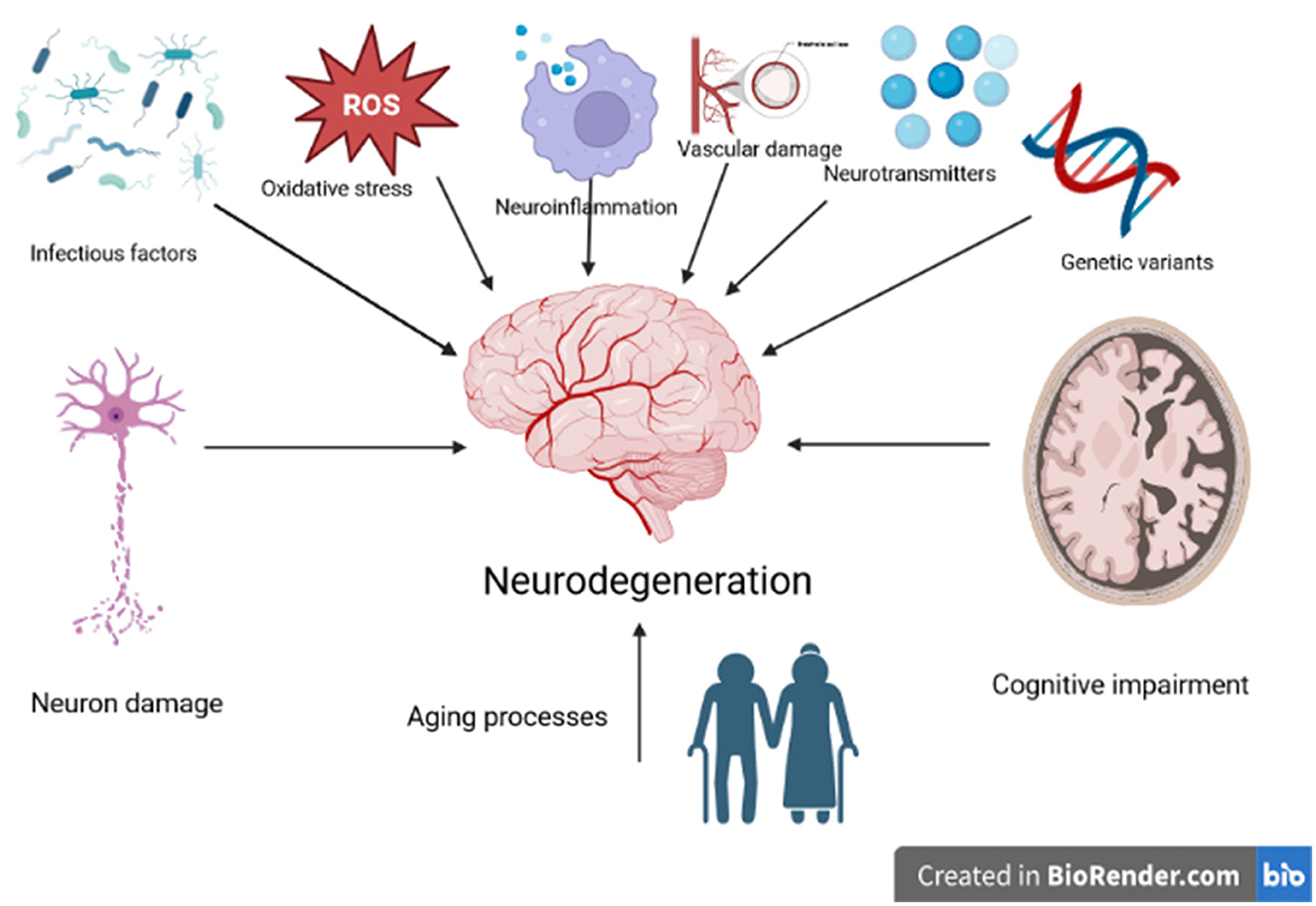
Figure 1. Factors affecting the development of neurodegeneration.
In addition, in the aging brain, the declining effectiveness of repair mechanisms increases susceptibility to reactive oxygen species, neuroinflammatory processes, and spontaneous mutagenesis leading to the development of age-related diseases, including dementia, depression, AD, PD, stroke, epilepsy and other neurodegenerative diseases (Dorszewska et al., 2007, 2021; Dorszewska, 2013; Prendecki et al., 2018, 2019; Kowalska et al., 2020; Korczowska-Ła̧cka et al., 2023) (Figure 1).
In this issue, we address the cause of the primary clinical manifestation, which is cognitive dysfunction in the elderly. As is well known, cognitive decline remains very underdiagnosed. It appears that machine learning-based EEG testing may offer a non-invasive, low-cost approach to identifying cognitive decline. In studies conducted using EEG in 60 elderly people in various cognitive states (MMSE scale) and 22 healthy people from the control group, it was shown that MMSE results significantly correlated with reaction time and EEG A0 and ST4 features. In addition, EEG features showed increased Theta, Delta, A0, and VC9 activity only in young participants, indicating a different pattern of activity between young and older participants in different cognitive states. Future studies should explore the potential usefulness of this tool to characterize cognitive changes on a large scale in a clinical setting to enable early diagnosis of cognitive decline and features of dementia.
It is known that aging-related cognitive decline is related to brain structural changes and loss of synapses (Dorszewska, 2013), but may simultaneously be gender-specific. In this issue, we describe using a model from GTEx transcriptomic data from 13 brain regions of gene co-expression networks and aging-related modules and key regulators common to both sexes and specific to men and women. We indicate that the hippocampus and hypothalamus are more sensitive in males, while the cerebellar hemisphere and anterior cingulate cortex are more at risk of developing neurodegeneration in females. Furthermore, aging-related genes in the hippocampus and frontal cortex appear to be more frequently involved in the pathogenesis of AD. It seems that the development of AD in particular sexes may be conditioned by a diverse molecular background.
Scientific research into whether microorganisms can cause neurodegeneration goes back over 30 years. Many theories have been put forward as to how microorganisms can lead to the development of neurodegeneration, ranging from their ability to interfere with protein trafficking and cause protein aggregation, the activation of microglia toward a pro-inflammatory phenotype consistent with poorer clearance of cellular debris, and a number of other processes (Piekut et al., 2022; Dorszewska et al., 2023).
In this issue, we also report on the potential involvement of microorganisms in the pathogenesis of PD and stroke. In PD, the bacterial microbiota is directly related to parameters that play a potential role in normal intestinal integrity, immunity, metabolism, and proper functioning of the gut-brain axis. We suggest that the gut microbiota may be used for early diagnosis of PD and potential targets for preventing or treating the symptoms of this disease. Furthermore, preserving intestinal homeostasis with probiotics may lead to a promising treatment strategy for PD. One from them, the Symprove™ probiotic, which significantly improves the parameters of both the intestines and the brain in the experimental PD model may be used in the prevention of PD in the future.
At the same time, dysbiosis resulting from a change in the composition and function of the intestinal microflora may cause disturbances in the microbiota-gut-brain axis and be the beginning of stroke and closely associated with the development of stroke risk factors. Summing, further research on the participation of microorganisms in the development of diseases based on neuronal degeneration may contribute to improving the diagnosis and treatment of incurable neurological diseases.
Conclusion
It seems that a better understanding of the molecular mechanisms associated with neurodegeneration may contribute to a better understanding of the causes of sudden neuronal death in specific areas of the central nervous system. Understanding the mechanism of neuronal damage may contribute to slowing down the progression or delaying the onset of degenerative neurological diseases and to improving the quality of life of people affected by a neurodegenerative disease.
Author contributions
All authors listed have made a substantial, direct, and intellectual contribution to the work and approved it for publication.
Funding
This work was supported (in part) by Fondo Ordinario Enti (FOE D.M. 865/2019) funds in the framework of a collaboration agreement between the Italian National Research Council and EBRI (2019–2021).
Acknowledgments
The co-editors of this issue would like to thank all authors of the articles for contributing to this issue and the editorial office of Frontiers in Aging Neuroscience for the invitation and for their help in preparing this thematic issue.
Conflict of interest
The authors declare that the research was conducted in the absence of any commercial or financial relationships that could be construed as a potential conflict of interest.
Publisher's note
All claims expressed in this article are solely those of the authors and do not necessarily represent those of their affiliated organizations, or those of the publisher, the editors and the reviewers. Any product that may be evaluated in this article, or claim that may be made by its manufacturer, is not guaranteed or endorsed by the publisher.
References
Dorszewska, J. (2013). Cell biology of normal brain aging: synaptic plasticity–cell death. Aging Clin. Exp. Res. 25, 25–34. doi: 10.1007/s40520-013-0004-2
Dorszewska, J., Florczak, J., Rozycka, A., Kempisty, B., Jaroszewska-Kolecka, J., Chojnacka, K., et al. (2007). Oxidative DNA damage and level of thiols as related to polymorphisms of MTHFR, MTR, MTHFD1 in Alzheimer's and Parkinson's diseases. Acta Neurobiol. Exp. 67, 113–129.
Dorszewska, J., Hurła, M., Banaszek, N., Kobylarek, D., Piekut, T., and Kozubski, W. (2023). From infection to inoculation: expanding the microbial hypothesis of Alzheimer's disease. Curr. Alzheimer Res. 19, 849–853. doi: 10.2174/1567205020666230202155404
Dorszewska, J., Kowalska, M., Prendecki, M., Piekut, T., Kozłowska, J., and Kozubski, W. (2021). Oxidative stress factors in Parkinson's disease. Neural Regen. Res. 16, 1383–1391. doi: 10.4103/1673-5374.300980
Dorszewska, J., Kozubski, W., Waleszczyk, W., Zabel, M., and Ong, K. (2020). Neuroplasticity in the pathology of neurodegenerative diseases. Neural. Plast. 2020, 4245821. doi: 10.1155/2020/4245821
Dorszewska, J., Prendecki, M., Oczkowska, A., Dezor, M., and Kozubski, W. (2016). Molecular basis of familial and sporadic Alzheimer's disease. Curr. Alzheimer Res. 13, 952–963. doi: 10.2174/1567205013666160314150501
Korczowska-Ła̧cka, I., Hurła, M., Banaszek, N., Kobylarek, D., Szymanowicz, O., Kozubski, W., et al. (2023). Selected biomarkers of oxidative stress and energy metabolism disorders in neurological diseases. Mol. Neurobiol. 60, 4132–4149. doi: 10.1007/s12035-023-03329-4
Kowalska, M., Wize, K., Prendecki, M., Lianeri, M., Kozubski, W., and Dorszewska, J. (2020). Genetic variants and oxidative stress in Alzheimer's disease. Curr. Alzheimer Res. 17, 208–223. doi: 10.2174/1567205017666200224121447
Kozubski, W., Ong, K., Waleszczyk, W., Zabel, M., and Dorszewska, J. (2021). Molecular factors mediating neural cell plasticity changes in dementia brain diseases. Neural. Plast. 2021, 8834645. doi: 10.1155/2021/8834645
Marchetti, C., and Marie, H. (2011). Hippocampal synaptic plasticity in Alzheimer's disease: what have we learned so far from transgenic models? Rev. Neurosci. 22, 373–402. doi: 10.1515/rns.2011.035
Piekut, T., Hurła, M., Banaszek, N., Szejn, P., Dorszewska, J., Kozubski, W., et al. (2022). Infectious agents and Alzheimer's disease. J. Integr. Neurosci. 21, 73. doi: 10.31083/j.jin2102073
Prendecki, M., Florczak-Wyspianska, J., Kowalska, M., Ilkowski, J., Grzelak, T., Bialas, K., et al. (2018). Biothiols and oxidative stress markers and polymorphisms of TOMM40 and APOC1 genes in Alzheimer's disease patients. Oncotarget 9, 35207–35225. doi: 10.18632/oncotarget.26184
Keywords: neurodegeneration, aging, molecular factors, neuroinflammation, cerebrovascular diseases
Citation: Dorszewska J, Ong KT, Zabel M and Marchetti C (2023) Editorial: Insights into mechanisms underlying brain impairment in aging, volume II. Front. Aging Neurosci. 15:1242271. doi: 10.3389/fnagi.2023.1242271
Received: 18 June 2023; Accepted: 20 June 2023;
Published: 11 July 2023.
Edited and reviewed by: Jorge Busciglio, University of California, Irvine, United States
Copyright © 2023 Dorszewska, Ong, Zabel and Marchetti. This is an open-access article distributed under the terms of the Creative Commons Attribution License (CC BY). The use, distribution or reproduction in other forums is permitted, provided the original author(s) and the copyright owner(s) are credited and that the original publication in this journal is cited, in accordance with accepted academic practice. No use, distribution or reproduction is permitted which does not comply with these terms.
*Correspondence: Jolanta Dorszewska, ZG9yc3pld3NrYWpAeWFob28uY29t; am9sYW50YS5kb3JzemV3c2thQHVtcC5lZHUucGw=