 Andrews Danso Ofori1,2
 John Kwame Titriku3,4Xing Xiang1,2Appiah Charlotte4Muhammad Irfan Ahmed1,2Aiping Zheng1,2*
- 1State Key Laboratory of Crop Gene Exploration and Utilization in Southwest China, Sichuan Agricultural University, Chengdu, China
- 2Department of Plant Pathology, Rice Research Institute, Sichuan Agricultural University, Chengdu, China
- 3Department of Agricultural Sciences and Technology, Ho Technical University, Ho, Ghana
- 4College of Agronomy, Sichuan Agricultural University, Chengdu, China
Rice is a vital crop in Ghana, contributing 15% to the country’s Gross Domestic Product (GDP). However, rice production in the country faces significant challenges, including limited access to water, soil degradation, pest and disease pressures, inefficient pesticide use, and other factors that hinder industry growth. This study employs a multi-dimensional sustainable approach to evaluate rice production in Ghana, focusing on environmental, socioeconomic, and food security impacts. A systematic review of literature from 2000 to 2023 was conducted using databases such as PubMed, Web of Science, and Google Scholar. The study identifies key challenges and gaps in the current production system and emphasizes the urgent need for strategies that focus on sustainability, environmental protection, effective resource management, and socioeconomic advancement. These challenges not only affect the environment but also have serious implications for the country’s socioeconomic development. This study aims to evaluate sustainable rice production in Ghana, considering its environmental, socioeconomic, and food security impacts. The research identifies key challenges and gaps in the current production system and emphasizes the urgent need for strategies that focus on sustainability, environmental protection, effective resource management, and socioeconomic advancement. The study highlights the importance of rice in ensuring food security in Ghana and advocates for yield-focused approaches to sustainably increase production. By promoting environmentally friendly practices, the research seeks to mitigate the negative impacts of rice farming, particularly concerning water usage and soil health. Furthermore, the study underscores the importance of sustainable agribusiness practices, providing valuable insights and recommendations for policymakers, stakeholders, and researchers. These strategies aim to secure a resilient and sustainable rice industry that can support both current and future generations. This review primarily focuses on national-level rice production practices in Ghana and their broader implications for environmental sustainability, socioeconomic development, and food security.
1 Introduction
Rice is one of the most important staple crops worldwide, providing sustenance to more than half of the global population. In Ghana, rice holds a significant role as both a crucial food source and an important cash crop (Amfo et al., 2021). It is impossible to overstate rice’s importance to the Ghanaian economy, where it accounts for approximately 15% of the country’s GDP (I.S.S.E.R, 2011). Rice farming is of significant importance in response to the accelerating population expansion, rapid urbanization, and changes in consumer preferences. It significantly contributes to improving household food security in Ghana and across Africa, where it ranks as the second most consumed cereal staple after maize (Antwi and Aborisade, 2017). As shown in Table 1, paddy rice production in Ghana has increased substantially, from 302,000 metric tons (MT) in 2008 to 987,000 MT in 2020, according to the Ministry of Food and Agriculture (MoFA) (Agriculture, M.O.F.A, 2023). Over the past 50 years, Africa has produced 14.6 million tons of rice. Moving forward, the focus must shift to establishing sustainable production methods that prioritize environmental conservation, effective resource management, and socioeconomic development. Despite the expansion of agricultural land, there remains a growing demand for rice, which necessitates the adoption of sustainable farming practices for long-term production. By implementing ecologically friendly and resource-efficient methods, we can meet this rising demand while safeguarding natural resources and promoting socioeconomic development across the continent (Gupta and Seth, 2007). In line with this, the Ministry of Food and Agriculture has revised the National Rice Development Strategy (NRDS) with the goal of achieving self-sufficiency by 2024 (Agriculture, M.O.F.A, 2023).

Table 1. Rice production trends in Ghana.
Rice production in Ghana, like in many other African countries, faces several significant challenges. These challenges include limited access to water resources, soil degradation, pests and diseases, and the inefficient use of agrochemicals. Such factors impede the achievement of optimal rice yields and hinder the growth of the rice industry in both Ghana and across Africa. Unsustainable farming practices, such as excessive tilling, monocropping, deforestation, and the overuse of chemical fertilizers, not only contribute to environmental degradation but also reduce long-term productivity and undermine socioeconomic progress. These issues restrict farm productivity and profitability (Chidiebere-Mark et al., 2019). To address these challenges, a shift toward sustainable rice production practices is critical for the growth of Ghana’s agricultural sector, especially within the rice industry. This shift is also essential for the preservation of the planet’s finite natural resources, ensuring their availability for both current and future generations. In contrast to outdated, unsustainable practices (Figure 1), such as monoculture farming that heavily relies on chemical inputs and excessive water usage—resulting in environmental degradation and reduced agricultural productivity—contemporary sustainable practices allow farmers to increase yields even in the face of climate change.
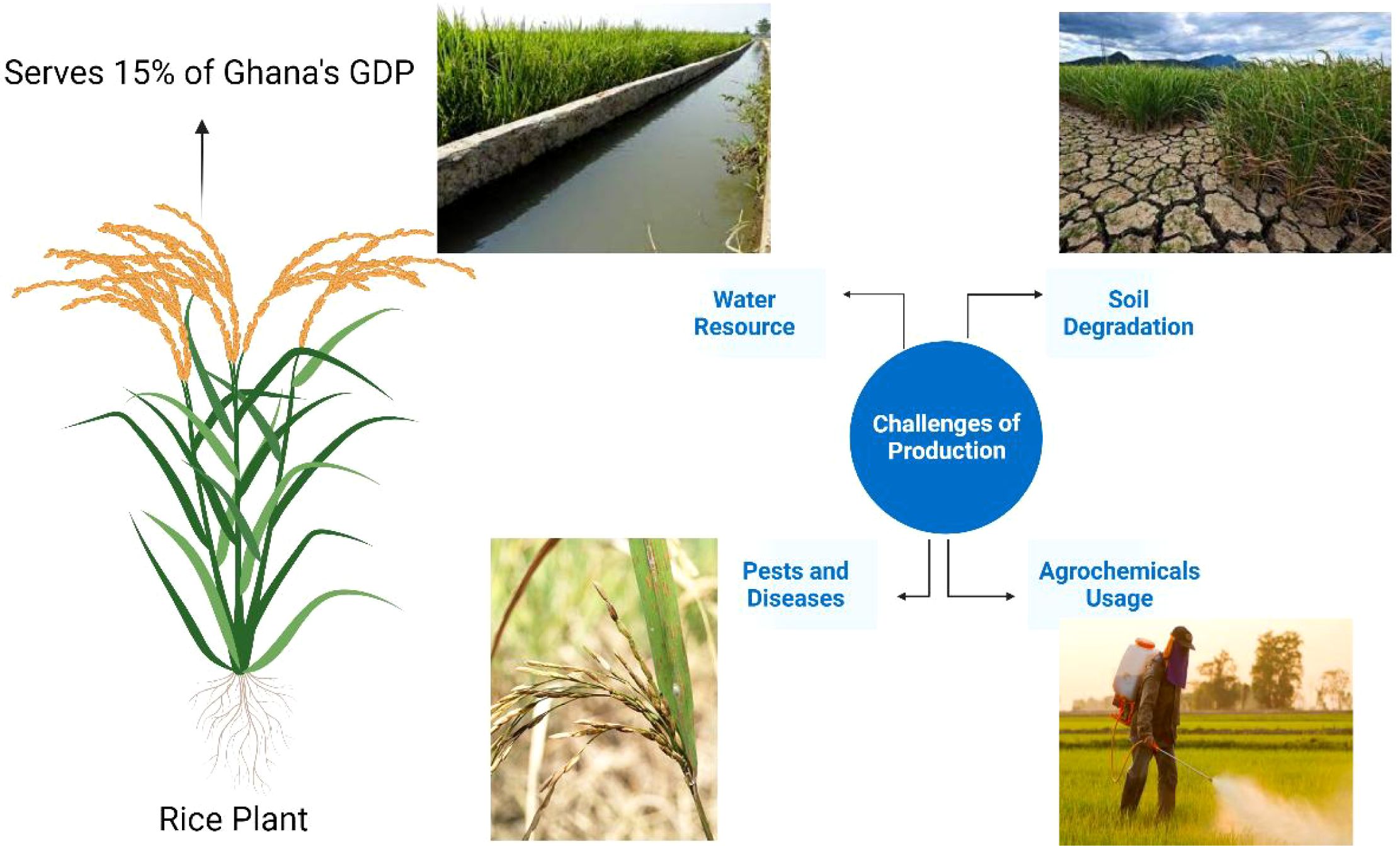
Figure 1. Overview of rice challenges and production trends in Ghana.
This review examines the current state of sustainable rice production in Ghana, assessing its environmental, socioeconomic, and food security impacts. It also identifies key research gaps and outlines strategic directions for enhancing sustainable rice production in the country. The goal is to provide valuable insights and recommendations for policymakers, researchers, and stakeholders to facilitate the transition to sustainable rice production systems in Ghana. The following sections discuss integrated approaches to improving crop productivity, implementing sustainable pest management, adopting water-efficient irrigation techniques, and promoting soil conservation initiatives. Furthermore, the review critically analyzes the potential ramifications of utilizing genetically modified rice cultivars, while acknowledging the existing concerns surrounding their widespread adoption. Through a systematic examination of these areas, this article aims to provide a comprehensive understanding of the complexities of modern rice production.
2 Methodology
2.1 Search strategy
This review employs a systematic approach to identify, evaluate, and synthesize relevant literature on sustainable rice production in Ghana. A comprehensive search was conducted using electronic databases such as PubMed, Web of Science, Google Scholar, and Agricultural Research Databases. Keywords used in the search included “sustainable rice production,” “Ghana rice farming,” “rice resource management,” “agroecology practices,” and “environmentally friendly agriculture.” Boolean operators (e.g., AND, OR) were applied to refine search queries and expand the scope of retrieved articles.
2.2 Inclusion and exclusion criteria
Inclusion Criteria:
1. Studies published between 2000 and 2023 to capture recent advancements in sustainable agriculture.
2. Peer-reviewed journal articles, government reports, and technical documents addressing rice farming in Ghana or comparable African contexts.
3. Studies focused on the environmental, socioeconomic, and food security aspects of rice production.
4. Articles discussing innovative agricultural technologies applicable to rice farming (e.g., AWD, precision irrigation, and biochar).
Exclusion Criteria:
5. Articles outside the scope of sustainable practices (e.g., general agricultural economics or unrelated crops).
6. Publications lacking full-text availability or written in languages other than English.
2.3 Data extraction
Relevant studies were selected based on their abstracts and titles, followed by a full-text review. Data points extracted included:
● Key challenges in rice production.
● Existing practices and their limitations.
● Innovations and sustainable practices for resource management.
● Recommendations for policy and research.
2.4 Critical appraisal
To ensure the reliability and validity of included studies, a quality assessment was performed using the following criteria:
1. Methodological rigor of the study (e.g., use of robust data collection and analysis methods).
2. Relevance of findings to the Ghanaian context.
3. Consistency with existing literature on sustainable rice production.
2.5 Synthesis approach
Thematic analysis was used to categorize findings into key domains: water management, nutrient management, pest and disease control, seed improvement, and soil conservation. Comparative tables and visual illustrations were developed to highlight differences in methods and outcomes across studies.
This methodology ensures a transparent and comprehensive review of the current state of sustainable rice production in Ghana, offering actionable insights for researchers, policymakers, and stakeholders.
3 Sustainable rice production practices in Ghana
3.1 Water management
Irrigation continues to be a vital method for boosting agricultural production to meet the growing global demand for food. Given that rice cultivation is highly water-intensive, effective water management is a key component of sustainable rice production (Renault and Facon, 2004). In Ghana, where access to water resources is limited, managing water efficiently is crucial to sustaining rice production (Arouna et al., 2023). Various water and soil conservation techniques have been developed and implemented to improve water and soil management and establish efficient irrigation systems for rice farming (Arouna et al., 2023). Rice in Ghana is primarily grown in three different ecosystems: (i) irrigated rice fields, (ii) lowland or hydromorphic rice fields, and (iii) highland rice fields. The irrigated lowland rice system produces 75% of the world’s rice, covering approximately 93 million acres. Furthermore, about 56% of the world’s irrigated land is devoted to crops, with rice alone accounting for 40–46% of this area (Rao et al., 2017).
3.1.1 The alternate wetting and drying
The Alternate Wetting and Drying (AWD) technique is a promising method for reducing water consumption while maintaining or even increasing rice yields (Enriquez et al., 2021). The AWD technique involves a cyclical process, as illustrated in Figure 2, where rice fields alternate between wet and dry phases. During the wet phase, water is gradually supplied to the rice paddies, either through controlled irrigation or direct flooding, to ensure the field is adequately submerged. Following this, water is slowly removed or allowed to evaporate, initiating a controlled drying process. The duration of each wet and dry cycle can vary depending on factors such as temperature, soil type, and the stage of crop development, all of which must be considered when optimizing the AWD method (Ishfaq et al., 2020). By implementing a water control system, farmers can avoid overflooding their fields and maintain soil moisture at levels that align with the crop’s water requirements.
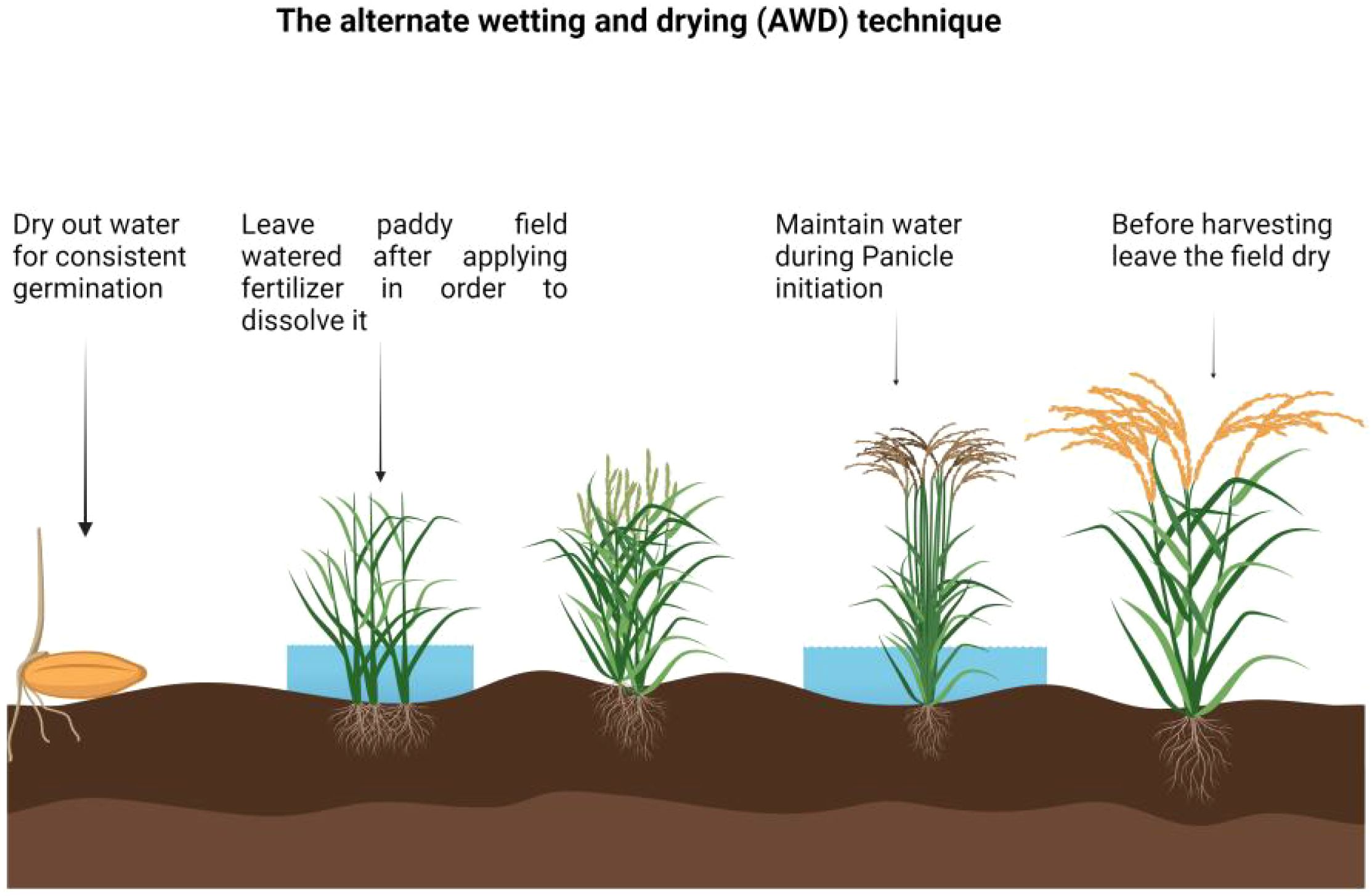
Figure 2. Illustration of alternate wetting and drying (AWD) technique in a rice field.
In Ghana’s Volta region, a study showed that AWD technique reduced water use by 20–30% compared to continuous flooding, without any significant difference in yield (Yovo et al., 2021). The implementation of AWD systems has also been shown to significantly reduce both water usage and global warming potential (GWP) (Gianluigi et al., 2016). However, there are conflicting reports on how managing irrigation to prevent flooding in rice fields affects rice yields. Some studies indicate an increase in yield with the AWD system compared to continuous flooding (CF), while others suggest a decrease. These discrepancies emphasize the importance of optimizing irrigation management, taking into account factors such as soil properties, drainage frequency, flooding duration, and crop adaptability (Gianluigi et al., 2016). Table 2 shows that AWD and Saturated Soil Culture (SSC) can produce yields comparable to or greater than those from CF, while using less water. On the other hand, Aerobic Rice (AR) conserves more water but results in lower yields. This suggests that AWD and SSC are more water-efficient and productive than CF, while AR is more water-efficient but less productive. By integrating water-saving production and irrigation systems, it is possible to improve water productivity, enhance water efficiency, and achieve better economic returns, all while reducing environmental impacts, including global warming potential.
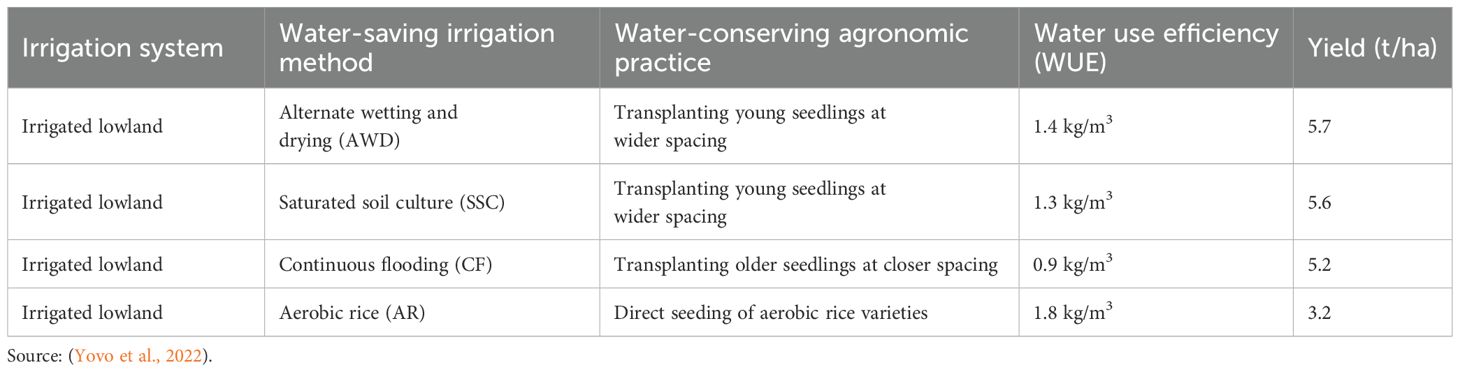
Table 2. Different irrigation systems and their water-use efficiencies and yields.
3.1.2 Precision irrigation
In addition to the Alternate Wetting and Drying (AWD) technique, other water-saving solutions are being explored for rice production in Ghana. One such approach is the use of precision irrigation systems, including drip and sprinkler irrigation. These technologies allow for precise water application, reducing water loss due to evaporation and ensuring that water is delivered directly to the crop root zone (Patle et al., 2019). Drip and sprinkler irrigation systems can enhance the efficiency of both water and fertilizer usage in rice cultivation.
The drip irrigation system, in particular, offers significant water conservation potential. By delivering water continuously to the plant roots and other parts of the plant, either on the soil surface or buried beneath it, the system reduces water wastage. The main objectives of drip irrigation are to deliver water to the root zone and minimize evaporation (Jarwar et al., 2019). According to Parthasarathi et al. (2018), drip irrigation increases water productivity, enhances root oxidizing power, improves canopy photosynthesis, and promotes better dry matter partitioning. It has been shown to boost aerobic rice yields by 29%, increase water-saving efficiency by 50%, and improve water productivity. This is particularly important because traditional flooding methods in rice cultivation are significantly more water-intensive compared to those used for other agricultural crops (Samoy-Pascual et al., 2022). In addition, water collection methods can help increase water availability during the dry season. These methods involve collecting and storing rainwater runoff from roofs and fields or creating small ponds or reservoirs to store water for irrigation. This can be particularly valuable in regions with variable rainfall, providing a sustainable water supply for rice cultivation. As global populations continue to grow, water scarcity will become an increasingly urgent concern. Traditional flooding methods waste substantial amounts of water, contribute to greenhouse gas emissions, release methane, and pollute aquifers (Jarwar et al., 2019). Figure 3 provides a visual representation of a rice farm incorporating both sprinkler and drip irrigation systems. This advanced farming setup integrates modern water-saving technologies to optimize water distribution and improve overall rice yields.
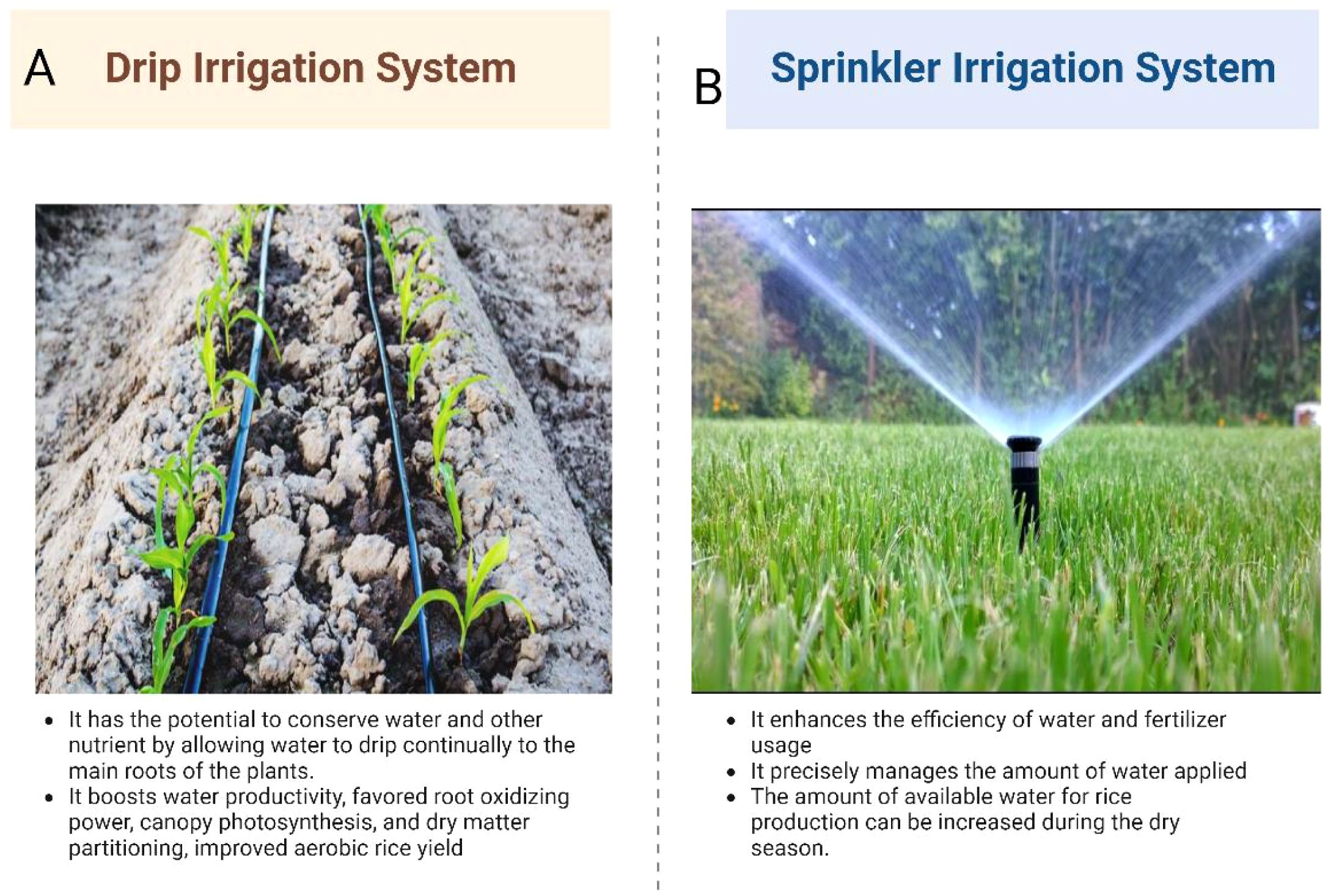
Figure 3. Overview of rice farms using drip and sprinkler irrigation systems. (A) Drip irrigation system: Water lines run along the rows of rice plants, delivering water directly to the root zones to conserve water and enhance productivity. (B) Sprinkler irrigation system: Sprinklers distribute water over a grassy area, improving irrigation efficiency and water management across the field.
Sprinkler irrigation, which sprays water from above the plants, is another alternative. While these systems are more accessible and less costly, they tend to result in greater water runoff and evaporation due to their broader coverage area. Arouna et al. (2023), reviewed various methods used to estimate irrigation water requirements for rice production and found that drip irrigation systems, compared to surface flooding, increased irrigation water productivity to 1.03 kg/m³, reduced irrigation water use by 42%, and improved irrigation efficiency.
However, drip irrigation systems require specialized setup and maintenance, such as checking for emitter leaks or clogs, adjusting the water flow rate, and monitoring soil moisture levels. These tasks may require additional labor input. Despite this, these water management techniques can increase water productivity in rice production systems, contributing to overall water conservation. The concept of “water productivity” refers to the amount of grain produced per unit of water used. By implementing water-efficient strategies, rice farmers can ensure that limited water resources are used effectively to maximize yields (Pourgholam-Amiji et al., 2020).
The impact of AWD production systems on rice grain quality in various nations is summarized in Table 3 based on previous research. AWD can have different effects on rice grain quality in different geographic areas, emphasizing the necessity of region-specific measures for water management in rice agriculture.
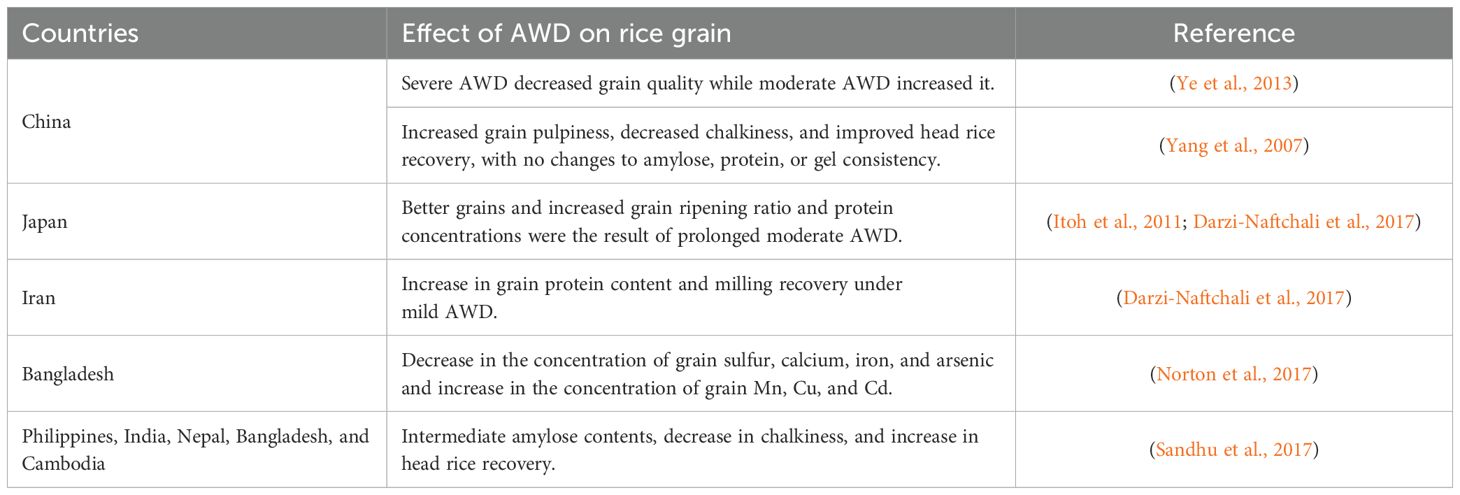
Table 3. Alternate wetting and drying (AWD) production systems affect rice grain quality in various countries.
3.2 Nutrient management
Nutrient management is a critical component of sustainable rice cultivation in Ghana, as it directly influences crop development, yield, and environmental sustainability (Tsujimoto et al., 2019). The goal of effective nutrient management is to provide rice plants with a balanced and adequate supply of nutrients while minimizing nutrient loss and reducing environmental pollution (Mangaraj et al., 2022). Following the Green Revolution, farmers increasingly relied on chemical fertilizers to boost rice production. However, the excessive use of fertilizers has led to soil degradation and has had adverse effects on ecosystems and biodiversity. The overuse of chemical fertilizers, in particular, has caused significant deterioration in the physicochemical properties of the soil (Pereira et al., 2023). Long-term fertilizer application across various crops has been linked to changes in soil organic carbon (SOC), pH levels, nitrogen (N) content, and moisture, all of which affect nutrient availability to soil microbes (Shen et al., 2022; Thakur et al., 2023). Despite these challenges, chemical fertilizers remain a primary input in high-yielding rice farming systems worldwide.
3.2.1 Essential nutrients for successful rice cultivation
The three most essential nutrients for rice cultivation are nitrogen (N), phosphorus (P), and potassium (K). To produce one ton of raw rice, approximately 15–20 kg of mineral nitrogen (N), 11 kg of phosphorus pentoxide (P2O5), 30 kg of potassium oxide (K2O), 3 kg of sulfur (S), 7 kg of calcium (Ca), 3 kg of magnesium (Mg), 675 g of manganese (Mn), 150 g of iron (Fe), 40 g of zinc (Zn), 18 g of copper (Cu), 15 g of boron (B), 2 g of molybdenum (Mo), and 52 kg of silicon (Si) are required (Moro et al., 2008). Among these, phosphorus is a particularly important nutrient for rice formation, as it plays a key role in energy transfer and plant metabolism. Several soil factors, such as pH, phosphorus adsorption capacity, temperature, rice variety, and management practices, affect the availability and effectiveness of phosphorus in rice farming. Phosphorus is less mobile in the soil compared to nitrogen (N) and potassium (K), leading to a significant accumulation of applied phosphorus in agricultural soils (Tovohery et al., 2022). In acidic soils, phosphorus forms complexes with iron (Fe) and aluminum (Al), while in high-pH soils, it binds with calcium (Ca), causing 75% to 90% of applied phosphorus to precipitate and become unavailable for plant uptake (Etesami, 2020). To optimize nutrient availability and minimize waste, it is crucial to apply the correct fertilizer dosages. Table 4 outlines the recommended fertilizer dosages for different rice ecologies in various African countries, including lowland, rainfed upland, and irrigated lowland rice systems. Following these dosage guidelines ensures that rice crops receive the necessary nutrients for optimal growth while preventing over-fertilization, which could lead to environmental contamination.
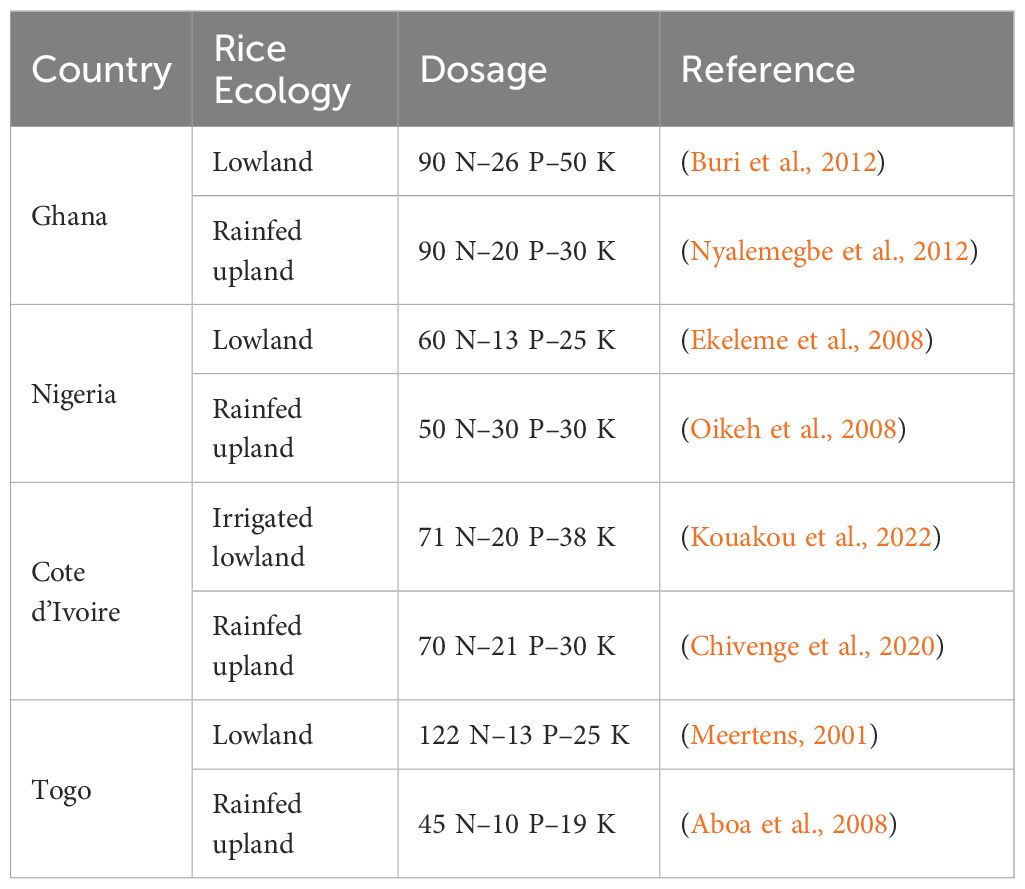
Table 4. Some recommended rice fertilizer dosages for selected West African countries.
3.2.2 Optimized fertilization techniques
Nine commonly used optimized fertilization techniques for sustainable rice cultivation include straw inclusion, delayed nitrogen (N) application, formula-based fertilization, reduced fertilization rates, deep fertilization, slow/controlled-release fertilizers, combined application of organic and inorganic fertilizers, biochar addition, and green manuring. These methods contribute to sustainable rice production by promoting balanced fertilization. Balanced fertilization involves applying fertilizers at the right times, in the correct amounts, and in the appropriate ratios to meet the crop’s nutritional needs while minimizing environmental impact (Umme Aminun et al., 2019). Soil testing is a critical technique for detecting nutrient imbalances or deficiencies and for guiding accurate fertilizer recommendations.
3.2.2.1 Straw inclusion
Incorporating rice straw into the soil can reduce the need for additional fertilizers, particularly potassium (K), nitrogen (N), and phosphorus (P), as rice straw contains approximately 80%, 40%, and 30% of the K, N, and P required for rice growth, respectively. However, due to the slow decomposition of rice straw, the timing of its incorporation, combined with effective water management, is critical for maximizing its benefits (Chivenge et al., 2020). Studies have shown that integrating rice straw in situ can enhance soil organic carbon (C), promote nutrient recycling, and improve crop yields in subsequent seasons (Kumar et al., 2023). Schmidt et al. (2015) highlighted that rice straw serves as a substrate for fostering biodiversity by supporting the growth of invertebrates that decompose the straw, thereby enhancing nutrient cycling in paddy soils. A study conducted in Vietnam demonstrated that adding rice straw to the soil increased soil organic carbon, improved soil pH, and enhanced nutrient content compared to the initial soil conditions (Thanh et al., 2016). Regular incorporation of crop residues, such as rice straw, into the soil after each harvest can significantly improve the nitrogen-supplying capacity of the soil over time. In Ghana, crop straw is an abundant and underutilized biomass resource. As shown in Figure 4, a visual example of straw inclusion in newly prepared rice beds illustrates how this technique can contribute to sustainable nutrient management in rice farming. However, despite its potential, the traditional methods of straw utilization in Ghana have led to its underuse (Seglah et al., 2019).
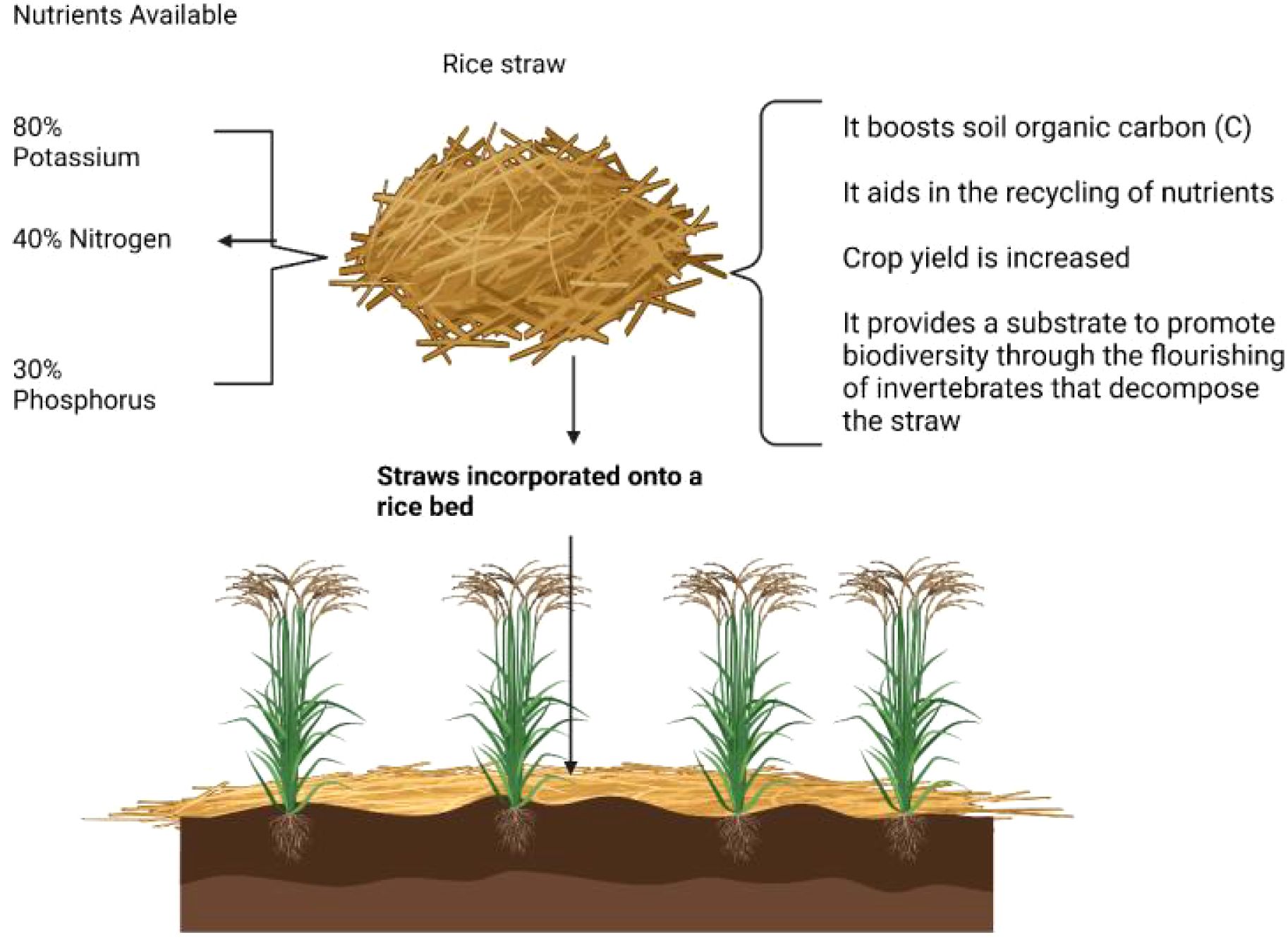
Figure 4. Straws incorporated into newly constructed rice bed.
3.2.2.2 Delaying N application
Reducing nitrogen (N) fertilizer application while maintaining crop output has become a key strategy for sustainable agriculture, driven by increased consumer awareness of food safety and environmental protection (Ren et al., 2022). One effective approach to improving nitrogen use efficiency (NUE) in rice farming is adjusting the timing and rate of nitrogen application (Govindasamy et al., 2023). By delaying nitrogen application during the basal stage, farmers can reduce the total amount of nitrogen required. Instead, higher quantities of fertilizer can be applied during the tillering and booting stages, as rice plants are more responsive to nitrogen uptake at these growth stages. This strategy not only has the potential to increase rice yields but also helps to reduce nitrogen losses and improve NUE. Furthermore, optimizing nitrogen application can reduce labor input, thereby speeding up the cultivation process (Zhuang et al., 2022).
3.2.2.3 Formula fertilization
Formula fertilization, which involves calculating the optimal rates and ratios of nitrogen (N), phosphorus (P), and potassium (K) fertilizers based on comprehensive soil testing, is essential for maximizing fertilizer application in rice farming (Dash and Kuila, 2023). By conducting thorough soil analyses, farmers can gain valuable insights into the nutrient content and pH levels of the soil, allowing them to tailor their fertilization strategies accordingly (Vidyashree and Murali Arthanari, 2021). This method not only has the potential to increase rice yield but also improves nitrogen use efficiency (NUE). Moreover, by accurately estimating the soil’s nutrient requirements, fertilizer applications can be optimized, reducing both costs and the environmental impact associated with excessive fertilizer use. Effective nutrient management is critical in rice farming, as it ensures high production levels while minimizing nutrient runoff and leaching into the environment (Paramesh et al., 2023).
3.2.2.4 Lowering fertilization
Reducing nitrogen (N) fertilizer application rates by 10–30%, based on current application practices and the specific needs of the crop, is a practical approach for minimizing the environmental impact of excessive fertilizer use in agriculture (Laporte et al., 2021). This strategy allows farmers to meet the nutrient demands of their crops while significantly reducing their reliance on chemical fertilizers (Wang et al., 2018). To maintain grain yield, enhance nitrogen use efficiency (NUE), and minimize environmental harm, nitrogen fertilizer use must be reduced (Hu et al., 2023; Zhu et al., 2023). This reduction not only supports more environmentally sustainable farming practices but also reduces nitrogen losses, contributing to improved soil health and water quality (Liu et al., 2016). By adopting precise nutrient management strategies, farmers can effectively balance crop yield with minimizing the adverse effects of over-fertilization (Sapkota et al., 2021).
3.2.2.5 Deep fertilization
Applying chemical fertilizer below the soil’s surface, often at a depth of between 6 and 10 cm, is known as “deep fertilization.” This method offers several potential benefits for rice cultivation. By placing fertilizers closer to the root zone, where nutrients are more readily absorbed by the plants, nitrogen use efficiency (NUE) can be significantly increased (Govindasamy et al., 2023). This targeted approach enhances nutrient uptake while reducing losses, thereby improving the overall efficiency of fertilizer use (Mejias et al., 2021). The side-deep fertilization method has become essential for the sustainable growth of rice crops (Wang et al., 2022a), as it helps overcome productivity limitations and supports widespread adoption (Khalofah et al., 2021).
Deep fertilization, as shown in Figure 5, involves the precise and meticulous application of fertilizer below the soil surface to maximize the availability of nutrients to rice plants. Farmers use specialized equipment to distribute chemical fertilizers accurately at the desired depth, which is typically between 6 and 10 cm. This practice not only ensures that plants receive a consistent supply of nutrients but also helps in reducing nutrient wastage by minimizing surface runoff or volatilization.
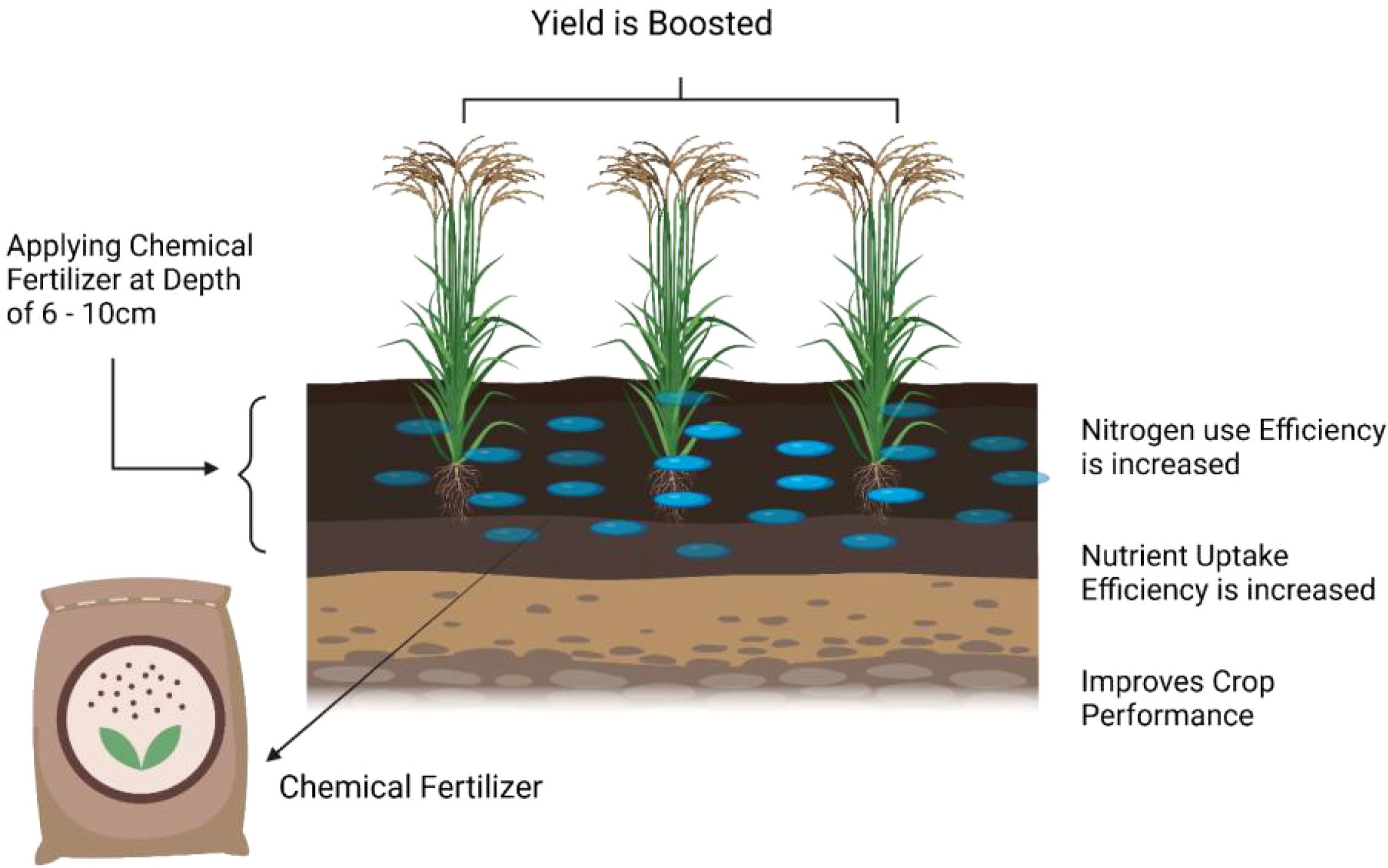
Figure 5. Deep fertilization in rice farm.
Moreover, deep fertilization can contribute to increased rice yields by improving the consistency of nutrient supply throughout the growing season (Wu et al., 2022). Hong et al. (2023) reported that under standard rice and soybean cultivation conditions, deep fertilization is an efficient fertilizer application technique to boost rice and soybean yields. It also encourages the development of deeper root systems, which enhances the plants’ ability to access water and nutrients from lower soil layers. Studies have shown that deep fertilization boosts tiller and panicle rates, increases yields, and reduces labor costs. Additionally, this method helps prevent premature senescence, controls pests and diseases, and increases fertilizer utilization by up to 25% (Zhang, 2007). Deep fertilization ultimately supports plant growth and development by making more nitrogen available in the root zone (Rychel et al., 2023). By adopting deep fertilization, farmers can improve nutrient management, optimize crop performance, and contribute to the sustainability of rice production.
3.2.2.6 Slow/controlled-release fertilizers
Slow/controlled-release fertilizers are specialized fertilizers created by encapsulating mineral nutrients in a synthetic polymer matrix or coating them with a polymer film (Negi et al., 2022; Liang et al., 2023a). This innovative approach has numerous advantages in agriculture, particularly in enhancing crop and grain yields (Yu et al., 2006). Slow/controlled-release fertilizers promote sustainable crop production by providing a steady supply of nutrients while preserving soil health over time (Dhanushkodi et al., 2022). These fertilizers work by controlling the release of nitrogen, ensuring a continuous nutrient supply to plants over an extended period (Sarkis et al., 2021). The regulated release of nutrients optimizes plant nutrient uptake, reduces the risk of nutrient runoff or leaching, and lowers the need for frequent fertilizer applications (Purnomo and Saputra, 2021). As a result, slow/controlled-release fertilizers not only improve nutrient efficiency but also reduce the environmental impact associated with excessive fertilizer use. Additionally, the use of these fertilizers reduces labor costs by minimizing the frequency of fertilizer applications, saving time and effort for farmers. By fertilizing less often, they also help reduce the overall cost of agriculture while contributing to more sustainable farming practices (Sapkota et al., 2021).
3.2.2.7 Combined application of organic and inorganic fertilizers
It is essential to partially replace chemical fertilizers with organic resources, such as manure, when using both organic and inorganic fertilizers together (Wang et al., 2018). This integrated approach offers several advantages for agricultural systems. First, the addition of organic materials enhances soil fertility by providing a diverse range of nutrients and organic matter (Zhao and Zhou, 2011; Urra et al., 2019). Organic inputs improve soil structure, increase nutrient-holding capacity, and stimulate microbial activity, all of which contribute to overall soil health (Urra et al., 2019). Studies have shown that combining organic and inorganic fertilizers can significantly boost rice yields. For examples, Nyalemegbe et al. (2010), found that the combined use of cow dung and urea resulted in a paddy yield of 4.7 t ha−1. Similarly, Zhao and Zhou (2011) demonstrated that the combined application of large amounts of organic manure and inorganic fertilizers (A1B5) improved soil moisture capacity and organic matter content more rapidly than individual fertilizer types. Organic matter increased by 3.33 g kg−1, and field moisture capacity increased by 11.25% from the beginning of the trial. The combined approach also led to higher yield increases, ranging from 0.8% to 9.4%, compared to the use of inorganic fertilizers alone. This suggests that integrating organic and inorganic fertilizers optimizes productivity and soil fertility. Additionally, in intensive agricultural systems, soil acidity can be managed effectively by applying both organic and inorganic fertilizers simultaneously. The organic materials help balance the soil’s pH, creating a more favorable environment for plant growth (Bisht and Chauhan, 2020).
3.2.2.8 Biochar incorporation
Biochar is a solid byproduct produced when organic biological materials are pyrolyzed in low-oxygen (anaerobic) or limited-oxygen (hypoxic) conditions (Li et al., 2020). It is commonly added to agricultural fields to enhance soil fertility, and rice cultivation stands to benefit significantly from this practice. First, biochar improves soil fertility by providing organic carbon and essential nutrients to the soil. Its porous structure enhances microbial activity and boosts nutrient retention, which contributes to improved soil health and fertility (Alkharabsheh et al., 2021). Research has shown that biochar can increase rice yield by improving nutrient availability and promoting better root development (Liu et al., 2021). Abukari (2019) observed that increasing the rate of biochar application, combined with four water-absorbing polymers (WAP), led to enhanced soil moisture content. Field trials also revealed that adding biochar to upland rice paddies improved both soil water permeability and water retention capacity, which are crucial for managing water stress in rice cultivation (Abukari, 2019). Maccarthy et al. (2020), conducted experiments in Ghana and found that biochar improved the soil’s ability to store soil organic carbon in the topsoil. Furthermore, the combination of biochar and nitrogen fertilizer led to considerable improvements in rice yield parameters, including root volume and nutrient uptake (N, P, and K). In 14 out of 16 trials, grain yields were significantly higher in plots treated with biochar compared to those treated with fertilizer alone, with grain production increasing by 12% to 29% across all nitrogen application rates. Biochar also enhances the physical and chemical properties of the soil, including its ability to retain more water, which helps maintain soil moisture during periods of drought or water stress (Zhang et al., 2021). According to Atkinson et al. (2010), significant increases in plant productivity were observed depending on the amount of biochar added, especially in tropical regions. Additionally, biochar helps reduce soil acidification by balancing the soil’s pH, thereby creating a more favorable environment for plant growth (Shetty and Prakash, 2020). Incorporating biochar into rice farming practices as shown in Figure 6, not only improves soil quality but also supports sustainable crop production. By enhancing nutrient availability, water retention, and soil health, biochar is a valuable tool for promoting sustainable rice cultivation.
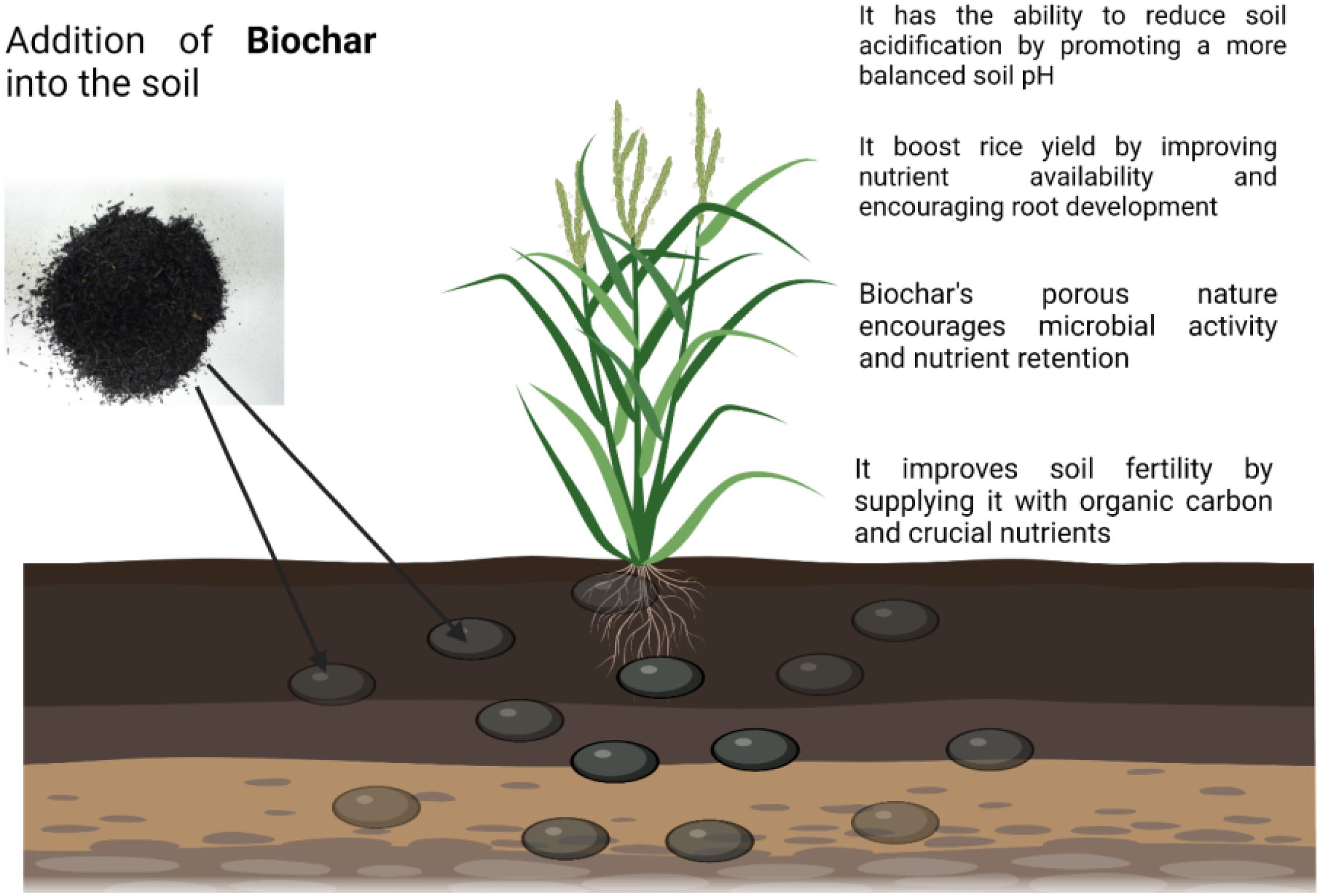
Figure 6. Illustration of adding biochar to soil.
3.2.2.9 Green manuring
Green manuring is a technique in which green plant matter, also known as green manure, is integrated into the soil via plowing (Das et al., 2020), as shown in Figure 7. This technique offers several benefits for rice cultivation, enhancing soil fertility and supporting sustainable farming practices. One of the primary benefits of green manuring is the increase in soil fertility. By adding organic matter, green manure provides essential nutrients for plants. Research by Latt et al. (2009), demonstrated that the application of Sesbania rostrata as green manure significantly improved rice yield and growth. In their study, treatments using urea (40 and 80 kg N ha−1) and a no-application control were compared with green manure treatments (2 and 4 plants per pot). Results showed that the green manure treatments led to substantial increases in both dry matter weight and grain weight, outperforming the urea and control treatments. Additionally, nitrogen intake by the rice plants increased with each green manure application. This suggests that incorporating green manure legumes can significantly enhance the biologically fixed nitrogen (N) content in rice soils. As green manure decomposes, it releases vital nutrients back into the soil, further improving soil fertility (Naz et al., 2023). Studies have consistently shown that green manuring boosts rice output. For example, Zhou et al. (2020) found that green manure application increased rice yield by 4.1%. In addition to boosting nutrient content, green manuring improves the physical characteristics of the soil. It enhances soil aggregation, moisture retention, and nutrient-holding capacity, all of which are essential for healthy crop growth. Green manure can also help modify soil pH levels, as certain green manure crops can reduce soil acidity (Rayne and Aula, 2020).
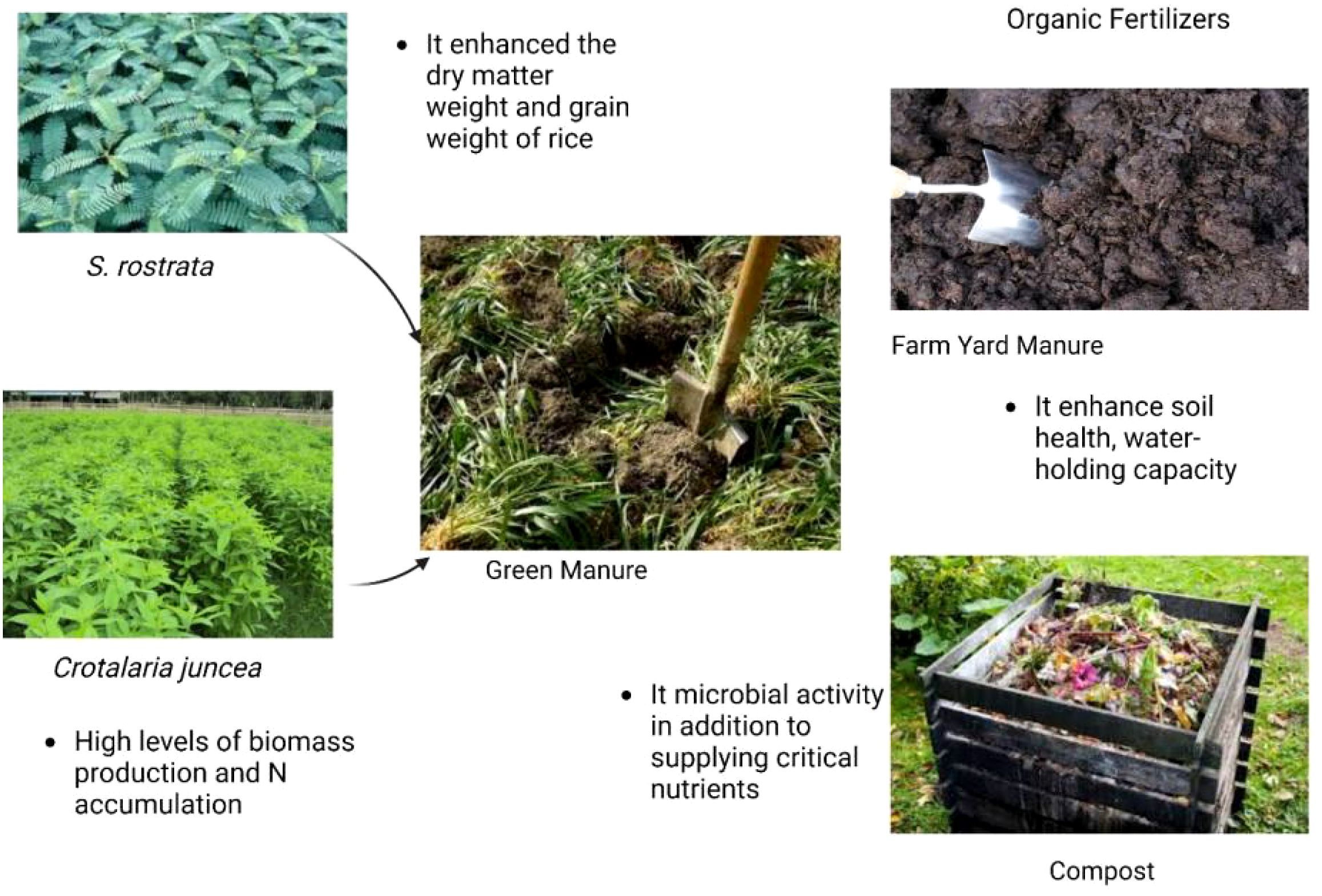
Figure 7. Picture of green manuring in rice field.
Another important advantage of green manuring is that it reduces the need for chemical fertilizers. Since the organic matter in green manure provides a natural source of nutrients, farmers can rely less on synthetic fertilizers, promoting more sustainable agricultural practices (Li et al., 2021). Overall, green manuring is an effective strategy for improving soil fertility, increasing crop yield, reducing chemical inputs, and enhancing overall soil health in rice farming.
The positive impacts of green manuring on rice production—such as increased rice yield, improved dry matter weight, enhanced microbial activity, and better soil health—are well-documented and visually illustrated in Figure 7. This technique demonstrates the potential of green manure to sustainably improve rice farming practices.
The increasing demand for higher agricultural yields has highlighted the importance of environmental protection in promoting optimal fertilization practices. Many advanced fertilization techniques have been shown to boost crop yields by over 5% while reducing total nitrogen (TN) losses by more than 15% (Zhuang et al., 2022).
By tailoring fertilizer applications to match the specific nutrient needs of soil and crops, farmers can significantly enhance nutrient use efficiency while minimizing the risk of nutrient runoff into water bodies (Adi et al., 2021). Beyond chemical fertilizers, composting and organic fertilizers are gaining popularity as sustainable methods for rice production. Examples of effective organic fertilizers include compost, green manure, and farmyard manure, which not only improve soil fertility and structure but also promote nutrient cycling (Goldan et al., 2023). These organic additions contribute to healthier soils by enhancing water-holding capacity, stimulating microbial activity, and supplying essential nutrients (Liang et al., 2023b).
Site-specific nutrient management (SSNM) is another increasingly adopted strategy for sustainable rice farming. SSNM involves determining the nutrient requirements of rice plants at various growth stages and applying targeted nutrient treatments accordingly. This approach has been shown to reduce nutrient losses, improve fertilizer efficiency, and mitigate environmental impacts (Rodriguez, 2020).
Soil amendments, such as lime and gypsum, also play a critical role in balancing nutrient deficiencies and restoring soil pH. Fageria and Knupp (2014) reported that these treatments optimize nutrient uptake efficiency and enhance nutrient availability for rice plants. Moreover, precision nutrient management techniques, such as fertigation (the delivery of fertilizers through irrigation systems) and foliar nutrient sprays, offer additional benefits by improving nutrient uptake and reducing losses (Niu et al., 2021).
3.3 Current practices in rice cultivation in Ghana
Rice cultivation in Ghana has become increasingly important as the country seeks to reduce its reliance on rice imports and boost domestic production. Rice is a staple food in Ghana, and its demand has risen significantly due to population growth and changing dietary patterns (Abankwah and Tutu, 2021). Rice farming in Ghana is predominantly concentrated in the Volta, Northern, and Upper West regions, where unfavorable climatic conditions and limited access to water resources constrain cultivation (Nyamekye et al., 2018). These challenges are further compounded by several systemic issues that hinder the sector’s growth. Low productivity remains a critical concern, driven by inadequate irrigation infrastructure that limits farmers’ ability to manage water effectively, particularly during dry season. Additionally, the use of poor-quality seeds and limited access to modern farming techniques further exacerbate the problem, resulting in suboptimal yields (Boadjo and Culas, 2021).
Traditional rice farming practices in Ghana are largely rain-fed, which makes the crop highly susceptible to fluctuations in rainfall patterns, resulting in inconsistent yields (Naazie et al., 2023). Smallholder farmers, who dominate the rice sector, typically use rudimentary methods such as manual planting and harvesting. The use of improved rice varieties, which have higher yields and resistance to pests and diseases, is still limited due to the high cost of seeds and lack of access to agricultural extension services (Azumah et al., 2022; Naazie et al., 2023). Furthermore, the quality of rice produced is often lower than that of imported rice, which discourages local consumption and keeps the sector heavily dependent on imports (Abankwah and Tutu, 2021).
In recent years, the government of Ghana, along with various development partners, has initiated several programs aimed at increasing rice productivity and reducing imports (Pauw, 2022). These include the introduction of improved seed varieties, support for smallholder farmers through subsidies, and the construction of irrigation systems. Additionally, efforts to improve post-harvest handling, processing, and storage are gaining traction, with the aim of adding value to local rice production (Lamptey et al., 2022). Despite these initiatives, challenges such as inadequate mechanization, poor infrastructure, and limited market access continue to hinder the full potential of the rice sector.
4 Integrated pest management
Integrated pest and disease management (IPDM), which aims to reduce dependence on chemical pesticides while effectively managing pests and diseases, is vital for achieving sustainable rice production (Deguine et al., 2021; Dara et al., 2023). Overuse of chemical pesticides can lead to the destruction of beneficial insects and trigger pest outbreaks (Hill et al., 2017; Hong-Xing et al., 2017). Additionally, herbicide resistance has emerged as a significant challenge for rice production in many regions worldwide. Numerous weed species have developed resistance to major herbicide classes, with several species showing resistance to multiple classes (Heap, 2014). Utilizing a combination of cultural, biological, and chemical control measures as part of integrated pest management (IPM) strategies results in a strategy that is ecologically and economically sustainable.
4.1 Crop rotation
Integrated Pest Management (IPM) in rice production is deeply rooted in traditional farming practices. One key strategy is crop rotation, which involves alternating rice with other crops to disrupt the pest life cycles and reduce their populations (Fahad et al., 2021). Other preventive measures include minimizing fertilizer use, planting multiple rice varieties or lines within the same field, rotating nursery locations, and implementing phytosanitary practices to prevent the spread of virulent virus strains to other rice-growing regions (Wang et al., 2022b). Additionally, effective soil management techniques, such as field leveling and removing weed hosts, help to hinder the development and spread of diseases and pests (Aamir et al., 2020).
4.2 Biological control techniques
Chemical pesticides can be substituted with sustainable biological control methods. Biological control reduces pest populations by using the natural enemies of pests, such as parasitoids and predators (Shavanov et al., 2022). For instance, introducing predatory insects like spiders and beetles into rice fields can effectively decrease pest populations (Ndakidemi et al., 2021). This biological approach also encompasses the use of pheromones for pest monitoring and preventing breeding, sterilizing insects before releasing them, and employing bio-pesticides, which are derived from living organisms or their byproducts (Baker et al., 2020). Biological pesticides, such as neem seed kernel extract (Azadirachta indica A. Juss), Vitex negundo L. leaf extract, and Bacillus thuringiensis, have been shown to impact the growth, feeding, and productivity of rice leaf folder larvae (Nathan et al., 2005). These natural plant products, which contain bacterial toxins, can inhibit growth, act as antifeedants, and even have toxic effects on harmful insects.
Integrated Pest Management (IPM) also includes the judicious use of chemical pesticides when other control methods fail. To ensure selective pesticide use, it is crucial to evaluate their effectiveness, environmental impact, and potential risks to non-target organisms (Nawaz et al., 2019). Farmers must benefit from ecosystem diversity, and pesticide use should be aligned with ecological principles. Maximizing long-term productivity in rice fields requires an understanding of how to utilize the ecosystem effectively. Pesticide use can be optimized by minimizing pesticide residues and environmental impacts, adhering to the recommended application time and dosage based on pest monitoring and forecasting systems (Zhao et al., 2022). Regular scouting and monitoring of rice fields are essential for early pest and disease detection. Timely intervention allows farmers to avoid infestations and potential crop losses (Patil et al., 2022).
5 Improved rice seed
The cultivation of disease-resistant rice varieties plays a significant role in long-term pest and disease management (Tudi et al., 2021). To reduce the reliance on chemical pesticides, breeding programs in Ghana have focused on developing rice varieties resistant to major diseases such as blast and sheath blight. As a result, the adoption of resistant varieties offers a safer and more environmentally friendly alternative to excessive pesticide use in rice production. Various techniques have been used to develop insect-resistant rice varieties. These include mutagenesis, which induces genetic mutations in plants, and the introduction of foreign genes through methods like single-gene insertion or gene pyramiding. Other advanced techniques such as transplastomic methods, genetically engineered Bt toxins, oligonucleotide-directed mutagenesis, engineered nucleases, plant membrane transporters, and antisense technologies have also been employed (Dhakal and Poudel, 2020). The use of improved rice seeds offers several benefits, including higher grain yields, better crop growth, and reduced damage from weeds, insects, and diseases (Murielle et al., 2023).
However, there are several concerns related to the cultivation of genetically modified (GM) rice in rice production. Despite the potential benefits of GMO rice, such as higher yields, enhanced pest resistance, and improved nutritional value, there are valid reservations (Murielle et al., 2023). One major concern is the safety of consuming genetically modified rice, with many stakeholders worried about the potential long-term health effects of GM crops. This has led to calls for rigorous safety evaluations to ensure consumer safety. Another significant issue is the environmental impact of GMO rice cultivation. Critics argue that GMO rice could have unintended consequences, such as the emergence of herbicide-resistant weeds or gene flow to wild relatives, which could disrupt local ecosystems and biodiversity (Dhakal and Poudel, 2020).
6 Soil health
Soil conservation techniques are essential for promoting sustainable rice production in Ghana. As the population grows and the need for food security becomes more pressing, it is crucial to adopt practices that not only increase rice yields but also protect the long-term health and fertility of the soil. By implementing effective soil conservation methods, Ghana can achieve sustainable rice production while safeguarding the environment and the well-being of its people. According to Sánchez (2010), with proper soil management, efficient fertilizer use, and appropriate crop varieties, crop yields in Africa could potentially triple. One key technique for sustainable rice cultivation is conservation tillage. This method reduces or completely eliminates the need for ploughing and tilling, which can lead to soil erosion and degradation. Instead, no-till or minimal-tillage farming practices are used to preserve organic matter and prevent soil compaction. Conservation tillage improves soil structure, enhances water infiltration, and boosts nutrient retention, which ultimately benefits soil health (Kumar et al., 2020). Additionally, zero-tillage transplanting and zero-tillage direct seeding are conservation tillage techniques that have been shown to improve crop water use efficiency and soil hydrology (Cooper et al., 2023).
6.1 Soil conservation
In Ghana, crop rotation is a cornerstone of sustainable farming, particularly for rice growers. Alternating rice with legumes or vegetables not only disrupts pest and disease cycles but also improves soil fertility and reduces long-term degradation. This practice supports both soil health and environmentally responsible agriculture. Research underscores the benefits of this method. Li et al. (2023) found that crop rotation enhances soil quality by addressing challenges such as soil-borne pests and weeds that pesticides often fail to control. Hameed et al. (2023) observed that integrating maize into a rice-based rotation increases rice productivity by 10.5% and maize yield by 11.3%, while raising net revenue by 16.7%. Such results demonstrate the dual agronomic and economic benefits of diversifying cropping systems. He et al. (2021) further compared various rotational systems and found that potato–rice (PR), fallow–rice (FR), and watermelon–rice (WR) rotations consistently outperformed continuous rice cropping (RR). PR systems delivered the highest yields and profits, while FR systems were the second most effective. The data (Table 5) show that PR systems significantly improved rice yields (p < 0.05) compared to WR and RR, confirming their efficacy for maximizing agricultural returns.
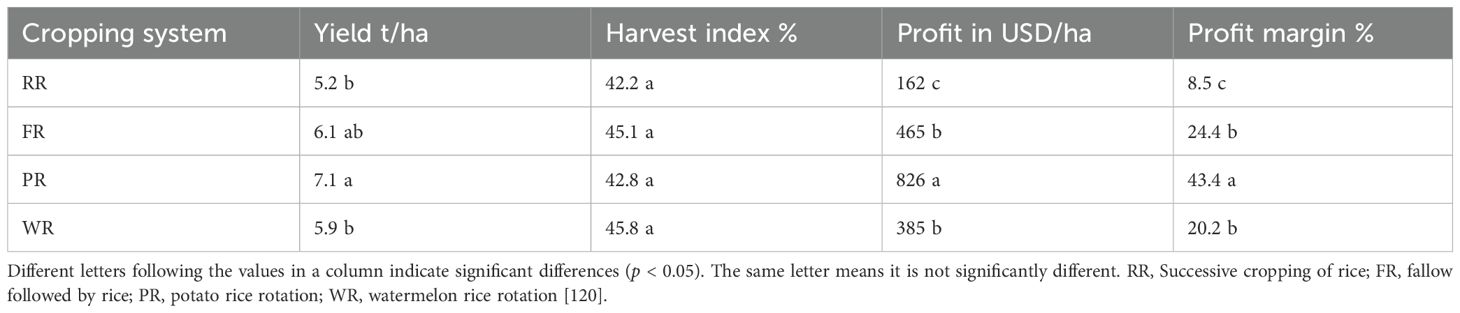
Table 5. Effects of cropping systems on the yield and socioeconomic benefits of rice production.
6.2 Integration of agroforestry and terracing
Agroforestry systems are gaining prominence among rice farmers in Ghana as a method to enhance soil health and farm productivity in inland valleys. Combining trees with rice fields brings several benefits, including improved soil fertility, biodiversity, and crop yields (Pantera et al., 2021). Trees contribute organic matter through their leaf litter, which enriches soil nutrients, reduces evaporation, and moderates soil temperature. This results in better water retention and enhanced soil structure (Asase and Tetteh, 2010). Agroforestry also supports broader environmental goals, promoting biodiversity and the sustainability of agricultural landscapes (Sauer et al., 2021). Such systems are especially effective in regions suffering from soil degradation due to resource constraints and traditional farming practices.
For sloped terrains, terracing is a widely used technique to combat soil erosion and conserve rainwater. By creating step-like structures, terraces slow water runoff, enabling it to infiltrate the soil and preventing the loss of valuable topsoil. Terracing is a practical solution in Ghana’s hilly areas, ensuring soil quality, reducing erosion, and supporting sustainable rice production. Several terracing techniques have been developed to optimize erosion control. For example, terraces often incorporate features like contour hedgerows, vegetative filter strips, and grass barriers (Deng et al., 2021). Sukristiyonubowo (2007) recommends applying urea and KCl fertilizers, along with 33% of the previous season’s rice straw, for sustainable rice cultivation on terraced fields. This practice enriches soil carbon and nitrogen stocks, crucial for long-term fertility (Liu et al., 2015). Figure 8 illustrates the design of terraced systems, which involve cut-and-fill techniques to create level fields. These terraces expand arable land on steep slopes, supporting large-scale rice farming. Ridges and embankments are vital for controlling runoff and preventing water loss, ensuring the productivity and sustainability of terraced rice fields.
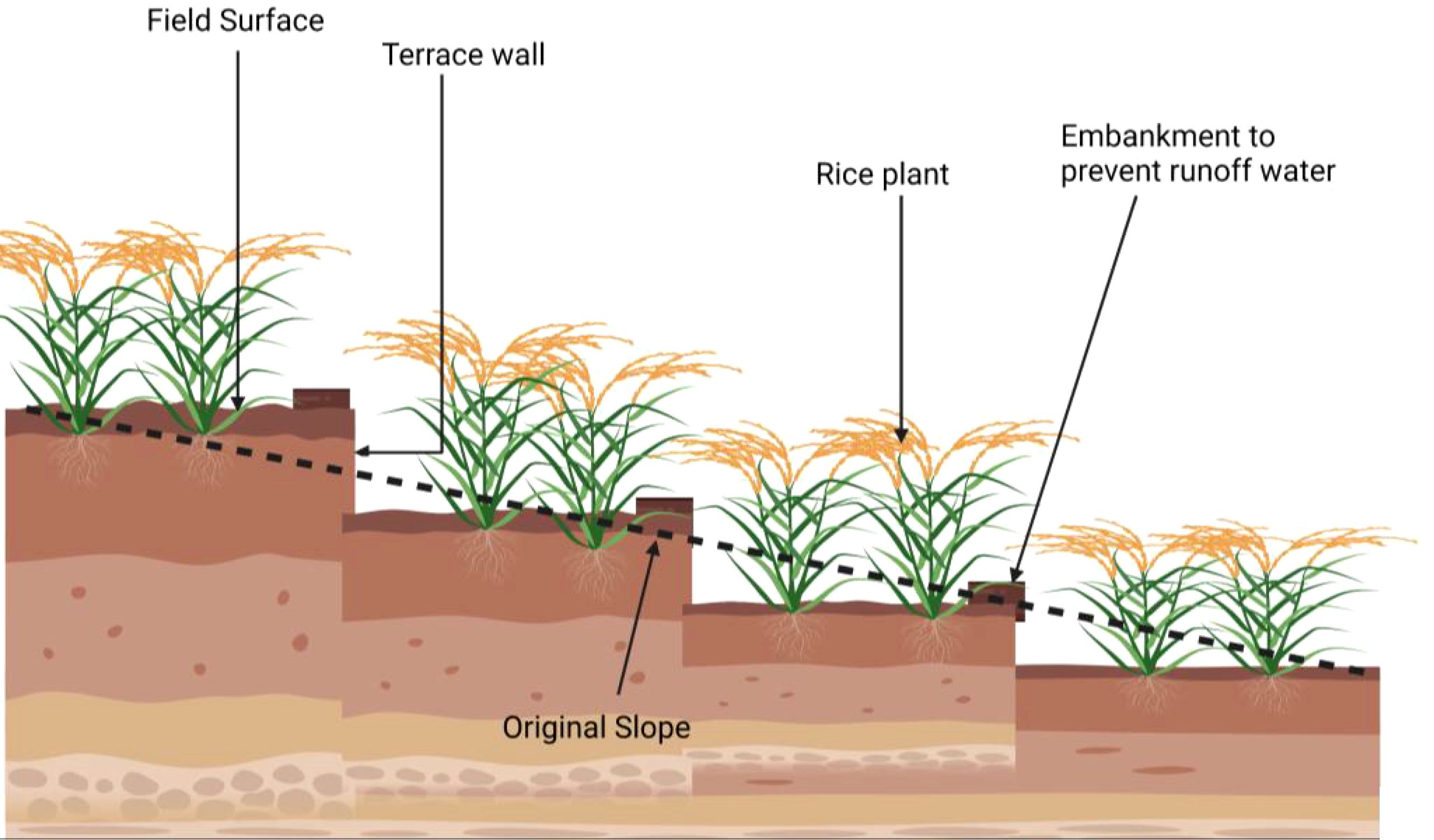
Figure 8. Sectional drawing of the terrace.
6.3 Use of cover crops
An essential technique for soil conservation in sustainable rice production is the use of cover crops (Silva et al., 2023). Farmers grow cover crops, such as legumes or grasses, during fallow periods or between rice harvests. These crops play a vital role in improving soil structure, increasing organic matter, suppressing weeds naturally, and protecting soil from erosion and nutrient leaching (Ma et al., 2023). By reducing the reliance on herbicides, cover crops contribute to environmentally friendly farming practices while enhancing soil health and fertility.
Implementing soil conservation techniques like cover cropping can advance sustainable rice cultivation in Ghana, yielding multiple benefits. These methods not only enhance crop productivity, soil fertility, and water management but also minimize the environmental impacts of farming (Nascente and Stone, 2018). Sustainable rice production ensures food security for Ghana’s population while safeguarding the environment for future generations.
7 Conservation of beneficial insects and pollinators
Compared to other crops, rice fields function as transitory wetlands, undergoing rapid physical, chemical, and biological changes. These ecosystems harbor a high diversity of organisms, particularly arthropods, which occupy intermediate positions in the food chain. Arthropods include herbivores, saprophytes, parasites, and predators, all of which play critical roles in maintaining ecological balance, enhancing crop pollination, and providing natural pest control (Ali et al., 2022; Yunus et al., 2022; Elmquist et al., 2023). Protecting beneficial insects and pollinators is essential to preserving biodiversity, boosting crop yields, and minimizing the use of chemical pesticides (Ballal et al., 2022). Although studies have explored the biodiversity of rice ecosystems, relatively few have detailed how natural enemies, such as parasitoids and predators, contribute to arthropod pest management during different stages of rice crop development (Dominik et al., 2018; Romeis et al., 2019). Evidence suggests a positive correlation between agricultural productivity and biodiversity within agroecosystems. Increased biodiversity is associated with enhanced crop yields, likely due to the effective control of pest populations by natural enemies (Engbersen et al., 2022; Niggli et al., 2023). Conversely, a decrease in biodiversity corresponded to a decrease in agricultural productivity. One of the primary justifications is their ability to effectively diminish insect pest populations (Jankielsohn, 2023).
In contrast, reduced biodiversity often leads to declines in productivity. For example, lower biodiversity in agroecosystems has been linked to an 18% increase in plant pest populations and a 53% decline in their natural enemies (Luo et al., 2014). Table 6 provides a summary of various insect species that damage rice crops and the parasitoids that attack them. These natural enemies significantly reduce pest populations, demonstrating the importance of preserving ecological harmony in rice fields. Additionally, arable weeds within these habitats support herbivores and their natural enemies, as well as various crop pollinators, further contributing to biodiversity and ecological stability (Primoli et al., 2020).
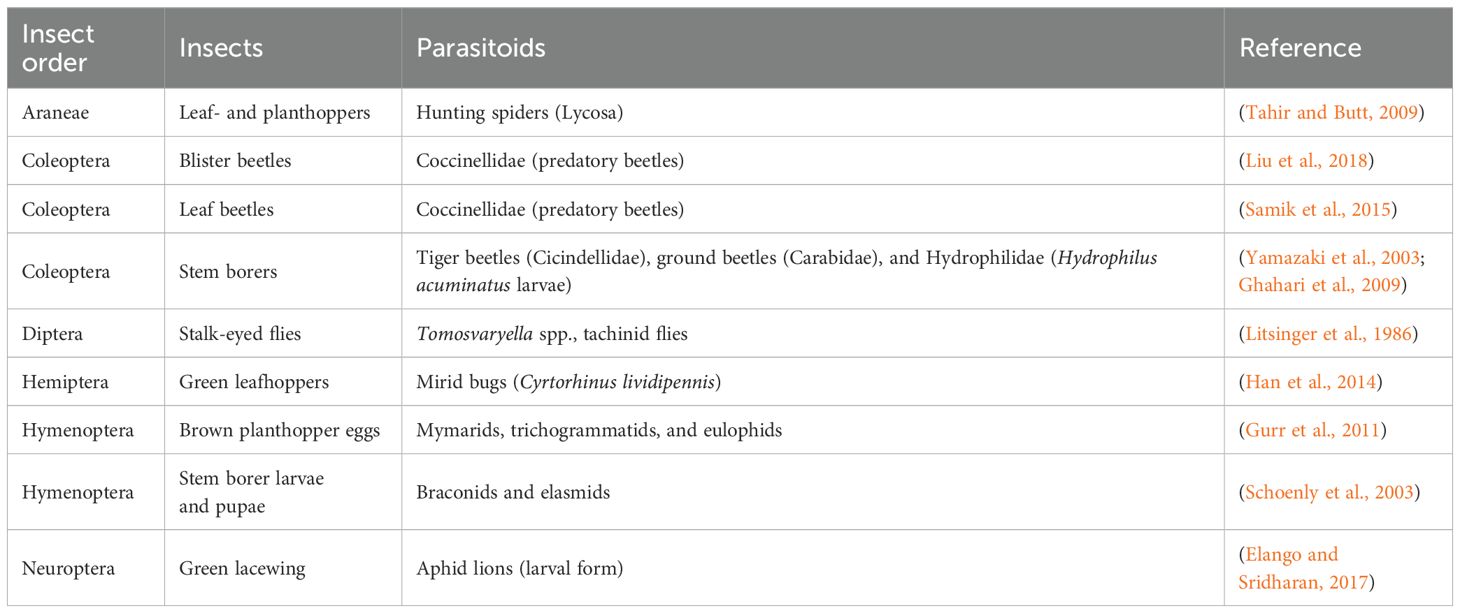
Table 6. Various rice insect pests and their parasitoids.
8 Future prospect
The future of sustainable rice production in Ghana heavily depends on the adoption of best practices that address environmental, socioeconomic, and food security concerns. These practices will help mitigate challenges and improve the long-term viability of rice farming in the country.
8.1 Environmental sustainability
To address environmental challenges, priority should be given to precision irrigation techniques. Methods like Alternate Wetting and Drying (AWD) and drip irrigation have been shown to reduce water consumption by 20–30%, while maintaining or even enhancing rice yields (Yovo et al., 2021). Additionally, the implementation of Integrated Pest Management (IPM) strategies, such as biological control and crop rotation, can help minimize the use of chemical pesticides. This not only reduces environmental pollution but also promotes ecological balance (Deguine et al., 2021). Moreover, soil conservation practices, such as conservation tillage, agroforestry, and the use of cover crops, improve soil health, reduce erosion, and enhance water retention (Kumar et al., 2020). These strategies not only combat environmental degradation but also contribute to long-term agricultural productivity.
8.2 Socioeconomic considerations
From an economic perspective, the adoption of sustainable rice production practices must be economically viable for smallholder farmers, who constitute the majority of Ghana’s rice sector. Farmer training programs and capacity-building initiatives are essential to ensure the effective implementation of these practices. For example, using slow/controlled-release fertilizers in combination with organic-inorganic fertilization can reduce input costs while improving nutrient use efficiency (Govindasamy et al., 2023). Additionally, farmer cooperatives and community-based organizations can play a vital role in sharing knowledge, providing access to resources, and fostering collective action. Policymakers should consider offering financial incentives, such as subsidies for eco-friendly inputs and grants for irrigation infrastructure, to encourage the widespread adoption of sustainable practices.
8.3 Enhancing food security
With regard to food security, the focus should be on increasing rice production through yield-enhancing methods that are both sustainable and scalable. The adoption of improved rice varieties, resistant to pests, diseases, and climate-related stressors, can significantly boost productivity (Tudi et al., 2021). Furthermore, techniques such as site-specific nutrient management (SSNM) and the use of precision agriculture technologies can optimize resource use and maximize yields (Rodriguez, 2020). These strategies will help Ghana reduce its dependence on rice imports and move towards achieving rice self-sufficiency, as outlined in the National Rice Development Strategy (NRDS).
8.4 Policy frameworks and research investment
Robust policy frameworks and sustained investment in research and development (R&D) are crucial to supporting these efforts. Policymakers should establish regulatory frameworks that incentivize sustainable practices and discourage unsustainable methods. Public-private partnerships can facilitate the introduction of innovative technologies, such as precision irrigation systems and pest-resistant rice varieties, to local farming communities. Additionally, research institutions should focus on addressing Ghana’s unique challenges, such as soil degradation, water scarcity, and the impacts of climate change, through targeted studies and pilot projects. Collaborative efforts between researchers, policymakers, and farmers will be essential to translating scientific research into practical, actionable strategies.
By emphasizing best practices in environmental sustainability, socioeconomic viability, and food security, Ghana can foster a resilient and sustainable rice industry. The integration of precision irrigation, IPM, soil conservation, and improved seed varieties—supported by robust policy frameworks and farmer-focused extension services—will be central to achieving this goal. Future research should also explore advanced technologies, such as climate-resilient rice varieties and digital agriculture tools, to further enhance sustainability. Through collaboration, innovation, and a strong commitment to sustainability, Ghana can ensure the long-term security of its rice production, safeguard the environment, and improve the livelihoods of its farmers.
9 Conclusion
This study underscores the importance of adopting sustainable rice production practices in Ghana to address critical challenges in the agricultural sector and secure long-term environmental, socioeconomic, and food security benefits. Through a Dimensional Sustainable Approach, the research highlights key findings across environmental, economic, and social dimensions, emphasizing the need for efficient water management, nutrient optimization, integrated pest control, seed improvement, and soil conservation. These practices are essential for mitigating environmental degradation, improving farmer livelihoods, reducing poverty, and enhancing food security. The analysis identifies precision irrigation, biological pest control, and conservation tillage as key strategies for future adoption. However, significant gaps remain in current practices, particularly in policy implementation, knowledge dissemination, and farmer adoption of innovative strategies. Addressing these gaps requires collaborative efforts among policymakers, researchers, and farmers to implement targeted interventions that enhance sustainability and productivity. Strong policy frameworks, investment in agricultural research, and extension services are critical to facilitating this transition. Future studies should explore advanced technological innovations, precision agriculture, and climate-resilient practices to further strengthen sustainability in Ghana’s rice industry. By linking key findings to practical applications, this study provides actionable recommendations that can drive sustainable agricultural development. Ensuring that sustainability strategies are well-integrated into national agricultural policies will be crucial for achieving long-term food security, economic stability, and a resilient rice industry that supports both current and future generations.
Author contributions
AD: Conceptualization, Writing – original draft, Writing – review & editing. JT: Conceptualization, Writing – review & editing. XX: Conceptualization, Writing – review & editing. AC: Conceptualization, Writing – review & editing. MA: Writing – review & editing. AZ: Funding acquisition, Writing – original draft.
Funding
The author(s) declare that financial support was received for the research and/or publication of this article. This work was supported by the Project of Science and Technology Department of Sichuan Province (No. 2019YFN0010, 2020YFH0161, and 22GJHZ0024) and the Chengdu Science and Technology Bureau (2021-YF05-02326-SN).Funding: This work was supported by the Project of Science and Technology Department of Sichuan Province (No. 2019YFN0010, 2020YFH0161, and 22GJHZ0024) and the Chengdu Science and Technology Bureau (2021-YF05-02326-SN).
Acknowledgments
I want to acknowledge Osmond Datsomor of Yangzhou University and Mark Owusu Adjei of Sichuan Agricultural University for their time, efforts, and suggestions in this review article.
Conflict of interest
The authors declare that the research was conducted in the absence of any commercial or financial relationships that could be construed as a potential conflict of interest.
Generative AI statement
The author(s) declare that no Generative AI was used in the creation of this manuscript.
Publisher’s note
All claims expressed in this article are solely those of the authors and do not necessarily represent those of their affiliated organizations, or those of the publisher, the editors and the reviewers. Any product that may be evaluated in this article, or claim that may be made by its manufacturer, is not guaranteed or endorsed by the publisher.
References
Aamir M., Rai K. K., Zehra A., Dubey M. K., Kumar S., Shukla V., et al. (2020). “Microbial Bioformulation-Based Plant Biostimulants: A Plausible Approach toward Next Generation of Sustainable Agriculture,” in Microbial Endophytes (Elsevier, London, UK), 195–225.
Abankwah V. and Tutu L. A. (2021). Rice production under the system of rice intensification and conventional methods: Which is more profitable in Ghana? J. Exp. Agric. Int. 43, 75–83. doi: 10.9734/jeai/2021/v43i130633
Aboa K. A., Didjeira A., and Kpemoua K. (2008). Produire du riz, bien le transformer pour mieux le vendre. Inst. Togol. Rech. Agron.-Collect. Broch. Fiches Tech 17.
Abukari A. (2019). Influence of rice husk biochar on water holding capacity of soil in the savannah ecological zone of Ghana. Turk. J. Agric.-Food Sci. Technol. 7, 888–891. doi: 10.24925/turjaf.v7i6.888-891.2488
Adi P., Imas P., and Bansal S. K. (2021). “Role of Potassium for Improving Nutrient Use Efficiency in Agriculture,” in Input Use Efficiency for Food and Environmental Security (Springer Nature Singapore, Singapore).
Agriculture, M.O.F.A (2023). Rice Production: A Priority to Ghana. (Accra, Ghana: Ministry of Food and Agriculture (MoFA)). Available online at: https://mofa.gov.gh/site/publications/agricultural-articles/393-rice-production-a-priority-to-ghana.
Arouna A., Dzomeku I. K., Shaibu A. G., and Nurudeen A. R. (2023). Water management for sustainable irrigation in rice (Oryza sativa L.) production: A review. Agronomy 13, 1522. doi: 10.3390/agronomy13061522
Ali M., Biswas M., Clemente-Orta G., Kabir M., Datta J., Haque S., et al. (2022). Landscape diversity influences the arthropod species diversity in the rice field. Front. Environ. Sci. 10, 740287. doi: 10.3389/fenvs.2022.740287
Alkharabsheh H. M., Seleiman M. F., Battaglia M. L., Shami A., Jalal R. S., Alhammad B. A., et al. (2021). Biochar and its broad impacts in soil quality and fertility, nutrient leaching and crop productivity: A review. Agronomy 11, 993. doi: 10.3390/agronomy11050993
Amfo B., Abdul-Rahaman A., and Issaka Y. B. (2021). Rice planting technologies and farm performance under different production systems in Ghana. Int. J. Prod. Perform. Manag 72, 895–916. doi: 10.1108/IJPPM-03-2021-0166
Antwi K. D. and Aborisade O. (2017). Profitability of rice production among small-scale rice producers in Ghana. Am. J. Agric. Sci. 4, 13–17.
Asase A. and Tetteh D. A. (2010). The role of complex agroforestry systems in the conservation of forest tree diversity and struc-ture in Southeastern Ghana. Agrofor. Syst. 79, 355–368. doi: 10.1007/s10457-010-9311-1
Atkinson C. J., Fitzgerald J. D., and Hipps N. A. (2010). Potential mechanisms for achieving agricultural benefits from biochar applica-tion to temperate soils: A review. Plant Soil 337, 1–18. doi: 10.1007/s11104-010-0464-5
Azumah S. B., Zakaria A., Yegbemey R. N., Apalogta P. A., Dagar V., and Mahama A. (2022). Climate smart production, gross income, and downstream risk characterization of rice farmers in Ghana. J. Agric. Stud. 10, 13–13. doi: 10.5296/jas.v10i2.19495
Baker B. P., Green T. A., and Loker A. J. (2020). Biological control and integrated pest management in organic and conventional sys-tems. Biol. Control 140, 104095. doi: 10.1016/j.biocontrol.2019.104095
Ballal C. R., Sreedevi K., Salini S., Gupta A., Amala U., and Varshney R. (2022). “Biodiversity of Agriculturally Important Insects: Sta-tus, Issues, and Challenges,” in Biodiversity in India: Status, Issues and Challenges (Springer, Berlin/Heidelberg, Germany), 243–283.
Bisht N. and Chauhan P. S. (2020). Excessive and disproportionate use of chemicals cause soil contamination and nutritional stress. Soil Contam.-Threat. Sustain. Solut, 1–10. doi: 10.5772/intechopen.94593
Boadjo M. Y. and Culas R. J. (2021). Improving water productivity for smallholder rice farmers in the upper west region of Ghana: A review of sustainable approaches. Exploring Synergies Trade-offs between Climate Change Sustain. Dev. Goals, 231–262. doi: 10.1007/978-981-15-7301-9_11
Buri M. M., Issaka R. N., Wakatsuki T., and Kawano N. (2012). Improving the productivity of lowland soils for rice cultivation in Ghana: the role of the’sawah’system. J. Soil Sci. Environ. Manag 3, 56–62.
Chidiebere-Mark N., Ohajianya D., Obasi P., and Onyeagocha S. (2019). Profitability of rice production in different production sys-tems in ebonyi state, Nigeria. Open Agric. 4, 237–246. doi: 10.1515/opag-2019-0022
Chivenge P., Rubianes F., Chin D., Thach T., Khang V. T., Romasanta R. R., et al. (2020). “Rice Straw Incorporation Influences Nutrient Cycling and Soil Organic Matter,” in Sustainable Rice Straw Management (Springer, Cham, Switzerland), 131–144.
Cooper H., Lark M., Sjogersten S., and Mooney S. (2023). “The role of zero-tillage in mitigating climate change in tropical soils,” in EGU General Assembly Conference Abstracts. 2817.
Dara S. K., Rodriguez-Saona C., and Morrison Iii W. R. (2023). Integrated pest management strategies for sustainable food production. Front. Sustain. Food Syst. 7, 1224604. doi: 10.3389/fsufs.2023.1224604
Darzi-Naftchali A., Ritzema H., Karandish F., Mokhtassi-Bidgoli A., and Ghasemi-Nasr M. (2017). Alternate wetting and drying for different subsurface drainage systems to improve paddy yield and water productivity in Iran. Agric. Water Manag 193, 221–231. doi: 10.1016/j.agwat.2017.08.018
Das K., Biswakarma N., Zhiipao R., Kumar A., Ghasal P. C., and Pooniya V. (2020). Significance and management of green manures. Soil Health, 197–217. doi: 10.1079/9781789243761.0197
Dash J. and Kuila M. (2023). Comparative study of mathematical model applications on the amount of NPK fertilizer absorbed to meet the best yield data of paddy (Rice) cultivation. Int. J. Plant Soil Sci. 35, 70–77. doi: 10.9734/ijpss/2023/v35i72863
Deguine J. P., Aubertot J. N., Flor R. J., Lescourret F., Wyckhuys K. A. G., and Ratnadass A. (2021). Integrated pest management: good intentions, hard realities. A Review. Agron. Sustain. Dev. 41, 38. doi: 10.1007/s13593-021-00689-w
Deng C., Zhang G., Liu Y., Nie X., Li Z., Liu J., et al. (2021). Advantages and disadvantages of terracing: A comprehensive review. Int. Soil Water Conserv. Res. 9, 344–359. doi: 10.1016/j.iswcr.2021.03.002
Dhakal A. and Poudel S. (2020). Integrated pest management (Ipm) and its application in rice-a review. Rev. Food Agric. 1, 54–58. doi: 10.26480/rfna.02.2020.54.58
Dhanushkodi V., Priyadharshini T. B., Baskar M., Meena S. S., Senthil K., and Maheshwari T. U. (2022). Slow and controlled release nitrogen fertilizers: options for improving rice productivity: A review. Int. J. Plant Soil Sci. 34, 970–981. doi: 10.9734/ijpss/2022/v34i242726
Dominik C., Seppelt R., Horgan F. G., Settele J., and Václavík T. (2018). Landscape composition, configuration, and trophic interac-tions shape arthropod communities in rice agroecosystems. J. Appl. Ecol. 55, 2461–2472. doi: 10.1111/jpe.2018.55.issue-5
Ekeleme F., Kamara A., Omoigui L. O., Tegbaru A., Mshelia J., and Onyibe J. (2008). Guide to rice production in borno state, Nigeria. IITA, Ibadan, Nigeria, 1–20.
Elango K. and Sridharan S. (2017). Predatory potential of green lacewing, chrysoperla zastrowi sillemi (Esben-petersen)(Neuroptera chrysopidae) on pomegranate aphid aphis punicae passerini (Homoptera. Aphididae). J. Biol. Control 31, 246–248. doi: 10.18311/jbc/2017/16383
Elmquist D. C., Kahl K. B., Johnson-Maynard J. L., and Eigenbrode S. D. (2023). Linking agricultural diversification practices, soil arthropod communities and soil health. J. Appl. Ecol. 60, 1952–1963. doi: 10.1111/1365-2664.14453
Engbersen N., Stefan L., Brooker R. W., and Schöb C. (2022). Using plant traits to understand the contribution of biodiversity effects to annual crop community productivity. Ecol. Appl. 32, e02479. doi: 10.1002/eap.v32.1
Enriquez Y., Yadav S., Evangelista G. K., Villanueva D., Burac M. A., and Pede V. (2021). Disentangling challenges to scaling alternate wetting and drying technology for rice cultivation: Distilling lessons from 20 years of experience in the Philippines. Front. Sustain. Food Syst. 5, 675818. doi: 10.3389/fsufs.2021.675818
Etesami H. (2020). “Enhanced Phosphorus Fertilizer Use Efficiency with Microorganisms,” in Nutrient Dynamics for Sustainable Crop Production (Springer, Singapore).
Fageria N. K. and Knupp A. M. (2014). Influence of lime and gypsum on growth and yield of upland rice and changes in soil chem-ical properties. J. Plant Nutr. 37, 1157–1170. doi: 10.1080/01904167.2014.890219
Fahad S., Saud S., Akhter A., Bajwa A. A., Hassan S., Battaglia M., et al. (2021). Bio-based integrated pest management in rice: an agro-ecosystems friendly approach for agricultural sustainability. J. Saudi Soc Agric. Sci. 20, 94–102. doi: 10.1016/j.jssas.2020.12.004
Ghahari H., Jedryczkowski W. B., Kesdek M., Ostovan H., and Tabari M. (2009). Ground beetles (Coleoptera: carabidae) from rice fields and surrounding grasslands of northern Iran. J. Biol. Control 23, 105–109. doi: 10.18311/jbc/2009/16208
Gianluigi M., Agnelli A. E., Orasen G., Gennaro M., Valè G., and Alessandra Lagomarsino A. (2016). Reduction of global warming potential from rice under alternate wetting and drying practice in a sandy soil of northern Italy. Ital. J. Agrometeorol.-Riv. Ital. Di Agrometeorol 21, 35–44. doi: 10.19199/2016.2.2038-5625.035
Goldan E., Nedeff V., Barsan N., Culea M., Panainte-Lehadus M., Mosnegutu E., et al. (2023). Assessment of manure compost used as soil amendment—A review. Processes 11, 1167. doi: 10.3390/pr11041167
Govindasamy P., Muthusamy S. K., Bagavathiannan M., Mowrer J., Jagannadham P. T. K., Maity A., et al. (2023). Nitrogen use efficiency—a key to enhance crop productivity under a changing climate. Front. Plant Sci. 14, 1121073. doi: 10.3389/fpls.2023.1121073
Gupta R. and Seth A. (2007). A review of resource conserving technologies for sustainable management of the rice–wheat crop-ping systems of the indo-gangetic plains (Igp. Crop Prot 26, 436–447. doi: 10.1016/j.cropro.2006.04.030
Gurr G. M., Liu J., Read D. M. Y., Catindig J. L. A., Cheng J. A., Lan L. P., et al. (2011). Parasitoids of asian rice planthopper (Hemiptera: delphacidae) pests and prospects for enhancing biological control by ecological engineering. Ann. Appl. Biol. 158, 149–176. doi: 10.1111/j.1744-7348.2010.00455.x
Hameed A., Chen Y. P., Shen F. T., Lin S. Y., Huang H. I., Lin Y. W., et al. (2023). Evaluation of a subtropical maize-rice rotation system maintained under long-term fertilizer inputs for sustainable intensification of agriculture. Appl. Soil Ecol. 184, 104772. doi: 10.1016/j.apsoil.2022.104772
Han Y., Meng J., Chen J., Cai W., Wang Y., Zhao J., et al. (2014). Bt rice expressing cry2aa does not harm cyrtorhinus lividipennis, a main predator of the nontarget herbivore nilapavarta lugens. PloS One 9, 112315. doi: 10.1371/journal.pone.0112315
He D. C., Ma Y. L., Li Z. Z., Zhong C. S., Cheng Z. B., and Zhan J. (2021). Crop rotation enhances agricultural sustainability: from an empirical evaluation of eco-economic benefits in rice production. Agriculture 11, 91. doi: 10.3390/agriculture11020091
Heap I. (2014). Global perspective of herbicide-resistant weeds. Pest Manage. Sci. 70, 1306–1315. doi: 10.1002/ps.2014.70.issue-9
Hill M. P., Macfadyen S., and Nash M. A. (2017). Broad spectrum pesticide application alters natural enemy communities and may facilitate secondary pest outbreaks. PeerJ 5, e4179. doi: 10.7717/peerj.4179
Hong S. C., Kim M. W., and Kim J. H. (2023). Effect of fertilizer deep placement on rice and soybean yield using newly developed device for deep fertilization. Korean J. Environ. Agric. 42, 44–51. doi: 10.5338/KJEA.2023.42.1.07
Hong-Xing X. U., Yang Y., Lu Y. H., Zheng X., Tian J., Lai F., et al. (2017). Sustainable management of rice insect pests by non-chemical-insecticide technologies in China. Rice Sci. 24, 61–72. doi: 10.1016/j.rsci.2017.01.001
Hu C., Sadras V. O., Wang Z., Du W., Lei X., Yang M., et al. (2023). Yield-and protein-neutral reduction in fertilizer rate for wheat, maize and rice can reduce the release of reactive nitrogen and greenhouse gas emissions in China. Environ. Res. Lett. 18, 064031. doi: 10.1088/1748-9326/acd6a9
Ishfaq M., Farooq M., Zulfiqar U., Hussain S., Akbar N., Nawaz A., et al. (2020). Alternate wetting and drying: A wa-ter-saving and ecofriendly rice production system. Agric. Water Manag 241, 106363. doi: 10.1016/j.agwat.2020.106363
Itoh M., Sudo S., Mori S., Saito H., Yoshida T., Shiratori Y., et al. (2011). Miti-gation of methane emissions from paddy fields by prolonging midseason drainage. Agric. Ecosyst. Environ. 141, 359–372. doi: 10.1016/j.agee.2011.03.019
Jankielsohn A. (2023). Sustaining insect biodiversity in agricultural systems to ensure future food security. Front. Conserv. Sci. 4, 1195512. doi: 10.3389/fcosc.2023.1195512
Jarwar A. H., Wang X., Long Wang L. Z., Zhaoyang Q., Mangi N., Pengjia B., et al. (2019). Performance and evaluation of drip irrigation system, and its future advantages. J. Biol. Agric. Healthc 9, 27–41.
Khalofah A., Khan M. I., Arif M., Hussain A., Ullah R., Irfan M., et al. (2021). Deep placement of nitrogen fertilizer improves yield, nitrogen use efficiency and economic returns of transplanted fine rice. PloS One 16, e0247529. doi: 10.1371/journal.pone.0247529
Kleiman B. M., Primoli A. S., Koptur S., and Jayachandran K. (2020). Weeds, pollinators, and parasitoids-using weeds for insect manipulation in agriculture. J. Res. Weed Sci. 3, 382–390. doi: 10.26655/JRWEEDSCI.2020.3.9
Kouakou K. P. M., Tiénebo E. O., and Brou Y. C. (2022). Rescaling of the optimal sowing period for rainfed rice in the ivorian pre-forest zone. Sci. Terre Agron. 10, 60–65.
Kumar R., Mishra J. S., Rao K. K., Mondal S., Hazra K. K., Choudhary J. S., et al. (2020). Crop rotation and tillage management options for sustainable intensification of rice-fallow agro-ecosystem in eastern India. Sci. Rep. 10, 11146. doi: 10.1038/s41598-020-67973-9
Kumar A., Nayak A. K., Sharma S., Senapati A., Mitra D., Mohanty B., et al. (2023). Rice straw recycling: A sustainable approach for ensuring environmental quality and economic security. Pedosphere 33, 34–48. doi: 10.1016/j.pedsph.2022.06.036
Lamptey C., Azumah S., and Maanikuu P. (2022). Assessing adoption levels and constraints to modernized rice varieties adoption by rice producers in northern Ghana. J. Agric. Stud. 10, 41–58. doi: 10.5296/jas.v10i3.19884
Laporte A., Banger K., Weersink A., Wagner-Riddle C., Grant B., and Smith W. (2021). Economic and environmental conse-quences of nitrogen application rates, timing and methods on corn in ontario. Agric. Syst. 188, 103018. doi: 10.1016/j.agsy.2020.103018
Latt Y. K., Myint A. K., Yamakawa T., and Ogata K. (2009). The effects of green manure (Sesbania rostrata) on the growth and yield of rice. J. Fac. Agric. Kyushu Univ 54, 313–319. doi: 10.5109/16109
Li S., Chan C. Y., Sharbatmaleki M., Trejo H., and Delagah S. (2020). Engineered biochar production and its potential benefits in a closed-loop water-reuse agriculture system. Water 12, 2847. doi: 10.3390/w12102847
Li T., Ullah S., Liang H., Ali I., Zhao Q., Iqbal A., et al. (2021). The enhancement of soil fertility, dry matter transport and accumulation, nitrogen uptake and yield in rice via green manuring. Phyton 90, 223. doi: 10.32604/phyton.2020.012065
Li Q.-M., Zhang D., Zhang J.-Z., Zhou Z.-J., Pan Y., Yang Z.-H., et al. (2023). Crop rotations increased soil ecosystem multifunctionality by improving keystone taxa and soil properties in potatoes. Front. Microbiol. 14, 1034761. doi: 10.3389/fmicb.2023.1034761
Liang D., Shi H., Lu Q., Quirino R. L., and Zhang C. (2023a). Controlled-release fertilizers with an ultralow coating content. J. Materials Chem. A 11, 4527–4538. doi: 10.1039/D2TA08807J
Liang Y., Yang C., Sainju U. M., Zhang N., Zhao F., Wang W., et al. (2023b). Differential responses of soil microbial N-cycling functional genes to 35 yr applications of chemical fertilizer and organic manure in wheat field soil on loess plateau. Agronomy 13, 1516. doi: 10.3390/agronomy13061516
Litsinger J. A., Barrion A. T., and Soekarna D.. (1987). Upland rice insect pests: their ecology, importance and control. International Rice Research Institute (IRRI), 41 pp.
Liu M., Dannenmann M., Lin S., Saiz G., Yan G., Yao Z., et al. (2015). Ground cover rice pro-duction system facilitates soil carbon and nitrogen stocks at regional scale. Biogeosciences. 12, 4831–4845. doi: 10.5194/bg-12-4831-2015
Liu B., Li H., Li H., Zhang A., and Rengel Z. (2021). Long-term biochar application promotes rice productivity by regulating root dynamic development and reducing nitrogen leaching. GCB Bioenergy 13, 257–268. doi: 10.1111/gcbb.12766
Liu Y. Y., Li G. Y., Yang L., Chi H., and Chen X. S. (2018). Demography and mass rearing of the medicinal blister beetle epicauta impressicornis (Pic)(Coleoptera: meloidae) at different temperatures. J. Econ. Entomol 111, 2364–2374. doi: 10.1093/jee/toy197
Liu X., Xu S., Zhang J., Ding Y., Li G., Wang S., et al. (2016). Effect of continuous reduction of ni-trogen application to a rice-wheat rotation system in the middle-lower yangtze river region, (2013–2015. Field Crops Res. 196, 348–356. doi: 10.1016/j.fcr.2016.07.003
Luo Y., Fu H., and Traore S. (2014). Biodiversity conservation in rice paddies in China: toward ecological sustainability. Sustainability 6, 6107–6124. doi: 10.3390/su6096107
Ma J., Anthoni P., Olin S., Rabin S., Bayer A., and Arneth A. (2023). “Integrating cover crops with no-tillage benefits crop yields, increases soil carbon storage while reducing nitrogen leaching in global croplands,” in EGU General Assembly Conference Abstracts. 3159.
Maccarthy D. S., Darko E., Nartey E. K., Adiku S. G. K., and Tettey A. (2020). Integrating biochar and inorganic fertilizer improves productivity and profitability of irrigated rice in Ghana, West Africa. Agronomy 10, 904. doi: 10.3390/agronomy10060904
Mangaraj S., Paikaray R. K., Maitra S., Pradhan S. R., Garnayak L. M., Satapathy M., et al. (2022). Integrated nutrient management improves the growth and yield of rice and greengram in a rice&Mdash;Greengram cropping system under the coastal plain agro-climatic condition. Plants 11, 142. doi: 10.3390/plants11010142
Meertens B. (2001). La Riziculture Irriguée Dans La Vallée de Zio (Région Maritime, Togo: Contraintes et Possibilité; International Fertilizer Developement).
Mejias J. H., Salazar F., Pérez Amaro L., Hube S., Rodriguez M., and Alfaro M. (2021). Nanofertilizers: A cutting-edge approach to increase nitrogen use efficiency in grasslands. Front. Environ. Sci. 9, 52. doi: 10.3389/fenvs.2021.635114
Moro B. M., Nuhu I. R., and Toshiyuki W. (2008). Determining optimum rates of mineral fertilizers for economic rice grain yields under the sawah system in Ghana. West Afr. J. Appl. Ecol. 12, 19–31.
Murielle F., Bonaventure C. A., Drissa S., and Andreas V. T. (2023). Relationship between rice blast severity and the rice growth stage for accurate selection of rice breeding material for improved rice production in Africa. Afr. J. Plant Sci. 17, 39–48. doi: 10.5897/AJPS2022.2285
Naazie G. K., Dakyaga F., and Derbile E. K. (2023). Agro-ecological intensification for climate change adaptation: Tales on soil and water management practices of smallholder farmers in rural Ghana. Discover Sustainability 4, 27. doi: 10.1007/s43621-023-00142-w
Nascente A. S. and Stone L. F. (2018). Cover crops as affecting soil chemical and physical properties and development of upland rice and soybean cultivated in rotation. Rice Sci. 25, 340–349. doi: 10.1016/j.rsci.2018.10.004
Nathan S. S., Chung P. G., and Murugan K. (2005). Effect of biopesticides applied separately or together on nutritional indices of the rice leaffolder cnaphalocrocis medinalis. Phytoparasitica 33, 187–195. doi: 10.1007/BF03029978
Nawaz A., Sufyan M., Gogi M. D., and Javed M. W. (2019). Sustainable management of insect-pests. In: Farooq, M., Pisante, M. (eds) Innovations in Sustainable Agriculture. (Cham: Springer). doi: 10.1007/978-3-030-23169-9_10
Naz A., Rebi A., Naz R., Akbar M. U., Aslam A., Kalsom A., et al. (2023). Impact of green manuring on health of low fertility calcareous soils. Land 12, 546. doi: 10.3390/land12030546
Ndakidemi B. J., Mbega E. R., Ndakidemi P. A., Stevenson P. C., Belmain S. R., Arnold S. E. J., et al. (2021). Natural pest regulation and its compatibility with other crop protection practices in smallholder bean farming systems. Biology 10, 805. doi: 10.3390/biology10080805
Negi P., Thakur R., Manral K., Tomar K., Rawat B., Ramola B., et al. (2022). Coated controlled-release fertilizers: potential solution for sustainable agriculture. Nat. Environ. pollut. Technol. 21, 1739–1745. doi: 10.46488/NEPT.2022.v21i04.028
Niggli U., Sonnevelt M., and Kummer S. (2023). Pathways to advance agroecology for a successful transformation to sustainable food systems. Sci. Innov. Food Syst. Transformation, 341–359. doi: 10.1007/978-3-031-15703-5_18
Niu J., Liu C., Huang M., Liu K., and Yan D. (2021). Effects of foliar fertilization: A review of current status and future perspec-tives. J. Soil Sci. Plant Nutr. 21, 104–118. doi: 10.1007/s42729-020-00346-3
Norton G. J., Shafaei M., Travis A. J., Deacon C. M., Danku J., Pond D., et al. (2017). Impact of alternate wetting and drying on rice physiology, grain production, and grain quality. Field Crops Res. 205, 1–13. doi: 10.1016/j.fcr.2017.01.016
Nyalemegbe K. K., Asuming-Brempong S., and Danso S. K. A. (2012). Evaluation of Sesbania sesban L.(Merr) and Mimosa invisa L.(Fabaceae) as Sources of Nitrogen in Irrigated Rice on the Vertisols of the Accra Plains of Ghana. J. Ecol. Nat. Environ. 4, 88–93. doi: 10.5897/JENE11.102
Nyalemegbe K. K., Oteng J. W., and Asuming-Brempong S. (2010). Integrated organic-inorganic fertilizer management for rice pro-duction on the vertisols of the accra plains of Ghana. West Afr. J. Appl. Ecol. 16, 23–31.
Nyamekye A. B., Dewulf A., Van Slobbe E., Termeer K., and Pinto C. (2018). Governance arrangements and adaptive decision-making in rice farming systems in Northern Ghana. NJAS-Wageningen J. Life Sci. 86, 39–50. doi: 10.1016/j.njas.2018.07.004
Oikeh S. O., Nwilene F. E., Agunbiade T. A., Oladimeji O., Ajayi O., Mande S., et al. (2008). Growing Up-land Rice: A Production Handbook (Contonou: Africa Rice Center).
Pantera A., Mosquera-Losada M., Herzog F., and Den Herder M. (2021). Agroforestry and the environment. Agroforestry Syst. 95, 767–774. doi: 10.1007/s10457-021-00640-8
Paramesh V., Kumar P., Bhagat T., Nath A. J., Manohara K. K., Das B., et al. (2023). Integrated nutrient management enhances yield, improves soil quality, and conserves energy under the lowland rice–rice cropping system. Agronomy 13, 1557. doi: 10.3390/agronomy13061557
Parthasarathi T., Vanitha K., Mohandass S., and Vered E. (2018). Evaluation of drip irrigation system for water productivity and yield of rice. Agron. J. 110, 2378–2389. doi: 10.2134/agronj2018.01.0002
Patil R. R., Kumar S., Chiwhane S., Rani R., and Pippal S. K. (2022). An artificial-intelligence-based novel rice grade model for severity estimation of rice diseases. Agriculture 13, 47. doi: 10.3390/agriculture13010047
Patle G. T., Kumar M., and Khanna M. (2019). Climate-smart water technologies for sustainable agriculture: A review. J. Water Clim. Chang 11, 1455–1466. doi: 10.2166/wcc.2019.257
Pauw K. (2022). A review of Ghana’s planting for food and jobs program: implementation, impacts, benefits, and costs. Food Secur. 14, 1321–1335. doi: 10.1007/s12571-022-01287-8
Pereira P., Bogunovic I., Inacio M., Zhao W., and Barcelo D. (2023). “Agriculture intensification impacts on soil and water ecosystem services,” in EGU General Assembly Conference Abstracts. 1423.
Pourgholam-Amiji M., Liaghat A., Khoshravesh M., and Azamathulla H. M. (2020). Improving rice water productivity using alterna-tive irrigation (Case study: north of Iran. Water Supply 21, 1216–1227. doi: 10.2166/ws.2020.371
Purnomo C. W. and Saputra H. (2021). “Manufacturing of slow and controlled release fertilizer,” in Controlled Release Fertilizers for Sustainable Agriculture (London, United Kingdom: Elsevier), 95–110.
Rao A. N., Wani S. P., Ramesha M. S., and Ladha J. K. (2017). “Rice Production Systems,” in Rice Production Worldwide. Eds. Chauhan B. S., Jabran K., and Mahajan G. (Springer International Publishing, Cham, Switzerland), 185–205.
Rayne N. and Aula L. (2020). Livestock manure and the impacts on soil health: A review. Soil Syst. 4, 64. doi: 10.3390/soilsystems4040064
Ren C., Zhang X., Reis S., and Gu B. (2022). Socioeconomic barriers of nitrogen management for agricultural and environmental sustainability. Agriculture Ecosyst. Environ. 333, 107950. doi: 10.1016/j.agee.2022.107950
Renault D. and Facon T. (2004). Beyond drops for crops: A system approach for assessing the values of water in rice-based systems. In Proceedings of the FAO Rice Conference 2004. (FAO), pp. 1–13. Available online at: https://www.fao.org/3/y5682e/y5682e09.htm.
Rodriguez D. G. P. (2020). An assessment of the site-specific nutrient management (Ssnm) strategy for irrigated rice in Asia. Agri-culture 10, 559. doi: 10.3390/agriculture10110559
Romeis J., Naranjo S. E., Meissle M., and Shelton A. M. (2019). Genetically engineered crops help support conservation biological control. Biol. Control 130, 136–154. doi: 10.1016/j.biocontrol.2018.10.001
Rychel K., Meurer K. H., Getahun G. T., Bergström L., Kirchmann H., and Kätterer T. (2023). Lysimeter deep N fertilizer placement reduced leaching and improved N use efficiency. Nutrient cycling agroecosystems 126, 213–228. doi: 10.1007/s10705-023-10286-w
Samik C., Sontakke P. P., Boopathi T., Jayashree B., and Debashre B. (2015). Taxonomic studies on predatory coccinellid beetles and their species composition in rice ecosystem of Indo-Bangladesh border. Bioscan 10, 229–242.
Samoy-Pascual K., Yadav S., Evangelista G., Burac M. A., Rafael M., Cabangon R., et al. (2022). Determinants in the adoption of alternate wetting and drying technique for rice production in a gravity surface ir-rigation system in the Philippines. Water 14, 5. doi: 10.3390/w14010005
Sánchez P. A. (2010). Tripling crop yields in tropical Africa. Nat. Geosci 3, 299–300. doi: 10.1038/ngeo853
Sandhu N., Subedi S. R., Yadaw R. B., Chaudhary B., Prasai H., Iftekharuddaula K., et al. (2017). Root traits enhancing rice grain yield under alternate wetting and drying condition. Front. Plant Sci. 8, 1879. doi: 10.3389/fpls.2017.01879
Sapkota T. B., Jat M. L., Rana D. S., Khatri-Chhetri A., Jat H. S., Bijarniya D., et al. (2021). Crop nutrient management using nutrient expert improves yield, increases farmers’ Income and reduces greenhouse gas emissions. Sci. Rep. 11, 1564. doi: 10.1038/s41598-020-79883-x
Sarkis L. F., Andrade A. B., Guelfi D., Chagas W. F. T., Faquin V., and Guareschi R. F. (2021). Carbon dioxide flux of conventional and slow or controlled release nitrogen fertilizers in coffee crop. Commun. Soil Sci. Plant Anal. 52, 2884–2897. doi: 10.1080/00103624.2021.1971690
Sauer T. J., Dold C., Ashworth A. J., Nieman C. C., Hernandez-Ramirez G., Philipp D., et al. (2021). Agroforestry practices for soil conservation and resilient agriculture. Agrofor. Ecosyst. Serv., 19–48. doi: 10.14719/pst.6938
Schmidt A., Auge H., Brandl R., Heong K. L., Hotes S., Settele J., et al. (2015). Small-scale variability in the contribution of invertebrates to litter decomposition in tropical rice fields. Basic Appl. Ecol. 16, 674–680. doi: 10.1016/j.baae.2015.01.006
Schoenly K. G., Cohen M. B., Barrion A. T., Zhang W., Gaolach B., and Viajante V. D. (2003). Effects of bacillus thuringiensis on non-target herbivore and natural enemy assemblages in tropical irrigated rice. Environ. Biosaf. Res. 2, 181–206. doi: 10.1051/ebr:2003013
Seglah P. A., Wang Y., Wang H., and Bi Y. (2019). Estimation and efficient utilization of straw resources in Ghana. Sustainability 11, 4172. doi: 10.3390/su11154172
Shavanov M. V., Shigapov I. I., and Niaz A (2021). Biological Methods for Pests and Diseases Control in Agricultural Plants (New York, NY, USA: American Institute of Physics (AIP)).
Shen M.-C., Zhang Y.-Z., Bo G.-D., Yang B., Wang P., Ding Z.-Y., et al. (2022). Microbial responses to the reduction of chemical fertilizers in the rhizosphere soil of flue-cured tobacco. Front. Bioengineering Biotechnol. 9, 812316. doi: 10.3389/fbioe.2021.812316
Shetty R. and Prakash N. B. (2020). Effect of different biochars on acid soil and growth parameters of rice plants under aluminium toxicity. Sci. Rep. 10, 12249. doi: 10.1038/s41598-020-69262-x
Silva M. A., Nascente A. S., De Filippi M. C. C., De Mello Frasca L., and Rezende C. C. (2023). Sustainable agricultural practices to improve soil quality and productivity of soybean and upland rice. Aust. J. Crop Sci. 17, 61–ii. doi: 10.21475/ajcs
Sukristiyonubowo S. (2007). Nutrient Balances in Terraced Paddy Fields under Traditional Irrigation in Indonesia. Ghent, East Flanders, Belgium: Ghent University, Zwijnaarde.
Tahir H. M. and Butt A. (2009). Predatory potential of three hunting spiders inhabiting the rice ecosystems. J. Pest Sci. 82, 217–225. doi: 10.1007/s10340-008-0242-9
Thakur A., Sharma R. P., Sankhyan N. K., and Sepehya S. (2023). Effect of 46 years’ application of fertilizers, FYM and lime on physical, chemical and biological properties of soil under maize–wheat system in an acid Alfisol of northwest Himalayas. Soil Use Manage. 39, 357–367. doi: 10.1111/sum.12821
Thanh N. D., Hoa H. T., Hung H. C., Nhi P. T., and Thuc D. D. (2016). Effect of fertilizer on rice yield improvement in coastal sandy soil of thua thien hue province. Hue Univ. J. Sci. Agric. Rural. Dev. 119, 53–62.
Tovohery R., Tsujimoto Y., and Nishigaki T. (2022). Phosphorus management strategies to increase lowland rice yields in Sub-Saharan Africa: A review. Field Crops Res. 275, 108370. doi: 10.1016/j.fcr.2021.108370
Tsujimoto Y., Rakotoson T., Tanaka A., and Saito K. (2019). Challenges and opportunities for improving N use efficiency for rice production in Sub-Saharan Africa. Plant Prod. Sci. 22, 413–427. doi: 10.1080/1343943X.2019.1617638
Tudi M., Ruan H. D., Wang L., Lyu J., Sadler R., Connell D., et al. (2021). Agriculture development, pesticide application and its impact on the environment. Int. J. Environ. Res. Public Health 18, 1112. doi: 10.3390/ijerph18031112
Umme Aminun N., Ahmed M. N., Sarkar M. I. U. S., Biswas J. C., and Panhwar Q. A. (2019). Chapter 8—Fertilizer Management Strate-gies for Sustainable Rice Production (Cambridge, UK: Woodhead Publishing).
Urra J., Alkorta I., and Garbisu C. (2019). Potential benefits and risks for soil health derived from the use of organic amendments in agriculture. Agronomy 9, 542. doi: 10.3390/agronomy9090542
Vidyashree B. S. and Murali Arthanari P. (2021). Customized fertilizers—An artefact in Indian agriculture: A review. Agric. Rev. 42, 105–110. doi: 10.18805/ag.R-1886
Wang P., Liu J., Lyu Y., Huang Z., Zhang X., Sun B., et al. (2022b). A review of vector-borne rice viruses. Viruses 14, 2258. doi: 10.3390/v14102258
Wang J., Wang Z., Weng W., Liu Y., Fu Z., and Wang J. (2022a). Development status and trends in side-deep fertilization of rice. Renew. Agric. Food Syst. 37, 550–575. doi: 10.1017/S1742170522000151
Wang Y., Zhu Y., Zhang S., and Wang Y. (2018). What could promote farmers to replace chemical fertilizers with organic fertilizers? J. Clean. Prod 199, 882–890. doi: 10.1016/j.jclepro.2018.07.222
Wu Q. X., Du B., Jiang S. C., Zhang H. W., and Zhu J. Q. (2022). Side deep fertilizing of machine-transplanted rice to guarantee rice yield in conservation tillage. Agriculture 12, 528. doi: 10.3390/agriculture12040528
Yamazaki K., Sugiura S., and Kawamura K. (2003). Ground beetles (Coleoptera: carabidae) and other insect predators overwintering in arable and fallow fields in central Japan. Appl. Entomol. Zool 38, 449–459. doi: 10.1303/aez.2003.449
Yang J., Liu K., Wang Z., Du Y., and Zhang J. (2007). Water-saving and high-yielding irrigation for lowland rice by controlling limiting values of soil water potential. J. Integr. Plant Biol. 49, 1445–1454. doi: 10.1111/j.1672-9072.2007.00555.x
Ye Y., Liang X., Chen Y., Liu J., Gu J., Guo R., et al. (2013). Alternate wetting and drying irrigation and controlled-release ni-trogen fertilizer in late-season rice. Effects on dry matter accumulation, yield, water and nitrogen use. Field Crops Res. 144, 212–224. doi: 10.1016/j.fcr.2012.12.003
Yovo D., Ronald E., Devkota K. P., Akpoti K., Danvi A., Duku C., et al. (2022). Thirty years of water management research for rice in Sub-Saharan Africa: achievement and perspectives. Field Crops Res. 283, 108548. doi: 10.1016/j.fcr.2022.108548
Yovo D., Ronald E., and Saito K. (2021). Impact of management practices on weed infestation, water productivity, rice yield and grain quality in irrigated systems in côte D’ivoire. Field Crops Res. 270, 108209.
Yu L., Li D., Yu S., Zou J., Ma T., and Wu Z. (2006). Research advances in slow/controlled release fertilizers. Chin. J. Ecol. 25, 1559.
Yunus M., Nasir B., Lasmini S. A., and Piri R. L. (2022). Biodiversity and community structure of Arthropod in tropical rice fields under organic and conventional ecosystems. Aust. J. Crop Sci. 16, 531–535. doi: 10.21475/ajcs
Zhang P. (2007). Experiment of deep fertilizing technique in rice. J. North Rice Off. 100–101. doi: 10.3969/j.issn.1673-6737.2007.03.031
Zhang Y., Wang J., and Feng Y. (2021). The effects of biochar addition on soil physicochemical properties: A review. Catena 202, 105284. doi: 10.1016/j.catena.2021.105284
Zhao J., Song R., Li H., Zheng Q., Li S., Liu L., et al. (2022). New formulation to accelerate the degradation of pesticide residues: composite nanoparticles of imidacloprid and 24-epibrassinolide. ACS Omega 7, 29027–29037. doi: 10.1021/acsomega.2c02820
Zhao J. and Zhou L. (2011). Combined application of organic and inorganic fertilizers on black soil fertility and maize yield. J. Northeast Agric. Univ 18, 24–29. doi: 10.1016/S1006-8104(12)60005-1
Zhou G., Gao S., Lu Y., Liao Y., Nie J., and Cao W. (2020). Co-incorporation of green manure and rice straw improves rice produc-tion, soil chemical, biochemical and microbiological properties in a typical paddy field in Southern China. Soil Tillage Res. 197, 104499. doi: 10.1016/j.still.2019.104499
Zhu H., Wen T., Sun M., Ali I., Sheteiwy M. S., Wahab A., et al. (2023). Enhancing rice yield and nitrogen utilization efficiency through optimal planting density and reduced nitrogen rates. Agronomy 13, 1387. doi: 10.3390/agronomy13051387
Keywords: sustainable production, Ghana rice, resource management, environmentally friendly practice, rice production
Citation: Danso Ofori A, Titriku JK, Xiang X, Charlotte A, Ahmed MI and Zheng A (2025) Rice production in Ghana: a multi-dimensional sustainable approach. Front. Agron. 7:1508896. doi: 10.3389/fagro.2025.1508896
Received: 10 October 2024; Accepted: 30 June 2025;
Published: 22 August 2025.
Edited by:
Roberto Valdivia, Oregon State University, United StatesReviewed by:
Dilys Sefakor MacCarthy, University of Ghana, GhanaSohail Abbas, Henan University, China
Tengku Nurul Aishah Tengku Aziz, MARA University of Technology, Malaysia
Copyright © 2025 Danso Ofori, Titriku, Xiang, Charlotte, Ahmed and Zheng. This is an open-access article distributed under the terms of the Creative Commons Attribution License (CC BY). The use, distribution or reproduction in other forums is permitted, provided the original author(s) and the copyright owner(s) are credited and that the original publication in this journal is cited, in accordance with accepted academic practice. No use, distribution or reproduction is permitted which does not comply with these terms.
*Correspondence: Aiping Zheng, YWlwaW5nemhAMTYzLmNvbQ==