 María Rosa Mosquera-Losada1,2*
 Darío Arias-Martínez1
 María Jesús Taboada-Iglesias3
 Francisco Javier Rodríguez-Rigueiro1
 José Javier Santiago-Freijanes1,2Ana Couso-Viana1
 Sylvia Burssens4Elena Feo5,6Pieter Spanoghe5
 Antonio Rigueiro-Rodríguez1,2
 Juan Luis Fernández-Lorenzo1
 María Pilar González-Hernández1Rosa Romero-Franco1
 Nuria Ferreiro-Domínguez1,2
- 1Department of Crop Production and Project Engineering, High Polytechnic School, University of Santiago de Compostela, Lugo, Spain
- 2Agroecology Innovation Advisory, USC Spin-off, Lugo, Spain
- 3Department of Electronics and Computer Science, University of Santiago de Compostela, Santiago de Compostela, A Coruña, Spain
- 4Research Coordination Office – EU Team, Ghent University, Ghent, Belgium
- 5Laboratory of Crop Protection Chemistry, Department of Plants and Crops, Ghent University, Ghent, Belgium
- 6Euromontana, Paris, France
European Horizon 2020-funded thematic networks (TNs) gather existing knowledge and best practices on agriculture and forestry to make them available in easy and understandable formats for end-users, including advisors, farmers, and foresters. The analysis of 28 Horizon 2020 TNs in this study aims at understanding, among others, how innovation deployment is associated with the main EU land uses, implementation areas, or farming types and how specific management is tackled by the EU TNs to further propose future topics that are receiving little attention. The analysis was conducted after interviewing and surveying TN coordinators and partners, whose questions were previously validated. The results of the questionnaires and interviews indicate that TNs mainly tackle arable lands, including all farming types, and most of them have a focus on rural areas, addressing the bioeconomy topic by linking rural, peri-urban, and urban areas. The analysis of multi-actor approach projects, as TNs, can help to provide insights on how to expand agricultural innovation, identifying areas of study and practices less represented and promoting them in future TNs.
1 Introduction
Innovation development in agriculture is one of the most useful ways to move forward in the implementation of the latest research findings at a real field scale and therefore at the farm level (Feo et al., 2022). Agriculture and forestry research has made important advances to foster sustainability in the last decades. However, most farmers are still not using updated methodologies in the field, relying on the intensive farming practices promoted in the European Union (EU) during the last century as a result of the green revolution. These practices are unsustainable due to the lack of adequate and independent advice as well as the necessary infrastructure to modernize farming systems (Sial et al., 2021).
FAO (2018) describes innovation as a process whereby individuals or organizations bring new or existing products, processes, or ways of organization into use for the first time in a specific context to increase effectiveness, competitiveness, and resilience to overcome a specific challenge. Agricultural innovation is defined by the Global Forum for Rural Advisory Services as a network of organizations, enterprises, and individuals focused on bringing new products, new processes, and new forms of organizations into social and economic use together with the institutions and policies that affect their innovative behavior and performance (Hall et al., 2006). This interactive system is made of individuals and organizations that demand and supply knowledge as well as the policies and mechanisms that affect the way different agents interact to share, access, and exchange knowledge (Sulaiman, 2015). Moreover, FAO (2018) recognizes agriculture innovation as key to food security, sustainable and rural development, and agri-food system transformation (Lynde, 2020). In this regard, the FAO set out the five “key principles for sustainability in food and agriculture” (FAO, 2014), which balance the social, economic, and environmental dimensions of sustainability. Moreover, the EU is prioritizing sustainable development through initiatives like the agricultural European Innovation Partnership (EIP-AGRI) (EIP-AGRI, 2020a), the Horizon Europe European Agroecology Partnership (European Commission, 2023a), and the integration of knowledge and innovation in the Post 2020 Common Agricultural Policy (European Commission, 2020a).
The European Commission (EC) is aware of the need to foster innovation in agriculture in the EU, where soils have been heavily affected by unsustainable agricultural practices such as excessive use of chemical fertilizers, over-irrigation, monoculture cropping, or intensive tillage (Jones et al., 2012). Biodiversity has been reduced, as the EU biodiversity strategy highlights (European Commission, 2021), and the climate has been negatively affected (IPCC, 2018) as mostly happening in the world (FAO and ITPS, 2015). The link between unsustainable farming practices and food containing high levels of pesticides or herbicides could lead to long-term health problems for those consuming it. As a result, organic farming adoption has increased significantly in Europe in recent years due to public concern, and the EU has set a reduction in pesticide use by 50% by 2030 as part of its Green Deal goals (European Commission, 2020b). However, the transition from intensive farming systems toward agricultural systems linked to nature-based practices is progressing slowly. In this context, farmers face barriers to adopting sustainable practices due to limited knowledge, weak organization, lack of education, poor networking, and insufficient infrastructure and policies (Concu et al., 2020; Skaalsveen et al., 2020; Lioutas and Charatsari, 2020; Cradock-Henry et al., 2020).
The strategic documents from both the European Green Deal and the Farm to Fork Strategy, as well as the 10th objective of the Common Agricultural Policy (CAP) 2023–2027, recognize the importance of knowledge and innovation systems (European Commission, 2019a, 2020b, 2023b). In 2012, the EC launched the EIP-AGRI initiative in order to foster dialogue and collaboration between farmers, foresters, advisors, researchers, and any other relevant actors involved in the Agricultural Knowledge and Innovation System (AKIS). To enhance the networking and strengthen the EU AKIS, the EC has recently decided to merge the EIP-AGRI with the European Network for Rural Development in the CAP EU Network. The EIP-AGRI activities are in between the rural development networks (second pillar of the CAP) and the previous Horizon 2020 and new Horizon Europe EU research programs in the form of thematic networks (TNs) (coordinated support actions) and multi-actor projects (MAP) (research and innovation actions). The EIP-AGRI also includes the national-based operational groups (OGs), which are based at the national level, are funded by various types of rural development programs (RDP) from Pillar II of the former (2014–2020) and current (2023–2027) CAP (EIP-AGRI, 2020b) and foster innovation at farm level across Europe.
From the research side, EIP-AGRI MAP aim at fostering research and innovation through the co-creation carried out by different types of actors, including farmers and researchers at different levels (local, regional, or national). To promote sustainable agriculture and forestry, the EU annually invests in projects through its Horizon programs in order to collaboratively develop and/or share innovative solutions that follow the MAP. One type of projects funded by Horizon 2020 are the thematic networks (TNs), which received a total funding of 68 million Euros from the EC from 2015 to 2019 to foster agriculture innovation of existing knowledge in Europe (EIP-AGRI, 2020b). The main goals of TNs are to collect, share, and spread practice-oriented knowledge on a specific agriculture or forestry topic. TNs accomplish this by transforming knowledge into materials that are easily understandable to their end-users: farmers/foresters, policymakers, and facilitators such as advisors or trainers. The current ecosystem, composed of all knowledge based on innovation developed in the TNs, should enable to get the maximum benefit from investments in innovation. However, the evidence is that much of the useful knowledge generated in the TNs fails to reach the intended end-users, mainly those who are not directly involved in its creation. As a result, a significant number of innovative solutions collected by TNs are never put into practice, considerably reducing the anticipated effect of TNs.
To improve this shortcoming, the EU funded the EURAKNOS project (2019–2021) to study TN knowledge sharing and co-create an EU-wide digital platform to improve the dissemination of innovative practices. Participants from several TNs actively participated in the EURAKNOS project activities, with substantial feedback gathered through surveys, questionnaires, and interactive workshops. This input offered concrete insights into the content, format, and added value of the outputs produced by the TNs.
The objective of this paper is to set a systematic analysis procedure to analyze the scope of TNs in terms of elucidating the topics and main targets in terms of land use and location, the types of farming systems, and management involved to know what are the preferred subjects linked to innovation and those undertreated, and therefore with a higher need for innovation research and implementation, giving recommendations for future TNs’ fields of work.
2 Materials and methods
The work included in this paper was carried out in the framework of the EURAKNOS project, which investigated the structure and procedures of TNs and the CAP agricultural land uses to which they were related to. All TNs funded by the EC within the Horizon 2020 research program from 2014 were considered for the evaluation carried out in this study between January and March 2019. Out of a total of 34 initial TNs, only 28 TNs were taken into account for the analysis since six of them had just started at the time of the study and were not able to provide the information yet for the TN analysis. Table 1 shows the complete set of TNs analyzed in this study. It also displays the degree of time execution of the TNs at the time of the study. The project duration was calculated as a percentage between the number of months elapsed from the start of each TN to the start time of this study (January 2019) divided by the total number of months of TN execution.
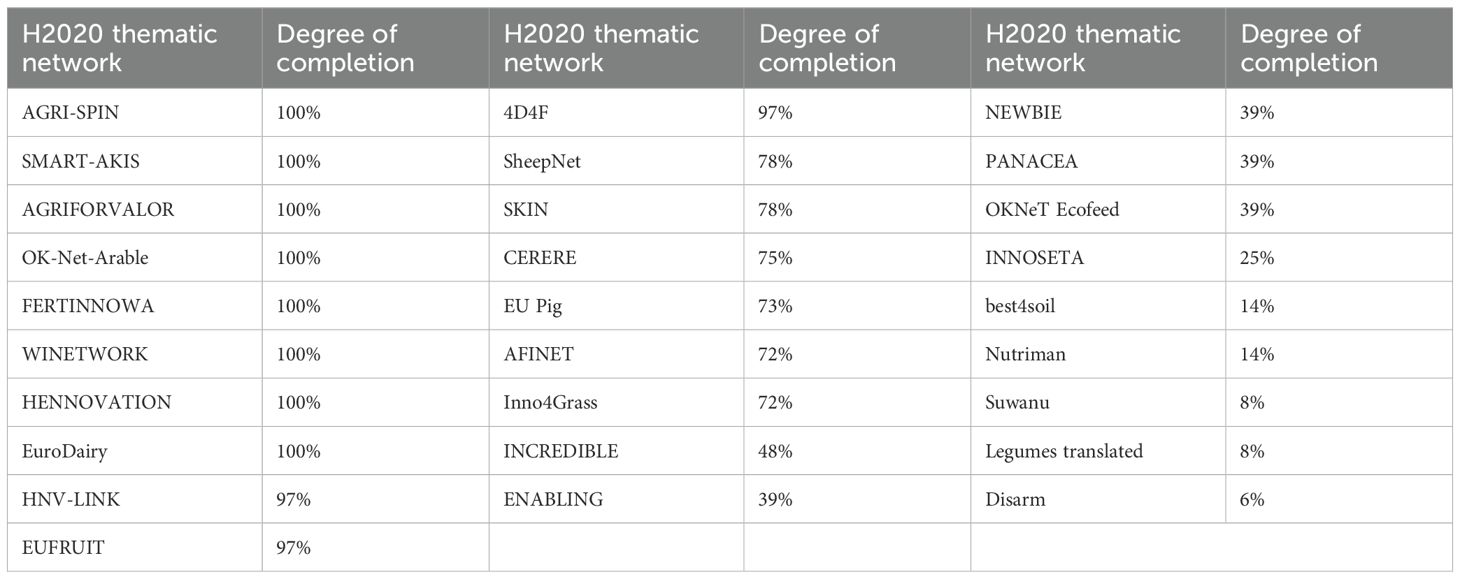
Table 1. Thematic networks (TNs) considered in this study and their degree of completion represented by colors and percentages.
An online survey was conducted among the 28 TNs to accurately frame the different Pillar I CAP types of land use, farming, and farm approaches as well as the farmers and organizations dealt with by TNs. The development of the survey was conducted following the Delphi methodology, which seeks to obtain the most reliable consensus of opinion of a group of experts by a series of intensive questionnaires interspersed with controlled opinion feedback (Dalkey and Helmer, 1963). Following the Delphi methodology, three rounds of interviews and a joint online workshop (the 34 TNs were present) took place after the survey was conducted to clarify the answers and obtain the consensus opinion from the experts. The survey was validated in three steps. Firstly, a draft was performed, and the questions were discussed by the project work package participants, prioritized, and circulated among all EURAKNOS project partners. Secondly, the first list of questions was validated by the TN coordinators who were involved in the EURAKNOS consortia as partners (SMART AKIS, Hennovation, OK-net Arable, Inno4Grass, and AFINET). Finally, the questions were redrafted, attending to all recommendations in an adequate language which is easily understandable.
The online survey (Table 2) was sent by e-mail to the TN coordinators and to the lead partners responsible for different aspects (data management, knowledge communication and dissemination, and multi-actor involvement) in each TN project in January 2019. The online survey was conducted through an online tool (SurveyMonkey®). In March 2019, the answers to each question were counted, and the results were analyzed and presented as percentages.
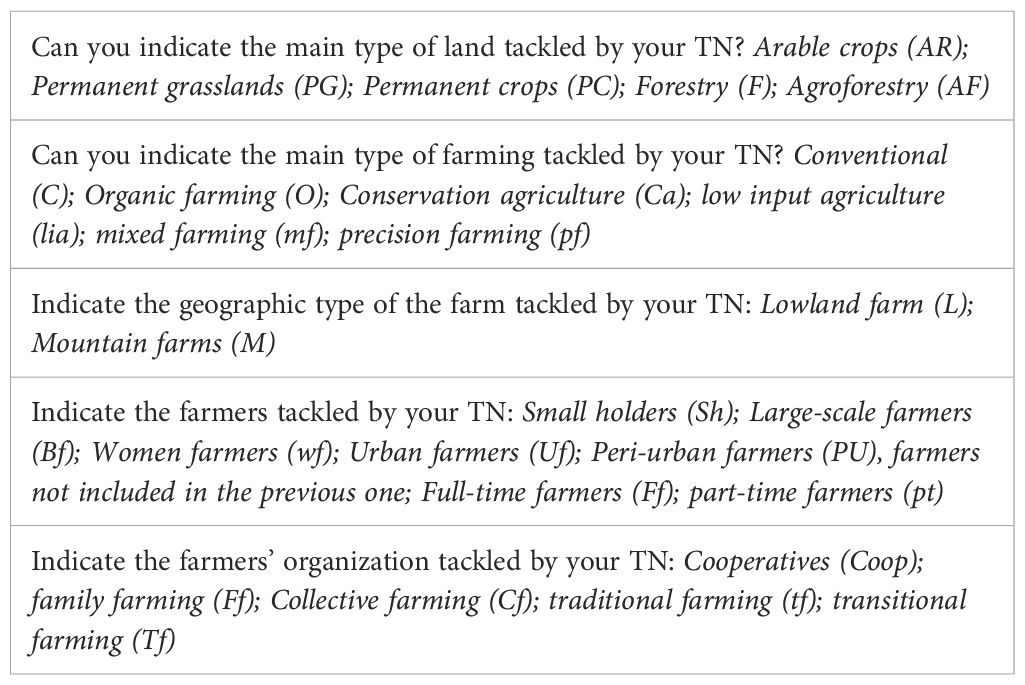
Table 2. Survey questions and answer options.
3 Results
At the time of this study, the average degree of execution of the 13 TNs dealing with livestock (permanent grassland) was higher than the 14 TNs addressing crops (arable crops and permanent crops), accounting for approximately 75% and 65% of the 3 years allocated for the achievement of their objectives, respectively. The mean time duration of the six forestry-related TNs was 39% of the lifetime, whereas this figure reached 88% for the five TNs considering agroforestry-related issues (Figure 1).
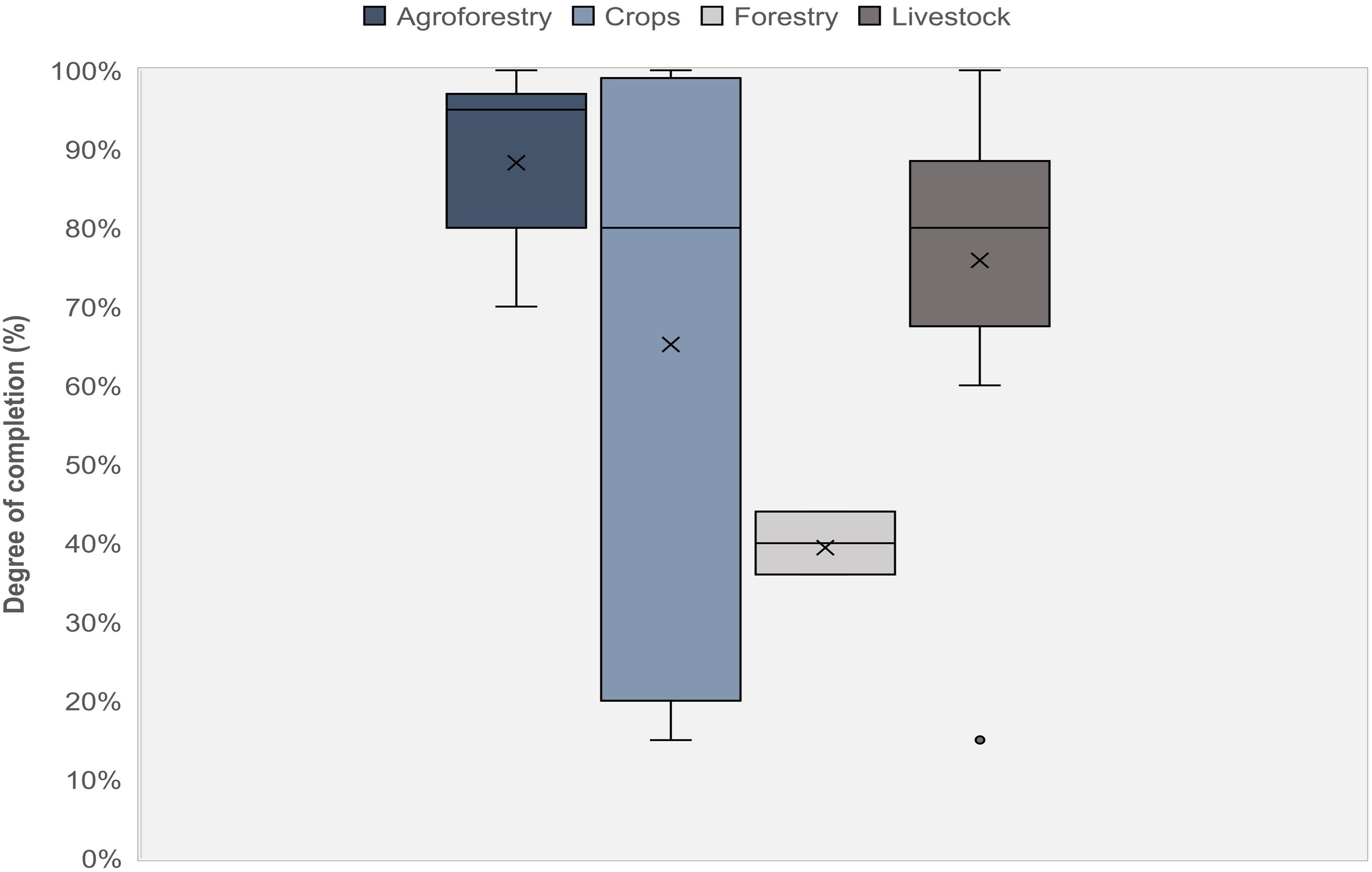
Figure 1. Thematic network degree of execution by topic expressed as box-plot diagram.
3.1 Geographic distribution
Countries coordinating TNs were mainly located in Western Europe. The United Kingdom has led the highest number of projects so far, followed by Spain, France, Belgium, and Germany (Figure 2). The number of partners involved in TNs was also higher in Western Europe compared to Eastern Europe.
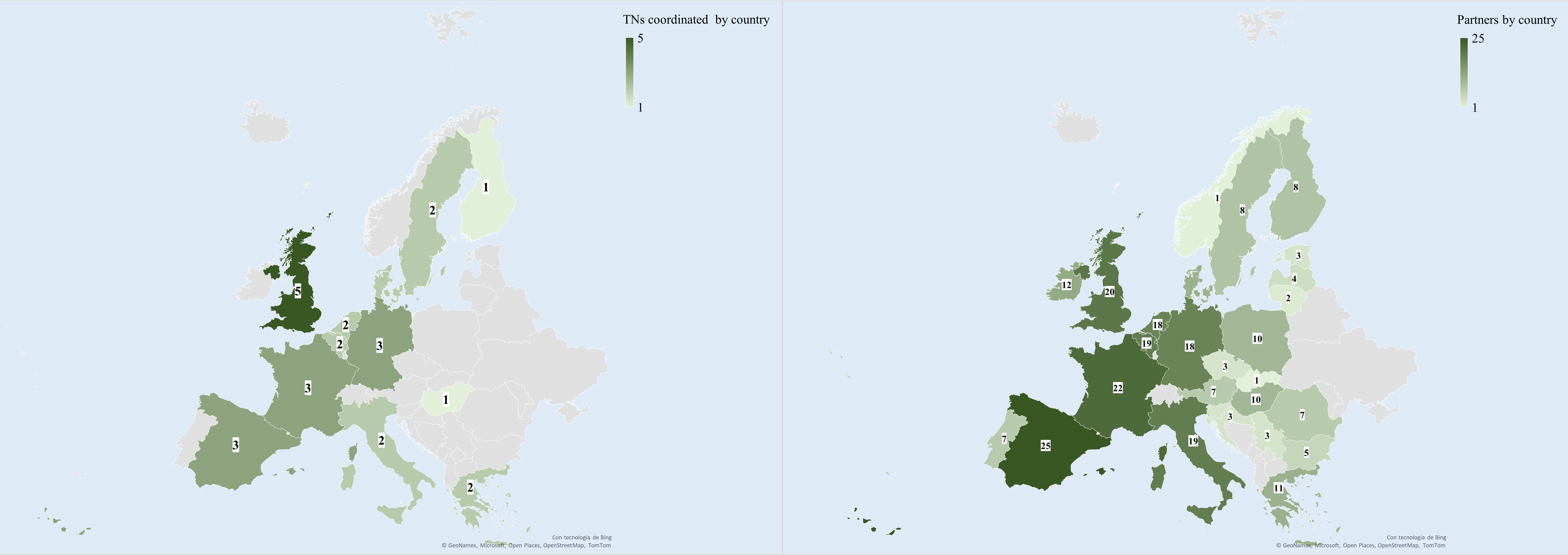
Figure 2. Number of thematic networks (TNs) coordinated by country (left) and number of partners involved in the TNs by country (right).
Out of all the TNs surveyed, 86% answered the question on their geographic distribution because they do not tackle specific geographic coverage. Around 68% of the TNs dealt with both lowland and mountain areas (Figure 3), therefore affecting both types of land. However, more than 26% and 5% of the TNs were exclusively associated with lowlands and mountain areas, respectively.
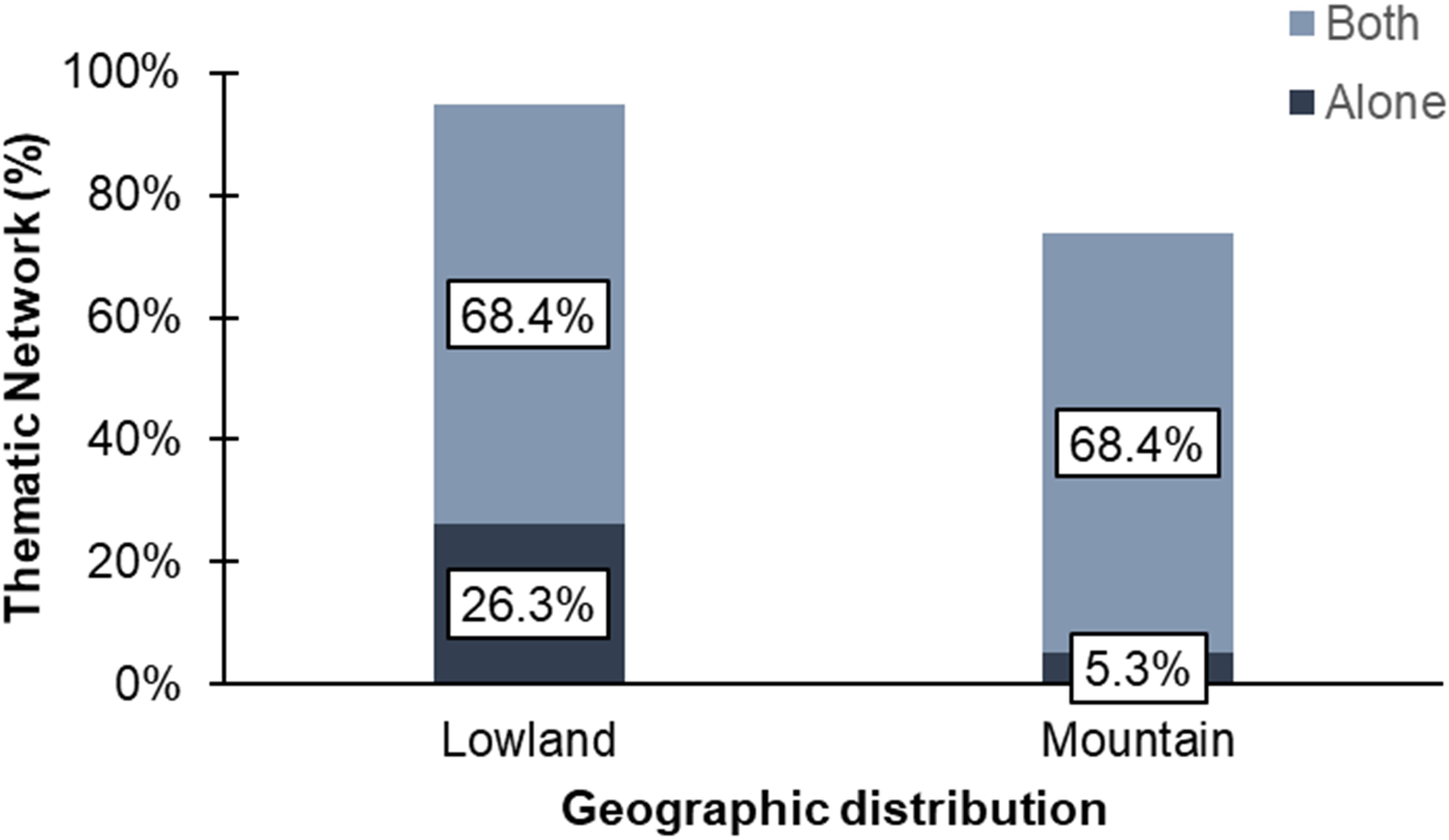
Figure 3. Geographic distribution of the thematic networks.
All TNs dealt with rural areas and some of them also with peri-urban (31.8%) and urban (22.7%) areas, thus connecting rural, peri-urban, and urban lands, which brings them in line with the bioeconomy and the agrifood system perspectives. The connection between the rural areas with the urban areas is based on the delivery of products produced and transformed in rural areas and their selling in the surrounding areas that were analyzed in these projects and are the basis for the bioeconomy concept.
3.2 Land use
The survey analysis from the TNs’ interviews and surveys revealed that most TNs were linked to arable lands and permanent crops, followed by permanent grasslands, agroforestry, and forestry land uses (Figure 4). Nevertheless, some TNs (13.6%) were not linked to any particular land use (e.g., those related to the value chain). TNs were quite focused on just one of the CAP land uses, as 63.6% of the TNs were dealing with just one land use, but over a third of them (36.3%) dealt with two or more types of the CAP land uses (arable lands, permanent grasslands, permanent grasslands, and permanent crops).
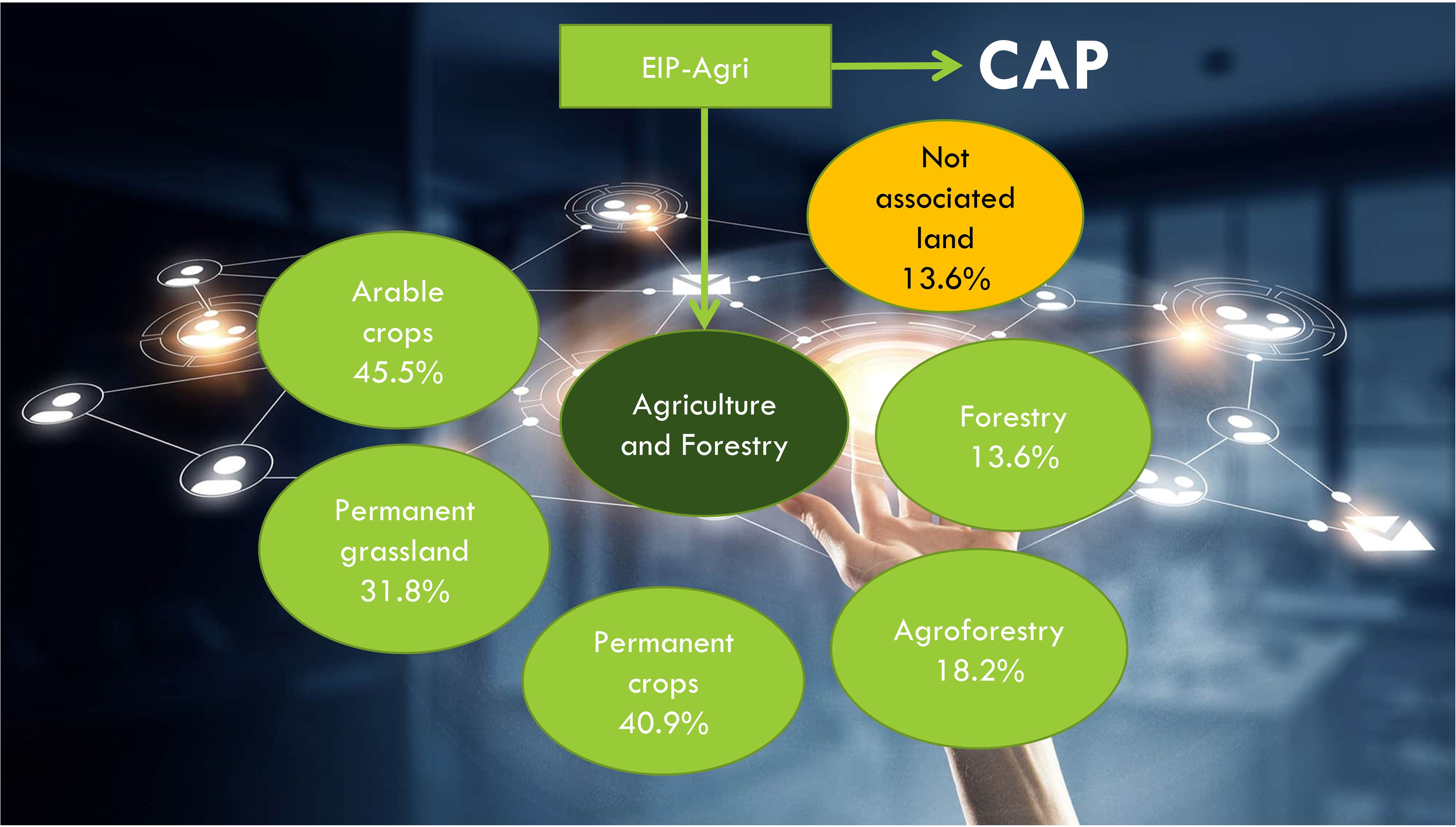
Figure 4. Percentage of Horizon 2020 thematic networks from the 2015–2018 period associated to the different CAP (arable crops, permanent grasslands, and permanent crops), agroforestry and forestry land uses.
Out of the 28 TNs considered for the study, only 25 gave an answer to the online survey, finding that the main topic addressed by arable crop TNs was related to irrigation water, whereas for permanent crops, the most relevant topics were those associated with vineyard pests and diseases. The permanent grasslands category involved high nature value farming and hens, whereas forestry mainly involved aspects related to the value chain.
3.3 Farming type
Close to 73% of the TNs dealt with both large and small farms, while only 13.6% and 4.5% worked exclusively with large and small farms, respectively (Figure 5). The related survey question was answered by 91% of the survey respondents. On the other hand, it was found that 54.5% of the TNs focused exclusively on transitional or conventional farming systems, and 45.5% worked in both transitional toward organic farming and conventional farming systems. All survey participants answered this question. TNs mainly tackled cooperatives, but also family and collective farming. However, few TNs were exclusively linked to only one of these farming systems, with 66.7% of the TNs addressing all three types of farming organizations mentioned (Figure 6).
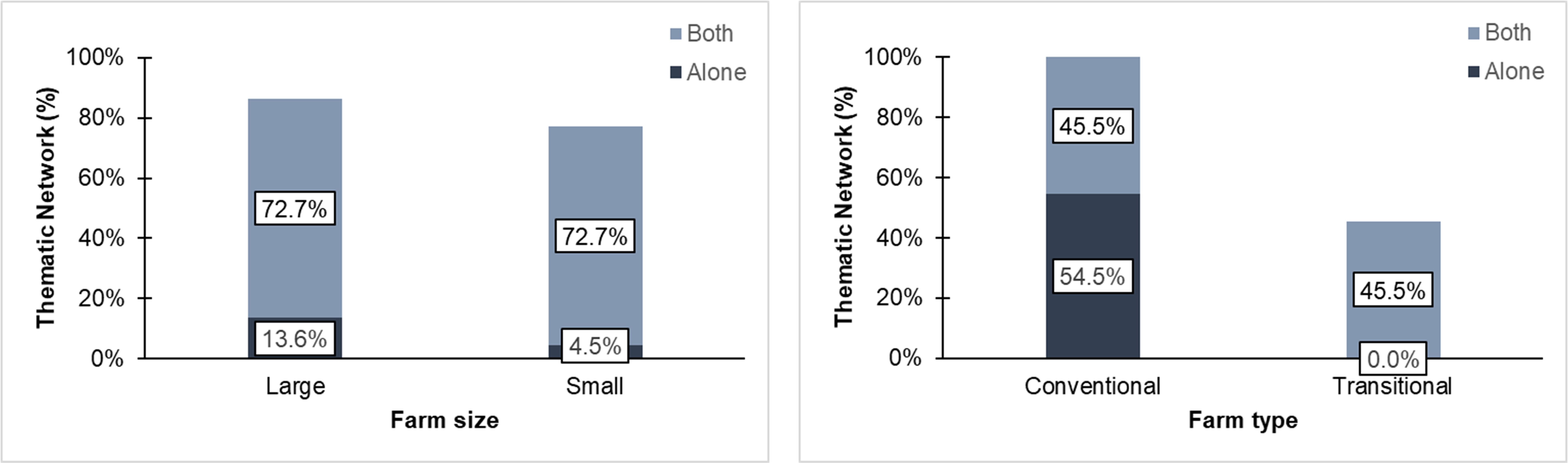
Figure 5. Proportion of thematic networks focusing on large/small (left) and conventional/transitional (right) farming systems.
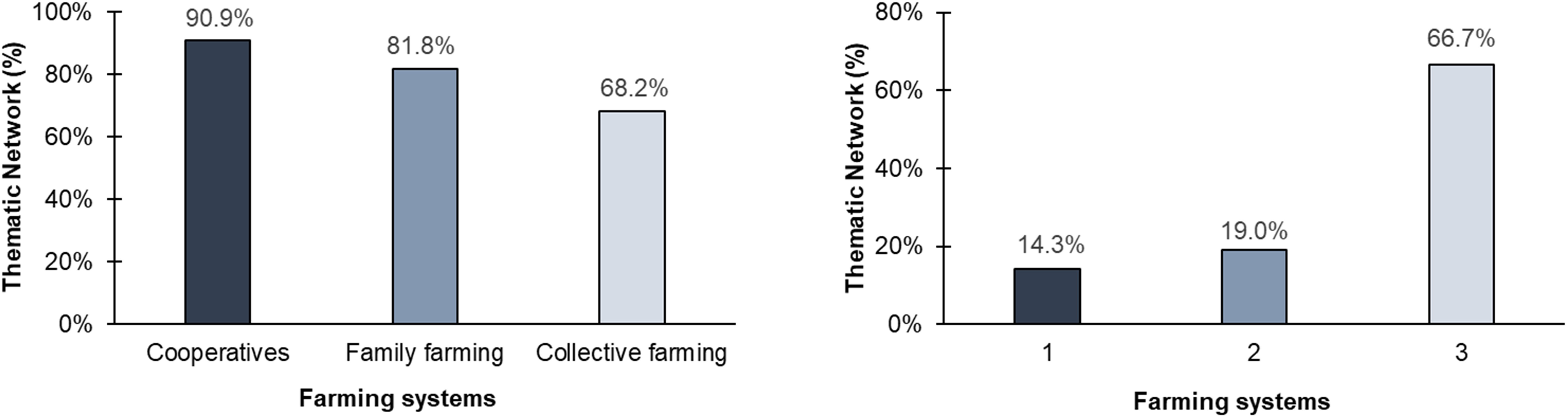
Figure 6. Proportion of thematic networks (TNs) engaged in cooperative, family, and collective farming (left) and number of TNs simultaneously approaching 1, 2, or 3 of the aforementioned farming systems (cooperatives, family farming, and collective farming) (right).
3.4 Farm workers
Regarding farmers’ working hours, 91% of the respondents answered this question. The responses show that TNs targeted both full-time and part-time farmers, and none of them dealt exclusively with part-time farmers. Regarding gender, 45.5% of the TNs dealt with both men and women, and 54.5% reported that they specifically addressed women as a target group (Figure 7).
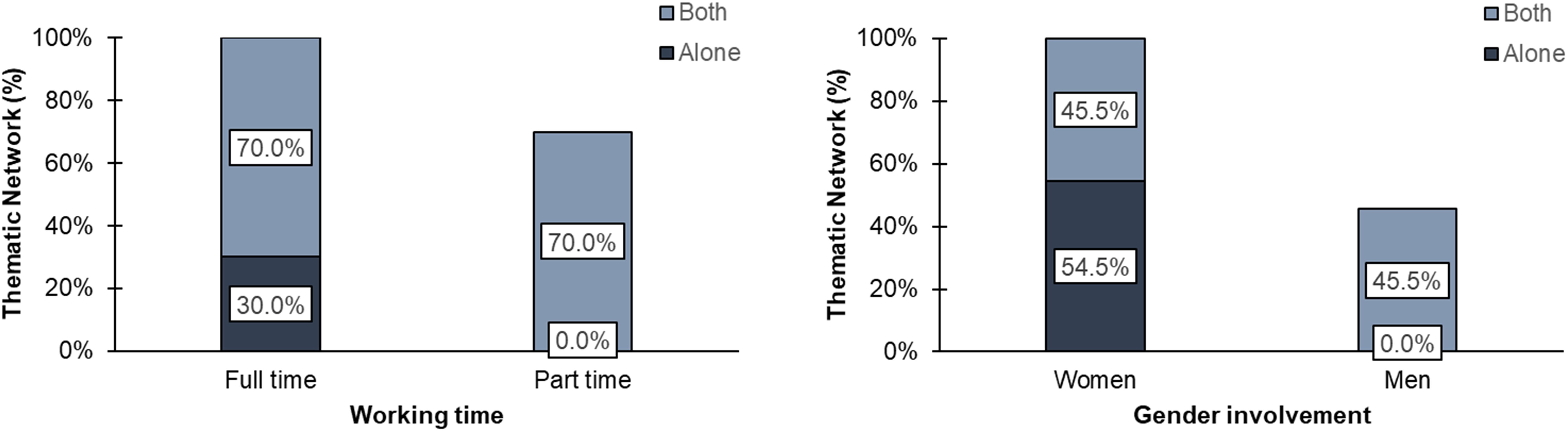
Figure 7. Percentage of thematic networks focusing on full-time/part-time (left) and gender (right).
3.5 Farm management
Most farming systems tackled by TNs were linked to conventional (72.7%), followed by organic, farming (63.3%), while less relevance was given to other types of farming systems, such as precision, mixed, conservation, and low-input farming systems (Figure 8). Most TNs were focused on one or two topics (mainly conventional and organic farming), followed by a small proportion that dealt simultaneously with three or more types of farming systems.
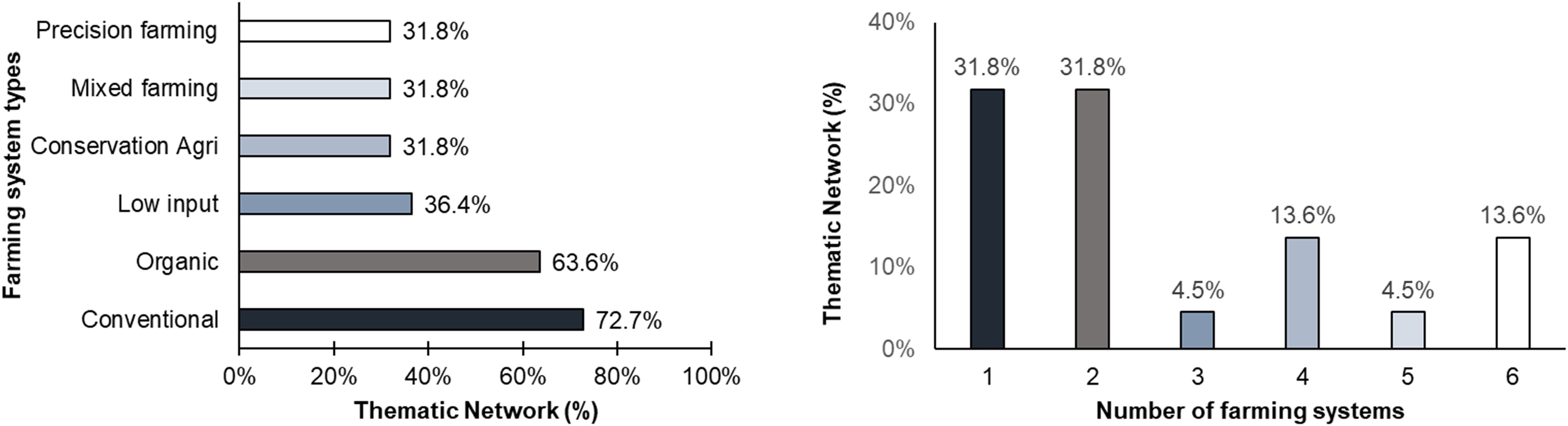
Figure 8. Types of farming systems (left) and number of farming system types simultaneously tackled by the different thematic networks (precision farming, mixed farming, conservation agriculture, low input, organic, conventional) (right).
3.6 Sustainability and policy gaps
EU TNs’ innovations approached a large number of territories and topics; however, some sustainability and policy gaps were detected (Table 3). TNs were mostly concentrated in Western Europe, while innovations in mountain areas remained understudied, and the rural–urban value chain interface innovations were rarely addressed. Moreover, innovations in certain land use and management were barely analyzed by most of the TNs, particularly in cases of agroforestry management and forest land use. Family farming innovations also require further evaluation by the TNs as well as cooperation innovations along the value chains. Finally, gender innovation aspects were largely approached by most of the TNs, while key farm management innovations such as digitalization, precision, mixed, conservation, and low-input farming were poorly addressed.
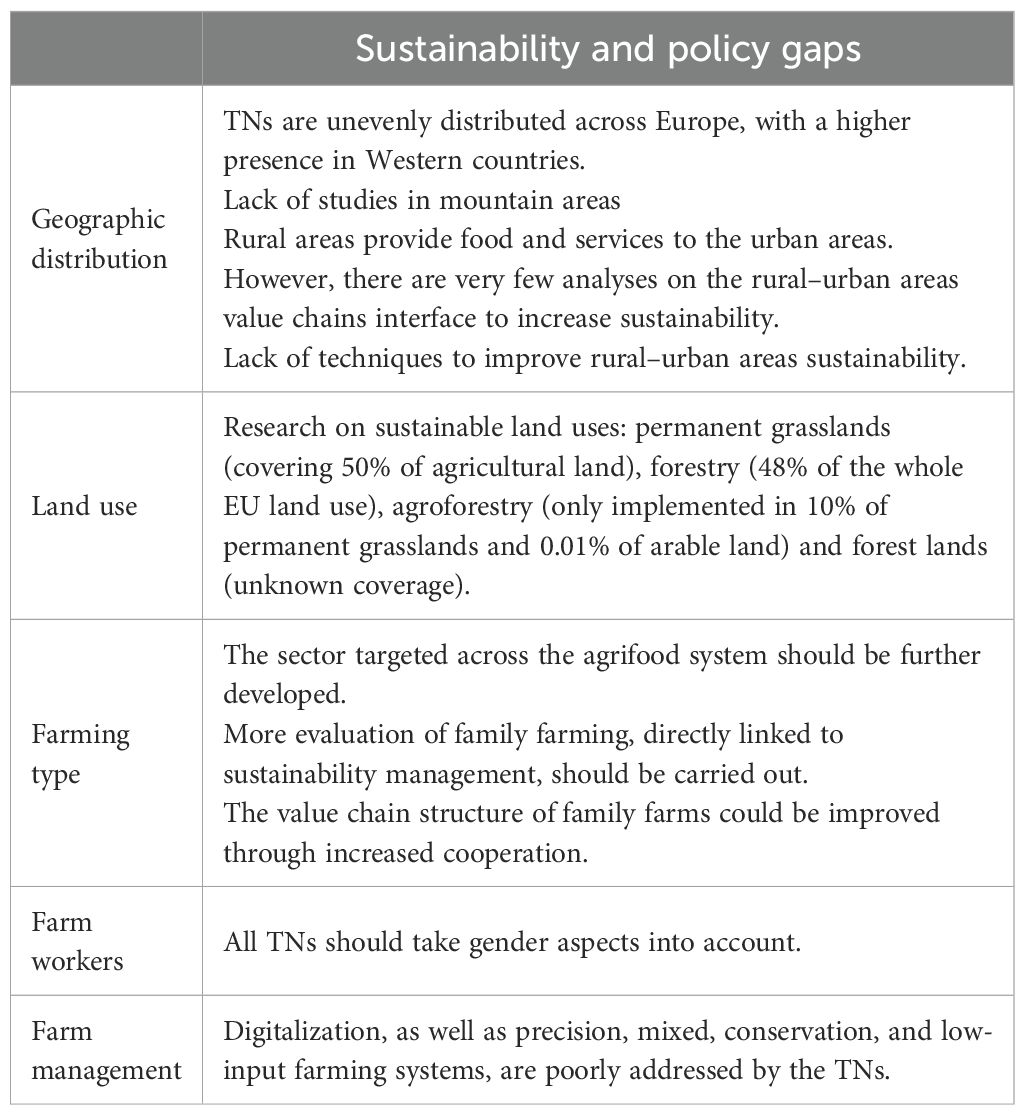
Table 3. Main sustainability and policy gaps identified in the coverage of EU thematic networks (TNs), considering geographic distribution, land use, farming type, farm workers, and farm management.
4 Discussion
All types of agricultural land uses declared by the EC as eligible to CAP direct payments (European Parliament and European Council, 2021) were already included in the development of TN innovation approved between 2015 and 2018. However, TNs focused more on intensively managed farmlands (arable and permanent crops) than on those with a lower degree of intensification (permanent grasslands). In this context, it is important to highlight that grassland occupies more than 40% of the EU’s utilized agricultural area, providing the highest proportion of biodiversity in Europe (Osoro et al., 2016; van den Pol-van Dasselaar et al., 2019). Similarly, the focus groups organized by the EIP-AGRI (2020b) had less representation of grazing systems and therefore of permanent grasslands. Both arable lands (Fonderflick et al., 2020) and permanent crops (Van Der Meer et al., 2020) are those types of lands receiving the highest proportion of herbicides, pesticides, and fertilizers across Europe and therefore with the greatest need to develop innovations to increase the sustainability of agriculture in Europe. Permanent grasslands, which are also eligible for direct payments and can be linked to animal production, have received less attention, probably due to the declining use of grazing as part of livestock farming systems (Schils et al., 2019) that was transformed into less sustainable livestock indoor systems. Moreover, most TNs focused on a single type of land use (either arable crops, permanent grasslands, forestry, or permanent crops), which limits the optimization of the efficiency of the mixed farming systems at the farm and landscape scale (EIP-AGRI, 2017). Moreover, TNs were mainly related to the farming techniques currently used by intensive agrifood systems. Therefore, TNs are linked to those types of land use that need more innovations in European farms to become more sustainable and, at the same time, ensure the farmers’ income. Agroforestry and forestry—which are activities mostly financed by Pillar II of the CAP and therefore receive payments based on the fulfilment of certain types of farming practices, but not on direct payments—were less relevant for the TNs. Therefore, it can be concluded that TNs focused on those highly demanding issues linked to the current GREEN Deal and the CAP objectives associated with the agroecology principles that lead the transition toward land use sustainability, without considering sustainable mixed practices such as agroforestry. This focus is in line with the mission-oriented agricultural innovation systems approach (Klerkx and Begemann, 2020), enabling the design of more effective, context-sensitive strategies that bridge local actions with broader societal objectives (Uyarra et al., 2025) to better scale up innovations (Schut et al., 2013; 2020).
On the other hand, most of the topics addressed by the TNs were linked to lowlands and highlands despite the fact that mountain areas represent 36% of the EU area (Drexler et al., 2016). Moreover, it has been noticed that relevant challenges in the less-favored and marginal lands as part of the highlands must be overcome to increase the potential of the highlands as a food supplier for the growing European population.
All TNs focused on rural areas due to their focus on EIP-AGRI sectors, but more than 25% of TNs linked their activity also to urban and periurban areas. The connection between rural areas with periurban areas ensures the sustainability and circularity of the European bioeconomy, which will promote the modernization of the primary production systems, ensure environmental protection, and enhance biodiversity (European Commission, 2018) through the development of short-value chains. Furthermore, in 2012, 51.3% of EU’s land area was classified as predominantly rural, giving home to 22.2% of the European population and providing food, raw materials, environmental goods, and jobs (Eurostat, 2017). These rural areas should support short-value chains in Europe to enhance sustainable farming, as these chains increase the farmers’ share of added value, strengthen local economies, reduce food distribution’s carbon footprint, and support the viability of small enterprises (Markuszewska et al., 2012). This became especially relevant with the onset of the COVID-19 pandemic.
This study also found that EU-funded TNs considered both small and large farms that represent 70% and 15% of European farms, respectively (Eurostat, 2016), and also those related to both transitional farming systems (such as organic farming) with a share of 7.5% of European farms (European Commission, 2019b) and conventional farming systems. TNs also took into account the management unit, as they targeted family farms, cooperative farms, or collective farms. In general, farm size type and management were well addressed by most TNs, which is a key point for European agriculture to move toward more sustainable farming systems. The organizational basis of the farms in Europe was also adequately addressed by most TNs, as they took into account all of these types of farm organization, including family farming (representing 95.2% of EU) (Eurostat, 2020), cooperative farming (comprising approximately 21,769 cooperatives with more than 6 million members) (COPA-COGECA, 2014), and collective farming. Similarly, TNs adequately considered work time and gender, as they all targeted full-time farmers, who are key to family farms (Davidova and Thomson, 2014), and women specifically, who currently manage 30% of European farms (Franić and Kovačićek, 2019).
On the opposite side, this study identified several innovation knowledge gaps that were poorly addressed by the TNs. These included innovations related to sustainable land use practices that combine perennial woody plants (trees and/or shrubs) with agricultural production—i.e., agroforestry—and less favored areas (such as mountain areas that host much of Europe’s biodiversity) currently highlighted by the Biodiversity and Forest Strategies and the recently approved Restoration Directive. Innovations linked to circular economy and bioeconomy strategies were poorly approached, with a few TNs dealing with the relationship analysis between agroecosystems and value chains as a means to provide the full food system integration and better understanding of the connections between agricultural and urban areas. Agroforestry practice innovations were mostly not tackled in most TNs despite the fact that they can be implemented in any of the land cover types (permanent grassland, permanent crops, arable crops, and forestry) to foster sustainability. It is important to note that agroforestry practices are recognized by the Intergovernmental Panel on Climate Change (IPCC, 2018) as one of the most effective tools for mitigating and adapting farming systems to climate change, as highlighted in most of the EU strategies. Moreover, promoting land use innovation systems such as agroecology and/or agroforestry should be closely linked to innovative value chains, ensuring farm resilience by providing stable income from different products and acknowledging the initial effort required to implement sustainable practices (Mosquera-Losada and Prabhu, 2019).
Finally, the sustainable farm transition should be understood as a whole, considering the adequate development of business models and business plans that foster the sale of food and sustainably produced raw material. It should also be based on the transformation of products to increase added value, following the principles of bioeconomy and circular economy. Attending to the European Commission (2018), the bioeconomy should be based on three key aspects such as the development of new technologies and processes for the bioeconomy as well as markets and competitiveness in the bioeconomy sectors in addition to driving policy makers and stakeholders to collaborate more closely, while the circular economy is based on principles linked to waste and pollution design, keeping products and materials in use and regenerating natural systems. Unfortunately, none of the TNs specifically dealt with these issues, but some of them addressed certain aspects of bioeconomy and circular economy in some of the innovations developed.
5 Conclusion
TNs, considered as crucial for fostering agricultural innovation in Europe, mainly targeted the farms that needed more innovation (arable lands), all kinds of relevant farm typologies (small/large, family farms/cooperatives, conventional/organic), and somehow rural–urban area connectivity. However, more attention should be paid to sustainable practices linked to value chains/bioeconomy/circular economy and also different types of mixed management techniques (agroforestry) and less productive territories (i.e., mountains), those related to less favored areas or marginal lands. Future TNs should be focused on all EU territories able to provide relevant ecosystem services and to mixed farming systems management approaches associated with agroecology and agroforestry. Moreover, they should analyze the linkages between the territory and the products to be delivered considering soil health, product safety, and short-value chains. A holistic approach that considers the territory interconnections is essential to provide better insights to policy makers for them to develop mission-oriented innovation policies able to lead the transformation of EU farming systems toward high levels of sustainability.
Data availability statement
The raw data supporting the conclusions of this article will be made available by the authors, without undue reservation.
Ethics statement
The studies involving human participants were reviewed and approved by the Ethics Committee of Ghent University. Written informed consent to participate in this study was provided by the participants.
Author contributions
MM-L: Writing – review & editing, Writing – original draft. DA-M: Writing – review & editing. MT-I: Writing – review & editing. FR-R: Writing – review & editing. JS-F: Writing – review & editing. AC-V: Writing – review & editing. SB: Writing – review & editing. EF: Writing – review & editing. PS: Writing – review & editing. AR-R: Writing – review & editing. JF-L: Writing – review & editing. MG-H: Writing – review & editing. RR-F: Writing – review & editing. NF-D: Writing – review & editing, Supervision.
Funding
The author(s) declare financial support was received for the research and/or publication of this article. This work was supported by the European Union’s research and innovation programmes: Horizon 2020 (EURAKNOS with grant agreement No 817863 and AE4EU with grant agreement No 101000478) and Horizon Europe (AF4EU with grant agreement No 101086563 and FOREST4EU with grant agreement No 101086216). Nuria Ferreiro-Domínguez was funded by the Pilot Program of the University of Santiago de Compostela (USC) for the hiring of distinguished research staff—call 2021, funded under the collaboration agreement between USC and Banco Santander, for the years 2021–2024. Francisco Javier Rodríguez-Rigueiro was supported by the Spanish Ministry of Universities through the “Convocatoria de Recualificación del Sistema Universitario Español” on its modality “Margarita Salas”; Ministry of Universities- Recovery Transformation and Resilience Plan (funded by the European Union through the NextGenerationEU).
Acknowledgments
The authors would like to thank Divina Vázquez-Varela, Pablo Fernández-Paradela, Teresa Piñeiro-López, and Manuel Cotado-Rodríguez for their help with data management.
Conflict of interest
The authors declare that the research was conducted in the absence of any commercial or financial relationships that could be construed as a potential conflict of interest.
The author(s) declared that they were an editorial board member of Frontiers, at the time of submission. This had no impact on the peer review process and the final decision.
Generative AI statement
The author(s) declare that no Generative AI was used in the creation of this manuscript.
Any alternative text (alt text) provided alongside figures in this article has been generated by Frontiers with the support of artificial intelligence and reasonable efforts have been made to ensure accuracy, including review by the authors wherever possible. If you identify any issues, please contact us.
Publisher’s note
All claims expressed in this article are solely those of the authors and do not necessarily represent those of their affiliated organizations, or those of the publisher, the editors and the reviewers. Any product that may be evaluated in this article, or claim that may be made by its manufacturer, is not guaranteed or endorsed by the publisher.
References
Concu G. B., Atzeni G., Meleddu M., and Vannini M. (2020). Policy design for climate change mitigation and adaptation in sheep farming: Insights from a study of the knowledge transfer chain. Environ. Sci. Policy 107, 99–113. doi: 10.1016/j.envsci.2020.02.014
COPA-COGECA (2014). Development of agricultural cooperatives in the EU, Cogeca, Brussels, 386 pp. Available online at: https://www.europarl.europa.eu/meetdocs/2014_2019/documents/agri/dv/copa-cogecareport_/copa-cogecareport_en.pdf (Accessed September 15, 2025)
Cradock-Henry N. A., Blackett P., Hall M., Johnstone P., Teixeira E., and Wreford A. (2020). Climate adaptation pathways for agriculture: Insights from a participatory process. Environ. Sci. Policy 107, 66–79. doi: 10.1016/j.envsci.2020.02.020
Dalkey N. and Helmer O. (1963). An experimental application of the DELPHI method to the use of experts. Management science 9 (Institute for Operations Research and the Management Sciences (INFORMS) 9 (3), 458–467. doi: 10.1287/mnsc.9.3.458
Davidova S. and Thomson K. (2014). Family farming and prospects: challenges and prospects. Available online at: https://www.europarl.europa.eu/RegData/etudes/note/join/2014/529047/IPOL-AGRI_NT(2014)529047_EN.pdf (Accessed September 15, 2025).
Drexler C., Braun V., Christie D., Claramunt B., Dax T., Jelen I., et al. (2016). Mountains for europe’s future: A strategic research agenda. doi: 10.13140/RG.2.1.2903.1282
EIP-AGRI (2017). Mixed farming systems: livestock/cash crops (Brussels: European Commission). Available online at: https://ec.europa.eu/eip/agriculture/sites/default/files/fg16_mixed_farming_final-report_2017_en.pdf (Accessed September 15, 2025).
EIP-AGRI (2020a). The EIP-AGRI is part of EU’s growth strategy for this decade. Available online at: https://ec.europa.eu/eip/agriculture/en/about/eip-agri-part-eu%E2%80%99s-growth-strategy-decade.html (Accessed September 15, 2025).
EIP-AGRI (2020b). EIP-AGRI Operational Groups – basic principles. Available online at: https://ec.europa.eu/eip/agriculture/en/eip-agri-operational-groups-%E2%80%93-basic-principles.html#:~:text=The%20types%20of%20projects%20or,in%20harmony%20with%20the%20essential (Accessed September 15, 2025).
European Commission (2018). A sustainable Bioeconomy for Europe: Strengthening the connection between economy, society and the environment Updated Bioeconomy Strategy, Brussels. doi: 10.2777/792130
European Commission (2019a). The european green deal. COM/2019/640 final (Brussels: European Commission). https://eur-lex.europa.eu/legal-content/EN/TXT/?uri=celex:52019DC0640 (Accessed September 15, 2025).
European Commission (2020b). A Farm to Fork Strategy for a fair, healthy and environmentally-friendly food system. COM/2020/381 final (Brussels: European Commission). https://eur-lex.europa.eu/legal-content/EN/TXT/?uri=celex:52020DC0381 (Accessed September 15, 2025).
European Commission (2021). EU Biodiversity Strategy for 2030. Bringing nature back into our lives (Brussels: Publications Office of the European Union). doi: 10.2779/677548
European Parliament, and European Council (2021). Regulation (EU) 2021/2115 of the european parliament and of the council of 2 December 2021 establishing rules on support for strategic plans to be drawn up by Member States under the common agricultural policy (CAP Strategic Plans) and financed by the Eur. Off. J. Eur. Union.
Eurostat (2016). Small and large farms in the EU - statistics from the farm structure survey - Statistics Explained. Available online at: https://ec.europa.eu/eurostat/statistics-explained/index.php?title=Farm_structure_survey_%E2%80%93_survey_coverage (Accessed September 15, 2025).
Eurostat (2017). Rural development statistics by urban-rural typology. Available online at: https://ec.europa.eu/eurostat/statistics-explained/index.php?title=Glossary:Urban-rural_typology (Accessed September 15, 2025).
Eurostat (2020). Agriculture statistics - family farming in the EU. Available online at: https://ec.europa.eu/eurostat/statistics-explained/index.php?title=Agriculture_statistics_-_family_farming_in_the_EU (Accessed September 15, 2025)
FAO (2014). Building a common vision for sustainable food and agriculture. Principles and approaches. Am. J. Eval. (Rome, Italy) 4.
FAO. (2018). FAO’s work on agricultural innovation. Sowing the seeds of transformation to achieve the SDGs. Available online at: https://openknowledge.fao.org/server/api/core/bitstreams/0225024c-ff5e-42a1-b25d-72a67b8e06be/content (accessed 15 September 2025).
FAO and ITPS (2015). Status of the world’s soil resources (SWSR) - main report (Rome, Italy: Food and Agriculture Organization of the United Nations and Intergovernmental Technical Panel on Soils).
Feo E., Spanoghe P., Berckmoes E., Pascal E., Mosquera-Losada R., Opdebeeck A., et al. (2022). The multi-actor approach in thematic networks for agriculture and forestry innovation. Agric. Food Economics 10, 3. doi: 10.1186/S40100-021-00209-0
Fonderflick J., Besnard A., Chardès M. C., Lanuzel L., Thill C., and Pointereau P. (2020). Impacts of agricultural intensification on arable plants in extensive mixed crop-livestock systems. Agriculture Ecosyst. Environ. 290, 106778. doi: 10.1016/j.agee.2019.106778
Franić R. and Kovačićek T. (2019). The professional status of rural women in the EU (Brussels: Policy Department for Citizens’ Rights and Constitutional Affairs).
Hall A., Janssen W., Pehu E., and Rajalahti R. (2006). Enhancing Agricultural Innovation: how to go beyond the strengthening of research systems (Washington, DC 2: The World Bank). doi: 10.1596/978-0-8213-6741-4
IPCC (2018). “Summary for policymakers,” in Global warming of 1.5 °C. An IPCC Special Report on the impacts of global warming of 1.5 °C above pre-industrial levels and related global greenhouse gas emission pathways, in the context of strengthening the global response to the threat of climate change. Eds. P. R. Masson-Delmotte V., Zhai P., Pörtner H. O., Roberts D., Skea J., M. I. Pirani A., Moufouma-Okia W., Péan C., Pidcock R., Connors S., Matthews J. B. R., Chen Y., Gomis X., Maycock T., and Tignor M. (World Meteorological Organization, Geneva, Switzerland).
Jones A., Panagos P., Barcelo S., Bouraoui F., Bosco C., Dewitte O., et al. (2012). State of soil in europe (European Environment Agency, Luxembourg: Publications Office of the European Union). doi: 10.2788/77361
Klerkx L. and Begemann S. (2020). Supporting food systems transformation: The what, why, who, where and how of mission-oriented agricultural innovation systems. Agric. Syst. 184, 102901. doi: 10.1016/j.agsy.2020.102901
Lioutas E. D. and Charatsari C. (2020). Smart farming and short food supply chains: Are they compatible? Land Use Policy 94, 104541. doi: 10.1016/j.landusepol.2020.104541
Lynde R. (2020). Innovation & entrepreneurship driving food system transformation. Physiol. Behav. 220, 112866. doi: 10.1016/j.physbeh.2020.112866
Markuszewska A., Prior A., Strano A., Bálint B., Midoux B., Bros C., et al. (2012). Local food and short supply chains. EU rural review, Brussels.
Mosquera-Losada M. R. and Prabhu R. (2019). Agroforestry for sustainable agriculture. Agroforestry Sustain. Agric. Burleigh Dodds Science Publishing, London, 540 pp. doi: 10.1201/9780429275500
Osoro K., Iman B., Ónega Q., and Schreuder R. (2016). EIP-AGRI Focus Group. Profitability of permanent grassland. Final report (Brussels: European Commission). Available online at: https://ec.europa.eu/eip/agriculture/sites/default/files/eipagri_fg_permanent_grassland_final_report_2016_en.pdf (Accessed September 15, 2025).
Schils, Philipsen, Hoekstra, Holshof, Zom, Hoving, et al. (2019). Amazing grazing: A public and private partnership to stimulate grazing practices in intensive dairy systems. Sustainability 11 (20), 5868. doi: 10.3390/su11205868
Schut M., Leeuwis C., and Thiele G. (2020). Science of Scaling: Understanding and guiding the scaling of innovation for societal outcomes. Agric. Syst. 184, 102908. doi: 10.1016/j.agsy.2020.102908
Schut M., van Paassen A., and Leeuwis C. (2013). Beyond the research–policy interface. Boundary arrangements at research–stakeholder interfaces in the policy debate on biofuel sustainability in Mozambique. Environ. Sci. Policy 27, 91–102. doi: 10.1016/j.envsci.2012.10.007
Sial A. K., Shankar T., Praharaj S., Sahoo U., and Maitra S. (2021). Intensive farming: it’s effect on the environment. Indian J. Natural Sci. 12, 8.
Skaalsveen K., Ingram J., and Urquhart J. (2020). The role of farmers’ social networks in the implementation of no-till farming practices. Agric. Syst. 181, 102824. doi: 10.1016/j.agsy.2020.102824
Sulaiman R. V. (2015). Agricultural innovation systems. Note 13. GFRAS good practice notes for extension and advisory services (Lindau, Switzerland: GFRAS).
Uyarra E., Bugge M. M., Coenen L., Flanagan K., and Wanzenböck I. (2025). Geographies of mission-oriented innovation policy. Environ. Innovation Societal Transitions 56, 100970. doi: 10.1016/j.eist.2025.100970
van den Pol-van Dasselaar A., Bastiaansen-Aantjes L., Bogue F., O’Donovan M., and Huyghe C. (2019). Grassland use in Europe. Éditions Quæ. Available online at: https://library.oapen.org/handle/20.500.12657/22795?utm_source=chatgpt.com (Accessed August 14, 2025).
Keywords: agriculture, knowledge sharing, adoption, co-innovation, farming
Citation: Mosquera-Losada MR, Arias-Martínez D, Taboada-Iglesias MJ, Rodríguez-Rigueiro FJ, Santiago-Freijanes JJ, Couso-Viana A, Burssens S, Feo E, Spanoghe P, Rigueiro-Rodríguez A, Fernández-Lorenzo JL, González-Hernández MP, Romero-Franco R and Ferreiro-Domínguez N (2025) The EIP-AGRI thematic networks: fostering innovation in Europe. Front. Agron. 7:1595025. doi: 10.3389/fagro.2025.1595025
Received: 17 March 2025; Accepted: 01 September 2025;
Published: 02 October 2025.
Edited by:
Vijay Singh Meena, Indian Agricultural Research Institute (ICAR), IndiaReviewed by:
Shubham Durgude, International Maize and Wheat Improvement Center, MexicoNeela Madhav Patnaik, ICAR - Mahatma Gandhi Integrated Farming Research Institute, India
Copyright © 2025 Mosquera-Losada, Arias-Martínez, Taboada-Iglesias, Rodríguez-Rigueiro, Santiago-Freijanes, Couso-Viana, Burssens, Feo, Spanoghe, Rigueiro-Rodríguez, Fernández-Lorenzo, González-Hernández, Romero-Franco and Ferreiro-Domínguez. This is an open-access article distributed under the terms of the Creative Commons Attribution License (CC BY). The use, distribution or reproduction in other forums is permitted, provided the original author(s) and the copyright owner(s) are credited and that the original publication in this journal is cited, in accordance with accepted academic practice. No use, distribution or reproduction is permitted which does not comply with these terms.
*Correspondence: María Rosa Mosquera-Losada, bXJvc2EubW9zcXVlcmEubG9zYWRhQHVzYy5lcw==