 Solomon Asante-Okyere
 Rhoda Afriyie Mensah
 Joakim Sandström
 Michael Försth1
- 1Fire Technology, Department of Civil, Environmental and Natural Resources Engineering, Luleå University of Technology, Luleå, Sweden
- 2Department of Petroleum and Natural Gas Engineering, University of Mines and Technology, Tarkwa, Ghana
The safe operation of hydrogen pipelines and storage tanks is essential for the development of a sustainable hydrogen economy. However, these systems are exposed to significant risks that must be effectively managed to prevent hazardous outcomes. The present study therefore assessed the hazards and risks associated with hydrogen transport through pipelines and storage in tanks using the preliminary hazard analysis (PreHA) on the Hydrogen Incident and Accident Database (HIAD2.1), developed as part of the European Network of Excellence, HySafe. This database reports 34 accidents involving pipelines and 28 accidents involving storage tanks over the past 5 decades. The outcomes of these incidents vary, as majority of pipeline incidents led to fires, whereas storage tank failures were more likely to escalate into explosions. Other reported consequences in both pipeline and storage tanks included leaks with no ignition and near misses which are incidents that did not cause harm but had the potential to escalate into serious accidents. The PreHA analysis further identified corrosion and welding related issues as the main hazards for pipelines, while storage tanks were more often affected by operational failures as well as corrosion. Less frequent but high-impact event of natural disasters also posed catastrophic risks to both systems. Specific to pipeline integrity, it was observed that civil/construction work had a rare but notable impact. The findings of this study provide insights into the critical vulnerabilities of hydrogen pipelines and storage tanks and highlight the need for continuous improvement in safety management practices.
1 Introduction
Hydrogen is the lightest and most abundant element in the universe, but on Earth it is almost always found in chemical compounds such as water or hydrocarbons and must therefore be produced through processes such as electrolysis or steam methane reforming. The International Energy Agency expects that low-emissions hydrogen production now has the potential to reach up to 37 million tonnes per year by 2030 (International Energy Agency, 2025; International Energy Agency, 2023). The majority of this demand continues to come from traditional uses such as refining and chemical processing, yet demand from new applications including transport, high temperature industrial heat, power generation and steel production is expanding quickly even though it still represents less than one percent of total hydrogen consumption. This growing momentum combined with strong policy initiatives has driven significant investment in hydrogen infrastructure, with governments and industries developing new pipelines and repurposing natural gas networks. These developments highlight hydrogen’s role not only as a clean fuel and industrial feedstock but also as a strategic cornerstone for building resilient low carbon energy systems.
Transporting and storing hydrogen for new applications present significant technical and safety challenges that must be overcome to enable its widespread adoption. The modification of existing infrastructure is often required, as hydrogen can cause material degradation through embrittlement and fatigue, raising concerns about the long-term durability of pipelines and storage tanks. Leak detection is also more complex because hydrogen lacks distinct odorants, and its small molecular size allows it to escape more readily than other gases. In addition, hydrogen’s relatively low energy density means that it requires higher levels of compression or liquefaction, which introduces both added costs and stricter engineering requirements compared to conventional fuels. Hydrogen can be transported and stored in several forms, including compressed gas in high-pressure cylinders, liquid hydrogen at cryogenic temperatures, and chemical carriers such as ammonia or liquid organic hydrogen carriers (LOHCs), each presenting its own advantages and engineering challenges. These challenges are due to hydrogen having a very low boiling point and density, extremely low ignition energy, a wide flammability range, and a high burning velocity (Mehmood and Maka, 2025; Xie et al., 2024). These characteristics not only increase the risk of accidental ignition but also demand robust safety protocols, careful material selection, and advanced monitoring systems when transporting hydrogen through pipelines or storing it in large-scale facilities.
Hydrogen safety and the associated hazards have been the subject of extensive research. Rigas and Amyotte, (2013) conducted a comprehensive analysis of hydrogen properties and the safety risks related to its handling, providing foundational insights into hydrogen hazards. Building on this, Xie et al. (2024) reviewed recent developments in hydrogen storage and transport technologies, including compressed gaseous hydrogen (CGH2), cryogenic liquid hydrogen (LH2), and solid-state storage methods. They highlighted persistent challenges such as low storage density and high costs, while emphasizing the importance of emerging technologies, interdisciplinary collaboration, and policy support for realizing hydrogen’s role in the clean energy transition.
The transport and storage of hydrogen have been explored in the context of material properties and infrastructure. Aziz, (2021) examined liquid hydrogen (LH2), focusing on liquefaction technologies, storage and transportation techniques, and the relevant safety standards. Challenges highlighted include the extremely low temperature of LH2 and the ortho-to-para hydrogen conversion, underscoring the need for efficient liquefaction, robust infrastructure, and regularly updated safety protocols for large-scale deployment. Tian and Pei, (2023) assessed the implications of transporting hydrogen-blended natural gas through existing pipelines, analyzing issues related to pipe compatibility, blending ratios, and safety risks such as leaks, accumulation, combustion, and explosion. They also reviewed integrity management practices and identified gaps in current standards, offering recommendations to improve pipeline safety and risk assessment.
The effects of hydrogen on pipeline materials have been further investigated. Lowesmith and Hankinson, (2012) found that hydrogen–natural gas mixtures produced higher total heat loads (about 15% higher) compared to pure natural gas in jet fire tests. Their study concluded that while mixtures with up to 24% hydrogen can be reasonably represented by natural gas correlations for transmission pipeline risk assessments, higher heat loads should be accounted for in process or storage site assessments where flame interaction with equipment may occur. Conversely, Stolecka, (2018) reported that adding hydrogen to natural gas networks can reduce the mechanical strength of steel and increase corrosion risk, highlighting potential material integrity concerns.
Hydrogen-related incidents have been recorded in a publicly accessible dataset known as the Hydrogen Incidents and Accidents Database (HIAD). This comprehensive repository collects reports of industrial accidents involving hydrogen and its derivatives. HIAD was originally developed by the European Commission Joint Research Center (JRC) within the framework of the Network of Excellence on Hydrogen Safety (HySafe) from 2004 to 2009 (The hydrogen incident and accidents, 2023) and has been continuously maintained and updated by JRC experts. All newly submitted events are reviewed and validated before being made publicly accessible. The primary objective of HIAD is to enable the exchange of lessons learned from hazardous hydrogen-related events, thereby supporting improved risk awareness and the prevention of similar incidents in the future (Kirchsteiger, 2007).
Campari et al. (2023) analyzed 628 hydrogen-related industrial incidents from the publicly available HIAD 2.0 database using a Bayesian Analysis (BA) approach. The study systematically examined incident distribution across sectors, countries, and facility types, demonstrating the utility of BA for safety data management and multi-variable analysis. The authors highlighted that hydrogen-induced material failures, particularly hydrogen embrittlement were significant contributors to incidents. Many of these failures could have been prevented through tailored inspection plans and attention to critical points such as welds and joints. The study emphasized the need for multidisciplinary collaboration between materials science and reliability, availability, maintainability, and safety (RAMS) engineering and recommended incorporating hydrogen-specific degradation mechanisms, such as embrittlement, into Risk-Based Inspection (RBI) methodologies for emerging hydrogen infrastructure. Badia et al. (2024) conducted a comprehensive review and analysis of hydrogen-related incidents recorded in HIAD 2.0, focusing on risks across the entire hydrogen value chain, including production, storage, distribution, and industrial applications. Key operations such as hydrogen loading, unloading, and road transport were also recognized as high-risk stages. Tunç and Solmaz, (2025) further investigated the risks associated with transporting hydrogen via trucks, highlighting the hazards posed by heavy-duty vehicle operations such as traffic accidents, rollovers, and collisions. Compressed gaseous hydrogen (CGH2) and liquid hydrogen (LH2) present distinct challenges such as CGH2 which is highly flammable and prone to leaks, while LH2’s extreme low temperatures (around −253 °C) leads to continuous boil-off and vapor generation, making pressure management more complex. The study emphasized that road infrastructure conditions, especially in congested urban areas, further exacerbate transport risks. To mitigate these hazards, the authors recommended rigorous safety protocols, comprehensive driver training, strict maintenance procedures, and clear hazardous load signage to enhance public awareness and assist emergency response. Compliance with national and international regulations, along with the integration of safety and sustainability metrics and life-cycle carbon assessments, was identified as essential for promoting safe and sustainable hydrogen transport systems.
Despite the growing body of literature on hydrogen safety, few studies have specifically examined incidents involving hydrogen pipelines and storage tanks using the HIAD 2.1 database. To fill this gap, the present study focuses on analyzing such incidents and the associated hazards by applying the Preliminary Hazard Analysis (PreHA) methodology (Tunç and Solmaz, 2025). PreHA is a qualitative approach used to identify potential hazards at early stages of the design or operational process, relying on expert judgment to assess the likelihood and severity of risks. By systematically reviewing past incidents, this study aims to identify critical hazards, evaluate their potential consequences, and propose preventive measures to enhance the safety of hydrogen pipelines and storage tanks.
2 Methods and data
The data used for the present study was the Hydrogen Incidents and Accidents Database, HIAD 2.1 which was released on 1 January 2025, and represents the most up-to-date version of the database (The hydrogen incident and accidents, 2023). According to HIAD 2.1, the latest recorded pipeline incident occurred in 2022, while the most recent storage tank incident was reported in 2018. HIAD 2.1 integrates all publicly available hydrogen incident data up to that date, building on previous versions and incorporating additional events, updated information, and improved data quality standards. The database is intended for public use and emphasizes factual reporting, deliberately excluding confidential details and avoiding assignment of blame. Each entry provides traceable links to primary sources, which include national and international databases, scientific publications, newspapers, and industrial reports. The quality of each report in HIAD 2.1 is assessed on a scale from two to five, rather than starting at one, because the database excludes records that lack sufficient information for meaningful analysis. A rating of two indicates that most quantitative descriptors are missing, while higher ratings reflect progressively more comprehensive documentation, with five representing complete root cause analyses and lessons learned and most of the reported incidents received a rating of two. This ensures that all entries meet a minimum standard of traceability and reliability while allowing differentiation between sparse and fully detailed reports (Gyenes and Wood, 2016).
2.1 Preliminary hazard analysis (PreHA)
PreHA is a qualitative risk assessment method used to systematically identify potential hazards and evaluate their likelihood at the early stages of system design, construction, or operation (Yan and Xu, 2019). By examining possible accident scenarios, their occurrence conditions, and potential consequences, PreHA helps in recognizing risks before accidents occur. This proactive approach allows for a proposed preventive measure that minimize losses associated with unsafe technical practices, hazardous materials, inadequate technologies, or system oversights. Ultimately, PreHA serves as an effective tool to enhance safety, improve system reliability, and reduce risks throughout the lifecycle of a project.
The PreHA method evaluates risks by combining hazard severity with the likelihood of occurrence to prioritize safety measures in system design and operation. Hazard severity is classified into four levels, ranging from catastrophic (death, permanent disability, irreparable environmental damage, or economic losses above $10 million) to negligible (minor injury without lost workdays, minimal environmental impact, or losses below $100,000) as indicated in Table 1. For a given hazard to be assigned a severity level, at least one of these consequences must occur. Similarly, hazard likelihood is categorized from frequent (occurs often during a system’s life) to eliminated (hazard removed entirely) as shown in Table 2. The assignment of likelihood ratings followed the qualitative definitions provided in MIL-STD-882E: Department of Defense Standard Practice for System Safety (Department of Defense Standard Practice, 2012), where “Frequent” denotes an event likely to occur often in the system life cycle, to “Eliminated” denotes a hazard that has been completely removed by design or other means. To adapt these qualitative definitions to the recorded incidents dataset, a quantitative threshold corresponding to observed incident frequencies was defined (Table 2). By intersecting severity and likelihood, a risk ranking matrix (Table 3) is established, classifying risks as high, serious, medium, or low. This structured approach enables the identification of critical hazards in hydrogen pipeline transportation and storage in tanks, ensuring preventive actions are prioritized to mitigate severe consequences and improve overall hydrogen infrastructure safety.

Table 1. Hazard severity scale for PreHA (Department of Defense Standard Practice, 2012; Tunc and Solmaz, 2024).

Table 2. Hazard likelihood scale for PreHA (Department of Defense Standard Practice, 2012; Tunc and Solmaz, 2024).
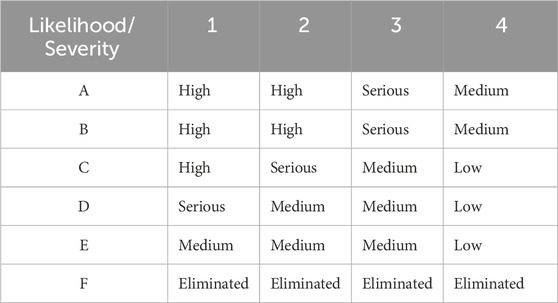
Table 3. Risk ranking for PreHA (Department of Defense Standard Practice, 2012; Tunc and Solmaz, 2024).
3 Results and discussion
An examination of the Hydrogen Incident and Accident Database (HIAD) shows that 34 hydrogen pipeline incidents have been reported intermittently over the past 5 decades, with varying frequencies per year as illustrated in Figure 1. The first recorded pipeline incident occurred in 1974, followed by sporadic cases in the late 1970s and 1980s, with single or double incidents reported in years such as 1977, 1979, 1982, 1985, and 1989. From the early 1990s through the early 2000s, the number of incidents remained relatively low, with only one event occurring in most years (1993, 2000, 2001, 2002, 2003, 2004). A slight increase is observed between 2005 and 2008, when multiple incidents were reported, including two in 2005 and three in 2008, marking one of the highest peaks during that period. After 2010, incidents continued to occur sporadically, generally one per year, except for 2019, which stands out as a significant anomaly. In 2019 alone, five incidents were recorded, representing the highest annual count in the dataset. This surge may reflect either an actual increase in pipeline failures, heightened hydrogen use and infrastructure expansion, or improved reporting and data collection practices. In recent years, incident frequency remains non-negligible. Between 2021 and 2022, three incidents were recorded (two in 2021 and one in 2022), showing that hydrogen pipelines continue to experience safety challenges.
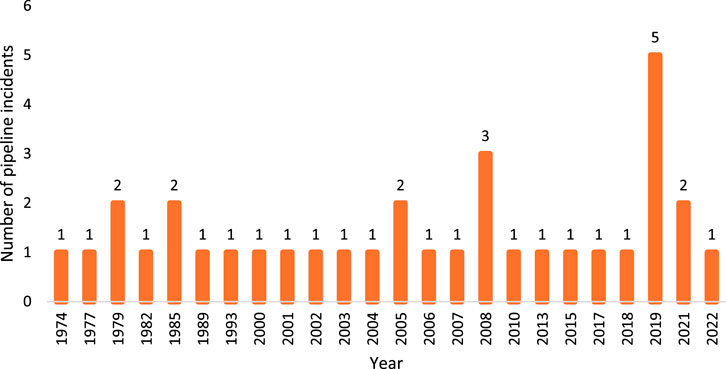
Figure 1. Distribution of pipeline incidents.
In the case of hydrogen storage tanks, 28 incidents have been captured in the HIAD database. From Figure 2, the earliest incident dates to 1974, followed by a sequence of annual events through the mid-1970s, including three incidents in 1977, which marks the first significant cluster in the dataset. The late 1970s and early 1980s also saw sporadic occurrences, with single incidents in 1978, 1982, and 1984. In the late 1980s and early 1990s, incidents continued to appear regularly, with one incident per year between 1988 and 1991, highlighting a persistent though relatively low frequency of failures during this period. A long interval with a few reported cases followed until the early 2000s, when activity increased again. The year 2002 saw two incidents, and 2004 marked the most active year on record with four incidents, representing the highest single-year count of hydrogen storage tanks events in the HIAD 2.1 dataset. Subsequent years showed a return to isolated cases, with incidents scattered across 2005, 2006, 2008, and 2011. Another series of single events occurred in the 2010s, including 2013, 2014, and 2018, indicating that even in more recent times, storage tanks remain vulnerable to failures.

Figure 2. Distribution of storage tanks incidents.
Analysis of the database revealed that out of the 62 hydrogen pipeline and storage tank incidents, 19 cases resulted in 51 fatalities and 58 injuries, representing approximately 31% of all recorded incidents and highlighting the significant potential for severe consequences when hydrogen releases occur. Most hydrogen incidents occurred in the United States (21 cases, representing 34%) and France (13 cases, representing 21%), reflecting their extensive hydrogen infrastructure and industrial activity. Other countries with multiple incidents include the United Kingdom (6), Germany (3), and Belgium (3) as indicated in Figure 3. The remaining incidents were distributed across Europe and other regions, including China, Japan, Canada, Australia and Africa, each reporting two or fewer cases as summarized in Figure 3.
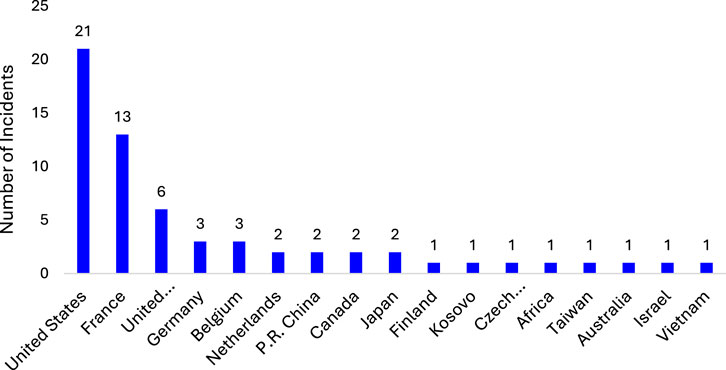
Figure 3. Pipeline and storage tank incident distribution by country/region.
3.1 Causes of pipeline incidents
Based on the standardized classification system in HIAD 2.1, the 34 documented pipeline incidents were grouped into eight main categories of causes. Some incidents were attributed to a single cause, while others involved multiple contributing factors.
The most frequent cause of hydrogen pipeline failures was material or manufacturing errors, which were implicated in 18 cases (Figure 4). This highlights the susceptibility of pipeline materials to hydrogen-related degradation mechanisms.

Figure 4. Causes of pipeline incidents.
Management factors were the second most common, accounting for 12 incidents as indicated in Figure 4. These include shortcomings in organizational practices such as ineffective maintenance programs, insufficient safety oversight, or inadequate implementation of risk management strategies.
Installation errors were linked to seven incidents, emphasizing the importance of proper construction practices, quality control, and inspection procedures during pipeline installation.
Both system design errors and job factors (work environment factors) were responsible for six incidents each, reflecting how inadequate design choices such as underestimating stresses or material limits and errors during operational tasks can equally expose pipelines to failure.
Human factors, while less frequent, contributed to three incidents, showing that operator mistakes, though less common, remain a notable source of risk. A smaller proportion of incidents (four cases) were classified as unknown causes, pointing to limitations in available investigation data. Finally, environmental factors were identified in just one incident, suggesting that external natural influences such as earthquakes and lightening are comparatively rare initiators of pipeline failures.
3.2 Causes of storage tank incidents
Out of the 28 storage tank incidents recorded in HIAD 2.1, eight categories of causes were identified as shown in Figure 5. As with pipelines, incidents were sometimes traced to a single cause, while in other cases multiple contributing factors were involved.

Figure 5. Causes of storage tank incidents.
The most frequent cause of failures was material or manufacturing errors, implicated in 13 cases. Management factors contributed to seven incidents, underscoring organizational shortcomings such as poor maintenance strategies, insufficient hazard assessment, or inadequate monitoring systems.
Human factors were more prominent in storage tank incidents compared to pipelines, accounting for six cases. These include operator mistakes, mishandling during operation, or lapses in adherence to established safety protocols, reflecting the high level of direct human interaction with hydrogen storage systems.
System design errors and installation errors were each responsible for five incidents, showing that both the initial engineering of tank systems and the quality of their construction and commissioning stages are critical to ensuring safe operations.
Job factors, related to specific operational or maintenance tasks, were identified in four cases, illustrating how task-level errors or unsafe work practices can directly contribute to loss of containment events.
Environmental factors, such as natural disasters or external impacts, played a role in two incidents, showing that while less frequent, external hazards still pose significant risks, especially when compounded by other vulnerabilities.
Finally, six incidents were classified under unknown causes, which reflects gaps in available data or limitations in incident investigation. This uncertainty highlights the need for more robust reporting and forensic analysis in hydrogen safety research.
3.3 Nature of consequences of pipeline incident
Hydrogen pipeline incidents recorded in the HIAD database were found to result in four main types of consequences: explosions, fires, leaks without ignition, and near misses (Figure 6). Fires were the most common outcome, accounting for more than half of the recorded events, while explosions and non-ignited leaks were less frequent. Near misses, although rare, were also documented.

Figure 6. Percentage distribution of consequences for hydrogen pipeline incidents.
The proportional distribution of these consequences is shown in Figure 6. Fires represent the largest share of consequences, highlighting the high flammability and ignition sensitivity of hydrogen when released from pipeline systems. Explosions, though less frequent, pose a significant risk due to their destructive potential. Leaks without ignition and near misses underscore the importance of safety barriers and incident-prevention measures in mitigating potentially catastrophic outcomes.
3.4 Nature of consequences of hydrogen storage tank incidents
Hydrogen storage tank incidents documented in the HIAD database were associated with the same types of consequences similar to pipelines which are explosions, fires, leaks without ignition, and near misses (Figure 7). Explosions were the most frequent and severe outcome, reflecting the large inventories of hydrogen typically stored in tanks and the significant energy release potential in the event of loss of containment (Le et al., 2023). Leaks without ignition were also relatively common, emphasizing the challenges of maintaining storage integrity. Fires and near misses occurred less frequently but nonetheless highlight the variety of risks associated with hydrogen storage systems.

Figure 7. Percentage distribution of consequences for hydrogen storage tank incidents.
As illustrated in Figure 6, explosions accounted for the majority of storage tank incidents, posing major risks to human safety and surrounding infrastructure. Leaks without ignition formed the second largest share, showing that while ignition does not always occur, the potential for escalation remains high. Fires were relatively less common compared to pipelines, while near misses underline the role of preventive safety systems in avoiding more serious outcomes.
3.5 Identification of hazards
Based on the analysis of the HIAD 2.1 dataset, several key hazards were identified in relation to the transport of hydrogen through pipelines and its storage in tanks. These hazards include corrosion and material degradation, weld joint and welding operations, mechanical integrity and operational failures, construction works, and natural disasters. Each of these hazards poses varying levels of risk to the safety and reliability of hydrogen infrastructure. The assessment of their risk degrees using the PreHA framework provides insight into their likelihood and severity. In the following sections, these hazards are examined in detail, with emphasis on their associated risks and the preventive measures necessary to ensure safe hydrogen transport and storage.
3.5.1 Corrosion and material degradation
A primary hazard affecting hydrogen transport and storage infrastructure is corrosion and hydrogen-induced material degradation, which threaten the integrity of both pipelines and storage tanks. Based on HIAD 2.1 data, the overall risk degree for corrosion and material degradation in hydrogen pipelines is 1A, indicating catastrophic severity and frequent occurrence. In contrast, for hydrogen storage tanks, the rating is 1B, also reflecting catastrophic severity but a probable likelihood, suggesting events that may occur several times over a system’s lifetime. These ratings correspond with the higher frequency of corrosion-related incidents reported for pipelines (12 of 34) compared with storage tanks (6 of 28), indicating that pipelines face greater frequency and impact of corrosion events.
Most hydrogen pipelines are constructed from plain carbon ferritic steels with low alloy content, standardized under API 5L/ISO 3183, with grades such as X70 commonly used for their strength and weldability. However, these steels are particularly susceptible to hydrogen embrittlement, a degradation process that begins when hydrogen molecules adsorb on steel surfaces, dissociate into atoms, and diffuse into the lattice. This process reduces ductility, fracture toughness, and fatigue resistance, while having only minor effects on tensile strength (Barrera et al., 2018; Gallon et al., 2020; Laureys et al., 2022; San Marchi and Somerday, 2012).
Hydrogen exposure slightly affects yield and tensile strength, though ductility and toughness decline significantly. Specimens tested in hydrogen typically exhibit brittle fracture behavior, indicating reduced ability to deform under load (Gallon et al., 2020). Hydrogen exposure leads to a pronounced loss of ductility, with tests at 6.9 MPa showing a 48%–82% reduction in area (RA) compared with air while hollow specimens at 60 barg hydrogen that exhibits a 30% reduction (Konert et al., 2025). Overall, ductility losses range between 20% and 80%, depending on material and pressure (Gallon et al., 2020; Sandana et al., 2021). Similarly, fracture toughness drops under hydrogen exposure as X70 steel shows about 30% reduction in a 1% H2–CH4 blend at 10 MPa, and over 50% in pure hydrogen (Nguyen et al., 2020a). Fatigue crack growth rates can increase by an order of magnitude, particularly under stress intensities near the hydrogen-assisted threshold. Hydrogen embrittlement effects are most severe at room temperature, especially for carbon and low-alloy steels (Laureys et al., 2022; Kappes M. A. and Perez T. E., 2023).
Steel strength also influences fracture behavior. San Marchi et al. (2019) found that steels with tensile strength below 915 MPa maintain fracture toughness above 40 MPa m1/2, while higher-strength steels may drop to 12 MPa m1/2 in air. Although typical pipeline steels are lower in strength, local hard spots can reach critical stress levels. Rapid crack growth acceleration occurs when the crack tip stress intensity approaches the hydrogen-assisted threshold, transitioning from intermediate to high propagation rates (Kappes M. A. and Perez T., 2023). No safe lower threshold of hydrogen concentration or partial pressure has been identified, even small hydrogen levels can degrade material performance (Kappes M. A. and Perez T. E., 2023; Kappes M. A. and Perez T., 2023). Cracking generally occurs where pre-existing flaws and active plastic deformation expose clean metal surfaces, enabling hydrogen diffusion (Sandana et al., 2021).
Blending hydrogen into methane pipelines introduces additional hazards such as overpressure, leakage, explosions, and cracking. Although hydrogen blends may reduce carbon emissions, they raise safety risks since explosion severity increases with hydrogen content. Shirvill et al. (2019) reported that methane-hydrogen mixtures up to 25% hydrogen by volume do not cause significantly higher overpressures than pure methane. Similarly, Lowesmith and Hankinson, (2012) found that blends below 30% hydrogen behave similarly to natural gas. However, mixtures with ≥40% hydrogen substantially increase risks of deflagration-to-detonation transition (DDT), flame acceleration, and overpressure generation, particularly in confined pipeline segments. These findings emphasize the need for enhanced risk assessment and design standards for blended gas networks compared to conventional methane systems (Joshi et al., 2025).
Compressed hydrogen is stored in tanks which require high pressures, traditionally between 200 and 350 bar, with newer systems operating at 700 bar or higher. Such pressures place significant demands on material selection, tank design, and safety performance. At high pressures, hydrogen readily adsorbs and dissociates at material surfaces, diffuses into the bulk, and can cause embrittlement and loss of integrity. Although hydrogen is generally non-corrosive under certain temperature and pressure conditions, risks such as permeation, diffusion, and embrittlement must be carefully addressed (Liang et al., 2021).
Hydrogen storage tanks are generally classified into four main types. Type I tanks are seamless steel or aluminum containers with thick walls, designed for pressures up to 25 MPa (Aceves et al., 2000). They are safe and relatively inexpensive but easily prone to hydrogen embrittlement and very heavy, making them suitable mainly for stationary applications. Type II tanks consist of metallic cylinders reinforced with fiber resin wrapping, allowing them to withstand pressures of 45–80 MPa at a competitive cost. However, their heavy weight makes them unsuitable for automotive or mobile use at the same time as they are less susceptible to embrittlement (Ramirez et al., 2015). The type III tanks are made with aluminum liners fully wrapped with fiber resin composites, offering lighter weight and improved resistance to hydrogen embrittlement. Type IV tanks use polymer liners reinforced with fiber or epoxy composites. These tanks are the lightest option and provide a high strength-to-weight ratio, but hydrogen permeation through the polymer liner remains a concern and they are more expensive compared to metal-based tanks (Okonkwo et al., 2023).
3.5.2 Weld joints and welding operations
A critical hazard unique to hydrogen pipelines from the HIAD dataset is related to weld joints and the welding processes used during pipeline construction and maintenance. Unlike corrosion and hydrogen embrittlement, this hazard does not apply to storage tanks but is specific to pipelines where welded connections form structural discontinuities. Welds inherently introduce localized variations in material properties, residual stresses, and potential microstructural defects, which can serve as initiation sites for cracks, especially under hydrogen exposure. PreHA analysis rated weld joints and welding processes at 1B, reflecting catastrophic severity combined with a probable likelihood, meaning such failures could occur several times during the operational life of a pipeline system. This rating is supported by HIAD 2.1 data, which shows that five out of the 34 documented pipeline incidents were attributed to welding-related issues, including defective welds and failures arising from welding processes.
Welding operations can create heat-affected zones (HAZ) with altered microstructures, where the ferritic steels commonly used in pipelines often exhibit reduced toughness and greater susceptibility to hydrogen-assisted cracking. These vulnerabilities can be exacerbated by improper welding procedures, insufficient post-weld heat treatment, or incompatible filler materials, particularly when high-pressure hydrogen or hydrogen–methane blends flow through the pipeline. In addition, residual stresses generated during welding can interact with operational stresses, promoting crack initiation and propagation during hydrogen transport, especially at pre-existing flaws within the weld or HAZ (Nguyen et al., 2020b).
The effect of weld geometry and defects on hydrogen embrittlement has been specifically studied. Kubota et al. (2019) found that butt-welded joints without defects did not suffer from hydrogen embrittlement, whereas spigot-lap welded joints and butt-welded joints containing weld defects exhibited significant susceptibility. This indicates that both the presence of weld defects and stress concentrations arising from the weld joint shape substantially influence the resistance of the joint to hydrogen embrittlement.
Opiela, (2010) observed that welded joints from XABO 960 steel plates exhibited hydrogen embrittlement characterized by a distinct decrease in ductility and a slight decrease in strength. Metallographic analyses reveal fine pores in the fracture regions, attributed to hydrogen diffusion and its displacement under stress and plastic deformation. Hydrogen cracking primarily occurred in the heat-affected zone and fusion zone of welded joints, emphasizing the importance of optimizing welding procedures and post-weld treatments to enhance the hydrogen embrittlement resistance of structural steels used in pipelines.
Jiang et al. (2021) studied the hydrogen embrittlement susceptibility and hydrogen permeation behavior of reeling pipeline welded joints under cyclic plastic deformation (CPD) using electrochemical hydrogen charging. The study revealed that as-welded joints exhibited hydrogen-induced damage in the form of cracks and blisters, with damage severity increasing with hydrogen charging time and current density. The CPD process reduced the overall area ratio of hydrogen-induced damage from 6.61% to 2.28% and improved resistance to embrittlement in different sub-zones of the weld. This improvement was attributed to increased density of hydrogen traps and the formation of dislocation cells, which dispersed hydrogen uniformly and reduced local accumulation and recombination of diffusible hydrogen. The study also highlighted that oxidized inclusions enriched in Al, Mg, and Ca elements acted as initiation sites for hydrogen-induced damage, and that the order of embrittlement susceptibility in welded joints was heat-affected zone > base metal > weld metal.
Different welding processes display varying susceptibility to hydrogen-induced cracking, with submerged arc welding (SAW) being least susceptible and shielded metal arc welding (SMAW) the most susceptible. The study emphasized that employing multipass welding, preheating, and post-weld heat treatments can effectively minimize hydrogen-related cracking by promoting even hydrogen distribution and desorption. Additionally, the use of fluoride-ion-containing welding fluxes such as CaF2 and KF reduces weld hydrogen levels through chemical reactions, while optimizing welding parameters directly affects hydrogen concentration in welds. Incorporation of hydrogen-binding elements such as yttrium further enhances resistance to hydrogen-induced damage by reducing free hydrogen levels (Rudzinskas and Kapustynskyi, 2024).
Ma et al. (2022) investigated the hydrogen embrittlement behavior of E690 high-strength steel weld joints in artificial seawater and identified the most vulnerable locations and microstructures. The study showed that weld metal with granular bainitic microstructure is prone to premature fracture under slow strain rate tensile testing with in-situ hydrogen charging. Dislocation slip bands (DSBs) were preferentially formed in this region, and embrittlement initiation was driven by dislocation–hydrogen interactions due to the relatively low local strength of the weld metal. Additionally, martensite/austenite constituents and carbides contributed to crack initiation and propagation through microvoid coalescence and decohesion, highlighting the critical role of microstructural composition in hydrogen-induced damage.
Folena and da Cunha Ponciano Gomes, (2019) further explored the behavior of API X80 steel in hydrogen sulfide environments, considering both base metal and weld joint regions. Slow strain rate tests and iron sulfide film analyses revealed that the loss of ductility and the morphology of protective films depend significantly on the specific weld joint area being considered. Their findings emphasize that reproducibility of ductility tests in weld regions can vary due to differences in fracture susceptibility and film formation capabilities, highlighting the critical role of local microstructural and chemical conditions in hydrogen absorption and embrittlement.
3.5.3 Mechanical integrity and operational failures
From HAID 2.1, storage tanks experience more cases of mechanical integrity and operational failures than pipelines, largely due to the greater number of seals, gaskets, valves, and flanges required in their design. These components create multiple potential points of failure, making them highly susceptible to hydrogen-related leaks and system integrity losses. Therefore, mechanical integrity and operational failures in storage tanks have a hazard rating of 1B, signifying catastrophic consequences with a probable likelihood of occurrence, meaning that such failures could happen multiple times if not properly mitigated. This rating is based on HIAD 2.1 data, which shows that five out of the 28 documented storage tank incidents were linked to mechanical integrity and operational failures. In contrast, pipelines were assigned a lower risk rating of 2C, indicating critical but less severe consequences with only occasional likelihood, as only three incidents were attributed to mechanical integrity and operational failures.
Technical problems are the primary contributors to such failures and include deformation of seals and gaskets, misalignment of valves and flanges, and other equipment malfunctions. These issues are compounded by hydrogen embrittlement, which reduces ductility and toughness in metals, thereby increasing the likelihood of fractures and subsequent gas releases (Ustolin et al., 2020).
While pipelines are often considered the critical component of hydrogen infrastructure, other elements such as valves, compressors, and pressure regulators are particularly vulnerable. Failures in these parts may result from corrosion, fatigue cracking, loss of fracture resistance in metallic materials, or swelling and volume changes in elastomeric materials, all of which contribute to unplanned leaks (Sridhar et al., 2025). An example is that seals in elastomers can undergo permeability changes, shrinkage, or swelling in hydrogen service, creating undetectable leak paths until major incidents occur. Similarly, cyclic stresses in compressors can accelerate fatigue and precipitate early failure under hydrogen exposure. Many of these failures can be traced back to design flaws, operational errors, or inadequate maintenance practices. Misalignment during installation, improper bolt torquing, and insufficient inspection programs can create weaknesses that are aggravated in hydrogen service (Sakib et al., 2025). These risks are heightened by the properties of hydrogen itself, as it is colorless, odorless, and highly flammable, making leaks more difficult to detect and control.
A key challenge is the knowledge gap surrounding how materials and components behave under hydrogen service conditions. While hydrogen embrittlement in steels and weld joints has been extensively studied, there is limited understanding of the long-term performance of auxiliary components such as seals, coatings, and valves, particularly under cyclic pressure and fluctuating load conditions (Folena and da Cunha Ponciano Gomes, 2019).
3.5.4 Natural disasters
Natural disasters pose a significant hazard to both hydrogen pipelines and storage tanks, as evidenced by incidents recorded in the Hydrogen Incident and Accident Database (HIAD). Three incidents in the database highlight the potential consequences of such events. When rated using a PreHA framework, natural disasters affecting hydrogen storage tanks generally fall into the rank 1C while 1D was assigned to pipelines which means it has a catastrophic consequence but rarely occurs.
In two cases, lightning strikes affected hydrogen infrastructure. The first recorded incident involved a lightning strike hitting a two-story-tall, compressed hydrogen storage tank, which caused an explosion in an adjacent aluminium alkyls distillation vessel. With the tank being equipped with relief valves and grounding, the exact cause of the explosion remains unclear. In the second lightning-related incident, a pipeline leak was initiated by a surge of energy likely discharged through a grounding rod near a nearby electrical transmission tower during a storm. Investigations using tethered inline inspection (ILI) tools and direct current voltage gradient (DCVG) measurements revealed an anomaly in the pipeline near the grounding rod, linking the leak to lightning-induced electrical energy that compromised the pipe’s integrity.
The third incident involved an earthquake during the Great Tohoku Earthquake and tsunami. Ground motion caused a hydrogen storage tank to develop a leak, which subsequently resulted in an explosion and fire. This event led to two injuries and caused damage to nearby buildings, machinery, and equipment, illustrating the severe consequences that seismic activity can have on hydrogen infrastructure.
These incidents underscore the vulnerability of hydrogen facilities to natural disasters, including earthquakes, lightning strikes, floods, and extreme weather events (Kang et al., 2024). Hydrogen’s high flammability and low molecular weight mean that even minor structural compromises can lead to rapid gas release, explosion, and fire. Mitigation measures must therefore include robust site selection considering local hazard profiles, reinforced structural design, grounding and surge protection, leak detection systems, and emergency response planning.
3.5.5 Civil and construction works
Hydrogen pipelines are particularly vulnerable to hazards arising from civil and construction activities, a risk that is exclusive to pipelines and not storage tanks. Underground pipeline assets, including hydrogen pipelines are frequently exposed to impacts from adjacent construction operations such as open-cut excavations, tunneling, grading, pile driving, blasting, and heavy construction loadings from cranes and other machinery. These activities can impose additional stresses, deformations, and localized damage to pipelines, potentially leading to dents, coating failures, misalignments, or cracks that compromise pipeline integrity. Vibrations, ground settlement, and cyclic loading from construction equipment further exacerbate stress concentrations, accelerating fatigue crack initiation or aggravating pre-existing material weaknesses such as hydrogen embrittlement. From HIAD 2.1, hazards associated with civil and construction works have been assigned a risk rating 3D, reflecting marginal consequences with only rare likelihood of occurrence.
An illustrative incident of civil and construction hazards occurred in Belgium on 21 March 2019, when excavation work was performed near a buried hydrogen pipeline. The excavation machine struck the underground pipeline carrying gaseous hydrogen, resulting in an under-expanded jet fire. While no injuries were recorded, the excavation machine was destroyed in the accident. Investigations revealed that the initiating cause was the mechanical damage inflicted on the pipeline during excavation. The root cause was traced to human factors, specifically a failure to properly inform the third-party excavating company about the presence of the hydrogen pipeline, which prevented appropriate precautions from being taken.
A report in the San Francisco Examiner (13 January 2014) noted that approximately 25% of all underground pipeline breaks were caused by nearby construction activities. The American Institute of Constructors (AIC) also identifies damage to underground pipelines as the third most critical crisis for contractors, after on-the-job accidents requiring hospitalization and contractual disputes with clients leading to litigation (Jeong et al., 2003). The catastrophic potential of such damage is exemplified by the natural gas pipeline failure during car park construction in Ghislenghien, Belgium in 2004, which caused 24 deaths, highlighting the potentially fatal consequences when construction activities compromise high-pressure pipelines (Hayes et al., 2015).
Ruiz-Tagle and Groth, (2024) further confirmed that hydrogen pipelines are at higher risk of punctures and jet fire scenarios compared to natural gas pipelines, primarily due to embrittlement and high ignition probability. Their findings emphasize that both the expected number of undesired events and the uncertainty of their occurrence should be reduced through careful planning.
4 Conclusion
Hydrogen pipelines and storage tanks face a wide range of hazards that can lead to severe consequences, including leaks, fires, and explosions. The consequences of hydrogen incidents vary between systems. Pipeline events most often result in fires, while storage tank incidents are dominated by explosions because of their larger inventories and higher operating pressures. It was identified that less frequent incidents in the form of leaks without ignition and near misses indicate ongoing challenges in containment and risk mitigation.
Using the PreHA framework, pipelines were found to be particularly vulnerable to corrosion and welding-related issues. Corrosion in pipelines received a 1A rating, indicating catastrophic severity and frequent occurrence, while weld-related failures were rated 1B, reflecting catastrophic consequences with probable occurrence. For storage tanks, mechanical and operational failures along with corrosion were the most significant hazards. Natural disasters, though less frequent, can trigger catastrophic outcomes in both pipelines and tanks if structural integrity is compromised.
Based on these findings, several targeted measures are recommended. First, inspection and maintenance of pipelines should prioritize areas prone to corrosion and weld defects. The use of inline inspection tools and non-destructive testing techniques can detect early signs of material degradation and prevent failures. Also, welding quality assurance must be rigorously enforced while storage tank integrity programs should focus on the regular maintenance of seals, valves, gaskets, and auxiliary components, supported by leak detection systems and emergency shutdown procedures to reduce risks from operational failures.
Data availability statement
Publicly available datasets were analyzed in this study. This data can be found here: https://data.jrc.ec.europa.eu/collection/id-00295.
Author contributions
SA-O: Conceptualization, Writing – original draft, Writing – review and editing. RM: Writing – review and editing, Data curation. JS: Writing – review and editing, Supervision. MF: Writing – review and editing, Supervision.
Funding
The authors declare that financial support was received for the research and/or publication of this article. This work was conducted in the framework of the project “Hydrogen Pipeline Integrity Monitoring using Machine Learning”, funded by the strategic area “SUN–Natural Resources for Sustainability Transitions” at Luleå University of Technology.
Conflict of interest
The authors declare that the research was conducted in the absence of any commercial or financial relationships that could be construed as a potential conflict of interest.
Generative AI statement
The authors declare that no Generative AI was used in the creation of this manuscript.
Any alternative text (alt text) provided alongside figures in this article has been generated by Frontiers with the support of artificial intelligence and reasonable efforts have been made to ensure accuracy, including review by the authors wherever possible. If you identify any issues, please contact us.
Publisher’s note
All claims expressed in this article are solely those of the authors and do not necessarily represent those of their affiliated organizations, or those of the publisher, the editors and the reviewers. Any product that may be evaluated in this article, or claim that may be made by its manufacturer, is not guaranteed or endorsed by the publisher.
References
Aceves, S. M., Martinez-Frias, J., and Garcia-Villazana, O. (2000). Analytical and experimental evaluation of insulated pressure vessels for cryogenic hydrogen storage. Int. J. Hydrogen Energy 25 (11), 1075–1085. doi:10.1016/s0360-3199(00)00016-1
Aziz, M. (2021). Liquid hydrogen: a review on liquefaction, storage, transportation, and safety. Energies 14 (18), 5917. doi:10.3390/en14185917
Badia, E., Navajas, J., Sala, R., Paltrinieri, N., and Sato, H. (2024). Analysis of hydrogen value chain events: implications for hydrogen refueling stations’ safety. Safety 10 (2), 44. doi:10.3390/safety10020044
Barrera, O., Bombac, D., Chen, Y., Daff, T. D., Galindo-Nava, E., Gong, P., et al. (2018). Understanding and mitigating hydrogen embrittlement of steels: a review of experimental, modelling and design progress from atomistic to continuum. J. Materials Science 53 (9), 6251–6290. doi:10.1007/s10853-017-1978-5
Campari, A., Akel, A. J. N., Ustolin, F., Alvaro, A., Ledda, A., Agnello, P., et al. (2023). Lessons learned from HIAD 2.0: inspection and maintenance to avoid hydrogen-induced material failures. Comput. and Chem. Eng. 173, 108199. doi:10.1016/j.compchemeng.2023.108199
Department of Defense Standard Practice (2012). Syst. Saf. Available online at: https://mail.system-safety.org/Documents/MIL-STD-882E.pdf (Accessed October 31, 2022).
Folena, M. C., and da Cunha Ponciano Gomes, J. A. (2019). “Hydrogen embrittlement and sulphide film formation on base metal and weld joint of an API 5L X80 steel,” in Nace corrosion (Houston, TX: NACE International), NACE–2019.
Gallon, N., Andrews, R. M., Huising, O. J. C., and Lam-Thanh, L. (2020). Hydrogen Pipelines– design and material challenges and mitigations. ERPG Proj. 221/2020.
Gyenes, Z., and Wood, M. H. (2016). Lessons learned from major accidents relating to ageing of chemical plants. Chem. Eng. Trans. 48, 733–738. doi:10.3303/CET1648123
Hayes, J., McDermott, V., and Lingard, H. (2015). “What is risk? Construction activity near hazardous infrastructure,” in THIRTY-FIRST ANNUAL CONFERENCE 2015 September 7-9, 105.
International Energy Agency (2025). The future of hydrogen. Available online at: https://www.iea.org/reports/the-future-of-hydrogen (Accessed August 30, 2025).
International Energy Agency (2023). Global hydrogen review. Available online at: https://www.iea.org/reports/global-hydrogen-review-2023 (Accessed August 30, 2025).
Jeong, H. S., Abraham, D. M., and Lew, J. J. (2003). “Pipeline damage prevention systems,” in New pipeline technologies, security, and safety, 1429–1437.
Jiang, Y., Li, C., Wang, D., and Di, X. (2021). Effect of cyclic plastic deformation on hydrogen diffusion behavior and embrittlement susceptibility of reeling-pipeline steel weldments. Int. J. Hydrogen Energy 46 (58), 30158–30172. doi:10.1016/j.ijhydene.2021.06.135
Joshi, A., Sattari, F., Lefsrud, L., Khan, M. A., and Xue, Y. (2025). Hydrogen integration into natural gas pipelines: risk analysis and regulatory recommendations. Reliab. Eng. and Syst. Saf. 264, 111422. doi:10.1016/j.ress.2025.111422
Kang, W., Hao, H., Zhang, L., and Wu, Q. (2024). “Research and analysis of typical safety incidents in hydrogen systems,” in 2024 4th international conference on energy, power and electrical engineering (EPEE) (IEEE), 1360–1367.
Kappes, M. A., and Perez, T. E. (2023a). Blending hydrogen in existing natural gas pipelines: integrity consequences from a fitness for service perspective. J. Pipeline Sci. Eng. 3 (4), 100141. doi:10.1016/j.jpse.2023.100141
Kappes, M. A., and Perez, T. (2023b). Hydrogen blending in existing natural gas transmission pipelines: a review of hydrogen embrittlement, governing codes, and life prediction methods. Corros. Rev. 41 (3), 319–347. doi:10.1515/corrrev-2022-0083
Kirchsteiger, C. (2007). Sustainablility of nuclear and non-nuclear energy supply options in Europe. Atw. Int. Z. für Kernenerg. 52.
Konert, F., Nietzke, J., Freitas, T., Rhode, M., Sobol, O., and Böllinghaus, T. (2025). Investigation of resistance to gaseous hydrogen of a longitudinal weld seam in a X65 pipeline using the hollow specimen technique. Weld. World 69 (3), 861–870. doi:10.1007/s40194-025-01953-3
Kubota, M., Komoda, R., Cui, X., Wakabayashi, H., and Tanaka, Y. (2019). Effects of hydrogen and weld defect on tensile properties of SUH660 and SUS316L welded joints. Int. J. Mech. Eng. Robotics Res. 8 (5), 713–718. doi:10.18178/ijmerr.8.5.713-718
Laureys, A., Depraetere, R., Cauwels, M., Depover, T., Hertelé, S., and Verbeken, K. (2022). Use of existing steel pipeline infrastructure for gaseous hydrogen storage and transport: a review of factors affecting hydrogen induced degradation. J. Nat. Gas Sci. Eng. 101, 104534. doi:10.1016/j.jngse.2022.104534
Le, S. T., Nguyen, T. N., Linforth, S., and Ngo, T. D. (2023). Safety investigation of hydrogen energy storage systems using quantitative risk assessment. Int. J. Hydrogen Energy 48 (7), 2861–2875. doi:10.1016/j.ijhydene.2022.10.082
Liang, S., Huang, M., Zhao, L., Zhu, Y., and Li, Z. (2021). Effect of multiple hydrogen embrittlement mechanisms on crack propagation behavior of FCC metals: competition vs. synergy. Int. J. Plasticity 143, 103023. doi:10.1016/j.ijplas.2021.103023
Lowesmith, B. J., and Hankinson, G. (2012). Large scale high pressure jet fires involving natural gas and natural gas/hydrogen mixtures. Process Saf. Environ. Prot. 90 (2), 108–120. doi:10.1016/j.psep.2011.08.009
Ma, H., Sun, L., Luo, H., and Li, X. (2022). Hydrogen embrittlement of high-strength marine steel as a weld joint in artificial seawater under cathodic polarization. Eng. Fail. Anal. 134, 106044. doi:10.1016/j.engfailanal.2022.106044
Mehmood, M., and Maka, A. O. (2025). Hydrogen: safety, storage, and transportation, perspectives, and measures. Adv. Energy Convers. Mater., 137–148. doi:10.37256/aecm.6220256783
Nguyen, T. T., Park, J., Kim, W. S., Nahm, S. H., and Beak, U. B. (2020a). Effect of low partial hydrogen in a mixture with methane on the mechanical properties of X70 pipeline steel. Int. Journal Hydrogen Energy 45 (3), 2368–2381. doi:10.1016/j.ijhydene.2019.11.013
Nguyen, T. T., Beak, U. B., Park, J., Nahm, S. H., and Tak, N. (2020b). Hydrogen environment assisted cracking in X70 welding heat-affected zone under a high-pressure hydrogen gas. Theor. Appl. Fract. Mech. 109, 102746. doi:10.1016/j.tafmec.2020.102746
Okonkwo, P. C., Belgacem, I. B., Mansir, I. B., Aliyu, M., Emori, W., Uzoma, P. C., et al. (2023). A focused review of the hydrogen storage tank embrittlement mechanism process. International Journal Hydrogen Energy 48 (35), 12935–12948. doi:10.1016/j.ijhydene.2022.12.252
Opiela, M. (2010). Hydrogen embrittlement of welded joints for the heat-treatable XABO 960 steel heavy plates. J. Achiev. Mater. Manuf. Eng. 38 (1), 41–48.
Ramirez, J. P. B., Halm, D., Grandidier, J. C., Villalonga, S., and Nony, F. (2015). 700 bar type IV high pressure hydrogen storage vessel burst–simulation and experimental validation. Int. J. Hydrogen Energy 40 (38), 13183–13192. doi:10.1016/j.ijhydene.2015.05.126
Rigas, F., and Amyotte, P. (2013). Myths and facts about hydrogen hazards. Chem. Eng. Trans. 31. doi:10.3303/CET1331153
Rudzinskas, V., and Kapustynskyi, O. (2024). The role of welding parameters in hydrogen embrittlement mitigation: a case study in steel. Res. Review International Journal Multidisciplinary 9 (3), 203–212. doi:10.31305/rrijm.2024.v09.n03.021
Ruiz-Tagle, A., and Groth, K. M. (2024). Comparing the risk of third-party excavation damage between natural gas and hydrogen pipelines. Int. J. Hydrogen Energy 57, 107–120. doi:10.1016/j.ijhydene.2023.12.195
Sakib, A. N., Islam, T., Resnick, P. M., Habib, A. A., and Chowdhury, S. R. (2025). Comprehensive safety assessment of hydrogen: from production to application in energy systems. Int. J. Energy Res. 2025 (1), 8857513. doi:10.1155/er/8857513
San Marchi, C. W., and Somerday, B. P. (2012). Technical reference for hydrogen compatibility of materials (no. SAND2012-7321). Albuquerque, NM, and Livermore, CA (United States): Sandia National Laboratories SNL.
San Marchi, C., Ronevich, J., Bortot, P., Wada, Y., Felbaum, J., and Rana, M. (2019). “Technical basis for master curve for fatigue crack growth of ferritic steels in high-pressure gaseous hydrogen in ASME section VIII-3 code,” in Pressure vessels and piping conference, 58929. American Society of Mechanical Engineers, V001T01A044. doi:10.1115/pvp2019-93907
Sandana, D., Gallon, N., Andrews, R., and Palmer-Jones, R. (2021). Crack management of hydrogen pipelines. Int. Conf. Hydrogen Saf. 1, 18.
Shirvill, L. C., Roberts, T. A., Royle, M., Willoughby, D. B., and Sathiah, P. (2019). Experimental study of hydrogen explosion in repeated pipe congestion–part 2: effects of increase in hydrogen concentration in hydrogen-methane-air mixture. Int. J. Hydrogen Energy 44 (5), 3264–3276. doi:10.1016/j.ijhydene.2018.12.021
Sridhar, N., Ayello, F., Stewart, T., and Mosleh, A. (2025). “Probabilistic assessment of hydrogen transportation system components,” in Conference 2025 (Nashville, TN: AMPP), 1–15. doi:10.5006/C2025-00121
Stolecka, K. (2018). Hazards of hydrogen transport in the existing natural gas pipeline network. J. Power Technol. 98 (4), 329.
The hydrogen incident and accidents database 2.1 (HIAD 2.1). European Commission: Joint Research Centre (2023). Available online at: https://minerva.jrc.ec.europa.eu/en/shorturl/capri/hiadpt/. [Accessed 30 September 2025].
Tian, X., and Pei, J. (2023). Study progress on the pipeline transportation safety of hydrogen-blended natural gas. Heliyon 9 (11), e21454. doi:10.1016/j.heliyon.2023.e21454
Tunc, M., and Solmaz, R. (2024). A preliminary hazard analysis in bee pollen and propolis decontamination process: from the beehive to the laboratory. Food control. 163, 110487. doi:10.1016/j.foodcont.2024.110487
Tunç, M., and Solmaz, R. (2025). Occupational health and safety assessment of hydrogen transport by trucks. Int. J. Hydrogen Energy. doi:10.1016/j.ijhydene.2025.05.073
Ustolin, F., Paltrinieri, N., and Berto, F. (2020). Loss of integrity of hydrogen technologies: a critical review. Int. J. Hydrogen Energy 45 (43), 23809–23840. doi:10.1016/j.ijhydene.2020.06.021
Xie, Z., Jin, Q., Su, G., and Lu, W. (2024). A review of hydrogen storage and transportation: progresses and challenges. Energies 17 (16), 4070. doi:10.3390/en17164070
Keywords: hydrogen pipelines, hydrogen storage tanks, preliminary hazard analysis (PreHA), hydrogen incident and accident database (HIAD), hydrogen safety management
Citation: Asante-Okyere S, Mensah RA, Sandström J and Försth M (2025) Risk and safety assessment of hydrogen pipelines and storage tanks using preliminary hazard analysis. Front. Chem. Eng. 7:1722173. doi: 10.3389/fceng.2025.1722173
Received: 10 October 2025; Accepted: 13 November 2025;
Published: 27 November 2025.
Edited by:
Aliyu M. Aliyu, University of Lincoln, United KingdomReviewed by:
Mridul Pant, Indian Institute of Technology Roorkee, IndiaSingaravelu Vivekanandhan, Virudhunagar Hindu Nadars’ Senthikumara Nadar College (Autonomous), India
Copyright © 2025 Asante-Okyere, Mensah, Sandström and Försth. This is an open-access article distributed under the terms of the Creative Commons Attribution License (CC BY). The use, distribution or reproduction in other forums is permitted, provided the original author(s) and the copyright owner(s) are credited and that the original publication in this journal is cited, in accordance with accepted academic practice. No use, distribution or reproduction is permitted which does not comply with these terms.
*Correspondence: Solomon Asante-Okyere, c29sb21vbi5hc2FudGUtb2t5ZXJlQGFzc29jaWF0ZWQubHR1LnNl