 Taha Selim Ustun
- Fukushima Renewable Energy Institute, AIST, Fukushima, Japan
There is a constant push to increase the use of distributed renewable energy generators worldwide. While they provide a clean and sustainable energy source, they use technologies unknown to traditional power systems. These generators are connected through inverters that lack the inertia of large synchronous machines. This results in a more volatile frequency profile more susceptible to disturbances. This phenomenon is amplified in stand-alone microgrids, a popular electrification alternative for isolated or underserved communities. One solution is inspired by nature, such as the behavior of bees, butterflies, or ants. When properly applied, the natural behavior of animals can help optimize the interaction between different renewable energy-based generators and create a more stable microgrid. There are several approaches to stabilizing such systems using novel optimization techniques. Some optimize the relationship between generators using rotating machines and inverters. The penetration of renewable generation is about increasing the share of inverter-connected generators in the system without causing stability problems. Because renewable resources are intermittent and non-dispatchable, it is vital to create a diverse portfolio where the overall system achieves some stability. For example, if a local grid is served by photovoltaic (PV) panels, wind generation, and a small hydro plant, the variable nature of these resources can complement each other. On a sunny day, the PV output might be very high, and the wind might not be as significant. Conversely, on a rainy day, clouds can reduce PV output while precipitation can feed the local hydroelectric plant. Similarly, on a windy day, wind generation could supplement other generations. While the idea is qualitatively understandable, finding the right balance is not trivial. Moreover, many factors at play change independently and affect the outcome. The available renewable energy resources, their profiles, and the local load conditions vary from site to site. Optimizing these systems at the planning, operation, and control levels requires a systematic approach. Nature-inspired optimization algorithms have an advantage in doing just that.
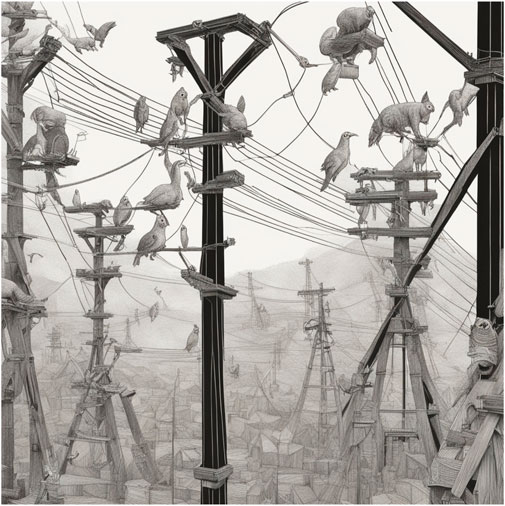
GRAPHICAL ABSTRACT | Problems of energy systems solved by the nature.
1 Introduction
As the world continues to grapple with the effects of climate change, there has been a growing concern about the impact of fossil fuels on the environment. Fossil fuels, such as coal, oil, and natural gas, are the primary energy source for many countries, but they also have significant negative impacts on the environment (United Nations Environment Programme, 2022). The extraction and burning of fossil fuels release harmful greenhouse gases into the atmosphere, contributing to climate change and air pollution. Using these fuels also has other negative impacts, such as oil spills, acid rain, and water pollution. These impacts have led to a global push to phase out fossil fuels and embrace renewable energy (Hashimoto et al., 2021; IEA, 2023b).
In recent years, there has been a significant increase in the use of renewable energy sources such as solar, wind, and hydropower (IEA, 2023a; SolarPower Europe, 2023). These energy sources have numerous positive aspects, including their low environmental impact and sustainability. Renewable energy sources do not produce harmful emissions, which means they do not contribute to climate change or air pollution. Renewable energy technologies have also become more cost-effective and efficient, making it more accessible for people and communities to adopt them (Hubble and Ustun, 2017; Chauhan et al., 2022).
Despite the many advantages of renewable energy, there are still challenges associated with its adoption (Ustun et al., 2011; Safiullah et al., 2022b). One of the main challenges is the intermittency of renewable energy sources. Unlike fossil fuels, which can generate energy continuously, renewable energy sources depend on weather conditions and daylight hours. This means that energy storage and distribution are crucial to ensure a constant and reliable energy supply. Addressing these challenges is essential to accelerate the adoption of renewable energy and achieve a sustainable energy system (Dey et al., 2020; Latif et al., 2020).
In conclusion, the phasing out of fossil fuels and the embrace of renewable energy is an essential step towards a sustainable future. Renewable energy sources have a low environmental impact and are sustainable, making them a viable alternative to fossil fuels. However, there are still challenges in transitioning to a renewable energy system. By addressing these challenges, we can accelerate the adoption of renewable energy and achieve a sustainable energy system that benefits both people and the planet.
The aim of this editorial piece is to give a snapshot of the current status of the literature in this domain. It gives examples of research works as case studies to emphasize the timeliness and advantage of nature-based approaches. The rest of the document is organized as follows: Section 2 discusses how the current energy crisis and its solutions can be reconsidered with examples from the nature. Section 3 presents real life examples for readers to visualize how nature based solutions can be mapped onto energy domain. Section 4 draws the conclusions and gives future research directions.
2 Rethinking the energy crisis through the lens of nature
Biomimetics is a term that refers to the process of solving problems by taking inspiration from nature (Merriam Webster, 2024). Engineers often study the structural designs and behavioral patterns of living organisms to find innovative solutions to problems. One great example of biomimetics is the bullet train in Japan. The train used to create loud sounds as it entered and exited tunnels, which disturbed wildlife and nearby residents. Engineers took inspiration from the kingfisher bird, which plunges into the water while hunting without creating a splash (EarthSky, 2012). The bird’s beak has a long and thin structure that inspired the design of the new cockpit of the bullet train. The new design not only reduced the sound of the train but also increased its speed and energy efficiency. Biomimetics has also been used to design self-cleaning surfaces, velcro tapes, and lighter but stronger helmets.
Another way to use biomimetics is by copying the behavior observed in animals. For example, ants travel optimally, leaving pheromones on the path to food sources to help other ants find their way. This inspired the ant colony optimization algorithm, which is a simple and effective way to find solutions for relatively simple problems that require single-level decision-making (Dorigo and Stutzle, 2004). Another example is the grasshopper optimization algorithm, which is more sophisticated and considers several factors that affect the movement of grasshoppers, such as wind, gravitational force, and social proximity (Elakkiya et al., 2021).
There are many other biomimetic techniques, such as particle swarm optimization (PSO) or artificial bee colony (ABC) optimization, others that take inspiration from the dynamics of wolf pack behavior or the unorthodox hunting style of humpback whales (Ustun, 2023). These approaches are rooted in the fact that nature will always devise the most optimal way to do something desperately required for survival. There is a constant push to increase the use of distributed renewable energy generators worldwide. While they provide a clean and sustainable energy source, they use technologies unknown to traditional power systems. These generators are connected through inverters that lack the inertia of large synchronous machines (Hashimoto et al., 2021; Safiullah et al., 2022b). This results in a more volatile frequency profile more susceptible to disturbances. This phenomenon is amplified in stand-alone microgrids, a popular electrification alternative for isolated or underserved communities. One solution is inspired by nature, such as the behavior of bees, butterflies, or ants. When properly applied, the natural behavior of animals can help optimize the interaction between different renewable energy-based generators and create a more stable microgrid.
There are several approaches to stabilizing such systems using novel optimization techniques. Some optimize the relationship between generators using rotating machines and inverters. The penetration of renewable generation is about increasing the share of inverter-connected generators in the system without causing stability problems. Because renewable resources are intermittent and non-dispatchable, it is vital to create a diverse portfolio where the overall system achieves some stability. For example, if a local grid is served by PV panels, wind generation, and a small hydro plant, the variable nature of these resources can complement each other. On a sunny day, the PV output might be very high, and the wind might not be as significant (Kikusato et al., 2022).
Conversely, on a rainy day, clouds can reduce PV output, while precipitation can feed the local hydroelectric plant. Similarly, on a windy day, wind generation could supplement other generations. While the idea is qualitatively understandable, finding the right balance is not trivial. Moreover, many factors at play change independently and affect the outcome (Nayak et al., 2023). The available renewable energy resources, their profiles, and the local load conditions vary from site to site. Optimizing these systems at the planning, operation, and control levels requires a systematic approach. Nature-inspired optimization algorithms have an advantage in doing just that (Pati et al., 2022).
3 Nature at play: real-life examples
Various applications of nature-inspired optimization methods in microgrid controllers have been observed. For instance, a maritime microgrid on a ship is designed explicitly with renewable energy-based generators such as wind and wave generators, biodiesel generators, and a fuel cell that functions as a dispatchable storage unit (Latif et al., 2021). As shown in Figure 1, the microgrid can power both critical and non-critical loads, and the latter can be capped or shed if necessary. The stability of power system parameters, such as frequency and voltage, is a significant challenge in such a stand-alone microgrid intended to operate in the middle of the ocean. To ensure stability, two microgrid controllers are designed, including the PI-(1 + PD) controller, i.e., proportional integral – (1 + proportional derivative) controller. Optimization of the controller design parameters is crucial because this microgrid is essential to the operation of the ship and is supposed to operate independently, with smaller margins of error. Therefore, making efficient and effective use of all available assets is even more critical.
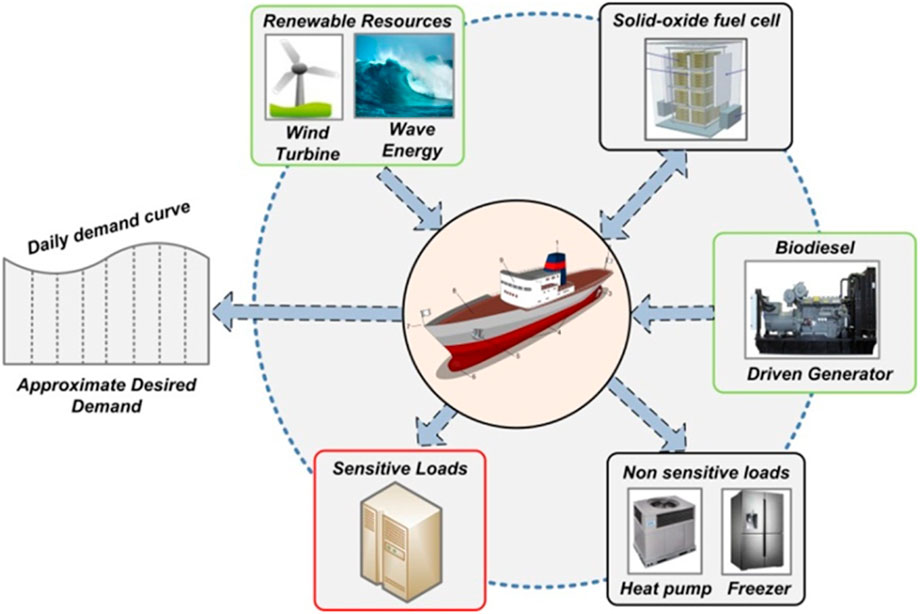
Figure 1. Maritime microgrid with PI-(1 +PD) Controller (Latif et al., 2021).
The optimization process involves five different algorithms inspired by nature, namely, Genetic Algorithm (GA), particle swarm optimization (PSO), firefly algorithm (FA), cuckoo search algorithm (CA), and grasshopper optimization approach (GOA). The results of the optimization process shown in Table 1, showed that all the algorithms used in the optimization process ensure a stable microgrid operation. However, the GOA optimization technique is much more efficient in stabilizing the frequency, with almost 90% less frequency change and a shorter recovery time of about 35% compared to the GA optimization technique (Latif et al., 2021). The biodiesel generator and fuel cell energy output to ensure stable frequency also vary with the approach used. The GOA optimization technique requires much less energy from the biodiesel generator and is more efficient in finding the desired solution. It uses only 20%–50% of the energy needed by other optimization techniques, whereas the supply time is shorter by about 50%–70%.
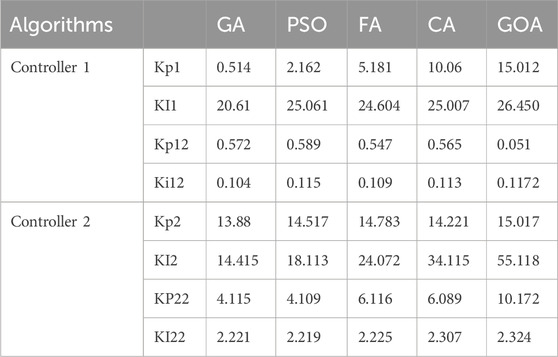
Table 1. Optimized parameters for the controllers under GA, PSO, FA, CA and GOA techniques in Latif et al. (2021).
A practical application of optimization techniques in microgrids is their use during operation, as demonstrated in (Chauhan et al., 2021). It involved a simple off-grid microgrid that needs to supply a local load using two available generators. Diesel generators are dependable but emit greenhouse gases and require fuel purchases. At the same time, PV panels are eco-friendly and generate energy at no cost, but are intermittent and unavailable at night. To address this generation mix problem, a battery bank is employed to find an optimized solution. Depending on factors such as solar radiation, load profile, and others, the microgrid controller must implement an intelligent cycle-charge strategy.
A biogeography-based optimization (BBO) technique is utilized to make these decisions. To monitor the system and manage battery charge for the next hour, the BBO technique is implemented. Decisions are made hourly, to minimize generator use, and keep the system stable while maximizing the use of intermittent solar energy. A total of 18 different device combinations have been studied, where the BBO technique is used. Results showed that if different devices at varying capacities are utilized, initial investment and levelized cost of energy in the resulting system can be significantly reduced. As the results indicate, it is not always straightforward to find the optimal mix of generator, PV, and battery setup. More initial funds for the system setup do not guarantee that the installed microgrid will have more renewable energy use, which in turn affects the resulting cost of energy and the sustainability factor.
From the discussions above, it is evident that optimization techniques inspired by nature offer significant benefits for power system planning, operation, and trading. These techniques are extensively studied in the literature, and researchers constantly introduce new approaches. Various studies make use of the genetic mutations present in living species, the internal mechanics of artificial bee colonies (Singh et al., 2020), the Satin Bowerbird algorithm (Abdolrasol et al., 2021) or schools of fish (Farooq et al., 2022). Recently, researchers mapped the spread of COVID-19 and the related mitigation approaches such as masks and social distancing on power system optimization as depicted in Figure 2 (Safiullah et al., 2022a). Given the significant impact of COVID-19 on our lives and its efficiency in spreading and infecting, it is worth considering it for power system optimization. The modeling is based on using masks, social distancing, and the antibodies against COVID-19.
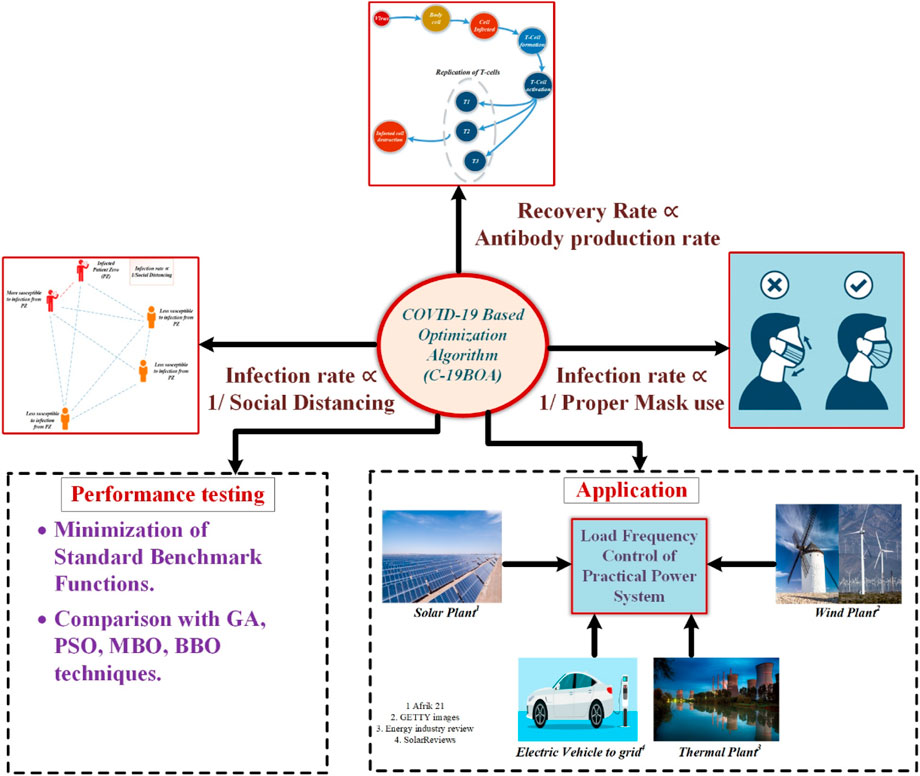
Figure 2. COVID-19 based optimization for power systems (Safiullah et al., 2022a).
Performance of this novel optimization approach is studied to coordinate the charging of Electric Vehicles (EVs) and compared with five other optimization approaches, Magnetotactic bacteria optimization (MBO), GA, BBO, Arithmetic Optimization Algorithm (AOA), and PSO. The focus is to maximize the use of renewable energy resources to charge EVs as much as possible.
The results shown in Table 2, indicated that the novel optimization approach based on COVID-19 can maximize renewable energy use to charge EVs while making the system more robust against disturbances. The results also indicated that the proposed approach needs less power exchange, thus limiting the role of battery packs of back-up generators. All thanks to implementing COVID-19 in optimizing the energy management of the power system.
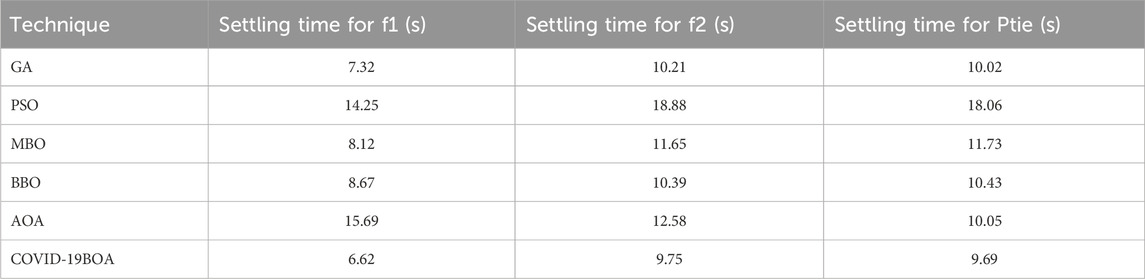
Table 2. Performance comparison of the proposed COVID-19 Algorithm with other optimization algorithms (Safiullah et al., 2022a).
4 Conclusion
Renewable energy use needs to be increased for sustainable growth. The use of fossil fuels is not only unsustainable, but also causes a significant amount of damage to the environment. Solar energy has the potential to spearhead the effort to increase renewable energy use. It is clean, abundant, and has the potential to revolutionize the way we generate and use energy. By increasing the use of solar energy, we can reduce our dependence on fossil fuels, which in turn will reduce emissions and help mitigate climate change.
Furthermore, the link between solar energy and electric vehicle charging can play a crucial role in increasing the use of renewable energy. As more and more people switch to electric vehicles, the demand for charging stations will increase. By powering these stations with solar energy, it is possible to reduce the environmental impact of transportation and move towards a more sustainable future. To optimize power system operation against disturbances in the system, nature-inspired optimization techniques have become increasingly popular. These techniques use algorithms that imitate the behavior of natural systems such as evolution and swarm intelligence to find the best solutions. By implementing these techniques, renewable energy can be used to charge EVs while making the system more robust against disturbances.
Current body of research shows that more optimal solutions need to be found to make use of the current energy grid infrastructure in a more efficient way. More optimal solutions are also needed to better integrate renewable energy-based resources into the existing grid. Up until now, the system stability has been achieved by artificially restricting the penetration level of renewables due to their intermittent nature. Same can be said for novel technologies such as grid-level storage devices, EVs and smart inverters. With the use of enhanced optimization acquired from natural resources, much needed optimal operation points can be achieved and more can be realized with the same infrastructure.
Data availability statement
The original contributions presented in the study are included in the article/Supplementary Material, further inquiries can be directed to the corresponding author.
Author contributions
TU: Conceptualization, Writing–original draft, Writing–review and editing.
Funding
The author(s) declare that no financial support was received for the research, authorship, and/or publication of this article.
Conflict of interest
The author declares that the research was conducted in the absence of any commercial or financial relationships that could be construed as a potential conflict of interest.
Publisher’s note
All claims expressed in this article are solely those of the authors and do not necessarily represent those of their affiliated organizations, or those of the publisher, the editors and the reviewers. Any product that may be evaluated in this article, or claim that may be made by its manufacturer, is not guaranteed or endorsed by the publisher.
References
Abdolrasol, M. G., Hannan, M., Hussain, S. S., and Ustun, T. S. (2021). Optimal PI controller based PSO optimization for PV inverter using SPWM techniques. Energy Rep. 8, 1003–1011. doi:10.1016/j.egyr.2021.11.180
Chauhan, A., Khan, M. T., Srivastava, A., Tripathi, A., Hussain, S. S., and Ustun, T. S. (2022). Techno-economic assessment and environmental analysis of an optimal hybrid system under novel demand response scheme for a remote region of India. Energy Rep. 8 (Suppl. 10), 284–291. doi:10.1016/j.egyr.2022.05.200
Chauhan, A., Upadhyay, S., Khan, M. T., Hussain, S. M. S., and Ustun, T. S. (2021). Performance investigation of a solar photovoltaic/diesel generator based hybrid system with cycle charging strategy using BBO algorithm. Sustainability 13, 8048. doi:10.3390/su13148048
Dey, P. P., Das, D. C., Latif, A., Hussain, S. M. S., and Ustun, T. S. (2020). Active power management of virtual power plant under penetration of central receiver solar thermal-wind using butterfly optimization technique. Sustainability 12, 6979. doi:10.3390/su12176979
Dorigo, M., and Stutzle, T. (2004). Ant colony optimization. Cambridge, Massachusetts, United States: MIT Press. ISBN 0-262-04219-3.
EarthSky (2012). A kingfisher inspired a bullet train. Available at: https://earthsky.org/earth/sunni-robertson-on-how-a-kingfisher-inspired-a-bullet-train/.
Elakkiya, M., Gayathri, V., Bhuvaneswari, C., and Abitha Memala, W. (2021). “Comparison of grasshopper optimization algorithm & flower pollination algorithm in congestion management,” in 2021 7th International Conference on Advanced Computing and Communication Systems (ICACCS), Coimbatore, India, March, 2021, 1308–1312. doi:10.1109/icaccs51430.2021.9441841
Farooq, Z., Rahman, A., Hussain, S. M. S., and Ustun, T. S. (2022). Power generation control of renewable energy based hybrid deregulated power system. Energies 15, 517. doi:10.3390/en15020517
Hashimoto, J., Ustun, T. S., Suzuki, M., Sugahara, S., Hasegawa, M., and Otani, K. (2021). Advanced grid integration test platform for increased distributed renewable energy penetration in smart grids. IEEE Access 9, 34040–34053. doi:10.1109/access.2021.3061731
Hubble, A., and Ustun, T. S. (2017). FutureGrid: use of microgrids in underserved communities. Dev. Integration Microgrids 175. doi:10.5772/intechopen.68622
IEA (2023a). Tracking clean energy progress 2023. Paris: IEA. Available at: https://www.iea.org/reports/tracking-clean-energy-progress-2023.
IEA (2023b). World energy outlook 2023. Paris: IEA. Available at: https://www.iea.org/reports/world-energy-outlook-2023.
Kikusato, H., Ustun, T. S., Suzuki, M., Sugahara, S., Hashimoto, J., Otani, K., et al. (2022). Flywheel energy storage system based microgrid controller design and PHIL testing. Energy Rep. 8, 470–475. doi:10.1016/j.egyr.2022.05.221
Latif, A., Hussain, S. M. S., Das, D. C., and Ustun, T. S. (2021). Double stage controller optimization for load frequency stabilization in hybrid wind-ocean wave energy based maritime microgrid system. Appl. Energy 282, 116171–171. doi:10.1016/j.apenergy.2020.116171
Latif, A., Paul, M., Das, D. C., Hussain, S. M. S., and Ustun, T. S. (2020). Price based demand response for optimal frequency stabilization in ORC solar thermal based isolated hybrid microgrid under salp swarm technique. Electronics 9 (12), 2209. doi:10.3390/electronics9122209
Merriam Webster (2024). Meaning of “biomimetics”, merriam – webster. Available at: https://www.merriam-webster.com/dictionary/biomimetics.
Nayak, S. R., Khadanga, R. K., Panda, S., Sahu, P. R., Padhy, S., and Ustun, T. S. (2023). Participation of renewable energy sources in the frequency regulation issues of a five-area hybrid power system utilizing a sine cosine-adopted african vulture optimization algorithm. Energies 16, 926. doi:10.3390/en16020926
Pati, A., Adhikary, N., Mishra, S. K., Appasani, B., and Ustun, T. S. (2022). Fuzzy logic based energy management for grid connected hybrid PV system. Energy Rep. 8, 751–758. . doi:10.1016/j.egyr.2022.05.217
Safiullah, S., Rahman, A., Lone, S. A., Hussain, S. M. S., and Ustun, T. S. (2022a). Novel COVID-19 based optimization algorithm (C-19BOA) for performance improvement of power systems. Sustainability 14, 14287. doi:10.3390/su142114287
Safiullah, S., Rahman, A., Lone, S. A., Hussain, S. S., and Ustun, T. S. (2022b). Robust frequency–voltage stabilization scheme for multi-area power systems incorporated with EVs and renewable generations using AI based modified disturbance rejection controller. Energy Rep. 8, 12186–12202. doi:10.1016/j.egyr.2022.08.272
Singh, S., Chauhan, P., Aftab, M. A., Ali, I., Hussain, S. M. S., and Ustun, T. S. (2020). Cost optimization of a stand-alone hybrid energy system with fuel cell and PV. Energies 13, 1295. doi:10.3390/en13051295
SolarPower Europe (2023). Global market outlook for solar power 2023-2027. Europe: SolarPower Europe. ISBN: 9789464669046.
United Nations Environment Programme (2022). Emissions gap report 2022: the closing window—climate crisis calls for rapid transformation of societies. Nairobi, Kenya: United Nations Environment Programme.
Ustun, T. S. (2023). Microgrids imitate nature for improved performance—use of nature-inspired optimization techniques in future power systems. Energies 16, 1522. doi:10.3390/en16031522
Ustun, T. S., Ozansoy, C., and Zayegh, A. (2011). “Implementation of Dijkstra’s algorithm in a dynamic microgrid for relay hierarchy detection,” in Proceedings of the 2011 IEEE International Conference on Smart Grid Communications (SmartGridComm), Brussels, Belgium, December 2011, 481–486. doi:10.1109/smartgridcomm.2011.6102370
Keywords: optimization algorithm, renewable energie sources, microgrids, nature based algorithms, biomimetic
Citation: Ustun TS (2024) Nature-based approaches for increasing the use of solar energy in future power systems. Front. Future Transp. 5:1331782. doi: 10.3389/ffutr.2024.1331782
Received: 01 November 2023; Accepted: 08 April 2024;
Published: 24 April 2024.
Edited by:
Pierre-Olivier Logerais, Université Paris-Est Créteil Val de Marne, FranceReviewed by:
Ashraf Hemeida, Aswan University, EgyptCopyright © 2024 Ustun. This is an open-access article distributed under the terms of the Creative Commons Attribution License (CC BY). The use, distribution or reproduction in other forums is permitted, provided the original author(s) and the copyright owner(s) are credited and that the original publication in this journal is cited, in accordance with accepted academic practice. No use, distribution or reproduction is permitted which does not comply with these terms.
*Correspondence: Taha Selim Ustun, c2VsaW0udXN0dW5AYWlzdC5nby5qcA==