 Shulei Sun1†
 Jing Feng
- 1Department of Respiratory and Critical Care Medicine, Tianjin Medical University General Hospital, Tianjin, China
- 2Department of Intensive Care Unit, Tianjin Medical University General Hospital, Tianjin, China
Background: Previous studies have reported that the Toll-like receptors (TLRs) are related with the progress of chronic obstructive pulmonary disease (COPD). We aimed to explore the association of TLRs single nucleotide polymorphisms (SNPs) and COPD risk.
Methods: 170 COPD patients and 181 healthy controls were enrolled in this case-control study. MassARRAY platform was used for genotyping seven tagging SNPs (TLR2: rs3804100, rs4696480, rs3804099; TLR3: rs3775290, rs3775291, rs5743305; TLR9: rs352140) of TLRs. The correlations between the SNPs and COPD risk were determined using logistic regression.
Results: We found that the rs3775291 of TLR3 significant decreased the risk of COPD (TT versus CC: non-adjusted OR = 0.329, 95% CI = 0.123–0.879, p = 0.027). In the genetic models analysis, the rs3775291 was associated with a decreased effect of COPD based on the recessive model (TT versus CC/CT: non-adjusted OR = 0.377, 95% CI = 0.144–0.988 p = 0.047). The rs4696480 of TLR2 gene was associated with a decreased risk of COPD after adjustment by age and gender (TA versus AA: adjusted OR = 0.606, 95% CI = 0.376–0.975, p = 0.039).
Conclusion: Our study showed that genetic variants in TLRs were associated with risk of COPD. The rs3775291 and rs4696480 may act as a potential biomarker for predicting the risk of COPD in Chinese population.
Introduction
Chronic obstructive pulmonary disease (COPD) is a common inflammatory disease of the airways. (Mathers and Loncar, 2006). COPD is mainly manifested as chronic bronchitis or emphysema. The central feature of COPD is airway remodeling. A large scale epidemiological investigation conducted in China demonstrated that the prevalence of COPD was 8.6% in Chinese aged over 20 years old. The prevalence was 13.7% among people aged over 40 years old. (Wang et al., 2018). The risk factors of COPD including smoking, air pollution and genetic factors. (Lopez-Campos et al., 2016; de Vries et al., 2017; Fakih et al., 2018). Although efforts had been made to explore the potential causes of COPD, the number of COPD patients is increasing. Therefore, a better understanding of the mechanisms resulting in COPD is needed.
Toll-like receptor (TLR) family plays an instructive role in innate immune responses against microbial pathogens, as well as the subsequent induction of adaptive immune responses. (Akira and Takeda, 2004; Kawai and Akira, 2006). Several studies have demonstrated that TLRs have been linked to COPD pathogenesis. For example, TLR2 was decreased in monocytes from patients with COPD. (Droemann et al., 2005). In addition, the TLR3-EGFR signaling pathway was involved in the production of airway remodeling cytokines after virus infection. (Jiang et al., 2016). A recent study showed that miR-149–3 p may increase the inflammatory response in COPD patients through the regulation of the TLR4/NF-κB signaling pathway. (Shen et al., 2017). Another evidence found that the expression of TLR9 (T1237C) is significantly correlated with abnormal response of alveolar macrophages to respiratory pathogens and with severity of COPD. (Berenson et al., 2015). However, little is known about the association between TLRs (TLR2, TLR3, TLR9) polymorphisms and COPD risk in China.
In order to reduce the incidence of COPD, we need to explore the pathogenesis of COPD in China, especially the genetic mechanism. In the current study, we hypothesized that SNPs in TLRs could modulate COPD susceptibility. A case-control study was performed to analyze the association between seven TLRs polymorphisms and the risk of COPD in Chinese population.
Materials and methods
Study participants
A total of 170 COPD patients and 181 age matched health controls in Tianjin Medical University General Hospital from January 2019 to November 2021 were recruited in this study. About 2 ml peripheral venous blood was obtained from each participant and immediately stored into tubes containing EDTA for DNA extraction. COPD was defined according to the Global Initiative for Chronic Obstructive Lung Disease (GOLD) criteria. (Vestbo et al., 2013). COPD was defined as post-bronchodilator forced expiratory volume in the first second (FEV1)/forced vital capacity (FVC) < 70% and chronic respiratory characteristics include chronic cough, wheezing or dyspnea. Patients were excluded from the study if they had other respiratory diseases such as bronchial asthma, tuberculosis, lung cancer or cystic fibrosis. For COPD patients, all the clinical data including age, gender, body mass index, smoking status and lung function was collected through reviewing their medical records. This case-control study was approved by Ethics Committee of Tianjin Medical University General Hospital and conformed to the declarations of Helsinki. Before collecting specimens, the informed consents were written by all participants.
SNP selection and genotyping analysis
In this study, seven SNPs in TLRs (TLR2: rs3804100, rs4696480, rs3804099; TLR3: rs3775290, rs3775291, rs5743305; TLR9: rs352140) were selected. All of the SNPs had minor allele frequency (MAF) 10% in global population from the 1000 Genome Project, and these SNPs locate in different functional regions, such as promoter and exon. Genomic DNA was isolated from peripheral blood using DNA extraction kit (TianGen biotechnology, Beijing, China), and concentration was detected by the NanoDrop 1000(Thermo Fisher Scientific, Waltham, MA, United States). Genotyping was done by Sangon Biotech Company (Shanghai, China) using Sequenom MassARRAY platform (San Diego, CA, United States) according to the protocol. The primers used for the seven SNPs were shown in Table 1.
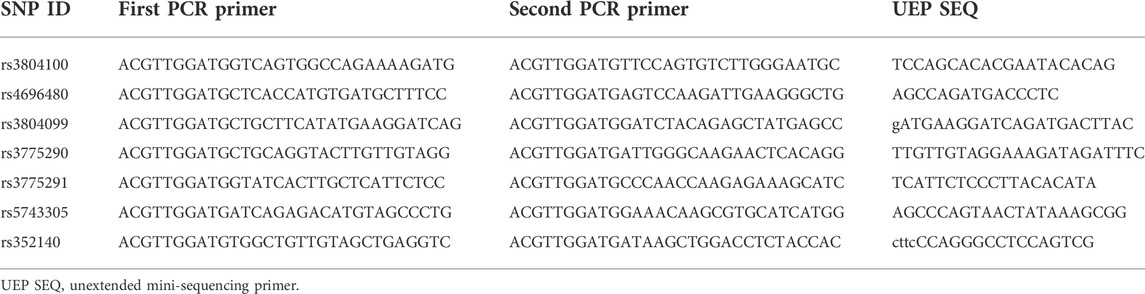
TABLE 1. Primers used for this study.
Statistical analysis
Hardy-Weinberg equilibrium test was performed on the control group using the χ2 test to evaluate the reliability of the control group. Allele frequencies and genotype frequencies and differences in the clinical characteristics between the two groups were analyzed with Student’s t test or χ2 test. The association of each SNP and COPD susceptibility was estimated by using unconditional logistic regression analyses with odds ratios (ORs) and 95% confidence intervals (CIs). Four models (dominant model, recessive model, heterozygote comparison and homozygote comparison) were used to assess the association between each genotype and the risk of COPD. p < 0.05 were considered statistically significant. All statistical analysis was performed using SPSS software version 20 (SPSS, Chicago, IL, United States).
Results
Clinical characteristics of the study subjects
The basic clinical characteristics of the case and control groups are described in Table 2. A total of 170 COPD cases (118 men and 52 women; mean age, 66.62 ± 6.64 years) and 181 controls (114 men and 67 women; mean age, 65.52 ± 4.83 years) were included in the study. There were no significant differences in age, gender and body mass index between the case and control groups (p > 0.05). However, there were significant differences in smoking status between the two groups (p < 0.05). The pulmonary function parameters of COPD group (FEV1/FVC, 50.52 ± 11.6) met the inclusion criteria of GOLD.
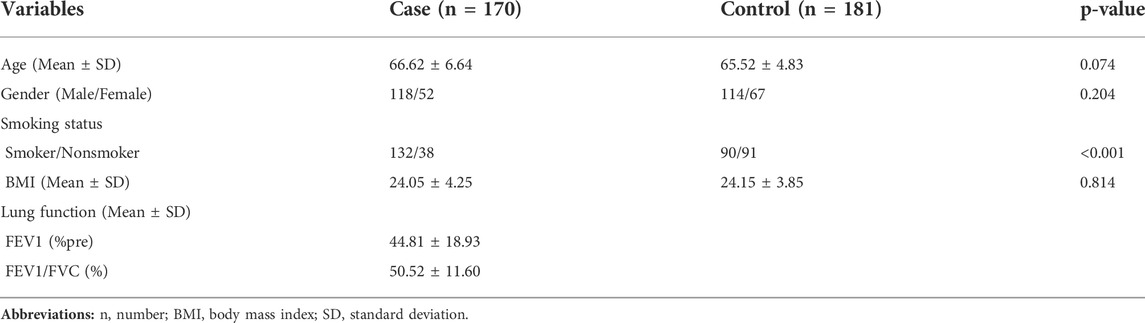
TABLE 2. Characteristics of cases and controls in this study.
HWE and SNPs alleles
The detailed information of candidate SNPs in TLRs (TLR2, TLR3, TLR9) are shown in Table 3. These SNPs are mainly locate in the exons, introns and promoter regions of genes. The MAF of the SNPs in the control group was similar to those reported for the 1000 Genome Project. The genotypes distributions of all SNPs among the control group were in accordance with Hardy-Weinberg equilibrium (p > 0.05).
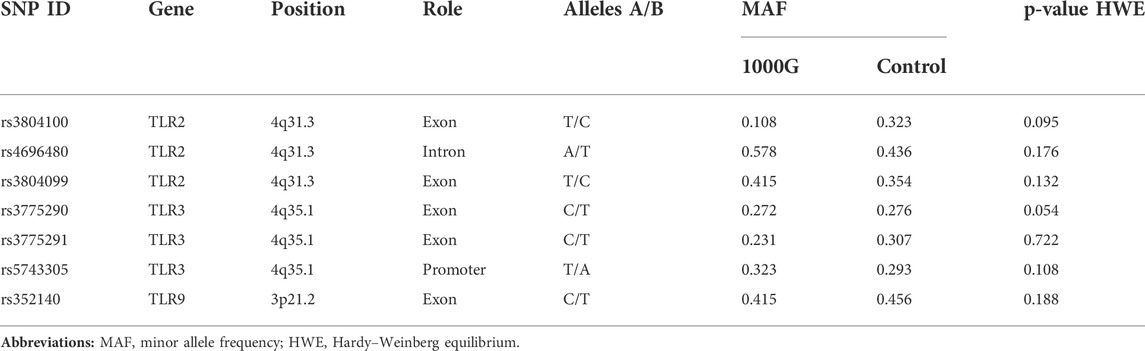
TABLE 3. Characteristics of the SNPs in this study
Associations of selected SNPs in TLR genes and COPD risk
The genotype frequencies of the TLRs (TLR2, TLR3, TLR9) polymorphisms are presented in Table 4. When considering the rs3775291 SNP in the TLR3 gene, compared with the CC genotype, the TT genotype significantly decreased the risk of COPD (non-adjusted OR = 0.329, 95% CI = 0.123–0.879, p = 0.027). Furthermore, we used four genetic models (dominant, recessive, heterozygote and homozygote) to analyze the association between the rs3775291 and risk of COPD. The results showed that the rs3775291 TT genotype was associated with a decreased risk of COPD based on the recessive model (non-adjusted OR = 0.377, 95% CI = 0.144–0.988, p = 0.047) (Table 5).
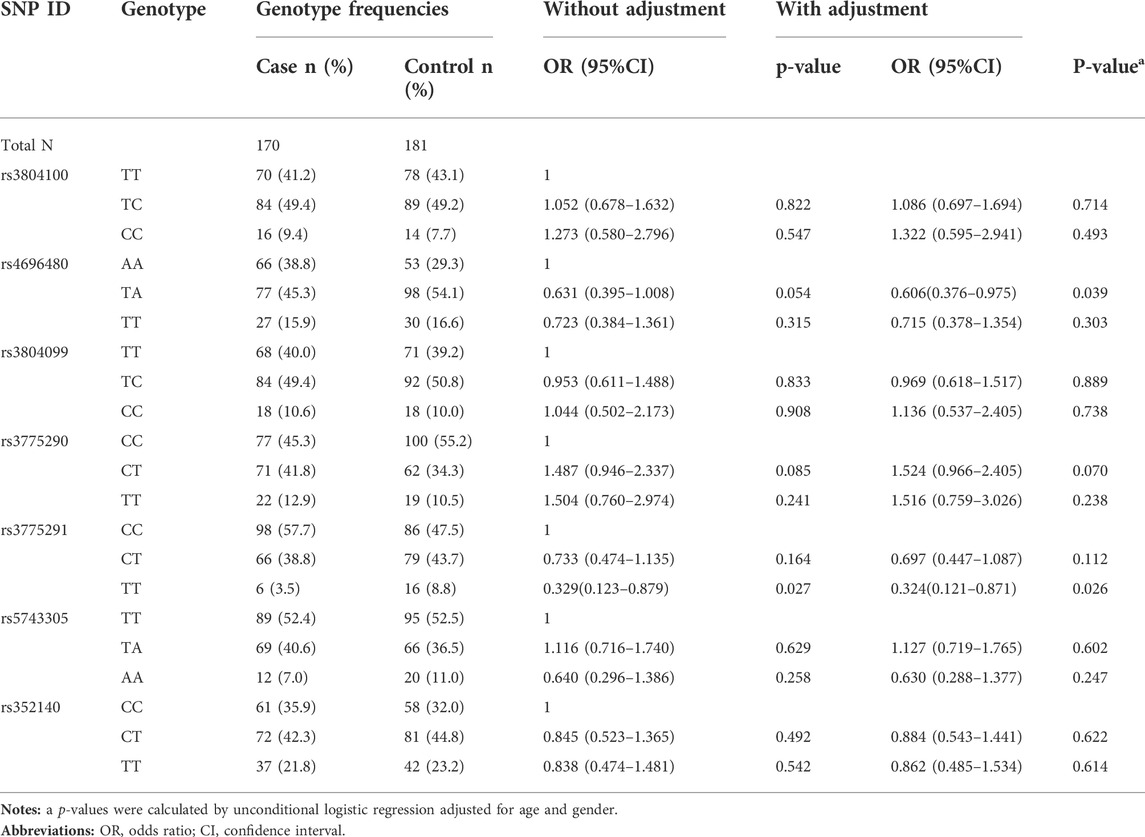
TABLE 4. Genotypes frequencies of the SNPs and their associations with risk of COPD
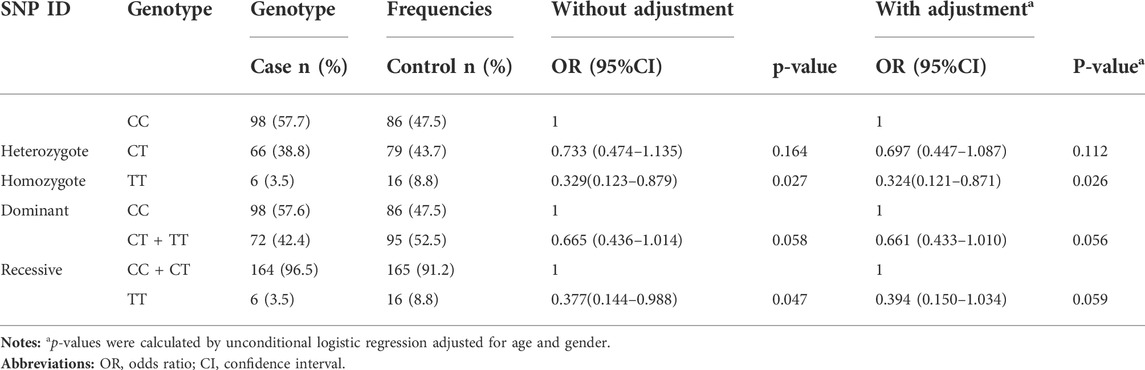
TABLE 5. Association between rs3775291 and risk of COPD in different inheritance models.
All gene polymorphisms susceptibility analysis of COPD was performed after adjustment by age and gender. For the rs3775291 SNP, TT genotype decreased the risk of COPD in the homozygote comparison model (adjusted OR = 0.324, 95% CI = 0.121–0.871, p = 0.026) (Table 4). Furthermore, the results demonstrated that the rs4696480 in TLR2 was associated with a decreased risk of COPD based on heterozygote comparison model (adjusted OR = 0.606, 95% CI = 0.376–0.975, p = 0.039) (Table 4).
Discussion
In the present case-control study, we investigated the potential association of TLRs (TLR2, TLR3, TLR9) polymorphisms with COPD risk in Chinese population. Our results revealed that the rs3775291 and rs4696480 significant decreased the risk of COPD. The rs3775291 is a missense mutation located in the exon of TLR3, and its change may affect the protein structure of TLR3. In addition, rs4696480 is located in the intron of TLR2, and its change may affect the protein expression of TLR2. Based on the recessive and homozygote model, the SNP rs3775291 was associated with a decreased risk of COPD and this association was model dependent. Two previous studies have reported the association between TLR2 polymorphisms and COPD risk in Caucasus population. One study found that TLR2 polymorphisms have no effect on disease severity of COPD in Greek population. (Apostolou et al., 2017). However, another study from Netherlands showed that TLR2 polymorphism was related to the decline of pulmonary function in COPD patients. (Budulac et al., 2012). The difference in their results may be due to the differences in genetic background and gene frequency between populations in different countries. Therefore, it is necessary to explore the association between TLRs polymorphisms and COPD risk in Chinese population.
Other researchers have also explored the relationship between gene polymorphisms and COPD susceptibility. A study from Egypt showed that rs1051730 of CHRNA3 might be a risk factor of COPD. (El et al., 2020). Karimi et al. observed that the rs1042713 in ADRB2 was associated with a reduced risk of COPD exacerbation in patients of inhaled β2-agonists. Karimi et al. (2019) Moreover, another study found that FGFR2 and MGAT5 genetic polymorphisms were correlated with the risk of COPD in the Chinese people. (Li et al., 2021). Zhang et al. suggested that a new variant rs17014601 of FAM13A could increase the risk of COPD in Chinese population. Zhang et al. (2018) Base on above results and studies, we speculated that gene polymorphisms play an important role in the pathological process of COPD.
In the present study, we explored seven SNPs in TLRs, including rs3804100, rs4696480, rs3804099, rs3775290, rs3775291, rs5743305, rs352140. Some gene polymorphisms included in our study have also been reported in other diseases. For instance, one study showed that rs4696480 of TLR2 may have significant effects on the heritability of psoriasis in the Turkish population. (Sabah-Özcan and Gürel, 2019). Moreover, the rs3775290 of TLR3 might be a protective factor for sporadic parkinson’s disease in Han Chinese population. (Wang et al., 2020). Recent evidence suggest that TLR9 rs352140 was associated with early-stage cervical cancer. (Pandey et al., 2019). The risk of multiple lung diseases can also be affected by these included gene polymorphisms. Smit et alreported that TLR2 rs3804099 was associated with an increased risk for asthma in family-based analyses. Smit et al. (2009) One study from Germany found that TLR2 rs3804099 may affect the risk of pulmonary tuberculosis in Moldavian population. (Varzari et al., 2019). As far as we know, we are the first to report the association between TLRs polymorphisms and COPD risk in Chinese population.
The downstream genes of TLR family signaling pathway are various inflammatory cytokines including TNF-α, IL-6 and IL-10. (Leifer and Medvedev, 2016; Luo et al., 2019). Different inflammatory cytokines play an important role in the pathological process of COPD. For example, one research suggested that miR-378 inhibited the development of smoking-induced COPD by targeting TNF-α. (Zhang et al., 2019). Another evidence found that lung fibroblasts participated in the chronic inflammation in COPD by releasing IL-6 and IL-8. (Zhang et al., 2012). Silva et al. showed that IL-10 expression was associated with the severity of COPD. Silva et al. (2018) In lung cancer, a variety of drugs targeting EGFR mutations have been developed. (Remon et al., 2018). However, there are still few targeted drugs for COPD. Based on the above studies, we speculate that TLRs polymorphisms may be potential therapeutic target for COPD.
The main innovation of our study is that rs3775291 and rs4696480 of TLRs may be potential biomarkers for predicting COPD risk in Chinese population. However, there are several limitations of this case-control study. First, the statistical power of this study may be restricted by the small sample size. The larger populations are needed to confirm our results. Second, the biological function and mechanism of rs3775291 and rs4696480 in COPD has not been explored. Therefore, the detailed mechanism of TLR gene polymorphisms affecting the biological function of COPD needs to be explored in the future. Third, there are differences in smoking status between the case group and the control group, which may affect our analysis results. We believe that a larger sample of research is needed to explore this problem in the future.
Conclusion
In summary, our study showed that genetic variants in TLRs were associated with risk of COPD. The rs3775291 and rs4696480 may act as a potential biomarker for predicting the risk of COPD in Chinese population. Further studies are required to clarify the role of rs3775291 and rs4696480 in development of COPD.
Data availability statement
The original contributions presented in the study are included in the article/supplementary material, further inquiries can be directed to the corresponding author.
Ethics statement
The studies involving human participants were reviewed and approved by Tianjin Medical University General Hospital. The patients/participants provided their written informed consent to participate in this study.
Author contributions
JF and SS developed the original hypothesis and supervised the experimental design. SS performed the experiments and wrote the manuscript. YS collected clinical samples and performed statistical analysis. JF revised the manuscript.
Funding
This research was supported by grants from National Science and Technology Major Project of China (No.2018ZX10305,409-001–001), National Natural Science Foundation of China (82170097, 81970083, 81270144, 81570084 and 30800507 to JF), the National Key Technology R&D Program, China (2015BAI12B00 to JF), and the General Hospital of Tianjin Medical University Youth Incubation Foundation (ZYYFY2018030 to SS.
Acknowledgments
We would like to acknowledge the helpful comments on this article received from our reviewers.
Conflict of interest
The authors declare that the research was conducted in the absence of any commercial or financial relationships that could be construed as a potential conflict of interest.
Publisher’s note
All claims expressed in this article are solely those of the authors and do not necessarily represent those of their affiliated organizations, or those of the publisher, the editors and the reviewers. Any product that may be evaluated in this article, or claim that may be made by its manufacturer, is not guaranteed or endorsed by the publisher.
References
Akira, S., and Takeda, K. (2004). Toll-like receptor signalling. Nat. Rev. Immunol. 4 (7), 499–511. doi:10.1038/nri1391
Apostolou, A., Kerenidi, T., Michopoulos, A., Gourgoulianis, K. I., Noutsias, M., Germenis, A. E., et al. (2017). Association between TLR2/TLR4 gene polymorphisms and COPD phenotype in a Greek cohort. Herz 42 (8), 752–757. doi:10.1007/s00059-016-4510-9
Berenson, C. S., Kruzel, R. L., Wrona, C. T., Mammen, M. J., and Sethi, S. (2015). Impaired innate COPD alveolar macrophage responses and toll-like receptor-9 polymorphisms. PLoS One 10 (9), e0134209. doi:10.1371/journal.pone.0134209
Budulac, S. E., Boezen, H. M., Hiemstra, P. S., Lapperre, T. S., Vonk, J. M., Timens, W., et al. (2012). Toll-like receptor (TLR2 and TLR4) polymorphisms and chronic obstructive pulmonary disease. PLoS One 7 (8), e43124. doi:10.1371/journal.pone.0043124
de Vries, M., Faiz, A., Woldhuis, R. R., Postma, D. S., de Jong, T. V., Sin, D. D., et al. (2017). Lung tissue gene-expression signature for the ageing lung in COPD. Thorax 73, 609–617. doi:10.1136/thoraxjnl-2017-210074
Droemann, D., Goldmann, T., Tiedje, T., Zabel, P., Dalhoff, K., and Schaaf, B. (2005). Toll-like receptor 2 expression is decreased on alveolar macrophages in cigarette smokers and COPD patients. Respir. Res. 6, 68. doi:10.1186/1465-9921-6-68
El, G. E., Elhelbawy, R. H., and Elhelbawy, N. G. (2020). Nicotinic acetylcholine receptors (rs1051730) gene polymorphism and Surfactant protein D level in chronic obstructive pulmonary disease. Br. J. Biomed. Sci. 77, 213–215. doi:10.1080/09674845.2020.1757839
Fakih, D., Akiki, Z., Junker, K., Medlej-Hashim, M., Waked, M., Salameh, P., et al. (2018). Surfactant protein D multimerization and gene polymorphism in COPD and asthma. Respirology 23 (3), 298–305. doi:10.1111/resp.13193
Jiang, J., Wang, Y., Tang, X., Yao, Y., and Zhou, J. (2016). Regulation of viral infection-induced airway remodeling cytokine production by the TLR3-EGFR signaling pathway in human bronchial epithelial cells. COPD 13 (6), 750–755. doi:10.3109/15412555.2016.1168391
Karimi, L., Lahousse, L., Ghanbari, M., Terzikhan, N., Uitterlinden, A. G., van der Lei, J., et al. (2019). β(2)-Adrenergic receptor (ADRB2) gene polymorphisms and risk of COPD exacerbations: The rotterdam study. J. Clin. Med. 8 (11), E1835. doi:10.3390/jcm8111835
Kawai, T., and Akira, S. (2006). TLR signaling. Cell Death Differ. 13 (5), 816–825. doi:10.1038/sj.cdd.4401850
Leifer, C. A., and Medvedev, A. E. (2016). Molecular mechanisms of regulation of Toll-like receptor signaling. J. Leukoc. Biol. 100 (5), 927–941. doi:10.1189/jlb.2MR0316-117RR
Li, X., Zhou, G., Tian, X., Chen, F., Li, G., and Ding, Y. (2021). The polymorphisms of FGFR2 and MGAT5 affect the susceptibility to COPD in the Chinese People. BMC Pulm. Med. 21 (1), 129. doi:10.1186/s12890-021-01498-3
Lopez-Campos, J. L., Tan, W., and Soriano, J. B. (2016). Global burden of COPD. Respirology 21 (1), 14–23. doi:10.1111/resp.12660
Luo, L., Lucas, R. M., Liu, L., and Stow, J. L. (2019). Signalling, sorting and scaffolding adaptors for Toll-like receptors. J. Cell Sci. 133 (5), jcs239194. doi:10.1242/jcs.239194
Mathers, C. D., and Loncar, D. (2006). Projections of global mortality and burden of disease from 2002 to 2030. PLoS Med. 3 (11), e442. doi:10.1371/journal.pmed.0030442
Pandey, N. O., Chauhan, A. V., Raithatha, N. S., Patel, P. K., Khandelwal, R., Desai, A. N., et al. (2019). Association of TLR4 and TLR9 polymorphisms and haplotypes with cervical cancer susceptibility. Sci. Rep. 9 (1), 9729. doi:10.1038/s41598-019-46077-z
Remon, J., Steuer, C. E., Ramalingam, S. S., and Felip, E. (2018). Osimertinib and other third-generation EGFR TKI in EGFR-mutant NSCLC patients. Ann. Oncol. 29 (1), i20–i27. doi:10.1093/annonc/mdx704
Sabah-Özcan, S., and Gürel, G. (2019). The polymorphism rs4696480 in the TLR2 gene is associated with psoriasis patients in the Turkish population. Immunol. Lett. 211, 28–32. doi:10.1016/j.imlet.2019.05.008
Shen, W., Liu, J., Zhao, G., Fan, M., Song, G., Zhang, Y., et al. (2017). Repression of Toll-like receptor-4 by microRNA-149-3p is associated with smoking-related COPD. Int. J. Chron. Obstruct. Pulmon. Dis. 12, 705–715. doi:10.2147/COPD.S128031
Silva, B., Lira, F. S., Ramos, D., Uzeloto, J. S., Rossi, F. E., Freire, A., et al. (2018). Severity of COPD and its relationship with IL-10. Cytokine 106, 95–100. doi:10.1016/j.cyto.2017.10.018
Smit, L. A., Siroux, V., Bouzigon, E., Oryszczyn, M. P., Lathrop, M., Demenais, F., et al. (2009). CD14 and toll-like receptor gene polymorphisms, country living, and asthma in adults. Am. J. Respir. Crit. Care Med. 179 (5), 363–368. doi:10.1164/rccm.200810-1533OC
Varzari, A., Deyneko, I. V., Vladei, I., Grallert, H., Schieck, M., Tudor, E., et al. (2019). Genetic variation in TLR pathway and the risk of pulmonary tuberculosis in a Moldavian population. Infect. Genet. Evol. 68, 84–90. doi:10.1016/j.meegid.2018.12.005
Vestbo, J., Hurd, S. S., Agusti, A. G., Jones, P. W., Vogelmeier, C., Anzueto, A., et al. (2013). Global strategy for the diagnosis, management, and prevention of chronic obstructive pulmonary disease: GOLD executive summary. Am. J. Respir. Crit. Care Med. 187 (4), 347–365. doi:10.1164/rccm.201204-0596PP
Wang, C., Xu, J., Yang, L., Xu, Y., Zhang, X., Bai, C., et al. (2018). Prevalence and risk factors of chronic obstructive pulmonary disease in China (the China pulmonary health [CPH] study): A national cross-sectional study. Lancet 391 (10131), 1706–1717. doi:10.1016/S0140-6736(18)30841-9
Wang, J., Liu, Y., Liu, Y., Zhu, K., and Xie, A. (2020). The association between TLR3 rs3775290 polymorphism and sporadic Parkinson's disease in Chinese Han population. Neurosci. Lett. 728, 135005. doi:10.1016/j.neulet.2020.135005
Zhang, J., Feng, M. X., and Qu, J. M. (2012). Low dose theophylline showed an inhibitory effect on the production of IL-6 and IL-8 in primary lung fibroblast from patients with COPD. Mediat. Inflamm. 2012, 492901. doi:10.1155/2012/492901
Zhang, J. L., Yang, C. Q., and Deng, F. (2019). MicroRNA-378 inhibits the development of smoking-induced COPD by targeting TNF-α. Eur. Rev. Med. Pharmacol. Sci. 23 (20), 9009–9016. doi:10.26355/eurrev_201910_19302
Keywords: chronic obstructive pulmonary disease, toll-like receptors, polymorphisms, TLR2, TLR3, TLR9
Citation: Sun S, Shen Y and Feng J (2022) Association of toll-like receptors polymorphisms with COPD risk in Chinese population. Front. Genet. 13:955810. doi: 10.3389/fgene.2022.955810
Received: 29 May 2022; Accepted: 14 October 2022;
Published: 26 October 2022.
Edited by:
Gilberto Vargas Alarcón, Instituto Nacional de Cardiologia Ignacio Chavez, MexicoReviewed by:
Xiuqin Yang, Northeast Agricultural University, ChinaRan Wang, Anhui Medical University, China
Copyright © 2022 Sun, Shen and Feng. This is an open-access article distributed under the terms of the Creative Commons Attribution License (CC BY). The use, distribution or reproduction in other forums is permitted, provided the original author(s) and the copyright owner(s) are credited and that the original publication in this journal is cited, in accordance with accepted academic practice. No use, distribution or reproduction is permitted which does not comply with these terms.
*Correspondence: Jing Feng, dG11ZmVuZ2ppbmdAMTYzLmNvbQ==