 Xia Zhang1
 Rongfeng Liu2*
- 1Department of Respiratory Medicine, Shanxi Province Cancer Hospital/Shanxi Hospital Affiliated to Cancer Hospital, Chinese Academy of Medical Sciences/Cancer Hospital Affiliated to Shanxi Medical University, Taiyuan, Shanxi, China
- 2Department of Medical Oncology, The Fourth Hospital of Hebei Medical University, Shijiazhuang, Hebei, China
Background: Pyroptosis is essential for the remodeling of tumor immune microenvironment and suppression of tumor development. However, there is little information available about pyroptosis-related gene polymorphisms in non-small cell lung cancer (NSCLC).
Methods: Six SNPs in the GSDMB, GSDMC, and AIM2 were genotyped in 650 NSCLC cases and 650 healthy controls using a MassARRAY platform.
Results: Minor alleles of rs8067378, rs2305480, and rs77681114 were associated with a lower risk of NSCLC (p < 0.005), whereas rs2290400 and rs1103577 were related to an increased risk (p < 0.00001). Moreover, rs8067378-AG/GG, rs2305480-GA/AA, and rs77681114-GA/AA genotypes were associated with a decrease in NSCLC risk (p < 0.005). In contrast, the TC/CC genotypes of rs2290400 and rs1103577 were associated with an elevated NSCLC risk (p < 0.0001). Based on the analysis of genetic models, minor alleles of rs8067378, rs2305480 and rs77681114 were related to reduced risk of NSCLC (p < 0.05); whereas rs2290400 and rs1103577 were related to increased risk (p < 0.01).
Conclusion: Our findings provided new insights into the roles of pyroptosis-related genes in NSCLC, as well as new factors to be considered for assessing the risk of developing this cancer.
Introduction
The incidence and mortality of lung cancer are stubbornly high in spite of the great effort put into the related field, with approximately 1.3 million deaths worldwide each year (Siegel et al., 2021). Nearly 85% of all lung cancer patients were diagnosed with non-small cell lung cancer (NSCLC) (Jonna and Subramaniam, 2019), including the following three pathological types (Wu et al., 2021): most of lung adenocarcinoma originates from the bronchial mucosal epithelium, squamous cell carcinoma mostly originates in the larger bronchi, and large cell carcinoma often occurs in the upper lobe of the lung (Rodriguez-Canales et al., 2016). Although there are many ways to treat lung cancer, including surgery, radiotherapy, targeted drugs and chemotherapy, lung cancer is still a major challenge to human health and life around the world because of its high metastasis, high recurrence and low cure (Jones and Baldwin, 2018). According to statistics, approximately 40% and 60% of patients with stage I and II NSCLC still die from distant metastases within 5 years in patients undergoing tumor resection surgery (Torre et al., 2016). Therefore, early detection and prevention of NSCLC are crucial for improving the survival rate of the patients. Investigation of single-nucleotide polymorphisms (SNPs) in driver genes has proven to be a potential strategy to elaborate the hereditary susceptibility to NSCLC (Feng et al., 2020; Luo et al., 2021). Combination of the SNPs strategy and nowadays tumor related research hotspot might generate novel significative genotyping data and provide theoretical basis for early prevention of the disease.
Pyroptosis was first proposed to describe the process of programmed cell death caused by Salmonella infection of macrophages leading to their inflammatory death (D’Souza and Heitman, 2001). Pyroptosis can protect cells from infection by eliminating pathogen host cells and triggering an inflammatory response, with the symptoms of cell swelling, nuclear clotting, membranolysis, and the secretion of inflammatory cytokines and damage-related molecular patterns (Man and Kanneganti, 2016). Pyroptosis has been considered as a Caspase-1/11-induced programmed cell death, but the specific mechanism of Caspase-induced pyroptosis has been studied for a long time until the role of gasdermin (GSDM) family was revealed (Case et al., 2013; Li et al., 2020). It has been found several members in GSDM family, including GSDMA/B/C/D/E and DFNB59 (Broz et al., 2020). The GSDMs could be cleaved and activated by protease and then mediating pyroptosis, the GSDMB and GSDMC were processed by Caspase-3/6/7/granzyme A and Caspase-8 into their active form, respectively (Wang et al., 2017). GSDMB is high expressed in several types of cancers, and its expression level is related with poor prognosis of patients (Li et al., 2020). Overexpression of GSDMC also has relativity with a bad outcomes of lung adenocarcinoma patients (Wei et al., 2020). Moreover, inflammasome absent in melanoma 2 (AIM2) can recruit and activate Caspase-1, subsequently enhance the release of interleukin (IL)-1β and IL-18, and finally induce the pyroptosis (Sharma et al., 2019). The high expression of AIM2 has been found in NSCLC tissues, and functioned as an oncogene by influencing the formation of inflammasome (Zhang et al., 2019). However, little study focused on the SNPs in GSDMB, GSDMC, and AIM2 among patients with NSCLC.
Considering the above research background, we finally focused on six SNPs in GSDMB, GSDMC, and AIM2 based on previous studies. The rs8067378 (Li et al., 2022) and rs2305480 (Karunas et al., 2021) in GSDMB were found to be protective SNPs for cervical squamous intraepithelial lesion and asthma, respectively; while GSDMB-rs2290400 was correlated with asthma combined with allergic rhinitis (Karunas et al., 2021). Moreover, GSDMC-rs77681114 was related to reduced risk of lumbar disc herniation (Wu et al., 2020). In addition, AIM2-rs1103577 has been found protective role on risk of tuberculosis (Figueira et al., 2021), and rs2298803 in AIM2 was investigated in patients with rectal cancer and have no correlation with adverse events of postoperative chemoradiotherapy (Chen et al., 2023). We distinguished the alleles and genotypes of these SNPs in our study cohort, and made a disease risk prediction using genetic model analysis.
Materials and methods
Participants
We enrolled 650 patients with histopathologically diagnosed NSCLC and 650 healthy controls for this case-control study. Each of the participants was recruited from Shanxi Province Cancer Hospital. There were no previous treatments for any of the cases, and all were newly diagnosed. Blood donors without a history of cancer, immune disorders, or serious diseases were used as controls. We obtained written informed consent from each subject, and the study was approved by the Ethics Department of Shanxi Province Cancer Hospital and was carried out in accordance with the World Medical Association Declaration of Helsinki: Ethical Principles for Medical Research Involving Human Subjects.
Genotyping
Five milliliters of whole blood was collected from each subject in tubes containing ethylenediaminetetraacetic acid. DNA was extracted using a QIAamp DNA Blood Midi Kit (QIAGEN, Germany). Spectrometry (DeNovix DS-11FX Ultramicro spectrophotometer, United States) was used to measure the DNA concentration. Primers were designed using Sequenom MassARRAY Assay Design 3.0 software. The primers used for this study is listed in Table 1. SNP genotyping was performed on a Mass ARRAY iPLEX platform (Sequenom, San Diego, CA, United States) according to the manufacturer’s instructions. Assay design and mass spectrometric genotyping were performed as previously described (Gabriel et al., 2009).
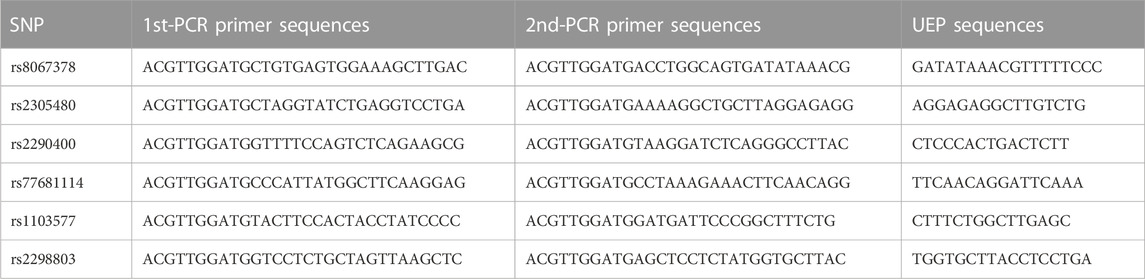
TABLE 1. PCR primers used for this study.
Statistical analyses
The statistical analyses were carried out using SPSS package version 20.0 (SPSS, Chicago, IL, United States). The chi-square test was used to compare the gender and smoking status, and the Student t-test was used to compare the age between cancer patients and healthy subjects, respectively. Controls were checked for deviations from Hardy-Weinberg equilibrium (HWE) by measuring minor allele frequencies (MAFs). SNPstats (https://www.snpstats.net/start.htm) was used to evaluate the associations between SNPs and NSCLC risk, and the results are presented in odds ratios (ORs) and 95% confidence intervals (CIs) with adjustments for sex, age and smoking status. Statistical significance was established when p < 0.05.
Results
Table 2 shows the sex, age, and smoking status of the participants. Sex, age, and smoking status did not differ significantly between case and control groups (p > 0.05). Adenocarcinoma, squamous cell carcinoma, adenosquamous carcinoma, and large cell lung cancer account for 50.5%, 41.1%, 4.4%, and 4.0% of NSCLC cases, respectively.

TABLE 2. The demographic characteristics of the participants.
The gene location information of candidate SNPs and their MAFs in cases and controls are listed in Table 3. Rs2305480 was a missense variant and led to a changed amino acid Pro > Ser, rs77681114 was a synonymous variant (Asn > Asn), other SNPs were intron, downstream or non-coding transcript variant. All SNPs matched HWE (p > 0.05). Three beneficial SNPs, rs8067378, rs2305480 and rs7768114, were significantly associated with a significantly lower risk of NSCLC after comparing the MAFs between cases and controls (rs8067378: OR = 0.666, 95% CI: 0.548–0.810, p = 0.00004; rs2305480: OR = 0.663, 95% CI: 0.549–0.802, p = 0.00002; rs77681114: OR = 0.751, 95% CI: 0.617–0.913, p = 0.00401). As well, two additional SNPs, rs2290400 and rs1103577, were linked to increased NSCLC risk (rs2290400: OR = 1.540, 95% CI: 1.296–1.830, p < 0.00001; rs1103577: OR = 1.497, 95% CI: 1.263–1.774, p < 0.00001).

TABLE 3. The MAF and HWE of candidate SNPs between NSCLC cases and healthy controls.
Table 4 shows the genotype frequencies of candidate SNPs. It was considered that the wild type genotype was the reference genotype. On the basis of the genotype frequencies of SNPs in cases and controls, the OR and 95% confidence interval were calculated for homozygous mutation genotypes and heterozygous mutation genotypes. There was a significant decrease in risk of NSCLC for the AG and GG genotypes of rs8067378 compared to the wild type AA (p = 0.0001). Similarly, the GA and AA genotypes of rs2305480 (p < 0.0001) and rs77681114 (p = 0.0025) were also determined to be protective genotypes for NSCLC. In contrast, the TC/CC genotypes of rs2290400 and rs1103577 were associated with different levels of elevated NSCLC risk (p < 0.0001).
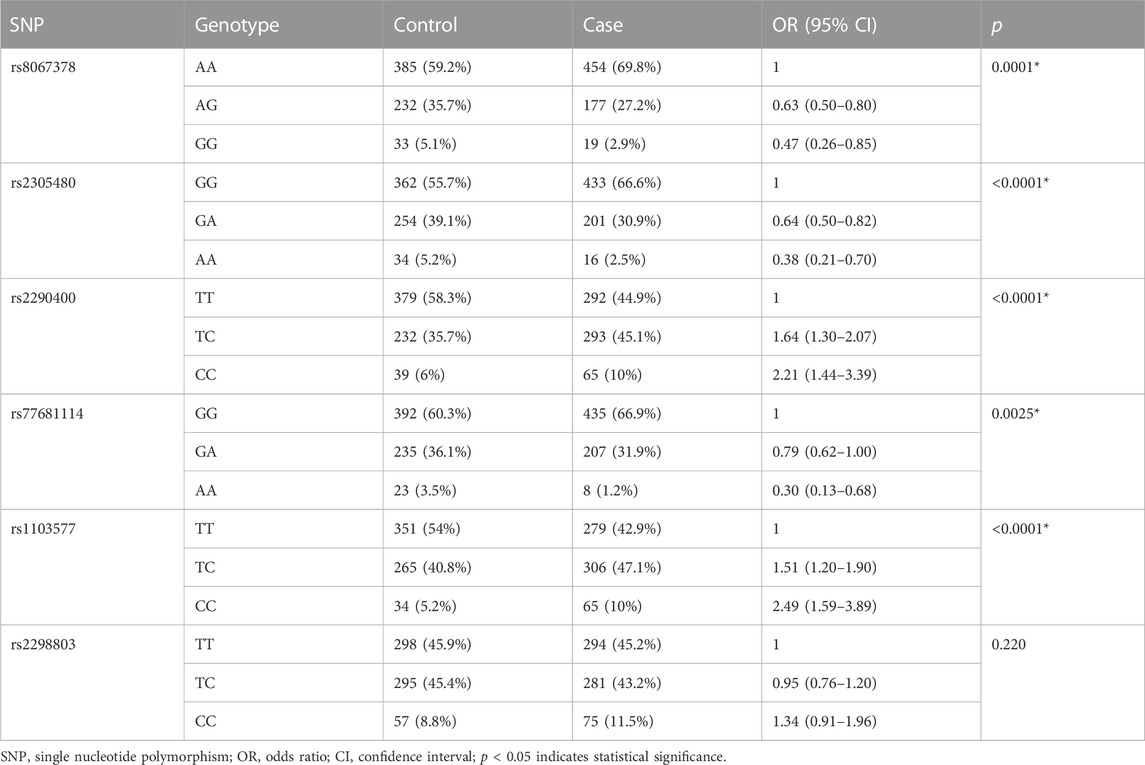
TABLE 4. Genotype frequency distributions between NSCLC cases and healthy controls.
Furthermore, we introduced three classical genetic models—dominant, recessive, and log-additive—so we could better evaluate SNPs’ impact on NSCLC risk. Table 5 shows five SNPs that increase or decrease the risk of the disease. All three genetic models showed reduced risk of NSCLC for minor alleles of rs8067378, rs2305480, and rs77681114; while rs2290400 and rs1103577 showed increased risk of the disease (p < 0.01).
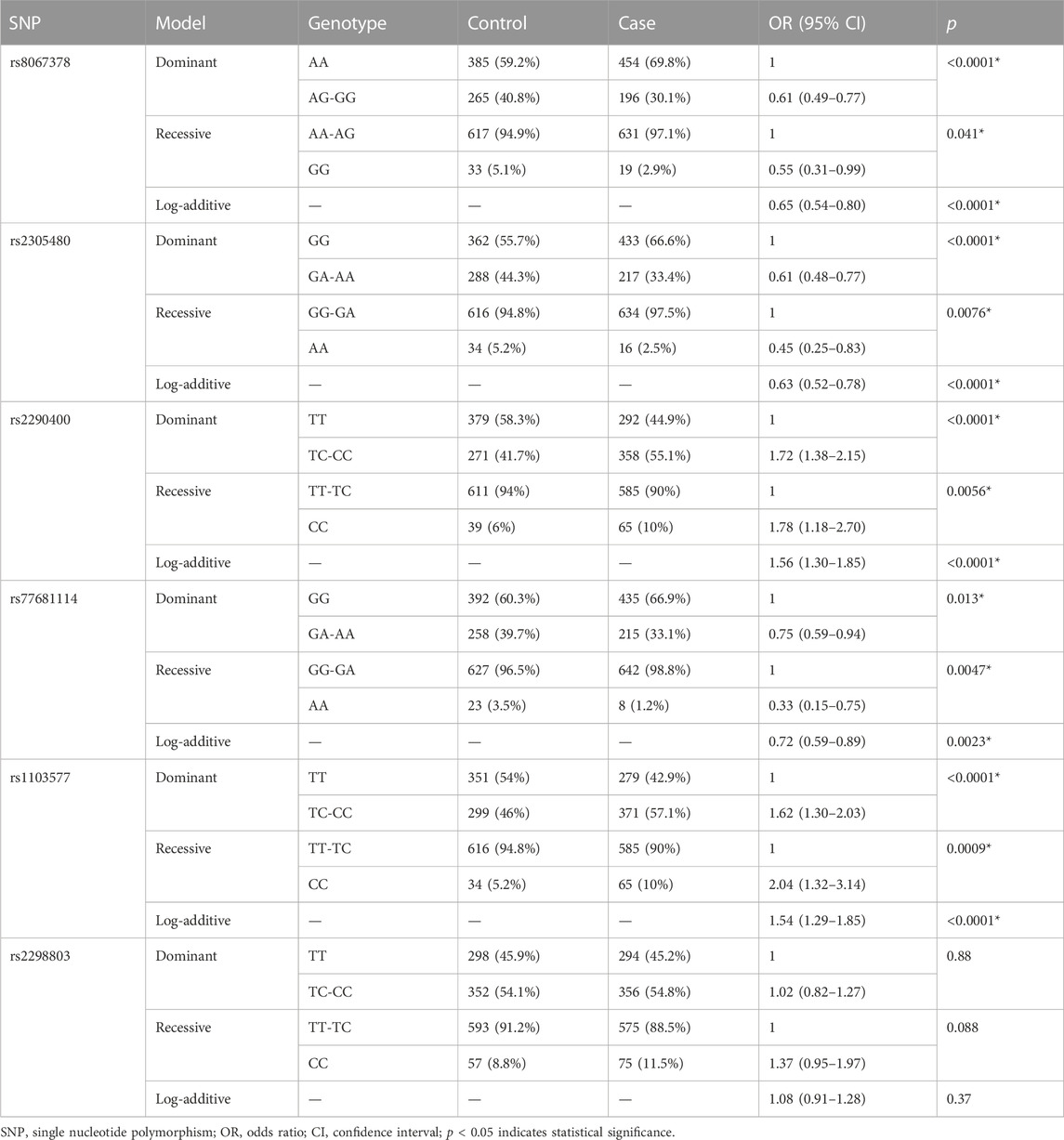
TABLE 5. Association between SNPs and NSCLC risk in genetic models.
Finally, the participants were divided into four subgroups according to the age and smoking status (Table 6). The rs8067378, rs2305480, and rs2290400 remained significant in each subgroup (p < 0.05). However, rs77681114 had no protective influence on the NSCLC in smokers (p > 0.05), and rs1103577 was not linked to NSCLC risk in nonsmokers (p > 0.05). Finally, we also looked at the connection between SNPs and risk of disease in patients with adenocarcinoma and squamous cell carcinoma, respectively (Table 7). All of the SNPs remained significant except rs2305480 (p < 0.05). The rs2305480 had no protective role for risk of squamous cell carcinoma (p > 0.05).
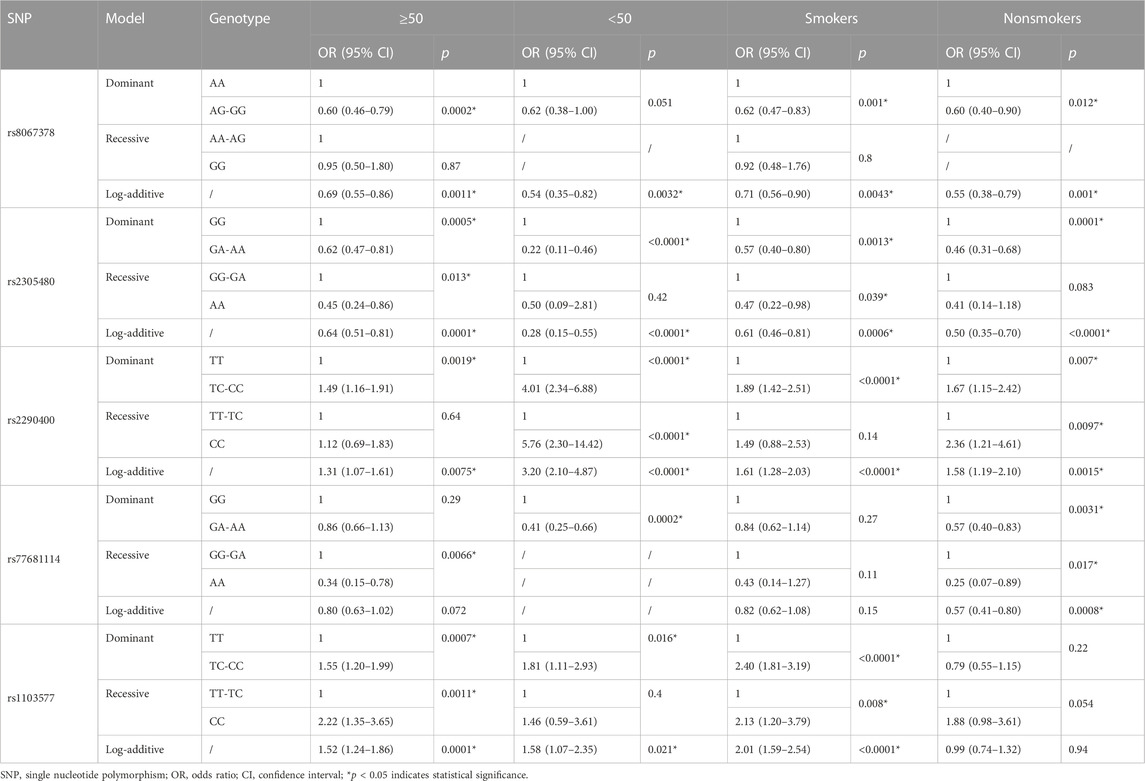
TABLE 6. Associations of candidate SNPs with NSCLC risk in four subgroups.
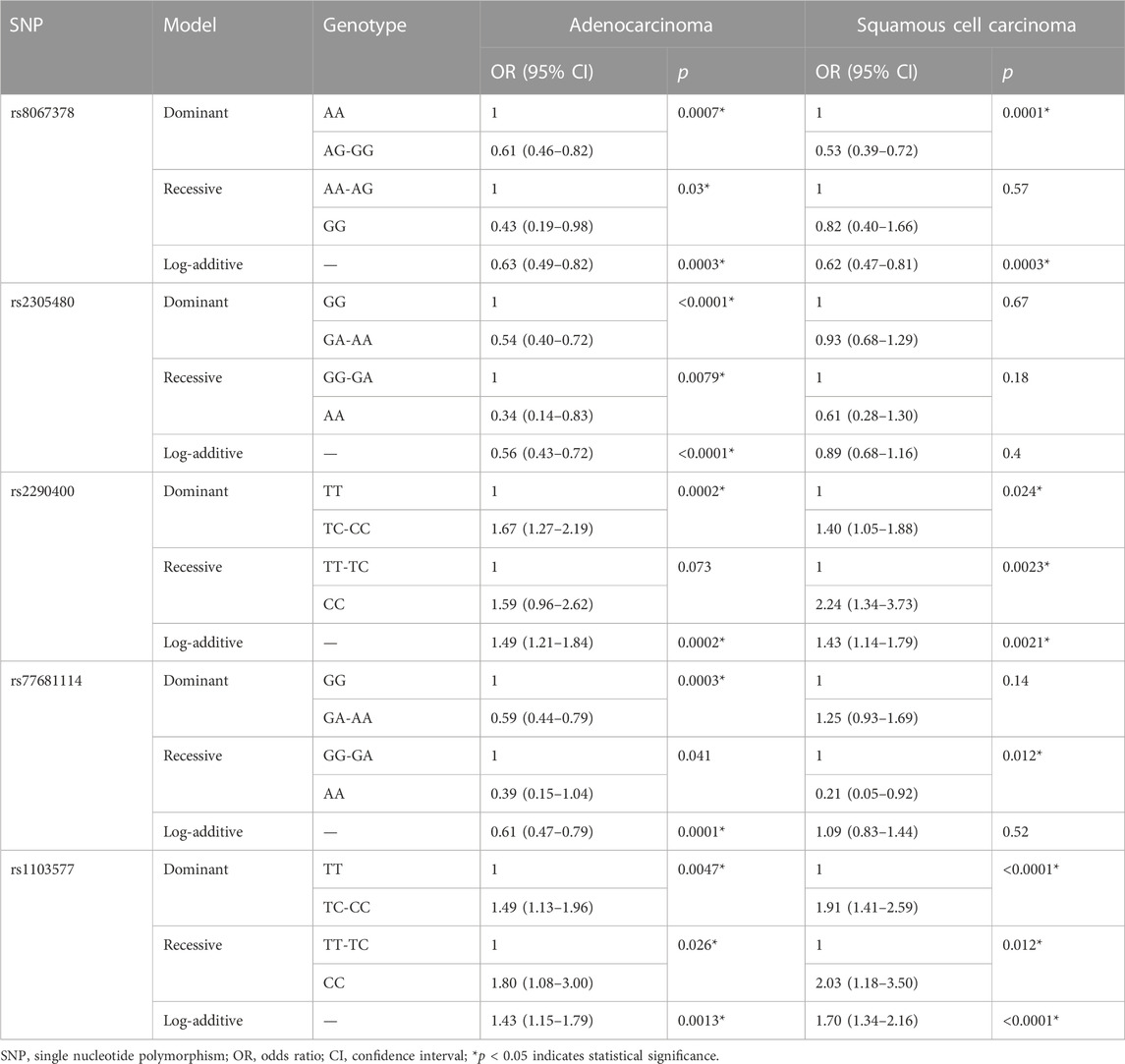
TABLE 7. Association between Candidate SNPs and risk of Adenocarcinoma and Squamous cell carcinoma.
Discussion
Pyroptosis is a new type of programmed cell death, which has been widely studied in various diseases in recent years, and the importance of this pathway to regulate tissue development and homeostasis has also received attention (Jia et al., 2023). Pyroptosis -related factors have a dual mechanism of promoting or inhibiting tumorigenesis, and can affect tumor progression by modulating malignant phenotypes such as cell morphology, proliferation, invasion, migration, and chemotherapy tolerance through multiple molecular signaling pathways, and may affect a patient’s prognosis (Frank and Vince, 2019). In our study, we identified five SNPs associated with increased or reduced risk of NSCLC associated with the pyroptosis-related genes GSDMB, GSDMC, and AIM2, which may shed light on the relationship between pyroptosis and NSCLC pathogenesis, as well as provide theoretical foundations for detecting and preventing the disease early.
GSDMB, located at 17q21, encodes the GSDMB that participate in pyroptosis as a key molecule. Ding’s group reported that GSDMB could be cut by Caspase-1 and released the N-terminus domain that induce cell pytoptosis (Ding et al., 2016), while Chen’s team demonstrated that GSDMB could not form pores on cytomembrane, but promoted non-classical pyroptosis through an enhancement of caspase-4 activity (Chen et al., 2019). With the research development, Chao’ lab argued that GSDMB could not be the substrate for human Caspase-1/4/5/11 due to lacking of the specific interdomain, but it could be cleaved by Caspase-3/6/7, which indicating that an apoptosis-pyroptosis cross-talk may be occurring (Chao et al., 2017). Also, lots of studies have shown that the genetic polymorphisms were linked to risk of autoimmune disease. Imraish et al. (2022) reported that GSDMB-rs7216389 has potential influence on IgE levels of patients with asthma in Jordanian population. Shamsi et al. (2023) reported that GSDMB-rs4795400, rs2305479, and rs12450091 were associated with risk of allergic rhinitis. As for cancer studies about GSDMB polymorphisms, Lutkowska et al. (2017) found that rs8067378 A>G variant may elevate the expression of GSDMB and increased the risk of the cervical squamous cell carcinomas in a Polish population, while Li et al. (2022) further reported that rs8067378 was a risk-reducing variant for cervical squamous intraepithelial lesion. We for the first time identified that a declined NSCLC risk was correlated with rs8067378 and rs2305480 in GSDMB, whereas an increased risk was associated with rs2290400. These results provided new evidence for the involvement of GSDMB in development and progression of NSCLC, while the molecular mechanism needed to be further explored. It is worth noting that rs2305480 is a missense variant and leads to Pro > Ser. Pro is a non-polar and hydrophobic amino acid, while Ser is a polar uncharged amino acid. We supposed that rs2305480 may has an effect on the progression of the disease through changing the conformation of GSDMB and its function in cell pyroptosis.
It has recently been revealed that GSDMC plays a role in cell pyroptosis as a member of the GSDM family. Hou’s group found that Caspase-8 can cut GSDMC in hypoxic breast cancer cells, and its expression level was mediated by the PD-L1, following by TNF-α induced pyroptosis (Hou et al., 2020). Moreover, Miguchi et al. established that an increase in GSDMC expression was linked to mutations in TGF-β receptor type II, and leading to a promotion of cell growth in colorectal cancer and xenograft tumor volum in vivo (Miguchi et al., 2016). A similar tumor-promoting role in lung adenocarcinoma was demonstrated by Wei’s Lab, upregulation of GSDMC was linked to poor outcomes, making it be a promising target for the disease (Wei et al., 2020). Furthermore, Yan’s group pointed that GSDMC functioned as an oncogene that promoting the cell proliferation and migration in pancreatic adenocarcinoma (Yan et al., 2022). In these studies, it was demonstrated that GSDMC played a crucial role in cancer development, especially in pyroptosis. However, little study focused on the genetic polymorphisms in GSDMC. Among Chinese Han, Wu et al. found that GSDMC-rs77681114 significantly decreased risk of lumbar disc herniation (Wu et al., 2020). We demonstrated that the variant rs77681114G>A is protective against NSCLC. However, smokers were not significantly affected by rs77681114 in a stratification analysis. We supposed that the protective role of this variant might be neutralized with cigarette smoking in NSCLC patients, while the hypothesis and detailed mechanisms should be verified and investigated in further studies.
AIM2 belongs to a family of inflammasomes and function as an intracellular DNA receptor that recognize double-stranded DNA released into the cytoplasm, activate downstream related effector proteins and induce cell pyroptosis (Wang et al., 2020). In addition to activating inflammasomes for immune function, studies have found that AIM2 also has the dual effects of promoting or inhibiting cancer development. Choubey et al. (2000) firstly reported the tumor suppressor role of AIM2, upregulation of AIM2 inhibited the cell proliferation and enhanced cell death in melanoma. Moreover, AIM2 was low expressed and played a tumor-inhibiting role in colon, liver, renal, breast and prostate cancers (Qin et al., 2022). In contrast, Farshchian et al. (2017) revealed a pro-tumorigenic role of AIM2, downregulation of AIM2 reduced the viability and invasion of cutaneous squamous cell carcinoma. Zhang et al. (2019) and Qi et al. (2020) also reported the oncogenic role of AIM2 in NSCLC through the inflammasome and modulation of mitochondrial dynamics, respectively. According to our understanding, few study focused on the AIM2 polymorphisms and cancer risk. We genotyped two SNPs, rs1103577, and rs2298803 in AIM2, and observed that rs1103577T>C was a risky variant for NSCLC. A subgroup analysis revealed that rs1103577T>C increased NSCLC risk in smokers but not in non-smokers, suggesting that rs1103577 may have interaction with smoking in the onset or development of NSCLC. The results provided an important detection site for early prevention of NSCLC.
In an association study, population stratification may lead to false positive or negative results. Thus, we stratified our analysis according to age and smoking status. Smokers and nonsmokers exhibited different results for GSMDC-rs77681114 and AIM2-rs1103577, suggesting that these two variants might interact with smoking in NSCLC progression. In addition, we also evaluated the association of candidate SNPs and different pathological type of NSCLC. The GSDMB-rs2305480 was a protective variant for adenocarcinoma, but not for squamous cell carcinoma, which could be explained by the different pathogenesis between the two pathological types of NSCLC.
Although the present study revealed the association between pyroptosis-related genes and NSCLC, there are also some potential limitations. Firstly, history of other lung diseases and family history of cancer might have associations with risk of the NSCLC; however, we have no related information to analyze, because the participants were collected in a very long time period, we did not design the factors from the very beginning. Secondly, the SNPs identified here could only represent the Chinese Han population, further validation study need to be done in other populations. Thirdly, our results needed to be further validated in functional studies.
In conclusion, we demonstrated that GSDMB-rs8067378, rs2305480, and GSMDC-rs77681114 were linked to a reduced NSCLC risk, while GSDMB-rs2290400 and AIM2-rs1103577 were related to an increased risk of the disease. Our findings provided new insights into the roles of pyroptosis-related genes in NSCLC, as well as new factors to be considered for assessing the risk of developing this cancer.
Data availability statement
The original contributions presented in the study are included in the article/supplementary material, further inquiries can be directed to the corresponding author.
Ethics statement
The studies involving human participants were reviewed and approved by the Ethics Department of Shanxi Province Cancer Hospital. The patients/participants provided their written informed consent to participate in this study.
Author contributions
XZ: investigation, formal analysis, writing- original draft preparation. RL: validation, supervision, writing- review and editing, funding acquisition. All authors contributed to the article and approved the submitted version.
Funding
This work was supported by the Key Program of Medicine and Science Foundation of Hebei Province (20230874), the Program for Young Scholars of Medicine and Science Foundation of Hebei Province (20180576, 20120354).
Conflict of interest
The authors declare that the research was conducted in the absence of any commercial or financial relationships that could be construed as a potential conflict of interest.
Publisher’s note
All claims expressed in this article are solely those of the authors and do not necessarily represent those of their affiliated organizations, or those of the publisher, the editors and the reviewers. Any product that may be evaluated in this article, or claim that may be made by its manufacturer, is not guaranteed or endorsed by the publisher.
References
Broz, P., PelegríN, P., and Shao, F. (2020). The gasdermins, a protein family executing cell death and inflammation. Nat. Rev. Immunol. 20, 143–157. doi:10.1038/s41577-019-0228-2
Case, C. L., Kohler, L. J., Lima, J. B., Strowig, T., De Zoete, M. R., Flavell, R. A., et al. (2013). Caspase-11 stimulates rapid flagellin-independent pyroptosis in response to Legionella pneumophila. Proc. Natl. Acad. Sci. U. S. A. 110, 1851–1856. doi:10.1073/pnas.1211521110
Chao, K. L., Kulakova, L., and Herzberg, O. (2017). Gene polymorphism linked to increased asthma and IBD risk alters gasdermin-B structure, a sulfatide and phosphoinositide binding protein. Proc. Natl. Acad. Sci. U. S. A. 114, 1128–1137. doi:10.1073/pnas.1616783114
Chen, H. X., Ren, N. X., Yang, J., Chen, J. N., Lu, Q. X., Feng, Y. R., et al. (2023). Associations of genetic variations in pyroptosis related genes with acute adverse events in postoperative rectal cancer patients receiving concurrent chemoradiotherapy. Zhonghua Zhong Liu Za Zhi 45, 146–152. doi:10.3760/cma.j.cn112152-20220622-00447
Chen, Q., Shi, P., Wang, Y., Zou, D., Wu, X., Wang, D., et al. (2019). GSDMB promotes non-canonical pyroptosis by enhancing caspase-4 activity. J. Mol. Cell Biol. 11, 496–508. doi:10.1093/jmcb/mjy056
Choubey, D., Walter, S., Geng, Y., and Xin, H. (2000). Cytoplasmic localization of the interferon-inducible protein that is encoded by the AIM2 (absent in melanoma) gene from the 200-gene family. FEBS Lett. 474, 38–42. doi:10.1016/s0014-5793(00)01571-4
D'Souza, C. A., and Heitman, J. (2001). Dismantling the cryptococcus coat. Trends Microbiol. 9, 112–113. doi:10.1016/s0966-842x(00)01945-4
Ding, J., Wang, K., Liu, W., She, Y., Sun, Q., Shi, J., et al. (2016). Pore-forming activity and structural autoinhibition of the gasdermin family. Nature 535, 111–116. doi:10.1038/nature18590
Farshchian, M., Nissinen, L., SiljamäKI, E., Riihilä, P., Piipponen, M., Kivisaari, A., et al. (2017). Tumor cell-specific AIM2 regulates growth and invasion of cutaneous squamous cell carcinoma. Oncotarget 8, 45825–45836. doi:10.18632/oncotarget.17573
Feng, T., Feng, N., Zhu, T., Li, Q., Zhang, Q., Wang, Y., et al. (2020). A SNP-mediated lncRNA (LOC146880) and microRNA (miR-539-5p) interaction and its potential impact on the NSCLC risk. J. Exp. Clin. Cancer Res. 39, 157. doi:10.1186/s13046-020-01652-5
Figueira, M. B. A., De Lima, D. S., Boechat, A. L., Filho, M., Antunes, I. A., Matsuda, J. D. S., et al. (2021). Single-nucleotide variants in the AIM2 - absent in melanoma 2 gene (rs1103577) associated with protection for tuberculosis. Front. Immunol. 12, 604975. doi:10.3389/fimmu.2021.604975
Frank, D., and Vince, J. E. (2019). Pyroptosis versus necroptosis: Similarities, differences, and crosstalk. Cell Death Differ. 26, 99–114. doi:10.1038/s41418-018-0212-6
Gabriel, S., Ziaugra, L., and Tabbaa, D. (2009). SNP genotyping using the Sequenom MassARRAY iPLEX platform. Curr. Protoc. Hum. Genet. 2, 2.12. doi:10.1002/0471142905.hg0212s60
Hou, J., Zhao, R., Xia, W., Chang, C. W., You, Y., Hsu, J. M., et al. (2020). PD-L1-mediated gasdermin C expression switches apoptosis to pyroptosis in cancer cells and facilitates tumour necrosis. Nat. Cell Biol. 22, 1264–1275. doi:10.1038/s41556-020-0575-z
Imraish, A., Abu-Thiab, T., Alhindi, T., and Zihlif, M. (2022). GSDM gene polymorphisms regulate the IgE level in asthmatic patients. PLoS One 17, 0274951. doi:10.1371/journal.pone.0274951
Jia, Y., Wang, X., Deng, Y., Li, S., Xu, X., Qin, Y., et al. (2023). Pyroptosis provides new strategies for the treatment of cancer. J. Cancer 14, 140–151. doi:10.7150/jca.77965
Jones, G. S., and Baldwin, D. R. (2018). Recent advances in the management of lung cancer. Clin. Med. (Lond) 18, s41–s46. doi:10.7861/clinmedicine.18-2-s41
Jonna, S., and Subramaniam, D. S. (2019). Molecular diagnostics and targeted therapies in non-small cell lung cancer (NSCLC): An update. Discov. Med. 27, 167–170.
Karunas, A. S., Fedorova, Y. Y., Gimalova, G. F., Etkina, E. I., and Khusnutdinova, E. K. (2021). Association of gasdermin B gene GSDMB polymorphisms with risk of allergic diseases. Biochem. Genet. 59, 1527–1543. doi:10.1007/s10528-021-10073-8
Li, L., Li, Y., and Bai, Y. (2020). Role of GSDMB in pyroptosis and cancer. Cancer Manag. Res. 12, 3033–3043. doi:10.2147/CMAR.S246948
Li, S., Li, X., Zhang, S., Feng, Y., Jia, T., Zhu, M., et al. (2022). Association between GSDMB gene polymorphism and cervical cancer in the northeast Chinese han population. Front. Genet. 13, 860727. doi:10.3389/fgene.2022.860727
Luo, J., Martucci, V. L., Quandt, Z., Groha, S., Murray, M. H., Lovly, C. M., et al. (2021). Immunotherapy-mediated thyroid dysfunction: Genetic risk and impact on outcomes with PD-1 blockade in non-small cell lung cancer. Clin. Cancer Res. 27, 5131–5140. doi:10.1158/1078-0432.CCR-21-0921
Lutkowska, A., Roszak, A., Lianeri, M., Sowińska, A., Sotiri, E., and Jagodziński, P. P. (2017). Analysis of rs8067378 polymorphism in the risk of uterine cervical cancer from a polish population and its impact on gasdermin B expression. Mol. Diagn Ther. 21, 199–207. doi:10.1007/s40291-017-0256-1
Man, S. M., and Kanneganti, T. D. (2016). Converging roles of caspases in inflammasome activation, cell death and innate immunity. Nat. Rev. Immunol. 16, 7–21. doi:10.1038/nri.2015.7
Miguchi, M., Hinoi, T., Shimomura, M., Adachi, T., Saito, Y., Niitsu, H., et al. (2016). Gasdermin C is upregulated by inactivation of transforming growth factor β receptor type II in the presence of mutated apc, promoting colorectal cancer proliferation. PLoS One 11, e0166422. doi:10.1371/journal.pone.0166422
Qi, M., Dai, D., Liu, J., Li, Z., Liang, P., Wang, Y., et al. (2020). AIM2 promotes the development of non-small cell lung cancer by modulating mitochondrial dynamics. Oncogene 39, 2707–2723. doi:10.1038/s41388-020-1176-9
Qin, Y., Pan, L., Qin, T., Ruan, H., Zhang, Y., Zhang, Y., et al. (2022). Pan-cancer analysis of AIM2 inflammasomes with potential implications for immunotherapy in human cancer: A bulk omics research and single cell sequencing validation. Front. Immunol. 13, 998266. doi:10.3389/fimmu.2022.998266
Rodriguez-Canales, J., Parra-Cuentas, E., and Wistuba, (2016). Diagnosis and molecular classification of lung cancer. Cancer Treat. Res. 170, 25–46. doi:10.1007/978-3-319-40389-2_2
Shamsi, B. H., Chen, H., Yang, X., Liu, M., and Liu, Y. (2023). Association between polymorphisms of the GSDMB gene and allergic rhinitis risk in the Chinese population: A case-control study. J. Asthma, 1–10. doi:10.1080/02770903.2023.2185893
Sharma, B. R., Karki, R., and Kanneganti, T. D. (2019). Role of AIM2 inflammasome in inflammatory diseases, cancer and infection. Eur. J. Immunol. 49, 1998–2011. doi:10.1002/eji.201848070
Siegel, R. L., Miller, K. D., Fuchs, H. E., and Jemal, A. (2021). Cancer statistics, 2021. CA Cancer J. Clin. 71, 7–33. doi:10.3322/caac.21654
Torre, L. A., Siegel, R. L., and Jemal, A. (2016). Lung cancer statistics. Adv. Exp. Med. Biol. 893, 1–19. doi:10.1007/978-3-319-24223-1_1
Wang, B., Bhattacharya, M., Roy, S., Tian, Y., and Yin, Q. (2020). Immunobiology and structural biology of AIM2 inflammasome. Mol. Asp. Med. 76, 100869. doi:10.1016/j.mam.2020.100869
Wang, Y., Gao, W., Shi, X., Ding, J., Liu, W., He, H., et al. (2017). Chemotherapy drugs induce pyroptosis through caspase-3 cleavage of a gasdermin. Nature 547, 99–103. doi:10.1038/nature22393
Wei, J., Xu, Z., Chen, X., Wang, X., Zeng, S., Qian, L., et al. (2020). Overexpression of GSDMC is a prognostic factor for predicting a poor outcome in lung adenocarcinoma. Mol. Med. Rep. 21, 360–370. doi:10.3892/mmr.2019.10837
Wu, F., Fan, J., He, Y., Xiong, A., Yu, J., Li, Y., et al. (2021). Single-cell profiling of tumor heterogeneity and the microenvironment in advanced non-small cell lung cancer. Nat. Commun. 12, 2540. doi:10.1038/s41467-021-22801-0
Wu, J., Sun, Y., Xiong, Z., Liu, J., Li, H., Liu, Y., et al. (2020). Association of GSDMC polymorphisms with lumbar disc herniation among Chinese Han population. Int. J. Immunogenet 47, 546–553. doi:10.1111/iji.12488
Yan, C., Niu, Y., Li, F., Zhao, W., and Ma, L. (2022). System analysis based on the pyroptosis-related genes identifies GSDMC as a novel therapy target for pancreatic adenocarcinoma. J. Transl. Med. 20, 455. doi:10.1186/s12967-022-03632-z
Keywords: non-small cell lung cancer (NSCLC), pyroptosis, gasdermin (GSDM), absent in melanoma 2 (AIM2), polymorphisms
Citation: Zhang X and Liu R (2023) Pyroptosis-related genes GSDMB, GSDMC, and AIM2 polymorphisms are associated with risk of non-small cell lung cancer in a Chinese Han population. Front. Genet. 14:1212465. doi: 10.3389/fgene.2023.1212465
Received: 26 April 2023; Accepted: 30 May 2023;
Published: 09 June 2023.
Edited by:
Xiaogang Wu, University of Texas MD Anderson Cancer Center, United StatesReviewed by:
Le Son Tran, Medical Genetics Institute, VietnamTian Tian, Children’s Hospital of Philadelphia, United States
Copyright © 2023 Zhang and Liu. This is an open-access article distributed under the terms of the Creative Commons Attribution License (CC BY). The use, distribution or reproduction in other forums is permitted, provided the original author(s) and the copyright owner(s) are credited and that the original publication in this journal is cited, in accordance with accepted academic practice. No use, distribution or reproduction is permitted which does not comply with these terms.
*Correspondence: Rongfeng Liu, bGl1cm9uZ2Zlbmc4MkAxNjMuY29t