 Laura-Joy Boulos
- ENSA Lab, Department of Psychology, Saint-Joseph University, Beirut, Lebanon
The use of tech in mental health has drastically increased in the recent years. Indeed advances in technology have made it possible to better characterize, predict, prevent, and treat a range of psychiatric illnesses. What is less paid attention to however is the impact of tech on our mental health and brain functioning, or what we have called, the digitalization of our brains. The acceleration of tech is correlated with an increased prevalence of reported mental health disorders. The overuse of technology and social media is also correlated to cognitive and affective alterations in apparently healthy individuals, including increased feelings of isolation, stress, memory and attention deficits, as well as modifications in information and reward processing. In this review we discuss the impact of technology on our mental health and brains, emphasizing on the need to take into account our brain capacities in order to optimize the integration of tech in our daily lives all while preserving our core cognitive functions.
“We had better be quite sure that the purpose put into the machine is the purpose which we really desire.” Norbert Wiener, 1960
Or in other words: careful what you wish for; and hope to still have the cognitive capacity to wish, a few decades from now.
Introduction
Our brains are the interface between us and the rest of the world. They are the physical organ that underlies our cognitive and executive functions that is, the way we process things, learn things, pay attention to them, memorize, and even anticipate them (Jung, 2018). Throughout our evolutionary history, our brain functioning and cognitive systems have been modified by technological inventions such as primitive tools or spoken language (Loh and Kanai, 2016). The recent advent and widespread use of digital technologies—whether it is Internet and social media a few decades ago or AI and large language models such as ChatGPT more recently, have particularly impacted human cognition and its neurobiology, and are about to deeply reshape our brain functioning both in ways we can predict and in ways that we cannot yet imagine or conceive (Firth et al., 2020). Although still underexplored, epigenetic mechanisms are probably already promoting neurobiological evolutionary adaptations to this digital environment (Castelon Konkiewitz and Ziff, 2024). AI particularly, is being applied globally and across sectors at an unprecedented pace compared to previous technologies, which makes it harder to pause, analyze, examine then understand its impact on brain and cognition; as such, it is of utmost importance to regularly review the state of the art on what we call here: the digitalization of our brains.
This review is not about unlocking the potential of AI in healthcare, fintech, climate change, or any other industry. It is also not about providing guidelines on how to leverage AI tools or how to exploit their transformative potential, nor is it about venting all the merits of advanced AI tools. It also isn't about the potential threat that AI constitutes to humanity nor is it about differentiating the good and the bad in digital technologies [others are working on it; The Lancet Psychiatry just announced, in October 2024, the formation of a Commission focused on problematic usage of digital technologies and its impact on mental health, particularly for children and youth (Fineberg et al., 2024)]. As a matter of fact there is little utility in broadly labeling the phenomenon of digital technology as “good” or “bad.” The technological genie is out of the bottle, and it seems unlikely that efforts to put it back would succeed anyway. The aim here is rather to examine brain and cognition reshaping in this exponentially accelerated and generalized digitalization era.
More precisely we first aim at synthetically reviewing existing literature on how internet and social media have been affecting human cognition, with a focus on five cognitive functions: attention, memory, information processing, reward-processing, and multitasking. Secondly, we use more recent findings to examine how the emergence of advanced AI is further impacting brain functioning, namely decision making and emotional processes. Although focus was put on cognitive changes that are more widely documented, we also included potential alterations of neurobiological mechanisms that may underlie observed cognitive changes with particular emphasis on the important indication that these relationships may vary across different age groups, or depending on personal traits, brain health condition, and environmental or socioeconomical factors. Finally, reviewing all evidence, we raise the obvious question whenever an important change is imminent: what are we loosing and what are we gaining in the process of brain digitalization, and most importantly, how can we integrate these alterations when building the future of ethical technologies? How can we translate neuroscience advances into tangible knowledge that can help us use AI and all past and future digital technologies as tools to augment not diminish our capacities and wellbeing, as it should? A key element we emphasize on being the unprecedented pace and speed at which digital technology evolves.
Method
This paper is a literature review (Samnani et al., 2017) as it covers the broad topic coined here as brain digitalization, focusing mainly on the impact of digital technologies on cognition, as well as potential (but less documented) brain repercussions (brain activity, neural networks etc.). In such, our literature review has the purpose to point at most pressing unanswered questions at the intersection of brains and digital technologies, as well as to provide a space to pause and reflect on the rapid advancements of said intersection.
Specific attention was paid to distinguishing the impact of each digital technology separately, with an effort to include the most recent emergence and wide adoption of AI technologies. An effort to include opposing arguments and publications was also deployed, emphasizing on the gray zones and the fact that most of the time we are not in a position to reach strong conclusions yet.
We conducted a systematic search across the following electronic databases: PubMed, PubMed Central, Scopus, and Web of Science, focusing on studies that investigate the impact of digital technologies on brain function and cognition. Initially, we employed keywords such as “brain,” “brain activity,” “neural networks,” “cognition,” and “cognitive functions” in conjunction with the broad term “digital technology,” as well as specific technologies including “internet,” “smartphones,” “social media,” and “AI.” Following this, we screened the resulting articles to identify the most frequently documented cognitive alterations, which included “attention,” “memory,” “information processing,” “reward processing,” and “multitasking.” In a subsequent step, we conducted searches for each of these cognitive alterations in combination with the aforementioned specific digital technologies. This further search led to the identification of three additional cognitive processes: “decision-making processes,” “risk-taking behavior,” and “empathy.”
We scanned all articles and selected only those directly related to the impact of digital technologies on brain and cognition. Articles published outside the 2013–2023 timeframe were excluded, except for a few widely cited reference papers from 2005–2009. Additionally, papers focused solely on smartphones were excluded due to existing extensive reviews on this technology (Barr et al., 2015; Böttger et al., 2023; Wilmer et al., 2017).
The results of the literature search (including numbers of citations screened, duplicates removed, and full-text documents screened) are reported in the PRISMA-ScR flow diagram (see Figure 1).
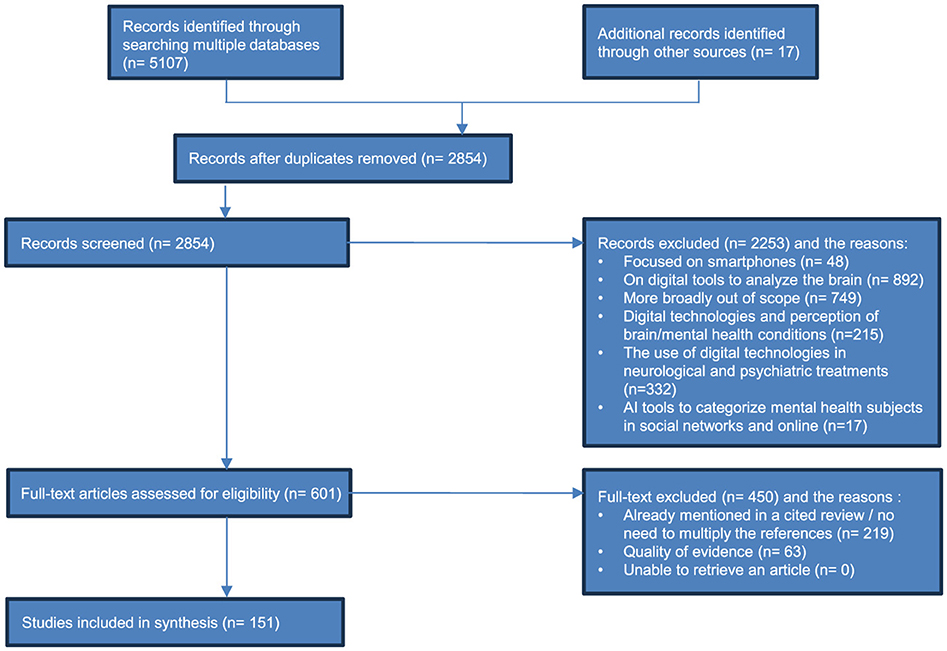
Figure 1. PRISMA extension for scoping reviews (PRISMA-ScR): flow diagram.
Part I – The cognitive repercussions of internet and social media
The term digital technologies includes a plethora of tools that may or may not have similar impacts on human brain functioning. From screen exposition and screen time to the internet, from AR and VR to advanced-AI and the metaverse, from hardware (potential extensions or implants) to programs, games and software (Anderson and Subrahmanyam, 2017); more often than not, we use at least one of them on a daily basis. But how do each of them impact us? In this first part we take the two main advances from the past decades, internet and social media, and we review existing body of works drawing associations between the use of these technologies and modifications in human cognition.
The internet
More than half of the world has access to the Internet (Internet Live Stats). The discovery was poised to be a revolutionary “cognitive enhancement tool” (Bostrom and Sandberg, 2009) but the composition and use of Internet turned out to be more complex (Voinea et al., 2020). Human beings can only process so much information at a given time, and more information is not necessarily better. The impact of the Internet on cognitive functions is thus being studied (Dong and Potenza, 2016, 2015; Kühn and Gallinat, 2014; Li et al., 2022; Takeuchi et al., 2018) and reviewed regularly (Brand et al., 2014; Bremer, 2005; Firth et al., 2019; Loh and Kanai, 2016; Park et al., 2017; Pezoa-Jares et al., 2012; Voinea et al., 2020).
One very much explored aspect of internet use is devices. Long periods of time are spent on mobile phones, and total time spent is proportionately associated with poor sleep and worsen study habits in adolescents (Gupta et al., 2015) as well as lower cognitive abilities and analytical capacity (Barr et al., 2015). Long periods of mobile use can also lead to smartphone addictions, which in turn increases the propensity of mood and anxiety symptoms as well as perceived stress (Samaha and Hawi, 2016). Repeated use of fingertips on touchscreens even reshapes cortical activity in the somatosensory cortex, as shown by an EEG study (Gindrat et al., 2015a,b).
Another extensively researched aspect of the internet is content (Firth et al., 2020). Available content is wide and rich (you can find almost anything), including controversial content such as internet pornography (Kühn and Gallinat, 2014) or “dark participation” i.e., the spreading of hate speech, fake news and conspiracy theories (Quandt et al., 2022), as well as generally deceptive or manipulative interfaces called dark patterns (Luguri and Strahilevitz, 2021) that often lead users to act against their best interests (Potel-Saville and Da Rocha, 2023; Luguri and Strahilevitz, 2021).
Multiple studies also explore brain changes associated with the overall use of the internet, namely through neuroimaging (Takeuchi et al., 2018). Functional brain activation associated with internet searching include higher orbitofrontal cortex activity (related to reward) and lower activity in the right middle temporal gyrus (language processing) (Dong et al., 2017; Dong and Potenza, 2016). Higher amounts of internet use or addictive internet use is further associated with decreased gray matter volumes in brain regions involved in executive control (dorsolateral prefrontal cortex, anterior cingulate and supplementary motor area), emotion processing (the insula), language processing (temporal areas) and reward processing (orbitofrontal cortex) (Pezoa-Jares et al., 2012). A cross-sectional and longitudinal study looking to address causality (Takeuchi et al., 2018) also showed that a higher frequency of internet use in children was associated with decreased verbal intelligence and smaller volume increases in widespread brain areas (language processing, attention, executive functions, emotion, and reward) after a few years (Takeuchi et al., 2018).
Of particular interest to the main message of this review, emerging evidence demonstrate that the rapidly growing extent of internet usage, rather than just access to it, is a major factor for reshaping cognition (Firth et al., 2020).
Social media
According to Statista, Almost 100% of internet users are on social media, which is perfectly aligned with the biology of human (and specifically adolescent) brains: hunger for human connectedness, appetite for adventure and desire for data (Giedd, 2020). In such, social media is just “a new playing field for the same game” (i.e. “real-world sociability”) (Firth et al., 2019). Same game, except larger scale and faster deployment. Social media thus have a profound impact on collective cohesion, group interactions but also individual cognitive functions and this is vastly documented namely through the number of data obtained from harnessing social media (Dunbar, 2018; Firth et al., 2019).
By facilitating new forms of collective engagement, enabling individuals to come together around shared interests or identities and fostering a new sense of belonging and solidarity (Giedd, 2020), digital platforms are increasing cognitive polarization and the reinforcement of existing beliefs (Takeuchi et al., 2018). And while networking on these platforms increases social trust and connectedness (Alloway et al., 2013), frequent use or over-use of social network is associated with socio-emotional dysregulation (Hormes et al., 2014; Uhls et al., 2014), decreased cognitive control and reduced gray matter density in brain regions related to attention (Loh and Kanai, 2016). Social media multitasking has also been correlated with poor wellbeing (Valkenburg et al., 2022), with a potential mediating role of cognitive functions (Xu et al., 2022). Finally, recent studies indicate significant disparities in sensitivity to social media feedback between adolescents and adults, revealing that adolescents' moods are more adversely affected by a reduction in likes (da Silva Pinho et al., 2024). Specifically, emerging research has found that this sensitivity correlates with variations in subcortical-limbic brain volumes in young adults, underscoring the urgent need for digital competence programs aimed at helping youth effectively navigate the constant feedback inherent in social media environments (da Silva Pinho et al., 2024).
The strong connection between neurobiological mechanisms underlying both online and off-line networking further indicates that social media can have “real-world” consequences, namely on social cognitions and other cognitive processes (Firth et al., 2020). Given the ubiquitous nature of social media, more studies should be conducted to better understand how it shapes our thoughts or cognitions, influences our opinions, and impacts our future actions (Keles et al., 2020; Lima Dias Pinto et al., 2022).
Below we review the repercussions of internet and social media on five majorly impacted cognitions: attention, memory, information processing, reward-processing and multitasking. Many cited studies rely on self-report and correlational measures (Wilmer et al., 2017), and some of them haven't been duplicated yet, so “boxed” conclusions should be viewed with caution.
Attention
As mentioned earlier, one of the major variables that modulate the effects of digital technology is the extent of usage, so quantity (Firth et al., 2019, 2020). Extensive screen time (Jeong and Hwang, 2016) or prolonged internet use (Firth et al., 2020; Jeong and Hwang, 2016; Uncapher and Wagner, 2018) are both associated with reduced sustained attention, one of the major symptoms of ADHD (Ra et al., 2018). As a matter of fact, internet overuse is directly linked to ADHD, both in children and teens (Ra et al., 2018) but also in adults (Andreassen et al., 2016), with over 3 times higher likelihood to develop ADHD for individuals with Internet Use Disorder compared to healthy controls (Wang et al., 2017). Prolonged internet usage by apparently healthy individuals, and particularly media-multitasking, is further correlated with reduced gray matter volume in prefrontal regions associated with sustaining attention/ignoring distractor stimuli (Kühn and Gallinat, 2015; Loh and Kanai, 2016). Importantly, even brief interactions with hyperlinks can immediately reduce concentration capacities, with deficits persisting beyond internet usage (Peng et al., 2018).
Individual changes can lead to the emergence of population-level alterations. Using a simple mathematical model, Lorenz-Spreen et al. (2019) demonstrate how the abundance of online information available and consumed has shorten population-level attention span, or what the authors call “collective attention span.” Using popular tweets as one of their data points, the authors conclude that gains of popularity become steeper, while the saturation point (at which a given tweet or hashtag loses its popularity) is also reached more quickly (Lorenz-Spreen et al., 2019). This compelling piece of evidence should encourage new studies on how internet usage effects on individuals can translate into population-scale changes in human cognition.
The reason for the link between tech use and attention alterations is uncertain, but might be attributed to the overload of information processing characterized by rapid and repetitive attention shifting (Fox et al., 2009), or to the fact that we have fewer opportunities to allow our brains to rest in their default mode (Raichle, 2015). It is of course important to note that certain usages of digital technologies such as videogames have the tendency to improve visual attention and reaction time, as they consist forms of training of these cognitive capacities (Green and Bavelier, 2003; Spence and Feng, 2010).
→ Reduced sustained attention, improved visual attention and reaction time.
Memory
The Internet, with its endless accessible information, serves as an external memory storage, or as a form of external transactive memory (Ward, 2013). The information is held by the Internet and the user has little responsibility to remember any information (Ward, 2013). The only responsibility they have is to remember where and how to access information rather than the information itself (Ward, 2013). This over-reliance on external digital tools interferes with retention processes by failing to recruit brain regions associated with working memory (Dong and Potenza, 2016; Sparrow et al., 2011) and memory retrieval circuits (Liu et al., 2020; Sparrow et al., 2011), a modification labeled a decade ago as “the Google effect” (Sparrow et al., 2011). Specifically, Internet search changes brain activity as shown by decreased regional homogeneity in the middle temporal gyrus (object identification and recognition) and decreased functional connectivity between the temporal gyrus and parahippocampal cortex (memory encoding and retrieval) (Liu et al., 2020).
However, this increased reliance on external memory sources is not necessarily maladaptive. Humans have been relying on external tools such as calendars and shopping lists for a long time (Heersmink, 2016). This “off-sourcing” of memory can have cognitive enhancing effects by off-loading cognition for other tasks, which is illustrated by increased white matter integrity that facilitates in turn neural connectivity (Dong et al., 2017). A recent study analyzing data from 36,542 participants (Kang and Malvaso, 2024) revealed a positive relationship between the frequency of internet use and episodic memory, supporting the notion that internet usage functions as a form of transactive memory, which relies on the retrieval of how information was accessed rather than the information itself. According to this study, regular engagement with the internet may enhance individuals' episodic memory capabilities, as assessed through immediate and delayed word recall task (Kang and Malvaso, 2024).
Of course, and similar to video games for visual attention, certain usages of digital tools have been identified for their cognitive training capacities including improvement of different aspects of memory, specifically in older adults (80+) either healthy (Corbett, 2015) or with mild cognitive impairment (Hu, 2019).
→ An external transactive memory that shifts the processes of our memory from content-based to methodology based.
Information processing
Perhaps one of the biggest changes that the Internet has cultivated is a shallow mode of information seeking and processing (Wolf and Barzillai, 2009). This shallow mode is characterized by increased scanning behavior, selective reading and keyword spotting, rapid non-linear attention shifts, reduced contemplation, and decreased information retention (Baron, 2021a; Schurer et al., 2023).
Specific aspects of the digital environment such as hypertexts contribute to this mode of information processing (Schurer et al., 2023). All at once they give users quick access to new information but reduce the cognitive resources available for deeper processing (Jayes et al., 2022). This in turn increases mind wandering (Schurer et al., 2023) mental shortcuts to cope with information overload, reduced cognitive load, and the complexity of technologies (Voinea et al., 2020).
By giving effortless access to massive amounts of information, digital technologies thus reduce the need for elaborative processing to commit the information to memory (Baron, 2021a,b), decreases natural learning processes (Dubose, 2012), which could in turn disrupt the development of deep reading skills such as reasoning, critical analysis and reflection (Hutton et al., 2020; Korte, 2020; Nicholas and Carr, 2010).
Of course we could expect upsides to this new information processes, namely a potential increase in cognitive flexibility given the ever growing amounts of information to constantly adapt to.
→ A shallower mode of information processing but potentially more flexibility.
Reward processing
The digital environment offers users a highly stimulating and rewarding experience. Music, videos, social information, games all are inherently pleasurable stimuli that feed our hunger for connectedness and our appetite for adventure. Even in “real life,” they are extremely gratifying and often associated with overuse and potential alterations of underlying brain circuitry: the mesolimbic system and the amygdala-to-hypothalamus circuit (Cao et al., 2021; Hu et al., 2021). Leveraging on the Internet's infrastructure, these desirable content and activities can be more frequently and conveniently accessed, and their impact on reward and social reward is proportionately increased, and even more so in adolescence a phase of pivotal social transformation (Lamblin et al., 2017).
Changes occurring are mainly attributed to the intense popularity of social media largely justified by our psychological need for social rewards (likes) (Hayes et al., 2016). To top that, the Internet environment also distributes rewards on a variable ratio schedule that is, at unpredictable frequencies and magnitudes. This rewarding structure strongly reinforces reward-pursuing behavior, increases impulsivity (Raiha et al., 2020), and can lead to altered reward processing reflected by changes in subjective wanting (Wadsley and Ihssen, 2022), and a preference for immediate rewards even in the face of potential losses or reduced reward possibilities (Loh and Kanai, 2016), which can in turn alter self-control and increase the prevalence of addictive behaviors (Loh and Kanai, 2016; Raiha et al., 2020; Wadsley and Ihssen, 2022), associated with reduced fronto-striatal functional connectivity (Dong et al., 2021).
For the specific case of social reward processing, it remains unclear precisely how it is altered and how associated neural networks are impacted by the online sharing of informational content, from factual to fabricated (Lima Dias Pinto et al., 2022). A study analyzing over one million posts from 4,000+ individuals on multiple social media platforms consistently showed that behavior on social media conforms to the principles of reward learning, supporting a reward learning account of social media engagement (Lindström et al., 2021). Another study using EEG to explore dynamic reconfigurations of brain networks underlying opinion change/opinion formation found that individuals who changed their opinions are characterized by less frequent network reconfigurations vs. those with more stable opinions tend to have more flexible brain networks with frequent reconfigurations (Lima Dias Pinto et al., 2022). This suggests that brain network reconfiguration could be underlying opinion formation, namely when using social media (Lima Dias Pinto et al., 2022).
→ Reduced motivation and decreased emotional regulation → Increased risk of mental health issues and addictive behaviors
Multitasking
Multitasking either refers to the ability to perform two simultaneous tasks, or the capacity to switch rapidly between tasks (Colom et al., 2010). Such task-switching behavior place increasing demand on neurocognitive networks responsible for sustained attention (Aagaard, 2019; Waskom et al., 2014). Digital technologies mirror a dramatic increase in multitasking processes (Aagaard, 2019; Vedechkina and Borgonovi, 2021), which are in turn correlated with increased distractibility and error rates, and poorer inhibition of irrelevant stimuli, or poorer executive control abilities more generally (Uncapher and Wagner, 2018). Higher levels of media-multitasking also reflect decreased gray matter densities in the anterior cingulate cortex (ACC) and altered connectivity between the ACC and the pre-cuneus (Loh and Kanai, 2016), a possible neural correlate to the cognitive control deficit observed in high level multitasking.
Interestingly, a study testing whether engaging in frequent multitasking could train the ability to hold items in short term memory and ignore distractors while switching between tasks, found out that, on the contrary, heavy media multitaskers performed worse on a variety of cognitive control tasks compared to light media multitaskers (Ophir et al., 2009). This suggests that prolonged use of social media and internet increase bottom-up processing (i.e., automatic and exploratory) (Ophir et al., 2009; Vedechkina and Borgonovi, 2021) and potential cognitive repercussions.
Of note: increased media-multitasking is also associated with better integration of multiple sources of information despite the poorer inhibition of distractors. This is particularly interesting because it allows us to develop a less linear, rhizome reflection that connects many ideas among them and allow us to establish more links—which obviously and even etymologically, is one of the greatest aspects of the internet; the nets, intertwined. The combinations, the links, the relations.
→ Increased multitasking with poorer inhibition of distractors but greater integration of multiple resources
Part II – A focus on galloping AI advances: are we heading toward even more drastic brain changes?
As digital technologies, specifically AI automation, seamlessly integrate into various sectors such as Biotech, Fintech, Edtech, Agritech, and entertainment, a comprehensive transformation unfolds. Yet, this transformation is not confined merely to the external landscape or to our relationship to it; it is reshaping our very essence as human beings.
As mentioned in the introduction, this paper is not about enumerating the risks of digital technologies and AI (from wide-scale job loss to despair and anxiety, from distorted perceptions of life, to online addiction exemplified by the rise of TikTok) nor venting the strong potential of it [from clinical tools (Maron, 2022) to tracking, optimizing and tailoring the educational experience to the heterogenous needs of individual brains (Eyre et al., 2023), from aid in drafting emails (Alnajjar, 2019) to socially assistive robots (Lee, 2022)].
What we are more interested in here, is to explore early on, at the premise of massive AI deployments, their repercussions on human cognition, and how neurotechnologies are poised to significantly influence human augmentation in the future (Cinel et al., 2019), whether by enhancing cognitive functions, improving mental health, or enable new forms of human interaction with machines, thereby blurring the lines between biological and artificial systems. Our approach includes a better understanding of brain-computer interfaces and their impact on brain functioning and plasticity with a focus on decision making, risk-taking and empathy (Cinel et al., 2019). This also includes pointing at the topics that need to be further researched, such as the human state of consciousness (Sattin et al., 2021), that could eventually be reached by advanced AI, although this remains speculative and highly unlikely according to some (Larson, 2021).
Decision making processes
The co-evolution of AI and brain science (Chen et al., 2022) has brought a panoply of brain-inspired AI solutions such as deep learning and other machine learning frameworks (Goodfellow et al., 2016; Sejnowski, 2018), as well as brain-computer interfaces that come with ethical and existential concerns about cognitive enhancement (Doya et al., 2022) and possible alterations (or reduction) of decision making (Ahmad et al., 2023; Doya et al., 2022) and autonomy (Doya et al., 2022).
AI algorithms analyze vast amounts of data and provide insights to aid and support decision-making processes. They offer valuable suggestions and predictions, that have been interpreted as either augmenting human decision-making capabilities (Jarrahi, 2018) or reducing cognitive effort and even increasing laziness, as shown by a recent study demonstrating that AI has a significant positive relationship with human loss in decision making and increase laziness (Ahmad et al., 2023). Large language models and generative AI tools like ChatGPT can facilitate the exploration of diverse perspectives, thereby supporting informed decision-making (Carr, 2020). However, these technologies also risk institutionalizing misinformation (Garry et al., 2024), and while the specific impacts on information processing remain underexplored, there is intuitive concern that over-reliance on AI platforms could diminish critical thinking skills, evaluation abilities, and independent thought development (Shanmugasundaram and Tamilarasu, 2023).
In both cases, AI programs often have the objective to maximize our engagement. By learning to give us what we want, they have the capacity to reinforce existing human biases in decision processes (Reich et al., 2021), or even induce new biases where initial human decisions were unbiased without AI advice (Danaher, 2018). This was framed by BJ Fogg's captology or the intricate ways computing products shape human beliefs and behaviors, and was demonstrated across different domains, namely in medical emergency settings (Adam et al., 2022).
Even more disrupting, algorithms are slowly making us more predictable (Reich et al., 2021). Since greater human predictability allows algorithms to maximize their objective (i.e., to send humans content that they will select) (Benkler et al., 2018; Doya et al., 2022; Russell, 2019), better AI leads to more predictable humans, regardless of what humans become (Doya et al., 2022). Some even argue that, by performing repetitive automated task and not letting humans use their analytical mind skills, AI programs are not only responsible for the gradual loss of people's decision-making (Ahmad et al., 2023; Cukurova et al., 2019) but also making humans slowly less intelligent (Ahmad et al., 2023; Nikita, 2023).
Thus, as AI advances, it brings forth ethical dilemmas about autonomy and particular attention should be paid to decision-making alterations.
→ Both augmented and diminished human decision-making capabilities; reinforced existing biases; increased predictability; and potentially reduced cognitive effort.
Risk-taking behavior
The interplay between AI and human decision-making extends to risk-taking behavior, particularly among vulnerable populations such as adolescents and young adults (Osmont et al., 2021). Studies reveal that avatars and robots influence risk-taking tendencies, raising pertinent questions about AI's role in shaping behavioral patterns and cognitive responses. Specifically, a study using the balloon analog risk task (BART) measured the propensity to take risk in adolescents playing alone and in the presence of either a robot avatar or human avatar (Di Dio et al., 2023). Tendency to impulsivity as well as age and gender effects were also evaluated. Results revealed riskier behavior during incitement compared to discouragement, indicating a significant effect of both avatars on risk-taking behavior (Di Dio et al., 2023). Another study also using the BART in young adults when alone, in the presence of a silent robot, or in the presence of a robot that actively encouraged risk-taking behavior (Hanoch et al., 2021) showed similar results, mainly that participants who were encouraged by the robot did take more risks (Hanoch et al., 2021). Furthermore, both informational (Salomons et al., 2021) and normative conformity were induced in adults too (Qin et al., 2022), as shown by a subjective game with three myKeepon robots (Salomons et al., 2021) and by the classical Asch paradigm with a single social robot influencing human decisions (Qin et al., 2022). In a related area of investigation, a study examining inhibitory control and EEG patterns in excessive Internet gamers (EUG) revealed that these gamers exhibited significantly shortened P3 latency compared to non-gamers, suggesting enhanced inhibitory control (Xu et al., 2024). Moreover, resting state EEG showed reduced theta and alpha band power in EUG gamers, indicating distinct neural activity associated with excessive gaming. This contrast with individuals exhibiting Internet gaming disorder contributes to understanding how excessive gaming without addiction may influence cognitive processes and neural dynamics (Xu et al., 2024).
These findings raise new questions on a hot and highly delicate subject, providing insight into the influence of nudges and robots on human risk-taking behavior and impulsivity in virtual environments (Di Dio et al., 2023).
→ Increased impulsivity and riskier behavior, especially in adolescents and young adults, as well as in virtual environments.
Moral distance and empathy
In this transformative era, AI's role as a decision-making aid also prompts questions about its implications for empathy, creativity, and human interaction. Specifically, AI's impact on moral distance, the detachment from consequences, raises ethical considerations, and prompts reflection on the modification of brain networks governing decision-making processes (Villegas-Galaviz and Martin, 2023). From the Milgram experiment to current use of AI in drones (that kill easier and better), moral distance, or the disappearance of the vulnerable face of people we target, allow colder decisions that ignore the context or specific characteristics of concerned individuals (Chatterjee, 2003). By decreasing face to face interactions and blurring the processes or repercussions of a given decision, the development and deployment of AI is exacerbating this moral distance (Villegas-Galaviz and Martin, 2023) both through proximity distance (in space, time and culture) (Coeckelbergh, 2013) and bureaucratic distance (opacity of complex processes) (Huber and Munro, 2014). People less likely to interact with other humans are probably less likely to feel with them too (Hamington, 2019; Villegas-Galaviz and Martin, 2023). This has given birth to a whole current on ethics of care (Hamington, 2019).
Beyond the efficiency and fairness in automated decision making (Zarsky, 2016), or the value-alignment matter (Brundage et al., 2018), this also raises the question of possibly modified brain networks that underpin altruistic emotional processes such as empathy.
As the world hurtles forward with AI integration, the transformation is unmistakable. The interplay between AI, cognition, decisions and emotions unveils a landscape rife with opportunities and challenges. The path ahead should be one of deep introspection, ethical contemplation, and careful navigation, as humans embrace AI not only as a tool but as a catalyst that reshapes our very identity.
→ Diminished face-to-face interactions, colder, more distant and less empathetic decisions.
Part III – Factors affecting the uneven brain digitalization across individuals and populations
Using similar digital technologies and facing identical AI inputs, individuals are differently impacted based on their own cognitive profiles (Meissner and Keding, 2021). Here we go through the main factors depending on which the repercussions of digital technologies will vary across individuals and populations.
Individual and collective differences
There is no single universal response to things, nor is there a single universal response to digital technologies (Meissner and Keding, 2021). Quite the opposite, each and every individual difference can alter the impact of a digital tool. This includes personality traits (extraversion, conscientiousness, emotionality, honesty (Uncapher and Wagner, 2018), disabilities (reading disabilities, cognitive decline (Chadwick, 2017; Seale, 2015) and mental health conditions [mood and anxiety disorders (Vedechkina and Borgonovi, 2021)]. Different responses to digital technologies lead to inequalities in digital experiences and adaptability (Dobransky, 2016). This goes from challenges and difficulties in using certain interfaces (adapted UX and UI specificities are required here) to symptom exacerbation by certain technologies (longer social media time increase ADHD symptoms for instance (Thoma, 2018).
Cultural, environmental and socioeconomic factors also impact the digitalization of our brains, including access to resources, affordability of necessary devices or appropriate support systems for training and reskilling (Hatuka, 2021). Empirical research namely point at the digital divide in emerging countries and underserved populations (Stewart et al., 2023), as well as on the scarcity of studies on the subject in the Global South vs. the Global North (Ghai et al., 2022). Future studies should explore a more nuanced, contextual perspective of digital technologies and their impact on the brain (Ghai et al., 2022). Efforts should also be made into providing users with a digital autonomy i.e., an understanding on how the digital world works and how information and power asymmetries affect each and every one of us (Voinea et al., 2020).
Age differences
People use digital technologies at any age and across generations, from young infants to middle-aged and older adults (Small et al., 2020). Internet, social media and AI thus shape various aspects of human development (Firth et al., 2020). Young infants and toddlers (< 2 years) are now automatically exposed to touchscreens both directly (using the devices) or indirectly (surrounded by adults who are distracted by them) (Anderson and Subrahmanyam, 2017). Little is known however about their comprehension of the content they encounter although we do know that television viewing before 2 years old alters the development of language and executive functions (Anderson and Subrahmanyam, 2017). Older children (2–11 years old) are also growingly exposed to digital technologies, at school and at home. Impact here is mainly on learning and academic knowledge (Thorell et al., 2009), as shown by deeply altered language networks in diffusion tensor MRI studies (Hutton et al., 2020) and a shift in reading pattern that may threaten the development of deep reading skills at a later stage (Hutton et al., 2020). Other alterations include problem-solving, critical thinking alterations and sleep pattern disruptions (Bremer, 2005; Cheung et al., 2017), all of which pushed the World Health Organization to published strict guidelines about children's screen time in 2019. As for adolescents who are more connected than ever (Jackson, 2020), they are showing major alterations of social dynamics and wellbeing (Orben and Przybylski, 2019). Published data indicate a different mode of processing emotions (Uhls et al., 2014), with changes in the gray matter volume of the amygdala (Crone and Konijn, 2018; Kanai et al., 2012). By creating new avenues for peer interaction, social media have also introduced concerns of exponentially increased cyberbullying, social comparison, and pressure to conform to online standards (Crone and Konijn, 2018; Korte, 2020). Digital technologies have also transformed the way teenagers consume information and engage with the world, with potential effects on attention span, critical thinking, and information literacy (Korte, 2020). Finally, as adolescents have a high rate of mental health illnesses, smartphones and the internet can both increase addictive-like behavior and potential addictions (Rooij et al., 2014) such as Internet Gambling Disorder or Smart Phone Addiction (Li et al., 2022), which in turn can increase the propensity to develop a mood or anxiety disorder (Li et al., 2022; Pancani et al., 2020; Yen et al., 2019). In the same vein, daily use of certain tools such as internet searching or more complex algorithms may alter the brain's responsiveness of adults and older adults (55–76 years) in neural circuits controlling decision making and complex reasoning (Small et al., 2020). Interestingly and depending on its usage, Internet use (and brain training video games) in older adults could also improve memory and fluid intelligence (Small et al., 2020) and reduce cognitive decline (Pallavicini et al., 2018; Xavier et al., 2014); it is however important to manipulate the cognitive enhancement capacities of the Internet with prudence (Voinea et al., 2020).
In summary, we are uniquely affected by digital technologies due to differences encompassing individual and population factors such as personality traits, disabilities, and culture or context. These variances lead to unequal experiences and adaptability, from challenges in interface use to exacerbated symptoms. Age-related effects of digital tech also vary widely, impacting development in children and adolescents, but also older adults, through altered learning, social dynamics, and emotional processing.
Part IV – Flags for future brain digitalization research
In the first three parts of this review we explored how the rapid and widespread digitalization era is reshaping brain and cognition. As most body of works included here are fairly recent, we still lack the necessary perspective to fully understand the complex relationship between digital technologies and the human brain. Similarly, it is too soon to visualize the long term effects of chronic use of digital technologies. They ought to be continuously explored, with a focus on neurobiological pathways through which digital technologies impact human cognition. In this last part we simply highlight indispensable facets that merit inclusion in future studies on brain digitalization, with the aim to harness the potential of ever-expanding array of digital technologies as instruments intended to enhance rather than detract from our cognitive faculties and overall wellbeing, aligning with their inherent purpose.
Neuroethics
“Researchers are afraid that by 2030 the AI revolution will focus on enhancing benefits and social control but will also raise ethical concerns, and there is no consensus among them. A clear division regarding AI's positive impact on life and moral standing” (Rainie et al., 2021).
Neuroethics plays a crucial role in exploring the co-evolution of advanced AI tools and brain sciences. Simultaneously, it undertakes the crucial task of scrutinizing the ethical ramifications arising from the influence exerted by the former upon the latter. This encompasses the exploration of what has been termed the “alignment problem” by Brian Christian (Christian, 2020). For instance, the use of digital technologies such as brain-computer interfaces introduces a spectrum of ethical concerns regarding privacy, identity, agency, and equality (Yuste et al., 2017) as well as potential for cognitive manipulation (Doya et al., 2022). Ethical frameworks and guidelines are being established to promote data protection, transparency, and equitable access to digital technologies and to ensure a deployment of digital technologies. These initiatives are underpinned by a comprehensive perspective that extends beyond immediate technical aspects, encompassing the broader societal repercussions (Chiong, 2020) and embracing a more expansive conception of cognitive faculties.
What is gained, what is lost
The brain contains complex networks and each cognitive function requires synergizing different brain regions that constitute sophisticated functional networks (Bu et al., 2020). If algorithms start replacing our cognitive tasks, we are likely bound to lose the ability to perform these tasks ourselves, and with time, bound to also lose the necessary brain networks to perform such tasks.
A plethora of studies have illustrated our cognitive flexibility and its underlying synaptic plasticity (Engert and Bonhoeffer, 1999; Korte, 2020; Maguire et al., 2000). It is a well-established fact that the human brain exhibits a remarkable adaptability across a wide spectrum of contexts. The core question at this juncture is whether the process of digitalizing our brains, marked by the forging of novel neural connections and the concomitant elimination of others, is orchestrated in a manner that accentuates specific cognitive modes at the potential expense of others that could be equally or vitally pertinent. Fluid, adaptive intelligence yes but at what cost?
The ultimate aim is thus to understand the gains and losses in brain digitalization and to harness neuroscience insights for the ethical development of AI and digital technologies that enhance human capacities and foster wellbeing.
It's all happening so fast: the question of time and uncertainty
“It's kind of evident that AI will take increasing control over our lives. Not in a Terminator-style theme hopefully, but a fast-paced infusion of technological advancements” Mahdi Barkhordari, 2023.
As AI models evolve faster than their deployment, and definitely faster than one can conceive, considerations about time and unintended consequences become paramount. One specific challenge at the intersection of time and AI appears in the temporal distance between the development of AI models and their deployment. AI being highly impacted by changes in context, the problem of time and unforeseen, hard to predict consequences should be considered more closely. Another challenge lies in the capacity of human brains to predict at the speed of these machines and their development, or to anticipate the changes to-come associated with their deployment. This rapid, almost fast-tracking landscape of digital technologies installs humans in an uncertainty that can be challenging to navigate.
Uncertainty is defined by the difficulty to make predictions about the world when one only has access to small and constantly changing fragments of it (Peters et al., 2017). It is associated with unpredictability and lack of control (Feldman and Friston, 2010; Friston, 2023). While certain amounts of uncertainty can be dealt with by the brain using sophisticated statistical methods, prolonged uncertainty is too hard to manage, generating stress then altering cognitive functions (Peters et al., 2017). More specifically, in order to navigate the stress and uncertainty, the brain tries to reduce it (Peters et al., 2017). Reducing uncertainty has a high cost in energy, as modeled by the free energy principle (Feldman and Friston, 2010; Gagnon et al., 2019; Harrison et al., 2006). Behavior thus tend to shift from a flexible hippocampal dependent memory system to a less cognitively demanding habitual, stereotyped dorsolateral striatal dependent memory system (Gagnon et al., 2019; Harrison et al., 2006). In short, in the context of digital technologies, this means that we could be balancing the cognitive cost of adapting to internet or advanced AI by habit forming. Which brings us back to the main question of this article: are we taking the time to analyze what it means to human cognition and brain function? Or are we rushed solely by productivity, competitiveness and the excitement of unlocking the potential of these technologies, at the expense maybe of our essence as human beings?
Limitations
Writing a review on the digitalization of the brain presents significant challenges due to the rapidly evolving understanding of its complexities and the theoretical frameworks aimed at explaining consciousness and cognitive functions. For instance, Drigas and Pappas's innovative eight-layer pyramid model illustrates the intricate interactions between consciousness, intelligence, and knowledge, particularly underscoring the crucial role of emotional intelligence in enhancing decision-making and problem-solving (Drigas and Pappas, 2017). As new research emerges, the interplay between digital technologies and brain function further complicates our ability to draw clear conclusions, necessitating a nuanced consideration of these dynamic theoretical perspectives (Drigas and Pappas, 2017; Sattin et al., 2021).
The review also faces several limitations: incomplete answers due to reliance on self-report and correlational measures, especially for attention studies; the rapid evolution of AI and digital technologies, which can quickly render findings outdated; the unpredictable nature of technological advancements, complicating predictions of cognitive impacts; significant interindividual variability influenced by factors like age, personal traits, brain health, socio-economic status, and environmental contexts; the challenge of maintaining a balanced perspective when discussing potential cognitive detriments—while avoiding broadly labeling digital technologies as “good” or “bad”; and difficulties in integrating interdisciplinary findings from neuroscience, psychology, and technology due to differing terminologies, methodologies, and research priorities.
Another limit lies in the fact that online exchanges are inherently intertwined with the competitive and achievement-driven cultures of modern market societies, reflecting the values and pressures that characterize these environments (Butler, 2024). This connection underscores the complex dynamics that influence individual behavior, interactions in digital spaces, and their impact on brain and mental health.
Conclusion
Amidst the rapidly advancing digital era, our brains serve as the interface governing vital cognitive functions such as attention, memory, and multitasking. The impact of digital technologies on human cognition, particularly the Internet and social media, has been profound, altering how we process information and interact with each other. Advanced AI technologies, like ChatGPT, are further shaping cognitive processes, notably in decision-making and emotion processing.
As digital integration evolves at an unprecedented pace, with soon-to-come novel neurotechnologies poised to shape the future of human augmentation, understanding its effects on brain functioning becomes crucial for optimizing human capacities and wellbeing amidst the intricate challenges it presents to the human brain.
“But all will pass will end too fast you know?” Twenty Years, Placebo.
Author contributions
L-JB: Conceptualization, Methodology, Writing – original draft, Writing – review & editing.
Funding
The author(s) declare that no financial support was received for the research, authorship, and/or publication of this article.
Acknowledgments
Thanks are given to Faysal Zahran.
Conflict of interest
The author declares that the research was conducted in the absence of any commercial or financial relationships that could be construed as a potential conflict of interest.
Publisher's note
All claims expressed in this article are solely those of the authors and do not necessarily represent those of their affiliated organizations, or those of the publisher, the editors and the reviewers. Any product that may be evaluated in this article, or claim that may be made by its manufacturer, is not guaranteed or endorsed by the publisher.
References
Aagaard, J. (2019). Multitasking as distraction: a conceptual analysis of media multitasking research. Theory Psychol. 29, 87–99. doi: 10.1177/0959354318815766
Adam, H., Balagopalan, A., Alsentzer, E., Christia, F., and Ghassemi, M. (2022). Mitigating the impact of biased artificial intelligence in emergency decision-making. Commun. Med. 2:149. doi: 10.1038/s43856-022-00214-4
Ahmad, S. F., Han, H., Alam, M. M., Rehmat, M. K., Irshad, M., Arraño-Muñoz, M., et al. (2023). Impact of artificial intelligence on human loss in decision making, laziness and safety in education. Humanit. Soc. Sci. Commun. 10:311. doi: 10.1057/s41599-023-01787-8
Alloway, T. P., Horton, J., Alloway, R. G., and Dawson, C. (2013). Social networking sites and cognitive abilities: do they make you smarter? Comput. Educ. 63, 10–16. doi: 10.1016/j.compedu.2012.10.030
Alnajjar, F. (2019). Emerging cognitive intervention technologies to meet the needs of an aging population: a systematic review. Front. Aging Neurosci. 11:291. doi: 10.3389/fnagi.2019.00291
Anderson, D. R., and Subrahmanyam, K. (2017). Digital screen media and cognitive development. Pediatrics 140, S57–S61. doi: 10.1542/peds.2016-1758C
Andreassen, C. S., Billieux, J., Griffiths, M. D., Kuss, D. J., Demetrovics, Z., Mazzoni, E., et al. (2016). The relationship between addictive use of social media and video games and symptoms of psychiatric disorders: a large-scale cross-sectional study. Psychol. Addict. Behav. 30:252. doi: 10.1037/adb0000160
Baron, N. S. (2021a). Know what? How digital technologies undermine learning and remembering. J. Pragmat. 175, 27–37. doi: 10.1016/j.pragma.2021.01.011
Baron, N. S. (2021b). Doing the reading: the decline of long long-form reading in higher education. Poet. Today 42, 253–279. doi: 10.1215/03335372-8883248
Barr, N., Pennycook, G., Stolz, J. A., and Fugelsang, J. A. (2015). The brain in your pocket: evidence that Smartphones are used to supplant thinking. Comput. Hum. Behav. 48, 473–480. doi: 10.1016/j.chb.2015.02.029
Benkler, Y., Faris, R., and Roberts, H. (2018). Network Propaganda: Manipulation, Disinformation, and Radicalization in American Politics. Oxford: Oxford University Press. doi: 10.1093/oso/9780190923624.001.0001
Bostrom, N., and Sandberg, A. (2009). Cognitive enhancement: methods, ethics, regulatory challenges. Sci. Eng. Ethics 15, 311–341. doi: 10.1007/s11948-009-9142-5
Böttger, T., Poschik, M., and Zierer, K. (2023). Does the brain drain effect really exist? A meta-analysis. Behav. Sci. Basel Switz. 13:751. doi: 10.3390/bs13090751
Brand, M., Young, K. S., and Laier, C. (2014). Prefrontal control and internet addiction: a theoretical model and review of neuropsychological and neuroimaging findings. Front. Hum. Neurosci. 8:375. doi: 10.3389/fnhum.2014.00375
Bremer, J. (2005). The internet and children: advantages and disadvantages. Child Adolesc. Psychiatr. Clin. N. Am. 14, 405–428. doi: 10.1016/j.chc.2005.02.003
Brundage, M., Avin, S., Clark, J., Toner, H., Eckersley, P., Garfinkel, B., et al. (2018). The malicious use of artificial intelligence: forecasting, prevention, and mitigation. arXiv preprint arXiv:1802.07228.
Bu, L., Xu, N., Wang, Y., and Liu, H. (2020). Decreased low-frequency brain effective connectivity in seafarers during voyages: a functional near-infrared spectroscopy study. Physiol. Meas. 41:095003. doi: 10.1088/1361-6579/abad13
Butler, S. (2024). Young people on social media in a globalized world: self-optimization in highly competitive and achievement-oriented forms of life. Front. Psychol. 15:1340605. doi: 10.3389/fpsyg.2024.1340605
Cao, Z., Ottino-Gonzalez, J., Cupertino, R. B., Juliano, A., Chaarani, B., Banaschewski, T., et al. (2021). Characterizing reward system neural trajectories from adolescence to young adulthood. Dev. Cogn. Neurosci. 52:101042. doi: 10.1016/j.biopsych.2021.02.810
Castelon Konkiewitz, E., and Ziff, E. B. (2024). Brain evolution in the times of the pandemic and multimedia. Eur. Neurol. 2024, 1–12. doi: 10.1159/000541361
Chadwick, D. (2017). Perceptions of the risks and benefits of Internet access and use by people with intellectual disabilities. Br. J. Learn. Disabil. 45, 21–31. doi: 10.1111/bld.12170
Chatterjee, D. K. (2003). Moral distance: introduction. The Monist 86, 327–332. doi: 10.5840/monist200386316
Chen, Y., Wei, Z., Gou, H., Liu, H., Gao, L., He, X., et al. (2022). How far is brain-inspired artificial intelligence away from brain? Front. Neurosci. 16:1096737. doi: 10.3389/fnins.2022.1096737
Cheung, C. H., Bedford, R., Saez De Urabain, I. R., Karmiloff-Smith, A., and Smith, T. J. (2017). Daily touchscreen use in infants and toddlers is associated with reduced sleep and delayed sleep onset. Sci. Rep. 7:46104. doi: 10.1038/srep46104
Chiong, W. (2020). Insiders and outsiders: lessons for neuroethics from the history of bioethics. AJOB Neurosci. 11, 155–166. doi: 10.1080/21507740.2020.1778118
Christian, B. (2020). The Alignment Problem: Machine Learning and Human Values. New York: WW Norton and Company.
Cinel, C., Valeriani, D., and Poli, R. (2019). Neurotechnologies for human cognitive augmentation: current state of the art and future prospects. Front. Hum. Neurosci. 13:13. doi: 10.3389/fnhum.2019.00013
Coeckelbergh, M. (2013). Drones, information technology, and distance: mapping the moral epistemology of remote fighting. Ethics Inf. Technol. 15, 87–98. doi: 10.1007/s10676-013-9313-6
Colom, R., Martínez-Molina, A., Shih, P. C., and Santacreu, J. (2010). Intelligence, working memory, and multitasking performance. Intelligence 38, 543–551. doi: 10.1016/j.intell.2010.08.002
Corbett, A. (2015). The effect of an online cognitive training package in healthy older adults: an online randomized controlled trial. J. Am. Med. Dir. Assoc. 16 11, 990–997. doi: 10.1016/j.jamda.2015.06.014
Crone, E. A., and Konijn, E. A. (2018). Media use and brain development during adolescence. Nat. Commun. 9:588. doi: 10.1038/s41467-018-03126-x
Cukurova, M., Kent, C., and Luckin, R. (2019). Artificial intelligence and multimodal data in the service of human decision-making: A case study in debate tutoring. Br. J. Educ. Technol. 50, 3032–3046. doi: 10.1111/bjet.12829
da Silva Pinho, A., Céspedes Izquierdo, V., Lindström, B., and van den Bos, W. (2024). Youths' sensitivity to social media feedback: a computational account. Sci. Adv. 10:eadp8775. doi: 10.1126/sciadv.adp8775
Danaher, J. (2018). Toward an ethics of AI assistants: an initial framework. Philos. Technol. 31, 629–653. doi: 10.1007/s13347-018-0317-3
Di Dio, C., Manzi, F., Miraglia, L., Gummerum, M., Bigozzi, S., Massaro, D., et al. (2023). Virtual agents and risk-taking behavior in adolescence: the twofold nature of nudging. Sci. Rep. 13:11242. doi: 10.1038/s41598-023-38399-w
Dobransky, K. (2016). Unrealized potential: Exploring the digital disability divide. Poetics 58, 18–28. doi: 10.1016/j.poetic.2016.08.003
Dong, G., Li, H., and Potenza, M. N. (2017). Short-term internet-search training is associated with increased fractional anisotropy in the superior longitudinal fasciculus in the parietal lobe. Front. Neurosci. 11:372. doi: 10.3389/fnins.2017.00372
Dong, G., and Potenza, M. N. (2015). Behavioural and brain responses related to Internet search and memory. Eur. J. Neurosci. 42, 2546–2554. doi: 10.1111/ejn.13039
Dong, G., and Potenza, M. N. (2016). Short-term Internet-search practicing modulates brain activity during recollection. Neuroscience 335, 82–90. doi: 10.1016/j.neuroscience.2016.08.028
Dong, H., Wang, M., Zhang, J., Hu, Y., Potenza, M. N., and Dong, G.-H. (2021). Reduced frontostriatal functional connectivity and associations with severity of Internet gaming disorder. Addict. Biol. 26:e12985. doi: 10.1111/adb.12985
Doya, K., Ema, A., Kitano, H., Sakagami, M., and Russell, S. (2022). Social impact and governance of AI and neurotechnologies. Neural Netw. Off. J. Int. Neural Netw. Soc. 152, 542–554. doi: 10.1016/j.neunet.2022.05.012
Drigas, A. S., and Pappas, M. A. (2017). The consciousness-intelligence-knowledge pyramid: an 8x8 layer Model. Int. J. Recent Contrib. Eng. Sci. Amp IT IJES 5, 14–25. doi: 10.3991/ijes.v5i3.7680
Dunbar, R. I. (2018). The anatomy of friendship. Trends Cogn. Sci. 22, 32–51. doi: 10.1016/j.tics.2017.10.004
Engert, F., and Bonhoeffer, T. (1999). Dendritic spine changes associated with hippocampal long-term synaptic plasticity. Nature 399, 66–70. doi: 10.1038/19978
Eyre, H. A. (2023). Upgrading Our Societal Operating System: Toward a Comprehensive Brain Deal to Harness the Potential of Artificial Intelligence. Houston, TX: Rice University's Baker Institute for Public Policy. doi: 10.25613/0GQN-7Q13
Feldman, H., and Friston, K. J. (2010). Attention, uncertainty, and free-energy. Front. Hum. Neurosci. 4:215. doi: 10.3389/fnhum.2010.00215
Fineberg, N. A., Demetrovics, Z., Potenza, M. N., Mestre-Bach, G., Ekhtiari, H., Roman-Urrestarazu, A., et al. (2024). Global action on problematic usage of the internet: announcing a Lancet Psychiatry Commission. Lancet Psychiat. doi: 10.1016/S2215-0366(24)00323-7
Firth, J., Torous, J., Stubbs, B., Firth, J. A., Steiner, G. Z., Smith, L., et al. (2019). The “online brain”: how the Internet may be changing our cognition. World Psychiatry 18, 119–129. doi: 10.1002/wps.20617
Firth, J. A., Torous, J., and Firth, J. (2020). Exploring the impact of internet use on memory and attention processes. Int. J. Environ. Res. Public. Health 17:9481. doi: 10.3390/ijerph17249481
Fox, A. B., Rosen, J., and Crawford, M. (2009). Distractions, distractions: does instant messaging affect college students' performance on a concurrent reading comprehension task? Cyberpsychol. Behav. 12, 51–53. doi: 10.1089/cpb.2008.0107
Friston, K. (2023). Computational psychiatry: from synapses to sentience. Mol. Psychiatry 28, 256–268. doi: 10.1038/s41380-022-01743-z
Gagnon, S. A., Waskom, M. L., Brown, T. I., and Wagner, A. D. (2019). Stress Impairs Episodic Retrieval by Disrupting Hippocampal and Cortical Mechanisms of Remembering. Cereb. Cortex N. Y. N. 29, 2947–2964. doi: 10.1093/cercor/bhy162
Garry, M., Chan, W. M., Foster, J., and Henkel, L. A. (2024)., Large language models (LLMs) and the institutionalization of misinformation. Trends Cogn. Sci. doi: 10.1016/j.tics.2024.08.007
Ghai, S., Magis-Weinberg, L., Stoilova, M., Livingstone, S., and Orben, A. (2022). Social media and adolescent well-being in the Global South. Curr. Opin. Psychol. 46:101318. doi: 10.1016/j.copsyc.2022.101318
Giedd, J. N. (2020). Adolescent brain and the natural allure of digital media. Dialogues Clin. Neurosci. 22, 127–133. doi: 10.31887/DCNS.2020.22.2/jgiedd
Gindrat, A.-D., Chytiris, M., Balerna, M., Rouiller, E. M., and Ghosh, A. (2015a). [Smartphone use shapes cortical tactile sensory processing from the fingertips]. Med. Sci. MS 31, 363–366. doi: 10.1051/medsci/20153104006
Gindrat, A.-D., Chytiris, M., Balerna, M., Rouiller, E. M., and Ghosh, A. (2015b). Use-dependent cortical processing from fingertips in touchscreen phone users. Curr. Biol. 25, 109–116. doi: 10.1016/j.cub.2014.11.026
Green, C. S., and Bavelier, D. (2003). Action video game modifies visual selective attention. Nature 423, 534–537. doi: 10.1038/nature01647
Gupta, N., Garg, S., and Arora, K. (2015). Pattern of mobile phone usage and its effects on psychological health, sleep, and academic performance in students of a medical university. Natl. J. Physiol. Pharm. Pharmacol. 6:1. doi: 10.5455/njppp.2016.6.0311201599
Hamington, M. (2019). Integrating care ethics and design thinking. J. Bus. Ethics 155, 91–103. doi: 10.1007/s10551-017-3522-6
Hanoch, Y., Arvizzigno, F., Hernandez García, D., Denham, S., Belpaeme, T., and Gummerum, M. (2021). The robot made me do it: Human–robot interaction and risk-taking behavior. Cyberpsychol. Behav. Soc. Netw. 24, 337–342. doi: 10.1089/cyber.2020.0148
Harrison, L. M., Duggins, A., and Friston, K. J. (2006). Encoding uncertainty in the hippocampus. Neural Netw. 19, 535–546. doi: 10.1016/j.neunet.2005.11.002
Hatuka, T. (2021). The urban digital lifestyle: an analytical framework for placing digital practices in a spatial context and for developing applicable policy. Cities 111:102978. doi: 10.1016/j.cities.2020.102978
Hayes, R. A., Carr, C. T., and Wohn, D. Y. (2016). One click, many meanings: Interpreting paralinguistic digital affordances in social media. J. Broadcast. Electron. Media 60, 171–187. doi: 10.1080/08838151.2015.1127248
Heersmink, R. (2016). The internet, cognitive enhancement, and the values of cognition. Minds Mach. 26, 389–407. doi: 10.1007/s11023-016-9404-3
Hormes, J. M., Kearns, B., and Timko, C. A. (2014). Craving Facebook? Behavioral addiction to online social networking and its association with emotion regulation deficits. Addiction 109, 2079–2088. doi: 10.1111/add.12713
Hu, M. (2019). Effects of computerised cognitive training on cognitive impairment: a meta-analysis. J. Neurol. 268, 1680–1688. doi: 10.1007/s00415-019-09522-7
Hu, R. K., Zuo, Y., Ly, T., Wang, J., Meera, P., Wu, Y. E., et al. (2021). An amygdala-to-hypothalamus circuit for social reward. Nat. Neurosci. 24, 831–842. doi: 10.1038/s41593-021-00828-2
Huber, C., and Munro, I. (2014). “Moral distance” in organizations: An inquiry into ethical violence in the works of Kafka. J. Bus. Ethics 124, 259–269. doi: 10.1007/s10551-013-1865-1
Hutton, J. S., Dudley, J., Horowitz-Kraus, T., DeWitt, T., and Holland, S. K. (2020). Associations between screen-based media use and brain white matter integrity in preschool-aged children. JAMA Pediatr. 174:e193869. doi: 10.1001/jamapediatrics.2019.3869
Jackson, D. B. (2020). Adverse childhood experiences and digital media use among U.S. children. Am. J. Prev. Med. 60, 462–470. doi: 10.1016/j.amepre.2020.09.018
Jarrahi, M. H. (2018). Artificial intelligence and the future of work: Human-AI symbiosis in organizational decision making. Bus. Horiz. 61, 577–586. doi: 10.1016/j.bushor.2018.03.007
Jayes, L. T., Fitzsimmons, G., Weal, M. J., Kaakinen, J. K., and Drieghe, D. (2022). The impact of hyperlinks, skim reading and perceived importance when reading on the Web. PLoS ONE 17:e0263669. doi: 10.1371/journal.pone.0263669
Jeong, S.-H., and Hwang, Y. (2016). Media multitasking effects on cognitive vs. attitudinal outcomes: a meta-analysis. Hum. Commun. Res. 42, 599–618. doi: 10.1111/hcre.12089
Jung, J. (2018). Establishing the cognitive signature of human brain networks derived from structural and functional connectivity. Brain Struct. Funct. 223, 4023–4038. doi: 10.1007/s00429-018-1734-x
Kanai, R., Bahrami, B., Roylance, R., and Rees, G. (2012). Online social network size is reflected in human brain structure. Proc. R. Soc. B Biol. Sci. 279, 1327–1334. doi: 10.1098/rspb.2011.1959
Kang, W., and Malvaso, A. (2024). Frequent internet use is associated with better episodic memory performance. Sci. Rep. 14:24914. doi: 10.1038/s41598-024-75788-1
Keles, B., McCrae, N., and Grealish, A. (2020). A systematic review: the influence of social media on depression, anxiety and psychological distress in adolescents. Int. J. Adolesc. Youth 25, 79–93. doi: 10.1080/02673843.2019.1590851
Korte, M. (2020). The impact of the digital revolution on human brain and behavior: where do we stand? Dialogues Clin. Neurosci. 22, 101–111. doi: 10.31887/DCNS.2020.22.2/mkorte
Kühn, S., and Gallinat, J. (2014). Brain structure and functional connectivity associated with pornography consumption: the brain on porn. JAMA Psychiatry 71, 827–834. doi: 10.1001/jamapsychiatry.2014.93
Kühn, S., and Gallinat, J. (2015). Brains online: structural and functional correlates of habitual Internet use. Addict. Biol. 20, 415–422. doi: 10.1111/adb.12128
Lamblin, M., Murawski, C., Whittle, S., and Fornito, A. (2017). Social connectedness, mental health and the adolescent brain. Neurosci. Biobehav. Rev. 80, 57–68. doi: 10.1016/j.neubiorev.2017.05.010
Larson, E. J. (2021). Why Computers Can't Think the Way We Do. Cambridge, MA and London, England: Harvard University Press.
Lee, H. (2022). The effect of cognitive function health care using artificial intelligence robots for older adults: systematic review and meta-analysis. JMIR Aging 5:e38896. doi: 10.2196/38896
Li, Z.-K., Shi, L.-J., and Cai, X.-L. (2022). Smartphone addiction is more harmful to adolescents than Internet gaming disorder: divergence in the impact of parenting styles. Front. Psychol. 13:1044190. doi: 10.3389/fpsyg.2022.1044190
Lima Dias Pinto, I., Rungratsameetaweemana, N., Flaherty, K., Periyannan, A., Meghdadi, A., Richard, C., et al. (2022). Intermittent brain network reconfigurations and the resistance to social media influence. Netw. Neurosci. Camb. Mass 6, 870–896. doi: 10.1162/netn_a_00255
Lindström, B., Bellander, M., Schultner, D. T., Chang, A., Tobler, P. N., and Amodio, D. M. (2021). A computational reward learning account of social media engagement. Nat. Commun. 12:1311. doi: 10.1038/s41467-020-19607-x
Liu, H., Zhang, Y., Blanco-Elorrieta, E., He, Y., and Chen, B. (2020). The role of proactive control on subcomponents of language control: evidence from trilinguals. Cognition 194:104055. doi: 10.1016/j.cognition.2019.104055
Loh, K. K., and Kanai, R. (2016). How has the internet reshaped human cognition? Neurosci. Rev. J. Bringing Neurobiol. Neurol. Psychiatry 22, 506–520. doi: 10.1177/1073858415595005
Lorenz-Spreen, P., Mønsted, B. M., Hövel, P., and Lehmann, S. (2019). Accelerating dynamics of collective attention. Nat. Commun. 10:1759. doi: 10.1038/s41467-019-09311-w
Luguri, J., and Strahilevitz, L. J. (2021). Shining a light on dark patterns. J. Leg. Anal. 13, 43–109. doi: 10.1093/jla/laaa006
Maguire, E. A., Gadian, D. G., Johnsrude, I. S., Good, C. D., Ashburner, J., Frackowiak, R. S., et al. (2000). Navigation-related structural change in the hippocampi of taxi drivers. Proc. Natl. Acad. Sci. U. S. A. 97, 4398–4403. doi: 10.1073/pnas.070039597
Maron, J. L. (2022). Impact of artificial intelligence on clinical decision-making in health care. Clin. Ther. 44, 825–826. doi: 10.1016/j.clinthera.2022.05.005
Meissner, P., and Keding, C. (2021). The human factor in AI-based decision-making. MIT Sloan Manag. Rev. 63, 1–5.
Nicholas, G., and Carr. (2010). The Shallows: What the Internet Is Doing to Our Brains. New York: WW Norton & Company.
Ophir, E., Nass, C., and Wagner, A. D. (2009). From the cover: cognitive control in media multitaskers. Proc. Natl. Acad. Sci. U. S. A. 106:15583. doi: 10.1073/pnas.0903620106
Orben, A., and Przybylski, A. K. (2019). The association between adolescent well-being and digital technology use. Nat. Hum. Behav. 3, 173–182. doi: 10.1038/s41562-018-0506-1
Osmont, A., Camarda, A., Habib, M., and Cassotti, M. (2021). Peers' choices influence adolescent risk-taking especially when explicit risk information is lacking. J. Res. Adolesc. 31, 402–416. doi: 10.1111/jora.12611
Pallavicini, F., Ferrari, A., and Mantovani, F. (2018). Video games for well-being: A systematic review on the application of computer games for cognitive and emotional training in the adult population. Front. Psychol. 9:2127. doi: 10.3389/fpsyg.2018.02127
Pancani, L., Preti, E., and Riva, P. (2020). The psychology of smartphone: The development of the smartphone impact scale (SIS). Assessment 27, 1176–1197. doi: 10.1177/1073191119831788
Park, B., Han, D. H., and Roh, S. (2017). Neurobiological findings related to I nternet use disorders. Psychiatry Clin. Neurosci. 71, 467–478. doi: 10.1111/pcn.12422
Peng, M., Chen, X., Zhao, Q., and Zhou, Z. (2018). Attentional scope is reduced by internet use: a behavior and ERP study. PLoS ONE 13:e0198543. doi: 10.1371/journal.pone.0198543
Peters, A., McEwen, B. S., and Friston, K. (2017). Uncertainty and stress: Why it causes diseases and how it is mastered by the brain. Prog. Neurobiol. 156, 164–188. doi: 10.1016/j.pneurobio.2017.05.004
Pezoa-Jares, R., Espinoza-Luna, I., and Vasquez-Medina, J. (2012). Internet addiction: a review. J. Addict Res. Ther. S6:4. doi: 10.4172/2155-6105.S6-004
Potel-Saville, M., and Da Rocha, M. (2023). “From dark patterns to fair patterns? Usable taxonomy to contribute solving the issue with countermeasures,” in Annual Privacy Forum (Cham: Springer Nature Switzerland), 145–165. doi: 10.1007/978-3-031-61089-9_7
Qin, X., Chen, C., Yam, K. C., Cao, L., Li, W., Guan, J., et al. (2022). Adults still can't resist: A social robot can induce normative conformity. Comput. Hum. Behav. 127:107041. doi: 10.1016/j.chb.2021.107041
Quandt, T., Klapproth, J., and Frischlich, L. (2022). Dark social media participation and well-being. Curr. Opin. Psychol. 45:101284. doi: 10.1016/j.copsyc.2021.11.004
Ra, C. K., Cho, J., Stone, M. D., De La Cerda, J., Goldenson, N. I., Moroney, E., et al. (2018). Association of digital media use with subsequent symptoms of attention-deficit/hyperactivity disorder among adolescents. Jama 320, 255–263. doi: 10.1001/jama.2018.8931
Raichle, M. (2015). The brain's default mode network. Annu. Rev. Neurosci. 38, 433–447. doi: 10.1146/annurev-neuro-071013-014030
Raiha, S., Yang, G., Wang, L., Dai, W., Wu, H., Meng, G., et al. (2020). Altered reward processing system in internet gaming disorder. Front. Psychiatry 11:599141. doi: 10.3389/fpsyt.2020.599141
Rainie, L., Anderson, J., and Vogels, E. A. (2021). Experts doubt ethical AI design will be broadly adopted as the norm within the next decade. Pew Res. Cent. Haley Nolan. 16, 121–154.
Reich, R., Sahami, M., and Weinstein, J. M. (2021). System error: Where big tech went wrong and how we can reboot. HarperCollins. 74, 62–65. doi: 10.56315/PSCF3-22Reich
Rooij, A. J., van Kuss, D. J., Griffiths, M. D., Shorter, G. W., Schoenmakers, T. M., Mheen, D., et al. (2014). The (co-)occurrence of problematic video gaming, substance use, and psychosocial problems in adolescents. J. Behav. Addict. 3, 157–165. doi: 10.1556/JBA.3.2014.013
Russell, S. (2019). Human Compatible: Artificial Intelligence and the Problem of Control. New York: Penguin.
Salomons, N., Sebo, S. S., Qin, M., and Scassellati, B. (2021). A minority of one against a majority of robots: robots cause normative and informational conformity. ACM Trans. Hum.-Robot Interact. THRI 10, 1–22. doi: 10.1145/3442627
Samaha, M., and Hawi, N. S. (2016). Relationships among smartphone addiction, stress, academic performance, and satisfaction with life. Comput. Hum. Behav. 57, 321–325. doi: 10.1016/j.chb.2015.12.045
Samnani, S. S., Vaska, M., Ahmed, S., and Turin, T. C. (2017). Review typology: the basic types of reviews for synthesizing evidence for the purpose of knowledge translation. J. Coll. Phys. Surg. Pak. 27, 635–641.
Sattin, D., Magnani, F. G., Bartesaghi, L., Caputo, M., Fittipaldo, A. V., Cacciatore, M., et al. (2021). Theoretical models of consciousness: a scoping review. Brain Sci. 11:535. doi: 10.3390/brainsci11050535
Schurer, T., Opitz, B., and Schubert, T. (2023). Mind wandering during hypertext reading: The impact of hyperlink structure on reading comprehension and attention. Acta Psychol. 233 :103836. doi: 10.1016/j.actpsy.2023.103836
Seale, J. (2015). Not the right kind of “digital capital”? An examination of the complex relationship between disabled students, their technologies and higher education institutions. Comput. Educ. 82, 118–128. doi: 10.1016/j.compedu.2014.11.007
Sejnowski, T. J. (2018). The Deep Learning Revolution. New York: MIT press. doi: 10.7551/mitpress/11474.001.0001
Shanmugasundaram, M., and Tamilarasu, A. (2023). The impact of digital technology, social media, and artificial intelligence on cognitive functions: a review. Front. Cogn. 2:1203077. doi: 10.3389/fcogn.2023.1203077
Small, G. W., Lee, J., Kaufman, A., Jalil, J., Siddarth, P., Gaddipati, H., et al. (2020). Brain health consequences of digital technology use. Dialogues Clin. Neurosci. 22, 179–187. doi: 10.31887/DCNS.2020.22.2/gsmall
Sparrow, B., Liu, J., and Wegner, D. M. (2011). Google effects on memory: Cognitive consequences of having information at our fingertips. Science 333, 776–778. doi: 10.1126/science.1207745
Spence, I., and Feng, J. (2010). Video games and spatial cognition. Rev. Gen. Psychol. 14, 92–104. doi: 10.1037/a0019491
Stewart, A. M., Maxie-Moreman, A. D., Schuschke, J., Lozada, F. T., and Rodgers, A. J. (2023). From chat rooms to classrooms and TikToks too: Dr. Brendesha Tynes' contributions to the study of race and development in digital contexts. Am. Psychol. 78, 551–562. doi: 10.1037/amp0001124
Takeuchi, H., Taki, Y., Asano, K., Asano, M., Sassa, Y., Yokota, S., et al. (2018). Impact of frequency of internet use on development of brain structures and verbal intelligence: longitudinal analyses. Hum. Brain Mapp. 39, 4471–4479. doi: 10.1002/hbm.24286
Thoma, V. K. (2018). Media use, sleep quality, and ADHD symptoms in a community sample and a sample of ADHD patients aged 8 to 18 years. J. Atten. Disord. 24, 576–589. doi: 10.1177/1087054718802014
Thorell, L. B., Lindqvist, S., Bergman Nutley, S., Bohlin, G., and Klingberg, T. (2009). Training and transfer effects of executive functions in preschool children. Dev. Sci. 12, 106–113. doi: 10.1111/j.1467-7687.2008.00745.x
Uhls, Y. T., Michikyan, M., Morris, J., Garcia, D., Small, G. W., Zgourou, E., et al. (2014). Five days at outdoor education camp without screens improves preteen skills with nonverbal emotion cues. Comput. Hum. Behav. 39, 387–392. doi: 10.1016/j.chb.2014.05.036
Uncapher, M. R., and Wagner, A. D. (2018). Minds and brains of media multitaskers: Current findings and future directions. Proc. Natl. Acad. Sci. 115, 9889–9896. doi: 10.1073/pnas.1611612115
Valkenburg, P. M., Beyens, I., Meier, A., and Abeele, M. M. P. V. (2022). Advancing our understanding of the associations between social media use and well-being. Curr. Opin. Psychol. 47:101357. doi: 10.1016/j.copsyc.2022.101357
Vedechkina, M., and Borgonovi, F. (2021). A review of evidence on the role of digital technology in shaping attention and cognitive control in children. Front. Psychol. 12. doi: 10.3389/fpsyg.2021.611155
Villegas-Galaviz, C., and Martin, K. (2023). Moral distance, AI, and the ethics of care. AI Soc. 39, 1695–1706. doi: 10.1007/s00146-023-01642-z
Voinea, C., Vică, C., Mihailov, E., and Savulescu, J. (2020). The internet as cognitive enhancement. Sci. Eng. Ethics 26, 2345–2362. doi: 10.1007/s11948-020-00210-8
Wadsley, M., and Ihssen, N. (2022). The roles of implicit approach motivation and explicit reward in excessive and problematic use of social networking sites. PLoS ONE 17:e0264738. doi: 10.1371/journal.pone.0264738
Wang, B., Yao, N., Zhou, X., Liu, J., and Lv, Z. (2017). The association between attention deficit/hyperactivity disorder and internet addiction: a systematic review and meta-analysis. BMC Psychiat. 17:260. doi: 10.1186/s12888-017-1408-x
Ward, A. F. (2013). Supernormal: how the Internet is changing our memories and our minds. Psychol. Inq. 24, 341–348. doi: 10.1080/1047840X.2013.850148
Waskom, M. L., Kumaran, D., Gordon, A. M., Rissman, J., and Wagner, A. D. (2014). Frontoparietal representations of task context support the flexible control of goal-directed cognition. J. Neurosci. 34, 10743–10755. doi: 10.1523/JNEUROSCI.5282-13.2014
Wilmer, H. H., Sherman, L. E., and Chein, J. M. (2017). Smartphones and cognition: a review of research exploring the links between mobile technology habits and cognitive functioning. Front. Psychol. 8:605. doi: 10.3389/fpsyg.2017.00605
Xavier, A. J., d'Orsi, E., de Oliveira, C. M., Orrell, M., Demakakos, P., Biddulph, J. P., et al. (2014). English longitudinal study of aging: can Internet/E-mail use reduce cognitive decline? J. Gerontol. Ser. Biomed. Sci. Med. Sci. 69, 1117–1121. doi: 10.1093/gerona/glu105
Xu, J., Shen, L., Fei, H., Zhou, W., Wan, F., and Nan, W. (2024). Effect of excessive internet gaming on inhibitory control based on resting EEG and ERP. iScience 27:110399. doi: 10.1016/j.isci.2024.110399
Xu, S., Wang, Z., and David, P. (2022). Social media multitasking (SMM) and well-being: Existing evidence and future directions. Curr. Opin. Psychol. 47:101345. doi: 10.1016/j.copsyc.2022.101345
Yen, J.-Y., Lin, H.-C., Chou, W.-P., Liu, T.-L., and Ko, C.-H. (2019). Associations among resilience, stress, depression, and internet gaming disorder in young adults. Int. J. Environ. Res. Public. Health 16:3181. doi: 10.3390/ijerph16173181
Yuste, R., Goering, S., Arcas, B. A. Y., Bi, G., Carmena, J. M., Carter, A., et al. (2017). Four ethical priorities for neurotechnologies and AI. Nature 551, 159–163. doi: 10.1038/551159a
Keywords: brain digitalization, brain health, cognition, artificial intelligence, internet
Citation: Boulos L-J (2024) The brain digitalization: it's all happening so fast! Front. Hum. Dyn. 6:1475438. doi: 10.3389/fhumd.2024.1475438
Received: 03 August 2024; Accepted: 28 October 2024;
Published: 22 November 2024.
Edited by:
Apurvakumar Pandya, Indian Institute of Public Health Gandhinagar (IIPHG), IndiaReviewed by:
Pragya Lodha, Lokmanya Tilak Municipal General Hospital, IndiaAthanasios Drigas, National Centre of Scientific Research Demokritos, Greece
Copyright © 2024 Boulos. This is an open-access article distributed under the terms of the Creative Commons Attribution License (CC BY). The use, distribution or reproduction in other forums is permitted, provided the original author(s) and the copyright owner(s) are credited and that the original publication in this journal is cited, in accordance with accepted academic practice. No use, distribution or reproduction is permitted which does not comply with these terms.
*Correspondence: Laura-Joy Boulos, bGF1cmEtam95LmJvdWxvczFAdXNqLmVkdS5sYg==