 Zoie T. Diana
 John Virdin
 Suresh Valiyaveettil
 Heng-Xiang Li
 Daniel Rittschof
- 1Division of Marine Science and Conservation, Nicholas School of the Environment, Duke University Marine Laboratory, Duke University, Beaufort, NC, United States
- 2Integrated Toxicology and Environmental Health, Nicholas School of the Environment, Duke University, Durham, NC, United States
- 3Nicholas Institute for Energy, Environment, & Sustainability, Duke University, Durham, NC, United States
- 4Department of Chemistry, National University of Singapore, Singapore, Singapore
- 5Key Laboratory of Tropical Marine Bio-resources and Ecology, South China Sea Institute of Oceanology, Chinese Academy of Sciences, Guangzhou, China
Editorial on the Research Topic
Emerging challenges and solutions for plastic pollution
1 Introduction
Without a change in policy and management, plastic waste is modeled to triple by 2060 compared to 2019 (OECD, 2022). Even with far-reaching actions, 710 million metric tons of plastic waste will enter environments between 2016-2040 (Lau et al., 2020). In this special issue, “Emerging Challenges and Solutions for Plastic Pollution,” we invited articles exploring plastic pollution issues and hypothesizing solutions. The topic was broad to include diverse approaches as contributions from all stakeholders are needed to provide a full perspective on the plastic waste problem (Jambeck et al., 2015; Borrelle et al., 2020; Lau et al., 2020). The special issue is a transdisciplinary collection of articles from academia, nongovernmental organizations, and industry: (Diana et al., Fürst and Feng, Grabiel et al., Koongolla et al., Lauer and Nowlin, Morrison et al., Murphy et al., Stolte et al., 2022; and Alnahdi et al., Karasik et al., 2023).
2 Harm posed by plastic pollution to marine animals
Plastic pollution can harm marine animals through entanglement, ingestion, and additive leaching. For example, ninety-four percent of fish (n = 271) from the Beibu Gulf, South China Sea, had microplastics (< 5 mm) in the gill and gut (Koongolla et al., 2022). Microplastics may be consumed unintentionally as prey or intentionally via active feeding (Savoca et al., 2016; Allen et al., 2017; Savoca et al., 2017), exposing animals to plastic additives (Turner, 2018; Diana et al., 2020). Plastic exposure can induce the production of reactive oxygen species and result in gastrointestinal obstruction, translocation, and trophic transfer among marine animals (Morrison et al., 2022; Yip et al., 2022a). Plastic leachates can be acutely toxic to aquatic animals (e.g., barnacle larvae, Ceriodaphnia dubia) (Li et al., 2016; Thaysen et al., 2018).
3 Does plastic pollution harm human health?
Human plastic exposure is ubiquitous; however, health effects are poorly understood. Laboratory and occupational epidemiology studies link plastic exposure to respiratory irritation, cardiovascular disease, gut disturbance, inflammation, oxidative stress, and cancer (Morrison et al., 2022; World Health Organization (WHO), 2022). Human cells exposed to nanoplastics showed significant toxicity (Yong et al., 2020; Danopoulos et al., 2021; Mahadevan and Valiyaveettil, 2021). However, microplastics are diverse in their polymer type, shape, source, and chemical composition (Rochman et al., 2019), so laboratory studies greatly simplify real-world exposures, often by testing only one polymer type (World Health Organization (WHO), 2022). Plastics are associated with over 10,000 compounds, at least 2,400 of which have known toxicity issues (Hahladakis et al., 2018; Groh et al., 2019; Wiesinger et al., 2021). Though endocrine-disrupting Bisphenol-A and phthalates are frequently studied (Morrison et al., 2022), the health impacts of other plastic additives/mixtures are not well understood.
Plastics inequitably impact marginalized, low-income communities worldwide (Karasik et al., 2023; UNEP, 2021a). Plastic creates economic benefits and human health burdens across all lifecycle stages (Karasik et al., 2023). Benefits and burdens are intertwined: petrochemical industries provide convenient lifestyle support, economic benefits, and air and environmental pollution (Karasik et al., 2023). Diana et al. (2022) support Persson et al. (2022)’s assessment that plastics have crossed planetary boundaries; thus, society is beyond the “safe operating space” in which human activities can occur (Steffen et al., 2015; Persson et al., 2022).
4 Solutions
To address the harms to human and environmental health posed by plastic pollution (e.g., Yong et al., 2020; Yip et al., 2022b), it is necessary to involve all stakeholders and utilize a variety of approaches (Worm et al., 2017; Lau et al., 2020), including policy-focused (Fürst and Feng, 2022; Grabiel et al., 2022; Lauer and Nowlin, 2022), technological (Morrison et al., 2022; Stolte et al., 2022; Alnahdi et al., 2023), industry-focused (Diana et al., 2022), and theoretical (Diana et al., 2022; Morrison et al., 2022; Murphy et al., 2022) responses (Figure 1).
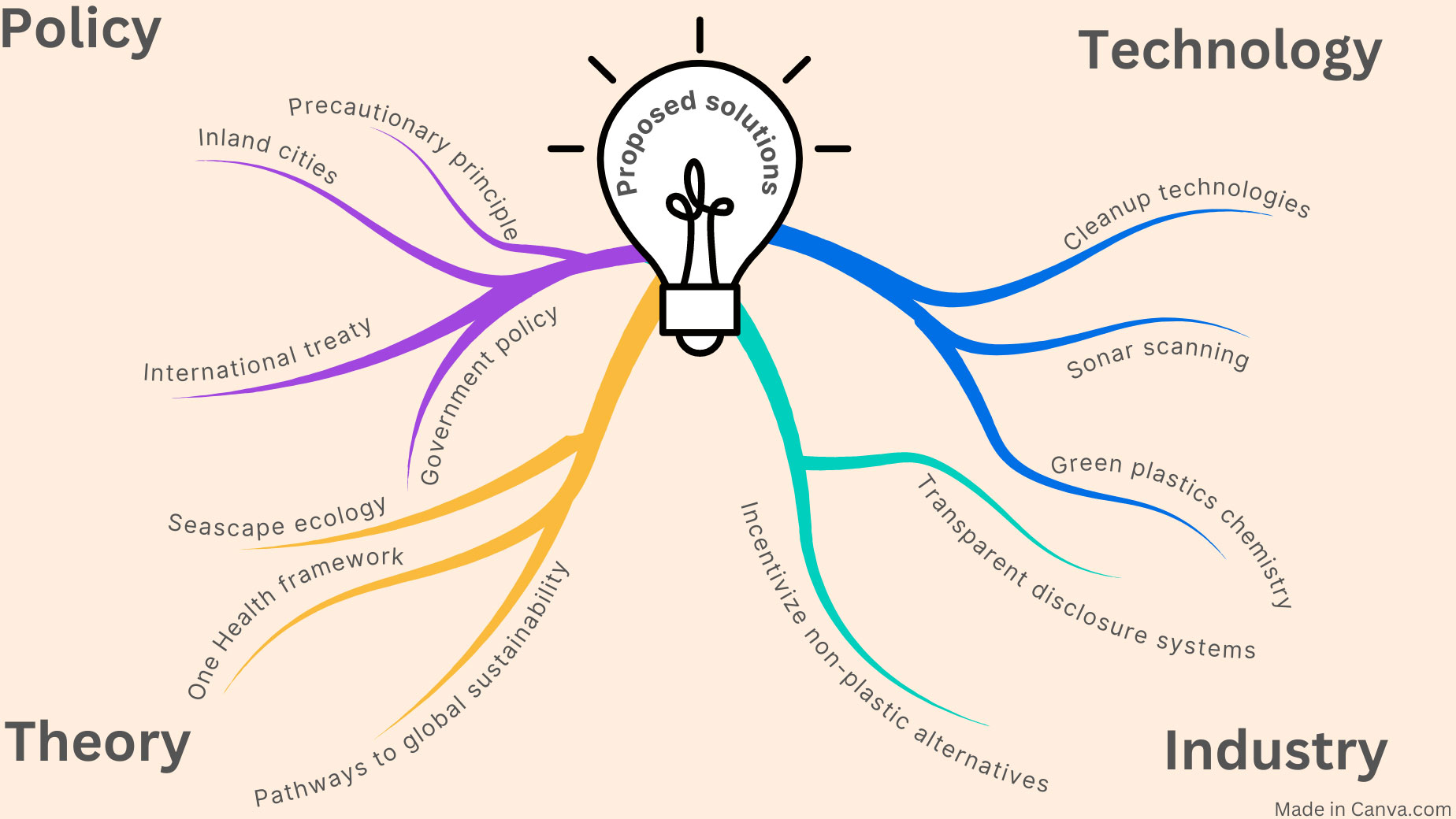
Figure 1 Proposed solutions to address plastic pollution.
Strong theoretical underpinnings support effective solutions to plastic pollution. A seascape ecology (SE) theoretical framework is recommended for examining spatially-explicit plastic pollution questions (Murphy et al., 2022). SE is transdisciplinary, multi-scale, and incorporates “governance systems, human actors, and ecological components … that contribute to patterns of plastic production, use, and pollution…” (quoted in Murphy et al., 2022). Diana et al. (2022) applied the four pathways to global sustainability, created by Folke et al. (2021), to plastic pollution interventions.
Governments worldwide have adopted policies to reduce plastic pollution (Xanthos and Walker, 2017; Schnurr et al., 2018; Karasik et al., 2020; Diana et al., 2022b). The United Nations Environment Assembly is drafting a legally-binding global treaty to reduce plastic pollution by 2024 (Simon et al., 2021). Researchers suggest using the Montreal Protocol as a model for the treaty, which includes fact-finding (i.e., plastic production reporting, licensing, setting baselines) and policymaking stages (i.e., phased decreases, production caps, independent assessments, exemptions for essential plastics) (Grabiel et al., 2022).
Consistent with global trends (Xanthos and Walker, 2017; Schnurr et al., 2018; Karasik et al., 2020; Diana et al., 2022b), Chinese governments adopted and implemented plastic pollution policies from January 2000 and June 2021, increasing 925% (Fürst and Feng, 2022). Policies frequently employed regulatory (e.g., bans, limits) and information instruments (e.g., education and outreach, campaigns) to target plastic waste and bags, but not plastic production (Fürst and Feng, 2022).
All stakeholders have an important role in reducing marine debris, as pollution generated inland can be transported to the ocean via rivers or the wind (Meijer et al., 2021; Napper et al., 2021; Youngblood et al., 2022). City governments, managers, and community groups may 1) collect data on dominant plastic litter or waste to understand the magnitude of the problem, 2) develop policies that reduce plastic consumption and waste, and 3) utilize controls (e.g., stormwater covers, riverine booms) to capture and prevent pollution (Lauer and Nowlin, 2022). To be equitable, plastic bag fees should exempt low-income residents and distribute free reusable items (e.g., cotton reusable bags, takeout containers) (Lauer and Nowlin, 2022).
Cleanup/bioremediation technologies and developing circularity concepts (Sheth et al., 2019; Schmaltz et al., 2020; Alnahdi et al., 2023) complement policies to reduce plastic pollution (Morrison et al., 2022; Stolte et al., 2022);. Compared to previous methods, the sonar approach led by Stolte et al. (2022) has greater success in removing lost fishing gear and is less destructive to seafloor ecosystems. Alnahdi et al. (2023) suggest developing a marine-microbial ecosystem to degrade microplastics, nanoplastics, and additives. Such plastic clean-up and bioremediation efforts may be incentivized; however, efforts to reduce plastic upstream need to be prioritized, such as eliminating unnecessary plastics production (UNEP, 2021b; Bergmann et al., 2022) and incentivizing reusable alternatives (Amon et al., 2022; Moss et al., 2022; Diana et al., 2022a). For those plastics that are necessary, further efforts should be made to produce fully recyclable plastics, have half-lives similar to the usage period, and incorporate biologically-compatible additives (Diana et al., 2022).
5 Conclusions
This special issue focused on articles related to plastic pollution issues and proposed potential solutions. Further research is needed to characterize human co-exposure to plastic chemical mixtures over time (Morrison et al., 2022) and develop sustainable plastic chemistry (Diana et al., 2022). Despite unknowns, researchers recommend applying the precautionary principle by regulating plastics (Karasik et al., 2023). Diverse stakeholder inputs are needed to reduce plastic pollution and reverse deleterious environmental and human health effects.
Author contributions
ZD provided the first draft of the manuscript. All authors reviewed and revised the manuscript. All authors contributed to the article and approved the submitted version.
Funding
Research reported in this publication was supported by the National Institute Of Environmental Health Sciences of the National Institutes of Health under Award Number T32ES021432 (Duke University Program in Environmental Health) and National Research Foundation of Singapore (NRF-NERCSEAP-2020-04 (WBS No. A-0004151-00-00). The content is solely the responsibility of the authors and does not necessarily represent the official views of the National Institutes of Health.
Acknowledgments
We thank all of the authors who published articles in this Research Topic. We also thank the Duke University Plastic Pollution Working Group. ZD and DR would also like to acknowledge the Oak Foundation. Even though all papers are reviewed by multiple experts in the field, the authors of the papers are responsible for the accuracy of the contents included in this Research Topic.
Conflict of interest
The authors declare that the research was conducted in the absence of any commercial or financial relationships that could be construed as a potential conflict of interest.
Publisher’s note
All claims expressed in this article are solely those of the authors and do not necessarily represent those of their affiliated organizations, or those of the publisher, the editors and the reviewers. Any product that may be evaluated in this article, or claim that may be made by its manufacturer, is not guaranteed or endorsed by the publisher.
References
Allen A. S., Seymour A. C., Rittschof D. (2017). Chemoreception drives plastic consumption in a hard coral. Mar. pollut. Bull. 124, 198–205. doi: 10.1016/j.marpolbul.2017.07.030
Amon D., Metaxas A., Stentiford G., Escovar-Fadul X., Walker T. R., Diana Z., et al. (2022). Blue economy for a sustainable future. One Earth 5, 960–963. doi: 10.1016/j.oneear.2022.08.017
Bergmann M., Almroth B. C., Brander S. M., Dey T., Green D. S., Gundogdu S., et al. (2022). A global plastic treaty must cap production. Science 376, 469–470. doi: 10.1126/science.abq0082
Borrelle S. B., Ringma J., Law K. L., Monnahan C. C., Lebreton L., McGivern A., et al. (2020). Predicted growth in plastic waste exceeds efforts to mitigate plastic pollution. Science 369, 1515–1518. doi: 10.1126/science.aba3656
Danopoulos E., Twiddy M., West R., Rotchell J. M. (2021). A rapid review and meta-regression analyses of the toxicological impacts of microplastic exposure in human cells. J. Haz. Materials 127861. doi: 10.1016/j.jhazmat.2021.127861
Diana Z., Reilly K., Karasik R., Vegh T., Wang Y., Wong Z., et al. (2022a). Voluntary commitments made by the world’s largest companies focus on recycling and packaging over other actions to address the plastics crisis. One Earth 5, 1286–1306. doi: 10.1016/j.oneear.2022.10.008
Diana Z., Sawickij N., Rivera N. A., Hsu-Kim H., Rittschof D. (2020). Plastic pellets trigger feeding responses in sea anemones. Aquat. Toxicol. 222, 105447. doi: 10.1016/j.aquatox.2020.105447
Diana Z., Vegh T., Karasik R., Bering J., D. Llano Caldas J., Pickle A., et al. (2022b). The evolving global plastics policy landscape: an inventory and effectiveness review. Environ. Sci. Policy 134, 34–45. doi: 10.1016/j.envsci.2022.03.028
Folke C., Polasky S., Rockström J., Galaz V., Westley F., Lamont M., et al. (2021). Our future in the anthropocene biosphere. Ambio 50, 834–869. doi: 10.1007/s13280-021-01544-8
Groh K. J., Backhaus T., Carney-Almroth B., Geueke B., Inostroza P. A., Lennquist A., et al. (2019). Overview of known plastic packaging-associated chemicals and their hazards. Sci. Total Environ. 651, 3253–3268. doi: 10.1016/j.scitotenv.2018.10.015
Hahladakis J. N., Velis C. A., Weber R., Iacovidou E., Purnell P. (2018). An overview of chemical additives present in plastics: migration, release, fate and environmental impact during their use, disposal and recycling. J. Haz. Materials 344, 179–199. doi: 10.1016/j.jhazmat.2017.10.014
Jambeck J. R., Geyer R., Wilcox C., Siegler T. R., Perryman M., Andrady A., et al. (2015). Plastic waste inputs from land into the ocean. Science 347, 768–771. doi: 10.1126/science.1260352
Karasik R., Vegh T., Diana Z., Bering J., Caldas J., Pickle A., et al. (2020). 20 years of government responses to the global plastic pollution problem (Durham, NC, USA: Nicholas Institute for Environmental Policy Solutions, Duke University). Available at: https://nicholasinstitute.duke.edu/publications/20-years-government-responses-global-plastic-pollution-problem.
Lau W. W. Y., Shiran Y., Bailey R. M., Cook E., Stuchtey M. R., Koskella J., et al. (2020). Evaluating scenarios toward zero plastic pollution. Science 369, 1455–1461. doi: 10.1126/science.aba9475
Li H.-X., Getzinger G. J., Ferguson P. L., Orihuela B., Zhu M., Rittschof D. (2016). Effects of toxic leachate from commercial plastics on larval survival and settlement of the barnacle amphibalanus amphitrite. Environ. Sci. Technol. 50, 924–931. doi: 10.1021/acs.est.5b02781
Mahadevan G., Valiyaveettil S. (2021). Comparison of genotoxicity and cytotoxicity of polyvinyl chloride and poly(methyl methacrylate) nanoparticles on normal human lung cell lines. Chem. Res. Toxicol. 34, 1468–1480. doi: 10.1021/acs.chemrestox.0c00391
Meijer L. J. J., van Emmerik T., van der Ent R., Schmidt C., Lebreton L. (2021). More than 1000 rivers account for 80% of global riverine plastic emissions into the ocean. Sci. Adv. 7, eaaz5803. doi: 10.1126/sciadv.aaz5803
Moss E., Gerken K., Youngblood K., Jambeck J. R. (2022). Global landscape analysis of reuse and refill solutions. Front. Sustain. 3, 1006702. doi: 10.3389/frsus.2022.1006702
Napper I. E., Baroth A., Barrett A. C., Bhola S., Chowdhury G. W., Davies B. F. R., et al. (2021). The abundance and characteristics of microplastics in surface water in the transboundary Ganges river. Environ. pollut. 116348. doi: 10.1016/j.envpol.2020.116348
OECD (2022). Global plastics outlook: policy scenarios to 2060 (Paris: OECD). doi: 10.1787/aa1edf33-en
Persson L., Carney Almroth B. M., Collins C. D., Cornell S., de Wit C. A., Diamond M. L., et al. (2022). Outside the safe operating space of the planetary boundary for novel entities. Environ. Sci. Technol. 56, 1510–1521. doi: 10.1021/acs.est.1c04158
Rochman C. M., Brookson C., Bikker J., Djuric N., Earn A., Bucci K., et al. (2019). Rethinking microplastics as a diverse contaminant suite. Environ. Toxicol. Chem. 38, 703–711. doi: 10.1002/etc.4371
Savoca M. S., Tyson C. W., McGill M., Slager C. J. (2017). Odours from marine plastic debris induce food search behaviours in a forage fish. Proc. Biol. Sci. 284. doi: 10.1098/rspb.2017.1000
Savoca M. S., Wohlfeil M. E., Ebeler S. E., Nevitt G. A. (2016). Marine plastic debris emits a keystone infochemical for olfactory foraging seabirds. Sci. Adv. 2, e1600395. doi: 10.1126/sciadv.1600395
Schmaltz E., Melvin E. C., Diana Z., Gunady E. F., Rittschof D., Somarelli J. A., et al. (2020). Plastic pollution solutions: emerging technologies to prevent and collect marine plastic pollution. Environ. Int. 144, 106067. doi: 10.1016/j.envint.2020.106067
Schnurr R. E. J., Alboiu V., Chaudhary M., Corbett R. A., Quanz M. E., Sankar K., et al. (2018). Reducing marine pollution from single-use plastics (SUPs): a review. Mar. pollut. Bull. 137, 157–171. doi: 10.1016/j.marpolbul.2018.10.001
Sheth M. U., Kwartler S. K., Schmaltz E. R., Hoskinson S. M., Martz E. J., Dunphy-Daly M. M., et al. (2019). Bioengineering a future free of marine plastic waste. Front. Mar. Sci. 6. doi: 10.3389/fmars.2019.00624
Simon N., Raubenheimer K., Urho N., Unger S., Azoulay D., Farrelly T., et al. (2021). A binding global agreement to address the life cycle of plastics. Science 373, 43–47. doi: 10.1126/science.abi9010
Steffen W., Richardson K., Rockstrom J., Cornell S. E., Fetzer I., Bennett E. M., et al. (2015). Planetary boundaries: guiding human development on a changing planet. Science 347, 1259855–1259855. doi: 10.1126/science.1259855
Thaysen C., Stevack K., Ruffolo R., Poirier D., De Frond H., DeVera J., et al. (2018). Leachate from expanded polystyrene cups is toxic to aquatic invertebrates (Ceriodaphnia dubia). Front. Mar. Sci. 5. doi: 10.3389/fmars.2018.00071
Turner A.. (2018). Mobilisation kinetics of hazardous elements in marine plastics subject to an avian physiologically-based extraction test. Environ. pollut. 236, 1020–1026. doi: 10.1016/j.envpol.2018.01.023
UNEP (2021a). NEGLECTED: environmental justice impacts of marine litter and plastic pollution (Nairobi:UNEP - UN Environment Programme). Available at: http://www.unep.org/resources/report/neglected-environmental-justice-impacts-marine-litter-and-plastic-pollution.
UNEP (2021b). From pollution to solution: a global assessment of marine litter and plastic pollution (Nairobi:UNEP - UN Environment Programme). Available at: http://www.unep.org/resources/pollution-solution-global-assessment-marine-litter-and-plastic-pollution.
Wiesinger H., Wang Z., Hellweg S. (2021). Deep dive into plastic monomers, additives, and processing aids. Environ. Sci. Technol. 55, 9339–9351. doi: 10.1021/acs.est.1c00976
World Health Organization (WHO) (2022). Dietary and inhalation exposure to nano- and microplastic particles and potential implications for human health (Geneva: World Health Organization).
Worm B., Lotze H. K., Jubinville I., Wilcox C., Jambeck J. (2017). Plastic as a persistent marine pollutant. Annu. Rev. Environ. Resour. 42, 1–26. doi: 10.1146/annurev-environ-102016-060700
Xanthos D., Walker T. R. (2017). International policies to reduce plastic marine pollution from single-use plastics (plastic bags and microbeads): a review. Mar. pollut. Bull. 118, 17–26. doi: 10.1016/j.marpolbul.2017.02.048
Yip Y. J., Lee S. S. C., Neo M. L., Teo S. L. M., Valiyaveettil S. (2022b). A comparative investigation of toxicity of three polymer nanoparticles on acorn barnacle (Amphibalanus amphitrite). Sci. Total Environ. 806, 150965. doi: 10.1016/j.scitotenv.2021.150965
Yip Y. J., Sivananthan G. D., Lee S. S. C., Neo M. L., Teo S. L.-M., Valiyaveettil S. (2022a). Transfer of poly(methyl methacrylate) nanoparticles from parents to offspring and the protection mechanism in two marine invertebrates. ACS Sustain. Chem. Eng. 10, 37–49. doi: 10.1021/acssuschemeng.1c01818
Yong C. Q. Y., Valiyaveettil S., Tang B. L. (2020). Toxicity of microplastics and nanoplastics in mammalian systems. Int. J. Environ. Res. Public Health 171509. doi: 10.3390/ijerph17051509
Youngblood K., Brooks A., Das N., Singh A., Sultana M., Verma G., et al. (2022). Rapid characterization of macroplastic input and leakage in the Ganges river basin. Environ. Sci. Technol. 56, 4029–4038. doi: 10.1021/acs.est.1c04781
Keywords: plastic, plastic pollution, policy, technology, solutions, marine, health
Citation: Diana ZT, Virdin J, Valiyaveettil S, Li H-X and Rittschof D (2023) Editorial: Emerging challenges and solutions for plastic pollution. Front. Mar. Sci. 10:1162680. doi: 10.3389/fmars.2023.1162680
Received: 09 February 2023; Accepted: 02 May 2023;
Published: 10 May 2023.
Edited and Reviewed by:
Pei-Yuan Qian, Hong Kong University of Science and Technology, Hong Kong SAR, ChinaCopyright © 2023 Diana, Virdin, Valiyaveettil, Li and Rittschof. This is an open-access article distributed under the terms of the Creative Commons Attribution License (CC BY). The use, distribution or reproduction in other forums is permitted, provided the original author(s) and the copyright owner(s) are credited and that the original publication in this journal is cited, in accordance with accepted academic practice. No use, distribution or reproduction is permitted which does not comply with these terms.
*Correspondence: Daniel Rittschof, cml0dEBkdWtlLmVkdQ==