 Min Feng
 Hongjun Guan
 Yichuan Wang
 Yilin Liu3*
- 1School of Management Science and Engineering, Shandong University of Finance and Economics, Jinan, China
- 2Institute of Marine Economy and Management, Shandong University of Finance and Economics, Jinan, China
- 3Institute of Marine Economic Planning and Information Research, Hainan Academy of Marine and Fishery Sciences, Haikou, China
- 4Department of Economics, University at Albany, State University of New York, Albany, NY, United States
Promoting the high-quality development of the marine economy is an inevitable choice for building a maritime power, and technological innovation can provide strong impetus for the high-quality development of the marine economy. Therefore, it is urgent to clarify the impact mechanism of technological innovation on the high-quality development of the marine economy, and promote the high-quality development of the marine economy. This study employs panel data from 11 coastal provinces and municipalities (autonomous regions) in China, spanning the years 2006 to 2020. The objective is to empirically evaluate the mechanism through which scientific and technical innovation impacts the high-quality development of the marine economy. This is achieved by utilizing the PVAR model and the mediation effect model. The research findings indicate that there is a noteworthy impact of enhancing scientific and technological innovation on the marine economy of China. Moreover, there exists a significant reciprocal relationship between scientific and technological innovation and the pursuit of high-quality development in the marine economy. It is observed that scientific and technological innovation not only has a positive influence on the high-quality development of the marine economy by enhancing green total factor productivity and optimizing the industrial structure, but it also facilitates the advancement of the marine economy through the chain mediation path of “improving green total factor productivity and optimizing industrial structure”.
1 Introduction
The concept of “high-quality development” was initially proposed in the report of the 19th National Congress of the Communist Party of China. This signifies a new era in the Chinese economy, characterized by enhanced quality, efficiency, and the pursuit of high-quality development as a fundamental necessity and significant objective in China’s economic progress. The marine economy has significant strategic importance for China’s national economy, serving as a new focal point for high-quality development. Simultaneously, the advancement of scientific and technological innovations assumes a pivotal role in driving economic development. As General Secretary Xi Jinping made evident in the 19th Party Congress report, “innovation is the first driving force for development.” In order to fully exert the influence of science and technology innovation on the high-quality development of the marine economy and to promote the high-quality development of the marine economy, it is imperative that the relationship between scientific and technological innovation and the high-quality development of the marine economy be explored, and the mechanism by which scientific and technological innovation contributes to the high-quality development of the marine economy be clarified.
The idea of “high-quality development of the marine economy” has drawn a lot of attention from the academic community since it was introduced. Numerous experts and scholars have studied the scientific meaning of “high-quality development of the marine economy” (Sun C. et al., 2023), as well as its development efficiency (Guo et al., 2022), development dynamics (Liu et al., 2021; Wu F. et al., 2023) and comprehensive level (Sun Z. et al., 2023; Wu C. et al., 2023). The achievement of high-quality development in the marine economy is attributed to several factors. These include the quantitative expansion of the marine economy to a specific threshold, the enhancement of the oceans’ overall capacity, the optimization of the marine industry’s structure, the improvement of the distribution of social welfare related to marine activities, and the preservation of a harmonious marine ecological environment. These factors collectively contribute to establishing a dynamic equilibrium within the “economic-social-resource-environmental” system of human-sea interactions. The primary drivers behind the pursuit of high-quality development in the marine economy encompass capital, technology, labor, and advancements in technology (Shan and Cao, 2022). In relation to the comprehensive assessment of the high-quality advancement of the marine economy, certain scholars posit that the total factor productivity (TFP) of marine green sectors can partially reflect the extent of such development. To quantify this, scholars employ methodologies such as the SBM model and the DEA Malmquist index for computation (Lingui et al., 2021; Wei et al., 2021). Scholars often assess the high-quality development level of marine economy by establishing an evaluation index system (Yu and Xing, 2021; Gao et al., 2022).
In relation to the study on the correlation between technological innovation and high-quality economic development, certain scholars perceive scientific and technological innovation as an intermediary variable and believe that the digital economy (Ding et al., 2021), environmental regulations (Li and Hu, 2021; Shi et al., 2023), green finance (Liu et al., 2021) and other means can act on scientific and technological innovation, promoting high-quality economic development by improving technological innovation capabilities. According to Wang’s empirical research, it has been determined that technological innovation plays a crucial role in facilitating the high-quality development of regional economies. In order to enhance the level of regional technological innovation, it is imperative to focus on enhancing the endowment conditions and allocation efficiency of investments in technological innovation factors (Jianmin and Li, 2020). Various forms of marine scientific and technical innovation have distinct long-term and short-term effects on the high-quality development of the marine economy (Wu et al., 2020).
To summarize, previous studies on the advancement of the maritime economy and the influence of technical innovation on its progress have distinct features and have yielded valuable outcomes. These studies serve as significant reference materials for the present investigation. Nevertheless, there is a dearth of research regarding the correlation between technological innovation and the high-quality advancement of the marine economy, rendering it challenging to unveil the precise influence mechanism of technological innovation on the high-quality development of the marine economy. Additional investigation is still necessary. First and foremost, it is necessary to promptly ascertain the present state of technical innovation and the high-quality advancement of the maritime industry. Does technological innovation have a direct impact on the high-quality development of the maritime economy? Research urgently required: Does the green total factor productivity of the ocean and the structure of the ocean industry work as a mediator between technical innovation and the high-quality development of the ocean economy? What does the term “mediating effect” refer to? Additional investigation is still required. This article discusses the impact of technological innovation on the high-quality development of the marine economy, specifically focusing on the need to transform the growth mode from factor-driven and investment-driven to innovation-driven. Using panel data from 11 coastal provinces and cities in China spanning from 2006 to 2020, this study employs the PVAR model and mediation effect model to empirically examine the direct influence and mediating function of technical innovation on the high-quality advancement of the marine economy. Conduct research on the mechanism by which technological innovation drives the high-quality development of the marine economy. Examine the current state of marine technological innovation in China from both theoretical and practical angles. Analyze the impact of technological innovation on the high-quality development of the marine economy. Based on the research findings, propose policy recommendations that promote the high-quality development of China’s marine economy. This research holds significant importance for the advancement of China’s marine economy.
2 Theoretical mechanism analysis
2.1 The direct impact of scientific and technological innovation on the high-quality of marine economy
Currently, the marine economy of China is undergoing a gradual transition from a phase characterized by high-speed growth to one characterized by high-quality development. Progressively, the traditional marine economy is experiencing a decline in its growth momentum. Enhanced efficiency and sustainability in marine resource development have resulted from the scientific and technological innovation level of marine continuing to rise. The advancements in science and technology have presented novel prospects for the conventional fishery and marine aquaculture sectors, thereby fostering the modernization and expansion of the traditional marine industry. In addition, scientific and technological innovation contributes significantly to the preservation of the marine environment by facilitating the use of renewable energy technologies to reduce pollution and enhance the health of marine ecosystems. Consequently, scientific and technological innovation serves as a direct catalyst for the advancement of high-quality economic development.
Hypothesis 1: The high-quality development of the marine economy is significantly enhanced by scientific and technological innovation.
2.2 The indirect effects of scientific and technological innovation on high-quality development of marine economy
Based on the tenets of Western economic development theory, the attainment of economic growth may be accomplished via two primary mechanisms: augmenting factor input and enhancing the efficacy of component use. The crucial aspect in fostering economic growth of superior quality via technological innovation is in the optimization of resource allocation efficiency via technological advancements, thereby enhancing the degree of green total factor productivity. The promotion impact of scientific and technological innovation on the green total factor productivity of the marine economy may be primarily seen via three primary aspects: Firstly, by means of scientific and technological advancements, the efficacy of marine production elements, such as labor and capital, is enhanced twofold or substituted with intelligent alternatives, thereby facilitating the enhancement of marine green total factor productivity. Secondly, the efficiency of marine resource utilization is enhanced through scientific and technological innovation, leading to the attainment of energy conservation and emission reduction objectives. Furthermore, it is essential to enhance the use of marine resources by means of scientific and technical advancements, while concurrently advocating for sustainable marine production and consumption practices. Hence, it can be argued that scientific and technical advancements have a favorable influence on the overall efficiency of the marine economy in terms of environmental sustainability. Consequently, these advancements indirectly contribute to the enhancement of the marine economy’s quality and development.
Hypothesis 2: Scientific and technological innovation serves as a driving force for the high-quality development of the marine economy, with the enhancement of green total factor productivity playing a crucial mediating role in this process.
Since the implementation of reform and opening up policies over four decades ago, the marine economy of China has seen significant and fast growth, accompanied by subtle transformation in the structure of its marine industry. Scientific and technological innovation plays a crucial role in driving the high-quality development of the marine economy. As a significant driving force, it progressively impacts the industrial structure of China’s marine economy, steering it towards a more rationalized state. Firstly, scientific and technological innovation facilitates the adjustment and upgrading of the industrial structure of the marine economy from both the supply and demand perspectives; Secondly, the promotion of scientific and technological innovation fosters the emergence of correlation effects within different sectors of the marine industry. Thirdly, scientific and technological innovation expedites the amalgamation of marine industries, leading to the creation of new sectors within the existing industries, and facilitating the transformation and advancement of conventional marine industries. In addition, scientific and technological innovation have the potential to enhance the social division of labor, facilitate the migration of individuals employed in sea-related occupations, alter the composition of sea-related employment, and drive the progression of marine industrial structure. Hence, scientific and technological innovation can optimize the marine industrial structure to a certain extent, and indirectly promote the high-quality development of the marine economy.
Hypothesis 3: The optimization of industrial structure plays a crucial role in mediating the high-quality development of the marine economy, which is driven by scientific and technological innovation.
For the marine industry, enhancing green total factor productivity means optimizing the development and usage of marine resources, hence boosting resource efficiency and minimizing marine resource consumption. Green total factor productivity focuses on decreasing marine environmental pollution and ecological damage, as well as lowering its influence on the marine ecological environment via the employment of clean technologies and environmentally friendly production methods. The enhancement of green total factor productivity has to be realized via scientific and technological innovation. By implementing cutting-edge technologies and environmentally sustainable production techniques, the marine industry can transition from traditional resource development to knowledge-intensive sectors with high added value, thereby enhancing its competitiveness and capacity for innovation. Therefore, increasing the green total factor productivity of the marine industry can facilitate the conversion of conventional marine industries characterized by high energy consumption and pollution levels into green, low-carbon industries, stimulate industrial modernization, and optimize industrial structure. As a result, the enhancement effect of scientific and technological innovation on green total factor productivity can further facilitate the upgrading of the structure of the marine industry, thereby fostering high-quality development of the marine economy.
Hypothesis 4: “Improvement of green total factor productivity - optimization of industrial structure” plays a chain intermediary role in the process of high-quality development of marine economy driven by driven by scientific and technological innovation.
Figure 1 illustrates the impact mechanism via which scientific and technological innovation facilitates the high-quality development of the maritime economy.
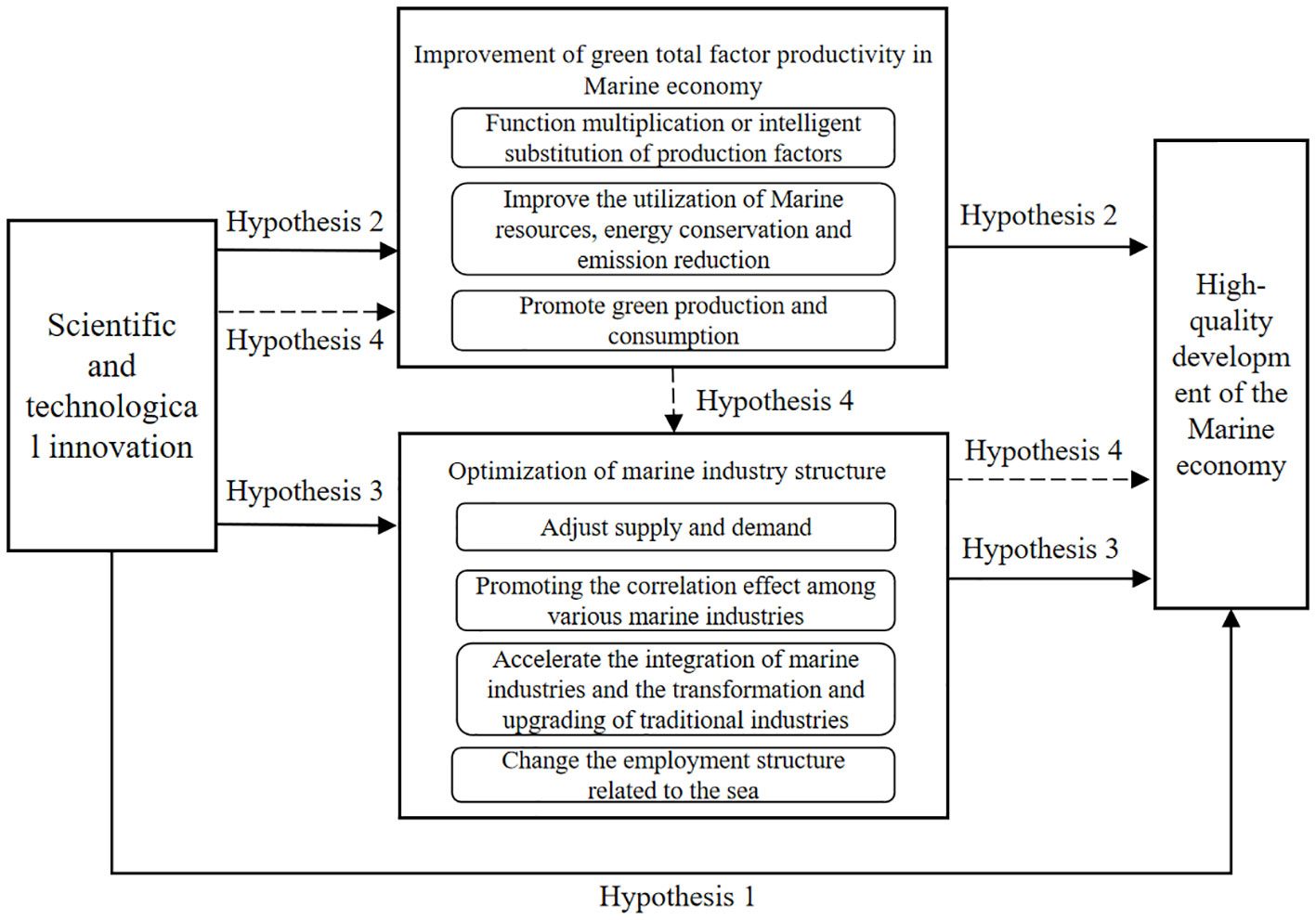
Figure 1 The impact mechanism of scientific and technological innovation driving high-quality development of marine economy.
3 Materials and methods
3.1 Variable declaration
3.1.1 Explained variable: high-quality development of marine economy
Following the principles of purposefulness, completeness, operability, independence, and importance, on the basis of the scientific meaning and fundamental features of high-quality development of the marine economy, in accordance with the five major development concepts and pertinent literature, develop a robust indicator system for the marine economy that takes into account the overall economic output and is directed by the five primary development principles. Given that the “Five Development Concepts” prioritize effective processes, while “Economy Ecology Society” prioritizes favorable outcomes, and considering that this study focuses on the influence of technological innovation on the high-quality development of the marine economy, if we create an indicator system for the high-quality development of the marine economy based on the five development concepts, then the indicators related to innovative development in the five development concepts will unavoidably overlap with the scientific and technological innovation indicator system constructed from the perspective of the innovation ecosystem in this article to some extent. This overlap, known as multicollinearity, will impact the results of the empirical test. Hence, we consult pertinent research and establish a top-notch development indicator system for the marine economy, encompassing three key dimensions: economy, ecology, and society. (as shown in Table 1). The attainment of a specific degree of comprehensive economic prowess serves as the bedrock for the high-caliber advancement of the marine economy. Indicators are carefully chosen from four key dimensions: economic magnitude, economic composition, economic returns, and international commerce. An optimal ecological environment and the sustainable growth of the marine economy are essential and widespread conditions for achieving high-quality development of the marine economy. These conditions can be evaluated based on three factors: availability of resources, preservation of the environment, and control of pollution emissions. The high-quality growth of the maritime economy aims to achieve social harmony and symbiosis. To measure this, indicators are chosen from four areas: urban-rural structure, regional coordination, resident life, and social welfare.
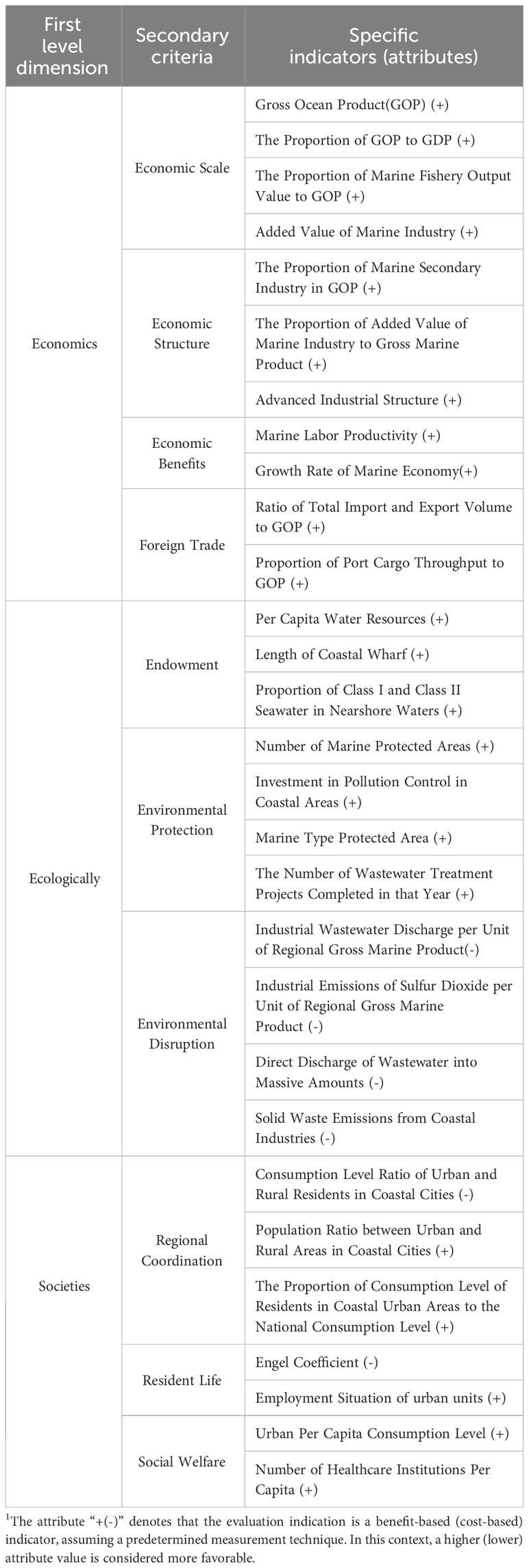
Table 1 Evaluation index system of high-quality development of marine economy.
Furthermore, to determine the level of high-quality development (HQME) of China’s marine economy, the comprehensive index of high-quality development of the marine economy is computed utilizing the entropy weighted Technique for Order of Preference by Similarity to Ideal Solution (TOPSIS) method (Zhang et al., 2022), the comprehensive index results of high-quality development of marine economy are shown in Table 2.
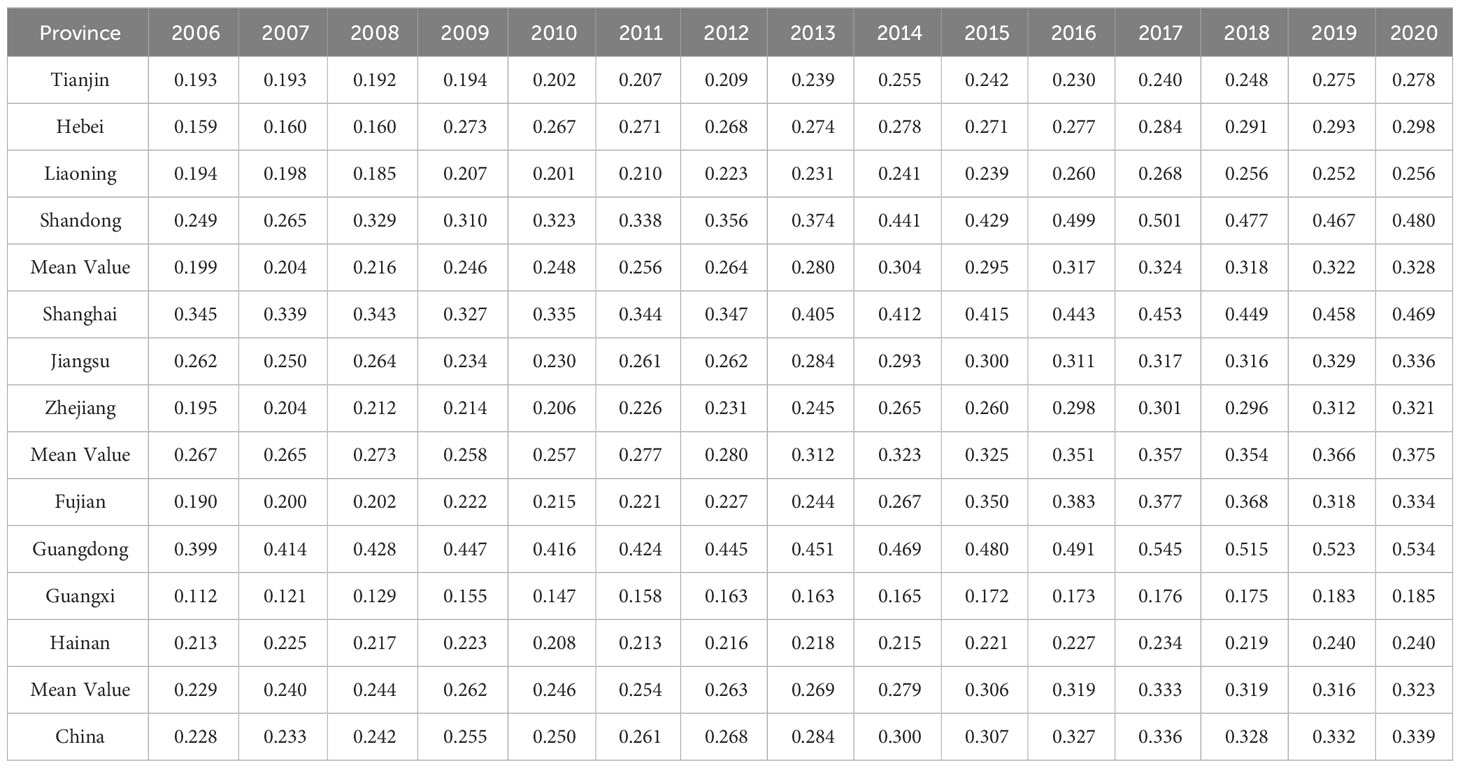
Table 2 Results of the comprehensive index for high-quality development of marine economy.
3.1.2 Explanatory variable: scientific and technological innovation
In order to assess the degree of scientific and technological innovation, this article develops a scientific and technological innovation evaluation index system from the innovation ecosystem’s perspective. The index consists of twenty-one indicators, as shown in Table 3, and is based on the innovation ecosystem’s three facets: innovation subjects, innovation resources, and innovation environment. Likewise, the comprehensive index of scientific and technological innovation is computed utilizing the entropy weighted TOPSIS method, with the purpose of assessing the degree of scientific and technological innovation in the marine sector of China, the comprehensive index results of scientific and technological innovation are shown in Table 4. To further explore the impacts of specific aspects of scientific and technological innovation on the high-quality development of the marine economy, the notion of marine scientific and technological innovation is dissected into three constituent elements: innovation subjects (IS), innovation resources (IR), and innovation environment (IE). This analysis is predicated upon the constituent components of the maritime innovation ecosystem. In addition, the entropy weighted approach is used to compute the respective indices for these components.
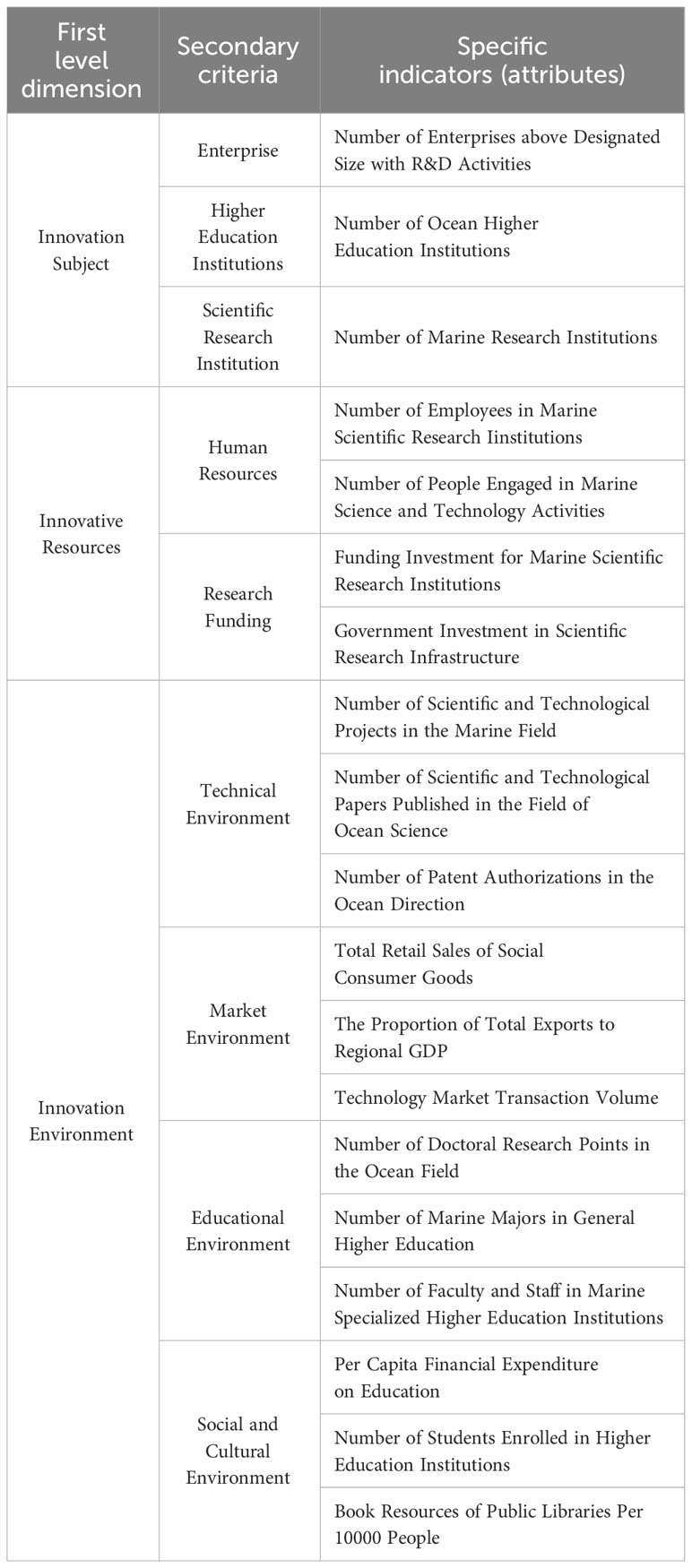
Table 3 Evaluation index system for scientific and technological innovation.
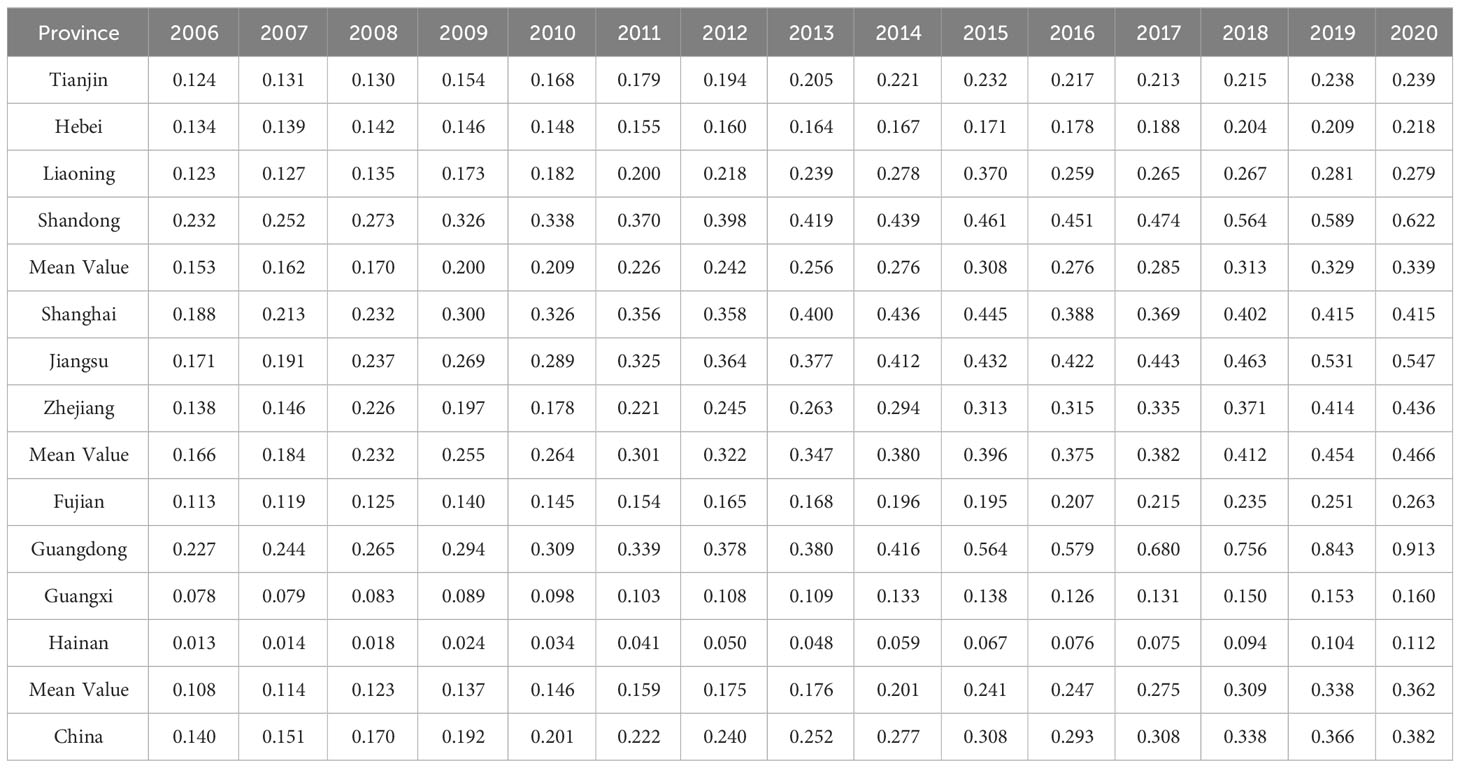
Table 4 Results of the comprehensive index for scientific and technological innovation.
3.1.3 Mediating variables
(1) Marine Green Total Factor Productivity (MGTFP)
This study presents the construction of an input-output index system for measuring the total factor productivity of the marine economy. The resulting system is shown in Table 5. Additionally, the measurement of green total factor productivity is conducted using the super-efficiency SBM model, taking into account the non-expected output (Tone, 2002; Wang and Zhao, 2022).
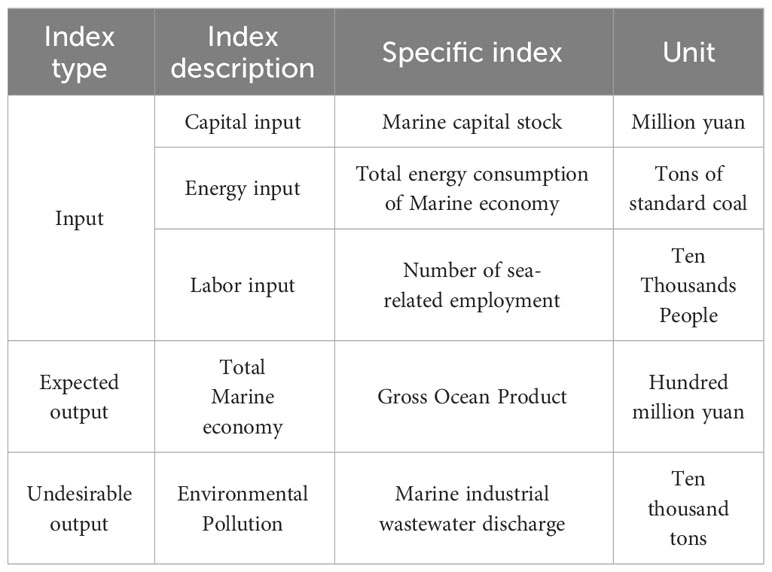
Table 5 Input-output index system of green total factor productivity in marine economy.
(2) Marine Industrial Structure (MIS)
The optimization of the maritime industrial structure pertains to the ongoing process of enhancing the quality of the industrial structure and achieving the transformation from a low-level to a high-level state. Given the obvious characteristics of ocean service in the economic field, drawing on the approach of scholars such as Ma Jun (Ma and Wang, 2019), the ratio of added value of the marine tertiary industry to that of the marine secondary industry is chosen as an indicator to measure the degree of optimization of the marine industry structure.
3.1.4 Control variables
Drawing upon the scholarly work of previous researchers (Shi et al., 2020; Wilson, 2020; Khan and Ahmad, 2021; Yang et al., 2021; Xu et al., 2022), this study incorporates five variables, namely economic development (ED), government participation level (GP), foreign investment utilization (FI), human capital (HC), and urbanization level (UL), as control variables in order to mitigate potential errors and minimize the influence of omitted variables. By including these variables, the model aims to enhance data fitting and improve the overall accuracy of the analysis, a more comprehensive and detailed analysis of the study findings is provided below. The following explanations outline the precise meanings and implications of each index:
(1)Economic development level (ED). The level of economic development serves as an indicator and reflection of the extent of development, pace of economic growth, and magnitude of a nation or territory during a particular period of time, and its value is in representing the economic prowess and degree of advancement of a country or region. The selection of per capita GDP as the indicator for measuring the degree of economic progress in this context has been made.
(2)Government participation level (GP).The government assumes a crucial and indispensable role in the facilitation of economic growth. By devising strategic economic development plans and policies grounded on scientific principles, allocating resources towards infrastructural development, fostering educational advancements and technical innovations, facilitating market-oriented services, and cultivating a conducive atmosphere for economic growth and development. The use of the ratio between local fiscal spending and GDP serves as a proxy variable to gauge the extent of government involvement.
(3)Level of foreign investment (FI).The process of attracting and incorporating foreign direct investment (FDI) into a country’s economy is a significant avenue for the accumulation and development of national capital. The infusion of foreign finance has facilitated the augmentation of China’s infrastructure building funds, stimulated firm growth, and enhanced its employment rate. Furthermore, the use of superior foreign technology has been instrumental in facilitating China’s import and export commerce, therefore contributing significantly to the overall economic growth of the nation.
(4)Human capital (HC). Human capital is distinct from “material capital” in that it consists of the labor force’s comprehensive knowledge, skills, and other economically valuable attributes; it serves as the primary impetus for economic growth. This article refers to the measuring methodology introduced by Chen et al (Chen et al., 2004), which use the average duration of schooling as a metric for assessing human capital.
(5)Urbanization level (UL). The level of urbanization serves as an indicator to measure the extent of urban development, playing a crucial role in evaluating the economic progress of a nation or area. This article use the urban population percentage in relation to the total population as a metric to gauge the degree of urbanization.
3.2 Econometrics model
3.2.1 PVAR model
This article employs the Panel Vector Autoregression (PVAR) model (Fengju et al., 2020; Sun, 2021) to examine the dynamic effects of technical innovation on the high-quality development of the marine economy. The construction of the PVAR model is shown in Formula (1):
Among them, is the fivedimensional vector composed of high-quality development of marine economy, scientific and technological innovation, innovation subjects, innovation resources and innovation environment; i=1,…,11, denotes 11 coastal provinces and cities; t = (2006, 2007,…,2020) denotes the year; denotes the intercept term vector; The lag order of the endogenous variable Yit is represented by , while the coefficient matrix of the lagged variable is represented by . represents the endogenous variable’s jth order lag term; represents the fixed effect of 11 coastal provinces and cities, reflecting individual differences; represents the time effect, reflecting the impact of year changes on different provinces and cities; is a word for random disturbance.
Based on the above theoretical model, PVAR studied the impact mechanism of science and technological innovation on the high-quality development of marine economy. PVAR inherits the advantages of the VAR model, treating research variables as endogenous variables and treating each endogenous variable as a function of the lagged values of all endogenous variables in the system, thereby providing a rich structure and capturing more data features. In addition, the PVAR model allows for individual effects and heteroscedasticity in the data. Due to the presence of a large amount of cross-sectional data, this model allows the lag coefficient to vary over time, relaxing the requirement for data temporal stationarity.
3.2.2 Mediating effect model
In order to examine the indirect impact of technological innovation on the high-quality growth of the marine economy, specifically the role played by marine green total factor productivity and marine industrial structure in mediating the relationship between technological innovation and the high-quality development of the marine economy, this work utilizes the intermediate effect model proposed by Baron and Kenny (1986) as a reference for the design. The model is created in the Formulas (2)–(5):
Among the variables considered, represents the level of high-quality development in the marine economy of a specific region i in a given year t. Additionally, and MISit are intermediate variables that represent the total factor productivity of the marine economy and the industrial structure of the marine economy in a specific region and year t. serves as a control variable in the analysis. Lastly, represents the random error term in the model.
3.3 Data description
This study utilizes panel data from 11 coastal provinces and cities in China spanning the period from 2006 to 2020 for the purpose of investigation. The data used in this study has been obtained from authoritative sources such as the China Statistical Yearbook, China Ocean Statistical Yearbook, and other regional statistical yearbooks. Table 6 presents the description and statistical information pertaining to each variable.
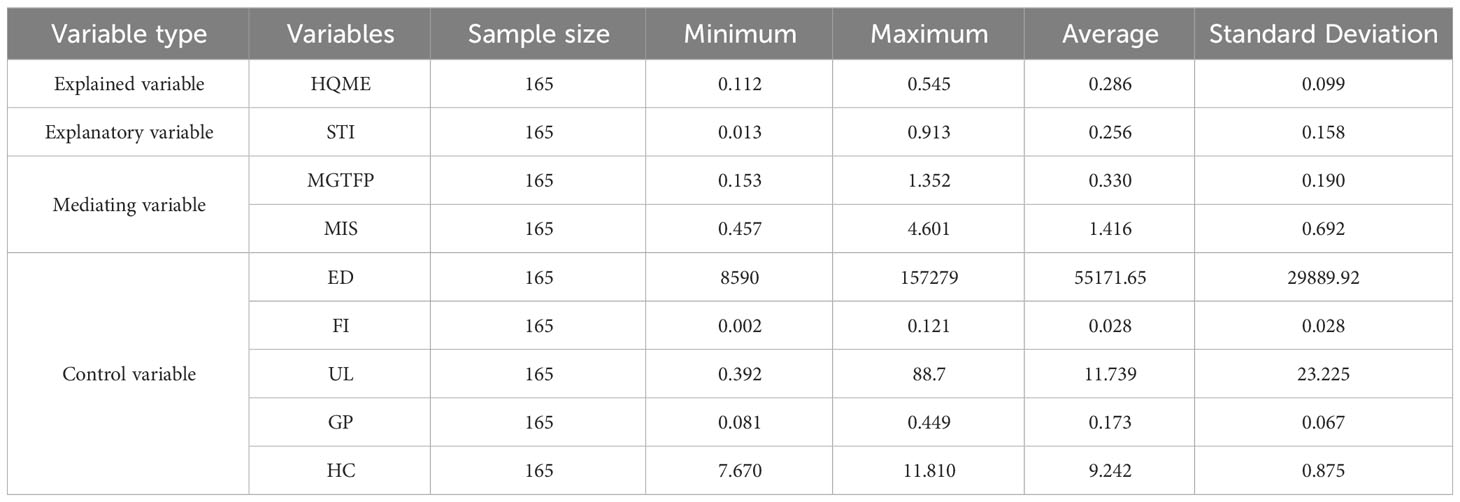
Table 6 The descriptive statistics for each variable.
4 Results
4.1 Empirical results based on PVAR model
4.1.1 Panel unit root test
Prior to estimating the PVAR model, it is necessary to do unit root tests on each variable. This article employs a panel model and applies three test techniques, namely the Levin Lin Chu Test (LLC test), the Augmented Dickey Fuller test (ADF test), and the Im Esaran Skin Test (IPS test), to perform unit root tests on all variables. The test results are shown in Table 7. Based on the data shown in Table 7, it is evident that with the exception of the variable lnIS, all other variables exhibit non-stationarity. Consequently, a first-order differencing operation was conducted on all variables, followed by a unit root test on the resulting differentiated variables. All variables have successfully passed the significance level test, indicating that the original non-stationary variables have been transformed into stationary data via the process of first-order differencing. This stationary data may now be used for the subsequent estimate of the PVAR model.
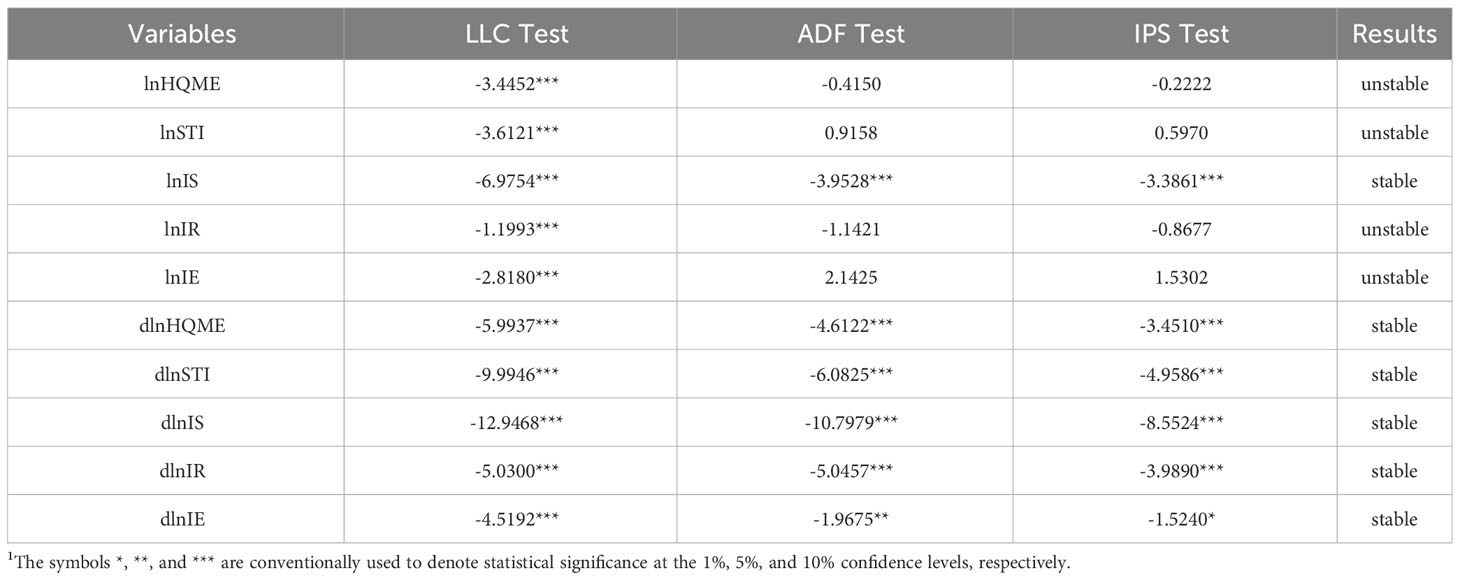
Table 7 Unit root test results for each variable.
4.1.2 PVAR model estimation results
In order to enhance the reliability of the estimate outcomes of the PVAR model, it is essential to first ascertain the most suitable lag order of the model during the construction process of the PVAR model. Table 8 displays the test results for each lag order based on various information requirements. This study indicates the ideal lag order of the PVAR model to be the first order lag, based on the criterion for choosing the lag order with the greatest minimum value among the three-information criteria BIC (Bayesian Information Criterion), AIC (Akaike Information Criterion), and HQIC (Hannan-Quinn Information Criterion).
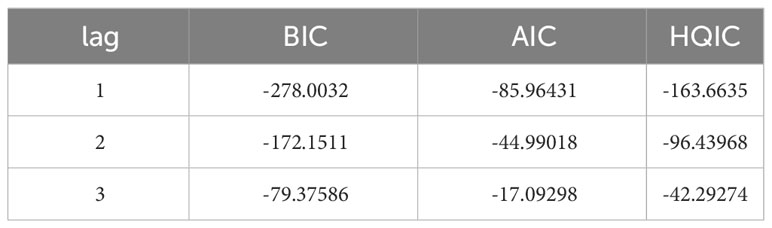
Table 8 PVAR model lag order test results.
Table 9 presents the estimate outcomes of the PVAR model. It is evident that the coefficient of the lagging technological innovation level’s impact on the high-quality development of the marine economy is 0.4129, with a statistically significant confidence level of 1%. This finding confirms hypothesis 1 and demonstrates that scientific and technological innovation plays a significant role in driving the high-quality development of the marine economy. The impact coefficients of innovation subjects, innovation resources, and innovation environment on the high-quality development of the marine economy are all significantly negative, indicating that a single innovation dimension cannot promote the high-quality development of the economy from the perspective of the marine innovation ecosystem. To foster high-quality development in the marine dynamic economy, it is imperative that all innovation dimensions collaborate harmoniously to enhance the standard of scientific and technological innovation. The equation governing the level of scientific and technological innovation can be observed to exhibit a positive and statistically significant relationship between the lagged level of scientific and technological innovation in a given period and its current level. The estimated impact coefficient of 0.3534 suggests that the level of marine scientific and technological innovation possesses a self-promoting effect to a certain degree. Furthermore, it is worth noting that the high-quality growth of the marine economy has a notable and beneficial impact on scientific and technological innovation. This finding suggests that scientific and technological innovation and the high-quality development of the marine economy are mutually reliant and mutually reinforcing. Marine scientific and technological innovation serves as a perpetual catalyst for the high-quality development of the marine economy. Simultaneously, the high-quality development of the marine economy offers extensive opportunities for the growth and expansion of marine scientific and technological innovation endeavors. This symbiotic relationship facilitates the enhancement of the overall proficiency and effectiveness of marine technological innovation.
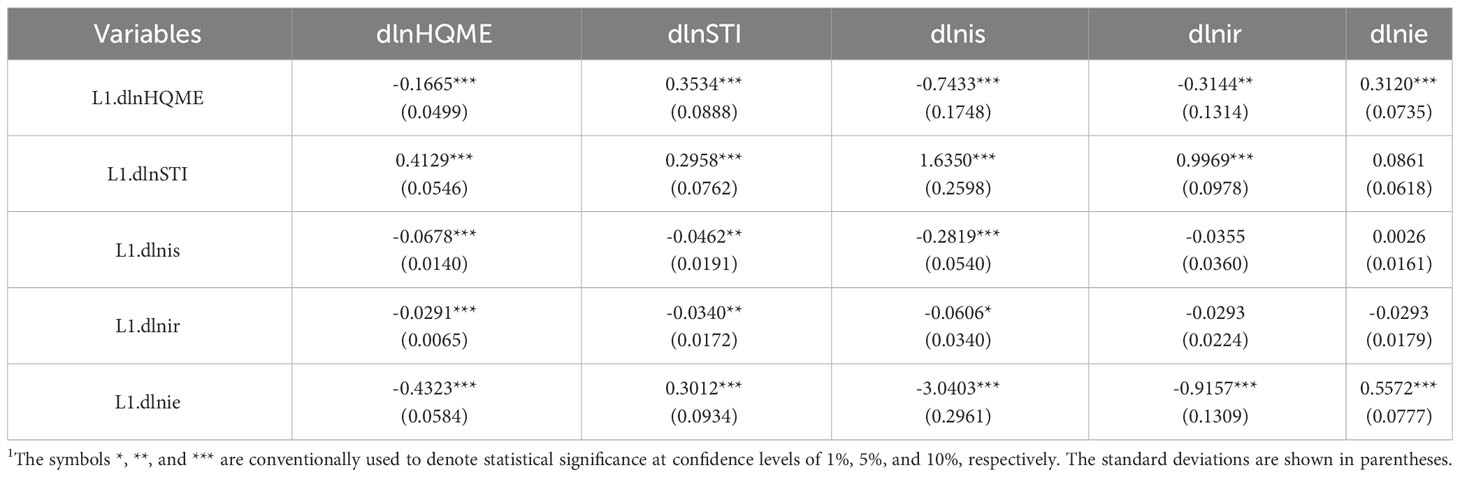
Table 9 PVAR model estimation results.
4.1.3 Stability test
Based on the analysis of Figure 2, it is evident that the eigenvalues of the adjoint matrix of the PVAR model are all situated inside the unit circle. This observation signifies that the created PVAR model exhibits stability and the estimate outcomes are deemed effective.
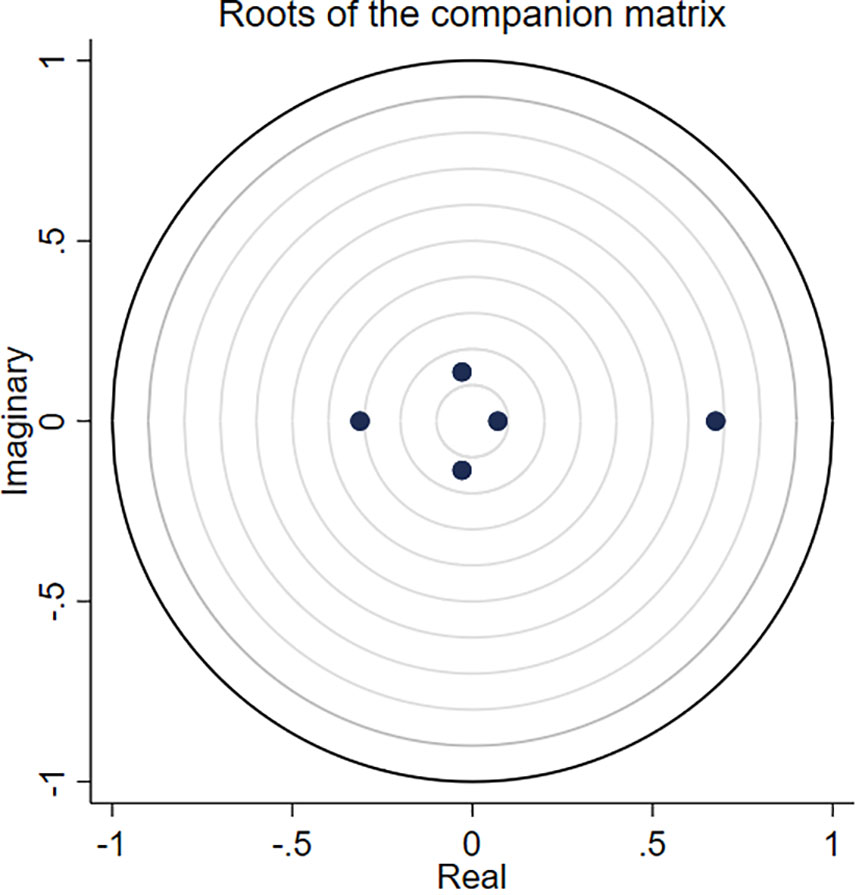
Figure 2 Stability test of PVAR model.
4.1.4 Granger causality tests
Subsequently, a Granger causality test was performed on the PVAR model in order to examine the presence of a Granger causation association between the high-quality development of marine economy and the scientific and technical innovation. Table 10 displays the results of the Granger causality test. Based on the findings, it is evident that, at a significance level of 1%, the level of scientific and technological innovation, along with its specific dimensions including the innovation subject, innovation resources, and innovation environment, serve as Granger causes for the high-quality development of the marine economy. The test term “all” has a P-value of 0.000, suggesting that the combination of all factors serves as significant Granger causes for the high-quality development of the marine economy. This suggests that changes in the extent of scientific and technological innovation will unavoidably result in modifications to the level of high-quality development in the marine economy. Furthermore, the high-quality development level of the marine economy serves as the Granger reason for innovation level, innovation subject, innovation resources, and innovation environment, at a significance level of 5%. This suggests that a reciprocal causal relationship exists between the degree of scientific and technological innovation and the high quality development of the marine economy.
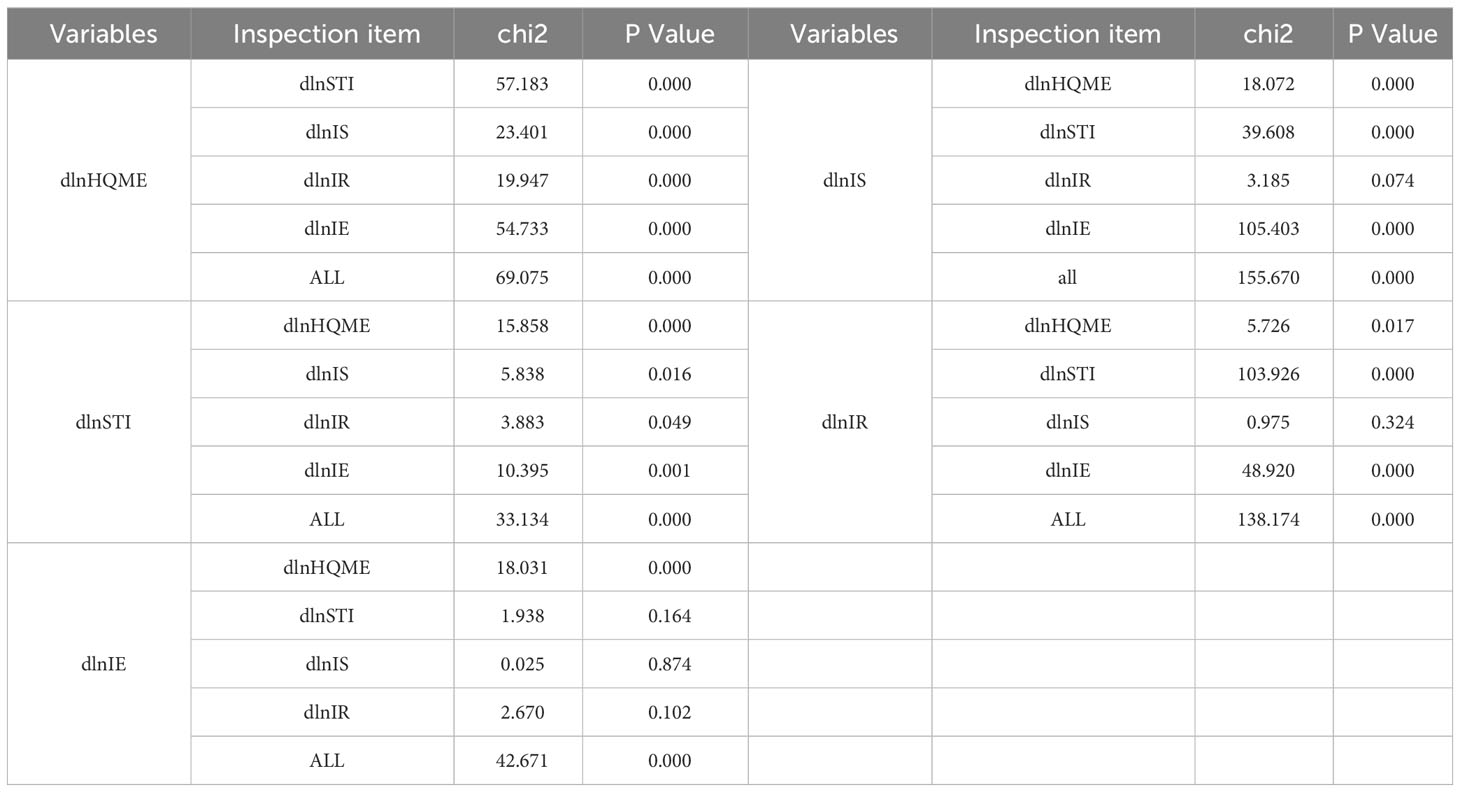
Table 10 PVAR model estimation results.
4.2 Empirical results based on the mediation effect model
The estimated results of models (2) through (5) are presented in Table 11. Specifically, model (2) yields a significant coefficient of 0.4838 for scientific and technological innovation at the 1% level. This indicates that scientific and technological innovation promotes high-quality development of the marine economy in a significant way, once once again confirming hypothesis 1. The coefficient of scientific and technical innovation in model (3) is estimated to be 0.3912. Additionally, the product of this coefficient and the coefficient of green total factor productivity in model (5), which is 0.0693, yields a value of 0.0271. This value is found to be statistically significant at the 1% level. This finding suggests that advancements in scientific and technological innovation have the potential to enhance marine green total factor productivity. Furthermore, scientific and technological innovation can have a positive impact on the high-quality development of the marine economy by means of green total factor productivity. Specifically, for every 1 percentage point increase in the level of scientific and technological innovation, there is a corresponding increase of 0.0271 percentage points in the promotion of the high-quality development level of the marine economy. This finding provides support for hypothesis 2. The results obtained from the estimation of model (4) demonstrate that the coefficients associated with technological innovation and green total factor productivity are statistically significant at the 1% level when industrial structure is used as the explanatory variable. This suggests that enhancing the level of scientific and technological innovation and green total factor productivity can effectively facilitate the optimization and upgrading of industrial structure. Furthermore, the statistical analysis reveals that the mediating effect of scientific and technological innovation on the high-quality development of the marine economy through the optimization of industrial structure is 0.025. This finding is deemed significant at a confidence level of 1%. Consequently, it can be concluded that technological innovation plays a crucial role in facilitating high-quality development of the marine economy by stimulating the optimization and upgrading of industrial structure, thereby confirming hypothesis 3. The results obtained from estimating model (5) indicate that the regression coefficients of scientific and technological innovation, green total factor productivity, and industrial structure on the high-quality development of the marine economy are statistically significant at the 1% level. This suggests that enhancing the level of scientific and technological innovation, green total factor productivity, and optimizing and upgrading the industrial structure can all contribute to the high-quality development of the marine economy. At the 1% significance level, the scientific and technological innovation’s chain mediating effect via enhanced green total factor productivity and industrial structure optimization is 0.0083. This indicates that scientific and technological innovation contributes to the enhancement of the marine economy’s high-quality development level by increasing green total factor productivity and resulting in the optimization and upgrading of the industrial structure. Hypothesis 4 is supported by empirical evidence, indicating that a 1 percentage point rise in technical innovation level leads to a 0.0083 percentage point enhancement in the promotion of high-quality growth of the marine economy via the use of chain intermediates.
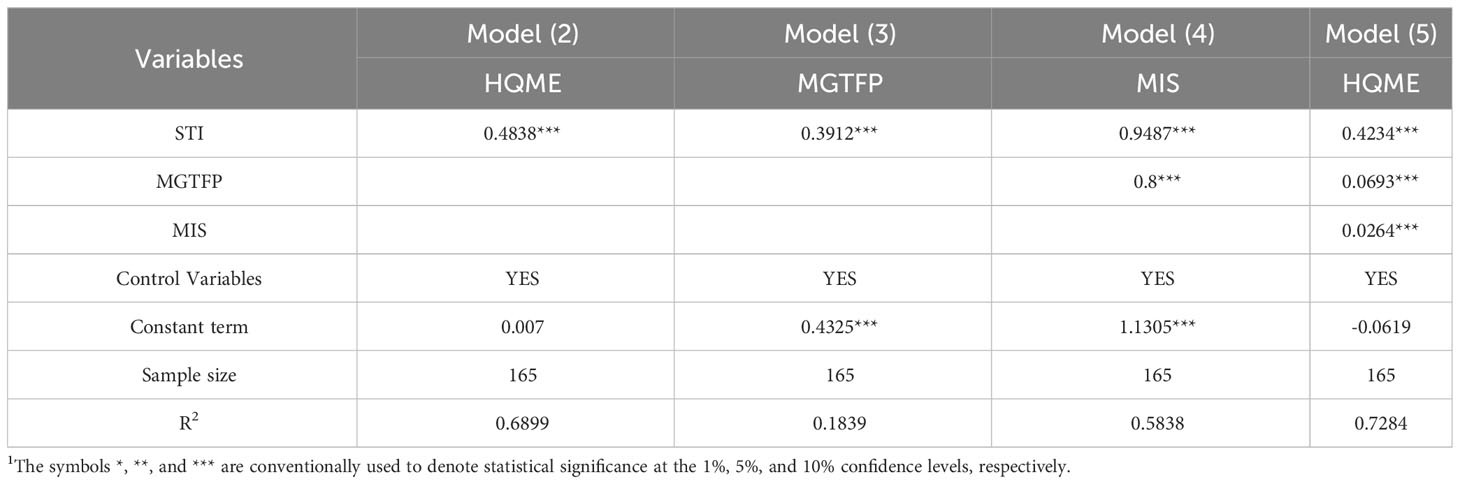
Table 11 Chain mediated effect model estimation results.
In order to strengthen the credibility of the study on the mediation effect, the Bootstrap test method was used to conduct 1000 random samples, therefore assessing the robustness of the dual mediation effect in the causal chain that involves enhancing green total factor productivity and optimizing industrial structure. The test results are shown in Table 12. The tabulated data demonstrates that both independent mediating effects and a chain mediating effect are present, as shown by the absence of a 0 value within the 95% confidence range for the mediating effect. Additional comparative analysis of the various types of effects stemming from scientific and technological innovation that propels high-quality development of the marine economy demonstrates that the overall effect is 0.4838. This effect is composed of 0.4234 for the direct effect, 0.0604 for the indirect mediating effect, and 12.48% for the mediating effect. Green total factor productivity is the most significant mediating variable among the indirect mediating effects, contributing 5.6% to the overall effect. Furthermore, it should be noted that the independent mediating effect of industrial structure as a mediating variable constitutes 5.17% of the overall effect. In addition, the chain mediated effect, which encourages the enhancement and modernization of industrial structure by means of augmenting green total factor productivity, exerts the least amount of promotion on the high-quality development of the marine economy, amounting to 1.72% of the overall effect. Figure 3 illustrates the mediating influence of scientific and technological innovation in facilitating the enhancement of green total factor productivity and the advancement of industrial structure, hence encouraging the high-quality development of the marine economy.
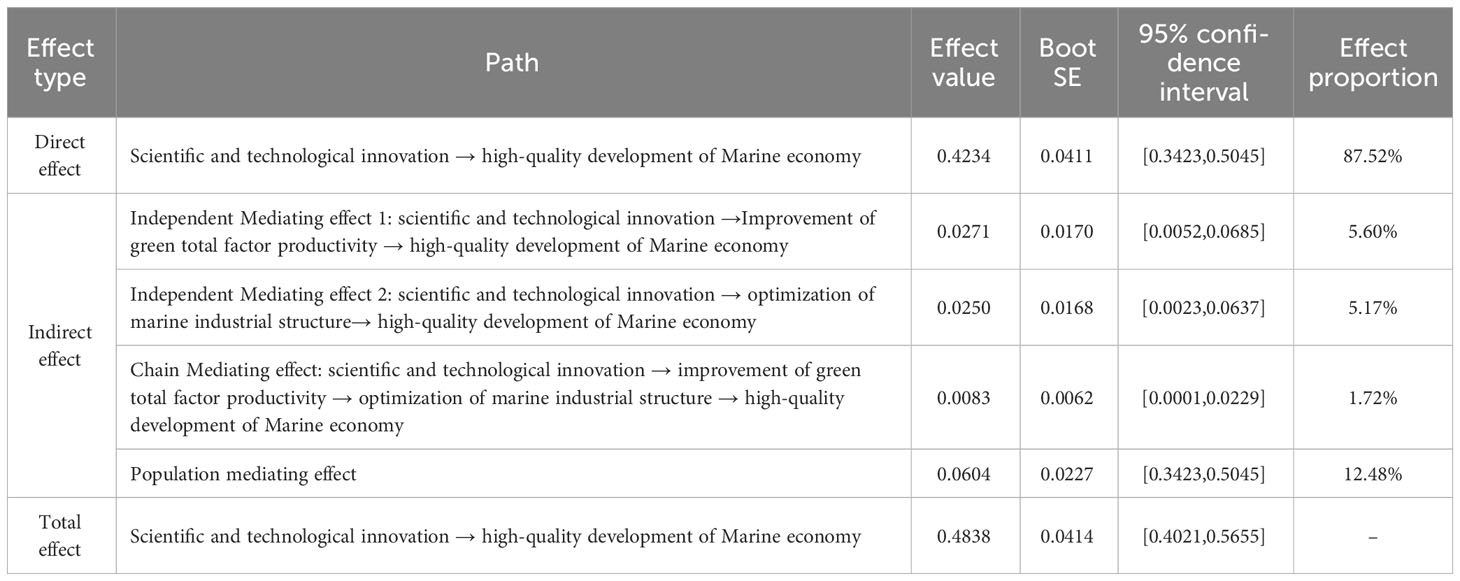
Table 12 Chain mediation effect test results based on bootstrap method.
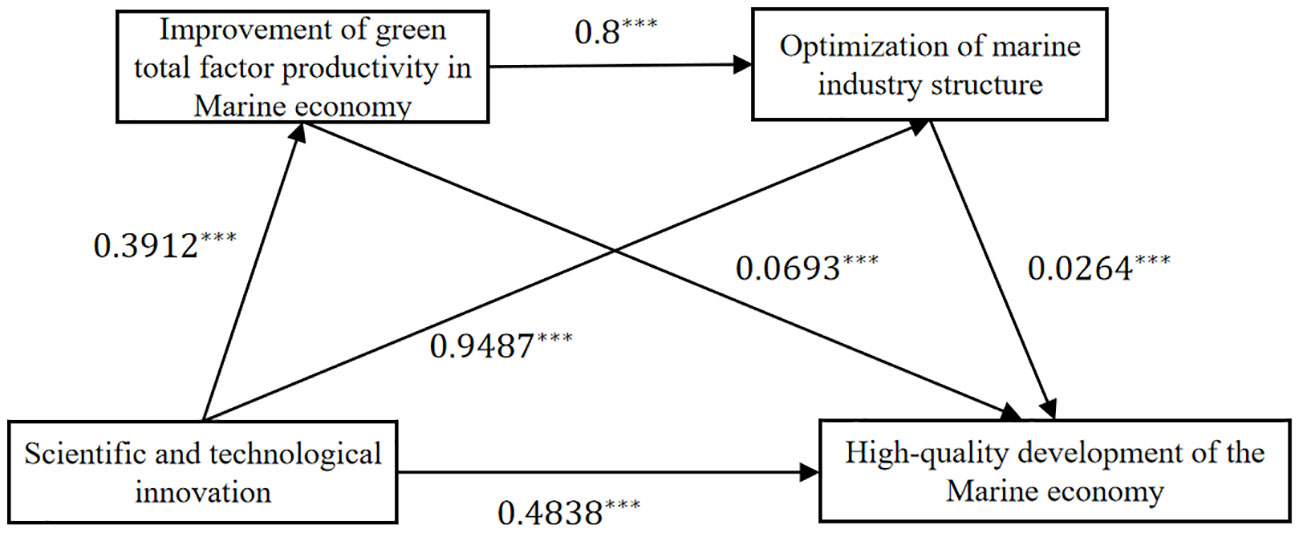
Figure 3 The chain mediation effect of science and technological innovation driving high-quality development of marine economy.
5 Conclusion and suggestion
This article uses panel data from 11 coastal provinces and cities (autonomous regions) in China from 2006 to 2020 to construct a PVAR model and a mediation effect model to study the impact of scientific and technological innovation on the high-quality development of the marine economy. The following conclusions are drawn:
Elevating the level of scientific and technological innovation has the potential to greatly facilitate the high-quality development of the marine economy. Concurrently, scientific and technological innovation can promote the high-quality development of the marine economy not only indirectly via two independent intermediary paths—improving green total factor productivity of marine and optimizing the marine industrial structure—but also via the intermediary path “promoting the upgrading of the marine industrial structure through improved green total factor productivity.” Specifically, scientific and technological innovation holds a significant role in both independent mediation and chain mediation effects. Among these effects, the independent mediation effect has the greatest contribution to the enhancement of marine green total factor productivity. Following this, the independent mediation effect of marine industrial structure upgrading holds the second highest impact. Lastly, the chain mediation effect of “improving marine green total factor productivity - promoting the upgrading of marine industrial structure” has the least influence.
Based on the aforementioned findings, this study proposes the following recommendations:
Encourage innovation entities, enrich innovation resources, improve the innovation environment, and give full play to the positive effects of technological innovation on the improvement of green total factor productivity, the optimization of industrial structure and the high-quality development of marine economy. From the standpoint of innovative entities, it is imperative to enhance collaboration between industry and university research, bolster cooperation among enterprises, universities, and research institutes, establish a robust mechanism for industry-university research alliances, facilitate the conversion and utilization of scientific research accomplishments, and foster the amalgamation and advancement of marine technology innovation and industry. Strengthen the construction of scientific research platforms, establish sound research institutions and experimental bases for marine science and technology innovation, improve the research and development capacity and innovation environment of all localities, encourage researchers to actively carry out research on cutting-edge technologies, and enhance the innovation capacity of marine science and technology. Strengthen policy guidance, establish a sound policy system for marine science and technology innovation, formulate fiscal, tax and financial policies to encourage marine science and technology innovation, and promote the development of marine science and technology innovation in an appropriate and differentiated manner according to the actual conditions of different regions.
Drive high-quality development of marine economy by increasing green total factor productivity and scientific and technological innovation. Based on the findings of the mediation effect model’s estimation results, it is evident that scientific and technological innovation, by enhancing green total factor productivity, is the most effective indirect pathway for promoting the high-quality development of the marine economy. The optimal use and exploitation of scientific and technological innovation should be pursued to effectively facilitate the advancement of green total factor production. By developing scientifically sound ocean management policies, fostering innovation in green ocean technology, enhancing the training of marine professionals, facilitating the movement of marine resources, and optimizing the efficiency of marine resource allocation and production. Enhancing scientific and technological innovation should generate a positive feedback loop with the expansion of environmentally sustainable total factor productivity, so as to more effectively address the requirements of the marine economy’s high-quality development.
Optimize the industrial structure, and promote the high-quality development of the marine economy by upgrading the marine industrial structure and improving the level of scientific and technological innovation. The results of the intermediary effect model show that the single intermediary effect and the chain intermediary effect through the industrial structure are very significant. Therefore, it is necessary to explore the promoting effect of the optimization and upgrading of the marine industrial structure on the high-quality development of the marine economy. Foster an industrial structure that is sustainable, diversified, and innovation-driven; abandon the conventional model of extensive production, which is characterized by high energy consumption, pollution, waste, and inefficiency; and support the growth of green emerging industries.
Data availability statement
The original contributions presented in the study are included in the article/Supplementary Material. Further inquiries can be directed to the corresponding authors.
Author contributions
MF: Data curation, Software, Writing – original draft, Formal analysis. HG: Conceptualization, Methodology, Project administration, Writing – review & editing. YW: Data curation, Writing – original draft. YL: Validation, Writing – review & editing.
Funding
The author(s) declare financial support was received for the research, authorship, and/or publication of this article. This paper is supported by the Special Funds for Taishan Scholar Project [2023].
Conflict of interest
The authors declare that they have no known competing financial interests or personal relationships that could have appeared to influence the work reported in this paper.
Publisher’s note
All claims expressed in this article are solely those of the authors and do not necessarily represent those of their affiliated organizations, or those of the publisher, the editors and the reviewers. Any product that may be evaluated in this article, or claim that may be made by its manufacturer, is not guaranteed or endorsed by the publisher.
Supplementary material
The Supplementary Material for this article can be found online at: https://www.frontiersin.org/articles/10.3389/fmars.2024.1341063/full#supplementary-material
References
Baron R. M., Kenny D. A. (1986). The moderator–mediator variable distinction in social psychological research: Conceptual, strategic, and statistical considerations. J. Pers. Soc. Psychol. 51, 1173. doi: 10.1037/0022-3514.51.6.1173
Chen Z., Lu M., Jin Y. (2004). Regional differences of human capital and education development in China: An estimation of the panel data. J. World Economy 12, 25–31.
Ding C., Liu C., Zheng C., Li F. (2021). Digital economy, technological innovation and high-quality economic development: Based on spatial effect and mediation effect. Sustainability 14, 216. doi: 10.3390/su14010216
Fengju X., Lina M., Iqbal N. (2020). Interaction mechanism between sustainable innovation capability and capital stock: Based on PVAR model. J. Intelligent Fuzzy Syst. 38, 7009–7025. doi: 10.3233/JIFS-179779
Gao S., Sun H., Wang J., Liu W. (2022). Evaluation and countermeasures of high-quality development of China’s marine economy based on pso-svm. Sustainability 14, 10749. doi: 10.3390/su141710749
Guo J., Yuan X., Song W. (2022). Driving forces on the development of China's marine economy: efficiency and spatial perspective. Ocean Coast. Manage. 224, 106192. doi: 10.1016/j.ocecoaman.2022.106192
Jianmin W., Li Y. (2020). Does factor endowment allocation improve technological innovation performance? An empirical study on the Yangtze River Delta region. Sci. Total Environ. 716, 137107. doi: 10.1016/j.scitotenv.2020.137107
Khan Y. A., Ahmad M. (2021). Investigating the impact of renewable energy, international trade, tourism, and foreign direct investment on carbon emission in developing as well as developed countries. Environ. Sci. pollut. Res. 28, 31246–31255. doi: 10.1007/s11356-021-12937-3
Li D., Hu S. (2021). How does technological innovation mediate the relationship between environmental regulation and high-quality economic development? Empirical evidence China. Sustainability 13, 2231. doi: 10.3390/su13042231
Lingui Q., Xu M., Juan T., Shuaishuai L. (2021). Environmental regulation and green total factor productivity: evidence from China's marine economy. Polish J. Environ. Stud. 30, 5117–5131. doi: 10.15244/pjoes/136010
Liu Y., Lei J., Zhang Y. (2021). A study on the sustainable relationship among the green finance, environment regulation and green-total-factor productivity in China. Sustainability 13, 11926. doi: 10.3390/su132111926
Liu P., Zhu B., Yang M. (2021). Has marine technology innovation promoted the high-quality development of the marine economy?——Evidence from coastal regions in China. Ocean Coast. Manage. 209, 105695. doi: 10.1016/j.ocecoaman.2021.105695
Ma J., Wang G. (2019). Impact of environmental regulation on the upgrading of industrial structure: Empirical analysis based on China’s coastal city systematic GMM. Sci. Technol. Manage. Res. 39, 163–169. doi: 10.3969/j.issn.1000-7695.2019.09.024
Shan X., Cao Y. (2022). Forecasting guangdong’s marine science and technology, marine economy, and employed persons by coastal regions—Based on rolling grey MGM (1, m) model. Water 14, 824. doi: 10.3390/w14050824
Shi X. H., Chen X., Han L., Zhou Z. J. (2023). The mechanism and test of the impact of environmental regulation and technological innovation on high quality development. J. Combinatorial Optimization 45, 52. doi: 10.1007/s10878-022-00984-6
Shi Y., Zhu Q., Xu L., Lu Z., Wu Y., Wang X., et al. (2020). Independent or influential? Spatial-temporal features of coordination level between urbanization quality and urbanization scale in China and its driving mechanism. Int. J. Environ. Res. Public Health 17, 1587. doi: 10.3390/ijerph17051587
Sun Z. (2021). An empirical study on the relationship between education and economic development based on PVAR model. Sci. Programming 2021, 1–13. doi: 10.1155/2021/6052182
Sun Z., Guan H., Zhao A. (2023). Research on the synergistic effect of the composite system for high-quality development of the marine economy in China. Systems 11, 282. doi: 10.3390/systems11060282
Sun C., Wang L., Zou W., Zhai X. (2023). The high-quality development level assessment of marine economy in China based on a “2+ 6+ 4” framework. Ocean Coast. Manage. 244, 106822. doi: 10.1016/j.ocecoaman.2023.106822
Tone K. (2002). A slacks-based measure of super-efficiency in data envelopment analysis. Eur. J. Operational Res. 143, 32–41. doi: 10.1016/S0377-2217(01)00324-1
Wang J., Zhao M. (2022). Evaluation of regional university technology transfer performance in China based on super-efficiency SBM. Int. J. Technol. Manage. 90, 54–77. doi: 10.1504/IJTM.2022.124610
Wei X., Hu Q., Shen W., Ma J. (2021). Influence of the evolution of marine industry structure on the green total factor productivity of marine economy. Water 13, 1108. doi: 10.3390/w13081108
Wilson C. (2020). The socialization of civic participation norms in government?: Assessing the effect of the Open Government Partnership on countries'e-participation. Government Inf. Q. 37, 101476. doi: 10.1016/j.giq.2020.101476
Wu F., Cui F., Liu T. (2023). The influence of environmental regulation on high-quality development of marine economy from different subjects’ perspectives. Front. Mar. Sci. 10, 1107666. doi: 10.3389/fmars.2023.1107666
Wu C., Mao Z., Zhan B., Wu Y. (2023). A quadratic fuzzy relative evaluation approach for the high-quality development of marine economy. J. Intelligent Fuzzy Syst. 45, 1–22.
Wu F., Wang X., Liu T. (2020). An empirical analysis of high-quality marine economic development driven by marine technological innovation. J. Coast. Res. 115, 465–468. doi: 10.2112/JCR-SI115-129.1
Xu Q., Hou Z., Zhang C., Yu F., Guan J., Liu X. (2022). Human capital, social capital, psychological capital, and job performance: Based on fuzzy-set qualitative comparative analysis. Front. Psychol. 13, 938875. doi: 10.3389/fpsyg.2022.938875
Yang R., Wong C. W., Miao X. (2021). Evaluation of the coordinated development of economic, urbanization and environmental systems: A case study of China. Clean Technol. Environ. Policy 23, 685–708. doi: 10.1007/s10098-020-01999-5
Yu H., Xing L. (2021). Analysis of the spatiotemporal differences in the quality of marine economic growth in China. J. Coast. Res. 37, 589–600. doi: 10.2112/JCOASTRES-D-20-00102.1
Keywords: scientific and technological innovation, high-quality development of marine economy, influencing mechanism, PVAR model, mesomeric effect
Citation: Feng M, Guan H, Wang Y and Liu Y (2024) Research on the impact mechanism of scientific and technological innovation on the high-quality development of the marine economy. Front. Mar. Sci. 11:1341063. doi: 10.3389/fmars.2024.1341063
Received: 19 November 2023; Accepted: 09 February 2024;
Published: 21 February 2024.
Edited by:
Vitor H. Paiva, University of Coimbra, PortugalReviewed by:
Tao Liu, Shandong University of Science and Technology, ChinaQingji Zhou, Tianjin University, China
Copyright © 2024 Feng, Guan, Wang and Liu. This is an open-access article distributed under the terms of the Creative Commons Attribution License (CC BY). The use, distribution or reproduction in other forums is permitted, provided the original author(s) and the copyright owner(s) are credited and that the original publication in this journal is cited, in accordance with accepted academic practice. No use, distribution or reproduction is permitted which does not comply with these terms.
*Correspondence: Yilin Liu, aGt5bHlsQDEyNi5jb20=; Hongjun Guan, amp4eWdoakAxMjYuY29t