 Ana Gutiérrez
 Iago Rodríguez-Lago
- 1Gastroenterology Department, Centro de Investigación Biomédica en Red de Enfermedades Hepáticas y Digestivas, Hospital General Universitario de Alicante, Alicante, Spain
- 2Gastroenterology Department, Hospital de Galdakao, Biocruces Bizkaia Health Research Institute, Galdakao, Spain
Ustekinumab is a fully human IgG1 monoclonal antibody that has been approved for the treatment of moderate to severe Crohn's disease, and more recently moderate to severe ulcerative colitis. It binds with high affinity to the p40 subunit of human interleukin-12 and 23. This mechanism of action prevents the bioactivity of both interleukins, thus precluding their interaction with the cell surface receptor protein. The pivotal clinical trials (UNITI-1, UNITI-2 and IM-UNITI) demonstrated its clinical efficacy and safety, in naïve patients and also in those previously exposed to immunosuppressants and/or biologics. There is now an extensive experience with its use worldwide, corroborating its favorable profile even in patients with refractory disease. However, the number of medical treatment options available in inflammatory bowel disease are still limited. Hence, we should prioritize the treatments that have a greater probability of response in an individual patient. Our aim was to review and summarize all the available literature regarding the potential predictors of response to ustekinumab that can increase the success rate with this therapy in clinical practice.
Introduction: Do we Need Predictive Factors in Crohn'S Disease?
Inflammatory bowel diseases (IBD)—a term including both ulcerative colitis (UC) and Crohn's disease (CD)— are two chronic, disabling conditions causing an uncontrolled inflammatory process in the gastrointestinal tract, with a relapsing and remitting course (1, 2). It is considered that IBD appears in genetically predisposed subjects after the interaction with diverse environmental factors, therefore it is described as a complex disease where there is an interaction between multiple factors that has not been fully elucidated so far. The interaction between luminal antigens and the mucosal immune system seems to be crucial and mediated through an increased intestinal permeability, at least during the early stages of the disease (3). This interaction may trigger an abnormal and uncontrolled inflammatory response in susceptible individuals, leading to progressive bowel damage and symptomatic disease (4). Due to our increased knowledge of the immunological disturbances observed in these patients, new treatment options have been developed in recent years (5). Over the past 20 years, tumor necrosis factor (TNF)-antagonists have transformed the medical management of IBD due to their ability to induce a complete control of symptoms, induce mucosal healing in a significant proportion of patients, and reduce the long-term requirements of surgery and hospitalization (6–8). Despite their impact in the paradigm of disease control, many challenges remain: around two-thirds of IBD patients demonstrate short-term clinical response to anti-TNF therapy and ~40% of patients who initially improve subsequently lose response (9, 10). These data about the efficacy should be added to the potential adverse events associated to anti-TNF therapy, that underlines the urgent need of alternative therapeutic options targeting new disease pathways for refractory patients. In recent years, the experience with new biologics blocking leukocyte migration mediated through integrins—vedolizumab—or the immune pathways regulated by interleukin (IL)-12/23—ustekinumab (UST)—have increased the chance to obtain better disease control and improve quality of life. Hence, these new therapeutic options imply a greater probability of inducing disease remission in difficult-to-treat patients. Despite this important progress, the selection of first-line biologic therapy seems to be crucial, as it has consistently been shown that there is a stepwise reduced response rate with each subsequent biologic therapy (11, 12). Contrary to the aforementioned steps toward disease control, many regulatory authorities have approved UST only after anti-TNF failure, which significantly reduces the overall efficacy of the drug.
Taking into consideration that many new drugs involving other mechanisms of action are still to come, personalized medicine will gain importance in the near future (13, 14). This is a new concept in our field, but many new findings associated to the ability to predict response, relapse and even adverse events by using clinical data and biomarkers will allow us to choose the best drug, for an individual patient at the right time (15, 16). Several factors have been linked to the response to TNF blockade in IBD, including clinical factors, pharmacokinetics, biochemical markers, pharmacogenomics, microbiome signatures, metabolic compounds and mucosal markers (17, 18). While there are significant advances allowing a better identification of patients more likely to respond to anti-TNFs, including also a more profound understanding of its pharmacokinetics, few studies have investigated predictive factors of therapeutic efficacy to UST that may improve the probability of response and long-term benefit. This review will discuss all the possible factors and biomarkers associated to the initial and long-term response to UST in CD.
The Unmet Needs With USTEKINUMAB: Efficacy in Randomized Clinical Trials and Observational Cohorts
Clinical Trials
UST is a fully human immunoglobulin G1 monoclonal antibody that blocks the p40 subunit of IL-12 and IL-23, precluding cytokine-mediated cellular activation. IL-23 promotes the differentiation of naïve T cells into Th17 phenotype, whereas IL-12 regulates the Th1 polarization. The downstream effect of the IL-12/23 blockade is the neutralization of human IL-12 and IL-23-mediated cell signaling, cell activation, and cytokine production involved in the pathogenesis of CD (19). UST has demonstrated its efficacy inducing response and remission in CD patients in randomized clinical trials and also in real-life studies. The UNITI study, a phase III multicenter, double-blind, placebo-controlled randomized clinical trial included an induction (UNITI-1 and 2) and a maintenance phase (IM-UNITI) (20). Patients started UST after primary non-response, loss of response or intolerance to anti-TNF agents (UNITI-1), but also failure or severe adverse events during conventional therapy with immunosuppressants or steroids (UNITI-2). The primary aim—defined as a reduction in the Crohn's Disease Activity Index [CDAI] ≤100 or CDAI <150 at week 6—was achieved by 22, 34, and 34% in the placebo, UST 130 mg and UST 6 mg/kg groups, respectively, in the UNITI-1 trial (714 patients) and 29, 52, and 56% in the UNITI-2 (628 patients). In the IM-UNITI study, including 397 responders during the induction, the primary endpoint—clinical remission (CDAI <150) at week 44—was achieved by 36, 49, and 53% in the placebo, UST 90 mg q12w and 90 mg q8w arms, respectively. Long-term data from the IM-UNITI study show that 62 and 70% of patients in the q12w and q8w arms were in clinical remission at week 152, respectively (21). A treat-to-target approach based on endoscopic findings at week 16 has been evaluated with UST in the STARDUST trial (NCT03107793). This is the first randomized trial evaluating the efficacy of UST under a dose adjustment strategy based on biomarkers (fecal calprotectin and C-reactive protein) and symptoms (CDAI), compared with a standard, clinically-driven approach. Preliminary results have been presented at United European Gastroenterology Week 2020, were the treat-to-target strategy showed a numerically higher endoscopic response, but there were no clear differences between both treatment arms.
Real-World Data
Additionally, several open-label observational cohort studies have also assessed and confirmed the efficacy and safety of UST for CD in clinical practice (22–41). Although these real-world studies have some obvious advantages over randomized clinical trials (as they reflect real clinical practice and in clinical scenarios where patients will not fulfill the rigorous inclusion criteria of clinical trials), their limitations need to be taken into account. Real-life studies are limited usually by smaller sample size, more limited follow-up, and are prone to bias due to their outcomes and frequent retrospective design. Nonetheless, real-world studies are an important source of information in addition to the results of clinical trials. Based on these assumptions, a recent multicenter retrospective Spanish study including 407 patients observed that 57 and 64% of patients with active disease starting UST achieved clinical remission at weeks 26 and 52, respectively (30, 31). Fecal calprotectin normalization was observed in 44 and 54% of patients at weeks 26 and 52, while C-reactive protein returned to normal in 36 and 37% of patients at the same time points, respectively. Biemans et al. recently reported results from the nationwide prospective observational Dutch cohort (40). This study included 221 CD patients, where corticosteroid-free clinical remission rates at weeks 24 and 52 were 38 and 37%, respectively. In conclusion, clinical trials and real-world studies have demonstrated that UST is safe and effective for the induction and maintenance of response and remission of refractory CD patients, but a significant proportion still fails to obtain the strict endpoints that should be regarded as our goals as steroid-free clinical remission and mucosal healing. Therefore, we will discuss the clinical factors and biomarkers that have been associated with a higher probability of clinical benefit with UST. As the IBD drug pipeline is still limited, the identification of predictive factors should be carefully considered as it may help us to enhance the probability of achieving disease remission.
Predictive Factors Associated to Ustekinumab Response
Clinical Factors
There are many aspects that influence the response to UST, but there have been no definite characteristics associated to a certain patient profile that may show a better response so far. However, some patient or disease-related aspects may help us to decide that anti-interleukin therapy is the best option in an individual patient (Table 1). Age is one of the most important factors, and it may be expected to plays an important role in the prognosis and treatment outcomes of CD. Nevertheless, some age subgroups of patients are usually underrepresented in most of the clinical trials and observational cohorts. Previous descriptions of the management of elderly IBD patients show that they usually receive steroids, immunosuppressants or anti-TNF agents less frequently (45). Though, regarding anti-TNF therapy there is no clear evidence about the influence of age on the response to these drugs (18). Data with UST is still limited, but in the 6 mg/kg and 130 mg treatment arm in the UNITI-1 trial, younger patients showed increased rates of clinical response at week 6 compared to placebo [odds ratio (OR), 2.4; confidence interval (CI) 95%, 1.3–4.3 and OR, 2.7; CI 95%, 1.5–4.9, respectively] (20). Only one additional retrospective case series has demonstrated that age influences treatment outcomes with UST (37). Here, Casas Deza et al. observed that older age was associated with reduced clinical response rates after 16 weeks of therapy. However, there are no consistent data across the remaining studies suggesting a different efficacy across different age groups (18). Hence, older patients may show a reduced clinical response to UST at least in the short-term, but data about treatment persistence and more robust outcomes are needed to confirm this relationship.
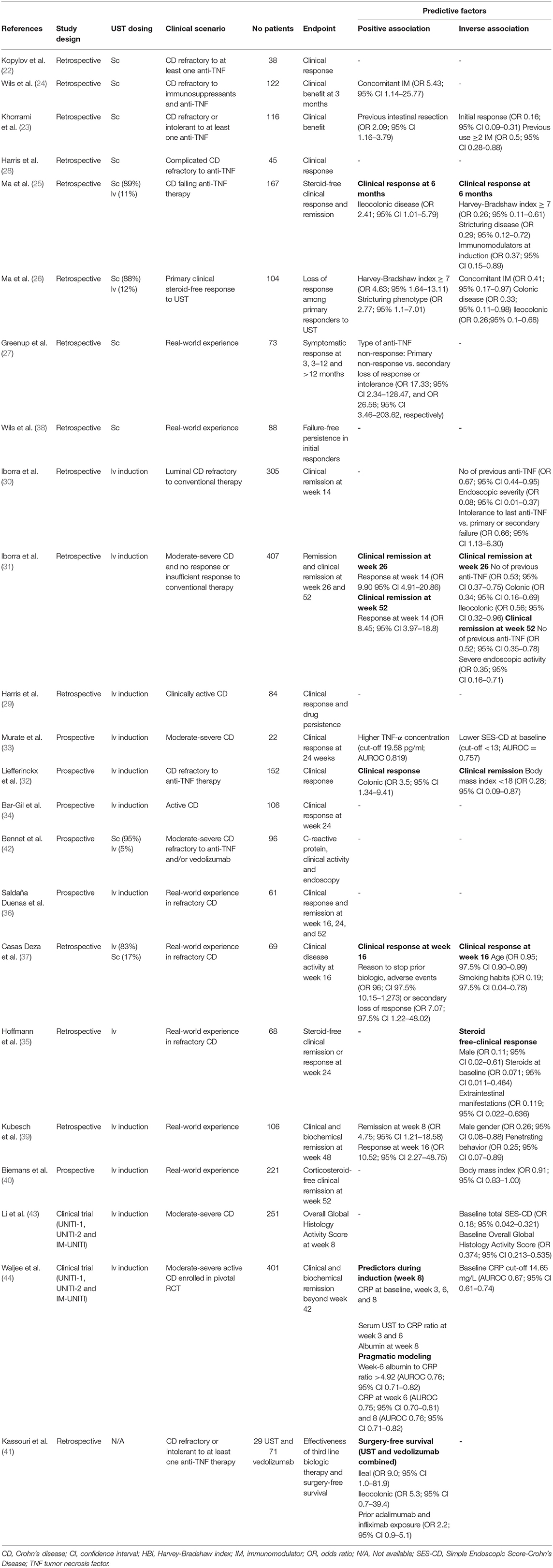
Table 1. Predictive factors of response in observational studies in patients with Crohn's disease.
Important sociodemographic aspects, including gender and ethnicity are also attractive patient-related characteristics to consider. Again, subjects randomized to receive 6 mg/kg and 130 mg in the UNITI trials showed an improved clinical response rates between females and white patients compared to other races grouped together (20). Two observational cohorts support this finding, with reduced rates of combined response and remission rates after 24 weeks (35) and 48 weeks (39) in male patients, whilst the remaining short and long-term studies have not replicated this observation.
Low body weight has been associated with an improved response to anti-TNF therapy (46, 47), although controversial results have also been reported (48), and it is expected to be secondary to complex disease-related mechanisms that can influence pharmacokinetics. The currently approved loading dose of UST consists on a weight-based infusion of 260, 390, or 520 mg in patients 55, 56–85, or >85 kg, respectively. During the induction period with the initially approved dosing strategy, patients <60 kg of body weight receiving 90 mg subcutaneous UST showed a similar trend toward improved clinical response rates at week 8 (49). Consistent results had been observed in the UNITI program, were subjects in both treatment arms-−6 mg/kg and 130 mg iv—with low body weight showed improved clinical response rates in the short-term (20). Recent results from the Dutch IBD cohort have confirmed this trend, as body mass index was inversely correlated with the corticosteroid-free clinical remission at week 52 (40). Patient populations across different countries can have important differences, but body weight is a readily available information that could be easily implemented in clinical practice.
Disease-Related Factors
Some factors associated with the characteristic of the disease should be also considered when starting UST therapy. Disease extension is one of the main items included in the Montreal classification and it defines one of the most important characteristics of the disease (50). Thus, it is of great importance to evaluate if it is associated with the response to certain immunosuppressive or biologic agents. The presence of lesions in the ileum and colon was shown to be associated with improved clinical response rates in those patients receiving 130 mg or 6 mg/kg UST in the UNITI trial, compared to placebo (OR, 2.8; CI 95%, 1.7–4.7, and OR, 5.0; CI 95%, 2.8–8.9, respectively) (20). In a Canadian retrospective cohort, Ma et al. described improved steroid-free clinical response and remission rates in ileocolonic CD (OR, 2.41; 95% CI, 1.01–5.79) (25). Further analysis from the same group were in line with their previous findings, as ileocolonic disease was associated with lower rates of loss of response during follow-up (OR, 0.26; 95% CI, 0.1–0.68) (26). Favorable results have been observed also when the disease is limited to the colon (26, 32). In contrast, the recent experience reported including 407 patients from Spain showed opposite results, as ileocolonic and colonic disease extension were associated with lower clinical response rates at week 26 (OR, 0.56 95% CI, 0.32–0.96, and OR, 0.34 95% CI, 0.16–0.69, respectively) (31).
Another important aspect that can significantly influence the response to biologics is the presence of penetrating or stricturing complications. It would be expected that patients who have shown a progression of the disease to a B2/B3 phenotype will have established and irreversible bowel damage that will be more difficult to control with medical therapy (51). In the UNITI-1 and UNITI-2 cohorts, 9–12% and 8–12% of patients had bowel strictures at baseline, while 18–20% and 15–16% had active fistulas (but there is no data available about type or location of the fistulas), respectively (20). No post-hoc analysis are available from these subgroups, hence data can be obtained only from observational studies. Both analysis performed in the Canadian cohort demonstrated that UST was less effective when stricturing complications have already developed, but most patients included in both cohorts received a subcutaneous induction regimen (25, 26). Similarly, a retrospective analysis of 106 CD patients receiving intravenous induction showed that penetrating complications were associated with lower rates of clinical and biochemical remission at week 48 (OR, 0.25; 95% CI, 0.07–0.89) (39). The remaining observational cohorts describing the experience across different countries with the intravenous induction did not show statistically significant differences according to disease phenotype (30–32). Additional data can be obtained from two recent analysis comparing the efficacy of UST and vedolizumab in CD (52, 53). Patients from five French university hospitals receiving either vedolizumab or UST for CD refractory or intolerant to TNF antagonists were analyzed (52). At week 48, UST was associated with higher clinical remission in patients with penetrating disease (OR, 6.58; 95% CI, 1.91–22.68). In a similar approach by the Dutch Initiative on Crohn and Colitis including 69 patients with UST and 69 with vedolizumab, there were no differences regarding the presence of intraabdominal complications at study entry (53). Therefore, accumulating evidence suggests that UST could be preferred in patients with inflammatory-predominant lesions and in those with penetrating behavior, at least after anti-TNF failure. Nevertheless, more quality data comparing the use of different biologic therapies would improve our management of patients with complicated disease.
Whereas, data about the efficacy of combination therapy with TNF antagonists has consistently shown an improvement in clinical and endoscopic outcomes (54, 55), evidence with UST or vedolizumab shows controversial results. Up to now, most of the evidence suggests no benefit of combination therapy with immunomodulators (56, 57). A recent meta-analysis including 15 studies found no improvement in clinical or endoscopic outcomes between patients receiving monotherapy or a combination of both drugs (OR, 1.1; 95% CI, 0.87–1.38; and OR, 0.58; 95% CI, 0.21–1.16, respectively) (57). Therefore, current evidence do not support a clear benefit of these strategy, but as UST is frequently used in refractory patients this decision should be carefully balanced in an individual basis.
Perianal fistulas and abscesses are severe complications that can lead to significant morbidity and reduced quality of life (58, 59). Up to 25% of patients develop perianal fistulas in the long-term, with a cumulative risk of 21% after 10 years and 26% after 20 years (60). Despite of its substantial impact on quality of life, there is a lack of randomized controlled trials about the best treatment options for this disabling complication. Immunomodulators and biologic anti-TNF agents, even alone or in combination, have been the most widely used treatments for perianal fistulas (61). However, no randomized controlled trial has evaluated the efficacy of UST in perianal fistula healing (62). Data from a post-hoc analysis of the CERTIFI, UNITI-1, UNITI-2 studies has reported its efficacy in active perianal fistulas—observed in 11 to 16% of patients at baseline -, although the results did not describe simple and complex fistula separately (63) (Table 2). Complete fistula healing was achieved in 24% of patients receiving 130 mg/kg and in 28% with the 6 mg/kg dosing, compared to 14% in the placebo arm. Although these results suggest a beneficial effect over placebo, a systematic review and meta-analysis did not show statistically significant differences for the induction of remission [relative risk (RR) 1.77; 95% CI 0.93–3.37] (66). However, this analysis included data only up to December 2016, so information from more recent cohorts may include additional and has the potential to obtain different conclusions. Data from uncontrolled real-world studies have reported heterogeneous results on fistula response and closure rates (23, 24, 64, 65). In 148 patients with active perianal disease included in a observational cohort from the GETAID, 39% achieved treatment success with UST (64). In this cohort, no predictive factors were associated with the main outcomes, and only the number of prior anti-TNF agents (≥3 drugs) showed a trend toward a reduced response rate. No additional predictive factors have been associated with fistula response or healing in real-world experience reported so far (23, 24, 38, 64, 65).
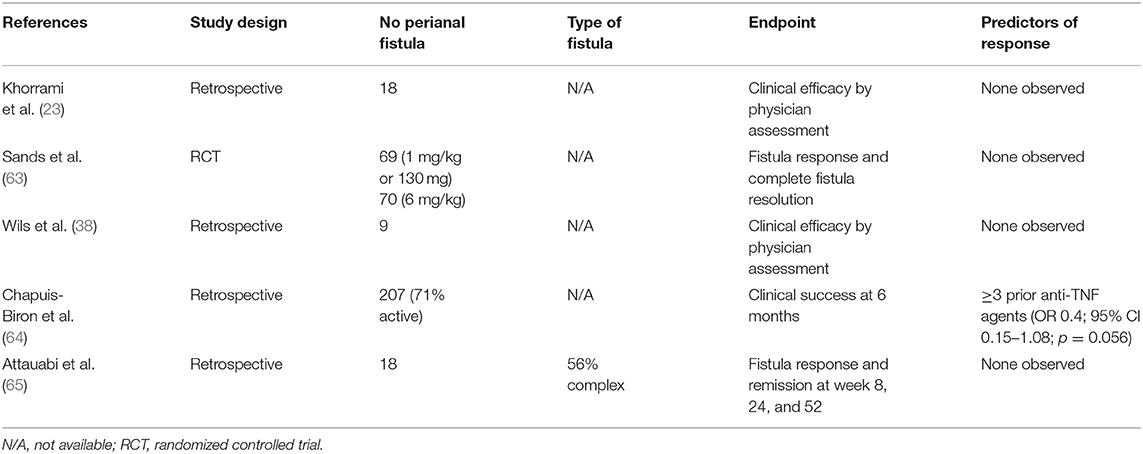
Table 2. Summary of studies evaluating the efficacy of ustekinumab for perianal complications of Crohn's disease.
Endoscopic and Histologic Factors
Increasing evidence supports the impact of mucosal and histologic healing in UC, as it has been extensively demonstrated that the resolution of the mucosal lesions improves the long-term clinical outcomes (67). Nevertheless, data supporting the influence of healing endoscopic lesions in CD is favorable, but the evidence is still more limited (68, 69). A recent systematic review with meta-analysis has shown increased clinical remission rates, but not influence on surgery risk (68). The current definition of mucosal healing suggested by the 2015 STRIDE recommendations is the resolution of ulcers at ileocolonoscopy or cross-sectional imaging (70), as it has been previously defined in the SONIC (54), ACCENT (7) and EXTEND (71) trials. The most frequently used scores are the Crohn's Disease Endoscopic Index of Severity (CDEIS) and the Simple Endoscopic Score for Crohn's Disease (SES-CD) (72, 73). However, no definite endpoints or endoscopic scores were included in the STRIDE statements based on these score (70), but the IOIBD has proposed the use of a SES-CD ≤2 (74).
No clear data can be obtained from the initial reports from the developing program of UST about potential endoscopic predictors of response (20, 49). However, a recent post-hoc analysis of the UNITI-1, UNITI-2, and IM-UNITI trials evaluating histologic disease activity also included some endoscopic outcomes (43). Here, Li et al. observed that baseline SES-CD inversely correlated with the histologic disease activity at week 8 (OR, 0.18; 95% CI, 0.042–0.321). The relationship between response rates and endoscopic disease severity has been also observed in real-world studies (30, 31, 33). Iborra et al. evaluated the short and long-term clinical and endoscopic response among patients included in the ENEIDA registry (30, 31, 75). Conversely, after 14 weeks of treatment endoscopic severity at baseline was negatively associated with clinical remission rates (OR, 0.08; 95% CI, 0.01–0.37) (30), and this observation was further confirmed in their follow-up at 52 weeks (OR, 0.35; 95% CI, 0.16–0.71) (31). There is only one prospective observational study that has reported real-life experience about this outcome (33). In this study, Murate et al. found that clinical response at week 24 was more frequently observed in subjects with lower SES-CD at baseline (cut-off <13) (33).
In the future, it is expected that routine assessment of endoscopic disease activity or even surrogate markers of mucosal colonic lesions will help us in the decision making process. Meanwhile, the evaluation of endoscopic severity in CD remains as an important unmet need for the stratification and follow-up assessments during medical therapy.
Biomarkers
Even though some studies have suggested a more favorable response to UST in patients with more severe disease (25, 26), no clear conclusion can be obtained from disease scores or biomarkers associated with a specific immune pathway. No association has been observed between C-reactive protein and clinical outcomes in most of the observational cohorts (18). Potential cut-off values of C-reactive protein and additional biomarkers have been analyzed with data from UNITI-1, UNITI-2, and IM-UNITI (44). Using machine learning algorithms, some biomarkers were able to identify non-responders to UST after 42 weeks of therapy. Interestingly, lower CRP levels at week 3, 6, and 8, higher serum UST through levels to CRP ratio and increased albumin levels were associated with increased treatment success rates. A prospective observational cohort from Japan recently found that responder to UST at week 8 showed higher TNF-α concentrations at baseline (33). Moreover, serum TNF-α levels in responders were significantly decreased during anti-IL12/23 therapy. No additional serum biomarkers associated with UST response have been identified.
Results about the probability of developing loss of response to anti-TNF drugs according to specific genetic variants have shown promising results (76, 77). Those patients carrying HLA-DQA1*05 are at a higher risk of immunogenicity during infliximab or adalimumab therapy in patients with CD. Currently there are no published data on the possible influence of genetic factors in the response to UST, but results on this topic are awaited.
Microbial Markers
Gut microbiota plays an essential role in the pathogenesis of IBD. Hence, it would be plausible to find a relationship with treatment response and it may even be useful as a predictive factor of response to some medical therapies. In CD, data about the influence of specific components of the fecal microbiota on treatment outcomes are still scarce (78). In a subset of patients with moderate-severe CD refractory to TNF antagonists participating in the phase 2b clinical trials of UST, Doherty et al. found that microbial signatures were associated with treatment response or remission (CDAI decrease ≥100 points or below 150 points, respectively) (79, 80). Interestingly, the predictive model performed better than clinical data alone, and the combination of both data sets did not improve significantly the area under the curve over the microbiome data by itself. Responders at week 6 had significantly different baseline α and β-diversity than subjects with active CD. Bacteroides and Faecalibacterium were the two more abundant genus in those subjects with a better treatment response. The presence of Faecalibacterium, Blautia, Clostridium XIVa, Ruminococcaceae, and Roseburia was also associated with in clinical remission at week 6.
Pharmacokinetics
Anti-TNF trough and anti-drug antibody concentrations are associated with improved outcomes in IBD (81–83). Indeed, therapeutic drug monitoring has been evaluated in multiple clinical trials and observational studies in the management of patients showing a loss of response to anti-TNF agents (84–86). Despite the increasing evidence toward the utility of drugs levels with these agents, data on the optimal drug concentrations and anti-drug antibodies thresholds with novel biologics have been less extensively explored (87). In fact, there is currently scarce comprehensive data about UST pharmacokinetics and exposure-response data in CD from large, randomized, controlled trials. Table 3 summarizes the evidence of the influence of pharmacokinetics on UST response. The UNITI-1, UNITI-2, and IM-UNITI trial pharmacokinetics are the main sources exploring the relationship between trough levels and efficacy at 1 year (20, 90). A post-hoc analysis of the IM-UNITI cohort demonstrated an area under curve of 0.64 (p < 0.003) for clinical remission and UST concentrations, with an optimal cut-off of 0.8 ug/mL (90). In addition, UST concentrations >1.1 ug/mL were associated with an increased probability of C-reactive protein normalization at week 24 (52 vs. 25%, p < 0.0001).
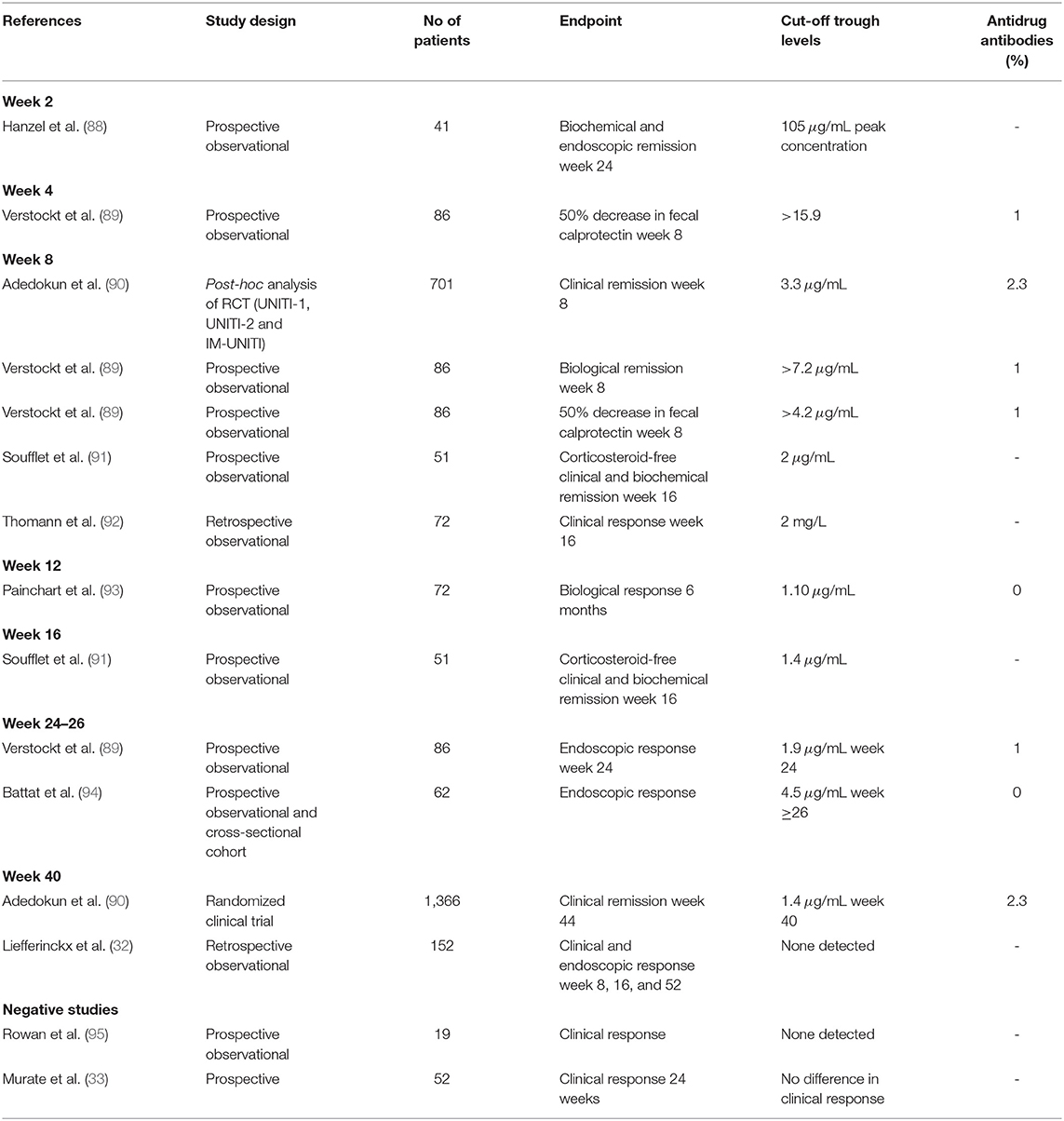
Table 3. Studies evaluating the influence of pharmacokinetics on ustekinumab response.
The relationship between UST trough concentrations has also been investigated in a real-world setting, including anti-drug antibodies and clinical outcomes (94). Battat et al. conducted a prospective study in 62 patients with refractory CD, demonstrating a relationship between serum C-reactive protein and endoscopic improvement with UST trough concentrations >4.5 μg/mL at week 26 or beyond (94). Moreover, a recent prospective open-label cohort study including 86 patients, showed that UST concentrations ≥4.2 μg/mL at week 8 were associated with a 50% decrease in fecal calprotectin (89). Additionally, week 16 UST concentrations ≥2.3 μg/mL and week 24 concentrations ≥1.9 μg/mL were associated with endoscopic response at week 24 (89).
On the other hand, evidence regarding early UST concentrations and prediction of later outcomes in CD is limited. Recently, a prospective observational study by Hanzel et al. found that 6 of 13 patients (46%) with peak concentrations above 105 μg/mL achieved endoscopic remission, compared with only 7% among those with peak concentrations below 88 mg/mL (88). These authors concluded that therapeutic drug monitoring as early as during the first 2 weeks of initiation of UST might help stratify patients according to the probability of achieving treatment outcomes at 6 months.
In contrast to anti-TNF treatment, the immunogenicity of UST seems to be very low (<5%). The incidence of antibodies against UST was 0.2% after induction and after 1 year of treatment it was only 2.3% (using a drug-tolerant assay) in the UNITI-1, UNITI-2, and IM-UNITI trials (90). This fact suggests that combotherapy with immunomodulators may not be needed with the primary aim of reducing immunogenicity. However, as discussed above some cohorts have suggested that combination therapy could improve the clinical efficacy of UST (24–26). Nonetheless, this observation has not been confirmed in more recent cohorts and one meta-analysis (56, 57).
Finally, there are multiple factors that can influence UST trough levels in an individual patient. Higher UST exposure can be expected in patients with markers of a more limited inflammatory burden and less aggressive disease like higher albumin, lower baseline C-reactive protein, lower fecal calprotectin and no previous exposure to biological therapy (88, 89). In summary, UST concentrations have been associated with improved results in refractory patients with CD, demonstrating a favorable exposure-outcome relationship. Hence, it is expected that the increasing availability of measuring UST trough levels in clinical practice may lead to a better disease control in difficult to treat patients.
UST Intensification Strategies
Unlike with anti-TNF agents the optimal management of loss of response to UST is not fully established. Shortening the interval of administration and also re-induction with iv UST have been described in patients after an initial inadequate response or secondary loss of response with good results (96–101). However, data about the efficacy of both strategies in patients failing q8w dosing are still scarce. Dose escalation to q4w is able to decrease Harvey-Bradshaw index and C-reactive protein levels in refractory patients (98). In a study from the Groupe d'Étude Thérapeutique des Affections Inflammatoires du Tube Digestif (GETAID) clinical response was observed in 57% of patients 2 months after reducing UST dosing interval to q4 w (100). Kopylov et al. also recently reported a European multicenter retrospective real-world study assessing the effectiveness of dose optimization to q4w or q6w, intravenous re-induction or both. At week 16, 51, and 39% of patients achieved clinical response and remission, respectively (101). The possibility of re-induction with 6 mg/kg iv UST has been evaluated in other cohorts (42, 102). Re-induction has shown to induce a significant decrease in C-reactive protein levels, with endoscopic remission in 25% of patients (42). Patients already being intensified to 4-weekly dosing can also benefit from iv re-induction, with approximately half of patients (53%) achieving clinical remission and 67% response (99). Younger patients (98) with shorter disease duration (97), no prior surgery (97), perianal disease (96), higher clinical disease activity (96, 98) and corticosteroid use (96) have shown reduced response rates to these rescue strategies. There is an ongoing study (POWER) that will compare the efficacy of q8w 90 mg sc with re-induction with 6 mg/kg iv UST in patients with loss of response to maintenance sc UST (NCT03782376).
One Step Forward: Ulcerative Colitis
Clinical Efficacy
UST has been recently approved by the European Medicines Agency for the treatment of UC. Data from pivotal clinical trials have shown promising results about its efficacy and safety in naïve patients and also in those previously exposed to immunomodulators or anti-TNFs. Experience in UC is still scarce in clinical practice and it comes mainly from its use as compassionate drug therapy, therefore current evidence is obtained from the pivotal clinical trials (103, 104) and small observational cohorts in subjects with refractory disease (105, 106). The UNIFI study included 642 subjects receiving induction therapy with either 130 mg or 6 mg/kg of UST, 52–54% of them with concomitant steroids at baseline, 51% previously exposed to ≥1 TNF antagonist, and 17–18% after receiving both anti-TNF and vedolizumab. The comparisons between subjects randomized to UST and those assigned to the placebo arm revealed important baseline disease characteristics as predictors of clinical response (103). Remarkably, most of the characteristics associated with clinical remission at week 8 were observed across both treatment arms. The influence of disease duration has been extensively studied in CD and specially with anti-TNF treatment. Here, patients with disease duration ≤15 years showed improved rates of clinical remission, suggesting that early intervention could be important also with UST (Table 4). Additionally, some biomarkers were also found to be predictors of higher response rates, including C-reactive protein levels <10 mg/L, fecal calprotectin >250 mg/kg and fecal lactoferrin >7.24 μg/g. Clinical remission rates were also influenced by race, as Caucasian patients showed higher probability of response in both treatment arms (OR, 3.0; 95% CI, 1.63–5.56 and OR, 3.1; 95% CI, 1.68–5.70) in the 130 mg and 6 mg/kg, respectively). Similarly, non-Asian patients demonstrated better response rates. As it was previously described in CD, additional factors including weight or smoking habits seem to influence the effect of anti-interleukin therapy. Subjects in the lowest and highest weight quartiles, non-smokers or former smokers showed a similar trend toward better treatment outcomes (103). We should interpret these findings with caution, because patients recruited in this analysis may not be a representative sample of the patient profile that will be treated with UST in clinical practice, at least during our initial experience. Nevertheless, data from pivotal trials could be used as potential predictors of response at least in the short-term and they may guide further analysis in real-world studies.
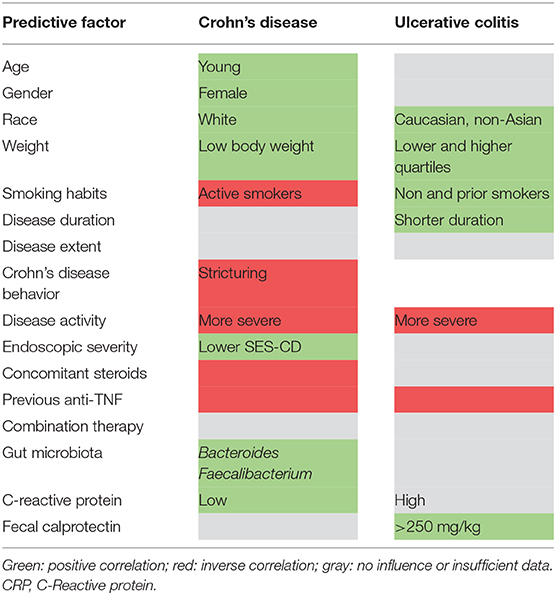
Table 4. Summary of current evidence on predictive factors of response to ustekinumab in Crohn's disease and ulcerative colitis patients.
Only two observational studies have described the efficacy and safety of UST for UC in clinical practice. Ochsenkühn et al. have reported their experience in 19 patients with UC, where no predictive factors of response were identified (105). A multicentric and observational cohort from France has been recently reported in 103 patients with active disease (106). In this cohort, patients with more severe disease activity—defined as partial Mayo score >6— or prior exposure to TNF antagonists and vedolizumab were associated with a lower probability of achieving steroid-free remission at week 12–16 (OR, 0.10; 95% CI, 0.01–0.90 and OR, 0.03; 95% CI, 0.01–0.42, respectively).
Pharmacokinetics
Data about the influence of pharmacokinetics on the pivotal clinical trials in UC show similar findings to CD (107). Serum concentrations of UST correlated well with clinical and histological efficacy features, including normalization of inflammatory markers. The authors identified that a target concentration threshold of 3.7 μg/mL at week 8 (AUC 0.65, 95% CI, 0.61–0.69) was associated with clinical response. Importantly, 5.7% of samples demonstrated anti-drug antibodies, but 44% were transient and only 28% were considered as neutralizing. Immunogenicity to UST did not seem to impact efficacy outcomes or injection site reactions. These results may help us through the treatment algorithm of UST in patients with UC, but additional data are still needed to include drug concentration of this drug in clinical practice.
Conclusions
CD is a chronic and disabling disease that frequently leads to irreversible bowel damage. Therefore, a relevant proportion of patients receive immunosuppressants or biologics, but complete clinical or endoscopic response is achieved only in a subset. Newer biologic therapies like UST are currently used in difficult-to-treat patients, but increasing data suggest that we can identify factors associated with higher probability of response. The individualization of UST would maximize the efficacy and costs associated to this chronic and progressive condition. This is an evolving field, but data from recent years have already demonstrated many aspects that make personalized medicine with anti-interleukin biologics closer to clinical practice.
Author Contributions
Both authors listed have made a substantial, direct and intellectual contribution to the work, and approved it for publication.
Funding
IR-L is supported by a research grant from Biocruces Bizkaia Health Research Institute (Grant No. INT-BC-2018-007) and Gobierno Vasco - Eusko Jaurlaritza (Grant No. 2020222004).
Conflict of Interest
IR-L has received financial support for traveling and educational activities from or has served as an advisory board member for MSD, Pfizer, Abbvie, Takeda, Janssen, Tillotts Pharma, Roche, Shire Pharmaceuticals, Ferring, Dr. Falk Pharma, Otsuka Pharmaceutical, and Adacyte. AG has served as a speaker, a consultant and advisory member for or has received research funding from MSD, Abbvie, Pfizer, Kern Pharma, Takeda, Janssen, Ferring, Faes Farma, Shire Pharmaceuticals, Tillotts Pharma, Chiesi, and Otsuka Pharmaceutical.
References
1. Ungaro R, Mehandru S, Allen PB, Peyrin-Biroulet L, Colombel JF. Ulcerative colitis. Lancet. (2017) 389:1756–70. doi: 10.1016/S0140-6736(16)32126-2
2. Torres J, Mehandru S, Colombel JF, Peyrin-Biroulet L. Crohn's disease. Lancet. (2016) 389:1741–55. doi: 10.1016/S0140-6736(16)31711-1
3. Turpin W, Lee SH, Raygoza Garay JA, Madsen KL, Meddings JB, Bedrani L, et al. Increased intestinal permeability is associated with later development of Crohn's disease. Gastroenterology. (2020) 159:2092–100 e5. doi: 10.1053/j.gastro.2020.08.005
4. de Souza HS, Fiocchi C. Immunopathogenesis of IBD: current state of the art. Nat Rev Gastroenterol Hepatol. (2016) 13:13–27. doi: 10.1038/nrgastro.2015.186
5. Verstockt B, Ferrante M, Vermeire S, Van Assche G. New treatment options for inflammatory bowel diseases. J Gastroenterol. (2018) 53:585–90. doi: 10.1007/s00535-018-1449-z
6. Colombel JF, Sandborn WJ, Rutgeerts P, Enns R, Hanauer SB, Panaccione R, et al. Adalimumab for maintenance of clinical response and remission in patients with Crohn's disease: the CHARM trial. Gastroenterology. (2007) 132:52–65. doi: 10.1053/j.gastro.2006.11.041
7. Hanauer SB, Feagan BG, Lichtenstein GR, Mayer LF, Schreiber S, Colombel JF, et al. Maintenance infliximab for Crohn's disease: the ACCENT I randomised trial. Lancet. (2002) 359:1541–9. doi: 10.1016/S0140-6736(02)08512-4
8. Gomollon F, Dignass A, Annese V, Tilg H, Van Assche G, Lindsay JO, et al. 3rd European evidence-based consensus on the diagnosis and management of Crohn's disease 2016: part 1: diagnosis and medical management. J Crohns Colitis. (2017) 11:3–25. doi: 10.1093/ecco-jcc/jjw168
9. Yanai H, Hanauer SB. Assessing response and loss of response to biological therapies in IBD. Am J Gastroenterol. (2011) 106:685–98. doi: 10.1038/ajg.2011.103
10. Ben-Horin S, Mao R, Chen M. Optimizing biologic treatment in IBD: objective measures, but when, how and how often? BMC Gastroenterol. (2015) 15:178. doi: 10.1186/s12876-015-0408-x
11. Singh S, George J, Boland BS, Vande Casteele N, Sandborn WJ. Primary non-response to tumor necrosis factor antagonists is associated with inferior response to second-line biologics in patients with inflammatory bowel diseases: a systematic review and meta-analysis. J Crohns Colitis. (2018) 12:635–43. doi: 10.1093/ecco-jcc/jjy004
12. Casanova MJ, Chaparro M, Minguez M, Ricart E, Taxonera C, Garcia-Lopez S, et al. Effectiveness and safety of the sequential use of a second and third anti-TNF agent in patients with inflammatory bowel disease: results from the eneida registry. Inflamm Bowel Dis. (2020) 26:606–16. doi: 10.1093/ibd/izz192
13. Flamant M, Roblin X. Inflammatory bowel disease: towards a personalized medicine. Therap Adv Gastroenterol. (2018) 11:1756283X17745029. doi: 10.1177/1756283X17745029
14. Gisbert JP, Chaparro M. Clinical usefulness of proteomics in inflammatory bowel disease: a comprehensive review. J Crohns Colitis. (2019) 13:374–84. doi: 10.1093/ecco-jcc/jjy158
15. Lee JC. Predicting the course of IBD: light at the end of the tunnel? Dig Dis. (2012) 30(Suppl. 1):95–9. doi: 10.1159/000341132
16. Lewis JD. The utility of biomarkers in the diagnosis and therapy of inflammatory bowel disease. Gastroenterology. (2011) 140:1817–26.e2. doi: 10.1053/j.gastro.2010.11.058
17. Atreya R, Neurath MF, Siegmund B. Personalizing treatment in IBD: hype or reality in 2020? Can we predict response to anti-TNF? Front Med (Lausanne). (2020) 7:517. doi: 10.3389/fmed.2020.00517
18. Gisbert JP, Chaparro M. Predictors of primary response to biologic treatment [anti-TNF, Vedolizumab, and Ustekinumab] in patients with inflammatory bowel disease: from basic science to clinical practice. J Crohns Colitis. (2020) 14:694–709. doi: 10.1093/ecco-jcc/jjz195
19. Benson JM, Peritt D, Scallon BJ, Heavner GA, Shealy DJ, Giles-Komar JM, et al. Discovery and mechanism of ustekinumab: a human monoclonal antibody targeting interleukin-12 and interleukin-23 for treatment of immune-mediated disorders. MAbs. (2011) 3:535–45. doi: 10.4161/mabs.3.6.17815
20. Feagan BG, Sandborn WJ, Gasink C, Jacobstein D, Lang Y, Friedman JR, et al. Ustekinumab as induction and maintenance therapy for Crohn's disease. N Engl J Med. (2016) 375:1946–60. doi: 10.1056/NEJMoa1602773
21. Hanauer SB, Sandborn WJ, Feagan BG, Gasink C, Jacobstein D, Zou B, et al. IM-UNITI: three-year efficacy, safety, and immunogenicity of ustekinumab treatment of Crohn's disease. J Crohns Colitis. (2020) 14:23–32. doi: 10.1093/ecco-jcc/jjz110
22. Kopylov U, Afif W, Cohen A, Bitton A, Wild G, Bessissow T, et al. Subcutaneous ustekinumab for the treatment of anti-TNF resistant Crohn's disease–the McGill experience. J Crohns Colitis. (2014) 8:1516–22. doi: 10.1016/j.crohns.2014.06.005
23. Khorrami S, Ginard D, Marin-Jimenez I, Chaparro M, Sierra M, Aguas M, et al. Ustekinumab for the treatment of refractory Crohn's disease: the Spanish experience in a large multicentre open-label cohort. Inflamm Bowel Dis. (2016) 22:1662–9. doi: 10.1097/MIB.0000000000000842
24. Wils P, Bouhnik Y, Michetti P, Flourie B, Brixi H, Bourrier A, et al. Subcutaneous ustekinumab provides clinical benefit for two-thirds of patients with Crohn's disease refractory to anti-tumor necrosis factor agents. Clin Gastroenterol Hepatol. (2016) 14:242–50.e1-2. doi: 10.1016/j.cgh.2015.09.018
25. Ma C, Fedorak RN, Kaplan GG, Dieleman LA, Devlin SM, Stern N, et al. Clinical, endoscopic and radiographic outcomes with ustekinumab in medically-refractory Crohn's disease: real world experience from a multicentre cohort. Aliment Pharmacol Ther. (2017) 45:1232–43. doi: 10.1111/apt.14016
26. Ma C, Fedorak RN, Kaplan GG, Dieleman LA, Devlin SM, Stern N, et al. Long-term maintenance of clinical, endoscopic, and radiographic response to ustekinumab in moderate-to-severe Crohn's disease: real-world experience from a multicenter cohort study. Inflamm Bowel Dis. (2017) 23:833–9. doi: 10.1097/MIB.0000000000001074
27. Greenup AJ, Rosenfeld G, Bressler B. Ustekinumab use in Crohn's disease: a Canadian tertiary care centre experience. Scand J Gastroenterol. (2017) 52:1354–9. doi: 10.1080/00365521.2017.1373847
28. Harris KA, Horst S, Gadani A, Nohl A, Annis K, Duley C, et al. Patients with refractory Crohn's disease successfully treated with ustekinumab. Inflamm Bowel Dis. (2016) 22:397–401. doi: 10.1097/MIB.0000000000000624
29. Harris RJ, McDonnell M, Young D, Bettey M, Downey L, Pigott L, et al. Early real-world effectiveness of ustekinumab for Crohn's disease. Frontline Gastroenterol. (2020) 11:111–6. doi: 10.1136/flgastro-2019-101237
30. Iborra M, Beltran B, Fernandez-Clotet A, Gutierrez A, Antolin B, Huguet JM, et al. Real-world short-term effectiveness of ustekinumab in 305 patients with Crohn's disease: results from the ENEIDA registry. Aliment Pharmacol Ther. (2019) 50:278–88. doi: 10.1111/apt.15371
31. Iborra M, Beltran B, Fernandez-Clotet A, Iglesias-Flores E, Navarro P, Rivero M, et al. Real-world long-term effectiveness of ustekinumab in Crohn's disease: results from the ENEIDA registry. Aliment Pharmacol Ther. (2020) 52:1017–30. doi: 10.1111/apt.15958
32. Liefferinckx C, Verstockt B, Gils A, Noman M, Van Kemseke C, Macken E, et al. Long-term clinical effectiveness of ustekinumab in patients with Crohn's disease who failed biologic therapies: a national cohort study. J Crohns Colitis. (2019) 13:1401–9. doi: 10.1093/ecco-jcc/jjz080
33. Murate K, Maeda K, Nakamura M, Sugiyama D, Wada H, Yamamura T, et al. Endoscopic activity and serum TNF-alpha level at baseline are associated with clinical response to ustekinumab in Crohn's disease patients. Inflamm Bowel Dis. (2020) 26:1669–81. doi: 10.1093/ibd/izaa086
34. Bar-Gil Shitrit A, Ben-Ya'acov A, Siterman M, Waterman M, Hirsh A, Schwartz D, et al. Safety and effectiveness of ustekinumab for induction of remission in patients with Crohn's disease: a multicenter Israeli study. United Eur Gastroenterol J. (2020) 8:418–24. doi: 10.1177/2050640620902956
35. Hoffmann P, Krisam J, Wehling C, Kloeters-Plachky P, Leopold Y, Belling N, et al. Ustekinumab: “Real-world” outcomes and potential predictors of nonresponse in treatment-refractory Crohn's disease. World J Gastroenterol. (2019) 25:4481–92. doi: 10.3748/wjg.v25.i31.4481
36. Saldana Duenas C, Rullan Iriarte M, Elosua Gonzalez A, Rodriguez Gutierrez C, Rubio Iturria S, Nantes Castillejo O. Ustekinumab in Crohn's disease: effectiveness and safety in clinical practice. Gastroenterol Hepatol. (2020) 43:497–505. doi: 10.1016/j.gastre.2020.01.013
37. Casas Deza D, Garcia Lopez S, Lafuente Blasco M, Vicente Lidon R, Nerin de la Puerta J, Pena Gonzalez E, et al. Efficacy and safety of ustekinumab in real clinical practice. Retrospective multicentre study. ARAINF cohort. Gastroenterol Hepatol. (2020) 43:126–32. doi: 10.1016/j.gastrohep.2019.09.011
38. Wils P, Bouhnik Y, Michetti P, Flourie B, Brixi H, Bourrier A, et al. Long-term efficacy and safety of ustekinumab in 122 refractory Crohn's disease patients: a multicentre experience. Aliment Pharmacol Ther. (2018) 47:588–95. doi: 10.1111/apt.14487
39. Kubesch A, Rueter L, Farrag K, Krause T, Stienecker K, Hausmann J, et al. Short and long-term effectiveness of ustekinumab in patients with Crohn's disease: real-world data from a German IBD cohort. J Clin Med. (2019) 8:2140. doi: 10.3390/jcm8122140
40. Biemans VBC, van der Meulen-de Jong AE, van der Woude CJ, Lowenberg M, Dijkstra G, Oldenburg B, et al. Ustekinumab for Crohn's disease: results of the ICC registry, a nationwide prospective observational cohort study. J Crohns Colitis. (2020) 14:33–45. doi: 10.1093/ecco-jcc/jjz119
41. Kassouri L, Amiot A, Kirchgesner J, Treton X, Allez M, Bouhnik Y, et al. The outcome of Crohn's disease patients refractory to anti-TNF and either vedolizumab or ustekinumab. Dig Liver Dis. (2020) 52:1148–55. doi: 10.1016/j.dld.2020.07.031
42. Bennett A, Evers Carlini L, Duley C, Garrett A, Annis K, Wagnon J, et al. A single center experience with long-term ustekinumab use and reinduction in patients with refractory Crohn disease. Crohns Colitis 360. (2020) 2:otaa013. doi: 10.1093/crocol/otaa013
43. Li K, Friedman JR, Chan D, Pollack P, Yang F, Jacobstein D, et al. Effects of ustekinumab on histologic disease activity in patients with Crohn's disease. Gastroenterology. (2019) 157:1019–31.e7. doi: 10.1053/j.gastro.2019.06.037
44. Waljee AK, Wallace BI, Cohen-Mekelburg S, Liu Y, Liu B, Sauder K, et al. Development and validation of machine learning models in prediction of remission in patients with moderate to severe Crohn disease. JAMA Netw Open. (2019) 2:e193721. doi: 10.1001/jamanetworkopen.2019.3721
45. Mañosa M, Calafat M, de Francisco R, Garcia C, Casanova MJ, Huelin P, et al. Phenotype and natural history of elderly onset inflammatory bowel disease: a multicentre, case-control study. Aliment Pharmacol Ther. (2018) 47:605–14. doi: 10.1111/apt.14494
46. Assa A, Hartman C, Weiss B, Broide E, Rosenbach Y, Zevit N, et al. Long-term outcome of tumor necrosis factor alpha antagonist's treatment in pediatric Crohn's disease. J Crohns Colitis. (2013) 7:369–76. doi: 10.1016/j.crohns.2012.03.006
47. Choi CH, Song ID, Kim YH, Koo JS, Kim YS, Kim JS, et al. Efficacy and safety of infliximab therapy and predictors of response in korean patients with Crohn's disease: a nationwide, multicenter study. Yonsei Med J. (2016) 57:1376–85. doi: 10.3349/ymj.2016.57.6.1376
48. Billiet T, Papamichael K, de Bruyn M, Verstockt B, Cleynen I, Princen F, et al. A matrix-based model predicts primary response to infliximab in Crohn's disease. J Crohns Colitis. (2015) 9:1120–6. doi: 10.1093/ecco-jcc/jjv156
49. Sandborn WJ, Feagan BG, Fedorak RN, Scherl E, Fleisher MR, Katz S, et al. A randomized trial of Ustekinumab, a human interleukin-12/23 monoclonal antibody, in patients with moderate-to-severe Crohn's disease. Gastroenterology. (2008) 135:1130–41. doi: 10.1053/j.gastro.2008.07.014
50. Satsangi J, Silverberg MS, Vermeire S, Colombel JF. The montreal classification of inflammatory bowel disease: controversies, consensus, and implications. Gut. (2006) 55:749–53. doi: 10.1136/gut.2005.082909
51. Rodriguez-Lago I, Gisbert JP. The role of immunomodulators and biologics in the medical management of stricturing Crohn's disease. J Crohns Colitis. (2020) 14:557–66. doi: 10.1093/ecco-jcc/jjz158
52. Alric H, Amiot A, Kirchgesner J, Treton X, Allez M, Bouhnik Y, et al. The effectiveness of either ustekinumab or vedolizumab in 239 patients with Crohn's disease refractory to anti-tumour necrosis factor. Aliment Pharmacol Ther. (2020) 51:948–57. doi: 10.1111/apt.15706
53. Biemans VBC, van der Woude CJ, Dijkstra G, van der Meulen-de Jong AE, Lowenberg M, de Boer NK, et al. Ustekinumab is associated with superior effectiveness outcomes compared to vedolizumab in Crohn's disease patients with prior failure to anti-TNF treatment. Aliment Pharmacol Ther. (2020) 52:123–34. doi: 10.1111/apt.15745
54. Colombel JF, Sandborn WJ, Reinisch W, Mantzaris GJ, Kornbluth A, Rachmilewitz D, et al. Infliximab, azathioprine, or combination therapy for Crohn's disease. N Engl J Med. (2010) 362:1383–95. doi: 10.1056/NEJMoa0904492
55. Panaccione R, Ghosh S, Middleton S, Marquez JR, Scott BB, Flint L, et al. Combination therapy with infliximab and azathioprine is superior to monotherapy with either agent in ulcerative colitis. Gastroenterology. (2014) 146:392–400.e3. doi: 10.1053/j.gastro.2013.10.052
56. Hu A, Kotze PG, Burgevin A, Tan W, Jess A, Li PS, et al. Combination therapy does not improve rate of clinical or endoscopic remission in patients with inflammatory bowel diseases treated with vedolizumab or ustekinumab. Clin Gastroenterol Hepatol. (2020). doi: 10.1016/j.cgh.2020.07.012. [Epub ahead of print].
57. Yzet C, Diouf M, Singh S, Brazier F, Turpin J, Nguyen-Khac E, et al. No benefit of concomitant immunomodulator therapy on efficacy of biologics that are not tumor necrosis factor antagonists in patients with inflammatory bowel diseases: a meta-analysis. Clin Gastroenterol Hepatol. (2020). doi: 10.1016/j.cgh.2020.06.071. [Epub ahead of print].
58. Steinhart AH, Panaccione R, Targownik L, Bressler B, Khanna R, Marshall JK, et al. Clinical practice guideline for the medical management of perianal fistulizing Crohn's disease: the Toronto consensus. Inflamm Bowel Dis. (2019) 25:1–13. doi: 10.1093/ibd/izy247
59. Bosca MM, Alos R, Maroto N, Gisbert JP, Beltran B, Chaparro M, et al. Recommendations of the Crohn's disease and ulcerative colitis Spanish working group (GETECCU) for the treatment of perianal fistulas of Crohn's disease. Gastroenterol Hepatol. (2020) 43:155–68. doi: 10.1016/j.gastre.2019.09.011
60. Schwartz DA, Loftus EV Jr, Tremaine WJ, Panaccione R, Harmsen WS, Zinsmeister AR, et al. The natural history of fistulizing Crohn's disease in Olmsted County, Minnesota. Gastroenterology. (2002) 122:875–80. doi: 10.1053/gast.2002.32362
61. Gecse KB, Bemelman W, Kamm MA, Stoker J, Khanna R, Ng SC, et al. A global consensus on the classification, diagnosis and multidisciplinary treatment of perianal fistulising Crohn's disease. Gut. (2014) 63:1381–92. doi: 10.1136/gutjnl-2013-306709
62. Torres J, Bonovas S, Doherty G, Kucharzik T, Gisbert JP, Raine T, et al. ECCO guidelines on therapeutics in Crohn's disease: medical treatment. J Crohns Colitis. (2020) 14:4–22. doi: 10.1093/ecco-jcc/jjz180
63. Sands BE, Gasink C, Jacobstein D, Gao L-L, Johanns J, Colombel JF, et al. Fistula healing in pivotal studies of ustekinumab in Crohn's disease. Gastroenterology. (2017) 152:S185. doi: 10.1016/S0016-5085(17)30930-7
64. Chapuis-Biron C, Kirchgesner J, Pariente B, Bouhnik Y, Amiot A, Viennot S, et al. Ustekinumab for perianal Crohn's disease: the BioLAP multicenter study from the GETAID. Am J Gastroenterol. (2020) 115:1812–20. doi: 10.14309/ajg.0000000000000810
65. Attauabi M, Burisch J, Seidelin JB. Efficacy of ustekinumab for active perianal fistulizing Crohn disease: a double-center cohort study. Inflamm Bowel Dis. (2020). doi: 10.1093/ibd/izaa297. [Epub ahead of print].
66. Lee MJ, Parker CE, Taylor SR, Guizzetti L, Feagan BG, Lobo AJ, et al. Efficacy of medical therapies for fistulizing Crohn's disease: systematic review and meta-analysis. Clin Gastroenterol Hepatol. (2018) 16:1879–92. doi: 10.1016/j.cgh.2018.01.030
67. Shah SC, Colombel JF, Sands BE, Narula N. Mucosal healing is associated with improved long-term outcomes of patients with ulcerative colitis: a systematic review and meta-analysis. Clin Gastroenterol Hepatol. (2016) 14:1245–55.e8. doi: 10.1016/j.cgh.2016.01.015
68. Shah SC, Colombel JF, Sands BE, Narula N. Systematic review with meta-analysis: mucosal healing is associated with improved long-term outcomes in Crohn's disease. Aliment Pharmacol Ther. (2016) 43:317–33. doi: 10.1111/apt.13475
69. Pineton de Chambrun G, Blanc P, Peyrin-Biroulet L. Current evidence supporting mucosal healing and deep remission as important treatment goals for inflammatory bowel disease. Expert Rev Gastroenterol Hepatol. (2016) 10:915–27. doi: 10.1586/17474124.2016.1174064
70. Peyrin-Biroulet L, Sandborn W, Sands BE, Reinisch W, Bemelman W, Bryant RV, et al. Selecting therapeutic targets in inflammatory bowel disease (STRIDE): determining therapeutic goals for treat-to-target. Am J Gastroenterol. (2015) 110:1324–38. doi: 10.1038/ajg.2015.233
71. Rutgeerts P, Van Assche G, Sandborn WJ, Wolf DC, Geboes K, Colombel JF, et al. Adalimumab induces and maintains mucosal healing in patients with Crohn's disease: data from the EXTEND trial. Gastroenterology. (2012) 142:1102–11.e2. doi: 10.1053/j.gastro.2012.01.035
72. Mary JY, Modigliani R. Development and validation of an endoscopic index of the severity for Crohn's disease: a prospective multicentre study. Groupe d'Etudes Therapeutiques des Affections Inflammatoires du Tube Digestif (GETAID). Gut. (1989) 30:983–9. doi: 10.1136/gut.30.7.983
73. Daperno M, D'Haens G, Van Assche G, Baert F, Bulois P, Maunoury V, et al. Development and validation of a new, simplified endoscopic activity score for Crohn's disease: the SES-CD. Gastrointest Endosc. (2004) 60:505–12. doi: 10.1016/S0016-5107(04)01878-4
74. Vuitton L, Peyrin-Biroulet L, Colombel JF, Pariente B, Pineton de Chambrun G, Walsh AJ, et al. Defining endoscopic response and remission in ulcerative colitis clinical trials: an international consensus. Aliment Pharmacol Ther. (2017) 45:801–13. doi: 10.1111/apt.13948
75. Zabana Y, Panes J, Nos P, Gomollon F, Esteve M, Garcia-Sanchez V, et al. The ENEIDA registry (Nationwide study on genetic and environmental determinants of inflammatory bowel disease) by GETECCU: design, monitoring and functions. Gastroenterol Hepatol. (2020) 43:551–8. doi: 10.1016/j.gastrohep.2020.05.007
76. Sazonovs A, Kennedy NA, Moutsianas L, Heap GA, Rice DL, Reppell M, et al. HLA-DQA1*05 carriage associated with development of anti-drug antibodies to infliximab and adalimumab in patients with Crohn's disease. Gastroenterology. (2020) 158:189–99. doi: 10.1053/j.gastro.2019.09.041
77. Wilson A, Peel C, Wang Q, Pananos AD, Kim RB. HLADQA1*05 genotype predicts anti-drug antibody formation and loss of response during infliximab therapy for inflammatory bowel disease. Aliment Pharmacol Ther. (2020) 51:356–63. doi: 10.1111/apt.15563
78. Caenepeel C, Sadat Seyed Tabib N, Vieira-Silva S, Vermeire S. Review article: how the intestinal microbiota may reflect disease activity and influence therapeutic outcome in inflammatory bowel disease. Aliment Pharmacol Ther. (2020) 52:1453–68. doi: 10.1111/apt.16096
79. Doherty MK, Ding T, Koumpouras C, Telesco SE, Monast C, Das A, et al. Fecal microbiota signatures are associated with response to ustekinumab therapy among Crohn's disease patients. mBio. (2018) 9. doi: 10.1128/mBio.02120-17
80. Sandborn WJ, Gasink C, Gao LL, Blank MA, Johanns J, Guzzo C, et al. Ustekinumab induction and maintenance therapy in refractory Crohn's disease. N Engl J Med. (2012) 367:1519–28. doi: 10.1056/NEJMoa1203572
81. Chiu YL, Rubin DT, Vermeire S, Louis E, Robinson AM, Lomax KG, et al. Serum adalimumab concentration and clinical remission in patients with Crohn's disease. Inflamm Bowel Dis. (2013) 19:1112–22. doi: 10.1097/MIB.0b013e3182813242
82. Vande Casteele N, Feagan BG, Wolf DC, Pop A, Yassine M, Horst SN, et al. Therapeutic drug monitoring of tumor necrosis factor antagonists in Crohn disease: a theoretical construct to apply pharmacokinetics and guidelines to clinical practice. Inflamm Bowel Dis. (2020). doi: 10.1093/ibd/izaa265. [Epub ahead of print].
83. Chaparro M, Barreiro-de Acosta M, Echarri A, Almendros R, Barrio J, Llao J, et al. Correlation between anti-TNF serum levels and endoscopic inflammation in inflammatory bowel disease patients. Dig Dis Sci. (2019) 64:846–54. doi: 10.1007/s10620-018-5362-3
84. Kopylov U, Ben-Horin S, Seidman E. Therapeutic drug monitoring in inflammatory bowel disease. Ann Gastroenterol. (2014) 27:304–12.
85. Mitrev N, Vande Casteele N, Seow CH, Andrews JM, Connor SJ, Moore GT, et al. Review article: consensus statements on therapeutic drug monitoring of anti-tumour necrosis factor therapy in inflammatory bowel diseases. Aliment Pharmacol Ther. (2017) 46:1037–53. doi: 10.1111/apt.14368
86. Dreesen E, Baert F, Laharie D, Bossuyt P, Bouhnik Y, Buisson A, et al. Monitoring a combination of calprotectin and infliximab identifies patients with mucosal healing of Crohn's disease. Clin Gastroenterol Hepatol. (2020) 18:637–46.e11. doi: 10.1016/j.cgh.2019.05.029
87. Papamichael K, Cheifetz AS, Melmed GY, Irving PM, Vande Casteele N, Kozuch PL, et al. Appropriate therapeutic drug monitoring of biologic agents for patients with inflammatory bowel diseases. Clin Gastroenterol Hepatol. (2019) 17:1655–68.e3. doi: 10.1016/j.cgh.2019.03.037
88. Hanzel J, Zdovc J, Kurent T, Sever N, Javornik K, Tuta K, et al. Peak concentrations of ustekinumab after intravenous induction therapy identify patients with Crohn's disease likely to achieve endoscopic and biochemical remission. Clin Gastroenterol Hepatol. (2021). 19:111–8e10. doi: 10.1016/j.cgh.2020.02.033
89. Verstockt B, Dreesen E, Noman M, Outtier A, Van den Berghe N, Aerden I, et al. Ustekinumab exposure-outcome analysis in Crohn's disease only in part explains limited endoscopic remission rates. J Crohns Colitis. (2019) 13:864–72. doi: 10.1093/ecco-jcc/jjz008
90. Adedokun OJ, Xu Z, Gasink C, Jacobstein D, Szapary P, Johanns J, et al. Pharmacokinetics and exposure response relationships of ustekinumab in patients with Crohn's disease. Gastroenterology. (2018) 154:1660–71. doi: 10.1053/j.gastro.2018.01.043
91. Soufflet N, Boschetti G, Roblin X, Cuercq C, Williet N, Charlois AL, et al. Concentrations of ustekinumab during induction therapy associate with remission in patients with Crohn's disease. Clin Gastroenterol Hepatol. (2019) 17:2610–2. doi: 10.1016/j.cgh.2019.02.042
92. Thomann AK, Schulte LA, Globig AM, Hoffmann P, Klag T, Itzel T, et al. Ustekinumab serum concentrations are associated with clinical outcomes in Crohn's disease—a regional multi-center pilot study. Z Gastroenterol. (2020) 58:439–44. doi: 10.1055/a-1088-1461
93. Painchart C, Brabant S, Duveau N, Nachury M, Desreumaux P, Branche J, et al. Ustekinumab serum trough levels may identify suboptimal responders to ustekinumab in Crohn's disease. Dig Dis Sci. (2020) 65:1445–52. doi: 10.1007/s10620-019-05865-3
94. Battat R, Kopylov U, Bessissow T, Bitton A, Cohen A, Jain A, et al. Association between ustekinumab trough concentrations and clinical, biomarker, and endoscopic outcomes in patients with Crohn's disease. Clin Gastroenterol Hepatol. (2017) 15:1427–34.e2. doi: 10.1016/j.cgh.2017.03.032
95. Rowan CR, Keegan D, Byrne K, Cullen G, Mulcahy HE, Sheridan J, et al. Subcutaneous rather than intravenous ustekinumab induction is associated with comparable circulating drug levels and early clinical response: a pilot study. Aliment Pharmacol Ther. (2018) 48:333–9. doi: 10.1111/apt.14834
96. Dalal RS, Njie C, Marcus J, Gupta S, Allegretti JR. Predictors of ustekinumab failure in Crohn's disease after dose intensification. Inflamm Bowel Dis. (2020). doi: 10.1093/ibd/izaa282. [Epub ahead of print].
97. Haider SA, Yadav A, Perry C, Su L, Akanbi O, Kudaravalli P, et al. Ustekinumab dose escalation improves clinical responses in refractory Crohn's disease. Ther Adv Gastroenterol. (2020) 13:1756284820959245. doi: 10.1177/1756284820959245
98. Ollech JE, Normatov I, Peleg N, Wang J, Patel SA, Rai V, et al. Effectiveness of ustekinumab dose escalation in patients with Crohn's disease. Clin Gastroenterol Hepatol. (2021) 19:104–10. doi: 10.1016/j.cgh.2020.02.035
99. Sedano R, Guizzetti L, McDonald C, Jairath V. Intravenous ustekinumab reinduction is effective in prior biologic failure Crohn's disease patients already on every-4-week dosing. Clin Gastroenterol Hepatol. (2020). doi: 10.1016/j.cgh.2020.07.064. [Epub ahead of print].
100. Fumery M, Peyrin-Biroulet L, Nancey S, Altwegg R, Gilletta C, Veyrard P, et al. Effectiveness and safety of ustekinumab intensification at 90 Mg every four weeks in Crohn's disease: a multicenter study. J Crohns Colitis. (2020). doi: 10.1093/ecco-jcc/jjaa177. [Epub ahead of print].
101. Kopylov U, Hanzel J, Liefferinckx C, De Marco D, Imperatore N, Plevris N, et al. Effectiveness of ustekinumab dose escalation in Crohn's disease patients with insufficient response to standard-dose subcutaneous maintenance therapy. Aliment Pharmacol Ther. (2020) 52:135–42. doi: 10.1111/apt.15784
102. Park S, Evans E, Sandborn WJ, Boland B. Ustekinumab IV 6 mg/kg loading dose re-induction improves clinical and endoscopic response in Crohn's disease: a case series. Am J Gastroenterol. (2018) 113:627–9. doi: 10.1038/ajg.2018.22
103. Sands BE, Sandborn WJ, Panaccione R, O'Brien CD, Zhang H, Johanns J, et al. Ustekinumab as induction and maintenance therapy for ulcerative colitis. N Engl J Med. (2019) 381:1201–14. doi: 10.1056/NEJMoa1900750
104. Panaccione R, Danese S, Sandborn WJ, O'Brien CD, Zhou Y, Zhang H, et al. Ustekinumab is effective and safe for ulcerative colitis through 2 years of maintenance therapy. Aliment Pharmacol Ther. (2020) 52:1658–75. doi: 10.1111/apt.16119
105. Ochsenkuhn T, Tillack C, Szokodi D, Janelidze S, Schnitzler F. Clinical outcomes with ustekinumab as rescue treatment in therapy-refractory or therapy-intolerant ulcerative colitis. United Eur Gastroenterol J. (2020) 8:91–8. doi: 10.1177/2050640619895361
106. Amiot A, Filippi J, Abitbol V, Cadiot G, Laharie D, Serrero M, et al. Effectiveness and safety of ustekinumab induction therapy for 103 patients with ulcerative colitis: a GETAID multicentre real-world cohort study. Aliment Pharmacol Ther. (2020) 51:1039–46. doi: 10.1111/apt.15717
Keywords: Crohn's disease, predictive factors, ulcerative colitis, ustekinumab, biological therapy
Citation: Gutiérrez A and Rodríguez-Lago I (2021) How to Optimize Treatment With Ustekinumab in Inflammatory Bowel Disease: Lessons Learned From Clinical Trials and Real-World Data. Front. Med. 8:640813. doi: 10.3389/fmed.2021.640813
Received: 12 December 2020; Accepted: 04 January 2021;
Published: 28 January 2021.
Edited by:
Edouard Louis, University of Liège, BelgiumReviewed by:
Uri Kopylov, Sheba Medical Center, IsraelRemo Panaccione, University of Calgary, Canada
Copyright © 2021 Gutiérrez and Rodríguez-Lago. This is an open-access article distributed under the terms of the Creative Commons Attribution License (CC BY). The use, distribution or reproduction in other forums is permitted, provided the original author(s) and the copyright owner(s) are credited and that the original publication in this journal is cited, in accordance with accepted academic practice. No use, distribution or reproduction is permitted which does not comply with these terms.
*Correspondence: Ana Gutiérrez, Z3V0aWVycmV6X2FuYWNhc0BndmEuZXM=